Best hotels in Berlin, Germany | Visually Compare Top Stays Side-by-Side
Welcome to PressBeyond - a curated visual guide to design-driven hotels and the fastest way to compare them.
An Overview of the Boutique & Luxury Hotel Landscape in Berlin, Germany
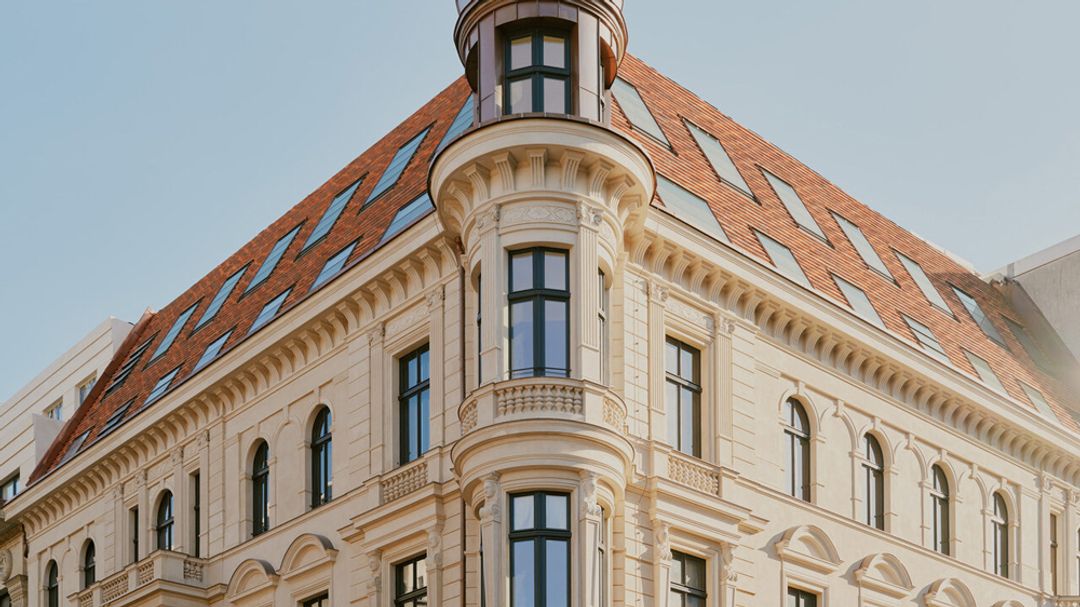
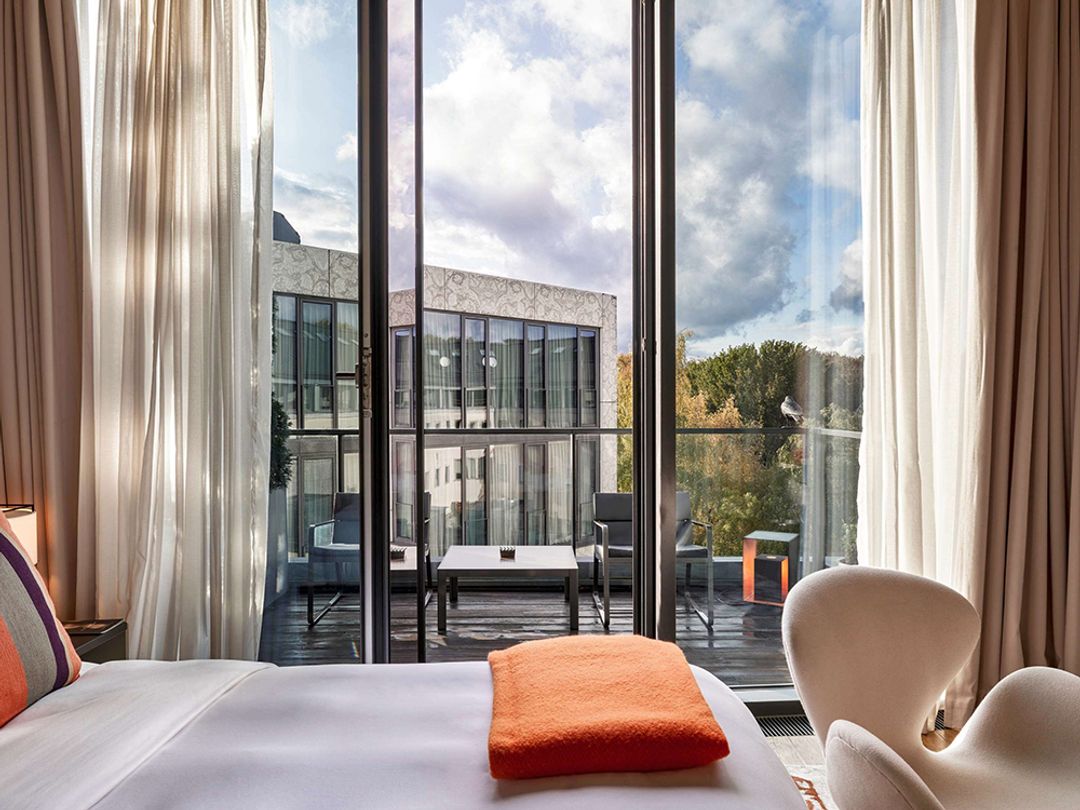
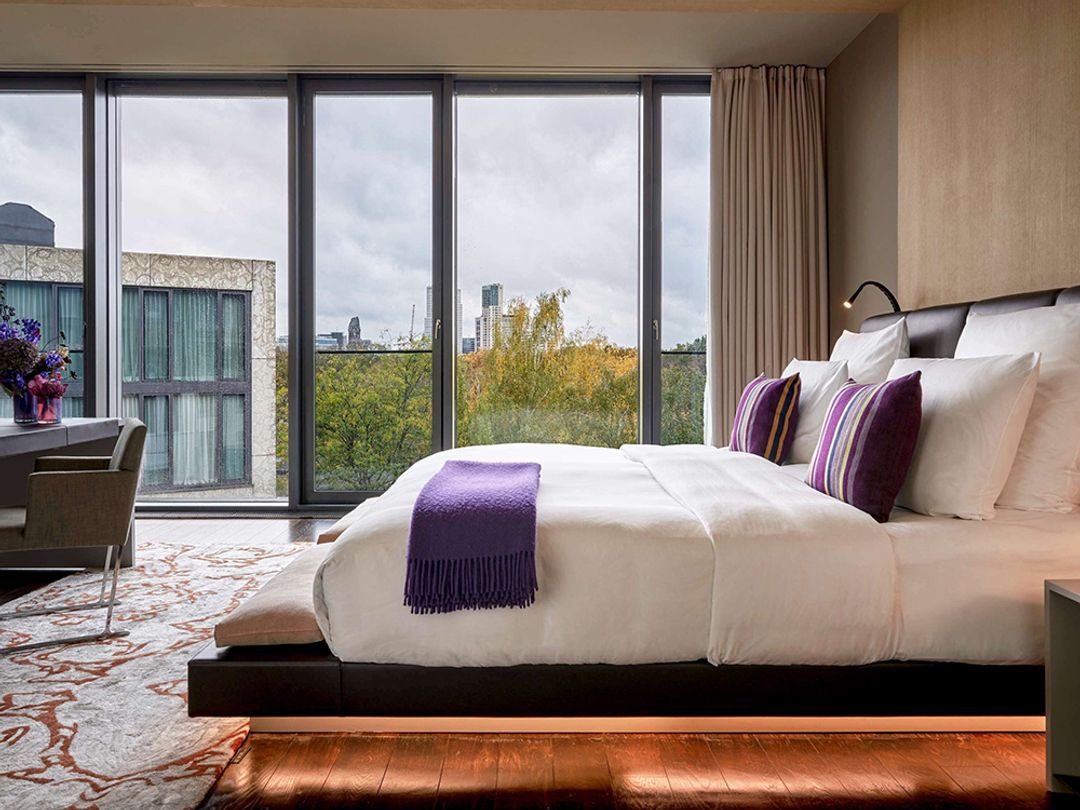
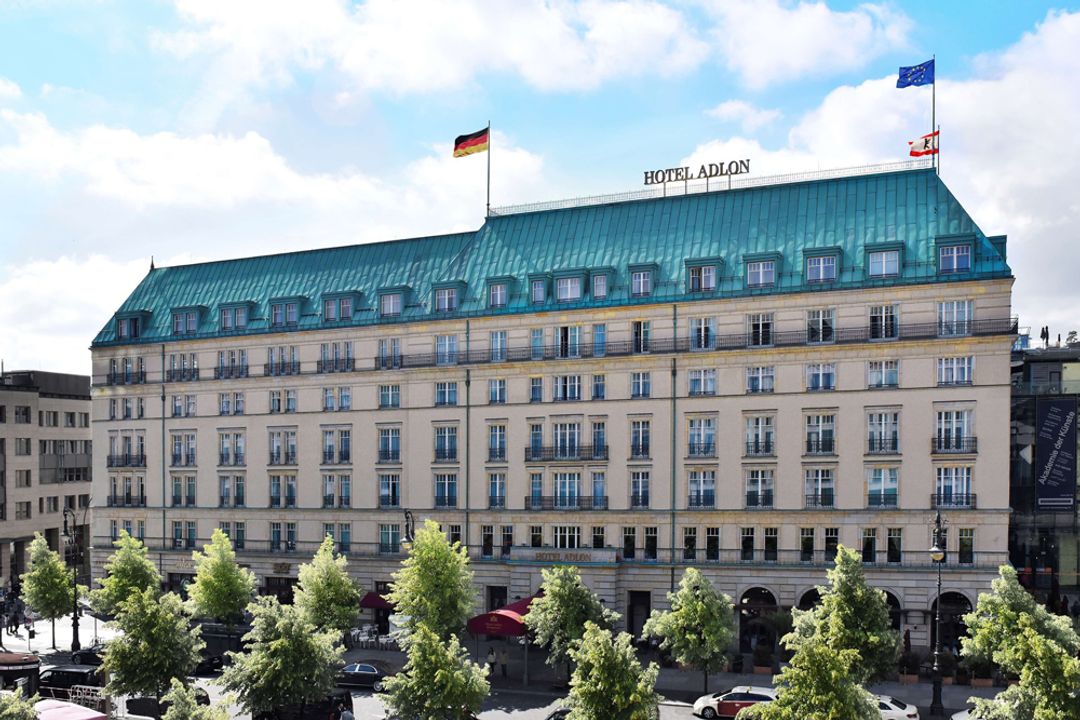
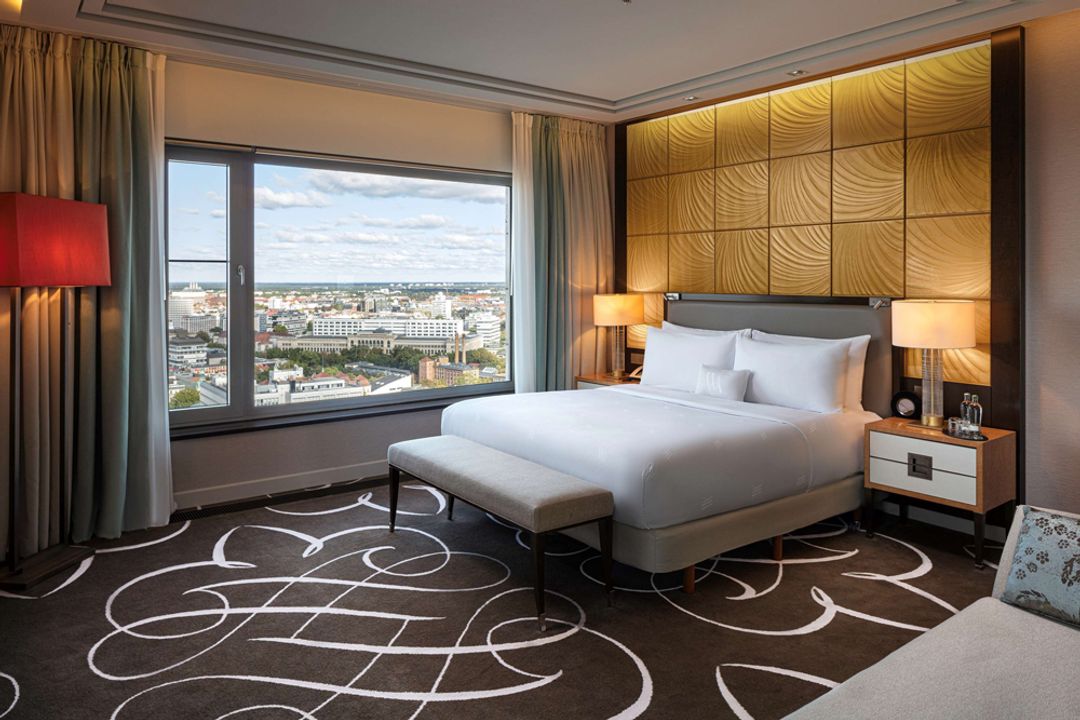
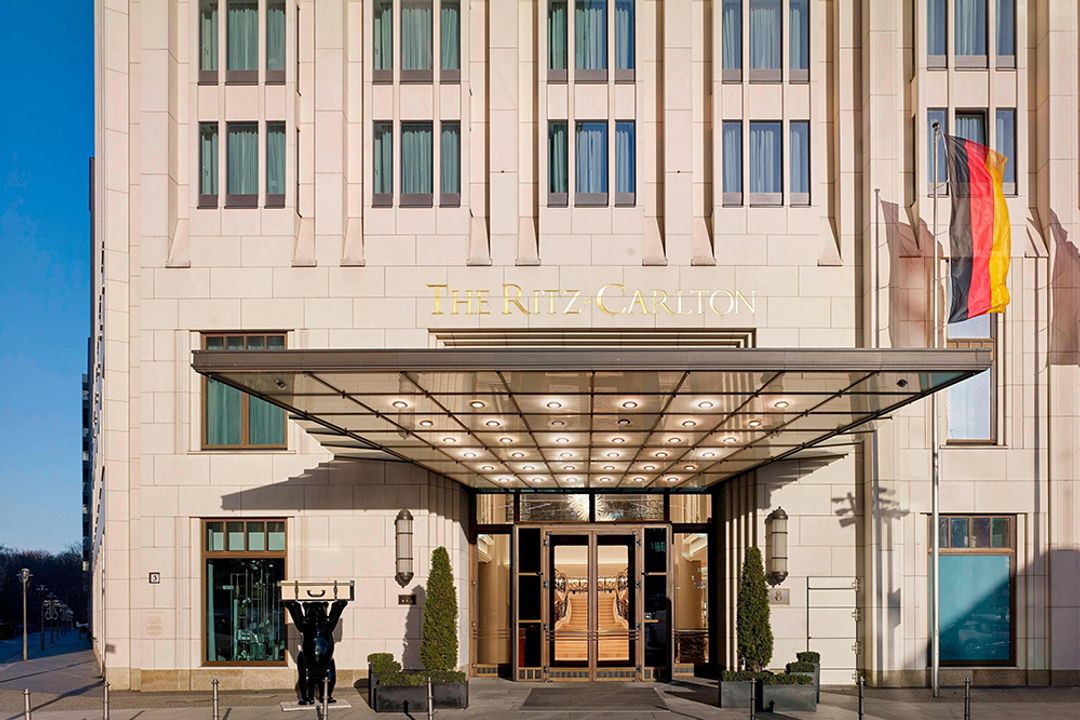
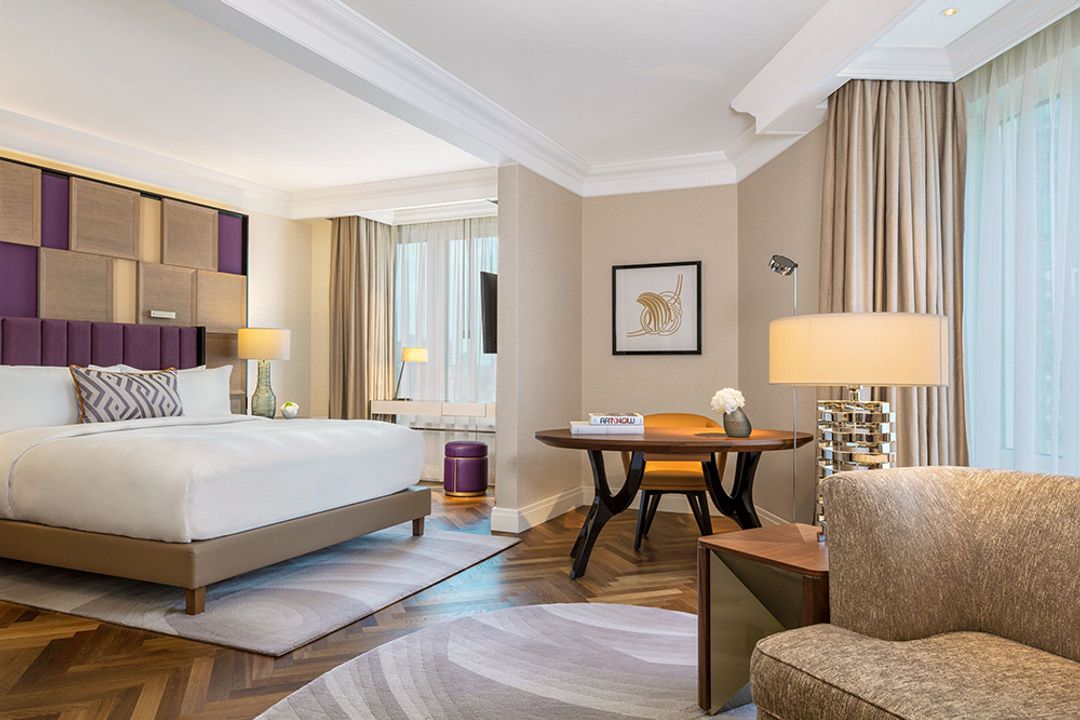
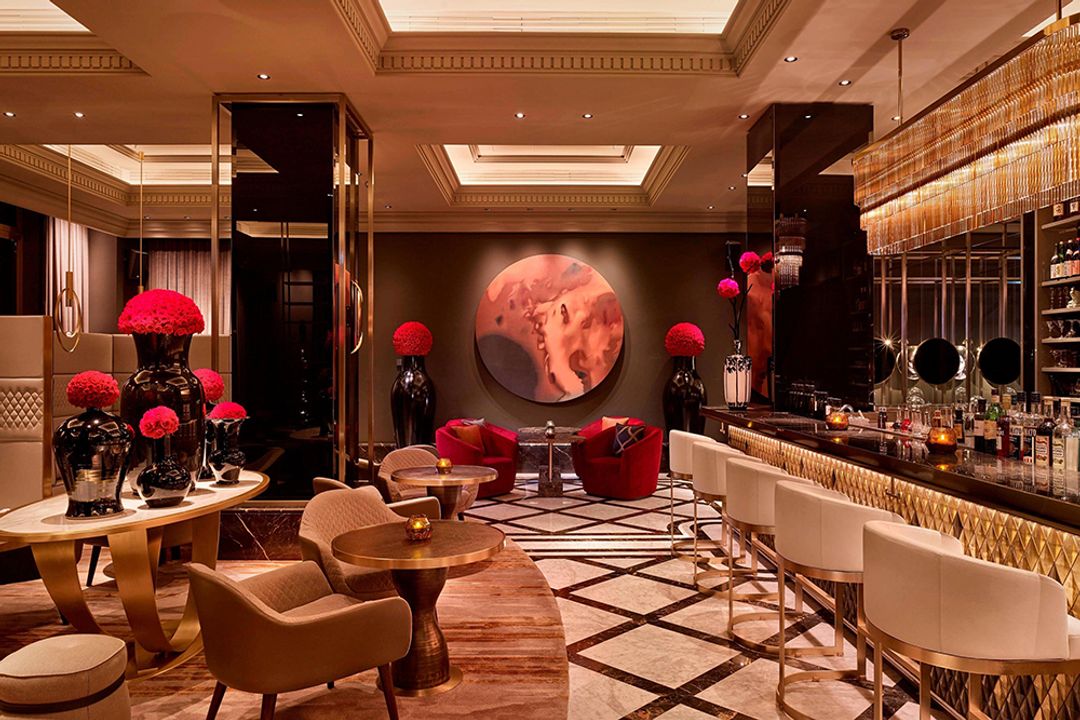
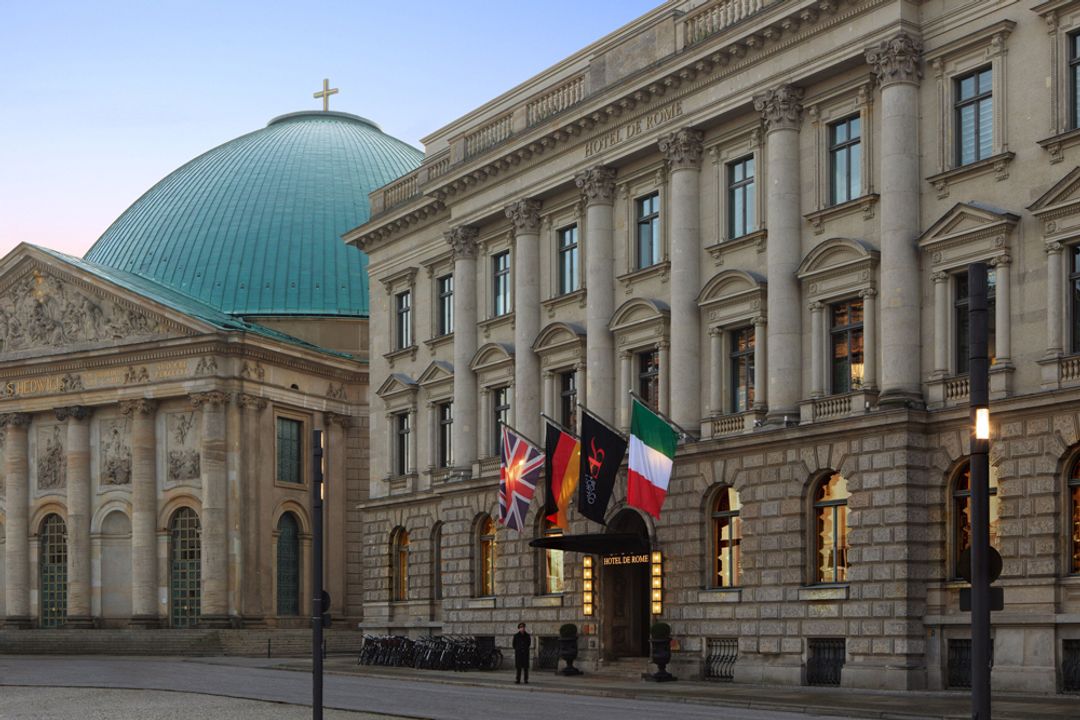
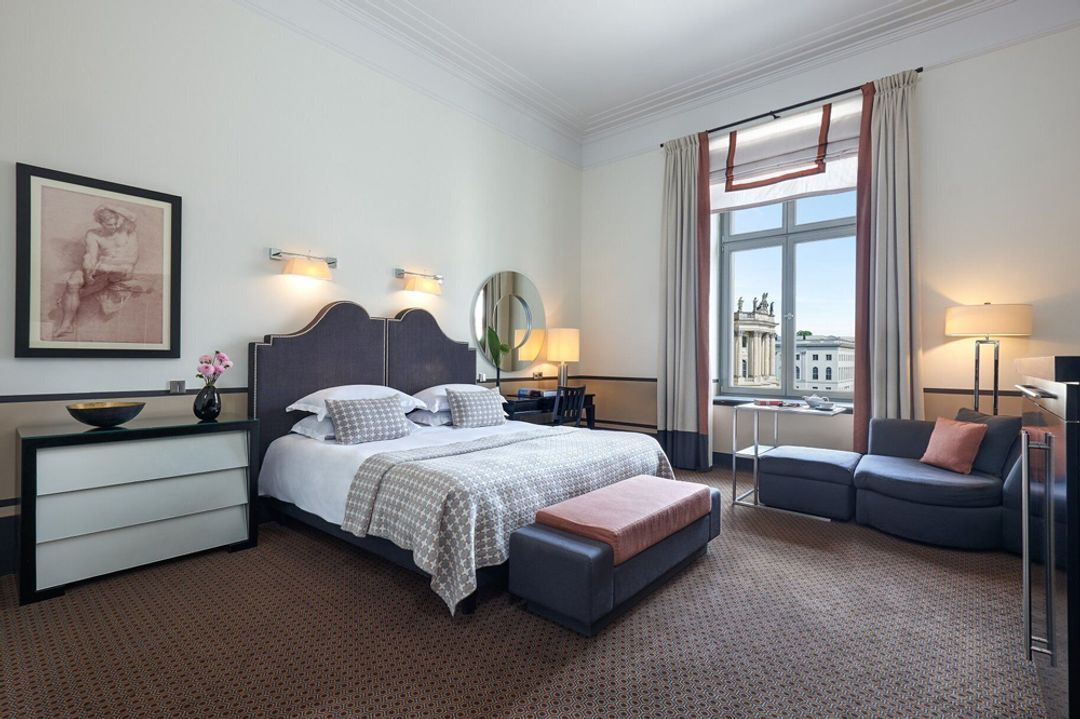
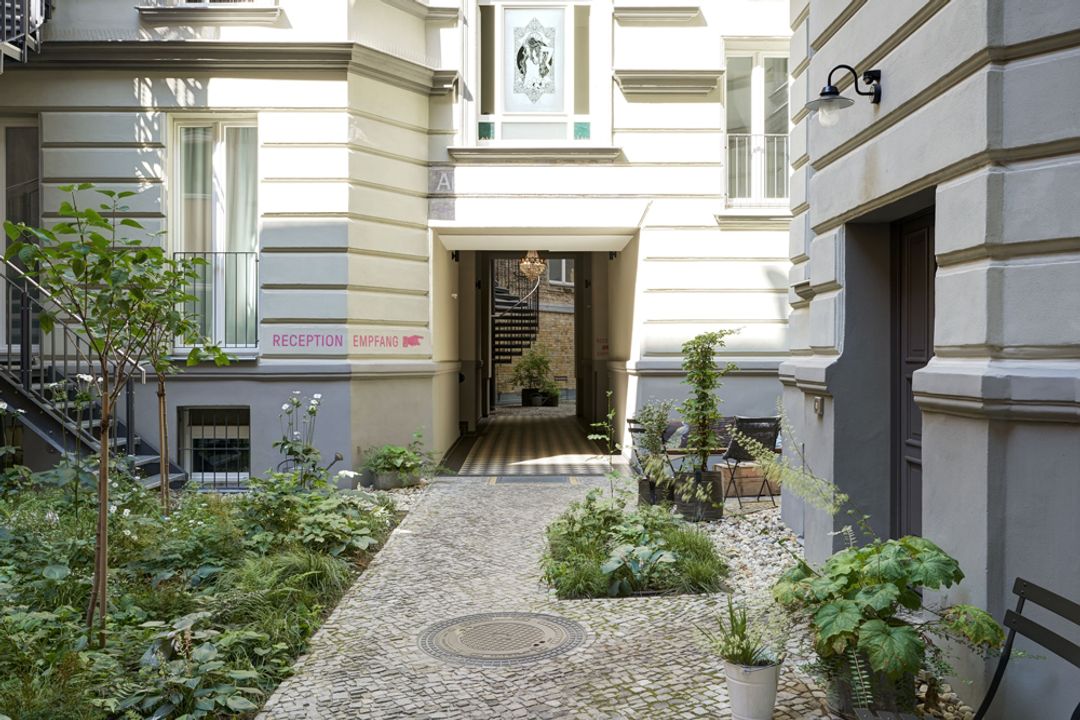
Berlin rewards those who understand that the city's geography is still, in some fundamental way, a consequence of rupture. The Wall's former path cuts through the middle of any mental map, and where you choose to sleep tends to reflect which Berlin you're drawn to. Around Bebelplatz and the Brandenburg Gate, the Hotel de Rome occupies a Dresdner Bank headquarters from 1889, its original vault transformed into a swimming pool, and the Adlon Kempinski continues to hold its position at the Pariser Platz with the weight of a century of political theater behind it. These are hotels for travelers who find meaning in that density of history. A short distance west, Potsdamer Platz offers a different register: the Ritz-Carlton Berlin and the Mandala are embedded in the Helmut Jahn and Renzo Piano masterplanned quarter that rose from rubble and divided land after reunification, making the area a kind of time capsule of 1990s civic optimism expressed in glass and stone.
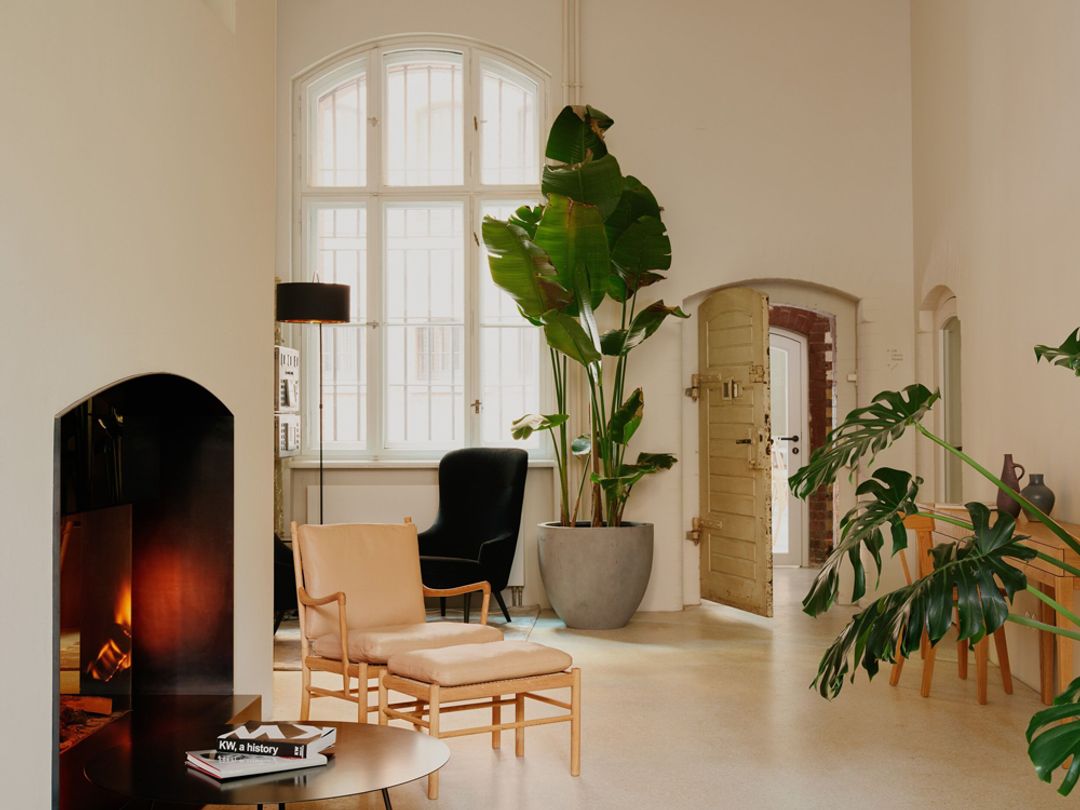
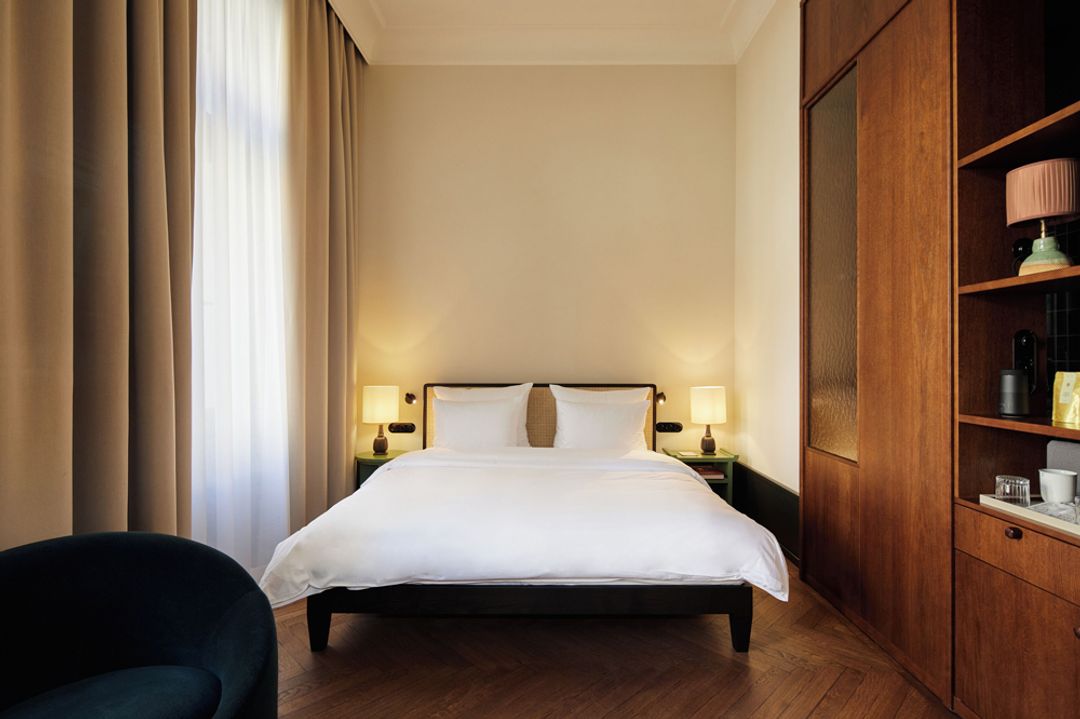
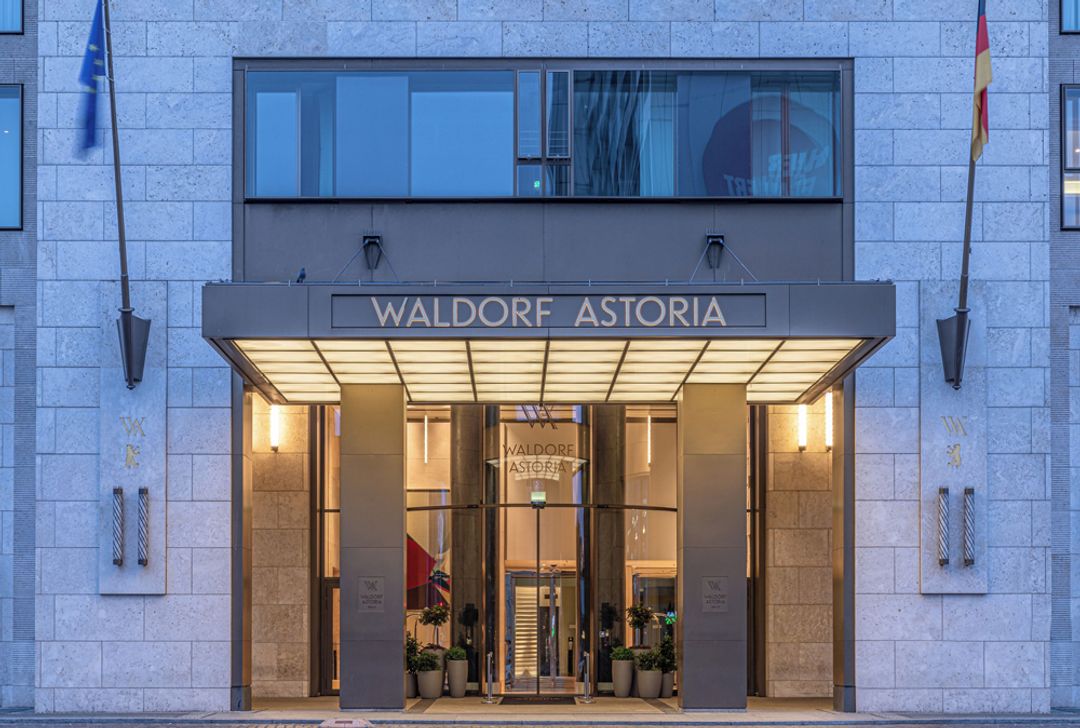
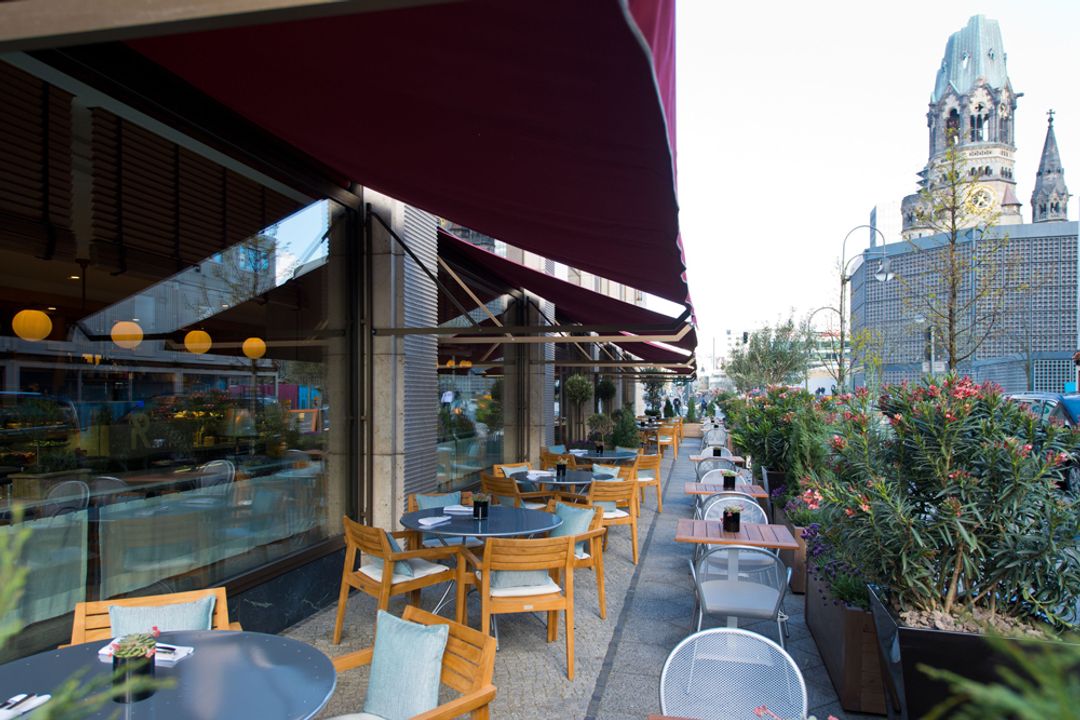
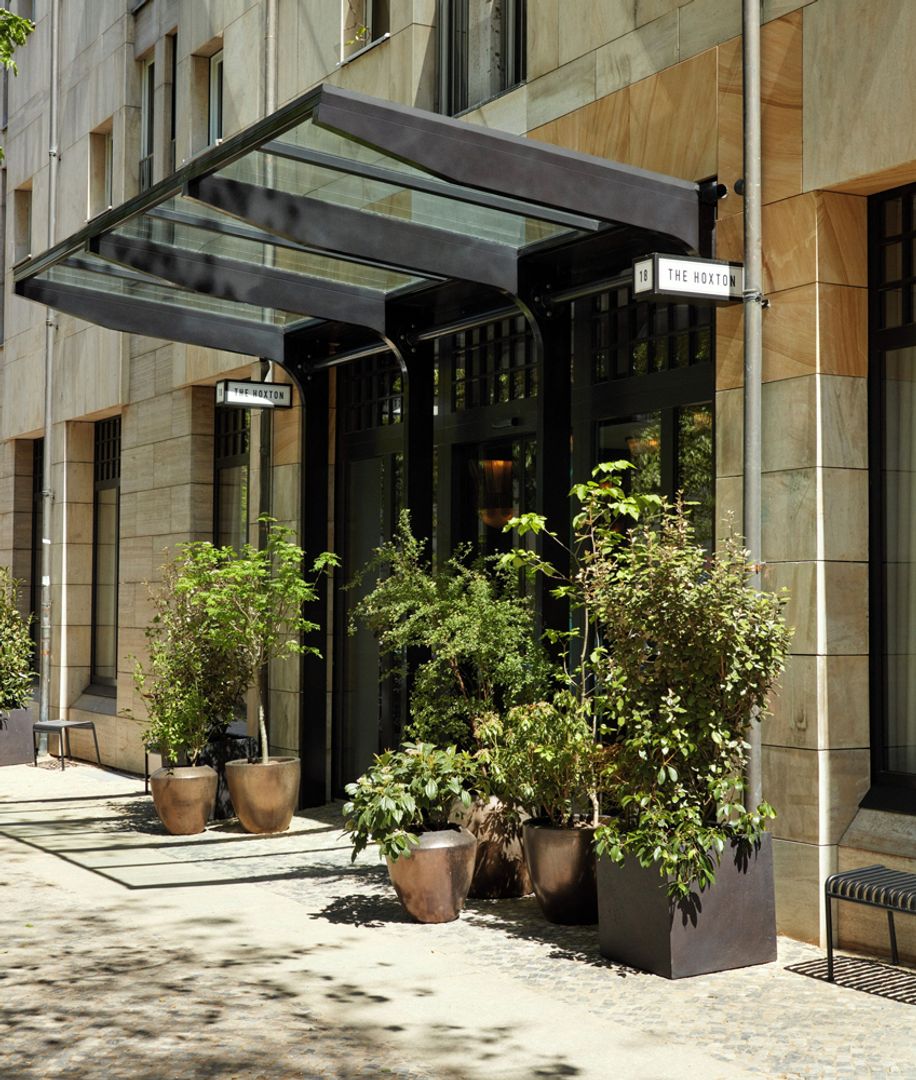
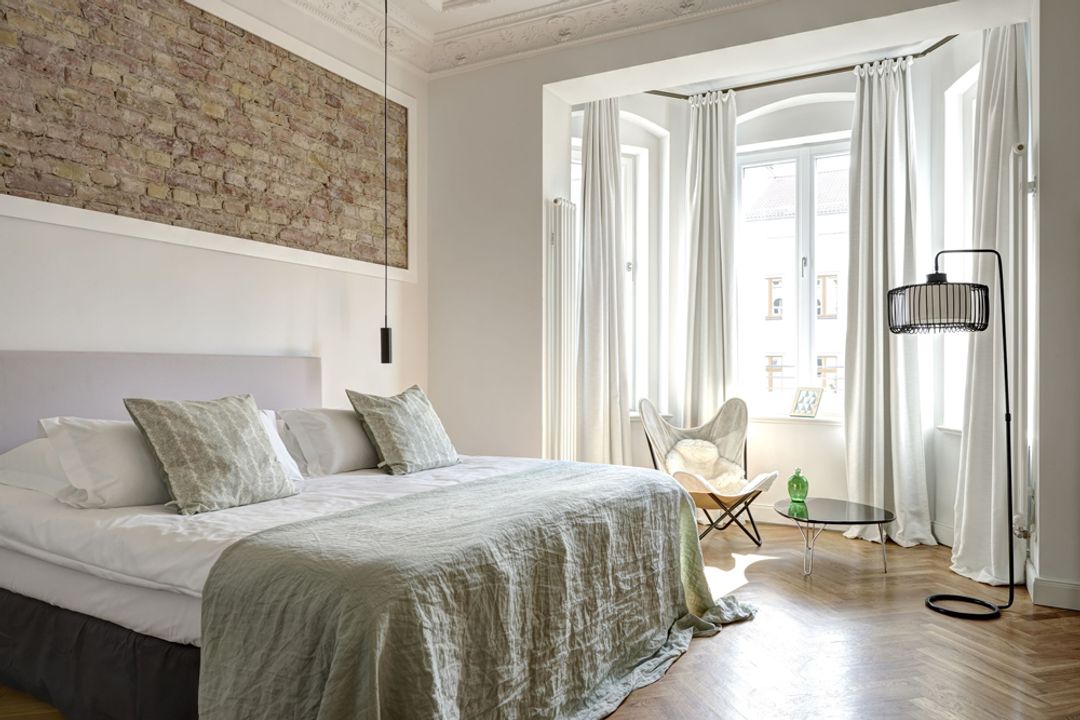
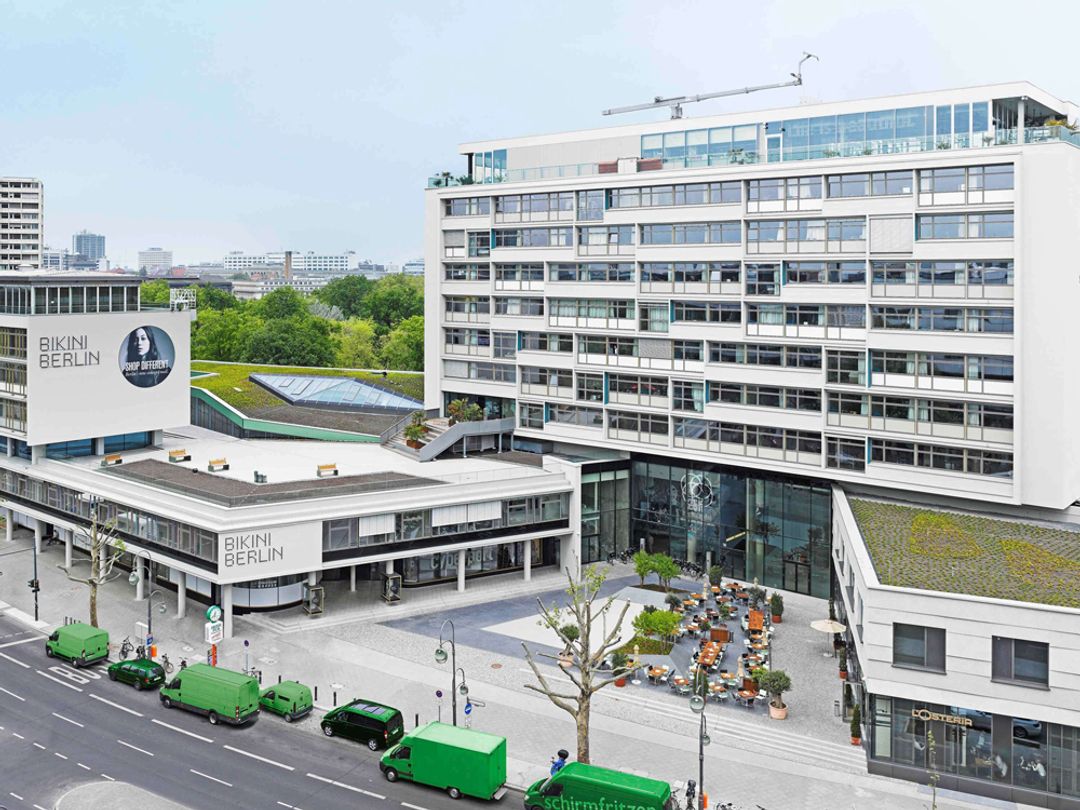
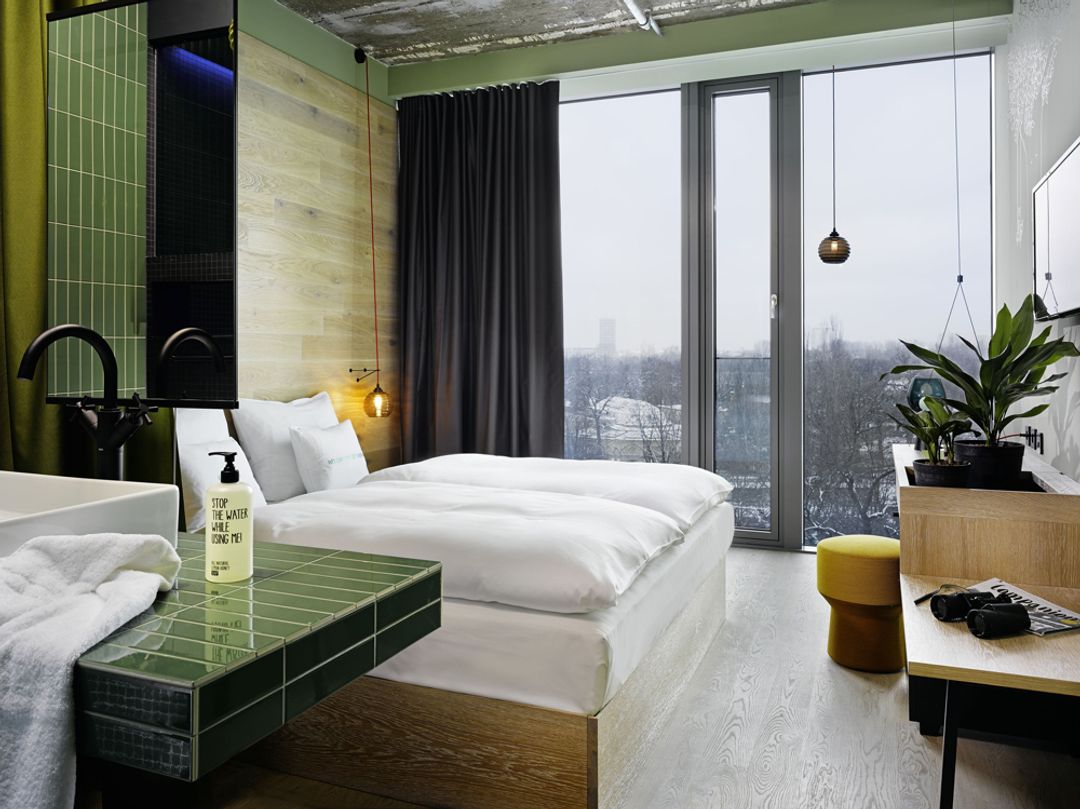
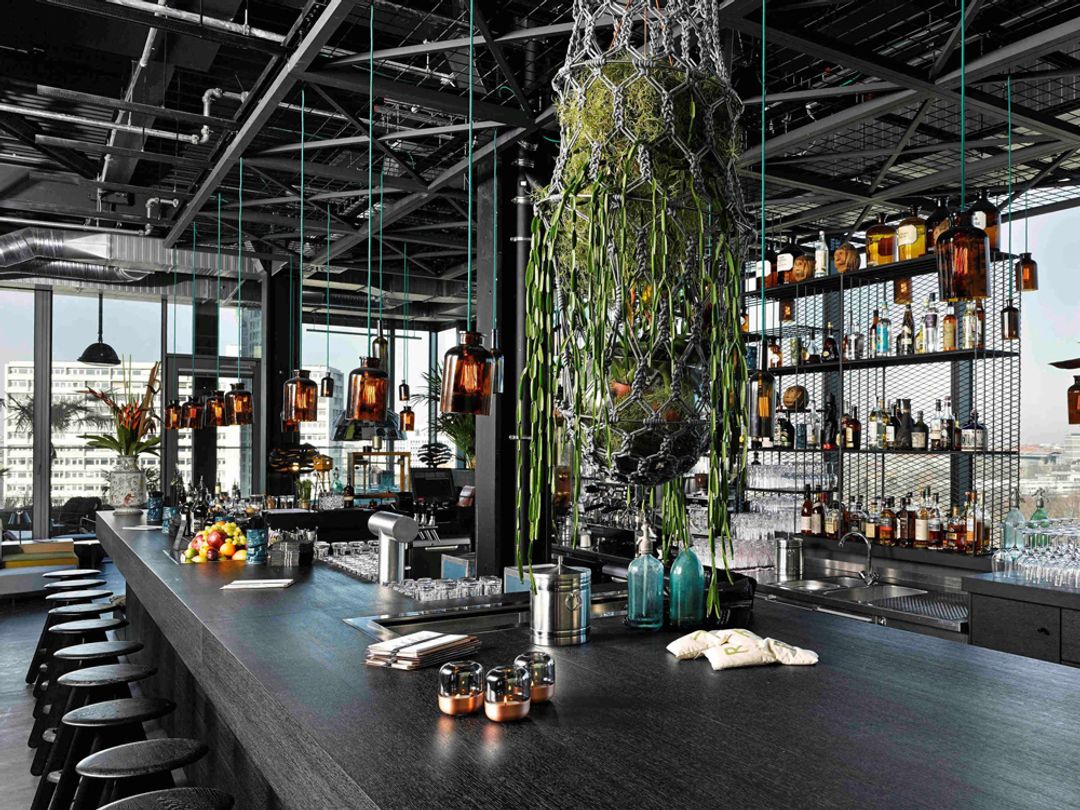
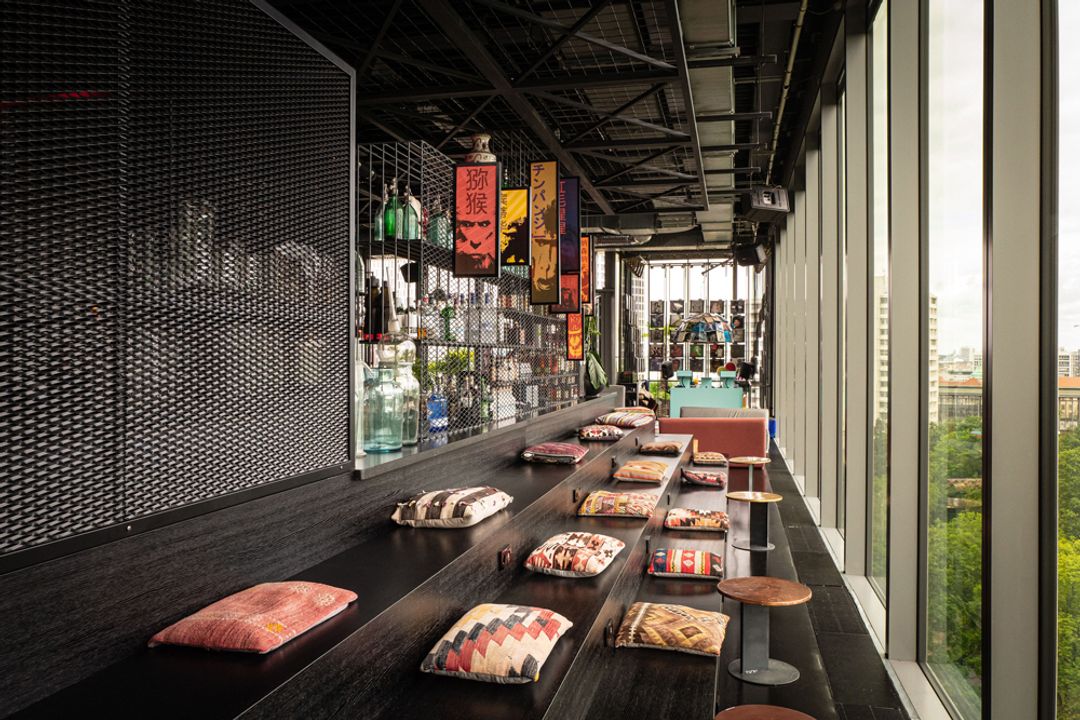
Charlottenburg and City West represent the older, pre-war western fabric that the postwar division accidentally preserved as a functioning urban center. The Waldorf Astoria, completed in 2013, anchors the Kurfürstendamm's reconstituted ambitions. Nearby, the Hotel am Steinplatz is a restored Jugendstil building from 1913 with interiors that remain genuinely attentive to the original structure. The Hoxton Charlottenburg and Sir Savigny work at a lower pitch, serving the neighborhood's quieter residential streets. The 25hours Hotel Bikini Berlin, facing the zoo in a repurposed 1950s commercial building, takes the deliberately looser end of all this: the design borrows from the urban jungle adjacency with a frankness that suits the building's postwar bones. Wilmina, a converted women's prison in the same general orbit, is the most formally rigorous of the area's recent conversions.
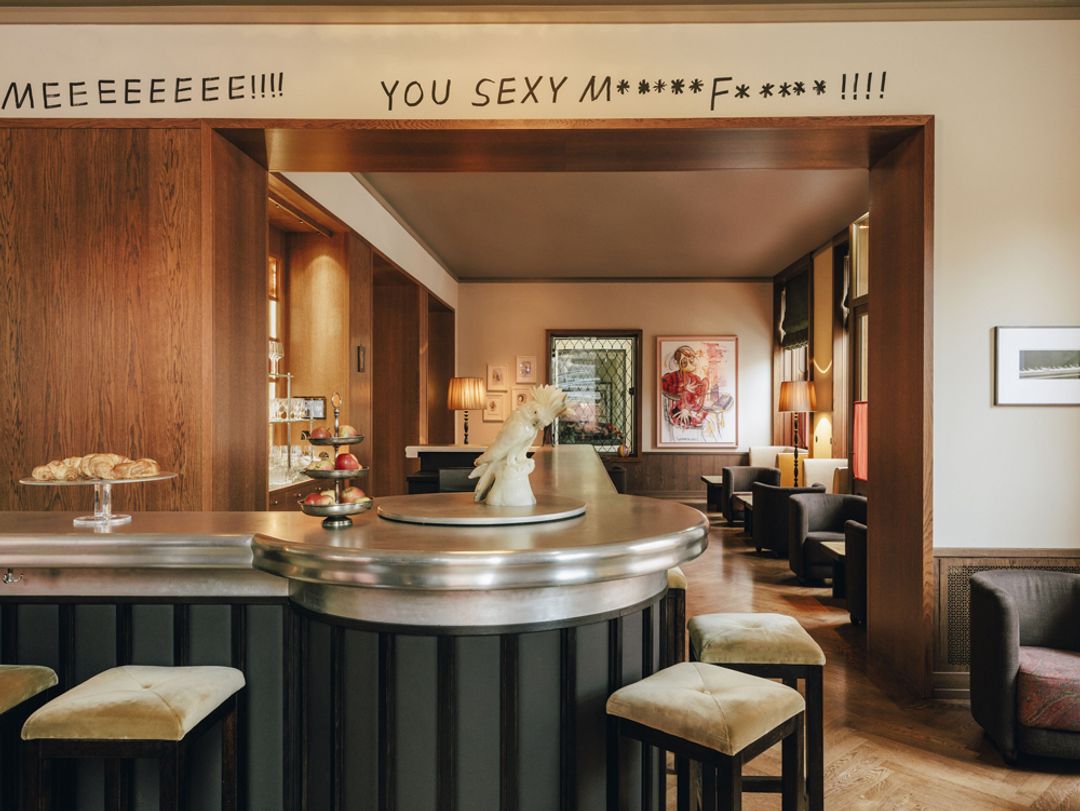
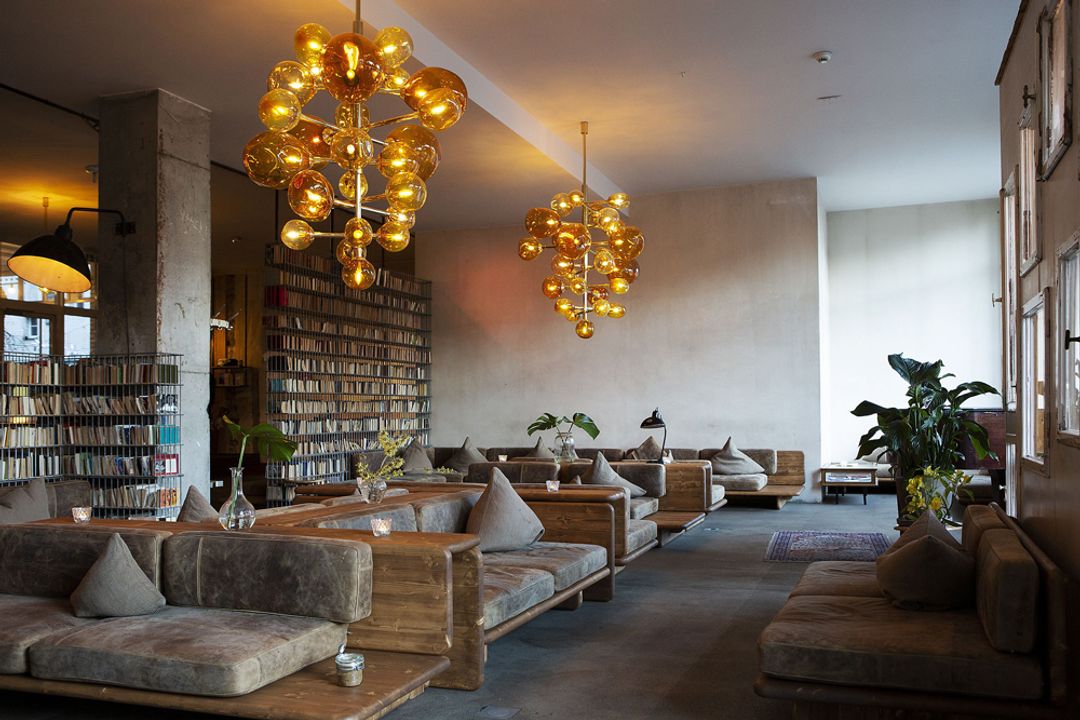
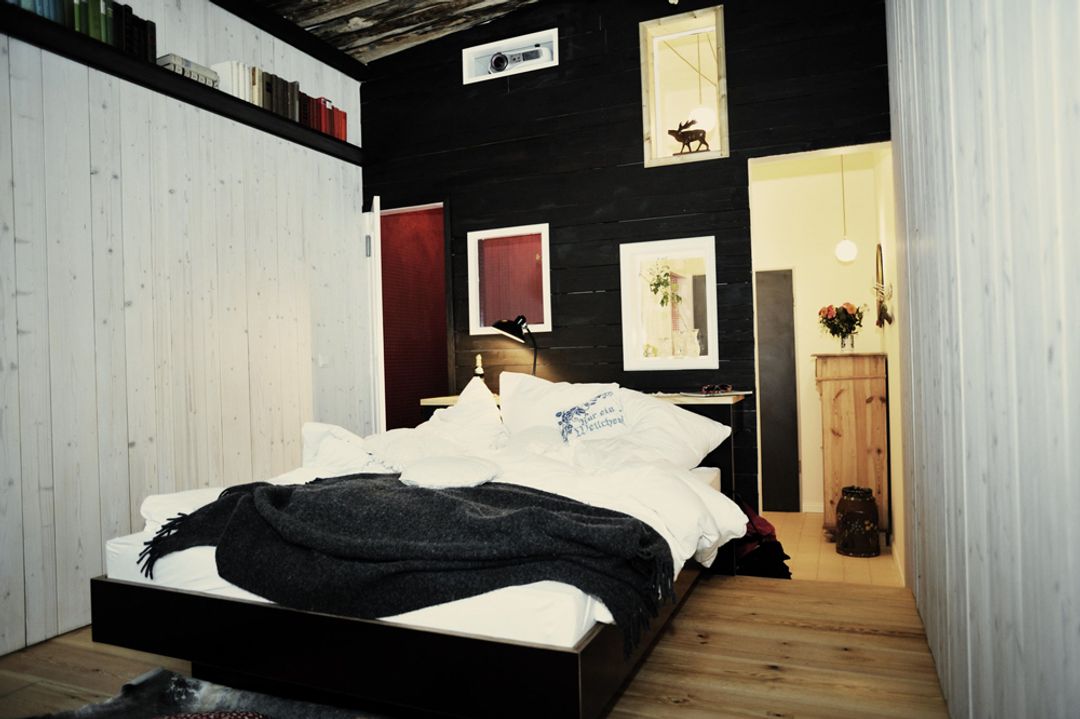
East of the former Wall, the hotels track a different sensibility. The Michelberger in Friedrichshain remains the clearest expression of what Berlin's creative communities built for themselves in the 2000s, rough-edged and genuinely uninterested in luxury signaling. Orania.Berlin in Kreuzberg, designed with a commitment to early-twentieth-century German crafts traditions, feels more considered without abandoning the neighborhood's historically charged address on the Hasenheide. Prenzlauer Berg's Hotel Oderberger, set inside a restored 1902 public bathhouse, is the eastern city's equivalent of the de Rome's vault conversion: a civic building resurrected as hospitality, where the architecture does most of the talking.