Best hotels in Puglia, Italy | A Curated Visual Guide to Top Stays
Welcome to PressBeyond, the ultimate curated visual guide for design-driven hotels! My name is Will Miller and these are my recommendations for the best boutique and luxury hotels in Puglia, Italy.
I am the founder of PressBeyond and I am an ultra-meticulous hotel curator who loves clean visuals. I have individually analyzed and tiered each hotel included in this guide based on a variety of criteria (architecture & design, location, brand & brand affiliation, existing reviews, and my own personal experiences), and importantly, I have hand-selected the leading imagery for each hotel to provide you with easily-digestible, yet detailed and complete, like-for-like, high-level visual profiles. I felt this summarization step was a critical missing piece across existing guides, blogs, and booking platforms. My aim is to make it easier for people to identify hotel environments that resonate with them, along with enabling them to visualize the types of social experiences that those environments help foster. My brain doesn't work when exposed to cluttered content, so my goal was to create the opposite.
Underneath this, we are also a full booking engine offering 5% Venmo cash back along with other exclusive perks. For all of you design-obsessed hotel enthusiasts out there, I hope this guide helps get you to where you see yourself!
An Overview of the Boutique & Luxury Hotel Landscape in Puglia, Italy
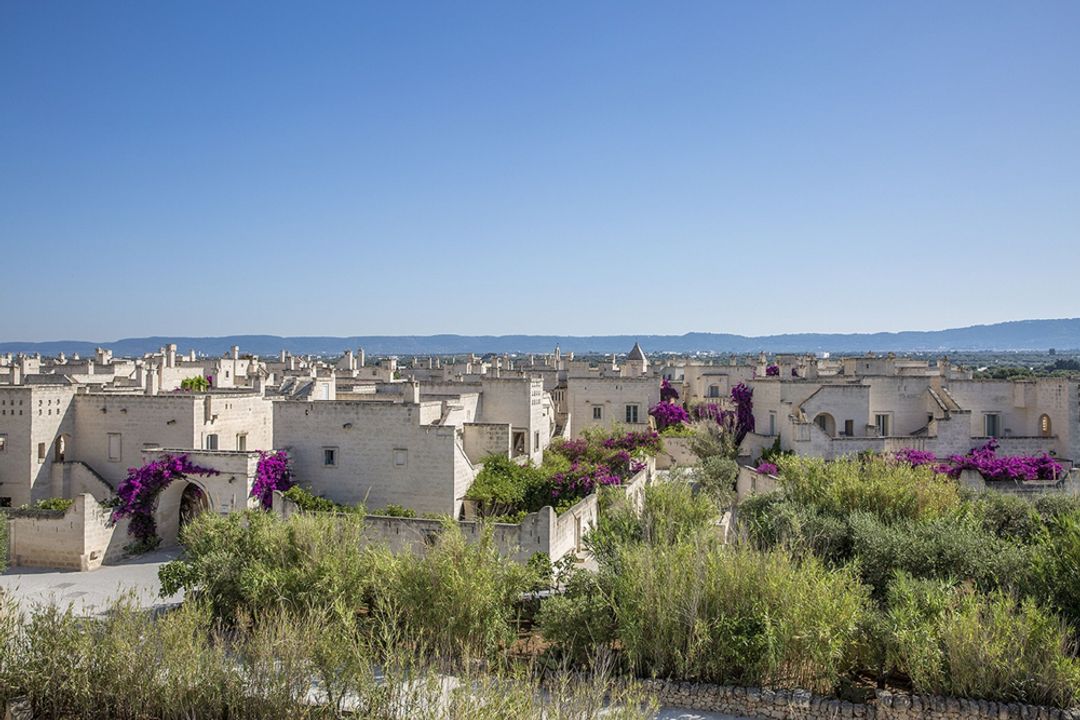
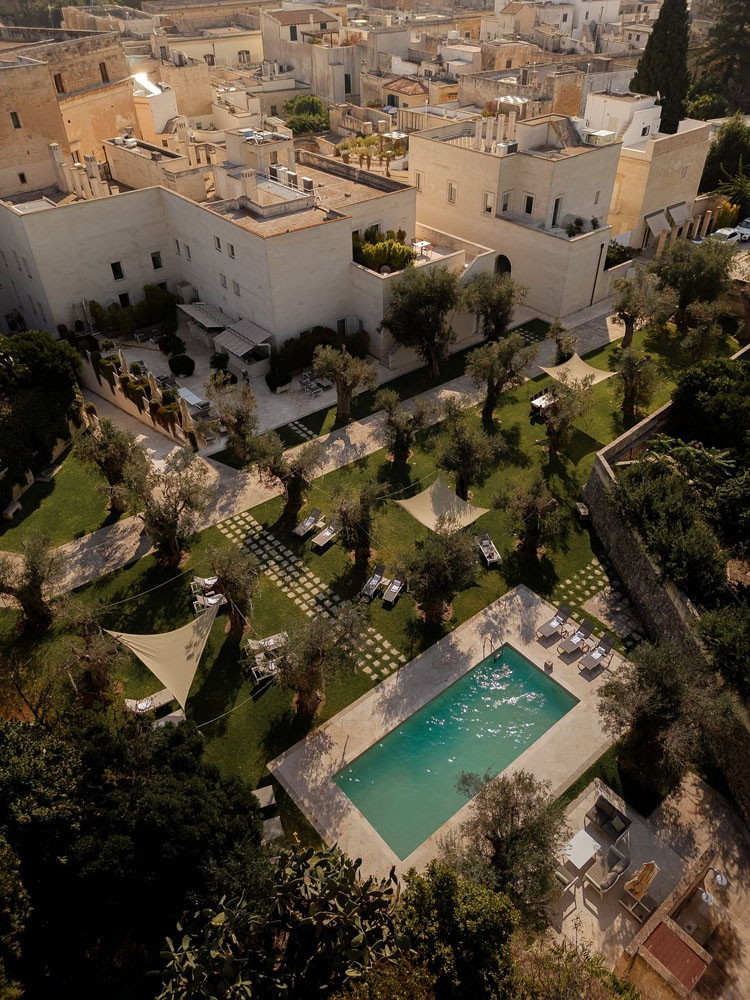
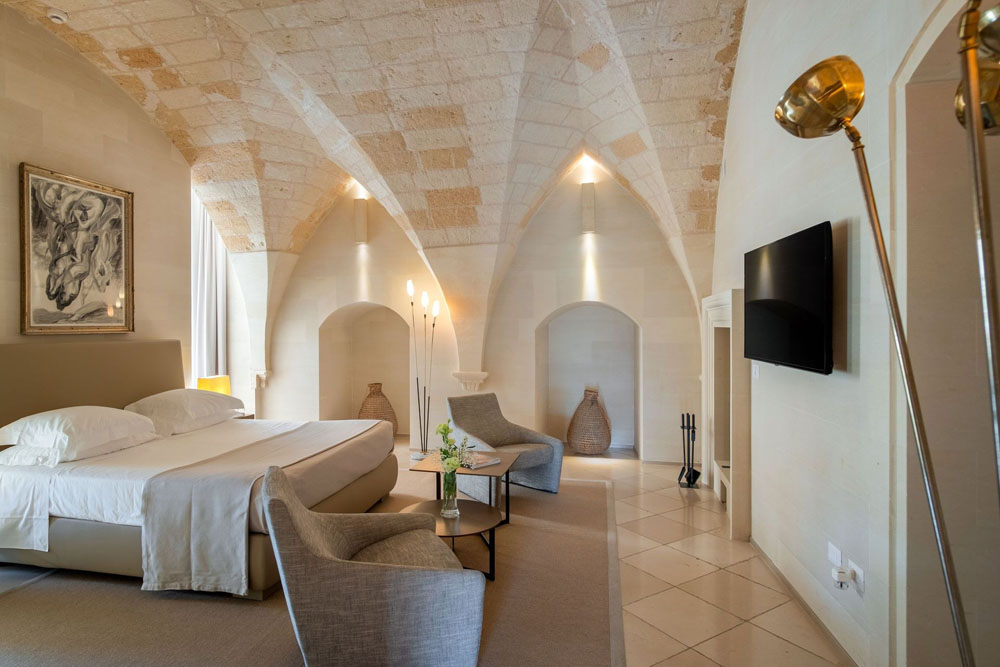
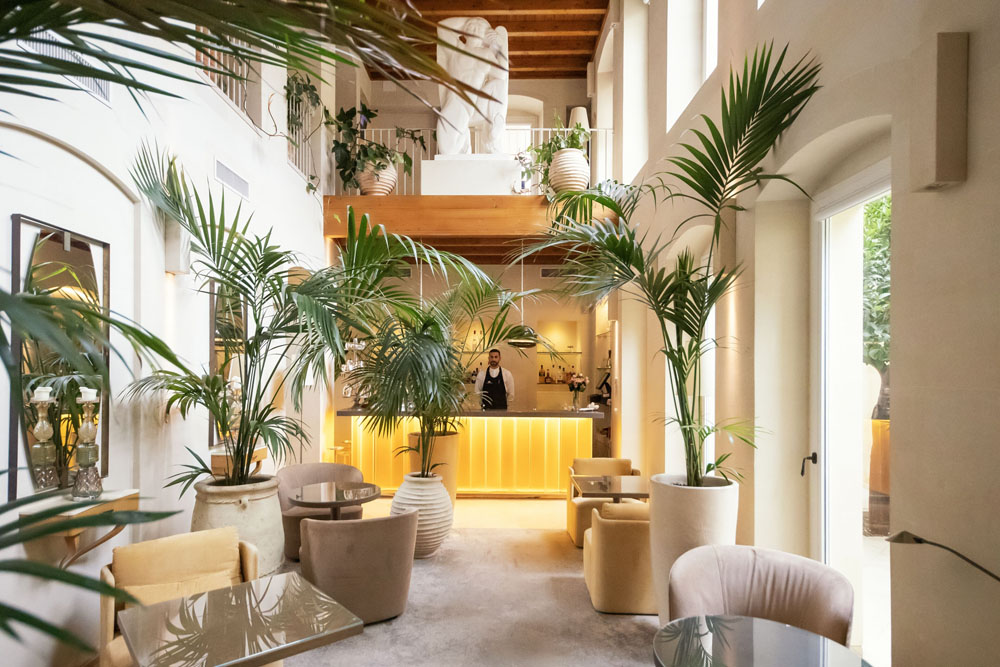
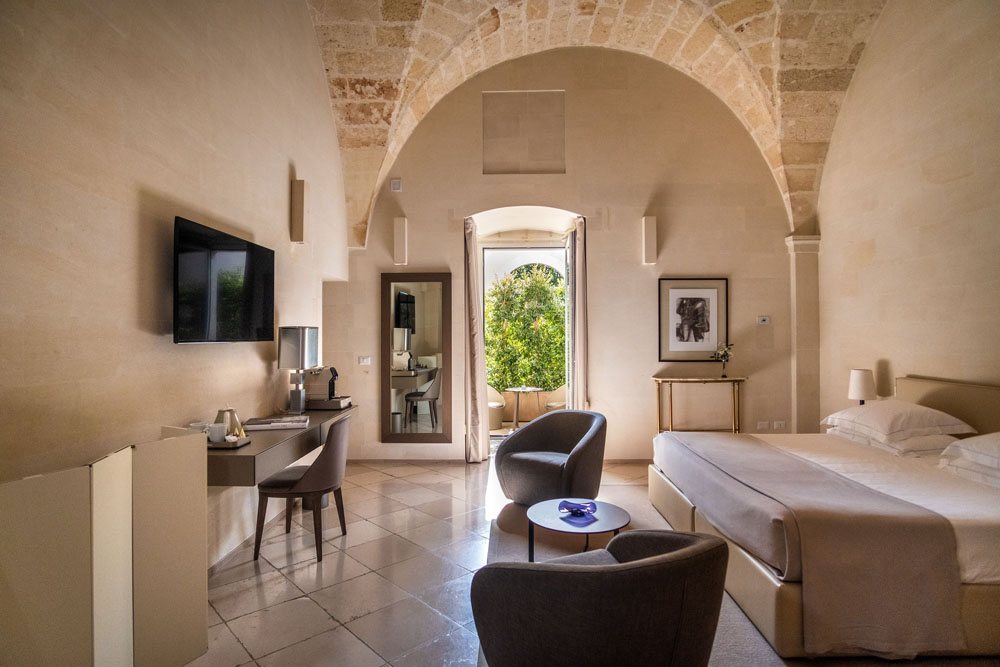
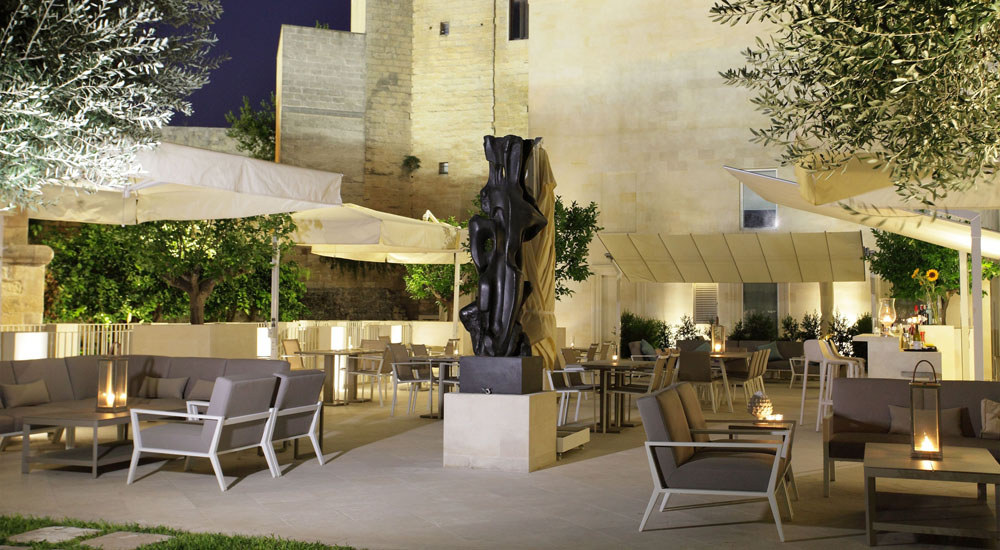
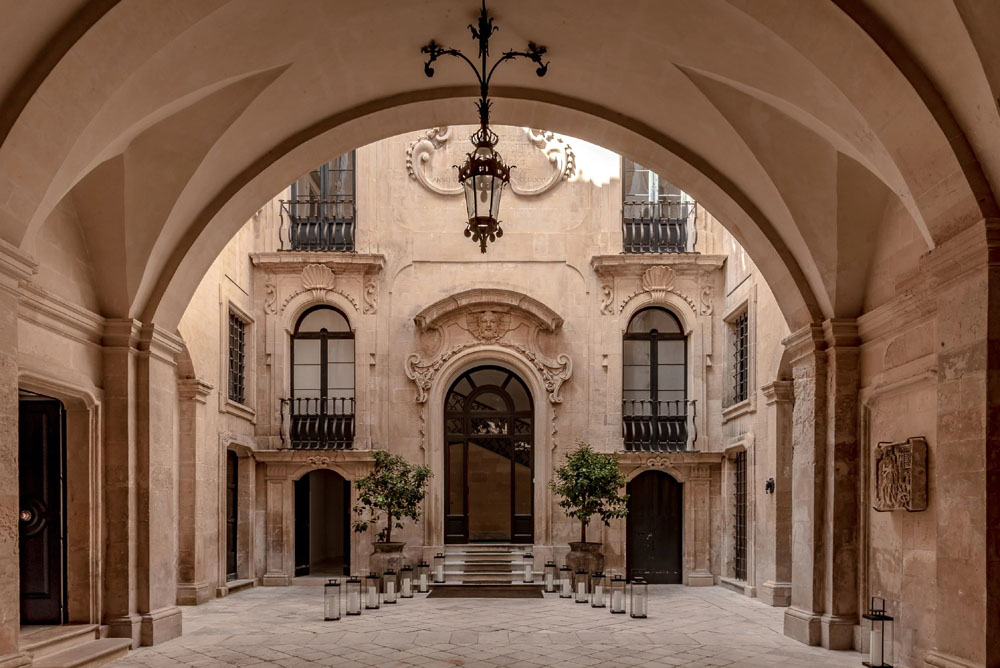
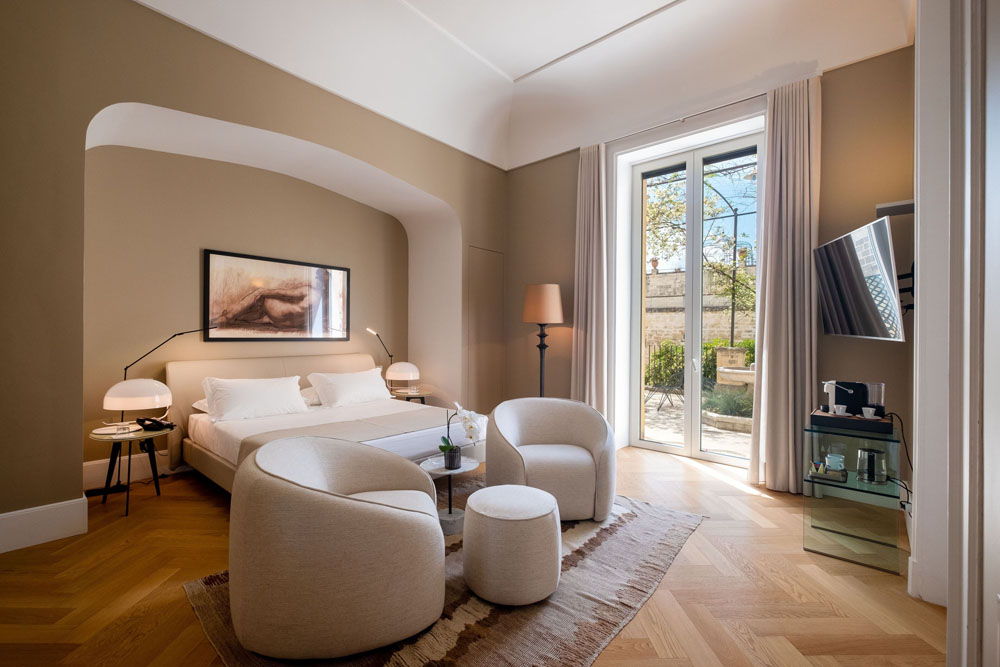
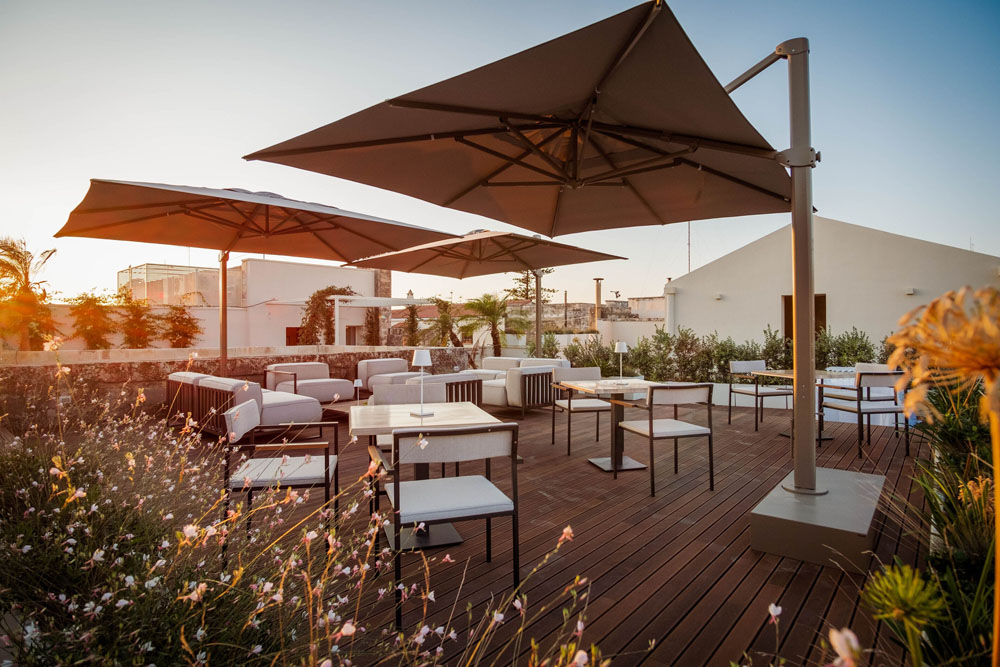
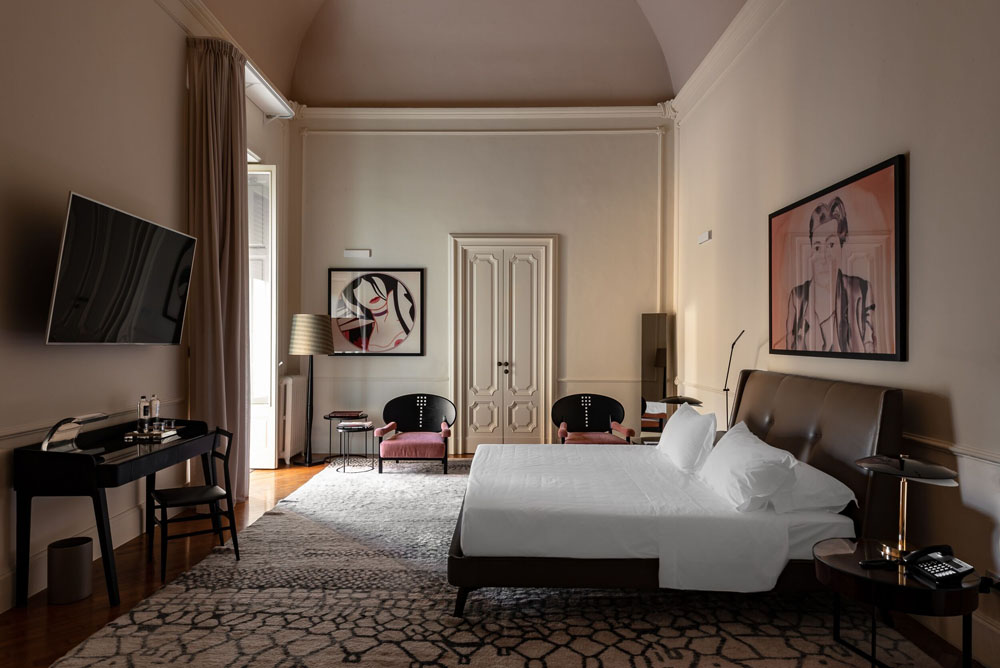
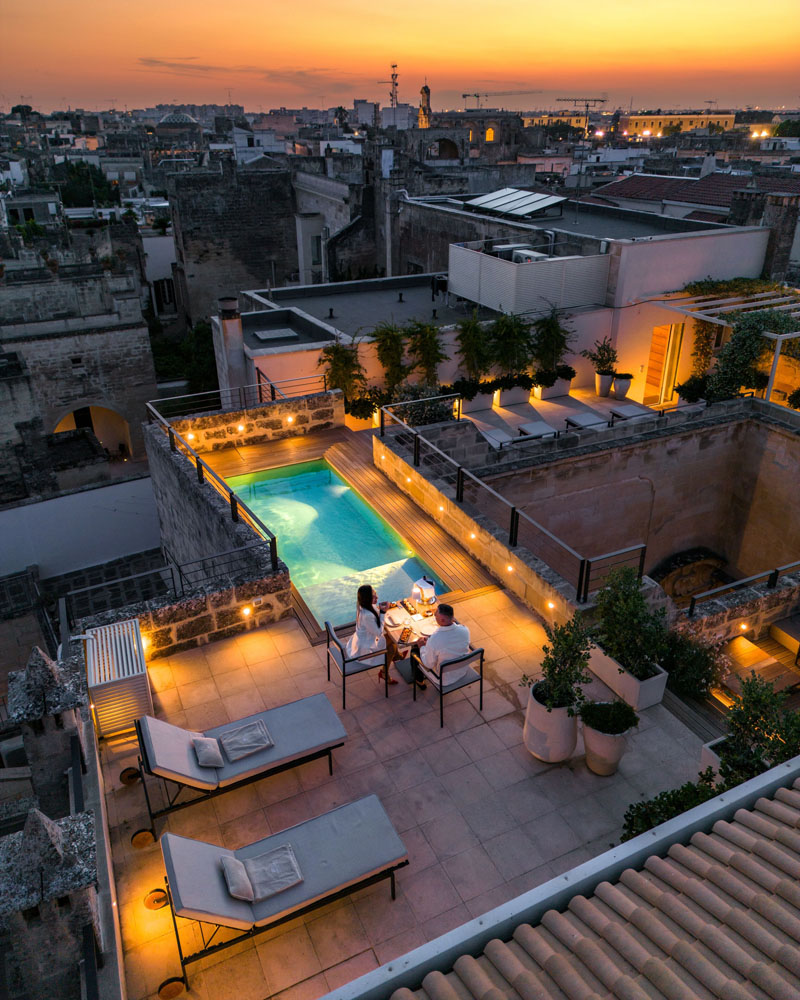
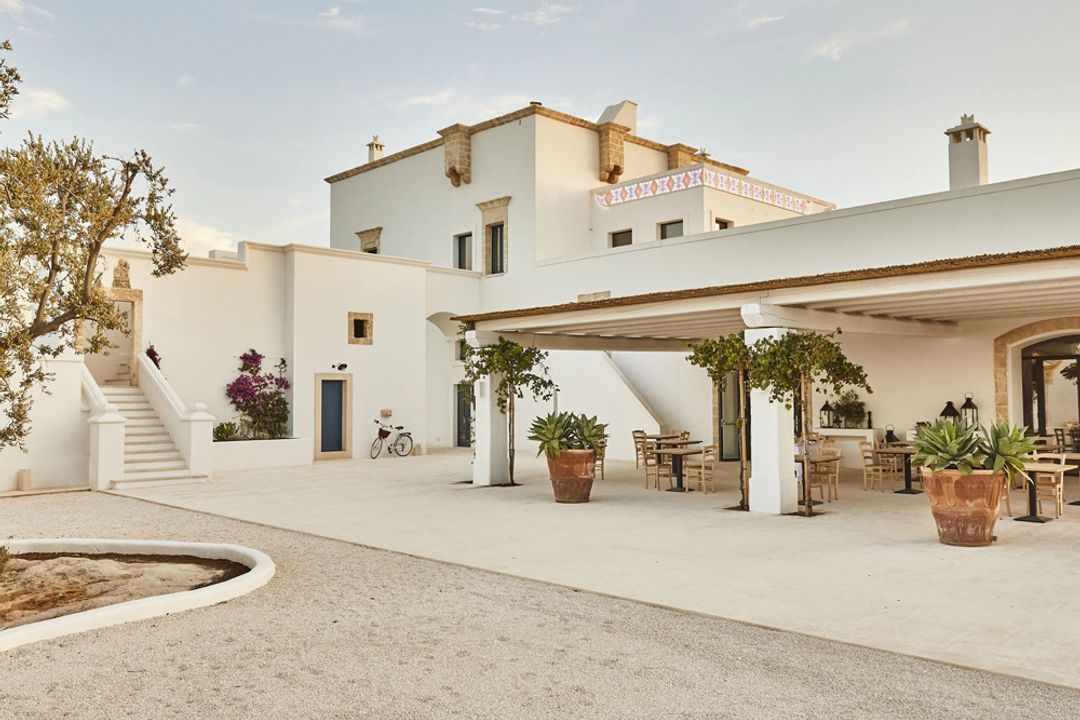
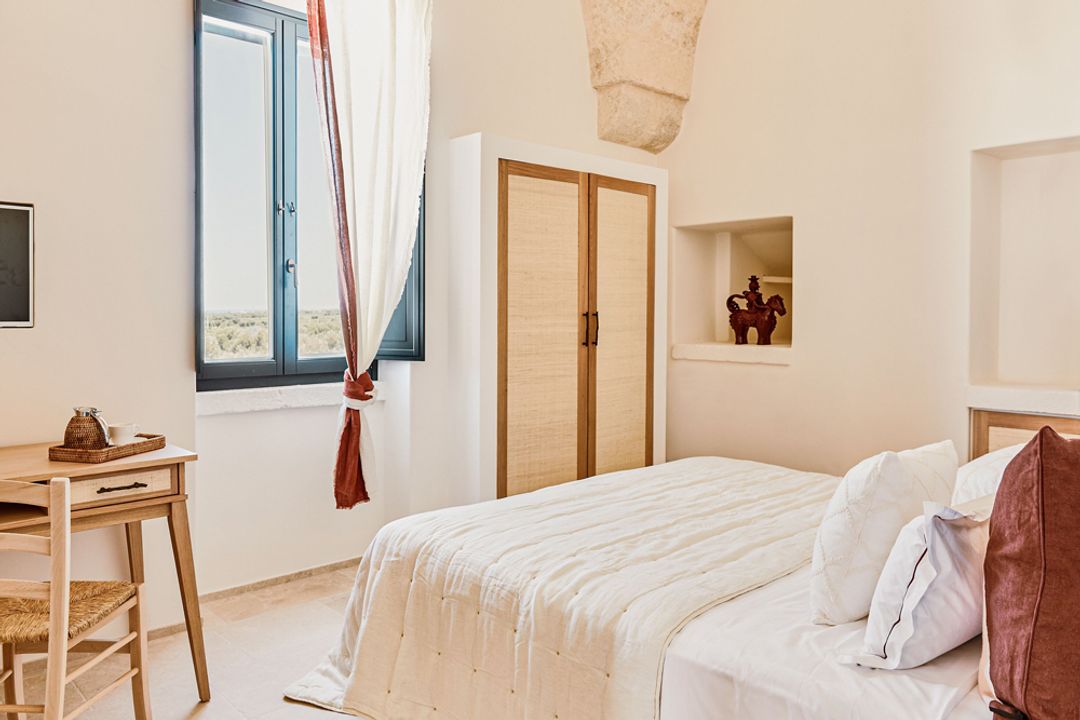
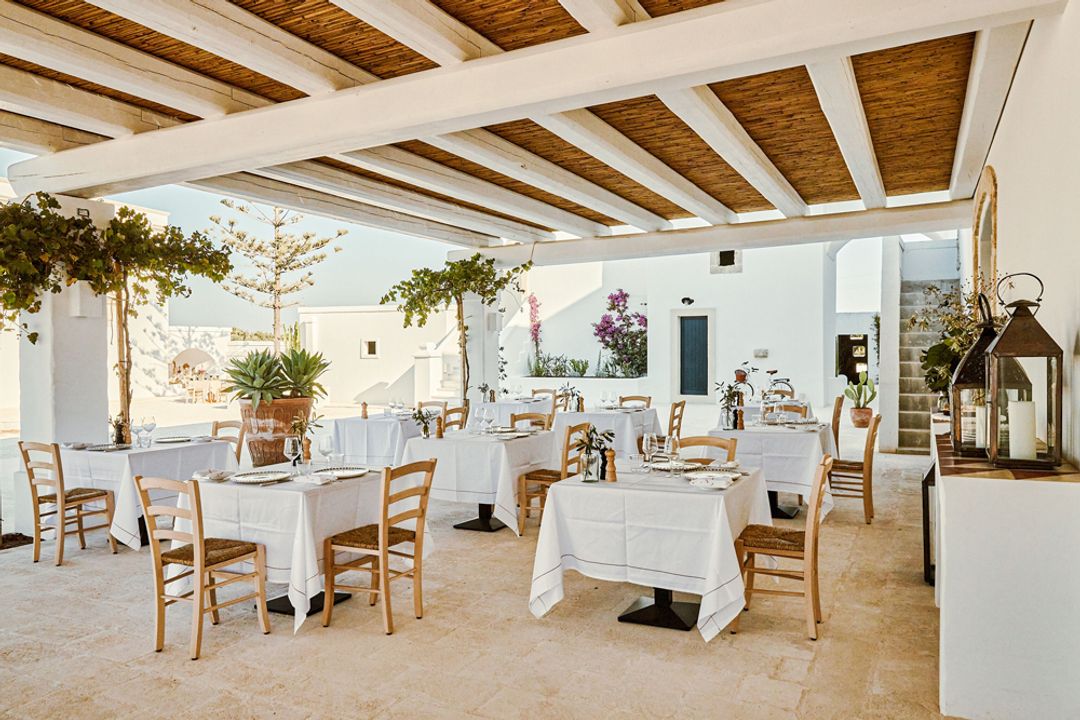
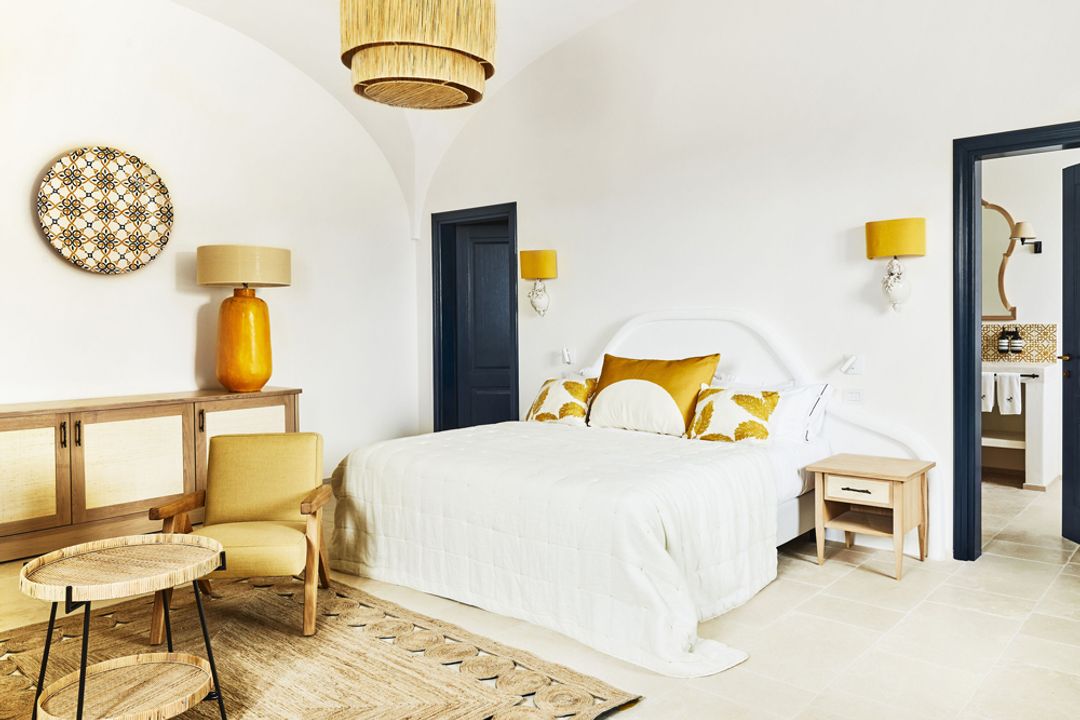
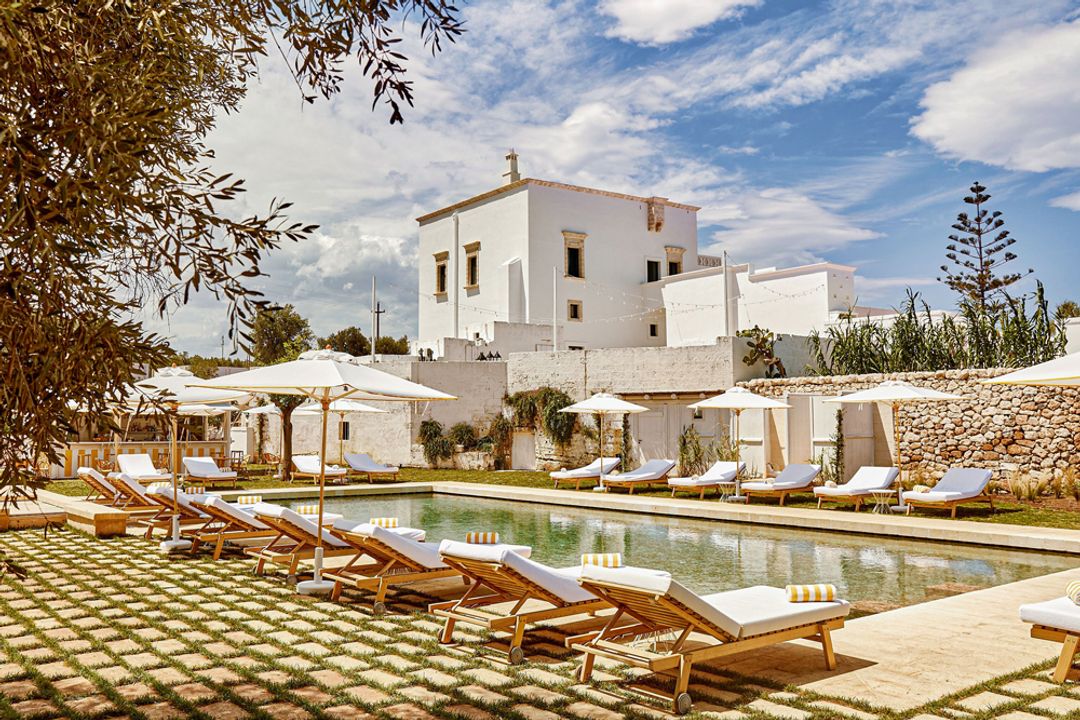
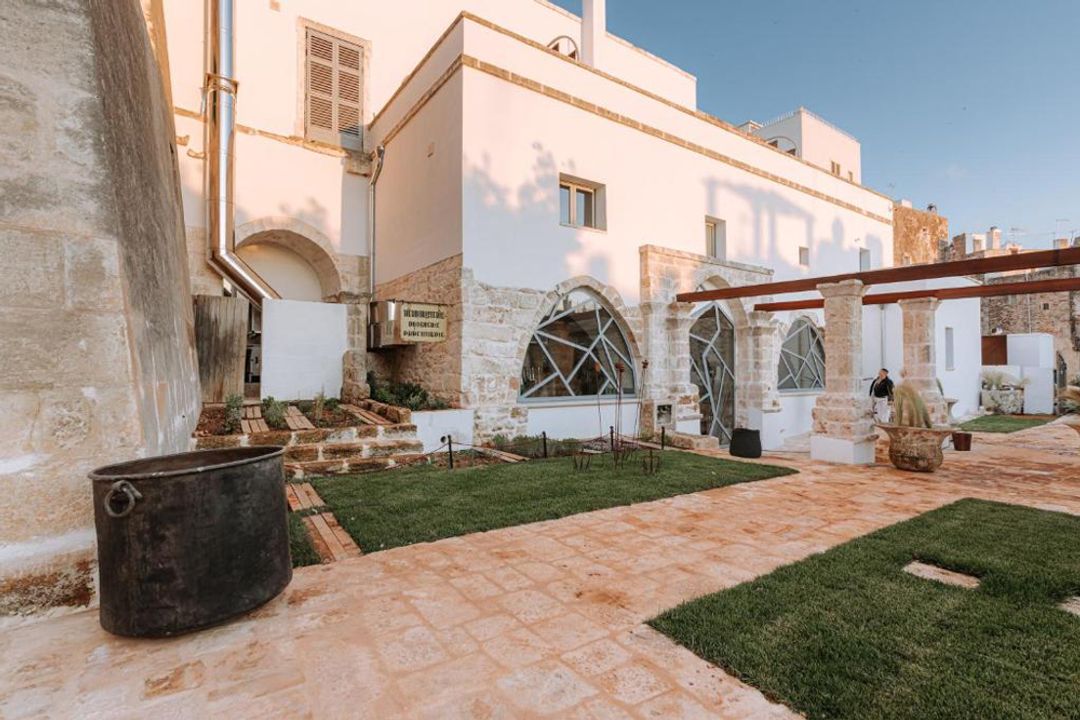
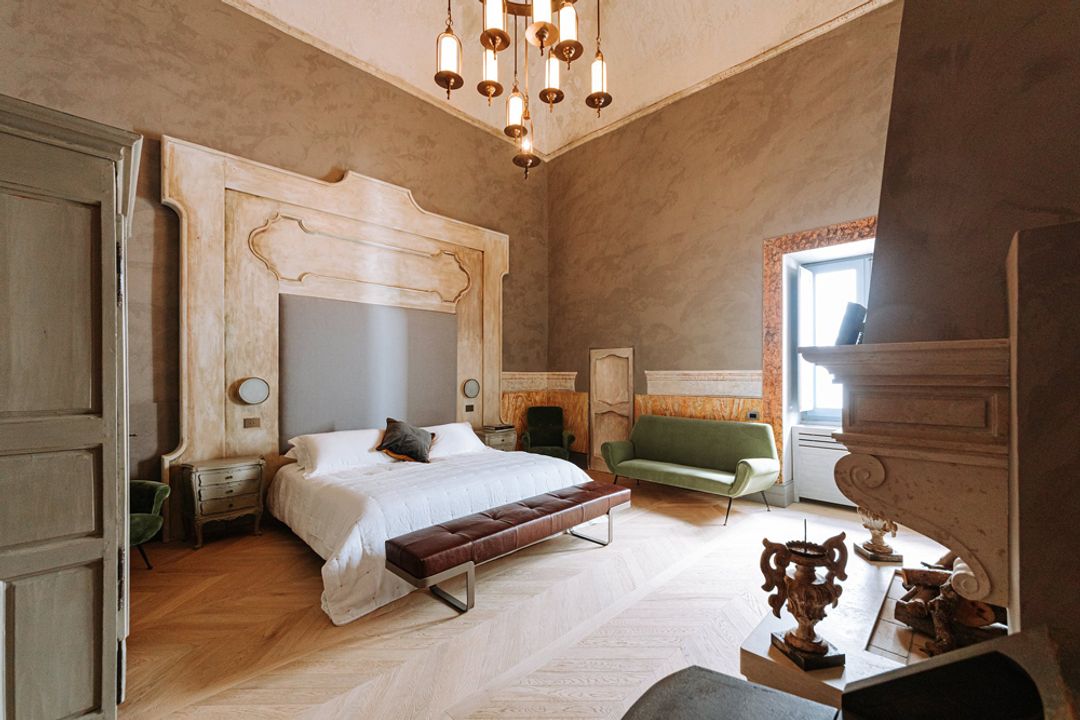
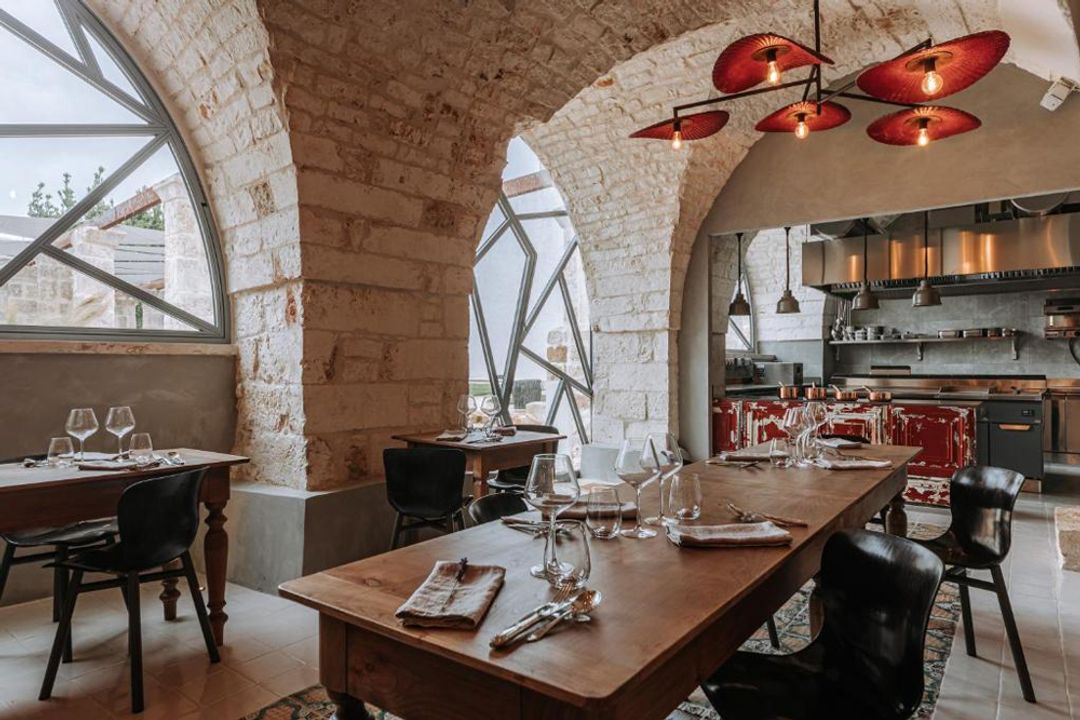
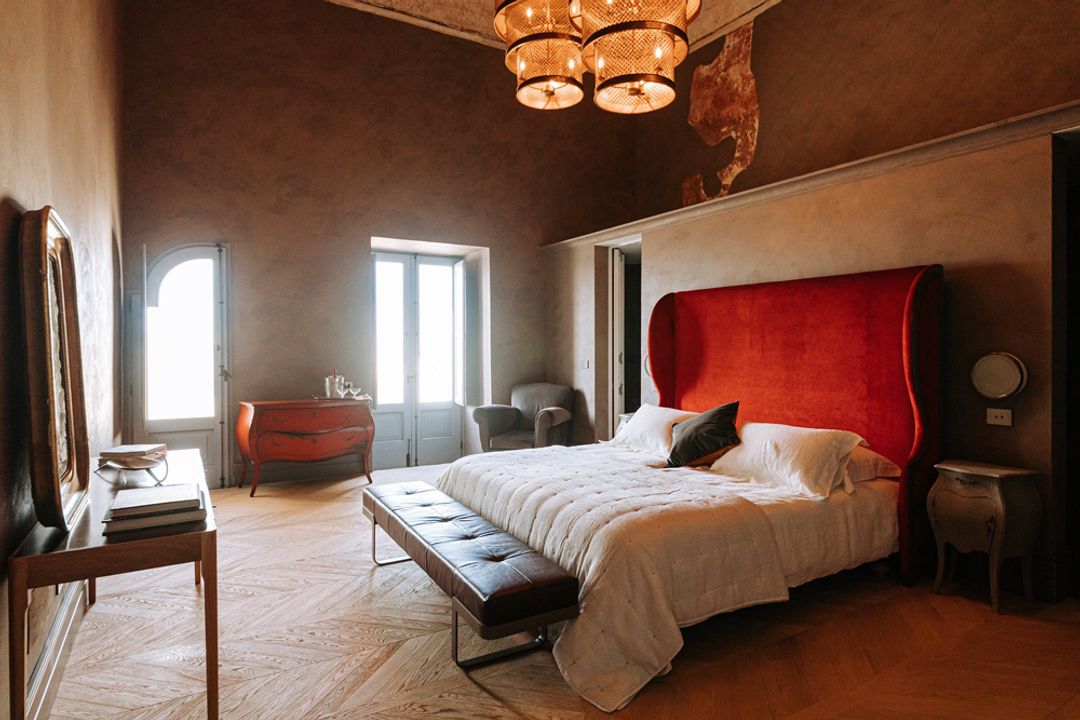
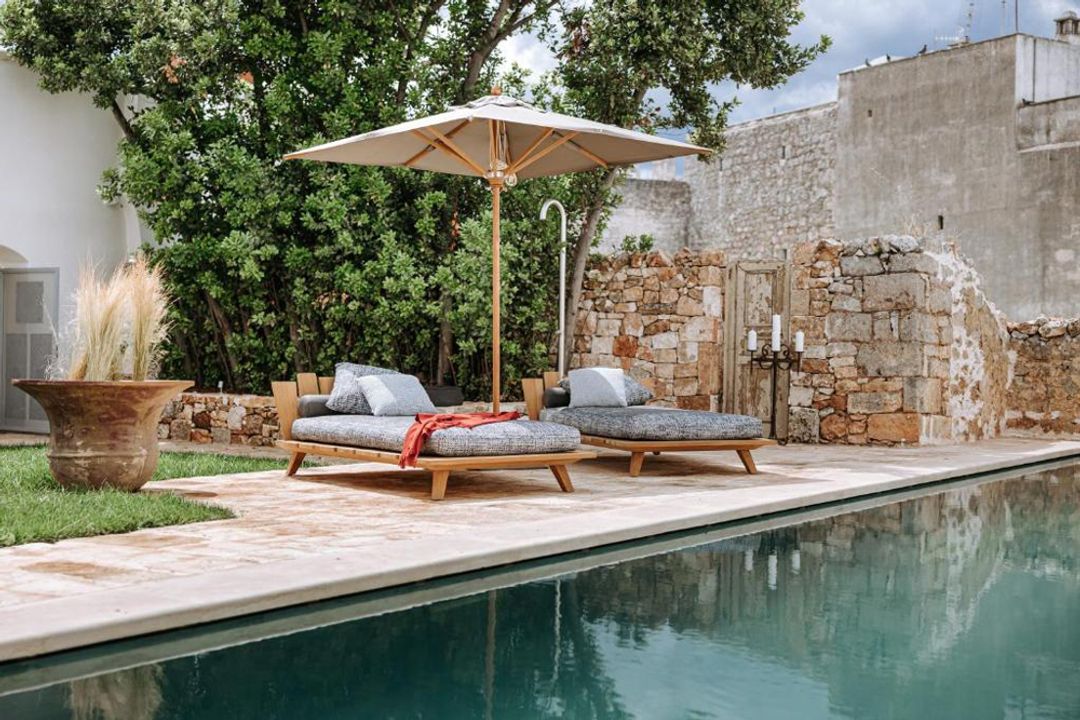
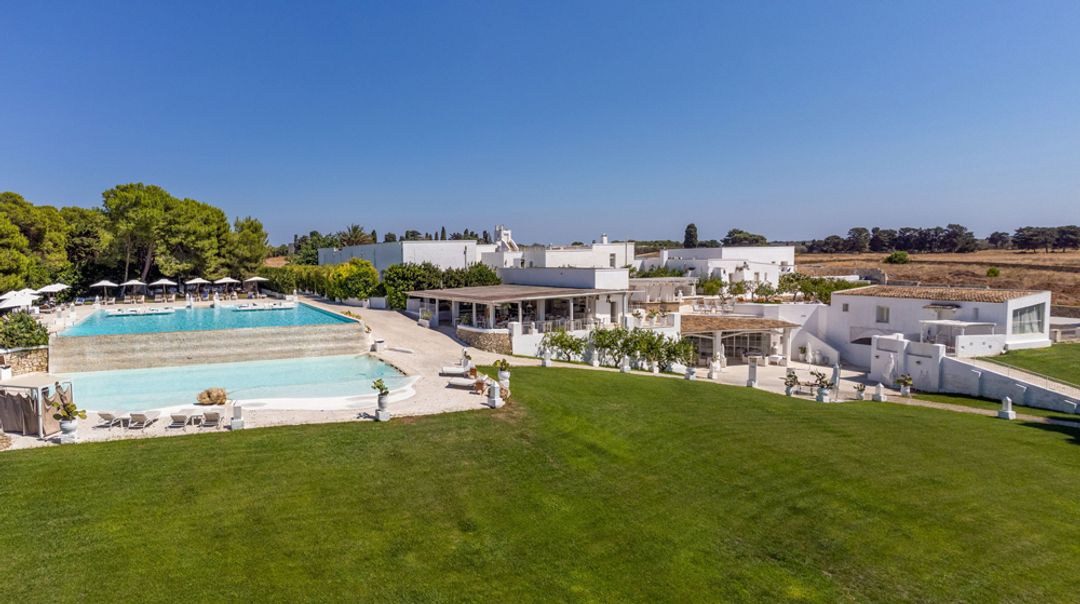
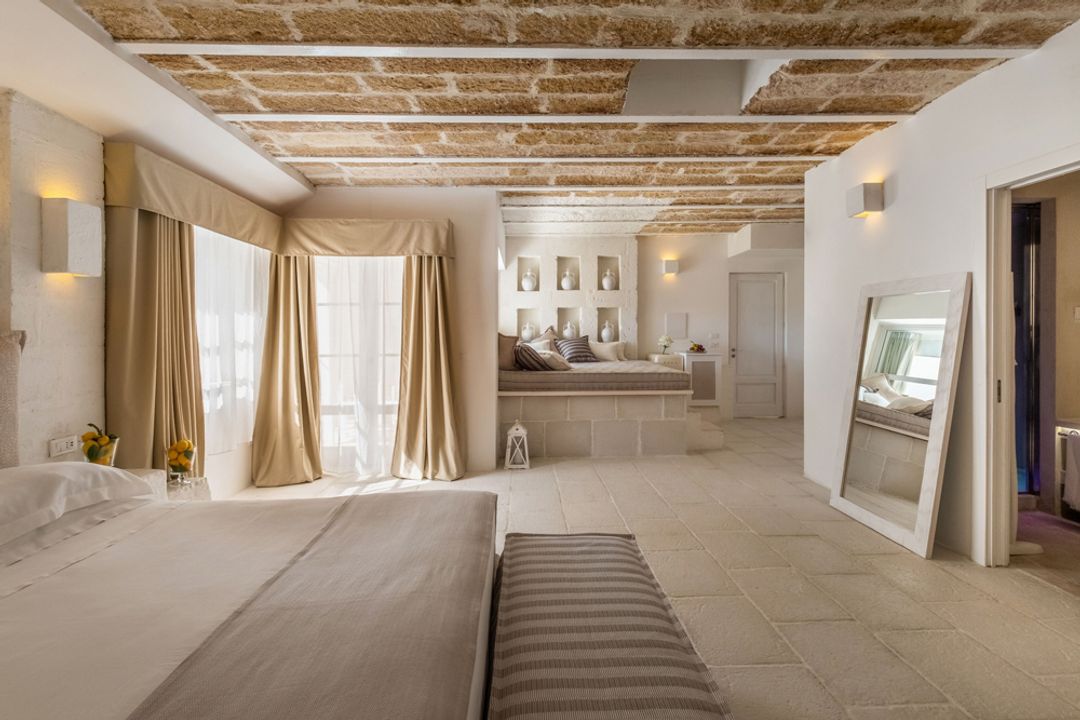
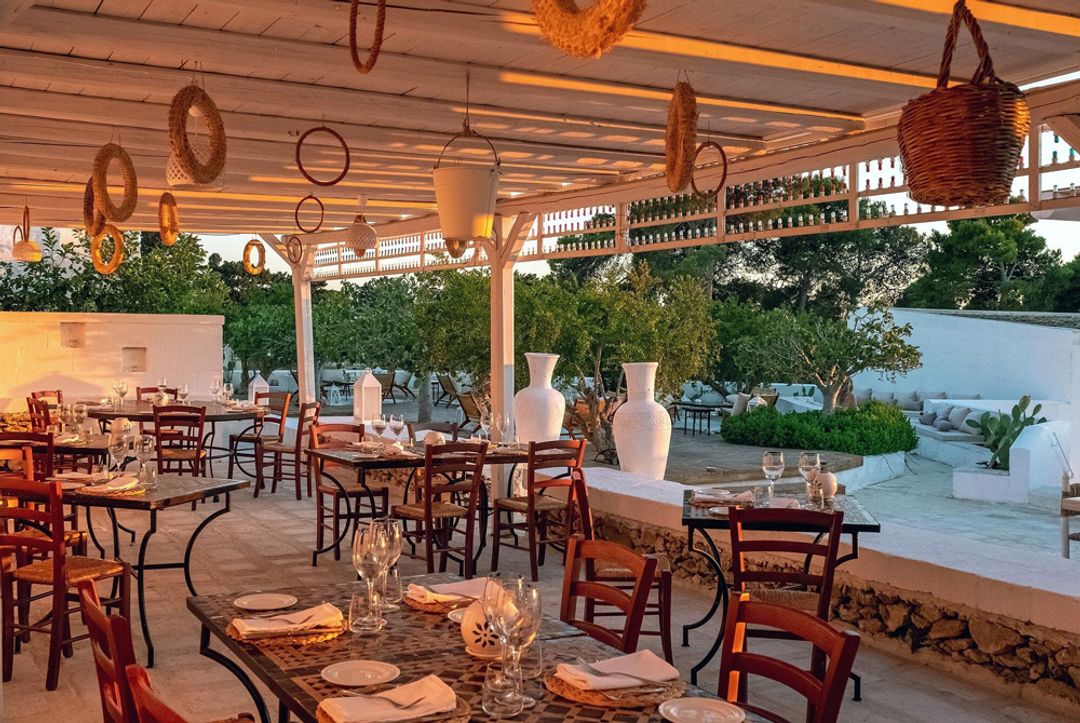
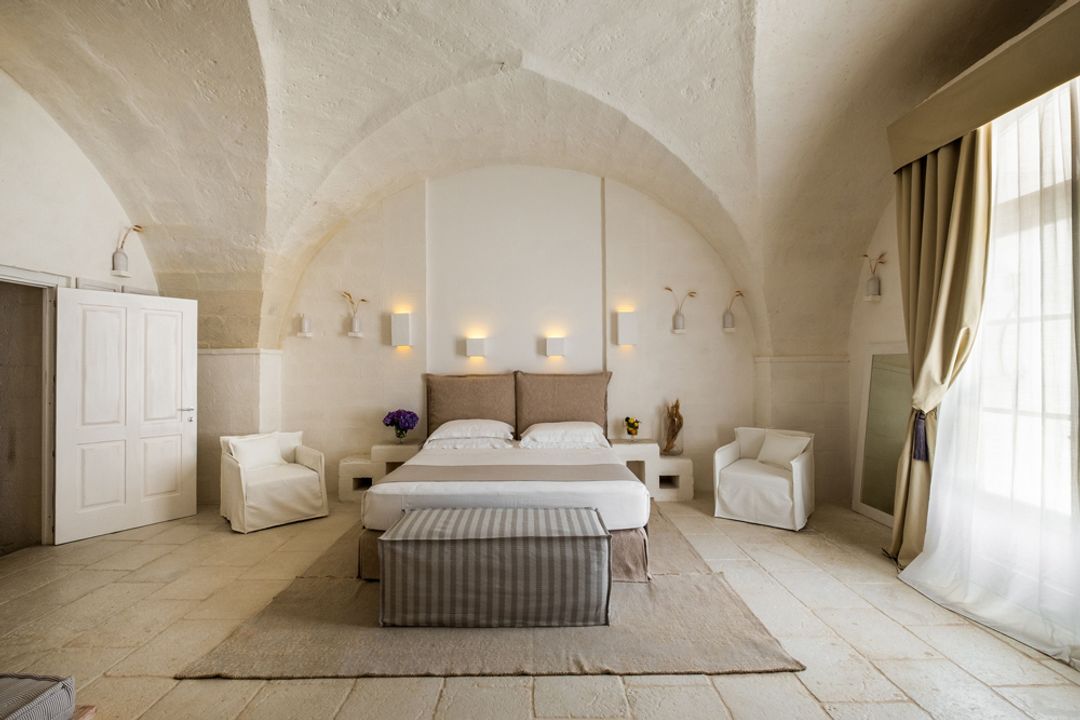
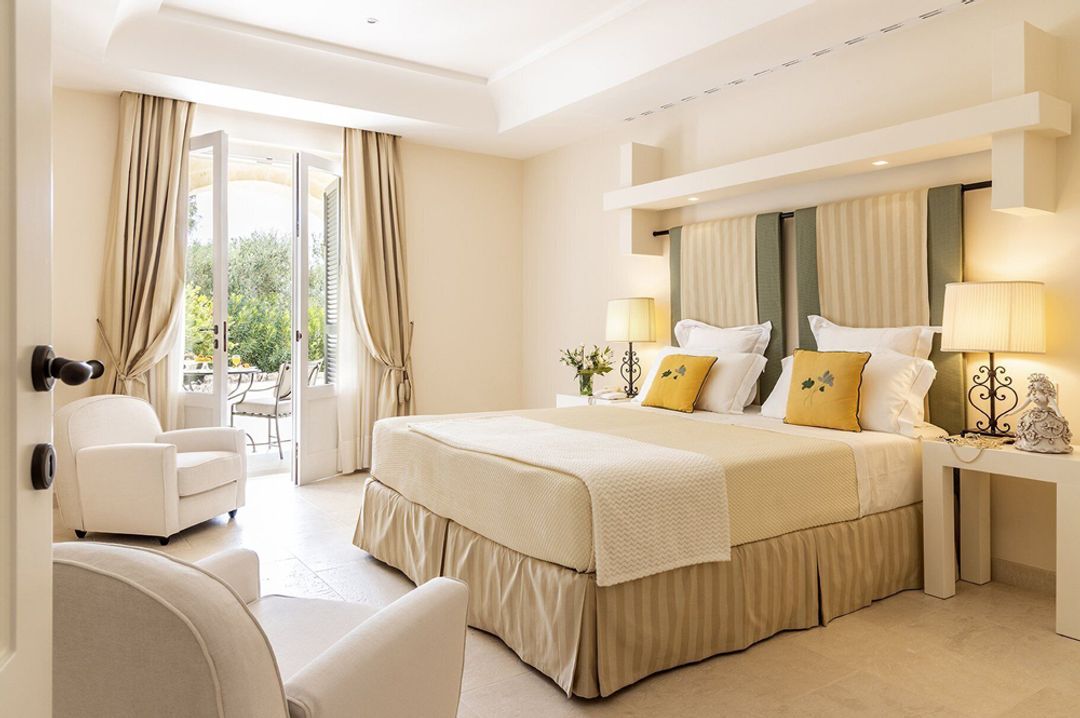
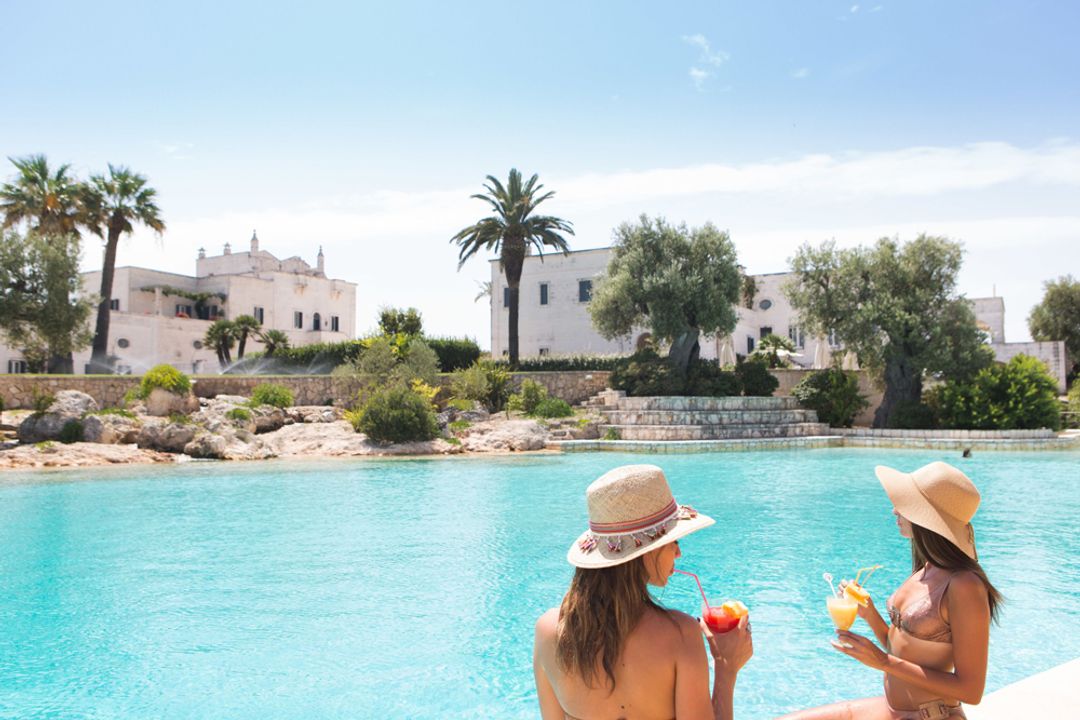
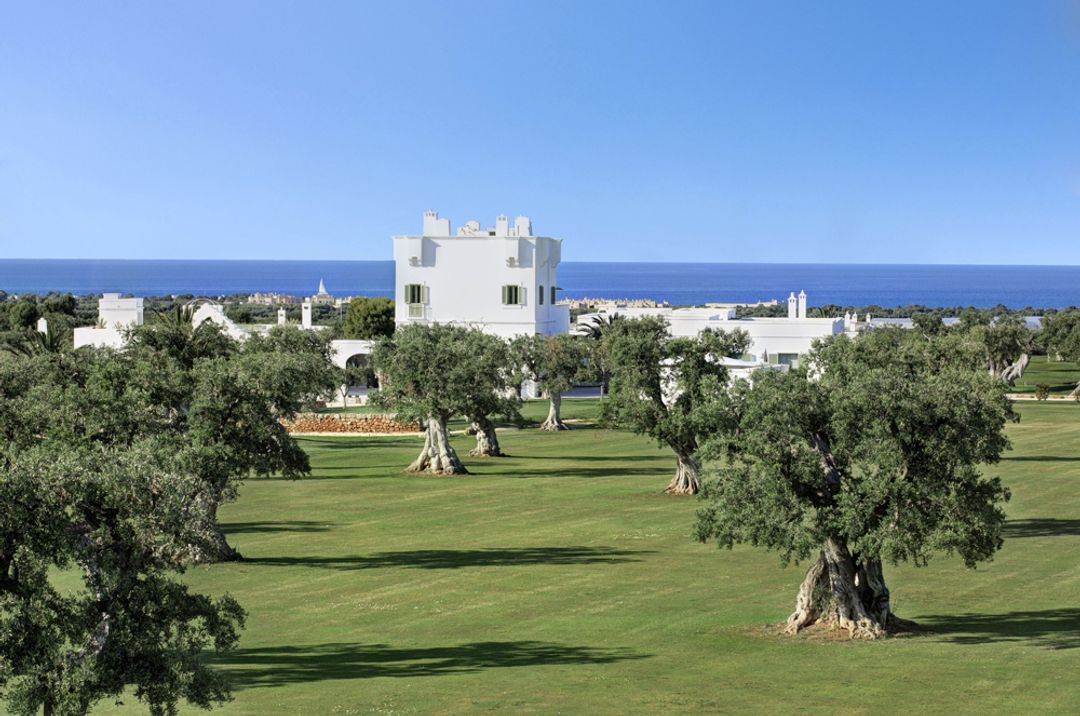
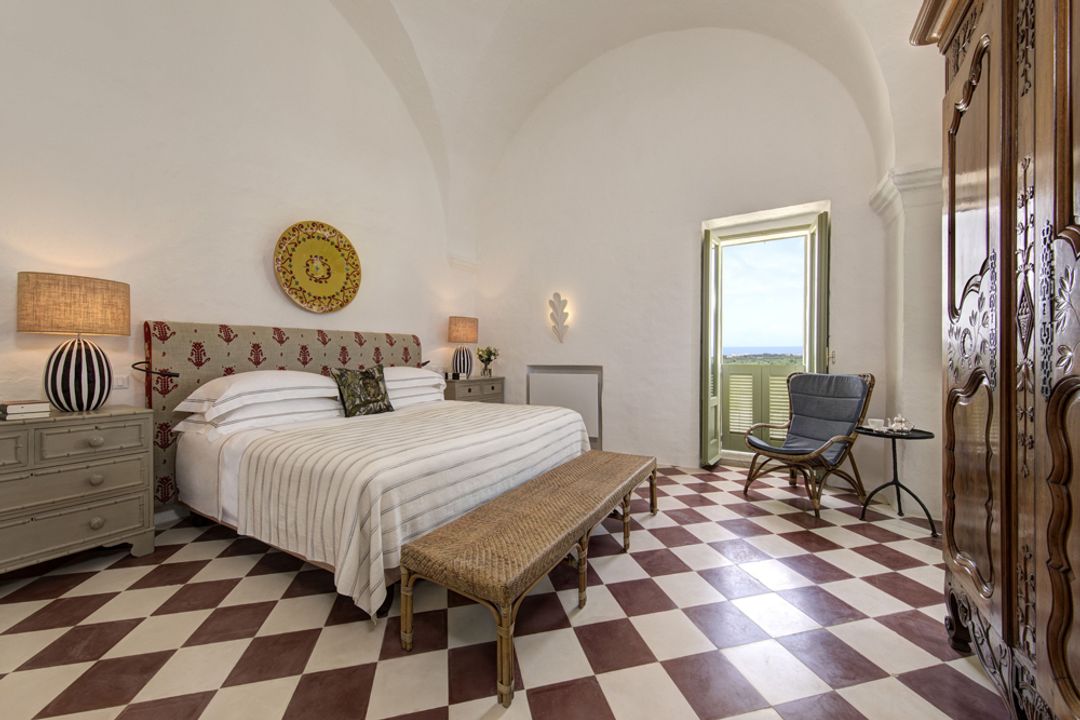
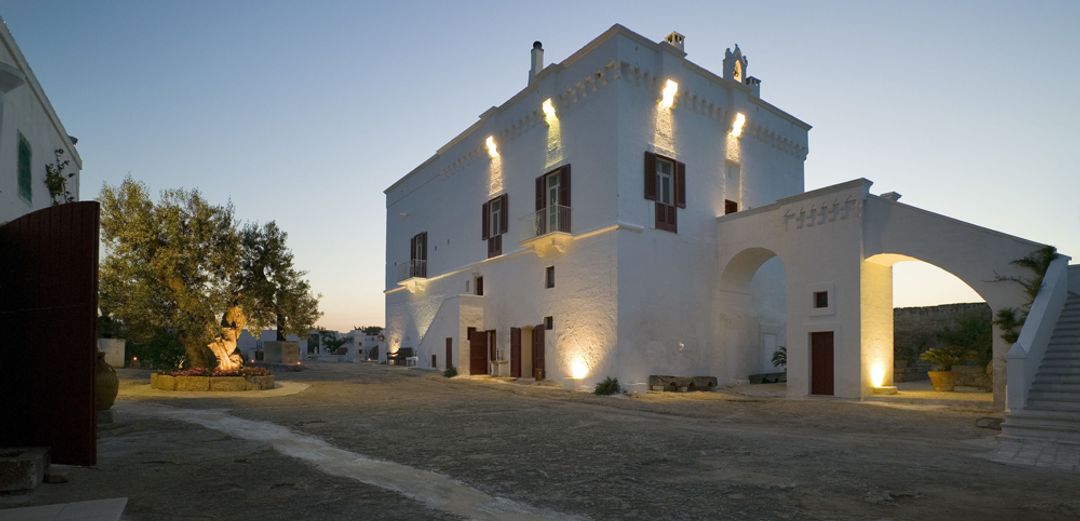
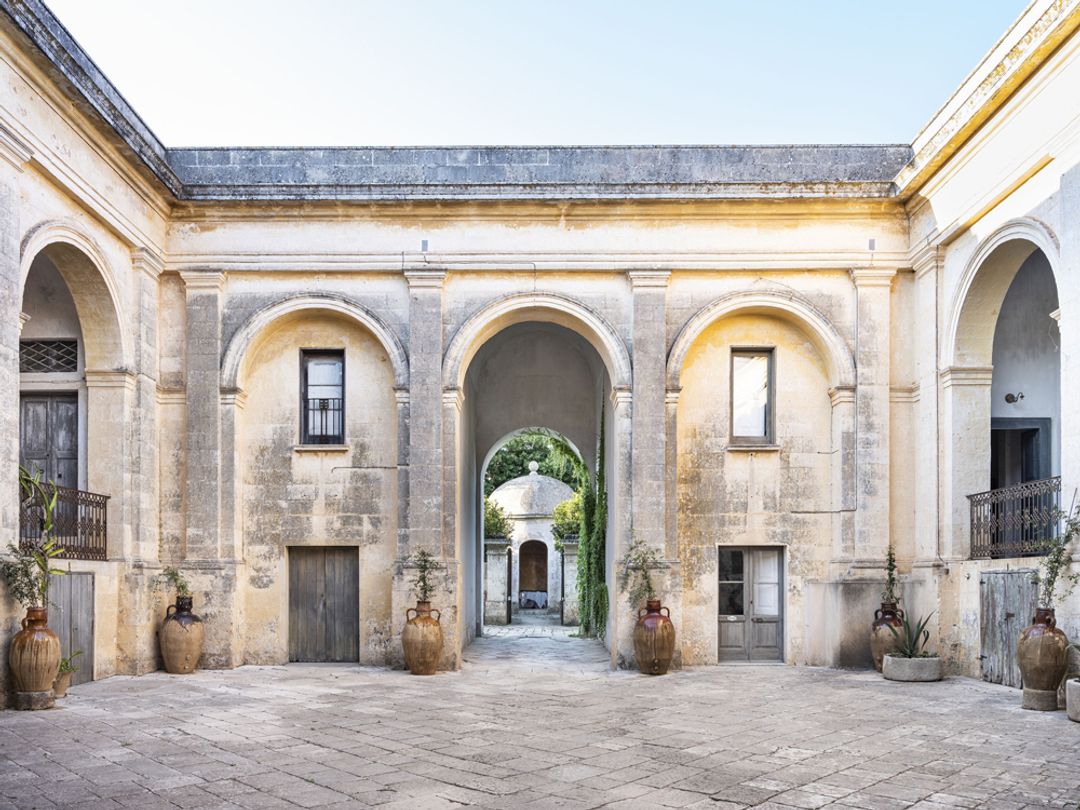
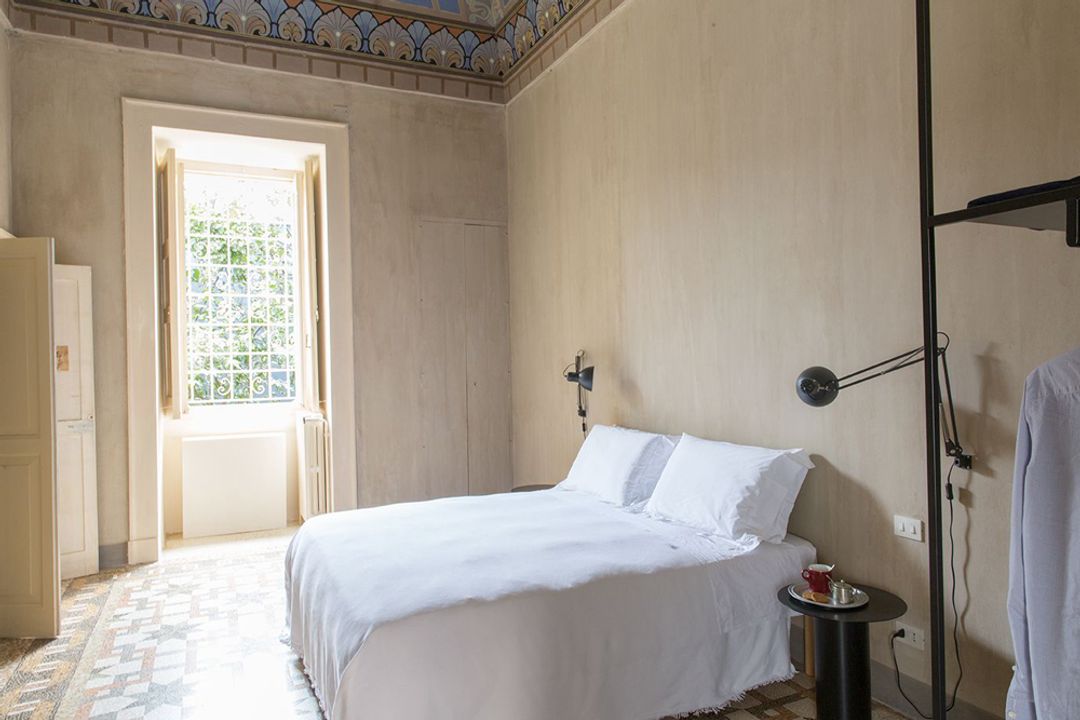
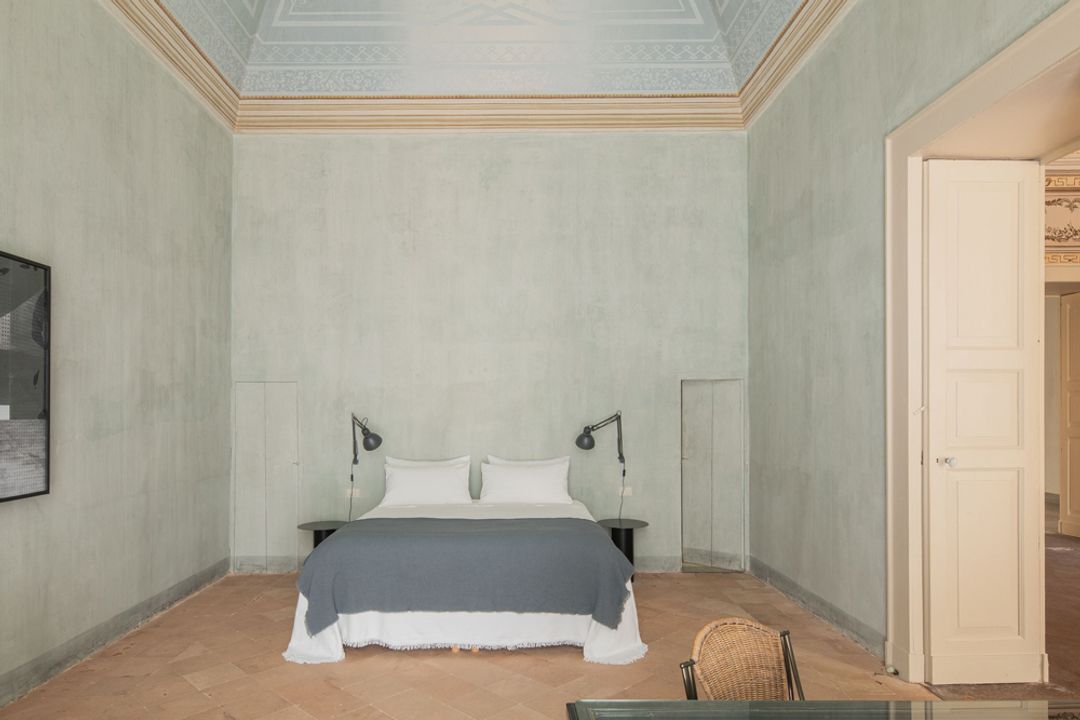
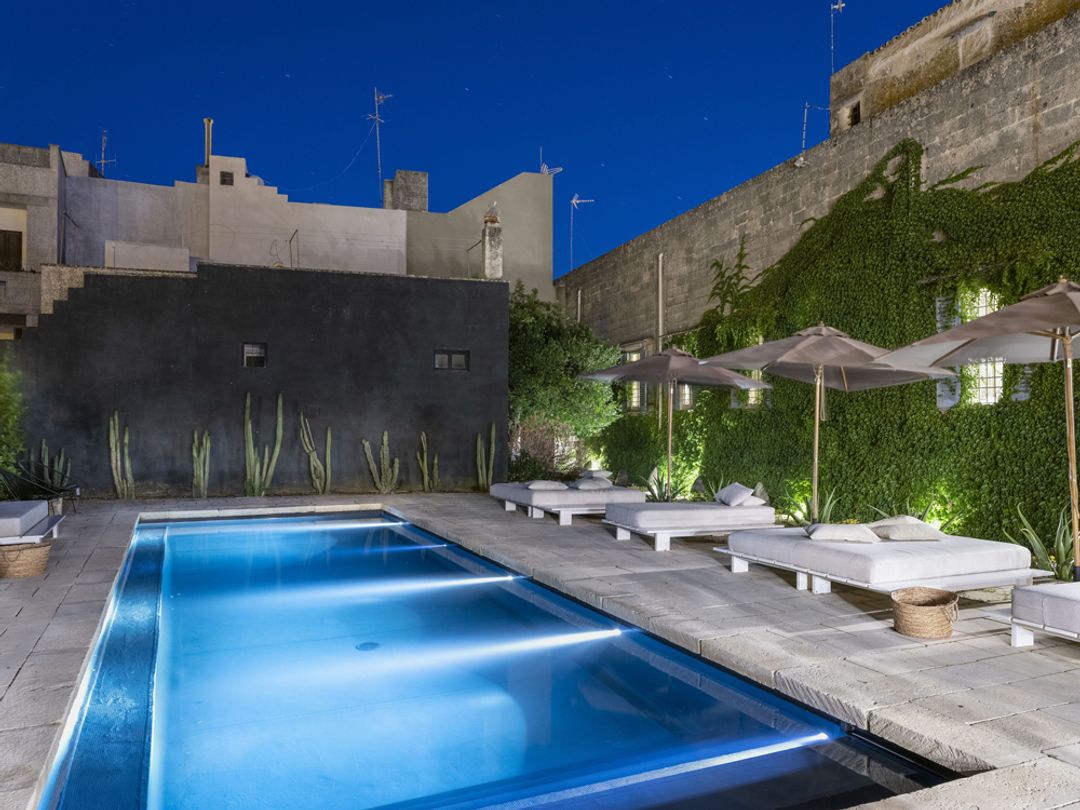
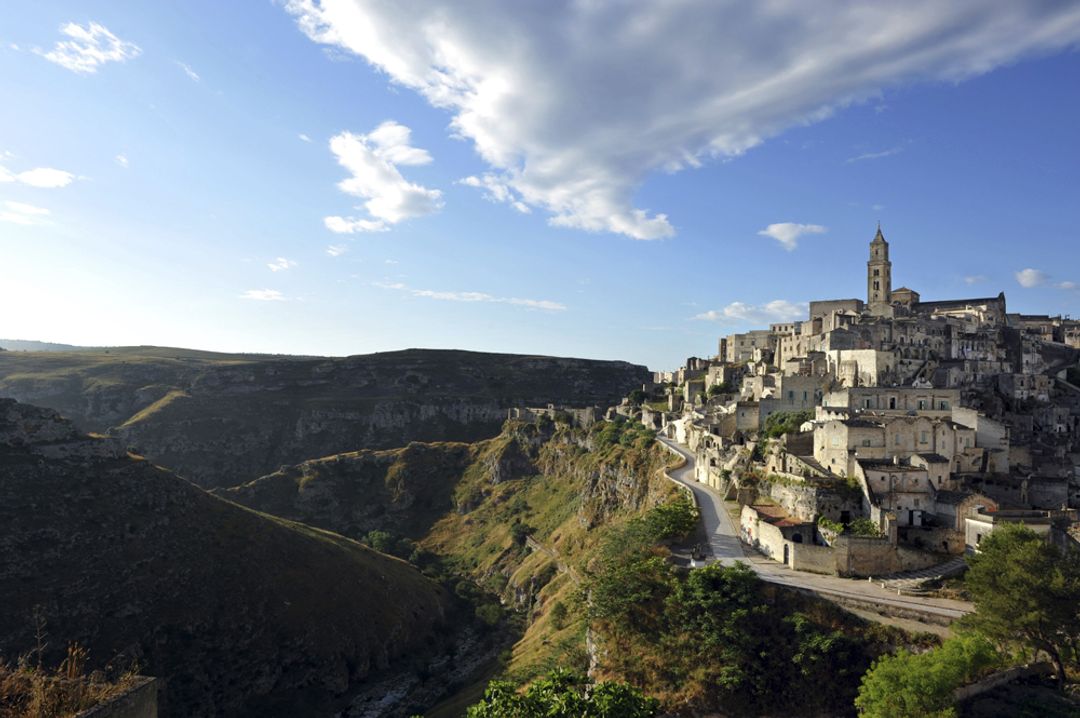
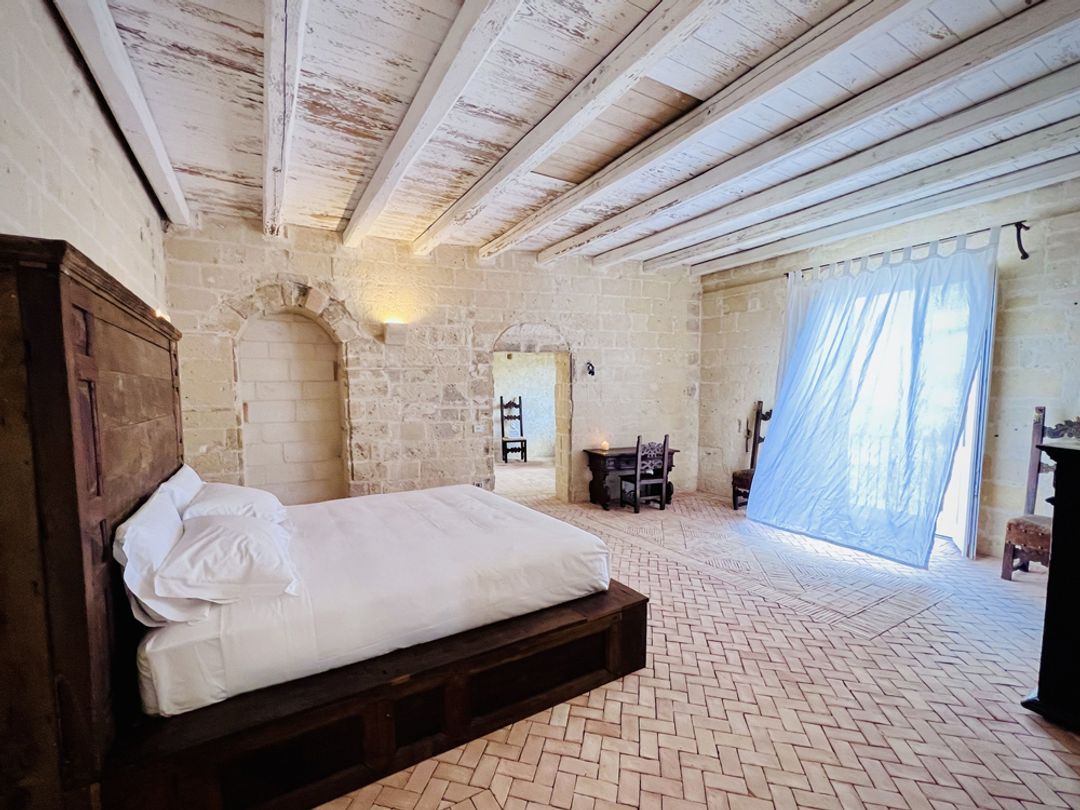
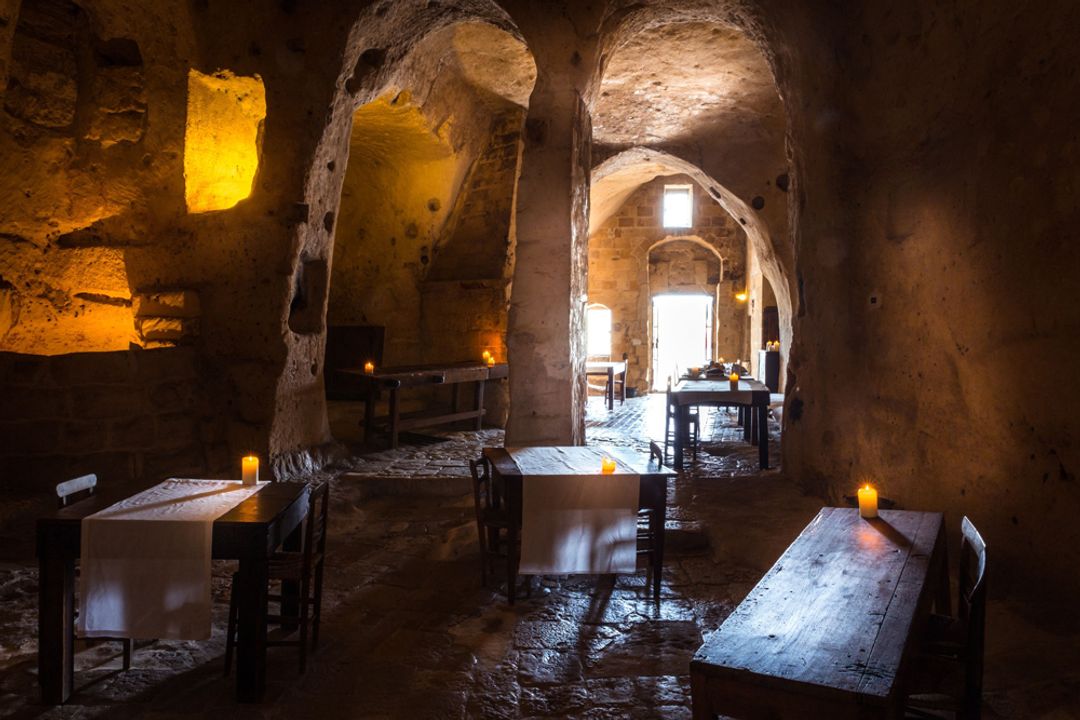
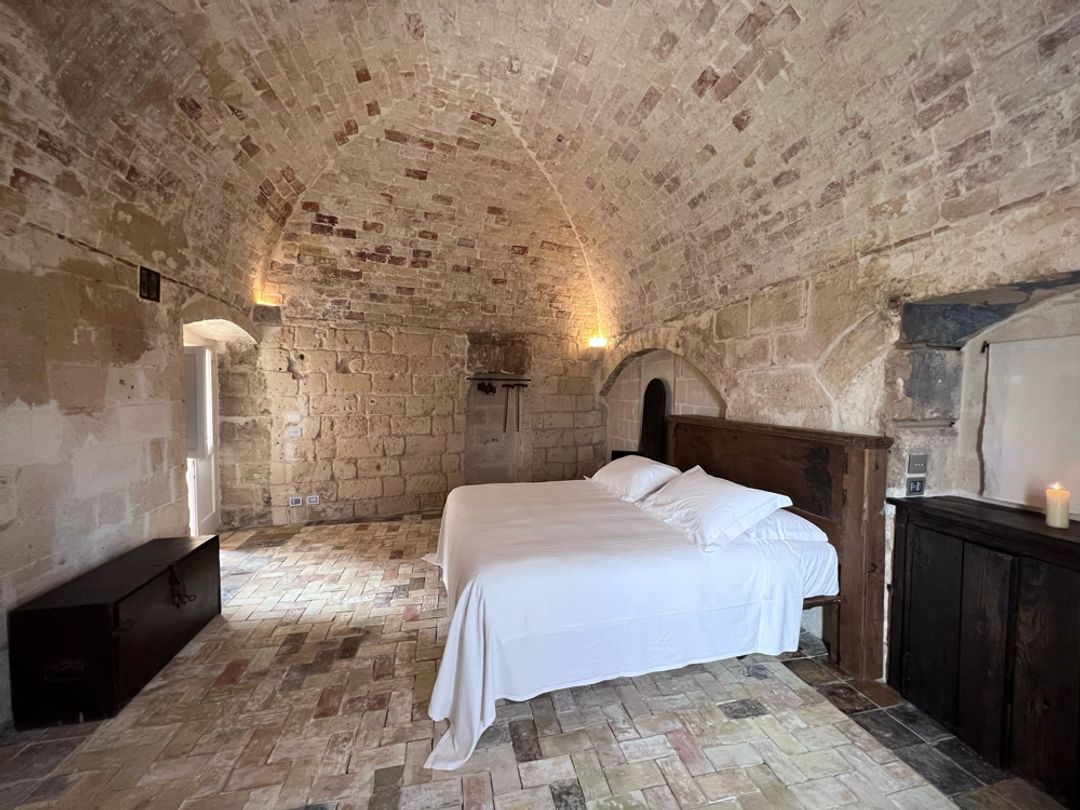
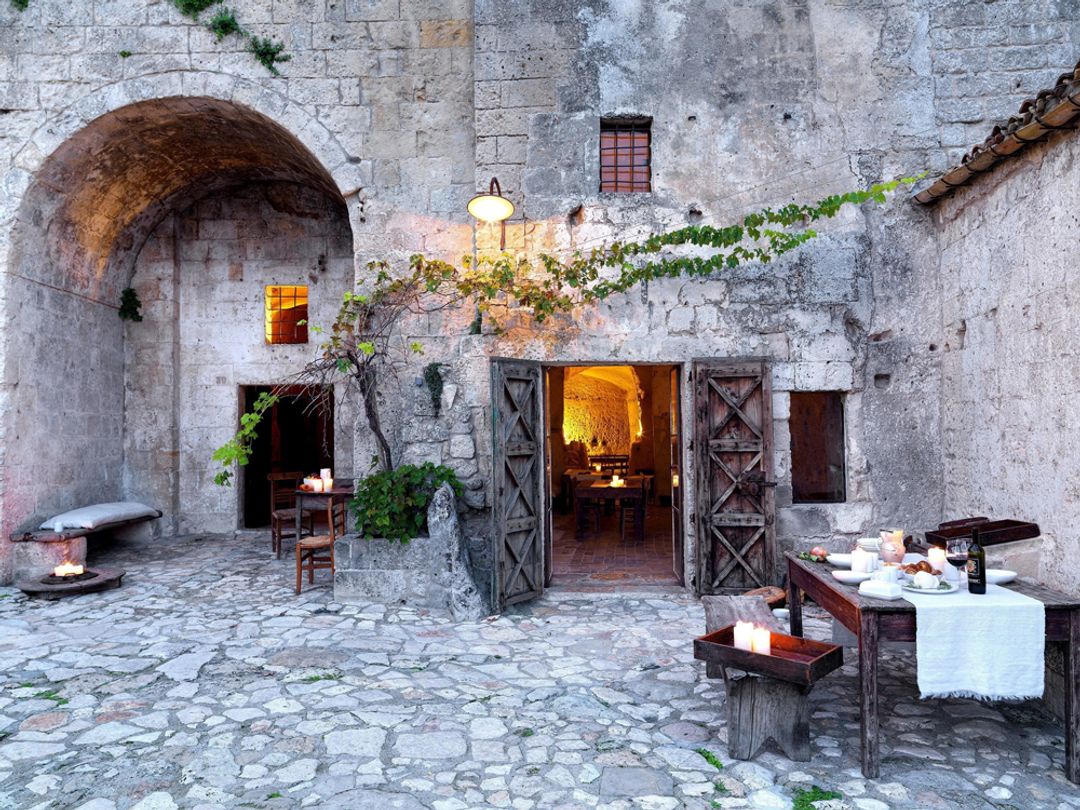
The masseria is Puglia's defining architectural form — a fortified farmhouse built to withstand raids, drought, and centuries of agricultural hardship — and it's telling that the region's most ambitious hotels have chosen to work within that typology rather than against it. Around Savelletri on the Adriatic coast, the concentration is remarkable. Borgo Egnazia, designed by Pino Brescia and opened in 2010, is the apotheosis of the form: a fabricated trulli village and palazzo complex that reads as almost hallucinatory in its completeness, a place that conjures an entire civilization of whitewashed stone and olive groves. Masseria Torre Maizza, now operating under Rocco Forte and carrying the interior sensibility the group brings to its Italian properties, occupies a genuine 16th-century watchtower complex. Masseria San Domenico, one of the earliest agricultural estates in the area to convert to hospitality, still carries the gravity of that transition — its thalasso spa and ancient olive press a reminder that these buildings were functional before they were beautiful. Lecce pulls the conversation in a different direction entirely. The city is one of the most extravagant exercises in Baroque architecture anywhere in Italy, its golden limestone facades carved into an almost compulsive density of ornament, and the hotels that have established themselves within its palazzi reflect that inheritance. La Fiermontina operates across two properties — the Palazzo Bozzi Corso and the adjacent Luxury Home — bringing a contemporary curatorial sensibility to spaces of genuine historic weight. The juxtaposition of contemporary furniture and frescoed ceilings inside Lecce's palazzi is handled here with more restraint than theatrics. In Ostuni, Paragon 700 occupies an 18th-century noble palace in the white city's historic center, its architecture belonging to the same southern Italian Baroque tradition. The outliers are what make a full picture of the region. Palazzo Daniele in Gagliano del Capo, at the very tip of the Salento peninsula, is a more intimate operation — eleven rooms in a converted palazzo with an interior that leans into a calm, almost monastic clarity. Baglioni Masseria Muzza near Otranto extends the Savelletri masseria model southward along the coast. And Sextantio Le Grotte della Civita — technically across the regional border in Basilicata's Matera, though frequently paired with a Puglia itinerary — occupies cave dwellings in the Sassi, the ancient rupestrian city carved into tufa. Daniele Kihlgren's preservation-driven approach there is the philosophical opposite of Borgo Egnazia's invented totality, and both positions are entirely defensible.