Best hotels in Kyoto, Japan | Visually Compare Top Stays Side-by-Side
Welcome to PressBeyond - a curated visual guide to design-driven hotels and the fastest way to compare them.
An Overview of the Boutique & Luxury Hotel Landscape in Kyoto, Japan
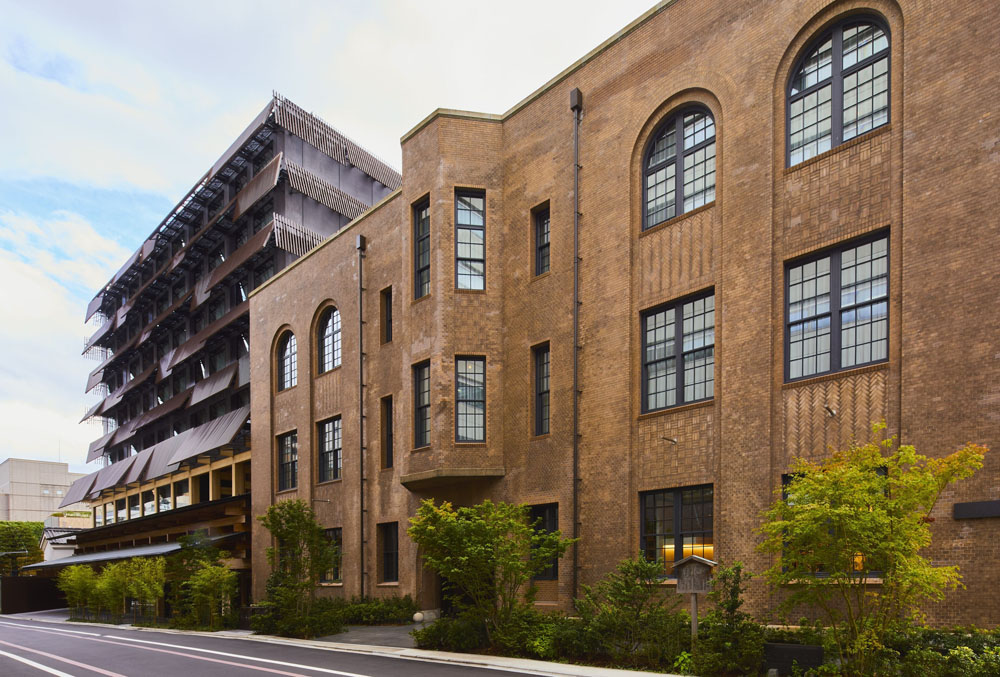
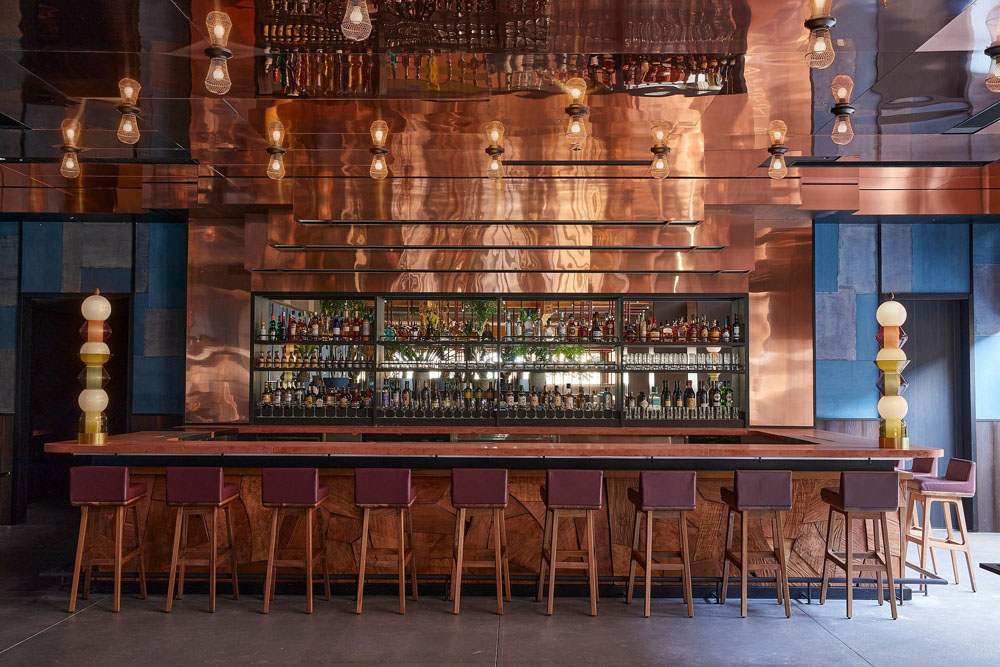
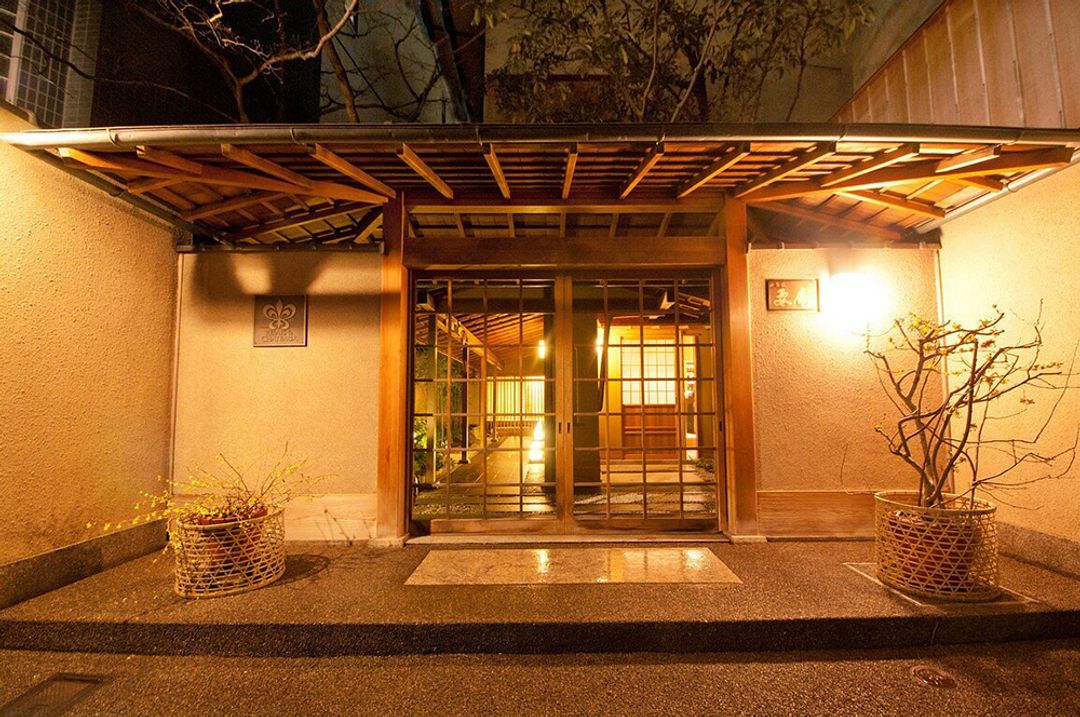
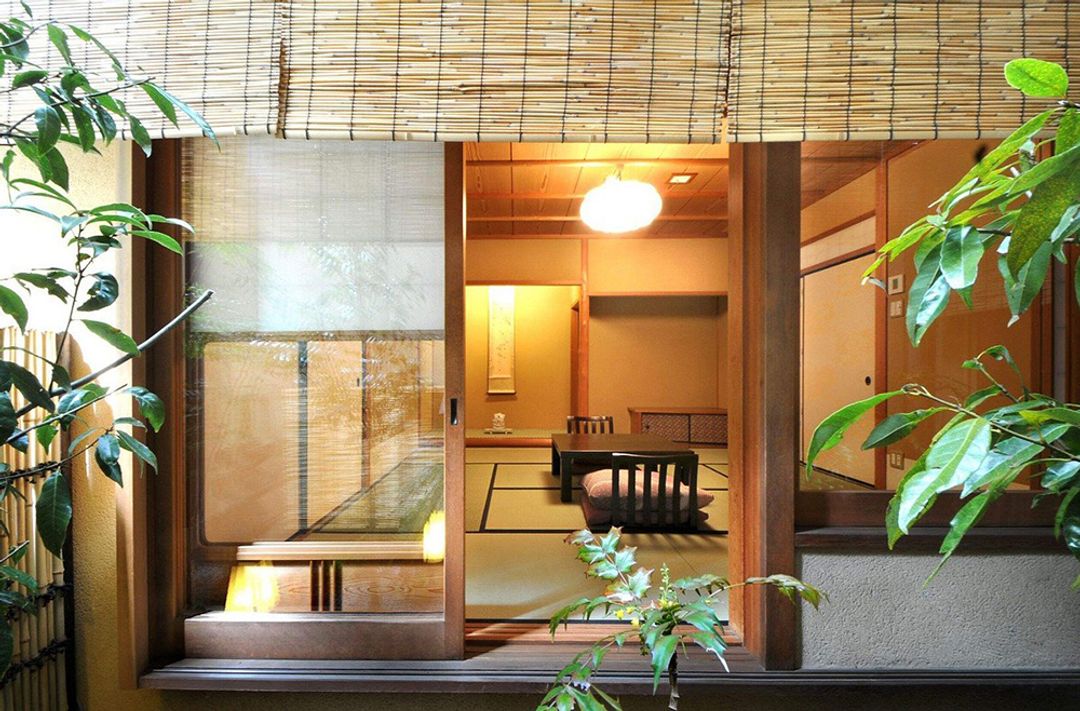
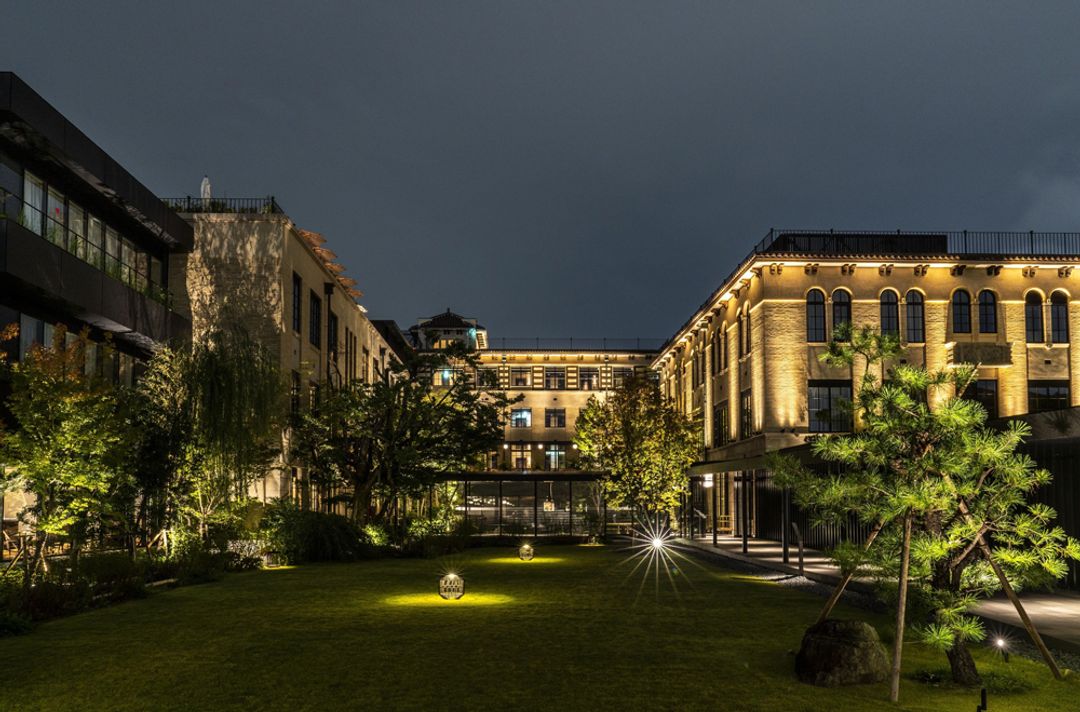
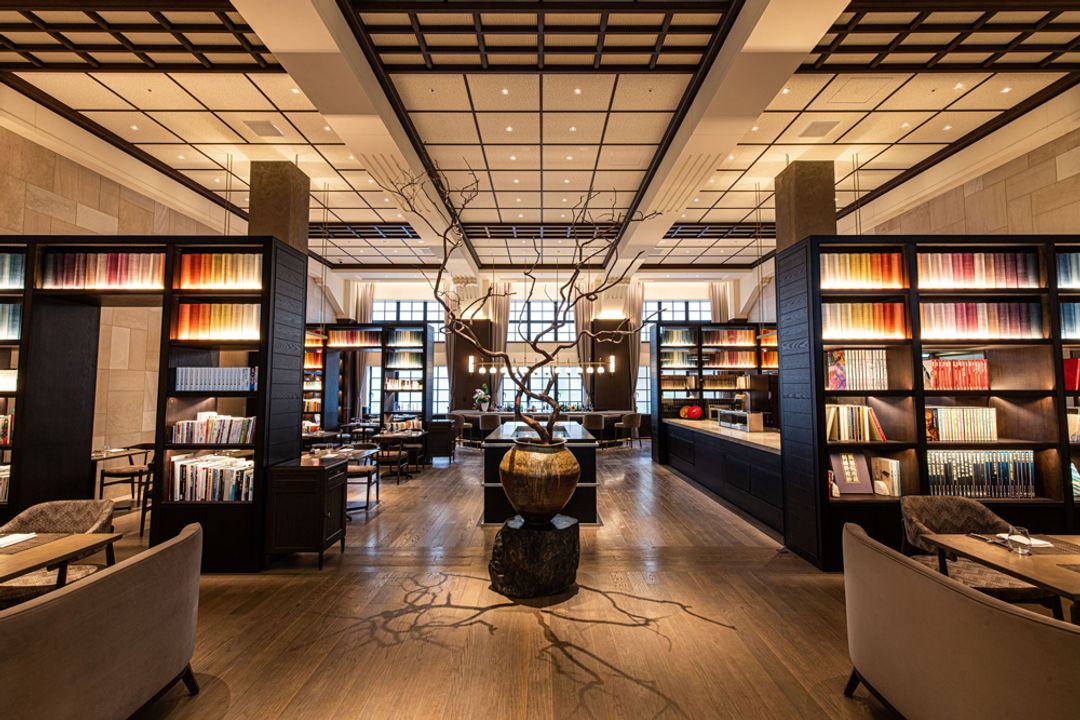
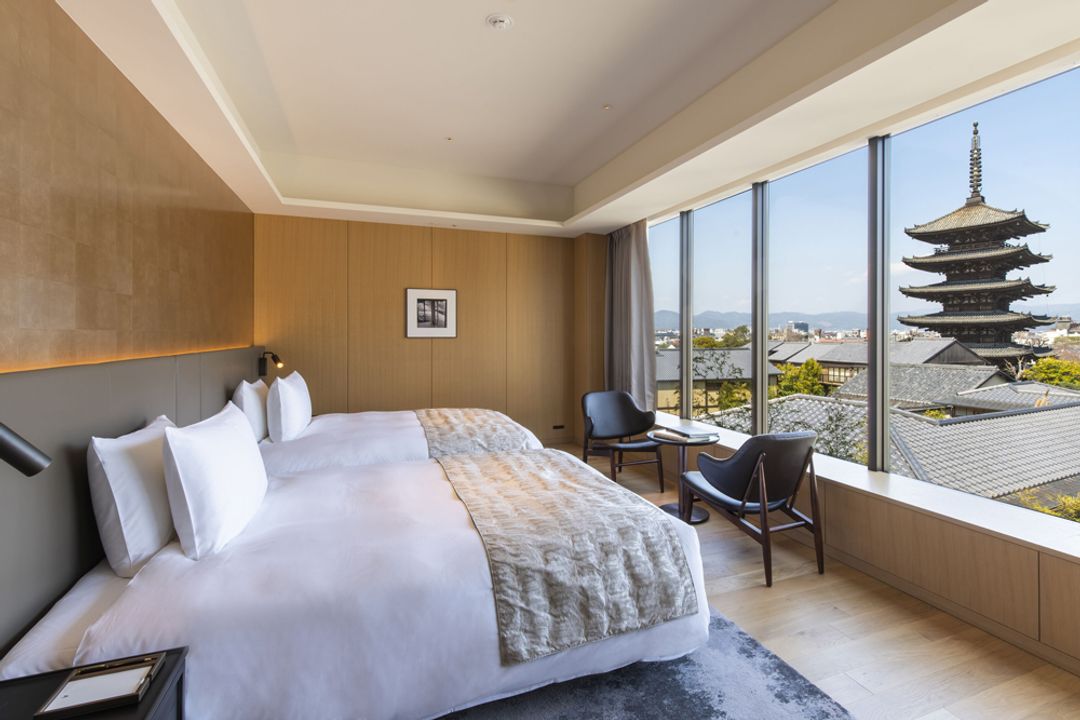
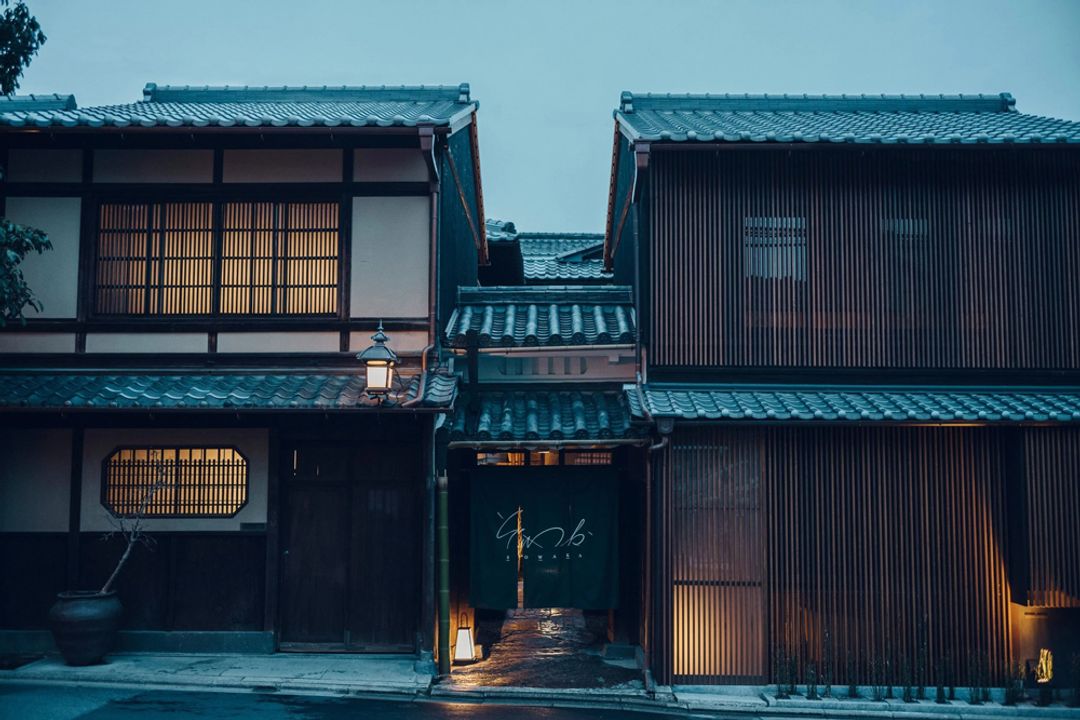
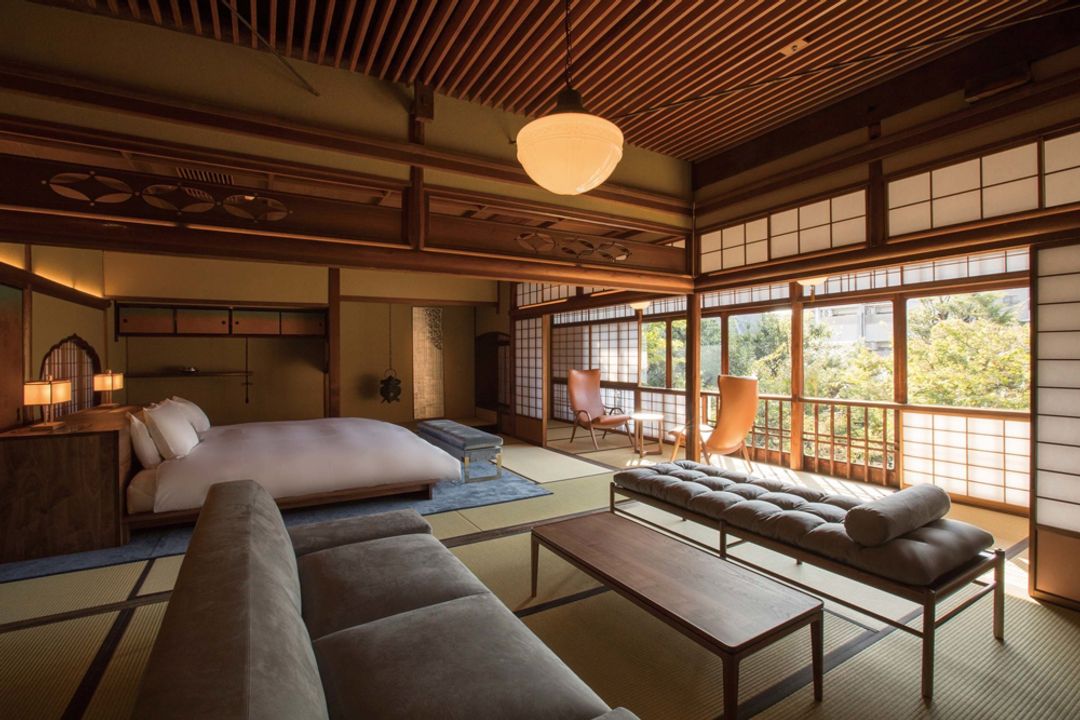
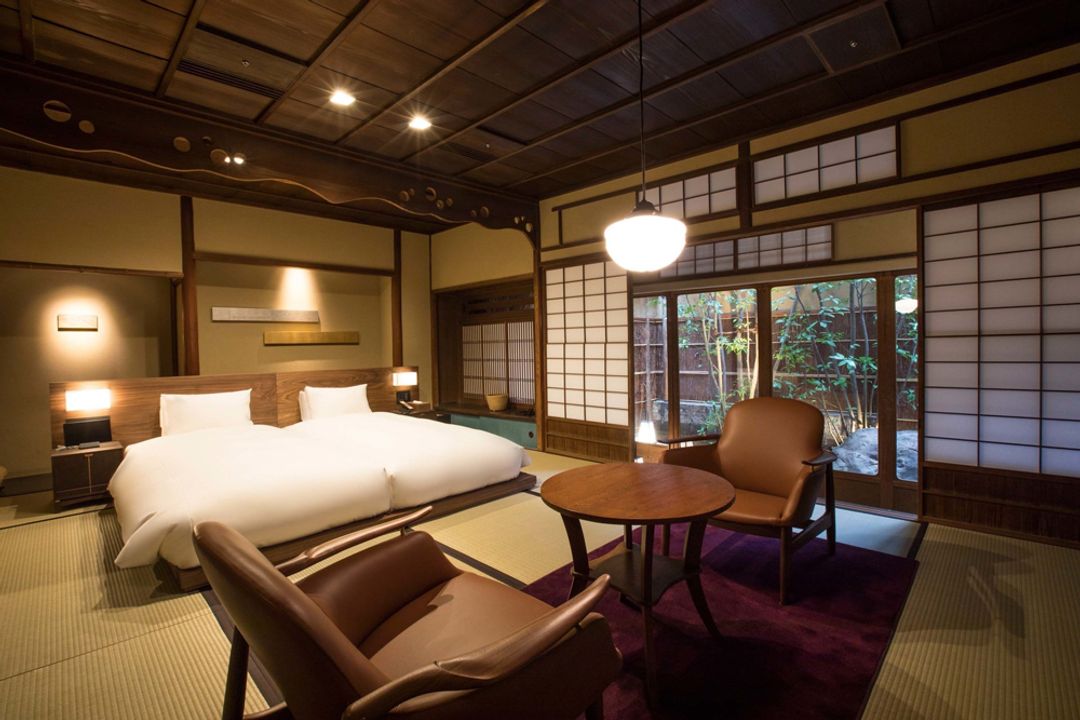
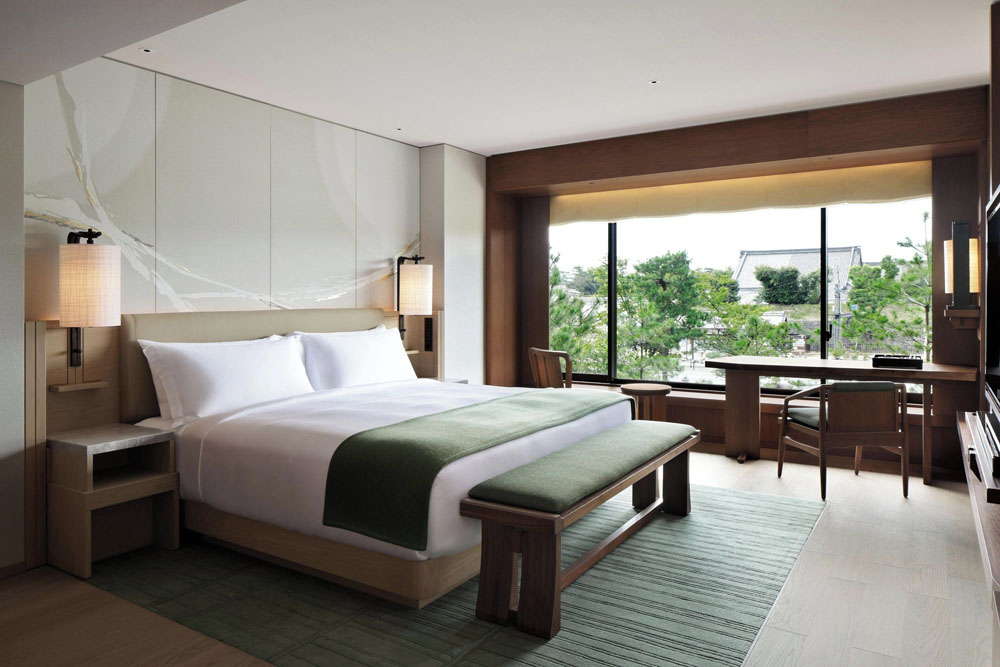
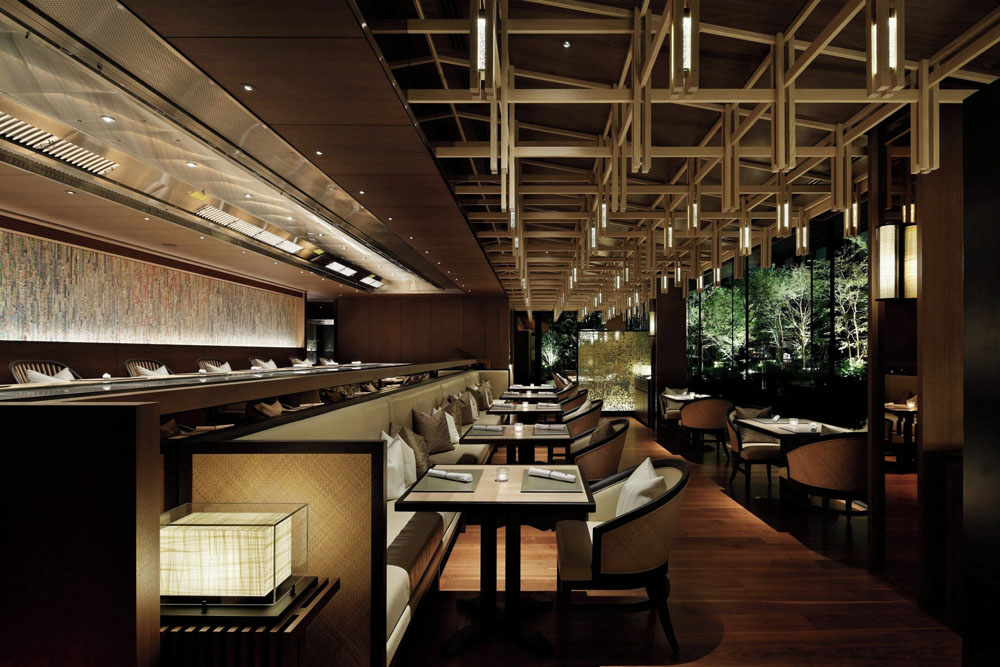
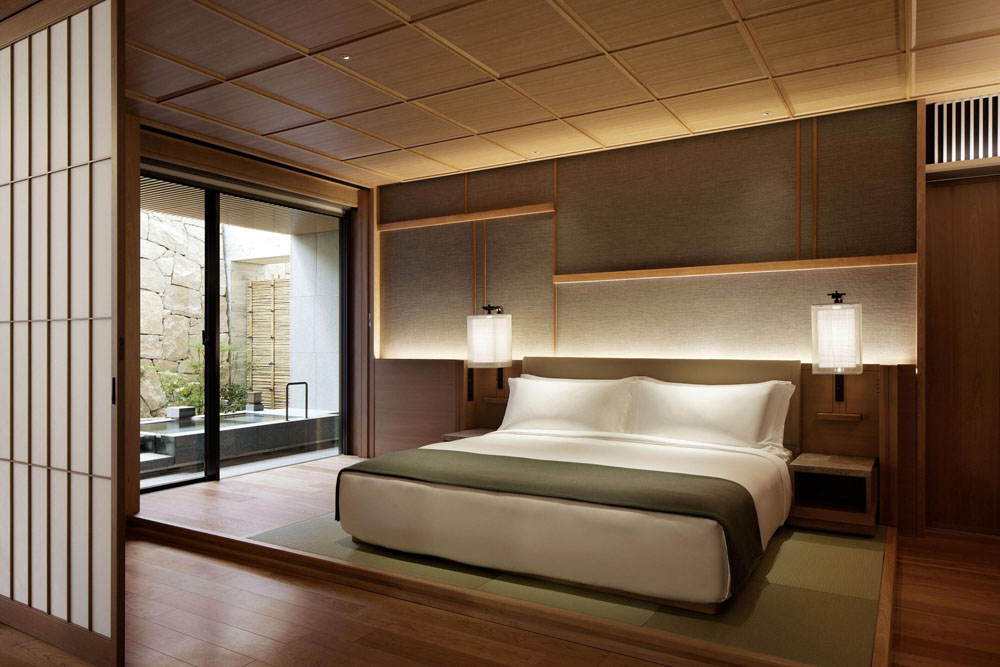
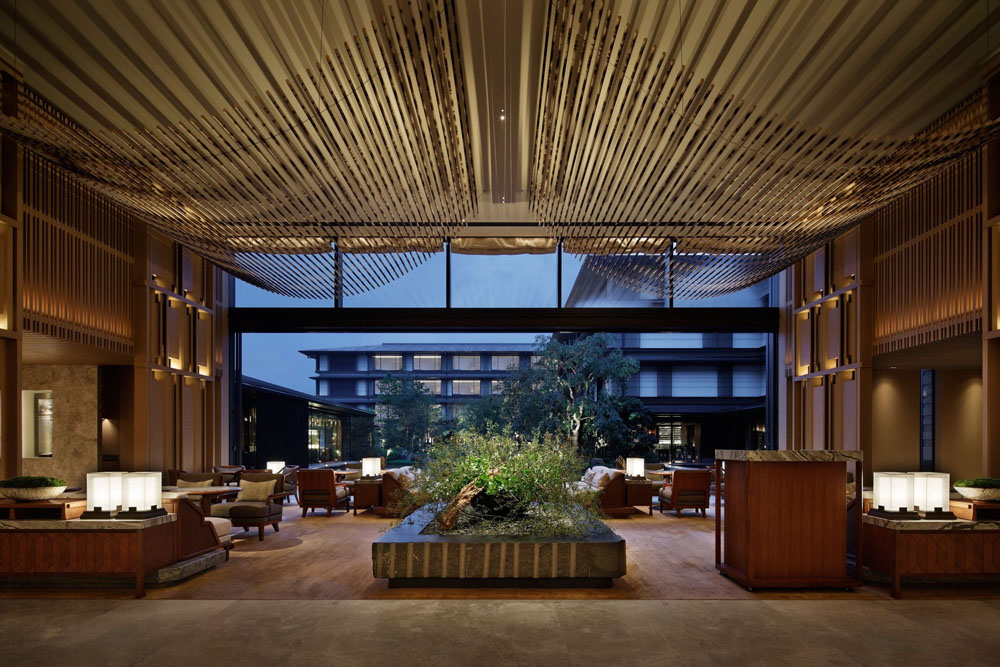
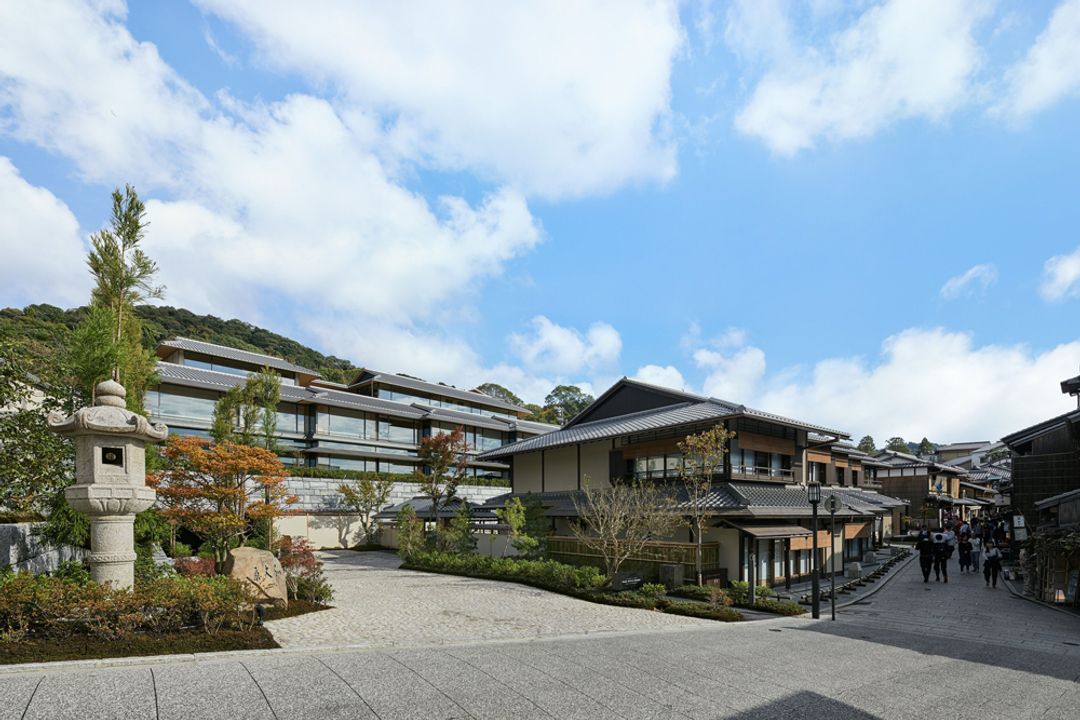
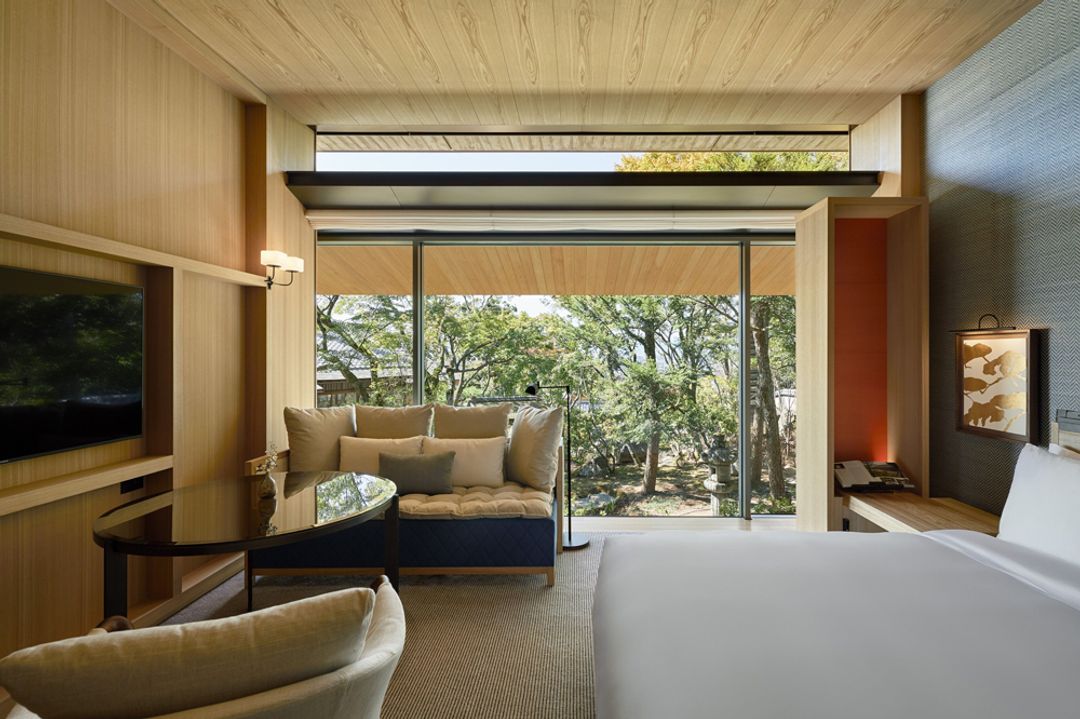
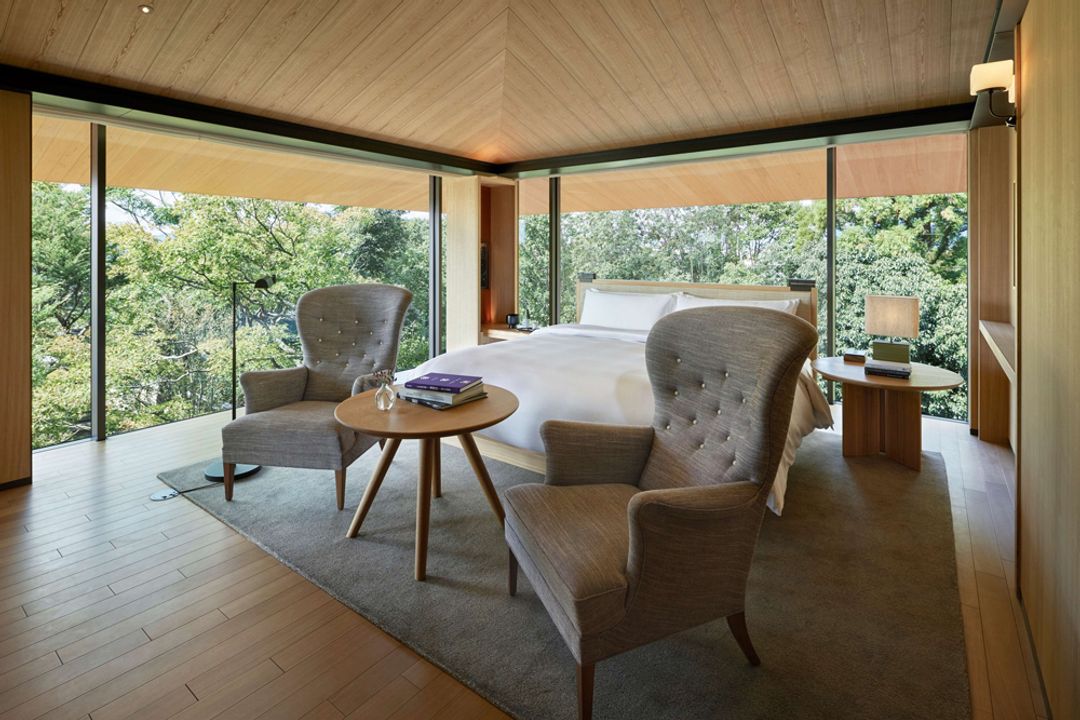
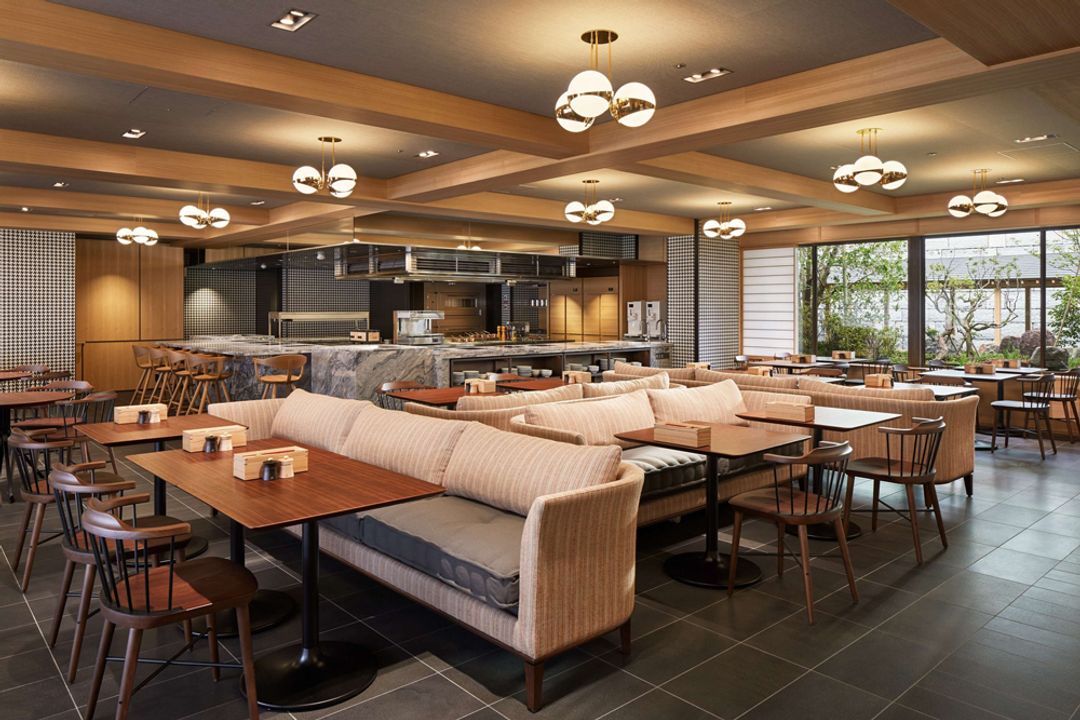
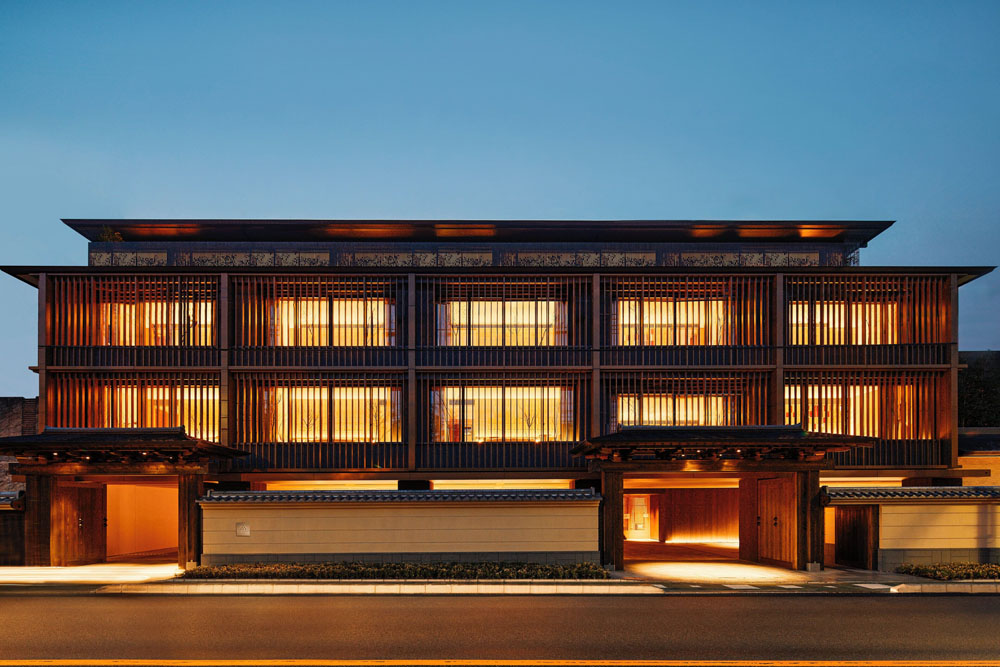
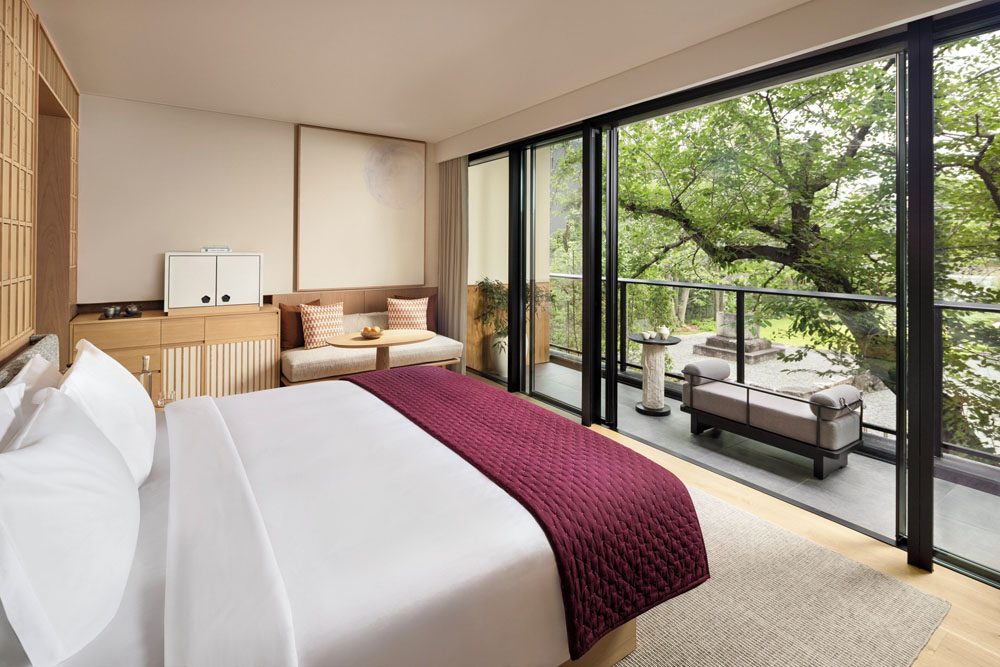
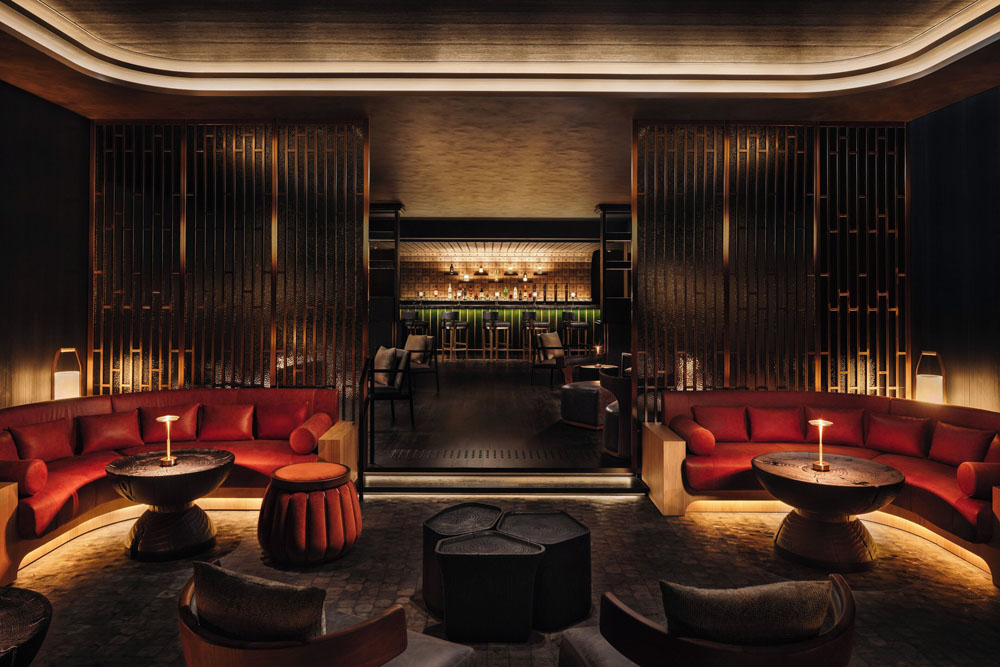
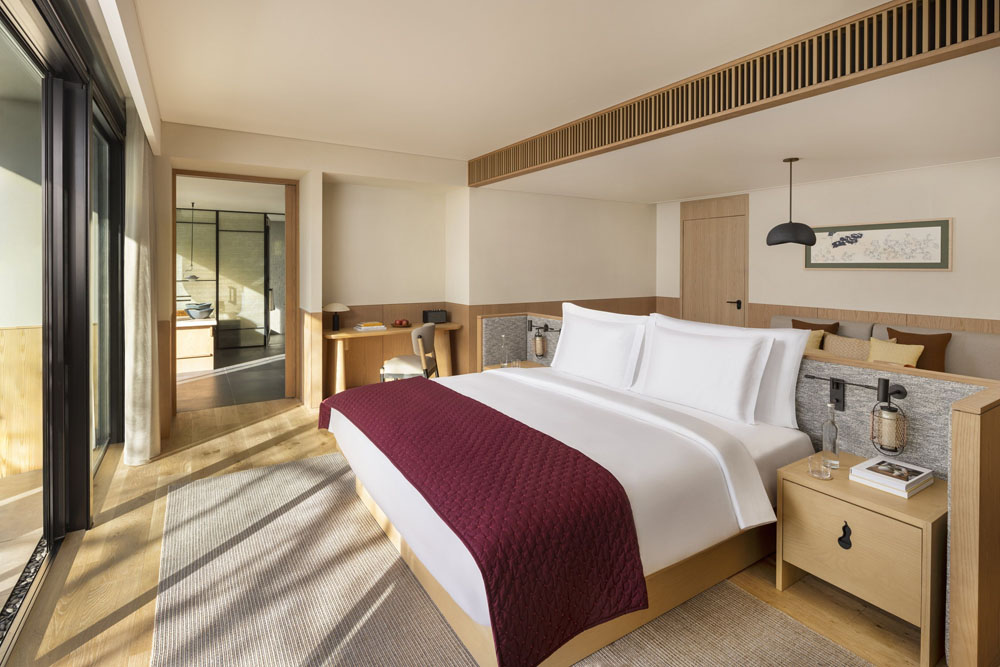
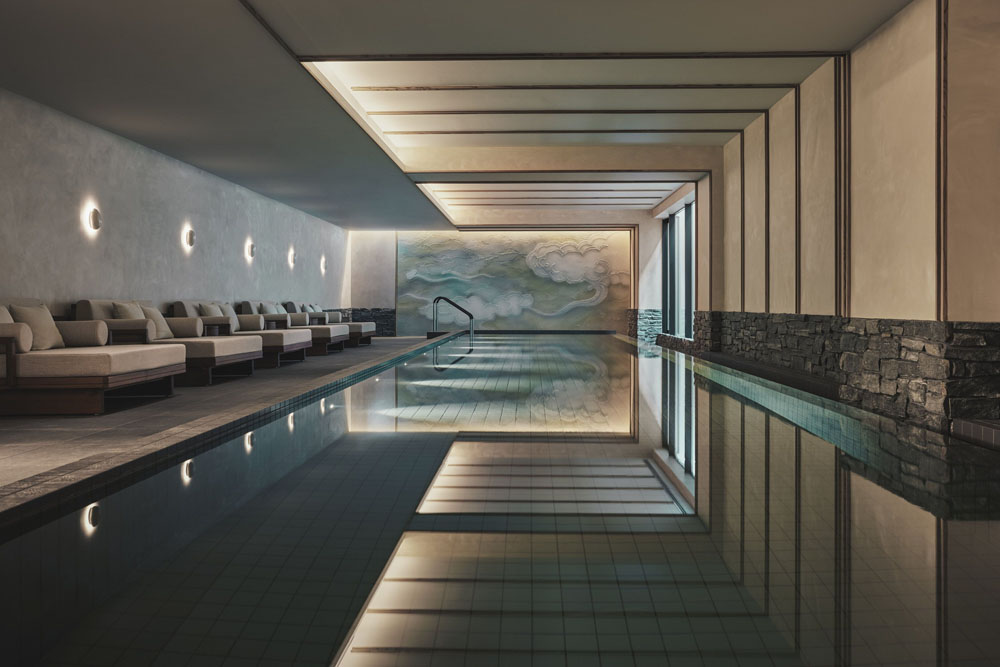
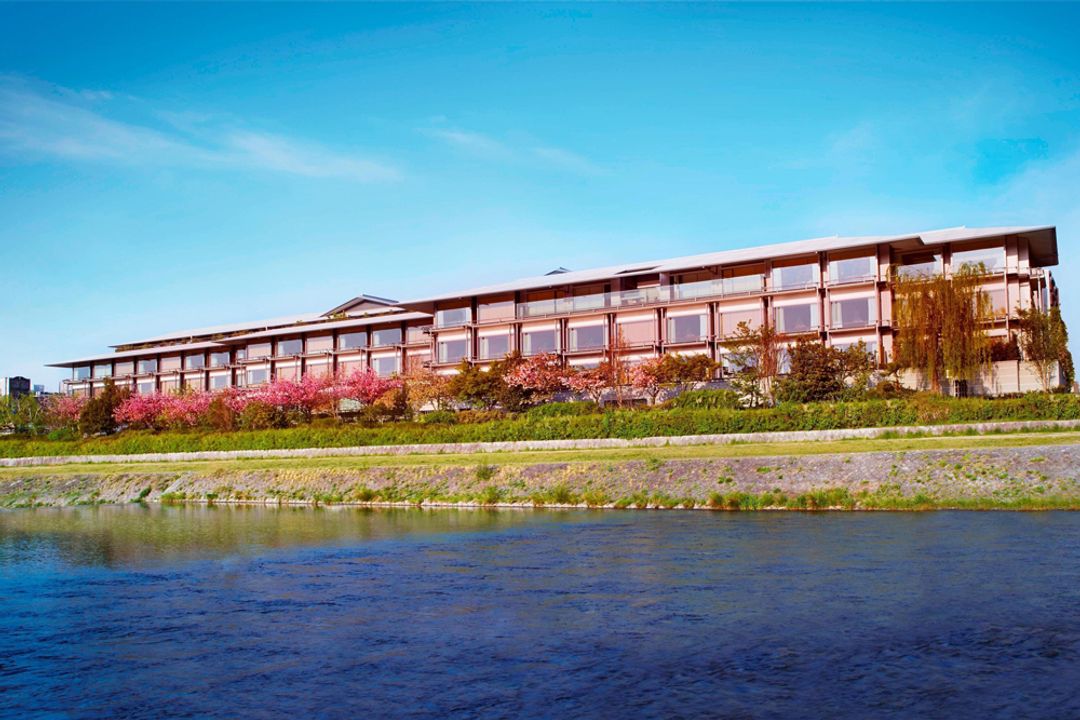
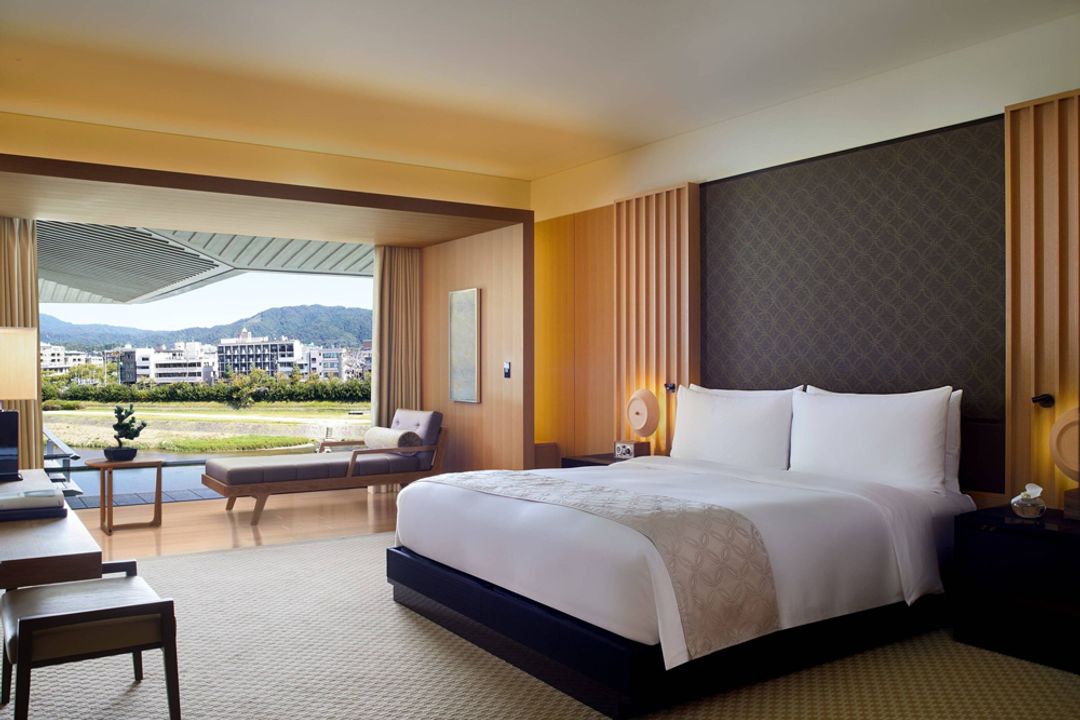
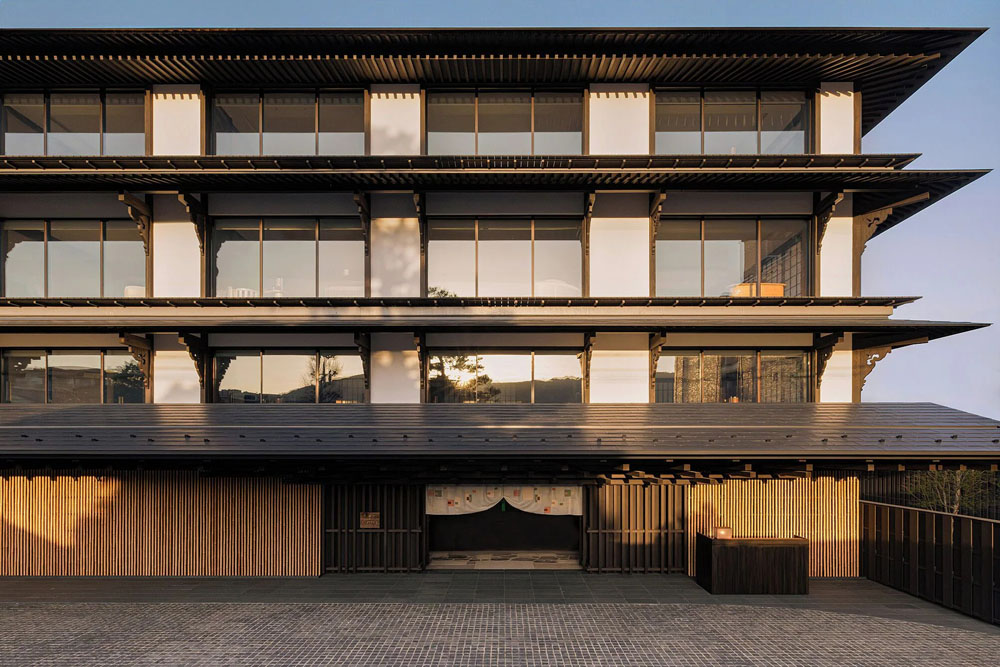
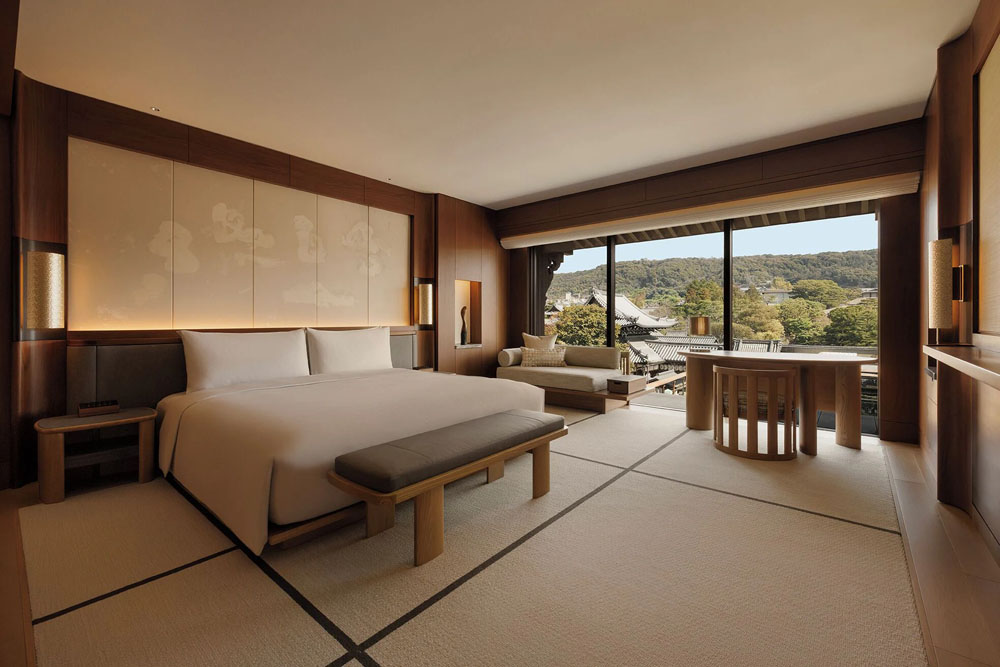
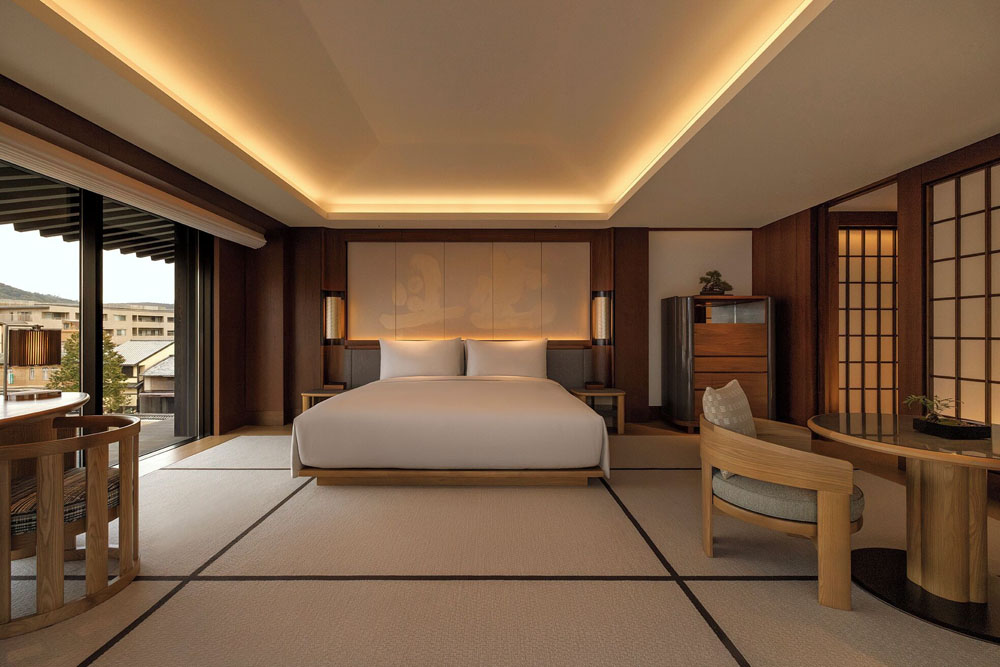
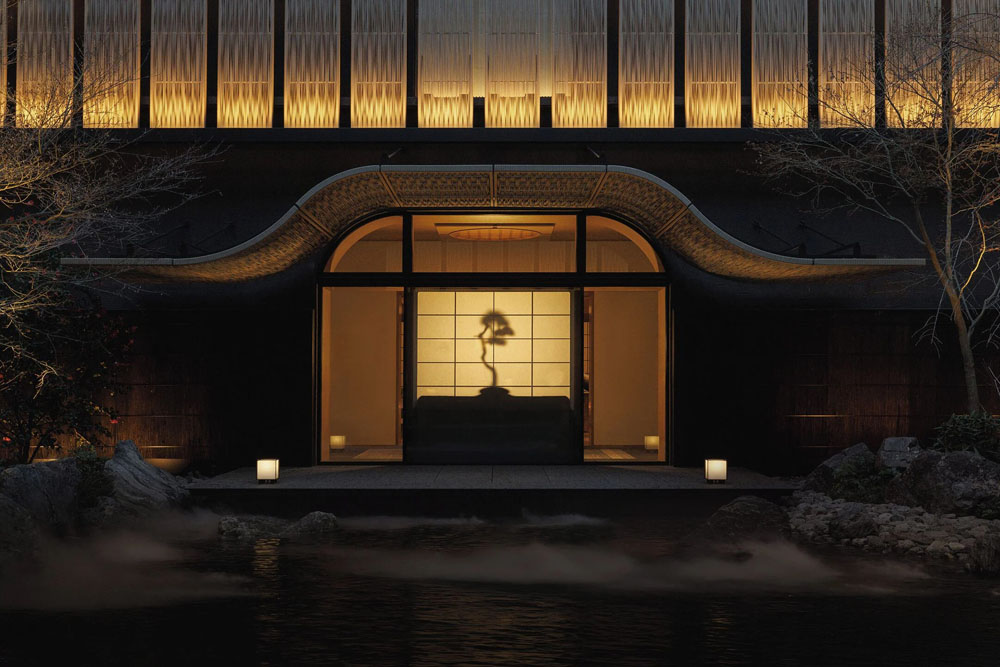
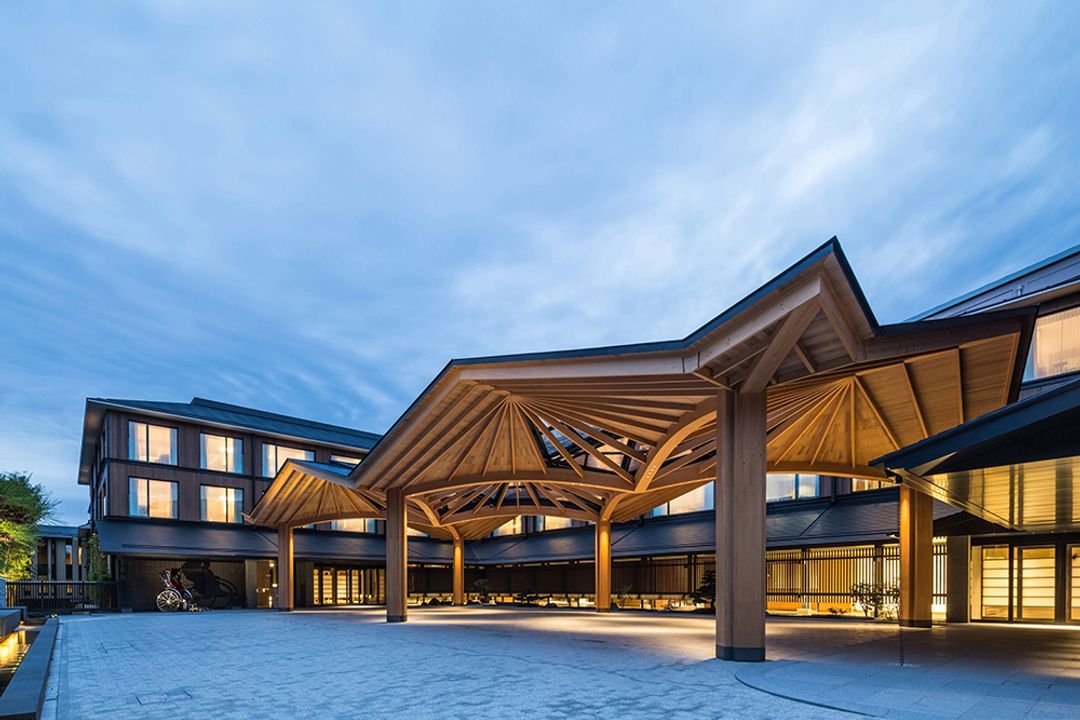
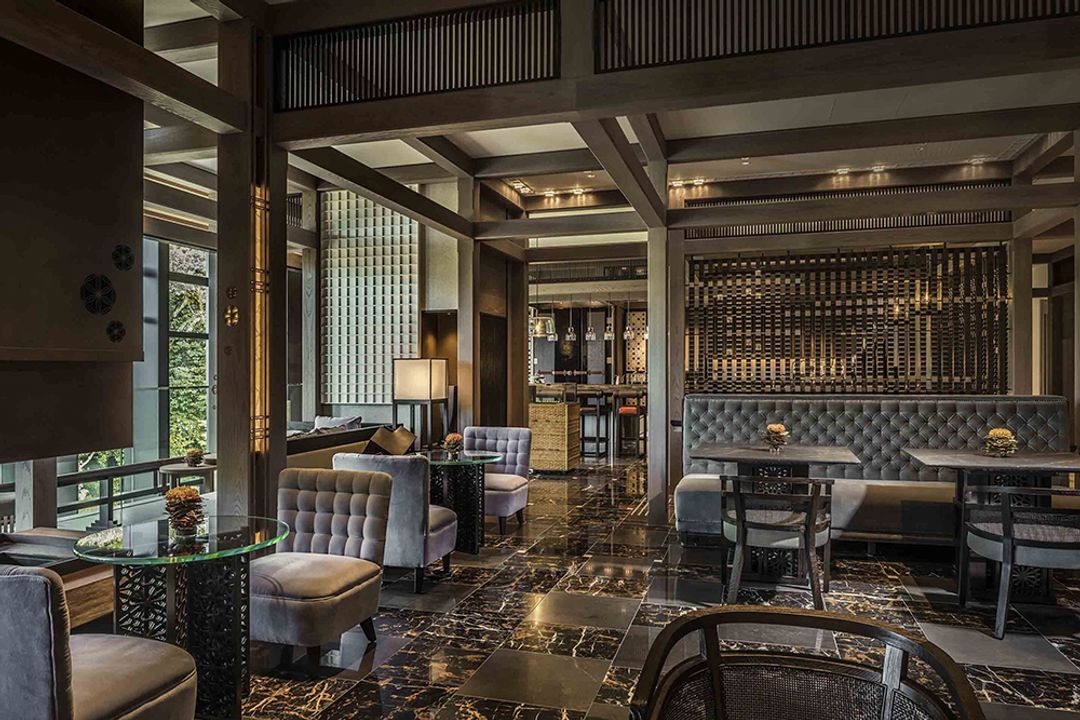
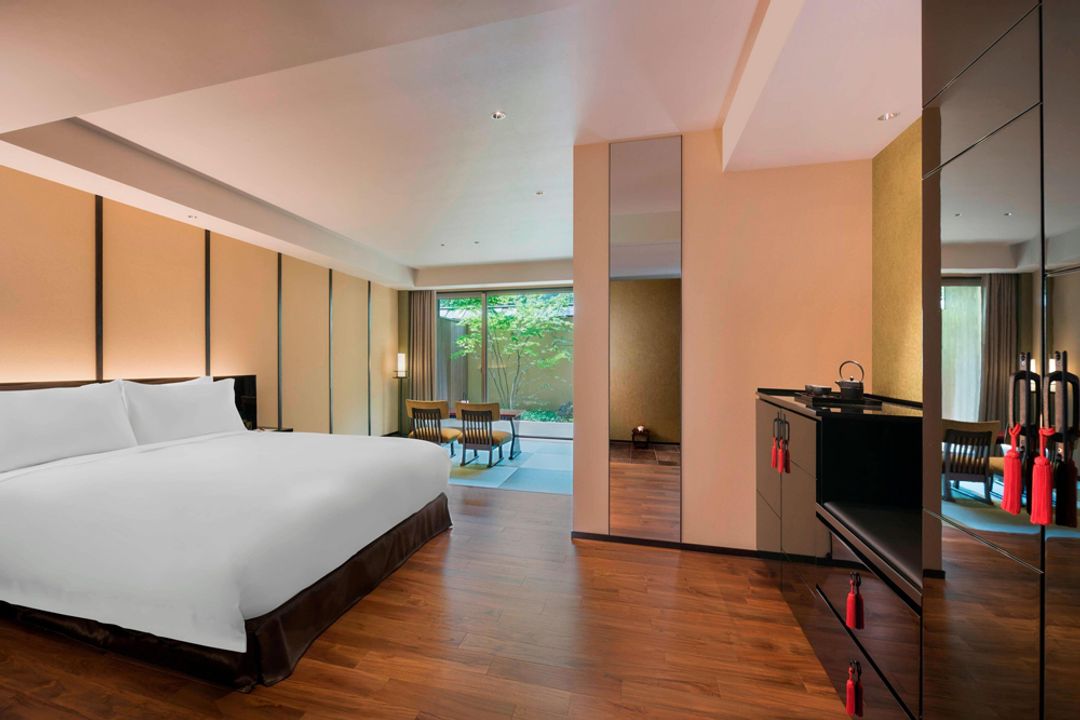
Kyoto does not easily tolerate the contemporary. Its preservation ordinances are among the strictest in Japan, building heights are capped, signage is regulated, and the city's collective memory runs long enough that a hotel opening in 2020 can feel like an act of cultural negotiation. This tension between intervention and deference shapes almost every significant property in the portfolio. On the eastern edge, Higashiyama concentrates several of the most considered responses to the problem. The Six Senses Kyoto, which opened in 2022 along the Kamo River corridor, works with exposed concrete and natural timber in a way that reads as contemporary without announcing itself aggressively. Nearby, The Hotel Seiryu Kyoto Kiyomizu occupies a converted early twentieth-century school building, the original red-brick structure preserved and threaded with modern interiors that hold their historic container rather than overwriting it. Luxury Hotel SOWAKA, tucked into the Yasaka district close to Gion, operates on a similar principle of restraint within inherited architecture.
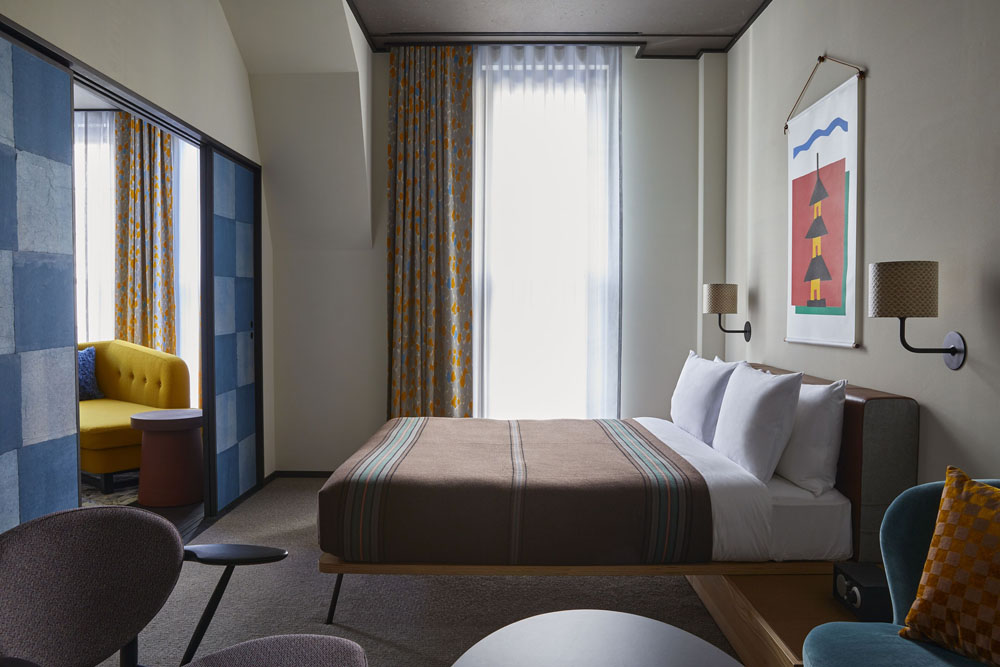
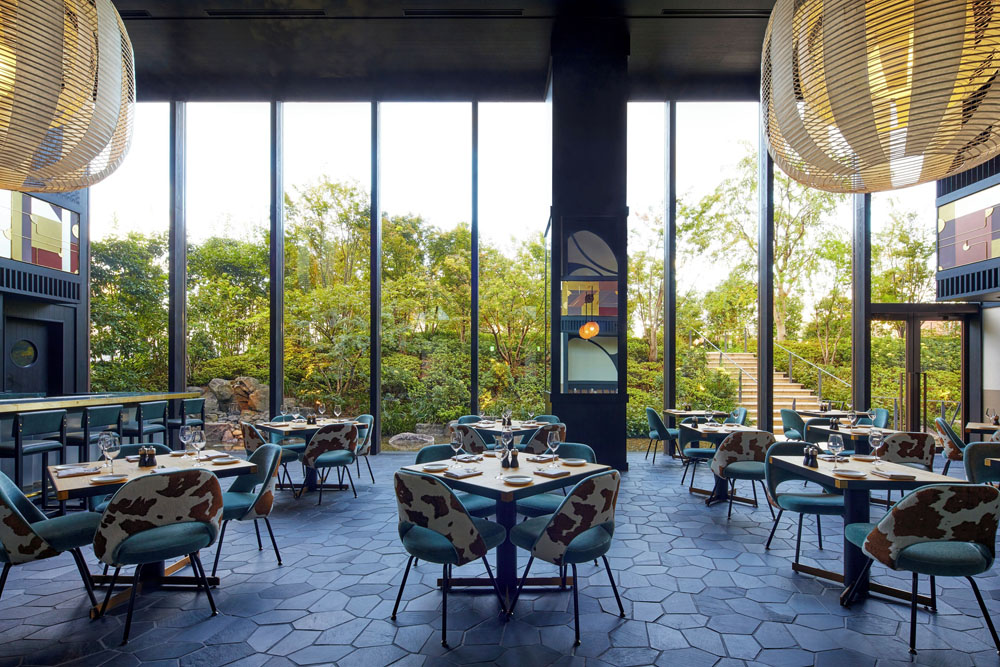
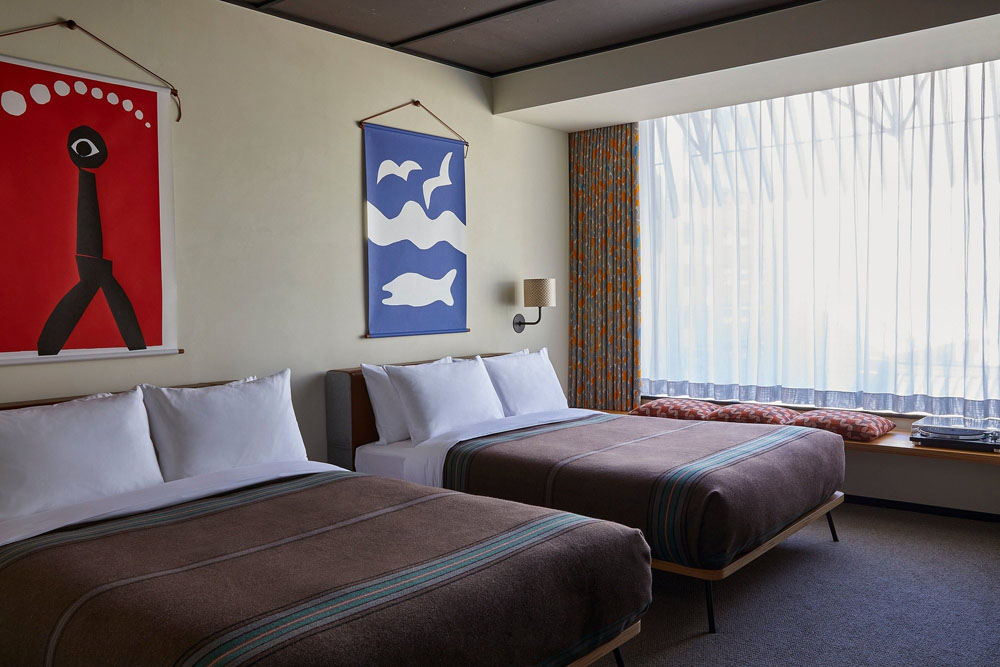
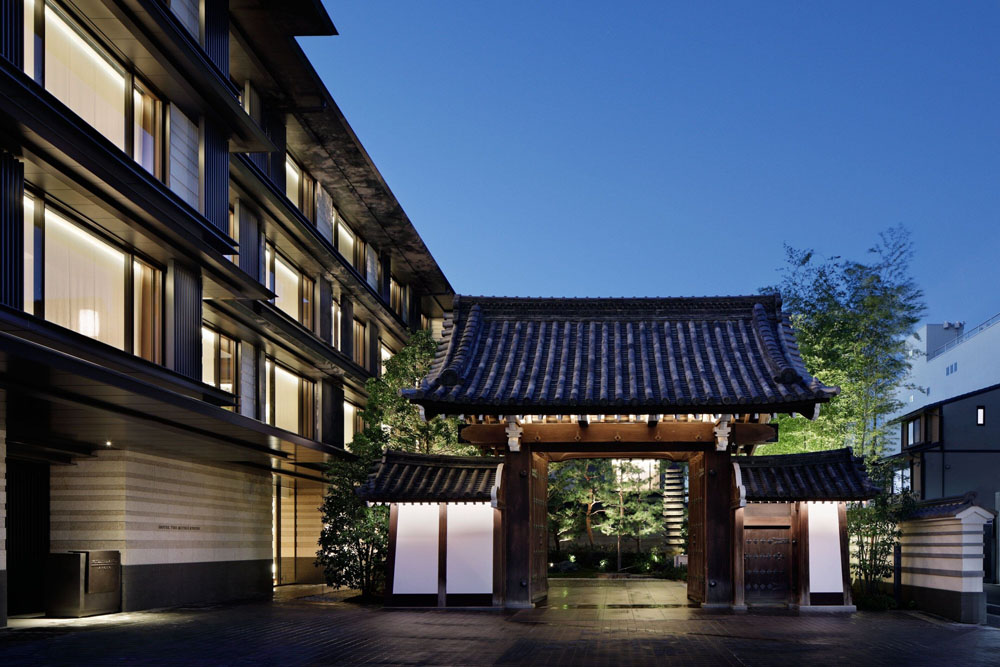
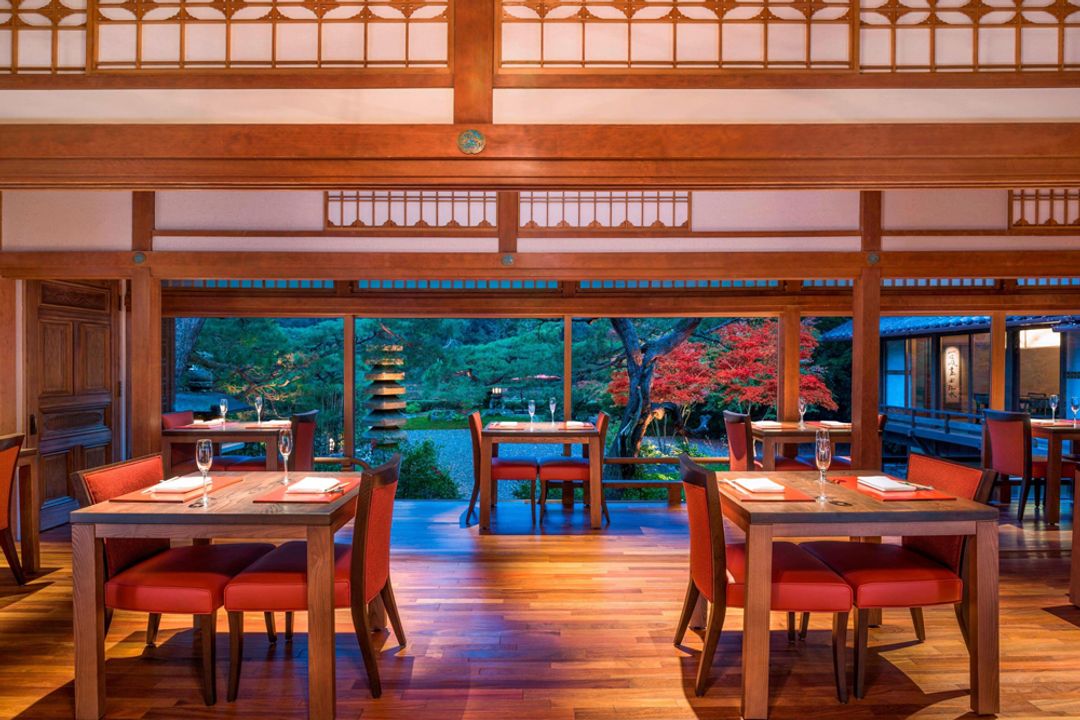
The Nijo-jo and Nakagyo districts introduce a different register. Hotel The Mitsui Kyoto, part of Marriott's Luxury Collection, sits on land with direct historical ties to the Mitsui family estate, and the property draws on that provenance through an interior that uses traditional craft materials without collapsing into pastiche. A short distance away, Capella Kyoto is oriented around a reimagined canal and gardens in the Nakagyo riverside zone, its architecture attentive to water and seasonal change in a way that feels genuinely rooted rather than decorative. The Ace Hotel Kyoto, designed by Kengo Kuma in collaboration with Commune Design, occupies a former telephone exchange building and is the city's most credible attempt at making a creative-economy hotel feel at home in a heritage fabric.
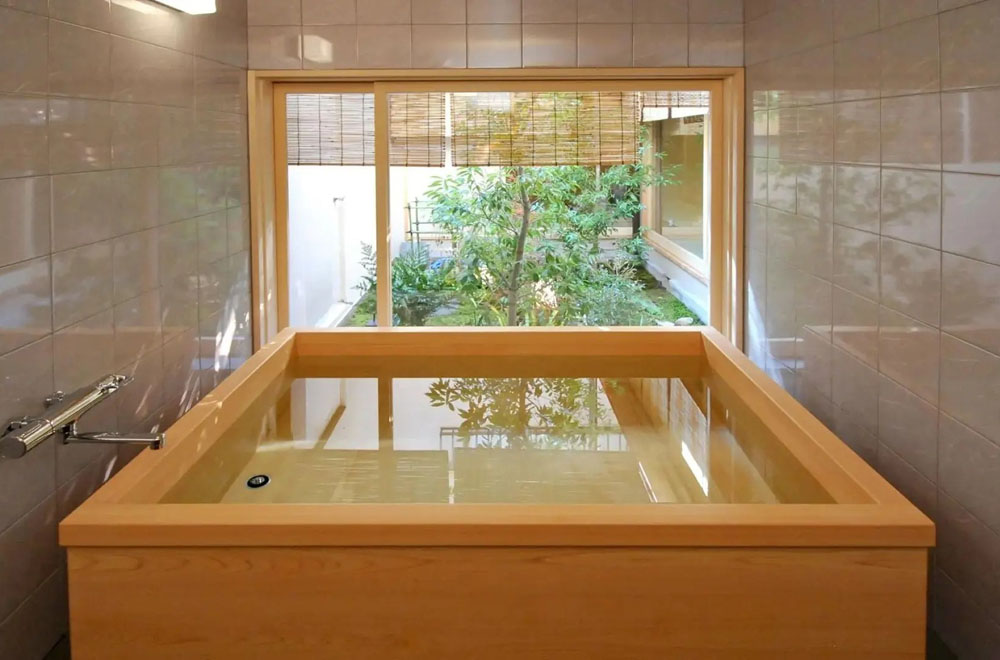
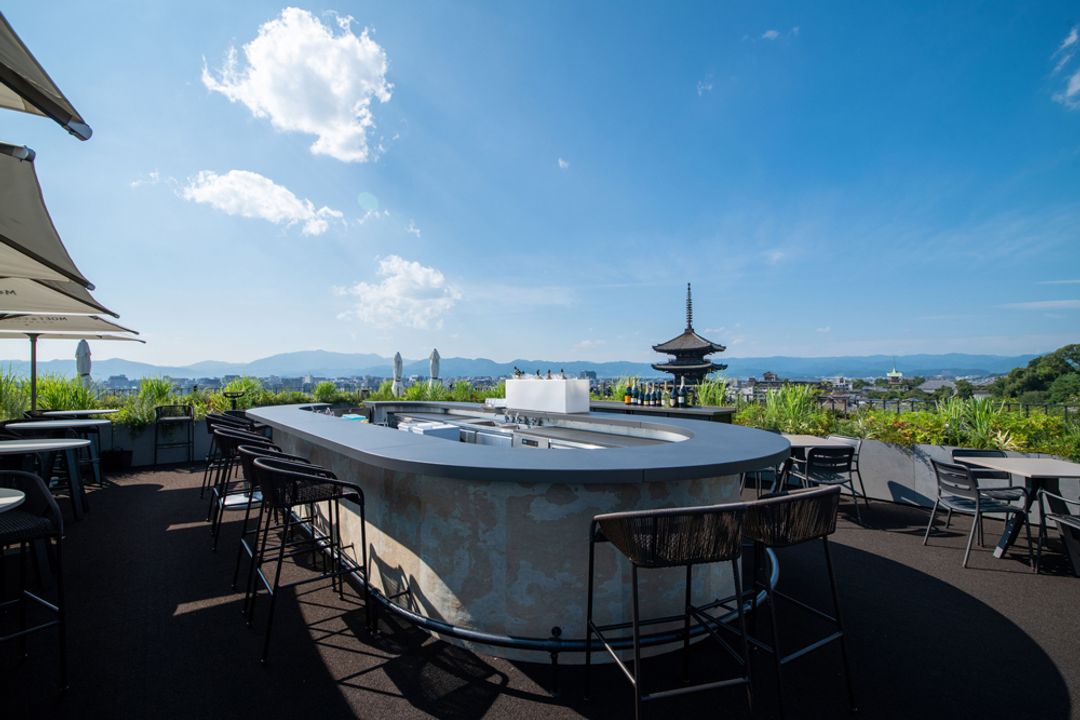
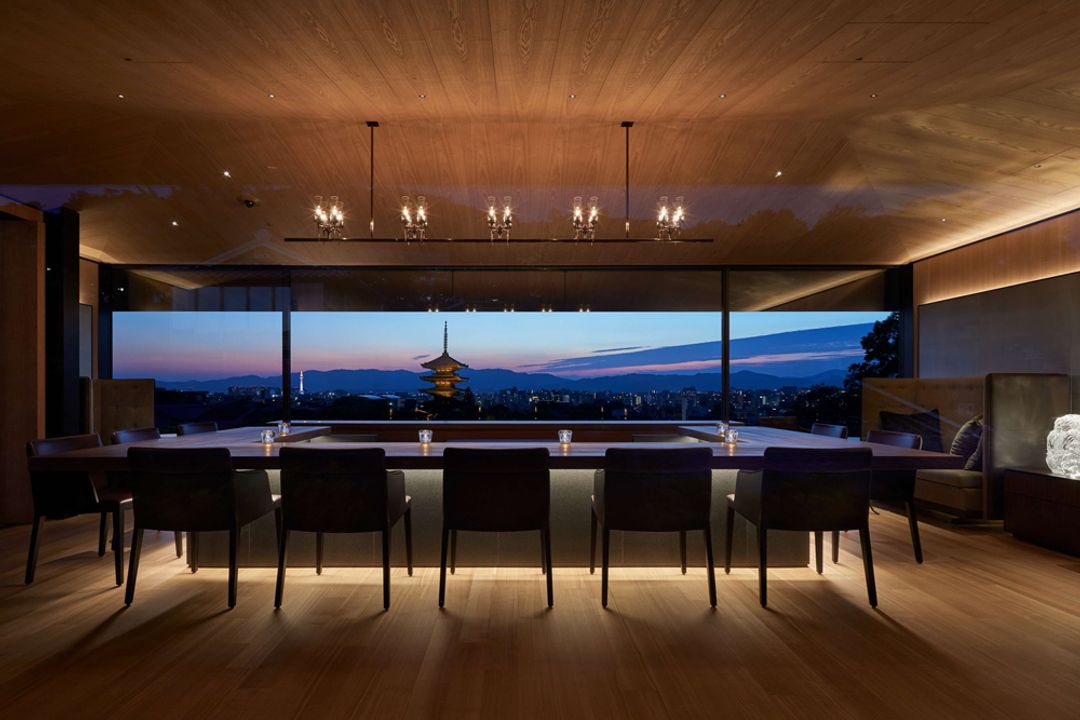
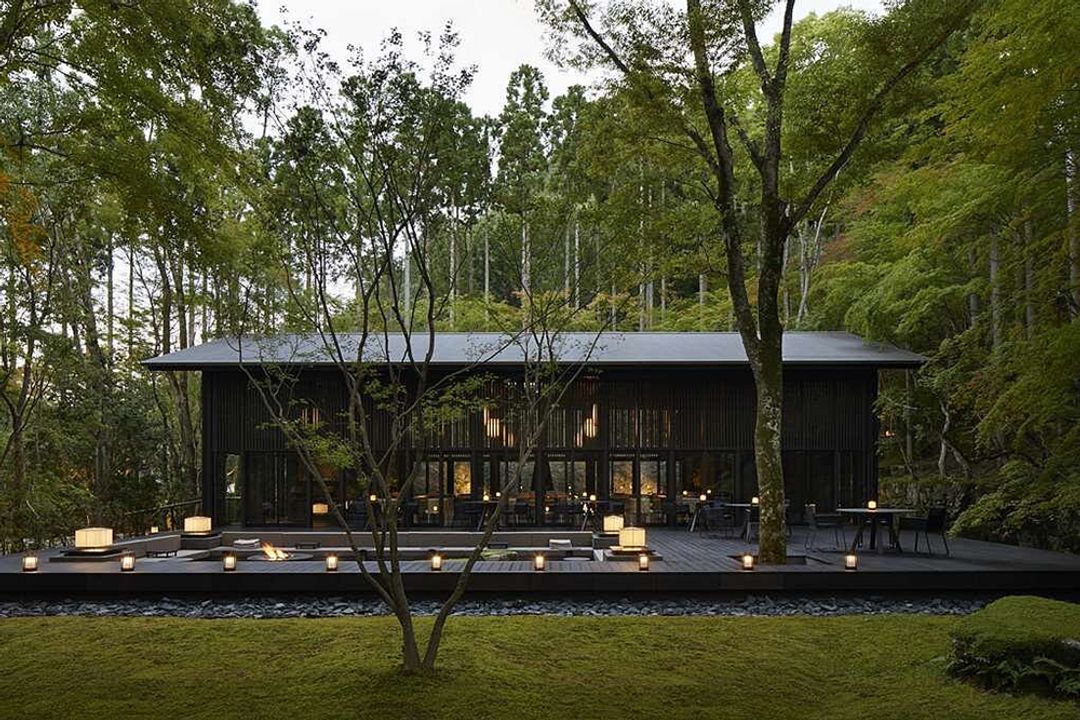
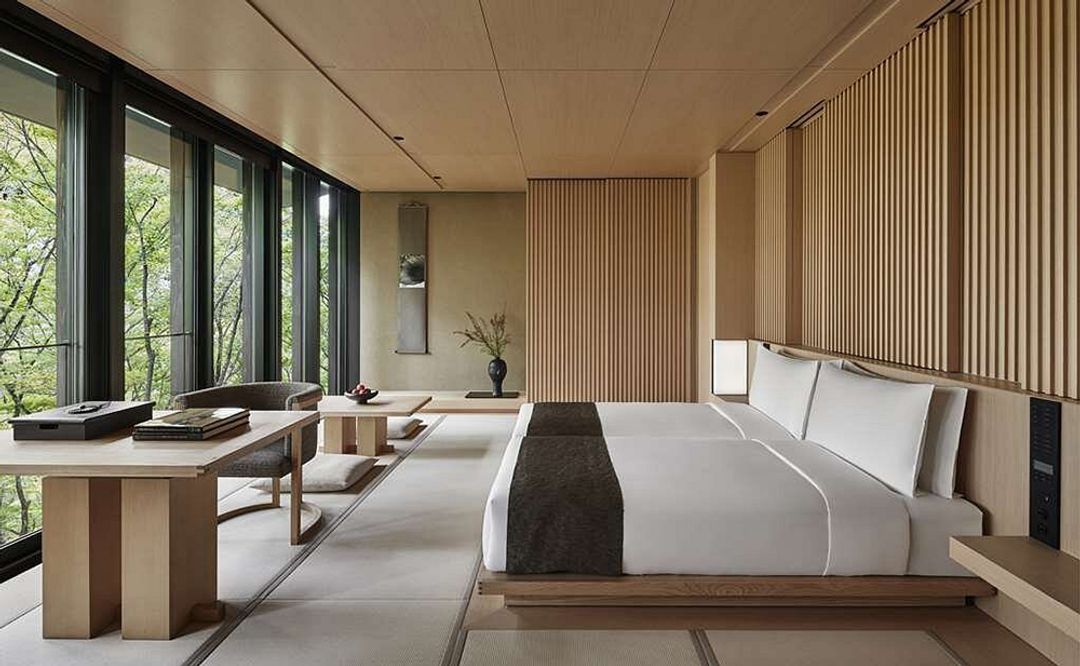
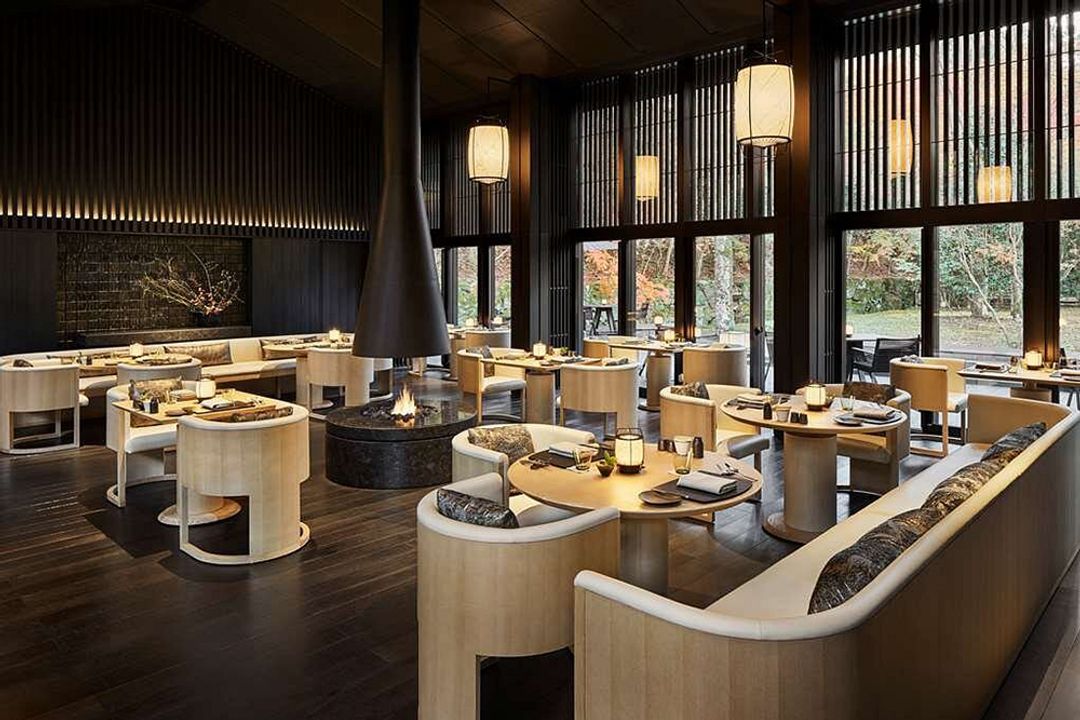
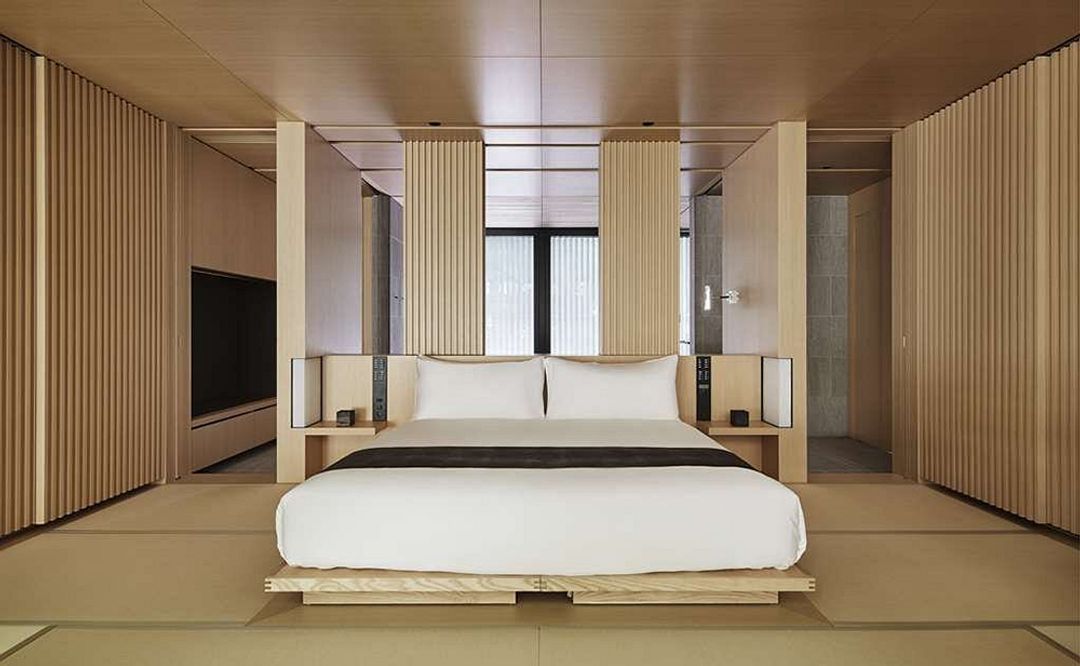
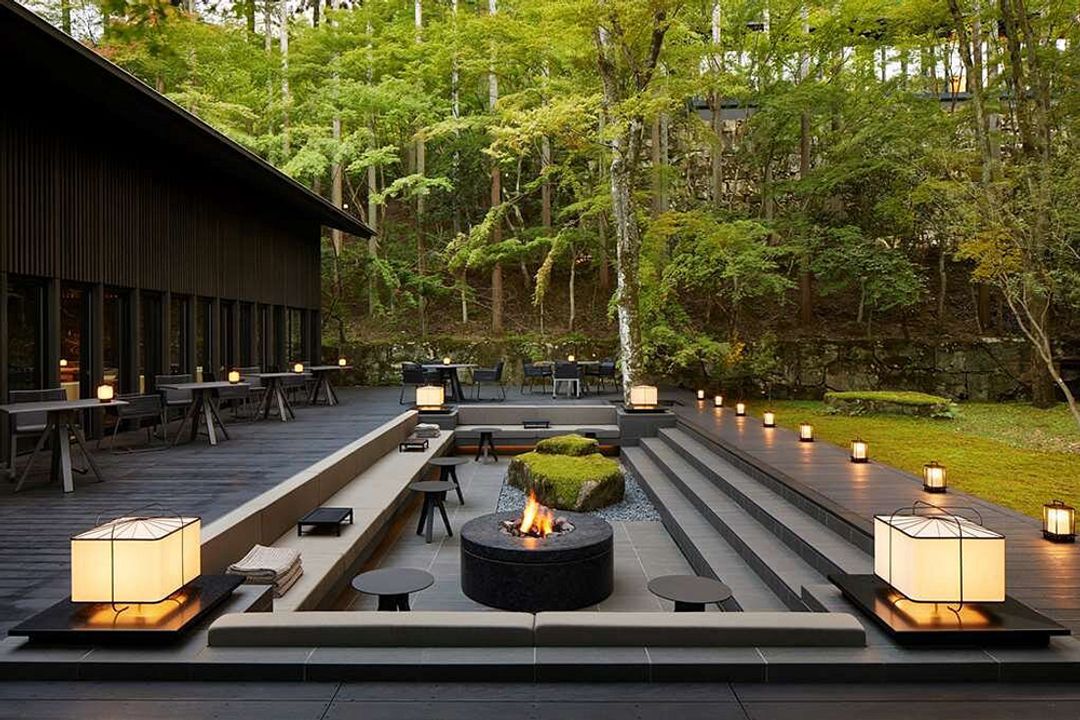
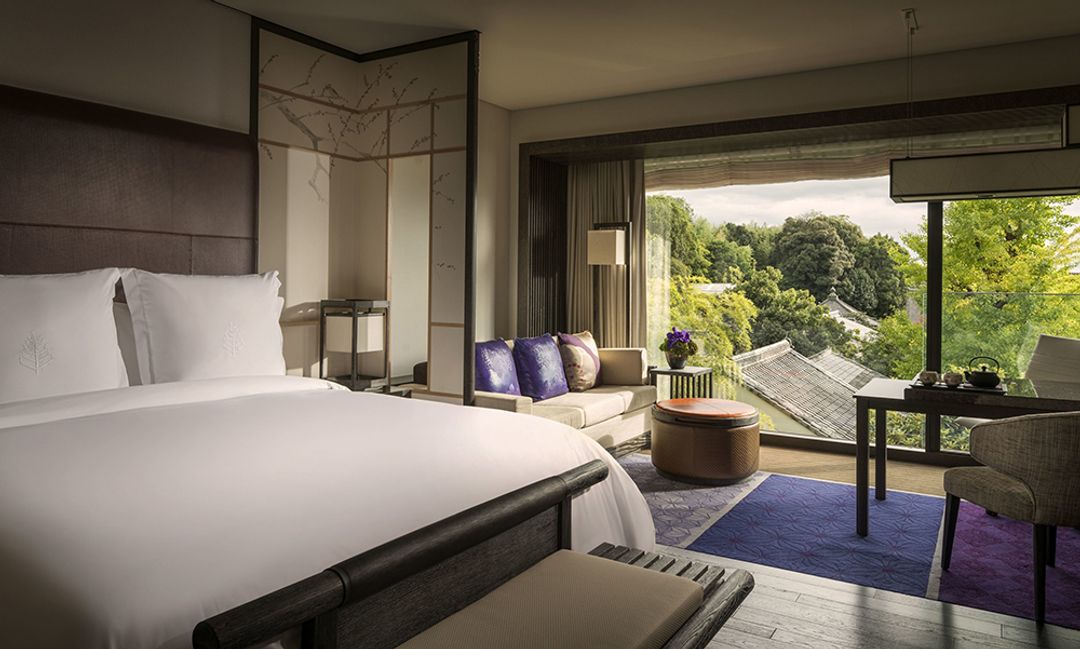
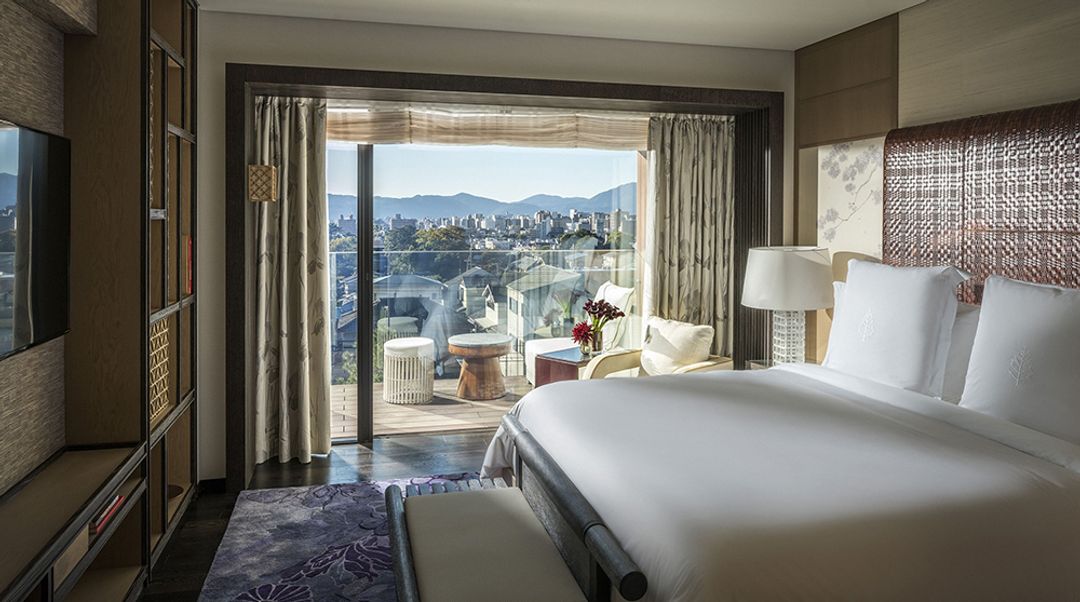
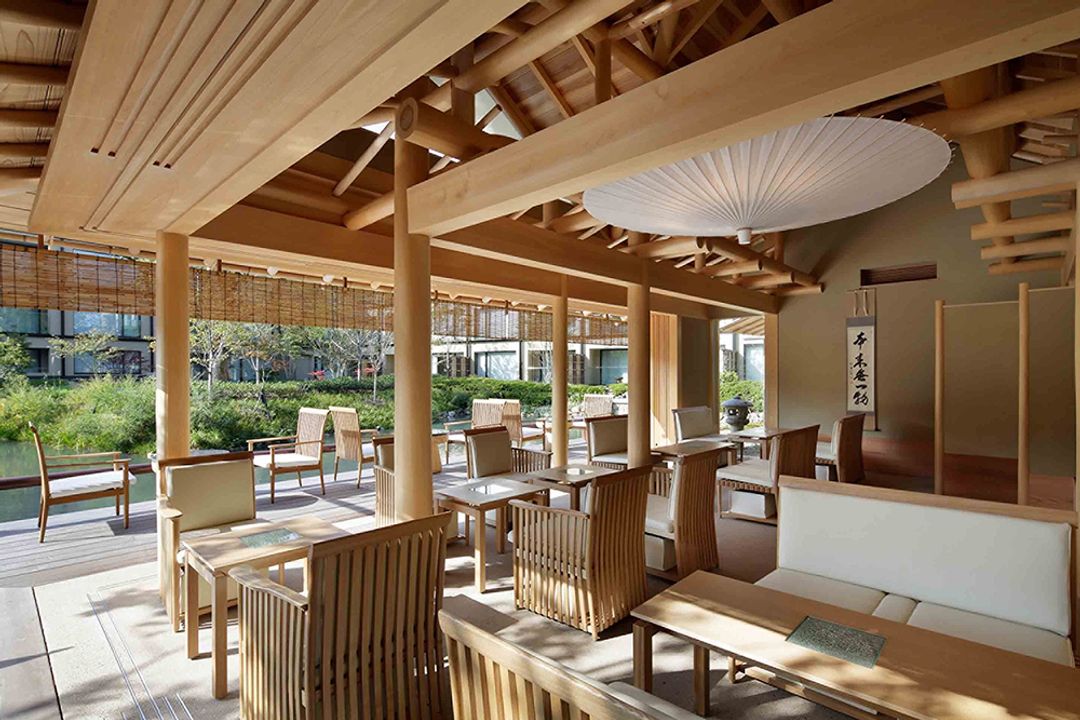
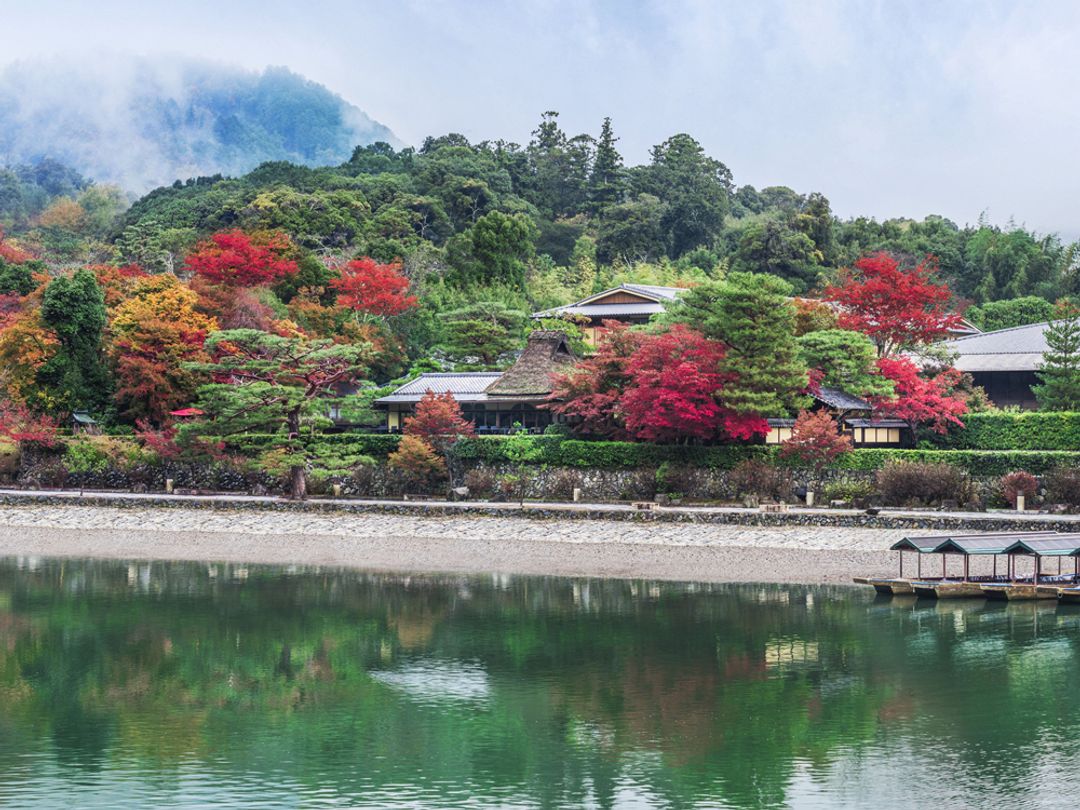
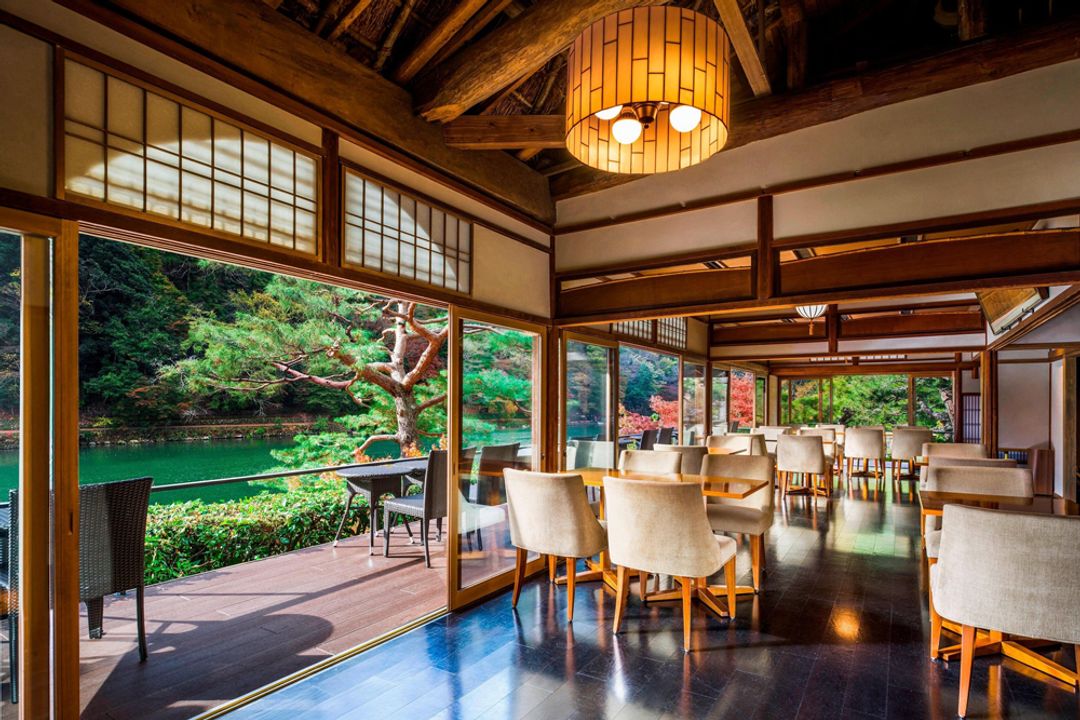
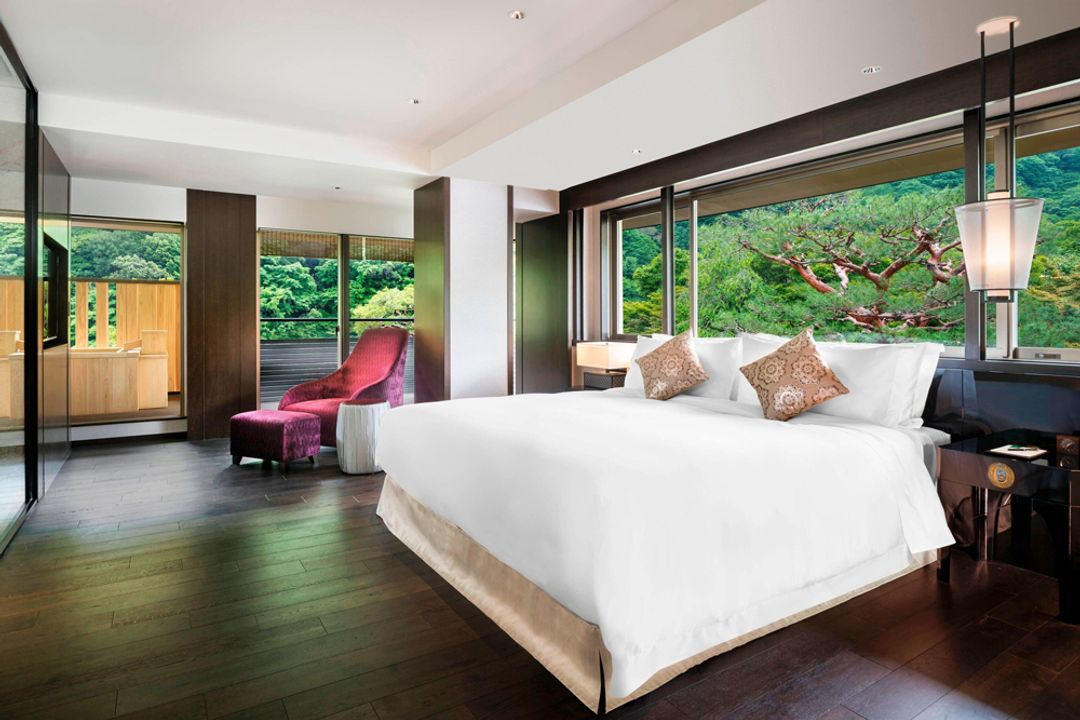
The outer districts pull hardest toward landscape over architecture. Aman Kyoto, set within a private forest garden in Kinugasa near the Kinkaku-ji temple grounds, is perhaps the clearest statement of the city's underlying hospitality philosophy: that the garden, not the room, is the primary experience. Kerry Hill Architects designed it with a restraint that borders on invisibility, and that invisibility is the point. At the other end of the spectrum, Suiran Kyoto in Arashiyama places travelers directly within one of Japan's most visited bamboo landscapes, while the Park Hyatt Kyoto, high on the Higashiyama slopes above Kiyomizu-dera, earns its elevation with views that reframe the entire city below.