Best hotels in Dublin, Ireland | Visually Compare Top Stays Side-by-Side
Welcome to PressBeyond - a curated visual guide to design-driven hotels and the fastest way to compare them.
An Overview of the Boutique & Luxury Hotel Landscape in Dublin, Ireland
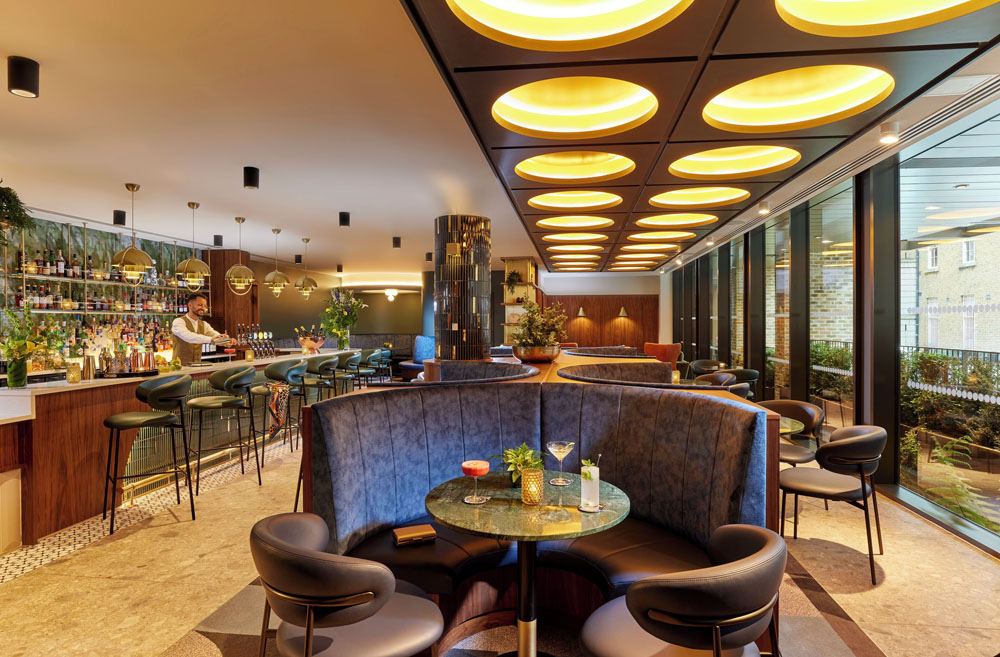
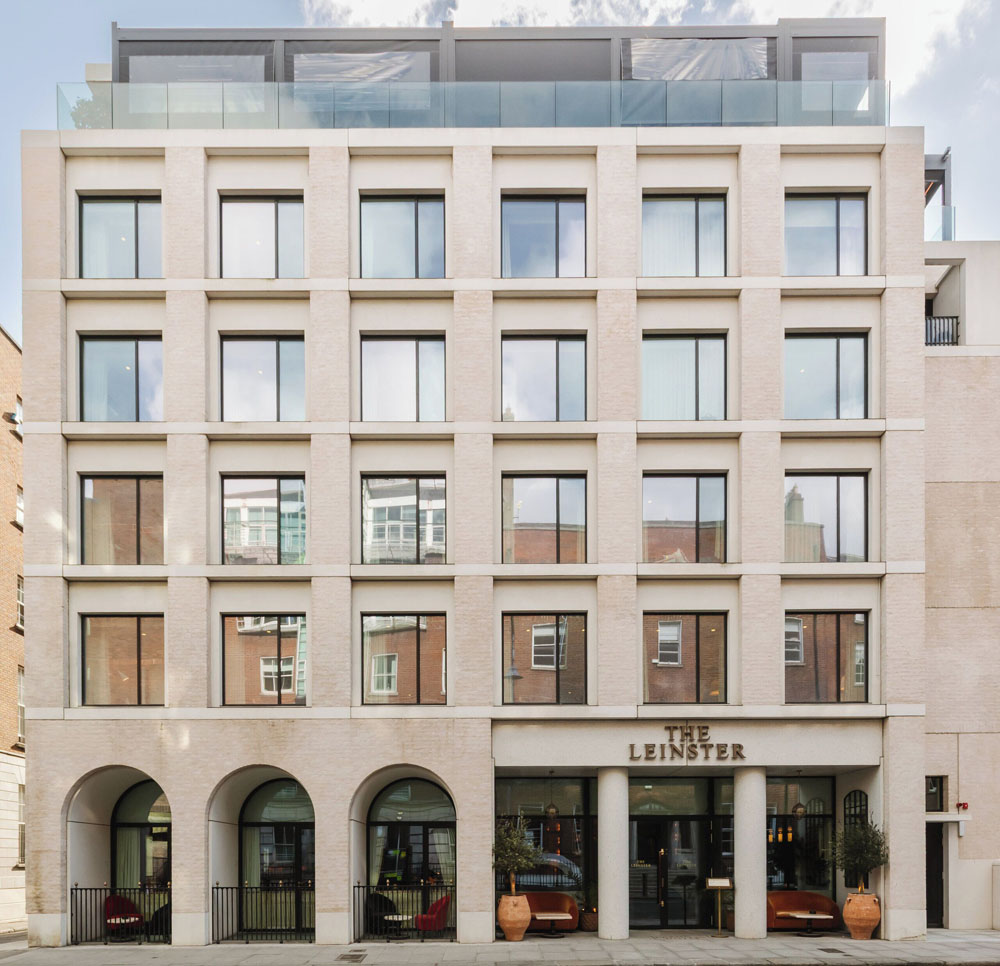
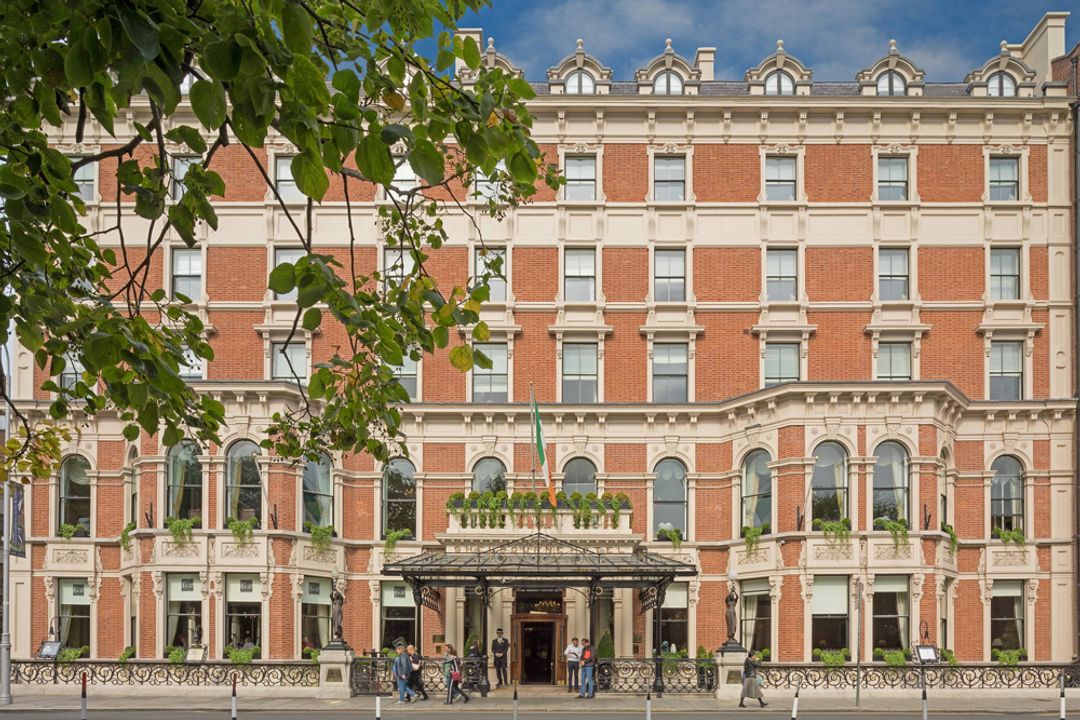
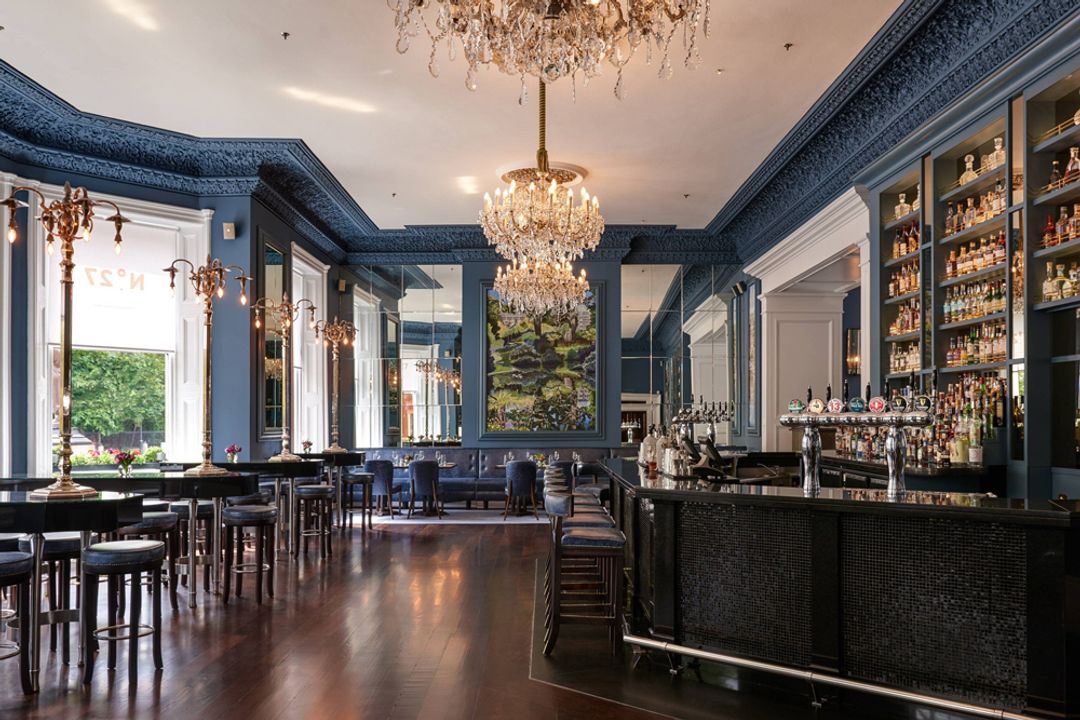
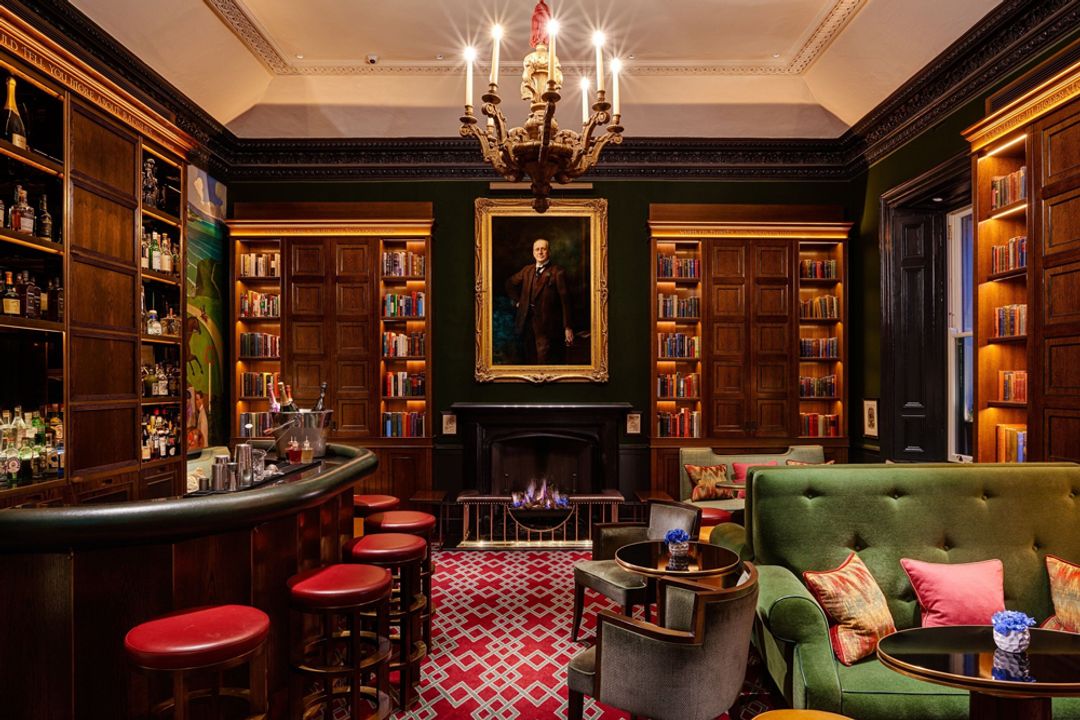
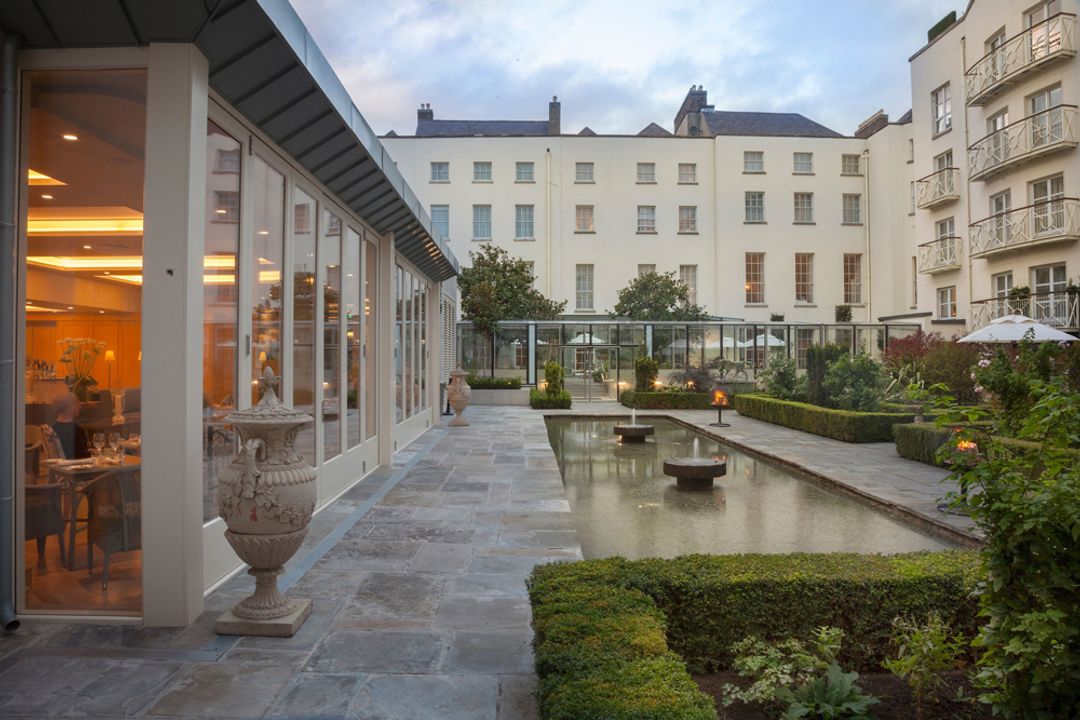
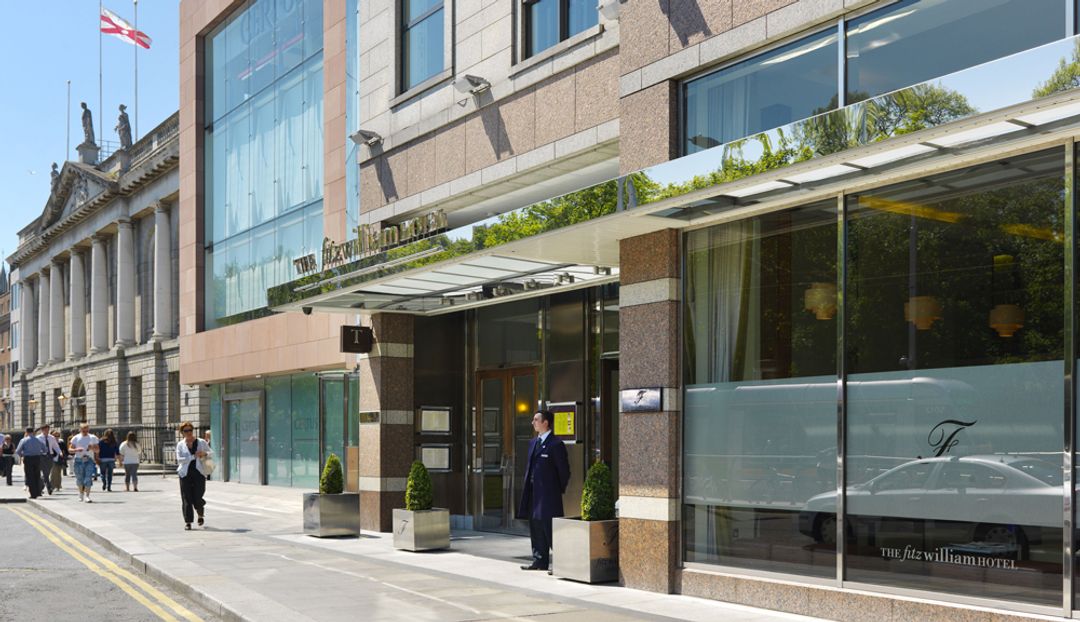
Georgian Dublin has a way of making its own demands on visitors. The famous red-brick terraces, fanlit doorways, and wide garden squares were largely built between 1750 and 1830, and the city has spent the decades since negotiating how much of that inheritance to preserve and how much to transform. Around St. Stephen's Green and Merrion Square, that negotiation is most visible. The Shelbourne, which has occupied its corner of the Green since 1824, remains the social axis of this part of the city, a hotel where the Constitution was drafted and where the bar still functions as an extension of political Dublin. A short walk east, The Merrion occupies four Georgian townhouses on Upper Merrion Street and holds one of the finest private collections of Irish art in the country, with works by Jack B. Yeats and William Scott distributed through corridors and sitting rooms. The Leinster, on Merrion Square itself, brings a quieter register to the same neighborhood, calibrated for travelers who want the address without the ceremony. The Fitzwilliam, on the south side of the Green, takes a more contemporary approach to its setting, with interiors by Dublin-based designers that favor clean lines over period detail.
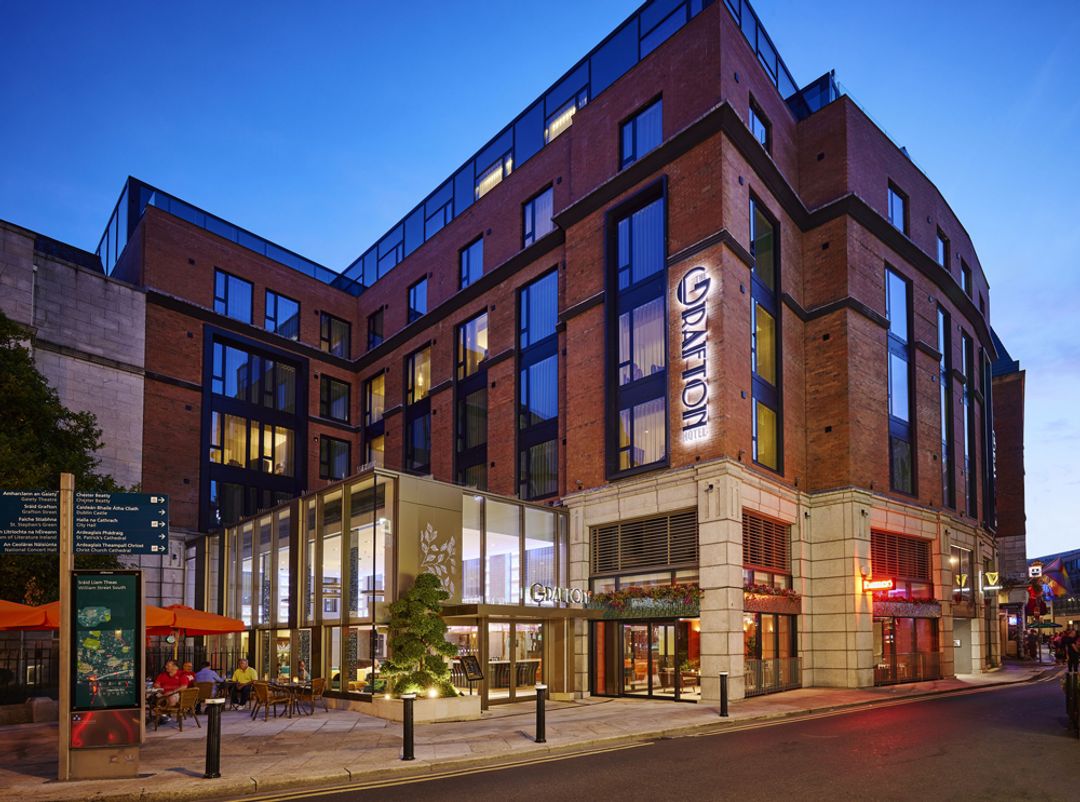
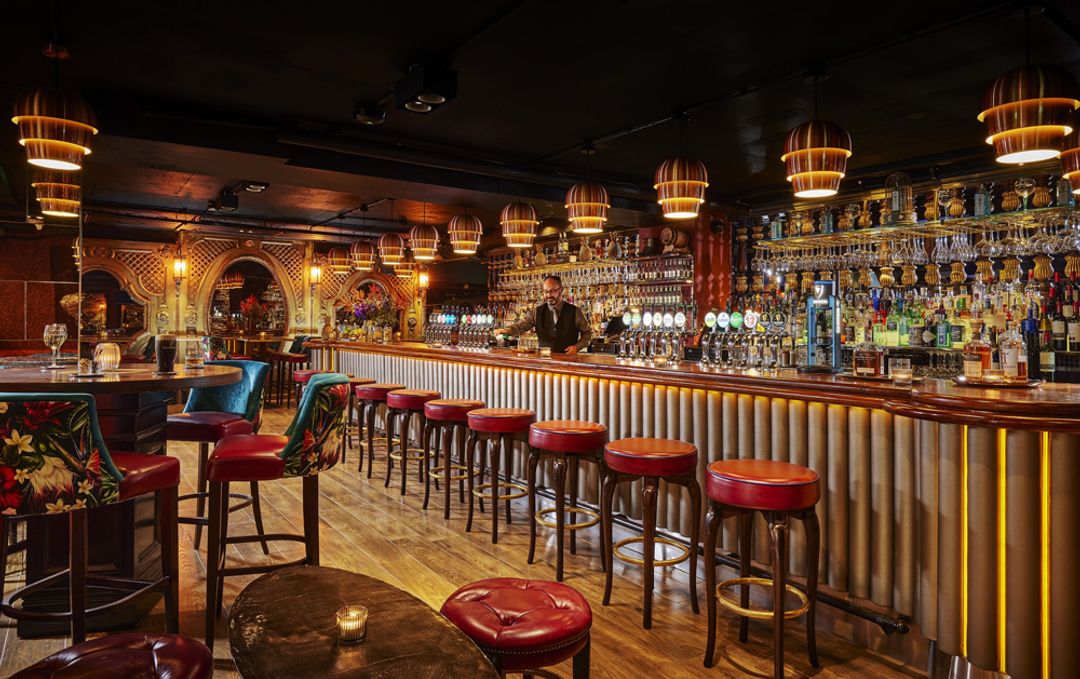
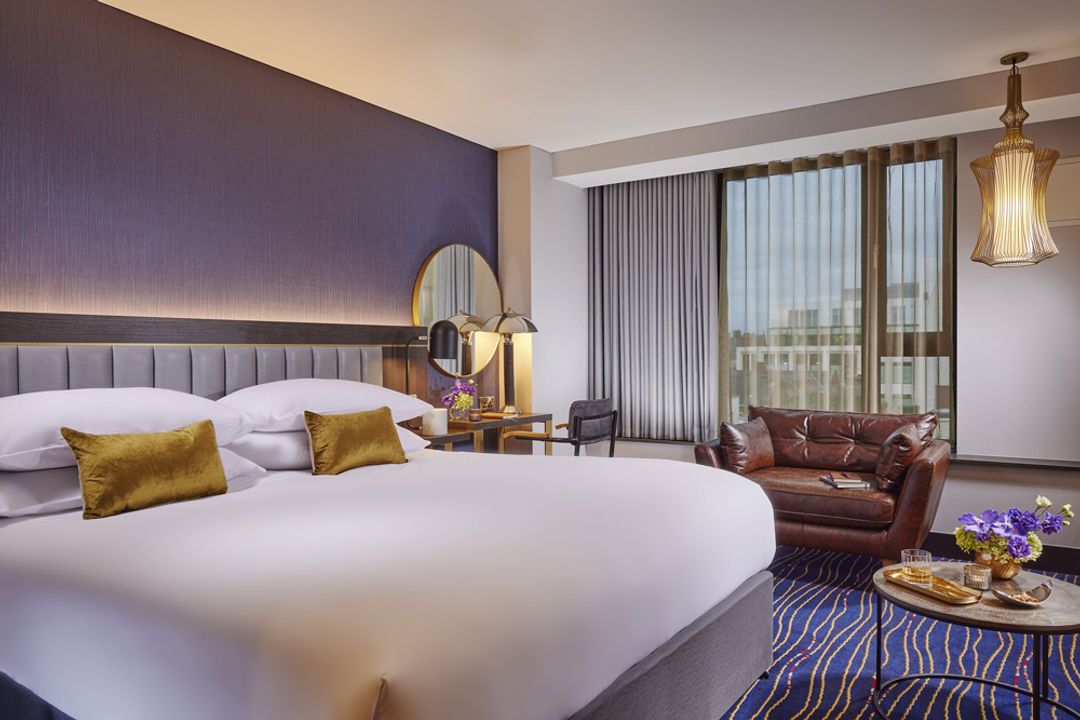
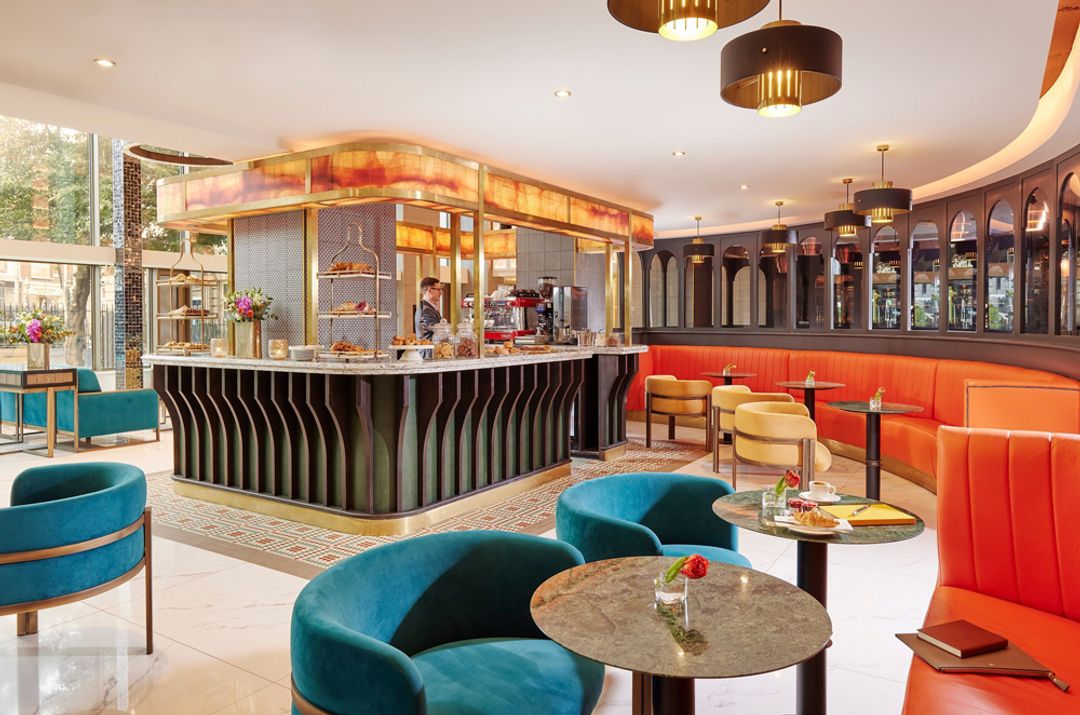
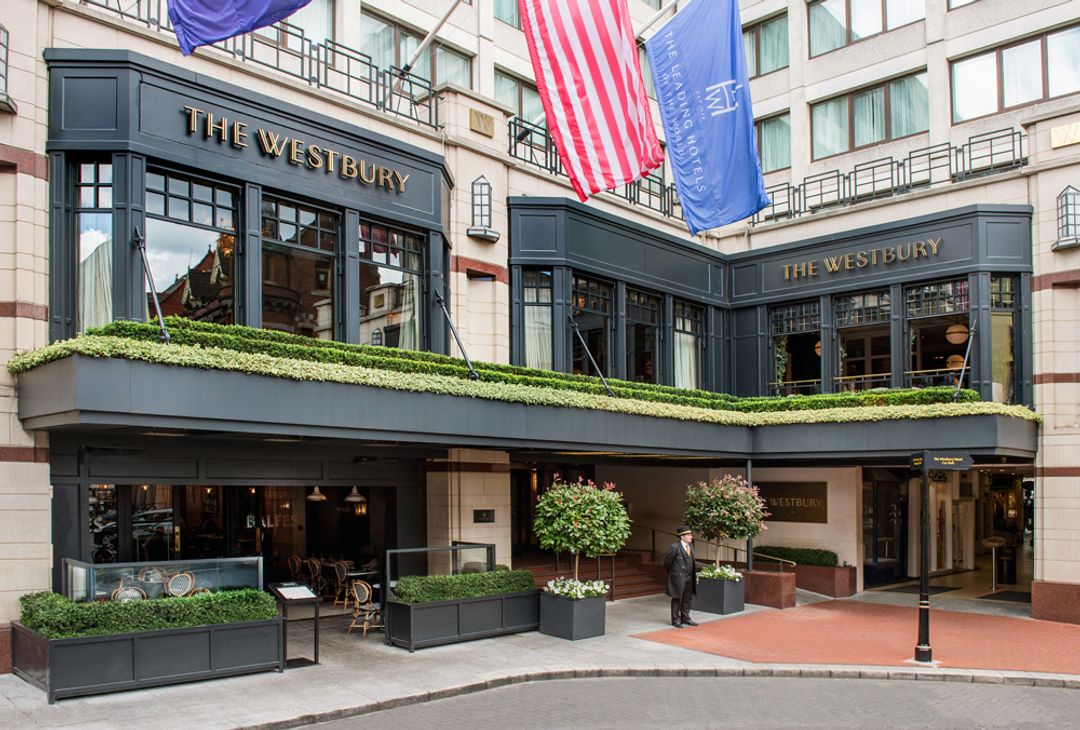
Grafton Street and the Creative Quarter compress a different kind of Dublin into a few dense blocks. The Westbury, set just off the main shopping thoroughfare, has long attracted a particular class of Dublin visitor: well-heeled, theatrical, there to be seen. The Grafton Hotel nearby offers a slightly more compact version of that ambition. Further east, toward the canal, Anantara The Marker occupies a striking angular building by Manuel Aires Mateus completed in 2013 on Grand Canal Square, designed in the same planning moment that produced Martha Schwartz's red-resin public plaza outside its doors. Its architecture reads as the most formally considered new-build hotel in the city.
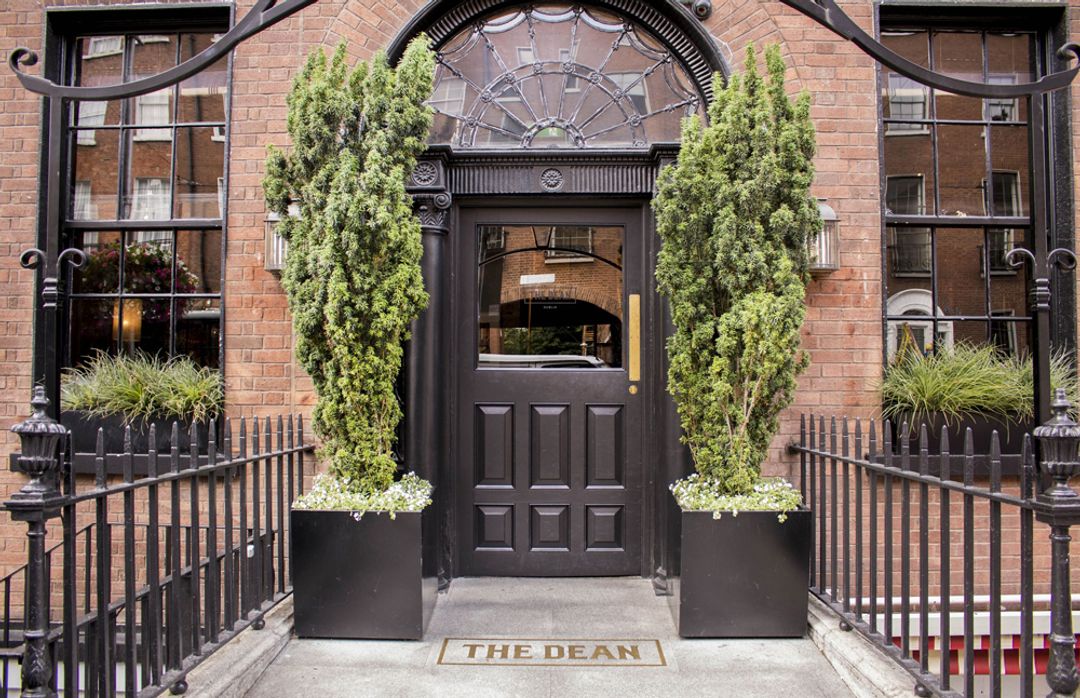
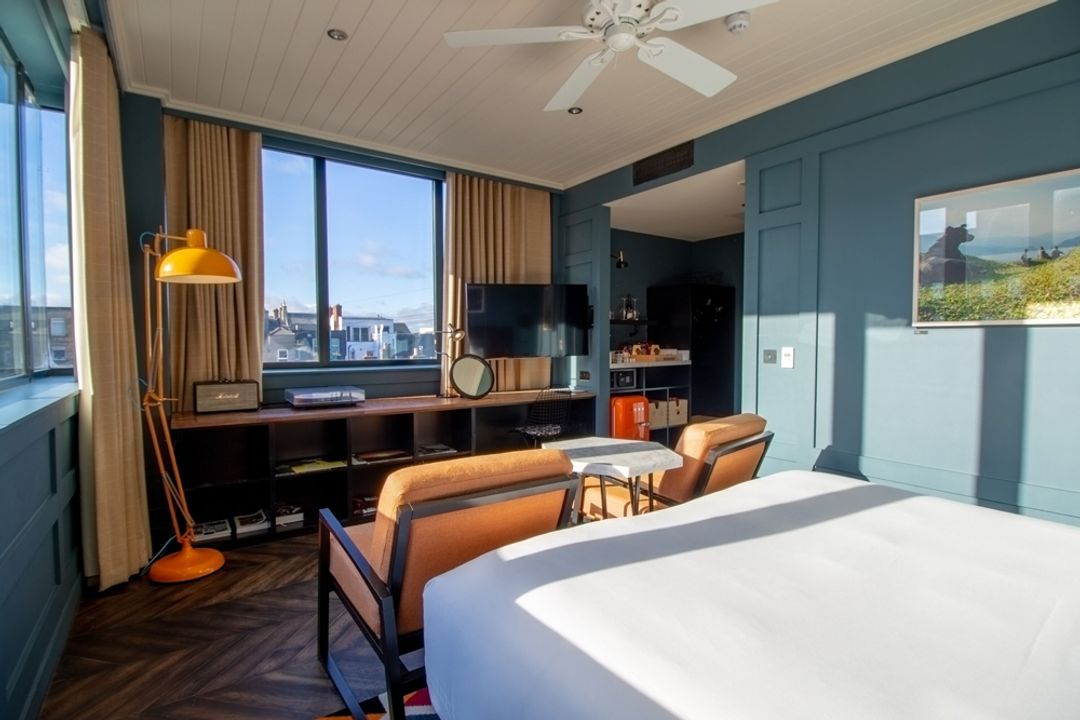
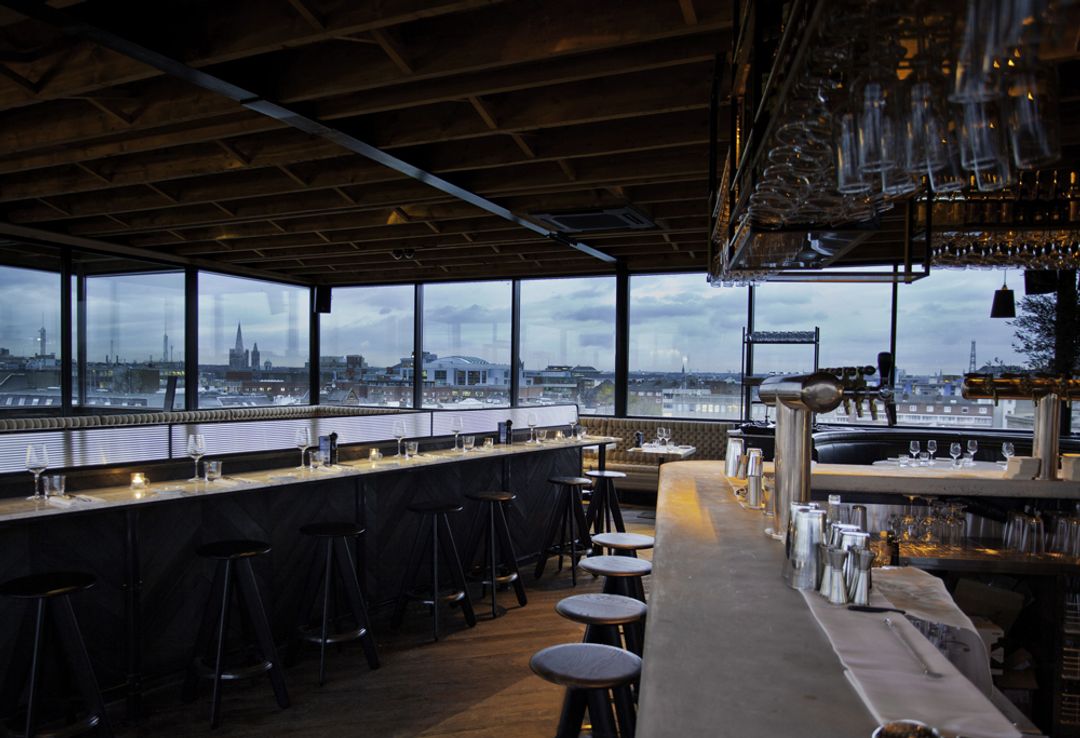
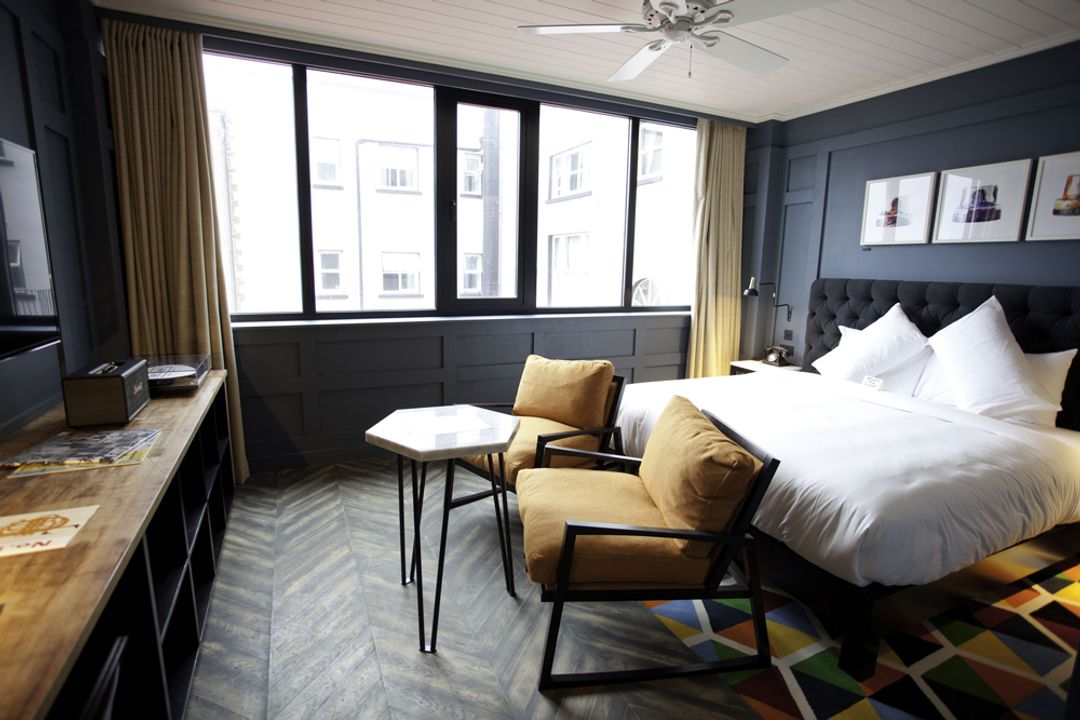
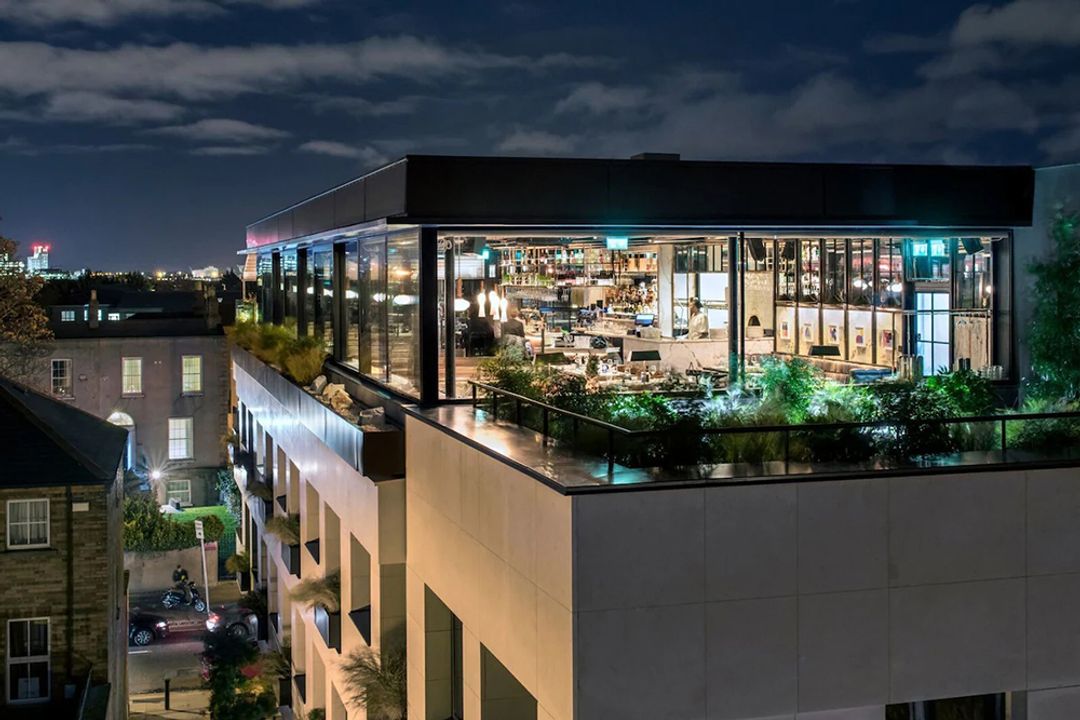
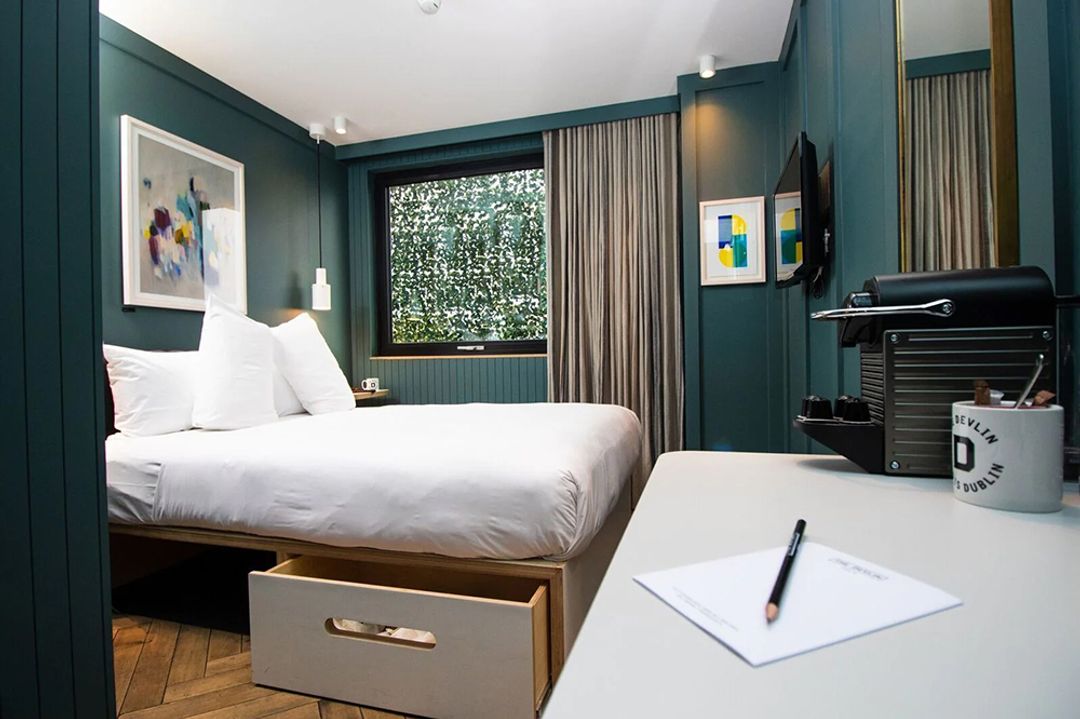
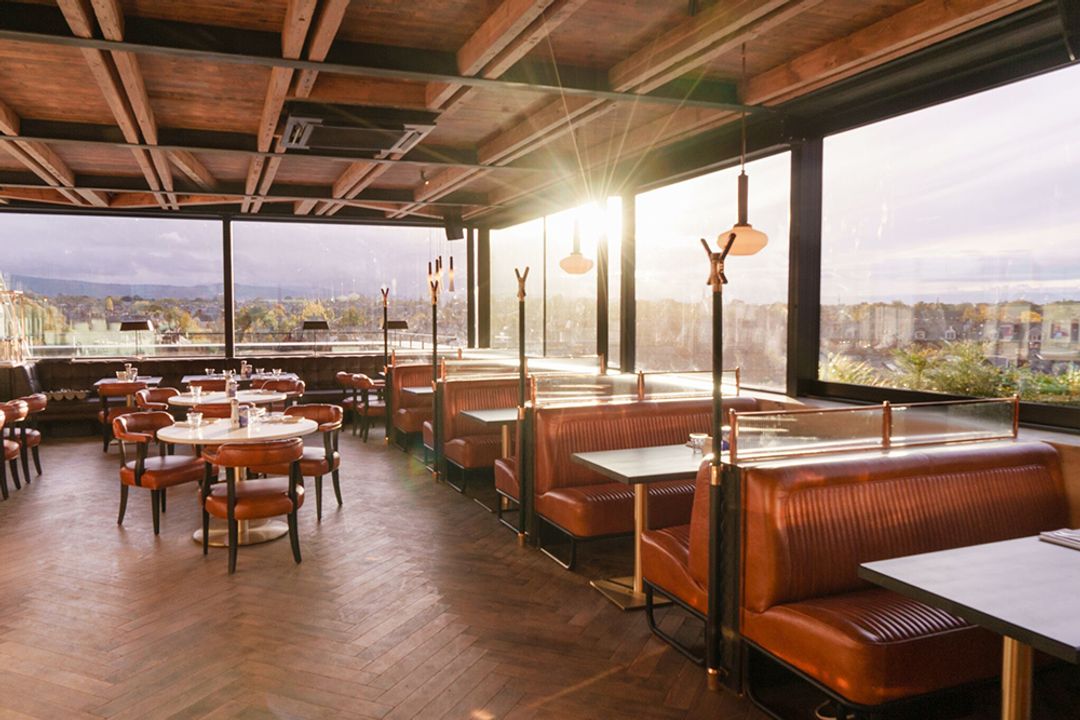
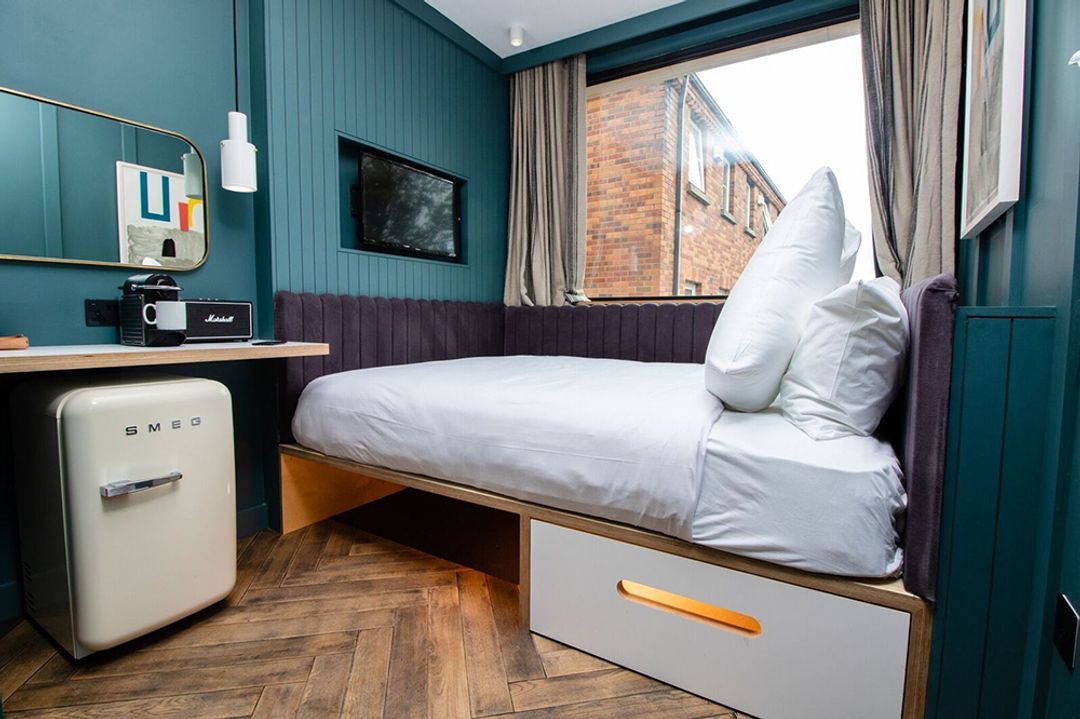
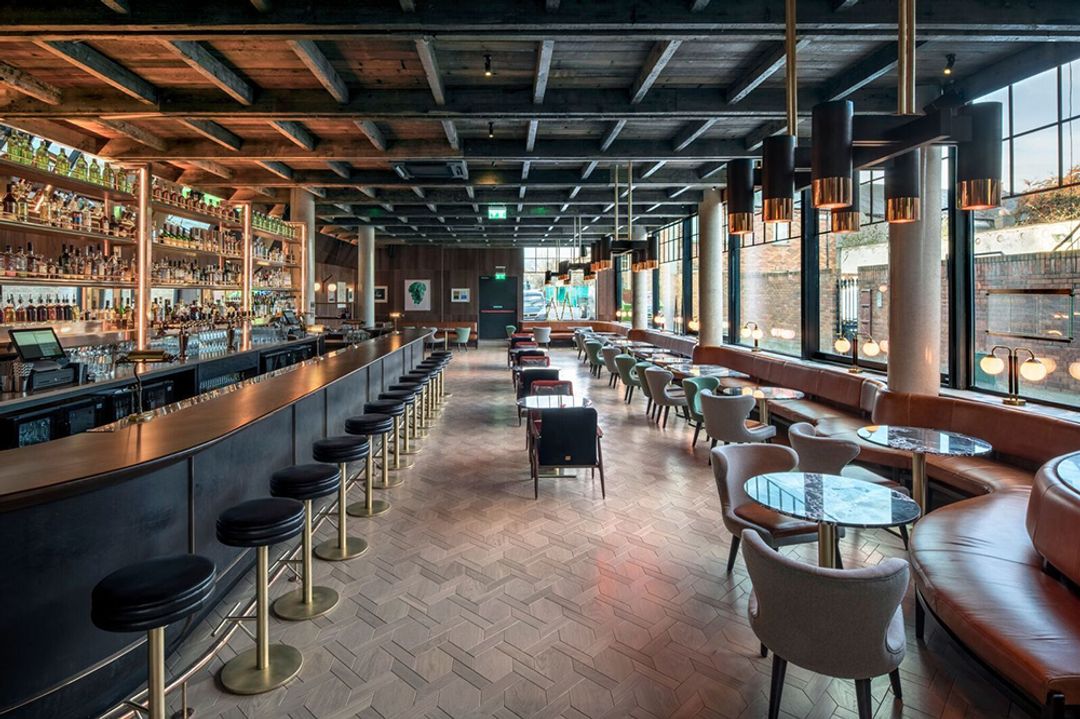
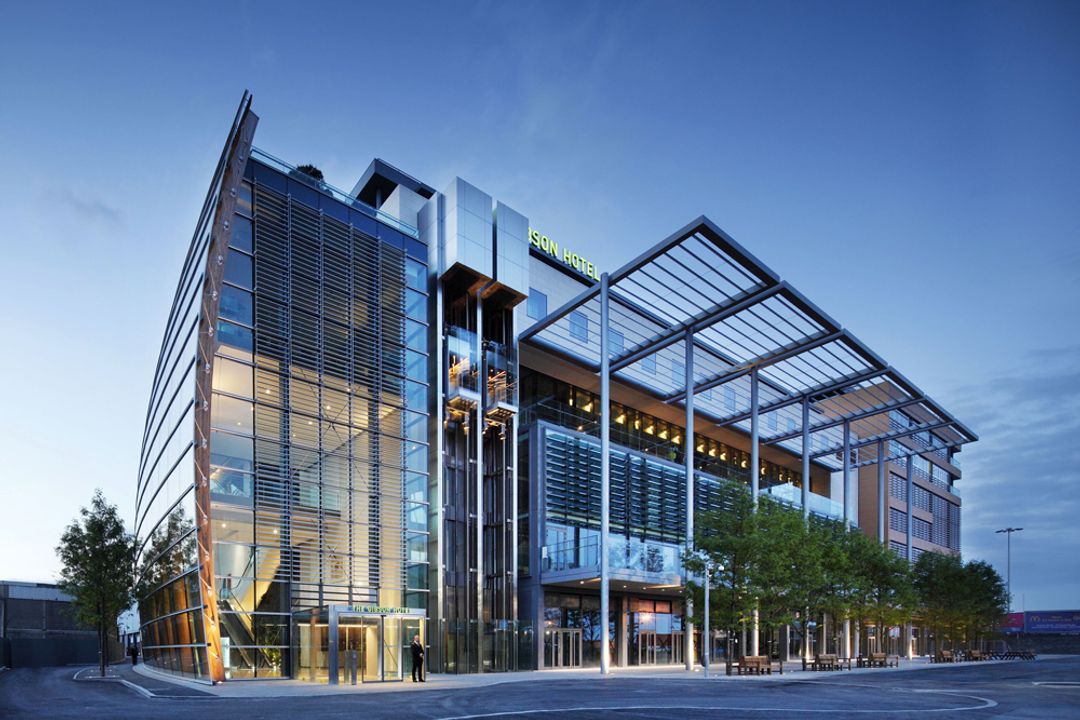
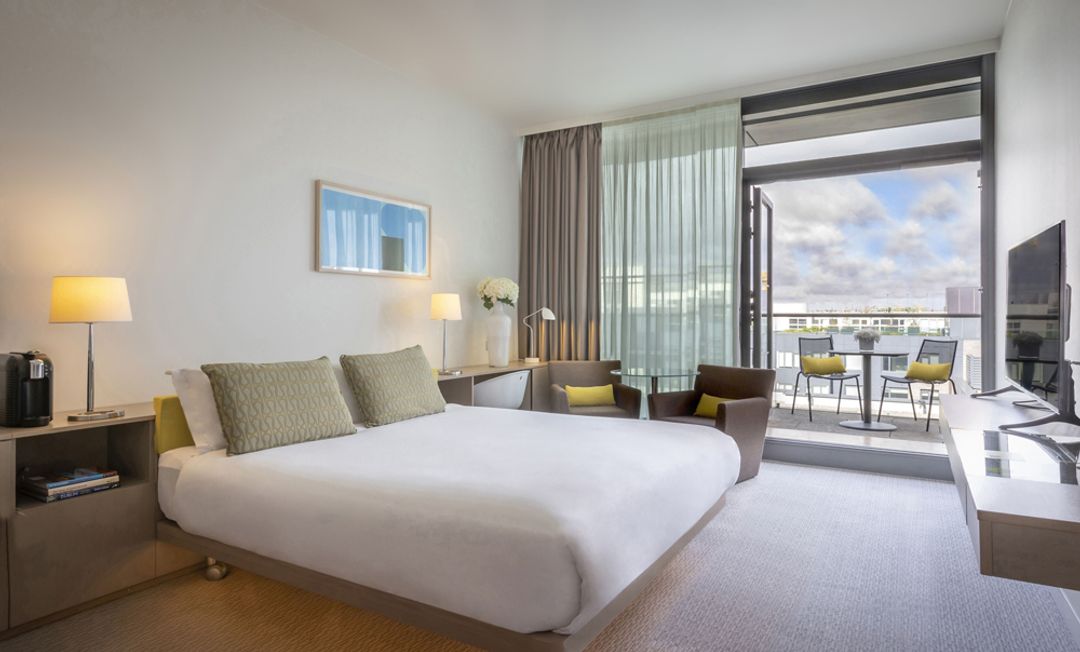
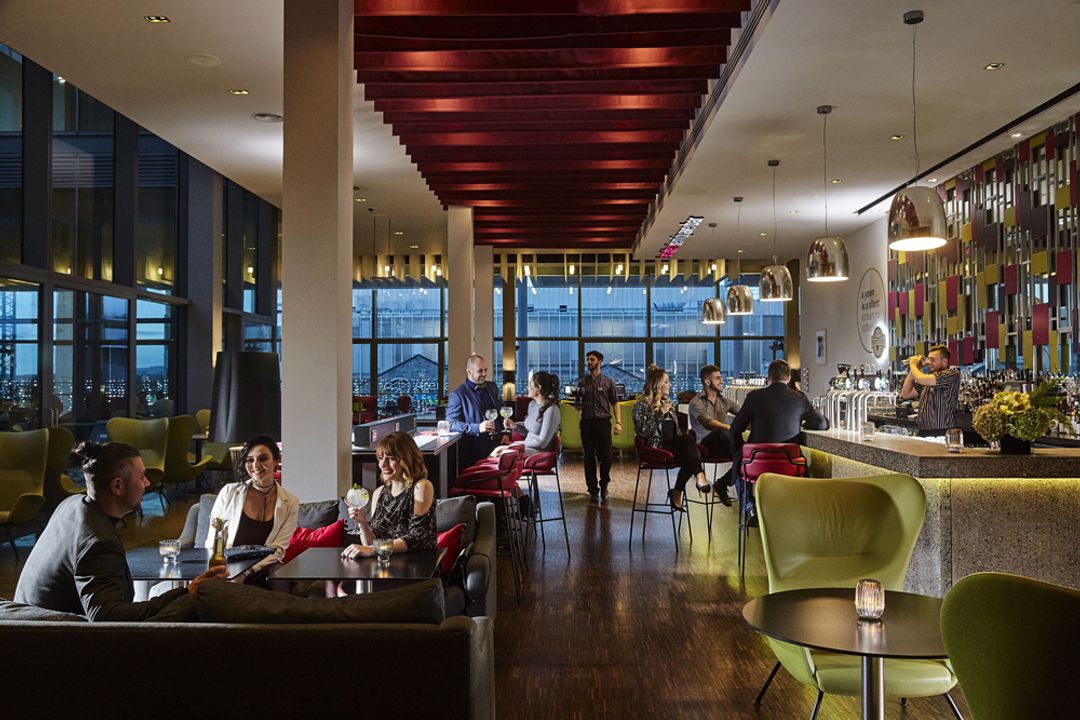
The city's outer neighborhoods, once peripheral to serious hospitality, have grown more interesting. The Devlin in Ranelagh is the clearest example: a neighborhood hotel with a local following, conceived for Dubliners as much as for visitors. The Dean, in the Nightclub District near Harcourt Street, has carved out a different niche, louder in palette and sensibility, aimed at a younger traveler who reads the city through its music venues and late-night culture. The Gibson, near the 3Arena at Point Square, serves a dockslands Dublin that barely existed twenty years ago, its position reflecting just how far east the city's energy has shifted.