Best hotels in Sicily, Italy | Visually Compare Top Stays Side-by-Side
Welcome to PressBeyond - a curated visual guide to design-driven hotels and the fastest way to compare them.
An Overview of the Boutique & Luxury Hotel Landscape in Sicily, Italy
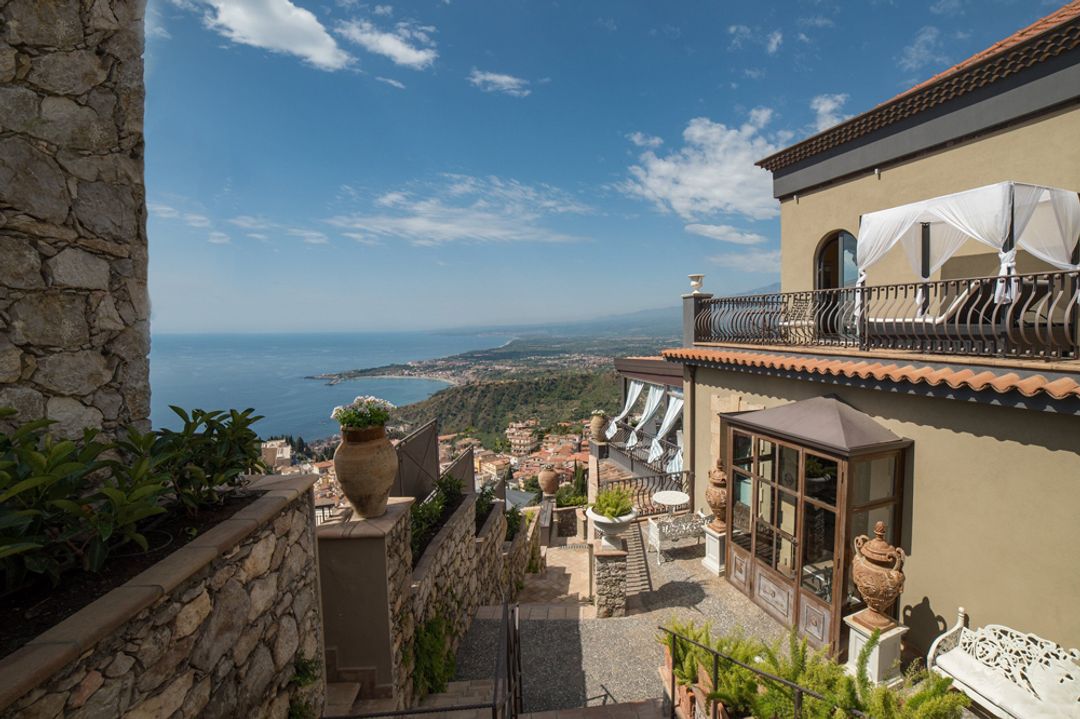
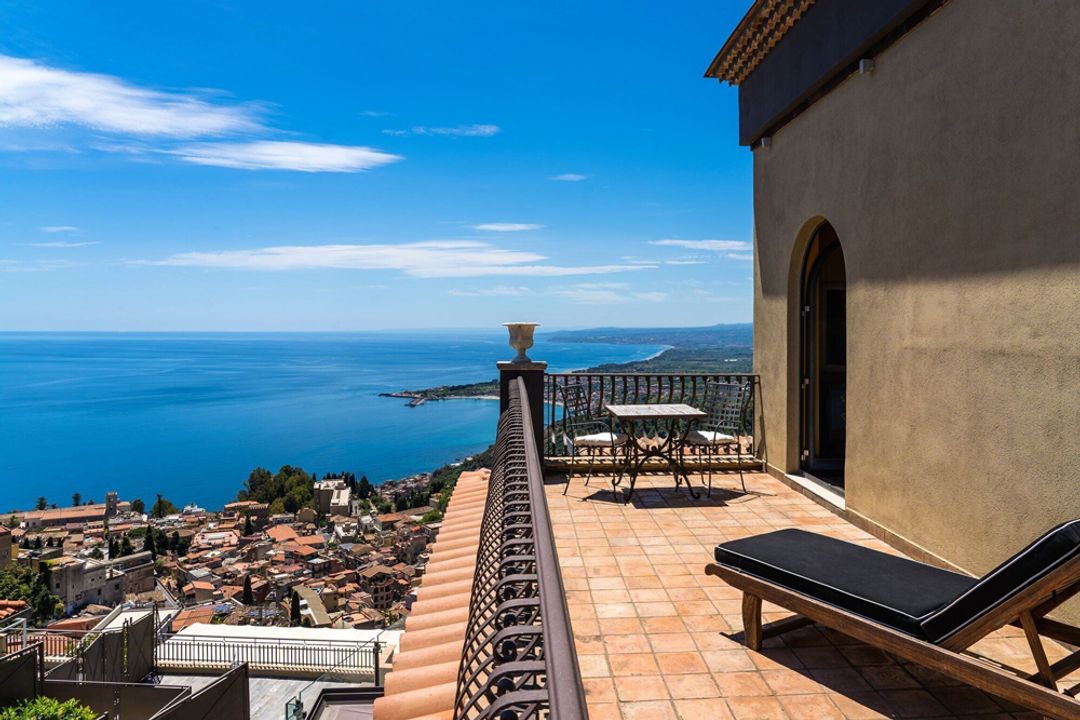
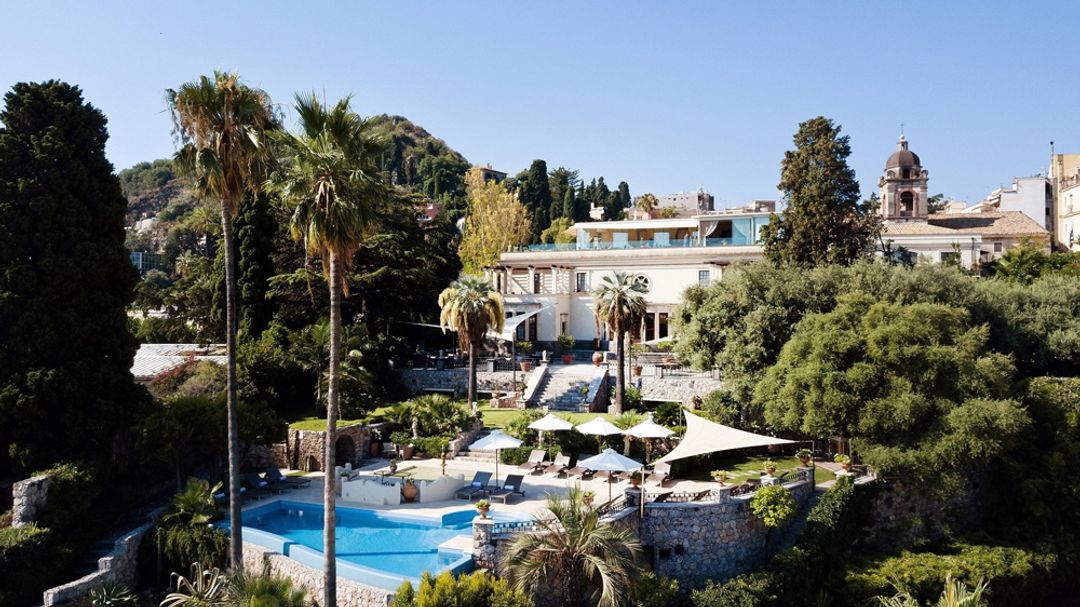
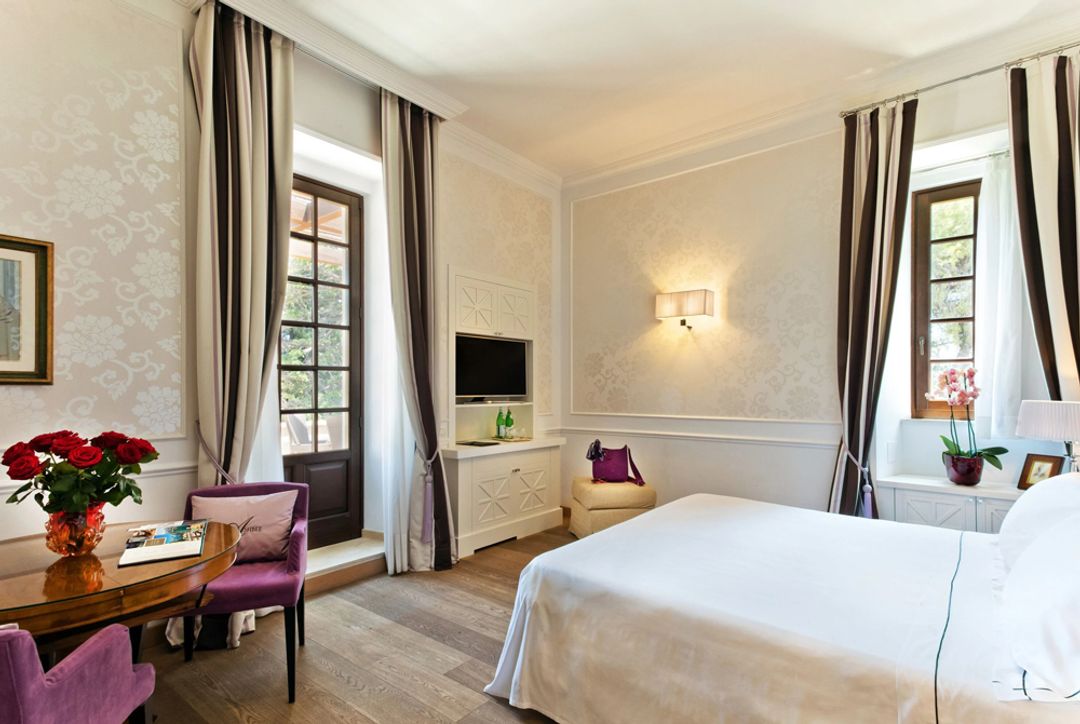
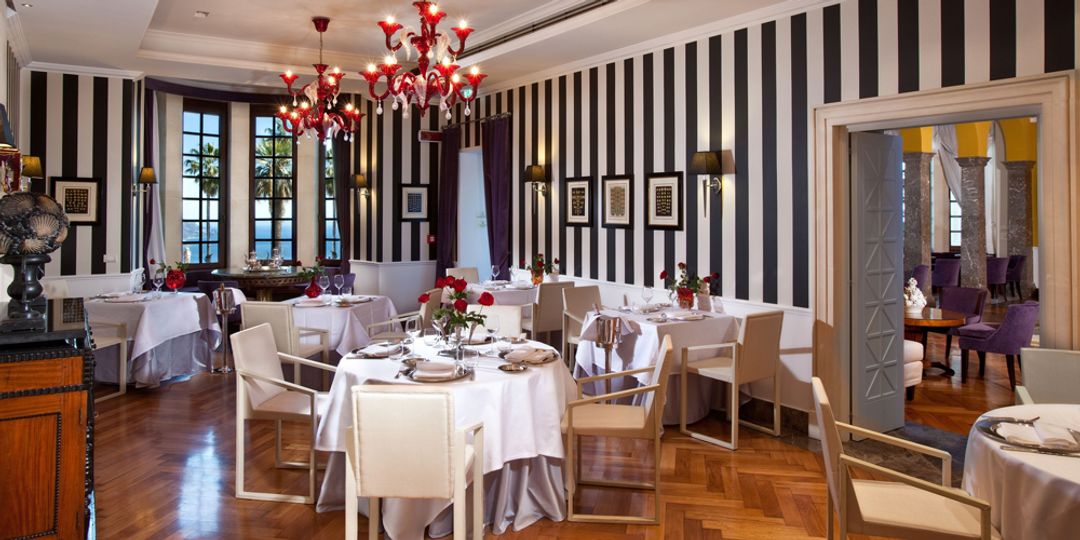
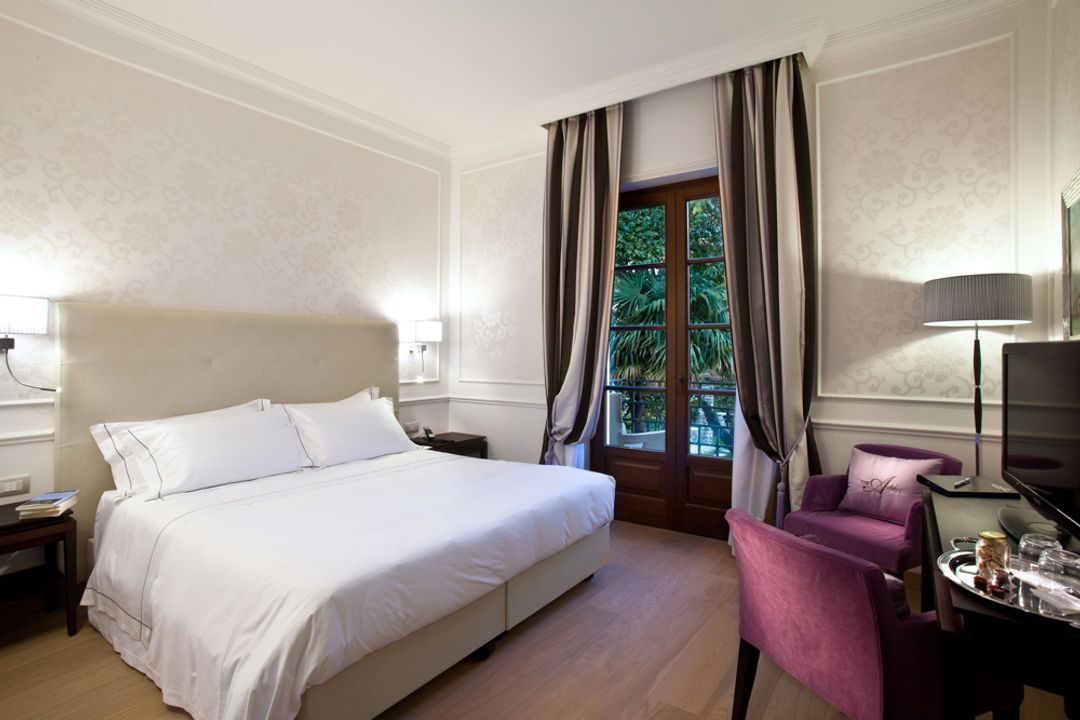
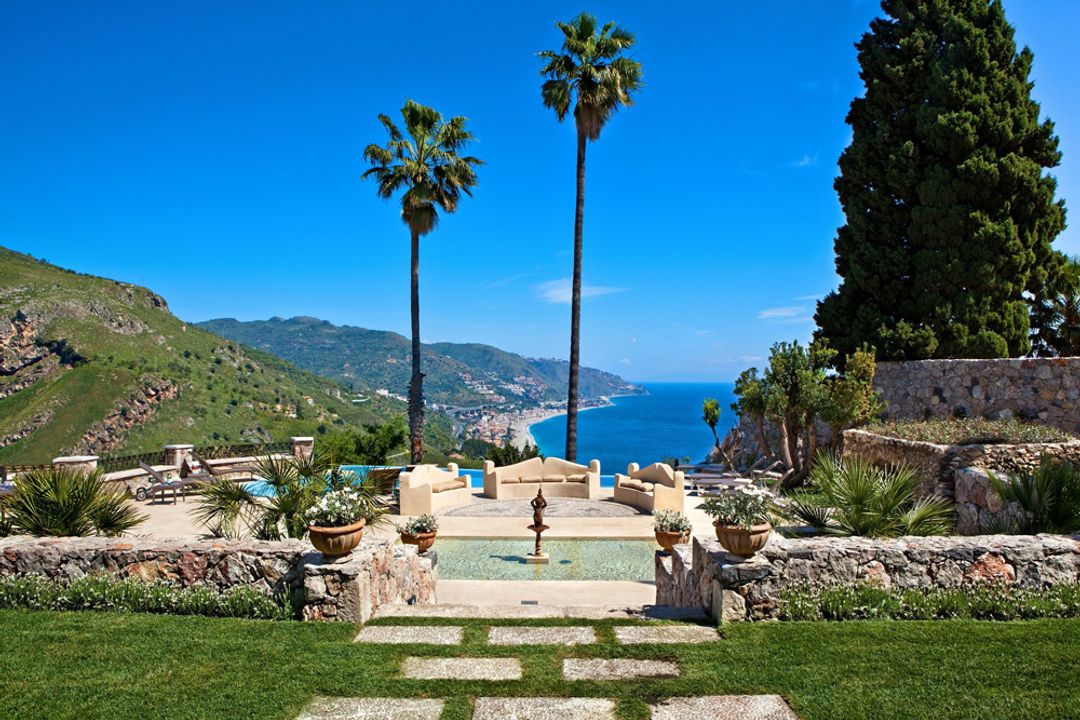
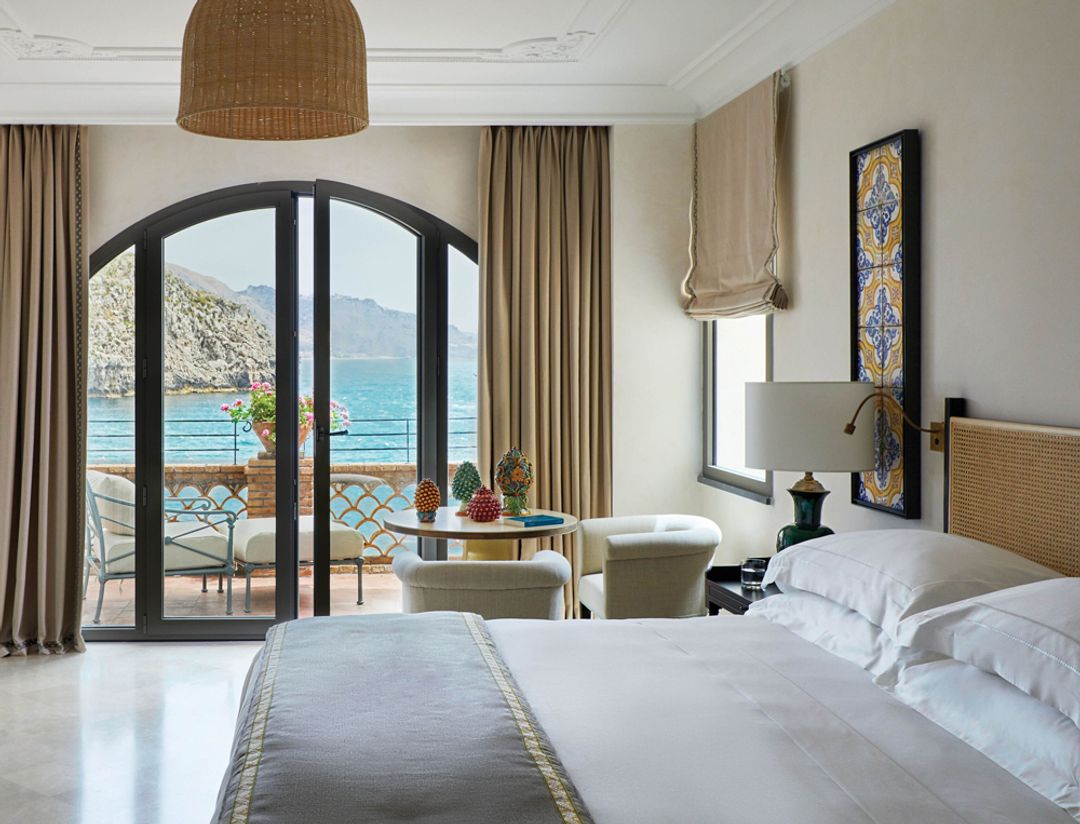
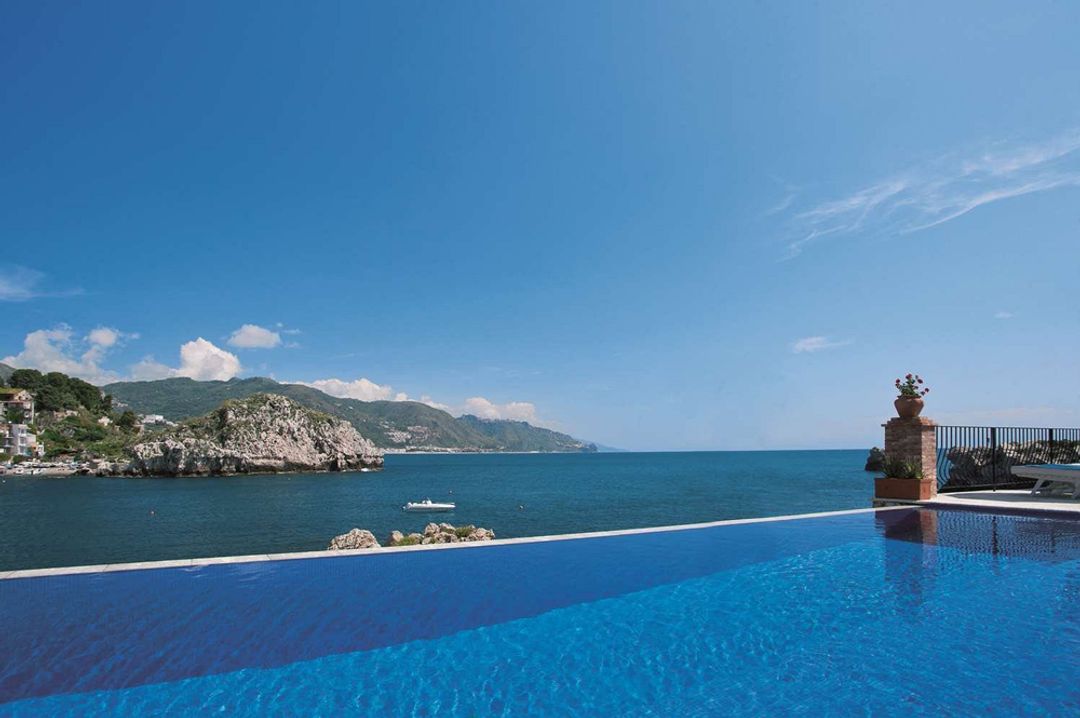
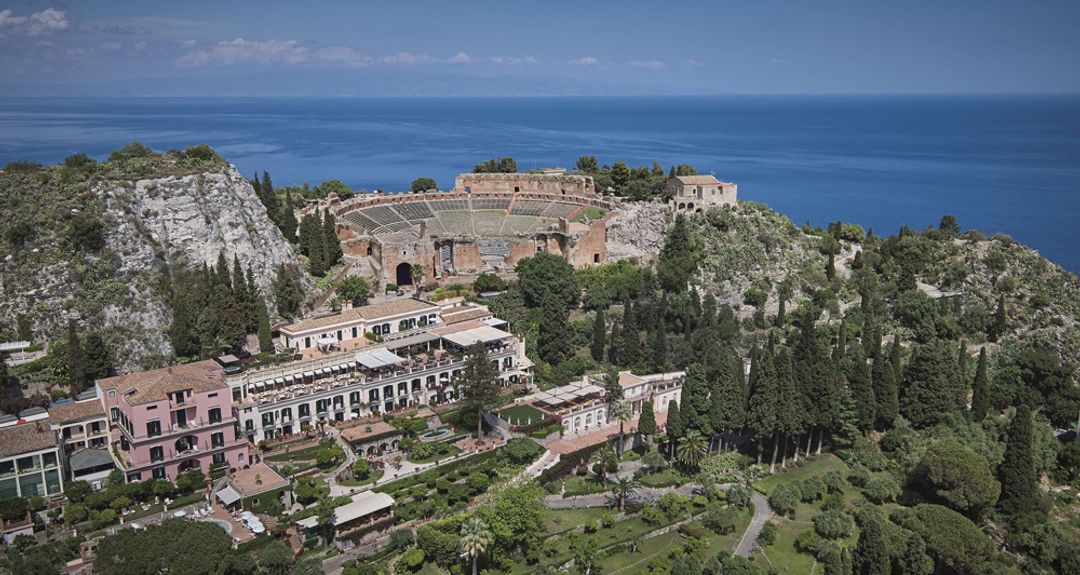
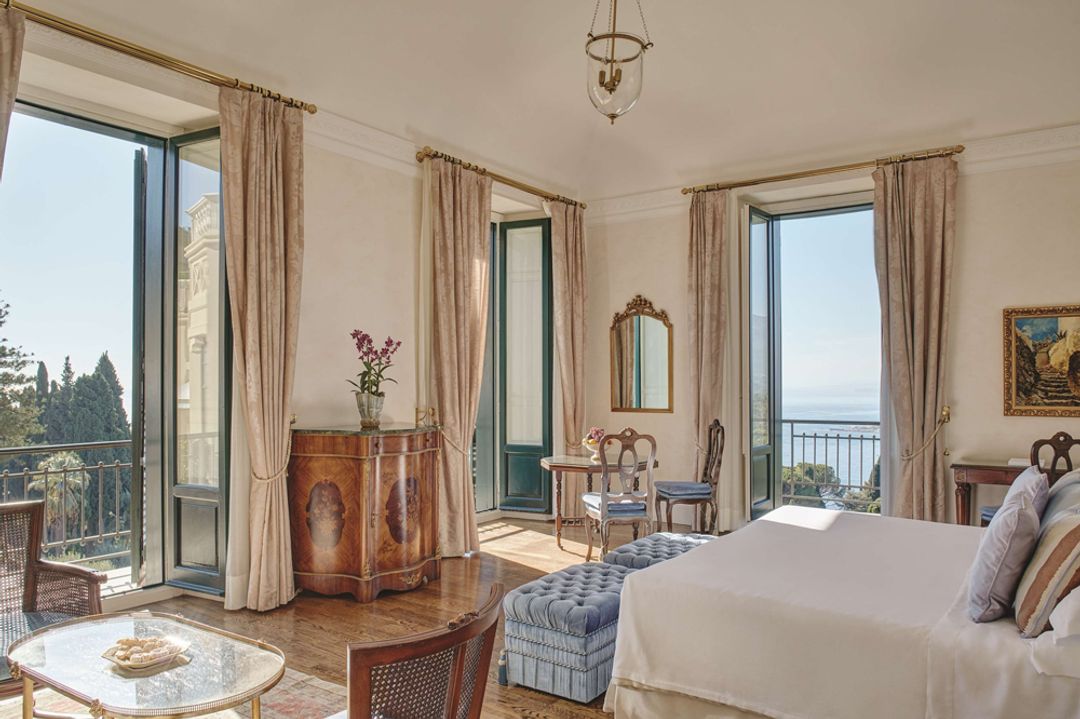
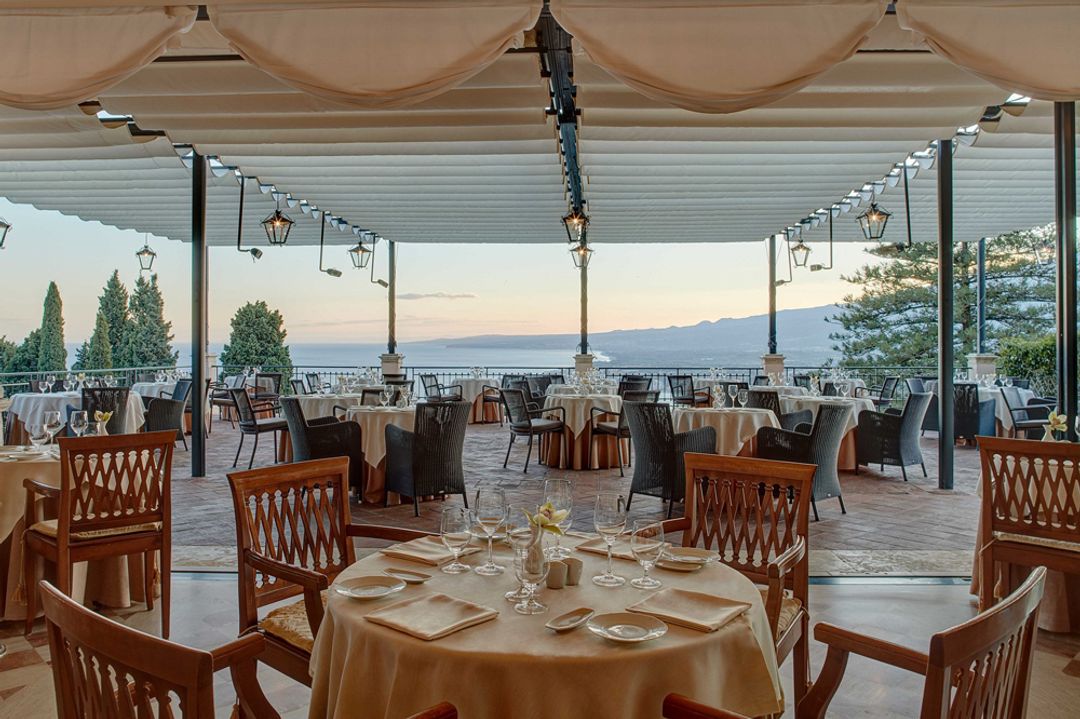
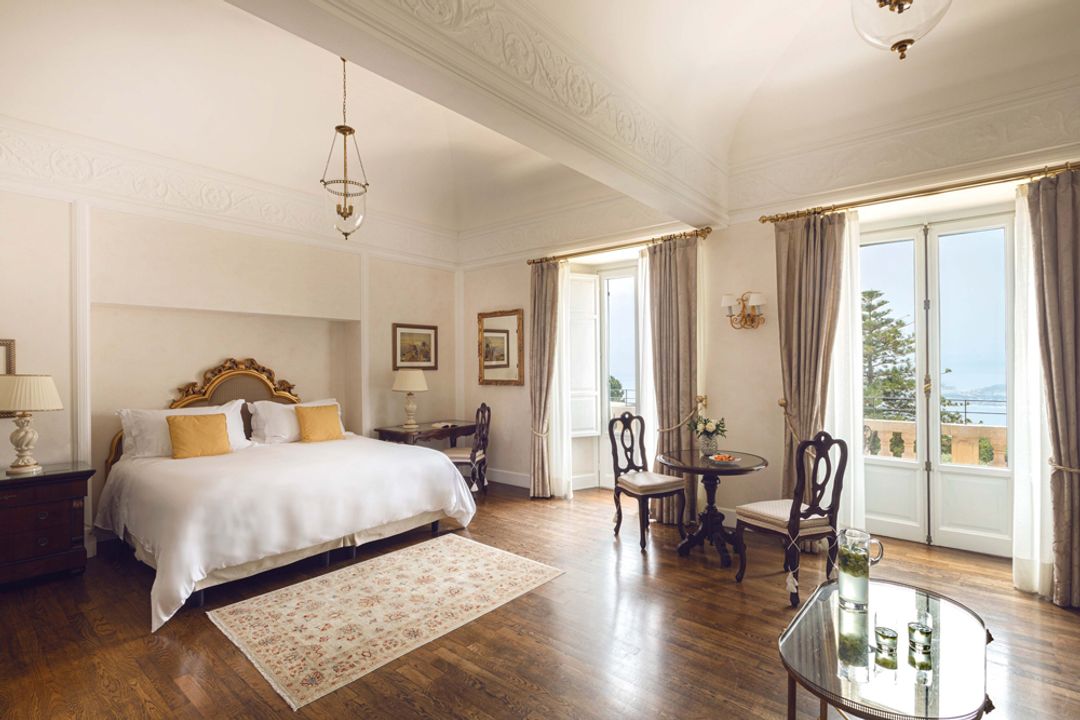
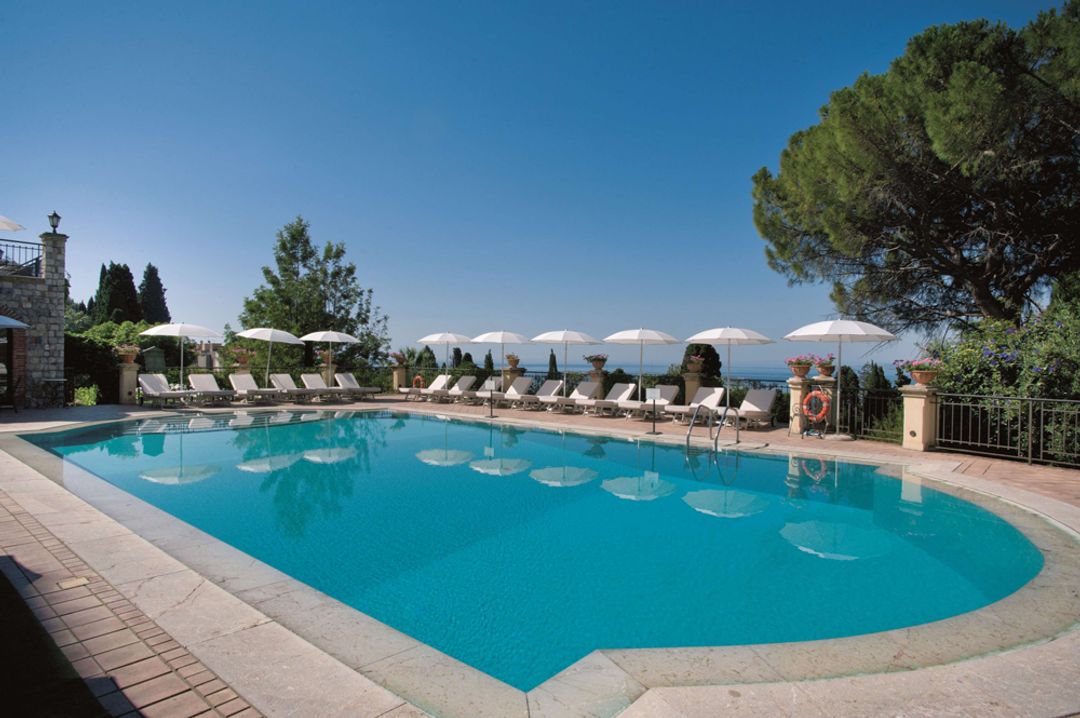
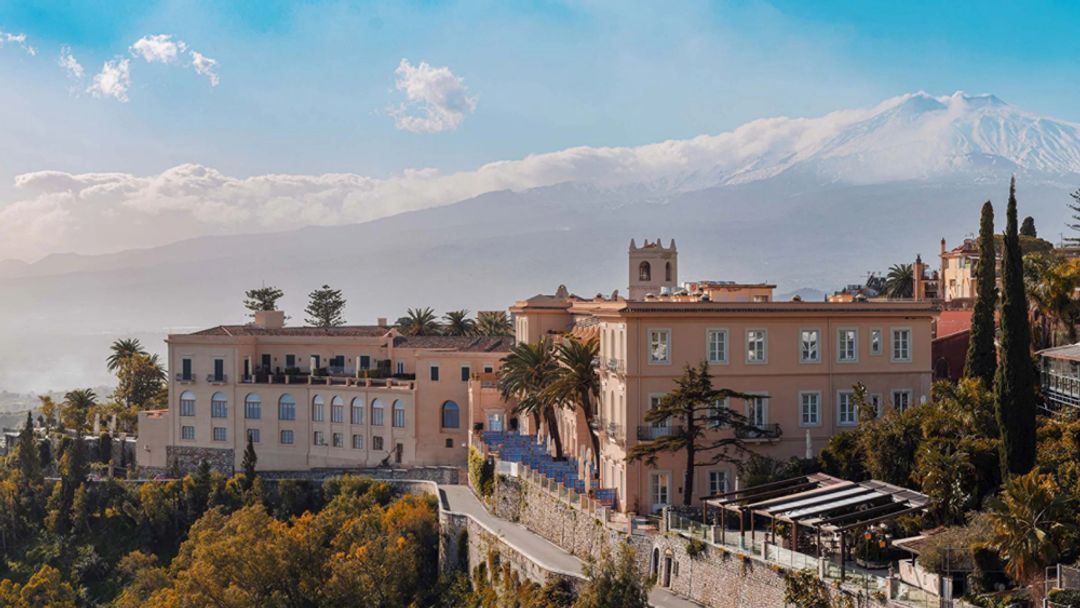
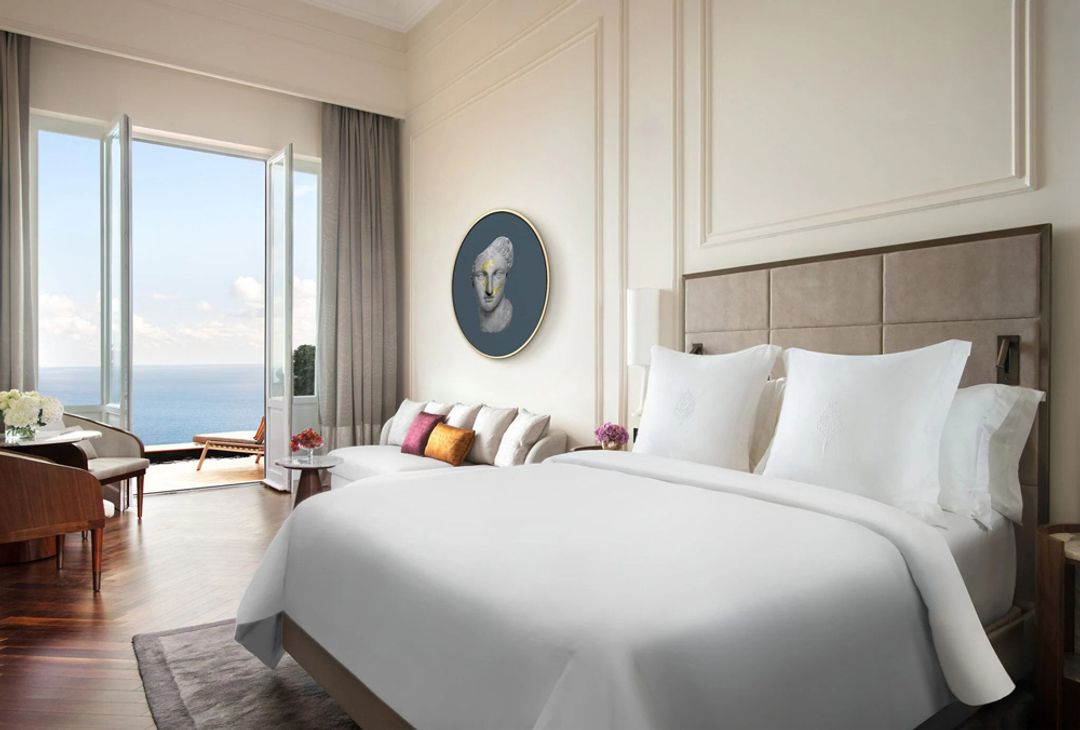
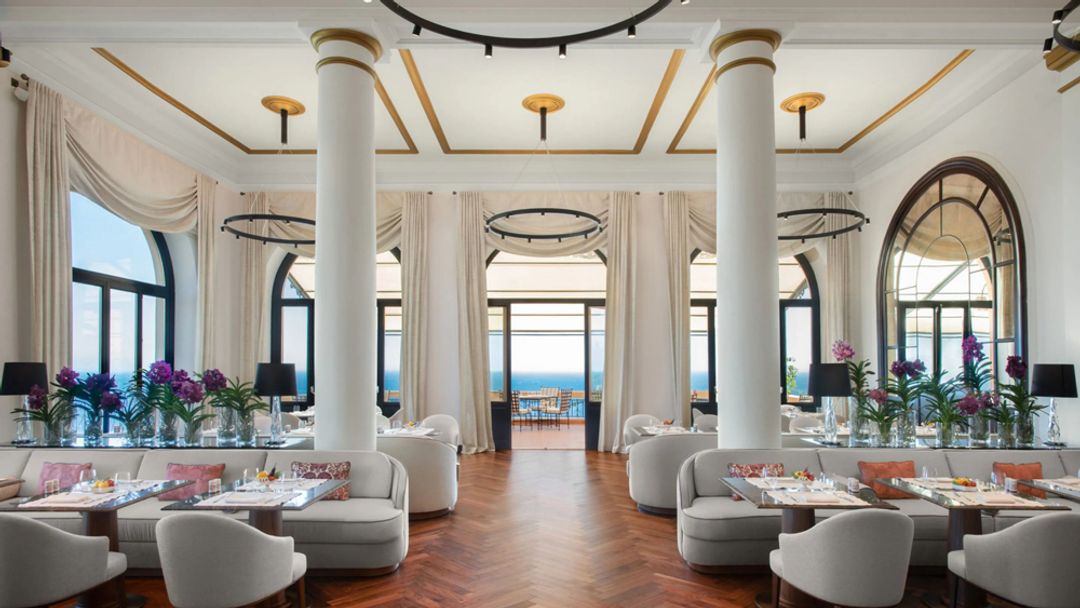
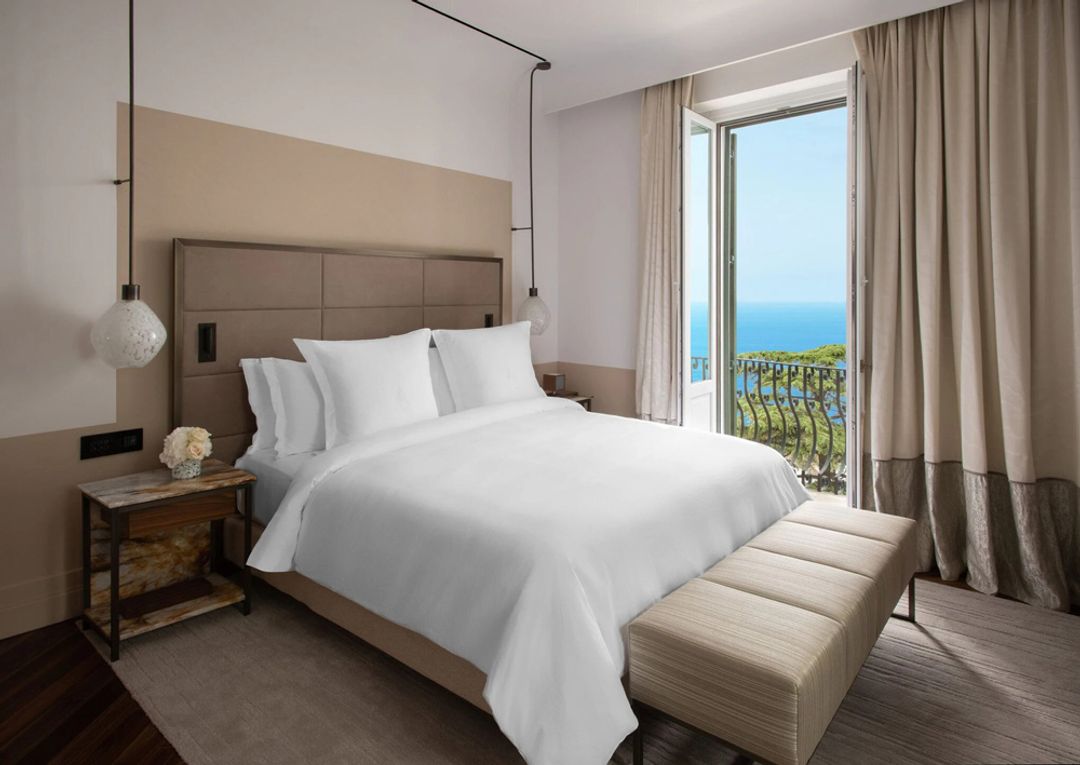
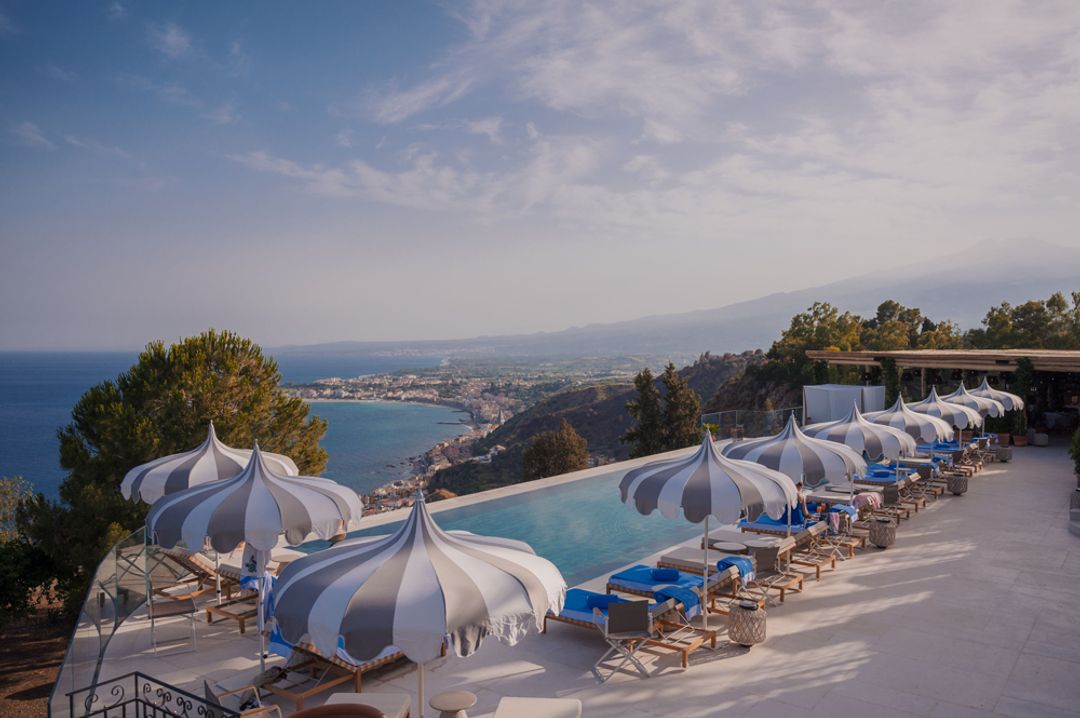
Taormina earns its reputation through sheer accumulation of architectural fortune: a medieval hill town draped over the Ionian coast, with Etna visible to the southwest and the Teatro Greco framing the sea below. The San Domenico Palace, a converted fourteenth-century Dominican convent given new interiors by Four Seasons and landscape work that terraces down toward the cliff edge, sits at the center of gravity here. The Grand Hotel Timeo and Villa Sant'Andrea, both Belmond properties, split the Taormina experience between elevation and shoreline — the Timeo perched above the ancient theater with a pedigree stretching back to 1873, the Sant'Andrea occupying a Liberty-style villa at Mazzarò beach, calmer and more private. The Ashbee Hotel takes its name from C. R. Ashbee, the Arts and Crafts architect who spent time on the island in the early twentieth century and whose villa this once was. Hotel Villa Ducale offers a quieter entry into the same hill town, family-run and without the volume of the larger properties.
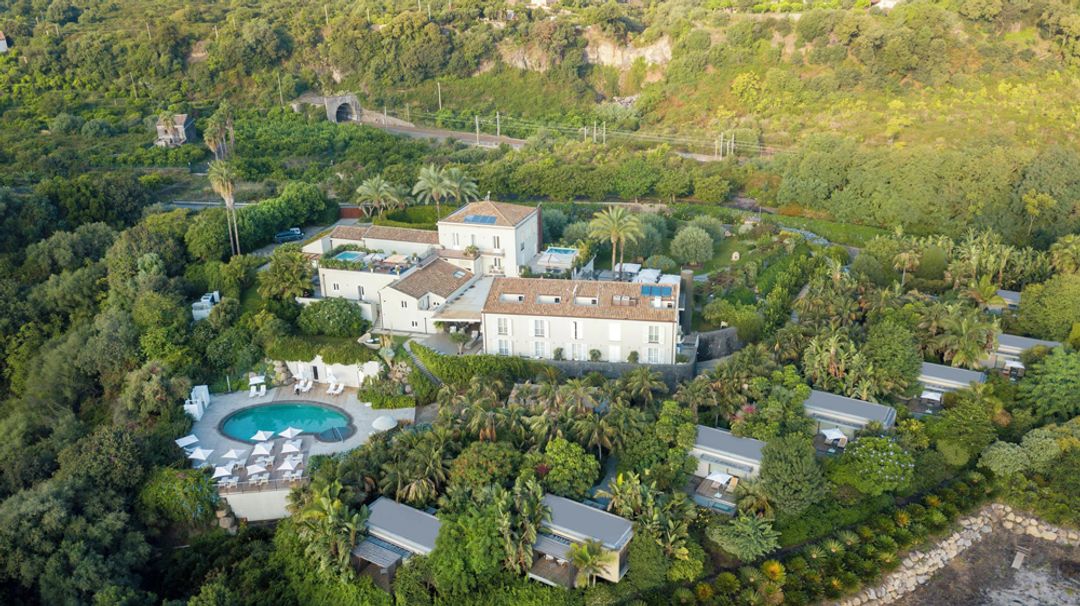
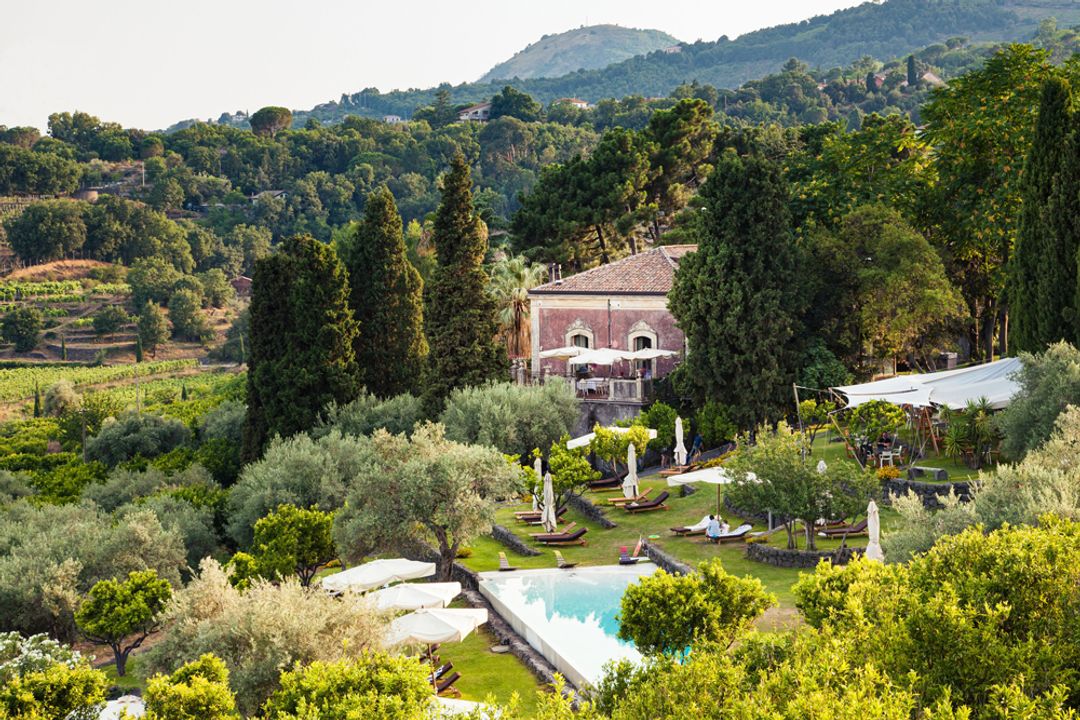
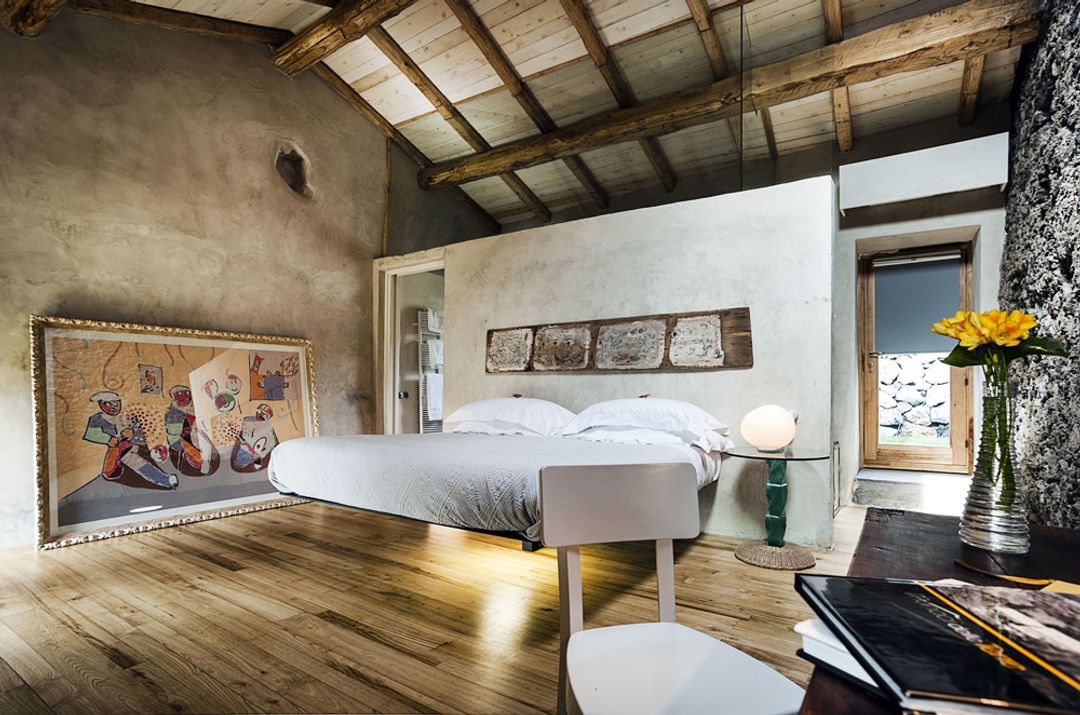
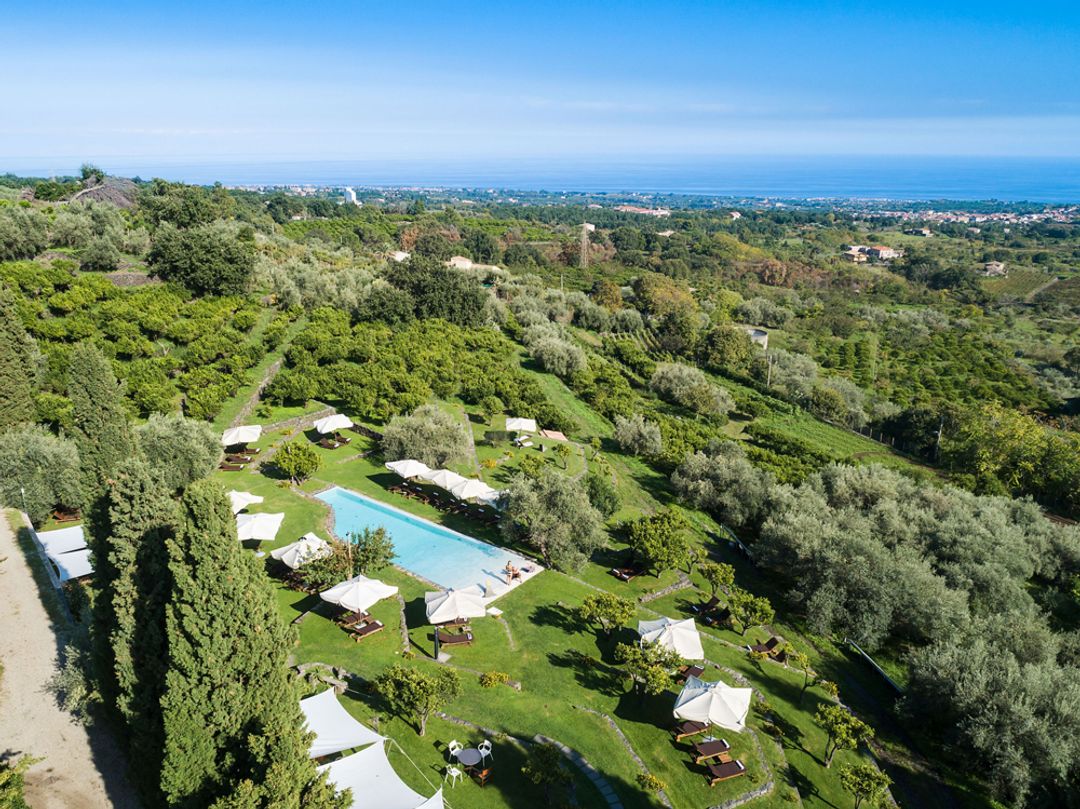
The eastern flank of the island, moving north along the coast toward Etna, produces a different kind of stay entirely. Monaci delle Terre Nere is built into a nineteenth-century manor on the volcano's southern slopes, inside the national park, surrounded by lava-stone terraces and working vineyards. The black basalt of the construction reads as completely Etnean, rooted in the geology of the place rather than imported from any international hospitality template. Down the coast at Riposto, Donna Carmela Resort occupies a historic property in orange and lemon groves, more rural than resort.
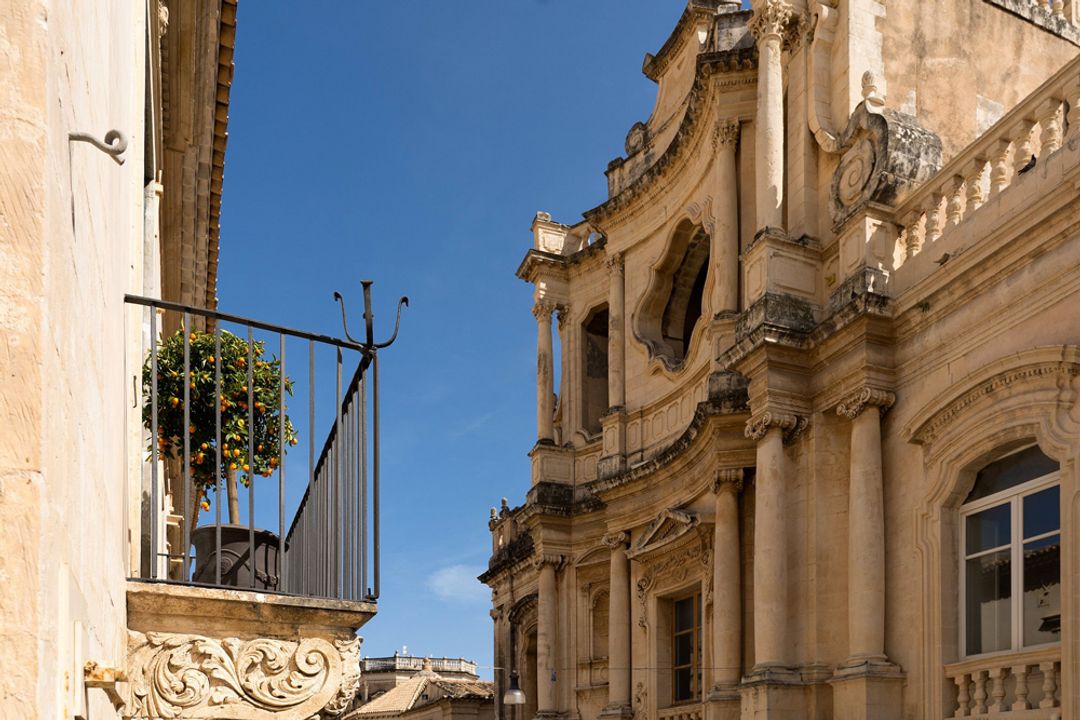
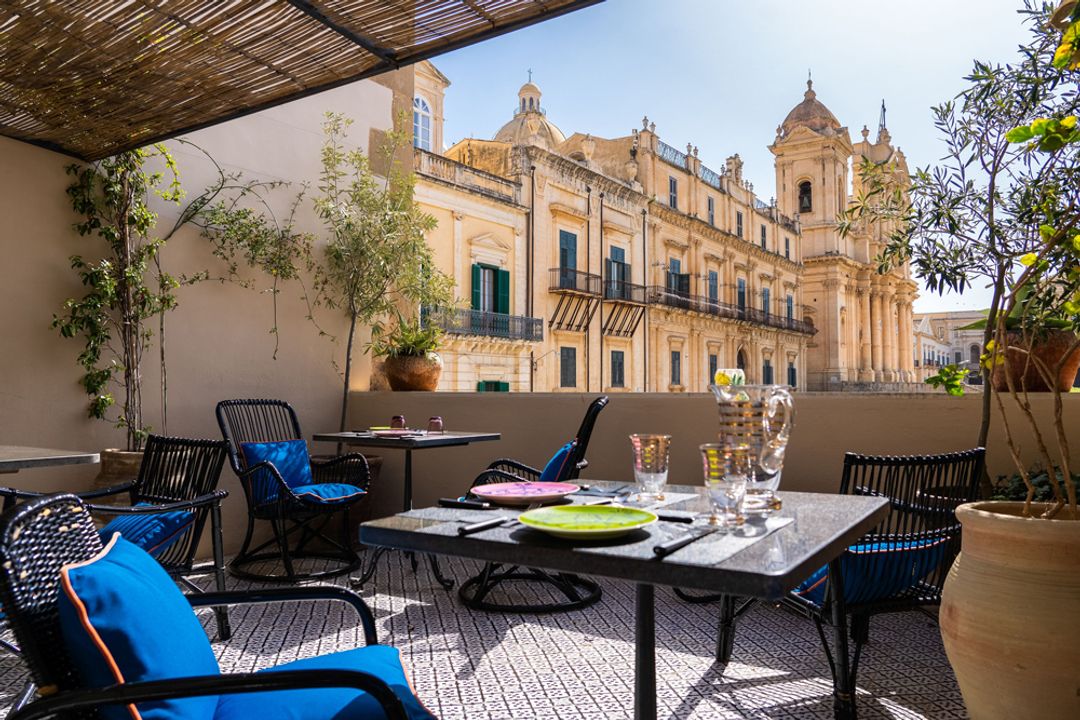
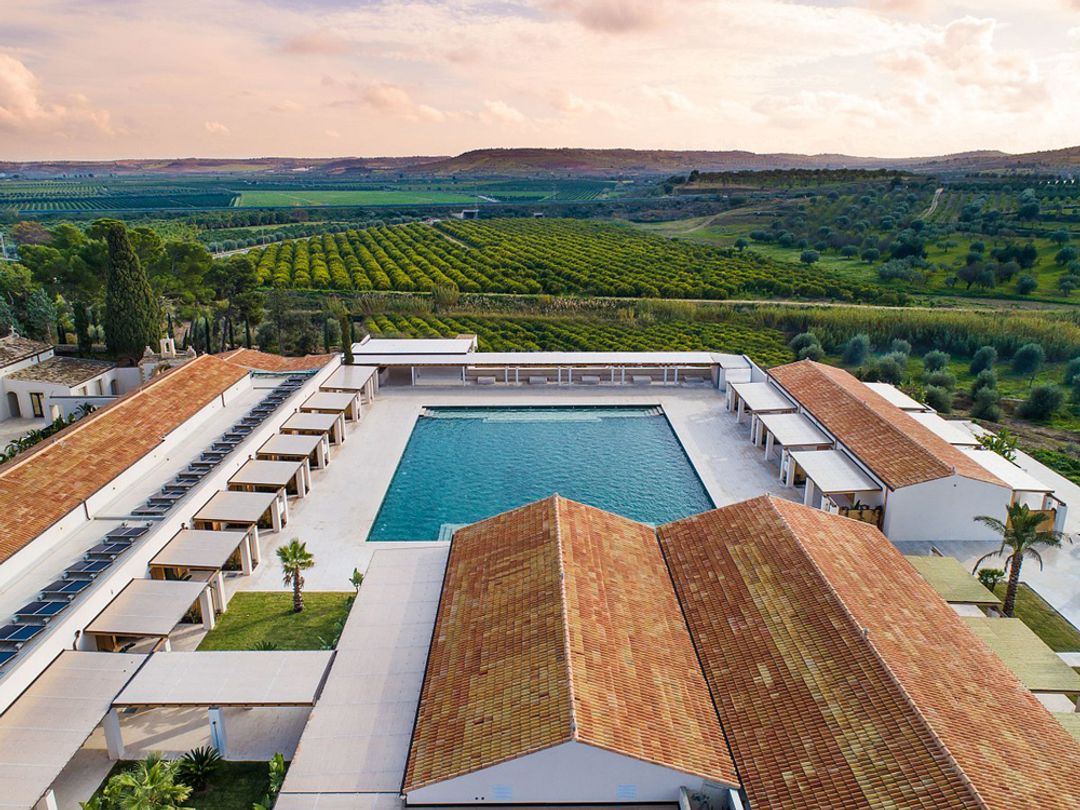
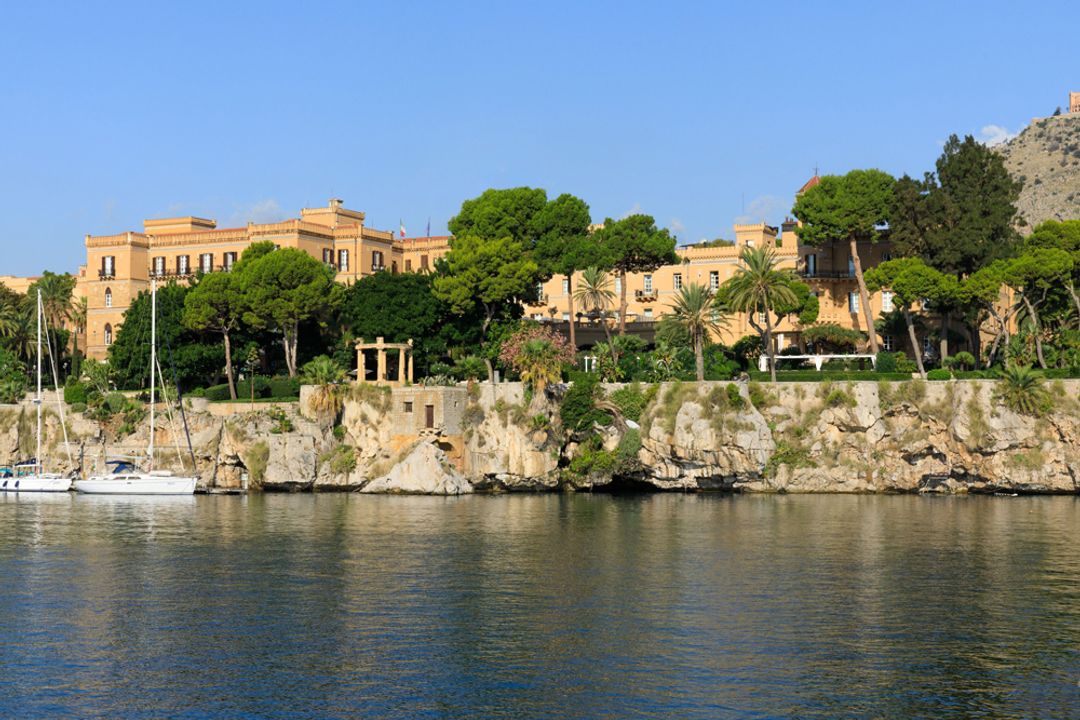
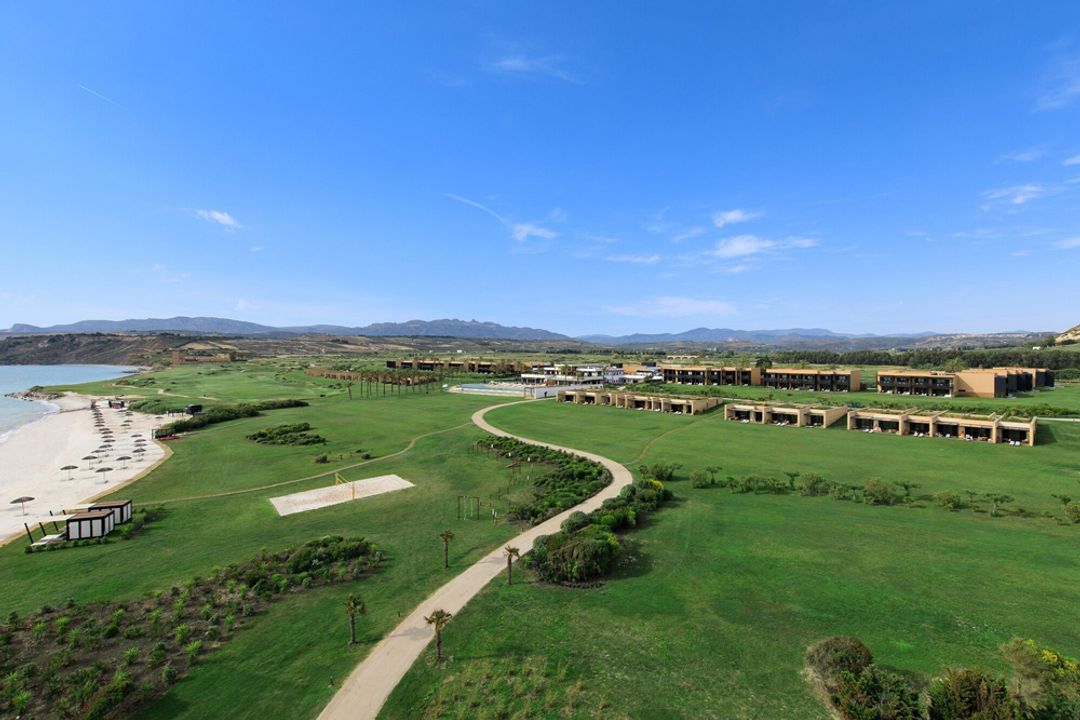
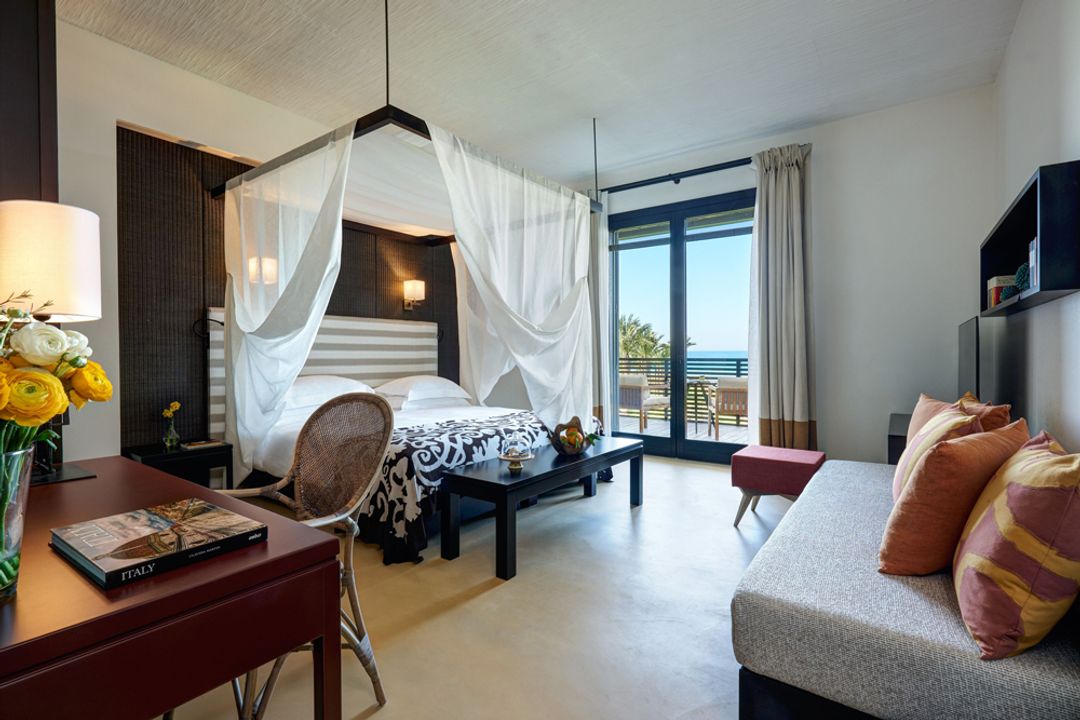
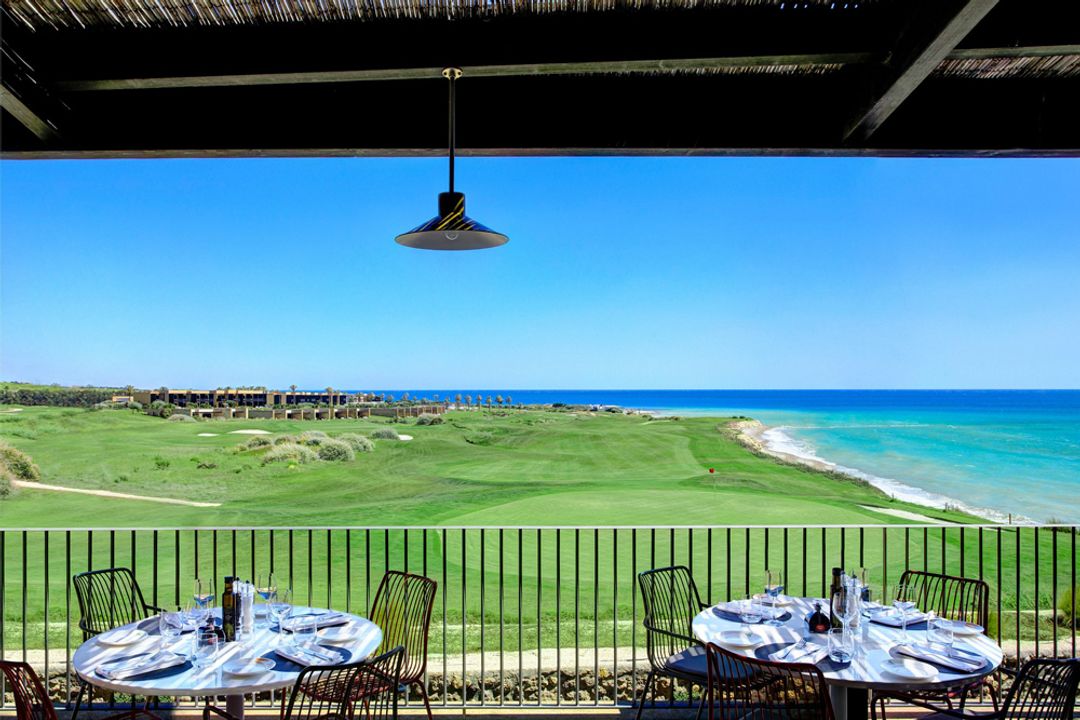
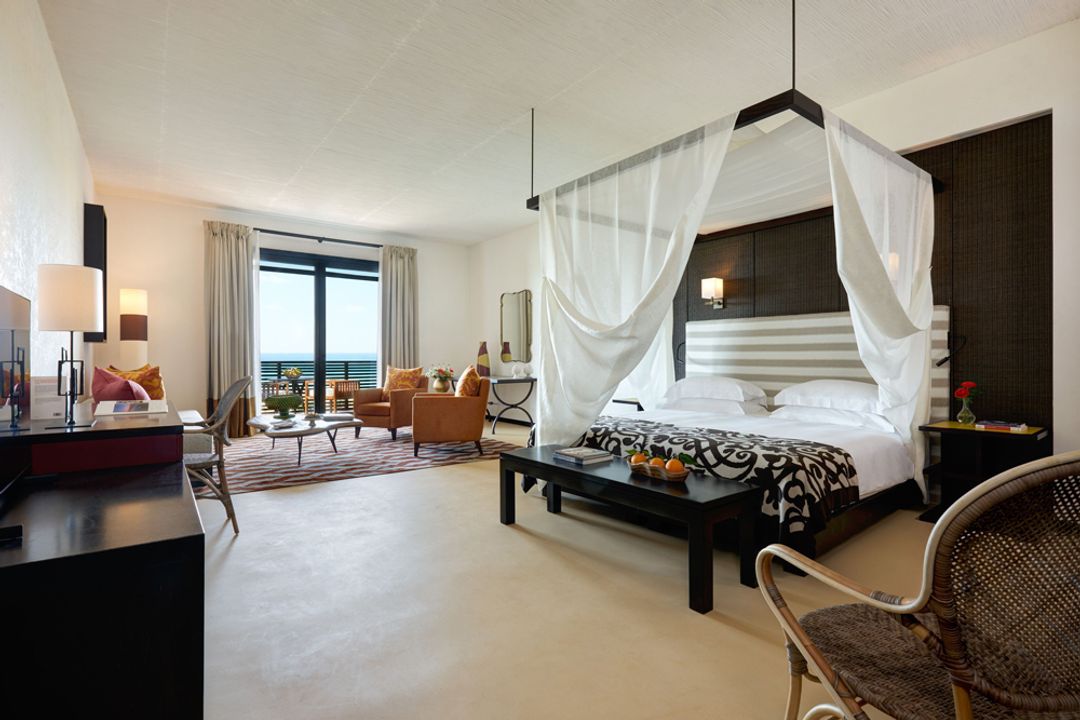
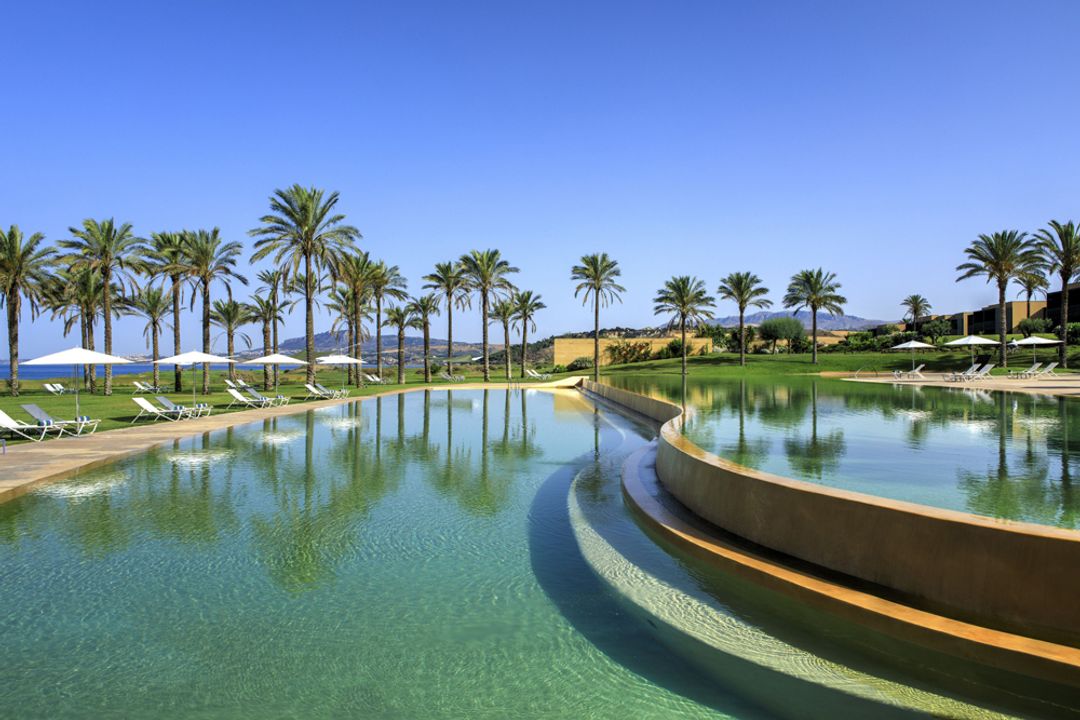
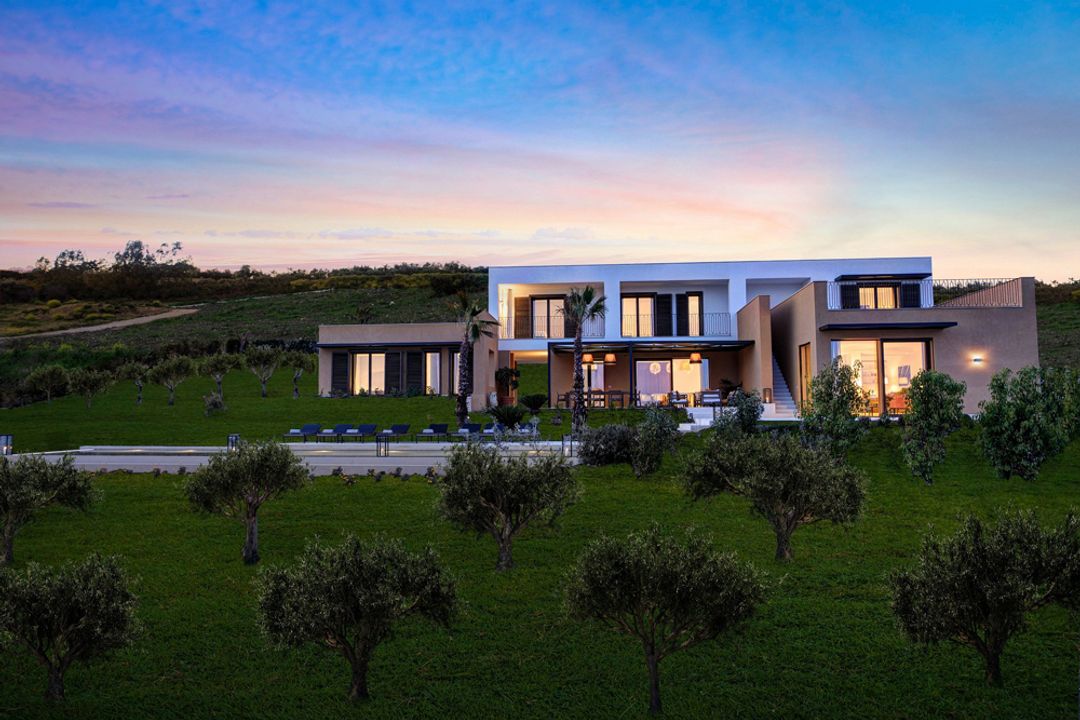
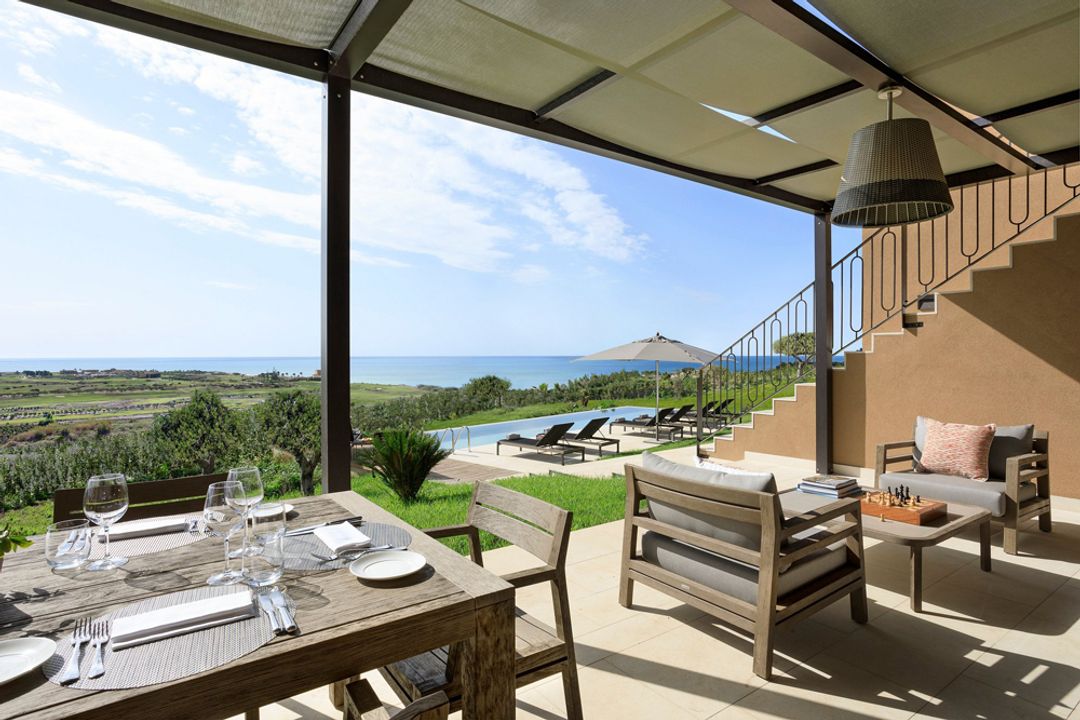
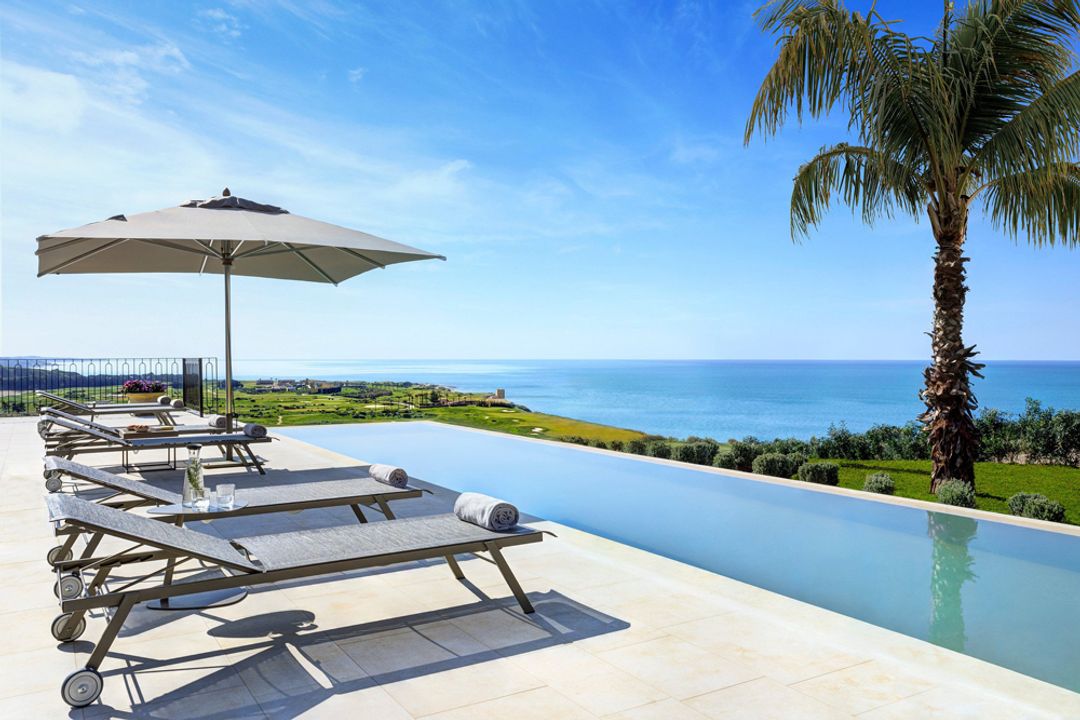
The southern reaches of the island pull in a different direction. Around Noto, the Baroque architecture of the Val di Noto, rebuilt after the 1693 earthquake in warm golden limestone, forms the backdrop for both Il San Corrado di Noto, a converted masseria with serious agricultural land around it, and Q92 Noto, a sharper contemporary boutique conversion within the town itself. Palermo offers Villa Igiea, a Rocco Forte property in a 1900 Art Nouveau villa originally designed for the Florio family, with Ernesto Basile responsible for the interiors. On the southwestern coast near Sciacca, the Verdura Resort spreads across a Rocco Forte complex designed by Olga Polizzi across more than 230 hectares of coastline, a resort scale that nothing else on this island quite matches.