Best hotels in Edinburgh, Scotland | Visually Compare Top Stays Side-by-Side
Welcome to PressBeyond - a curated visual guide to design-driven hotels and the fastest way to compare them.
An Overview of the Boutique & Luxury Hotel Landscape in Edinburgh, Scotland
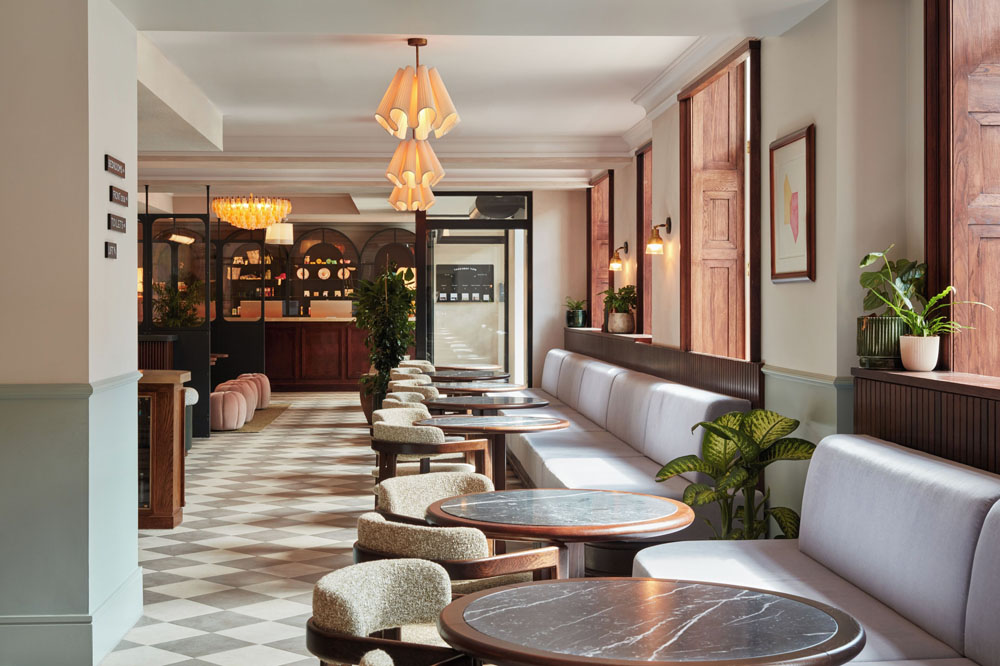
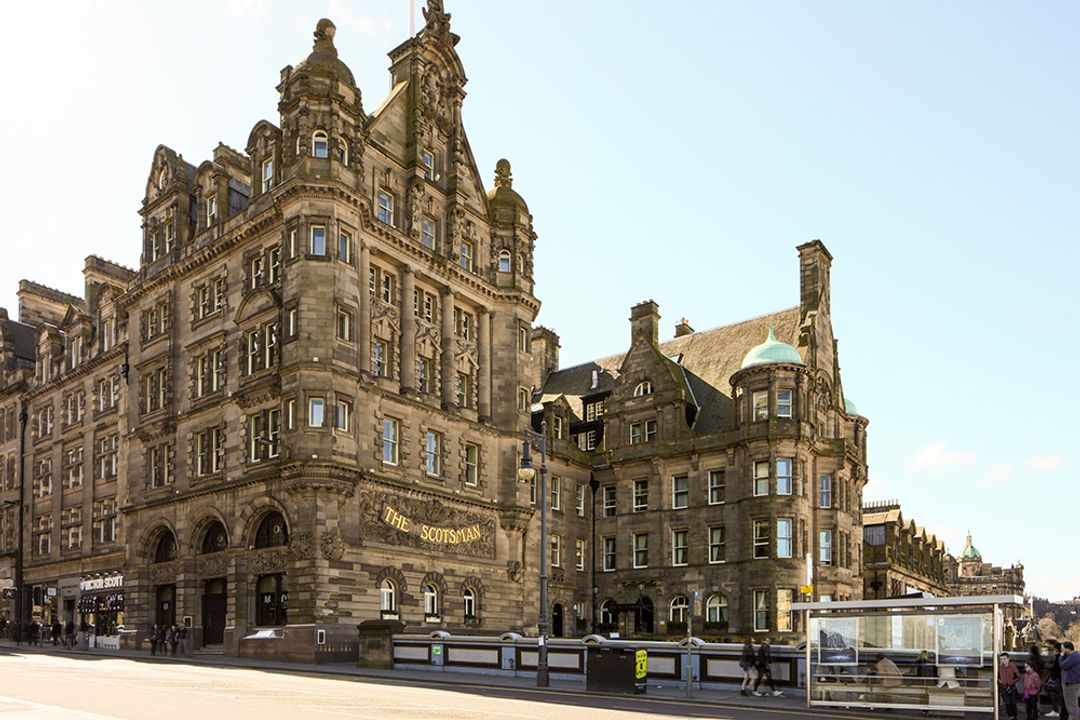
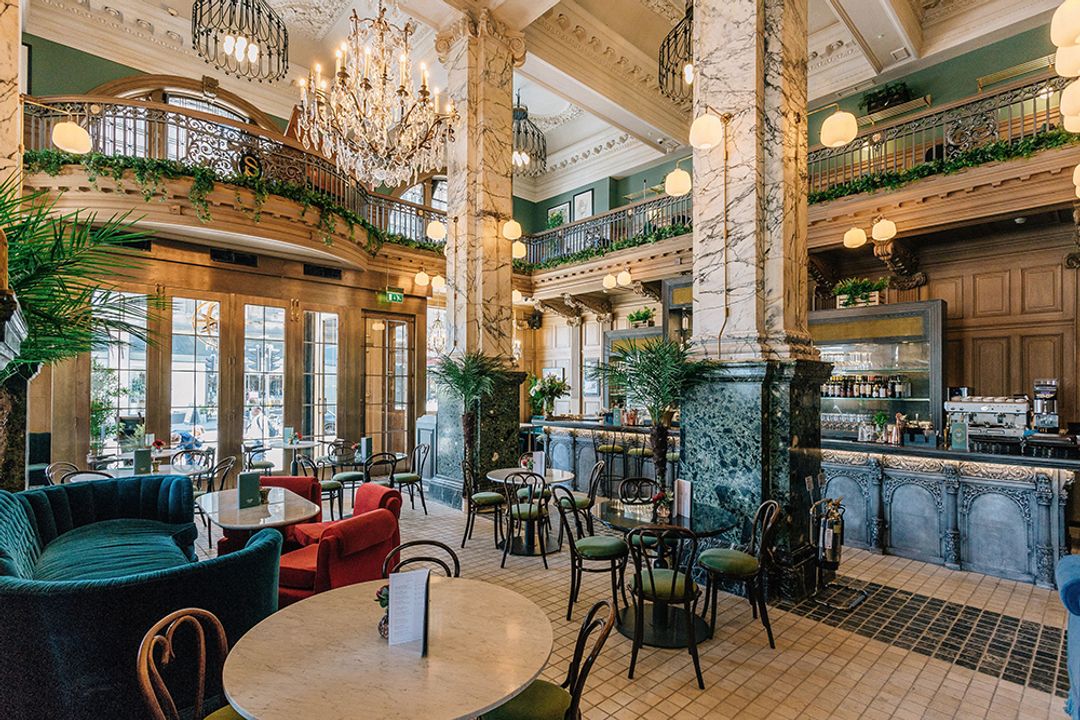
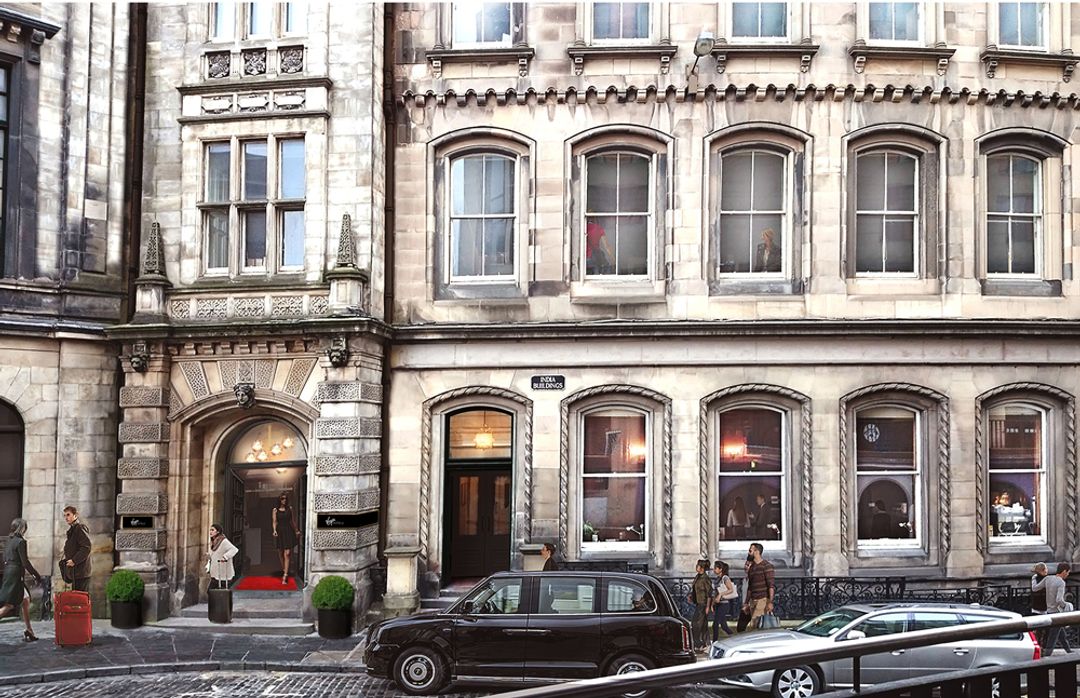
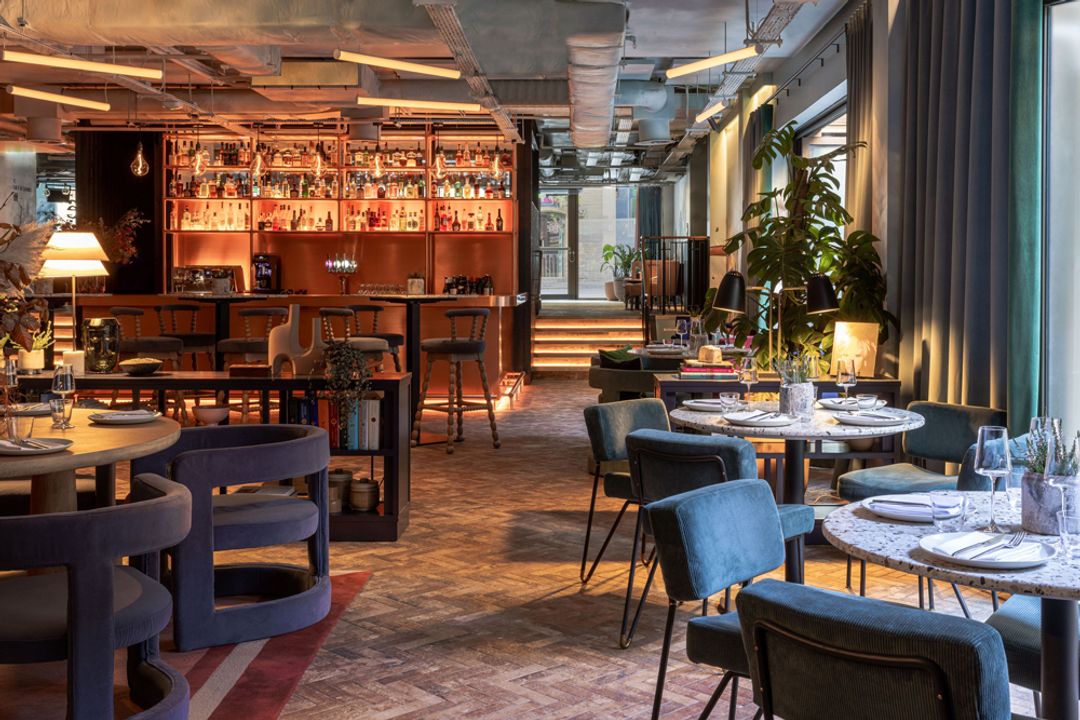
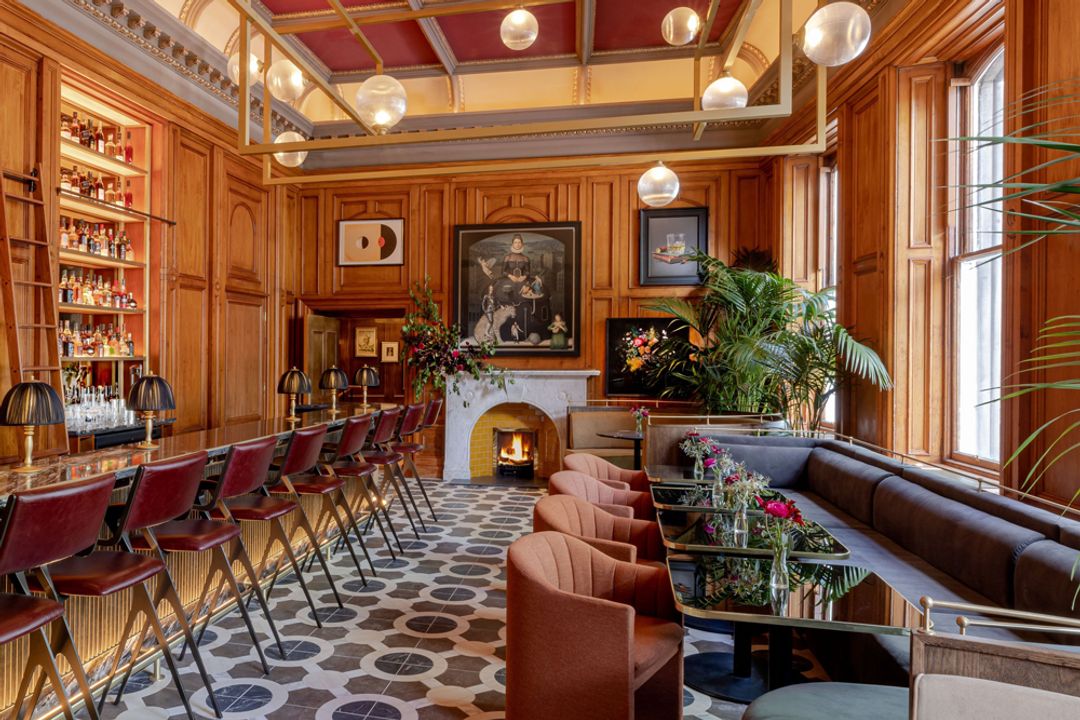
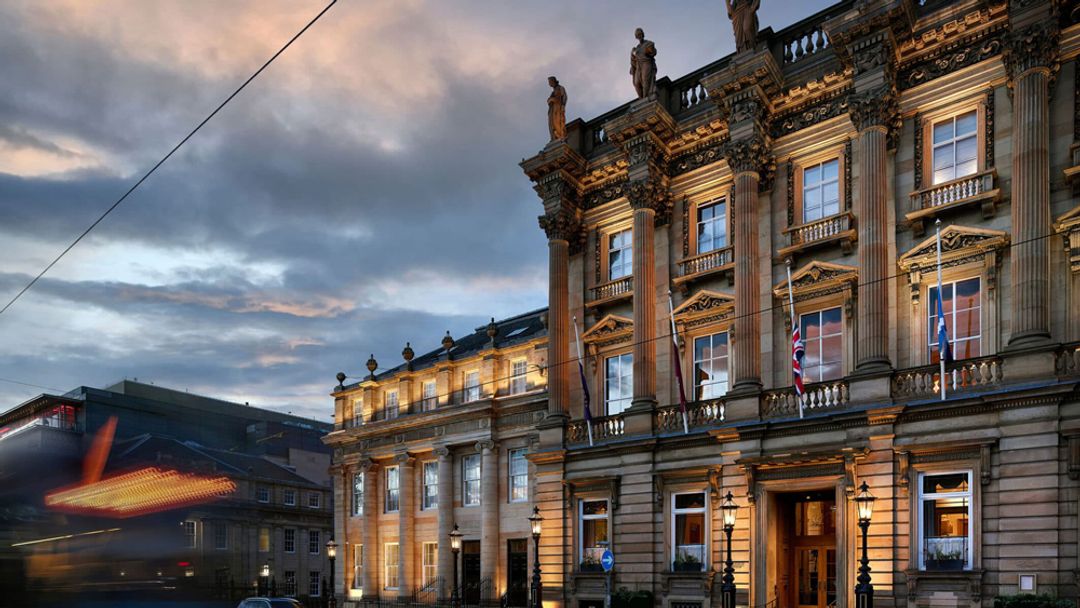
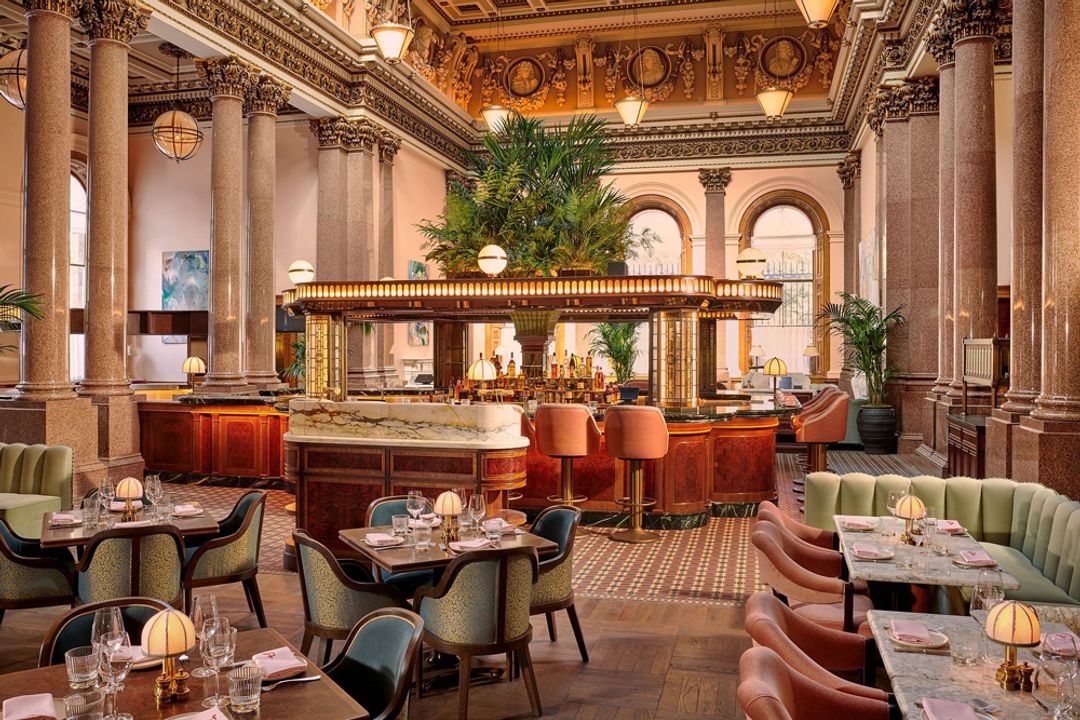
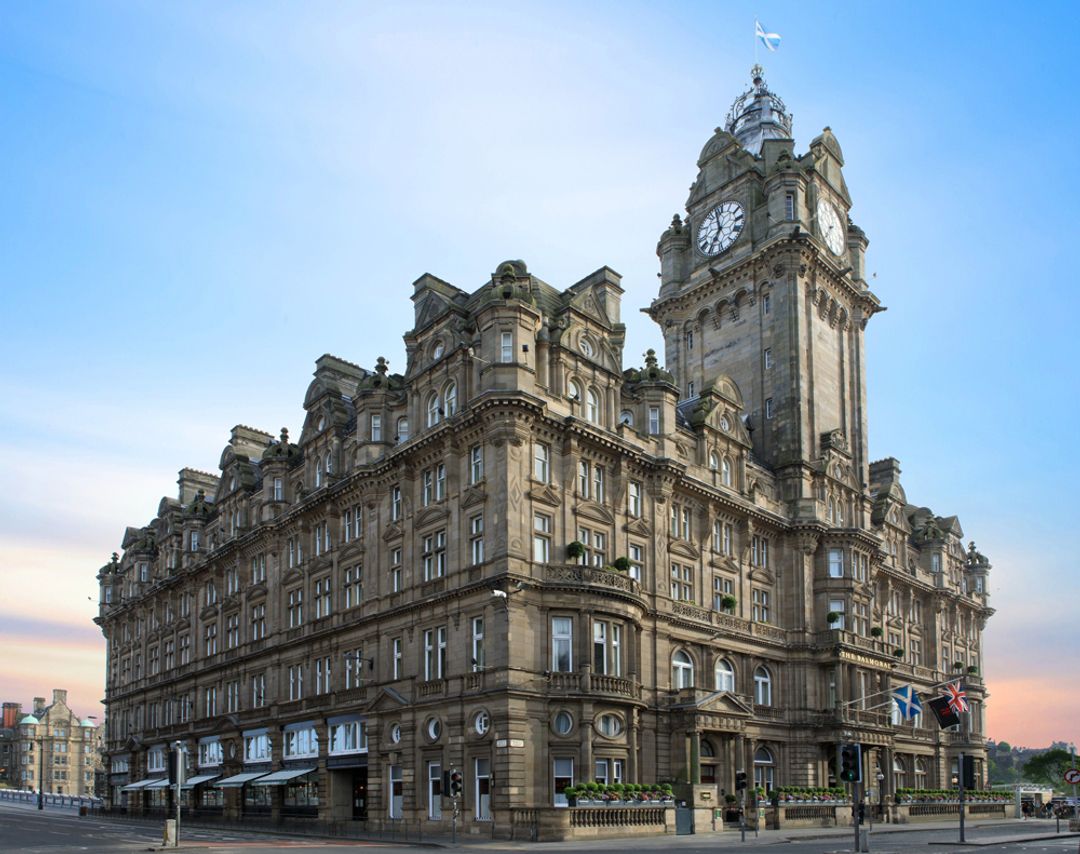
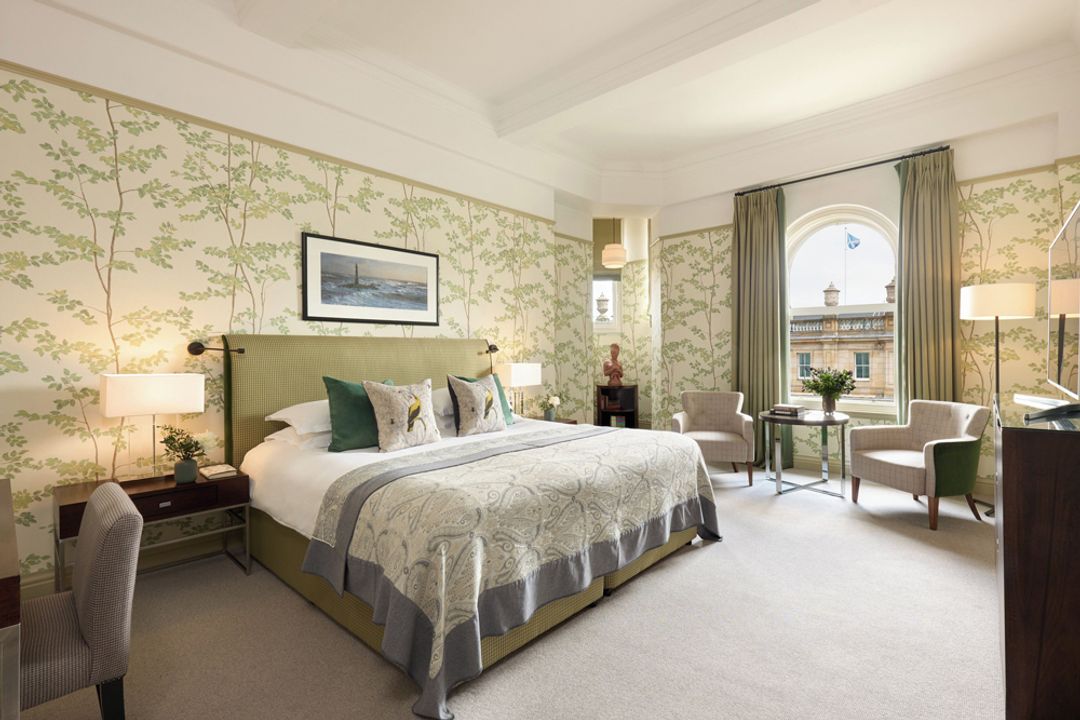
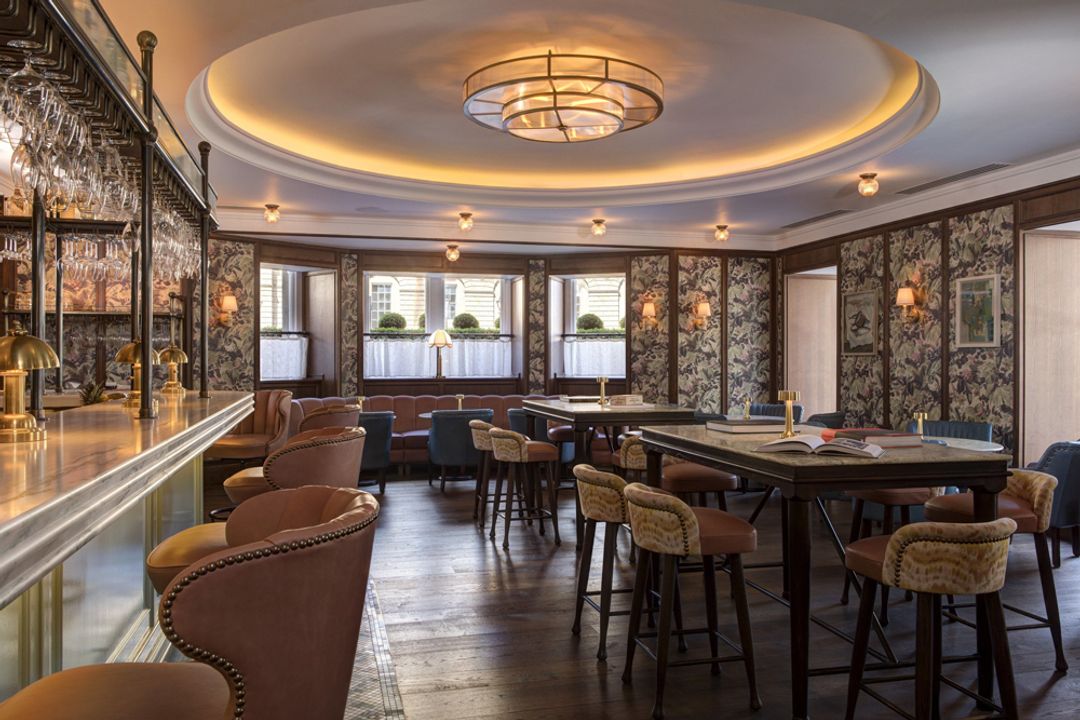
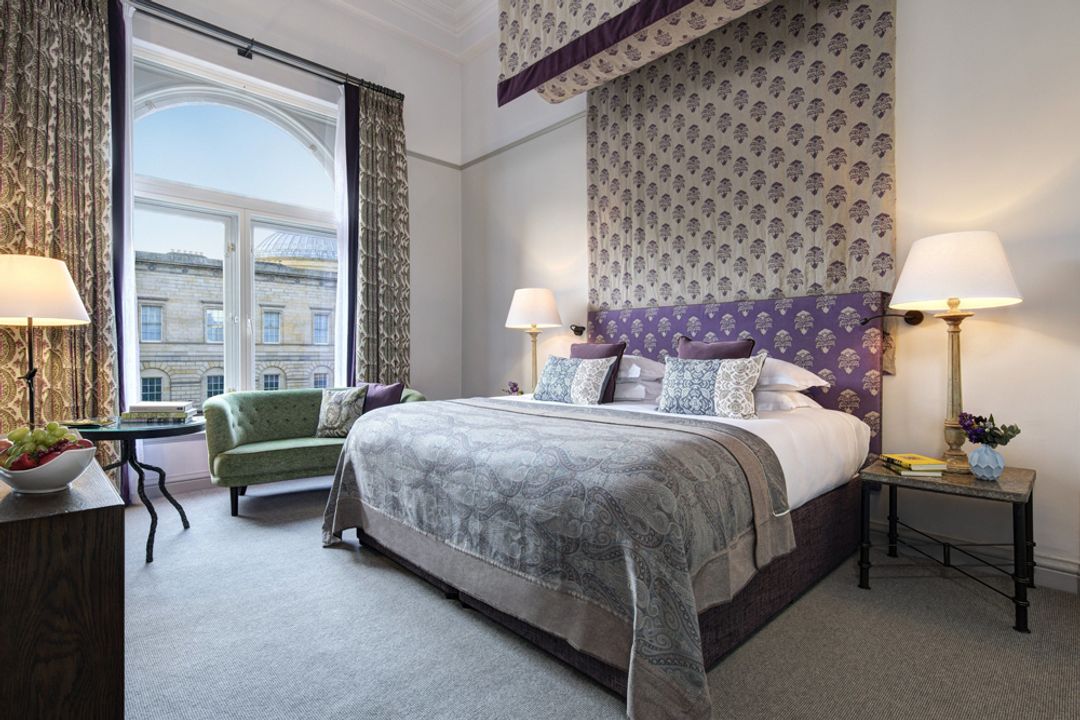
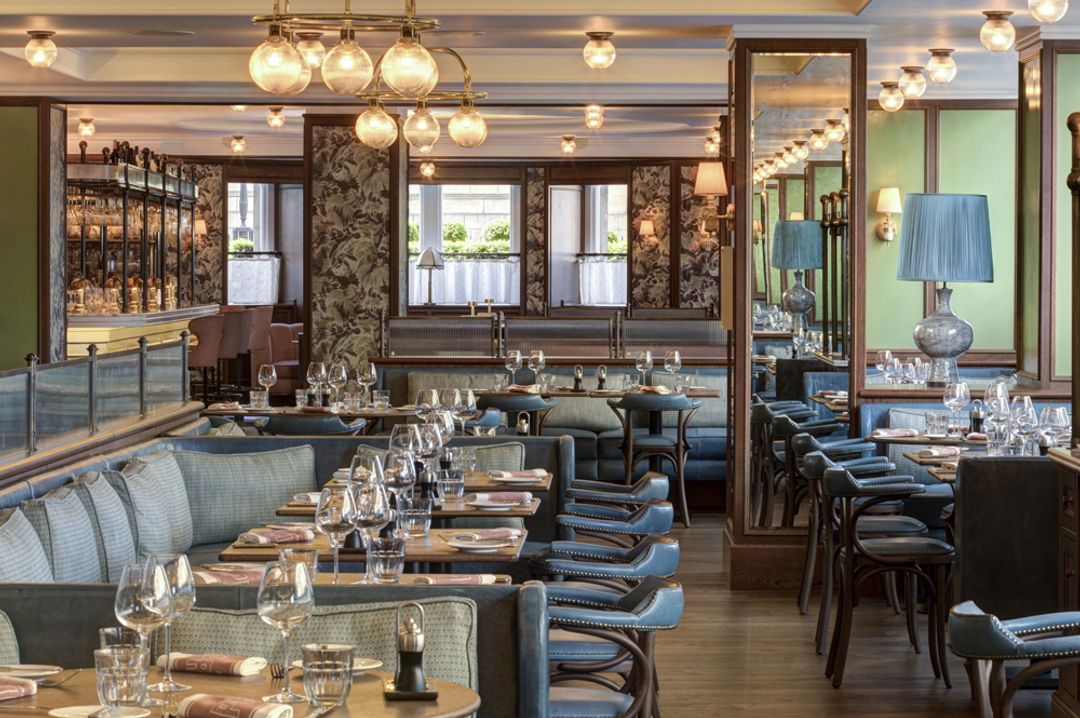
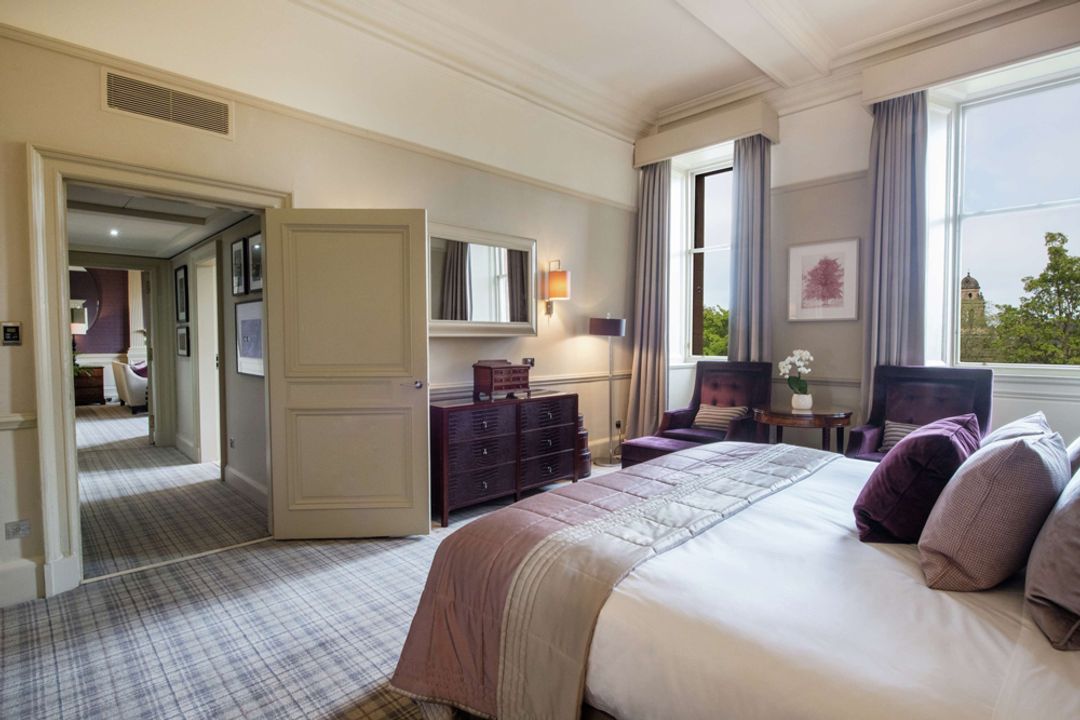
Edinburgh works in stone. The city's two foundational districts, the medieval Old Town and the Georgian New Town, are separated by a glacial valley and roughly three centuries of architectural ambition, and virtually every hotel worth discussing sits in one or the other, or in their immediate gravitational pull. The Balmoral, Rocco Forte's flagship Scottish property, occupies the eastern anchor of Princes Street where the clock tower has been a navigational landmark since 1902. Its position is not incidental — it sits at the hinge between both cities, facing the Castle from across the valley. Across that same cultural divide, The Scotsman operates out of the former North Bridge headquarters of its namesake newspaper, its grand Edwardian staircase and marble-clad editorial halls converted into public space with enough period confidence that the building wears its past without strain. Virgin Hotels Edinburgh, also in the Old Town, takes the opposite approach: a contemporary insertion into a Category A listed building near the Grassmarket that prioritizes a younger, louder sensibility over architectural deference.
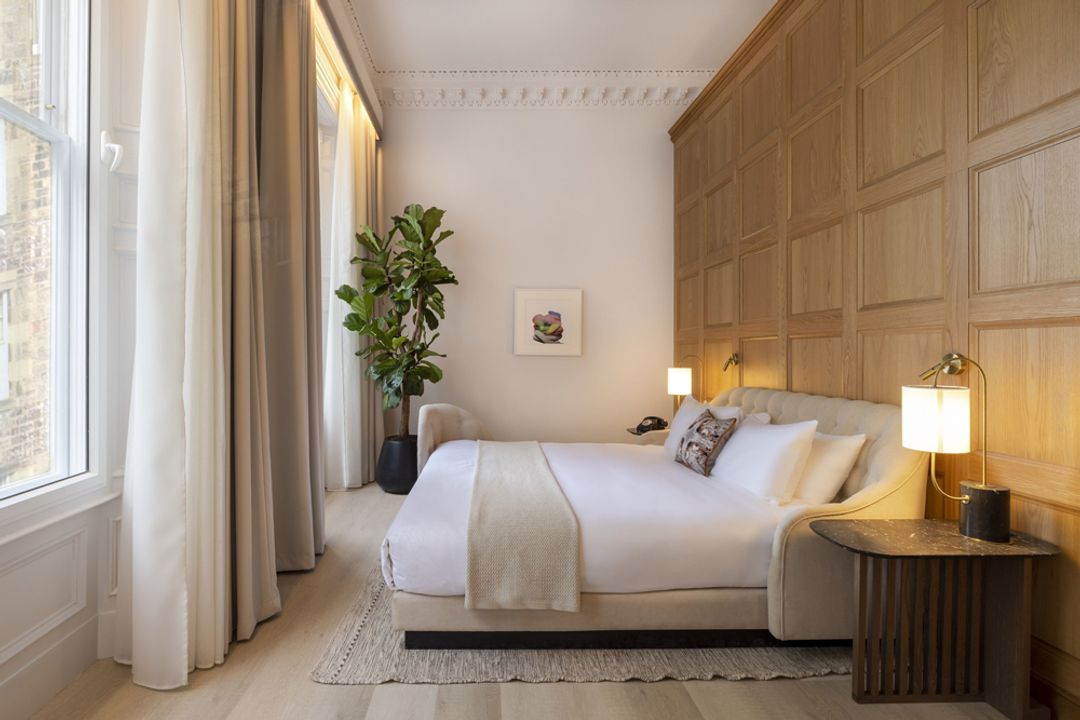
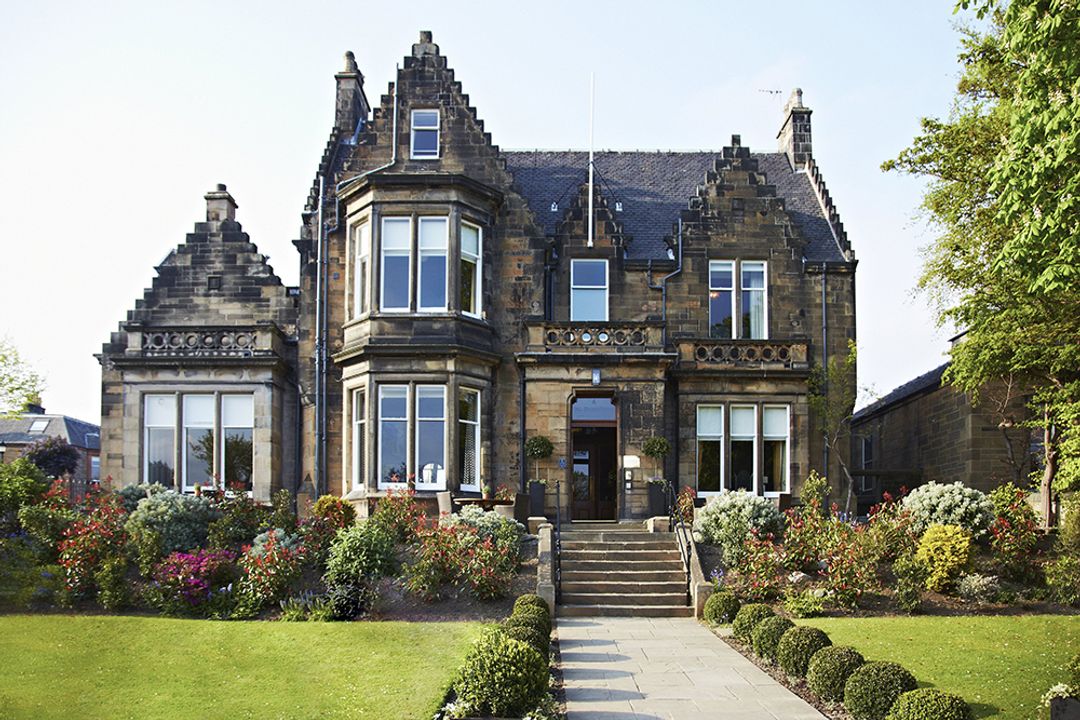
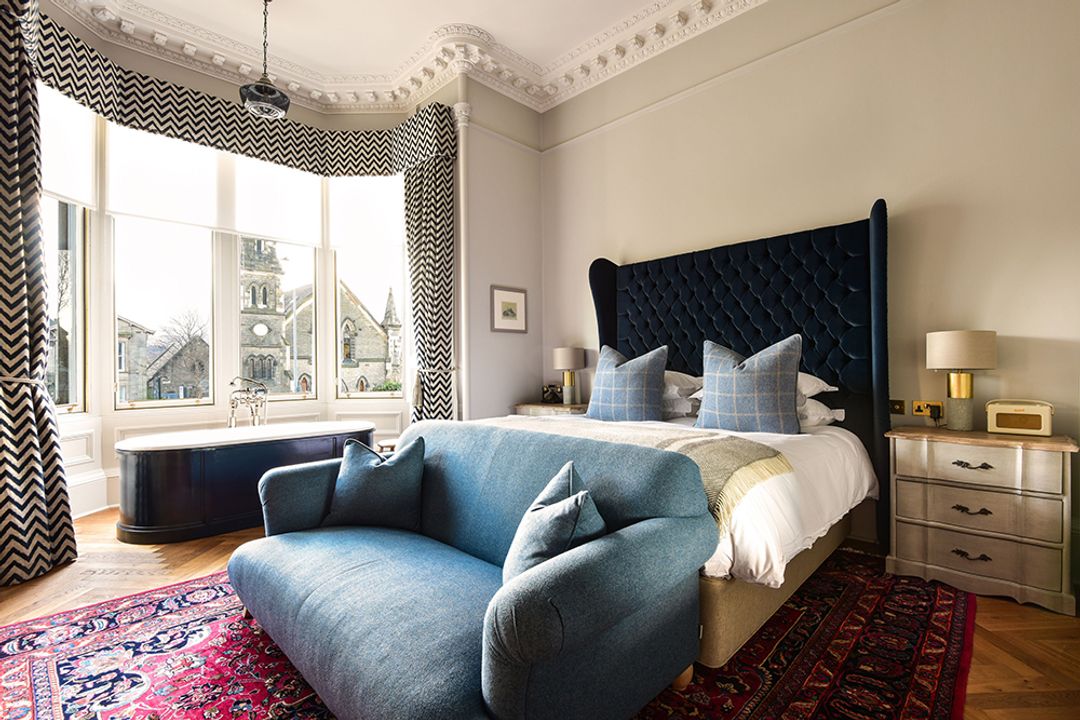
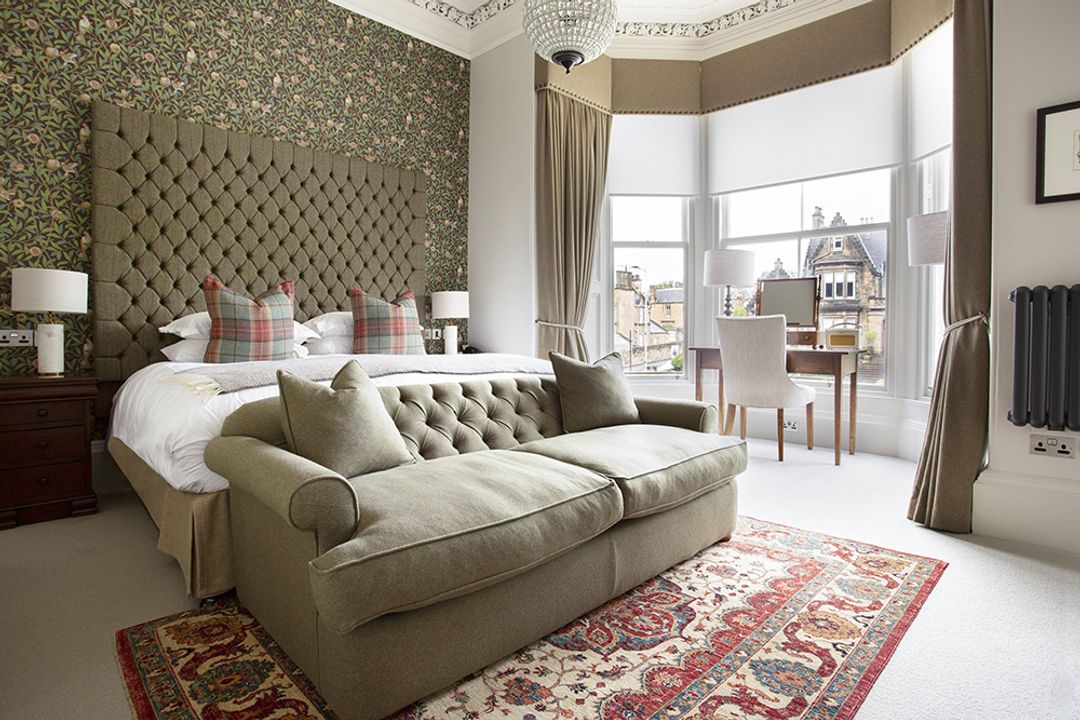
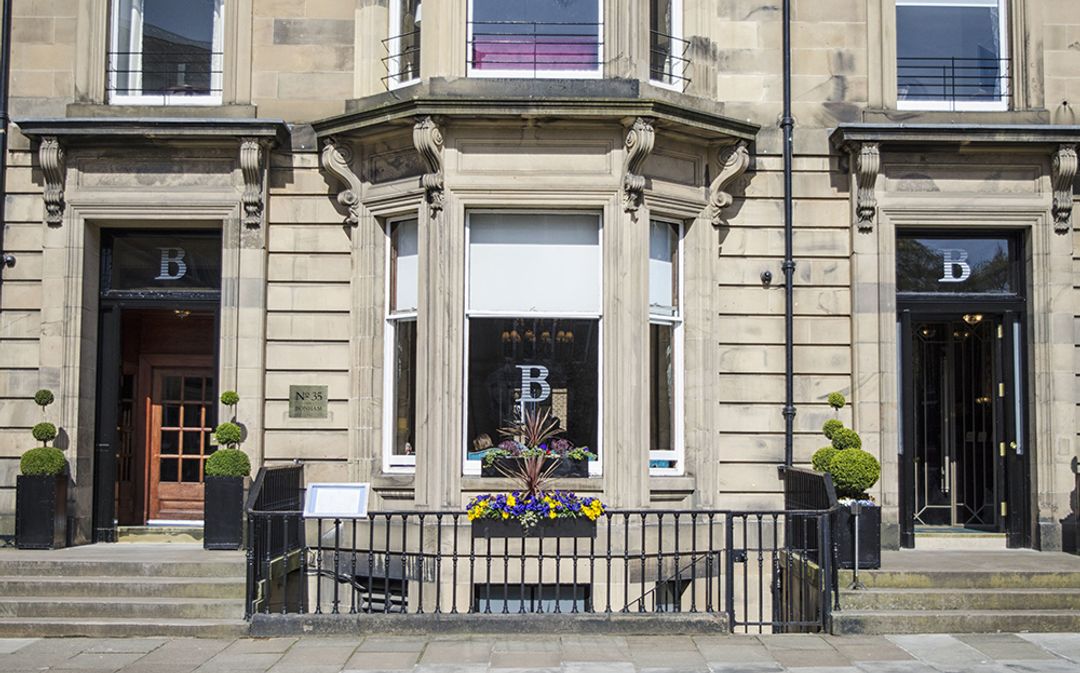
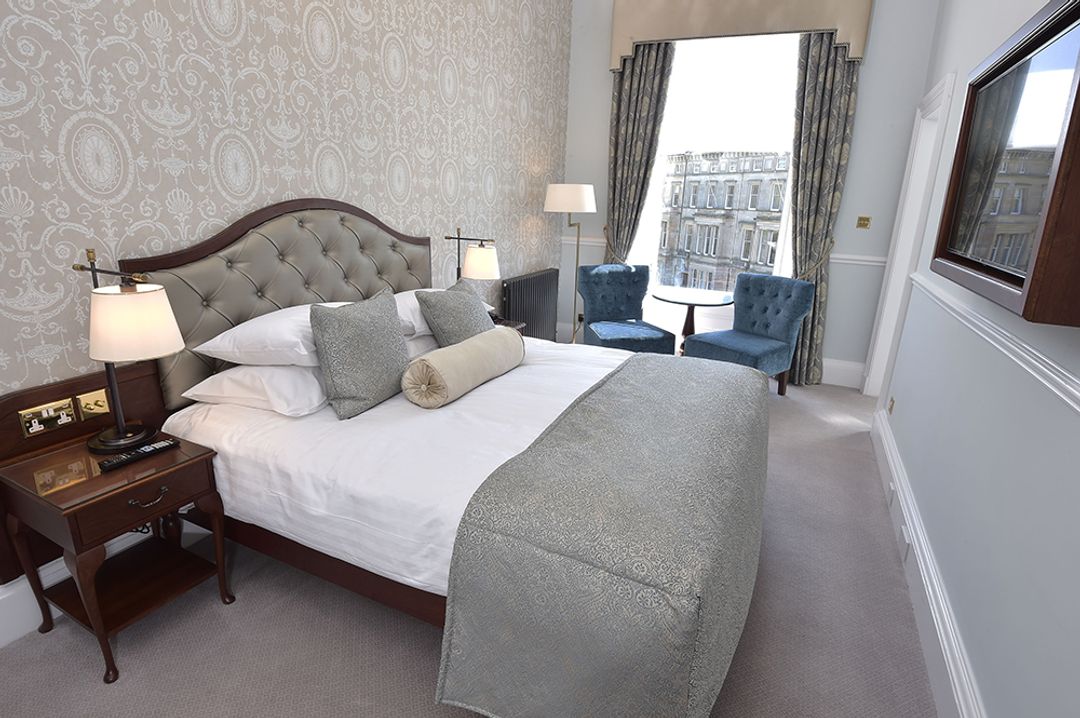
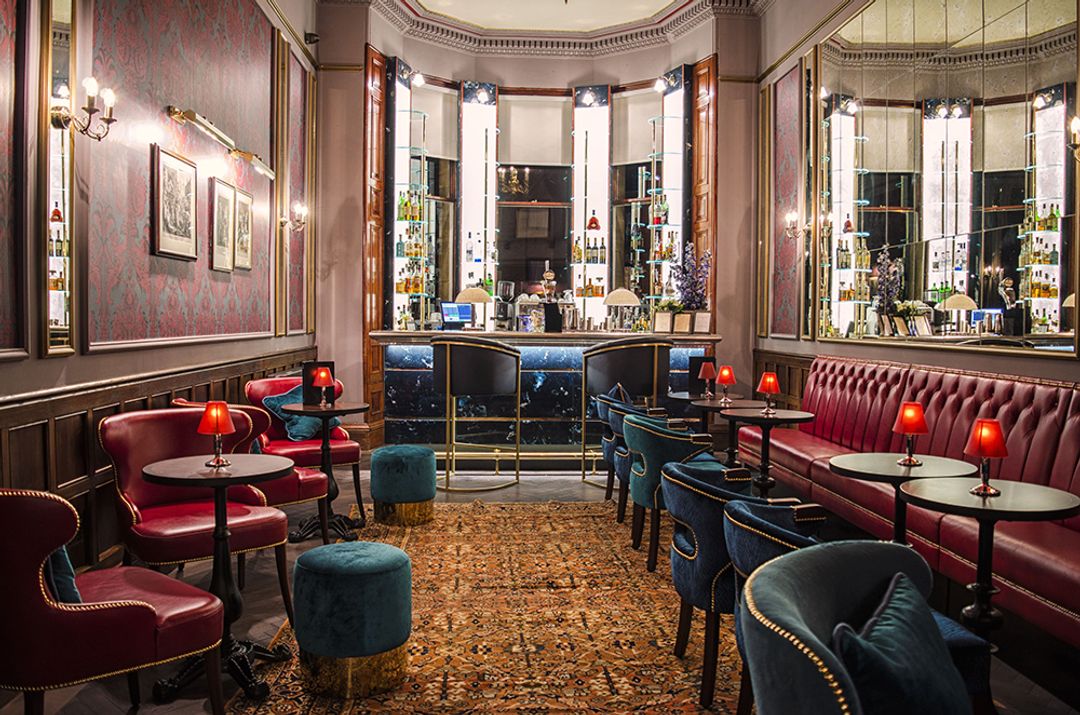
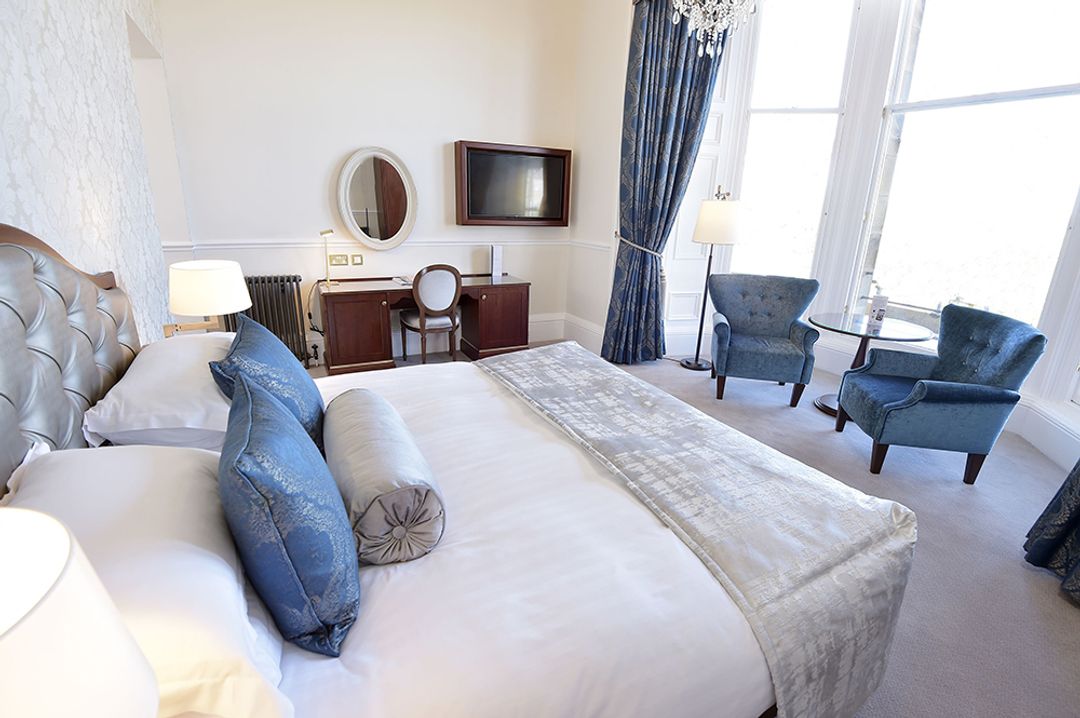
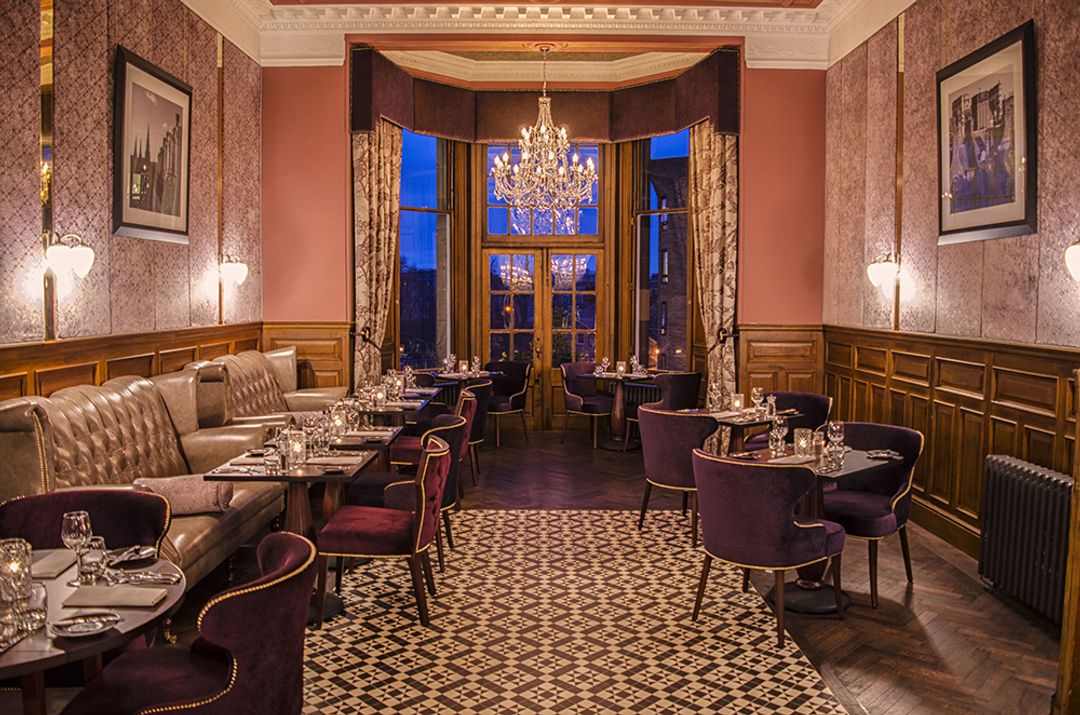
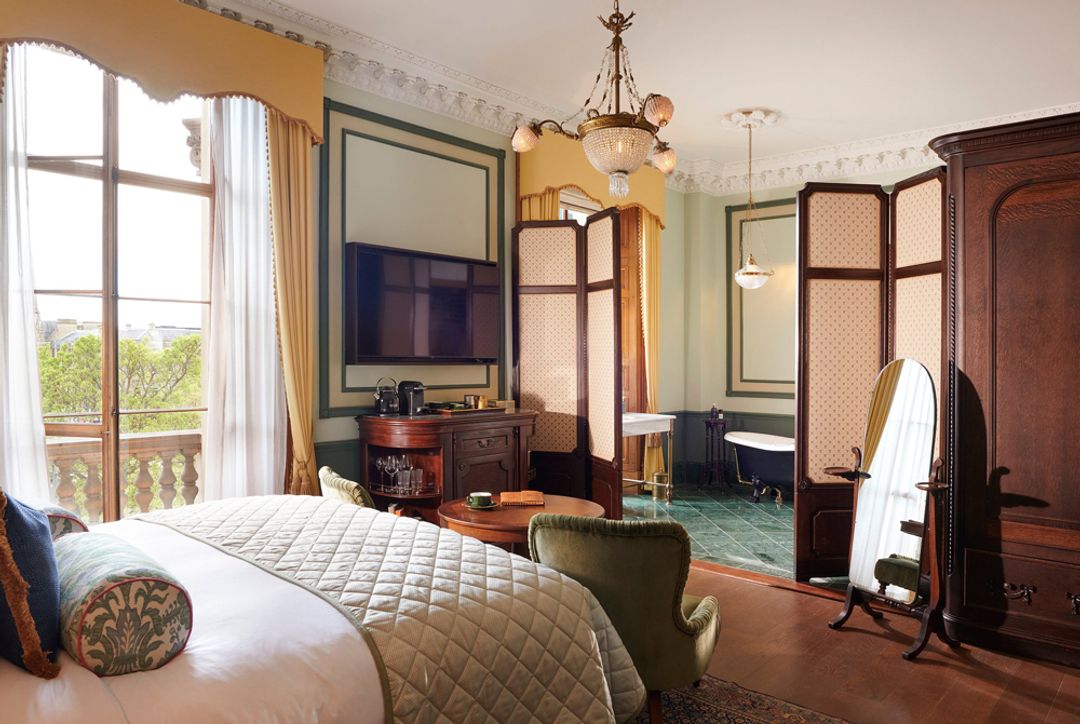
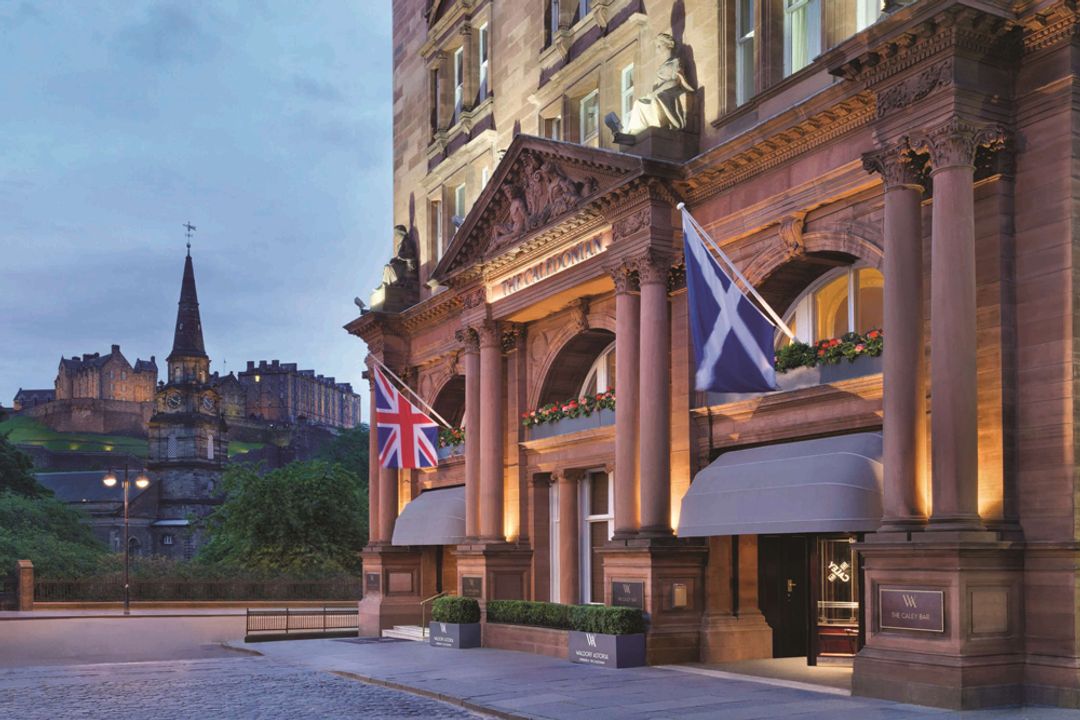
The New Town and its western neighbors offer a quieter register. The Gleneagles Townhouse on St. Andrew Square, an extension of the Perthshire estate brand into the city, translates the original property's countryside extravagance into a Georgian townhouse context with enough wit to avoid feeling like a theme park. The Bonham in the West End and The Roseate Edinburgh in West Coates are both rooted in Victorian residential architecture, smaller and more particular than the flagship properties, and well-suited to anyone whose preference runs toward atmosphere over spectacle. The Waldorf Astoria Edinburgh, known locally as the Caledonian and occupying the former Caledonian Railway terminus at the west end of Princes Street, has the bones of a great hotel and the slightly uneven execution that sometimes follows a major brand conversion.
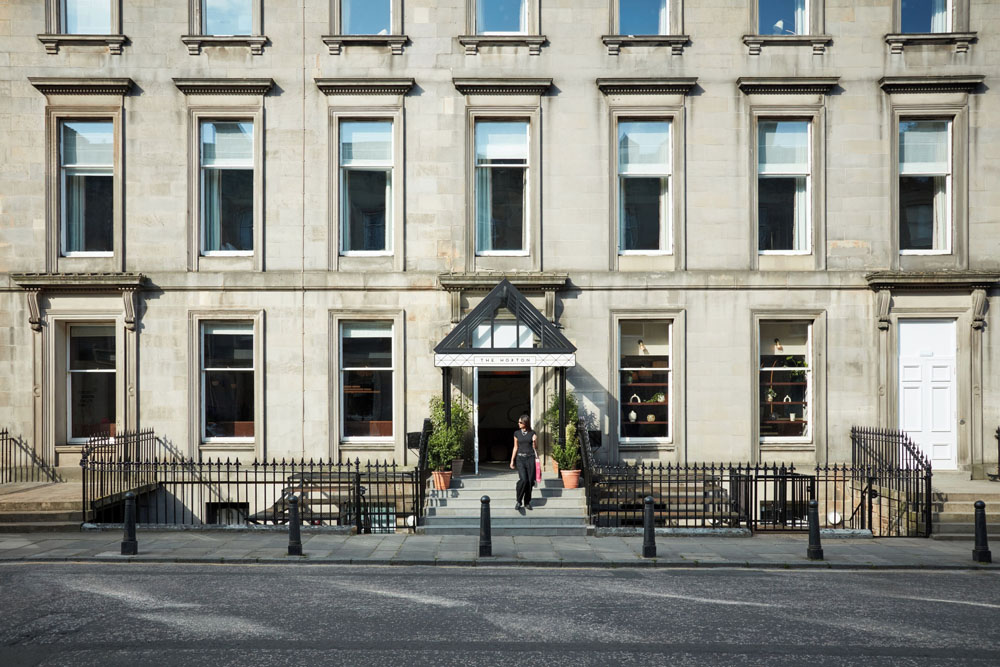
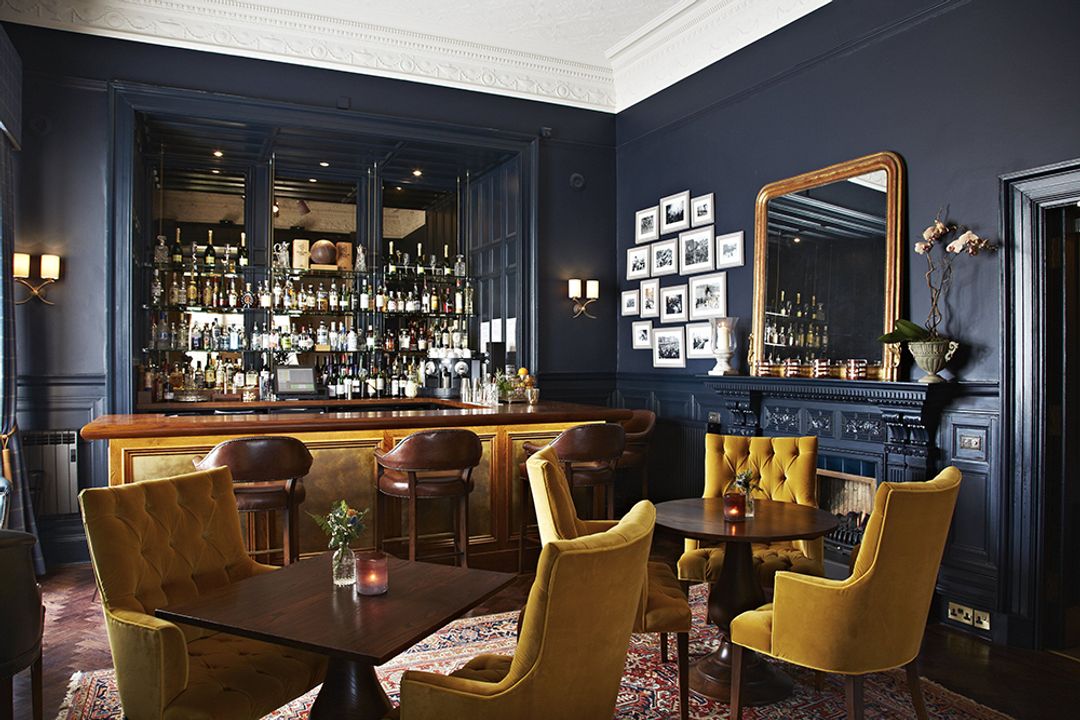
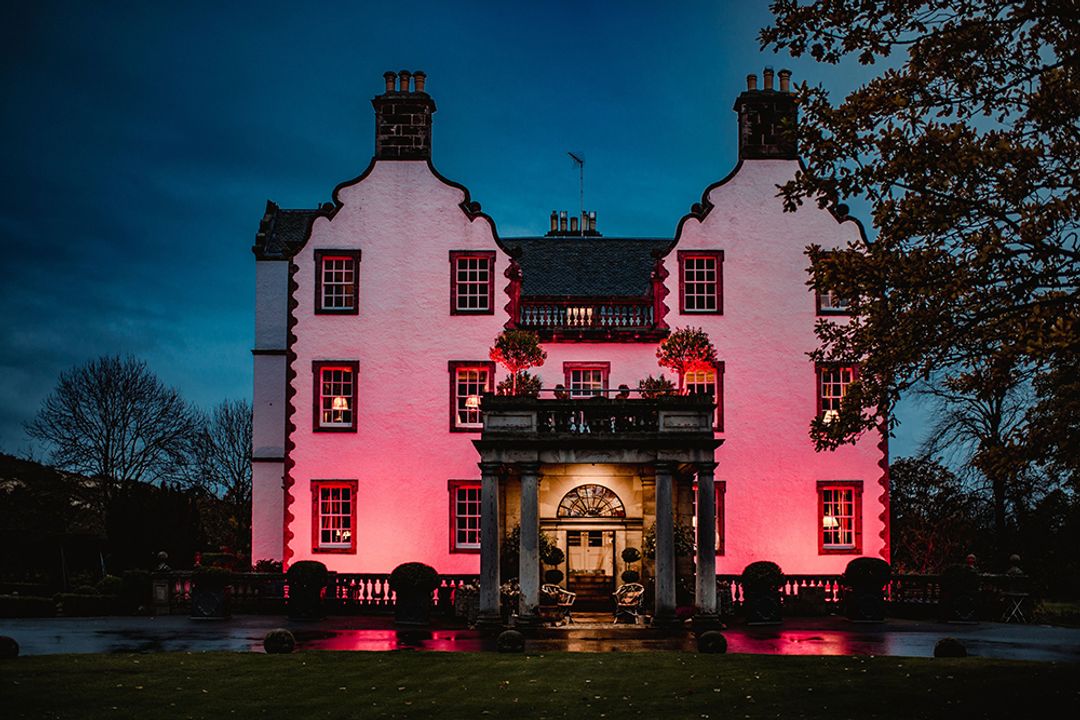
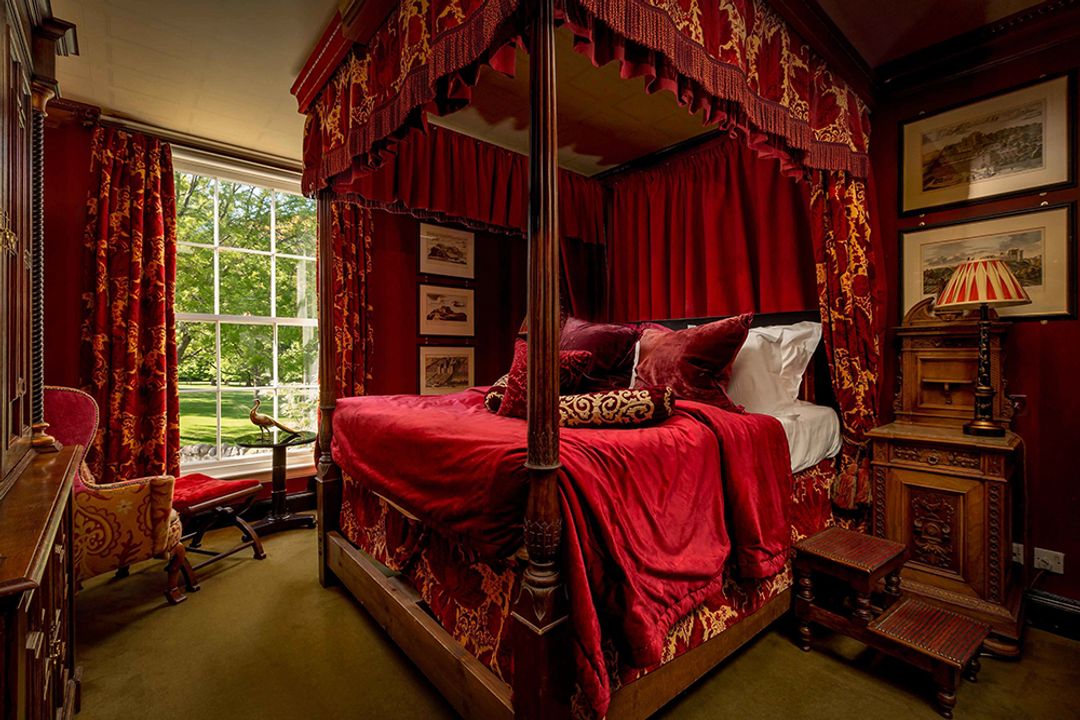
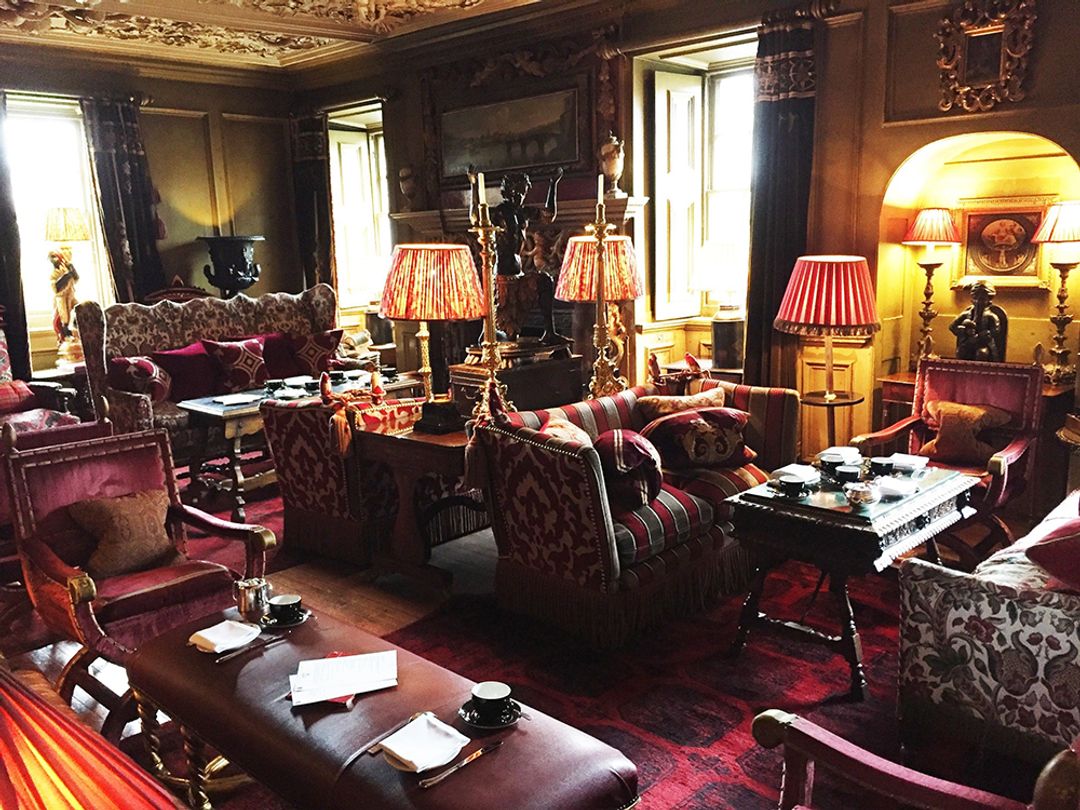
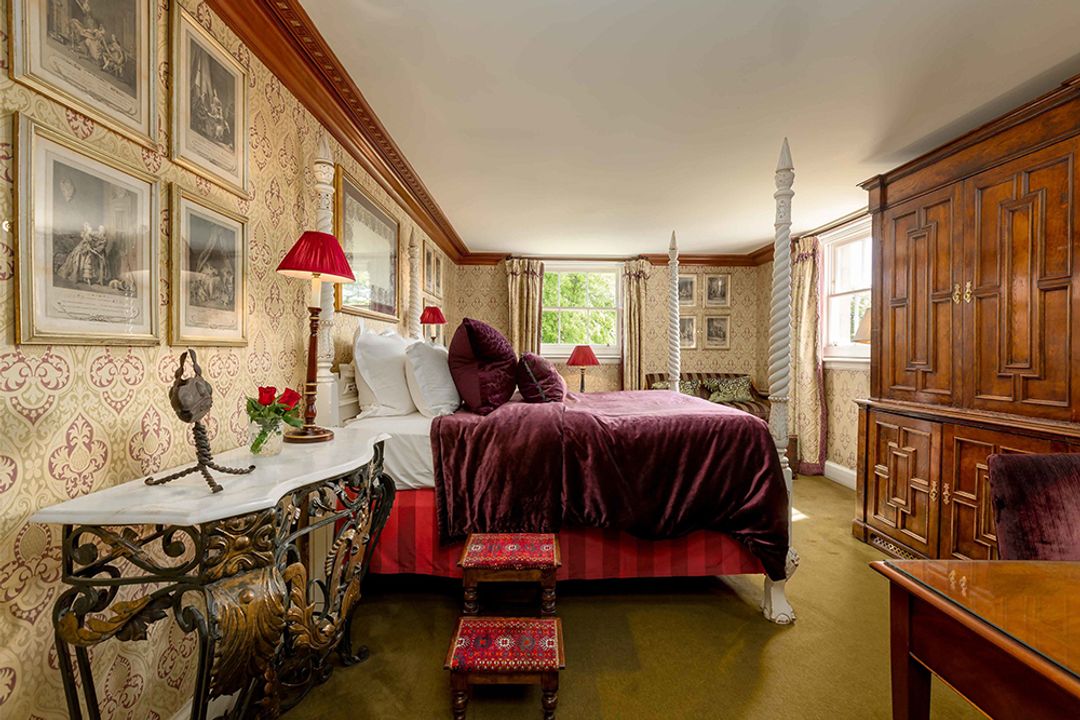
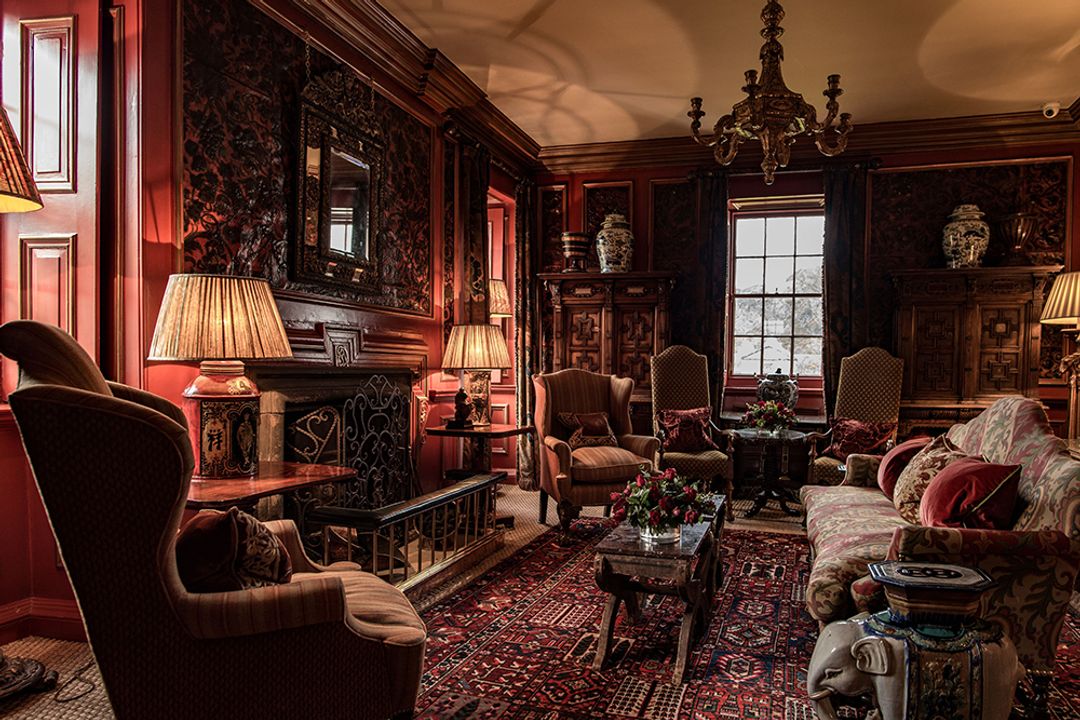
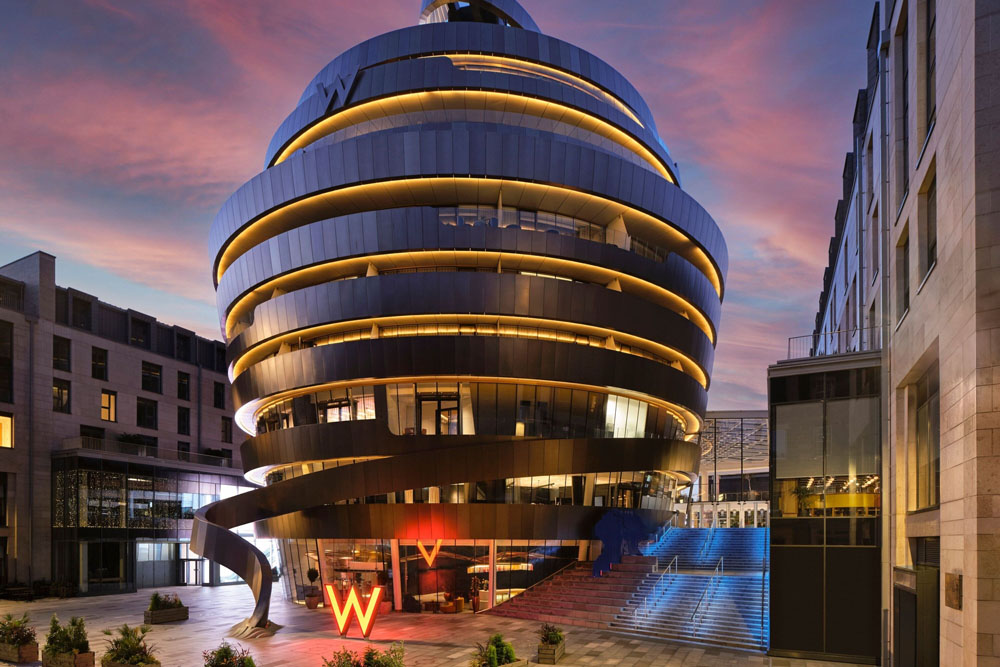
Beyond these central clusters, Prestonfield House in the Prestonfield neighborhood operates in a category of its own. The seventeenth-century house, decorated under the direction of owner James Thomson with a maximalist layering of damask, antler, and candlelight, reads less as a hotel than as a private estate that happens to have rooms available. The W Edinburgh at St James Quarter and The Hoxton in Haymarket represent the city's more recent commercial additions, both calibrated for travelers who navigate by neighborhood energy rather than period architecture, and both honest about what they are.