Best hotels in Koh Samui | Visually Compare Top Stays Side-by-Side
Welcome to PressBeyond - a curated visual guide to design-driven hotels and the fastest way to compare them.
An Overview of the Boutique & Luxury Hotel Landscape in Koh Samui
Koh Samui has always been two islands at once: the one you reach by ferry or prop plane, full of low-rise concrete shophouses, neon-lit beach bars, and the particular chaos of Chaweng's main road; and the one the hotel industry has been quietly constructing on its hillsides and promontories for the past two decades. The tension between those two realities is where the most interesting accommodations tend to position themselves.
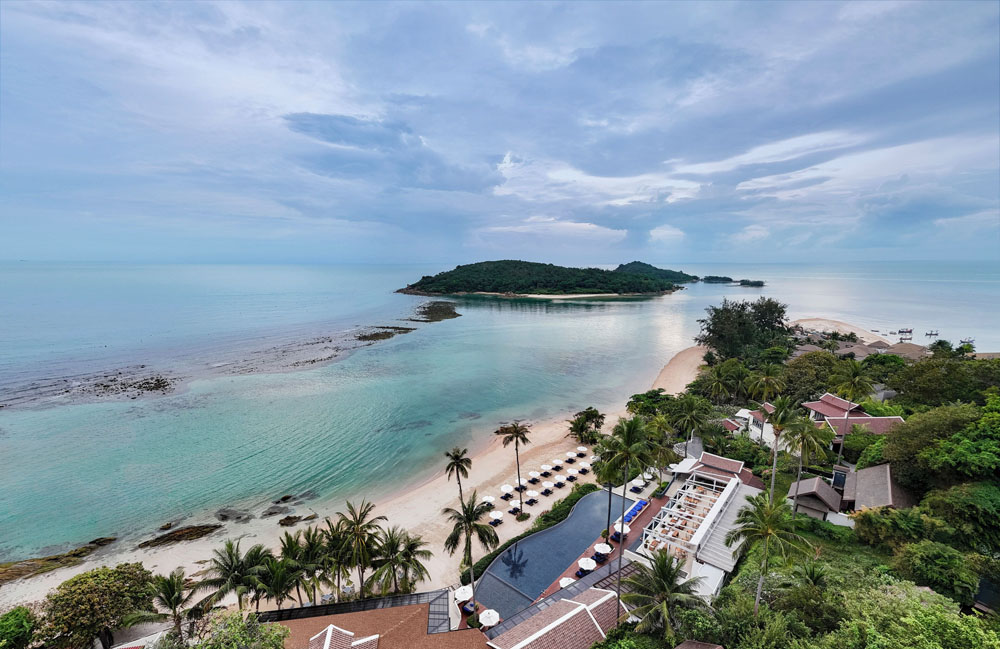
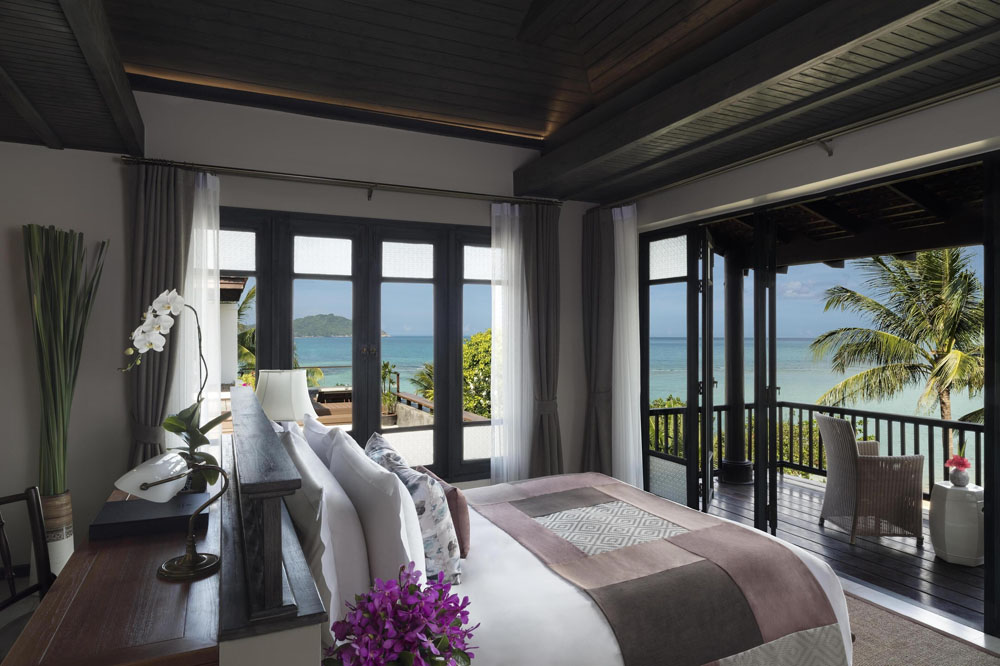
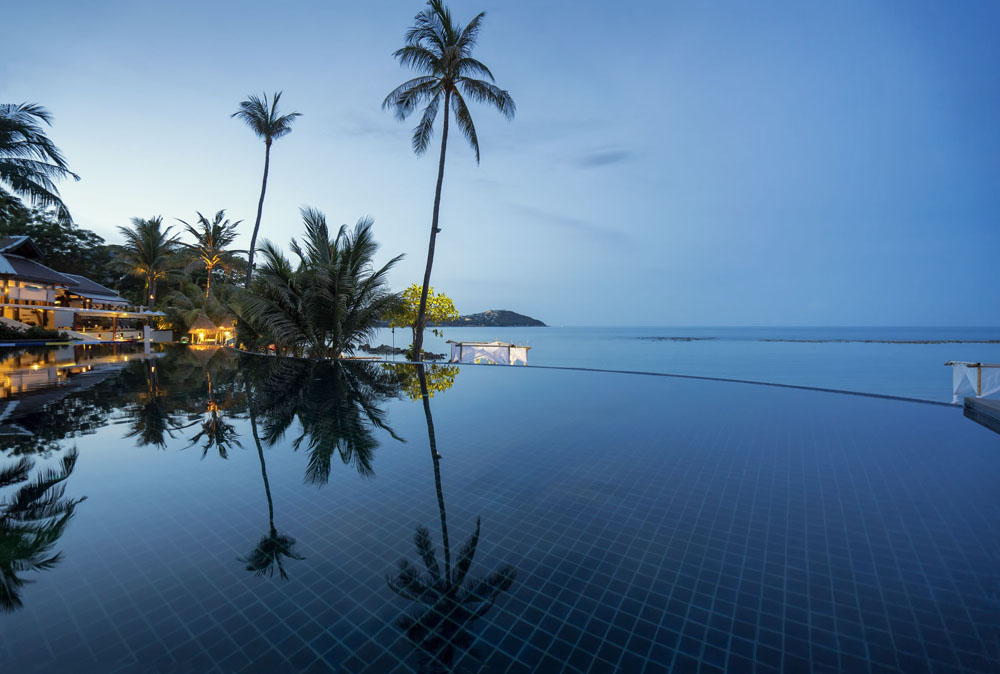
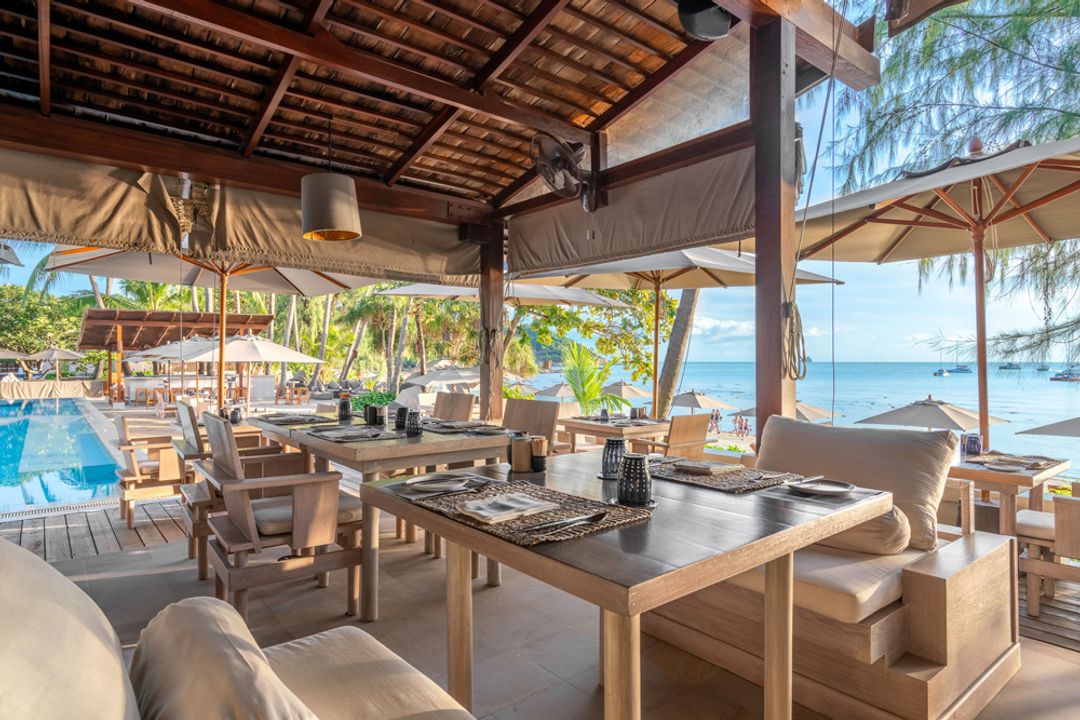
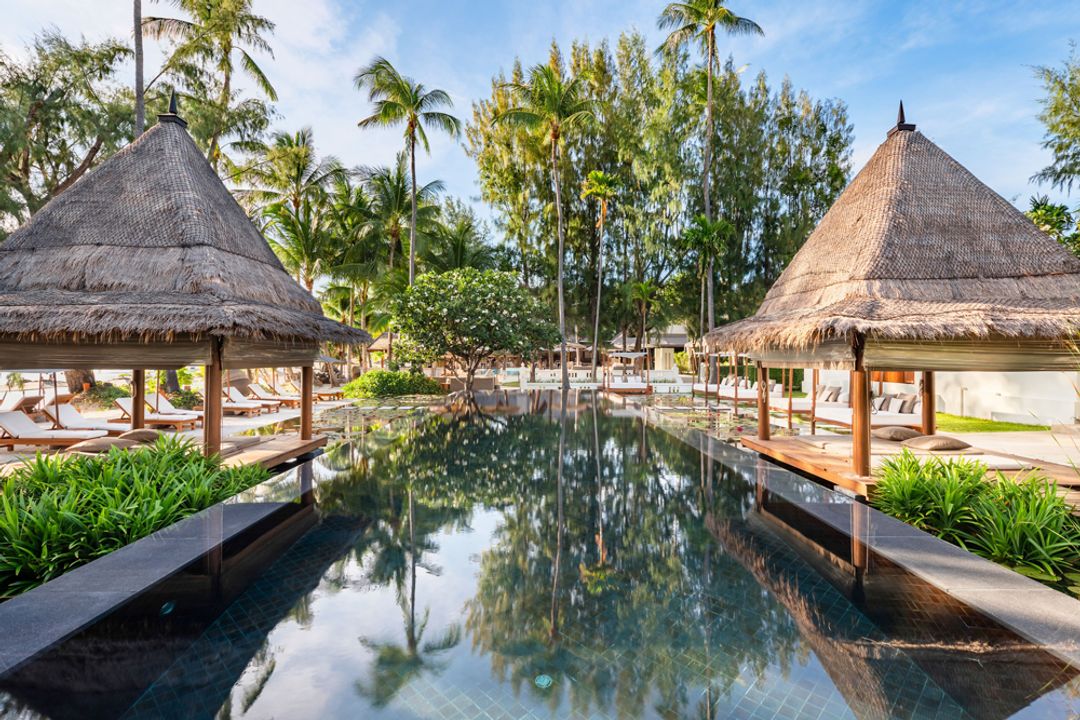
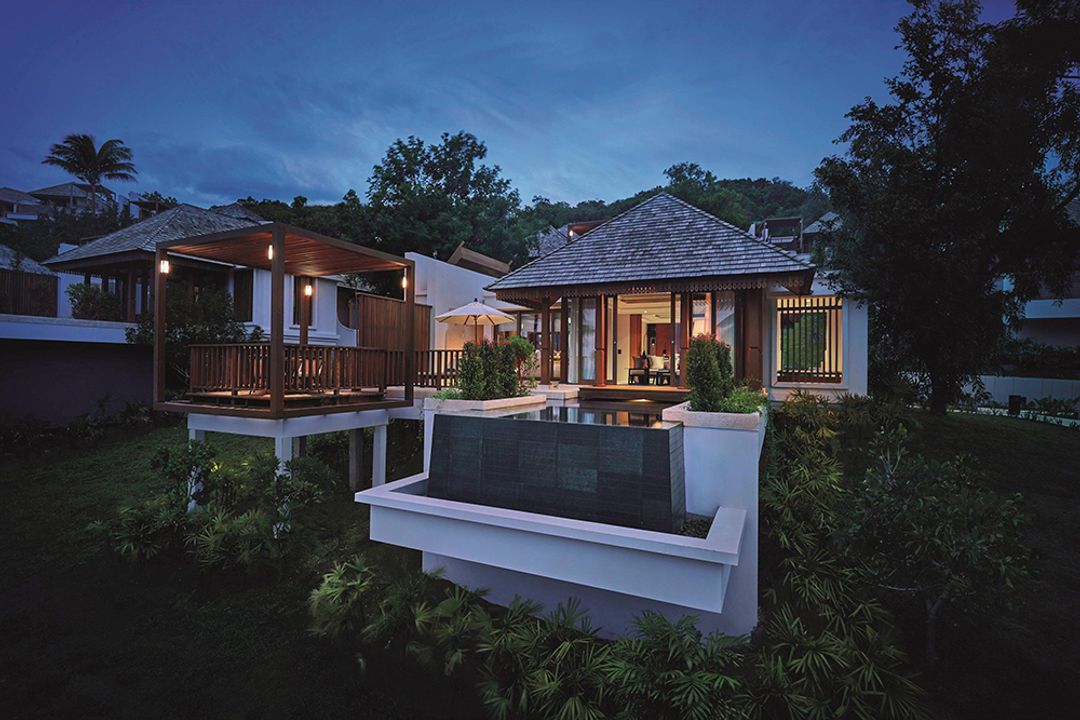
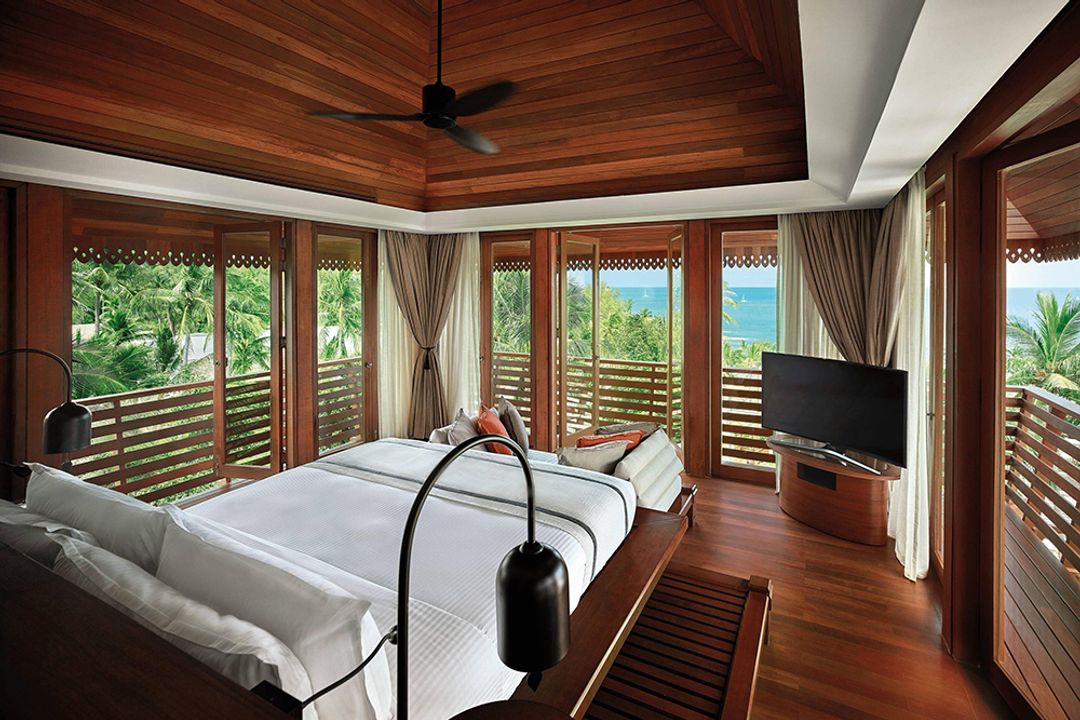
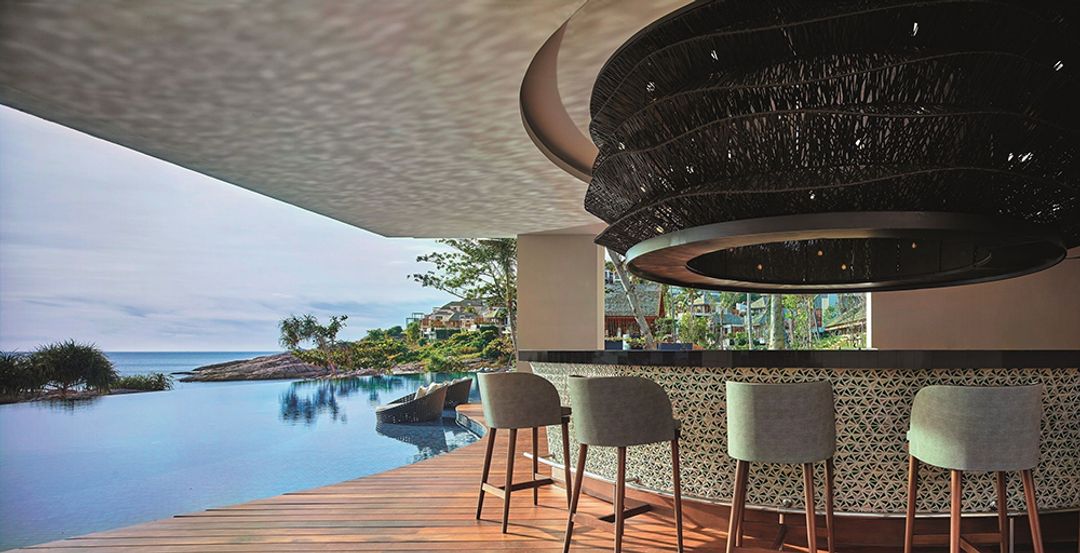
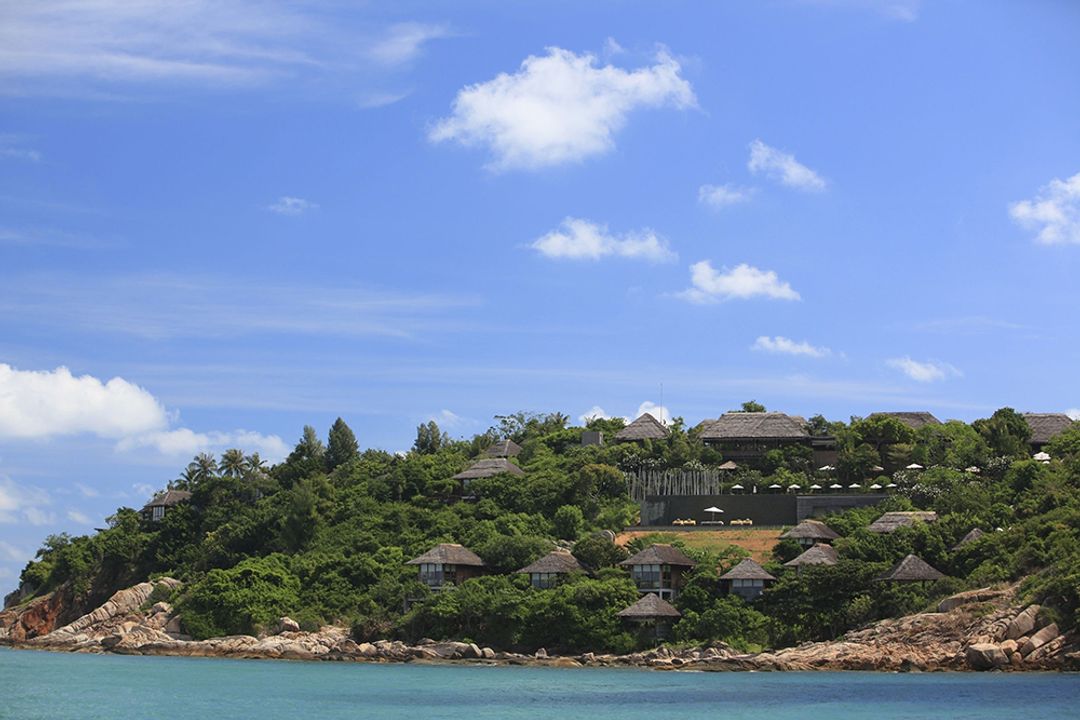
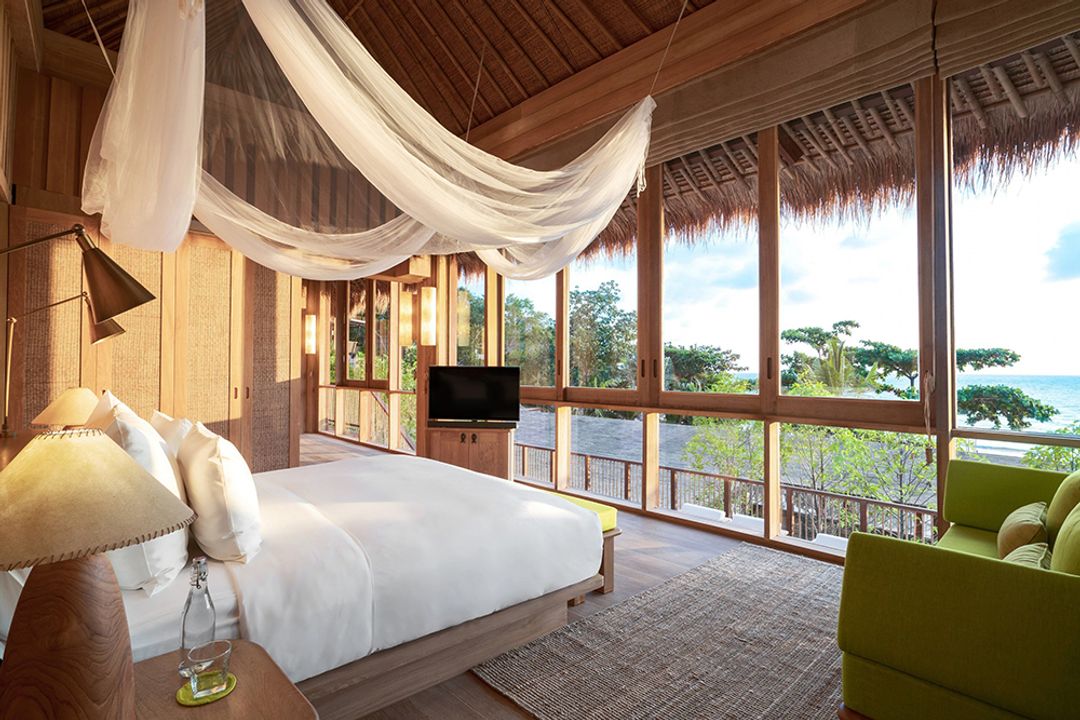
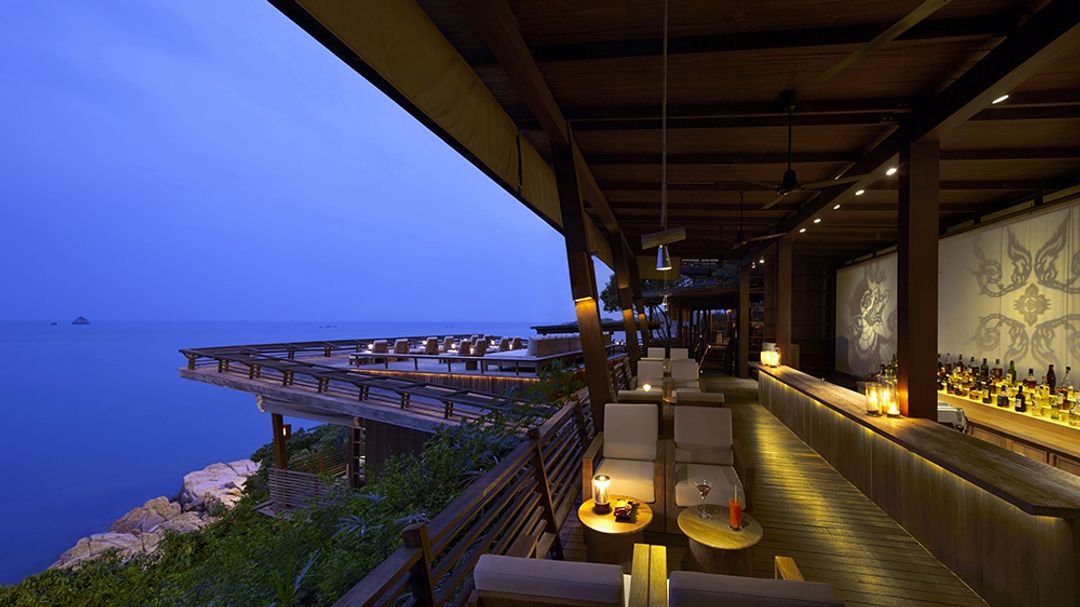
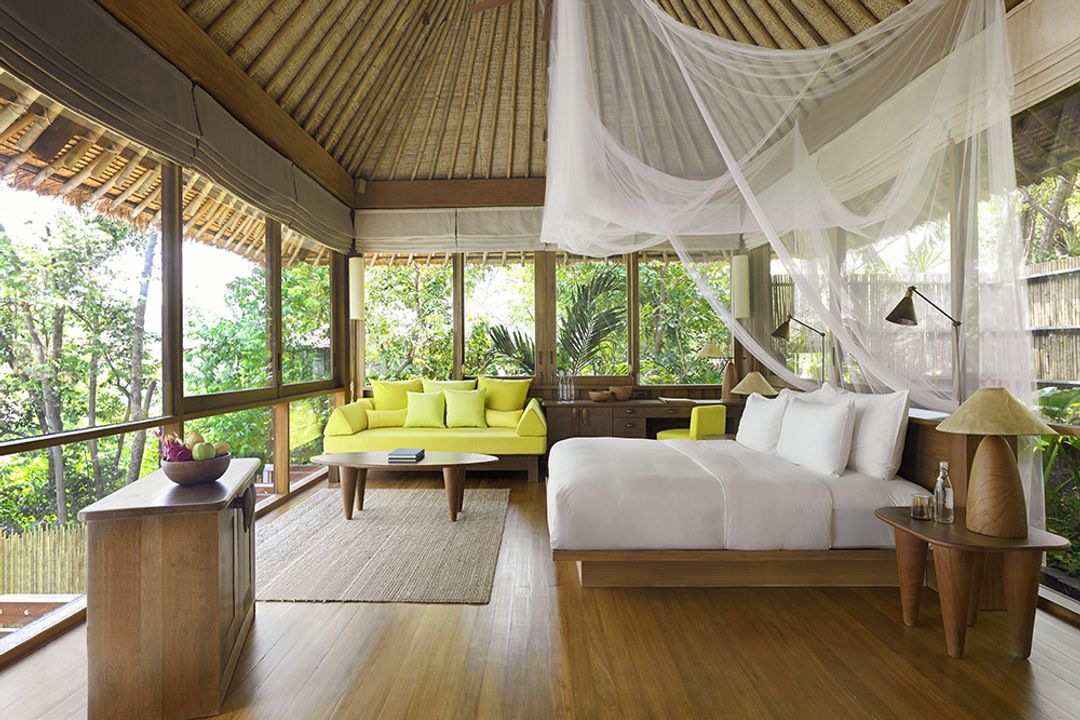
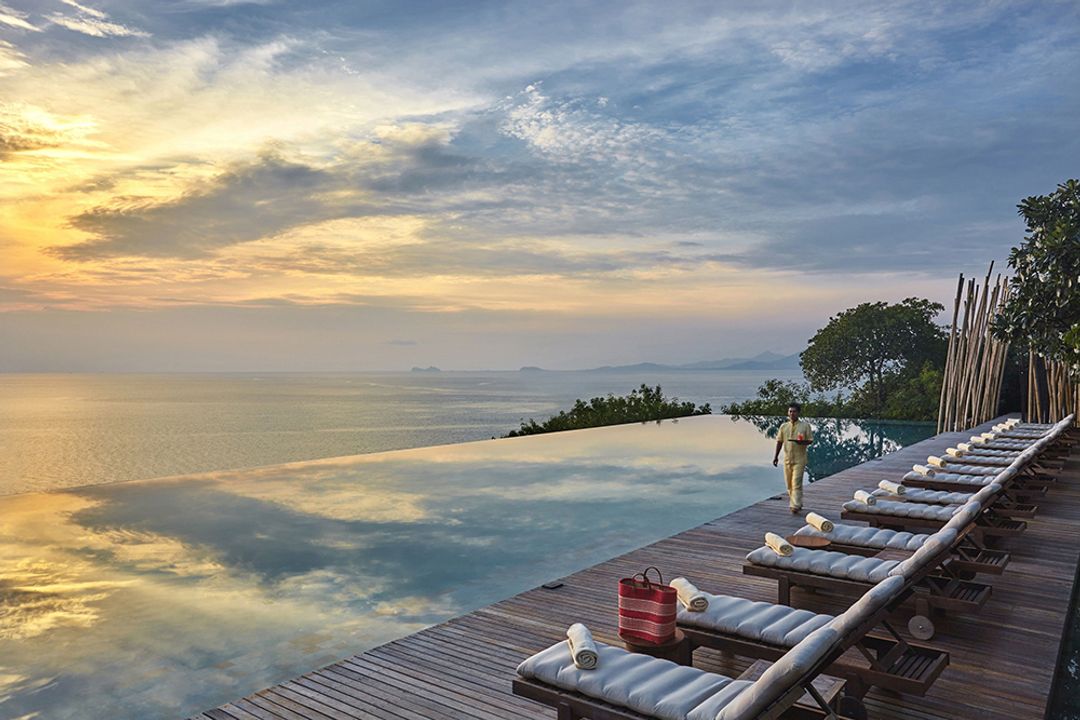
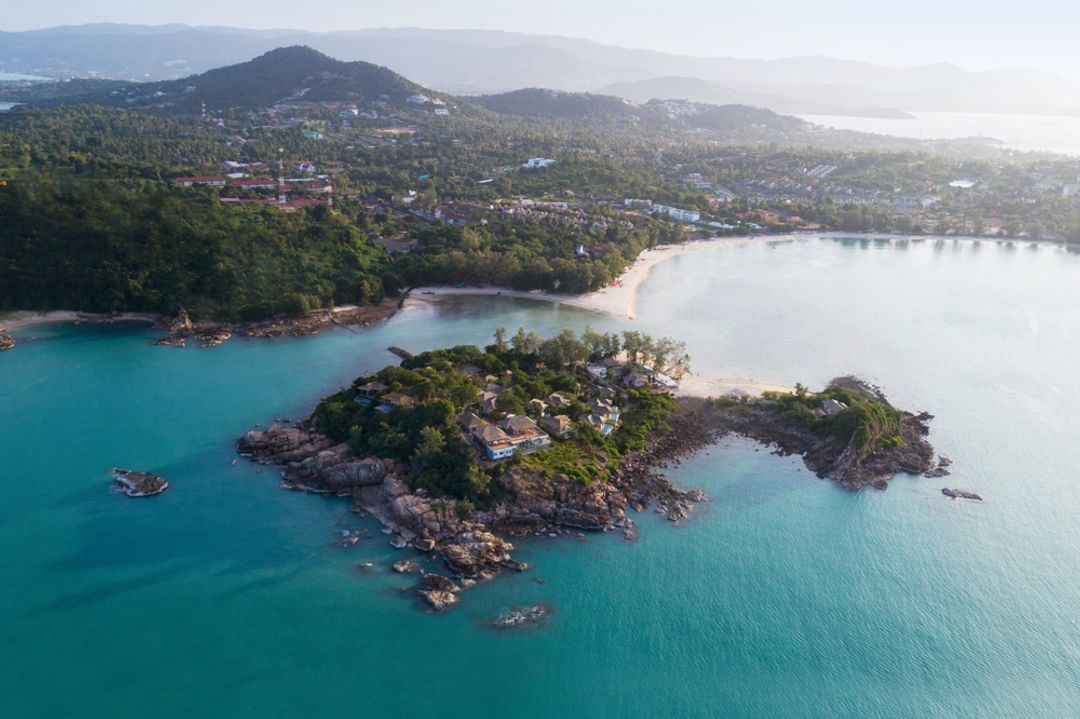
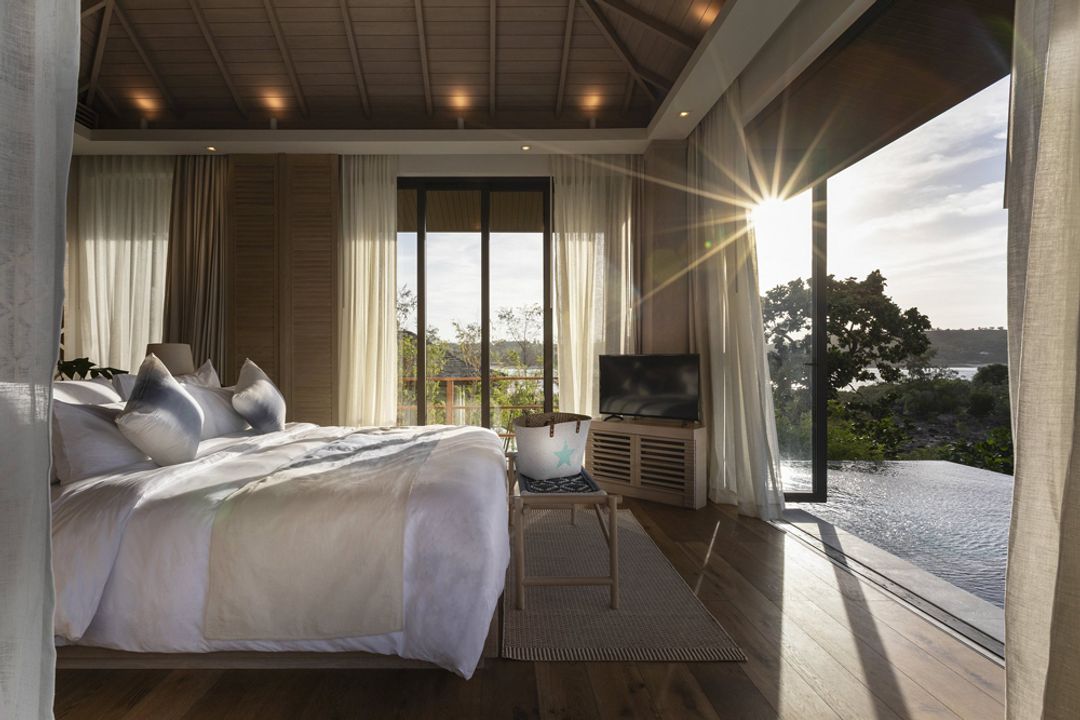
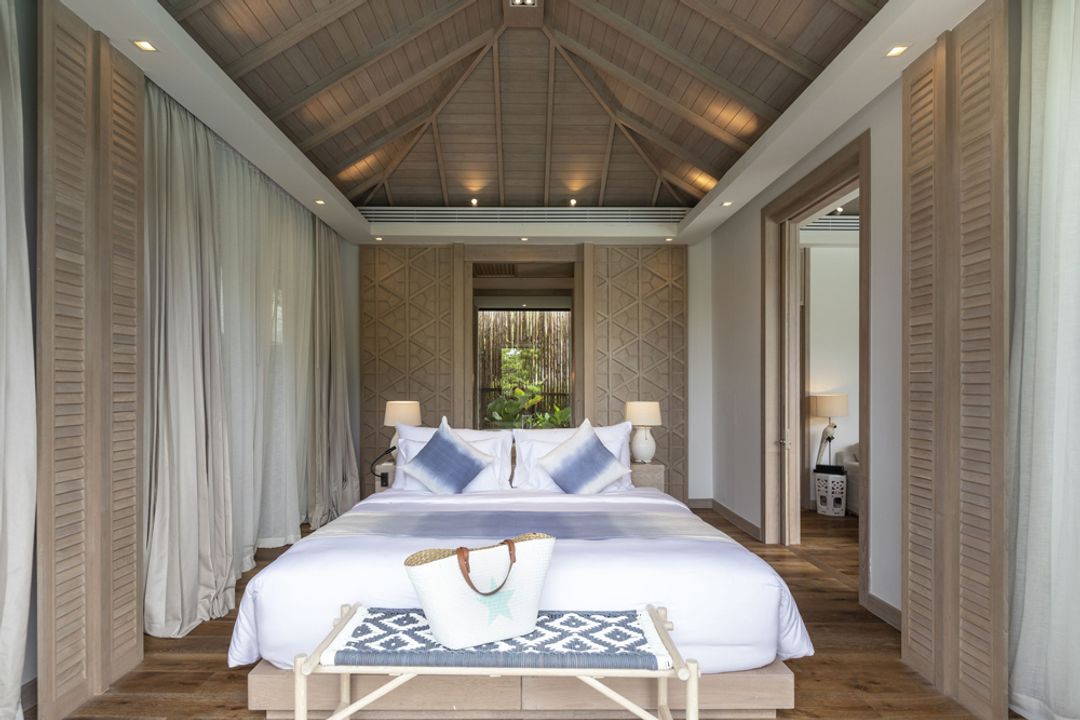
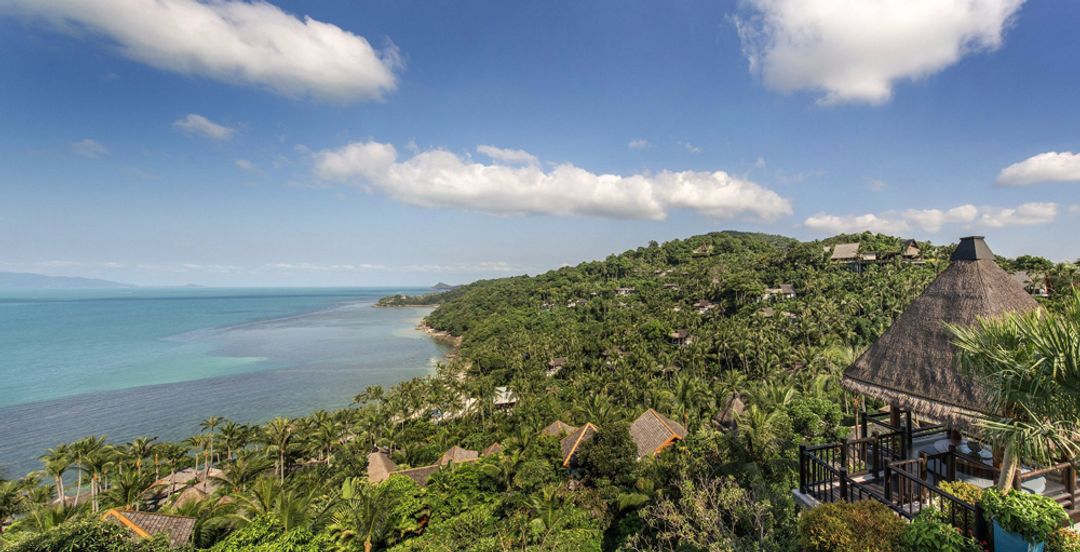
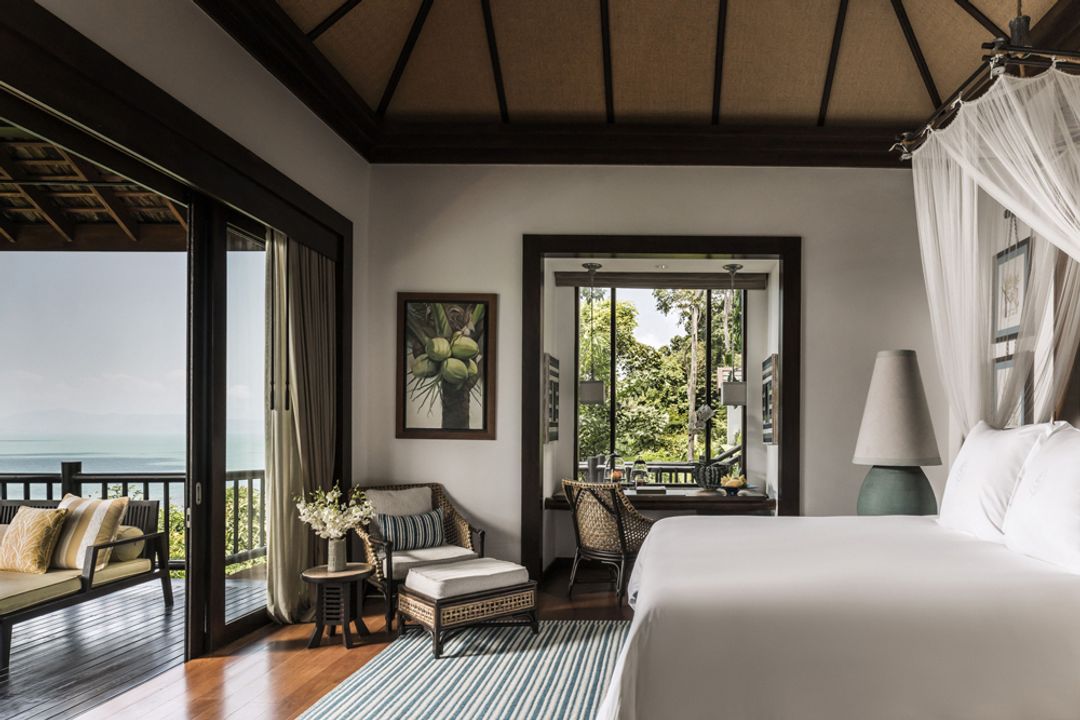
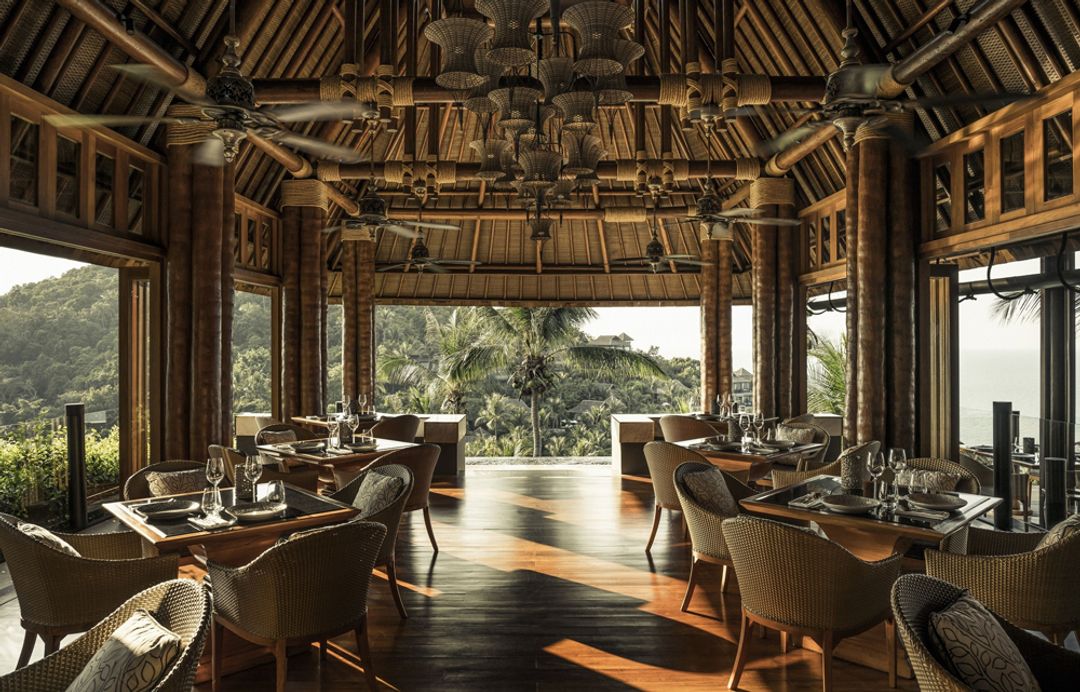
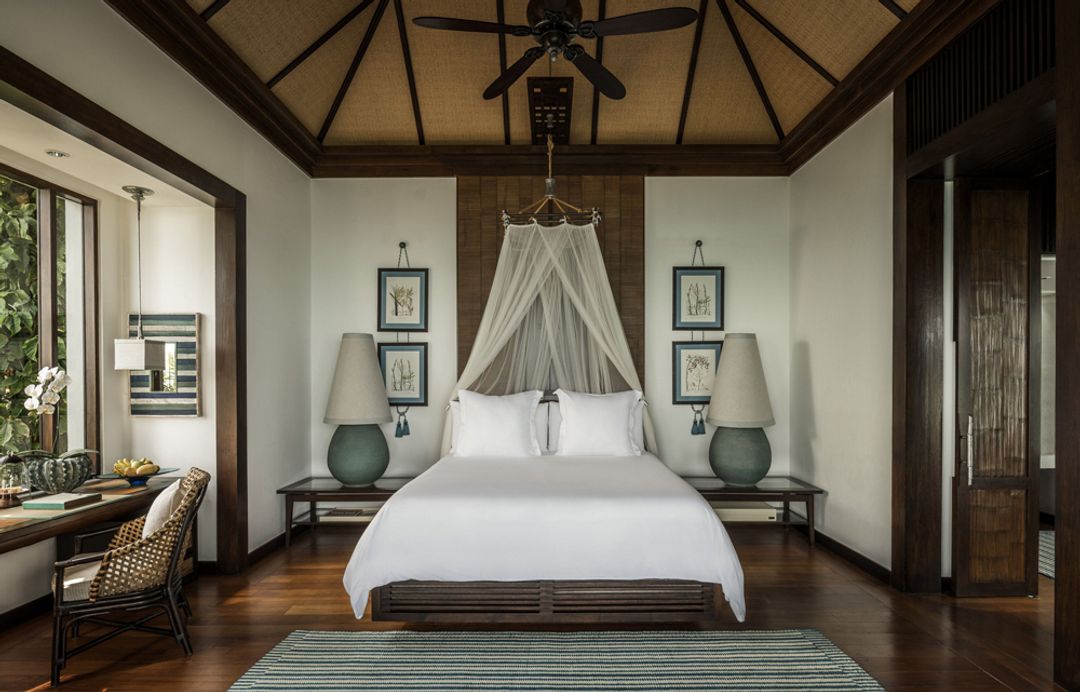
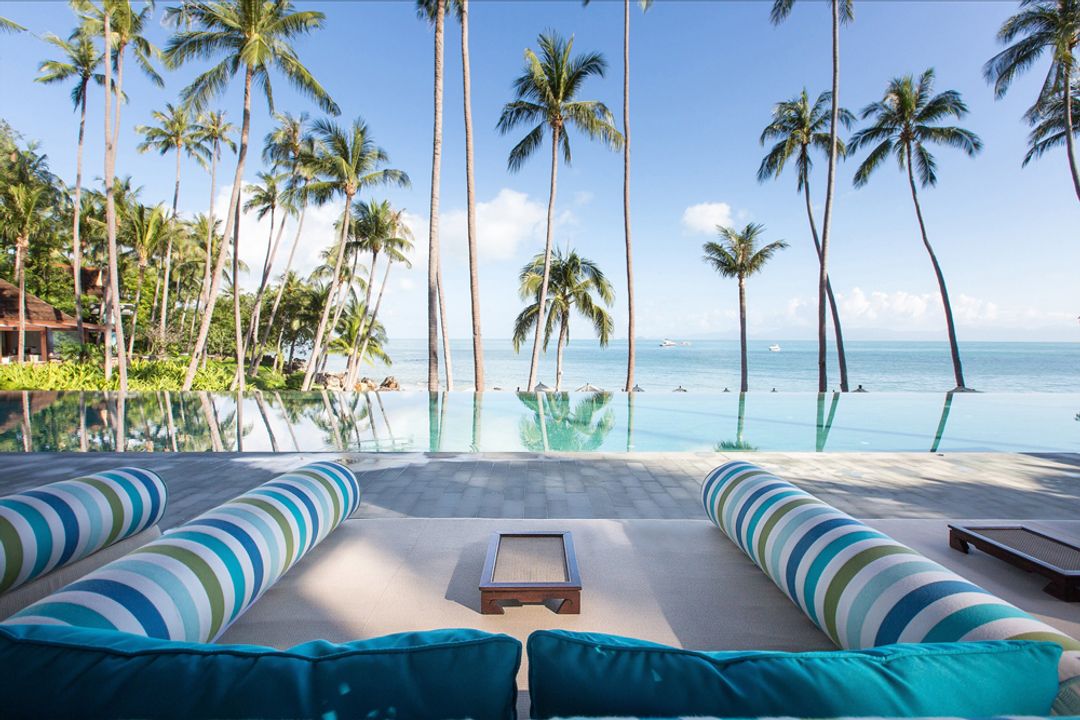
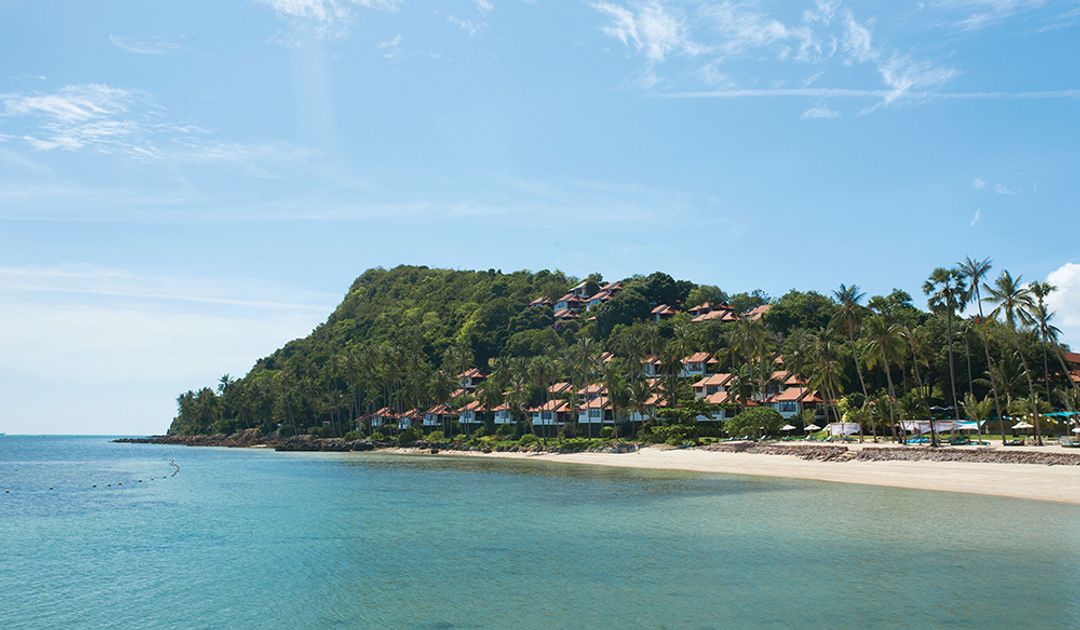
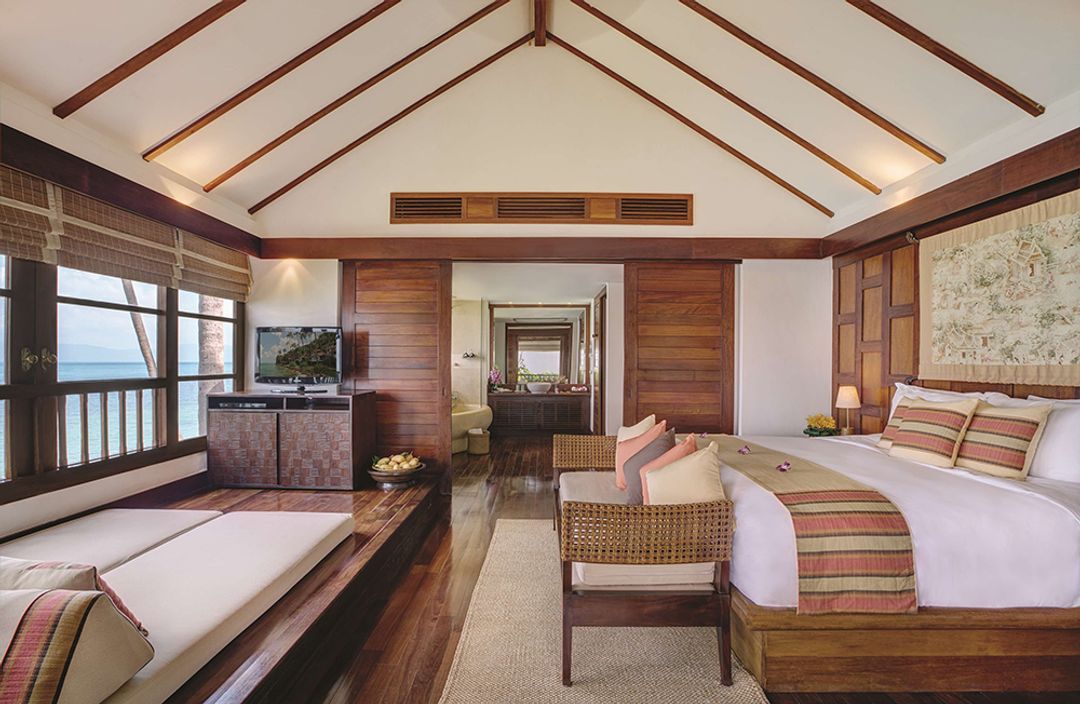
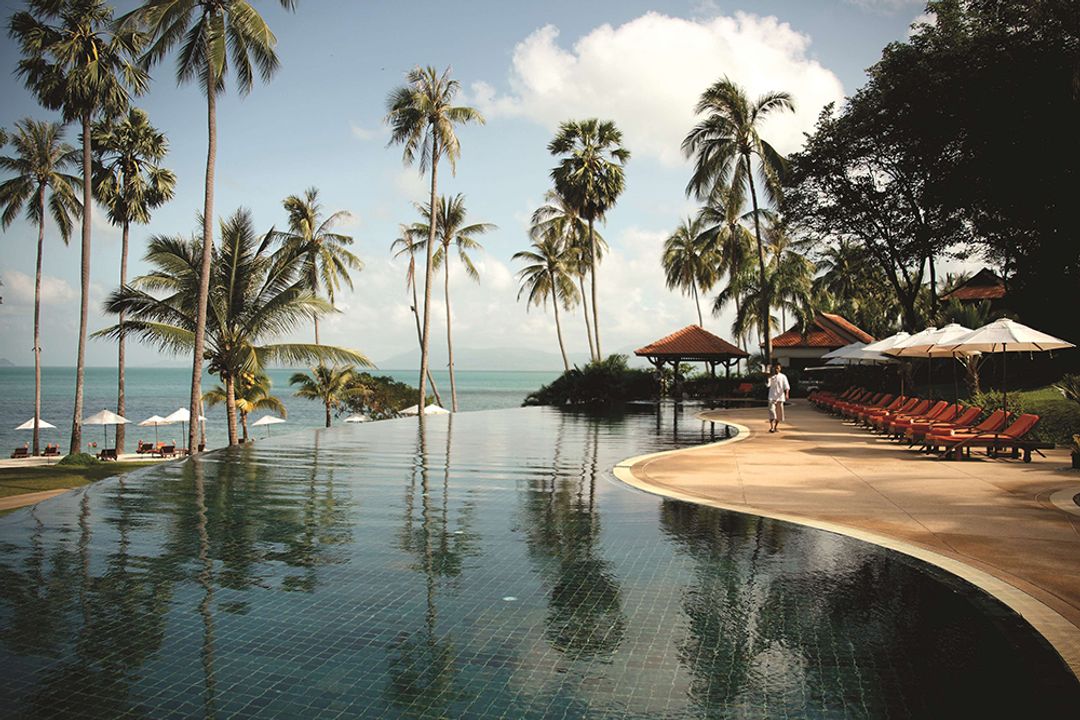
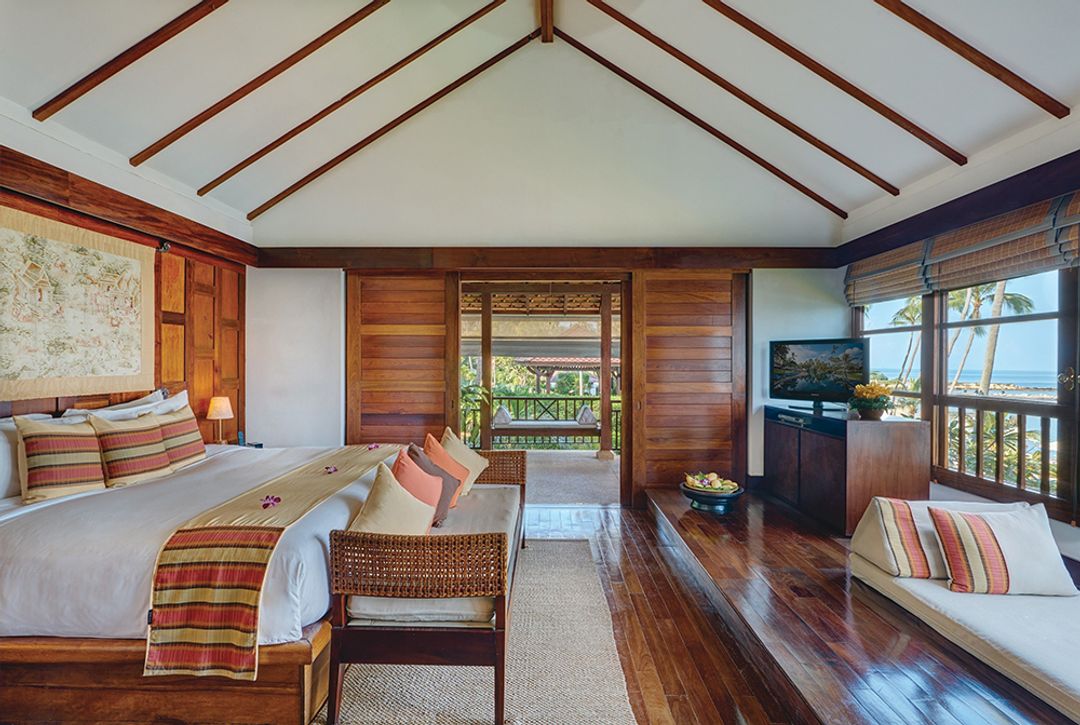
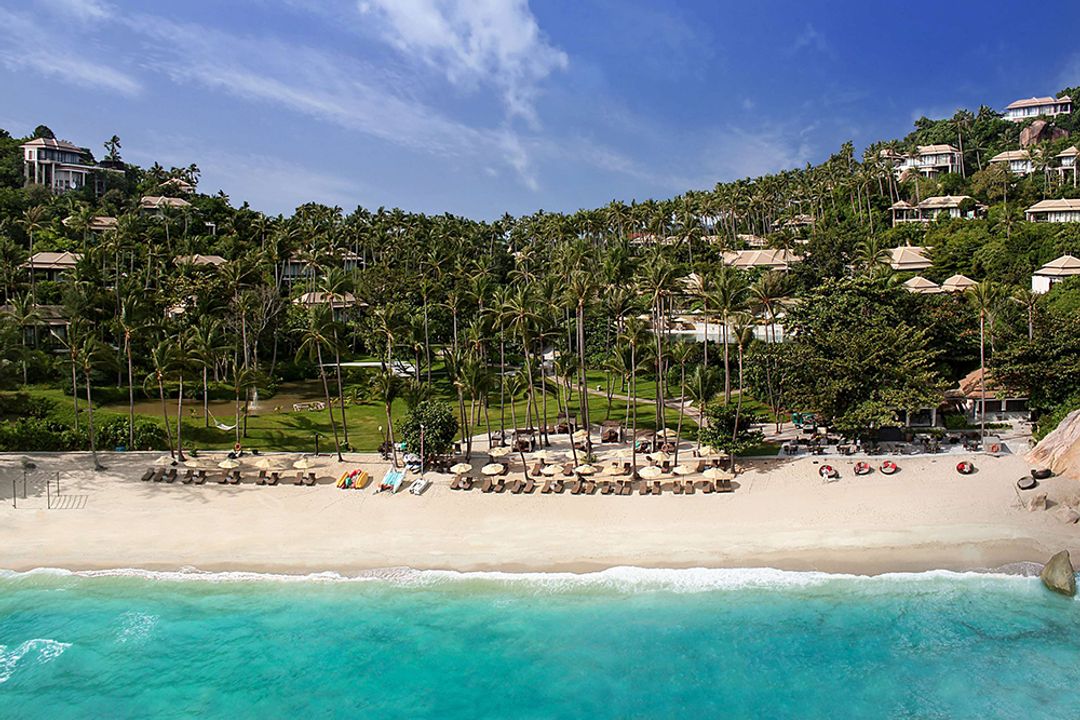
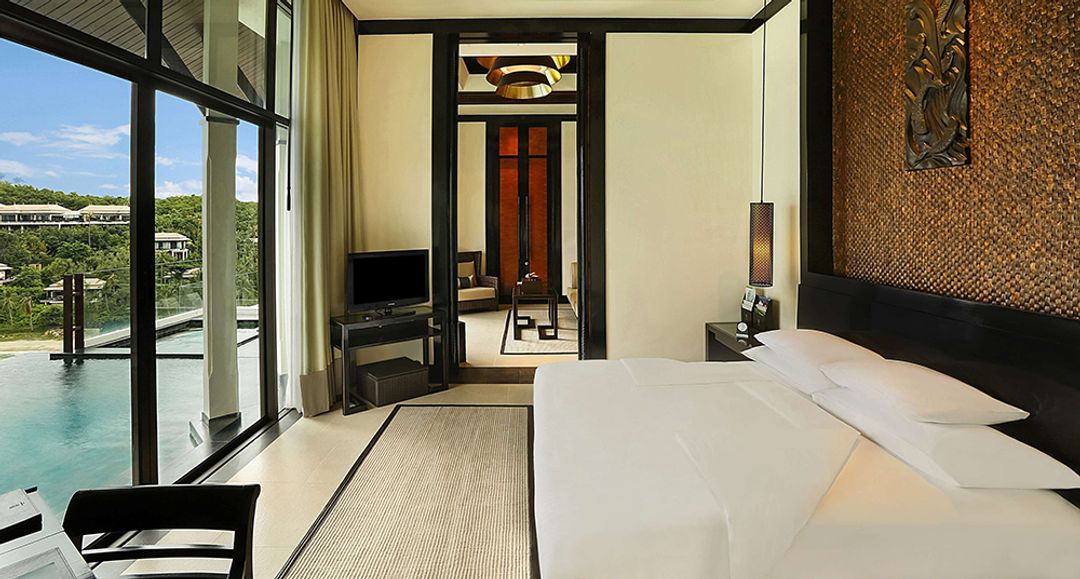
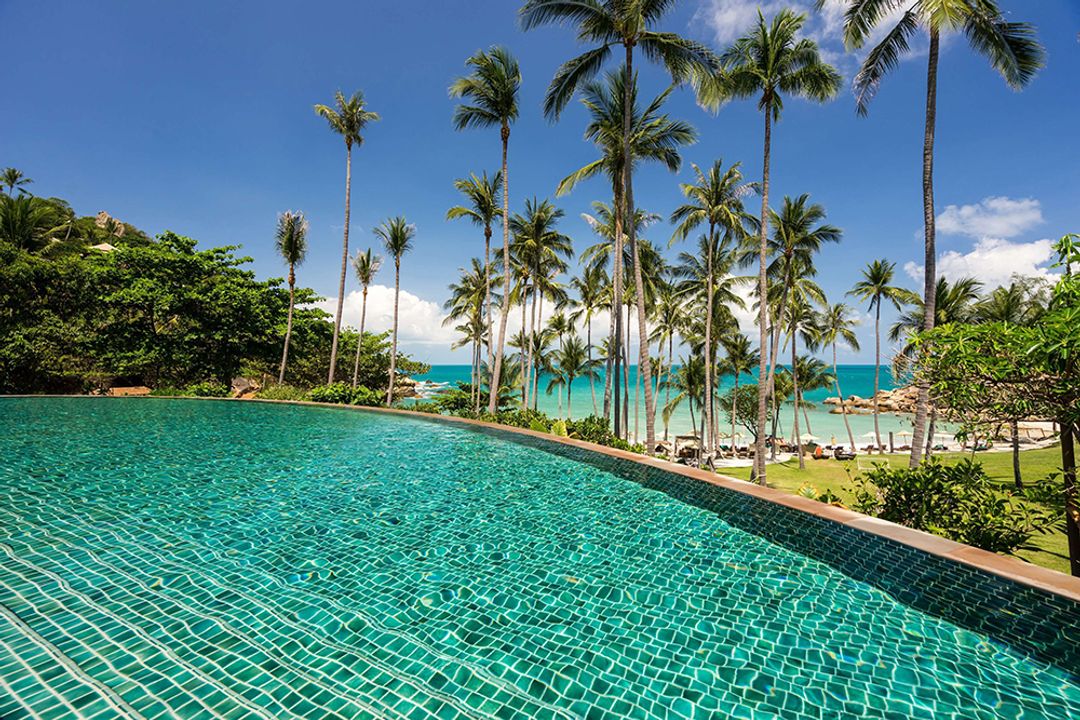
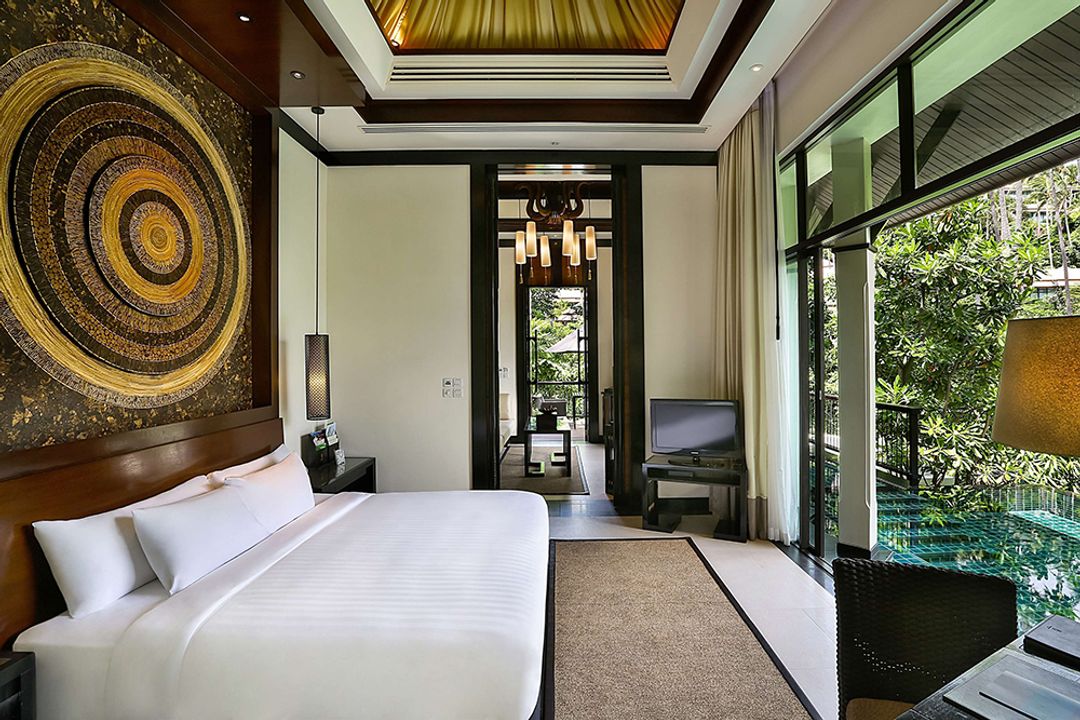
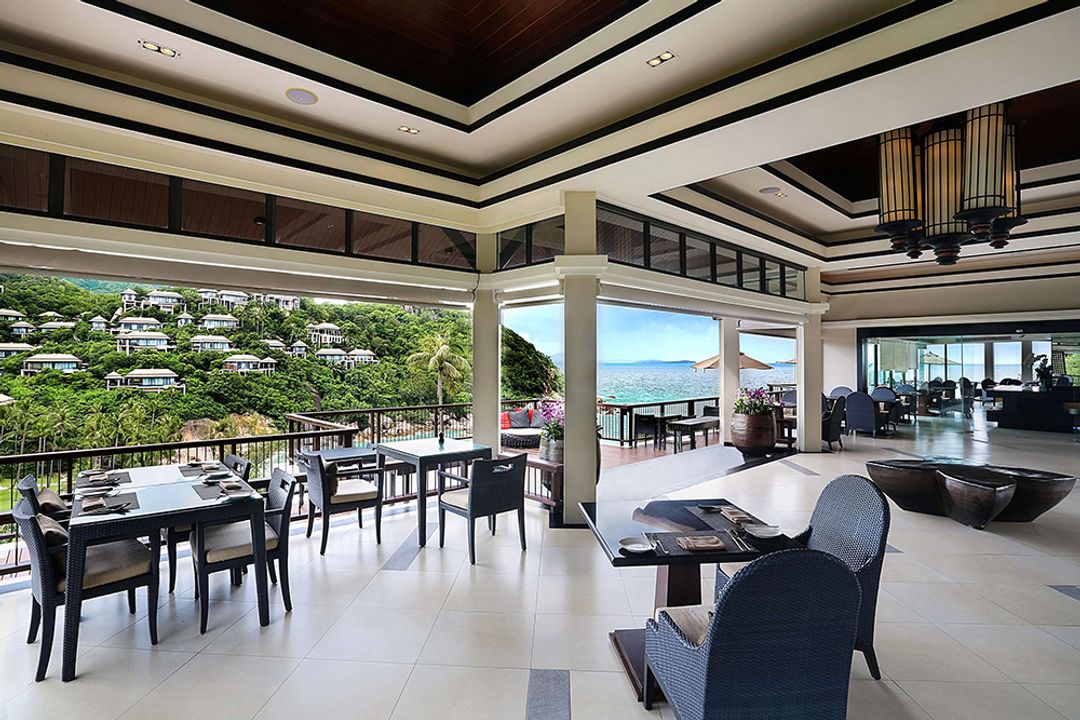
The northeastern tip of the island concentrates its most architecturally considered work. Six Senses Samui, perched on a rocky headland above the Gulf of Thailand, organizes its villas down a steep slope using open-air sala structures and natural wood finishes that owe something to vernacular Thai residential form without sliding into pastiche. The Ritz-Carlton Koh Samui occupies the same general compass point, its low-rise pavilions and coconut grove setting calibrated toward a quieter kind of privacy than the brand typically signals elsewhere. Further around the coast, the Four Seasons Koh Samui at Laem Yai sets the register for what the island can achieve at full scale commitment — elevated pool villas that read almost as individual residences, each oriented to hold the sea view as a private one. Banyan Tree Samui at Lamai operates on comparable logic, its pool villas terraced into hillside above the beach with the brand's characteristic emphasis on enclosure and material warmth. Cape Fahn, on an islet connected to Choeng Mon by a small causeway, achieves something rarer: genuine spatial separation from the rest of the island, which gives its villas a quiet that no hillside perch fully replicates.
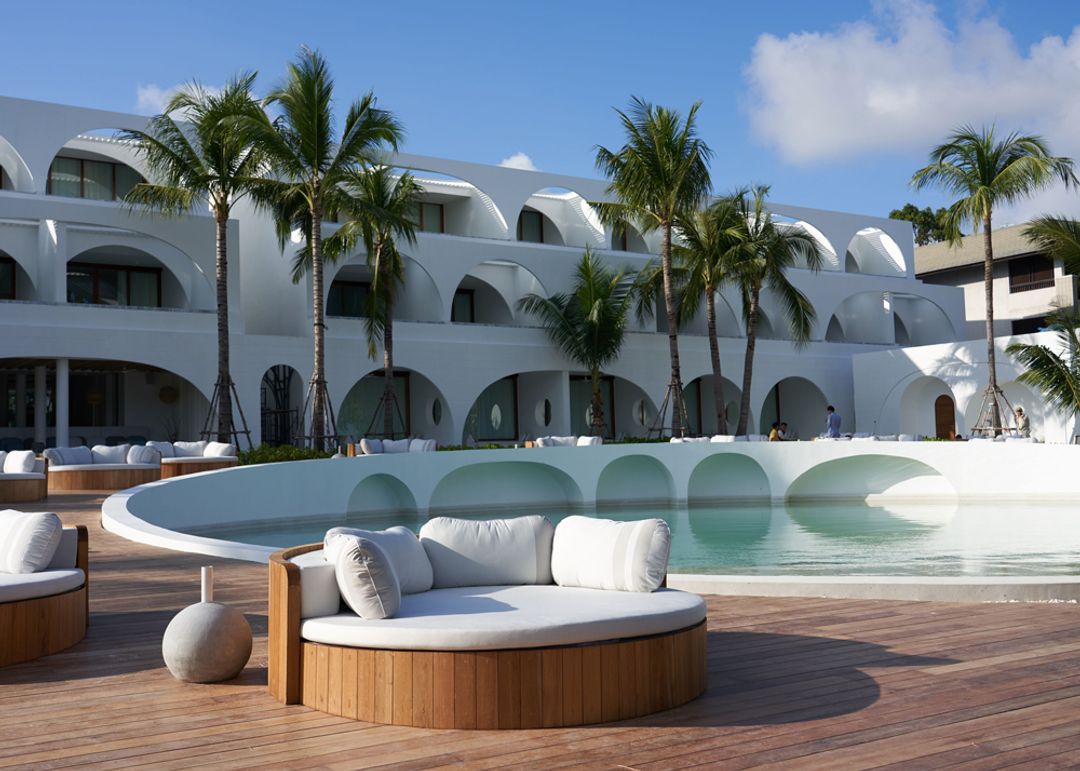
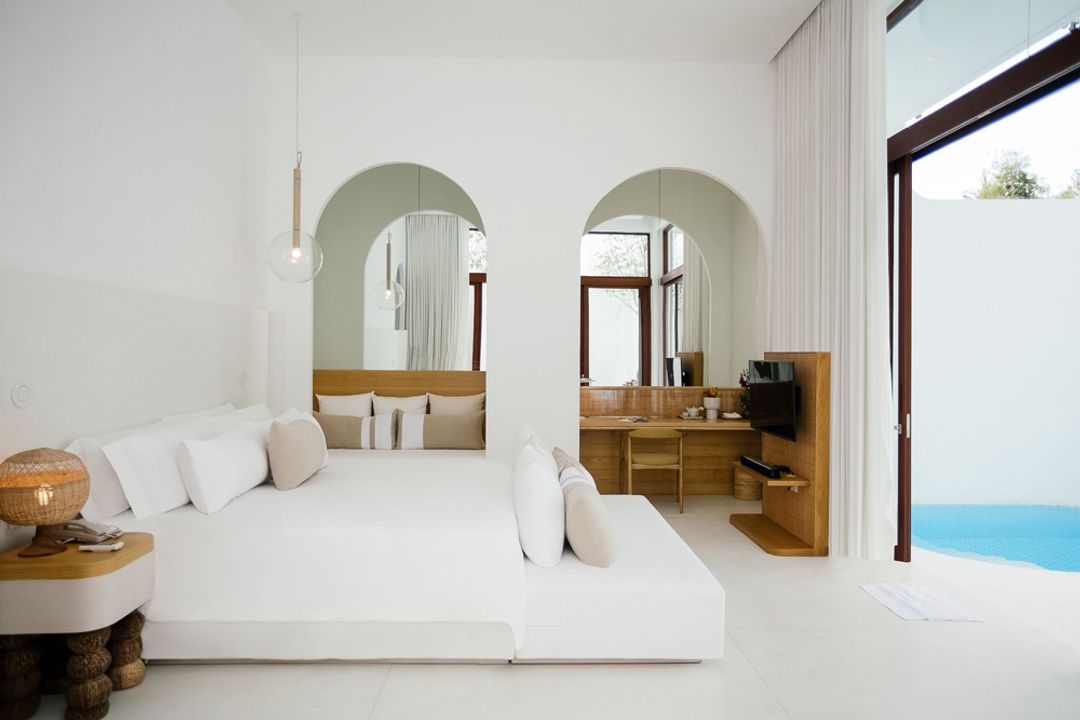
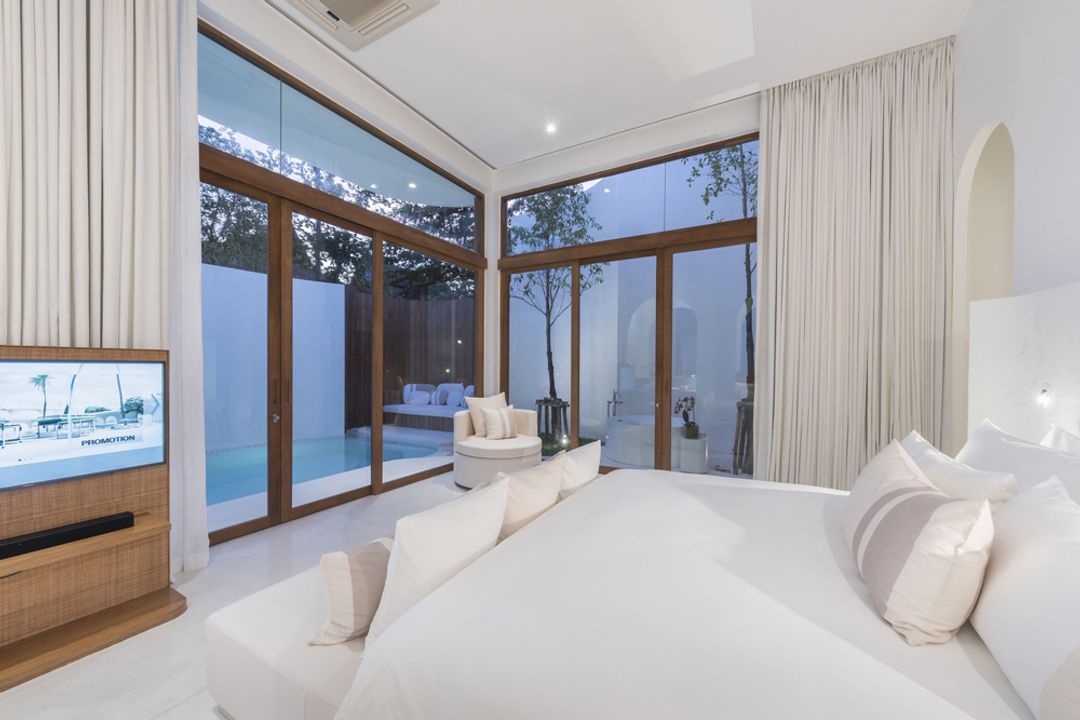
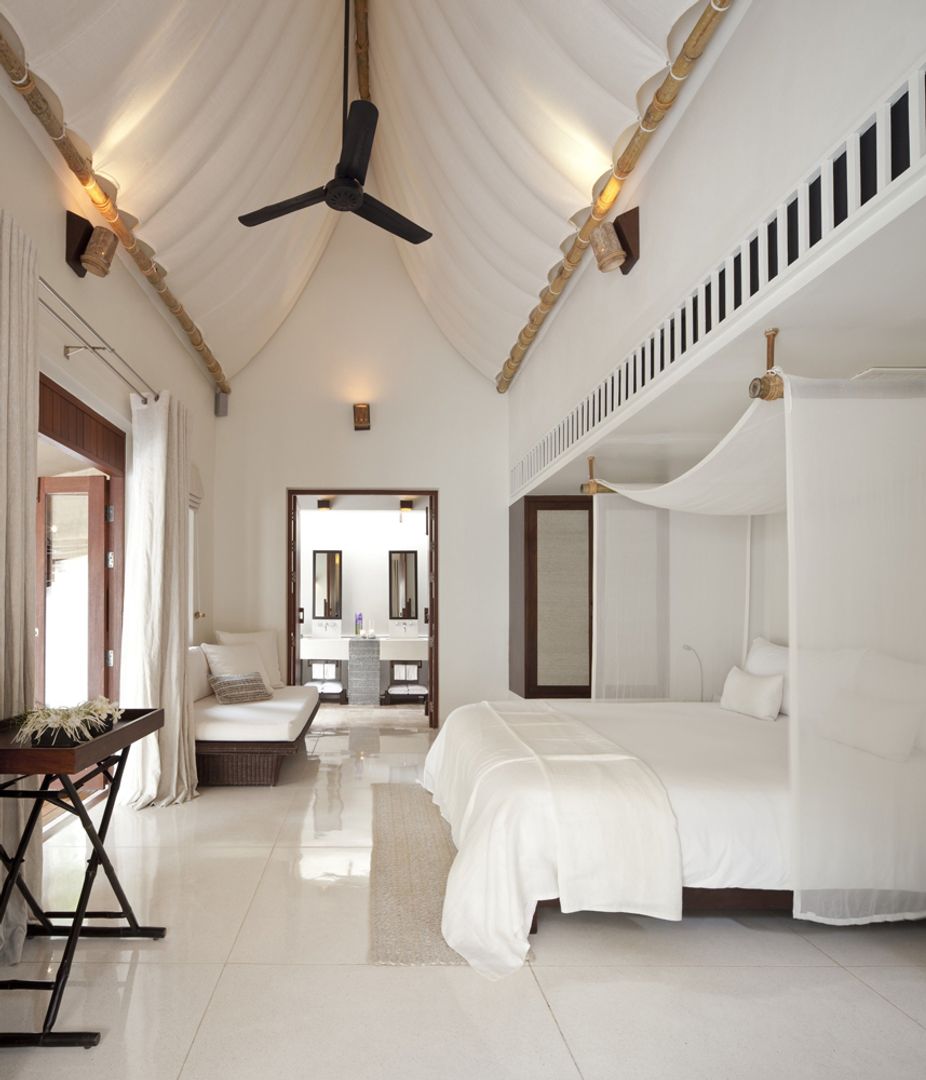
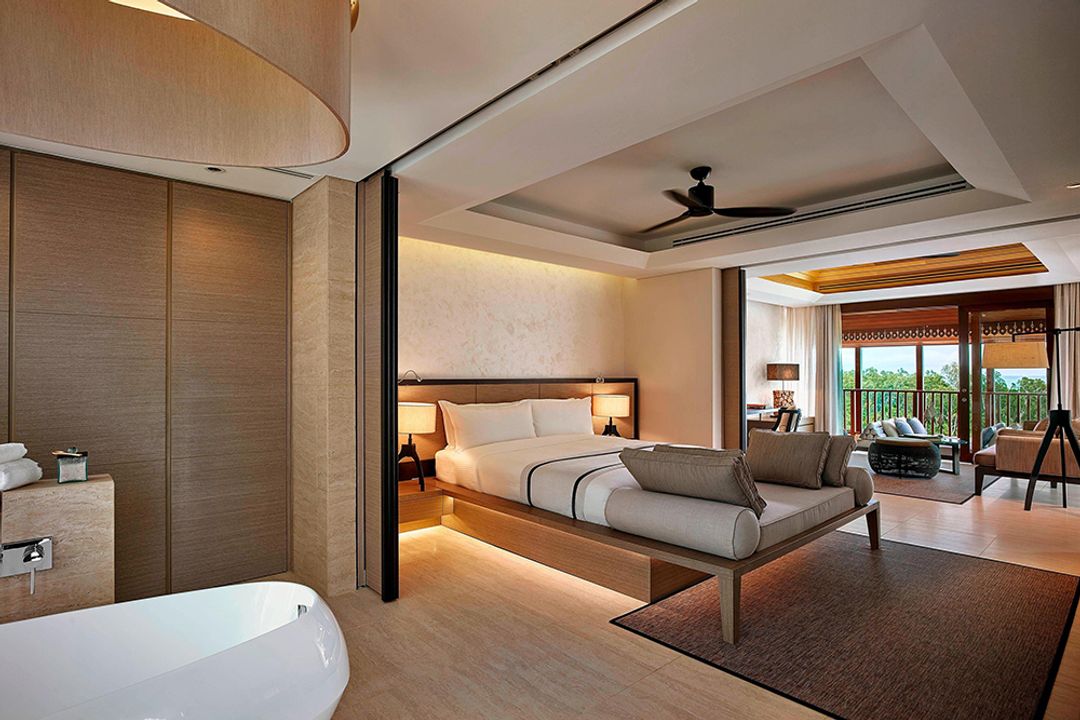
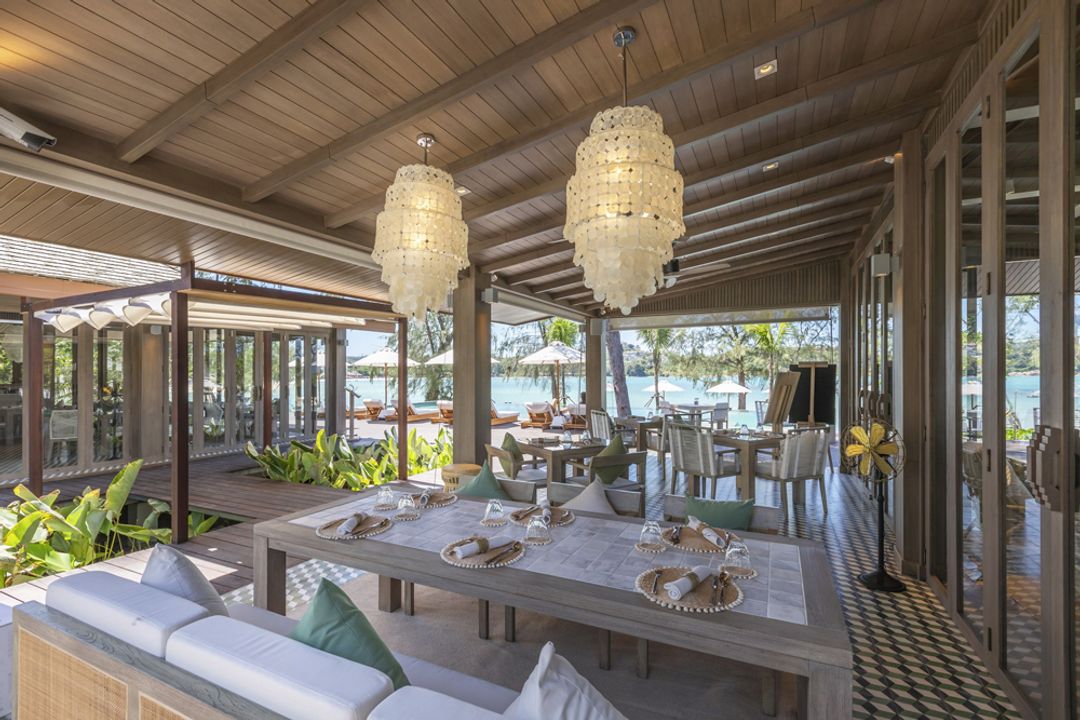
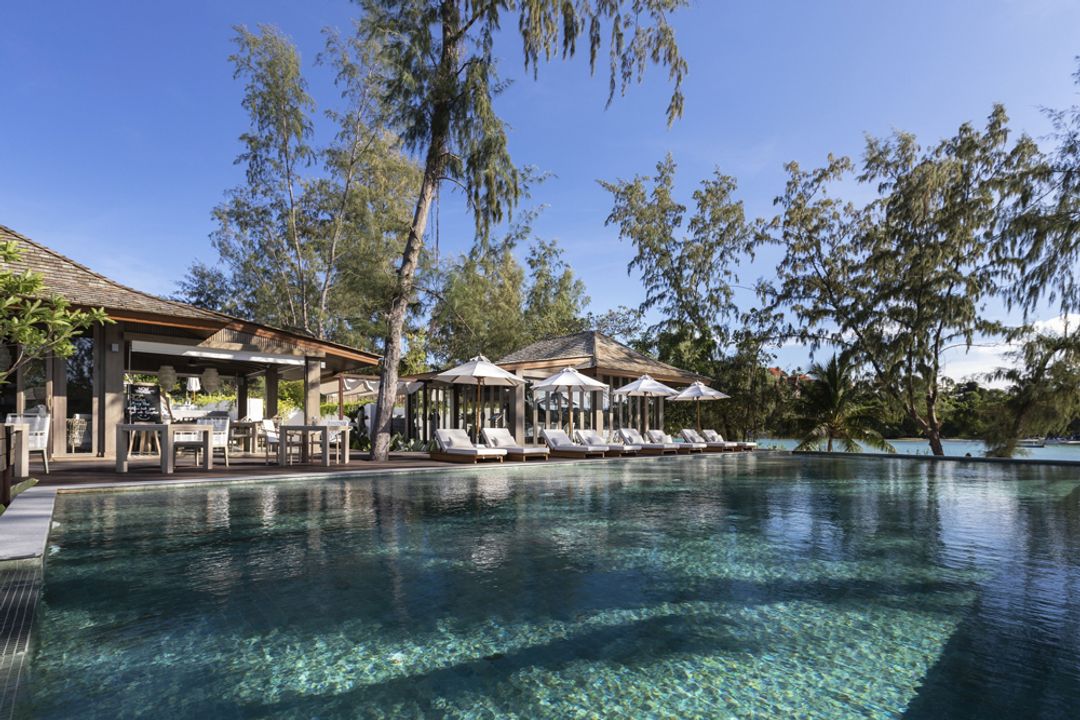
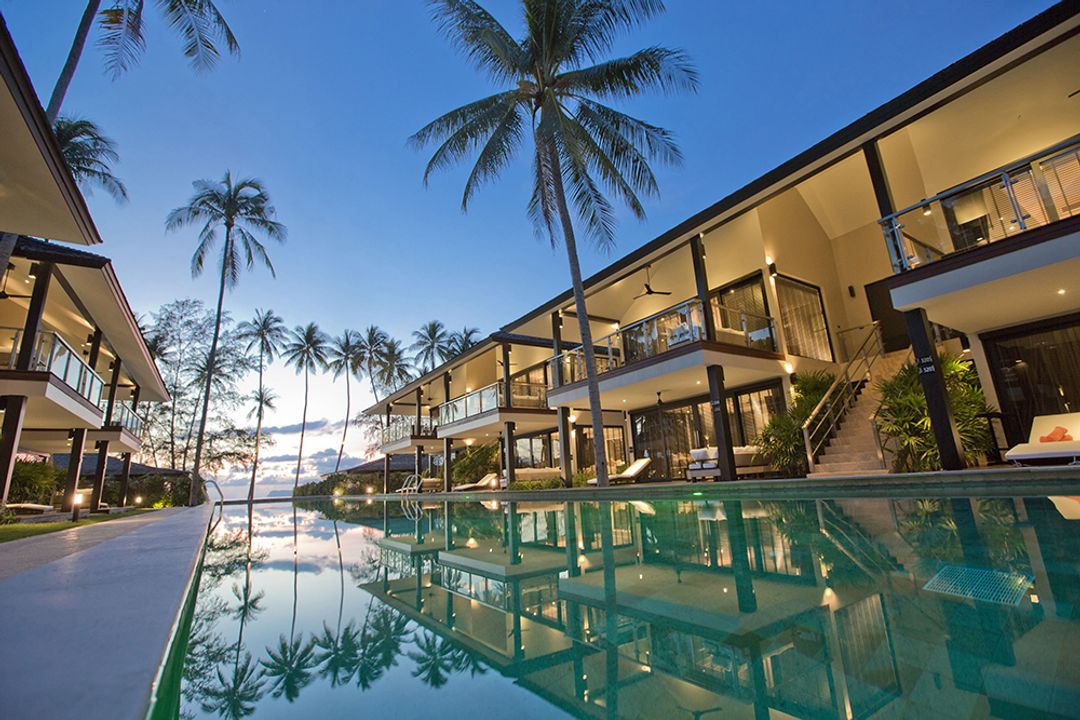
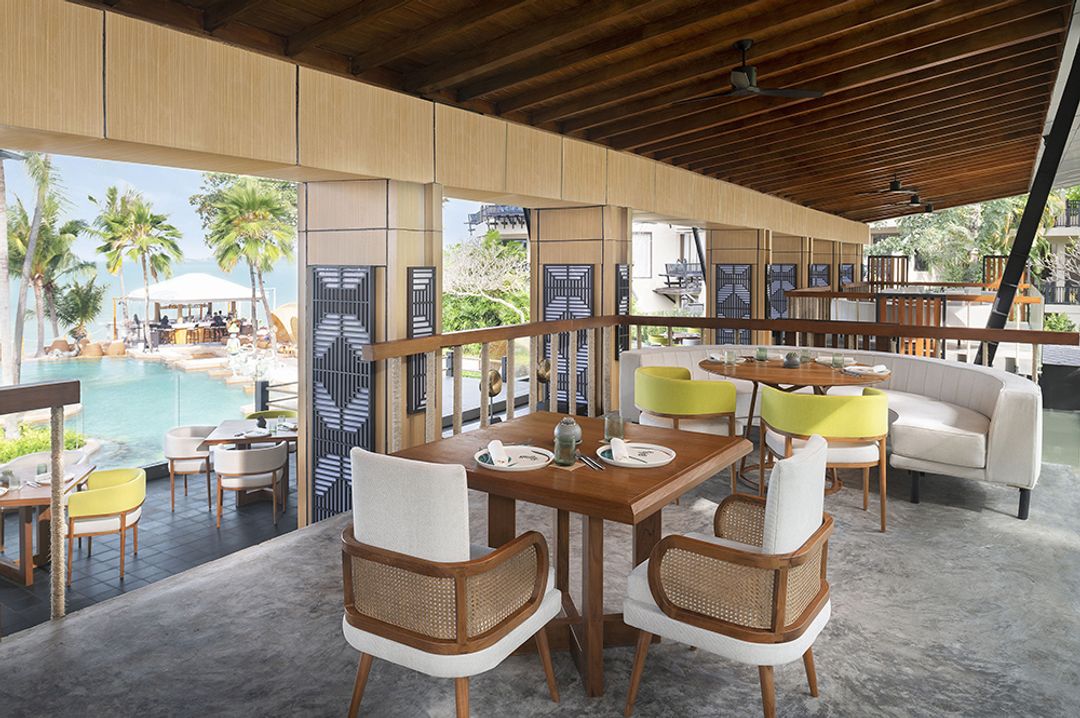
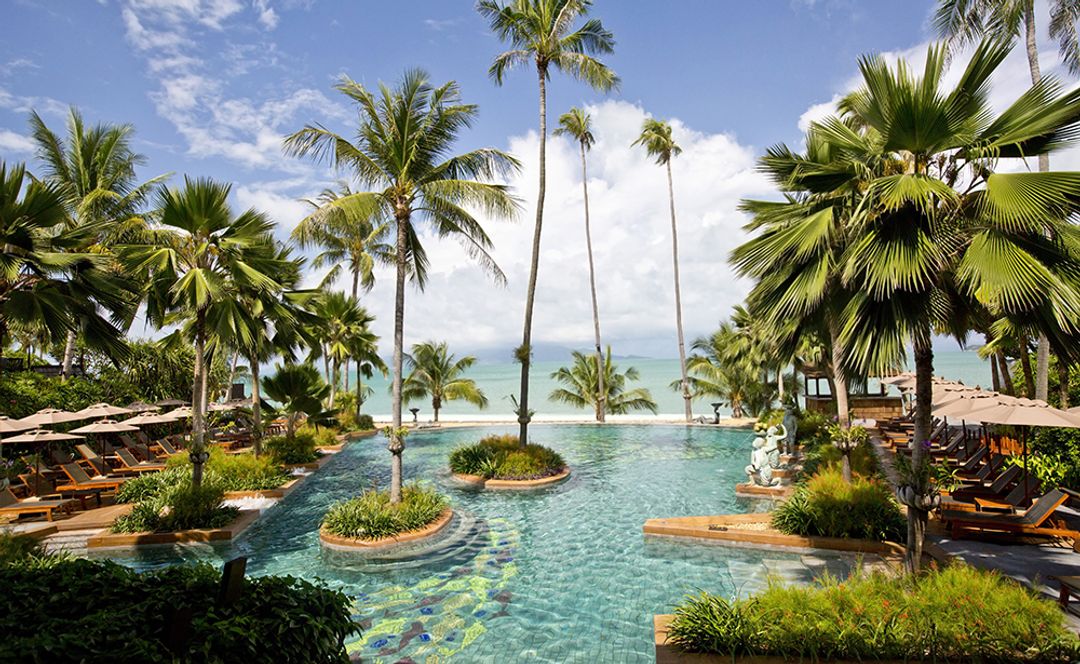
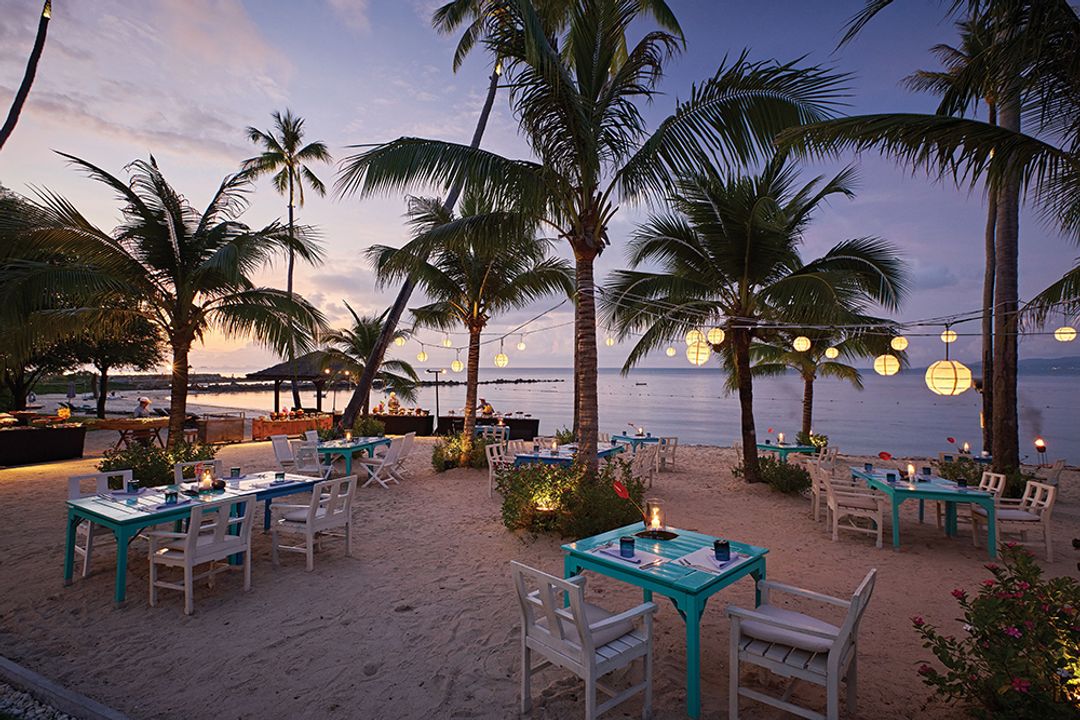
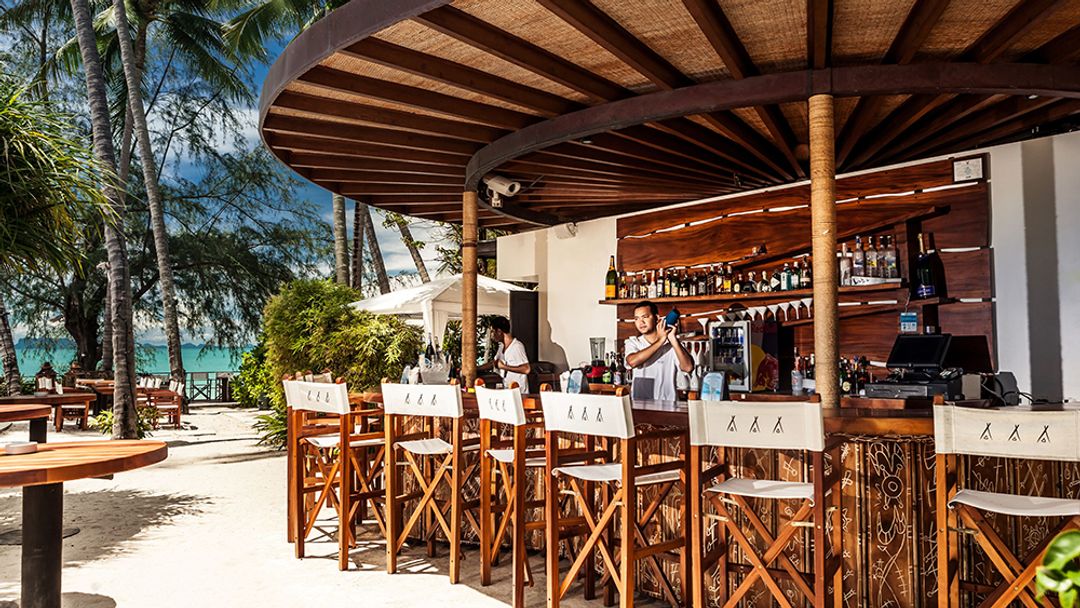
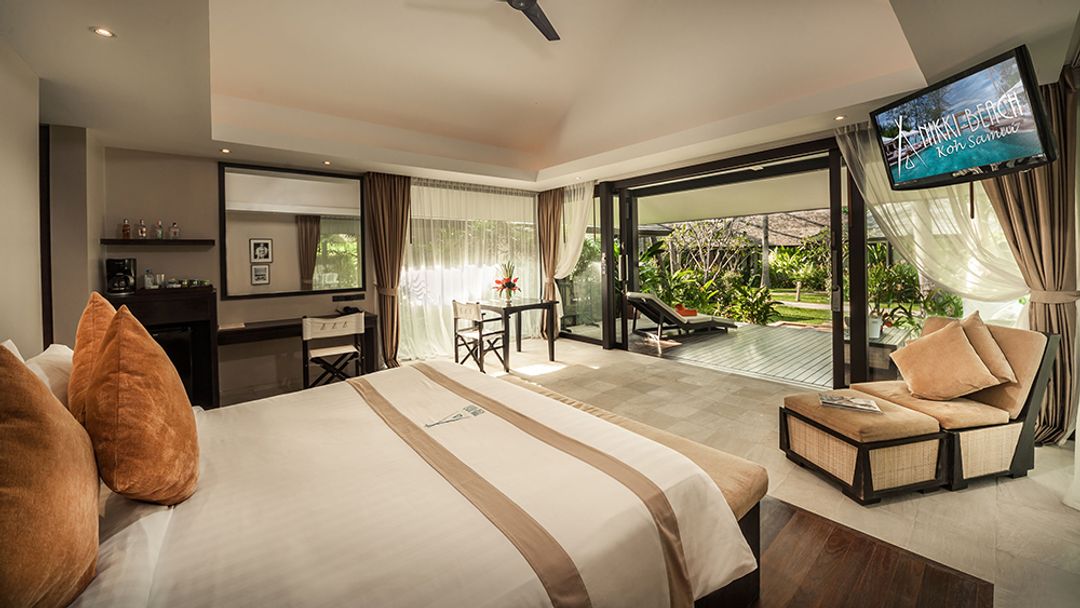
The northern shore delivers a different proposition altogether. Napasai Samui on Baan Tai Beach, a property long associated with Orient-Express before its rebranding, carries the formal restraint of that lineage — Thai pavilion architecture set within mature grounds, without the compressed drama of the cliff-top properties. The two SALA hotels, at Choengmon and Chaweng respectively, bring a contemporary minimalism that reads clearly against the louder resort vernacular of central Samui: clean white geometry, restrained material palette, and a format scaled closer to a boutique than a resort compound. Anantara Bophut, on the quietest stretch of the north coast, sits comfortably at a lower pitch — colonial-style architecture, a fishing village backdrop, and none of the elevation anxiety that defines the island's most photographed addresses. For a traveler who wants Koh Samui's light and water without its theatrical scenography, that combination is not a compromise.