Best hotels in Milan, Italy | Visually Compare Top Stays Side-by-Side
Welcome to PressBeyond - a curated visual guide to design-driven hotels and the fastest way to compare them.
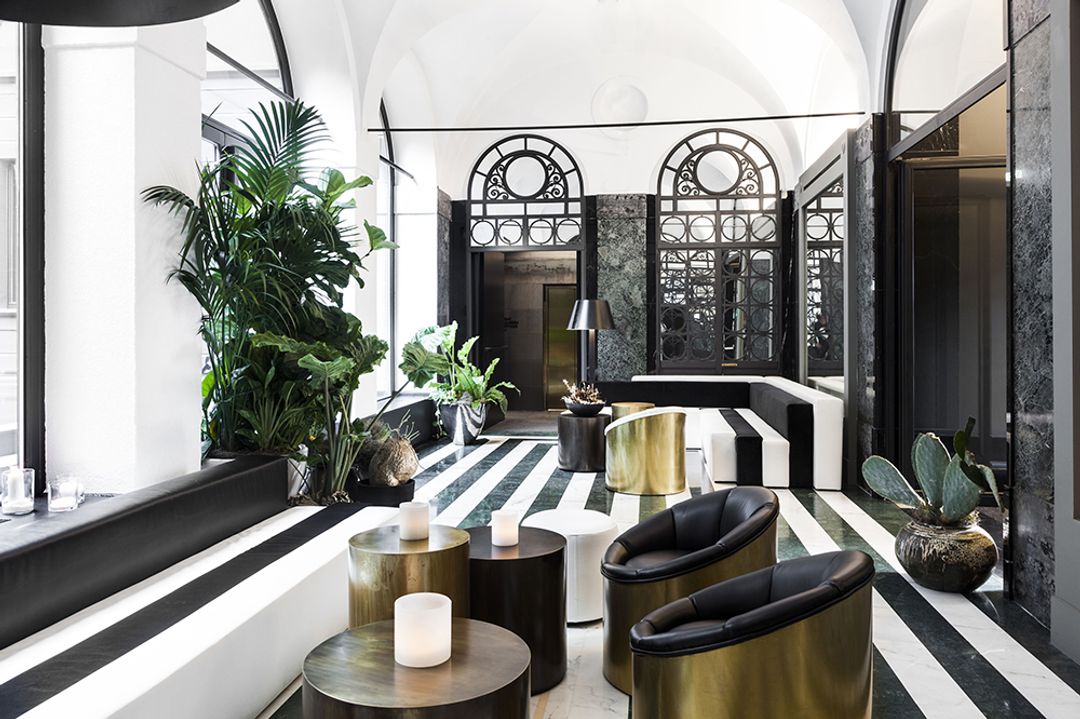
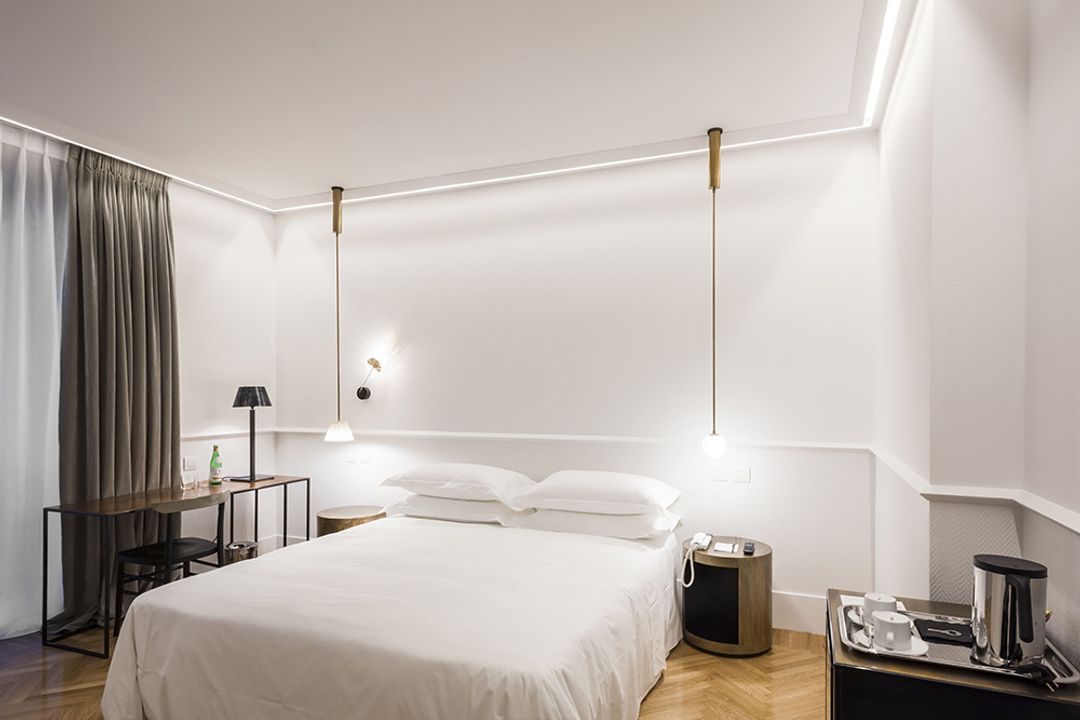
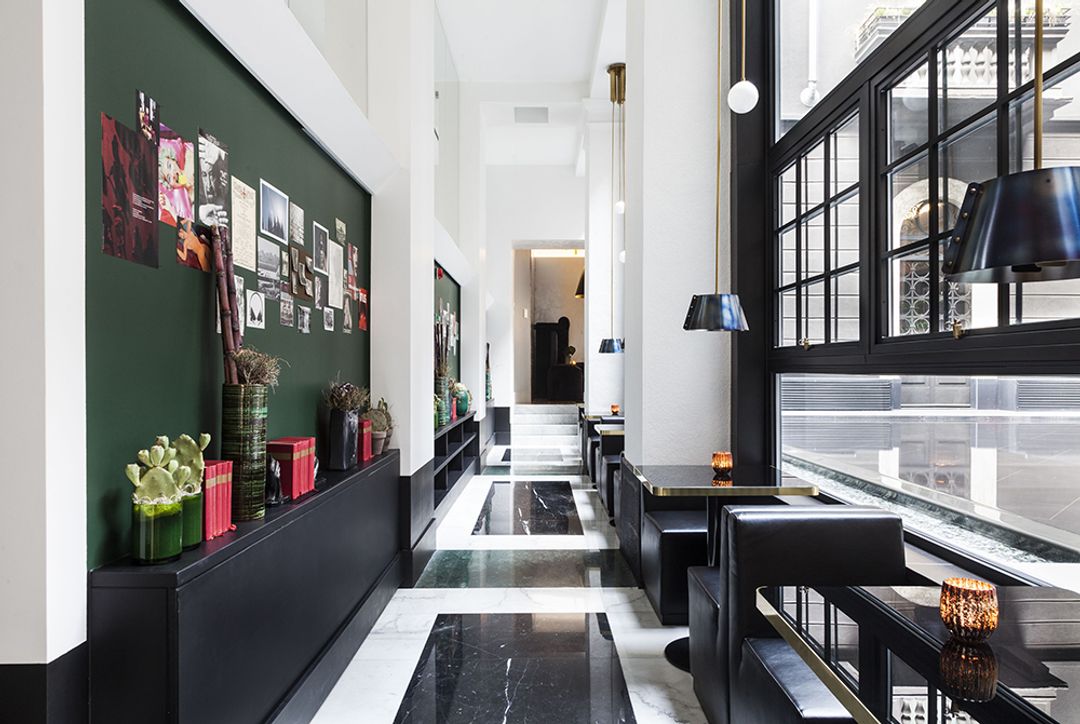
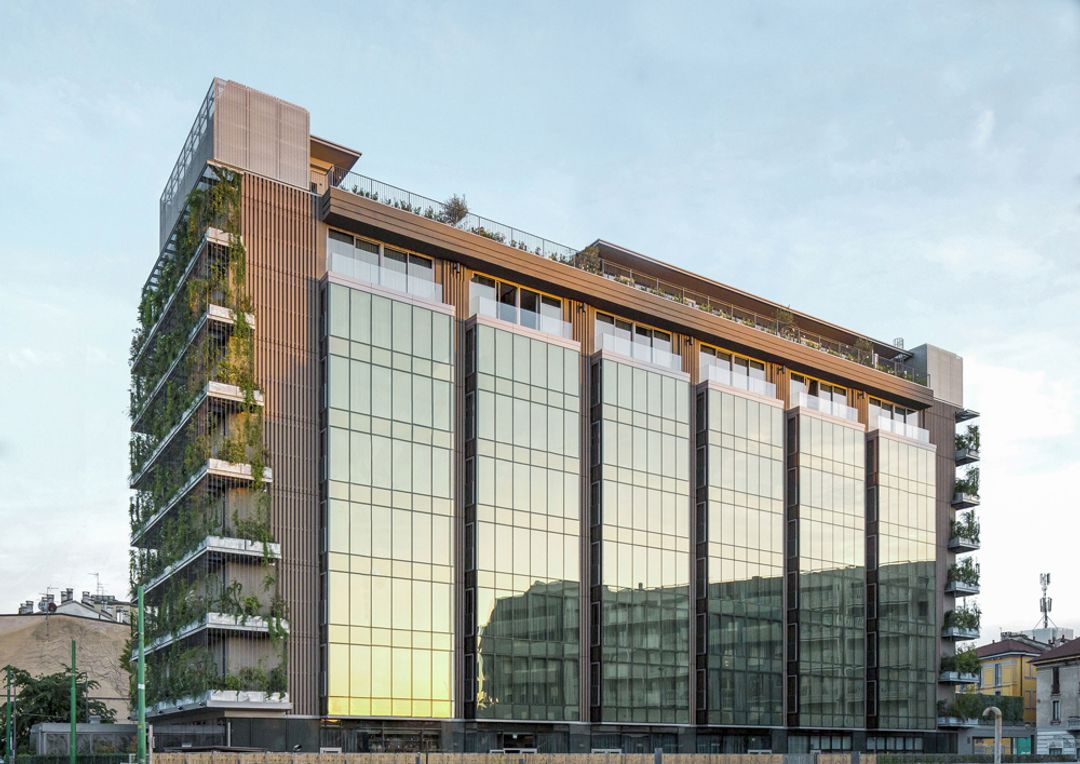
An Overview of the Boutique & Luxury Hotel Landscape in Milan, Italy
Milan builds in layers. The Roman street grid persists beneath the medieval ring, the medieval ring beneath the Habsburg rationalism of the Navigli canals, and everything beneath the disciplined restraint of postwar Italian modernism. Hotels here tend to reflect whichever layer their neighborhood most honestly belongs to, which is part of what makes the city so rewarding to read through its places to stay.
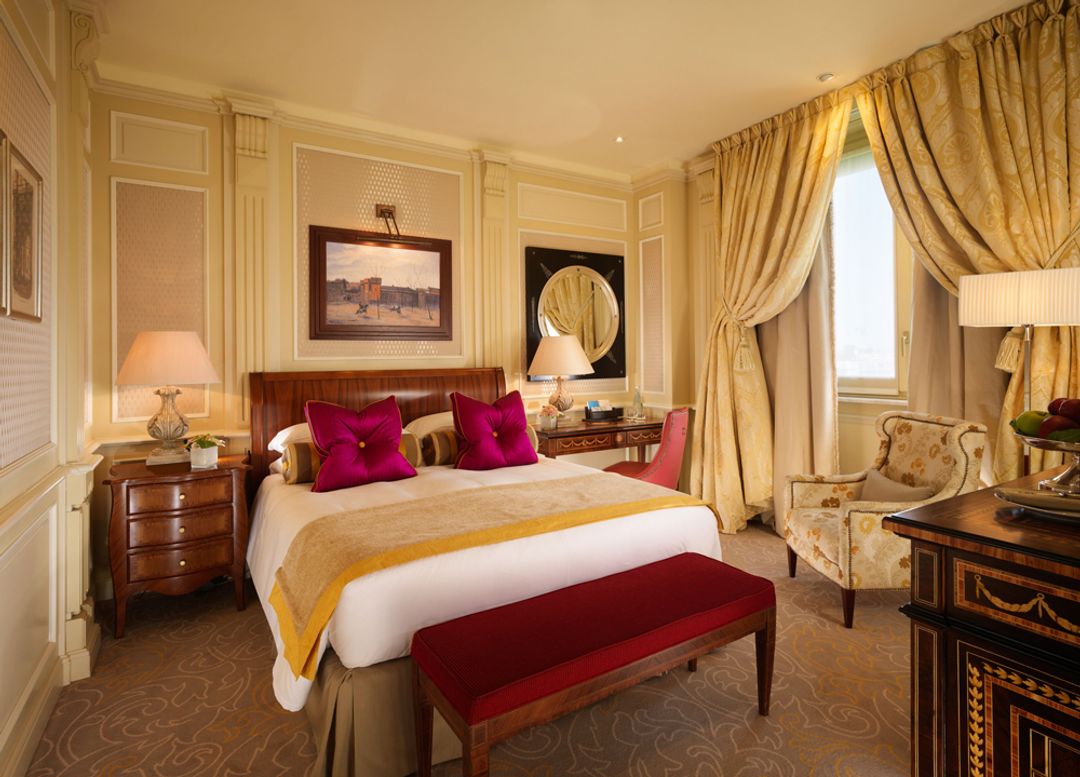
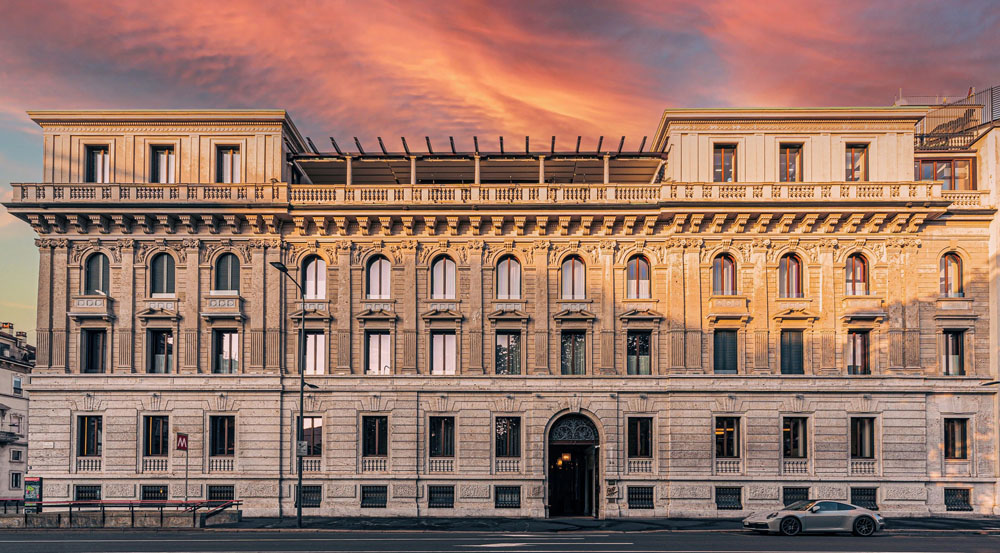
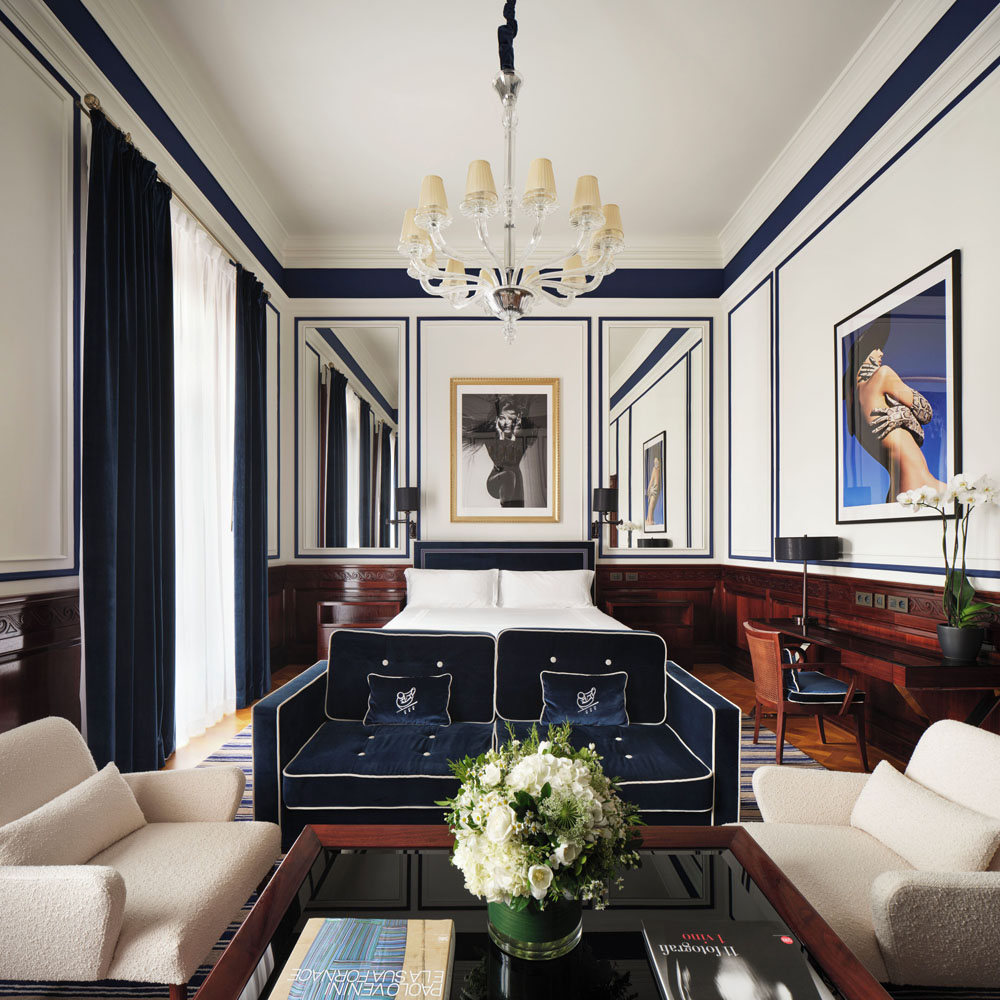
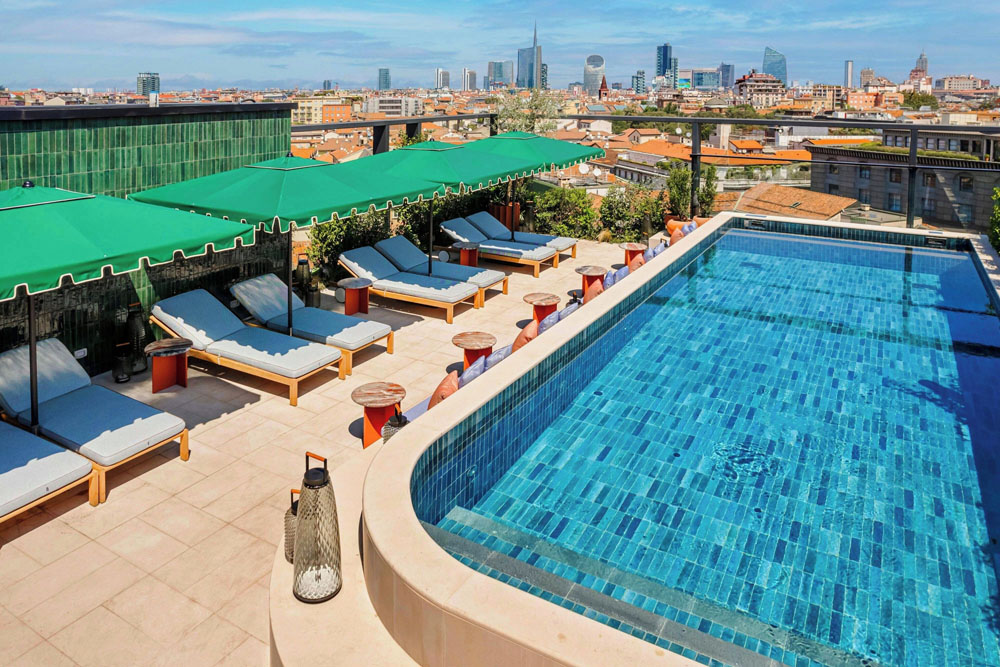
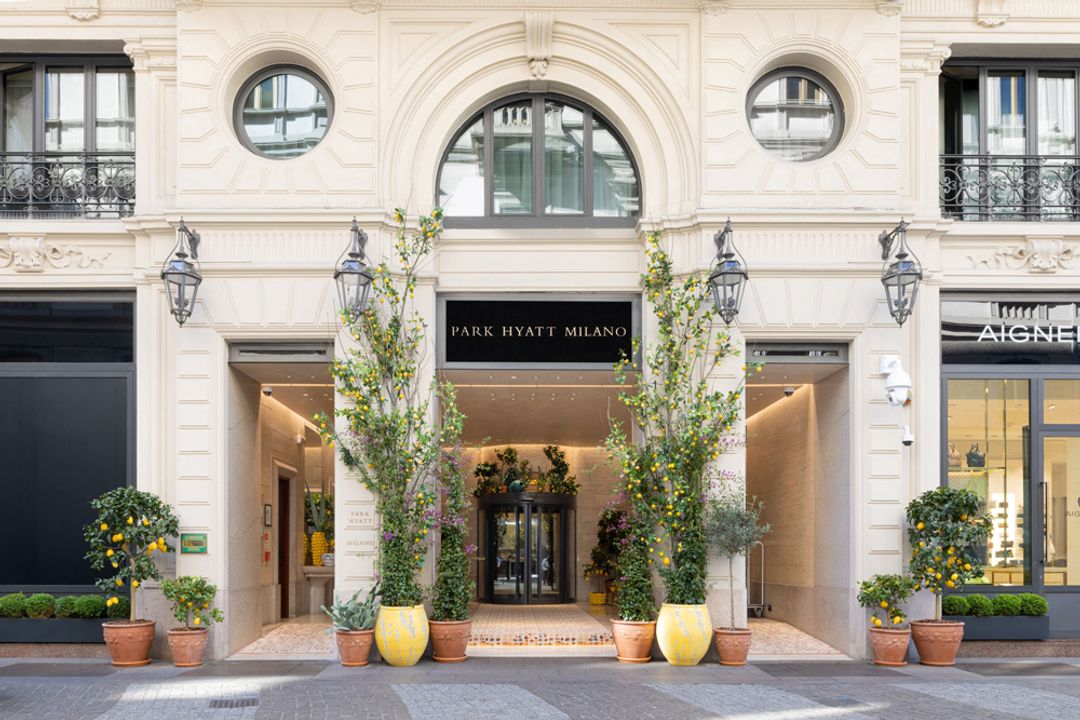
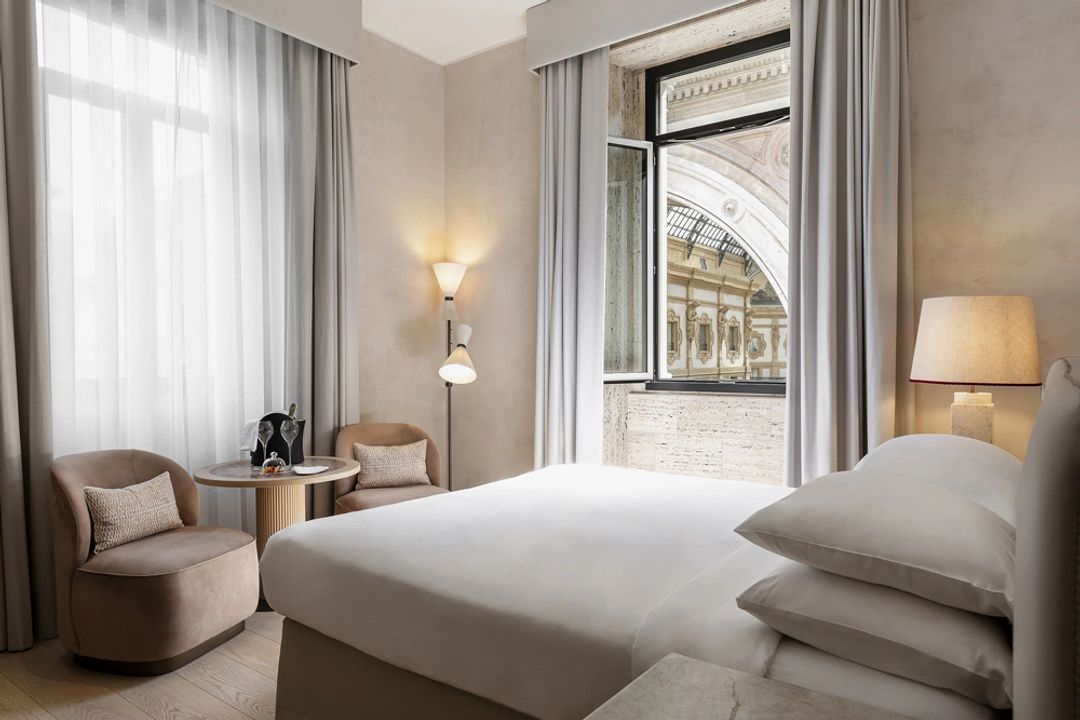
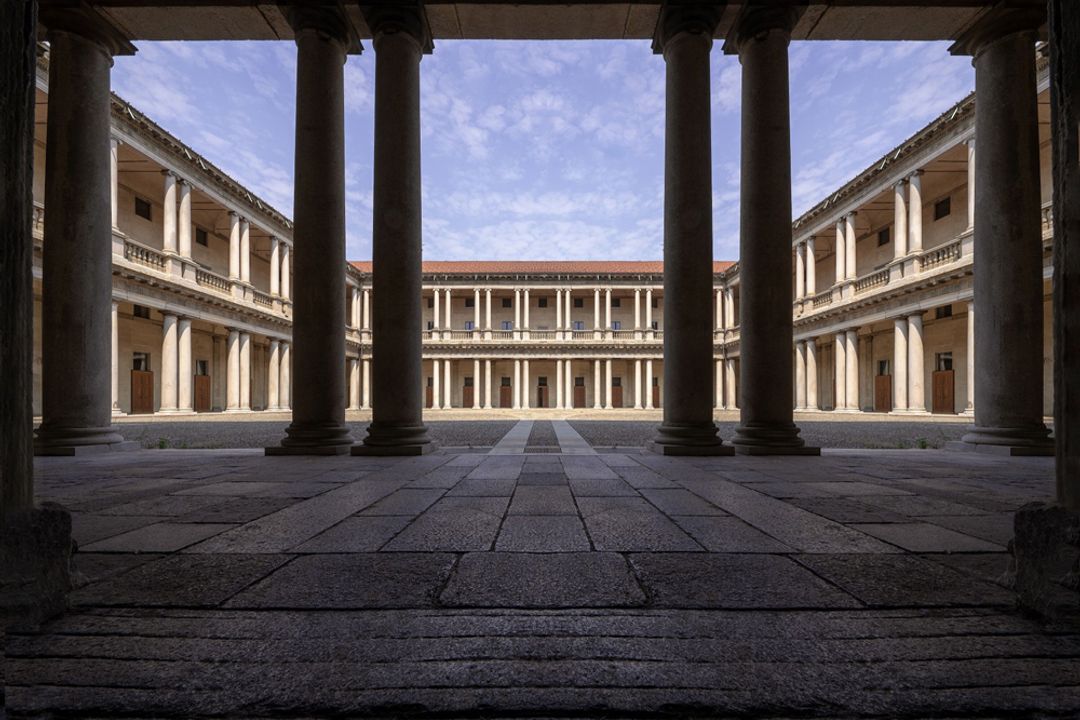
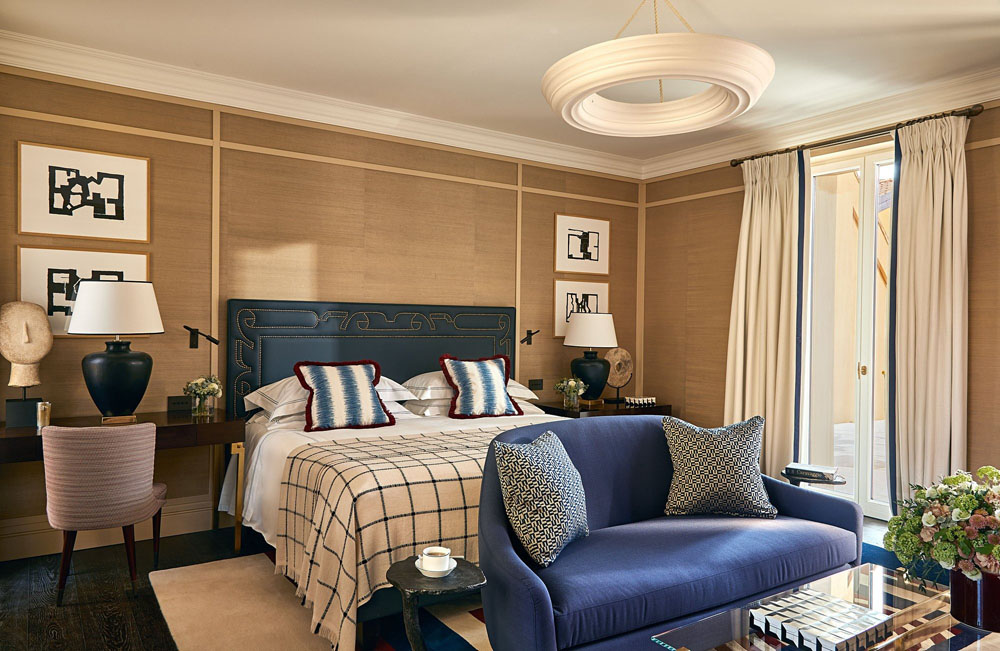
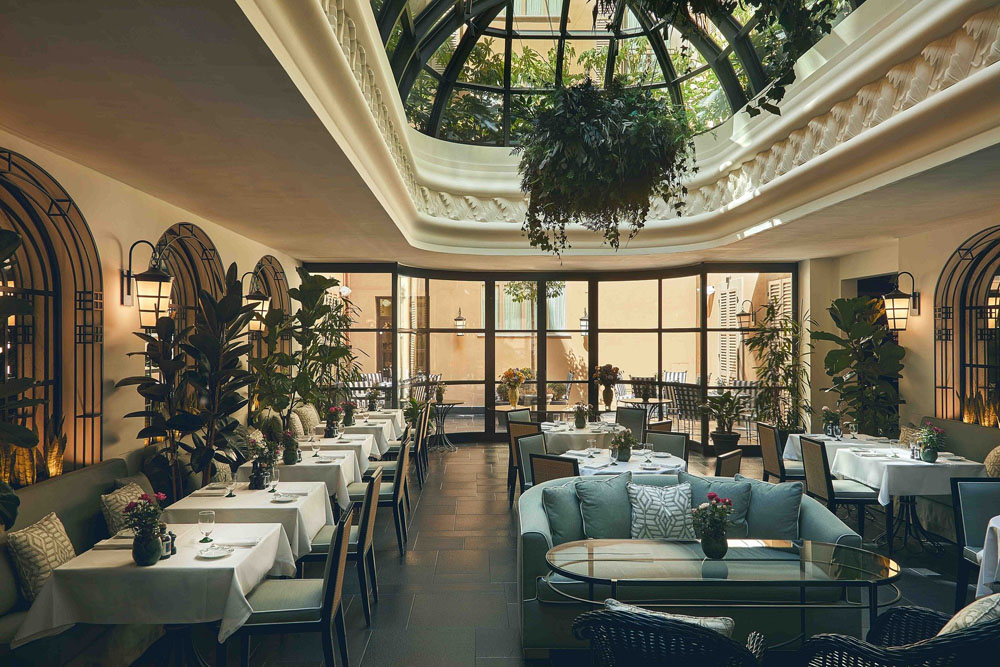
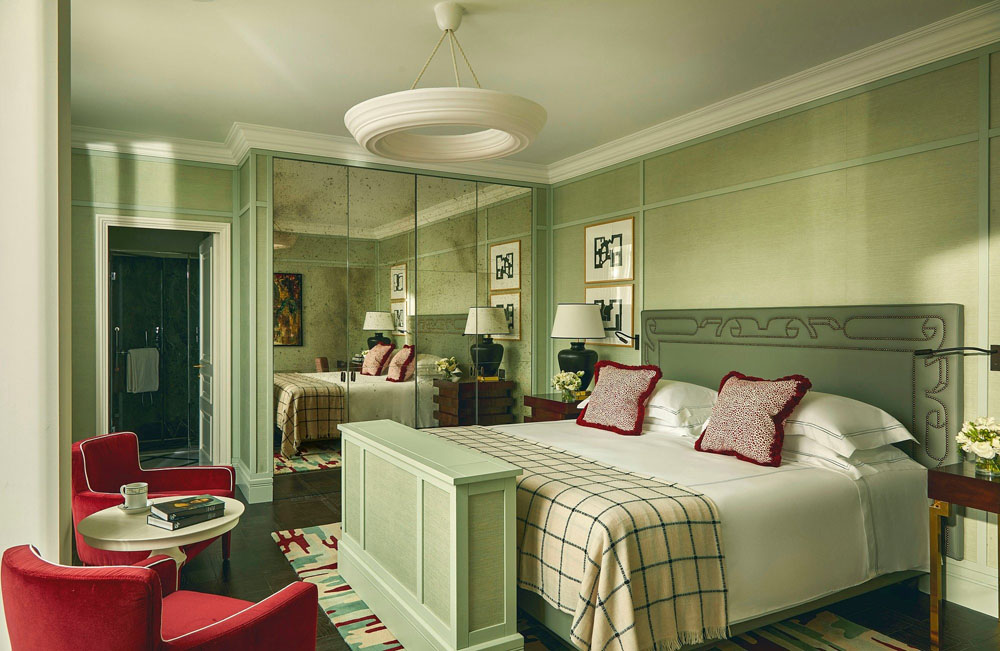
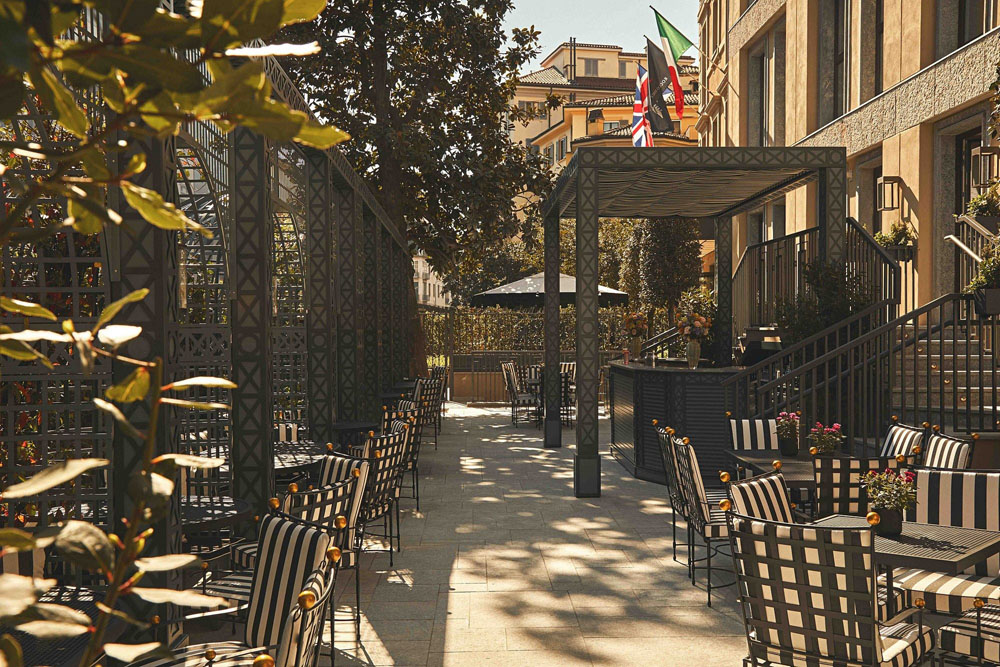
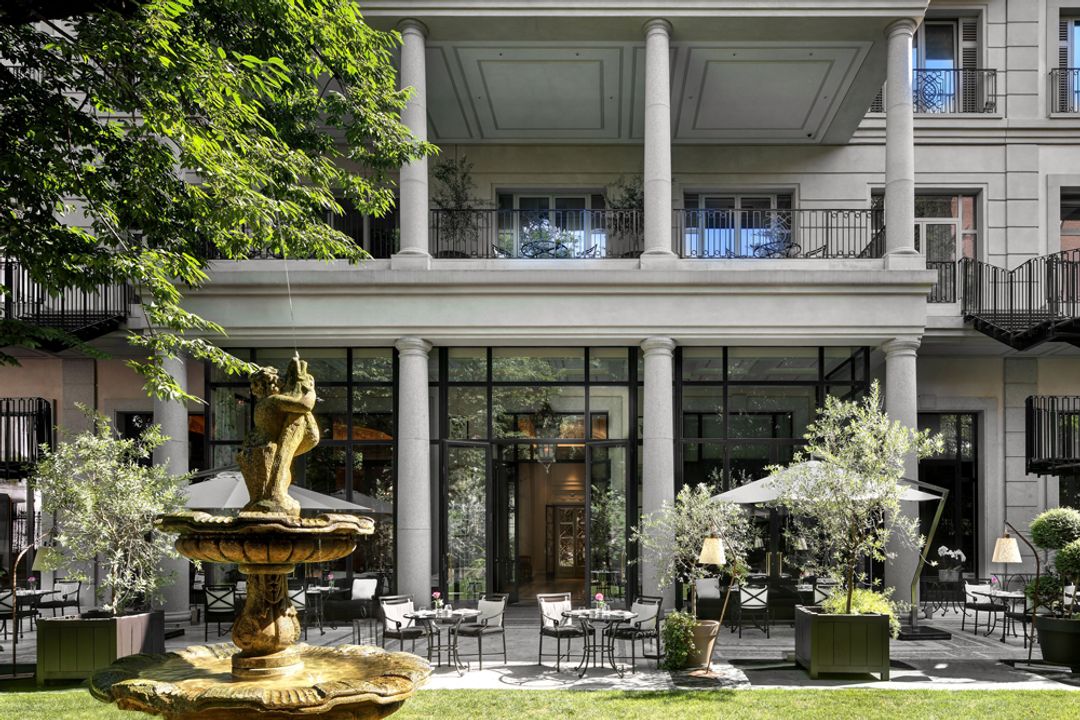
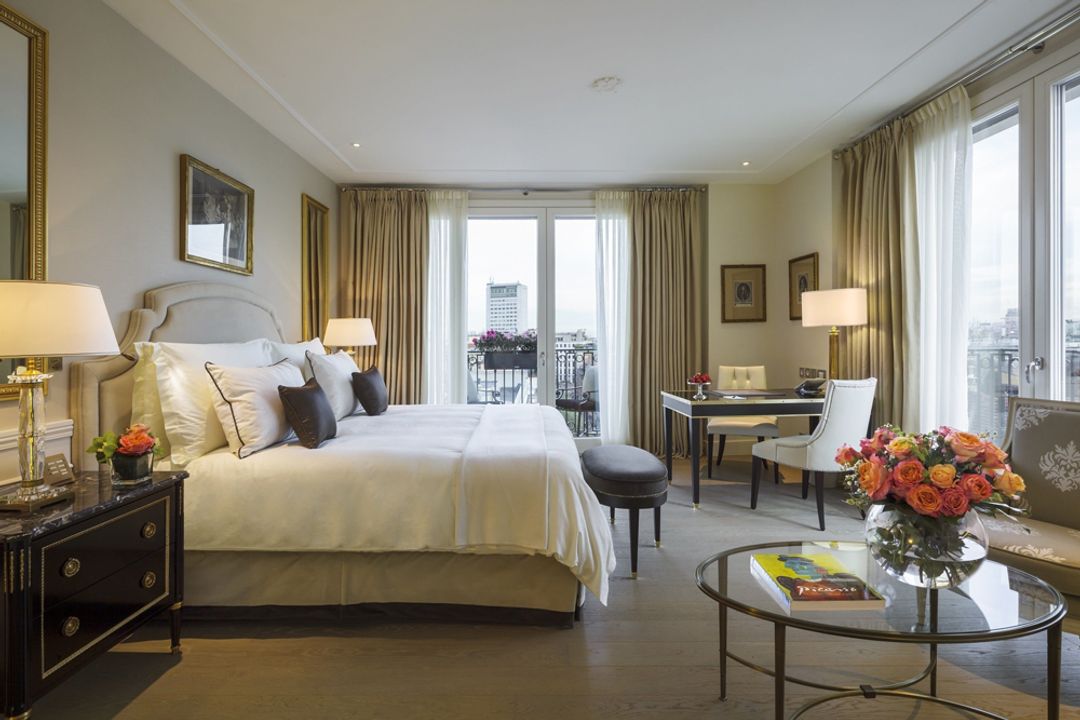
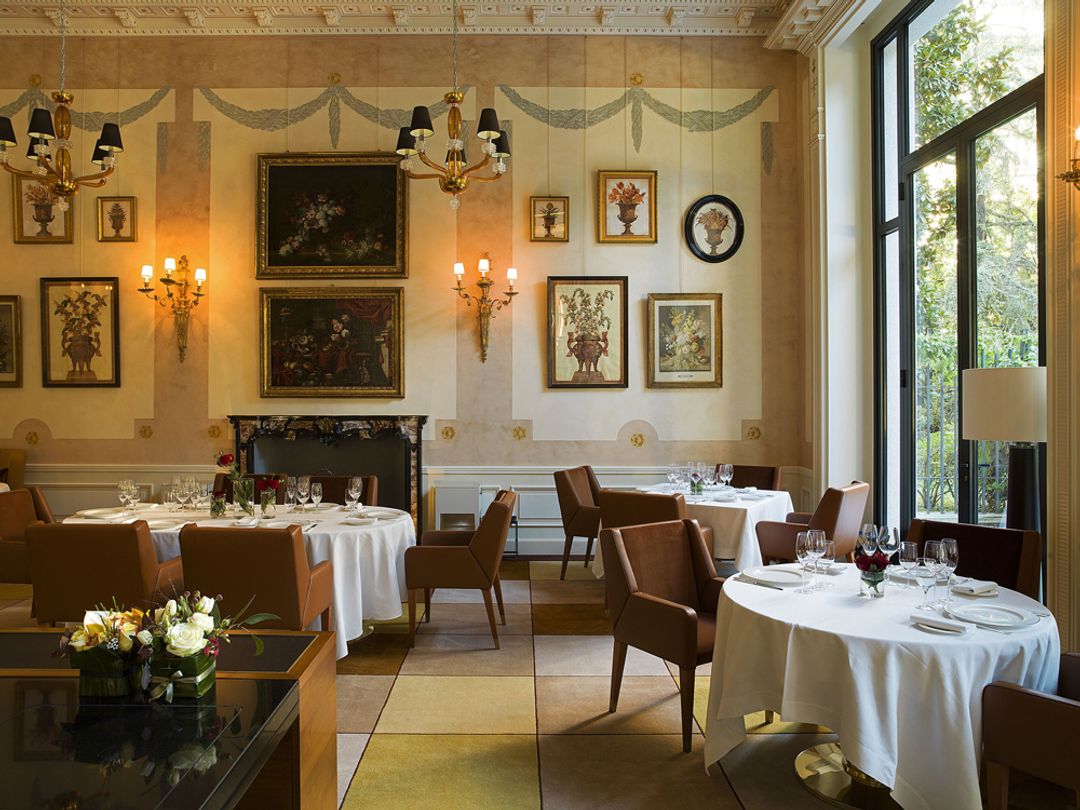
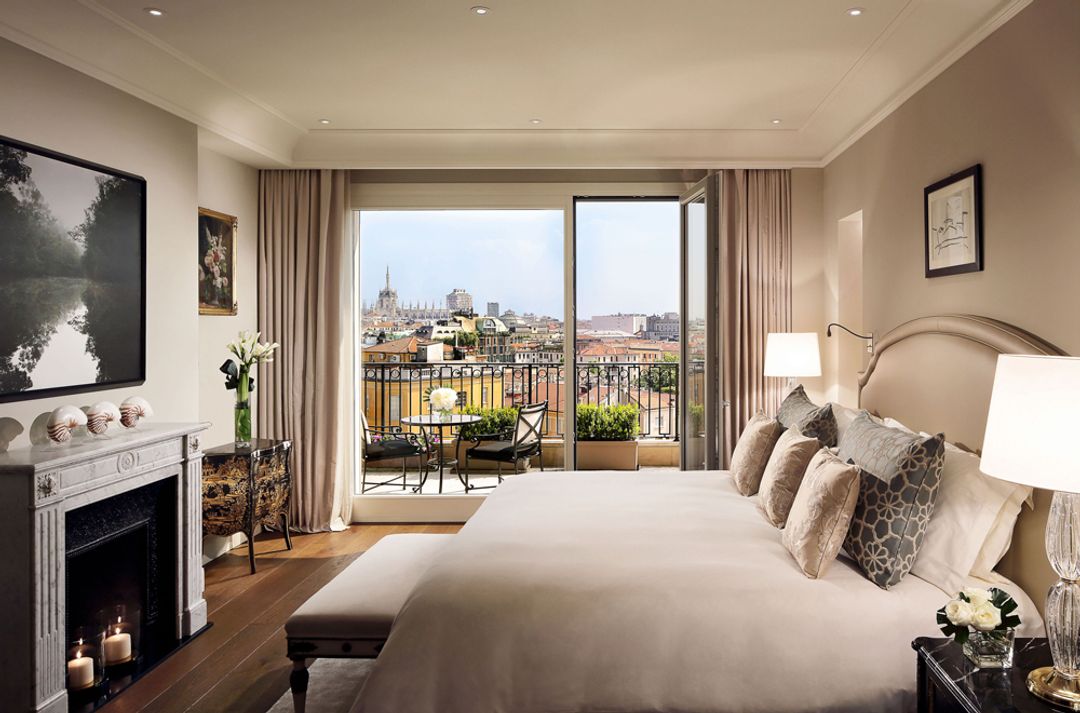
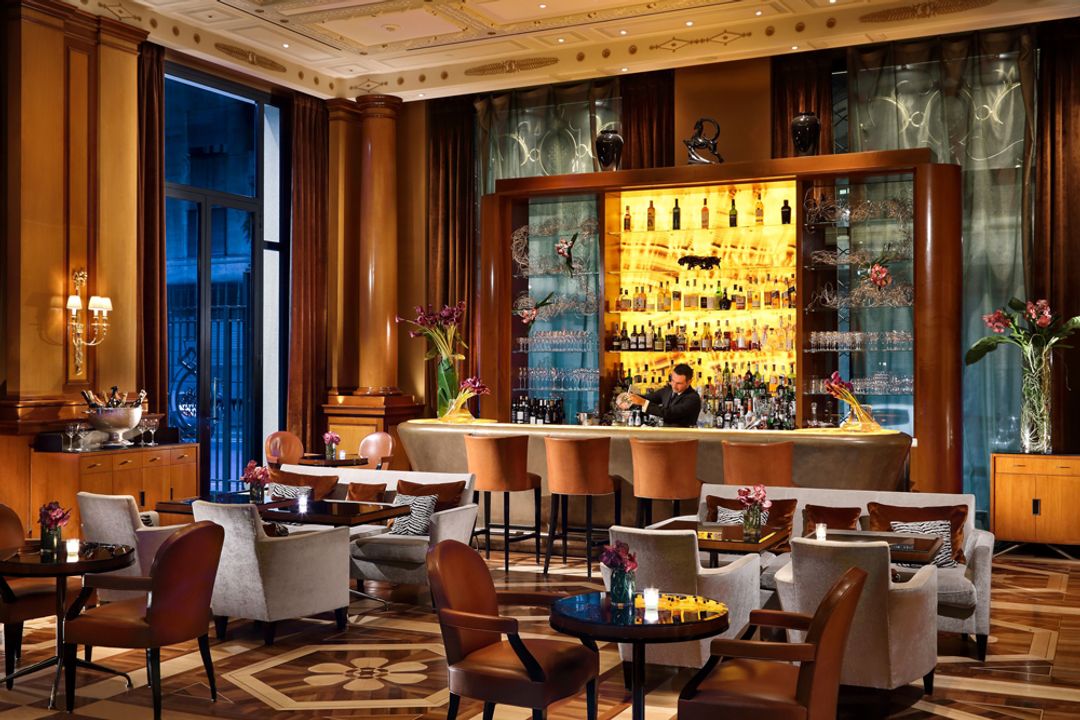
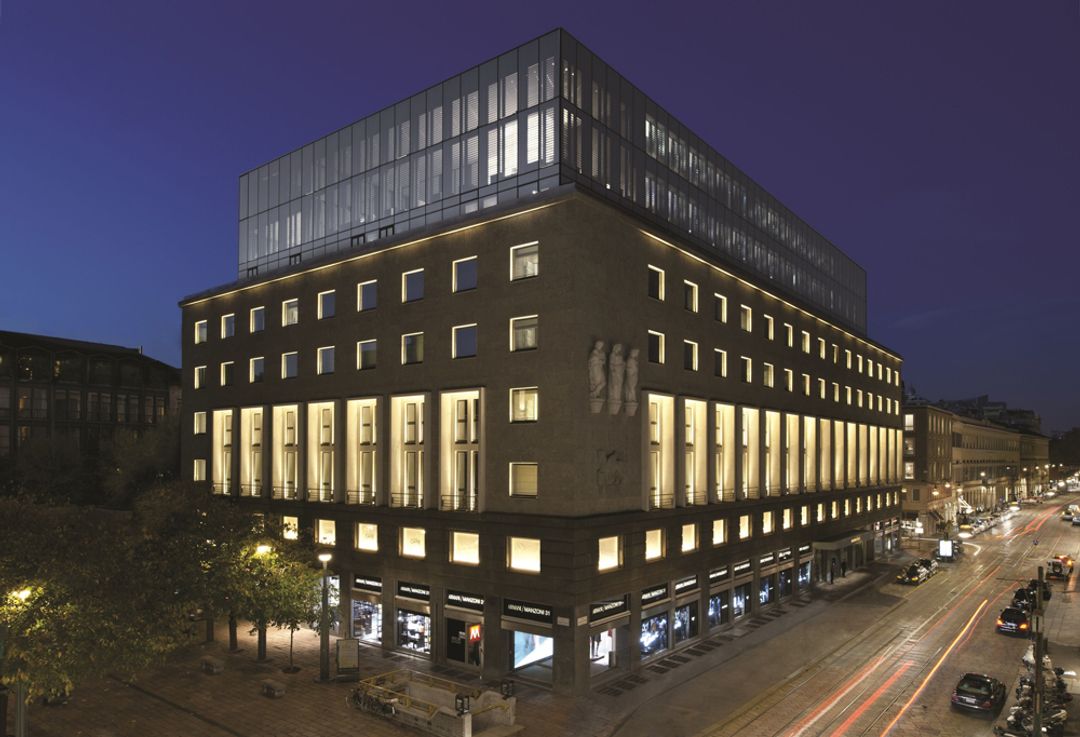
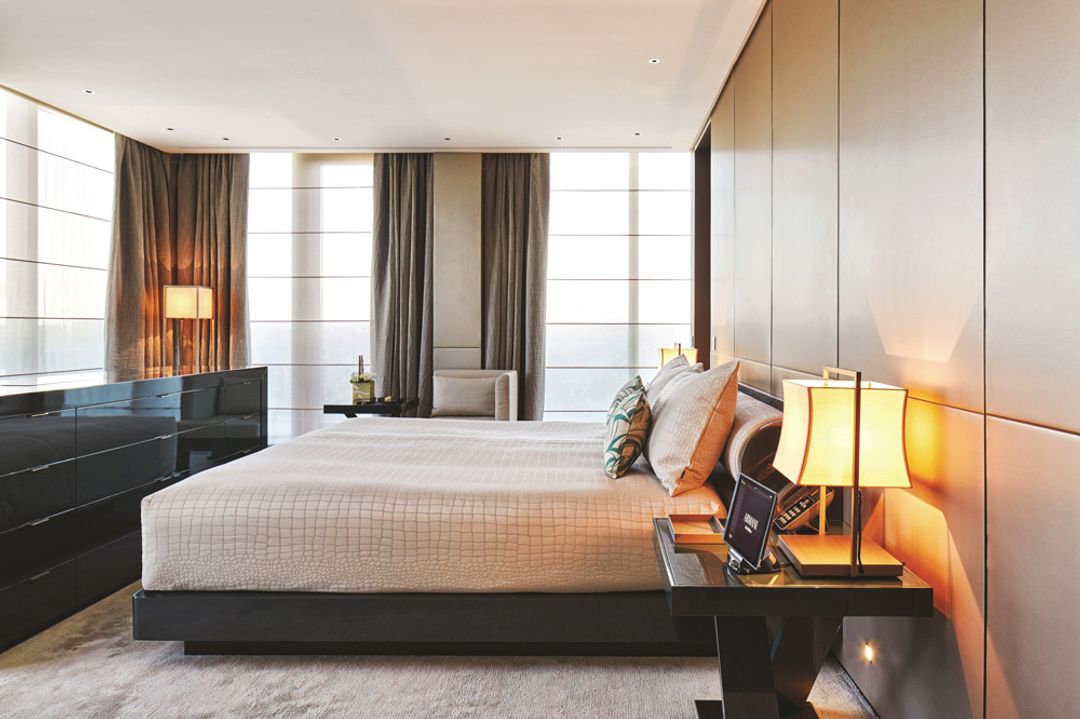
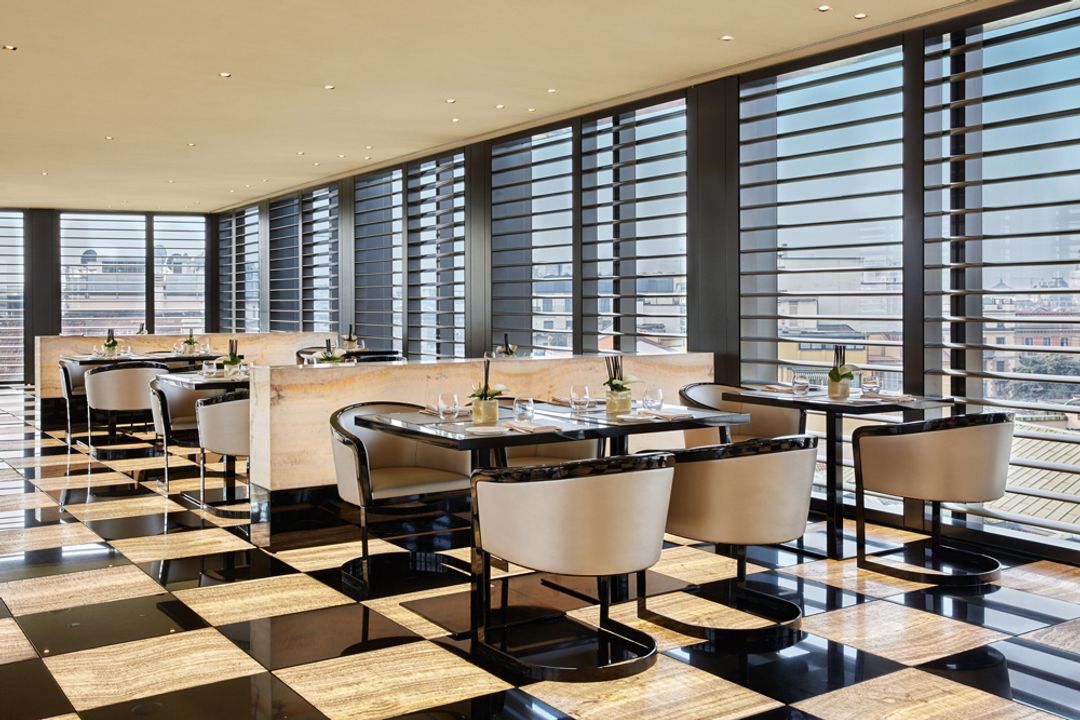
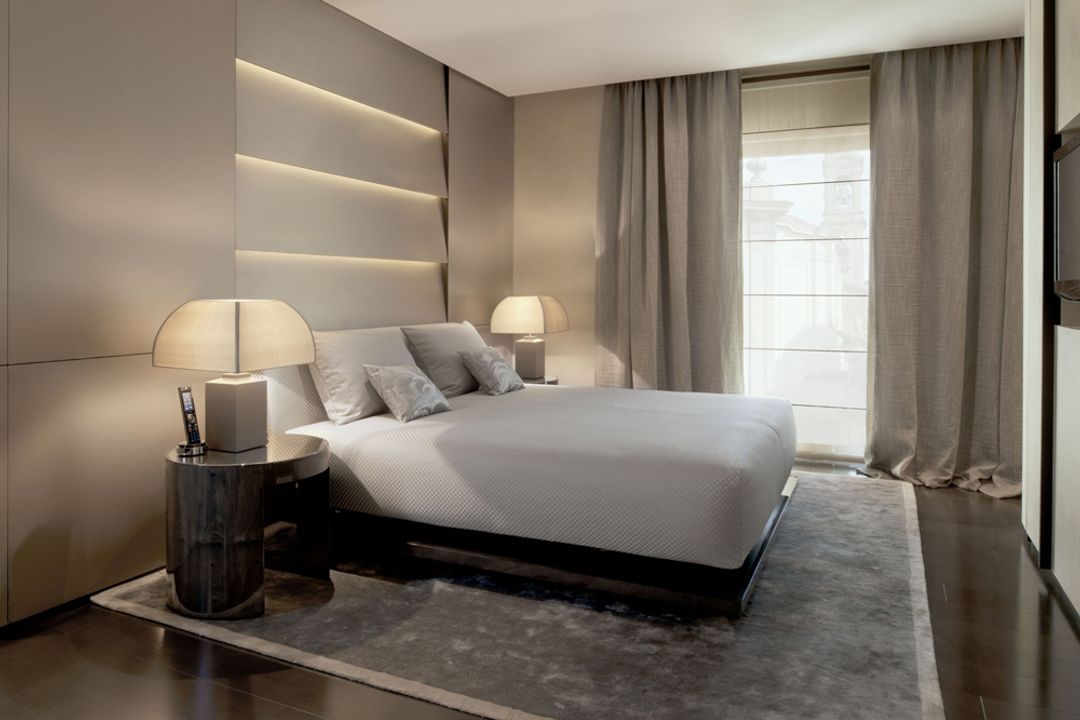
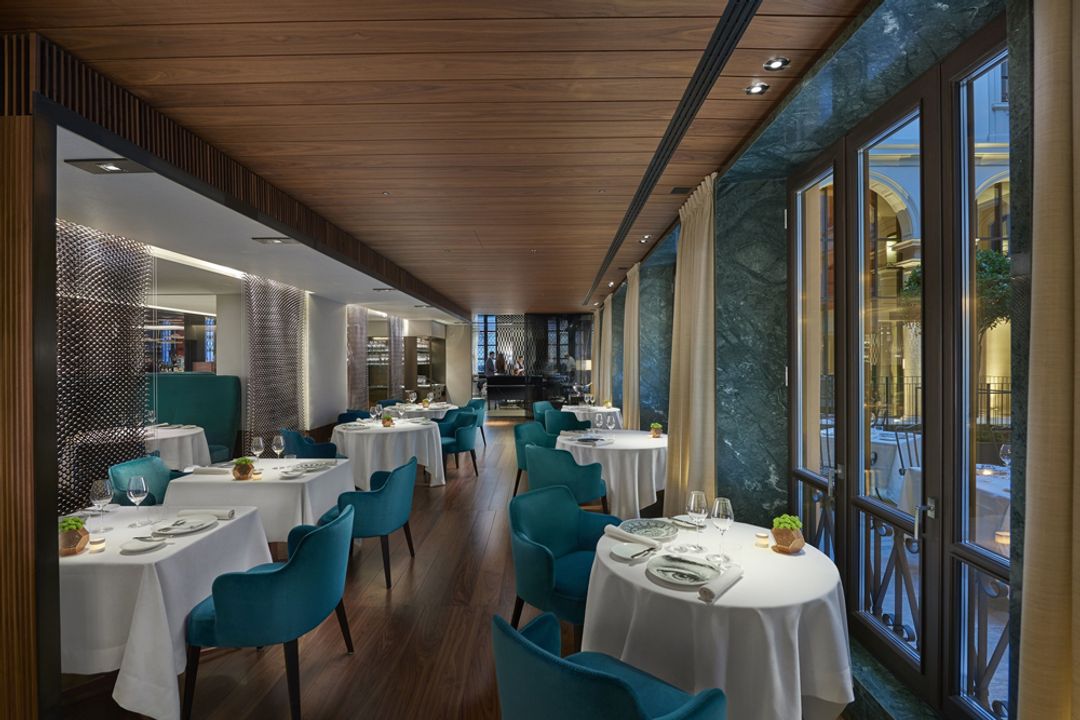
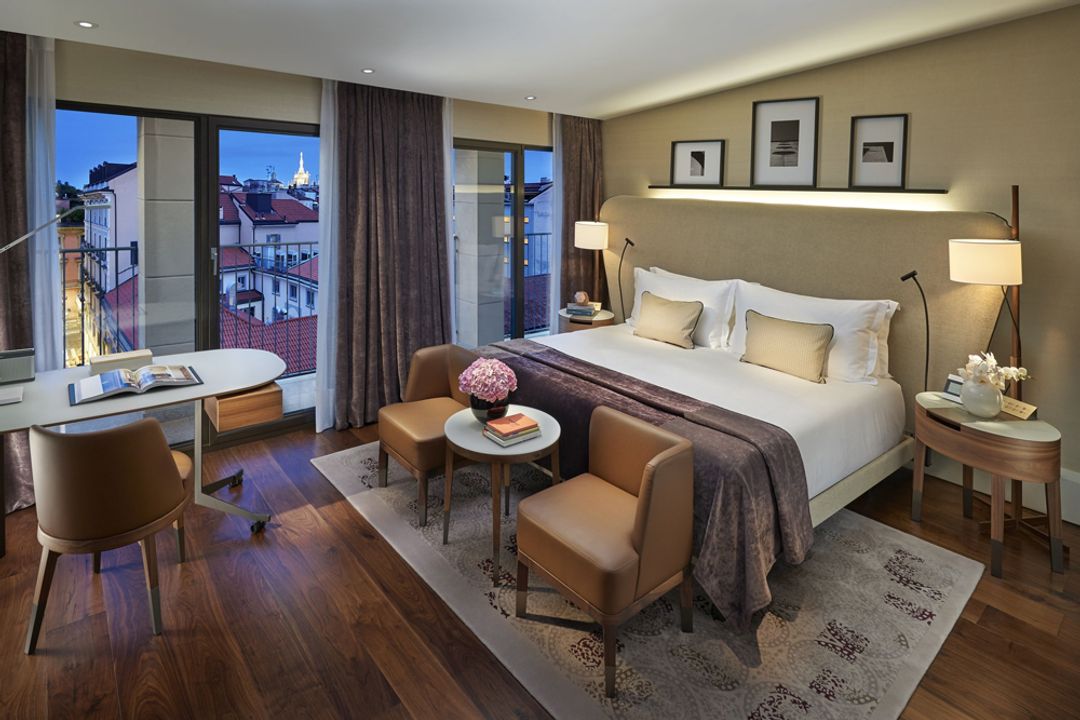
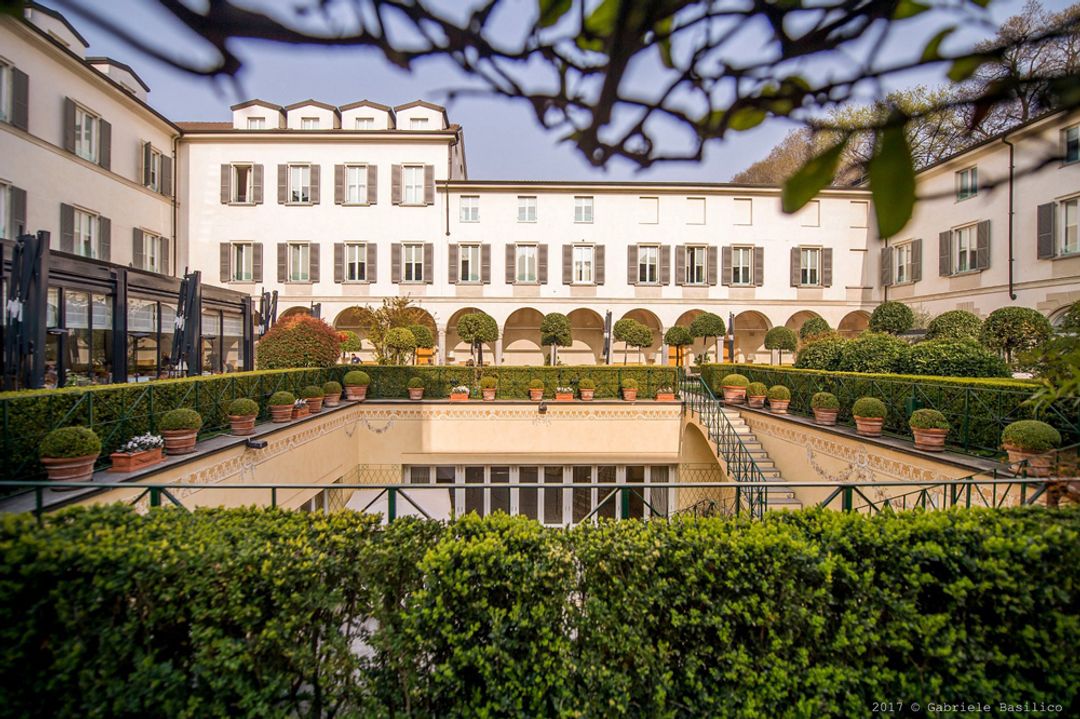
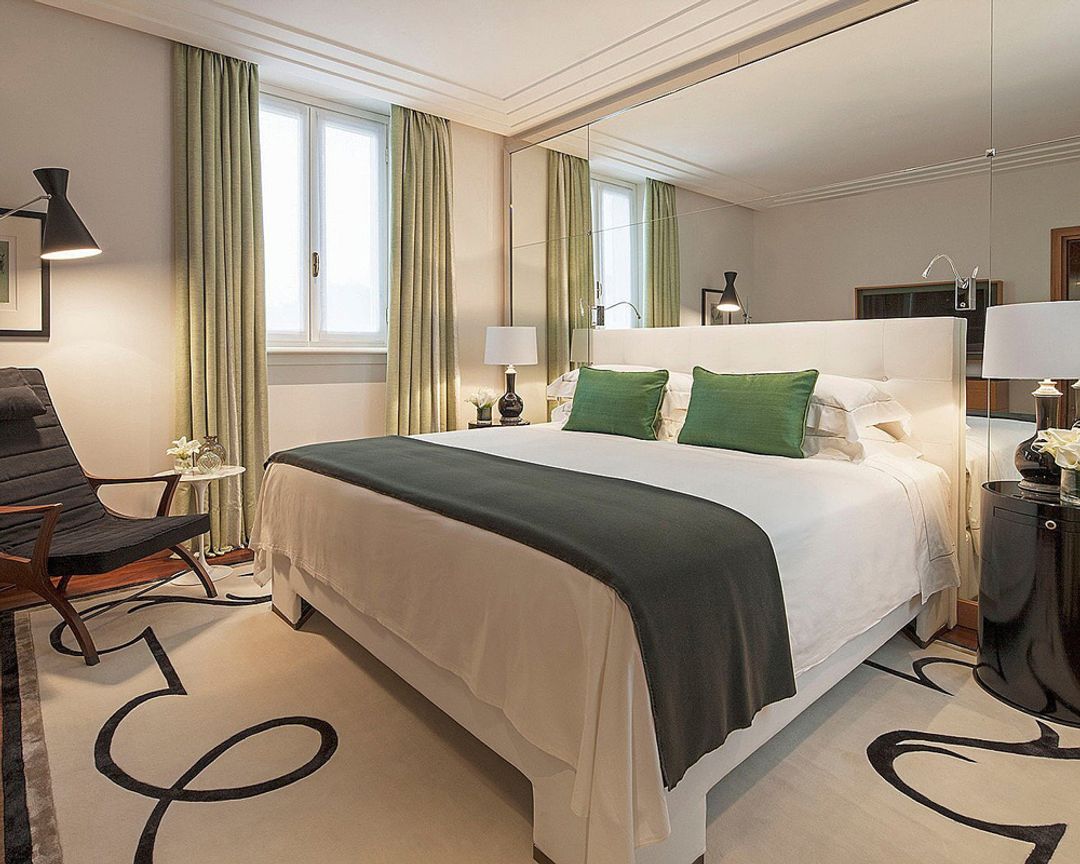
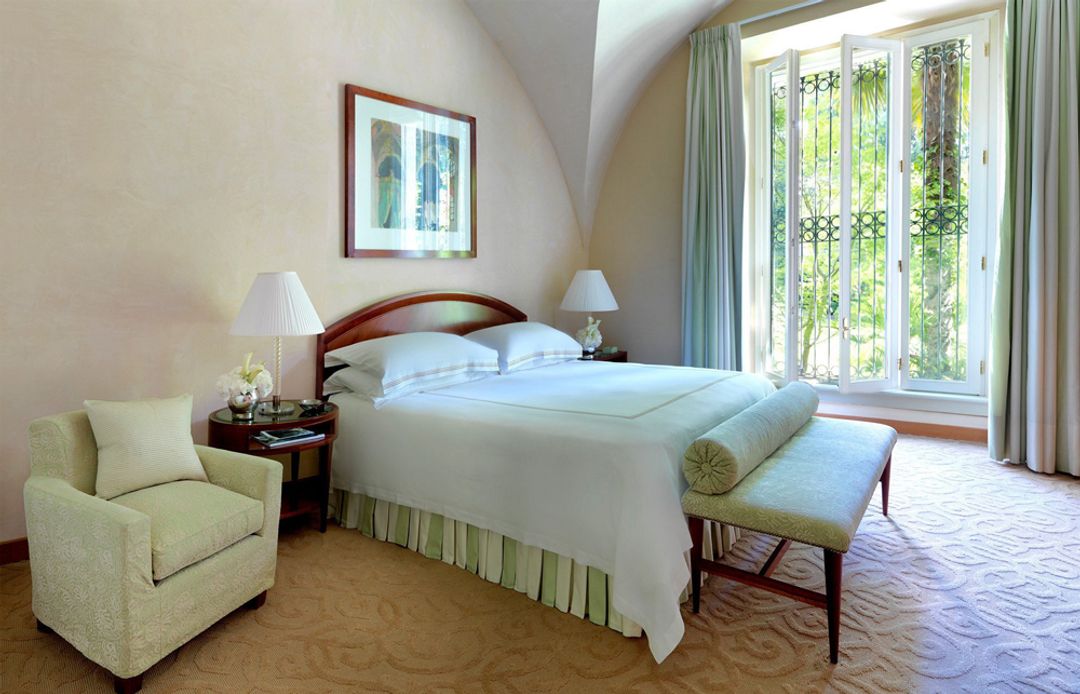
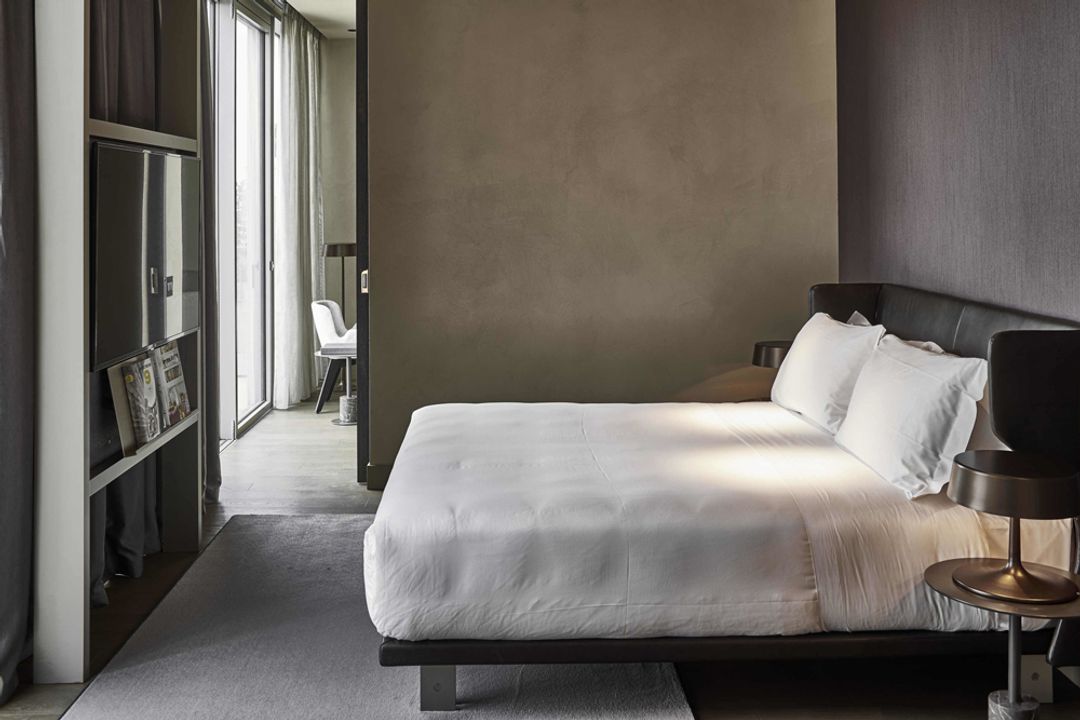
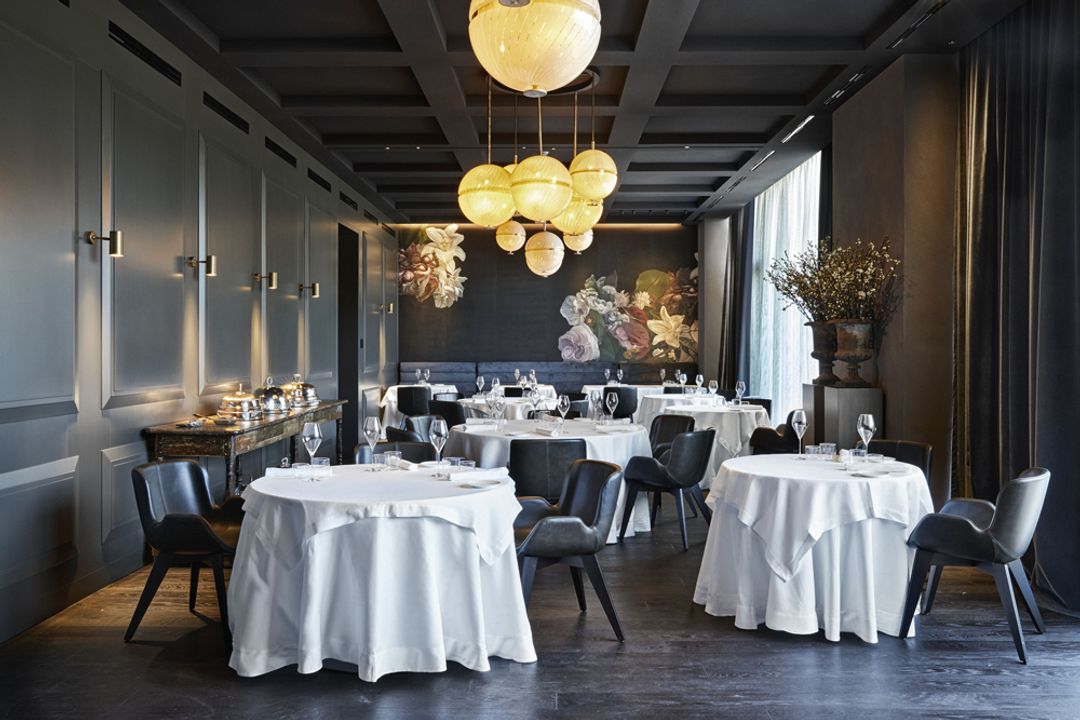
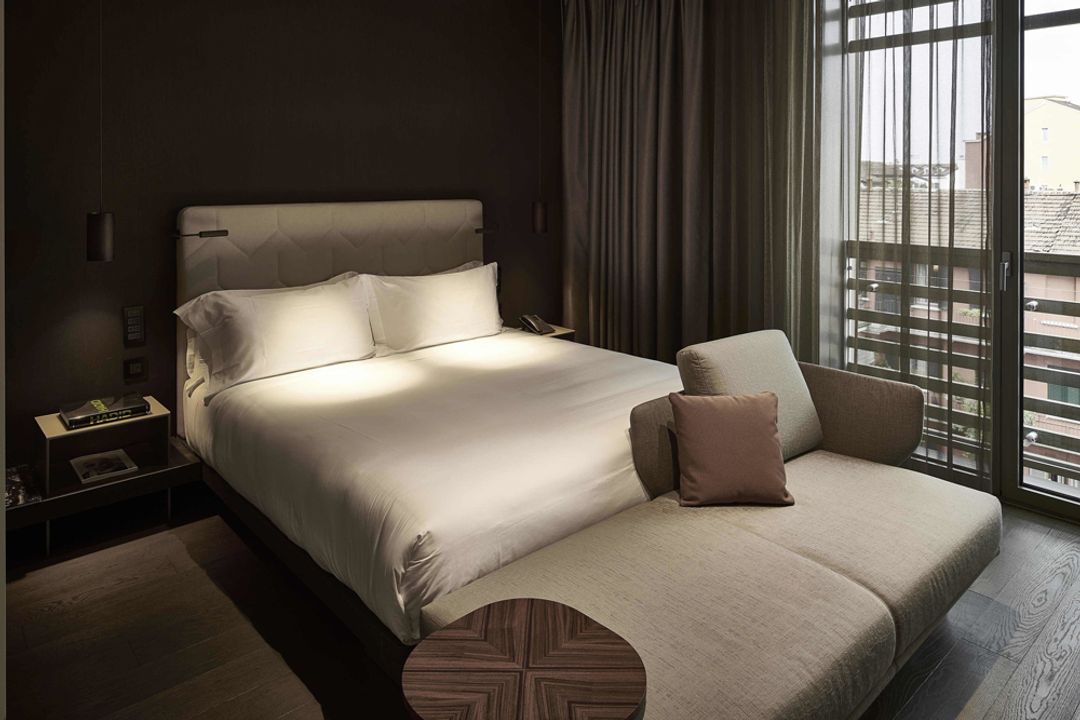
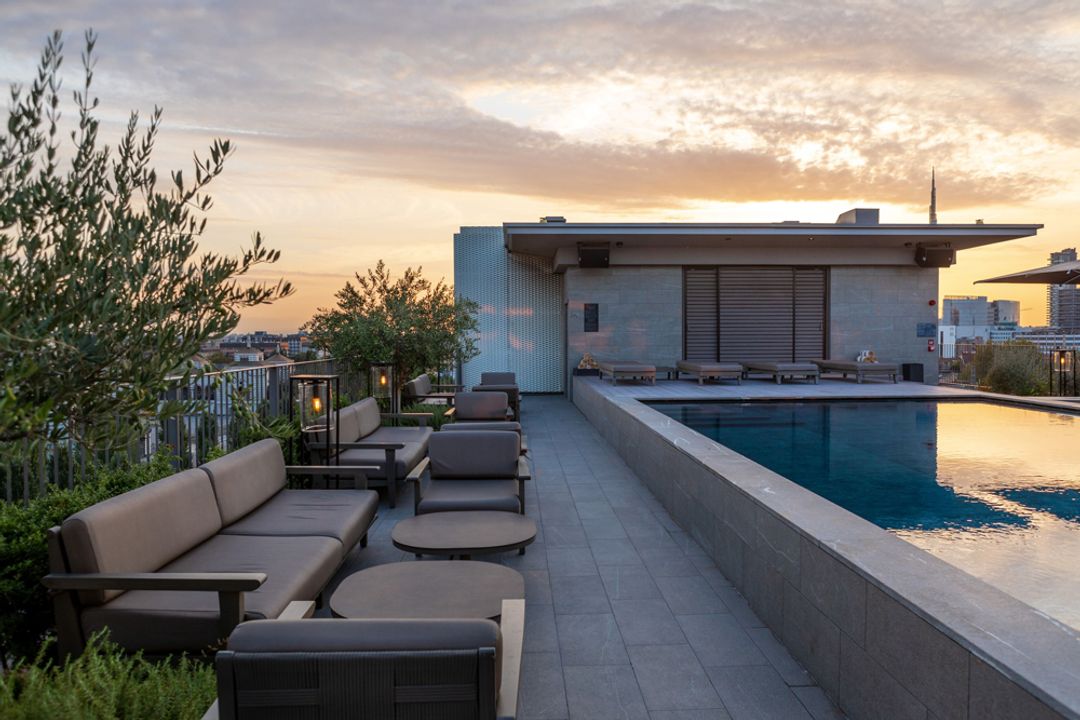
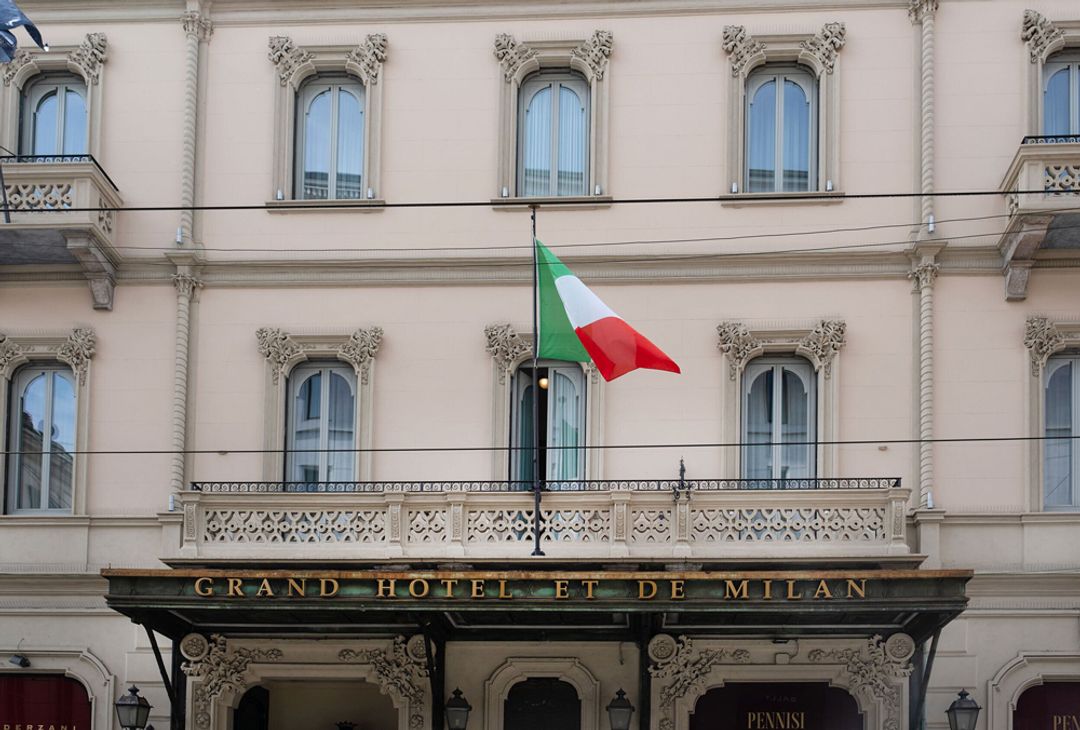
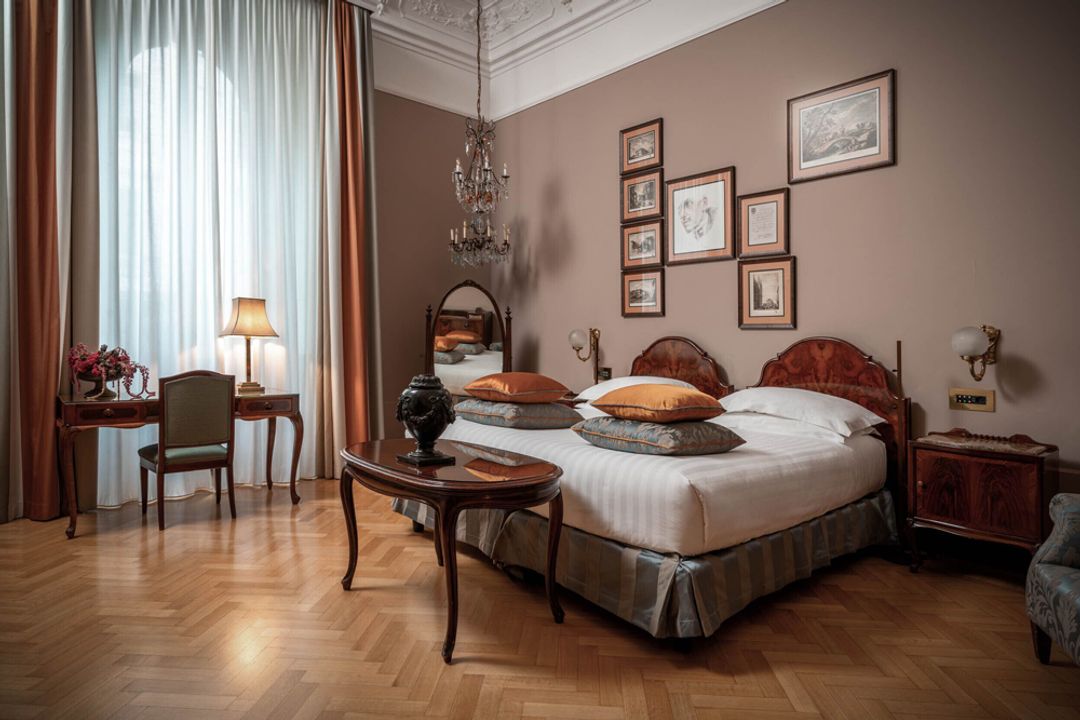
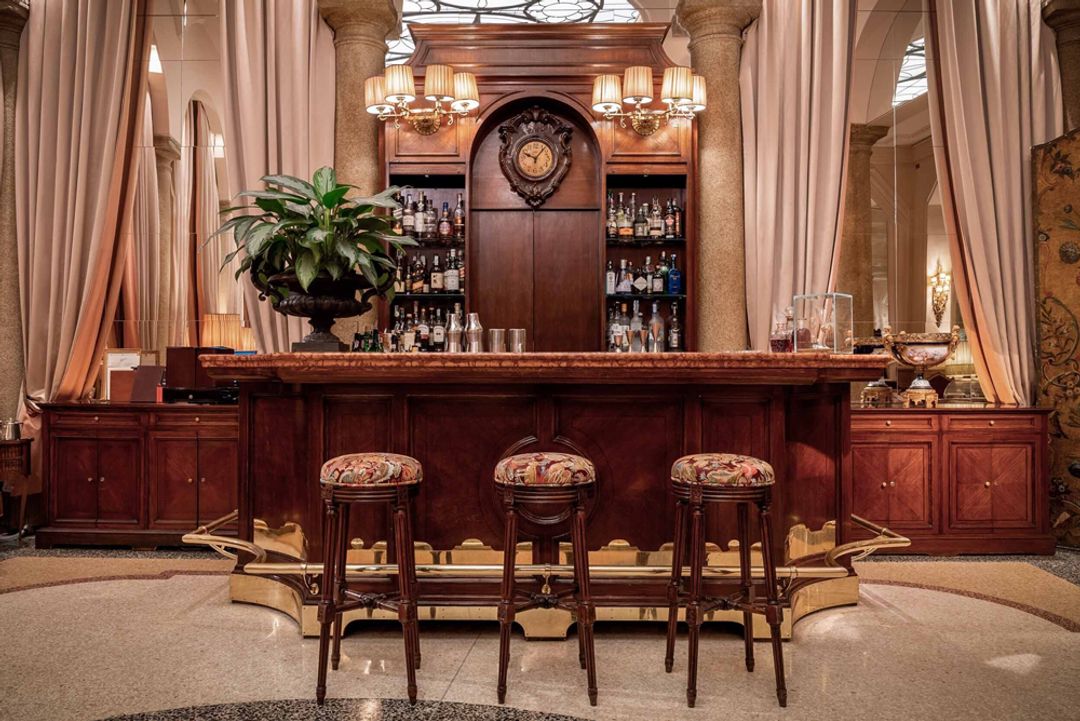
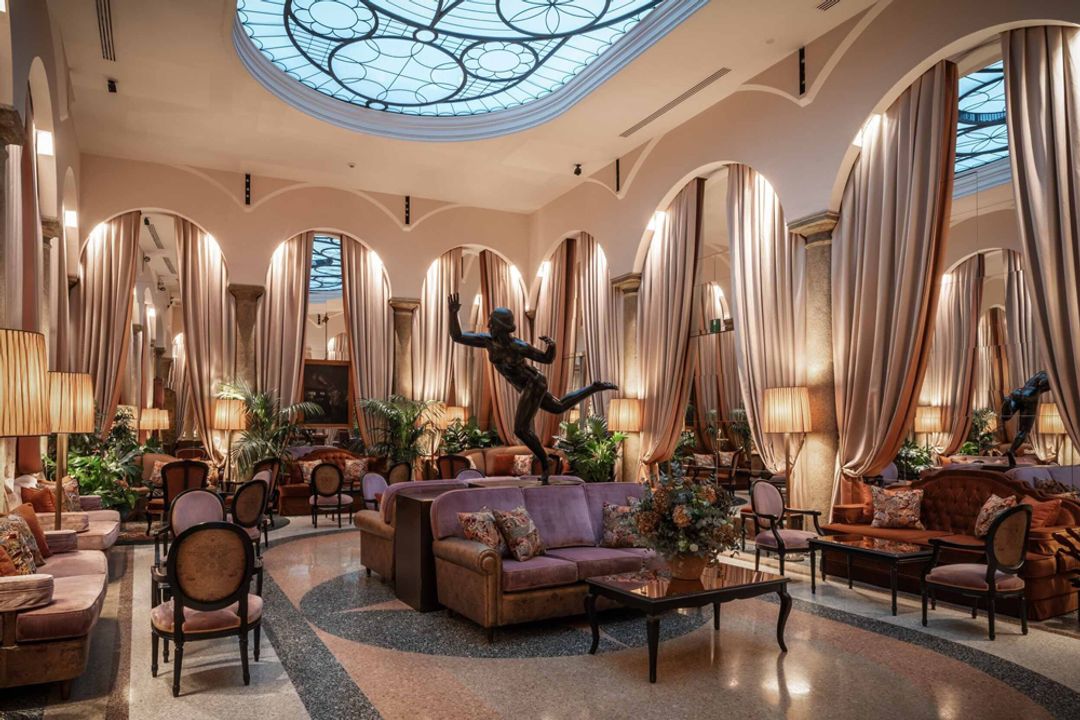
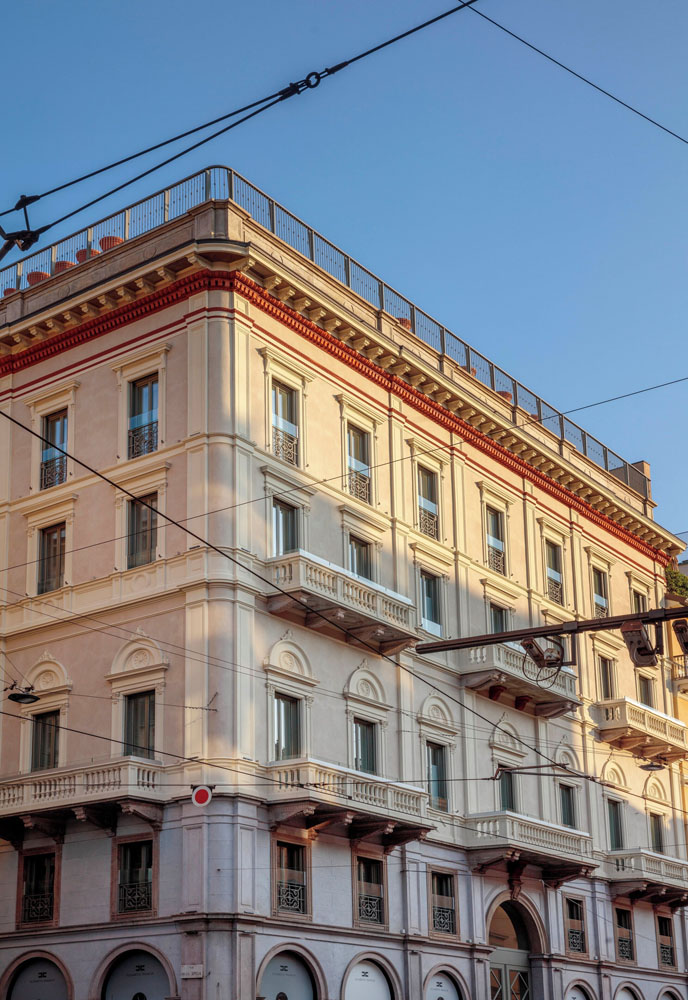
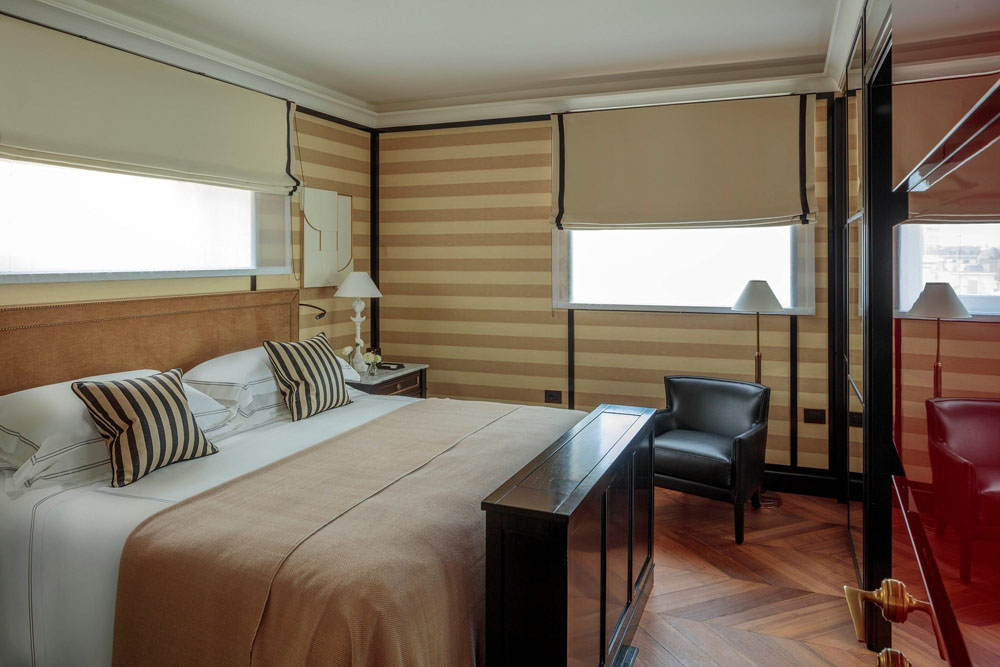
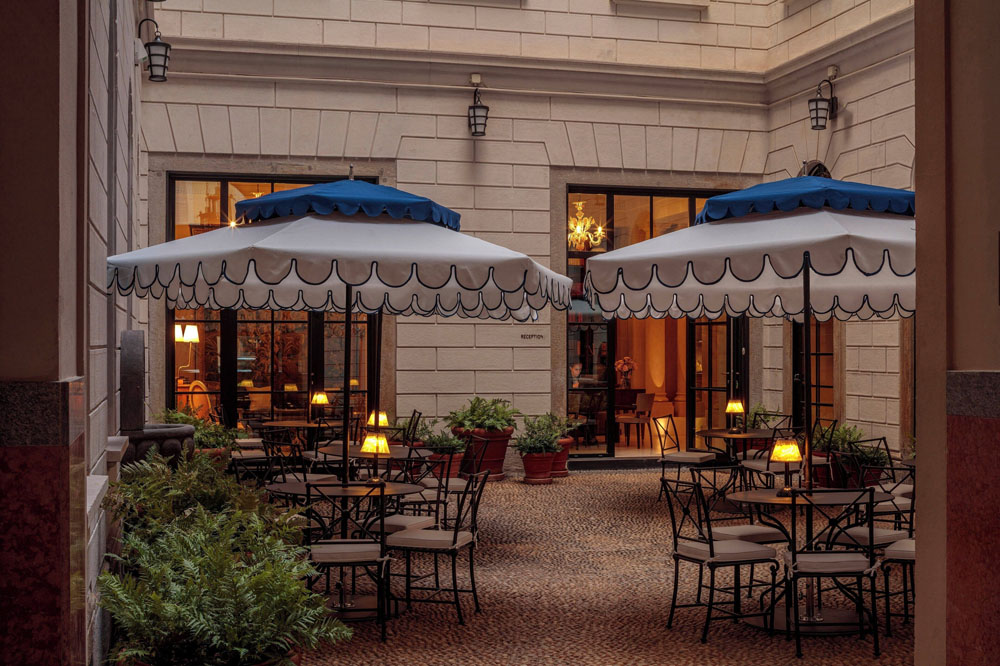
The Quadrilatero della Moda — the fashion district's tight grid between Via Montenapoleone and Via della Spiga — concentrates the city's most consequential addresses. The Four Seasons Hotel Milano occupies a fifteenth-century convent on Via Gesù, its cloister garden one of the genuinely peaceful spaces in central Milan. Nearby, the Armani Hotel fills the upper floors of the Armani flagship on Via Manzoni, with interiors by Giorgio Armani himself, every surface calibrated to the same tonal restraint the brand built its empire on. The Park Hyatt sits in the Palazzo della Meridiana, a turn-of-the-century neoclassical building with a glass-domed galleria entrance, while Portrait Milano, part of the Lungarno Collection, offers quieter, apartment-scaled rooms on Via Gesù with the kind of understatement that reads as confidence. Just outside this zone, the Grand Hotel et de Milan on Via Manzoni carries genuine weight as a nineteenth-century institution where Verdi spent his final years.
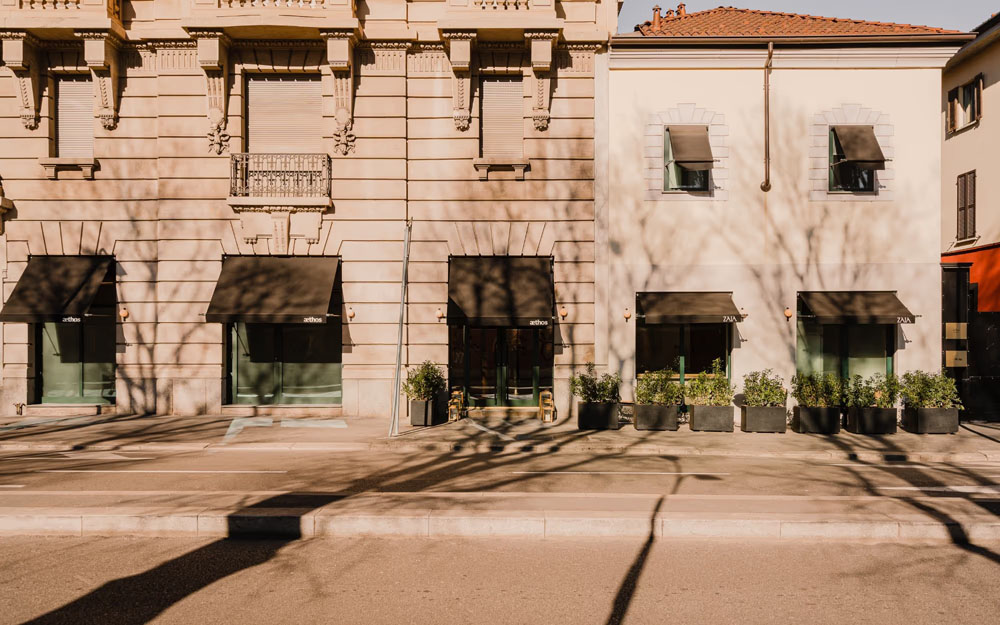
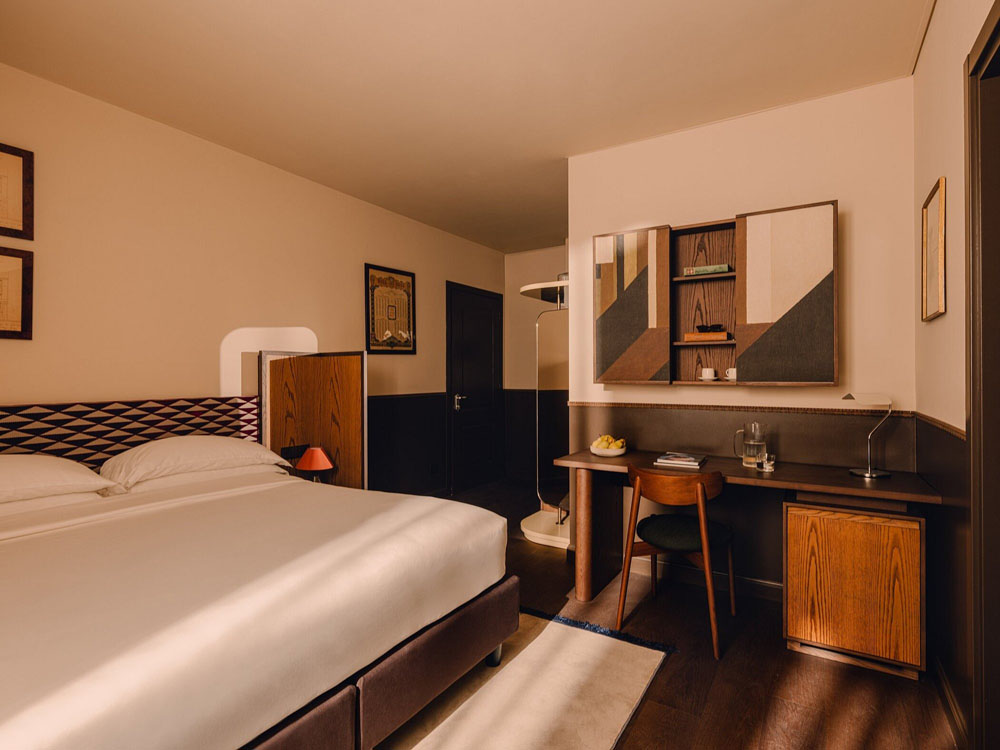
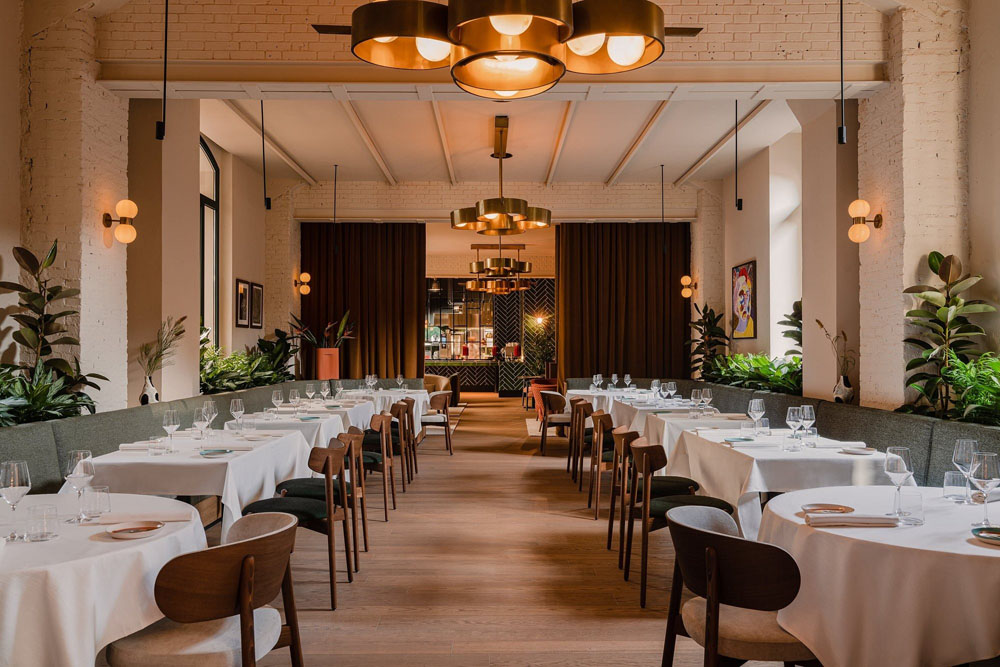
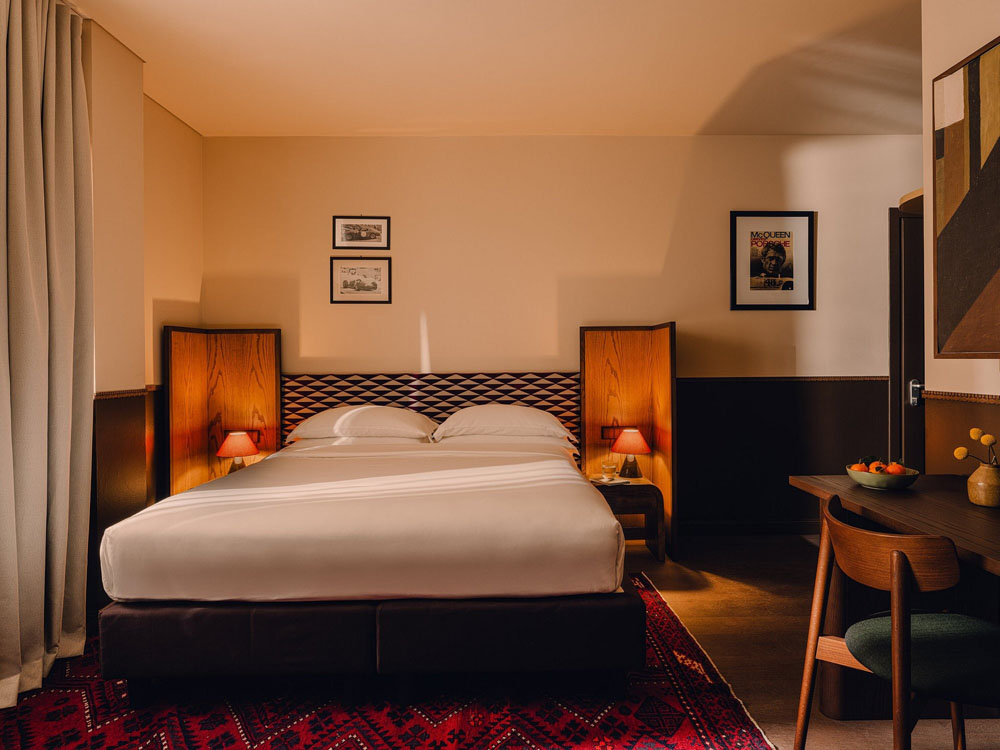
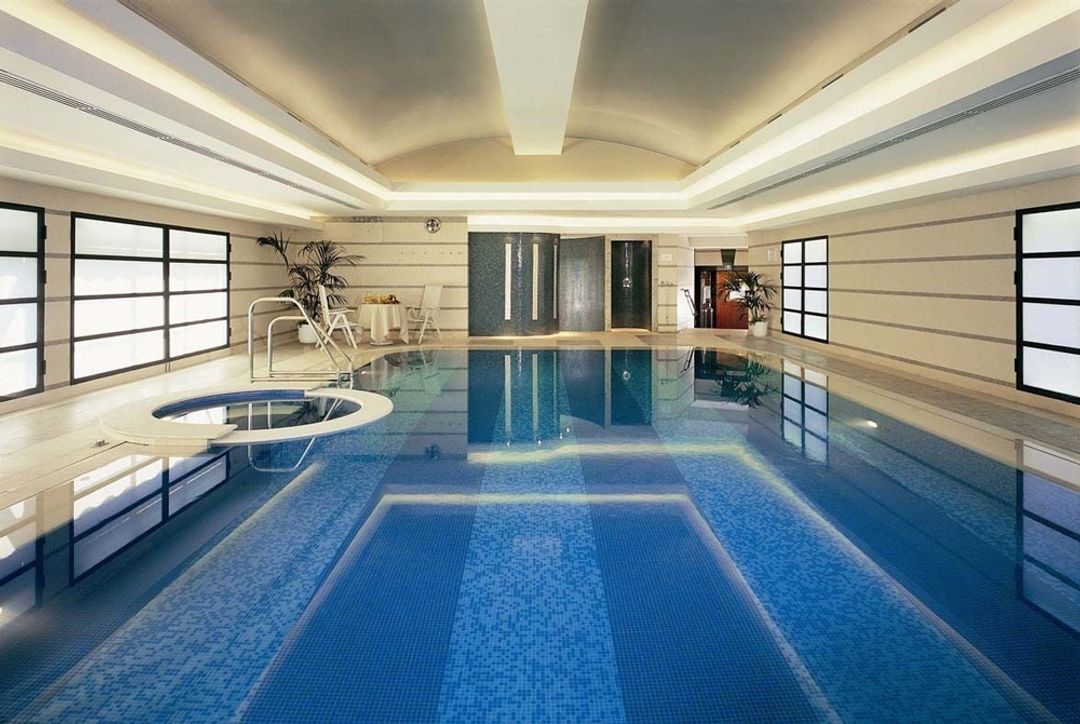
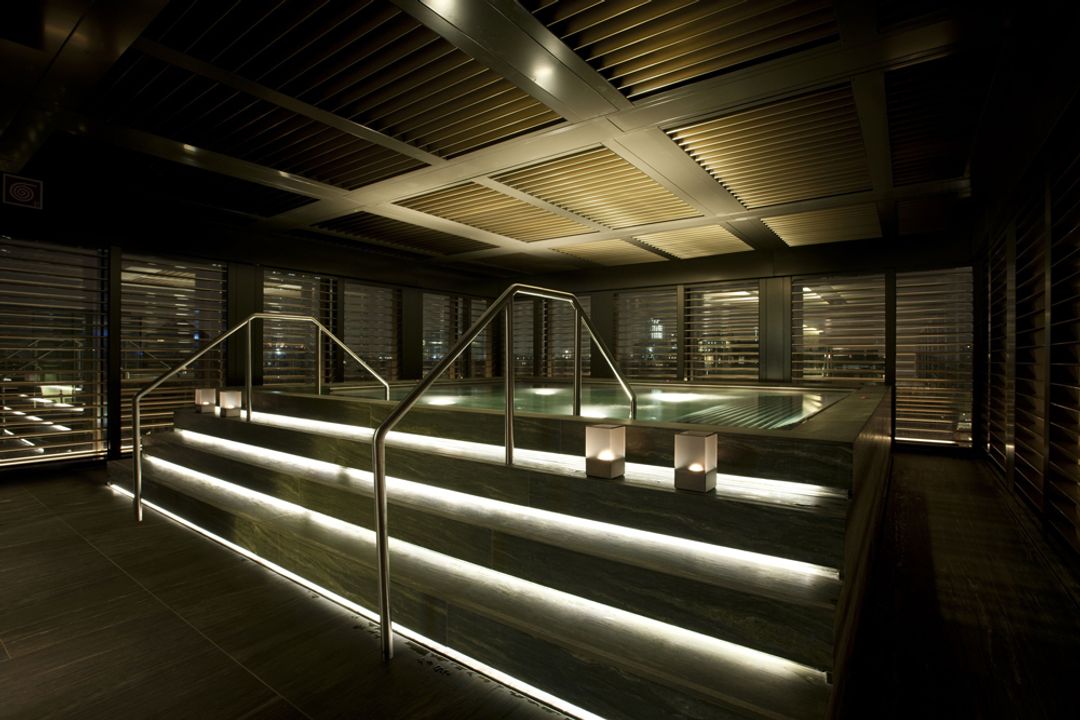
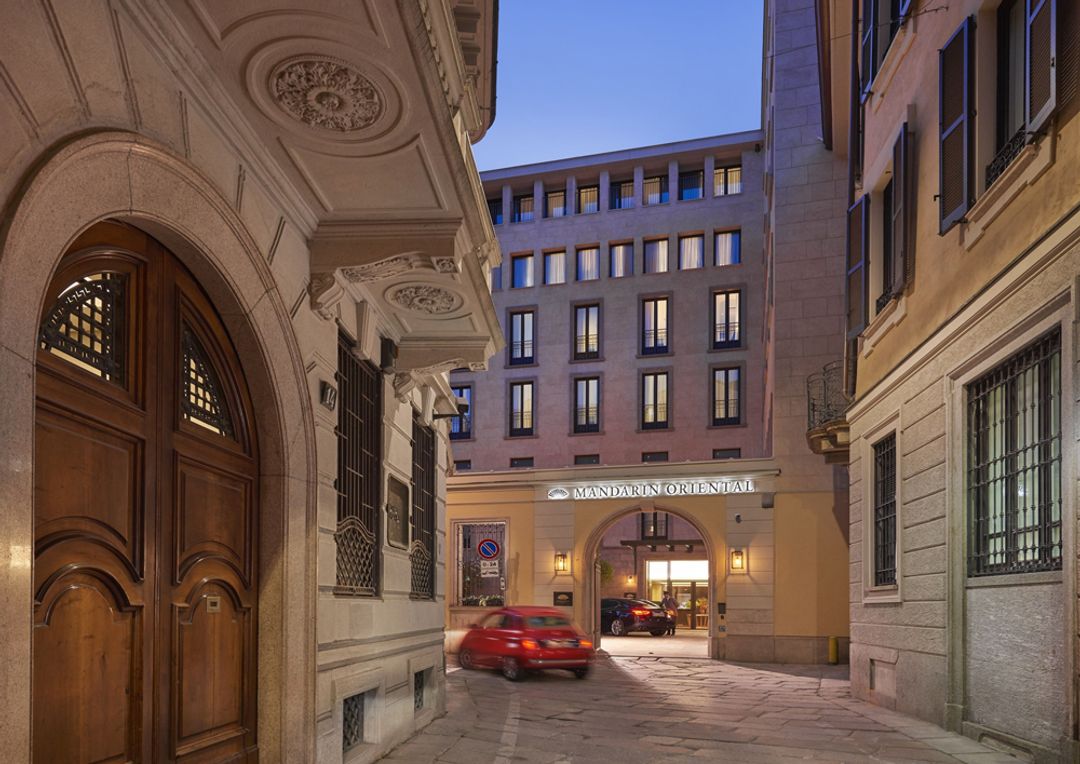
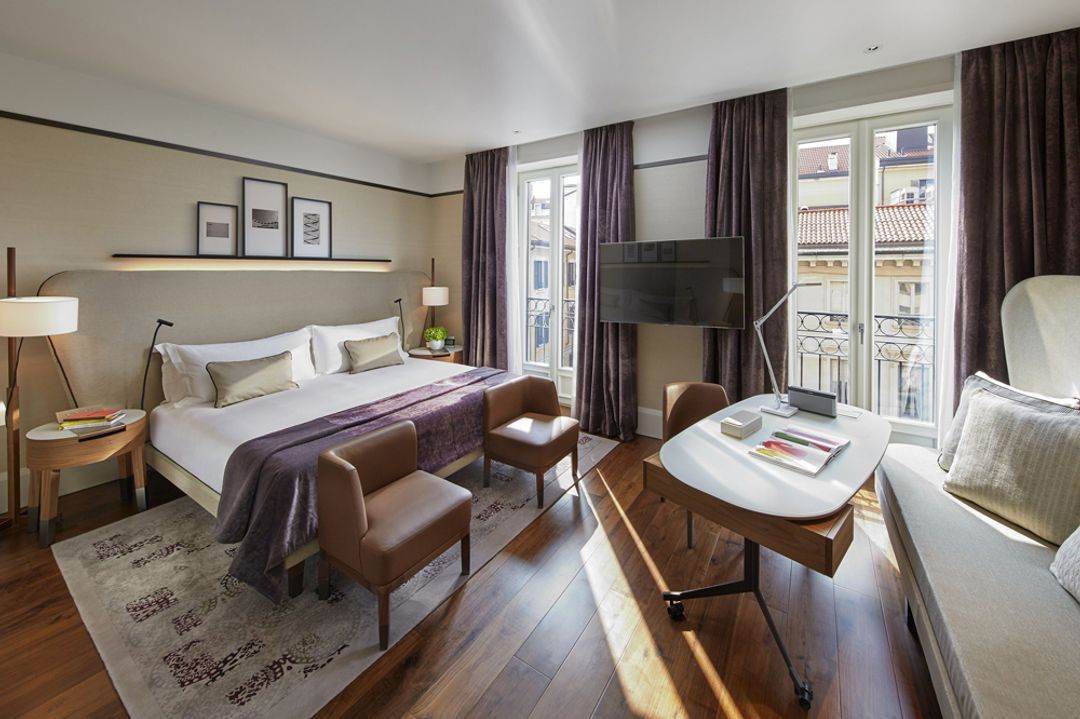
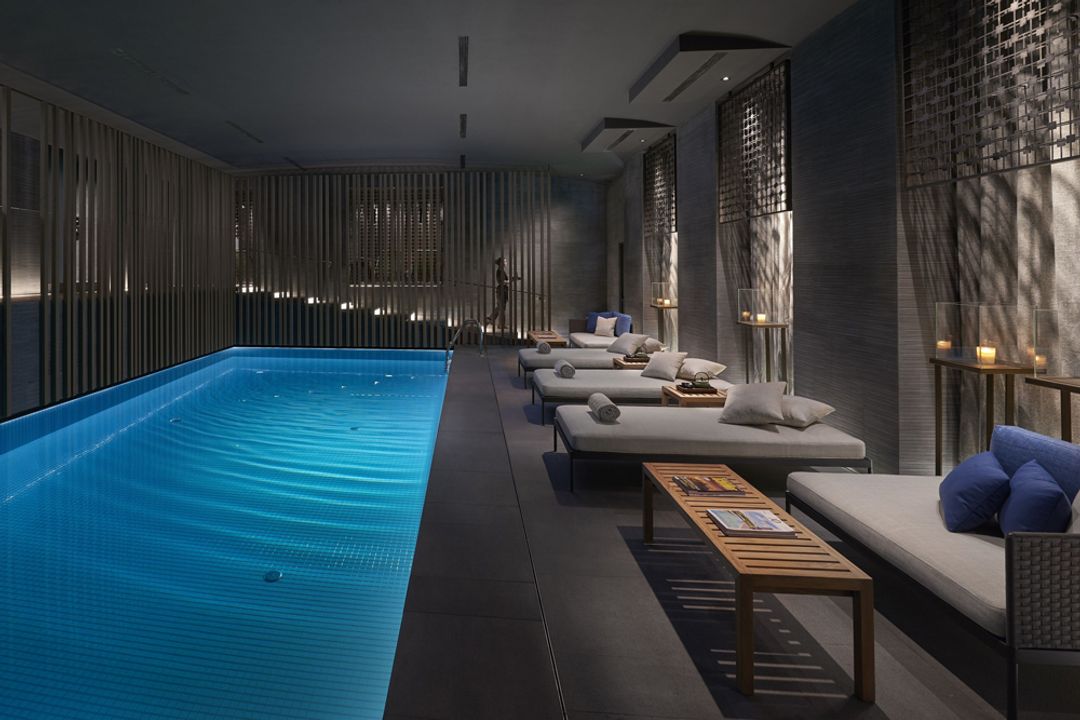
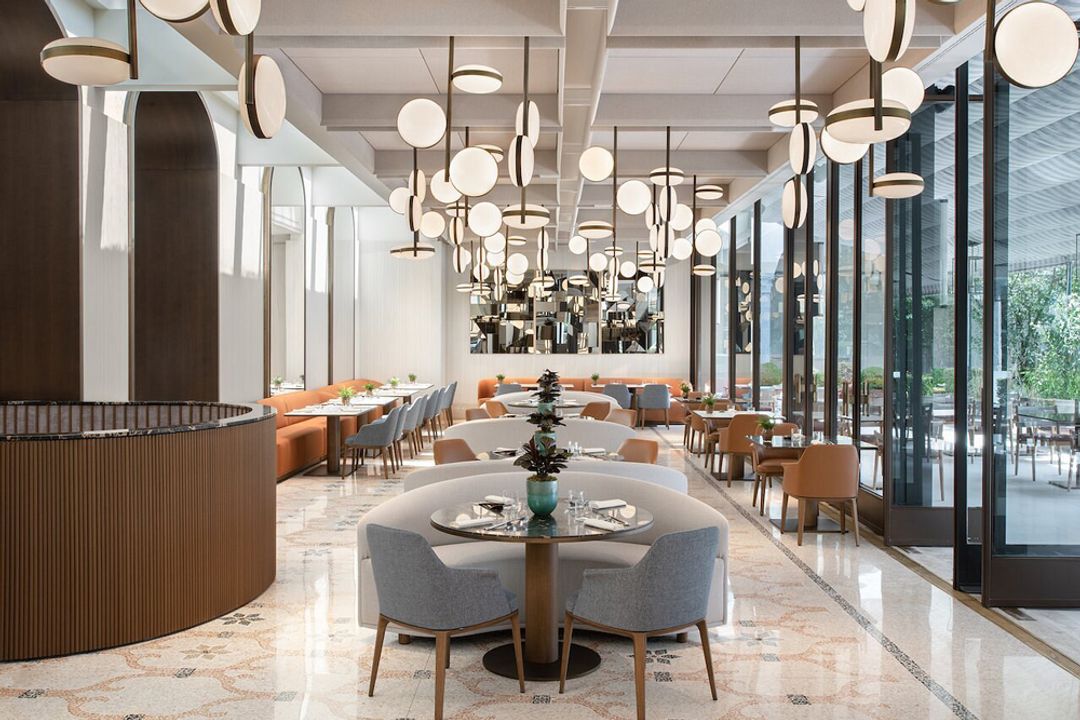
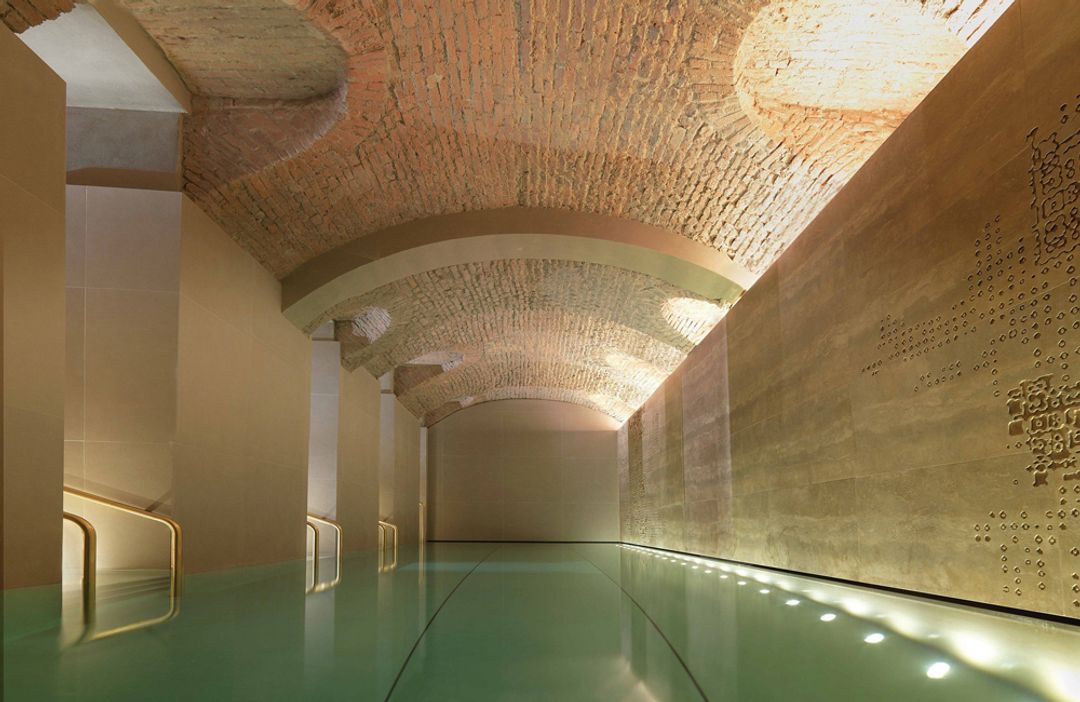
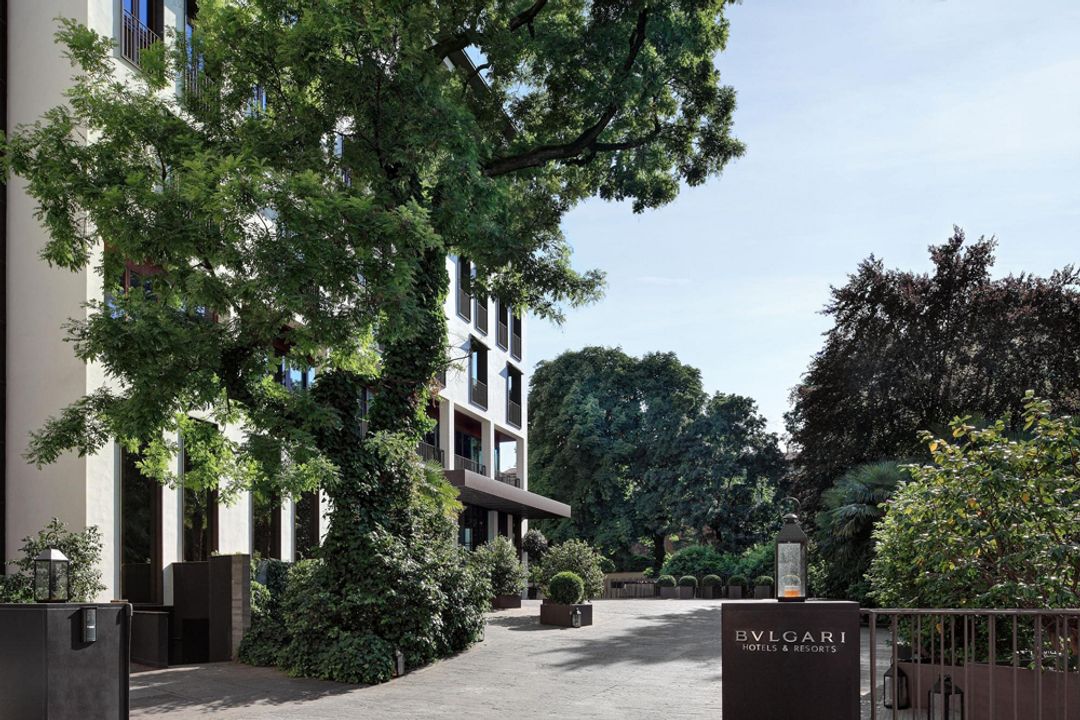
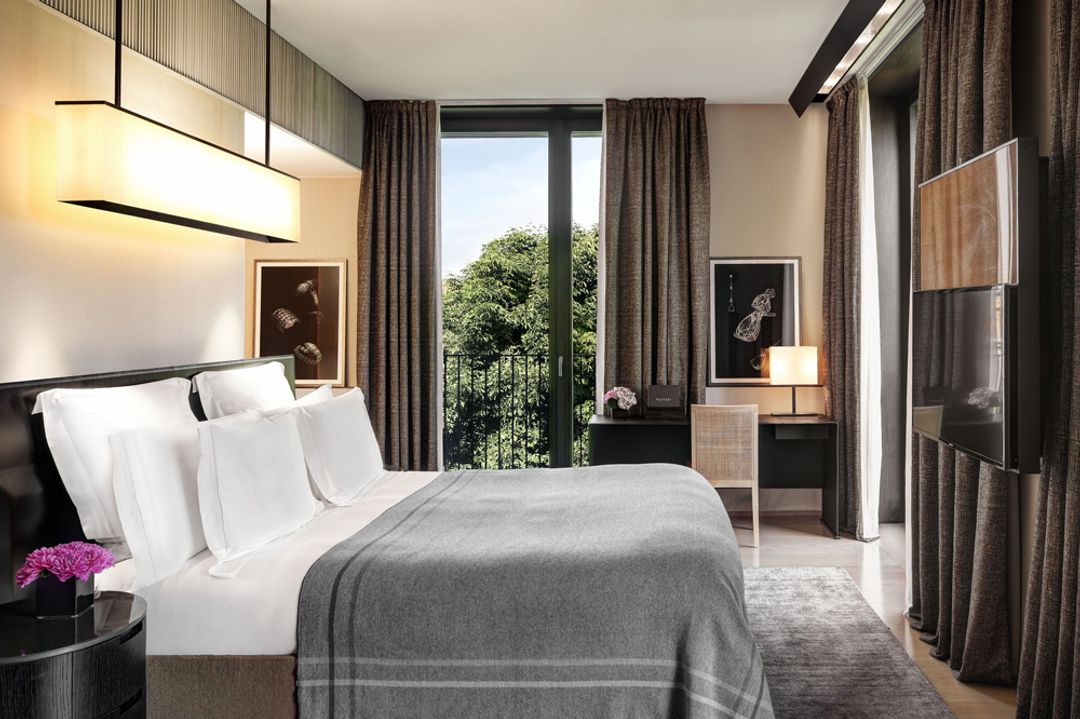
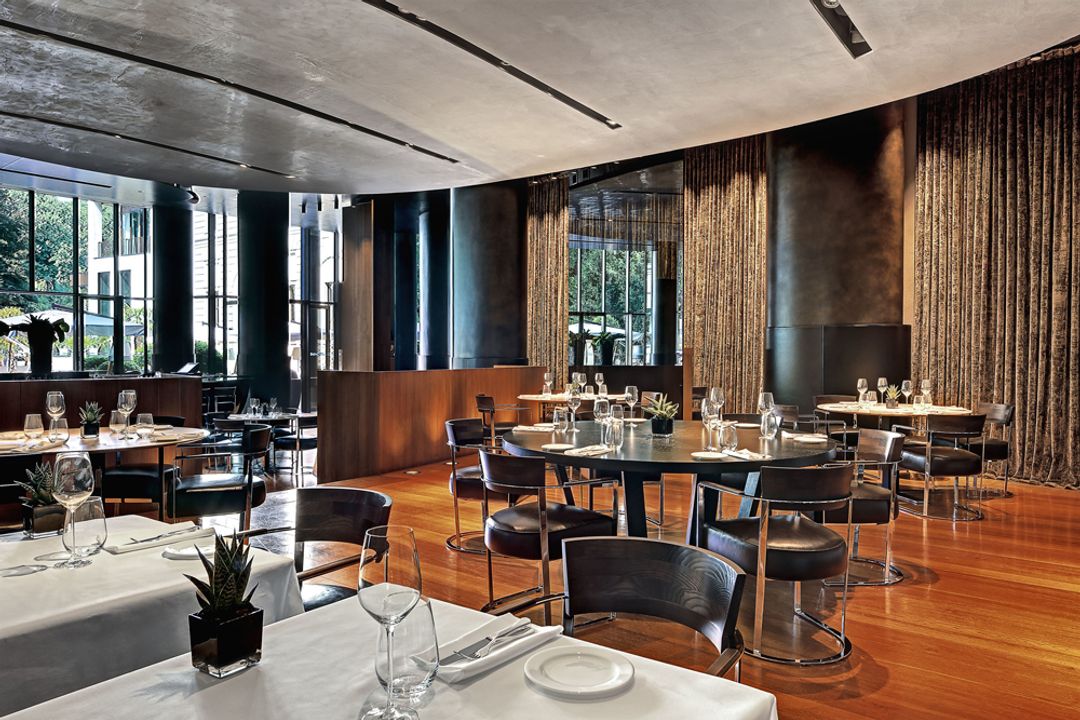
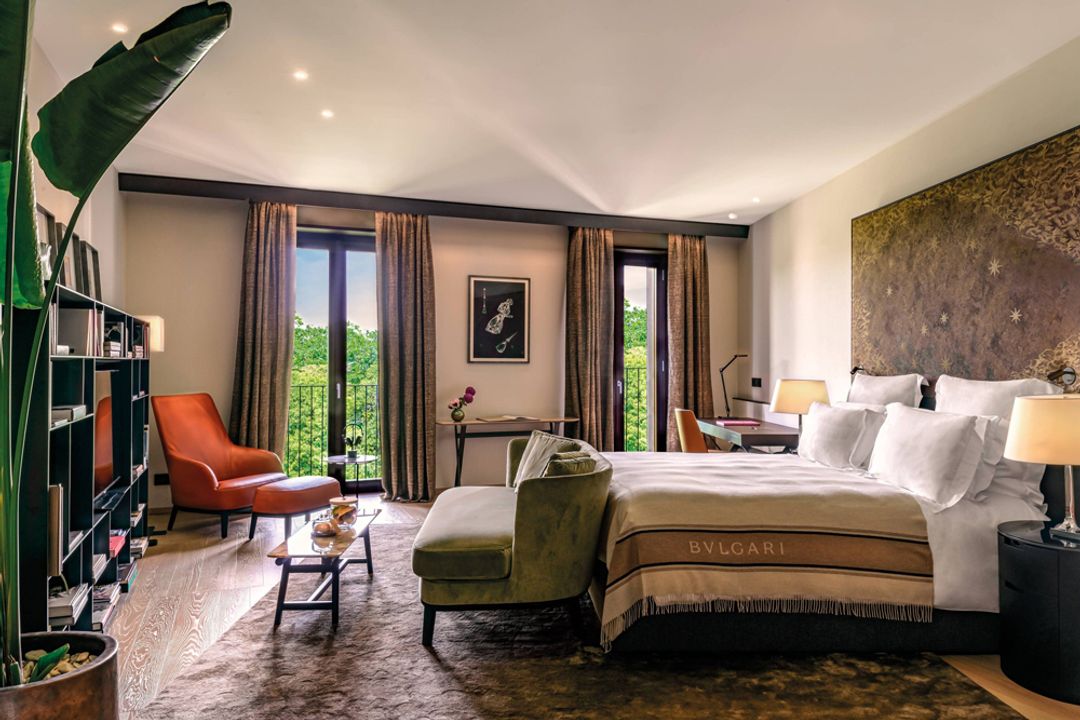
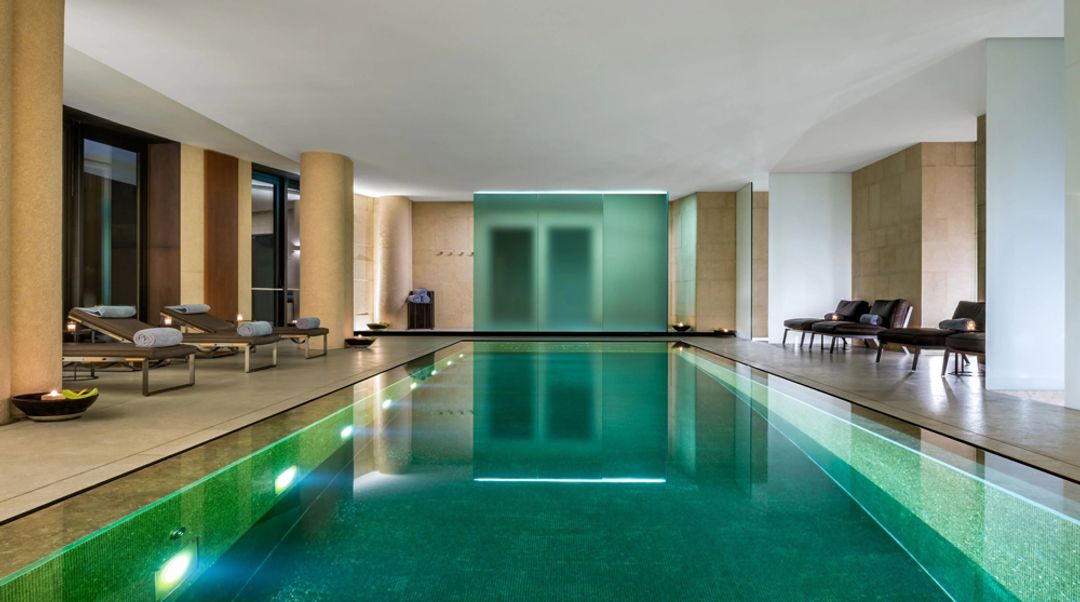
Brera and the territory around it pulls in a different direction. The Bulgari Hotel, completed in 2004 with interiors by Antonio Citterio Patricia Viel, remains one of the most rigorous pieces of contemporary hotel design in Europe: the gold-leaf spa, the onyx surfaces, and the private garden carved from what was a Franciscan monastery vegetable patch add up to something that feels specific to Milan rather than imported from a global playbook. The Mandarin Oriental, a few minutes away across Brera, brought Carlo Ferrari's restoration of four palazzi into a single property with a more layered historical sensibility. South toward the Navigli, the canal district's atmosphere of creative pragmatism finds a counterpart in Aethos Milan, formerly known as The Yard, which suits the traveler who finds the fashion district's perfection a little airless. The Magna Pars Suites in Porta Genova, installed in a former perfume factory, represents a quieter kind of Milan: industrial, considered, and just slightly out of the center's gravitational pull.