Best hotels in Scottsdale, Arizona | Visually Compare Top Stays Side-by-Side
Welcome to PressBeyond - a curated visual guide to design-driven hotels and the fastest way to compare them.
An Overview of the Boutique & Luxury Hotel Landscape in Scottsdale, Arizona
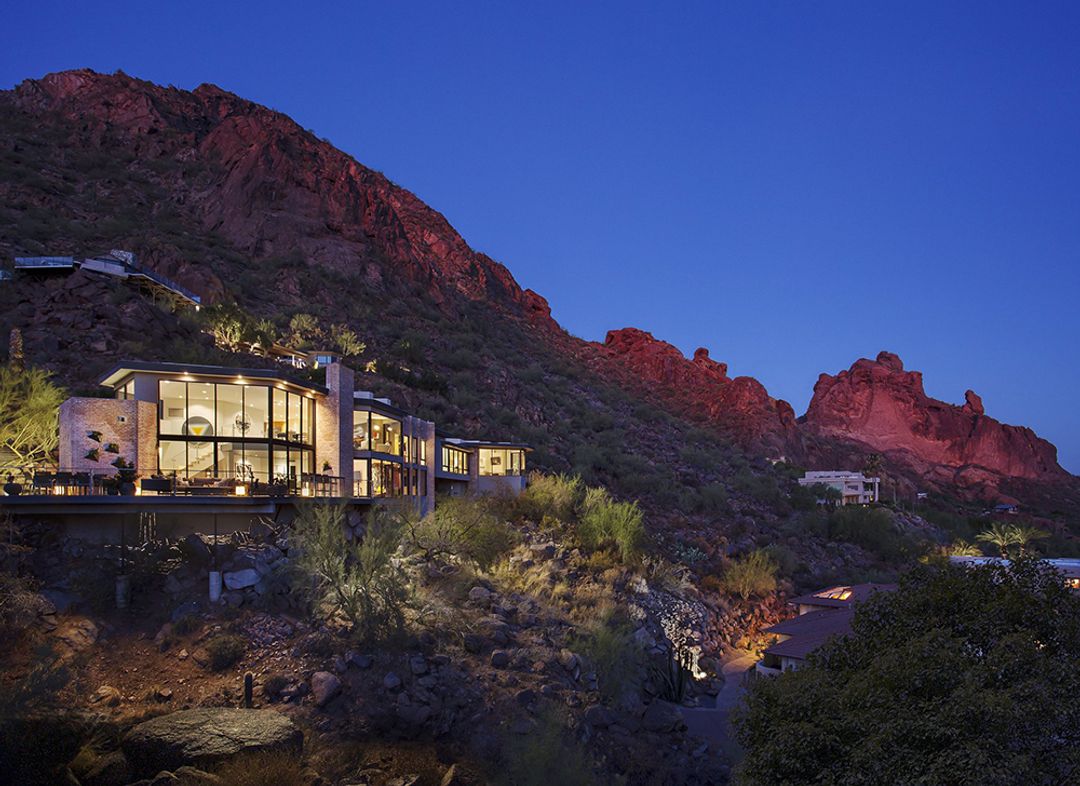
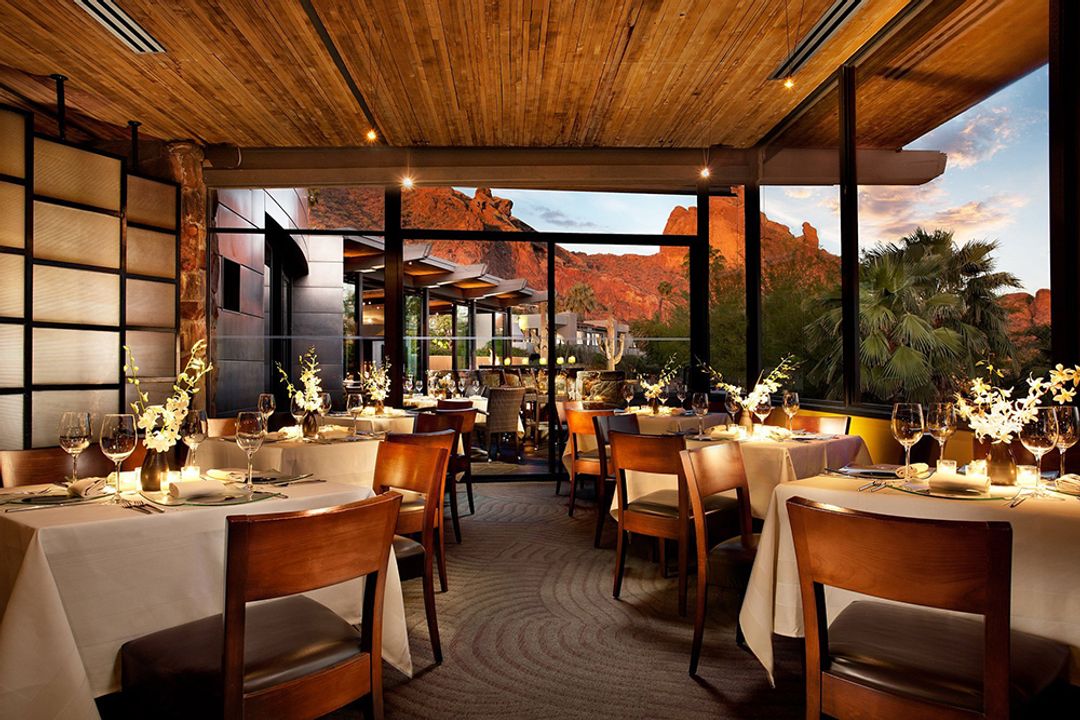
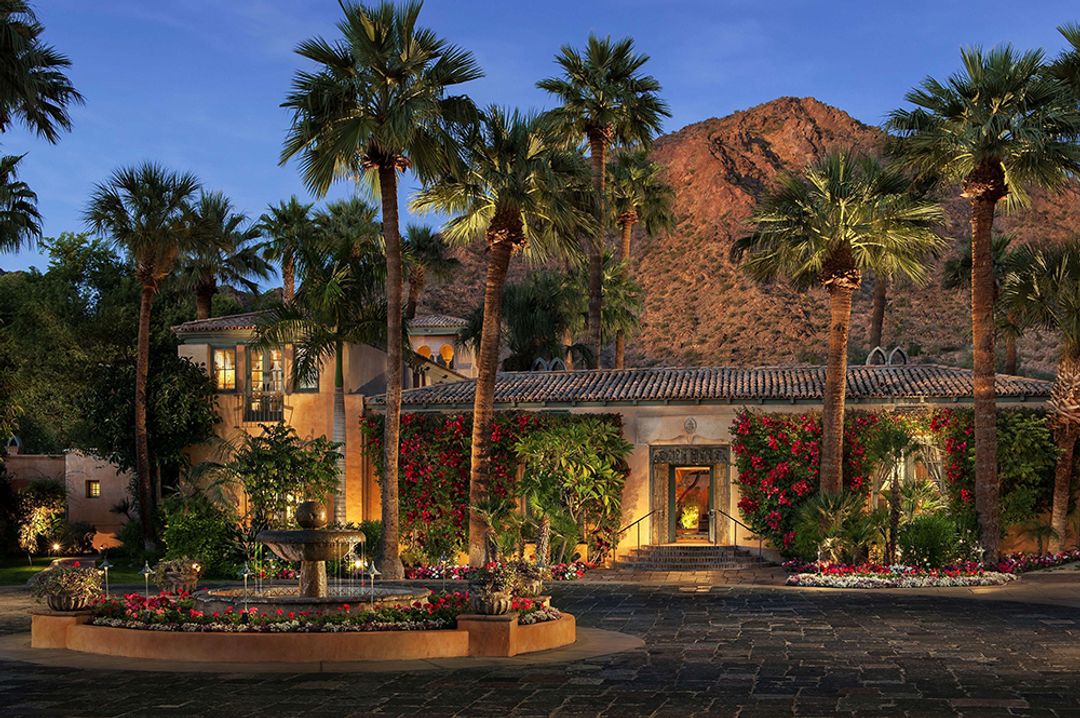
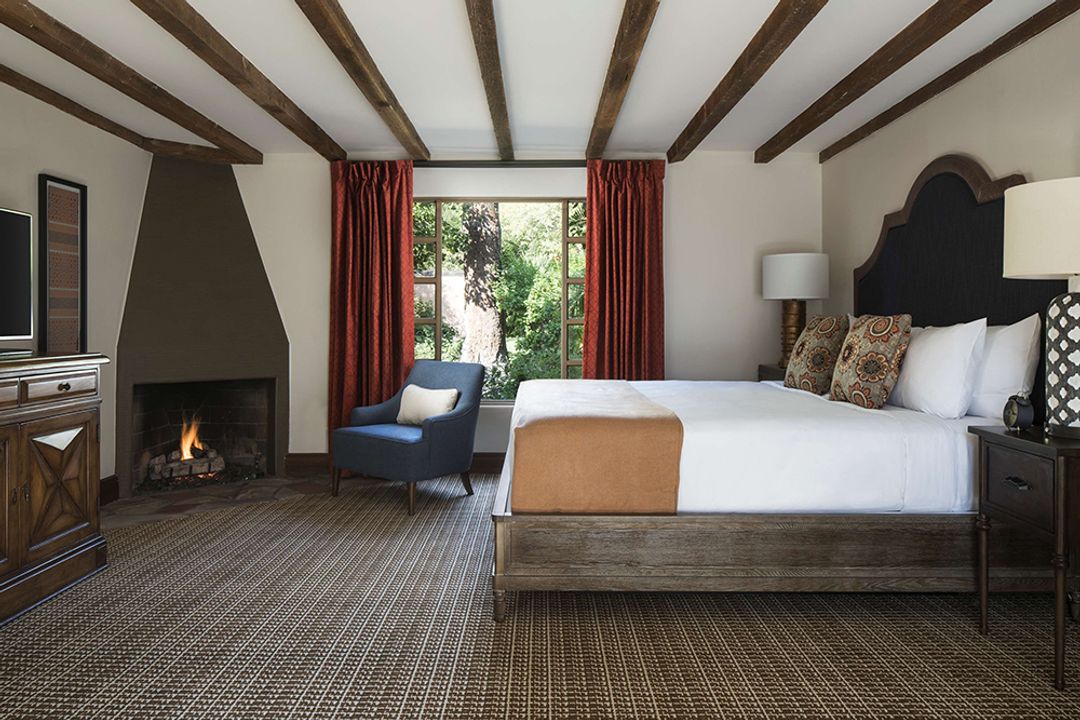
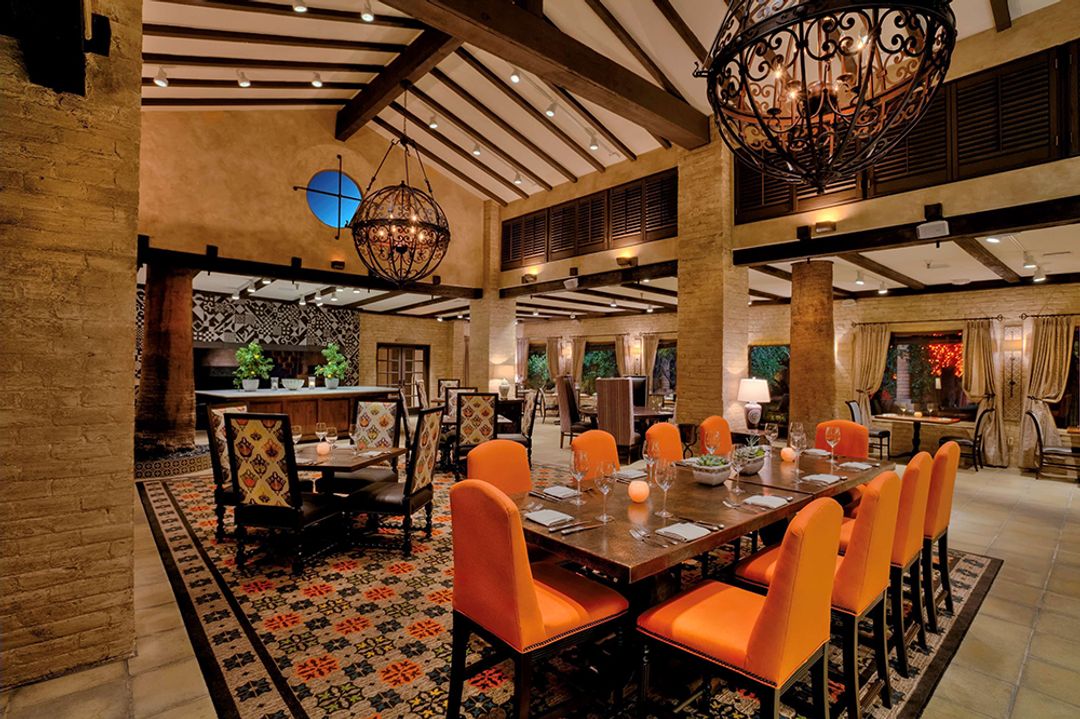
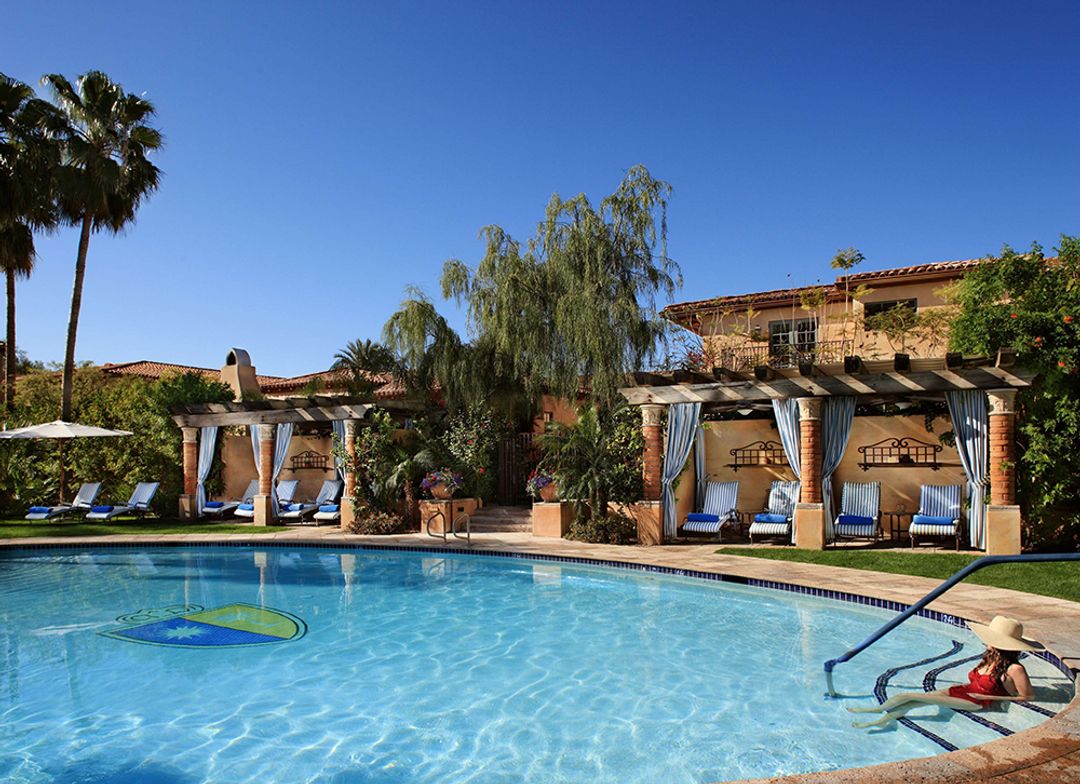
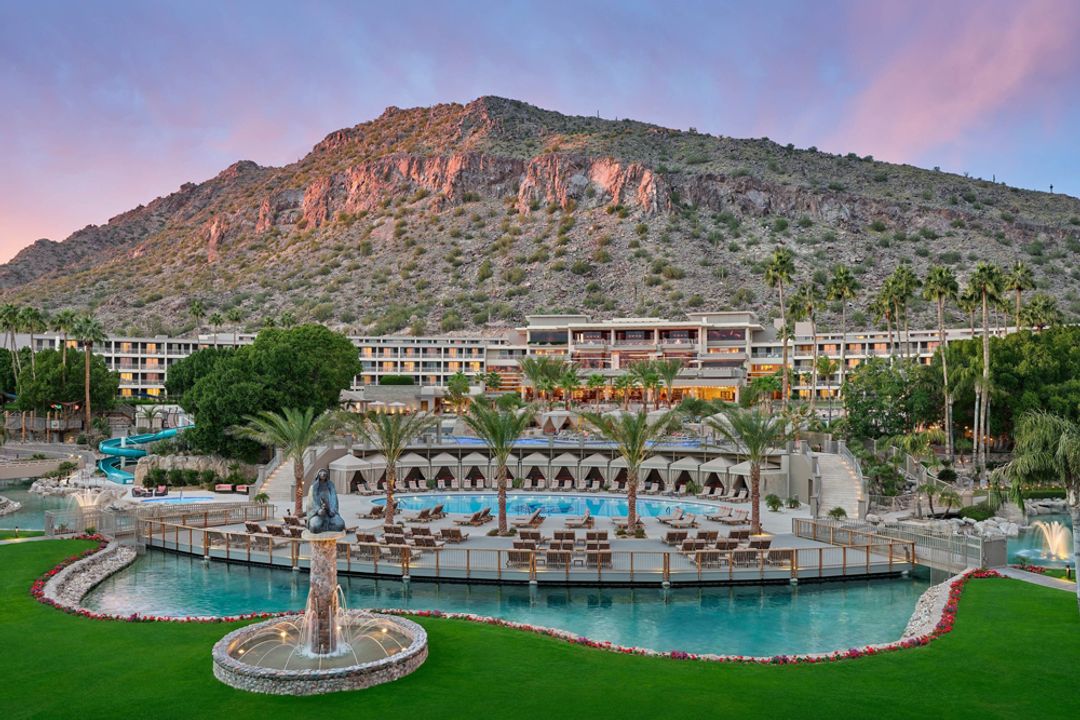
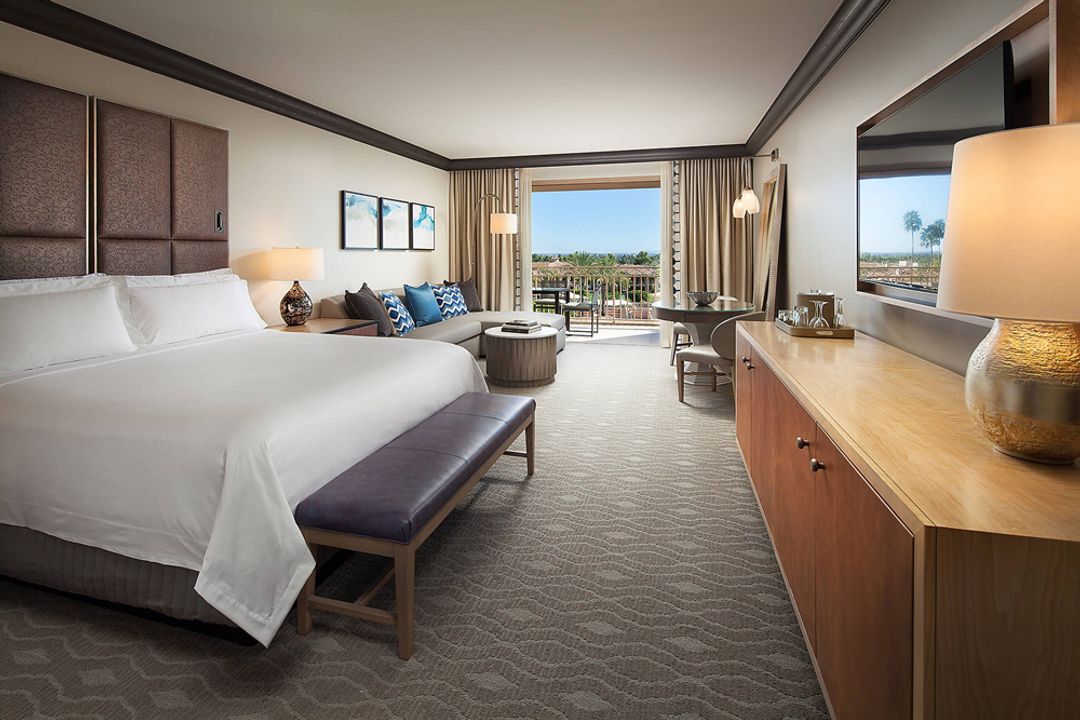
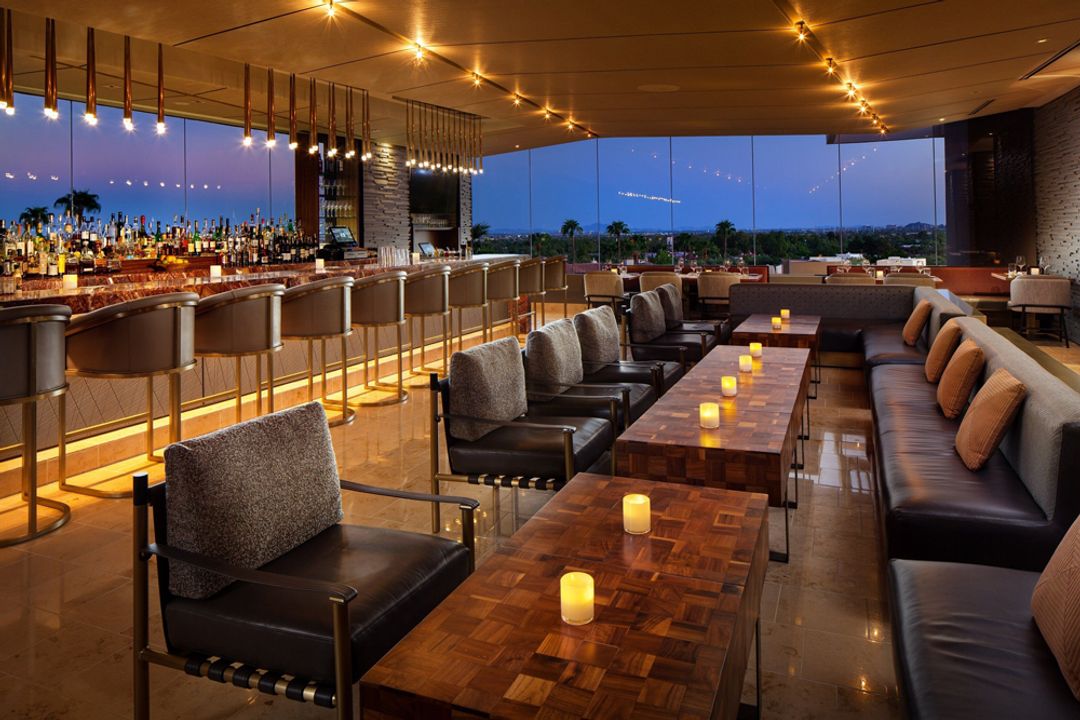
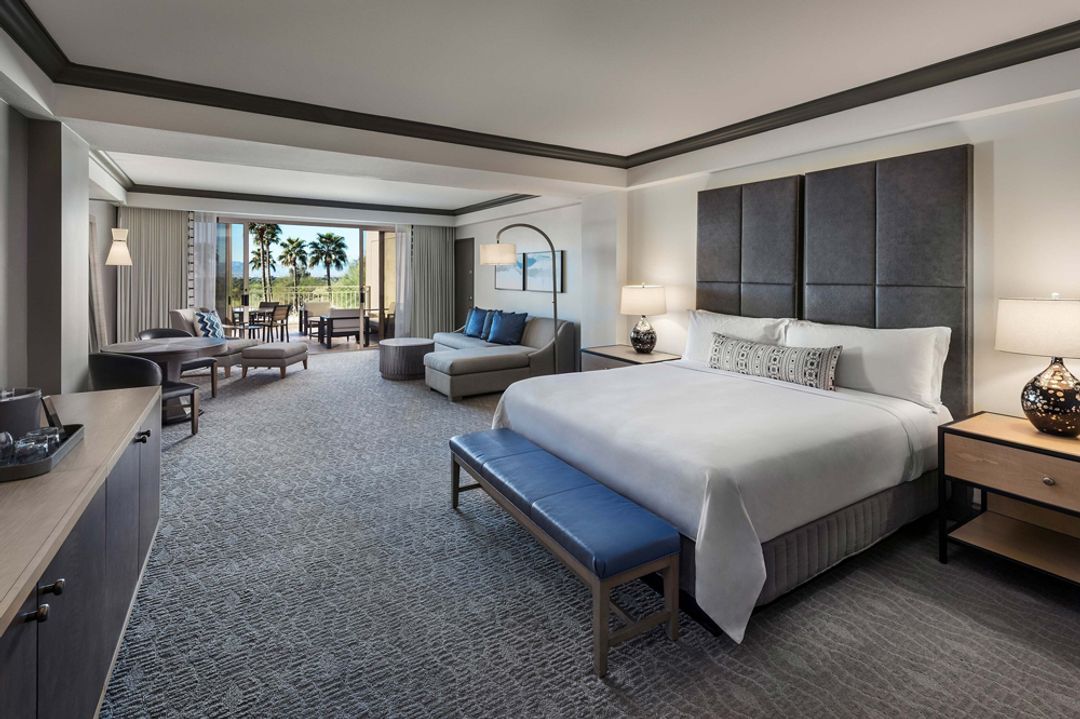
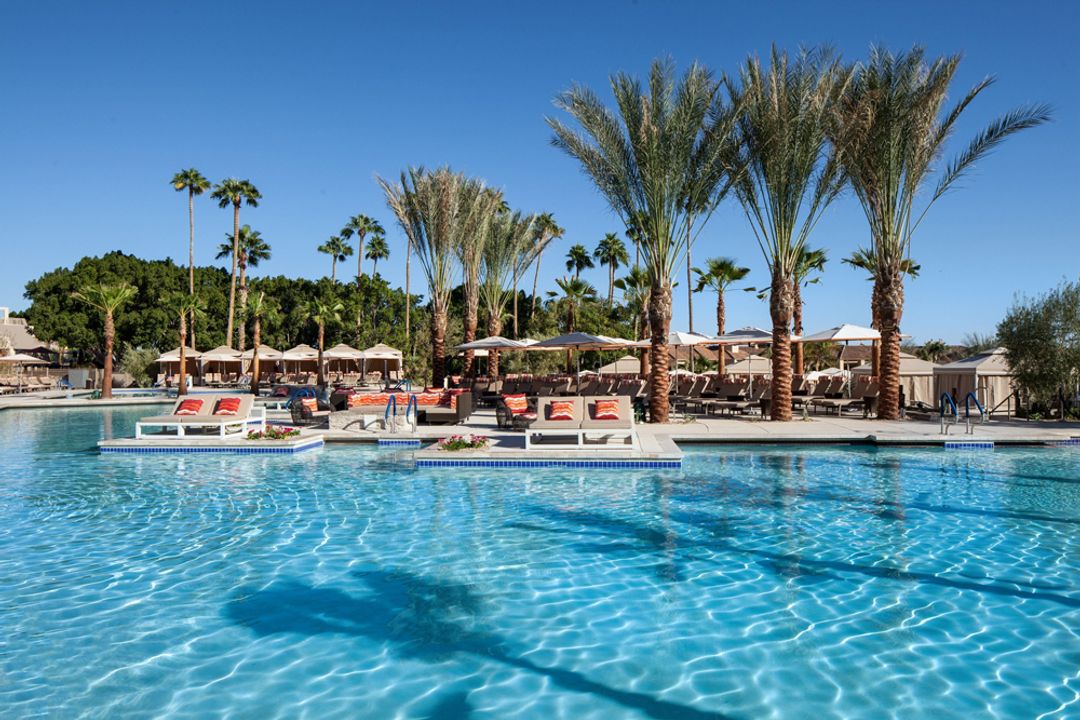
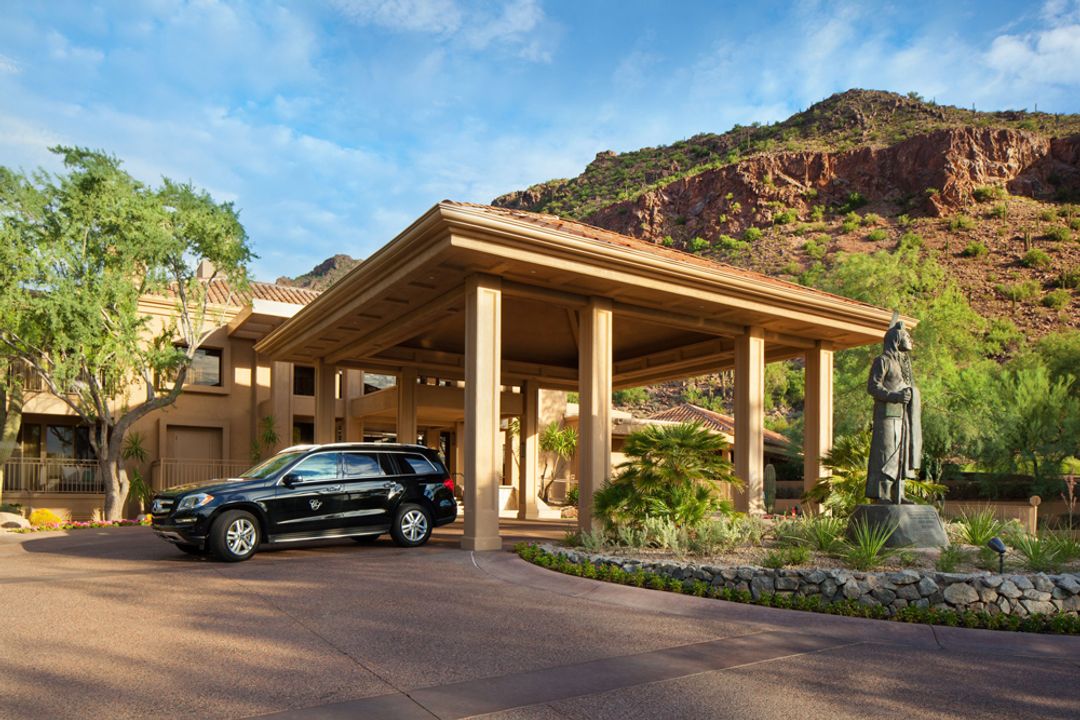
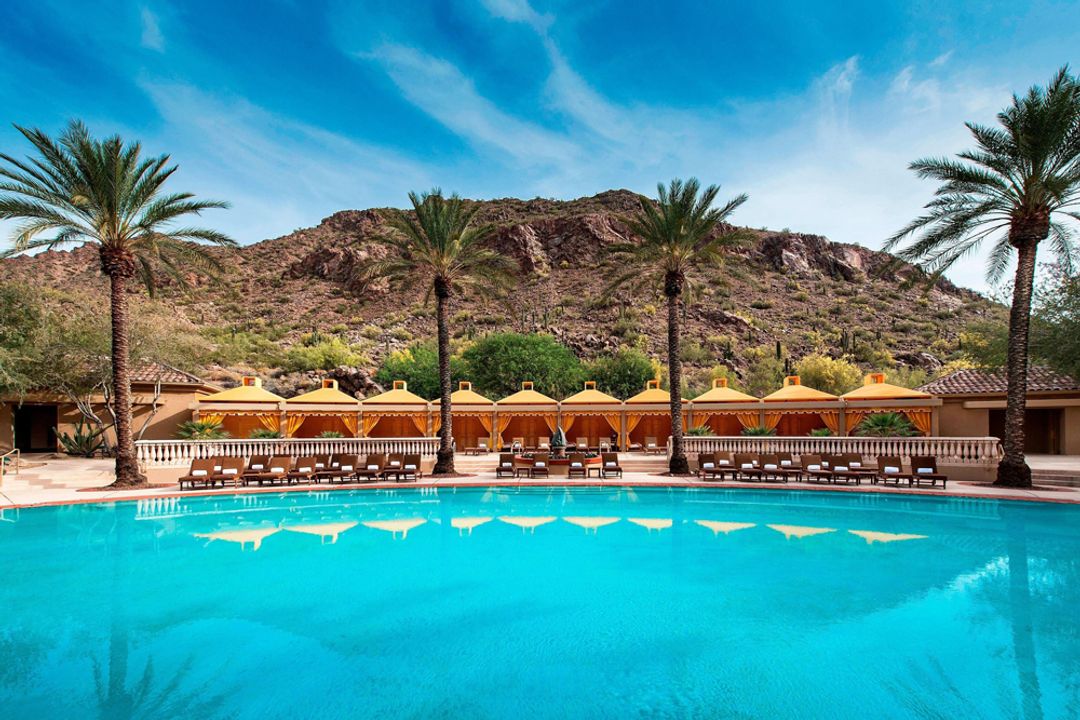
The Sonoran Desert has always done something unusual to architects: it makes them want to submit. The best buildings in Scottsdale don't compete with the landscape so much as dissolve into it, and that tendency is most visible on and around Camelback Mountain, where the city's most serious hospitality investments have accumulated over decades. The Phoenician, which opened in 1988 on the mountain's southern flank, set an early benchmark for scale and material ambition — its 250 acres of terraced grounds and travertine surfaces still carry weight, and The Canyon Suites functions as a quieter, more residential enclave within that larger property. Royal Palms, a short drive east along Camelback Road, works a different register entirely: a 1929 hacienda converted into a resort, its Moorish archways and mature orange trees giving it a Mediterranean density that feels genuinely unlike anything else in the valley.
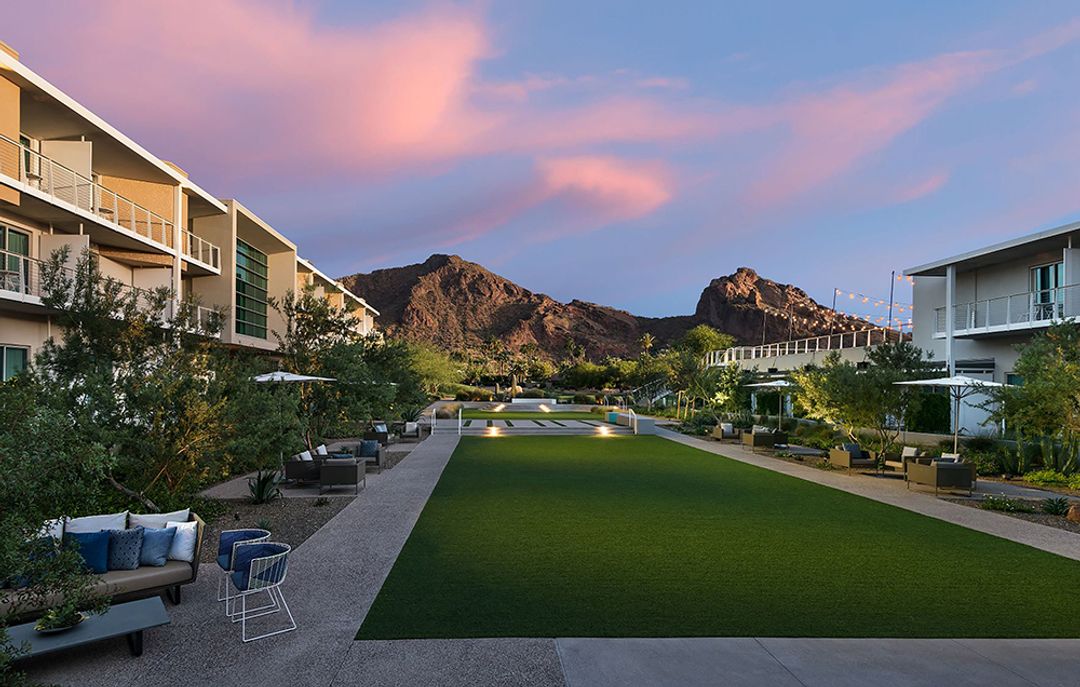
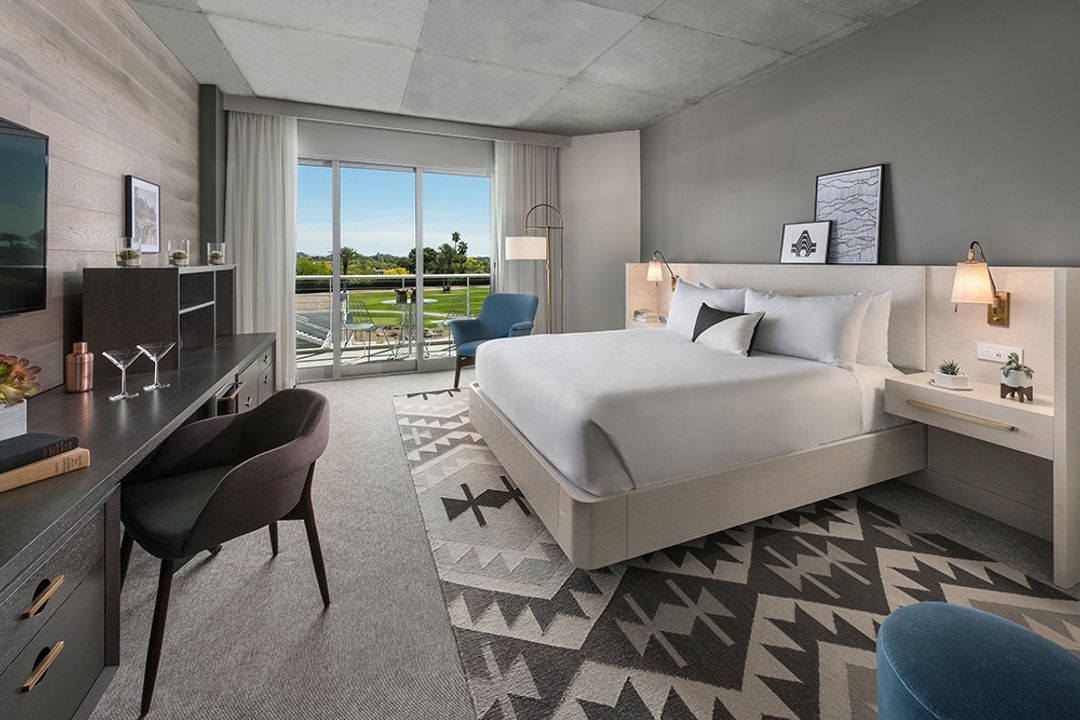
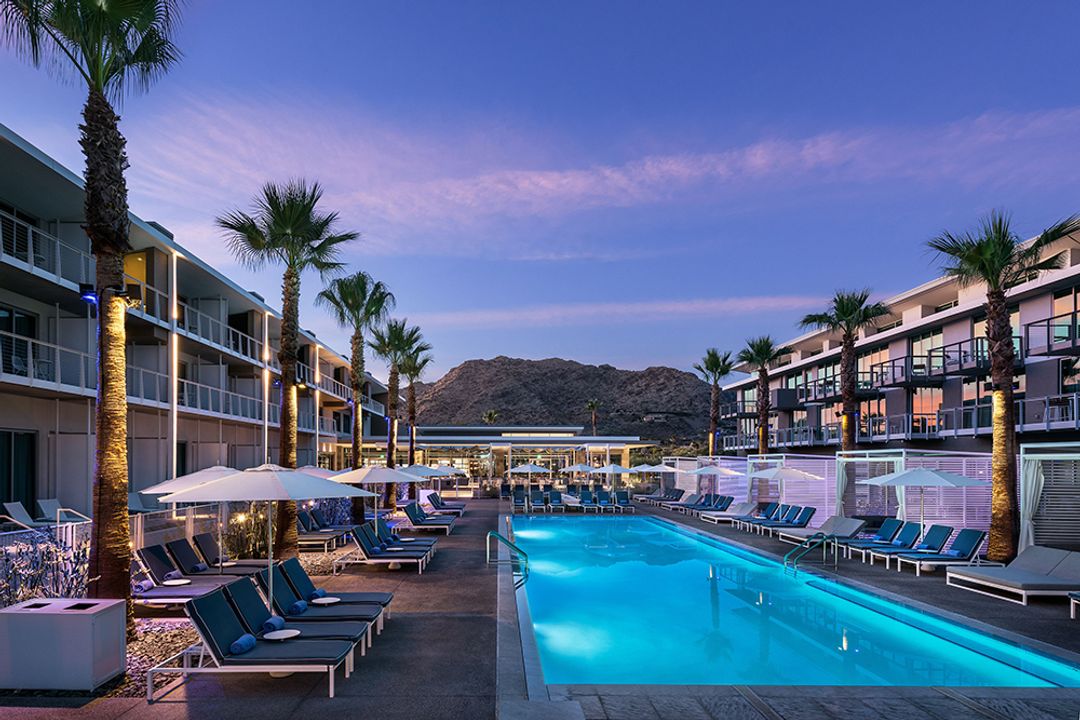
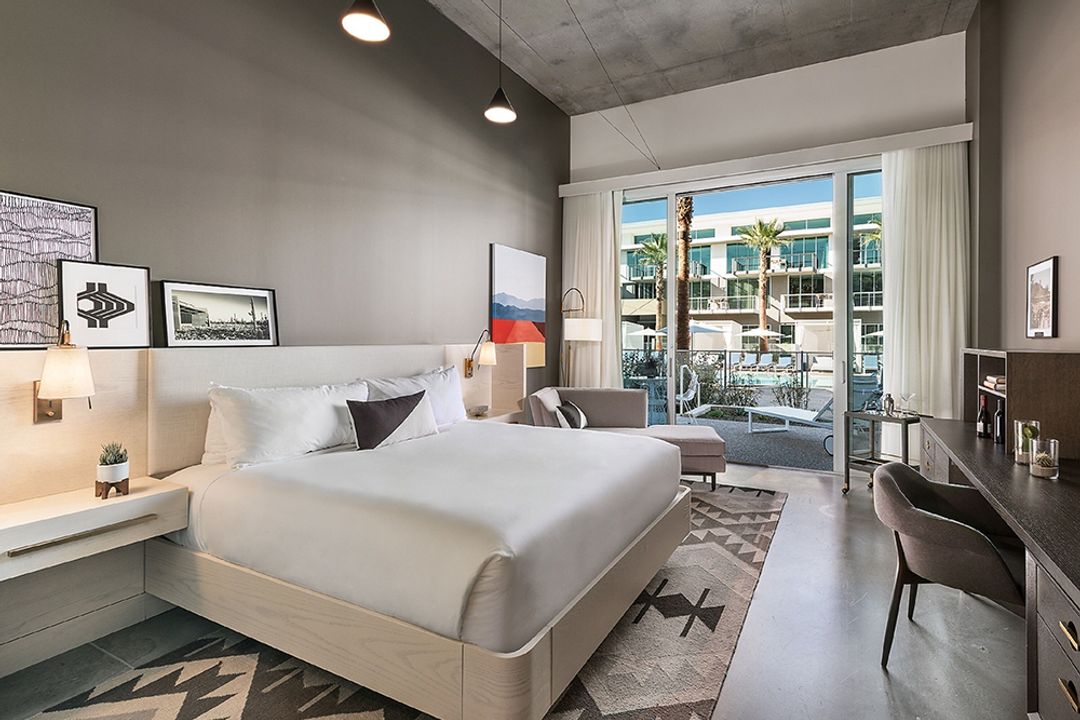
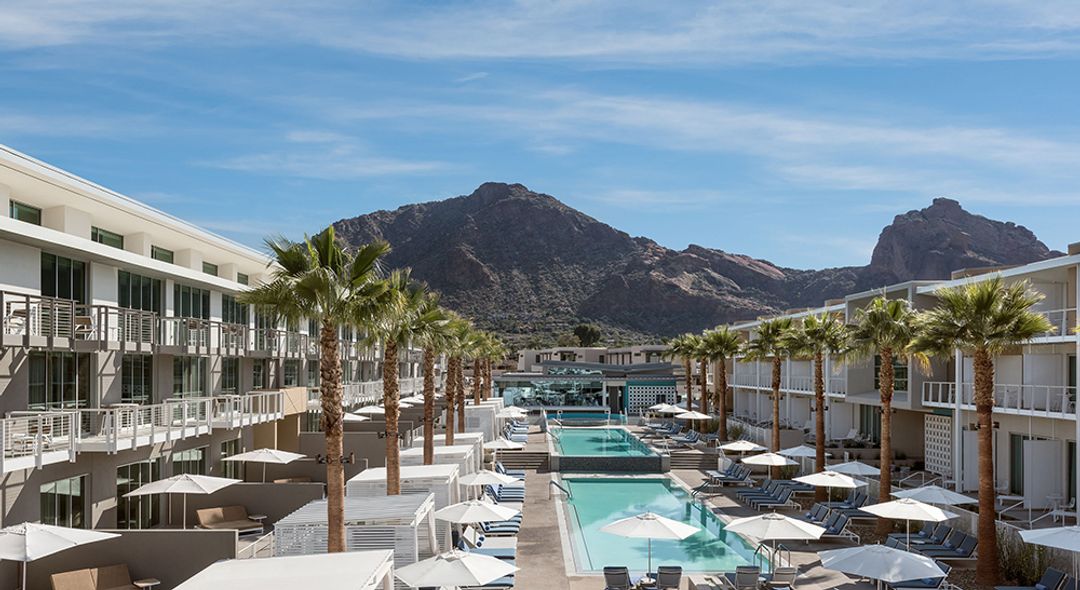
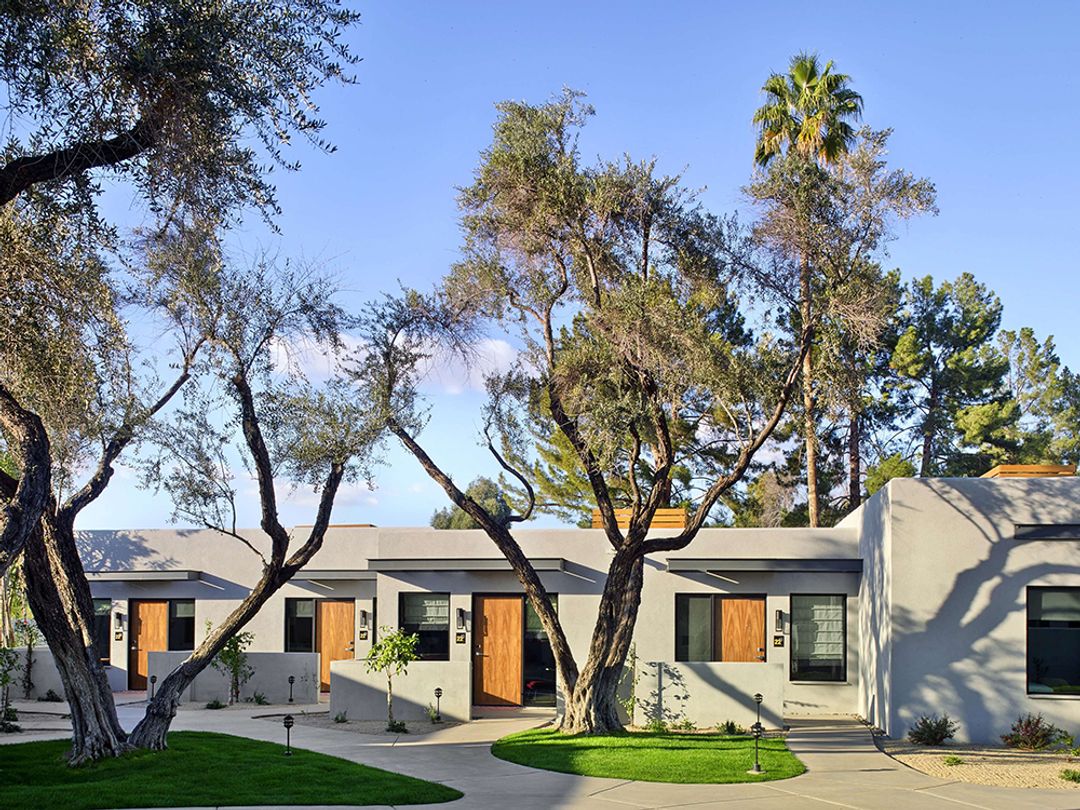
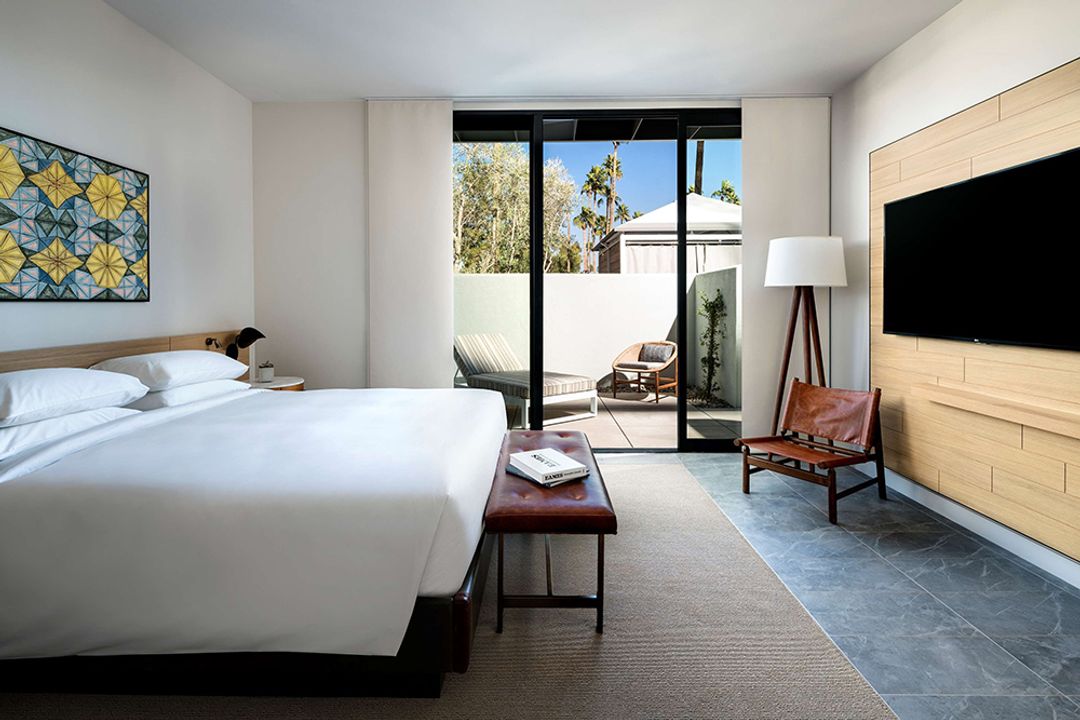
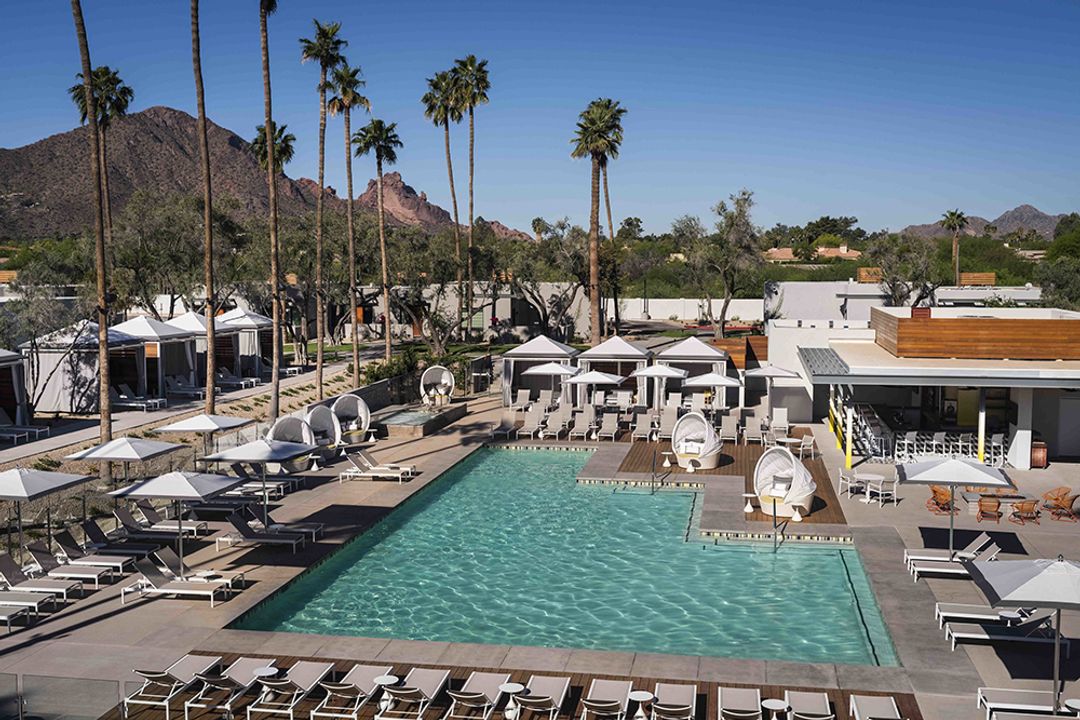
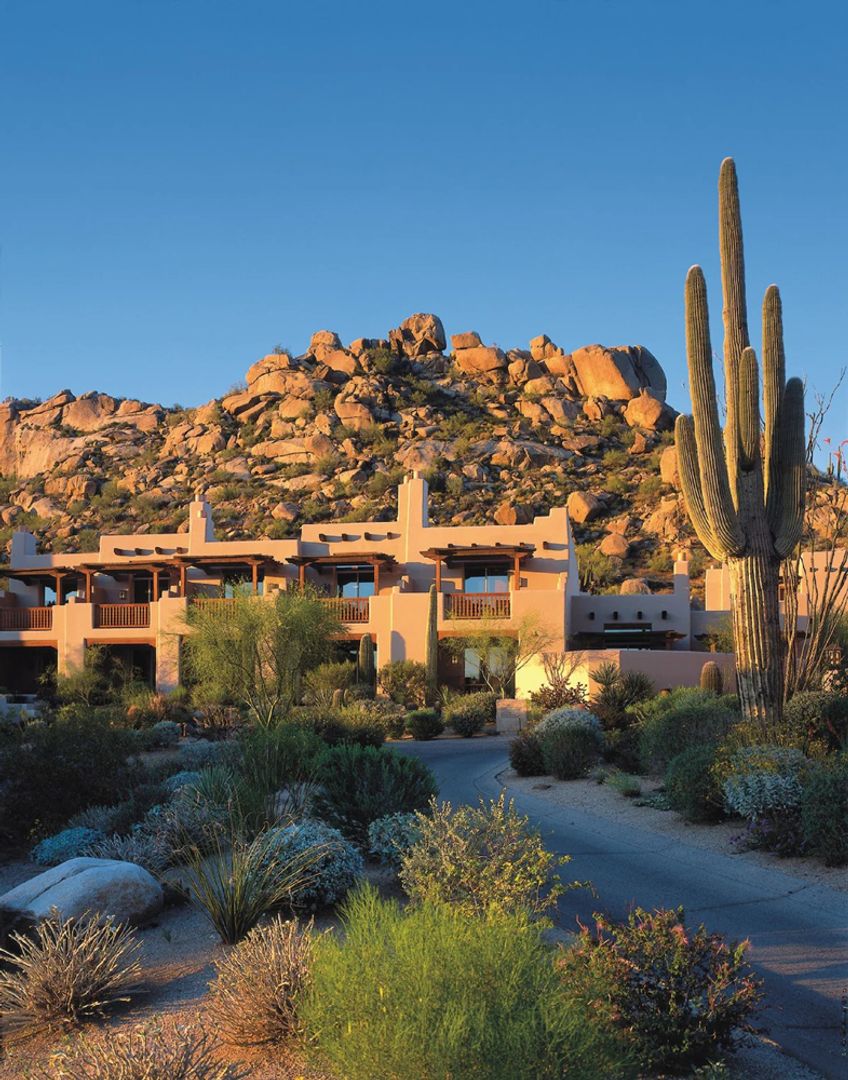
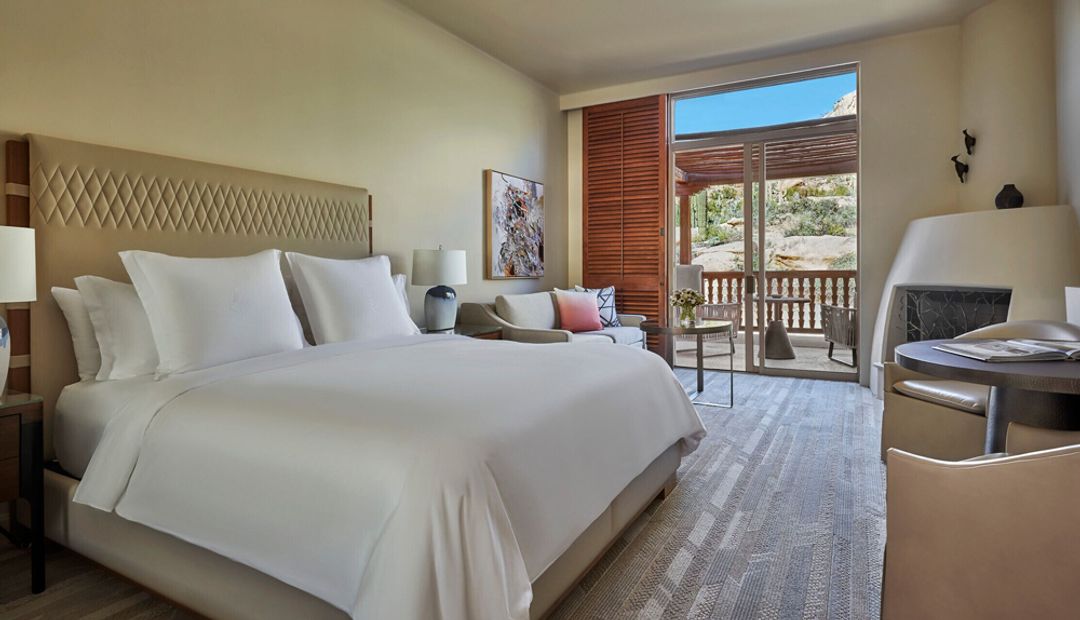
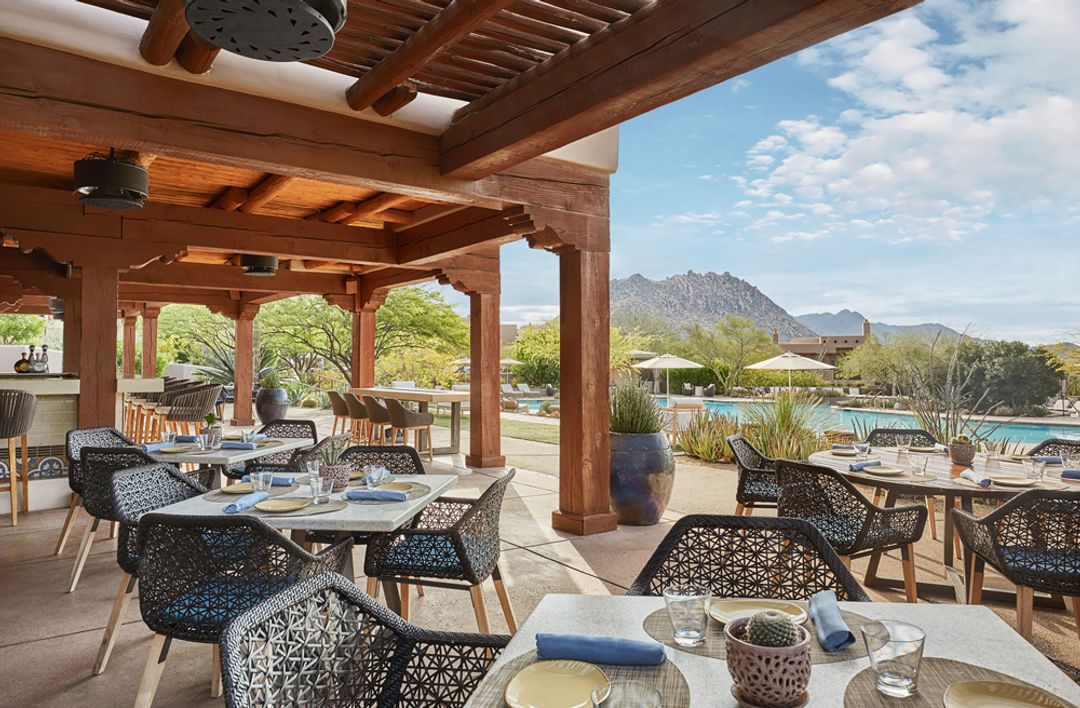
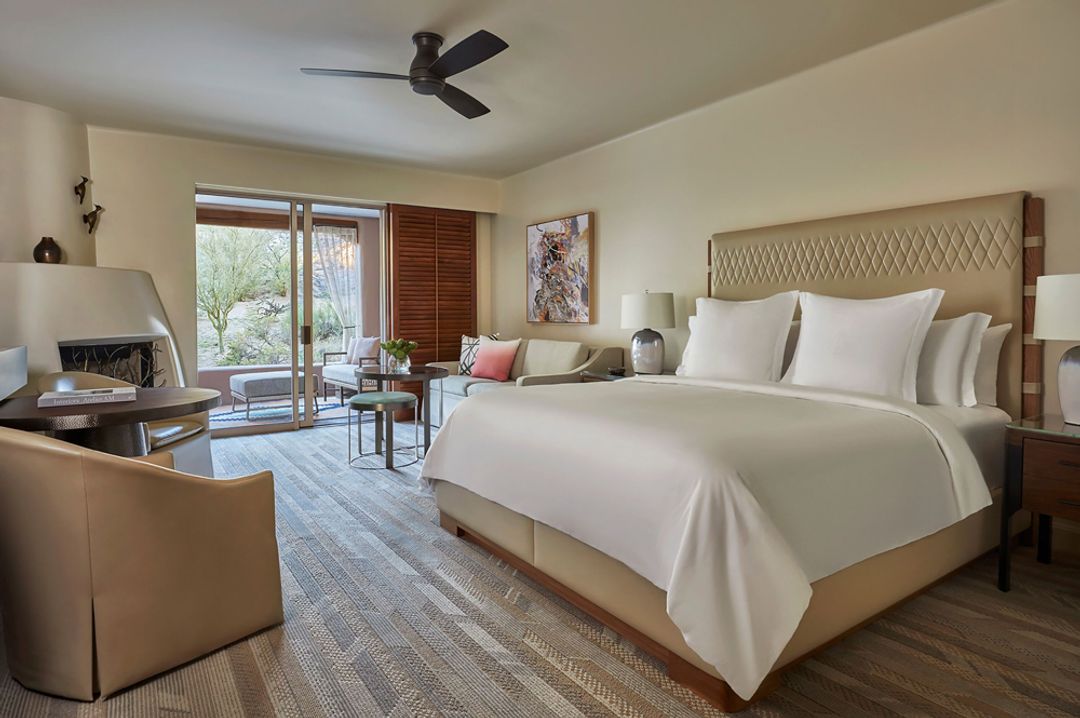
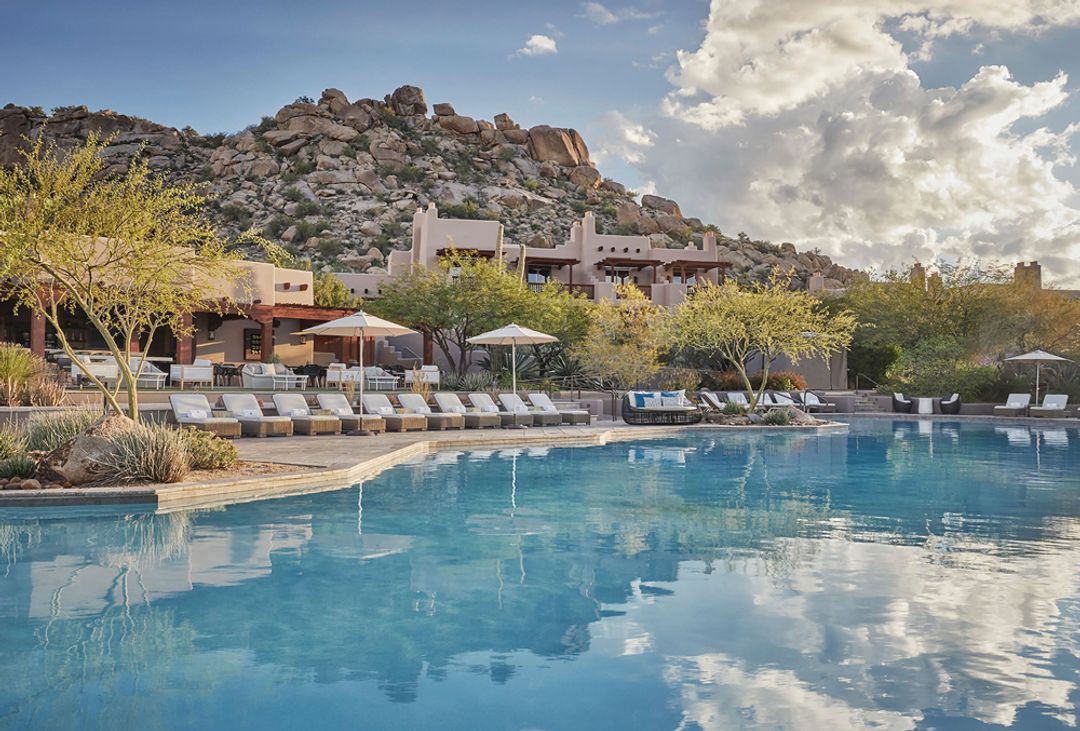
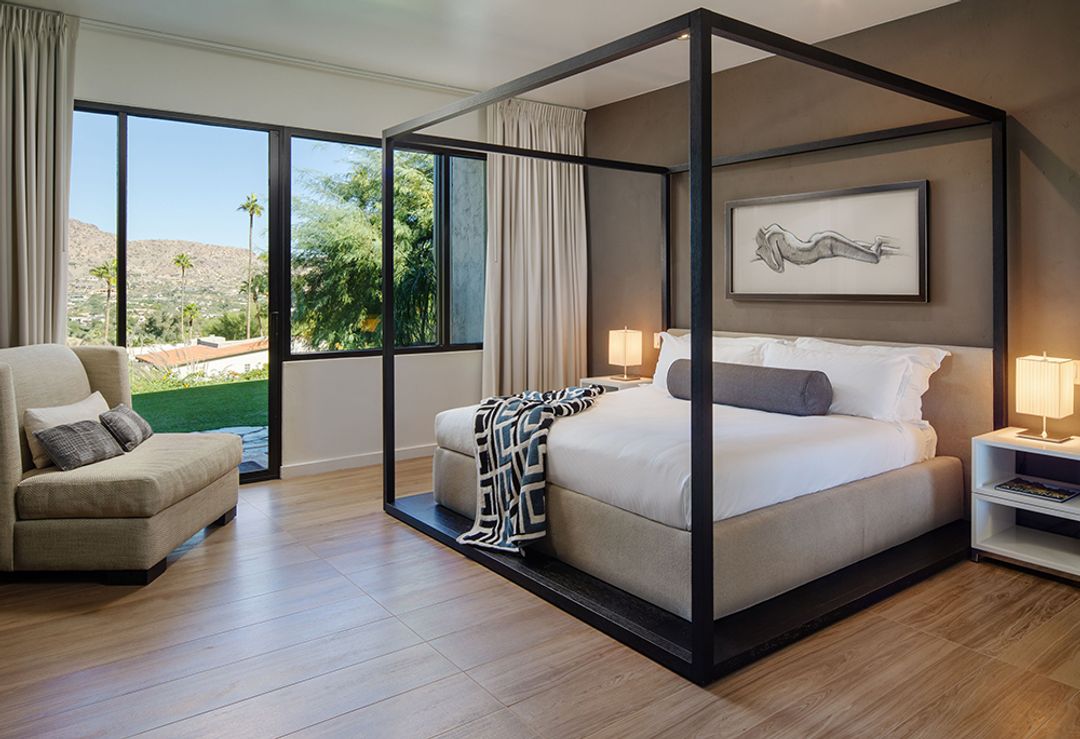
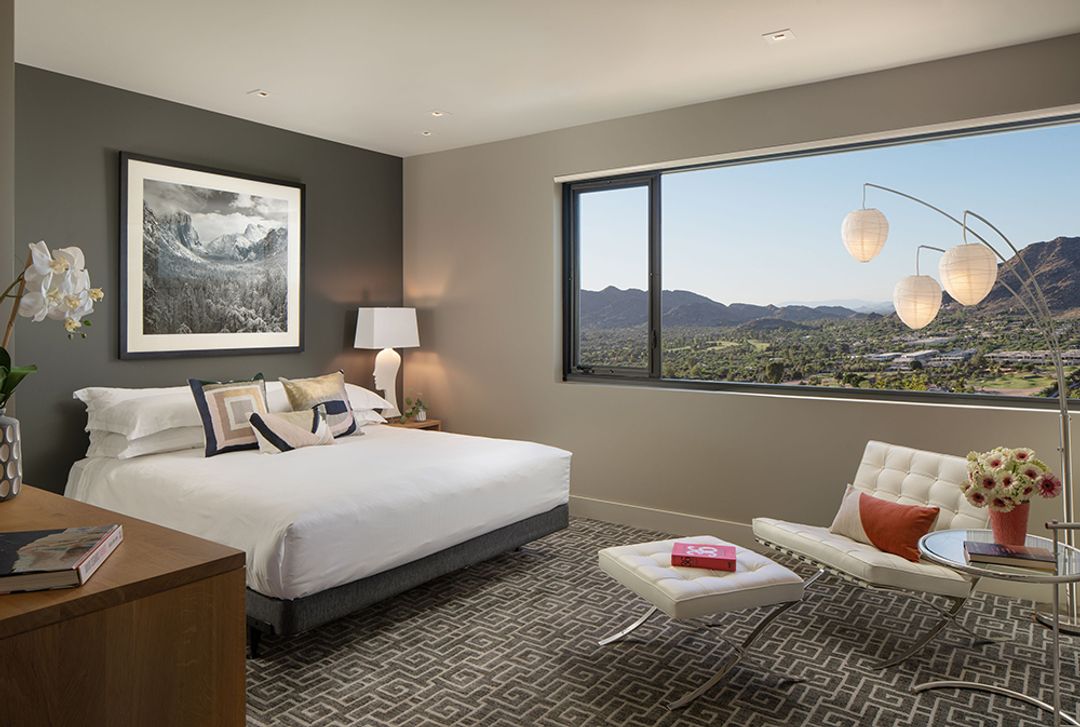
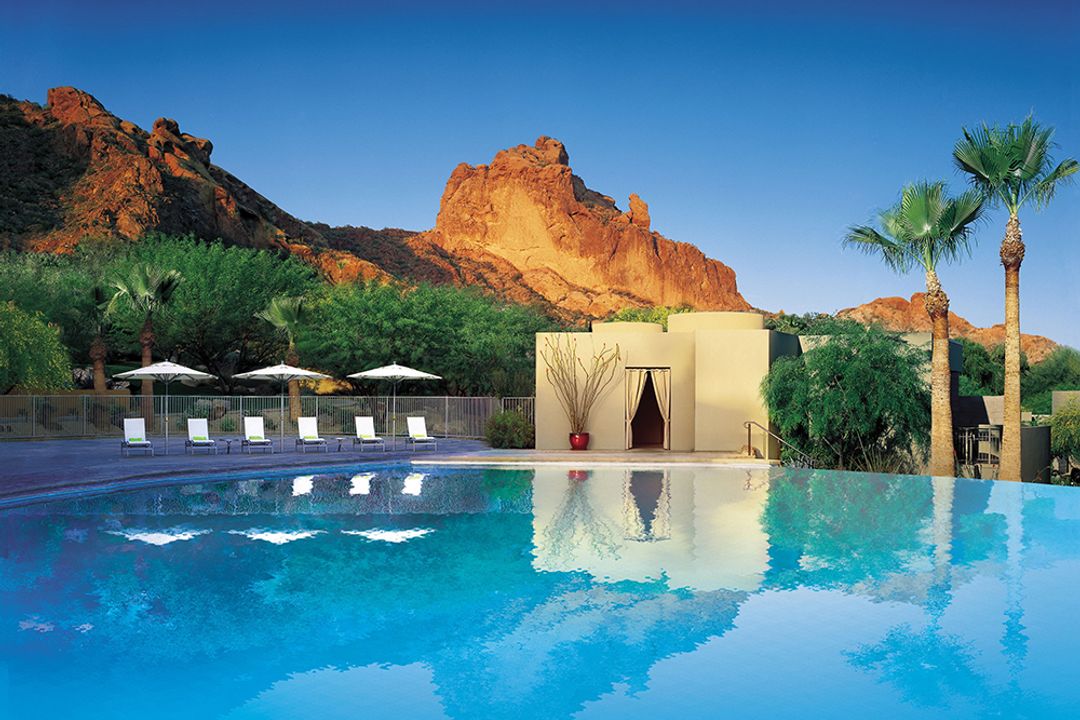
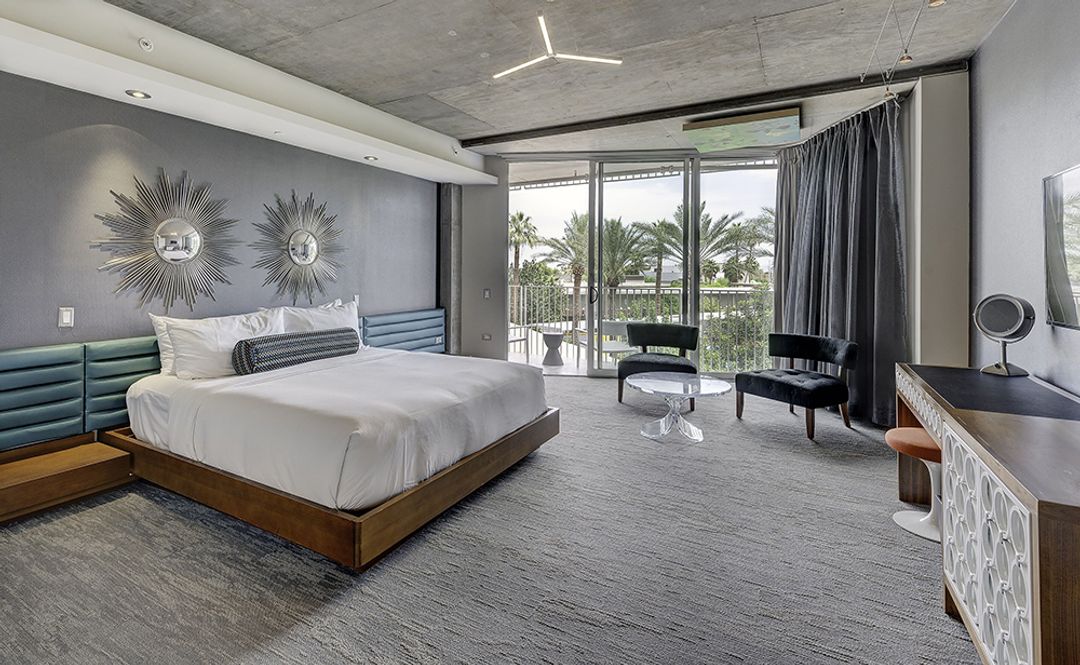
Paradise Valley is where the desert submission becomes most architecturally deliberate. Mountain Shadows, rebuilt in 2017 on the bones of a 1959 midcentury resort, is perhaps the clearest contemporary statement in Scottsdale's portfolio — its low-slung horizontal geometry and restrained palette of concrete and warm wood read as a conscious homage to the Case Study spirit without tipping into pastiche. Andaz Scottsdale, designed around a bungalow compound of casitas and fire pits, leans into the communal and the tactile, while Sanctuary Camelback Mountain, perched on the north slope with long views across the valley, earns its position at the top of the price range through a combination of genuine seclusion and terrain that most resorts only gesture toward. For something at a different scale but equal in ambition, the Four Seasons at Troon North, far to the north near Pinnacle Peak, trades proximity to Old Town for near-total immersion in boulder-strewn high desert.
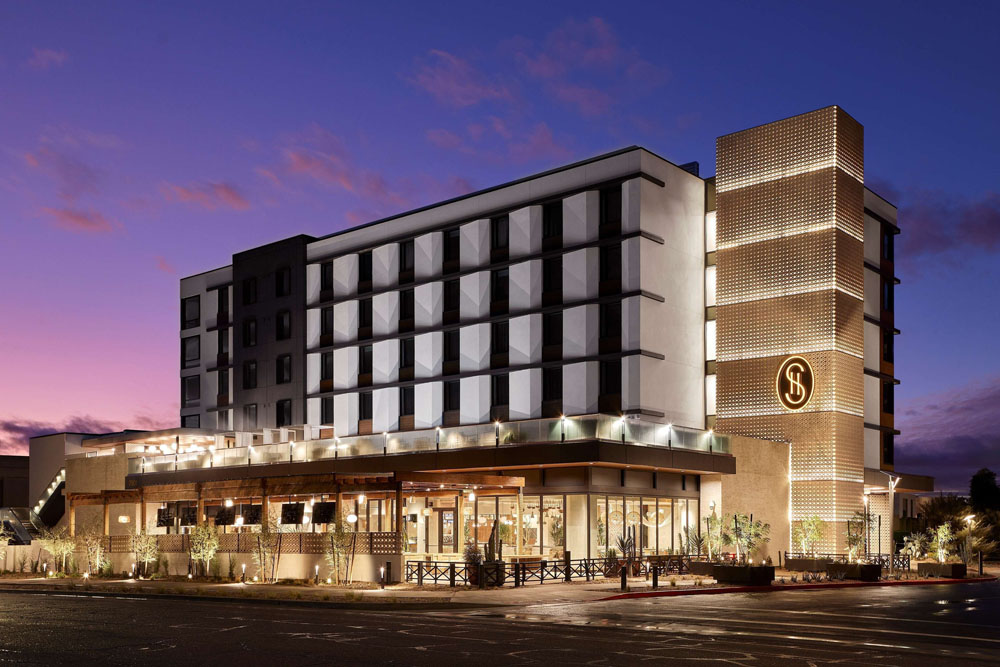
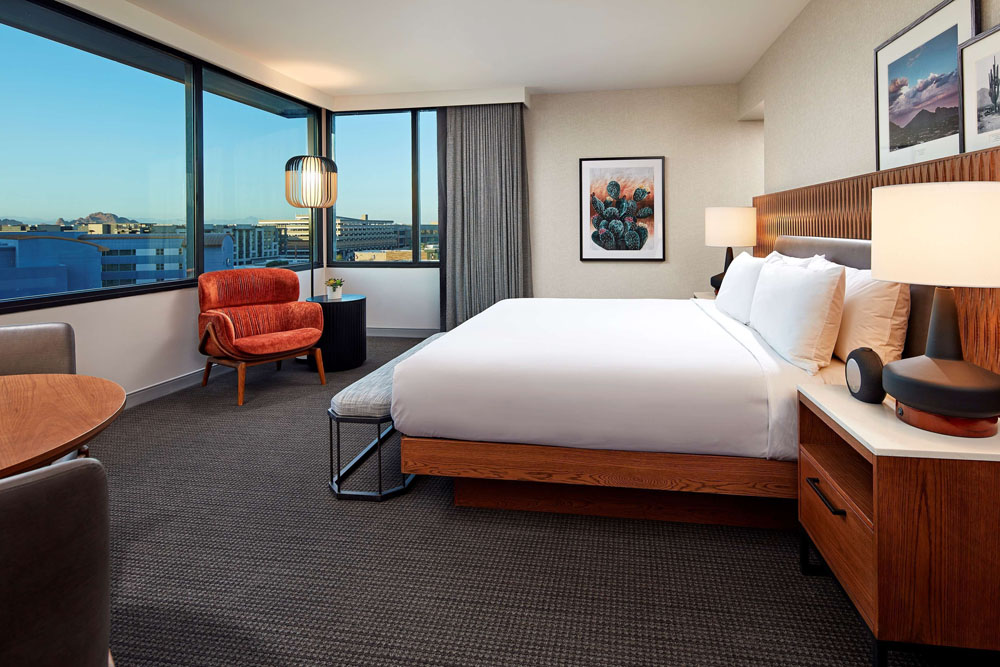
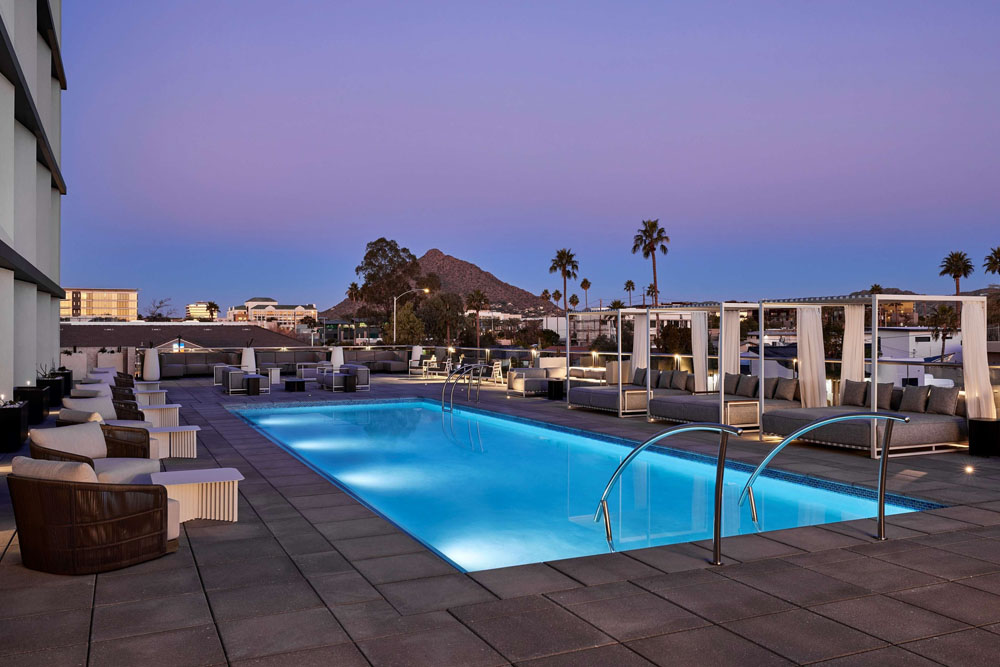
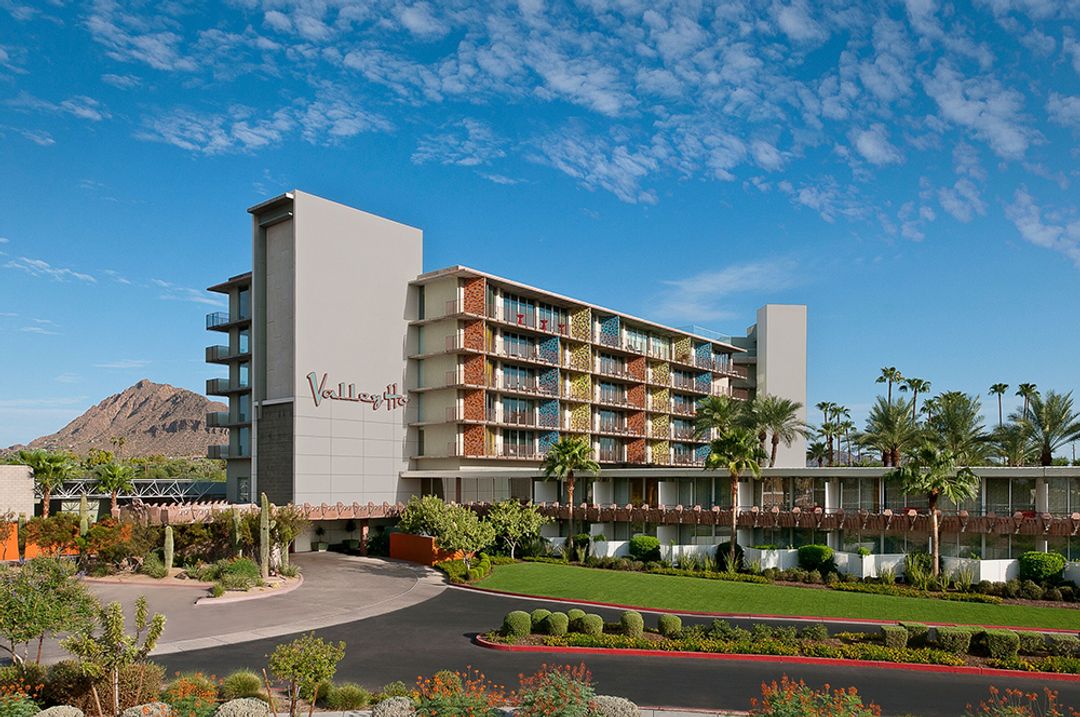
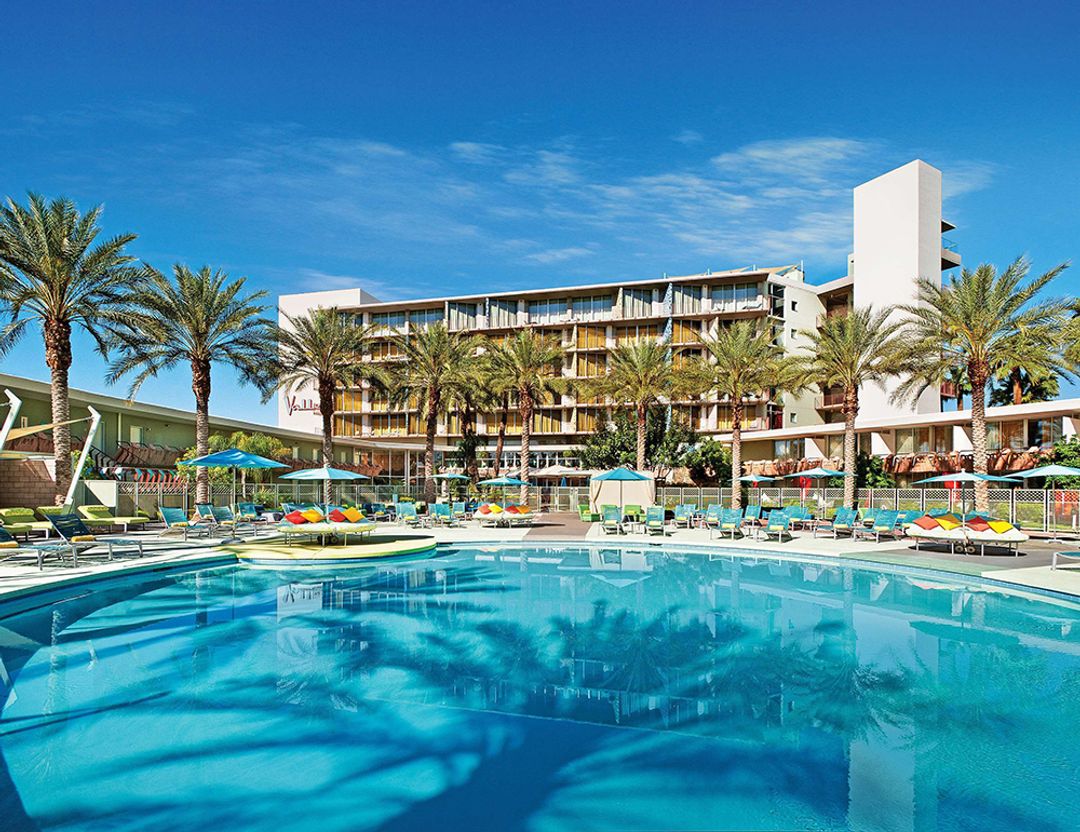
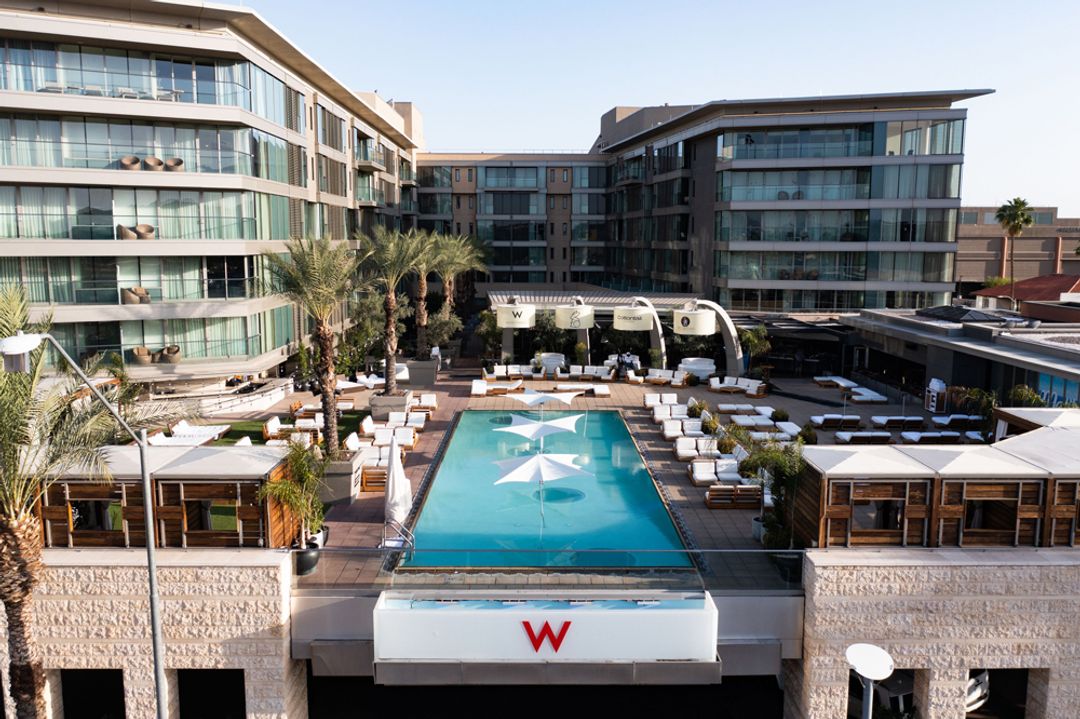
Old Town Scottsdale offers a counterpoint to all of that landscape maximalism. Hotel Valley Ho, opened in 1956 and designed by Edward Varney in a clean Modernist idiom, remains the neighborhood's most historically grounded choice, its kidney-shaped pool and original signage still intact. The W Scottsdale and Senna House operate in a harder-edged contemporary register aimed at a traveler who wants the city's nightlife infrastructure close at hand. All three sit within walking distance of the galleries and restaurants that give Old Town its loose, walkable energy, which is its own reason to be there.