Best hotels in Dallas, Texas | Visually Compare Top Stays Side-by-Side
Welcome to PressBeyond - a curated visual guide to design-driven hotels and the fastest way to compare them.
An Overview of the Boutique & Luxury Hotel Landscape in Dallas, Texas
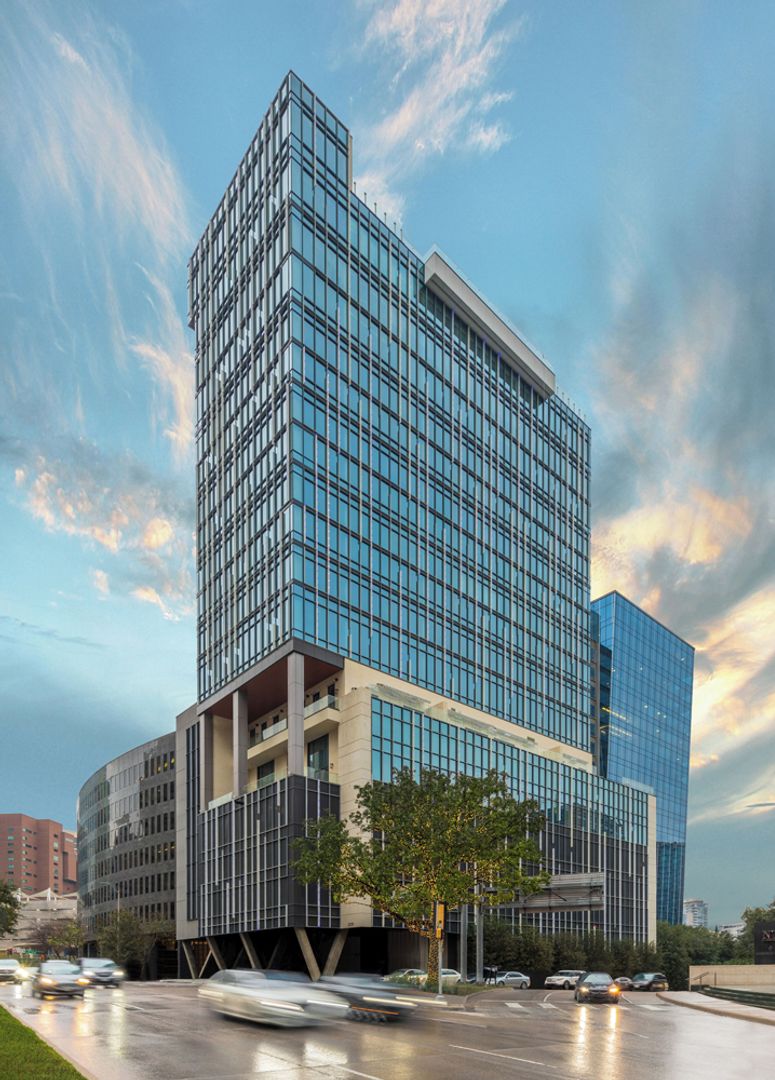
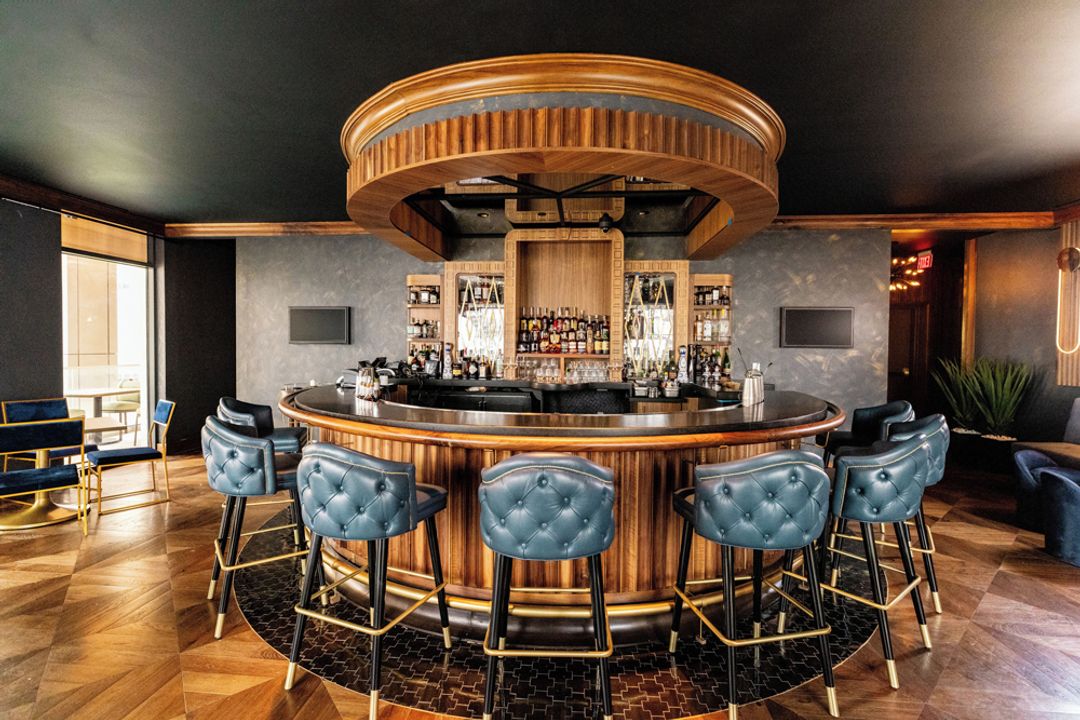
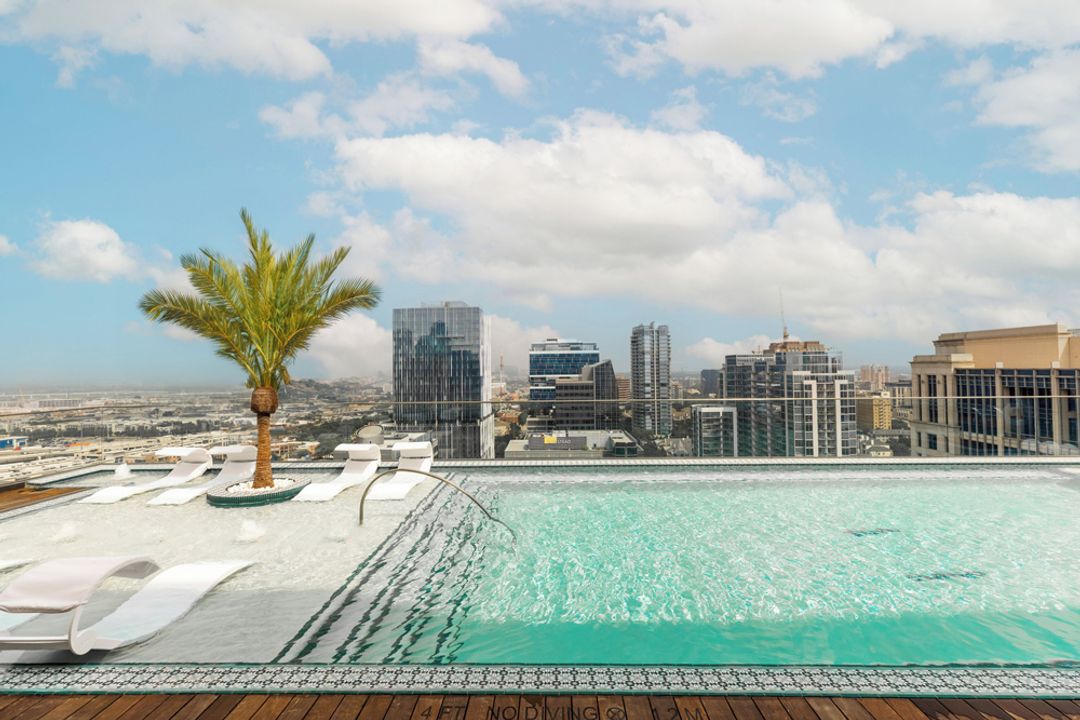
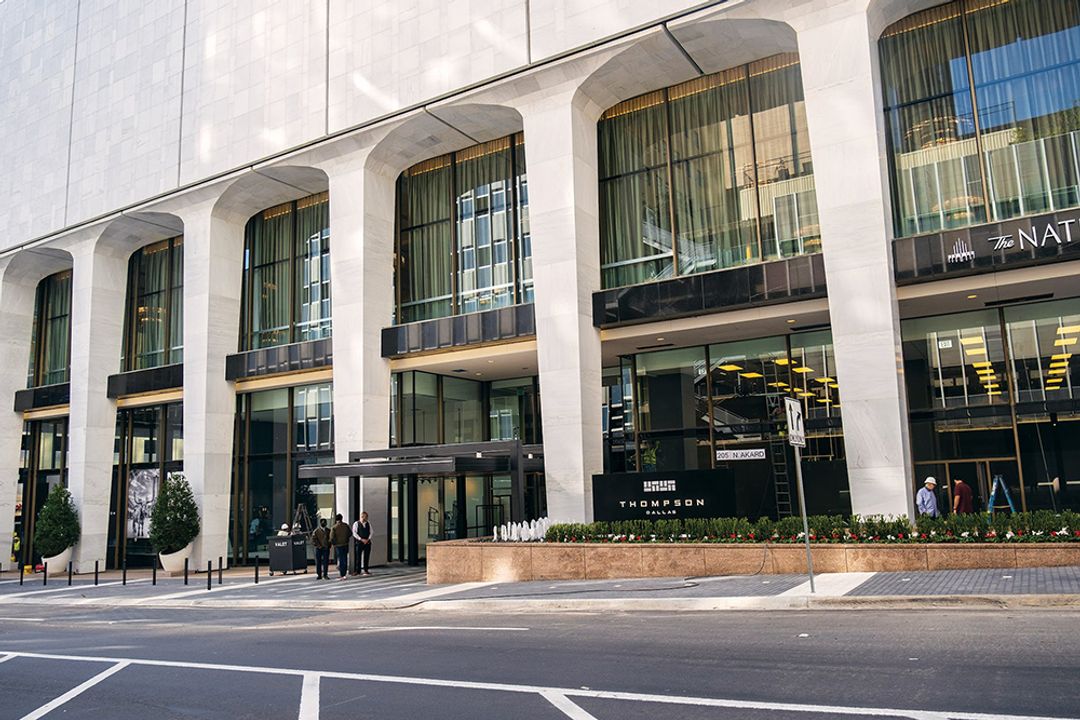
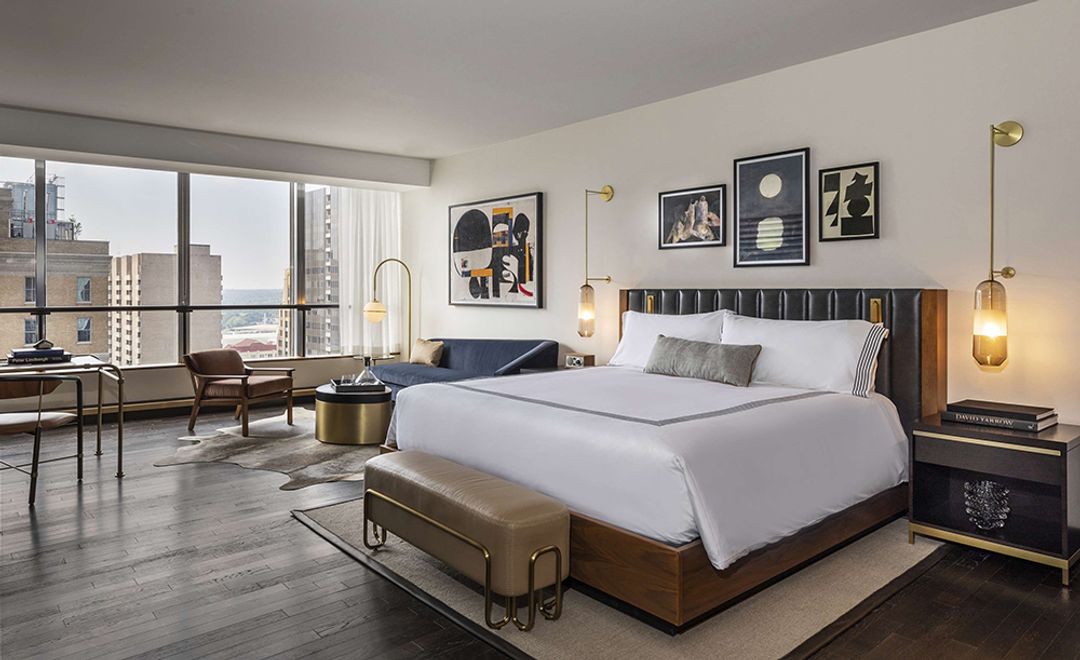
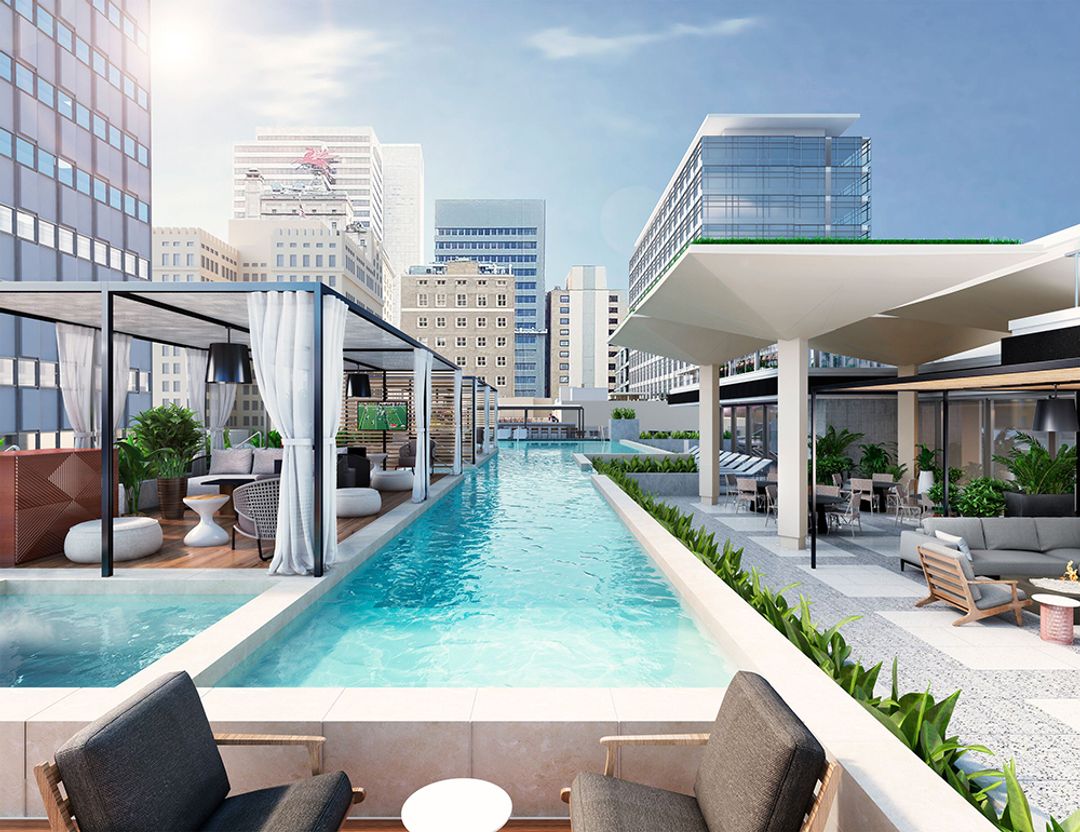
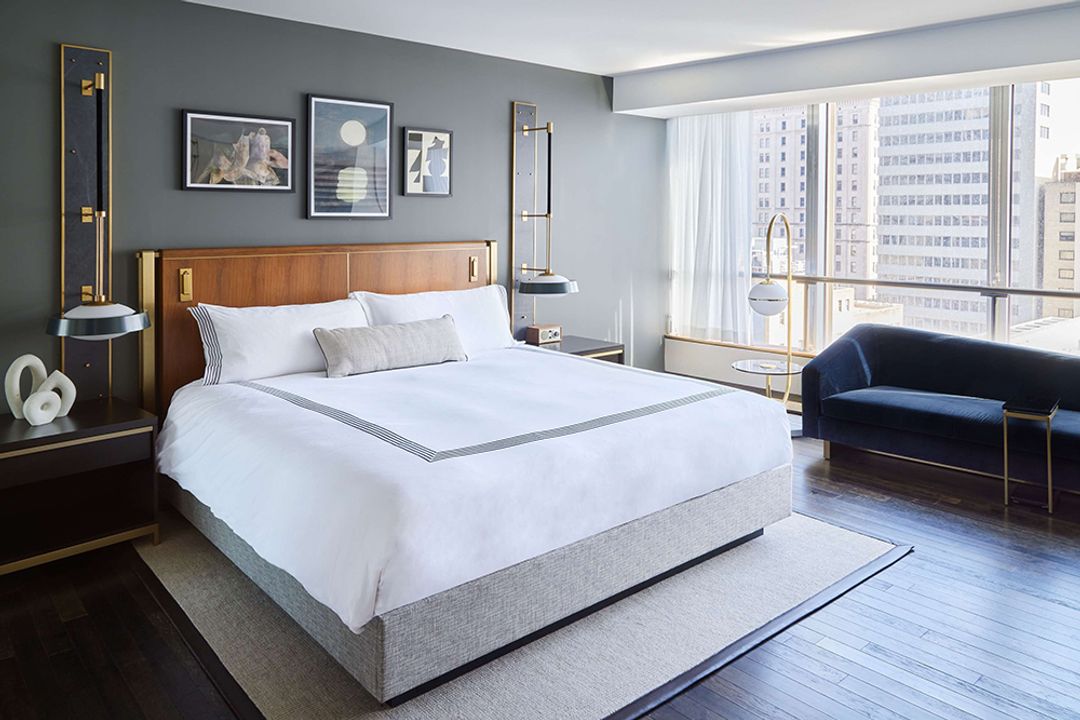
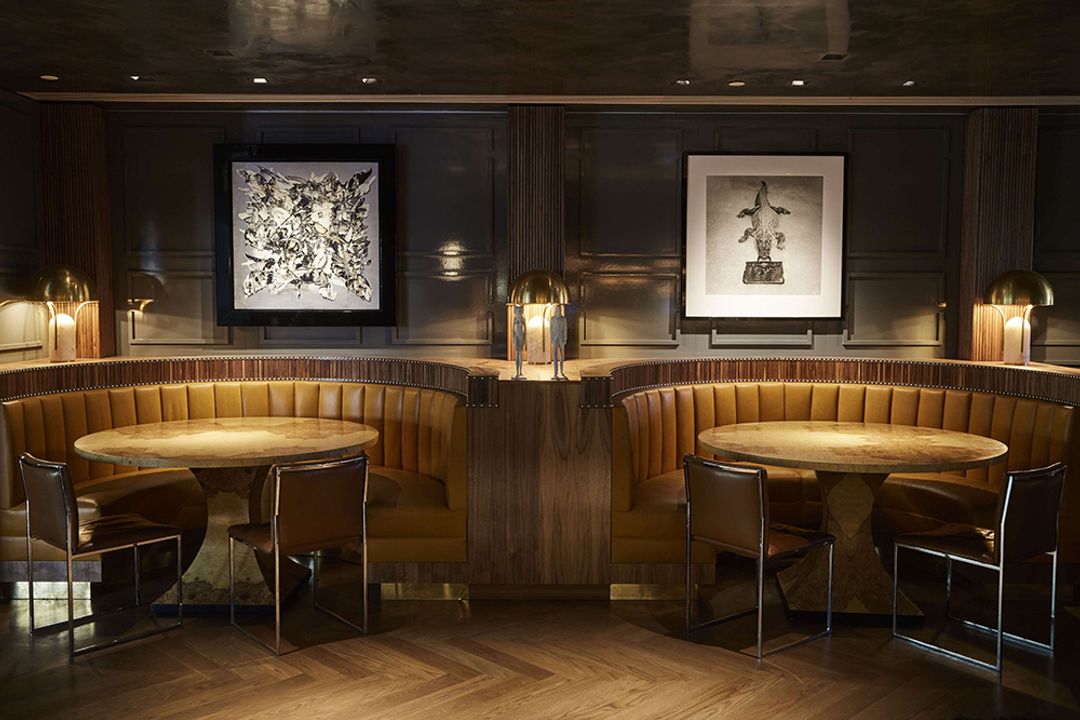
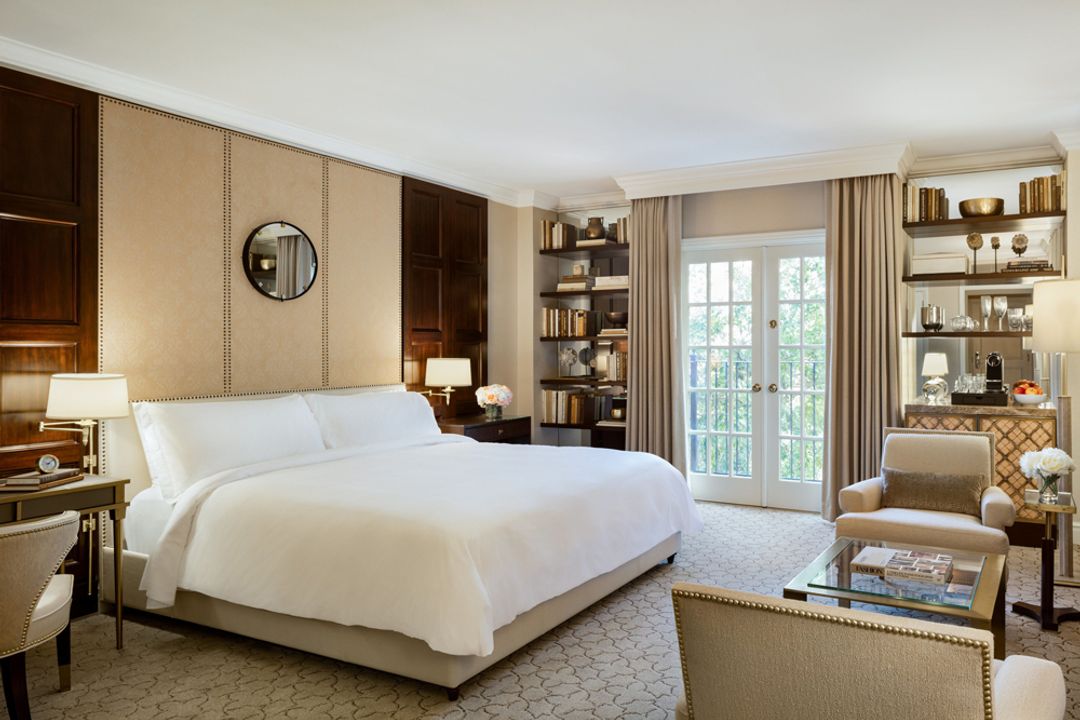
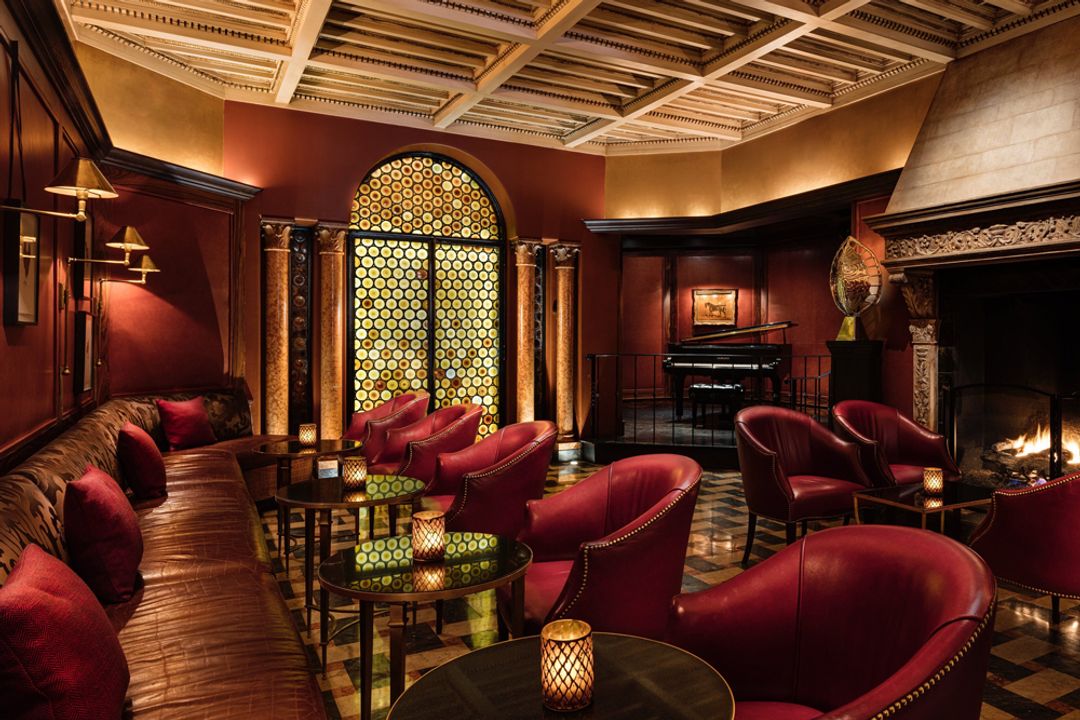
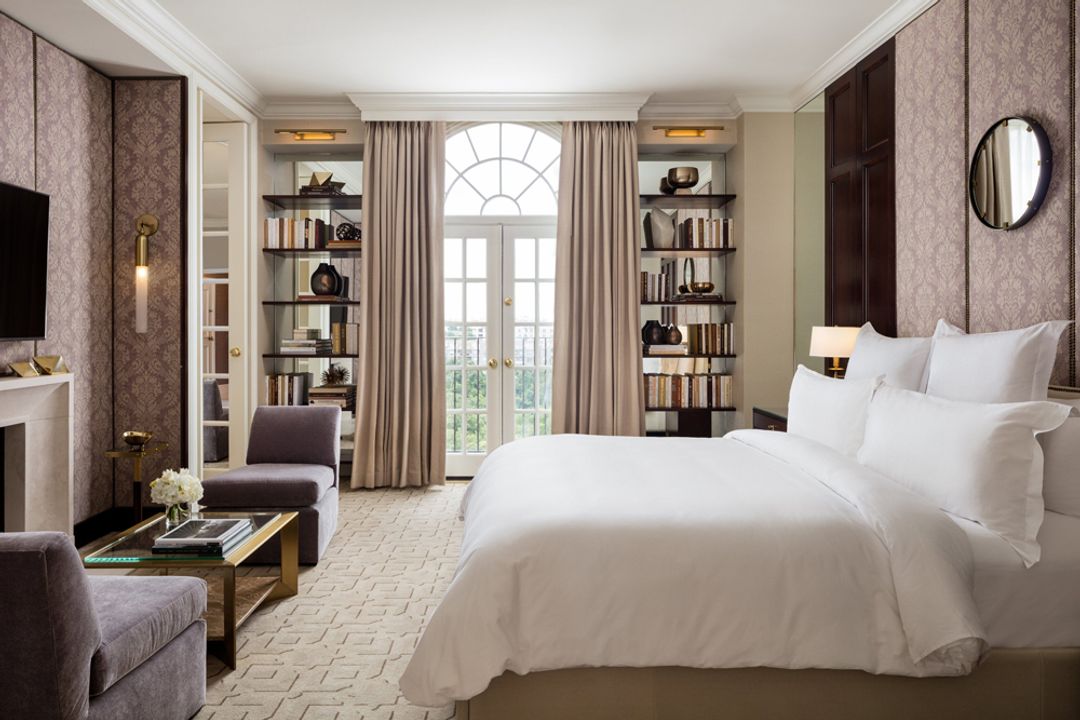
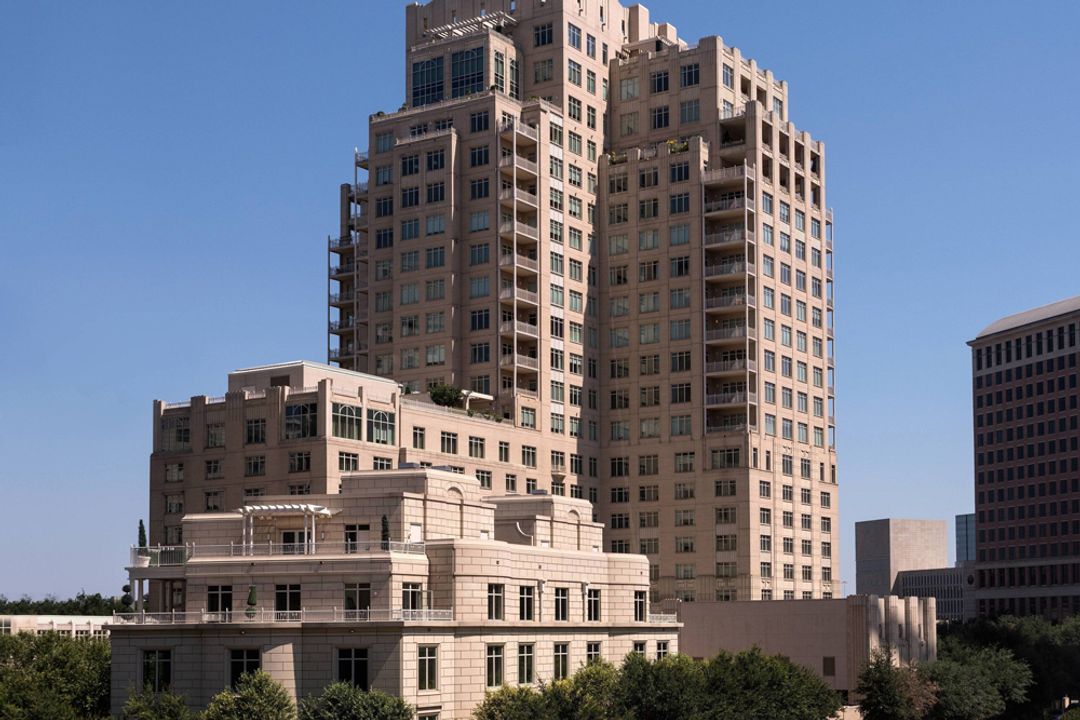
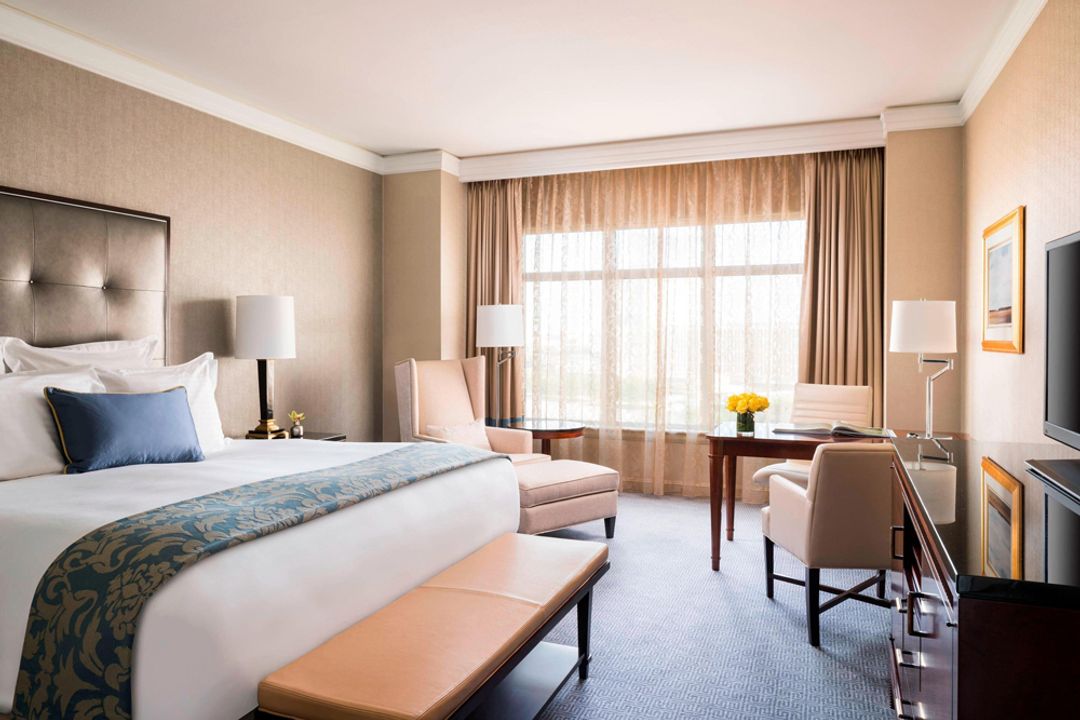
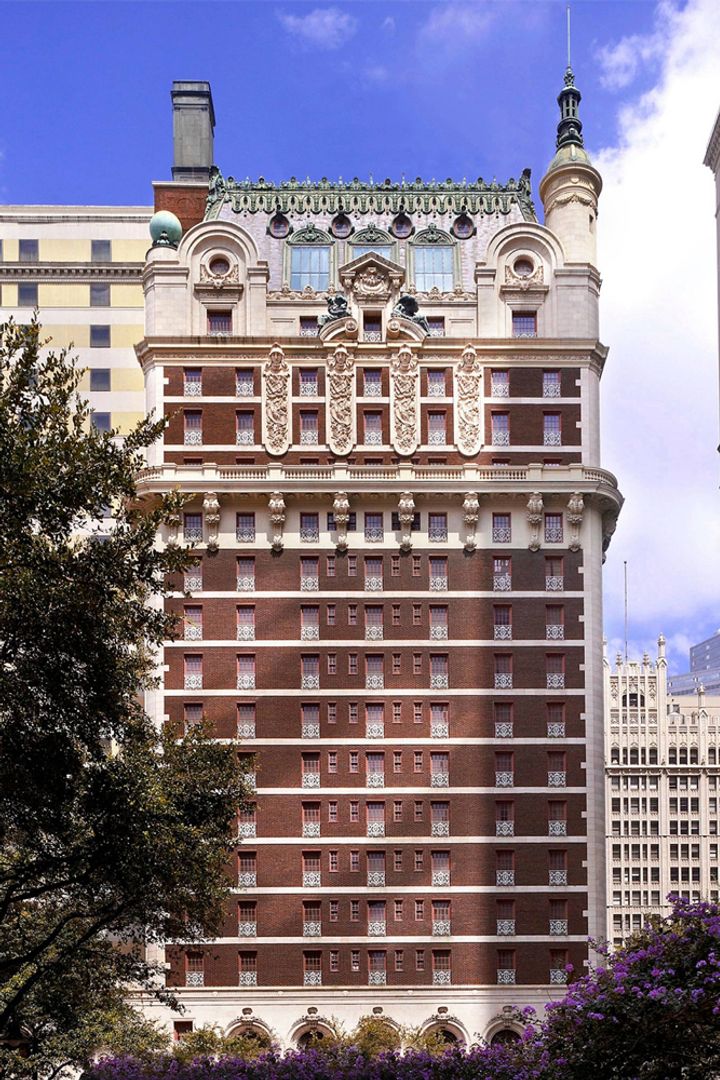
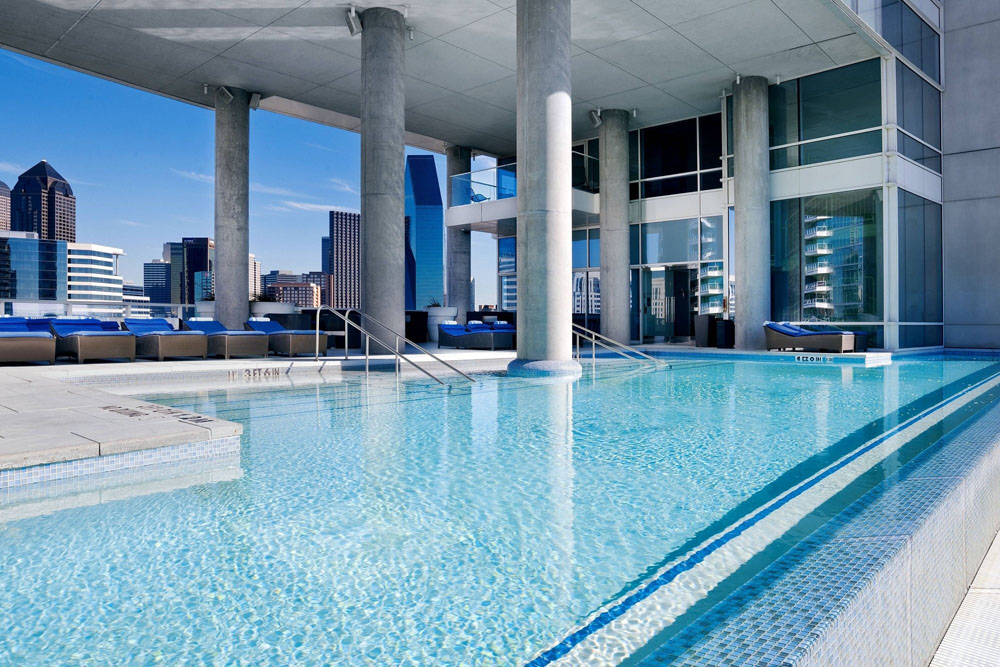
Dallas is a city that keeps building over itself, and its hotels are often the most honest record of what each era believed architecture should say. The Adolphus, opened in 1912 in Downtown and now part of the Autograph Collection, is the clearest illustration of this: a Beaux-Arts tower whose ornate limestone facade has watched every subsequent wave of Dallas ambition rise around it. Staying there is an act of historical triangulation. A different kind of verticality defines the Thompson Dallas, occupying the upper floors of The National, a 1964 Skidmore, Owings and Merrill tower that underwent one of the more considered adaptive conversions in the city's recent memory. The Ritz-Carlton sits in Uptown, where the street grid tightens and the money is newer, its interiors reflecting the neighborhood's preference for polish over provocation.
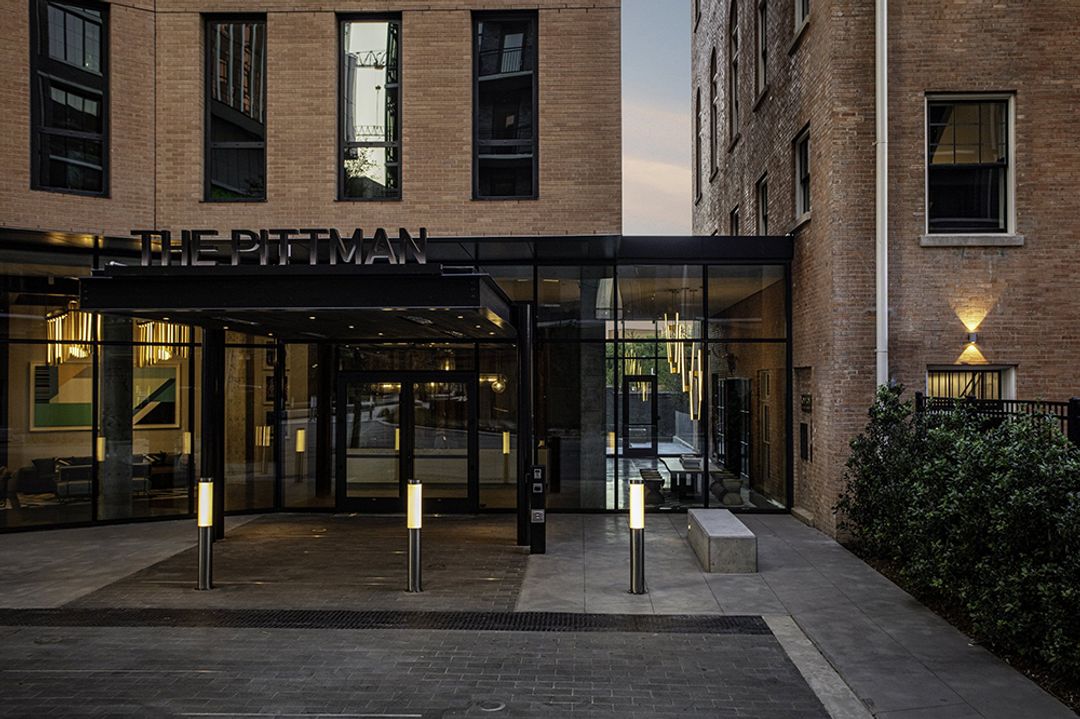
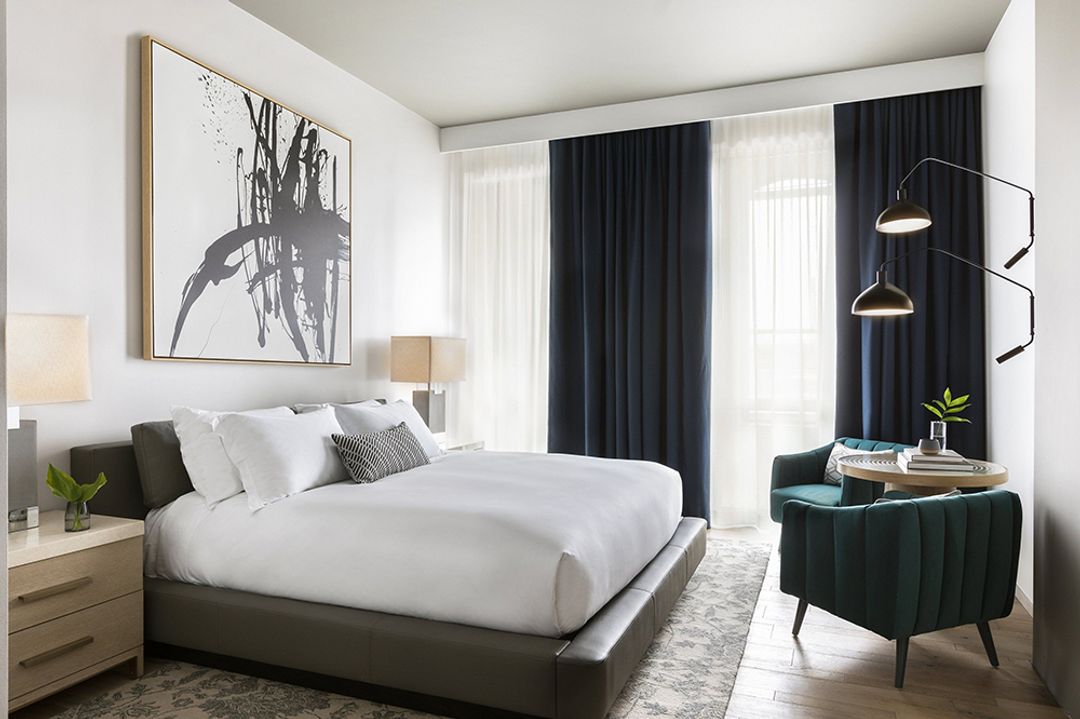
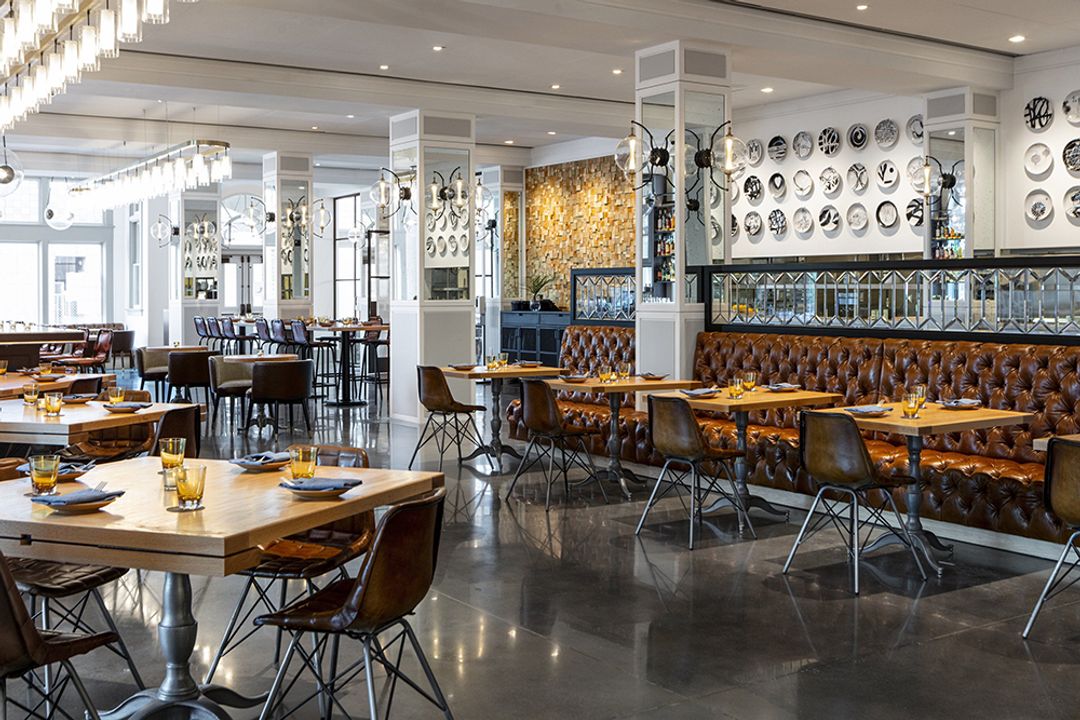
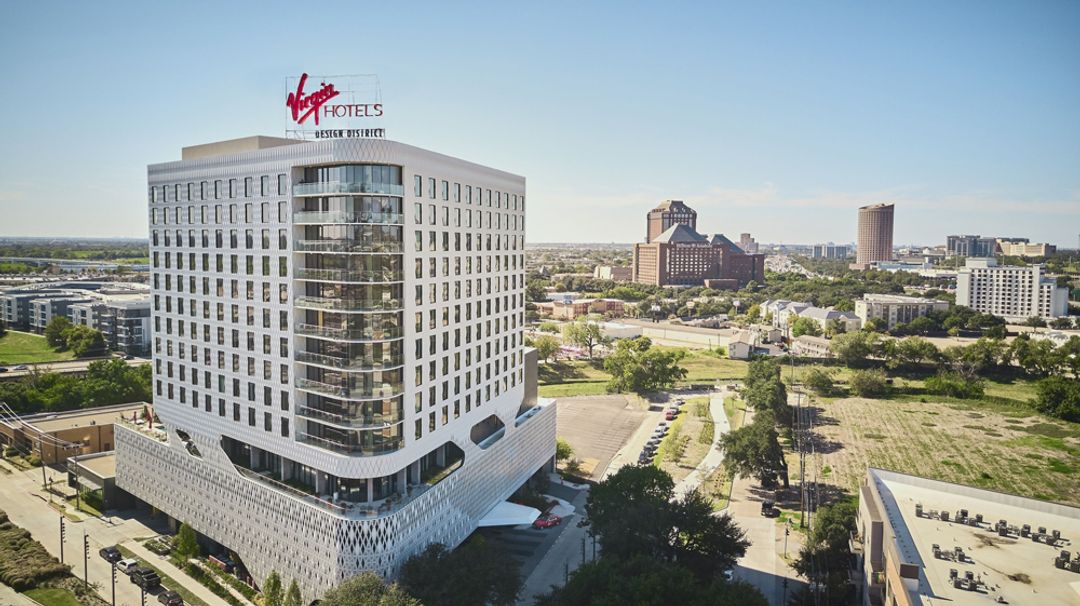
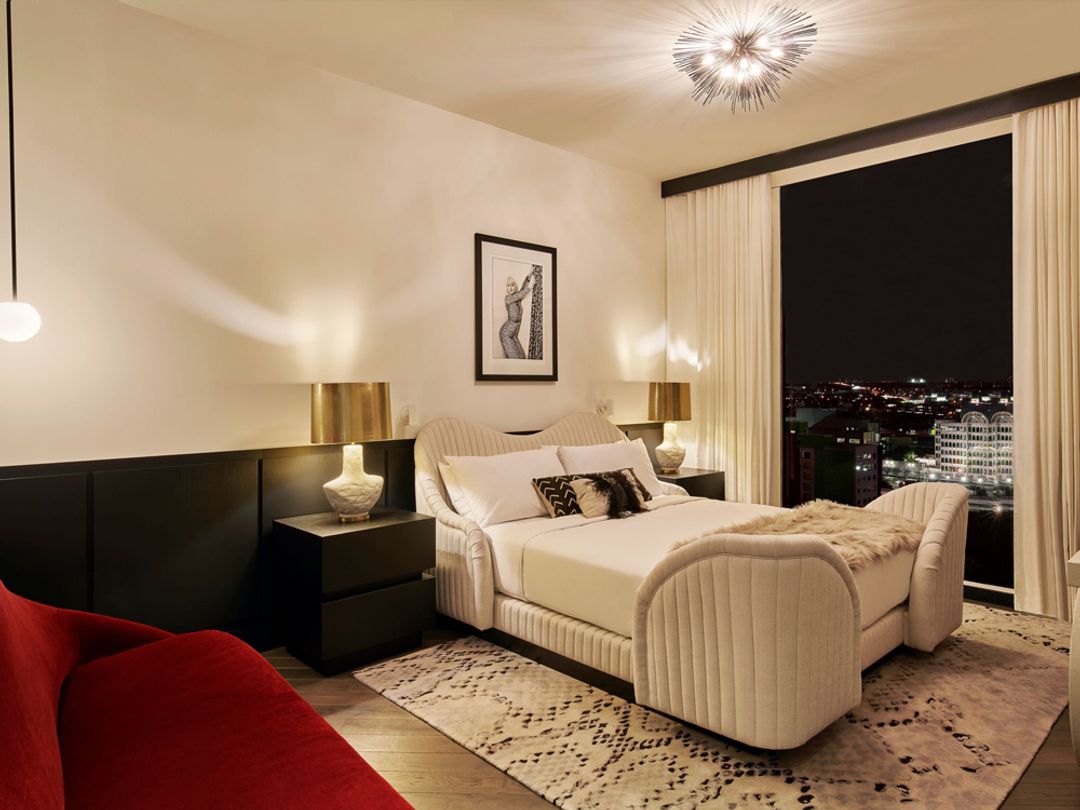
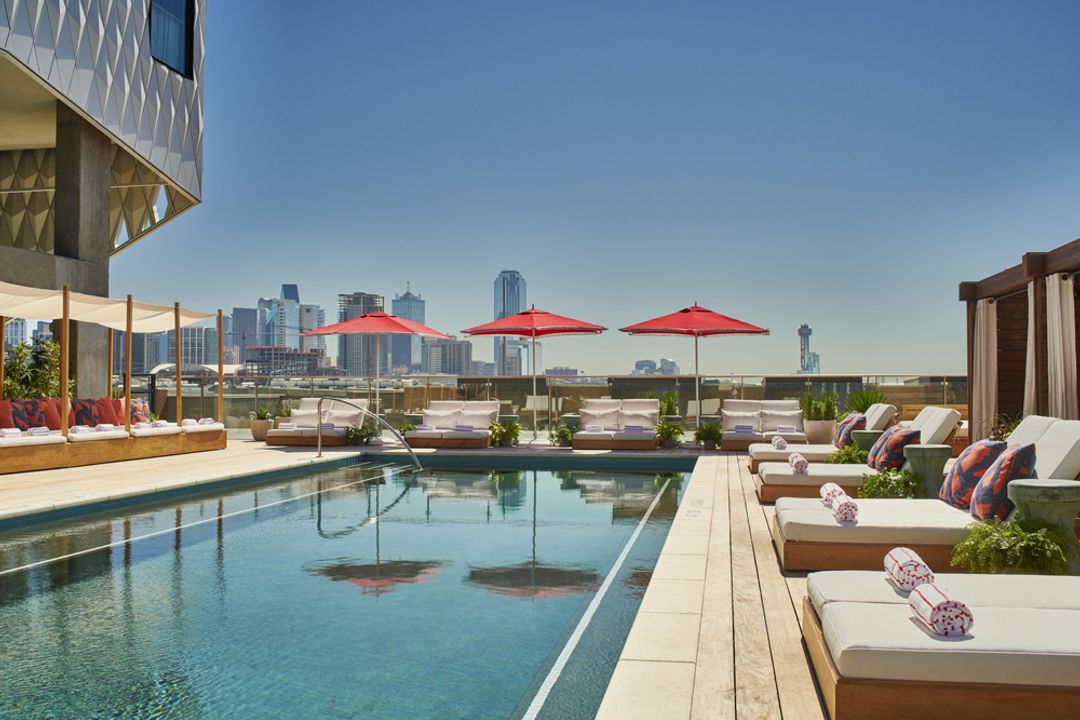
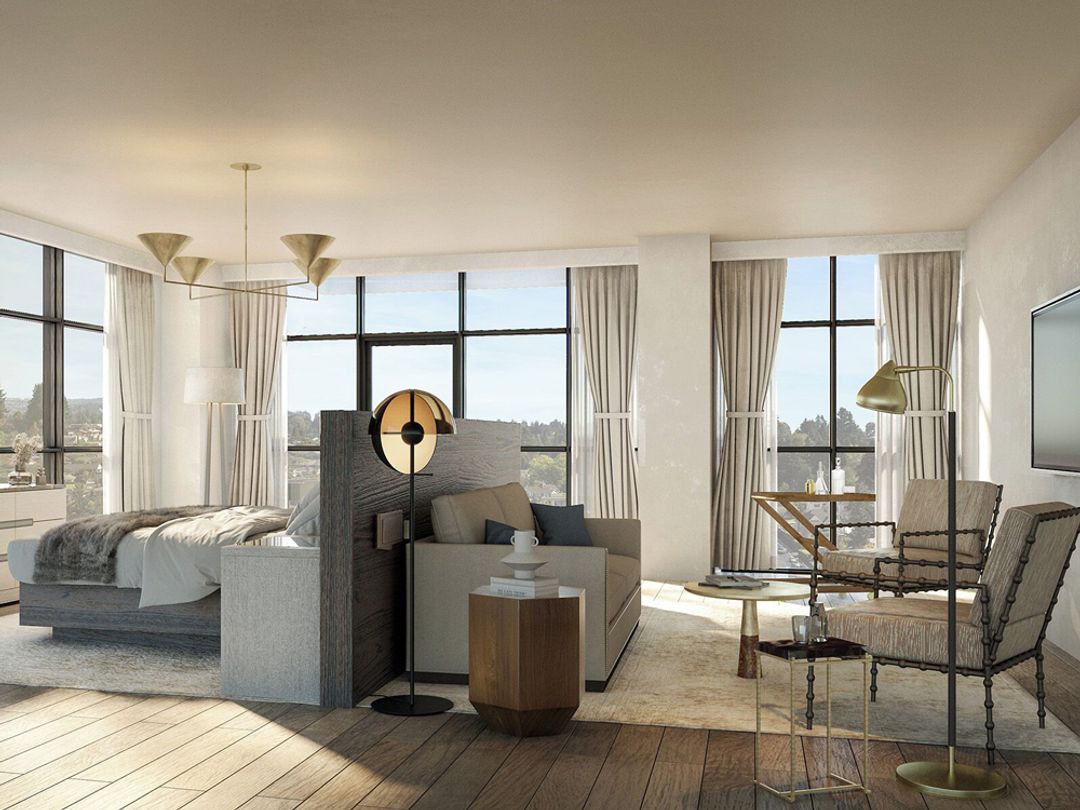
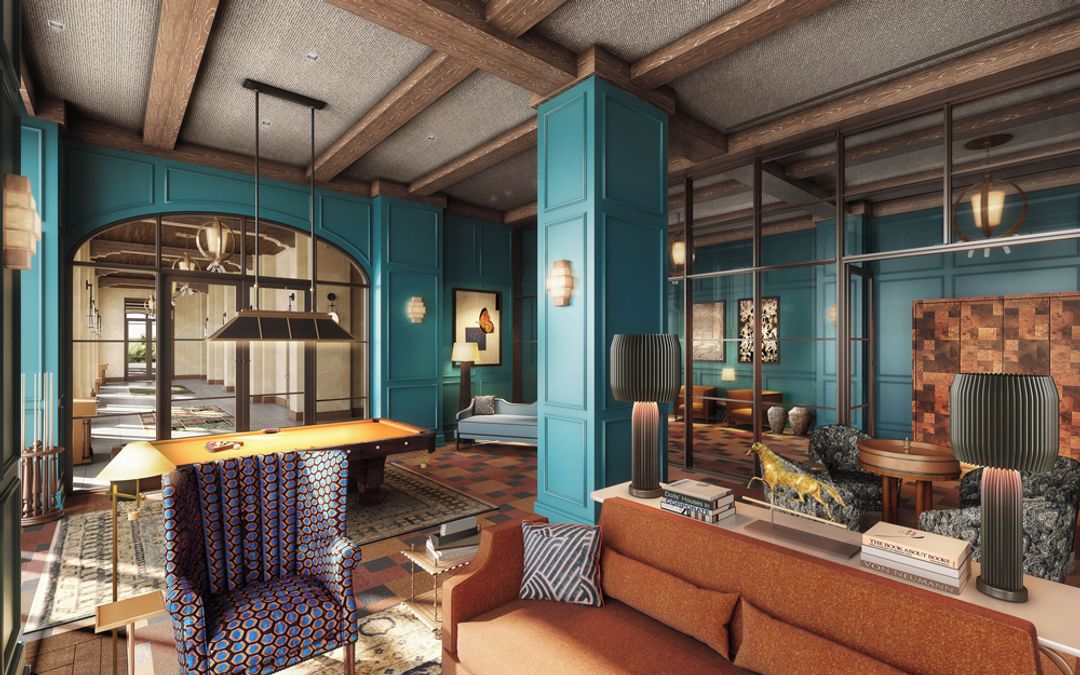
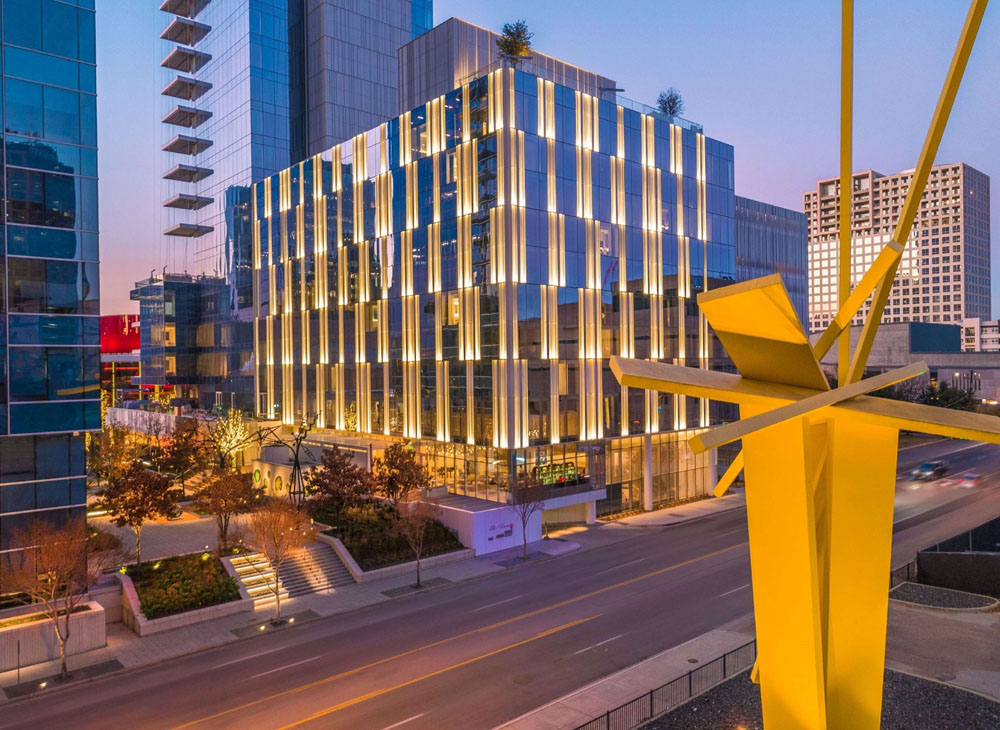
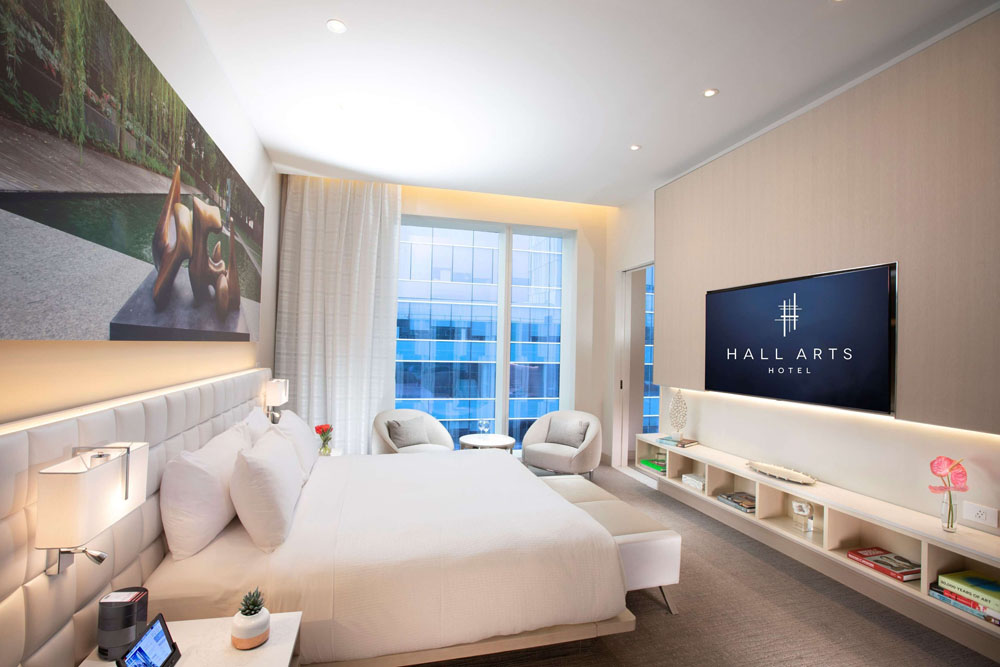
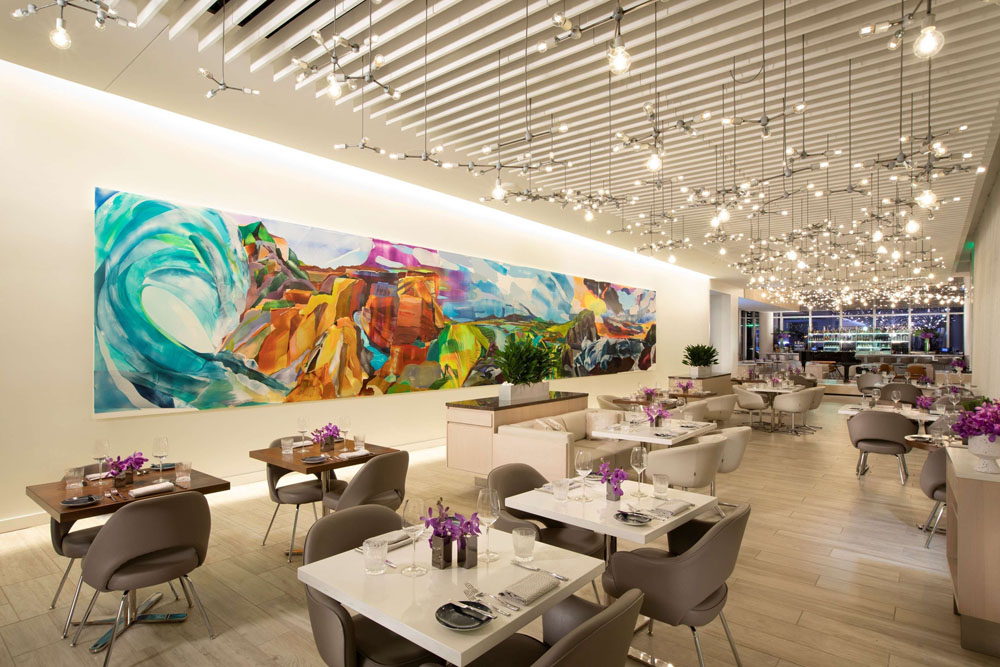
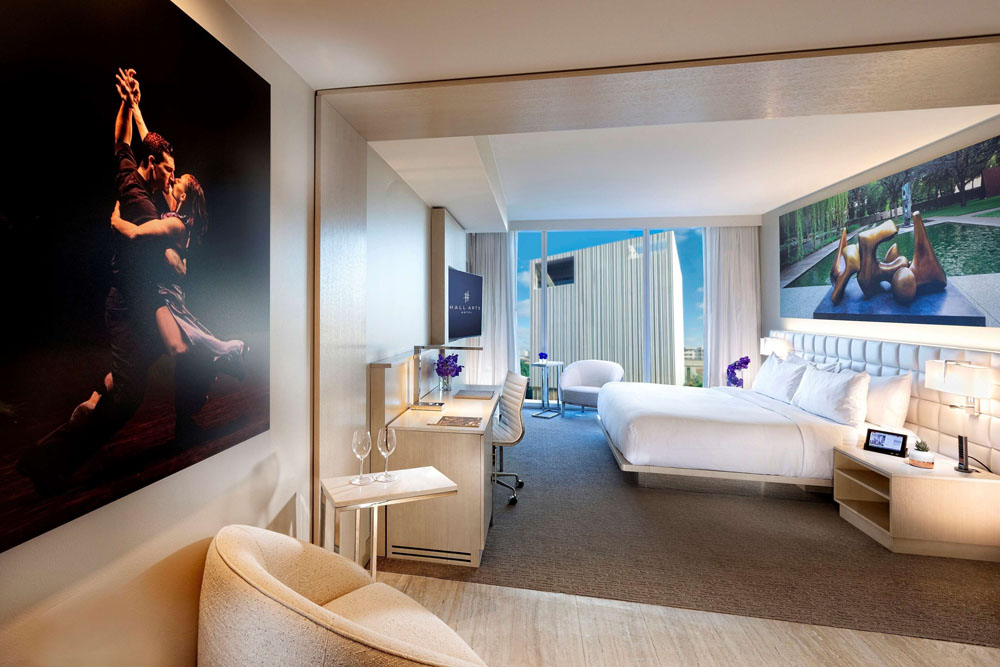
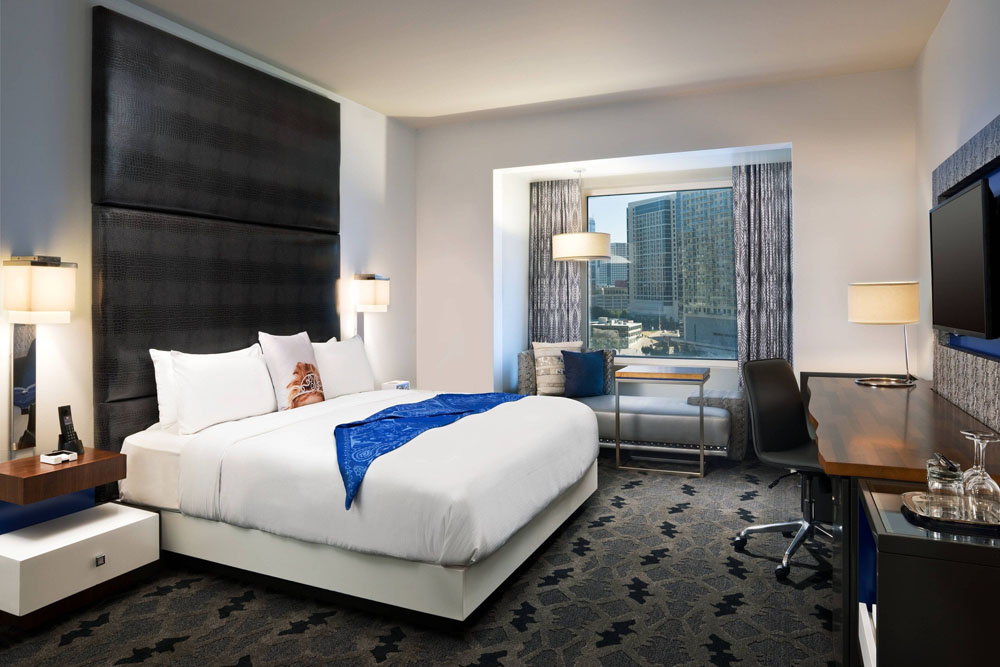
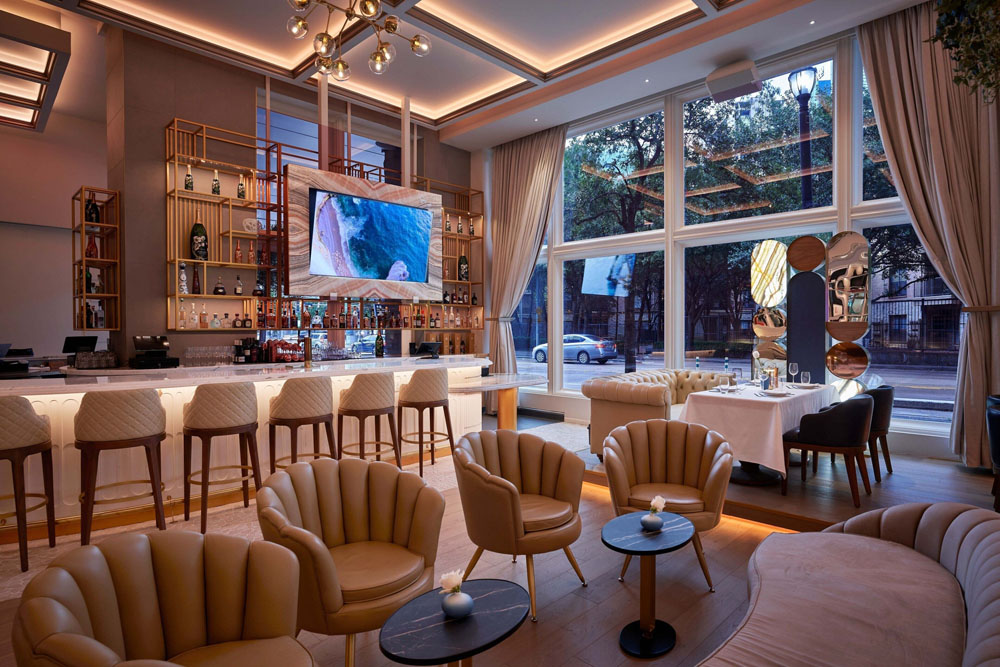
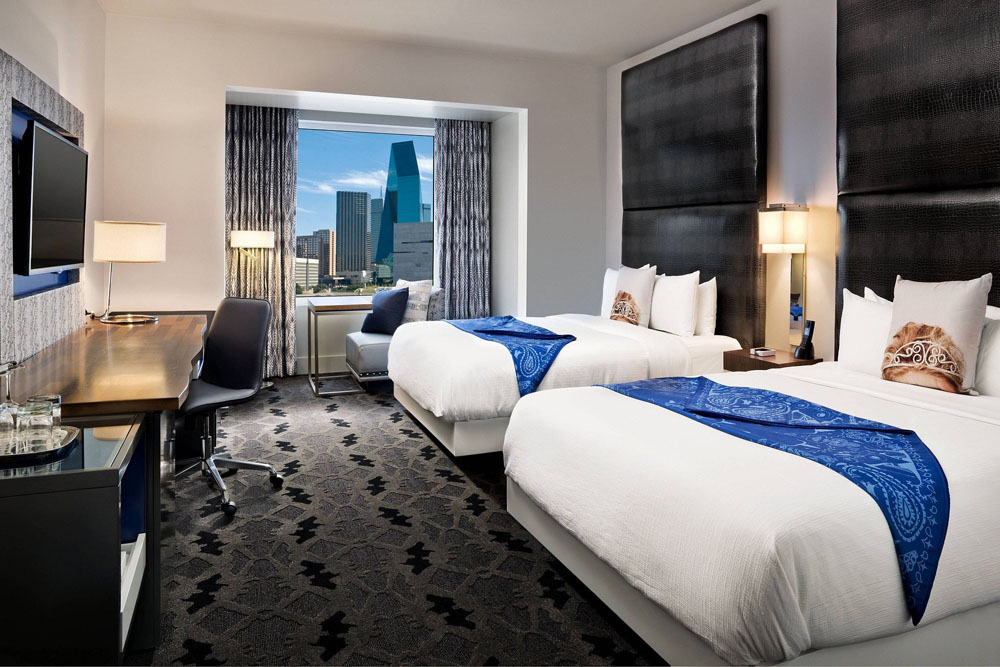
The more interesting design energy in Dallas has migrated east and north of Downtown. Deep Ellum, historically the city's blues and jazz corridor, now holds the Kimpton Pittman, a conversion of the 1916 Pittman Hotel that keeps enough of the original brick and industrial detail to avoid feeling like a theme park version of its own past. Nearby, the Arts District gives the HALL Arts Hotel a context it takes seriously, with a collection of over 3,000 works integrated throughout the public spaces rather than deployed as decoration. Virgin Hotels Dallas occupies the Design District, where the gallery adjacencies and the proximity to showrooms selling Molteni and Knoll have made the hotel a natural landing point for anyone whose instincts run toward interiors. Hotel Swexan, in the Harwood District, operates with a different kind of ambition entirely, a private-club sensibility shaped by the broader Harwood International development that has been quietly building its own arts-forward mixed-use neighborhood for decades.
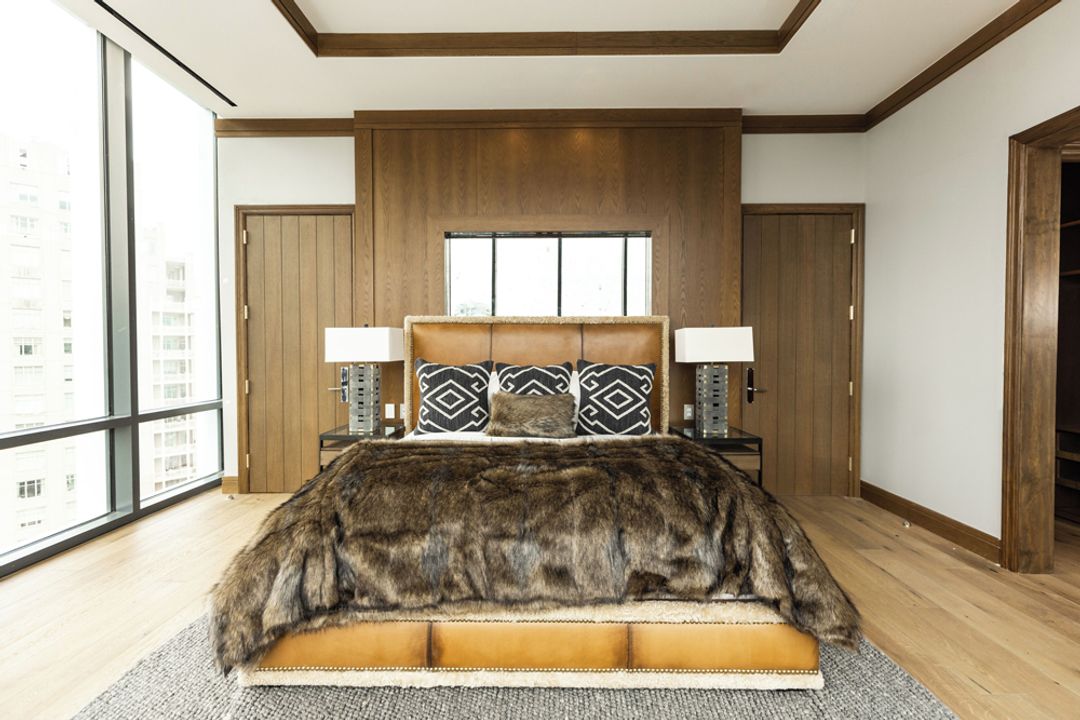
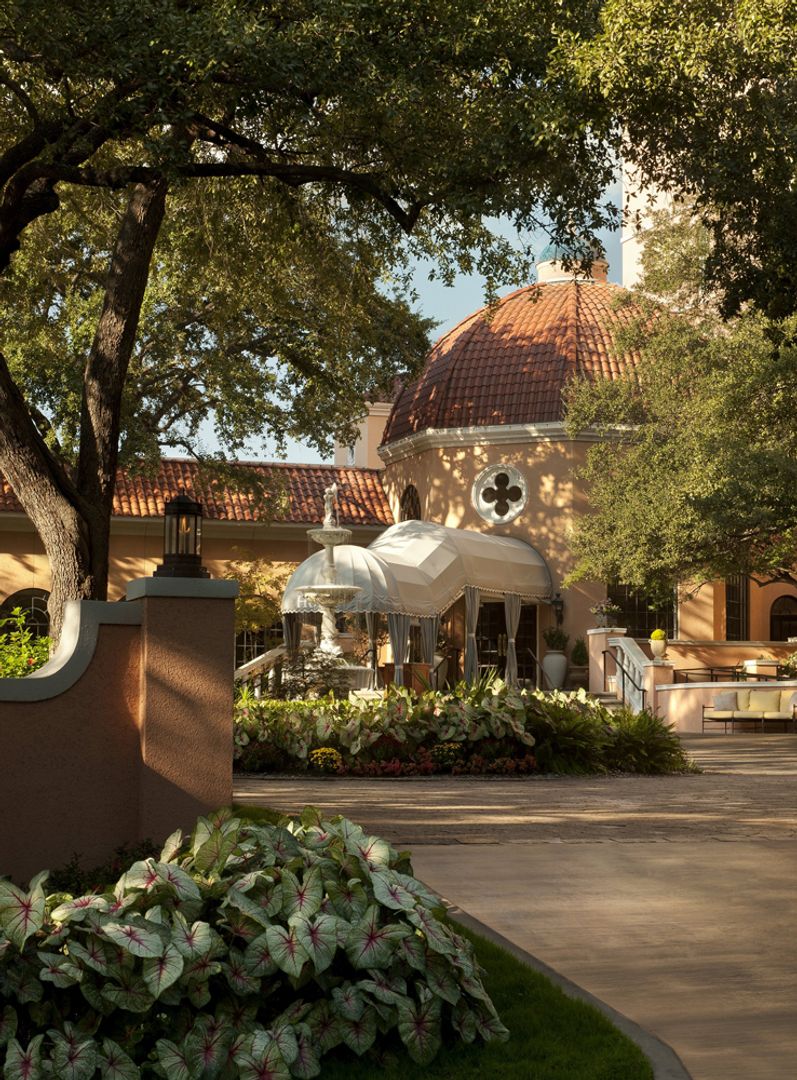
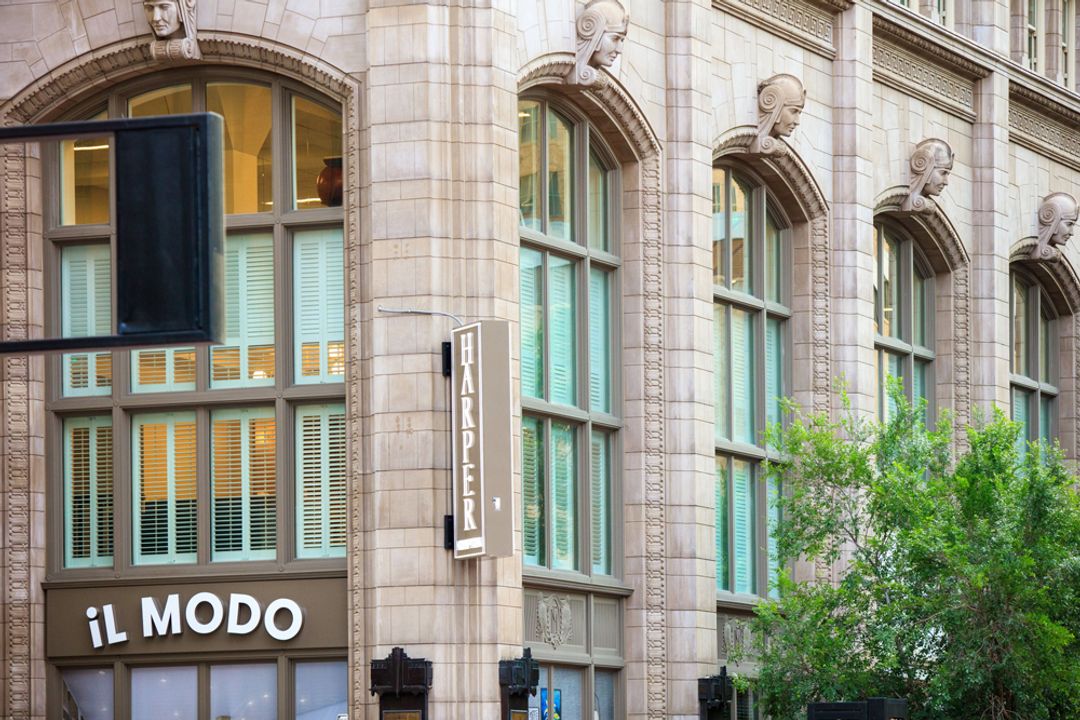
Fort Worth warrants its own mention, even though it sits thirty miles west. The Bowie House, part of the Auberge collection and opened in 2023, draws on the city's cattle-industry heritage without resorting to Western kitsch, its interiors working with warm materials and a sense of enclosure that suits Fort Worth's smaller civic scale. The Kimpton Harper, also in Fort Worth, covers the more accessible end of the market without sacrificing the neighborhood's character. Back in the Dallas sprawl, the Rosewood Mansion on Turtle Creek remains the benchmark against which every subsequent attempt at residential-scale luxury in the city is still quietly measured.