Best hotels in Sardinia, Italy | Visually Compare Top Stays Side-by-Side
Welcome to PressBeyond - a curated visual guide to design-driven hotels and the fastest way to compare them.
An Overview of the Boutique & Luxury Hotel Landscape in Sardinia, Italy
Sardinia's architecture is not one thing. The island holds Roman ruins, Spanish baroque, Genoese watchtowers, and the dry-stone nuraghi that predate all of them, and its hotels respond to this layered ground in genuinely different ways depending on where they sit on the island.
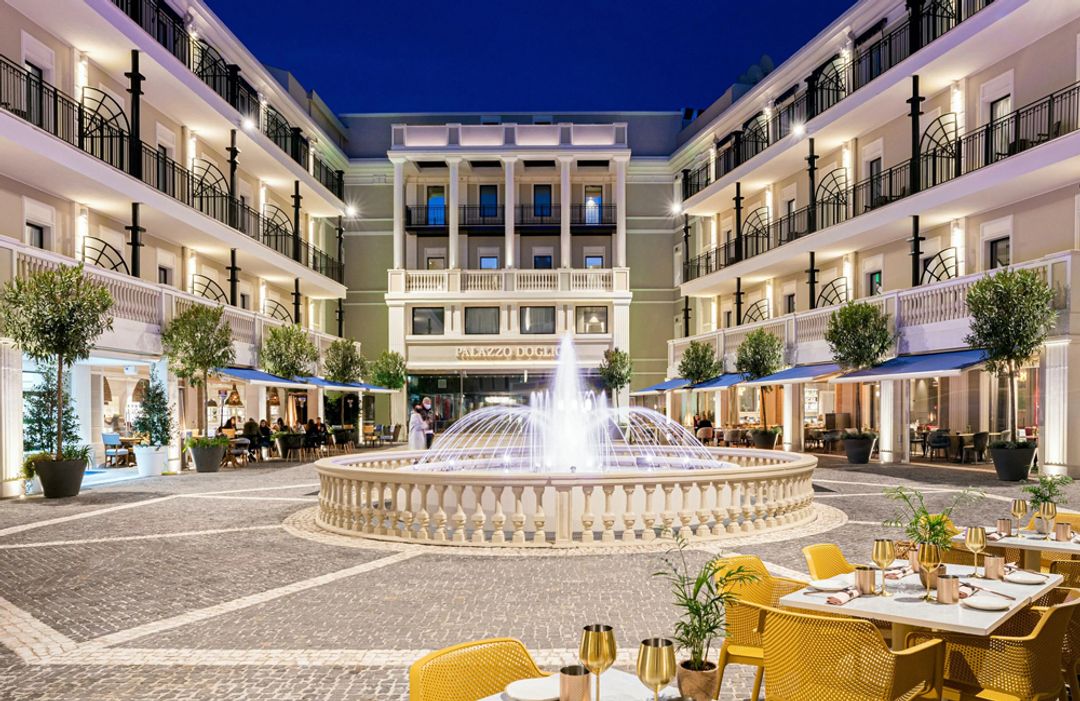
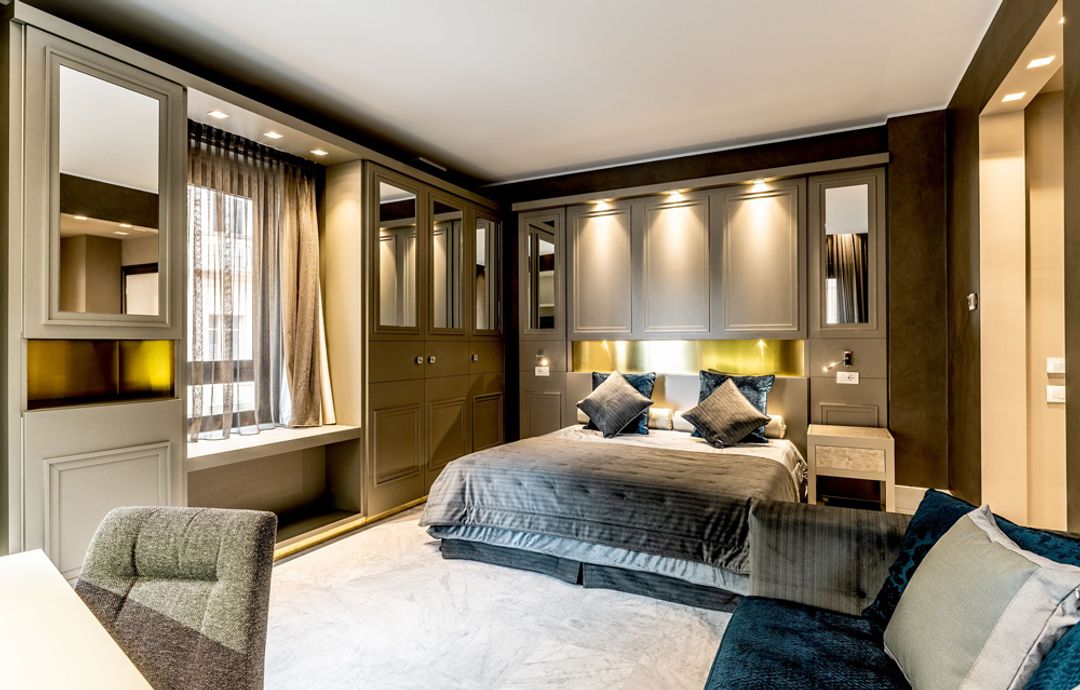
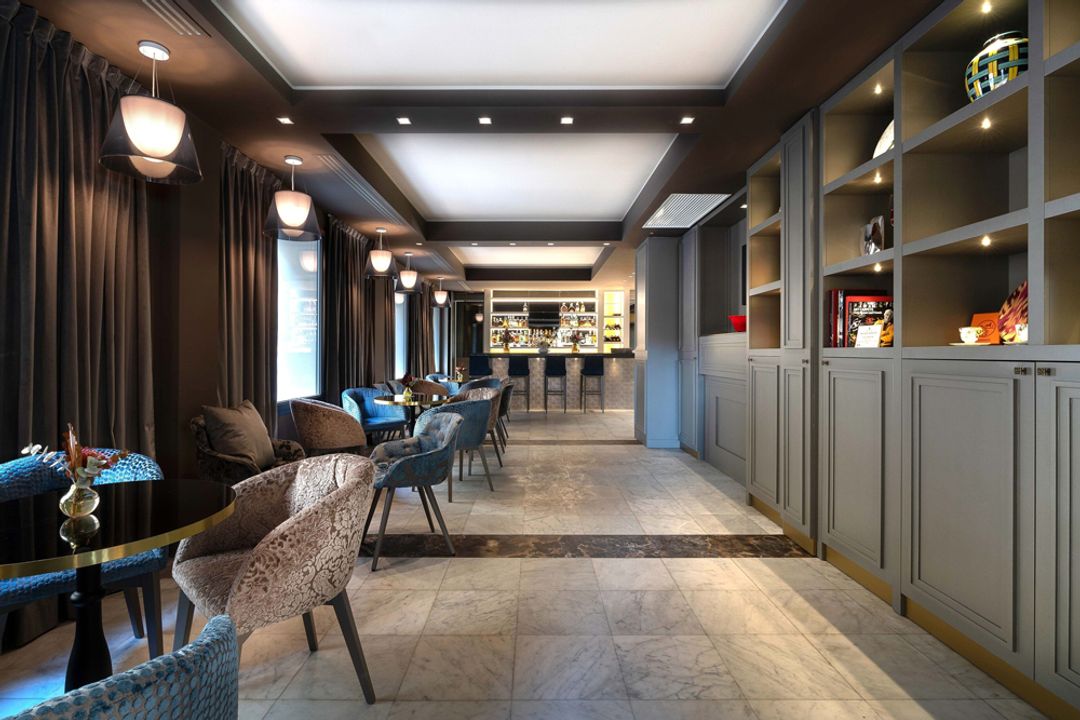
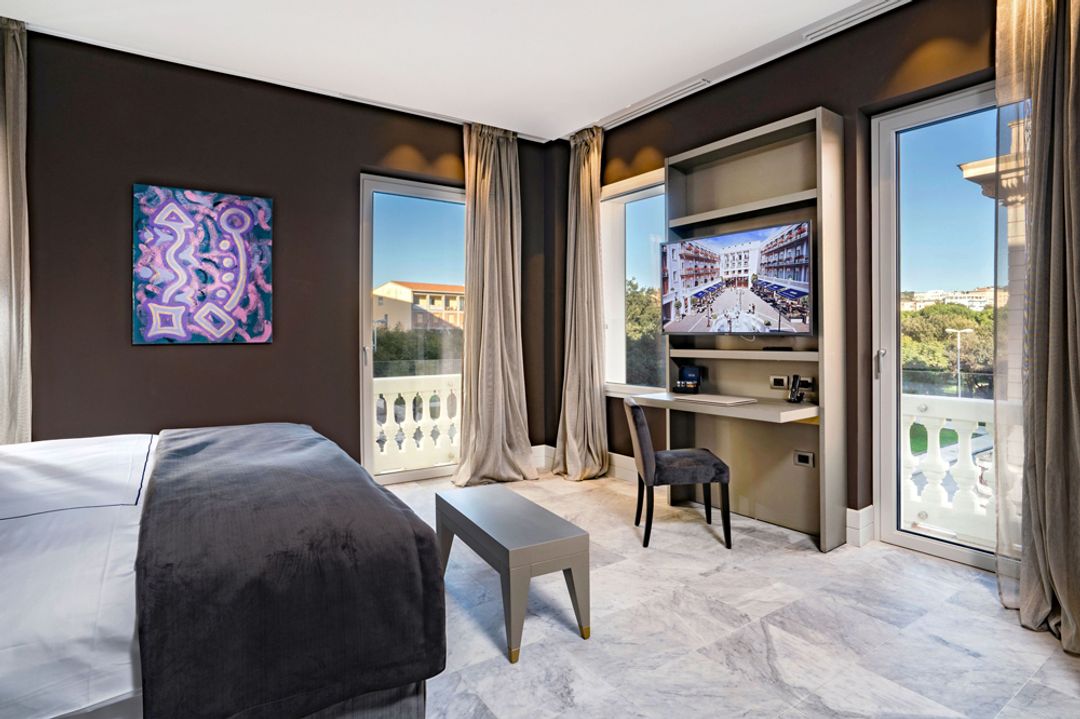
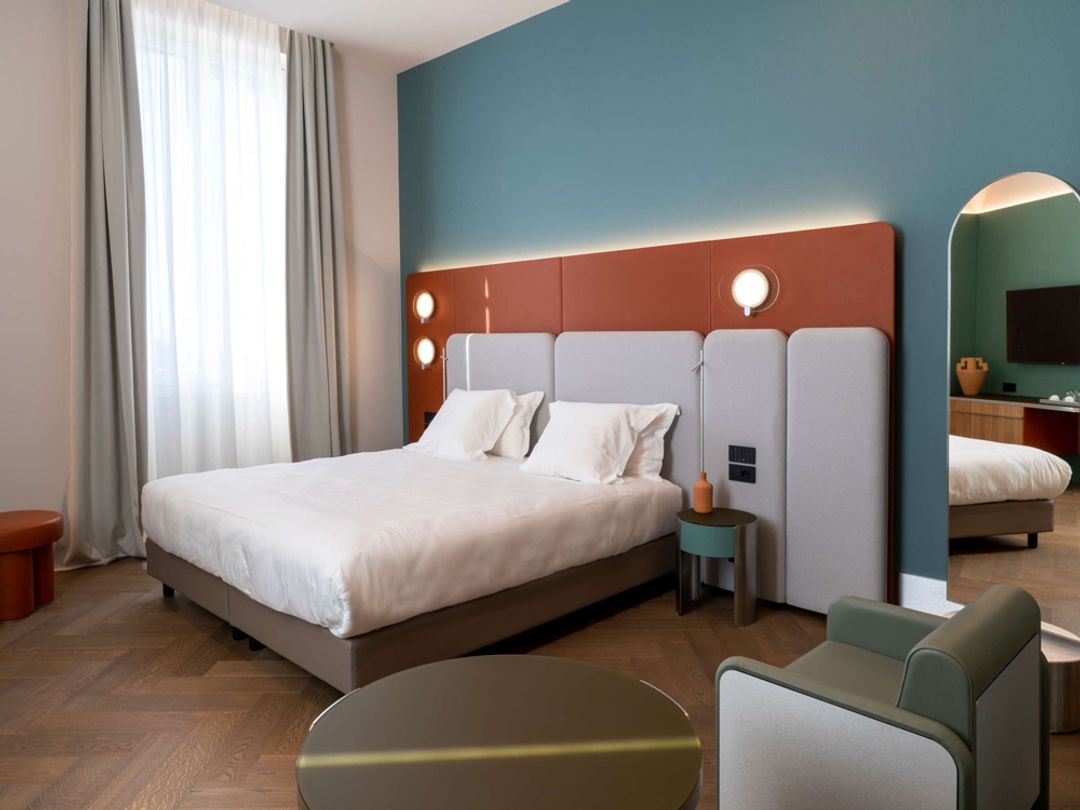
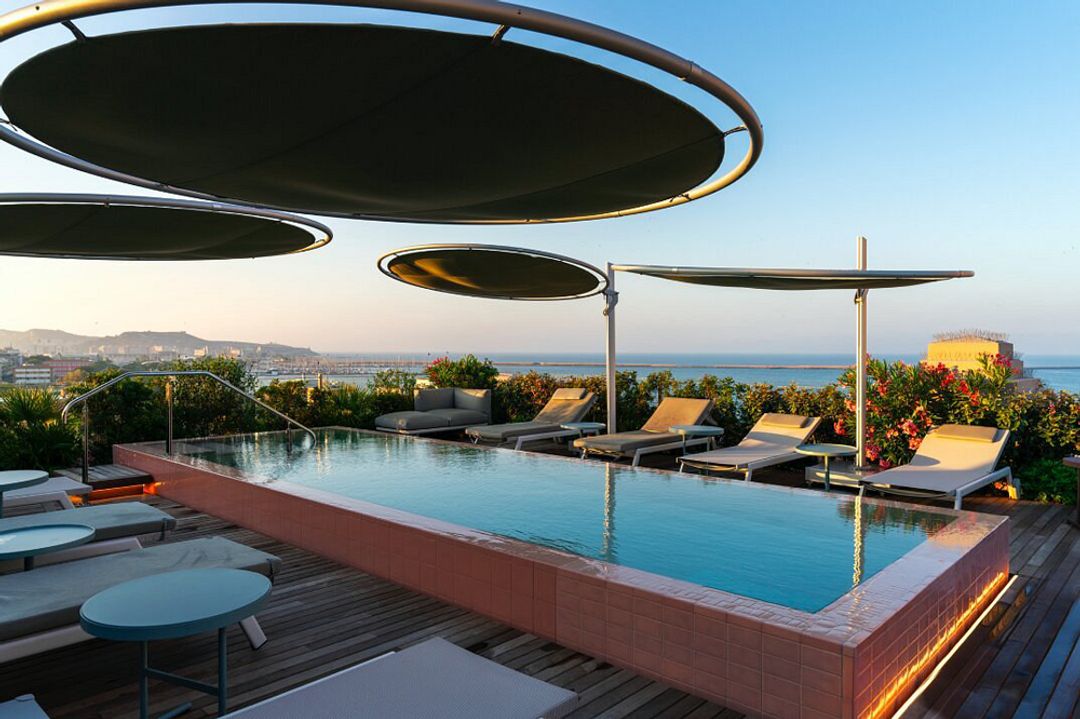
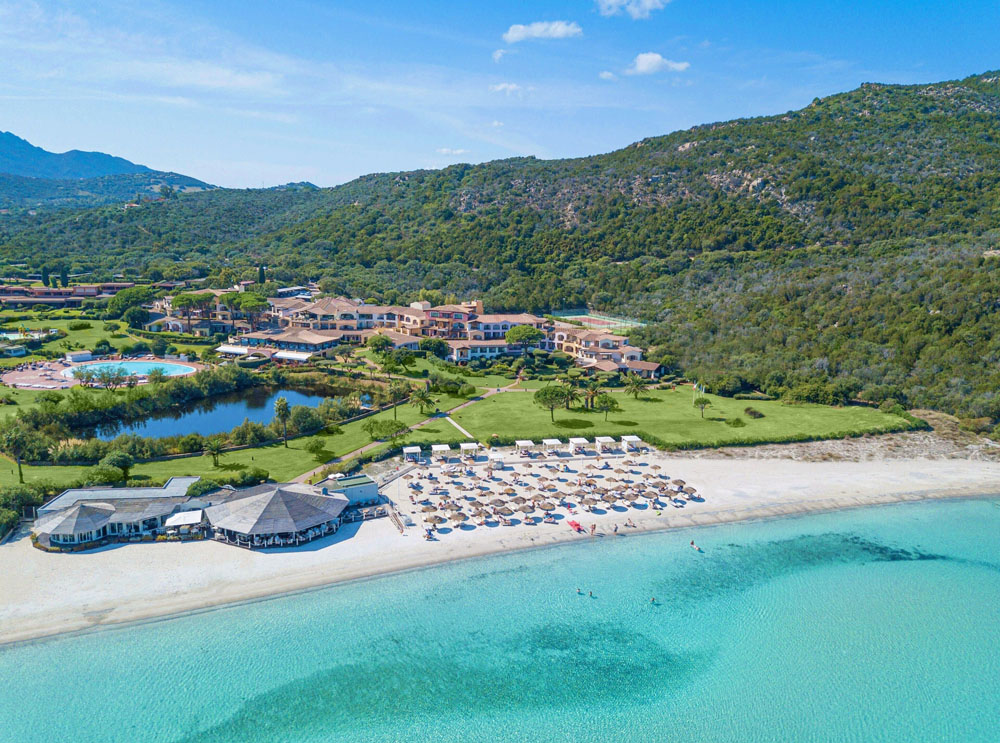
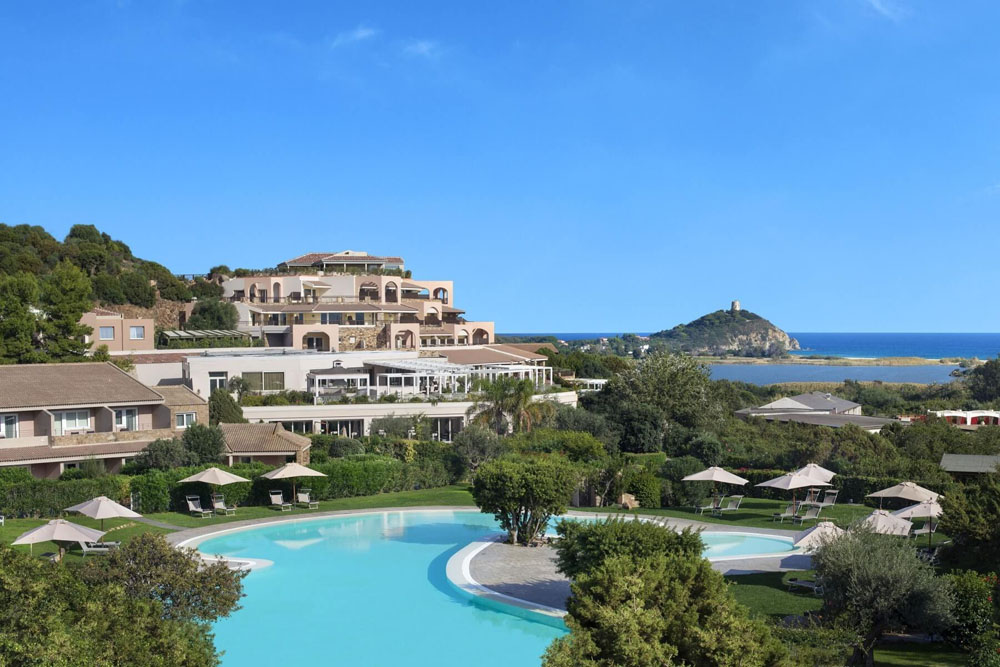
Cagliari, the capital, rewards a traveler whose instinct is to notice materials and provenance. Palazzo Doglio occupies a restored baroque palazzo in the historic Marina district, its interiors working with the existing bones of the building rather than overwriting them. Palazzo Tirso, reborn under MGallery, brings a similar historical consciousness to a former bank headquarters on the Piazza Martiri, its vaulted public spaces still carrying the civic weight of the original structure. Both offer a grounded urban experience that the resort north has no interest in providing. Down at Chia on the southwestern coast, Conrad Chia Laguna takes a different approach entirely, a large-footprint resort property oriented toward the shallow turquoise bay, better understood as a beach operation than an architectural statement.
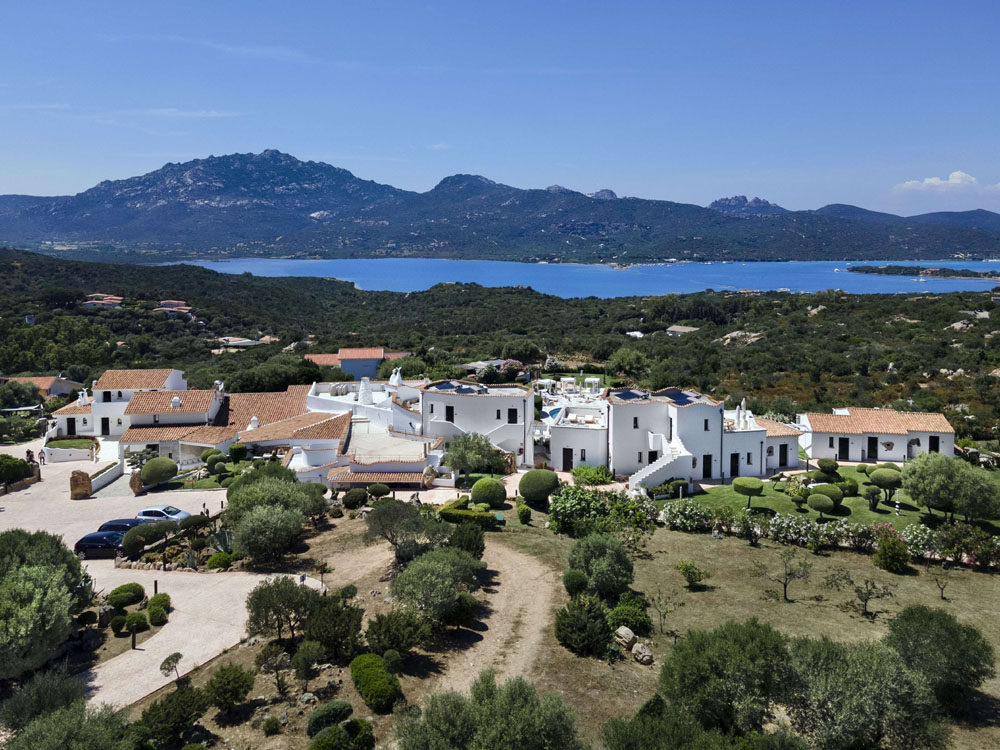
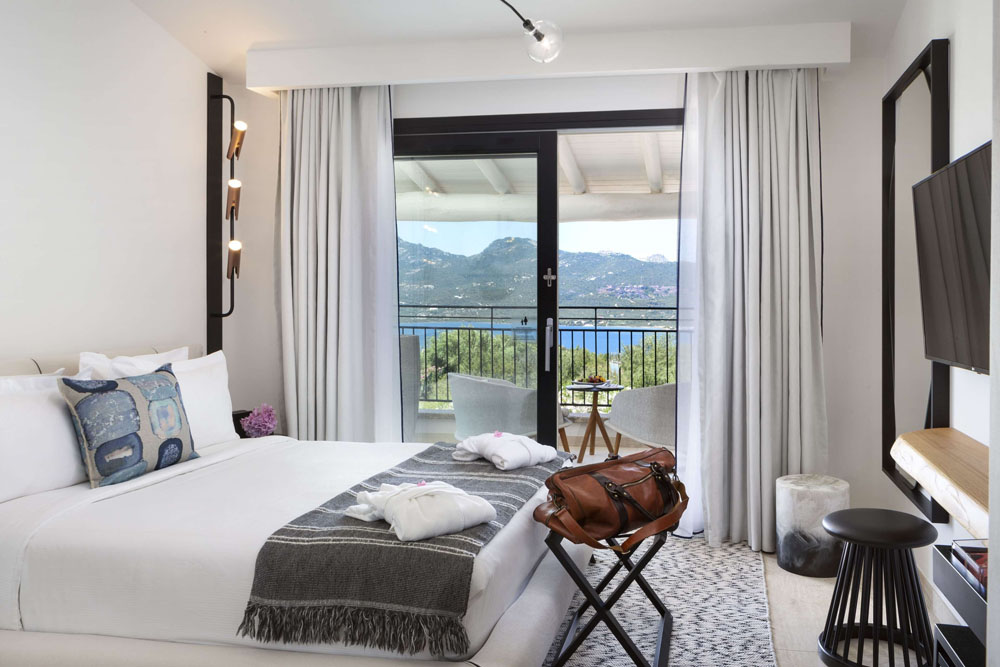
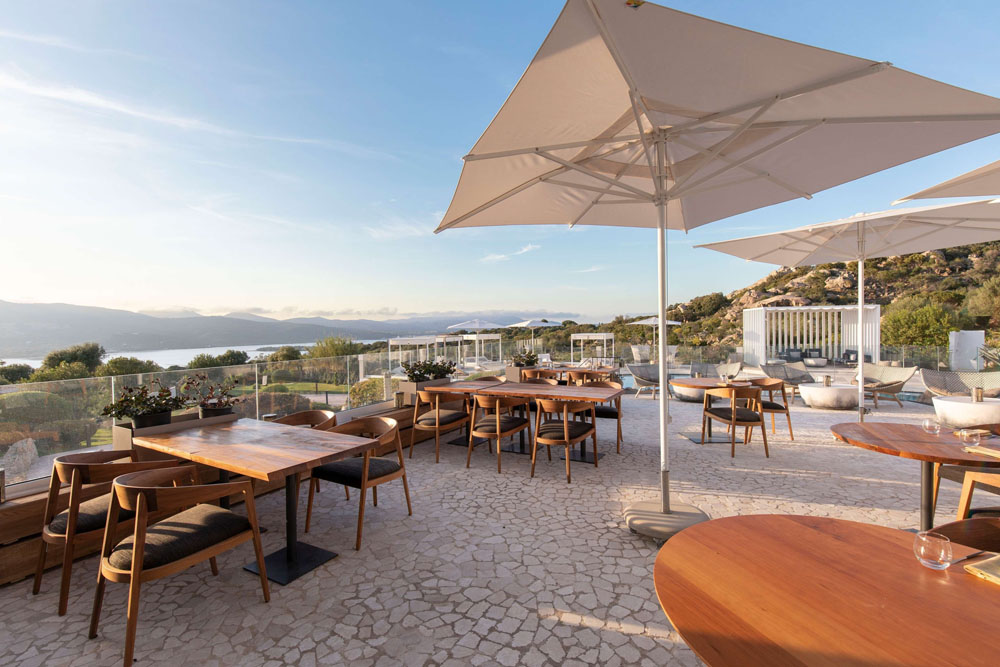
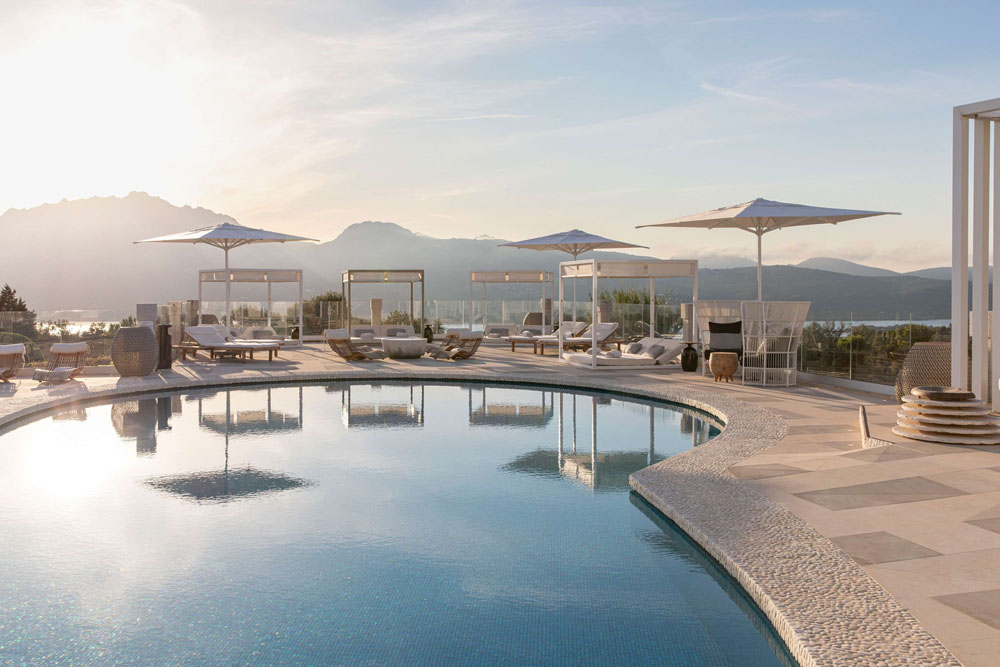
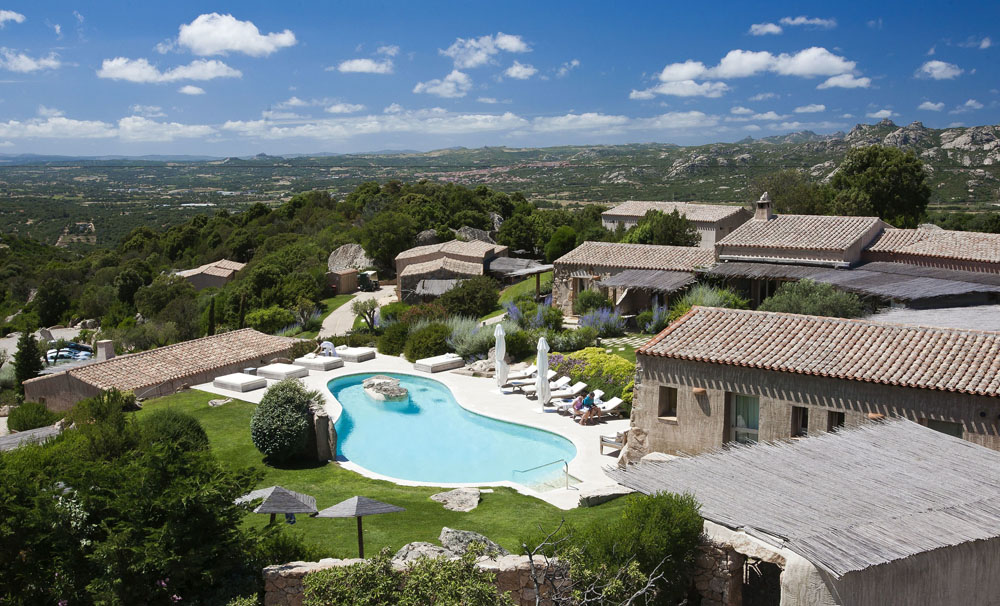
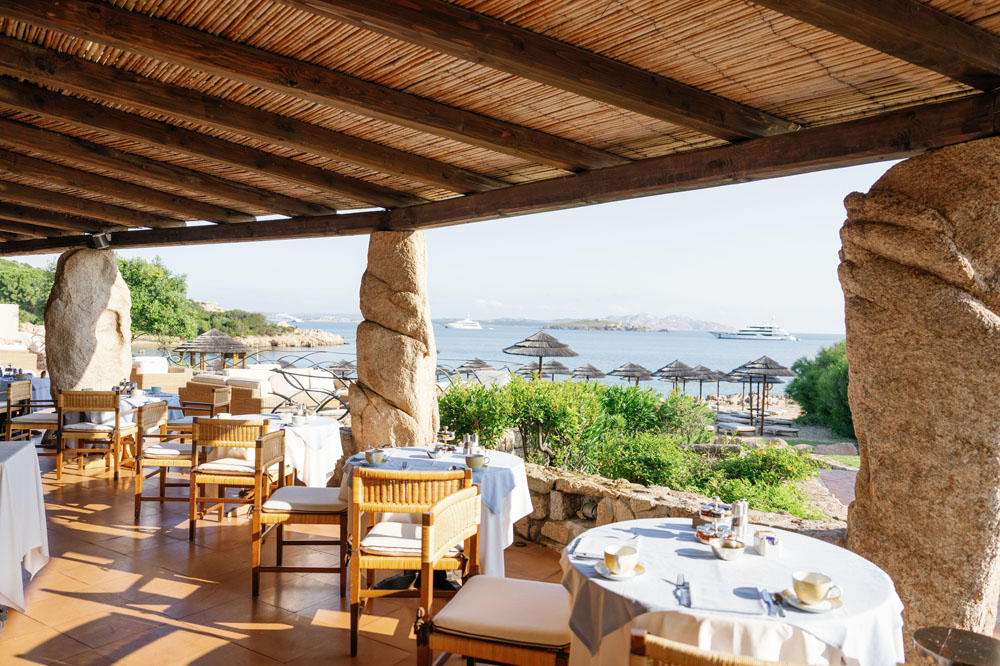
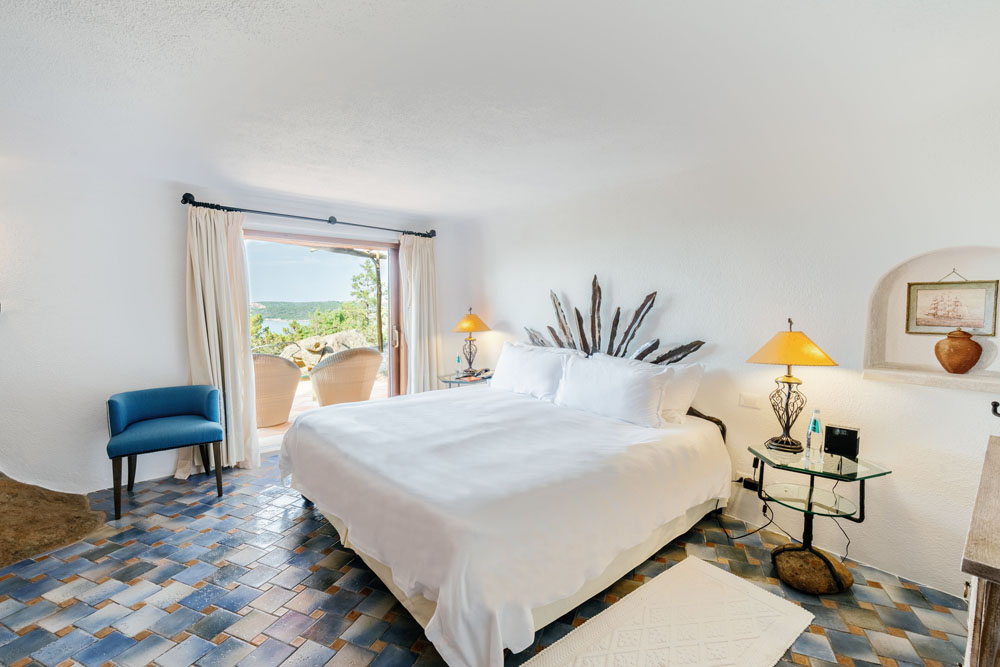
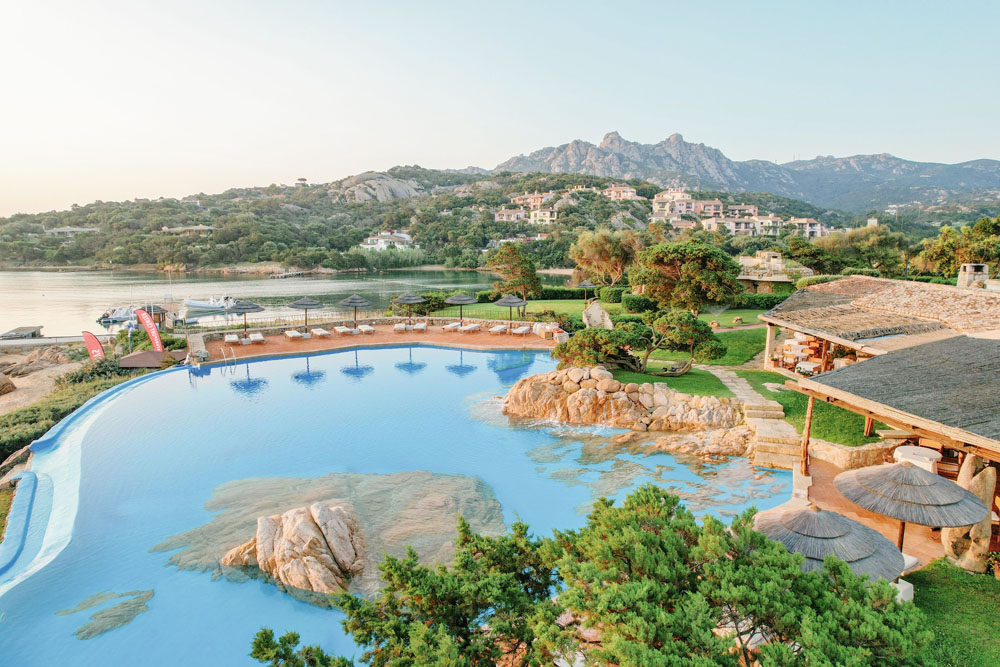
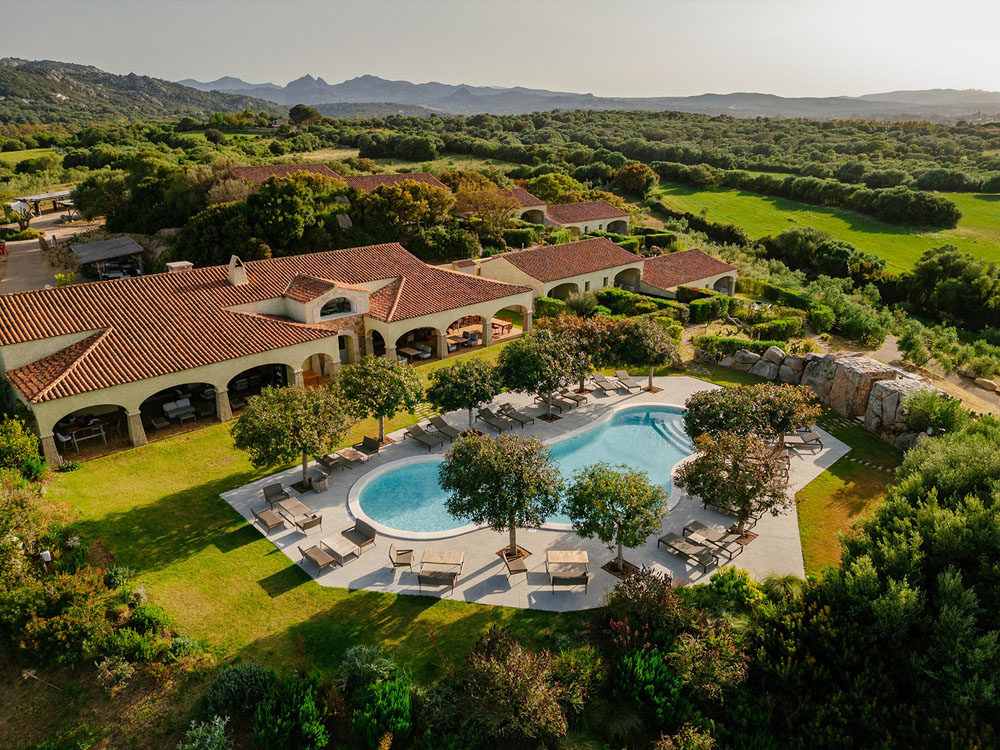
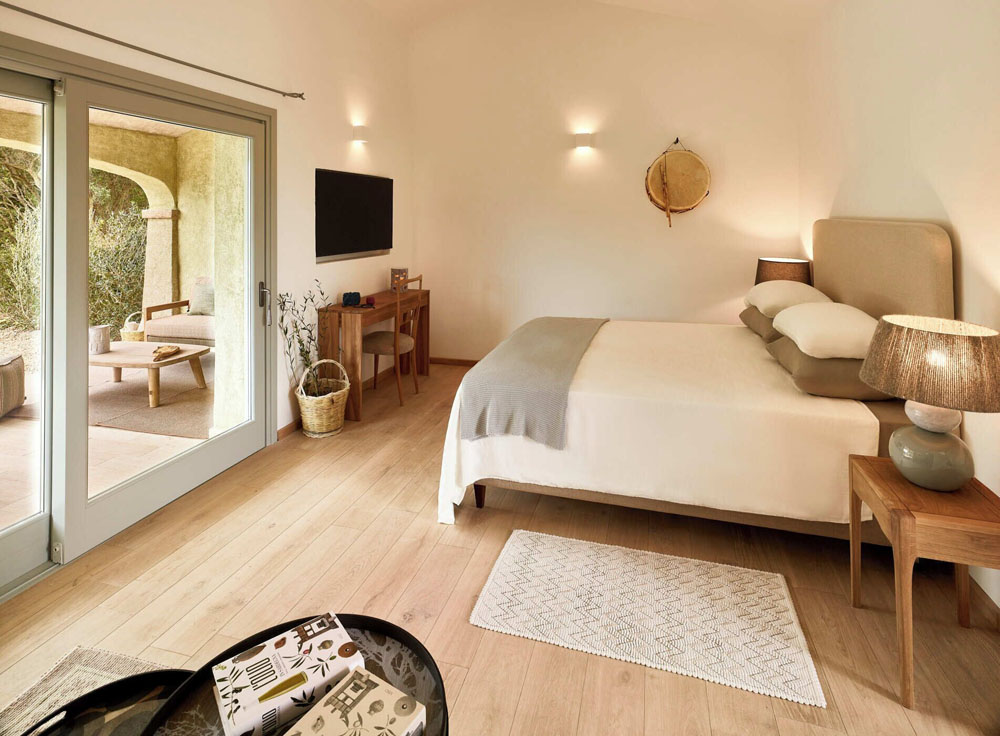
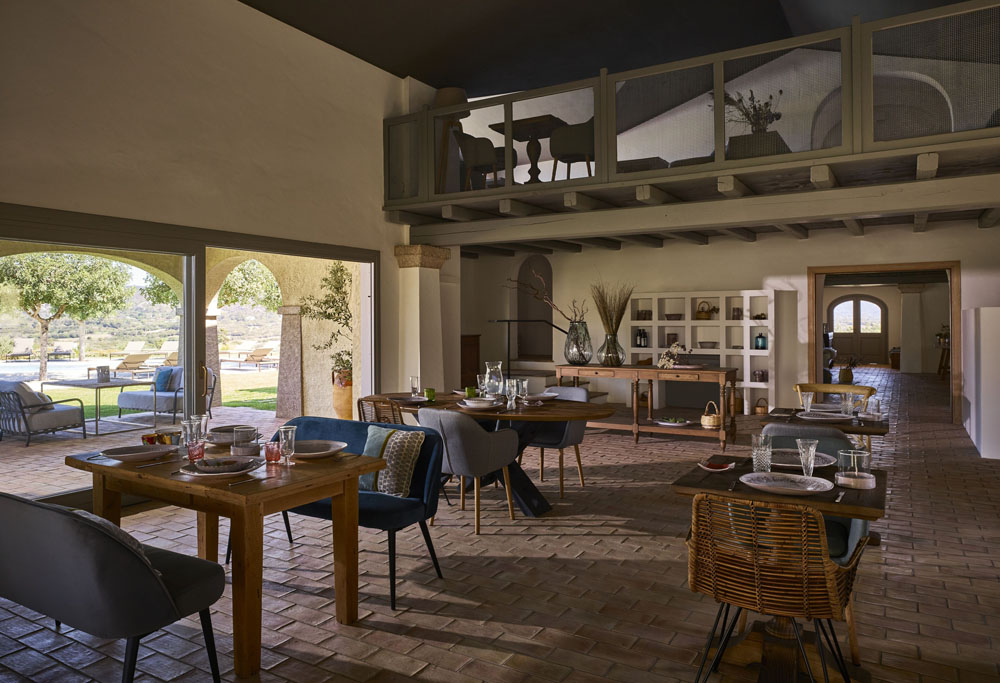
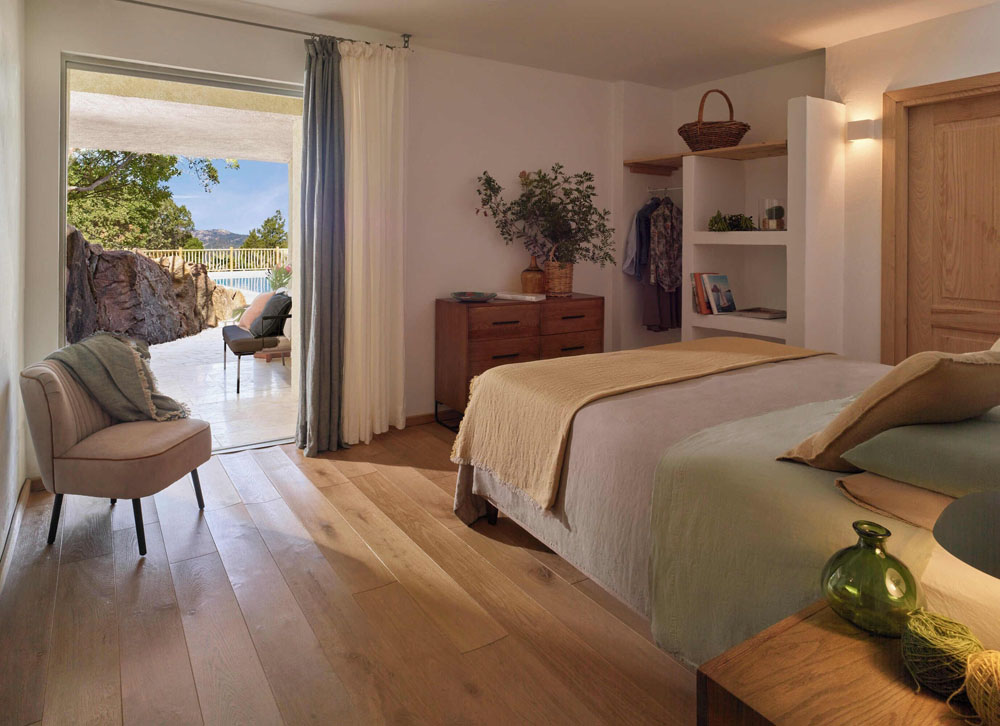
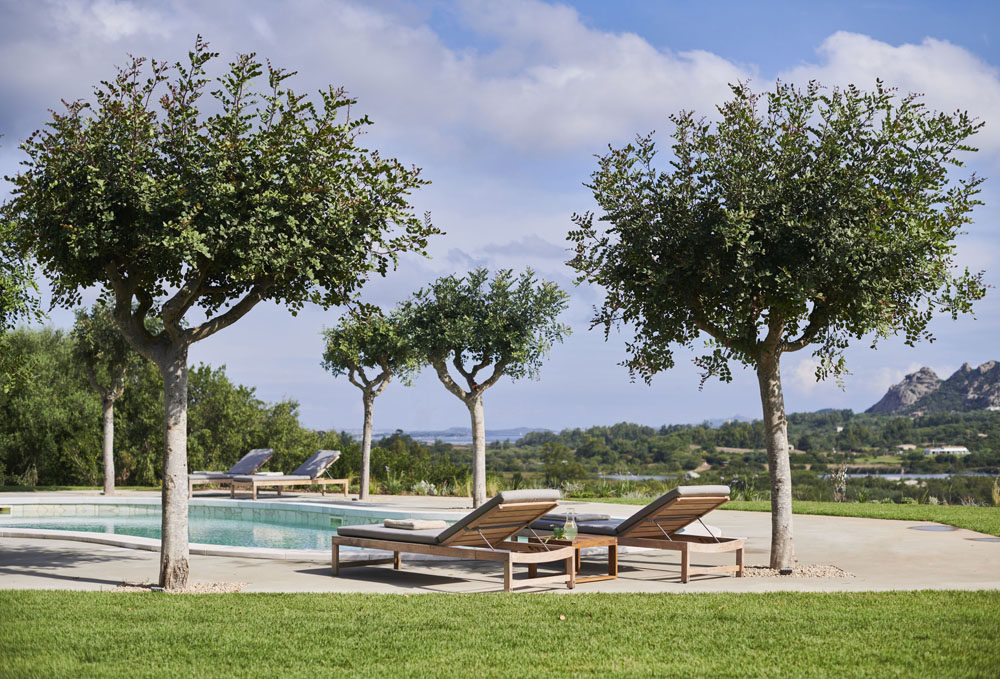
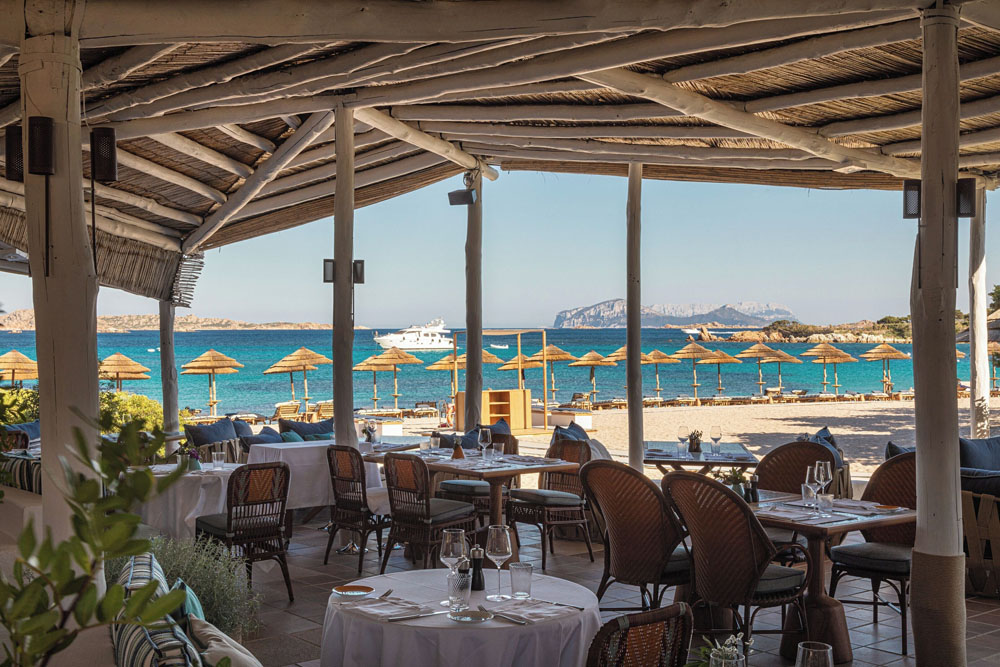
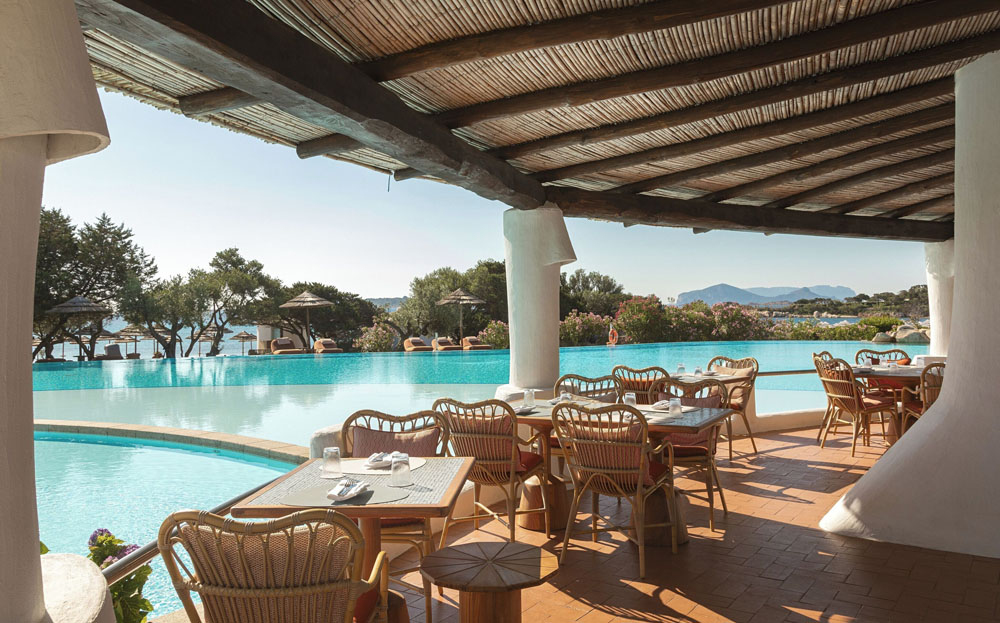
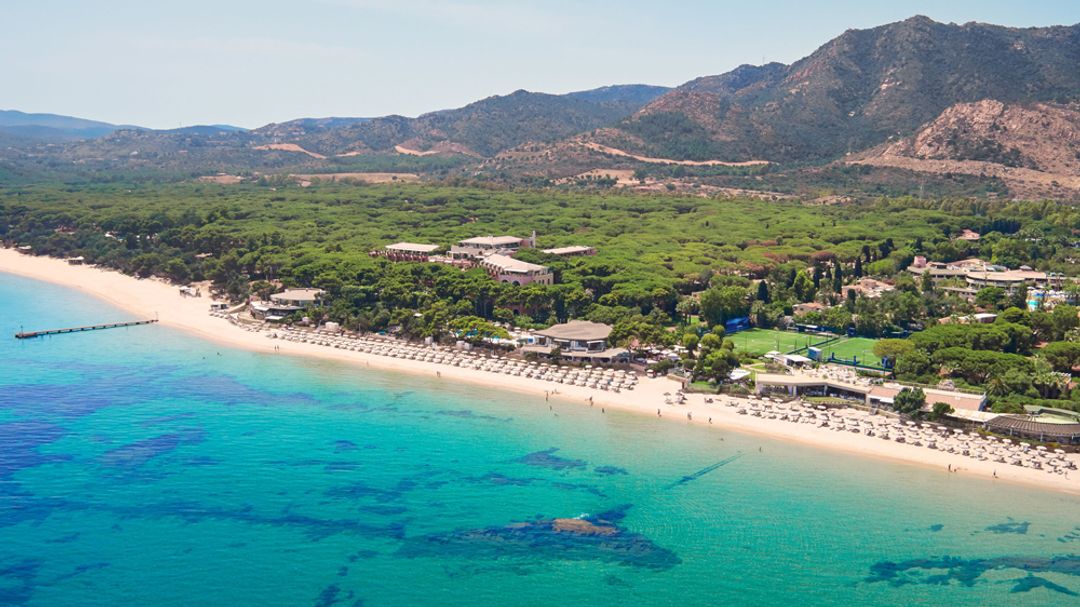
The northern coast is where the money concentrates and the design references shift. The Costa Smeralda remains the dominant frame of reference, built from the 1960s onward through the Aga Khan's Consortium and shaped largely by Jacques Couelle, whose organic architecture borrowed deliberately from the vernacular of Gallura, the granite-strewn hinterland above Olbia. Hotel Pitrizza, the smallest and most restrained of the original Consortium properties, stays closest to that sensibility, its bungalows half-buried in maquis scrub above a private cove. The Romazzino, also a Belmond property, presents more color and a grander sweep of terrace, while 7Pines, perched on the cliffs of Baja Sardinia, leans into a more contemporary Mediterranean register. Slightly inland, Petra Segreta near San Pantaleo and Aethos Sardinia at Cannigione both attempt something quieter than the coast itself allows, the former built from local granite into a hillside garden, the latter occupying a converted agrarian estate where the emphasis is on the land rather than the sea view. Sulia House at Porto Rotondo, part of Hilton's Curio Collection, sits within one of the Consortium's planned marina villages and inherits its measured, low-rise urbanism. Forte Village, far to the south at Santa Margherita di Pula, operates at a scale entirely its own, a self-contained resort complex where the architecture is essentially beside the point.