Best hotels in Lisbon | A Curated Visual Guide to Top Stays
Welcome to PressBeyond, the ultimate curated visual guide for design-driven hotels! My name is Will Miller and these are my recommendations for the best boutique and luxury hotels in Lisbon.
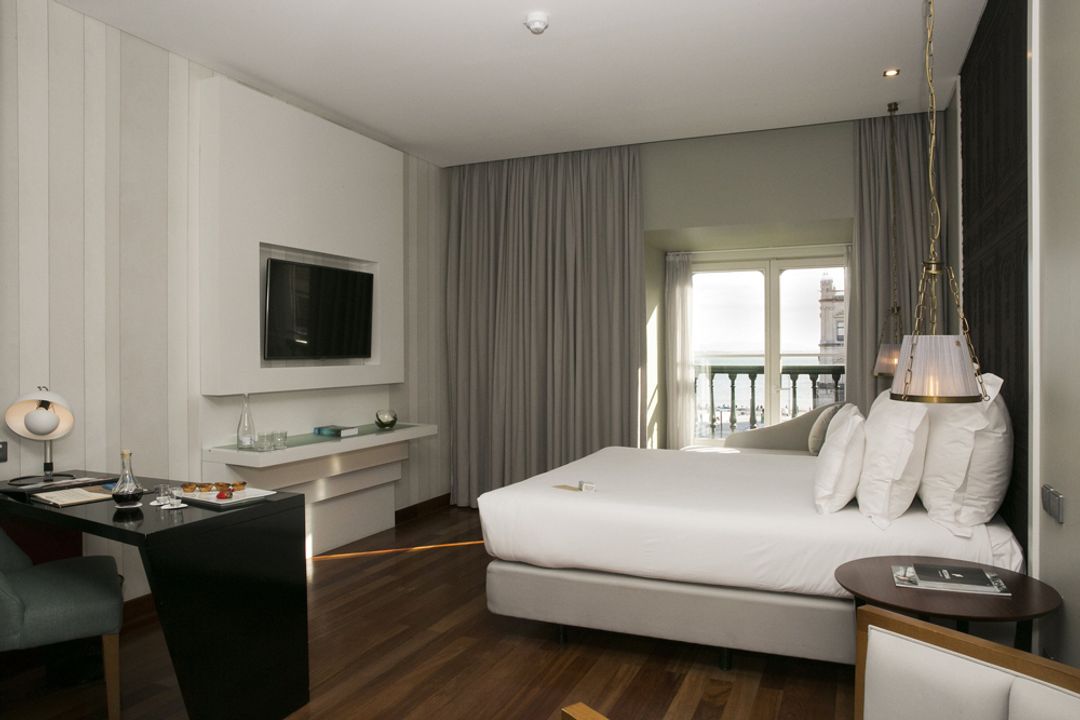
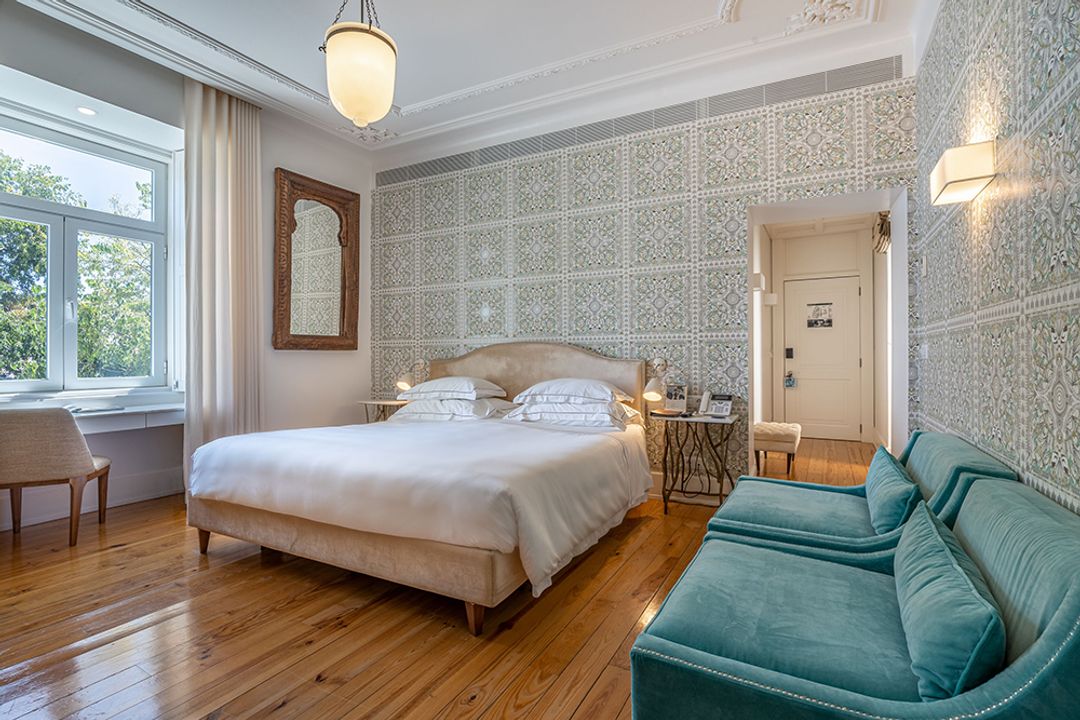
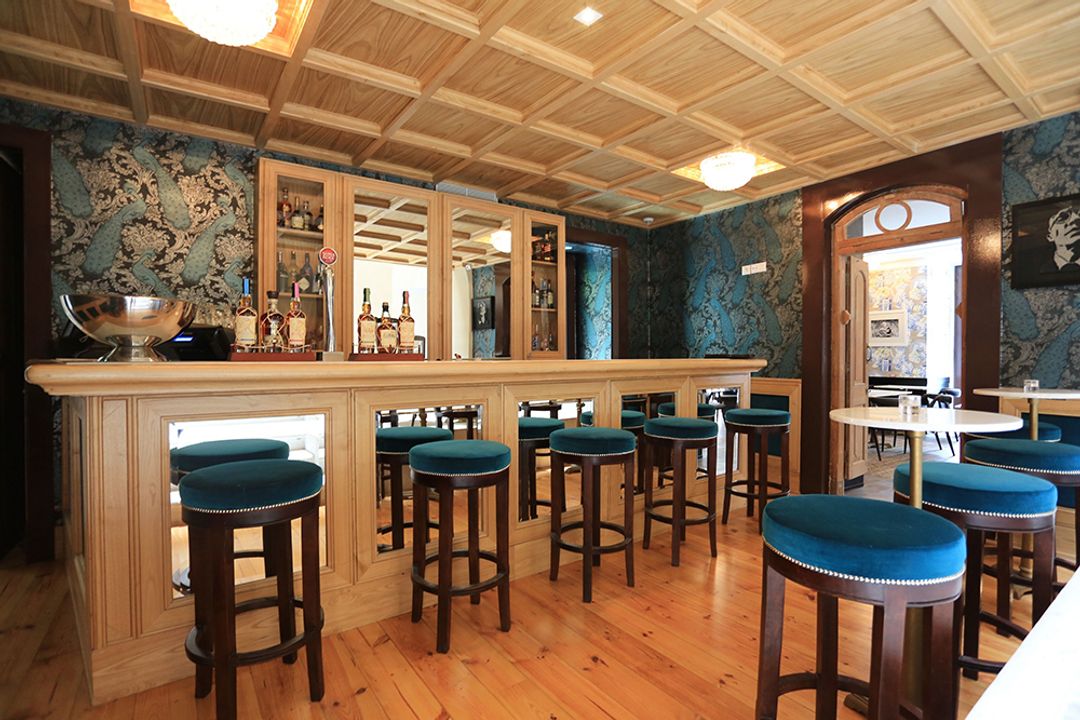
I am the founder of PressBeyond and I am an ultra-meticulous hotel curator who loves clean visuals. I have individually analyzed and tiered each hotel included in this guide based on a variety of criteria (architecture & design, location, brand & brand affiliation, existing reviews, and my own personal experiences), and importantly, I have hand-selected the leading imagery for each hotel to provide you with easily-digestible, yet detailed and complete, like-for-like, high-level visual profiles. I felt this summarization step was a critical missing piece across existing guides, blogs, and booking platforms. My aim is to make it easier for people to identify hotel environments that resonate with them, along with enabling them to visualize the types of social experiences that those environments help foster. My brain doesn't work when exposed to cluttered content, so my goal was to create the opposite.
Underneath this, we are also a full booking engine offering 5% Venmo cash back along with other exclusive perks. For all of you design-obsessed hotel enthusiasts out there, I hope this guide helps get you to where you see yourself!
An Overview of the Boutique & Luxury Hotel Landscape in Lisbon
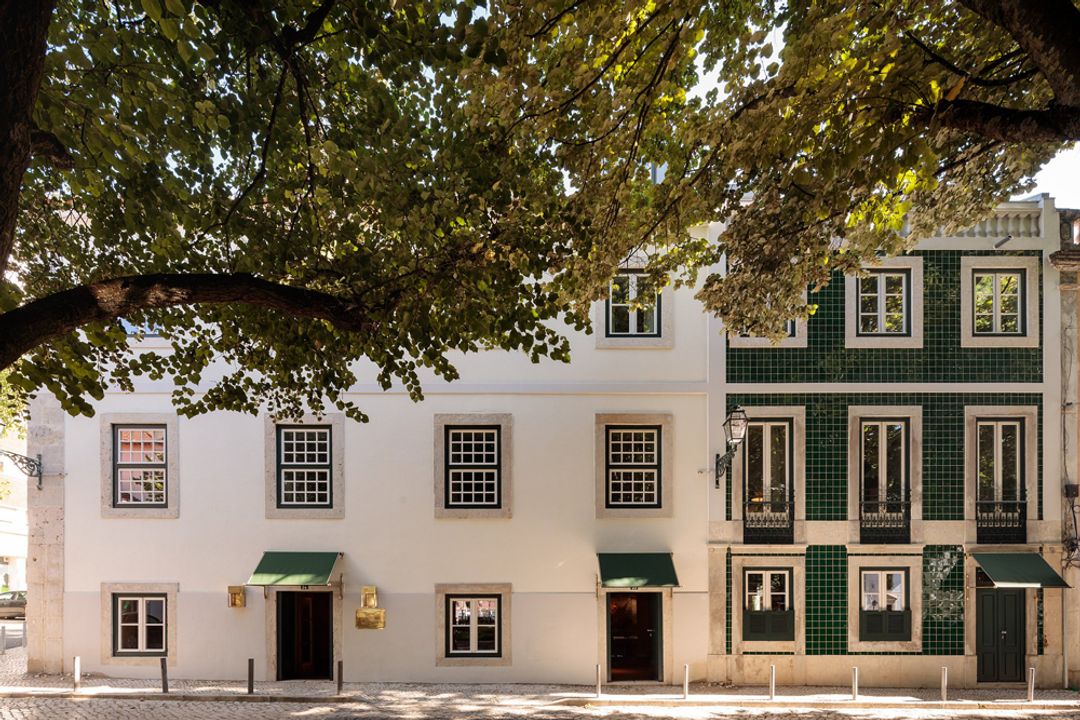
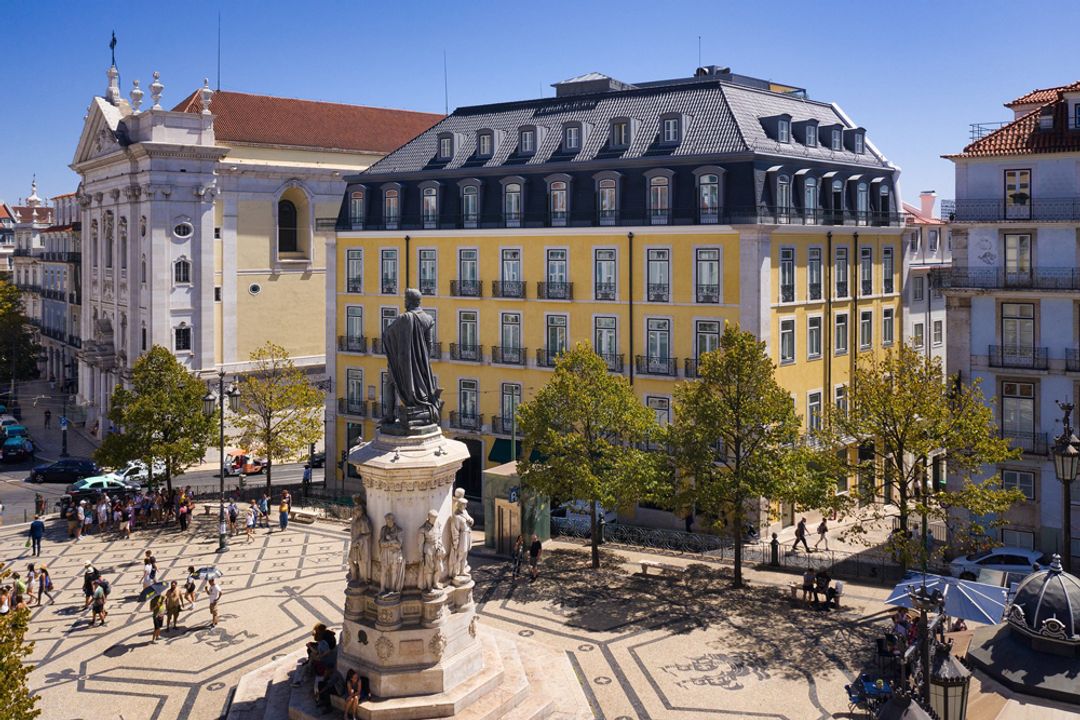
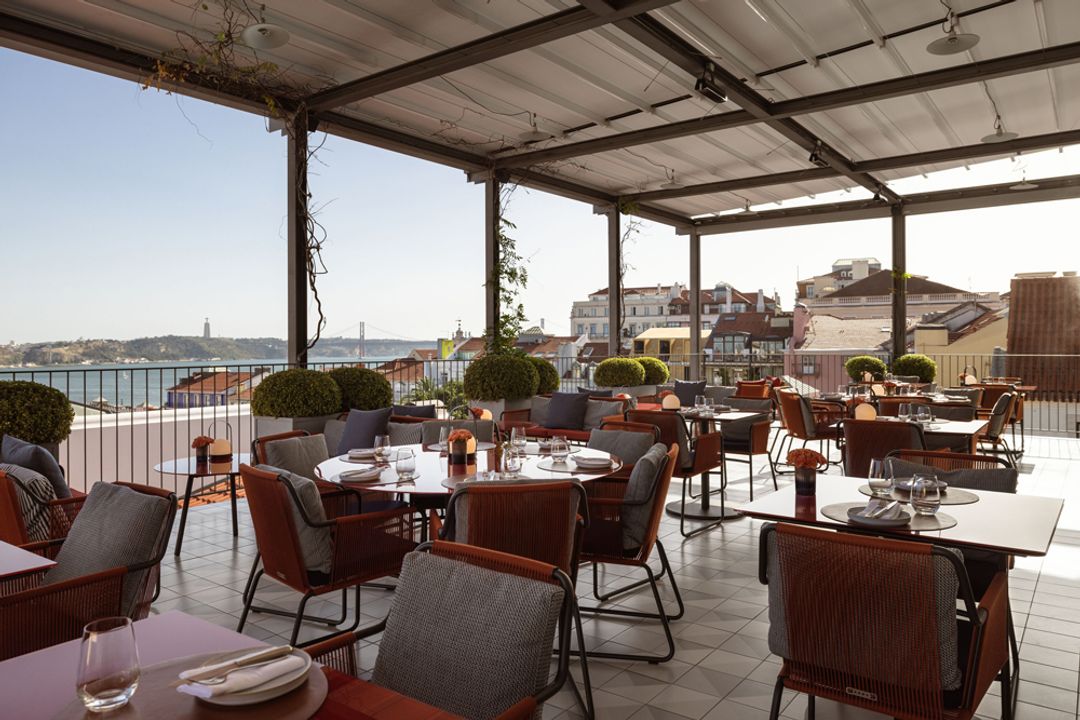
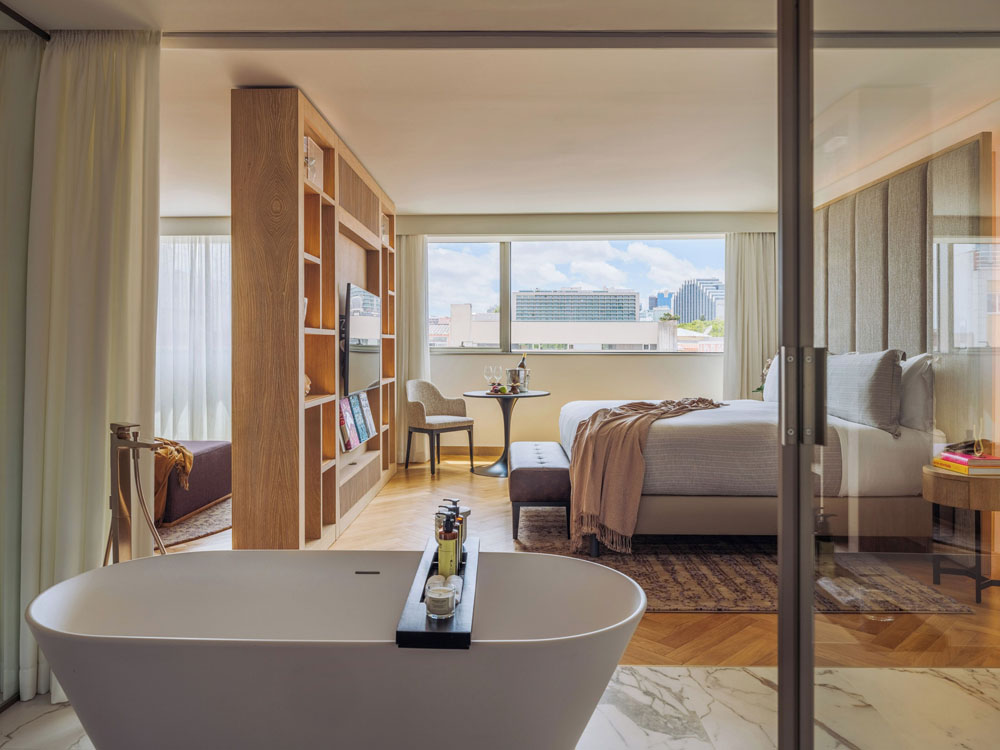
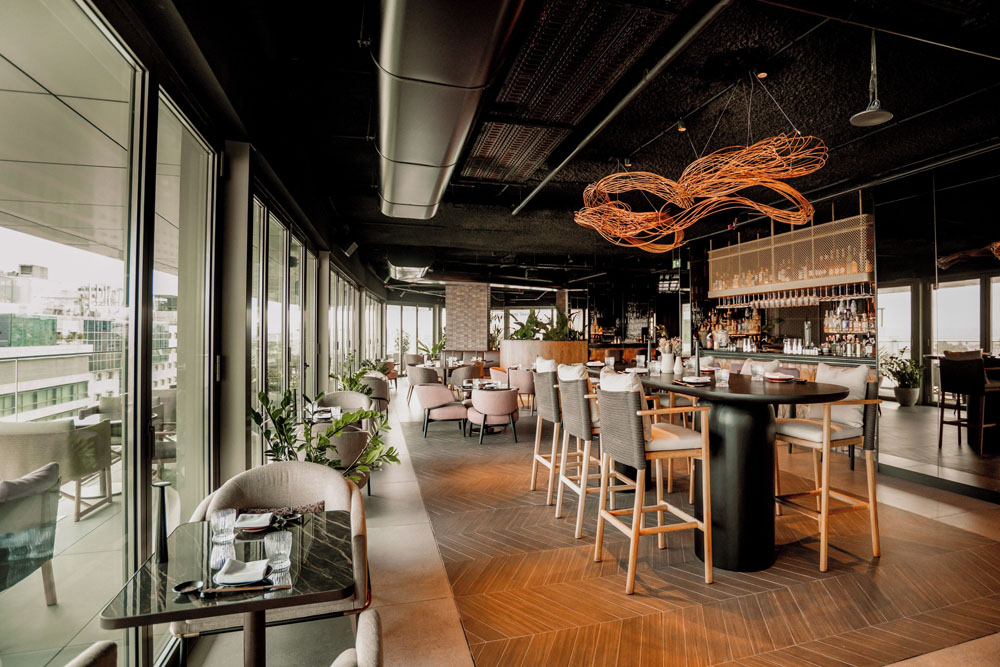
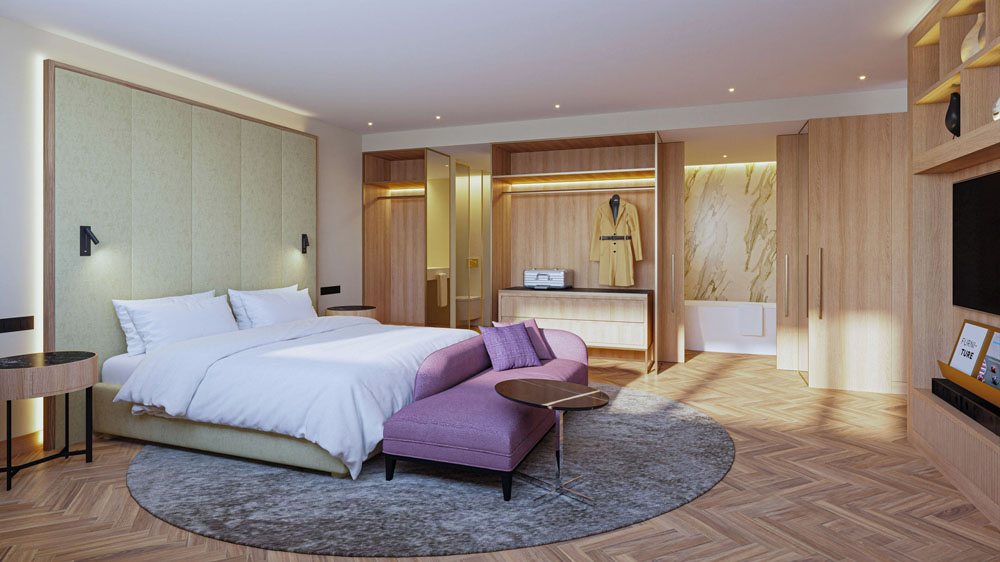
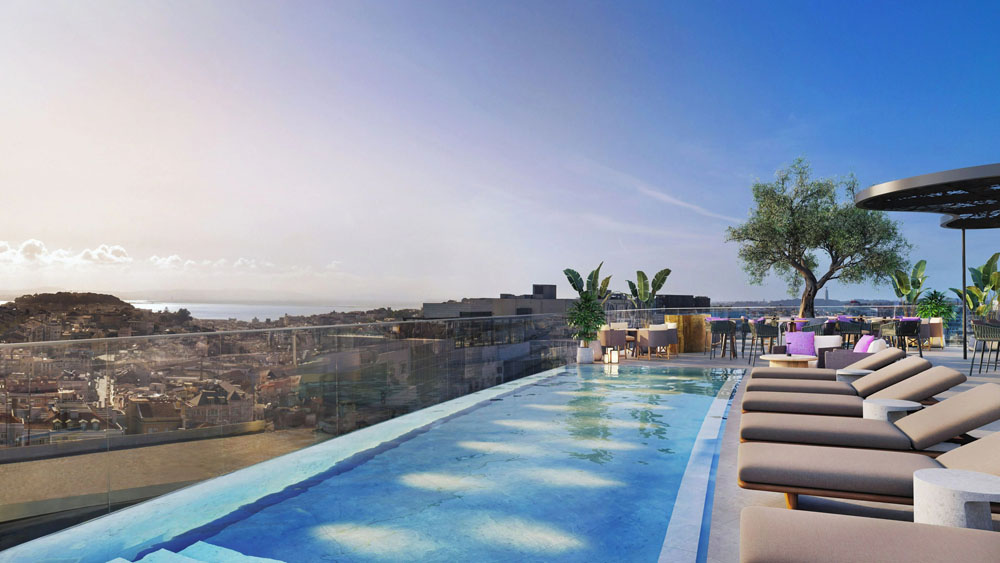
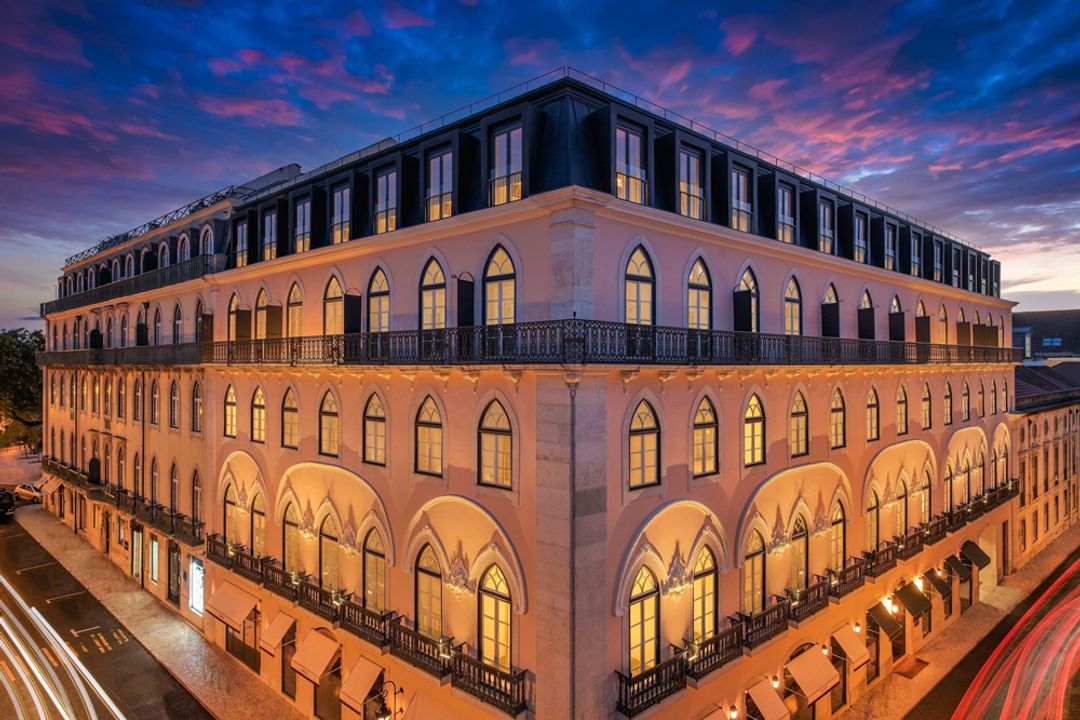
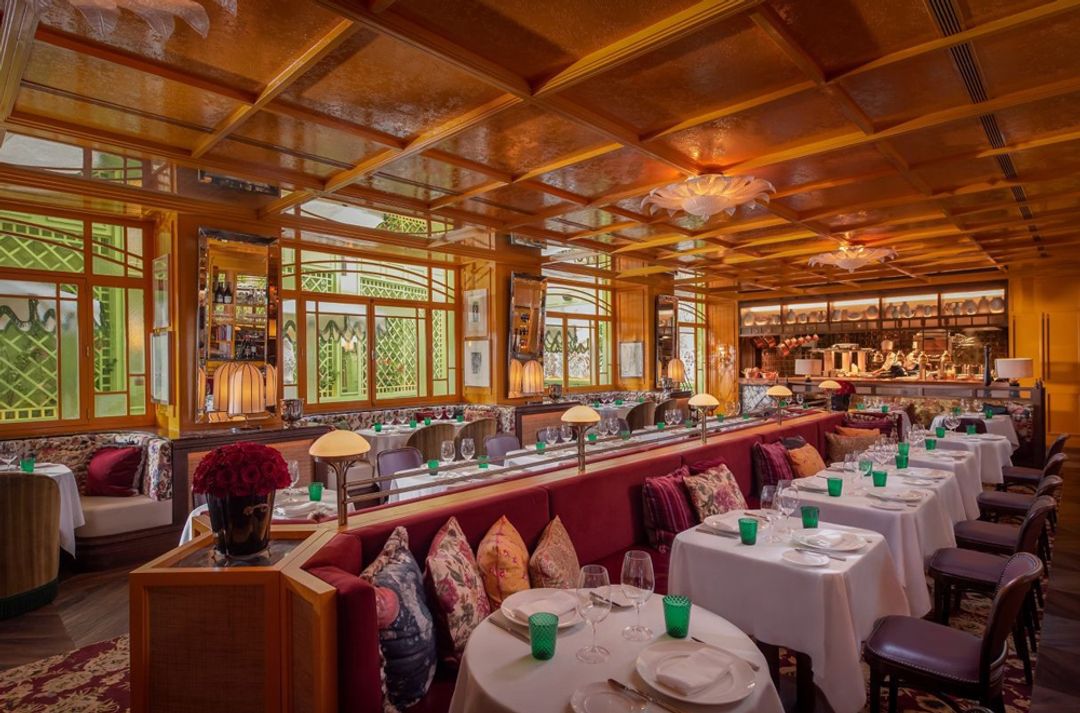
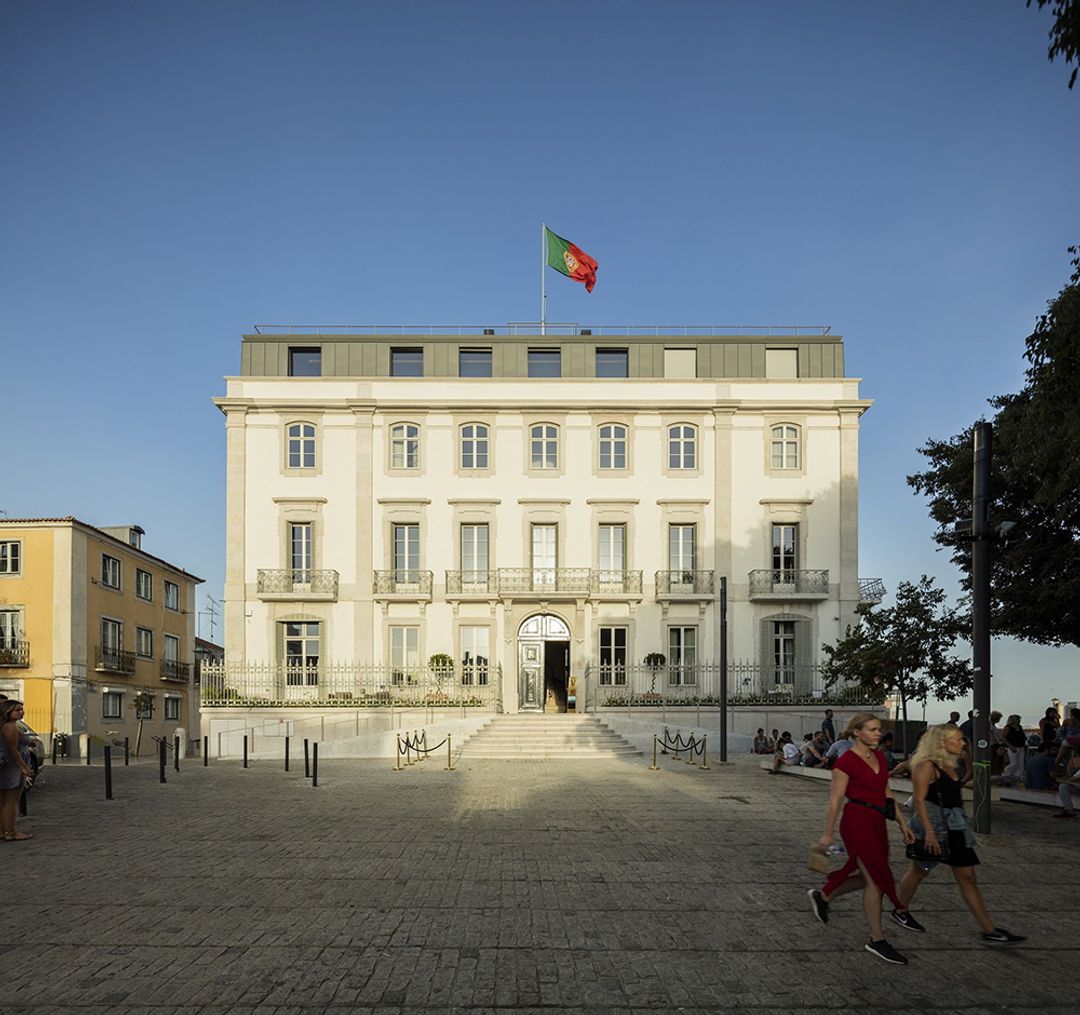
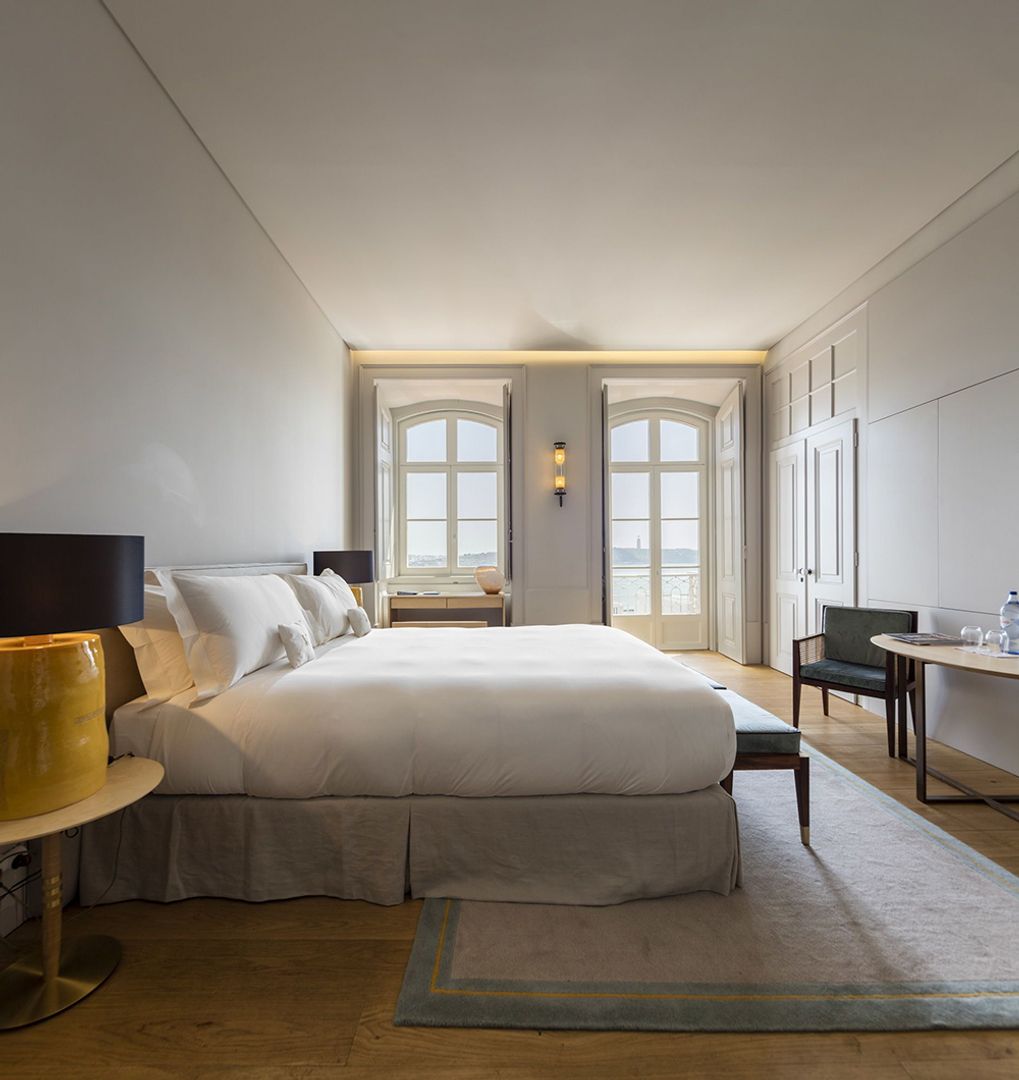
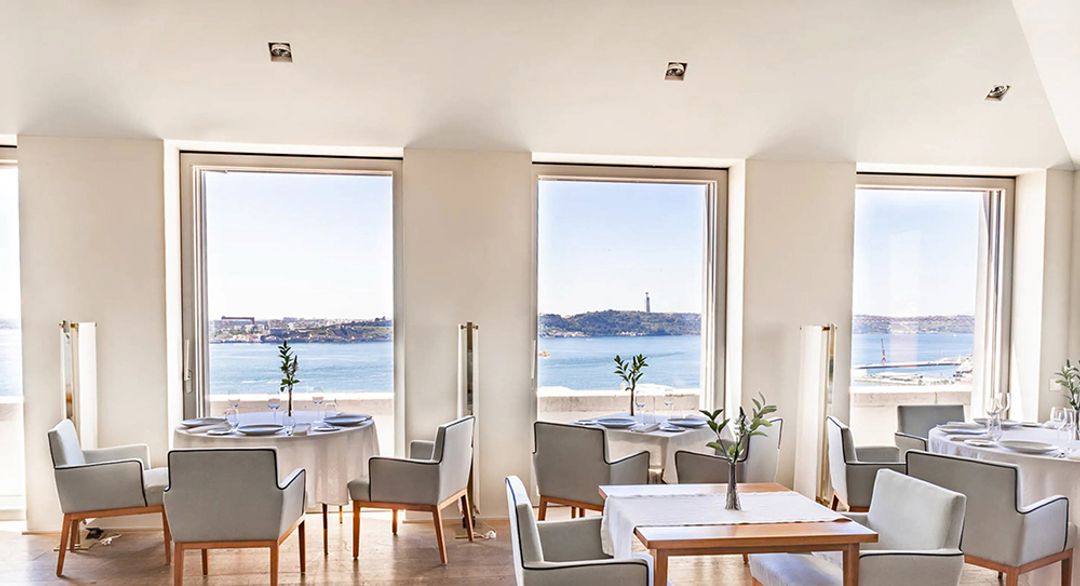
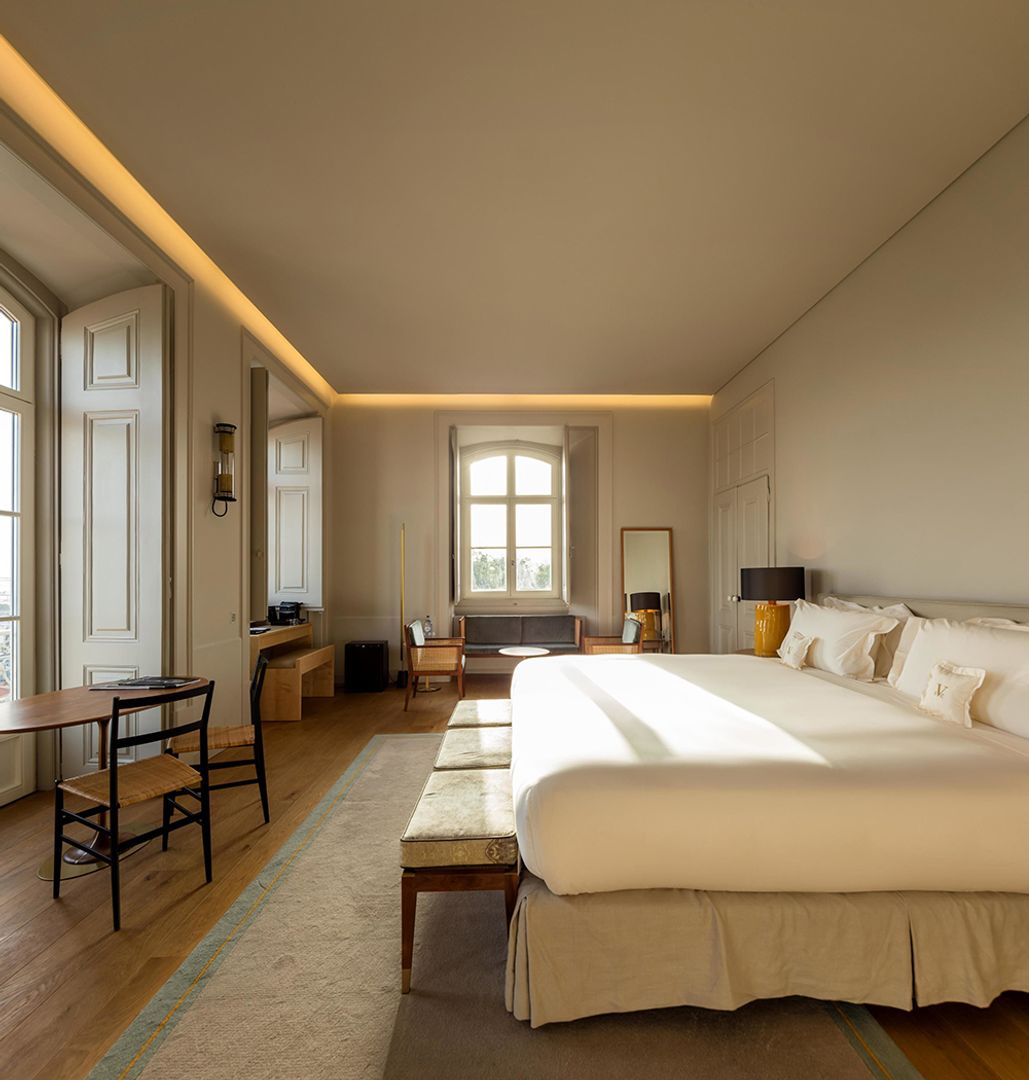
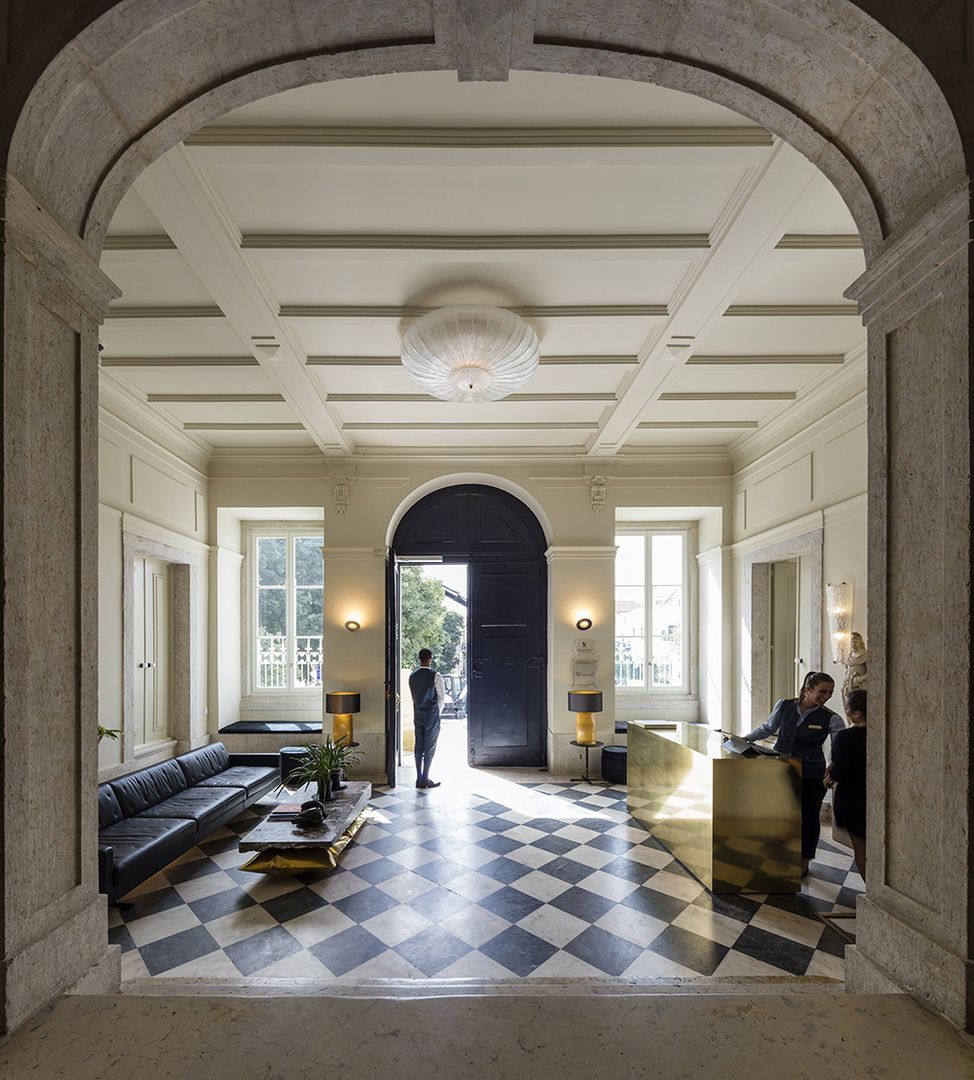
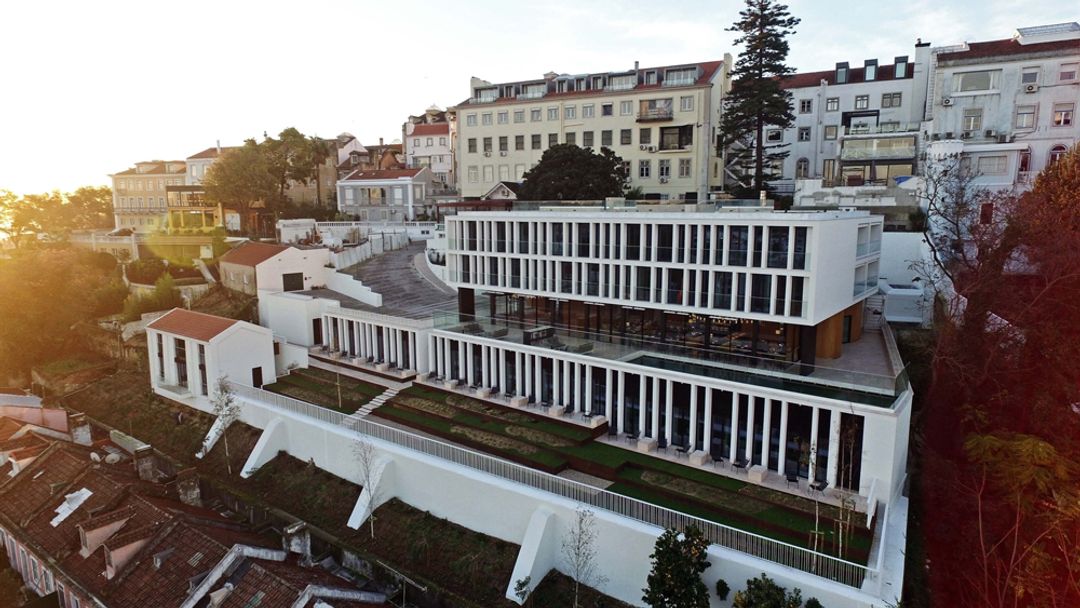
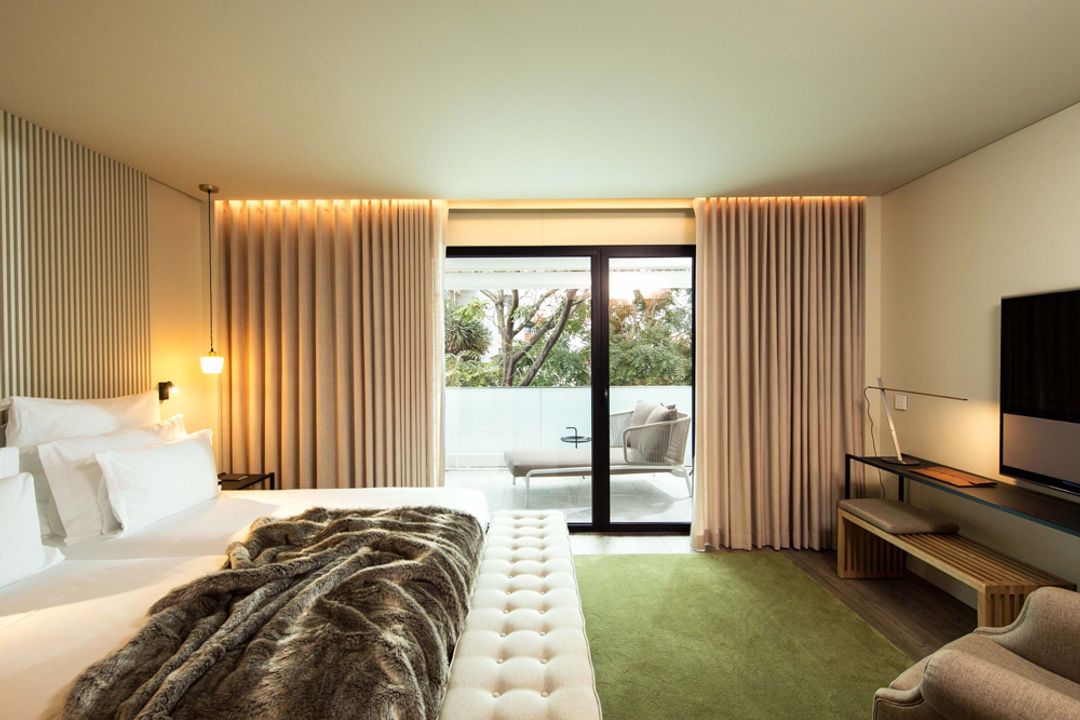
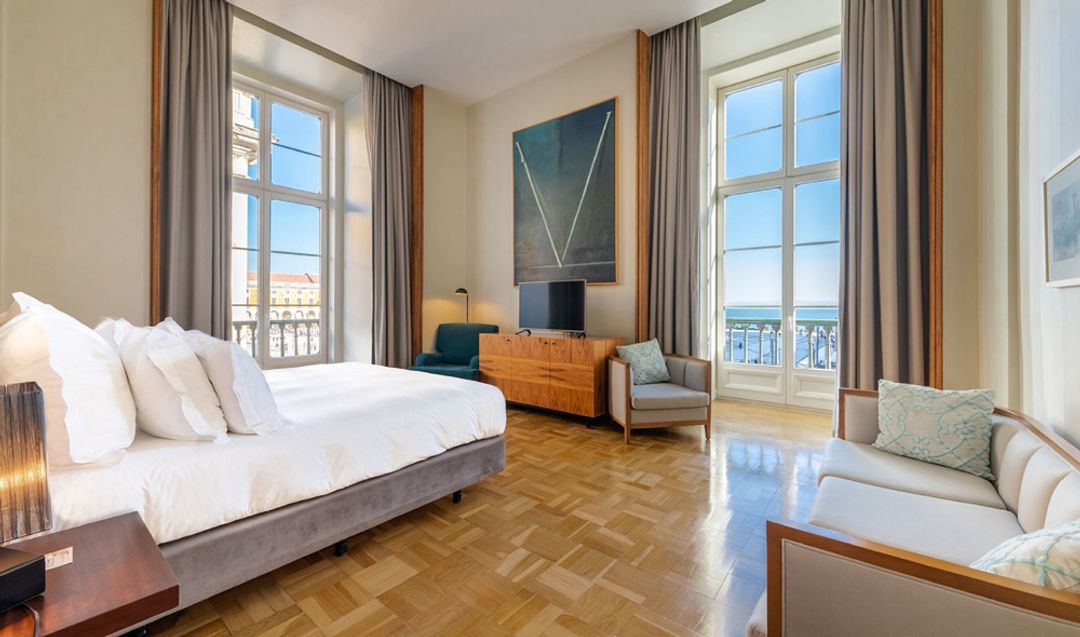
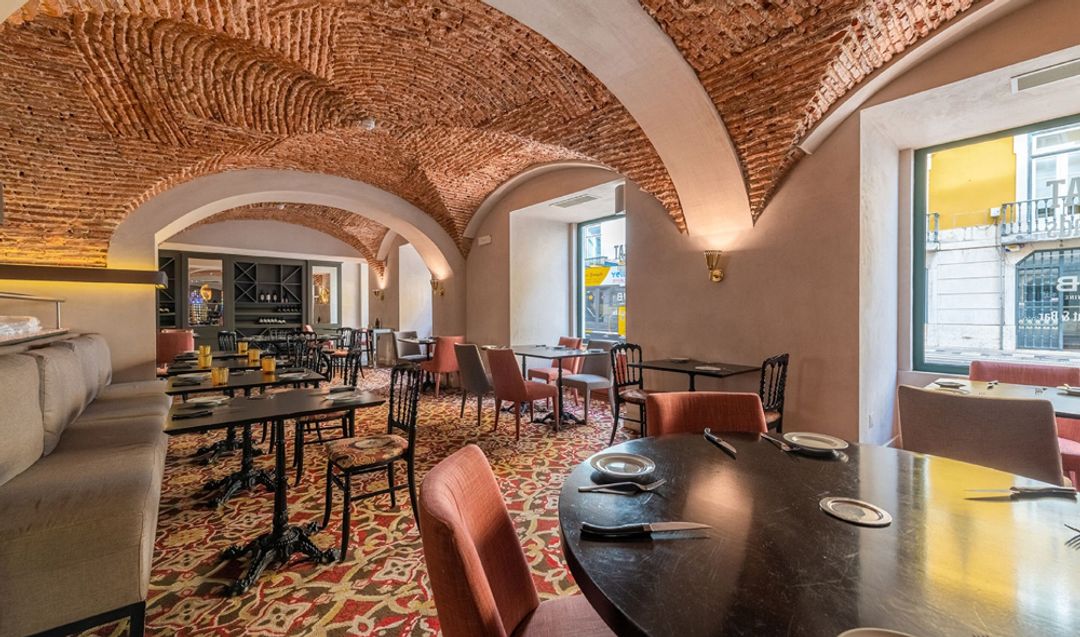
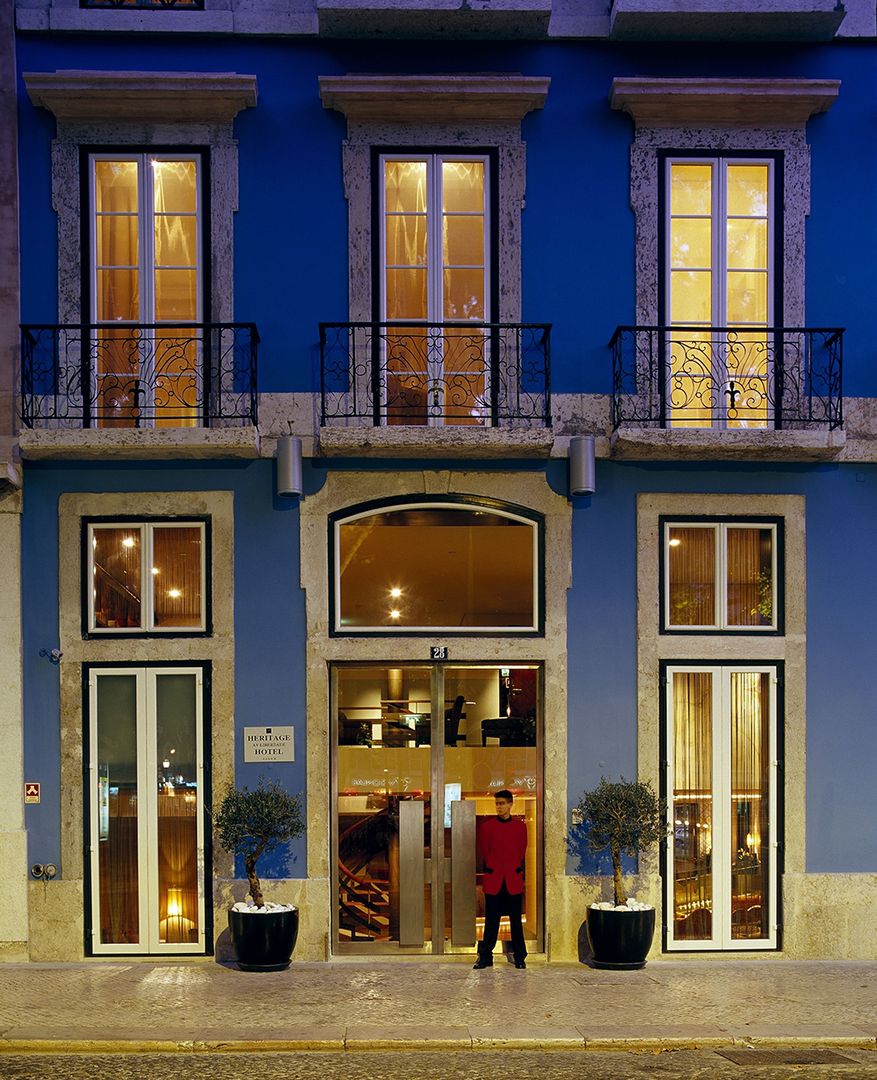
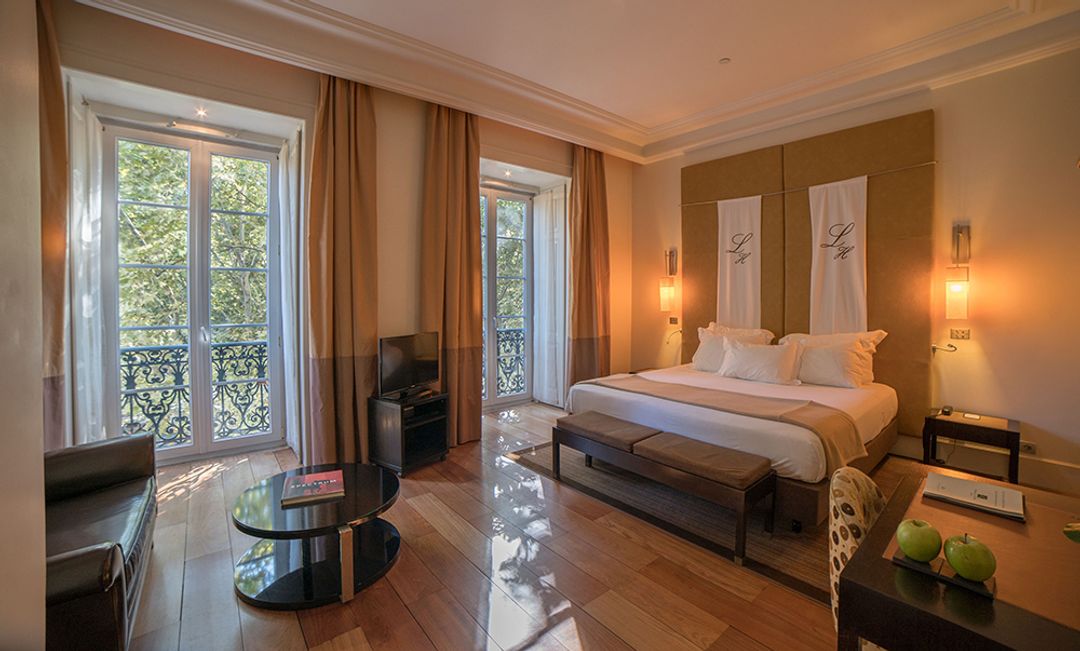
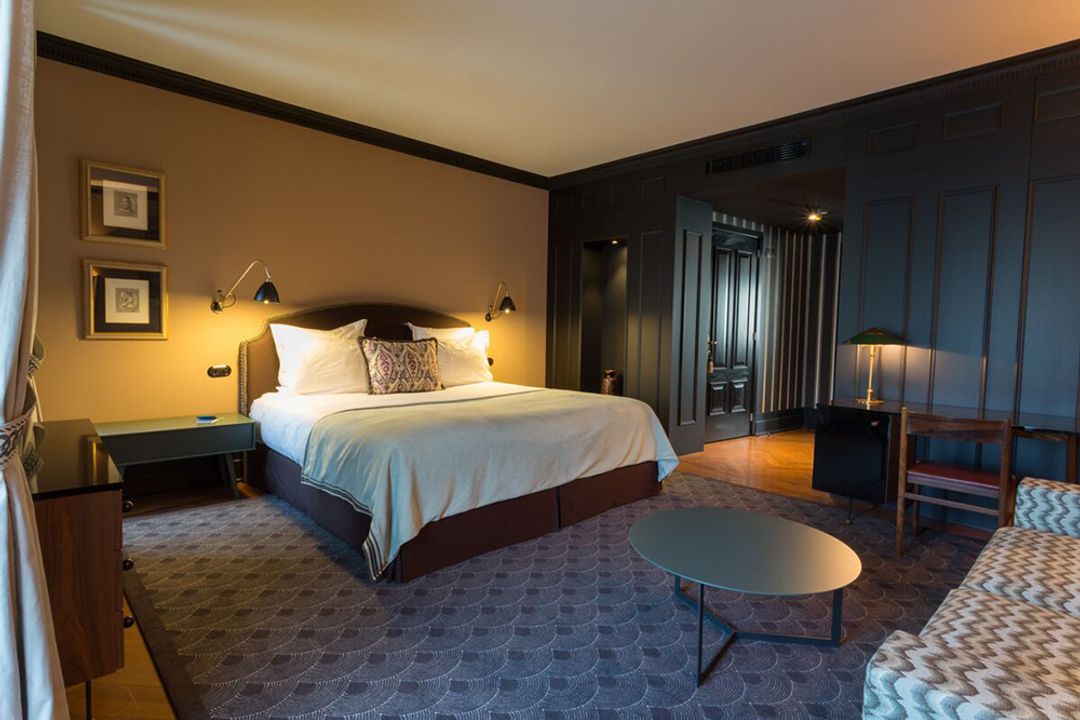
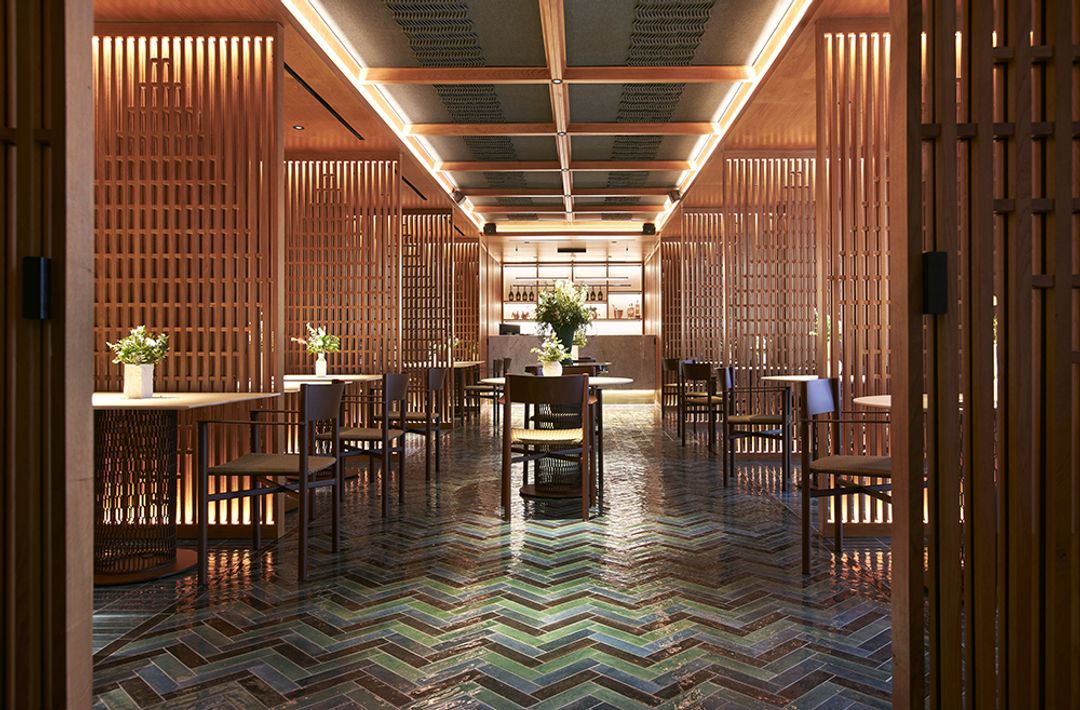
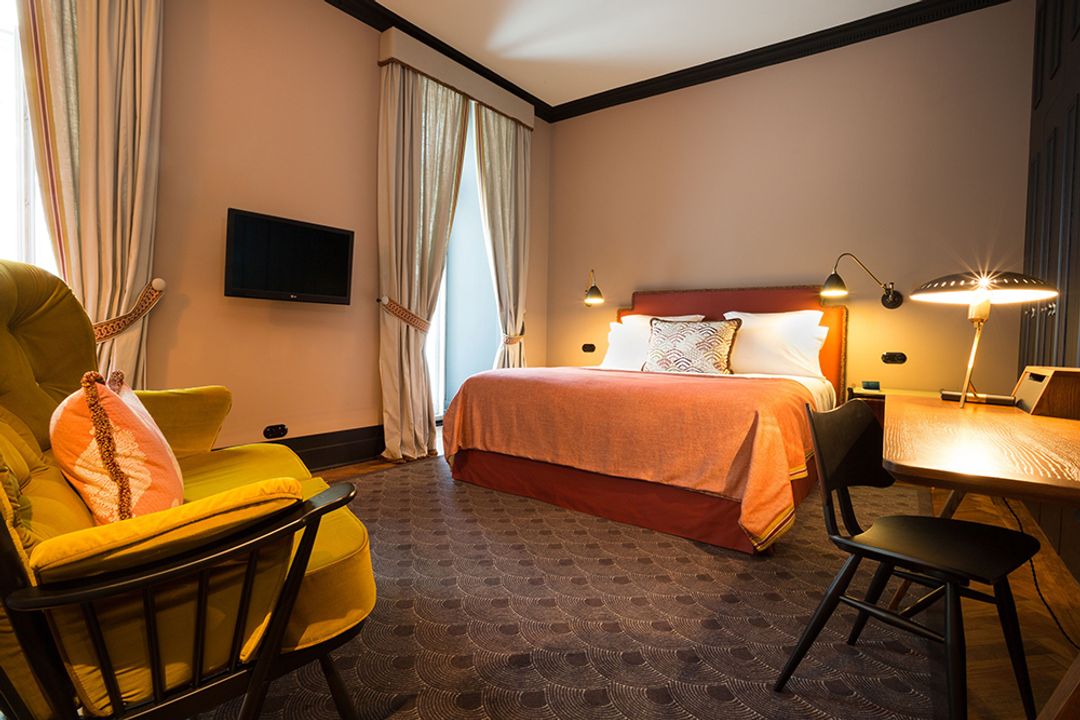
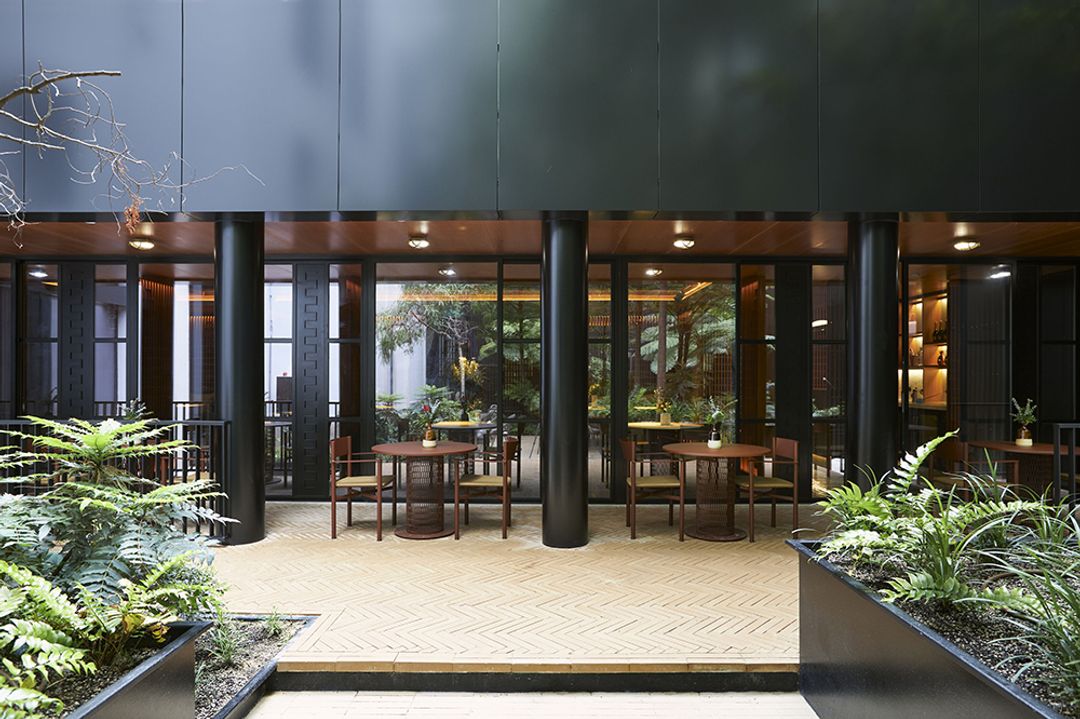
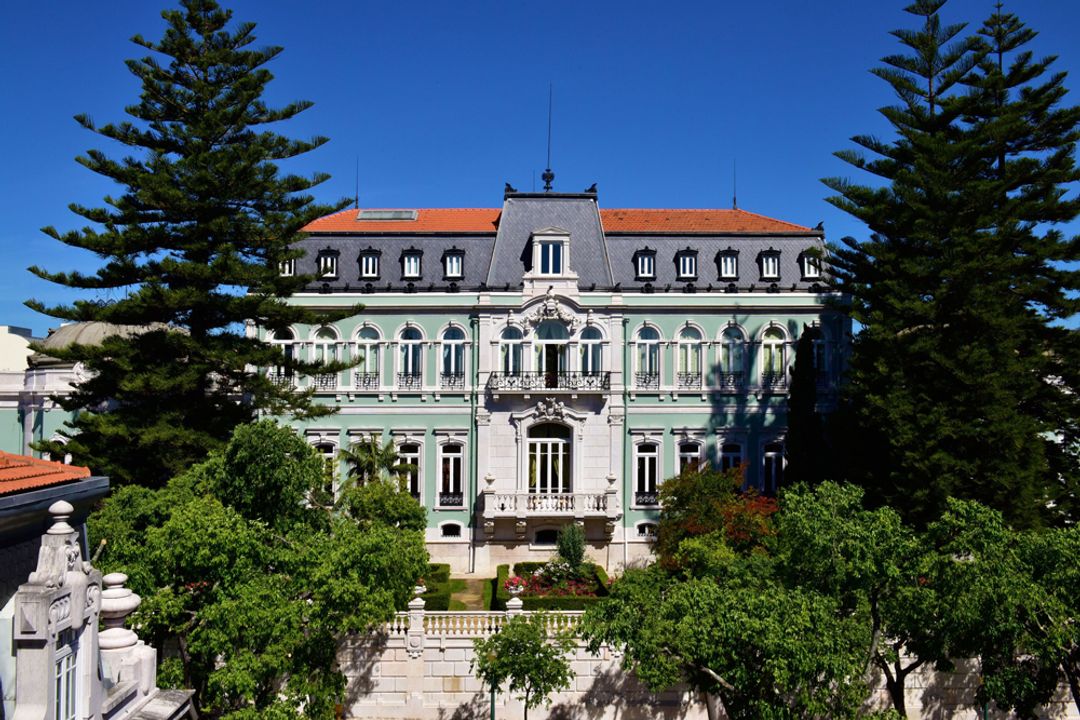
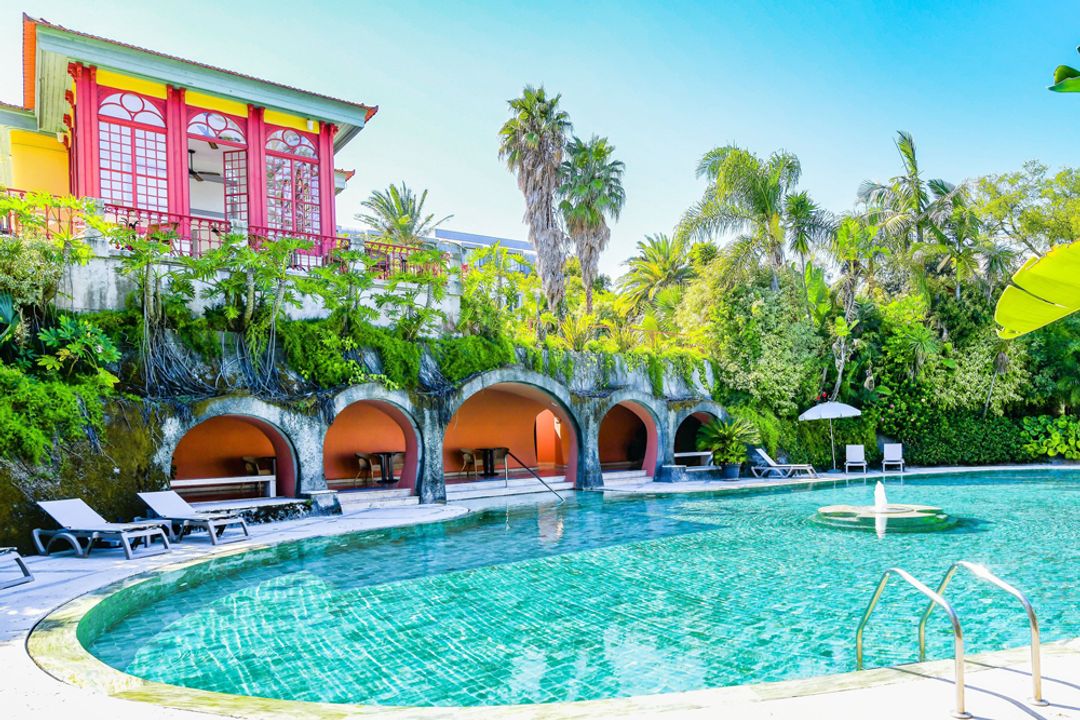
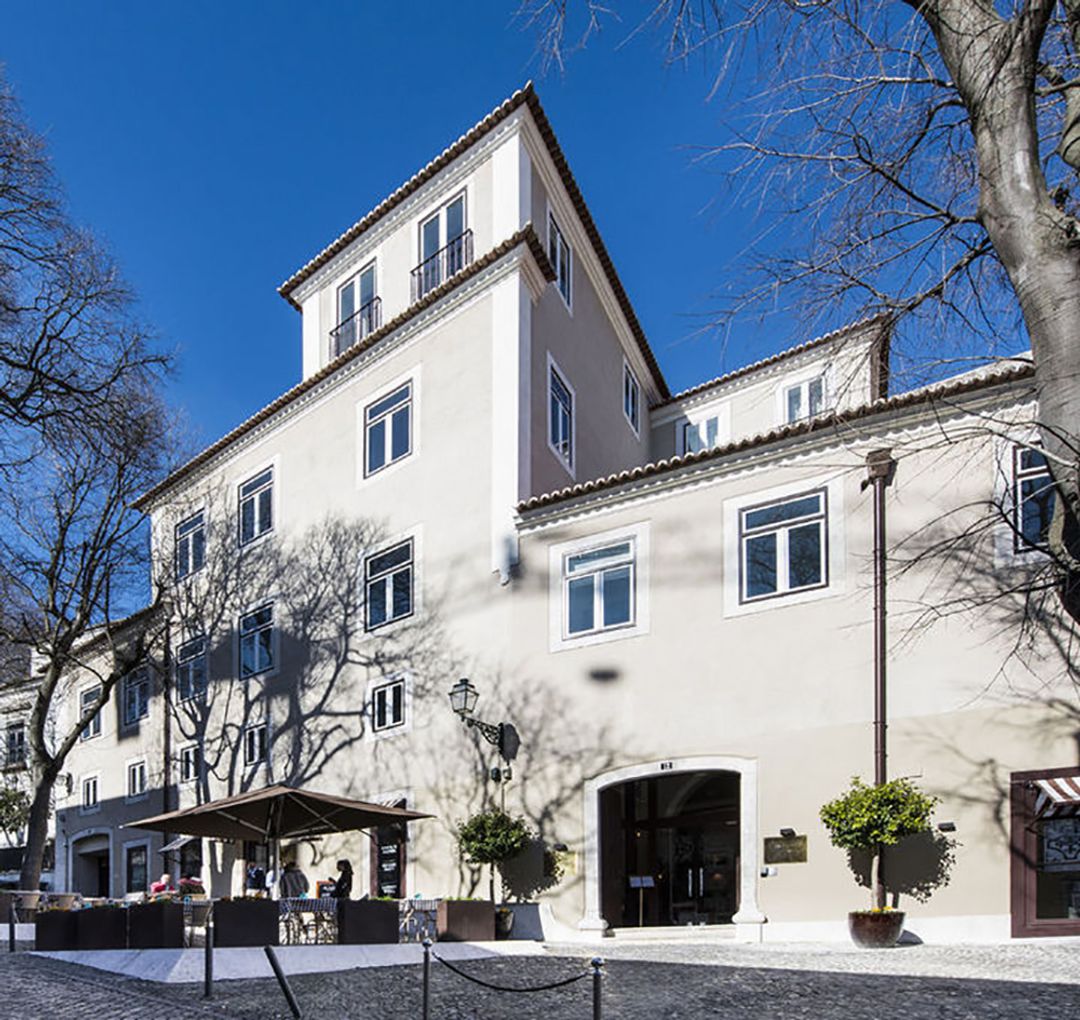
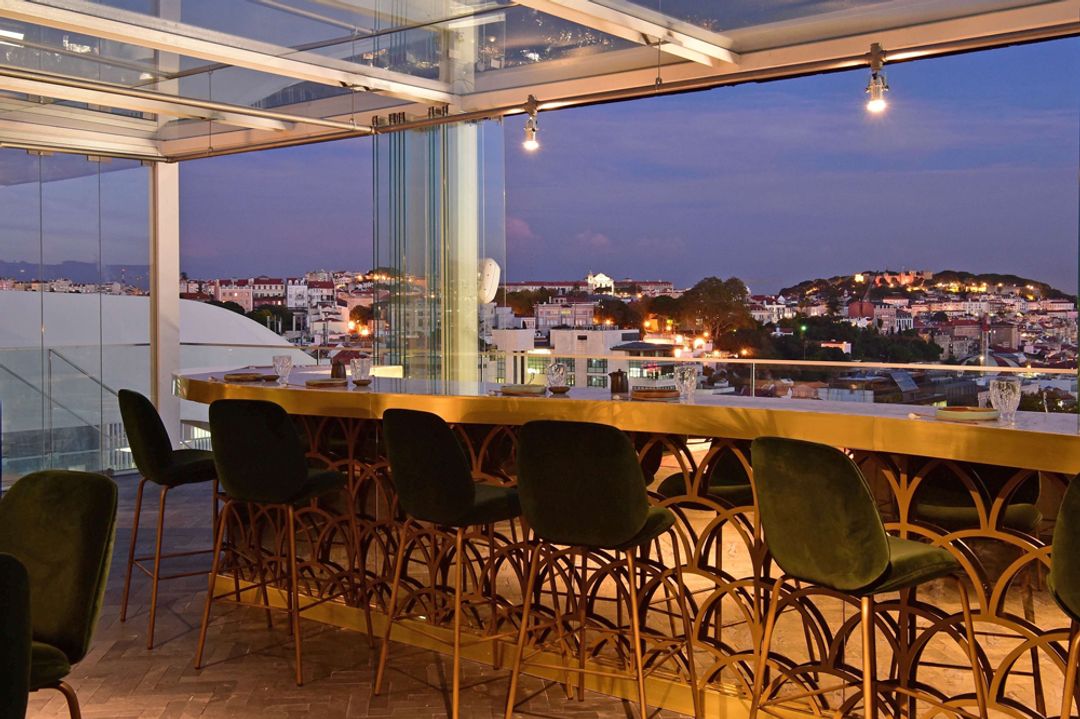
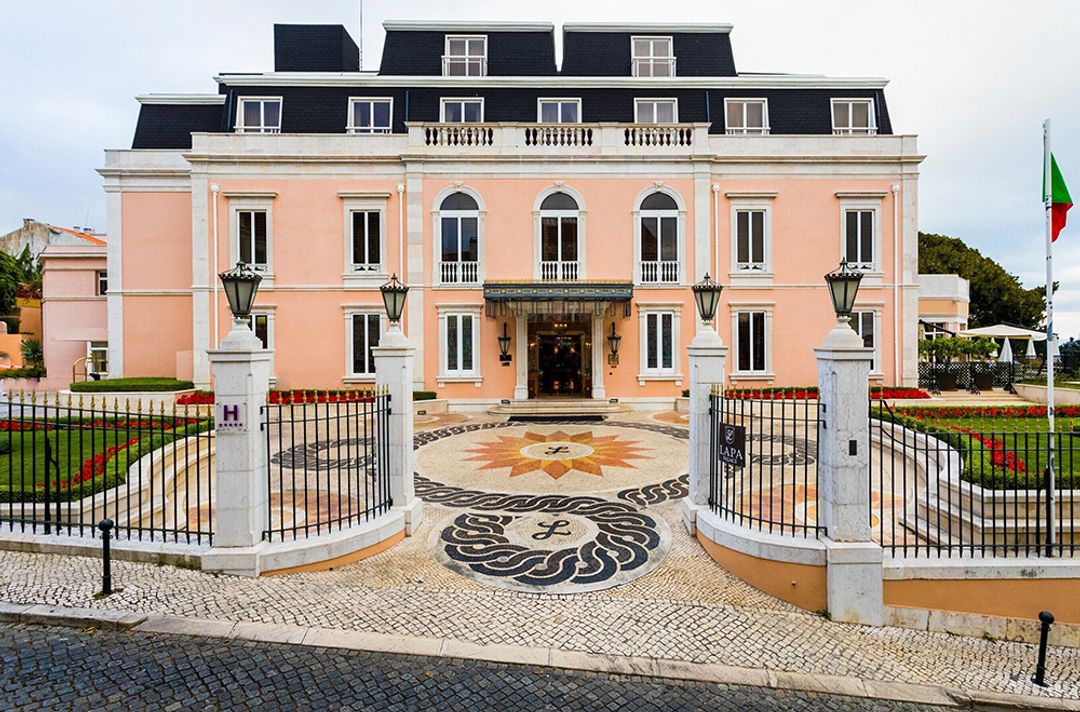
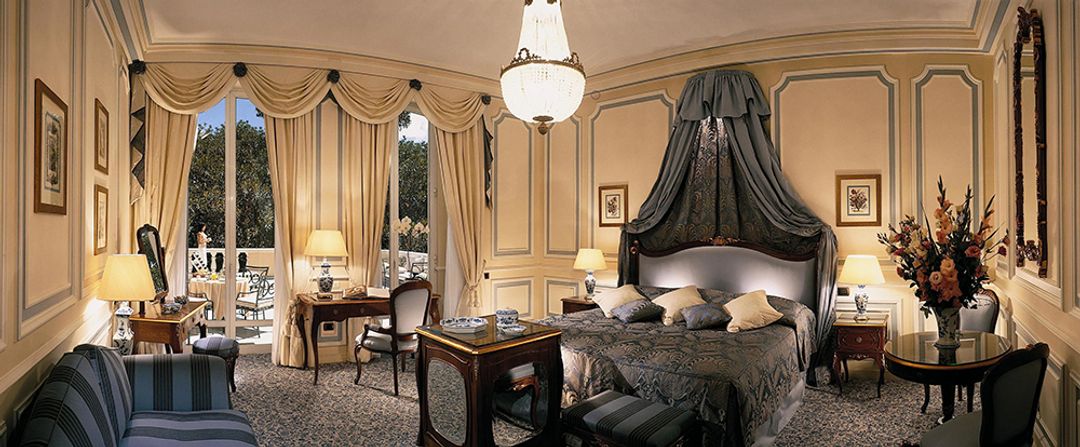
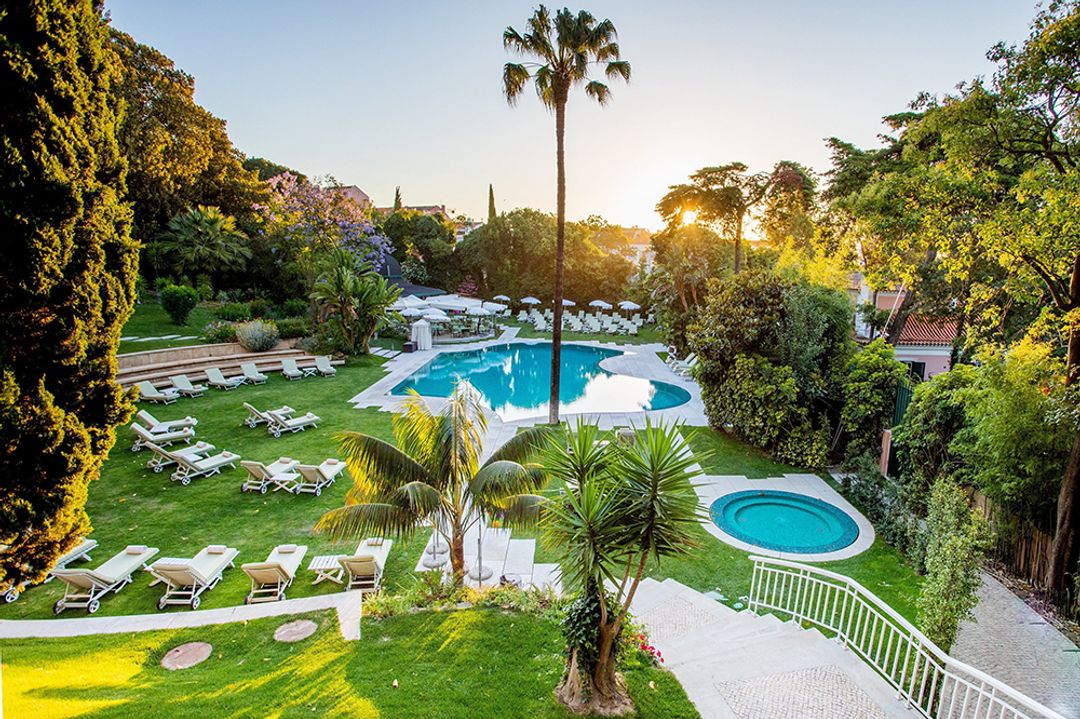
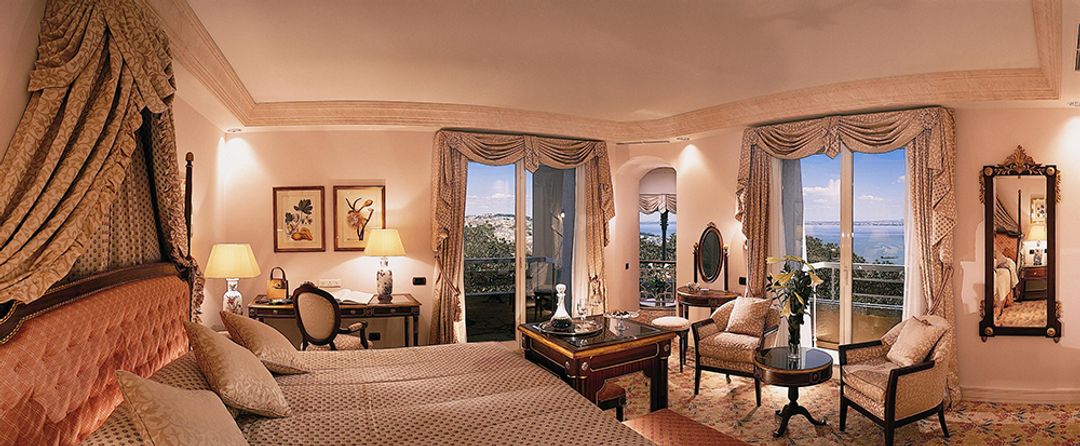
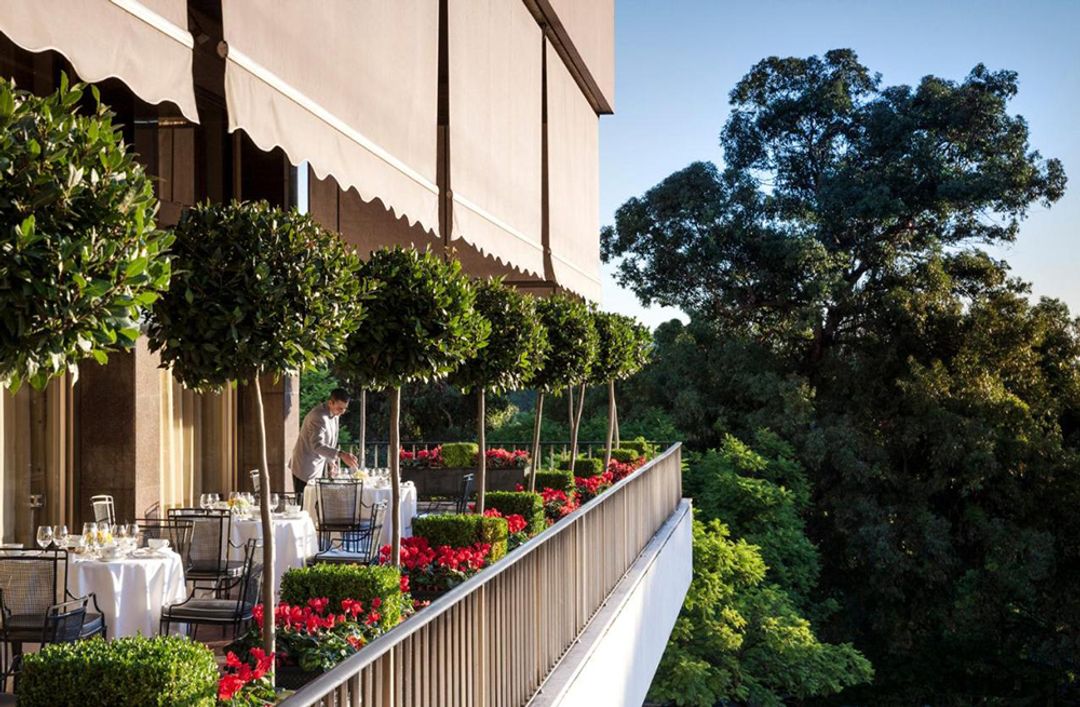
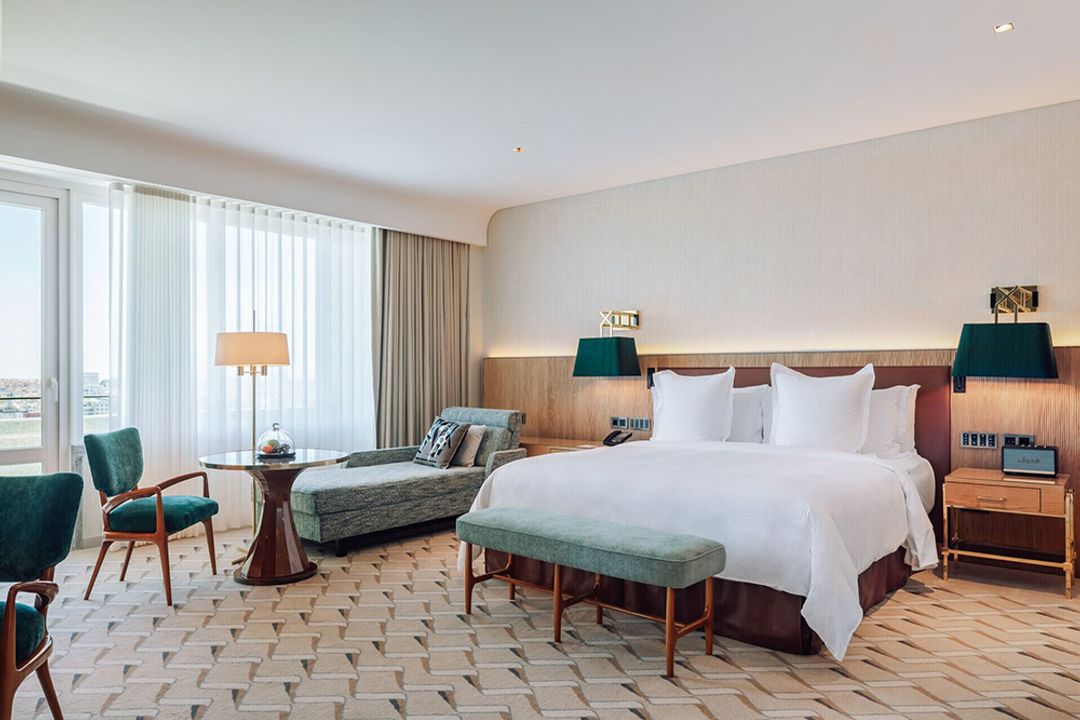
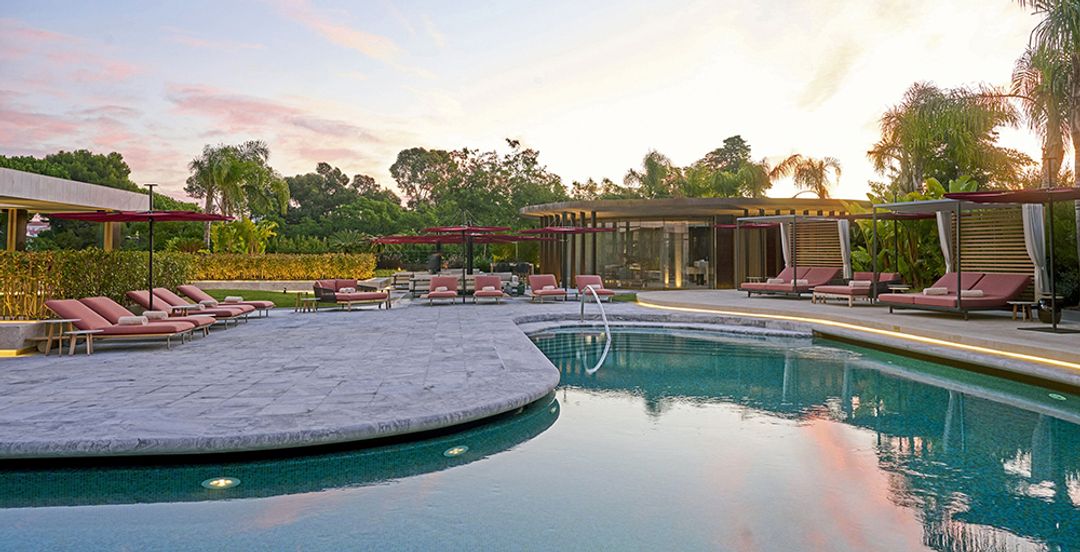
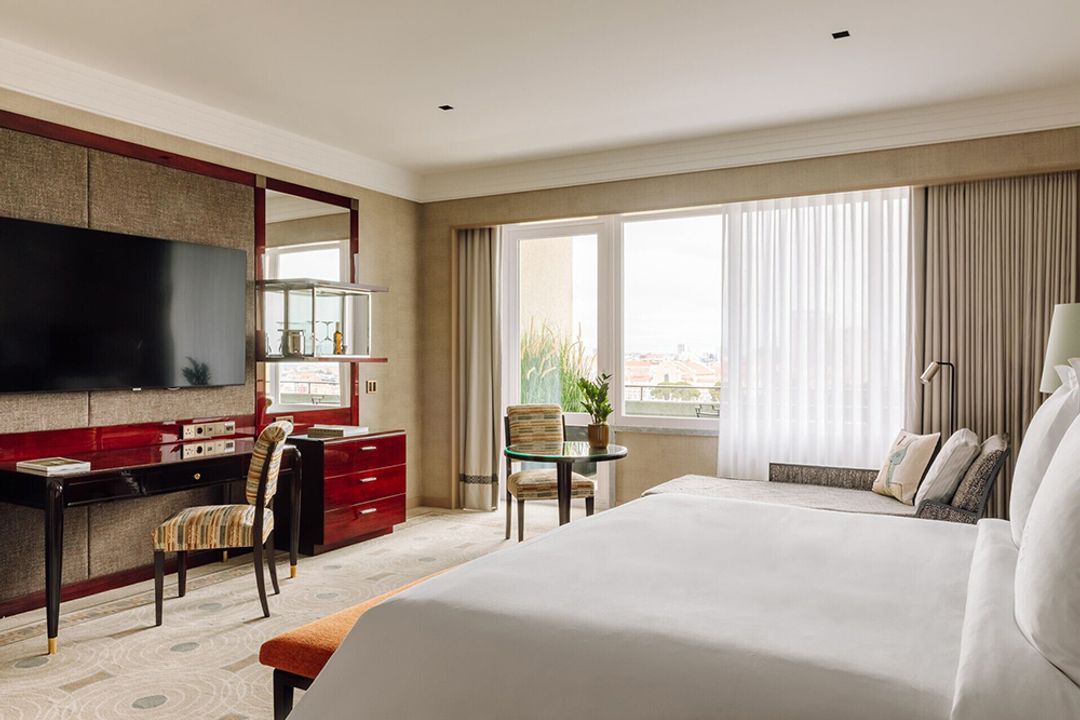
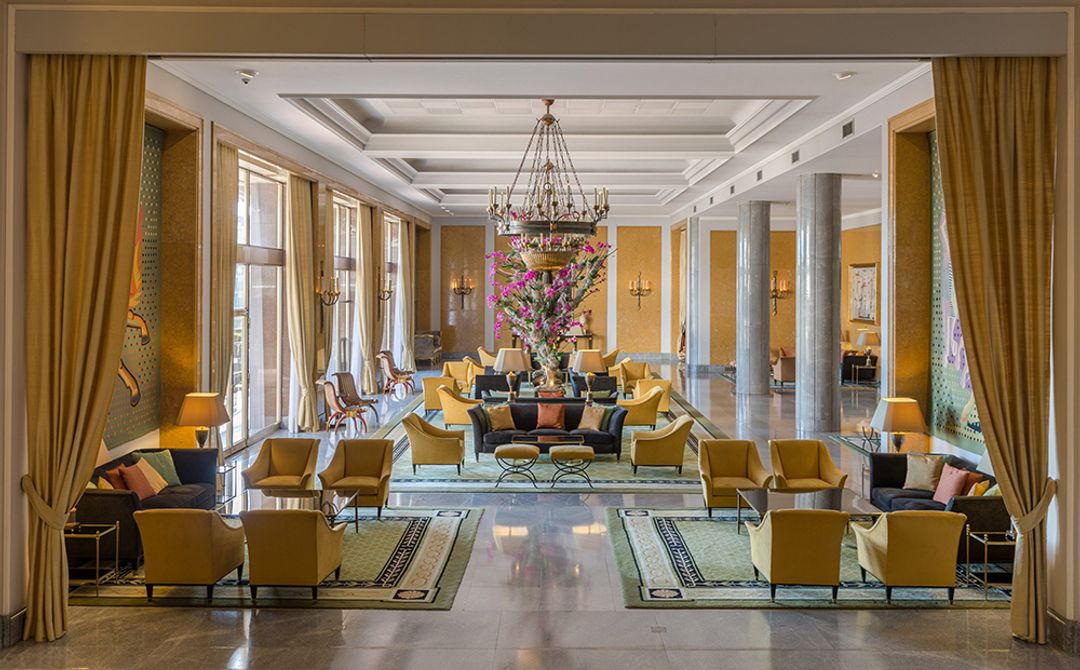
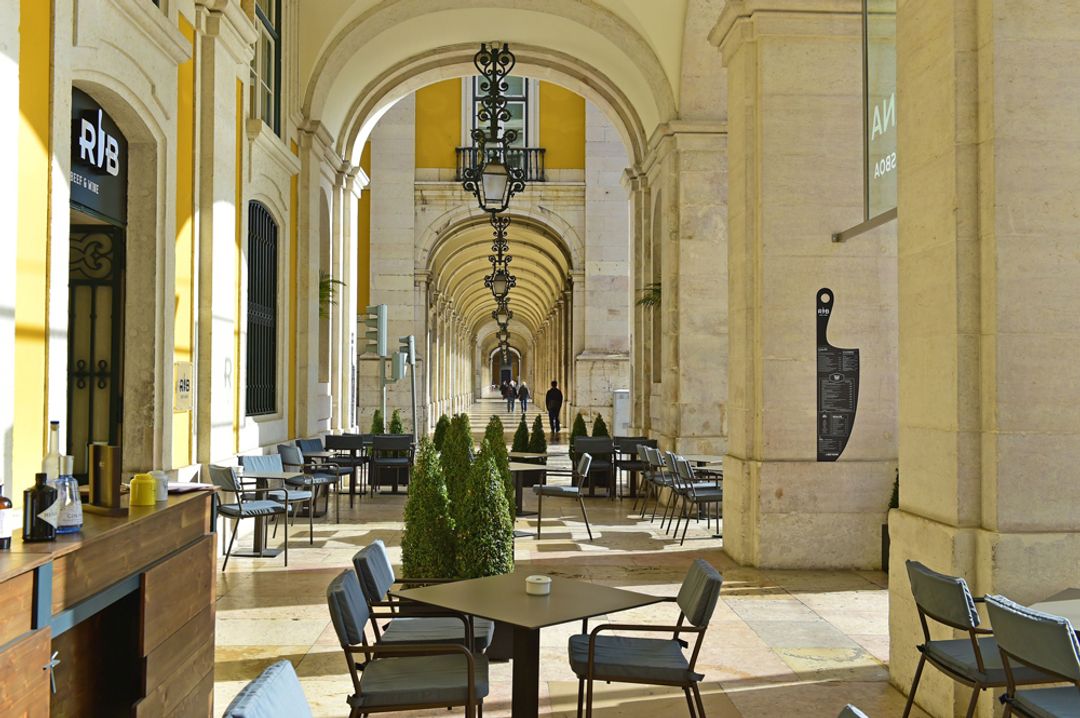
Lisbon rewards the traveler who understands that its hills are not merely picturesque — they are the organizing logic of everything, including where the city chooses to be serious about design. The highest concentration of architectural ambition sits across the ridgeline that runs from Chiado through Bairro Alto and down into Príncipe Real, a sequence of neighborhoods that share a certain intellectual self-regard. The Bairro Alto Hotel, occupying a converted 18th-century palace on Praça Luís de Camões, has been the standard-bearer here since its opening, its João Talone interiors threading contemporary Portuguese craft through bones that predate the Pombaline reconstruction. Just uphill, the Verride Palácio de Santa Catarina commands the best view in the city — a restored manor with a rooftop that looks directly across the Tagus — and charges accordingly. The Ivens Autograph Collection, named for the Portuguese explorers who once used the building as a geographical society headquarters, brings a different kind of historical weight to Chiado, its interiors playing cartographic themes with enough restraint to avoid the obvious. The palaces are where Lisbon gets genuinely strange. The One Palácio da Anunciada in Baixa, the Pestana Palace in Alcântara, the Olissippo Lapa Palace in the diplomatic quarter of Lapa — these are not hotels that happen to occupy historic buildings but buildings that have been only partially domesticated into hotels, their frescoed ceilings and formal gardens still asserting the hierarchy of an earlier century. The Four Seasons Ritz, though technically in the Chiado orbit, belongs to an entirely different lineage: built in 1959 under the Salazar regime as a national prestige project, its Portuguese modernism — tapestries by João Keil do Amaral's collaborators, azulejo panels throughout — makes it one of the more politically loaded addresses in European hospitality, whether guests know it or not. For travelers who want Lisbon at a lower temperature, the Memmo Príncipe Real in the garden quarter and the Hotel das Amoreiras near the 18th-century aqueduct arches offer considered smaller-scale alternatives — the latter particularly well-situated for anyone whose instinct is to walk toward the quieter parts of a city rather than its centers of gravity. The Santiago de Alfama, tucked into the oldest neighborhood in the city, offers something none of the palace conversions quite can: the sound of fado rising from the street below, entirely unmediated.