Best hotels in Riviera Maya, Mexico | Visually Compare Top Stays Side-by-Side
Welcome to PressBeyond - a curated visual guide to design-driven hotels and the fastest way to compare them.
An Overview of the Boutique & Luxury Hotel Landscape in Riviera Maya, Mexico
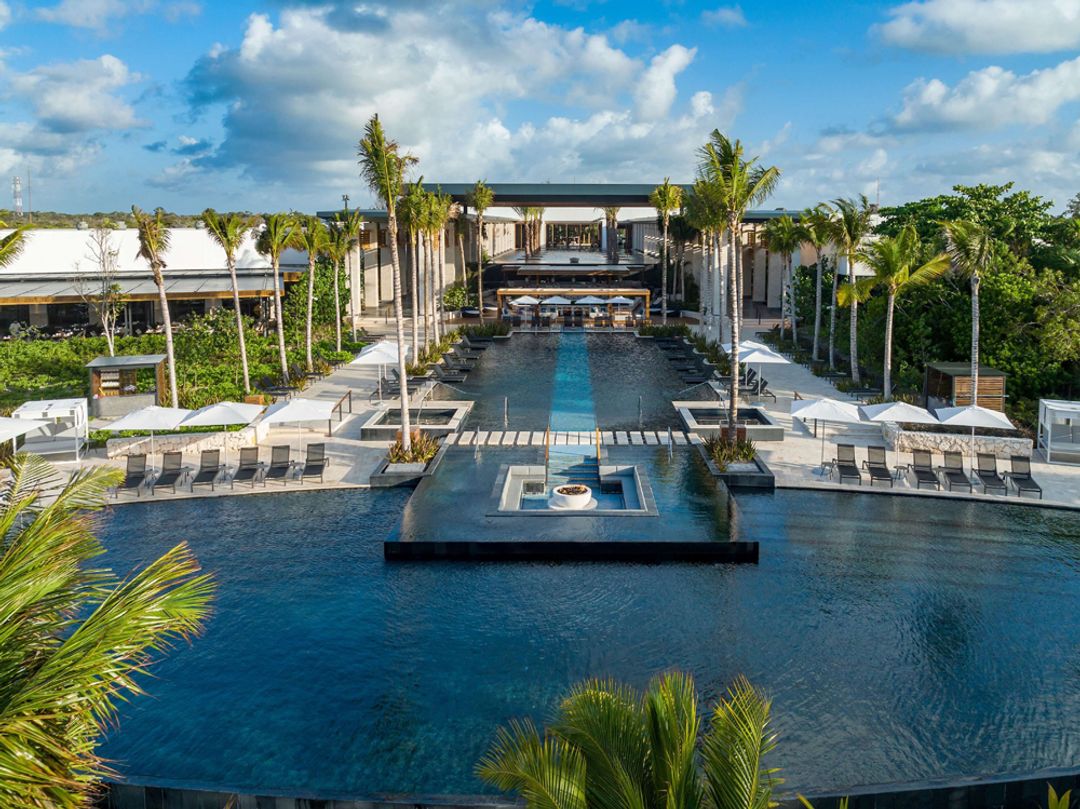
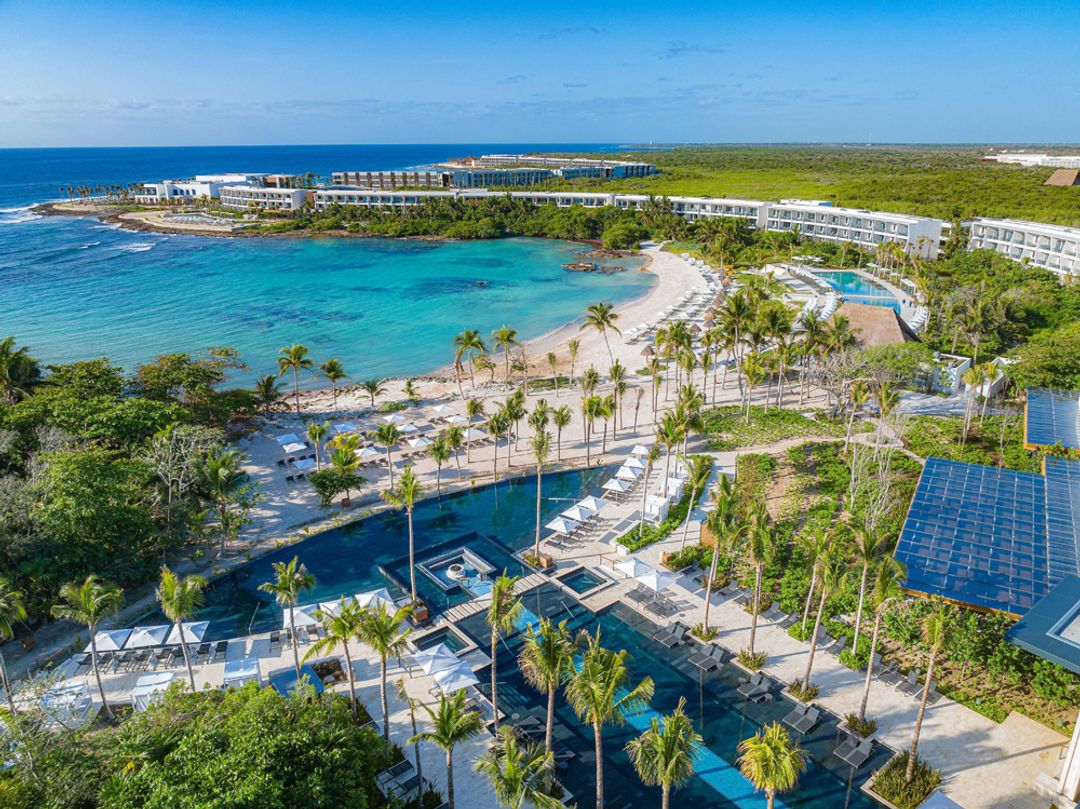
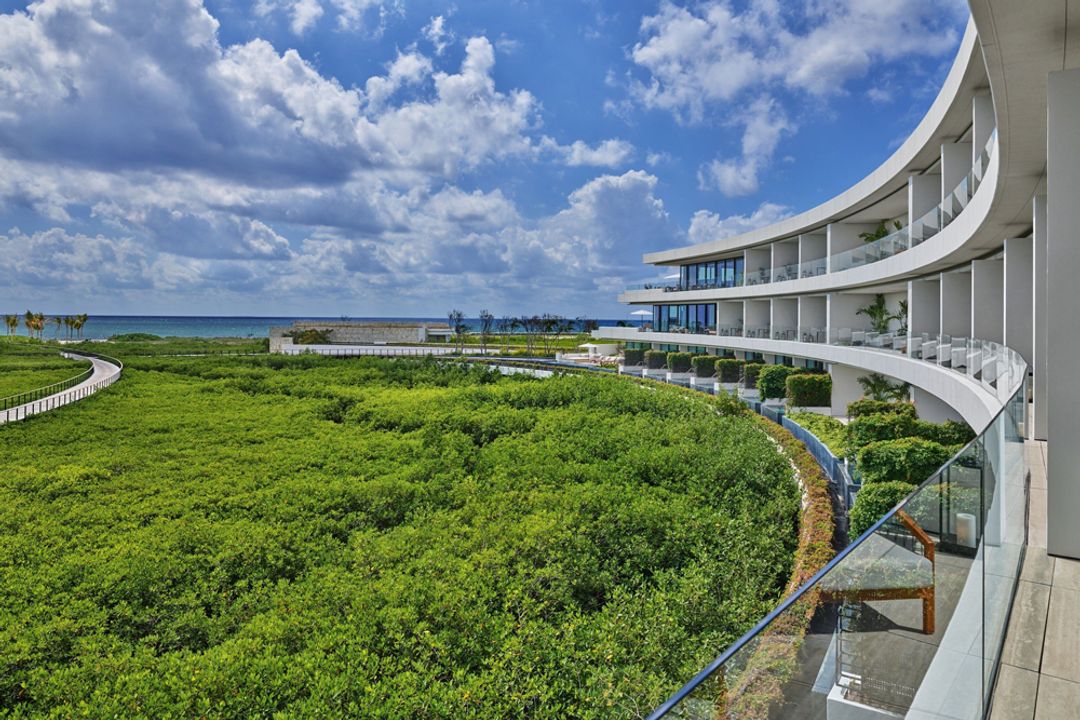
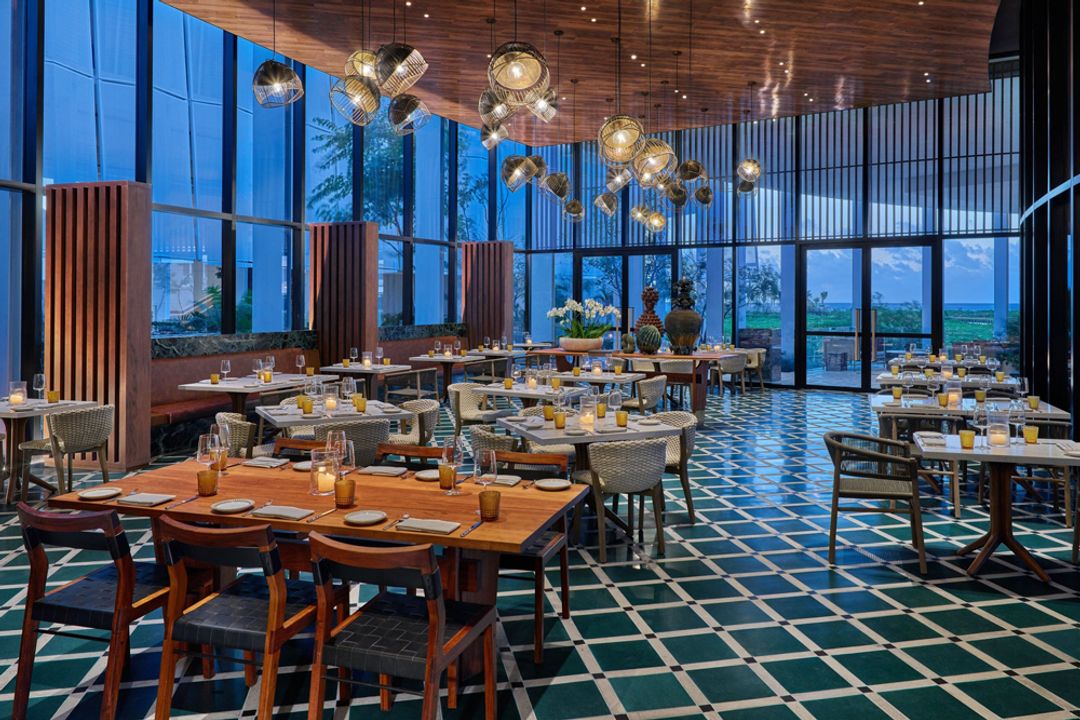
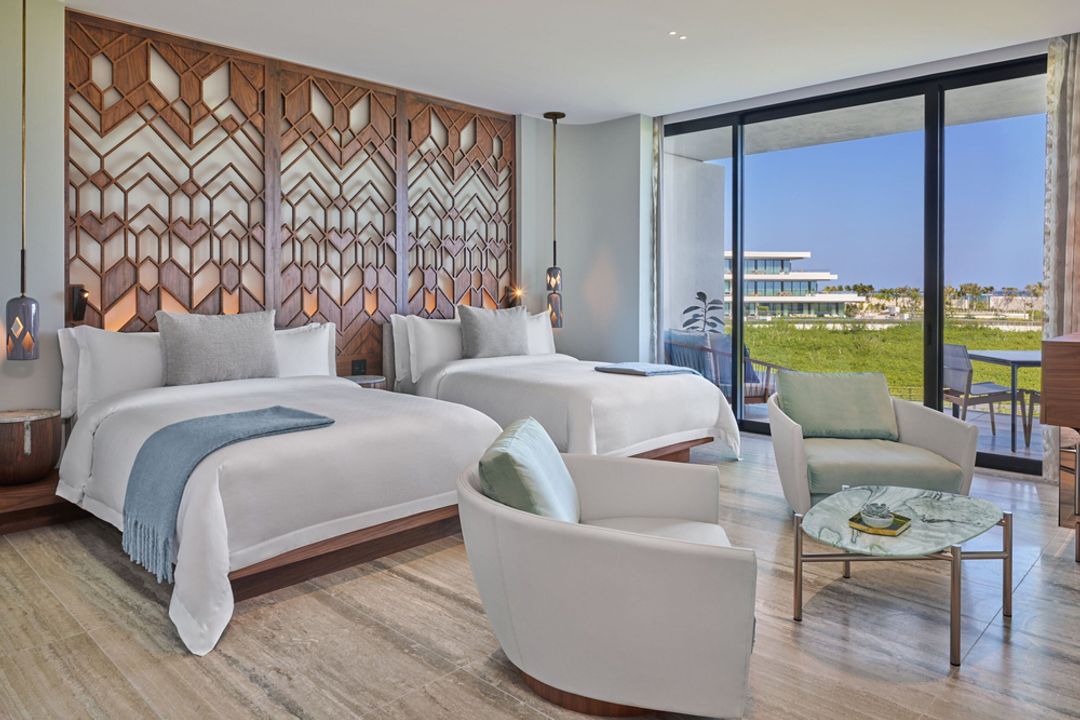
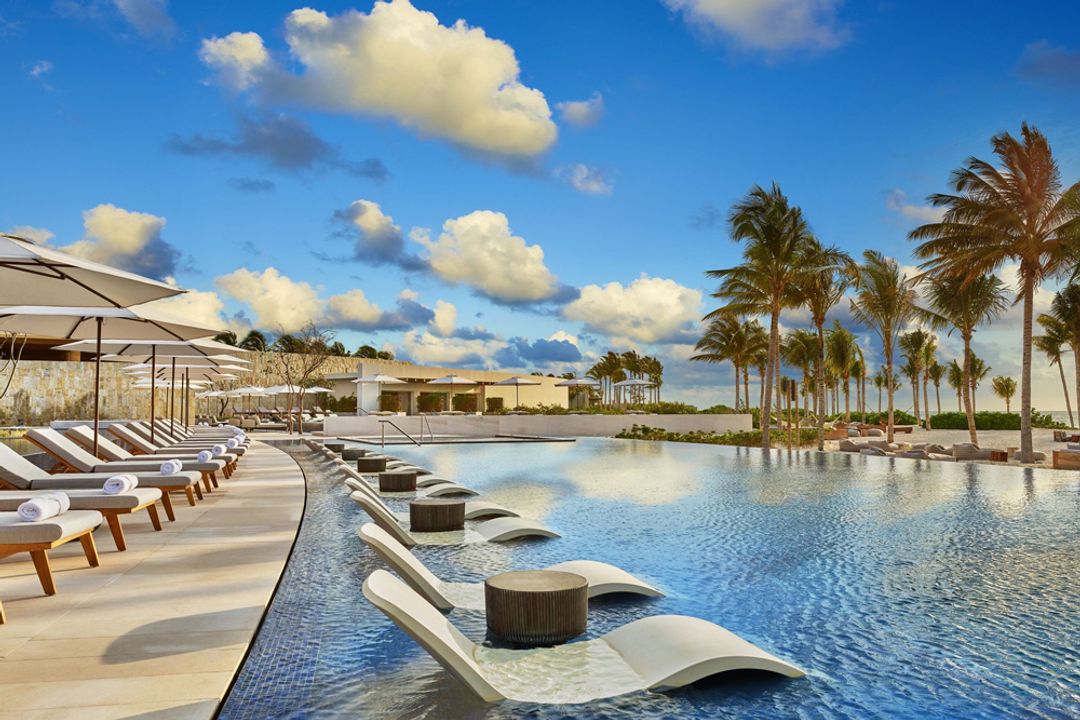
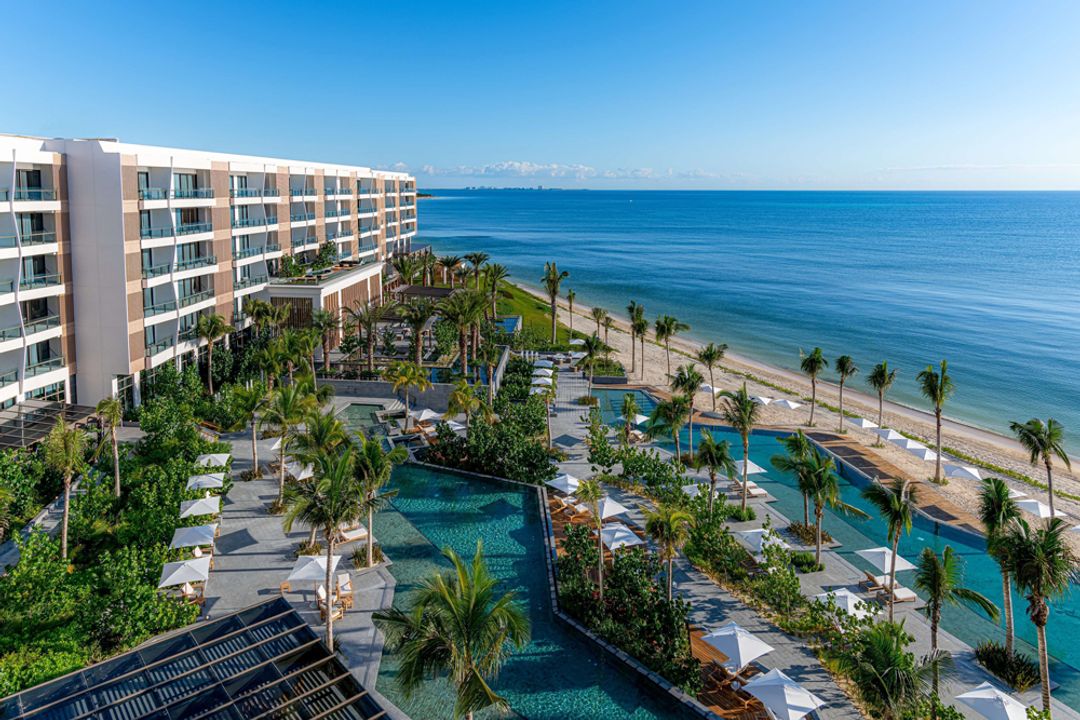
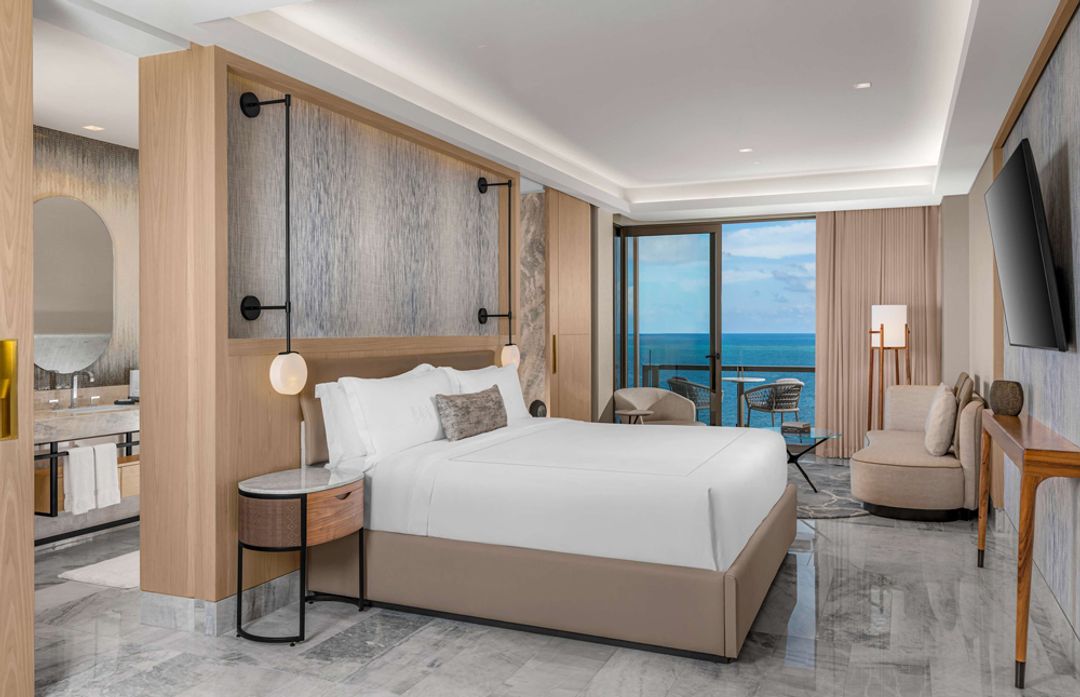
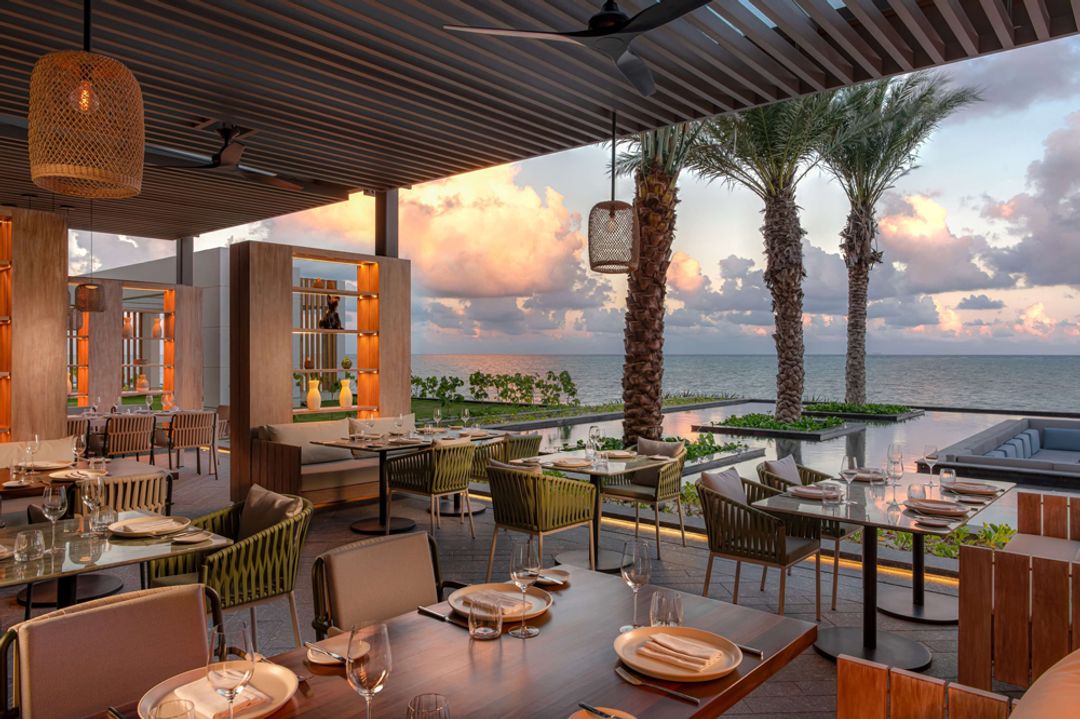
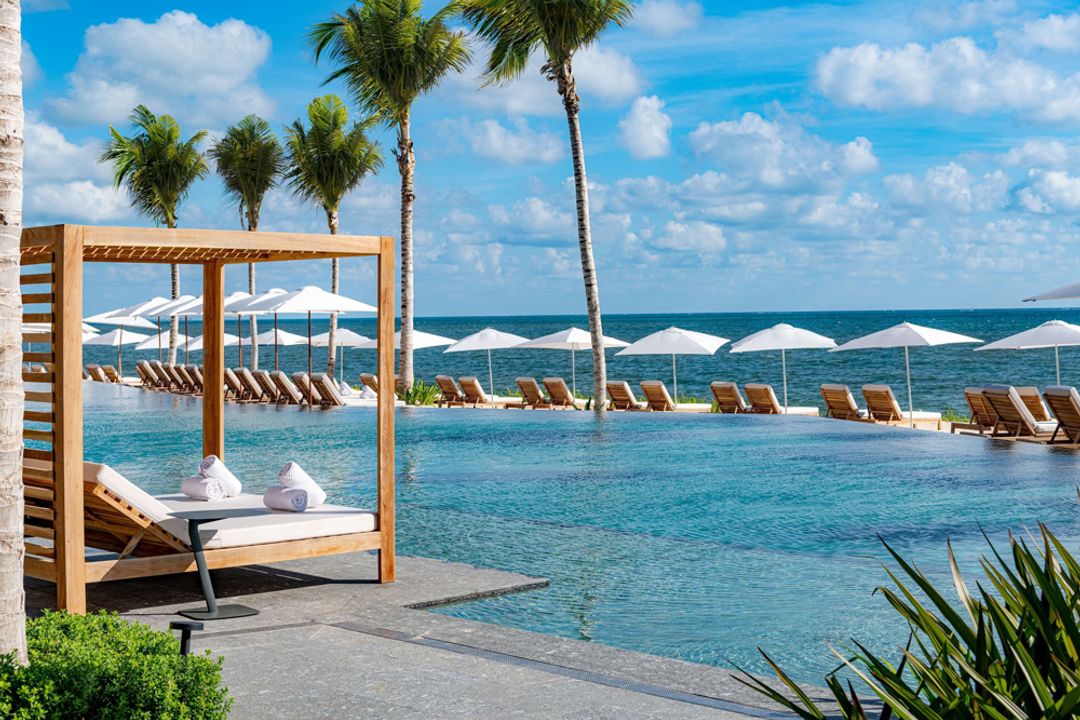
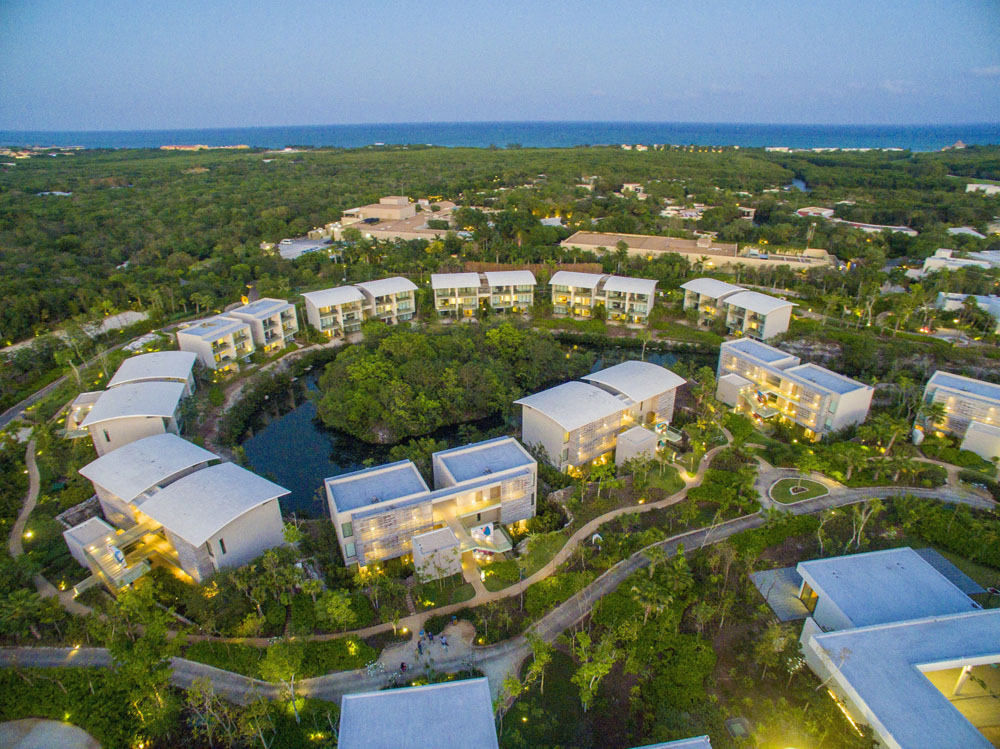
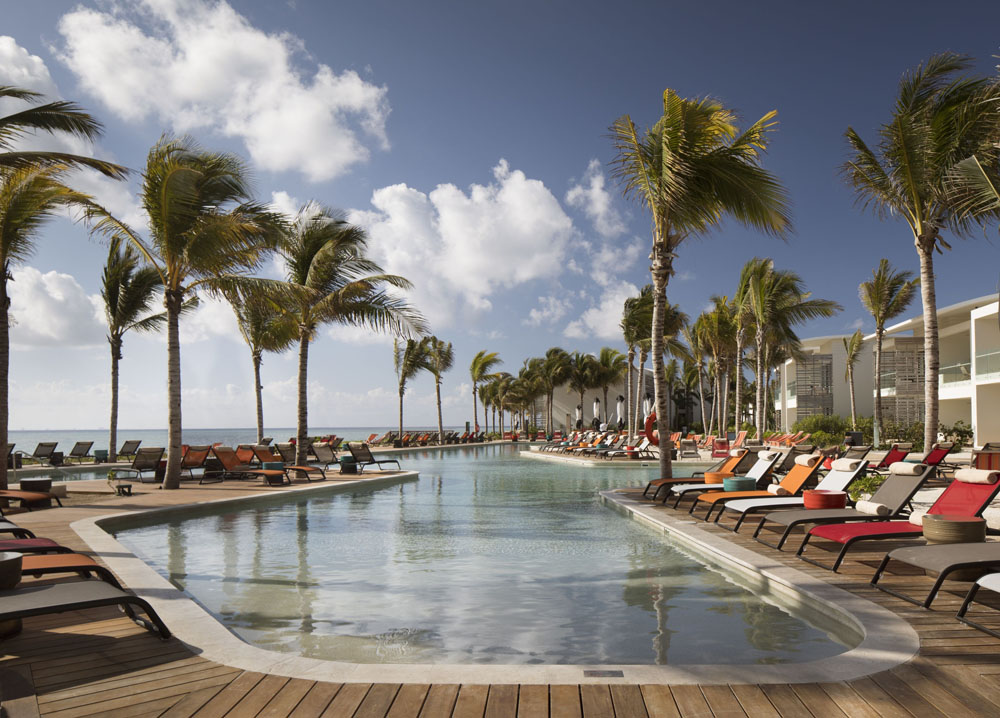
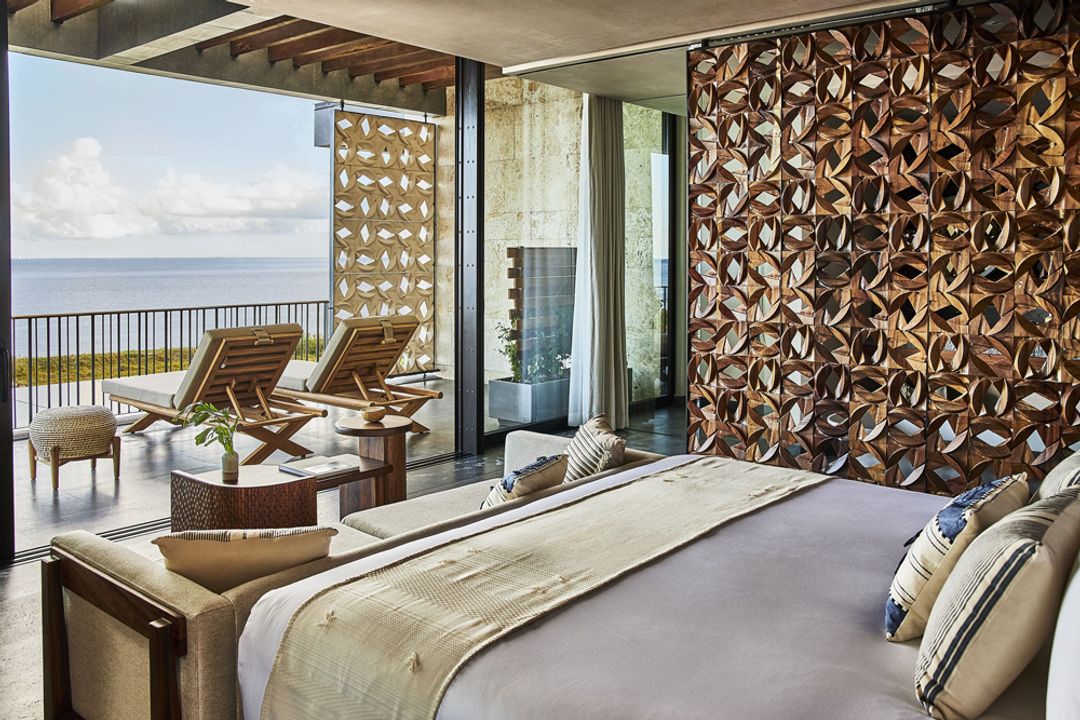
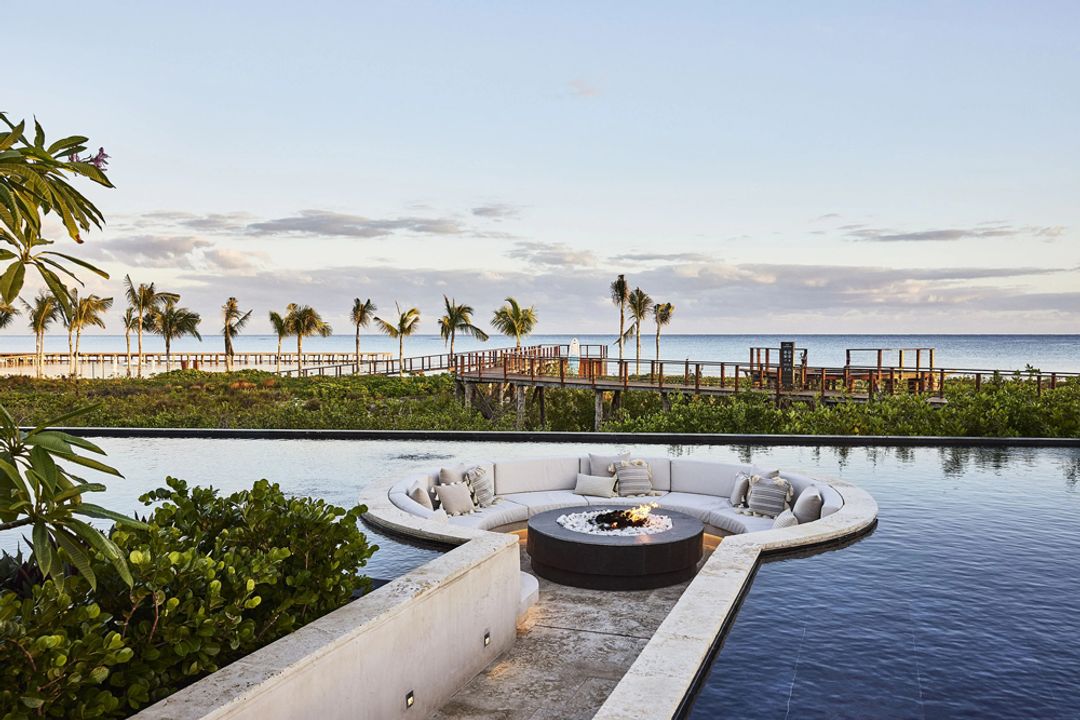
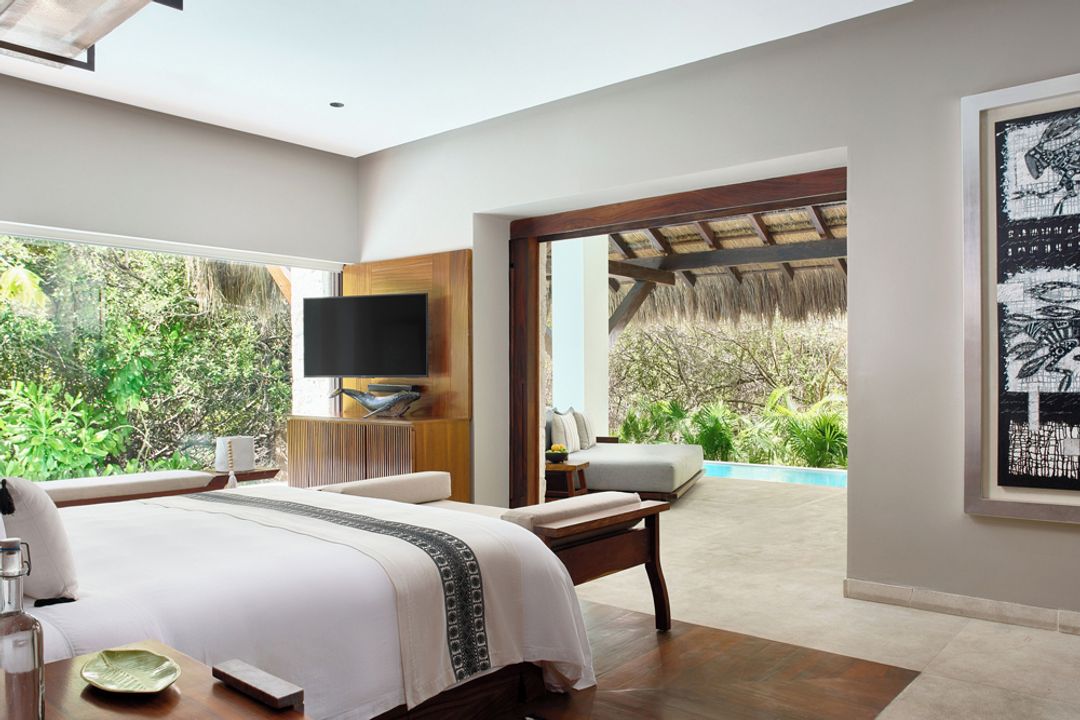
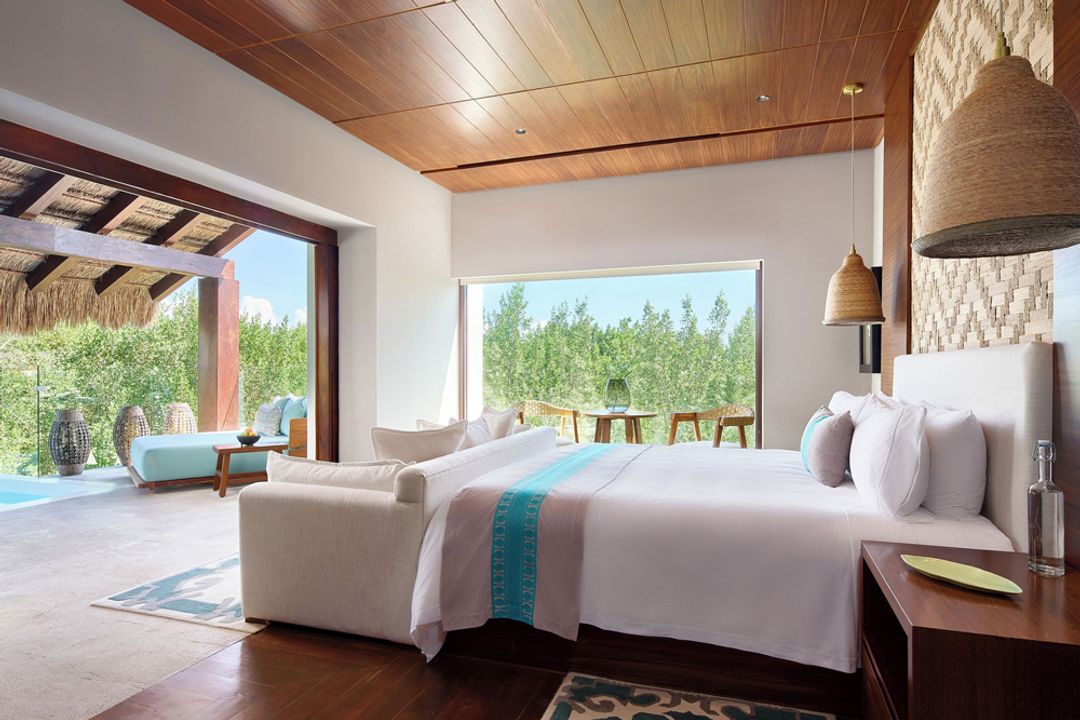
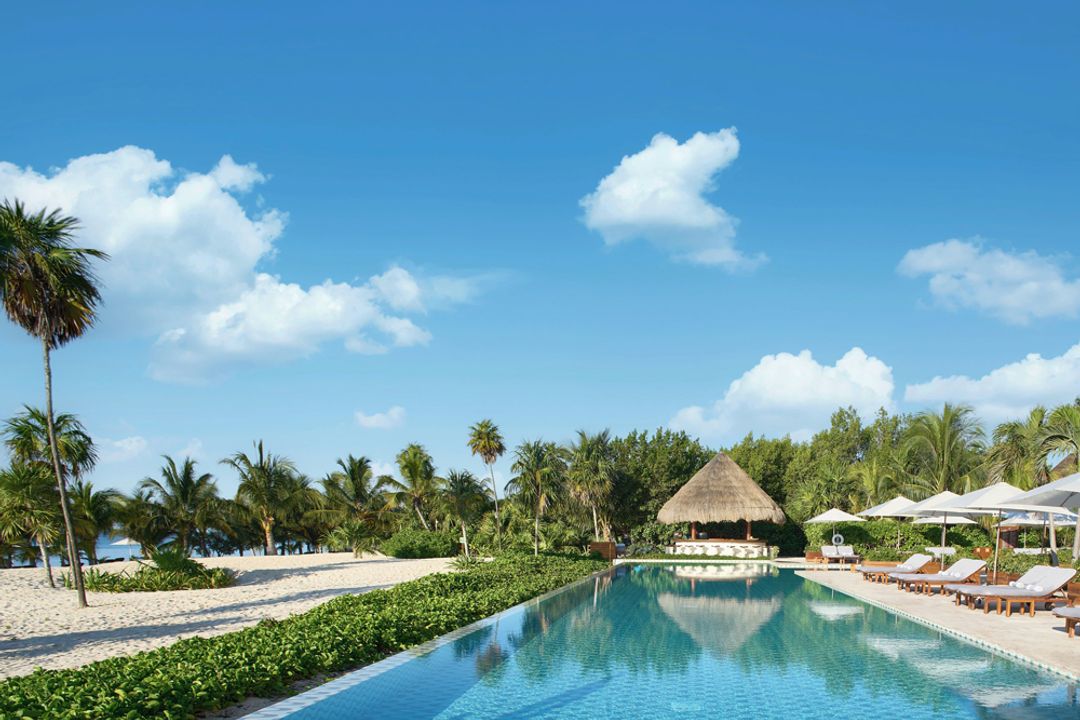
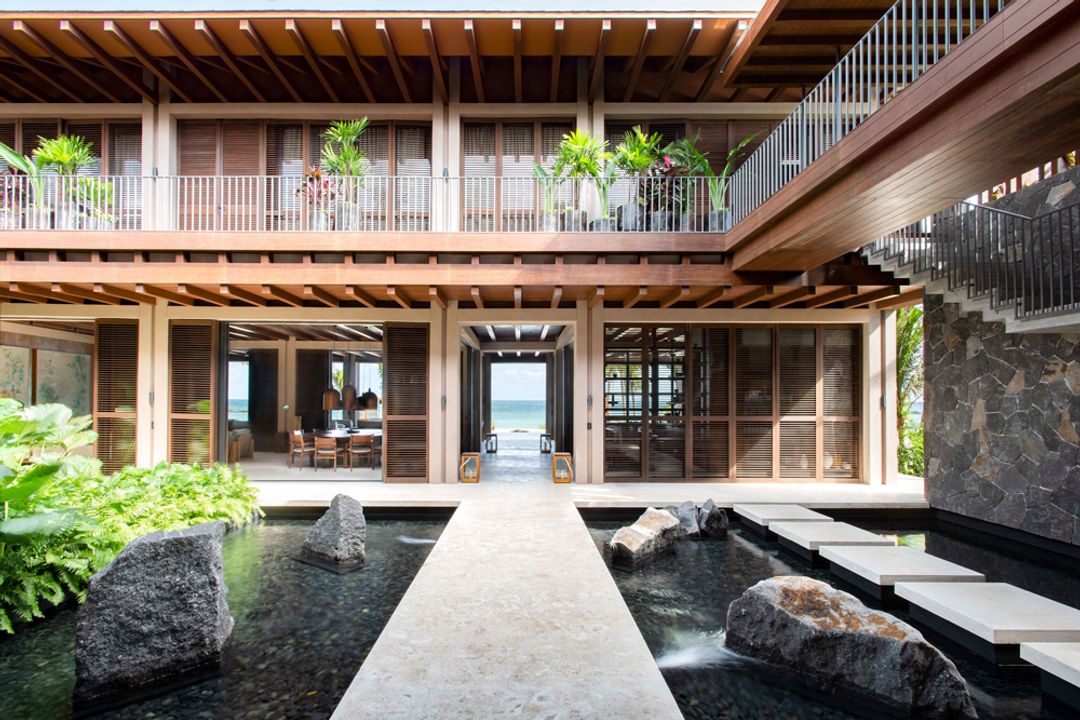
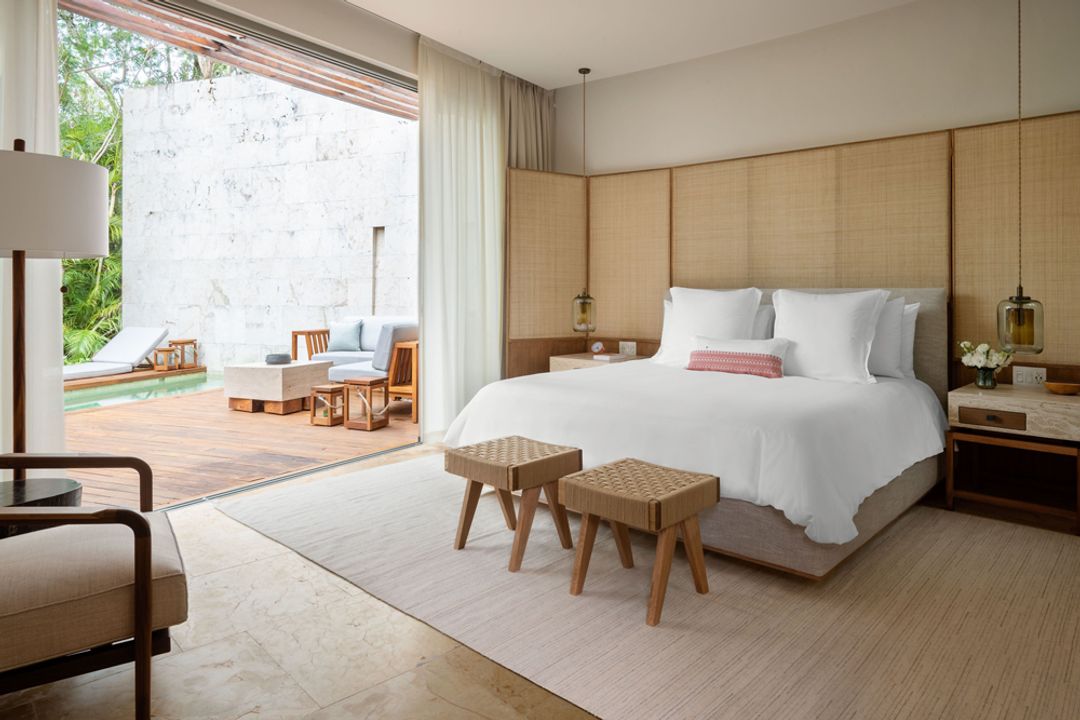
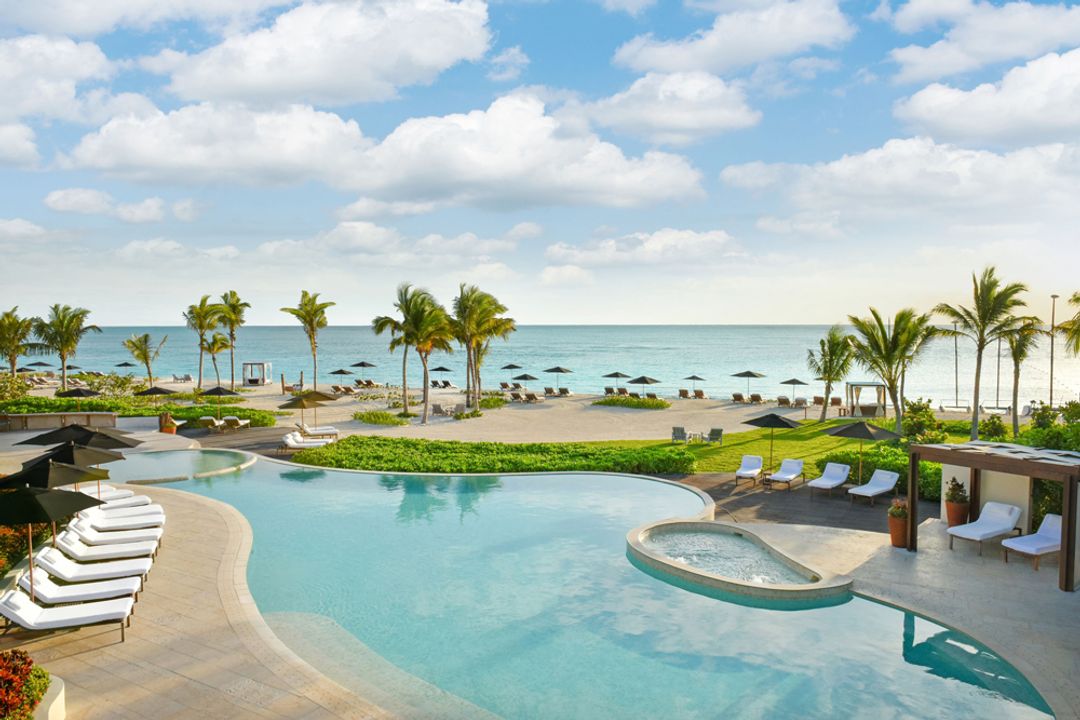
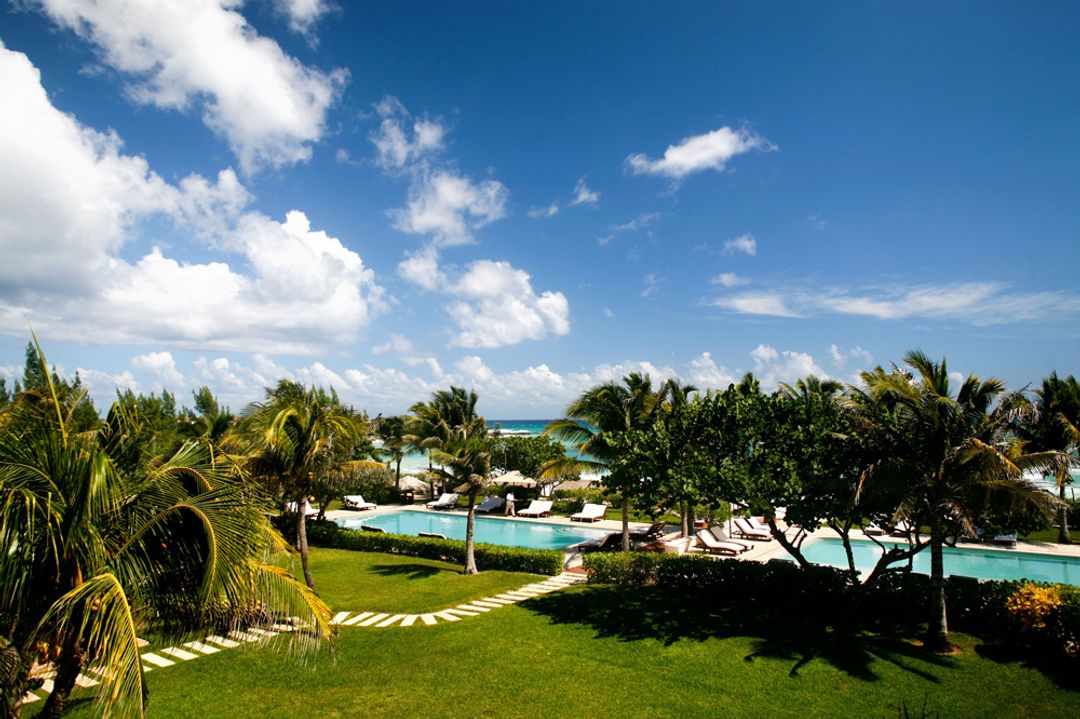
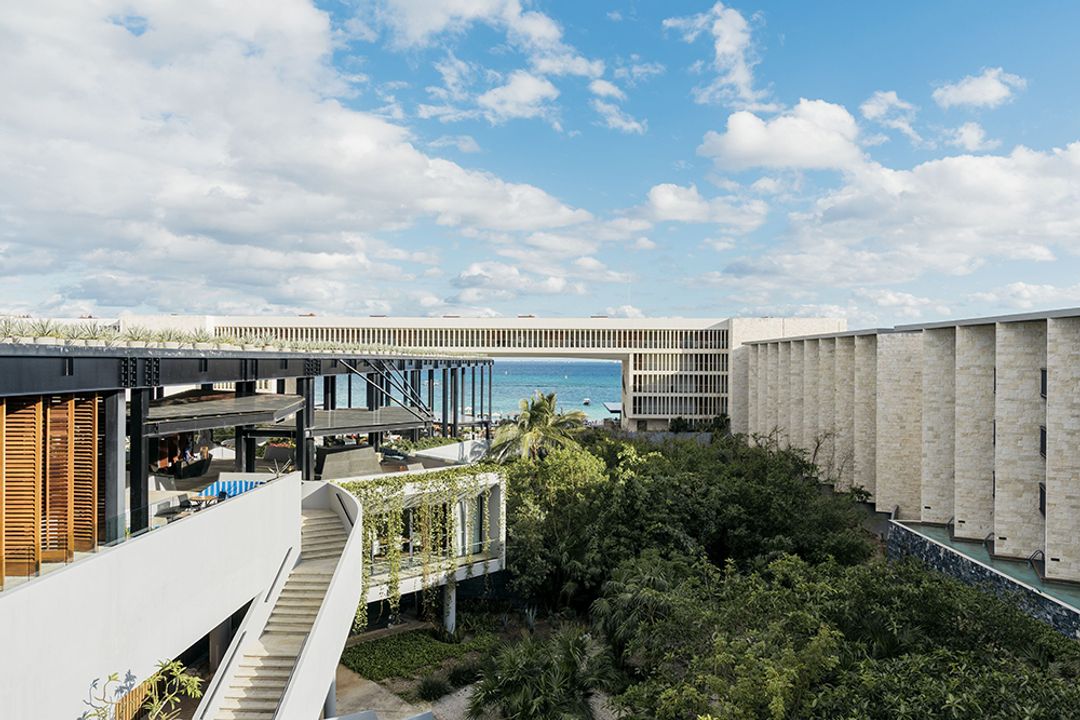
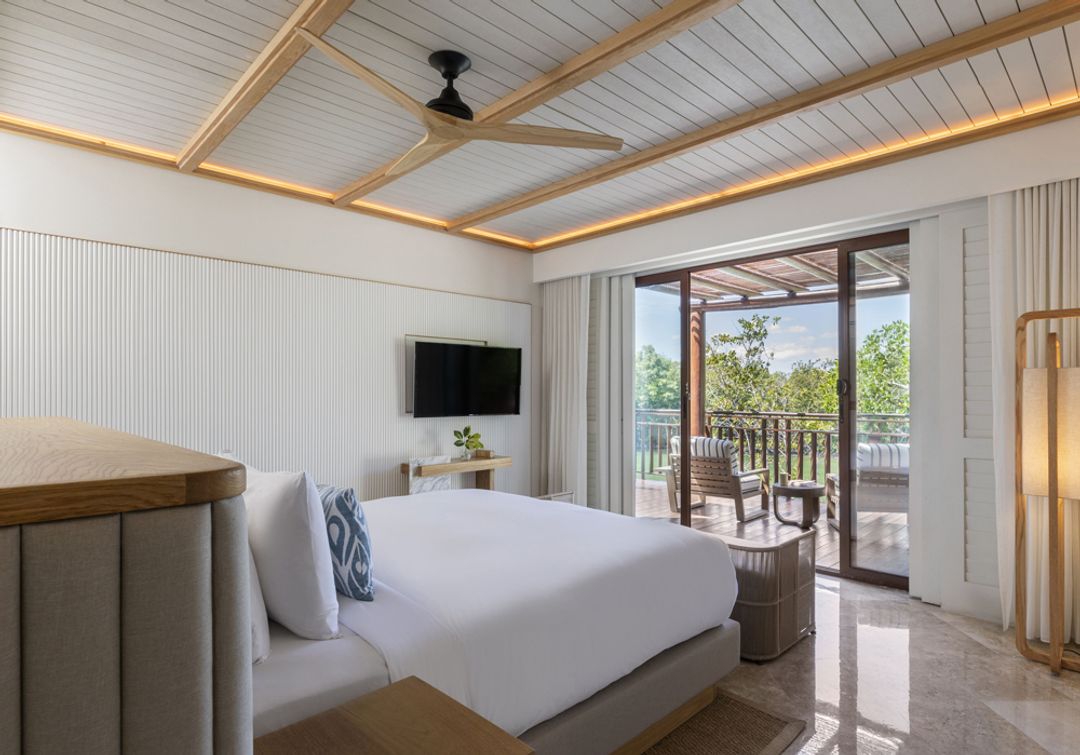
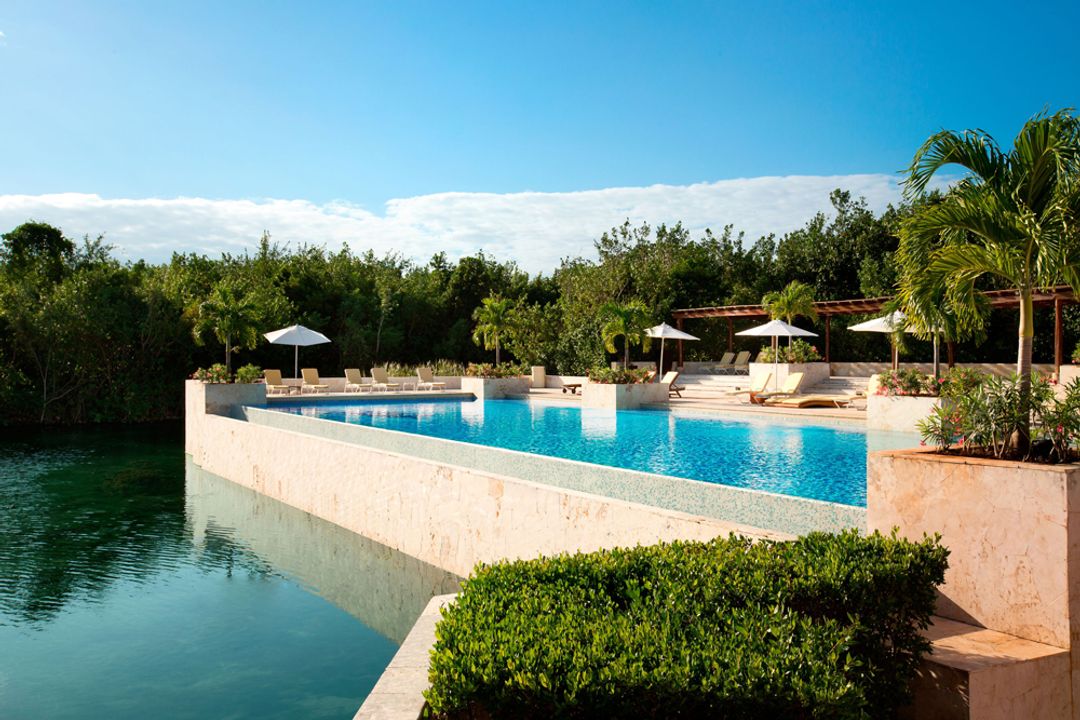
The Riviera Maya stretches roughly 130 kilometers of Caribbean coastline between Cancún and Tulum, and the distance between those two poles is also a distance in design sensibility. At the northern end, the Waldorf Astoria Cancún occupies a slender tower facing open water, its vertical contemporary profile reading against the sky in a way that most of this coast explicitly refuses. Move south, and the dominant spatial type is horizontal spread: lagoons, cenotes, mangrove corridors, and low-slung villas set back from the beach behind vegetation dense enough to absorb sound. Mayakoba, the planned eco-resort community near Playa del Carmen, concentrates four properties along its internal waterway system. Rosewood Mayakoba, Fairmont Mayakoba, Banyan Tree Mayakoba, and Alila Mayakoba each occupy distinct positions within that ecology, from Rosewood's overwater casitas linked by wooden bridges to Alila's tighter, more restrained tropical modernism. The guest experience at all four involves moving through the property by boat or bicycle, which changes the pace of a stay in ways that matter.
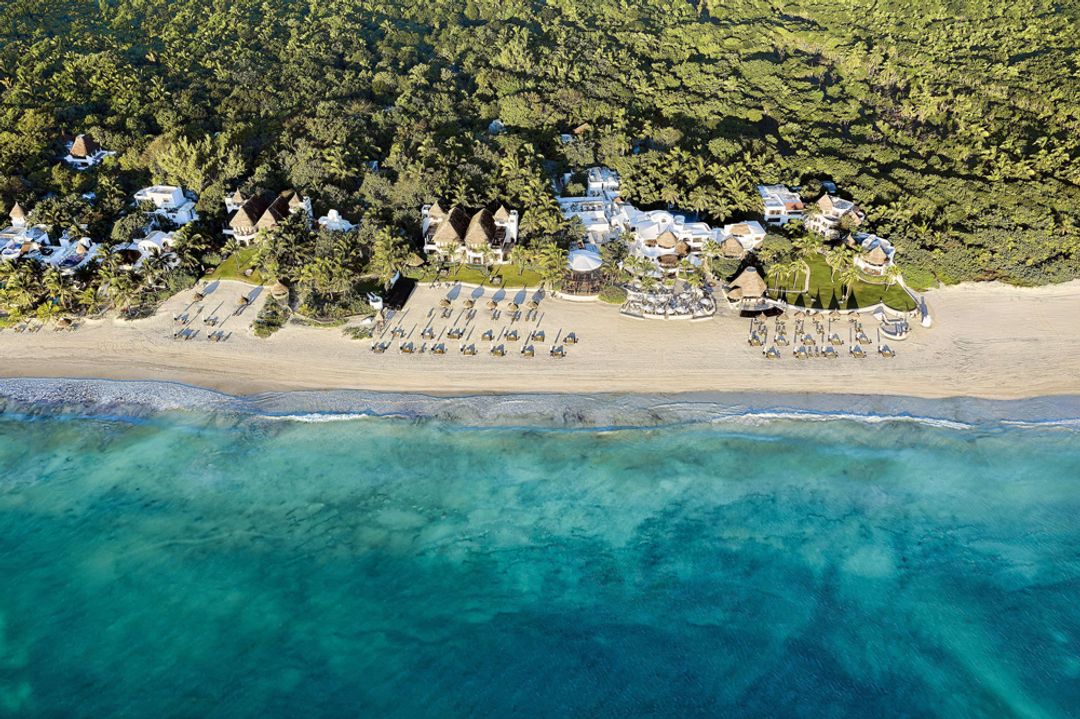
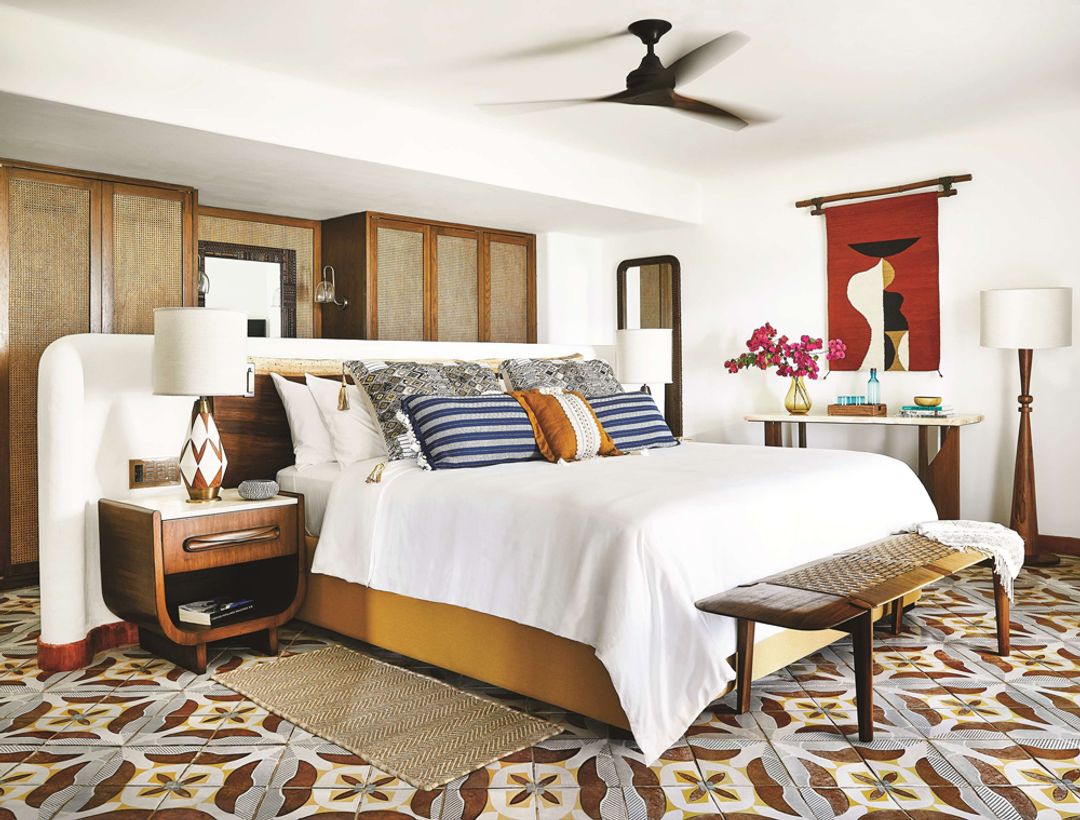
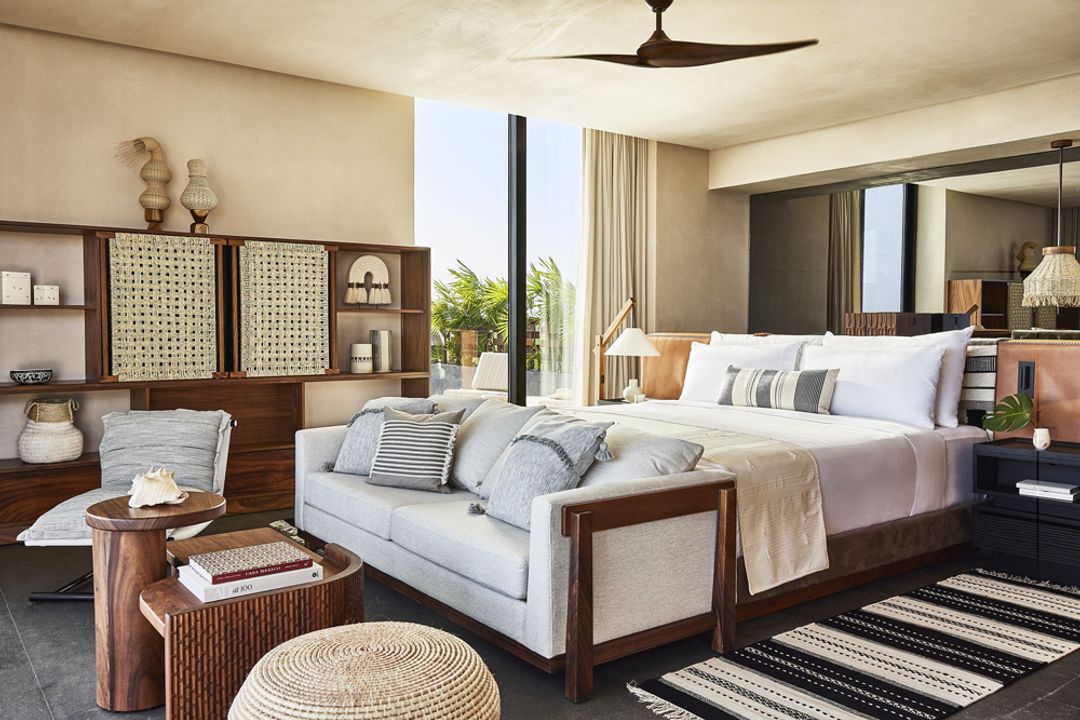
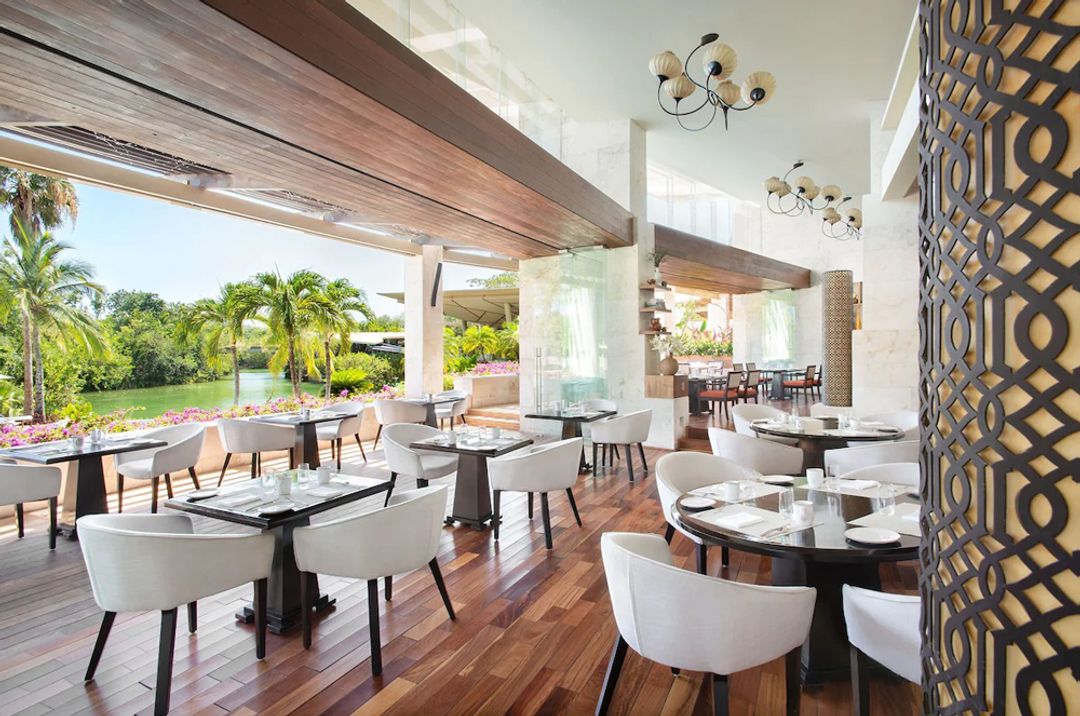
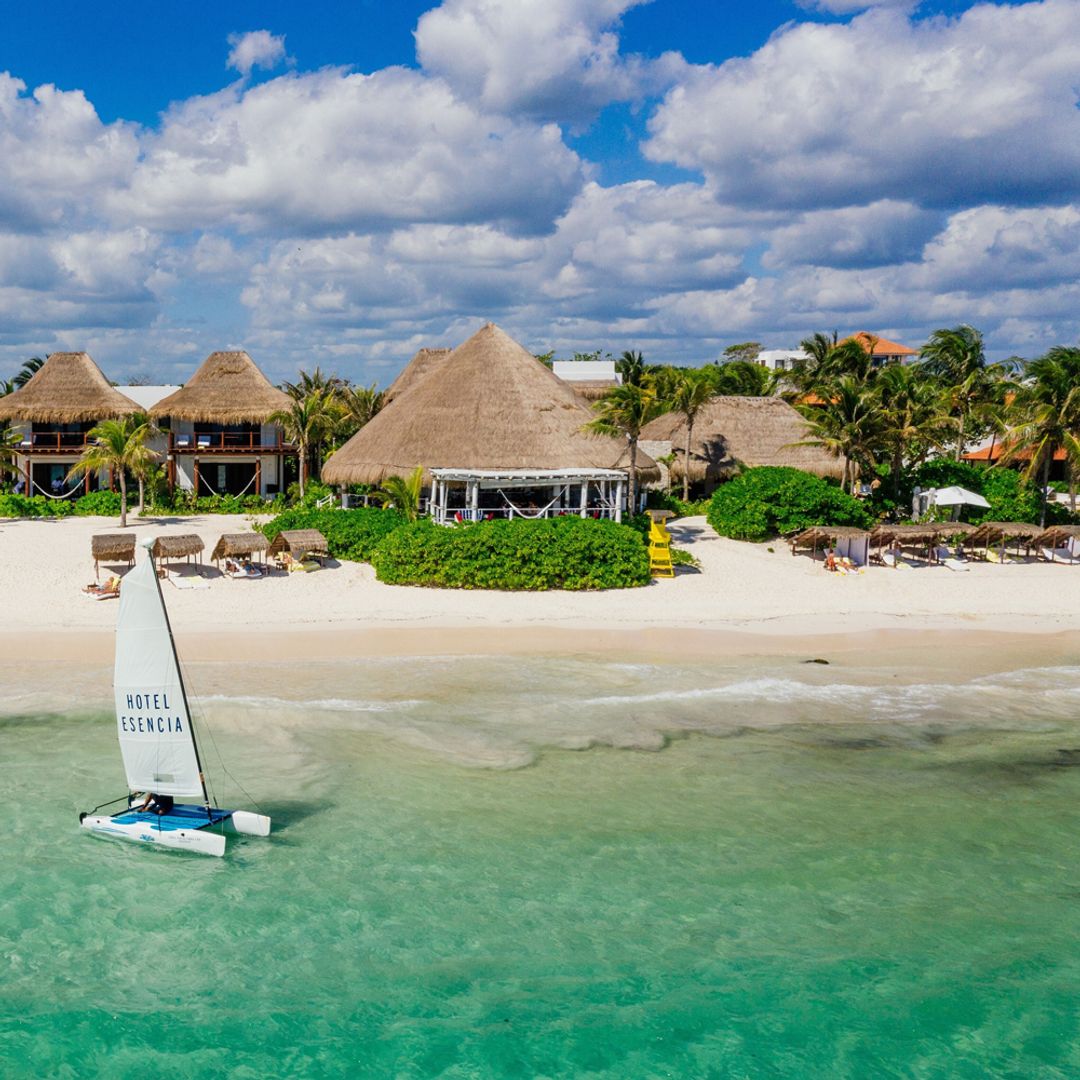
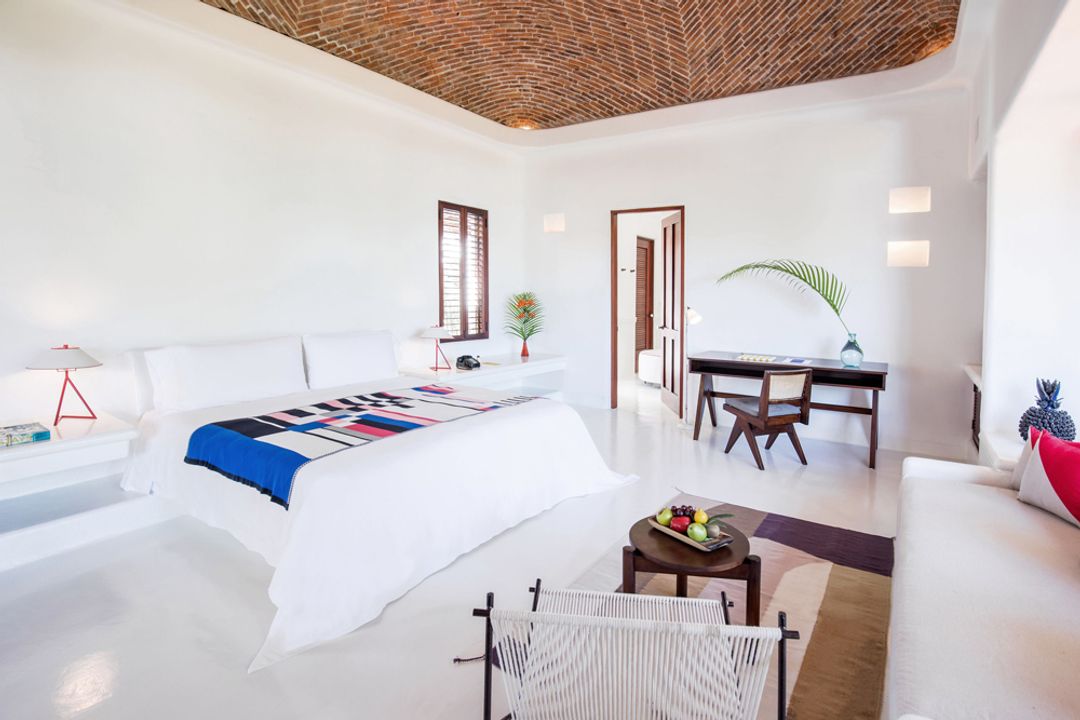
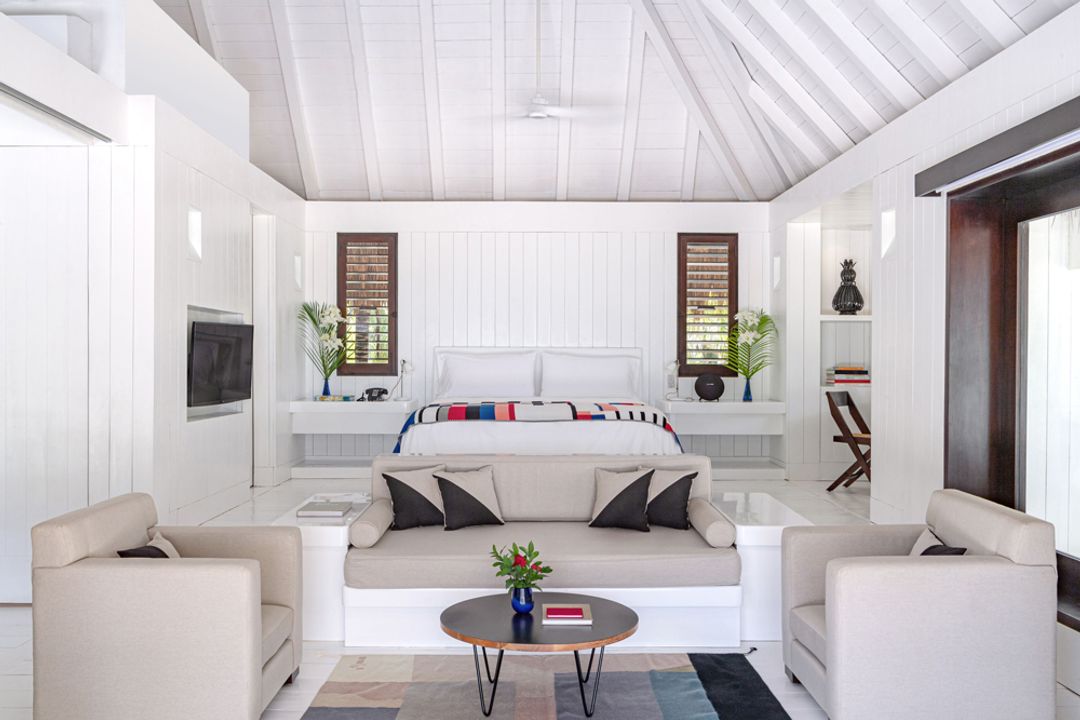
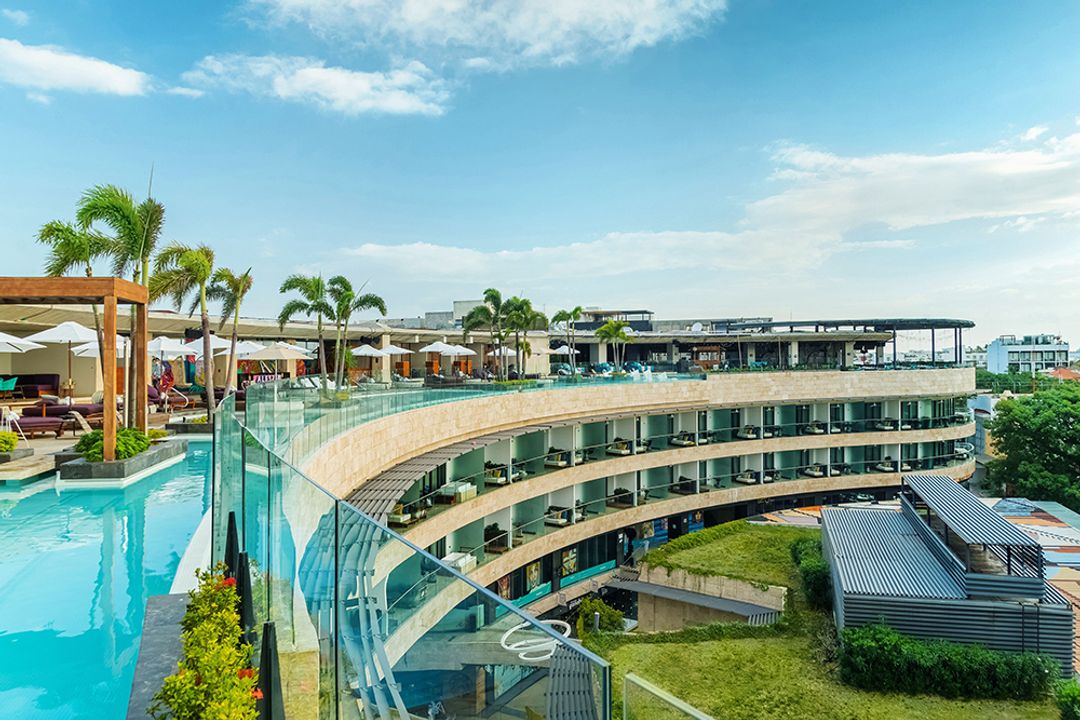
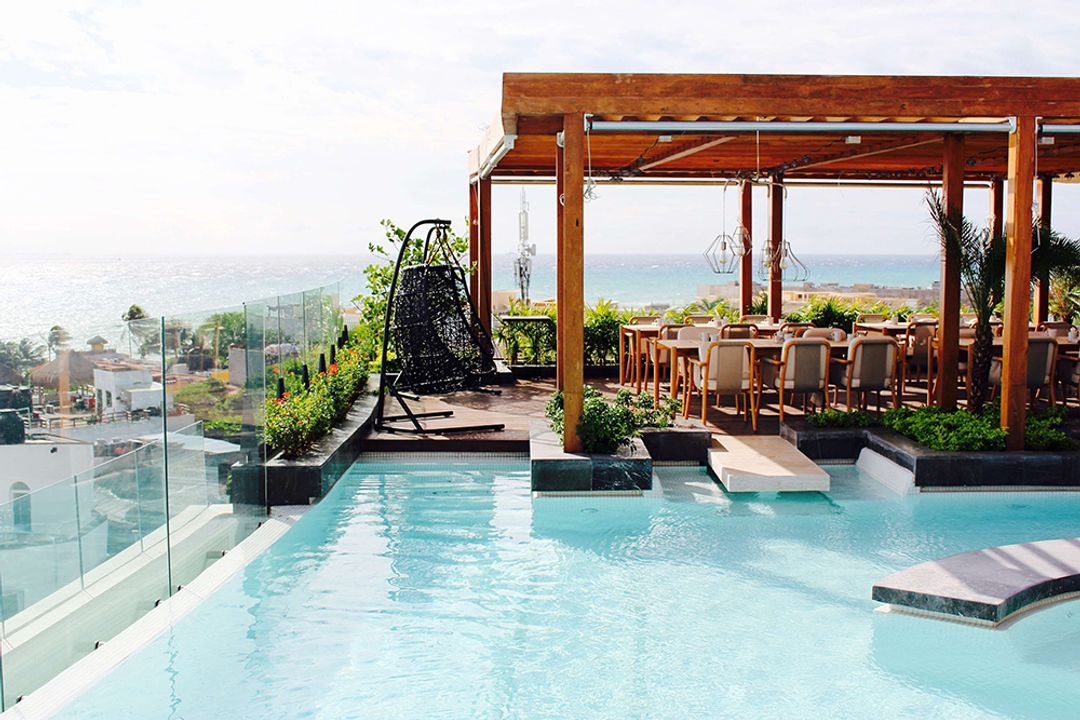
Playa del Carmen itself is where the coast gets closest to conventional urban energy, and the Grand Hyatt and Hyatt Centric both sit near Quinta Avenida, with street access and a price point that reflects their more connected, more operational character. The real design ambition in this corridor lives just off it: Hotel Esencia in Xpu-Ha occupies a former private estate and retains that sense of personal scale, its rooms set within a walled compound of gardens and art, the architecture unhurried and residential in a way that contrasts with almost everything else on this list.
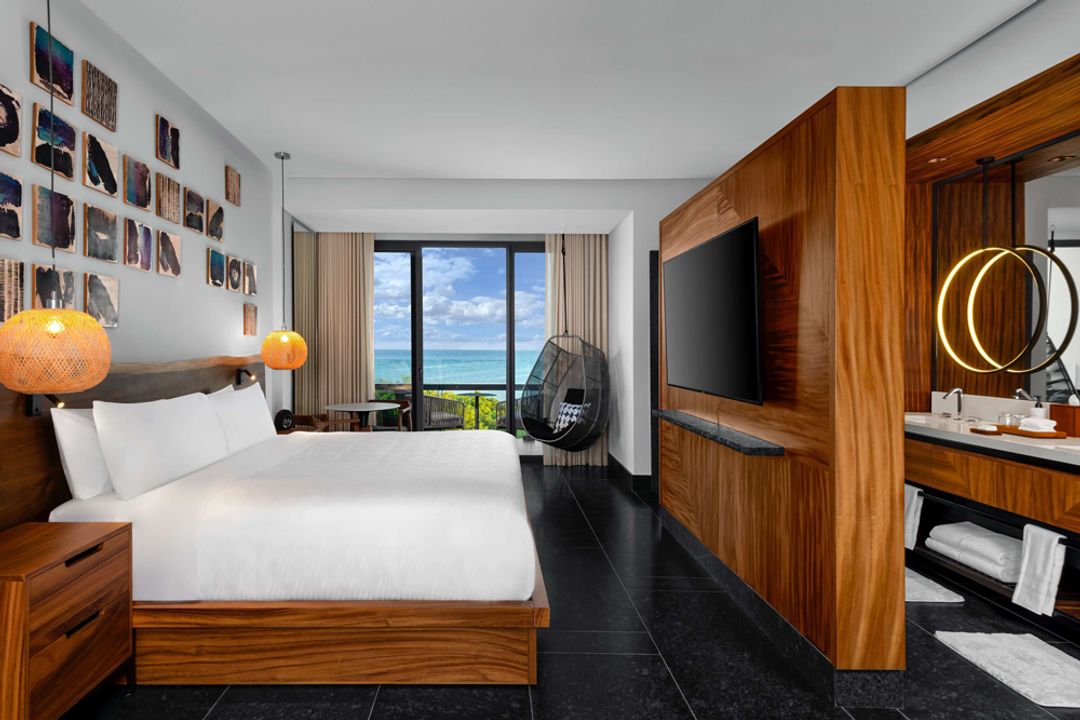
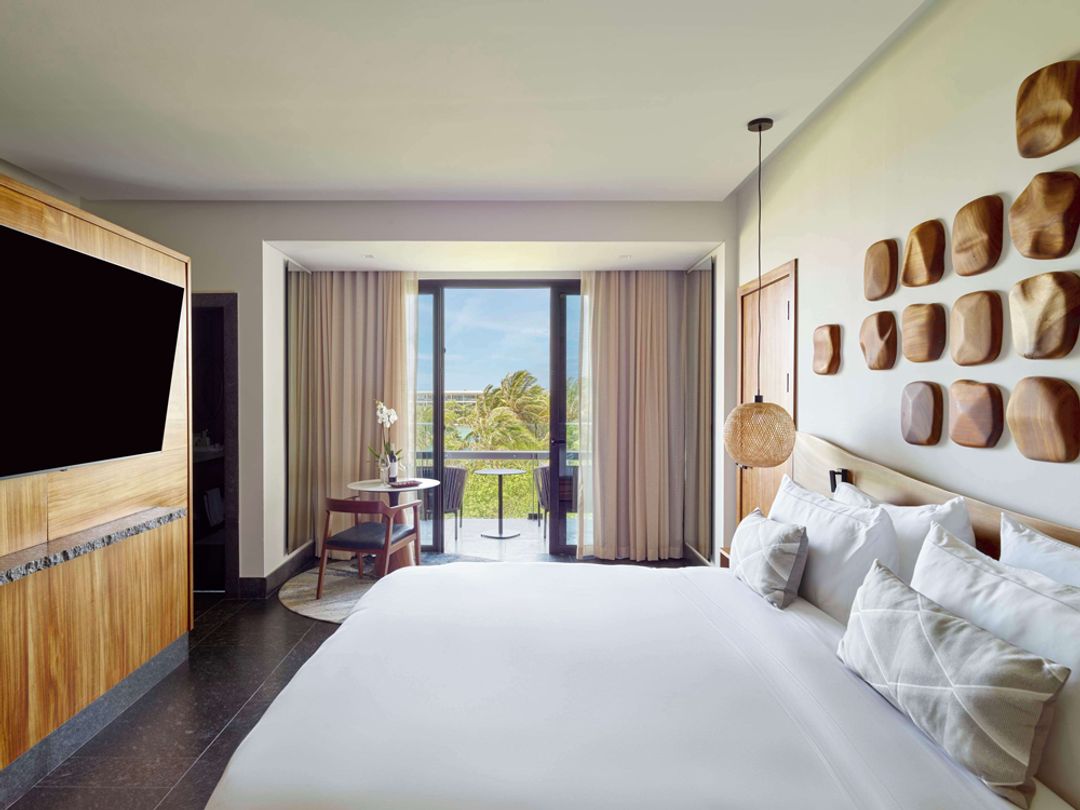
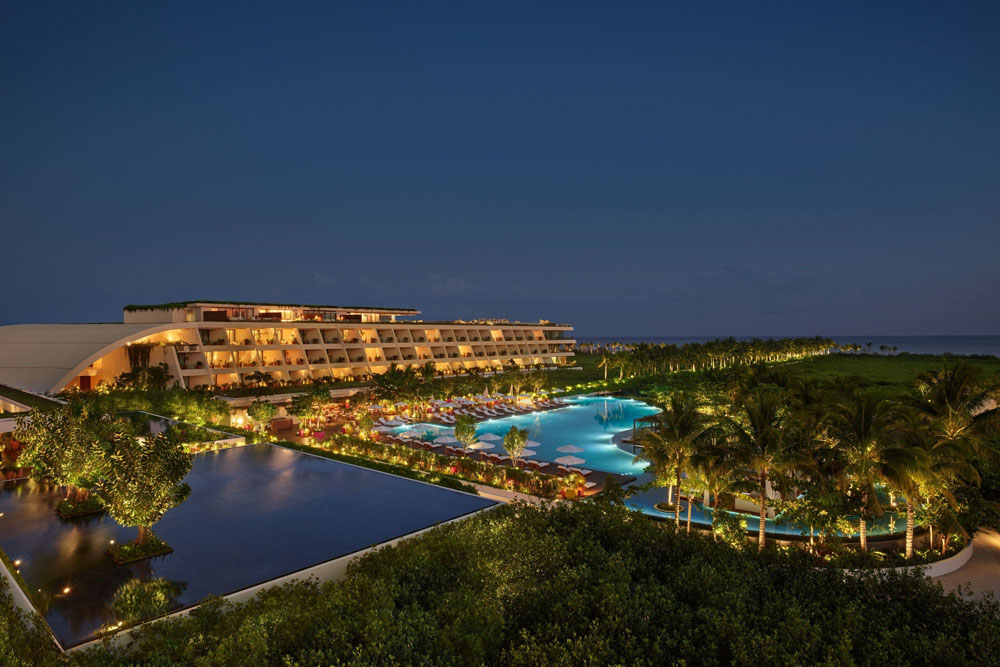
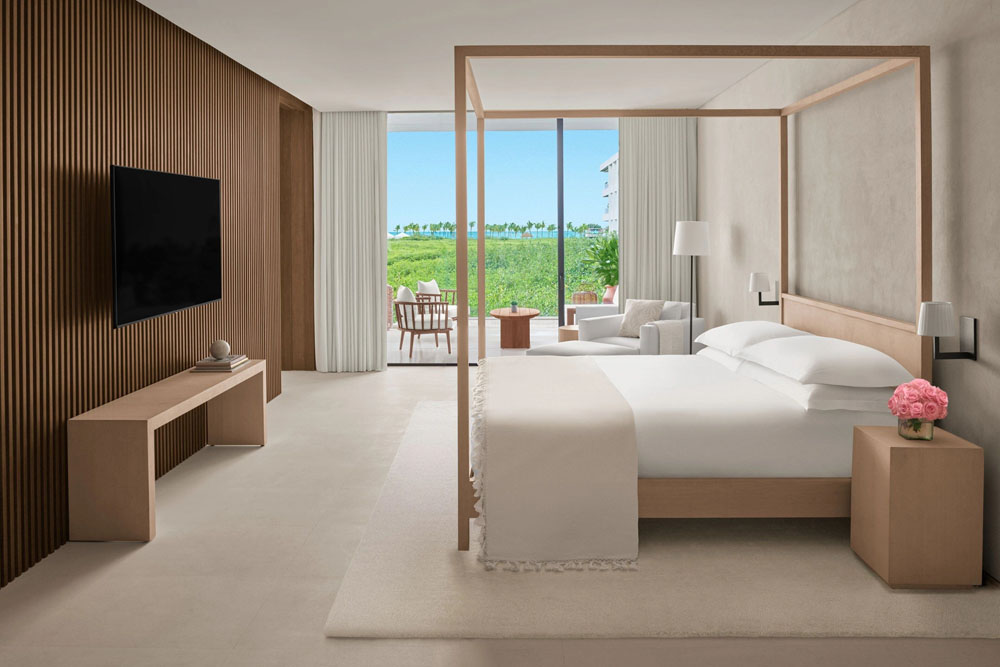
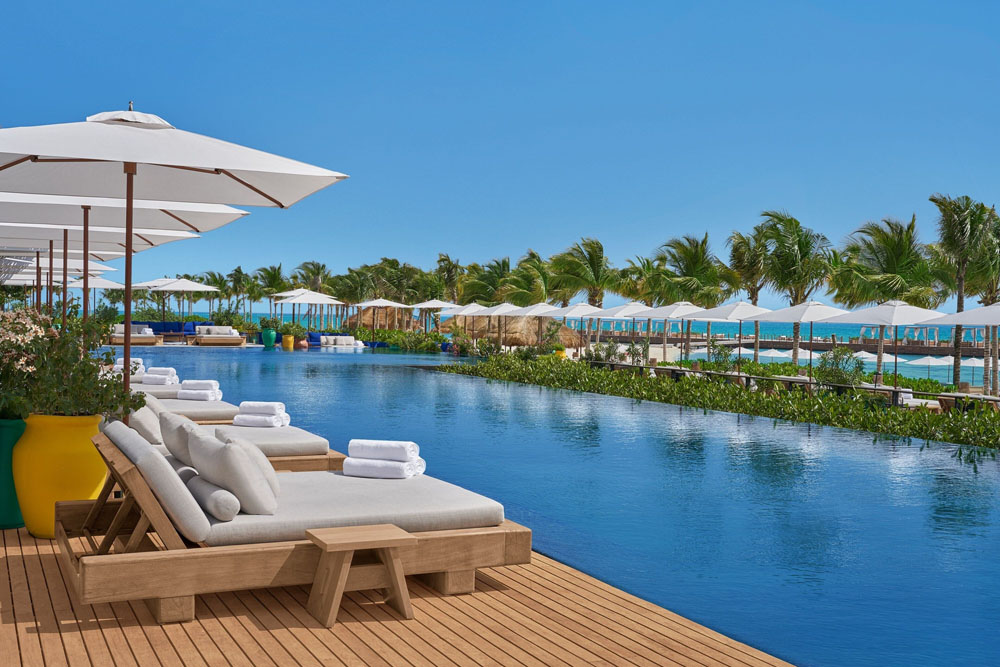
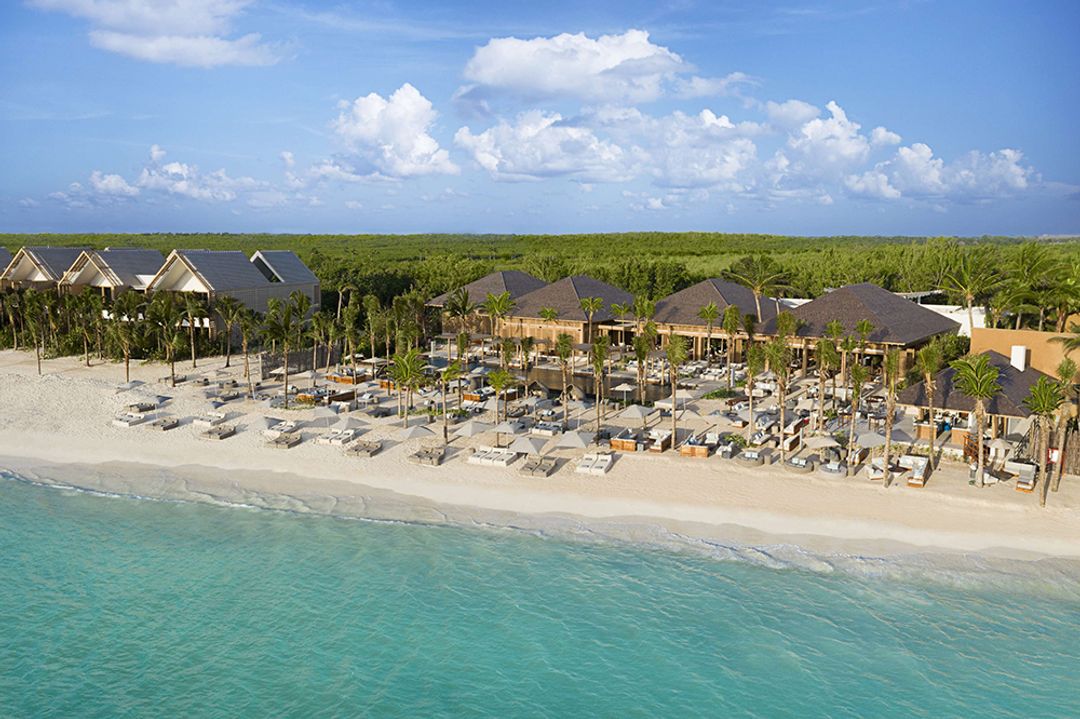
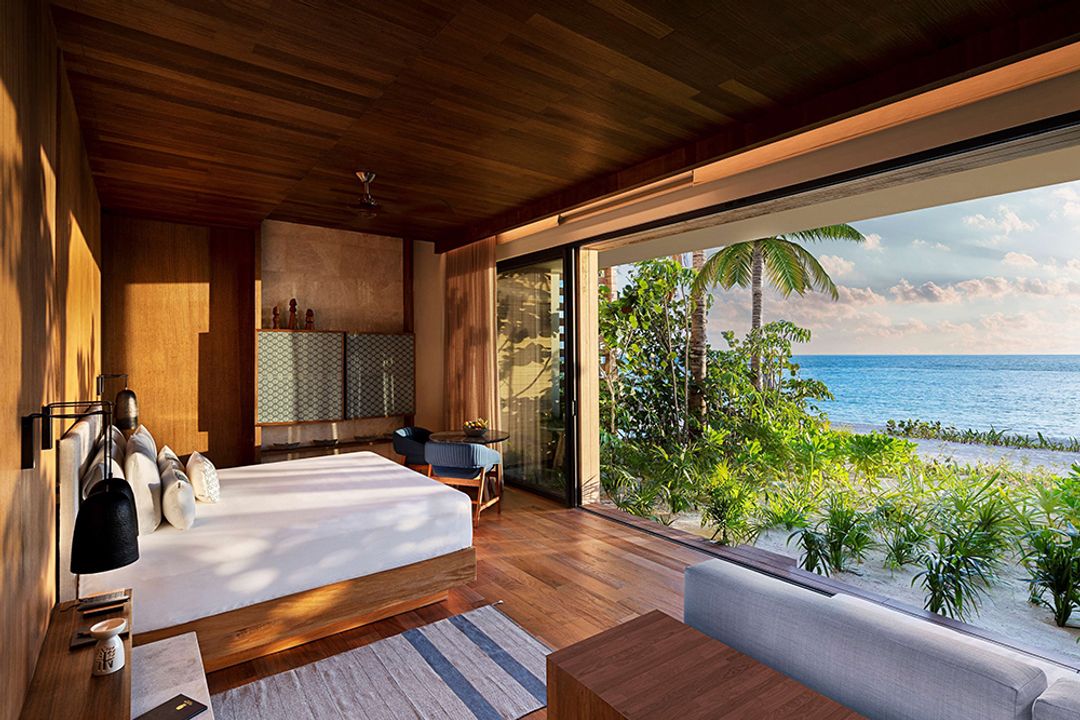
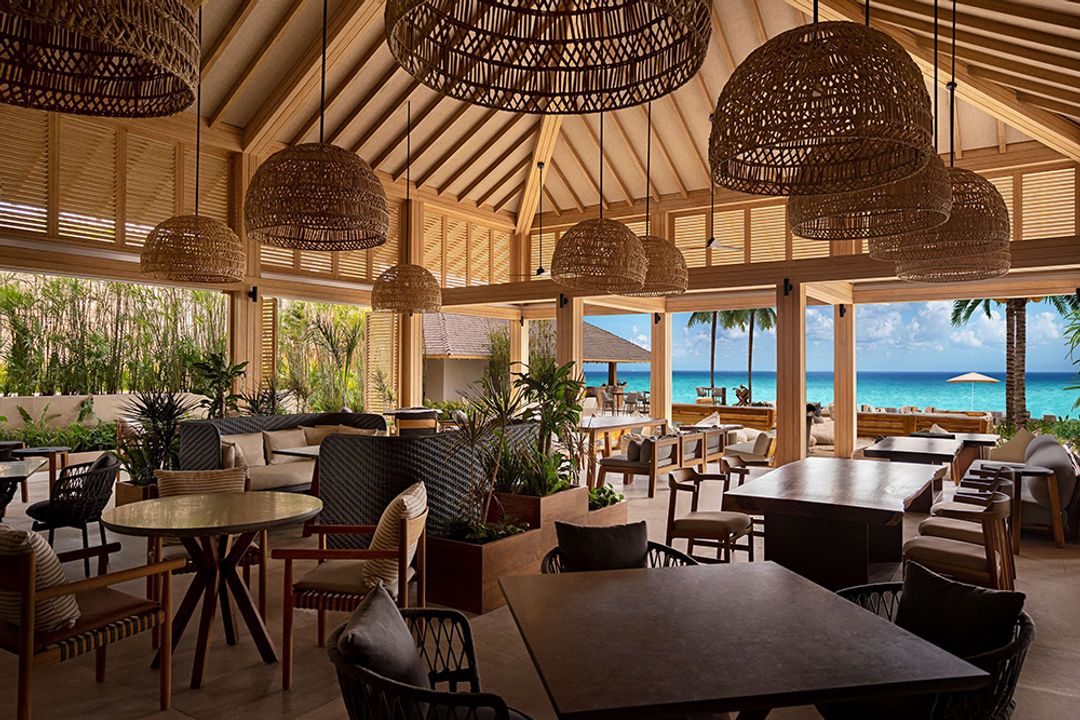
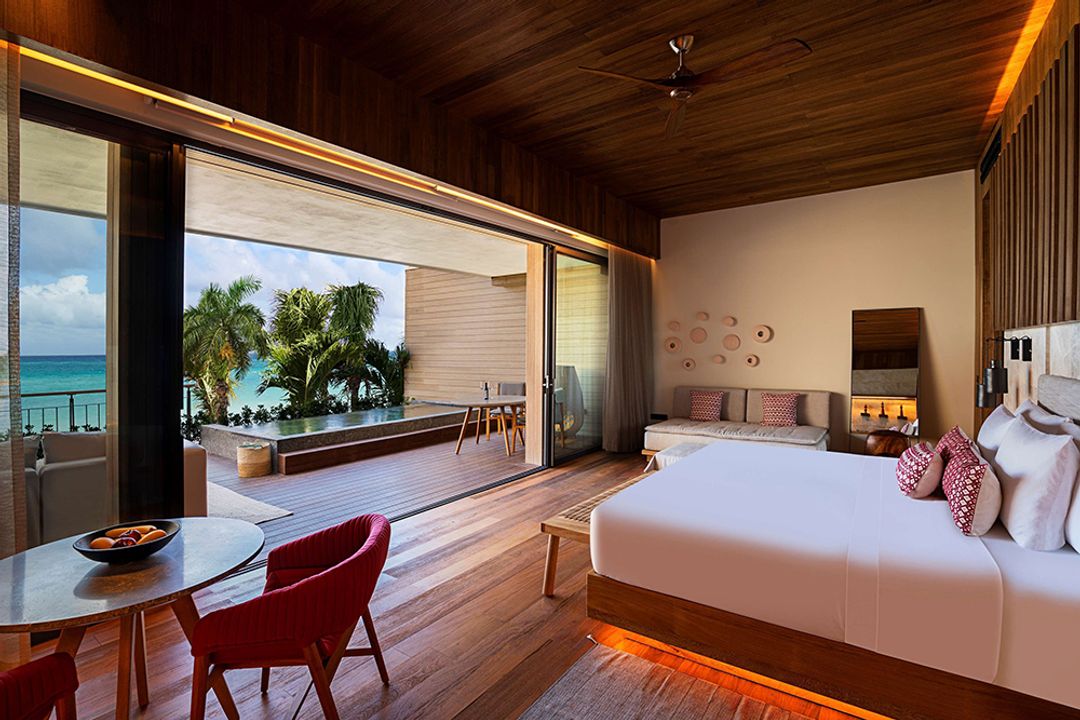
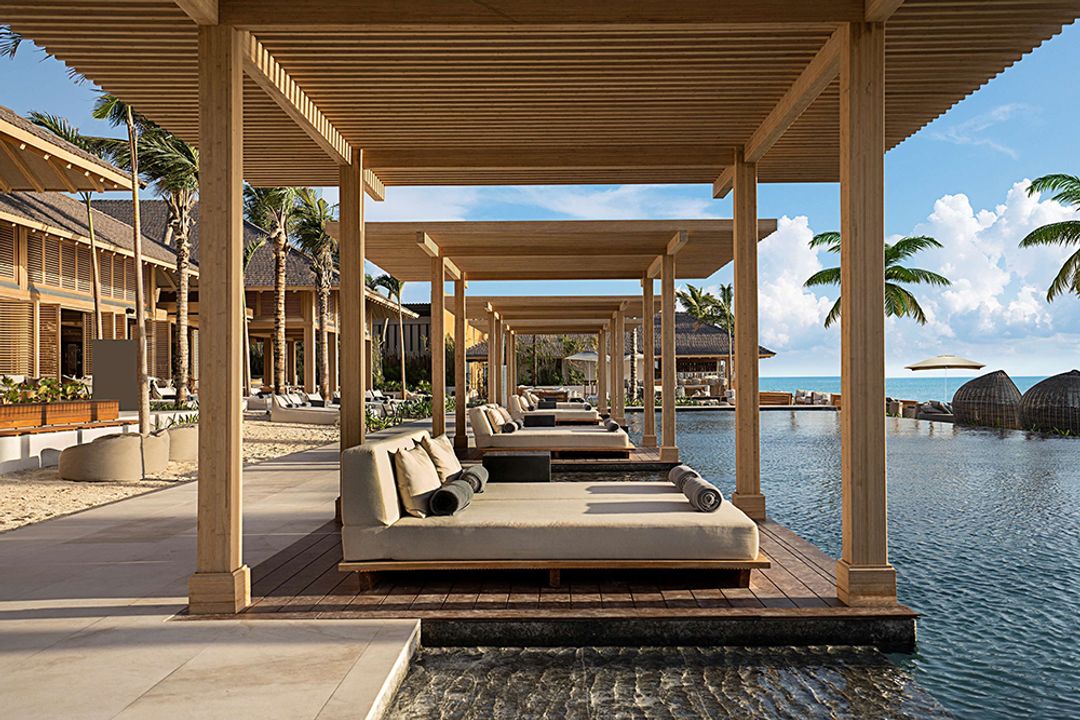
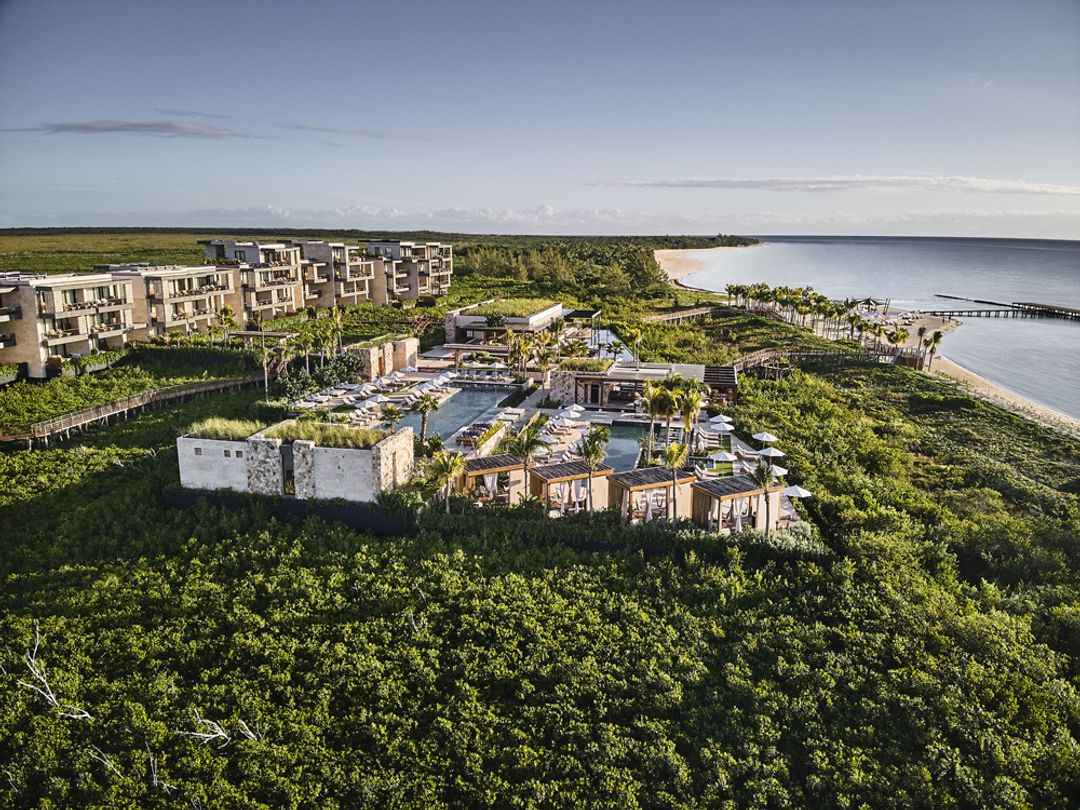
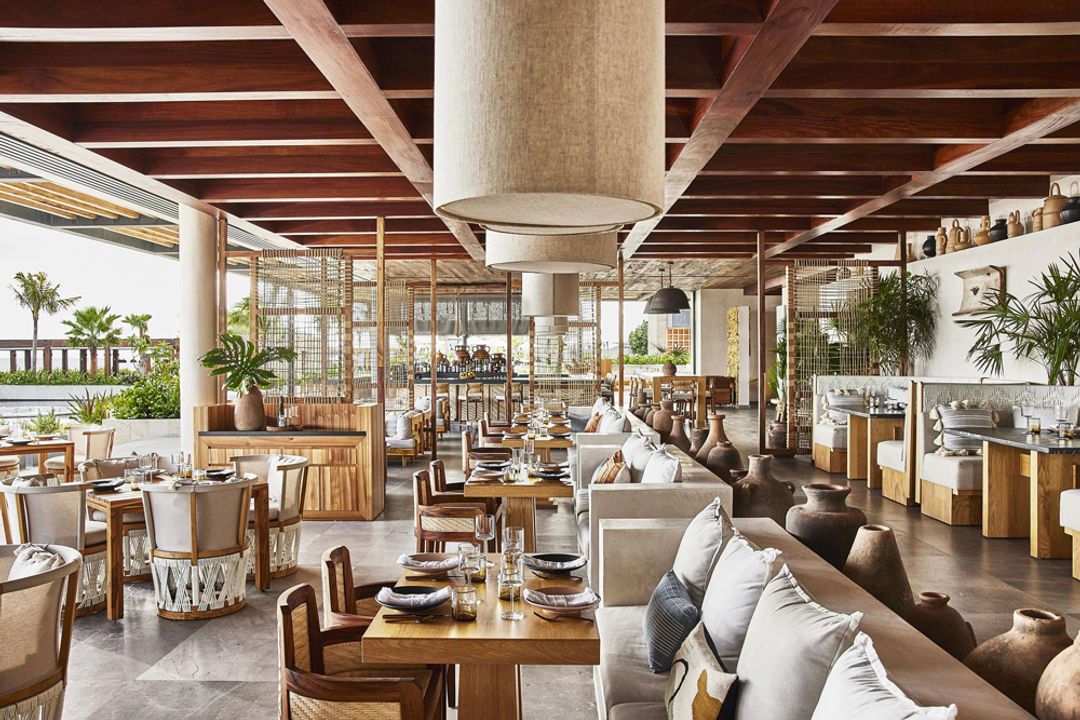
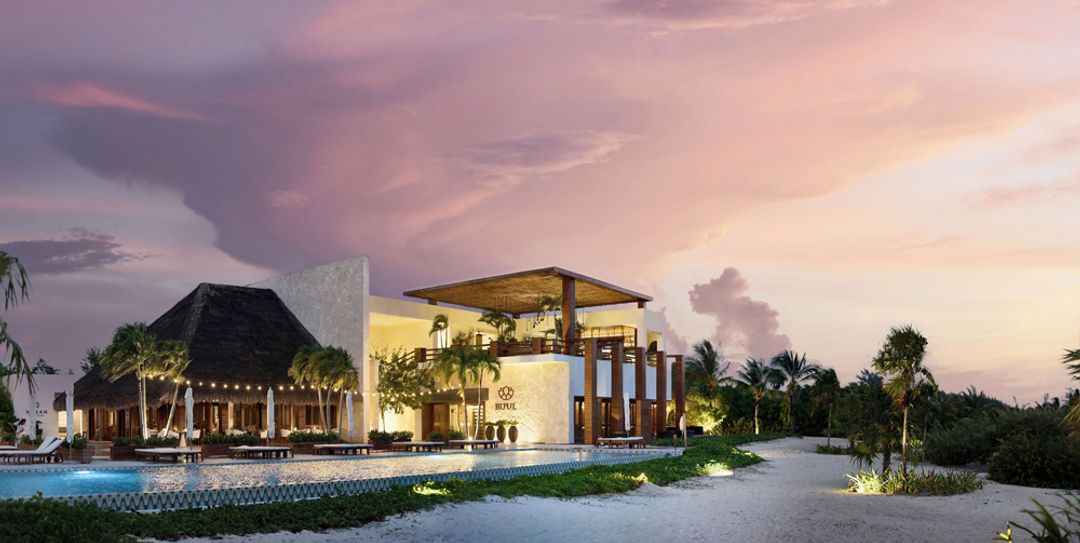
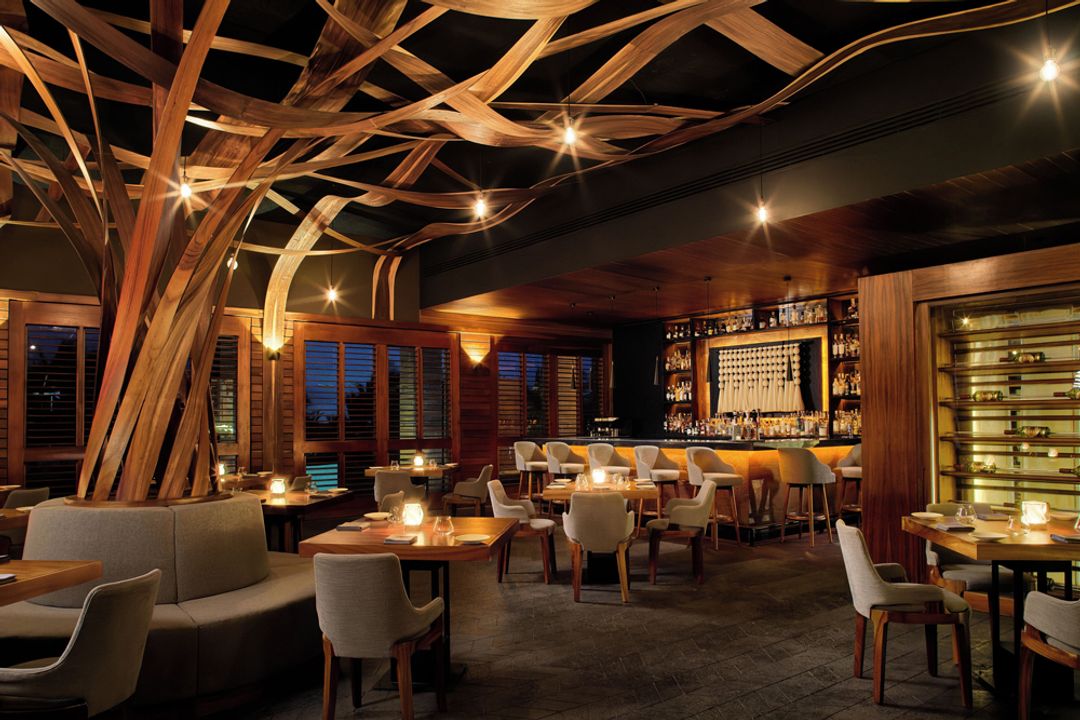
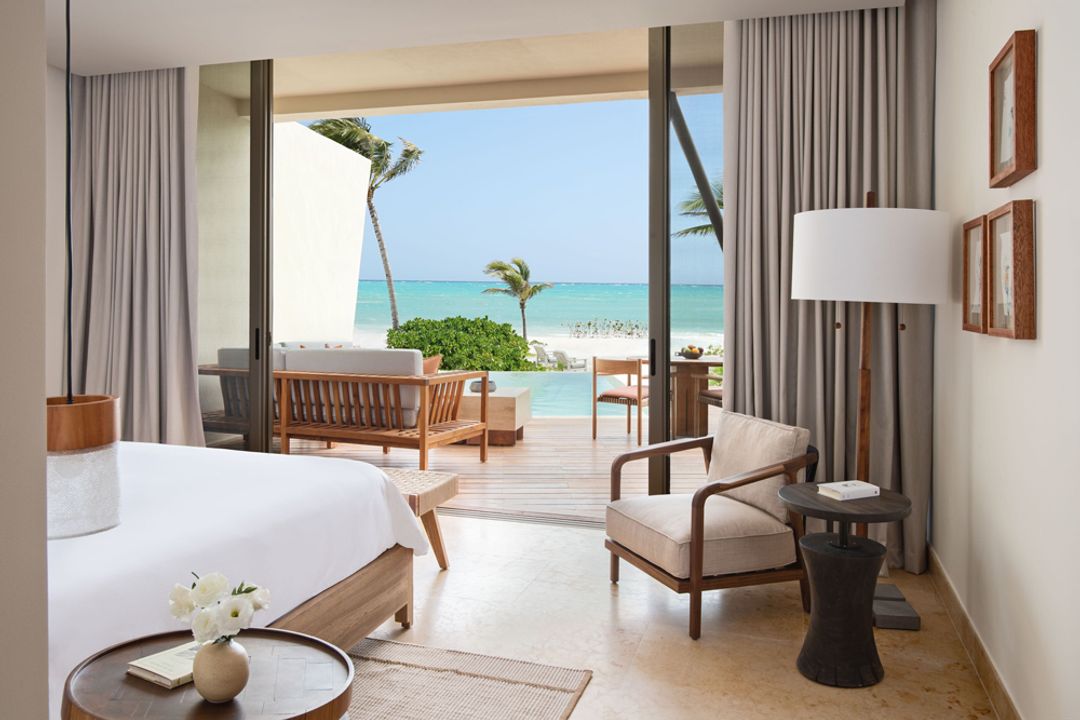
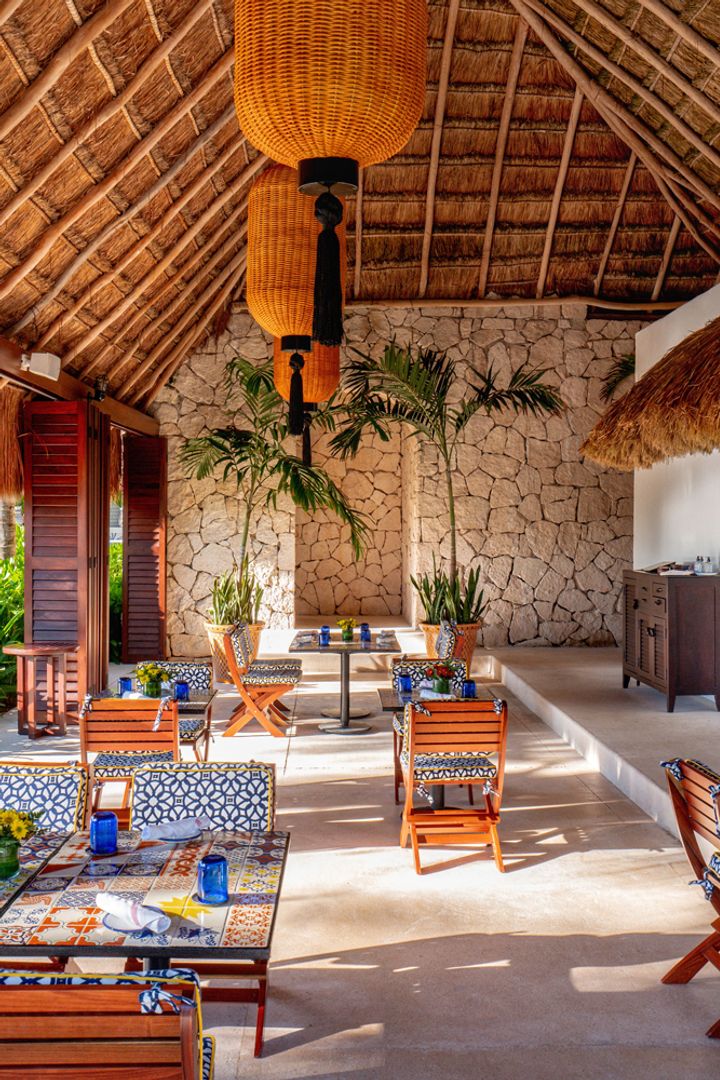
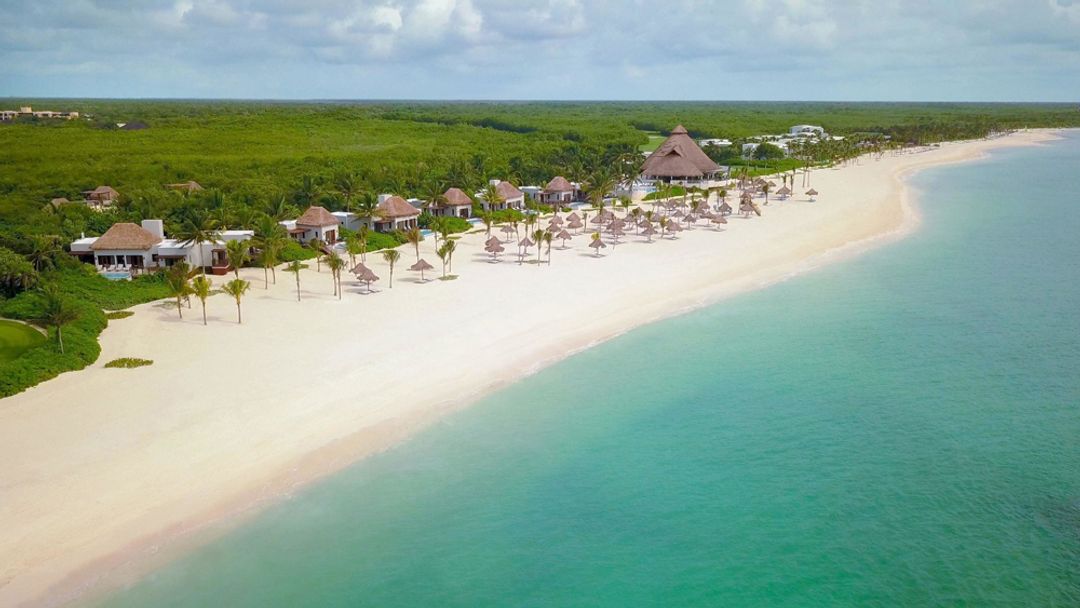
The Punta Maroma stretch represents the most intense concentration of high-investment hospitality on the coast. Maroma, now a Belmond hotel, has operated in some form since the early 1990s and carries the accumulated patina of that history. Chable Maroma and Etereo, an Auberge Resorts property, are newer arrivals working in a more architecturally deliberate register, both engaging with Mayan material references without sliding into theme. Kanai, the recently developed reservation just south of Maroma, adds the St. Regis and the EDITION to a single master-planned site, where Ian Schrager's editorial hand is legible in the EDITION's restraint. Further south, Conrad Tulum translates the area's cenote culture into structural terms, its architecture descending toward natural limestone formations in a gesture that could read as theatrical but earns its presence through specificity of material and place.