Best hotels in Bangkok | A Curated Visual Guide to Top Stays
Welcome to PressBeyond, the ultimate curated visual guide for design-driven hotels! My name is Will Miller and these are my recommendations for the best boutique and luxury hotels in Bangkok.
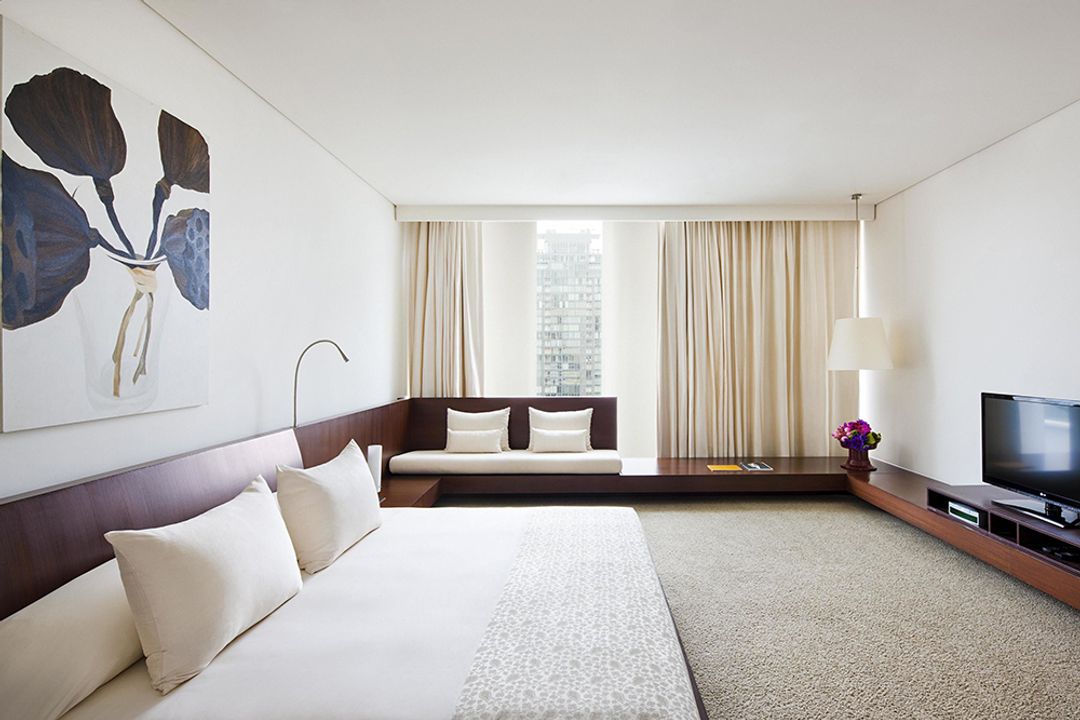
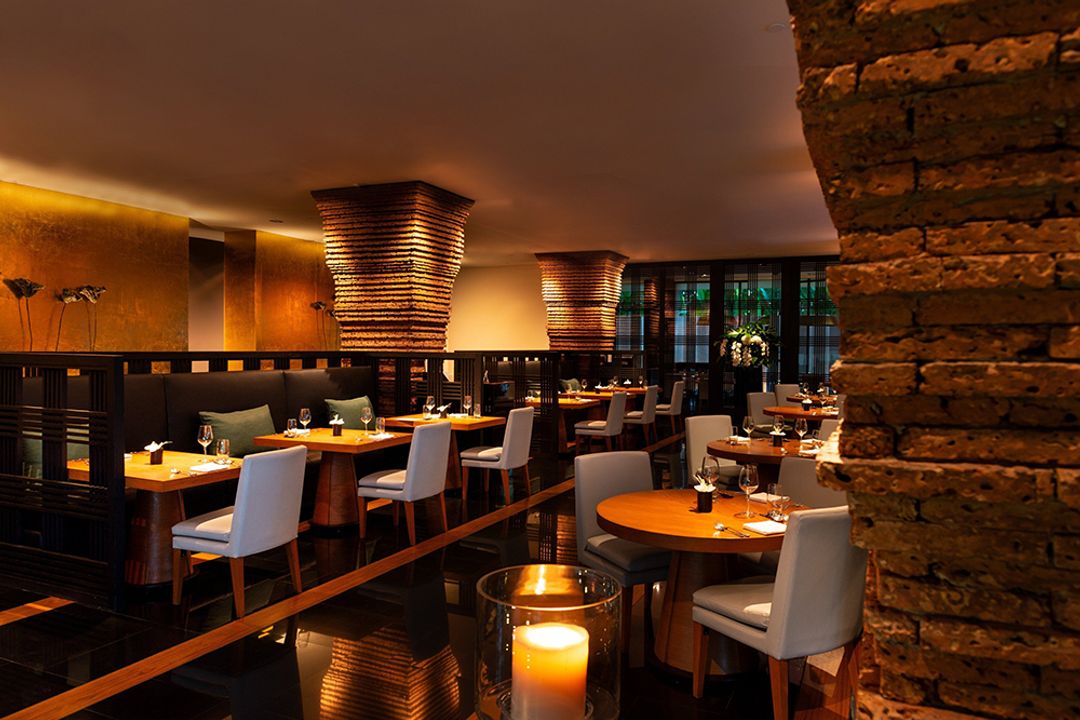
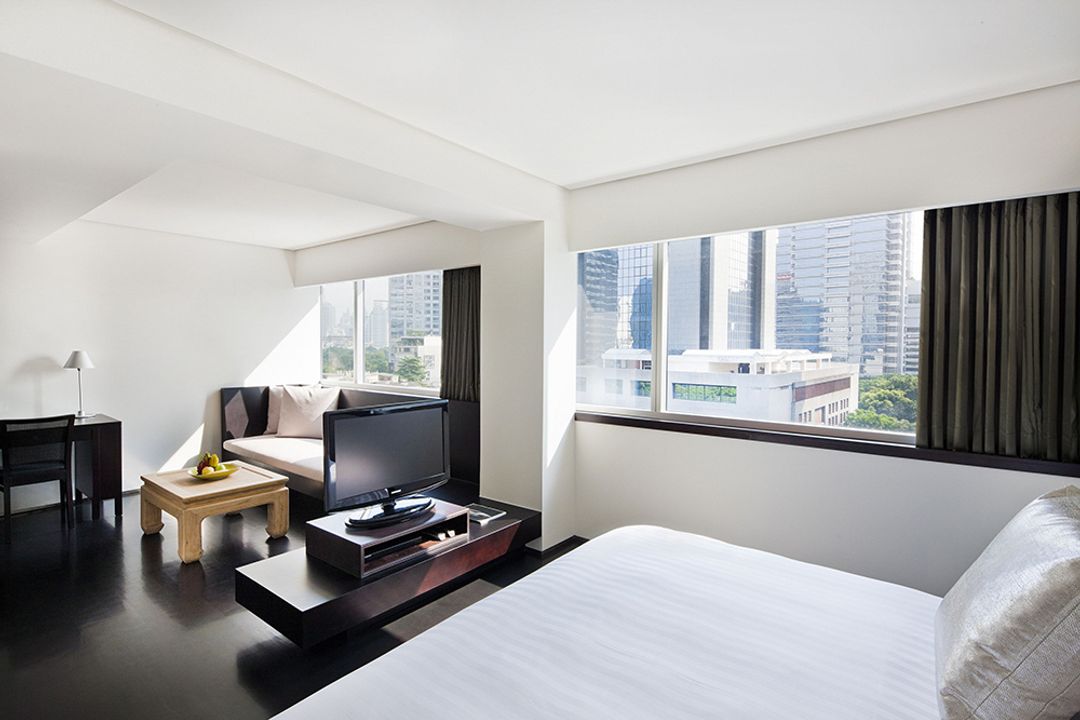
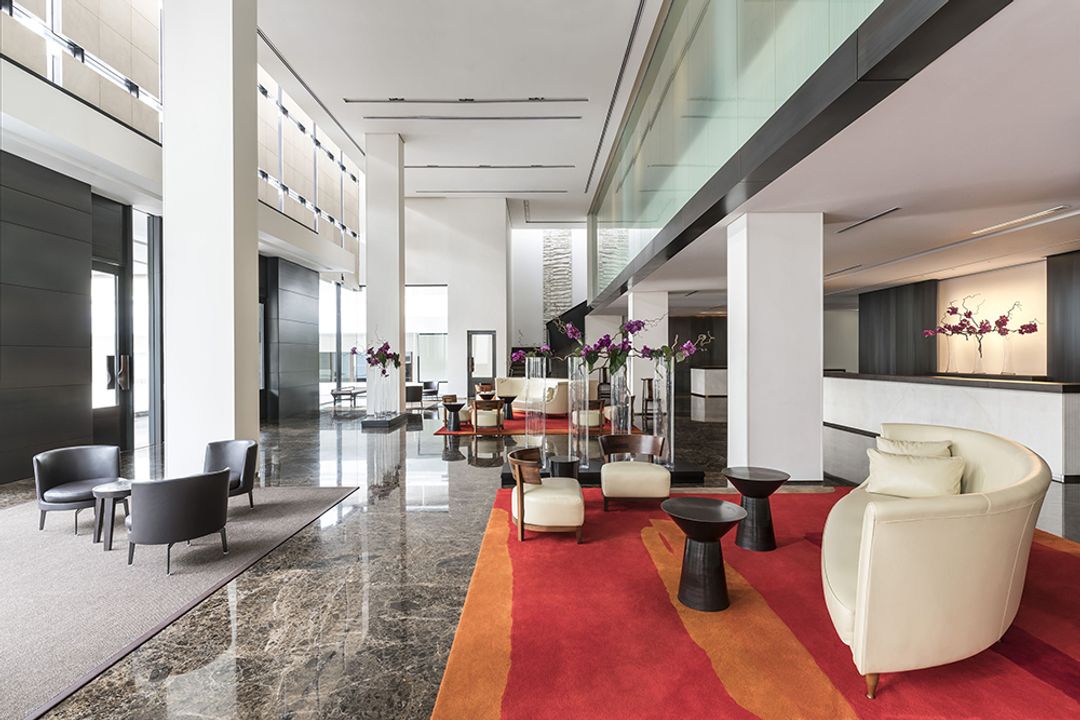
I am the founder of PressBeyond and I am an ultra-meticulous hotel curator who loves clean visuals. I have individually analyzed and tiered each hotel included in this guide based on a variety of criteria (architecture & design, location, brand & brand affiliation, existing reviews, and my own personal experiences), and importantly, I have hand-selected the leading imagery for each hotel to provide you with easily-digestible, yet detailed and complete, like-for-like, high-level visual profiles. I felt this summarization step was a critical missing piece across existing guides, blogs, and booking platforms. My aim is to make it easier for people to identify hotel environments that resonate with them, along with enabling them to visualize the types of social experiences that those environments help foster. My brain doesn't work when exposed to cluttered content, so my goal was to create the opposite.
Underneath this, we are also a full booking engine offering 5% Venmo cash back along with other exclusive perks. For all of you design-obsessed hotel enthusiasts out there, I hope this guide helps get you to where you see yourself!
An Overview of the Boutique & Luxury Hotel Landscape in Bangkok
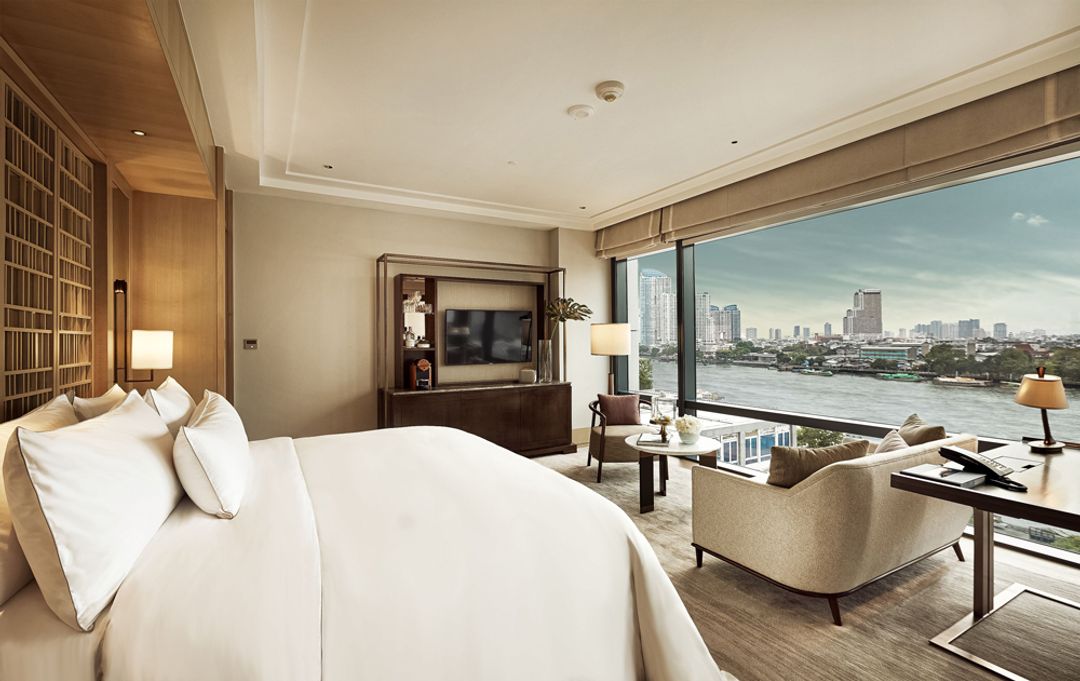
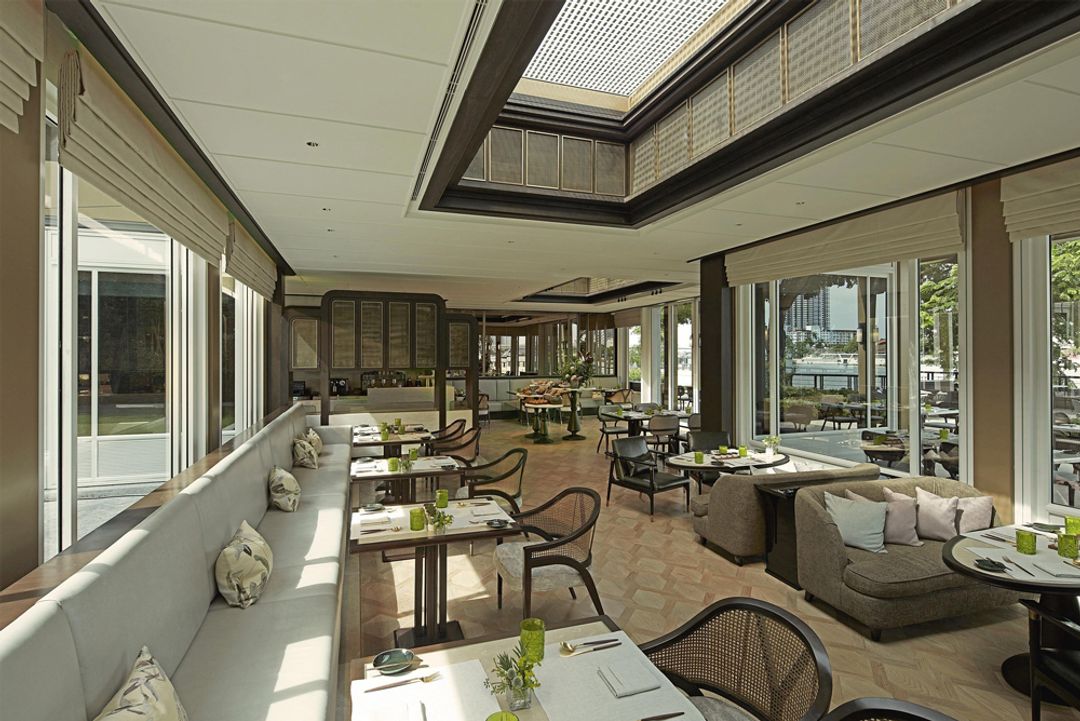
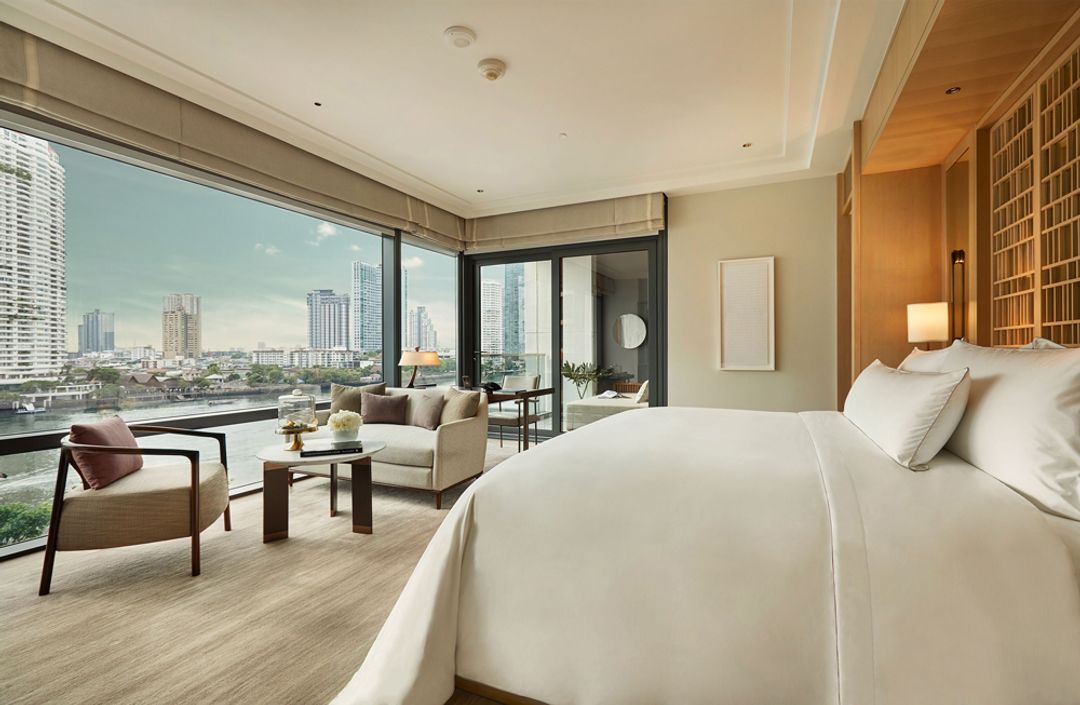
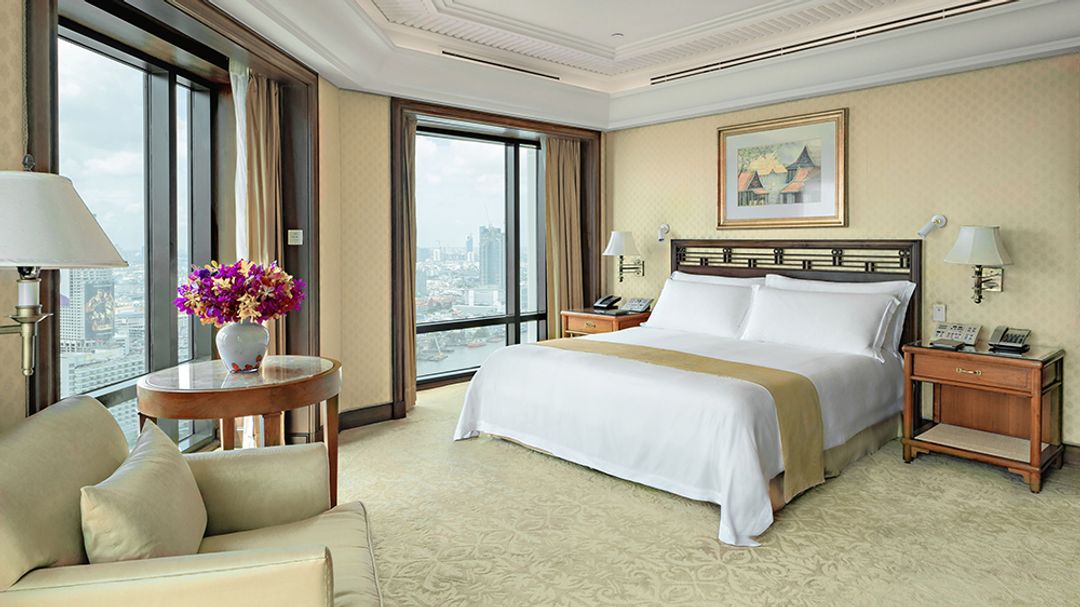
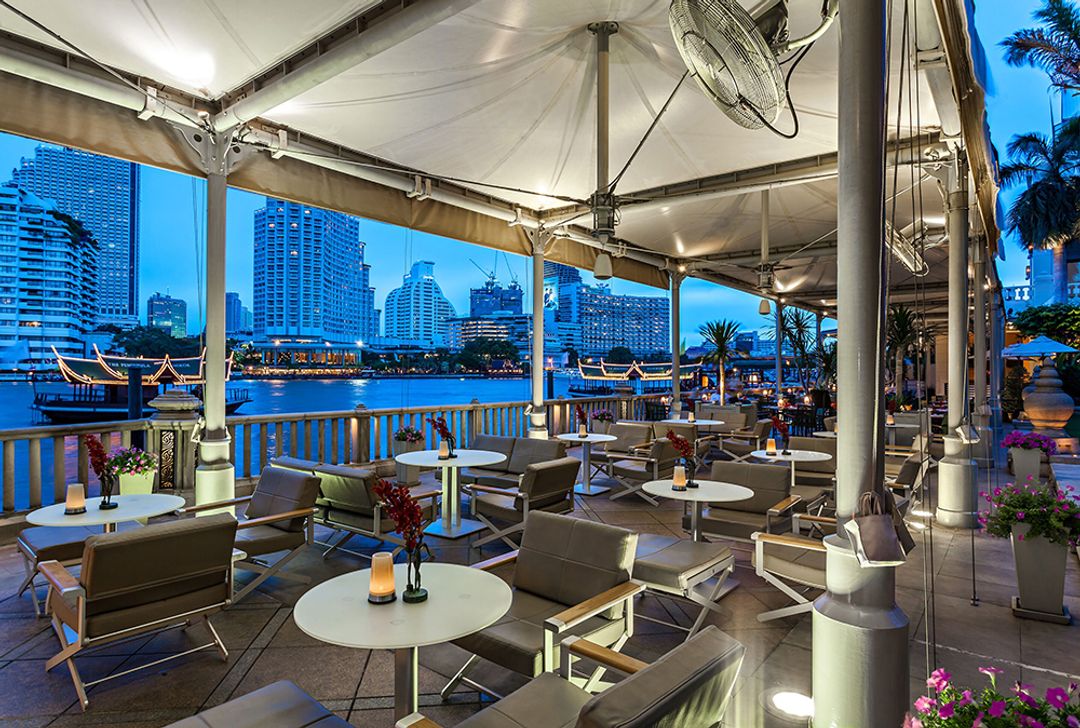
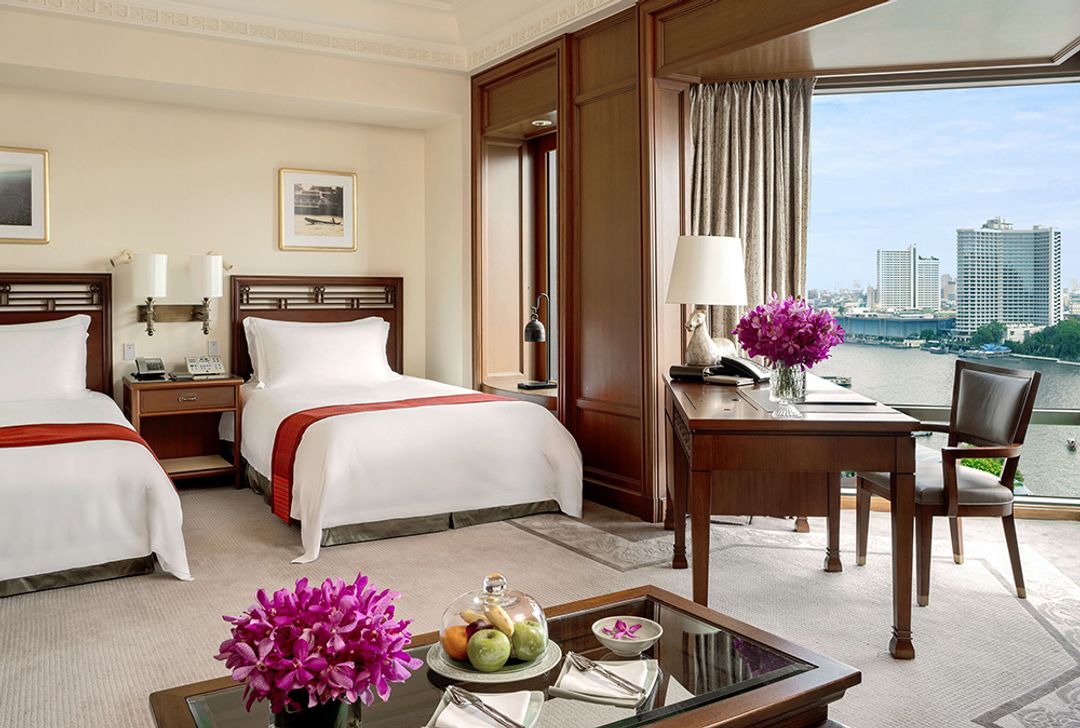
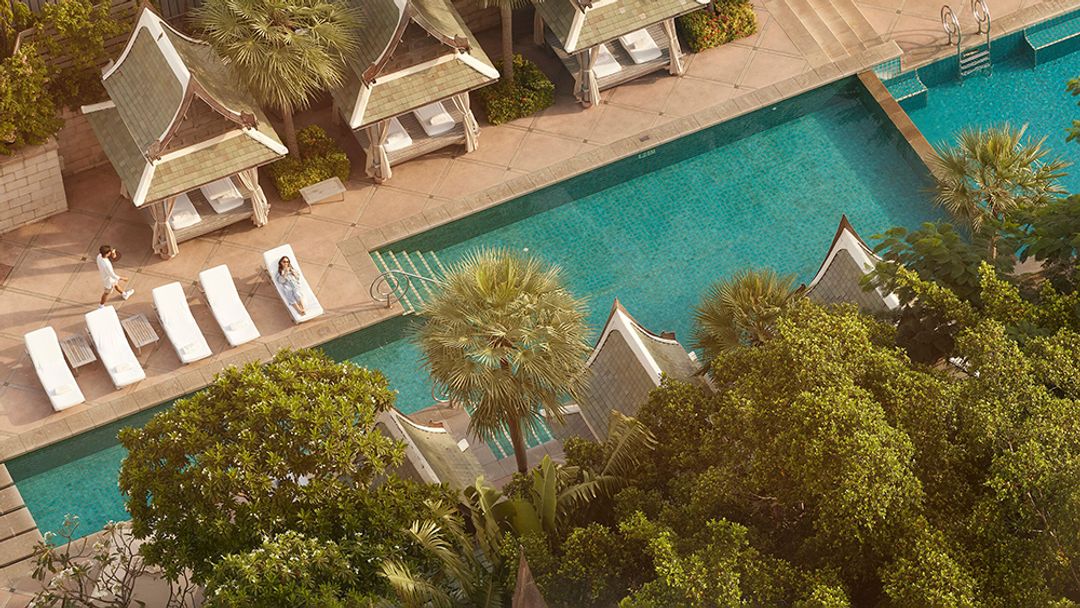
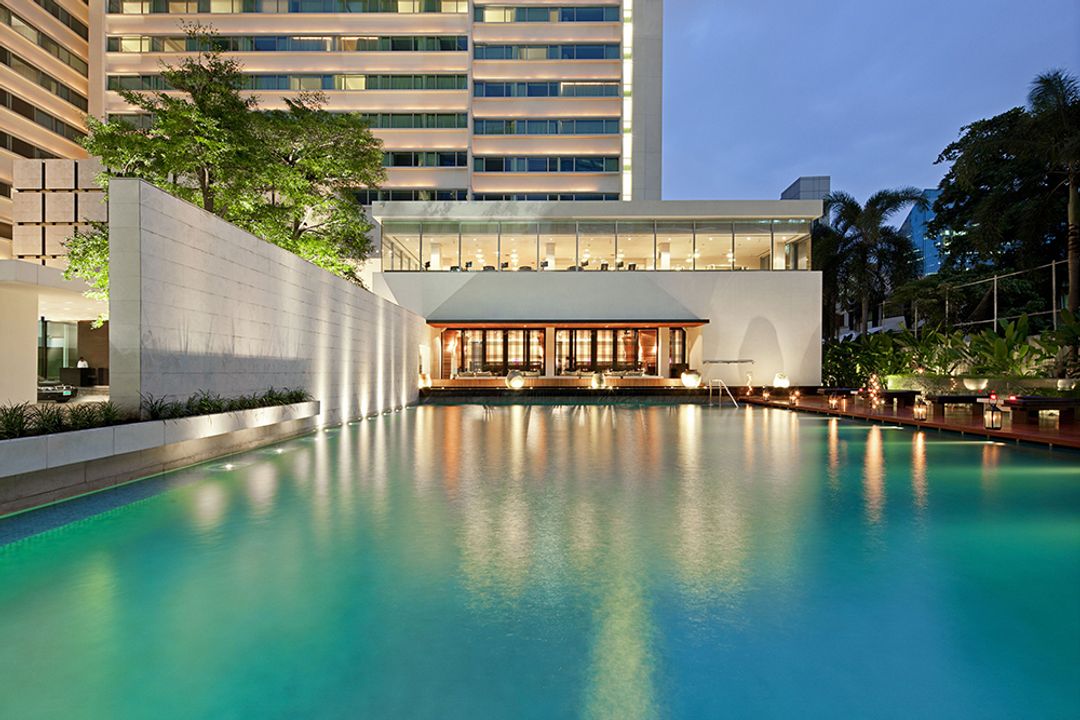
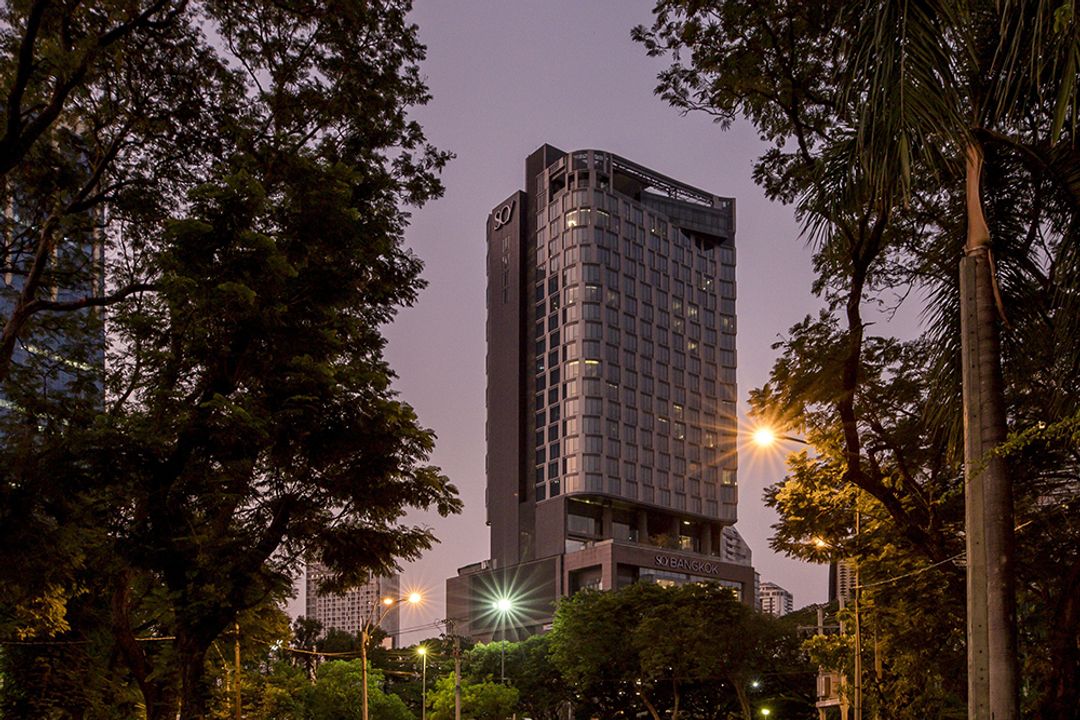
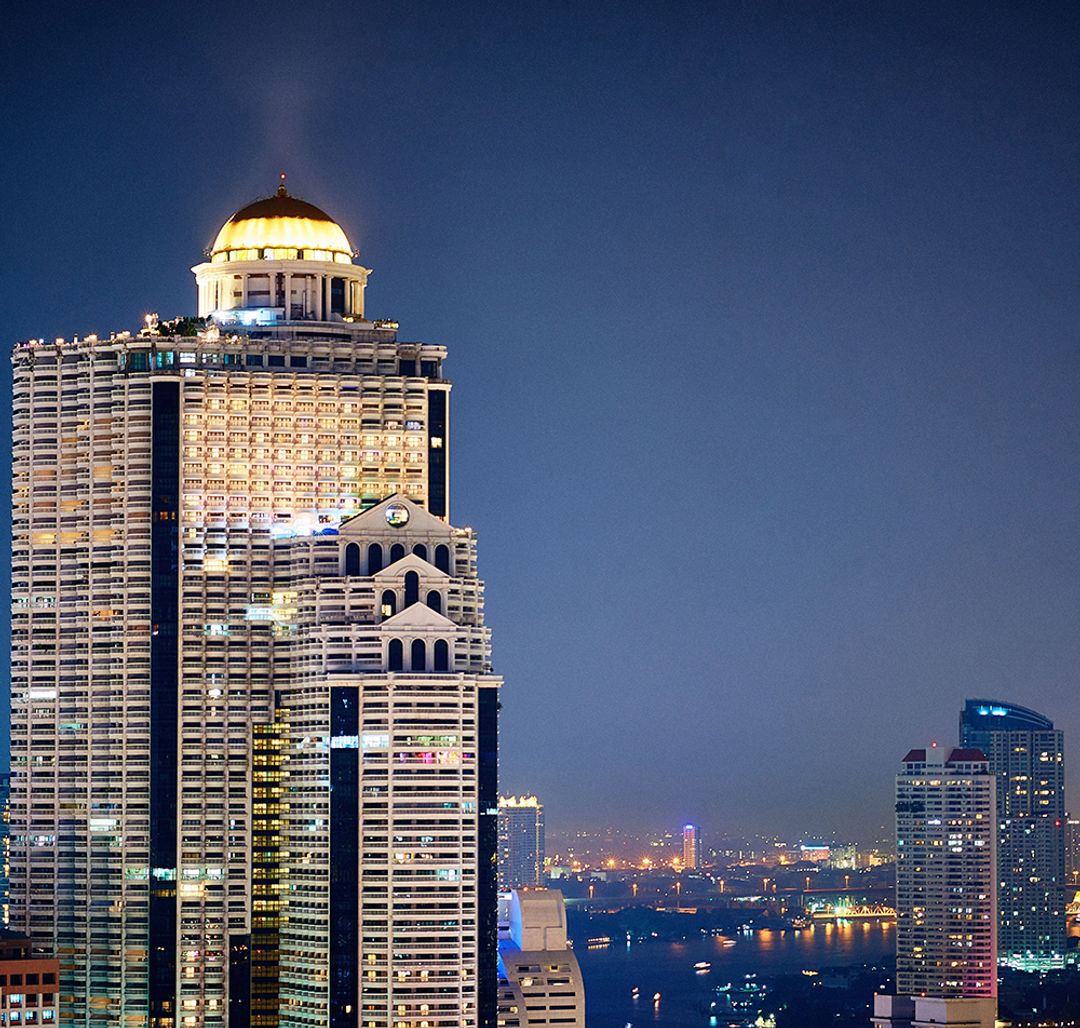
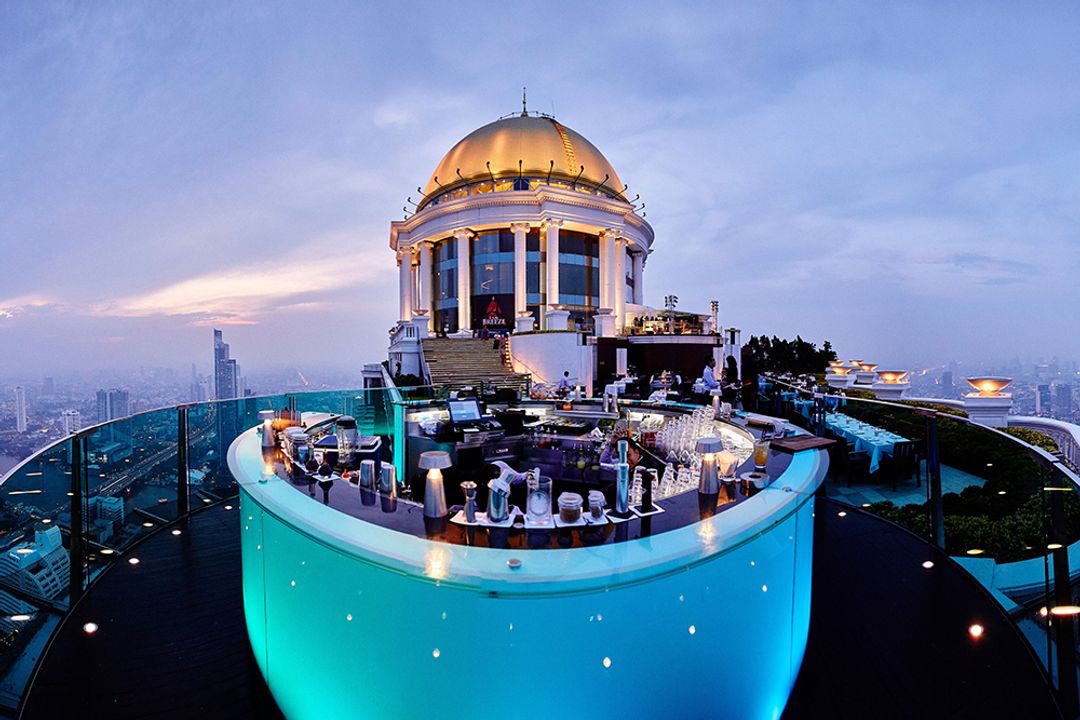
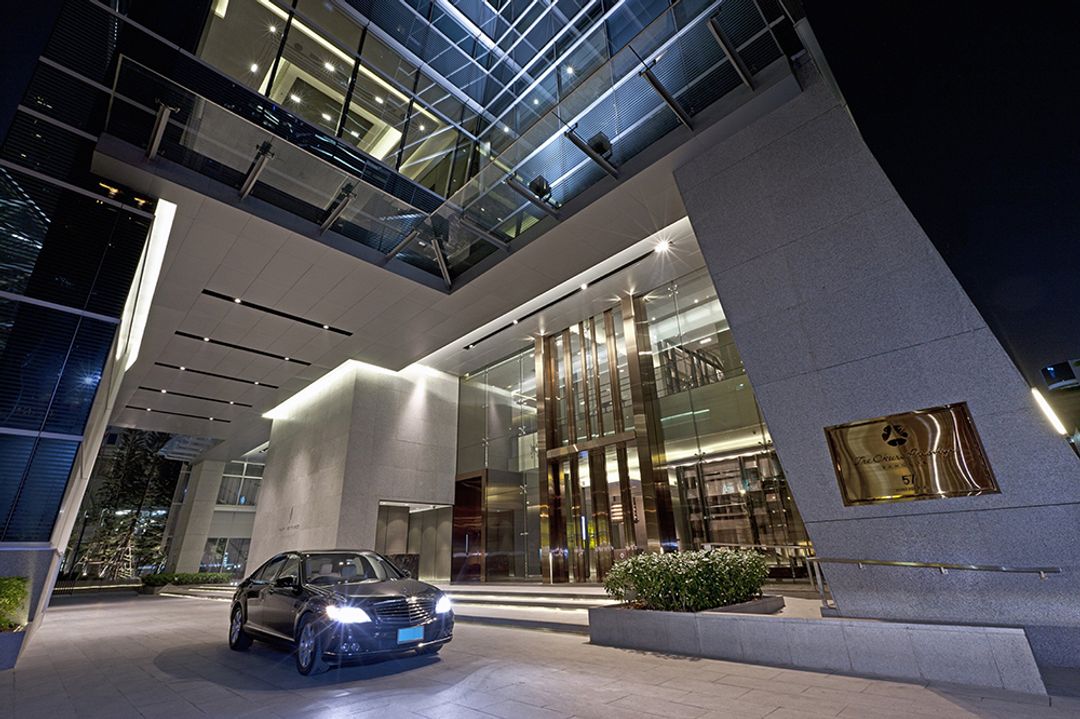
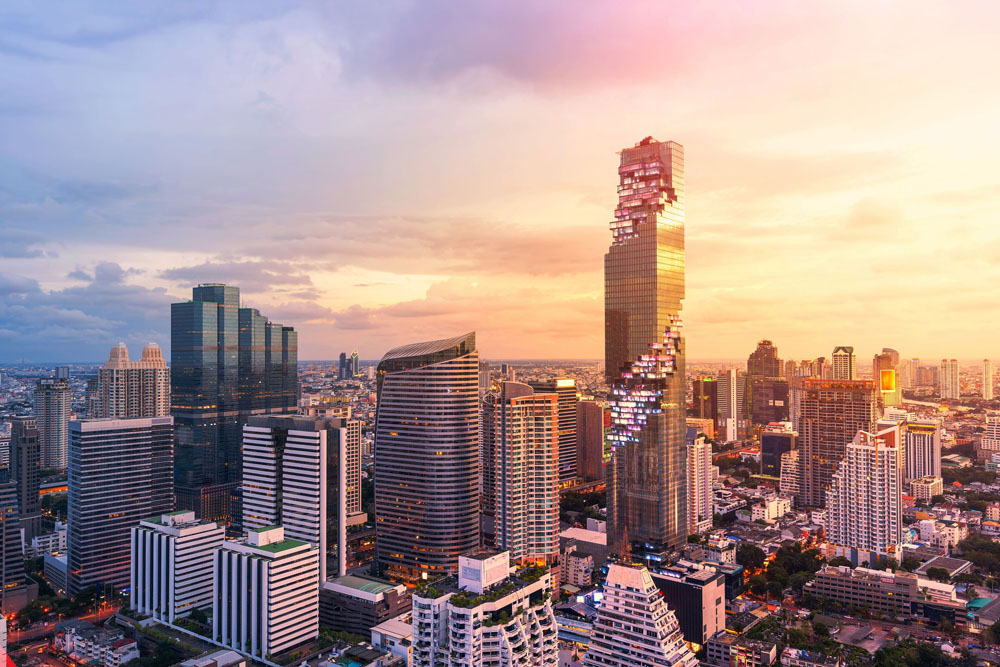
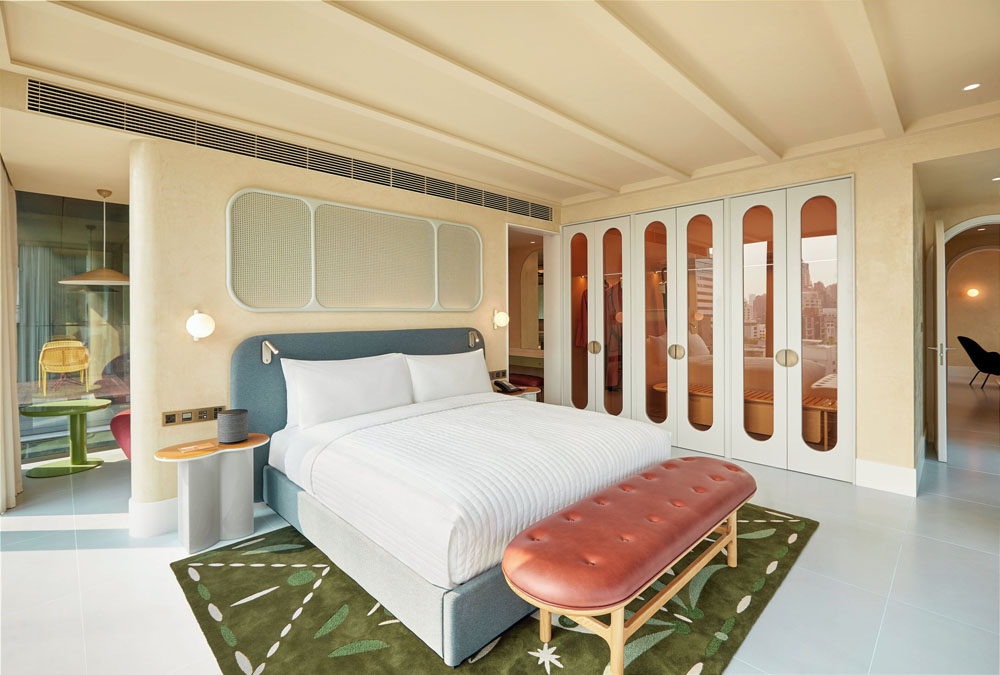
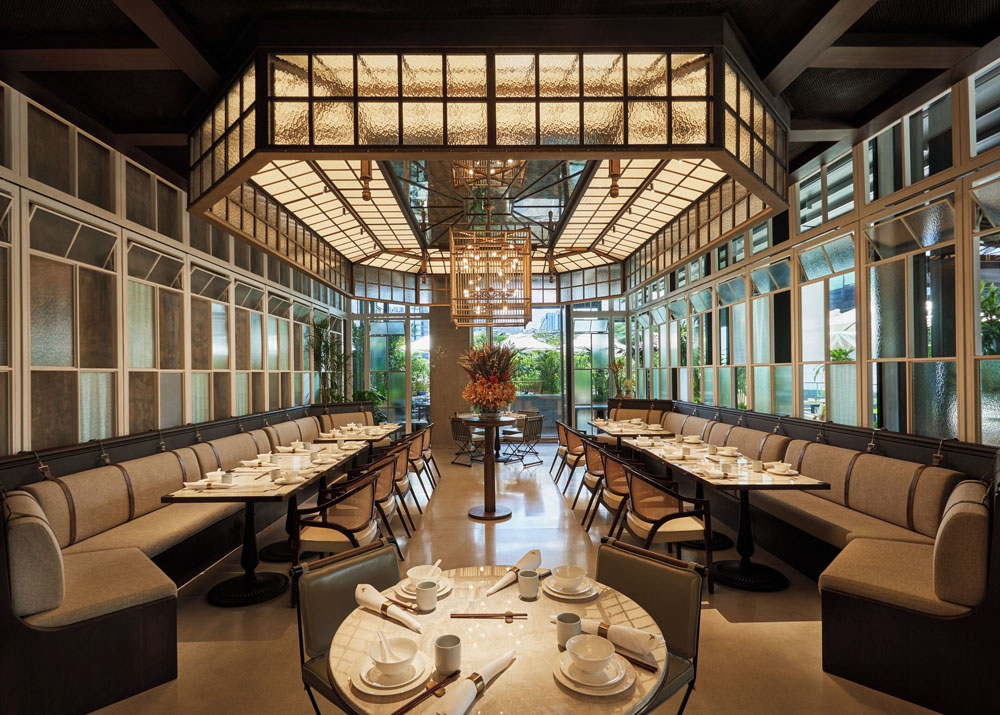
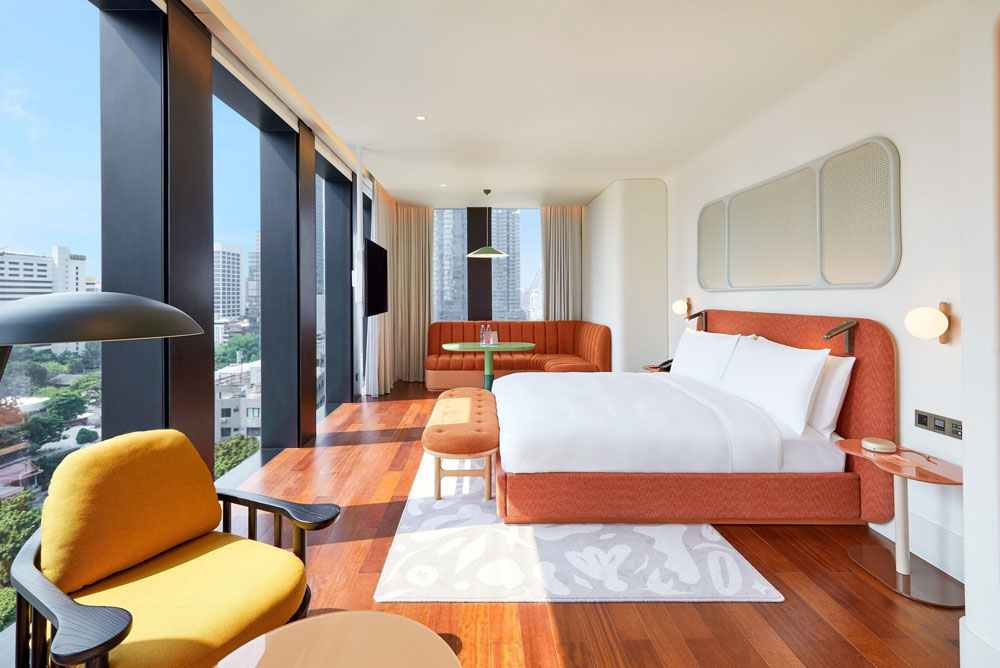
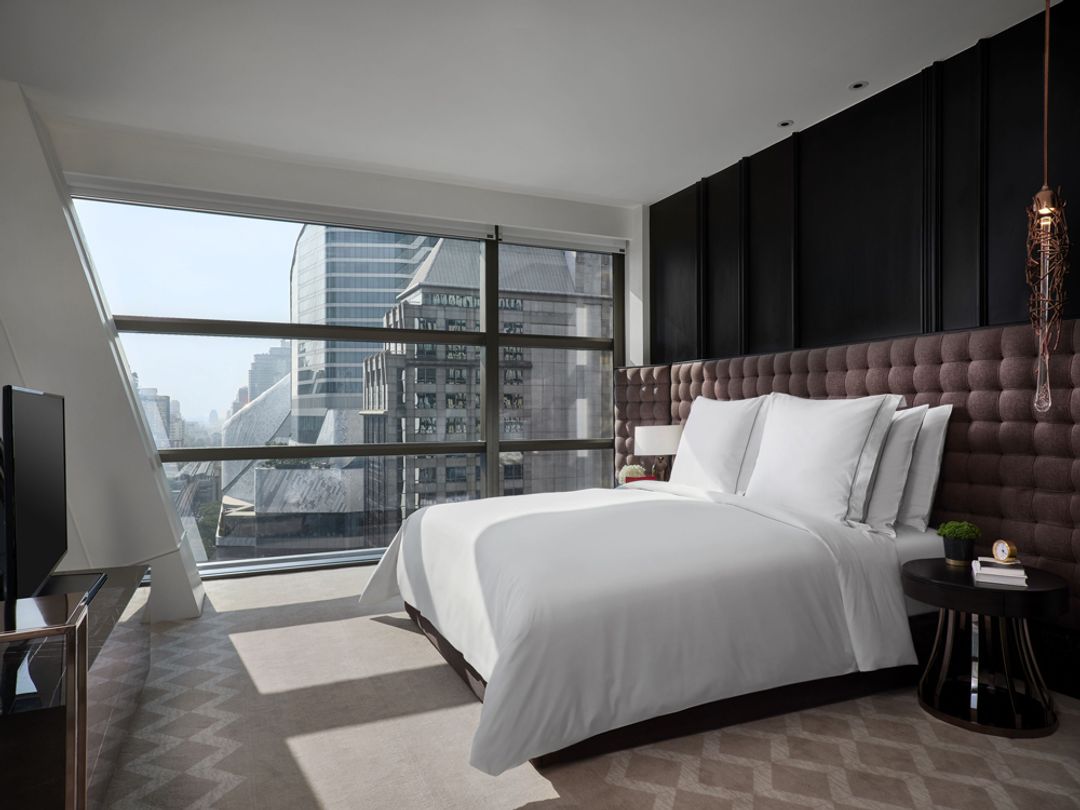
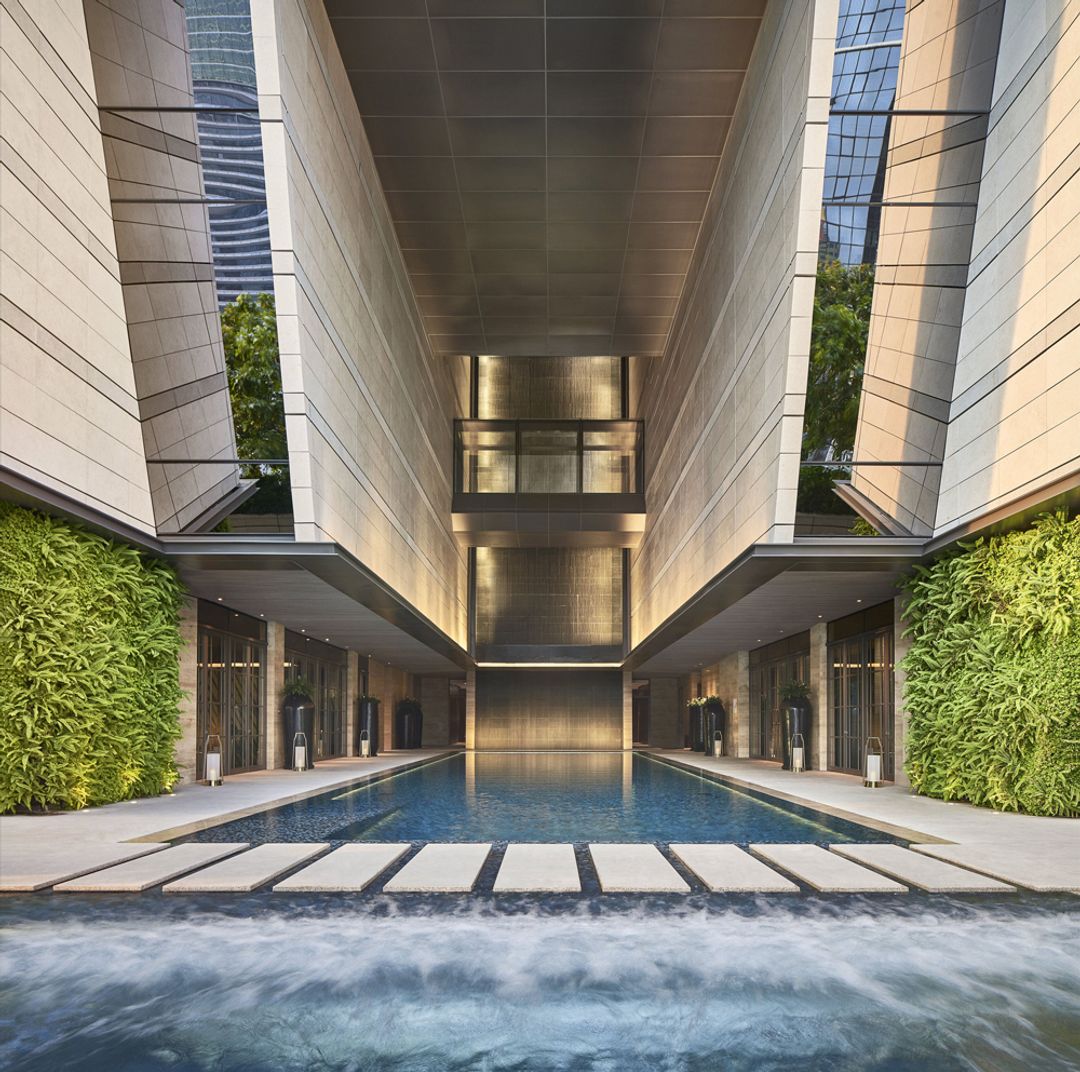
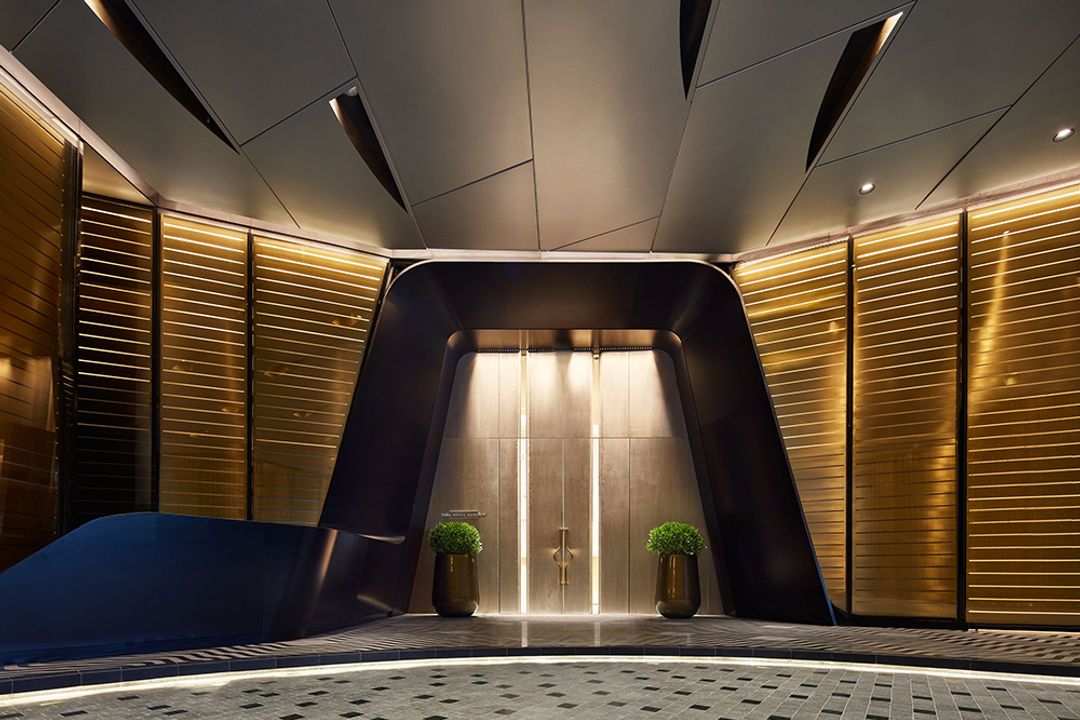
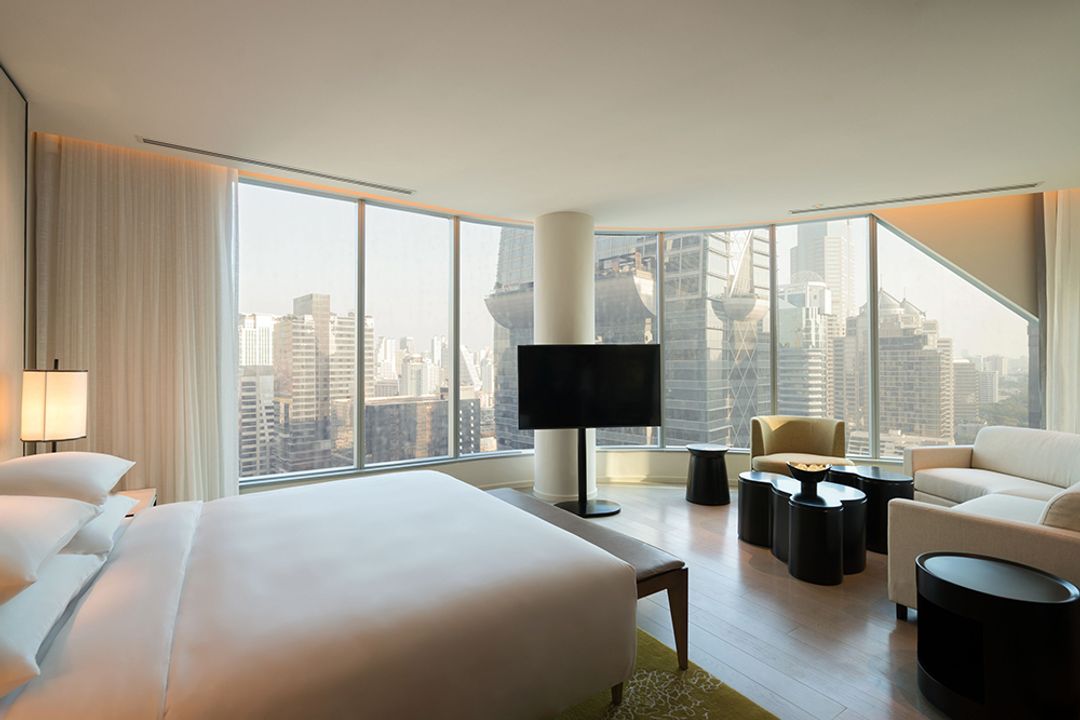
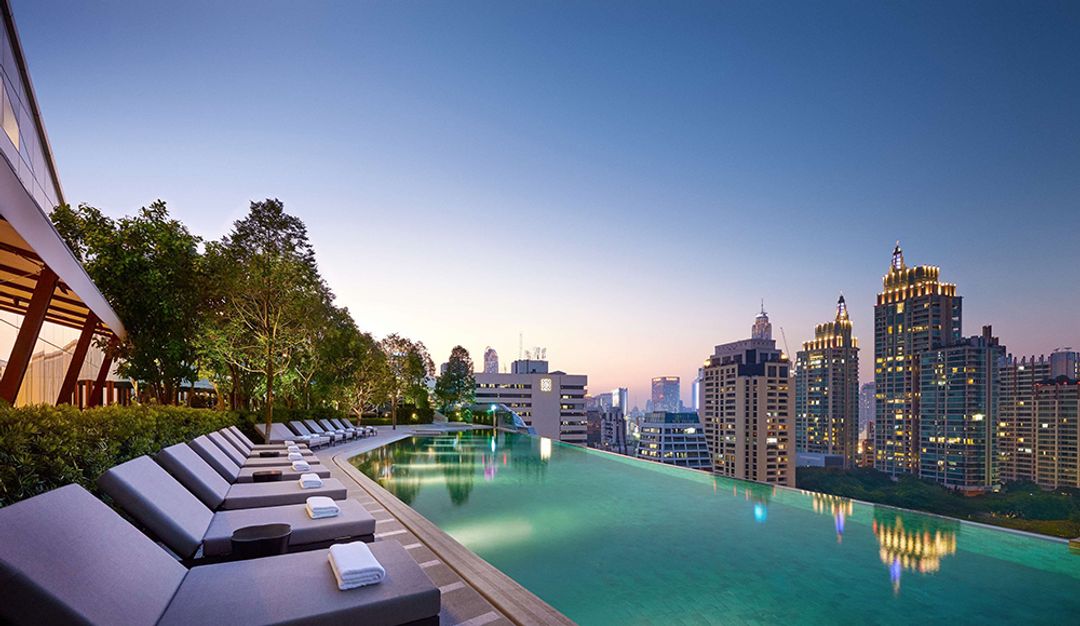
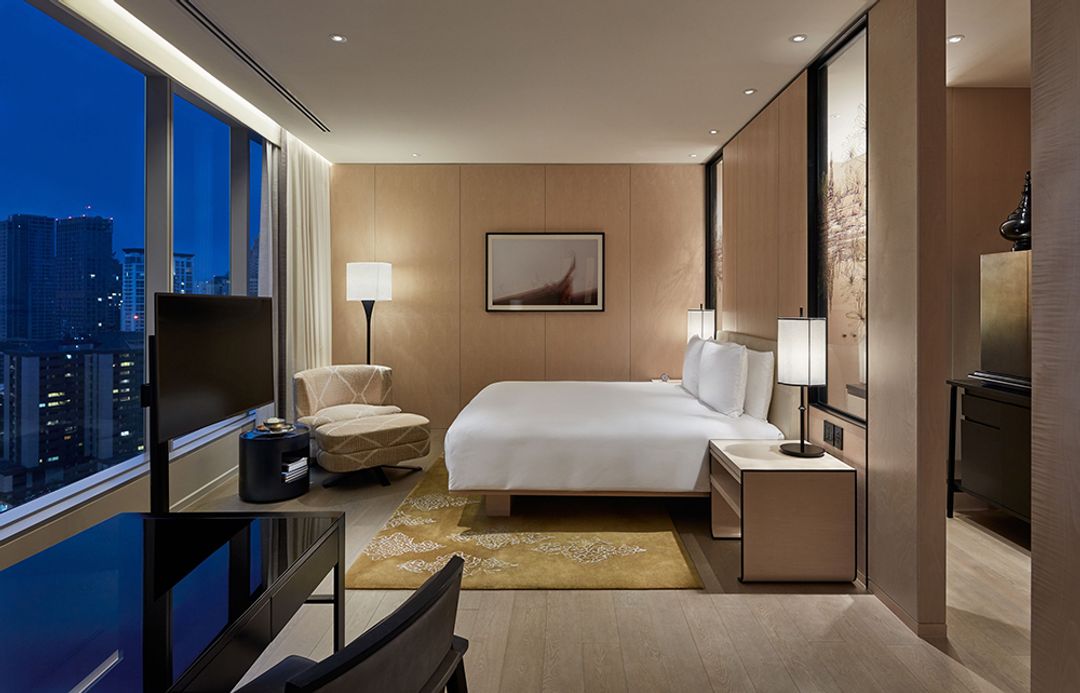
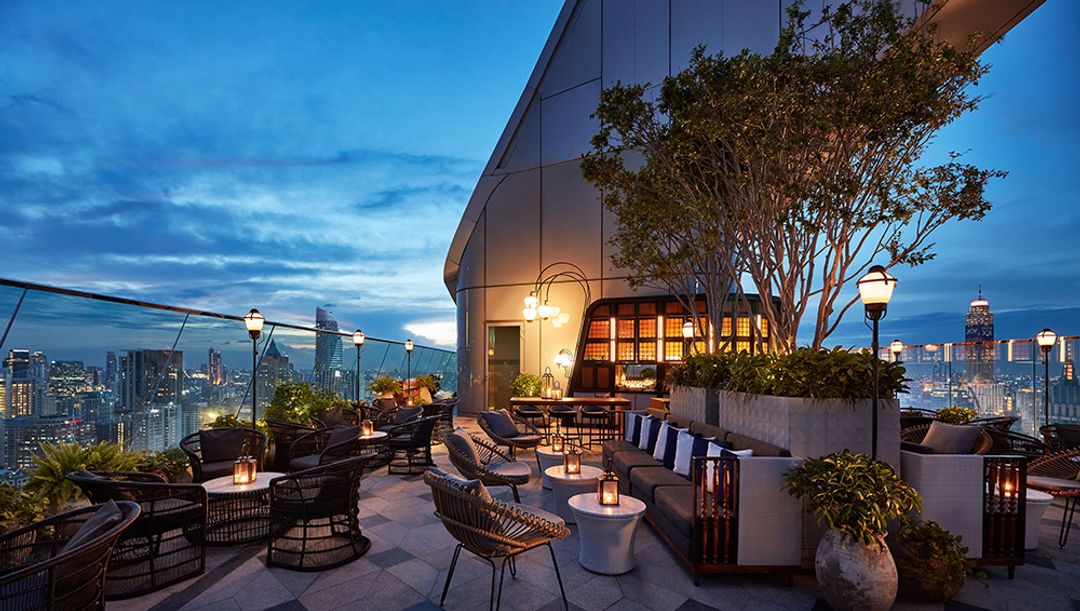
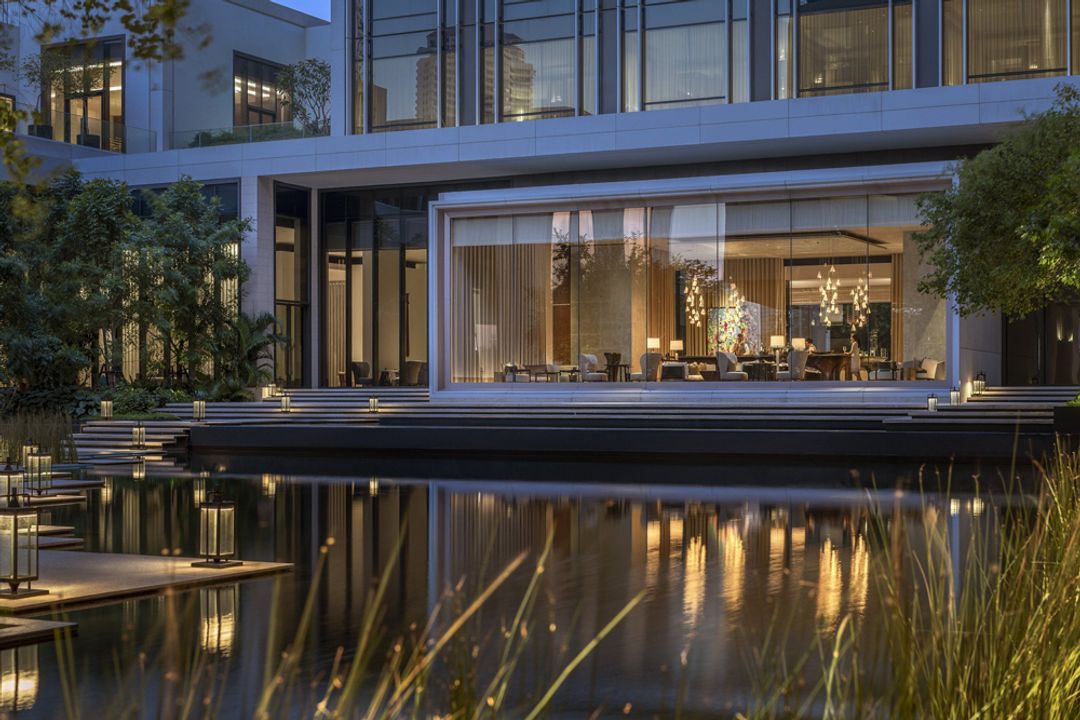
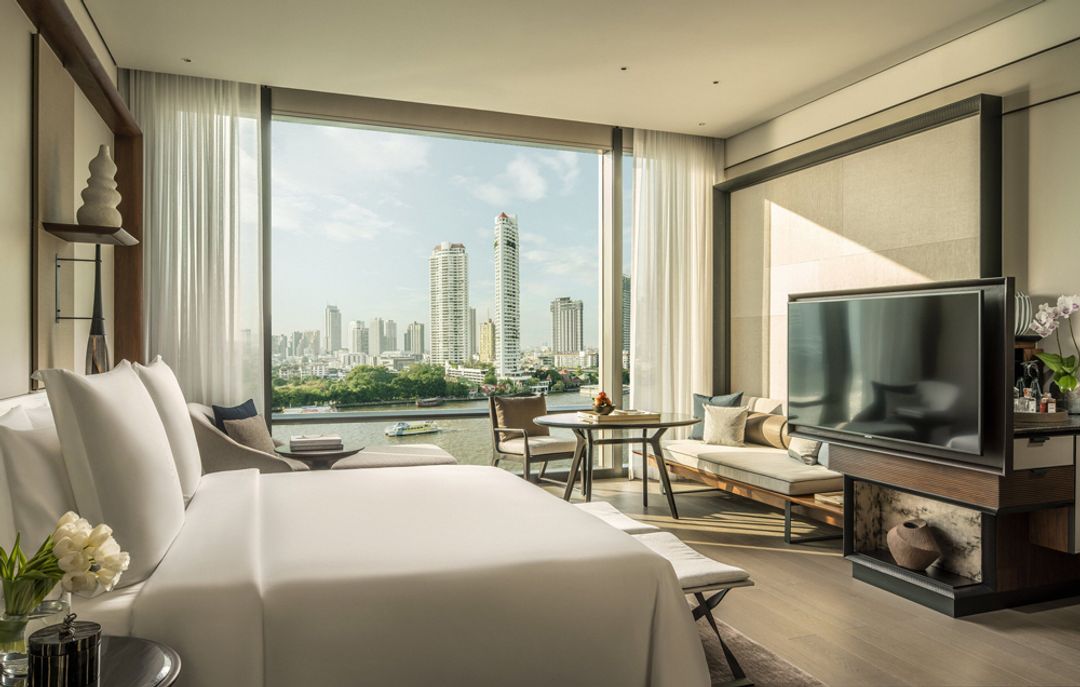
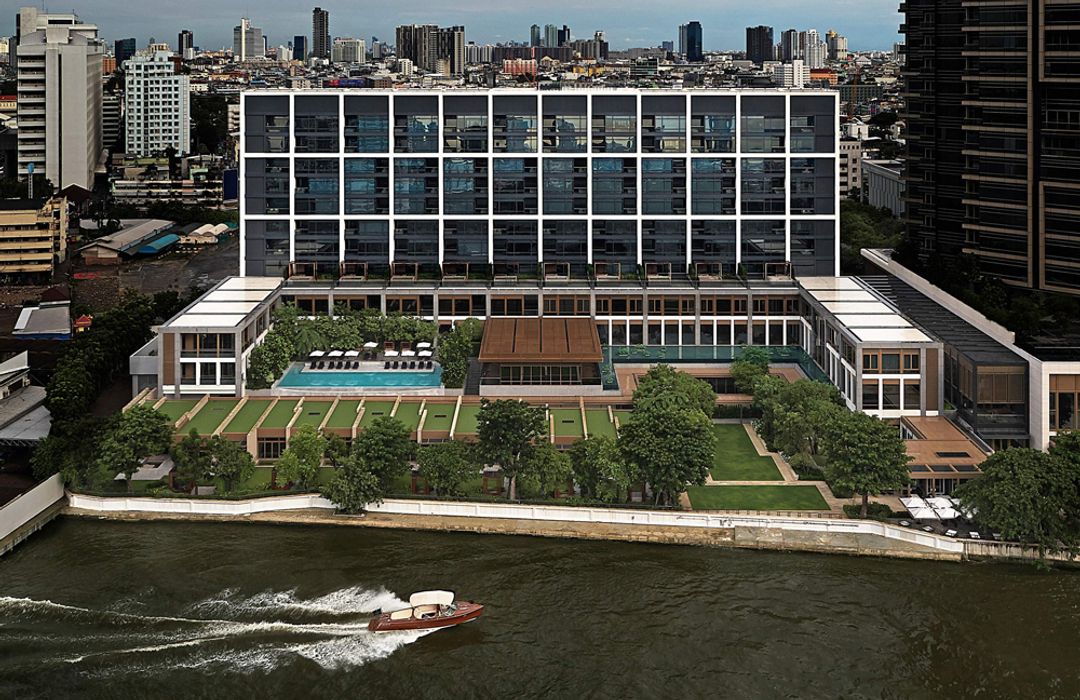
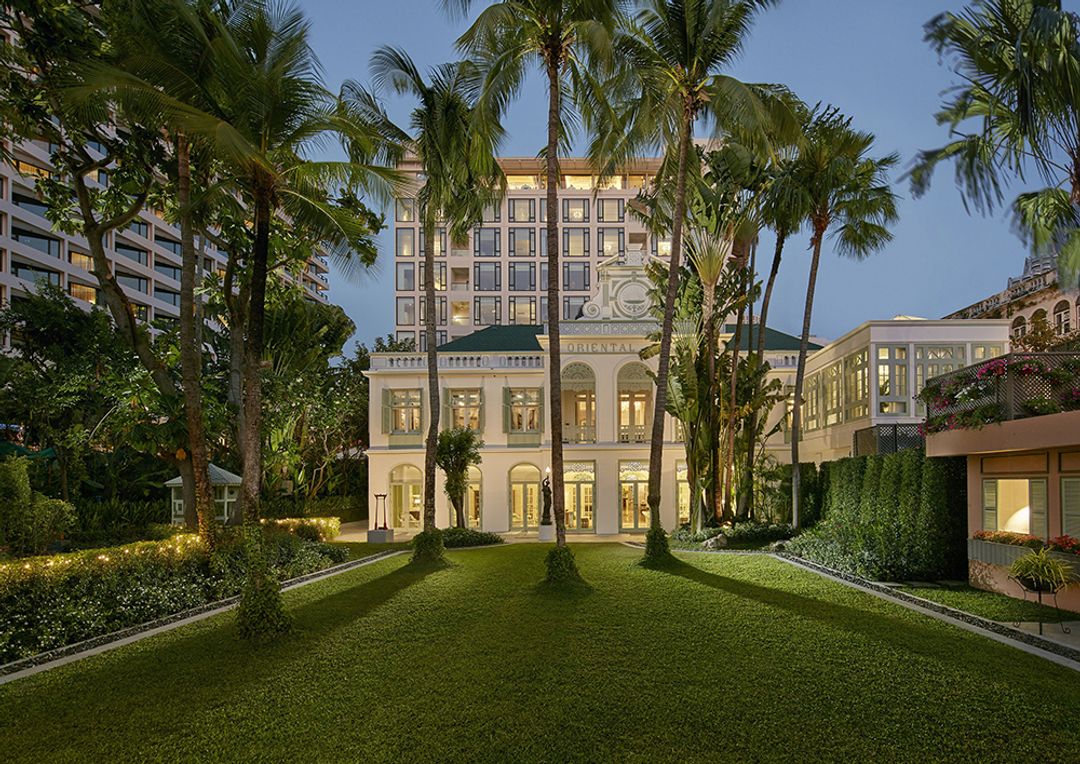
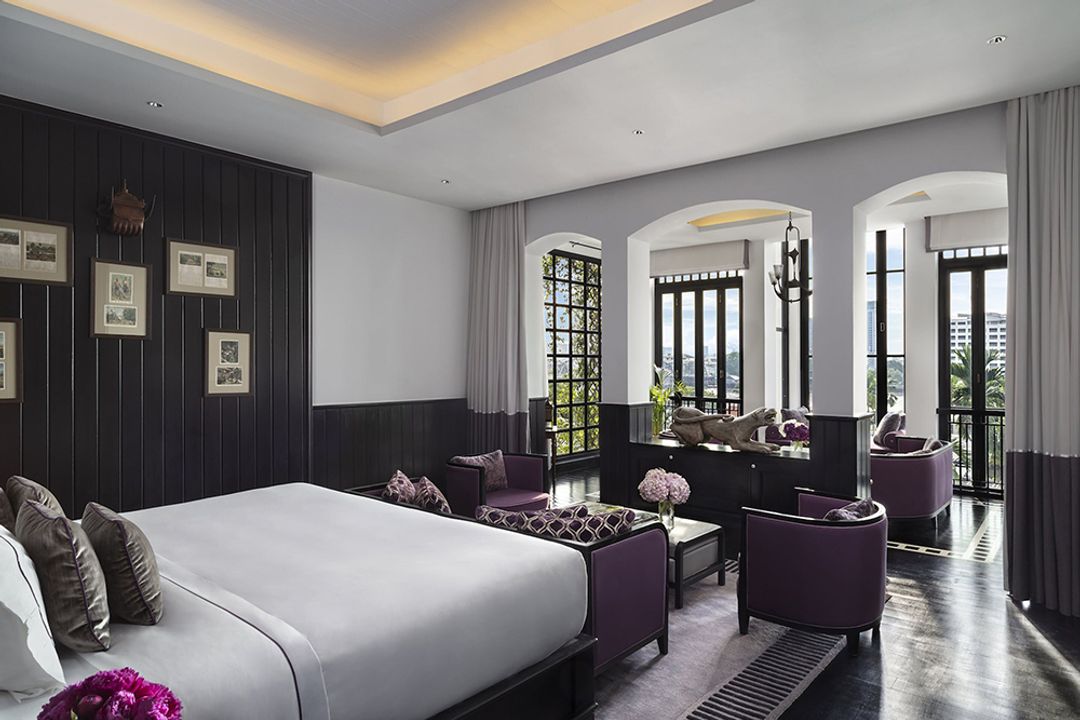
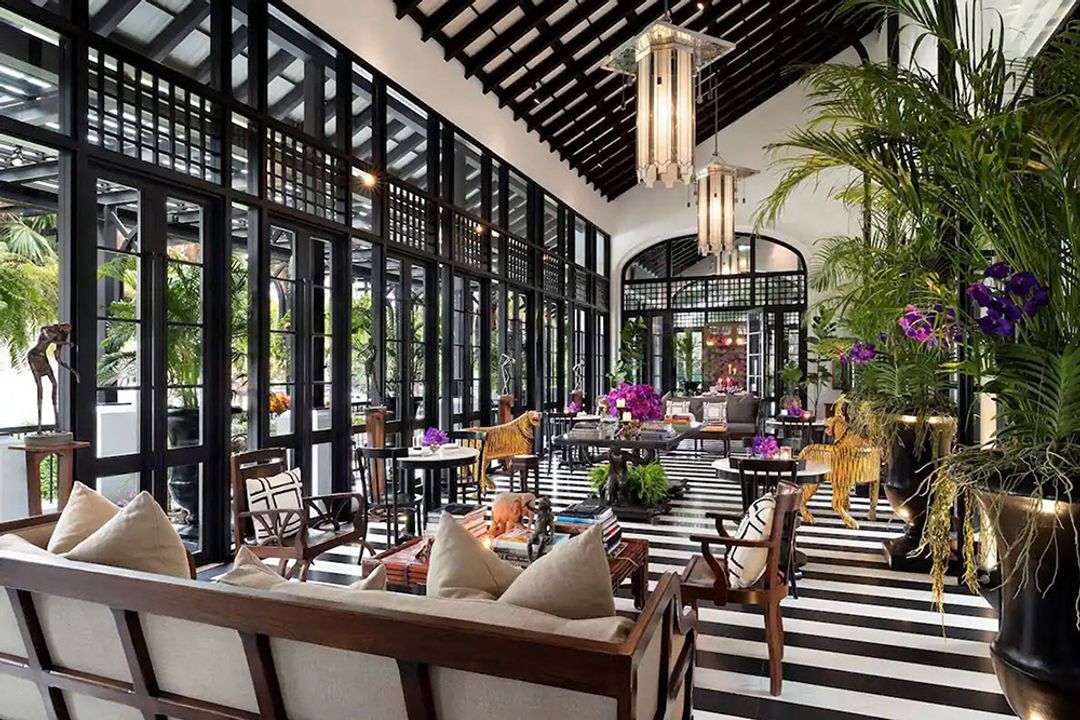
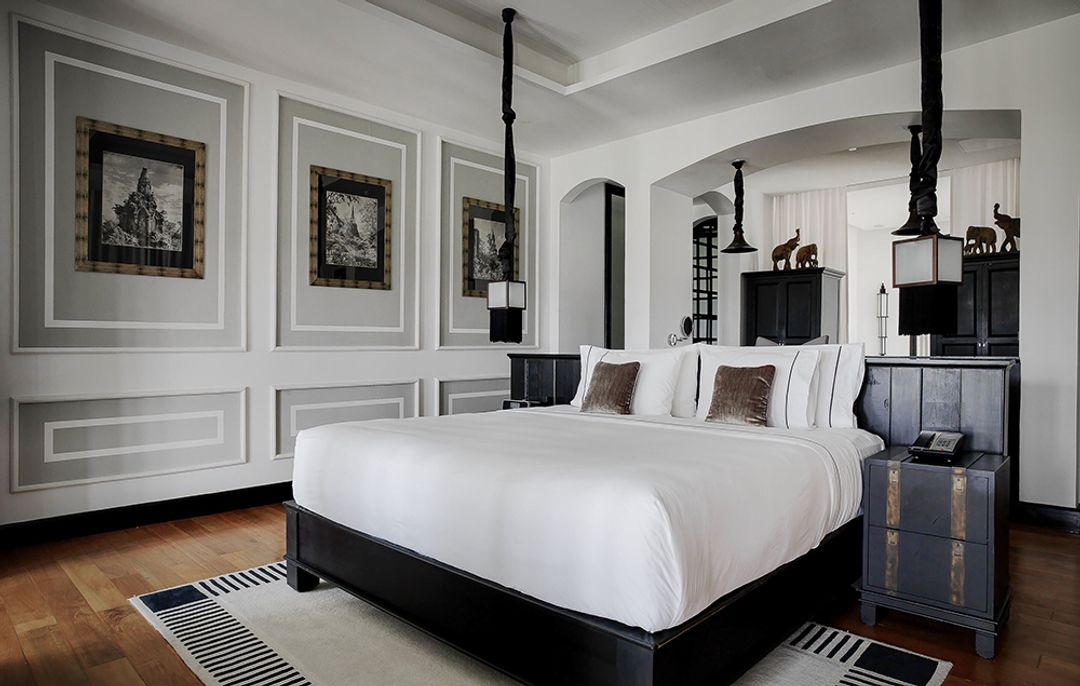
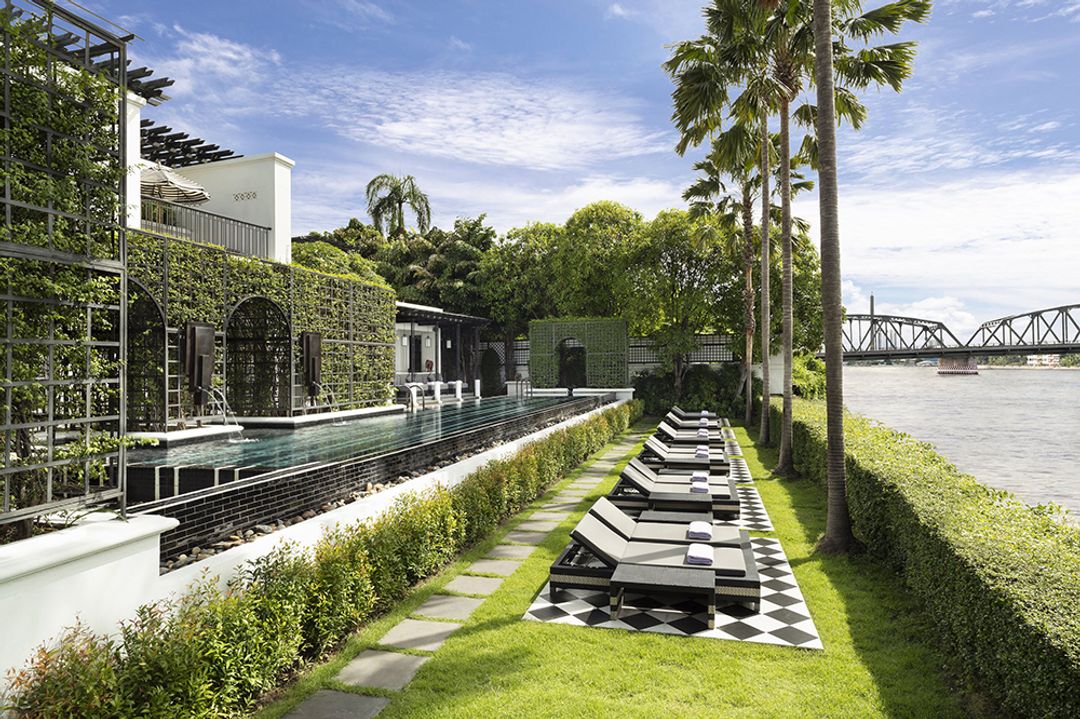
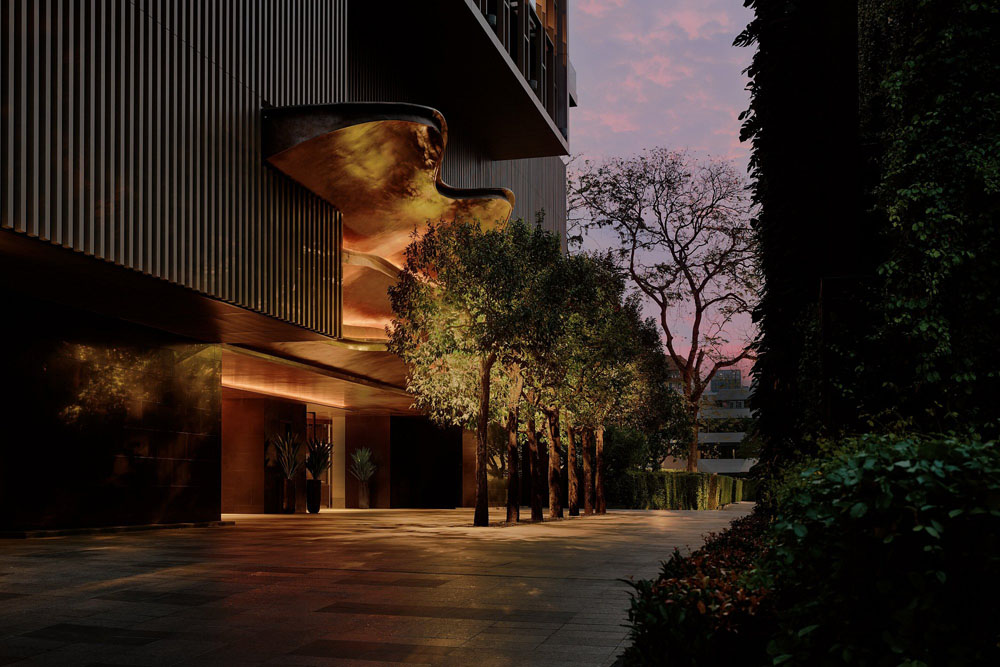
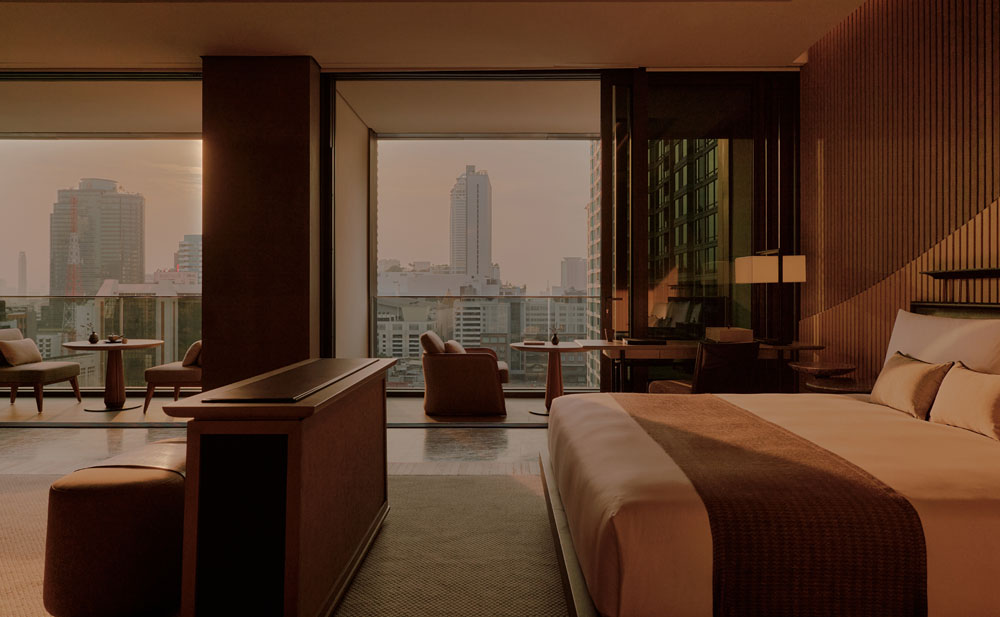
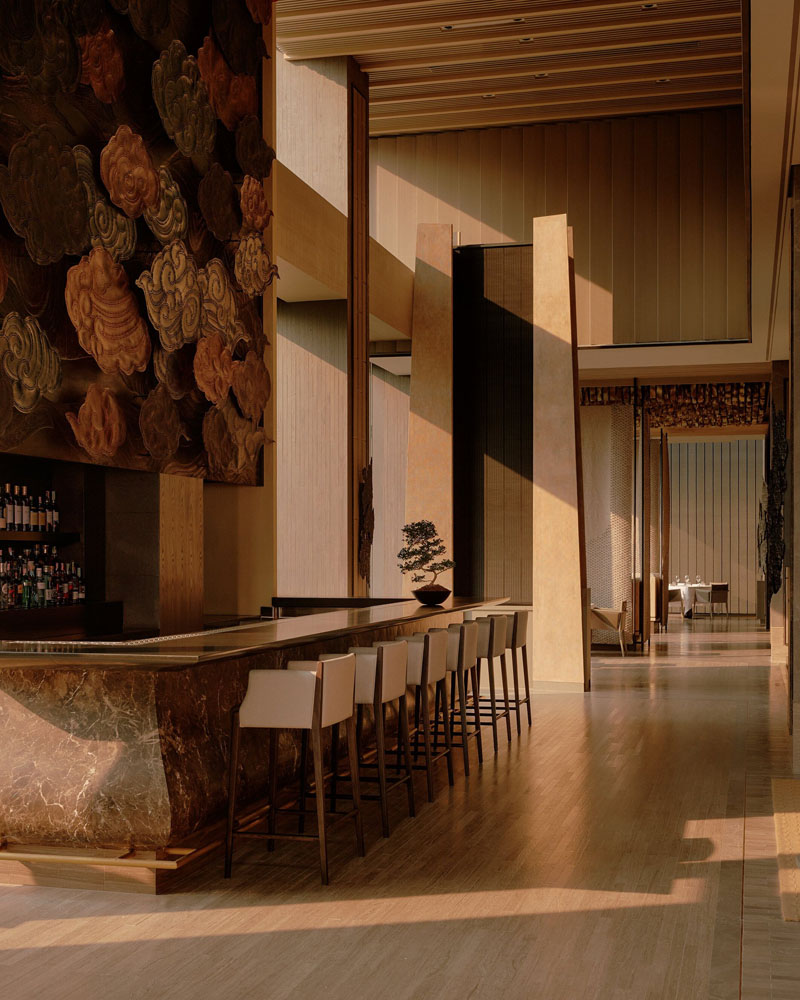
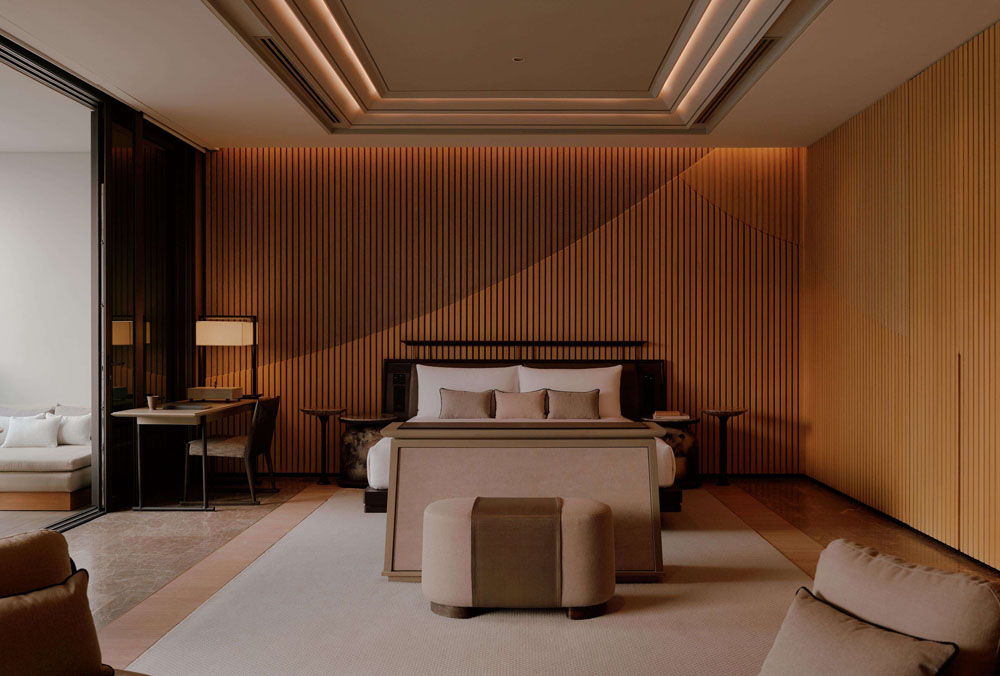
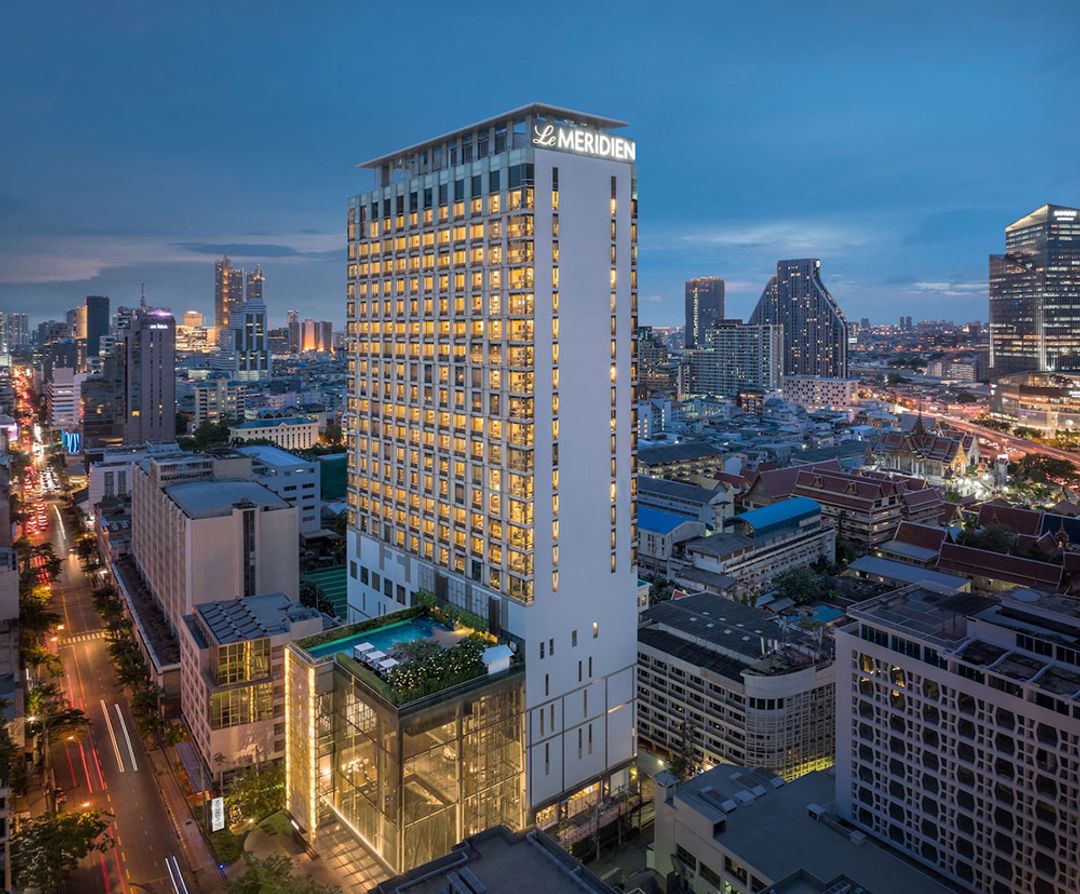
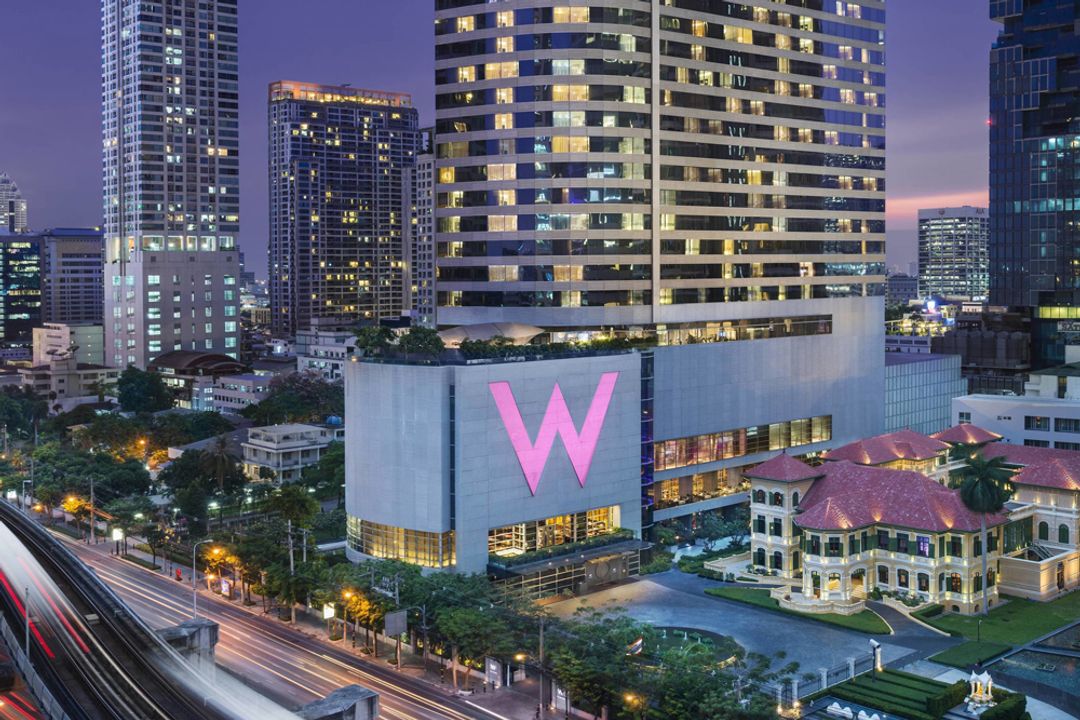
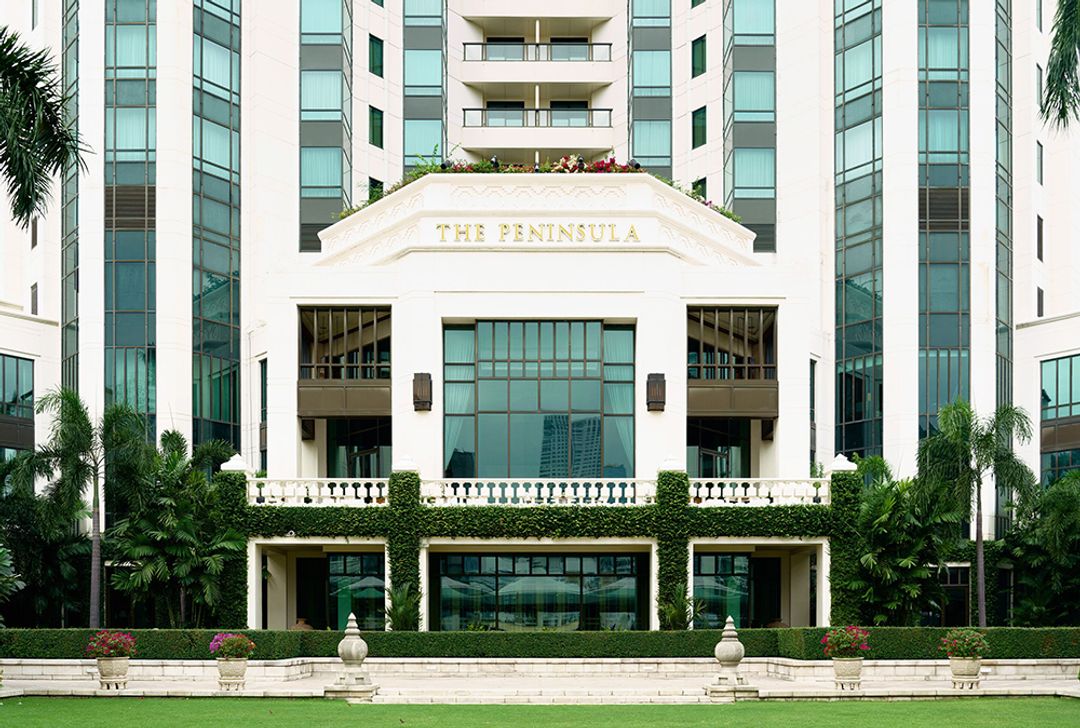
The river tells you everything. Bangkok's most consequential hotel addresses trace the Chao Phraya's eastern bank from Bang Rak north through Khlong Ton Sai, and the properties anchored there carry a weight that the inland towers — however polished — tend not to match. The Mandarin Oriental Bangkok, operating on this stretch since 1876, remains the fixed point around which every subsequent arrival is unconsciously measured: its Authors' Wing, its teak verandas, its institutional memory of Somerset Maugham and Noël Coward embedded in the timber itself. Capella Bangkok arrived in 2020 with a quieter, more contemporary grammar — low-rise riverfront pavilions by Foster + Partners, interiors by André Fu that layer Thai craft materiality with restraint — and immediately established itself as the serious design alternative. The Four Seasons on the same stretch and The Peninsula, positioned across the river in Khlong Ton Sai, complete a corridor where proximity to the water functions less as amenity than as organizing principle. Then there is The Siam, further north in a 1920s neighborhood of shuttered teak houses, which operates at a different frequency entirely — Bill Bensley's intervention here produces something closer to an obsessive private collection than a hotel, all antique Muay Thai ephemera and Deco tilework set against a small-gauge railway car parked in the garden. Inland, Lumphini consolidates the greatest density of internationally branded addresses in the city, ranging from the Park Hyatt Bangkok — Paima Design Unit handled the interiors, all polished travertine and edited restraint — to the Waldorf Astoria, Rosewood, Kimpton Maa Lai, and the Okura Prestige. The competition here is architectural rather than geographic, each property asserting itself through lobby volume and material selection rather than setting. The Aman Nai Lert, opening in Pathumwan within the century-old Nai Lert Estate gardens, stands apart from all of them: it is the only address in the portfolio where the site itself — mature trees, a river canal, a private garden that has survived decades of development pressure — does more design work than anything built. The Bang Rak and Silom corridor, running south from the river bend, draws a more mixed profile. The Standard Bangkok occupies a former office tower with interiors by Shawn Hausman, leaning into the brand's downtown-energy formula. SO/ Bangkok, Tower Club at lebua with its vertical sky bar reputation, W Bangkok, and Le Méridien each address a version of the same urban business traveler at slightly different price points. Thong Lor, further east, has the Madi Paidi Bangkok, which sits more comfortably in that neighborhood's creative, independent-restaurant-adjacent identity than any of its midtown equivalents.