Best hotels in Amalfi Coast, Italy | Visually Compare Top Stays Side-by-Side
Welcome to PressBeyond - a curated visual guide to design-driven hotels and the fastest way to compare them.
An Overview of the Boutique & Luxury Hotel Landscape in Amalfi Coast, Italy
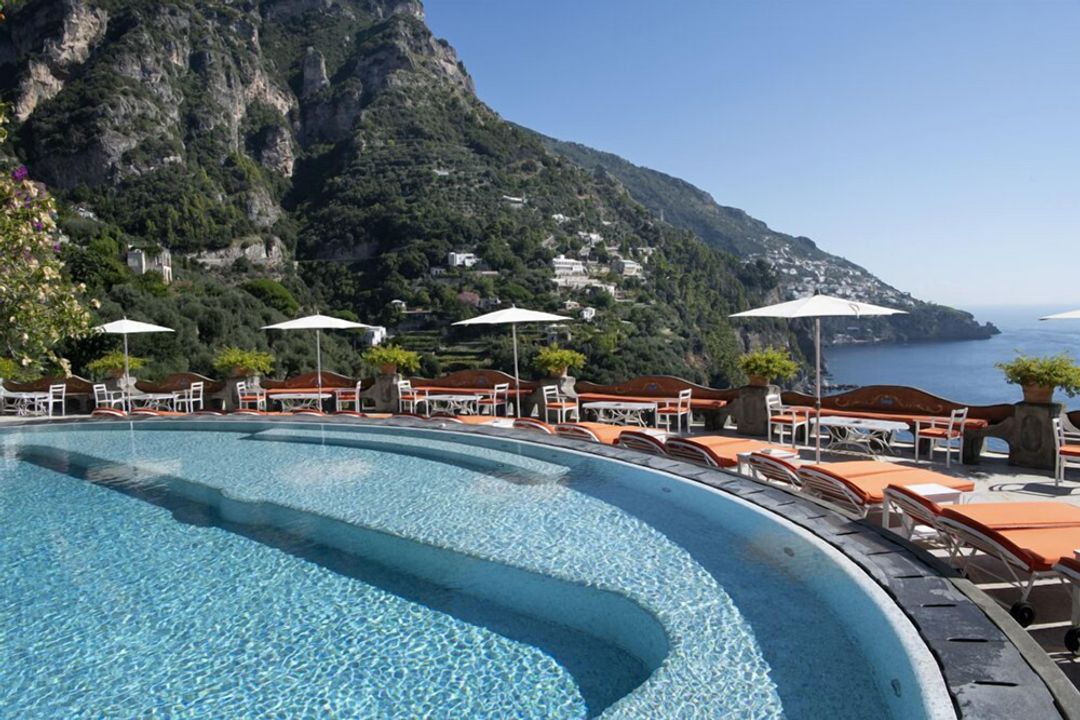
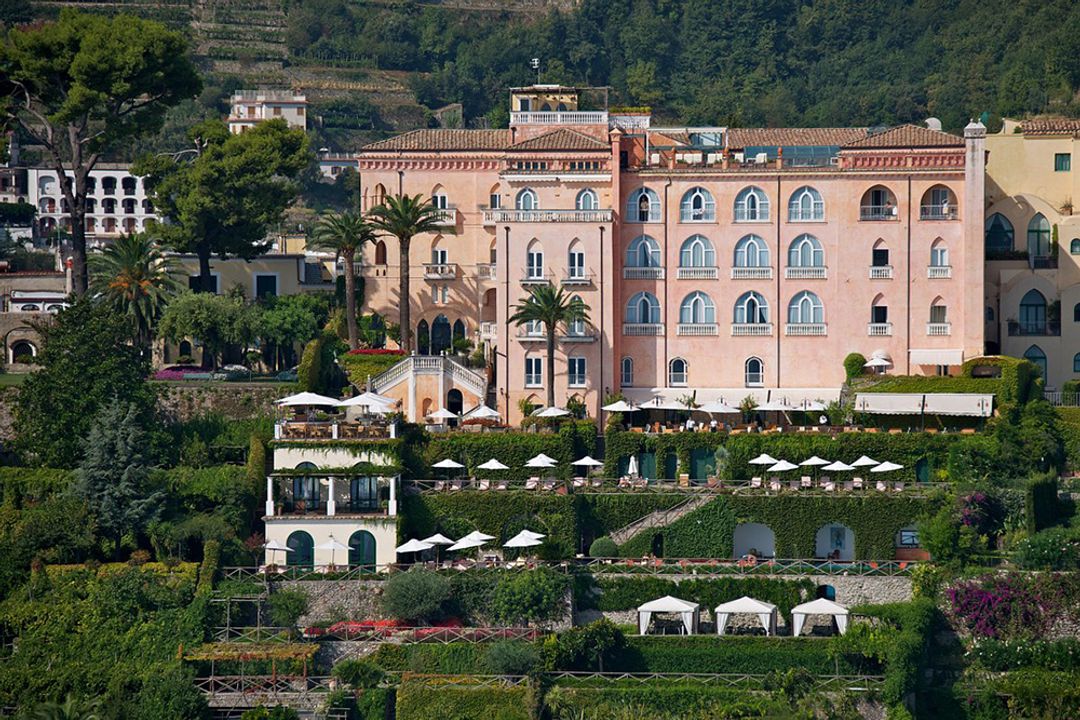
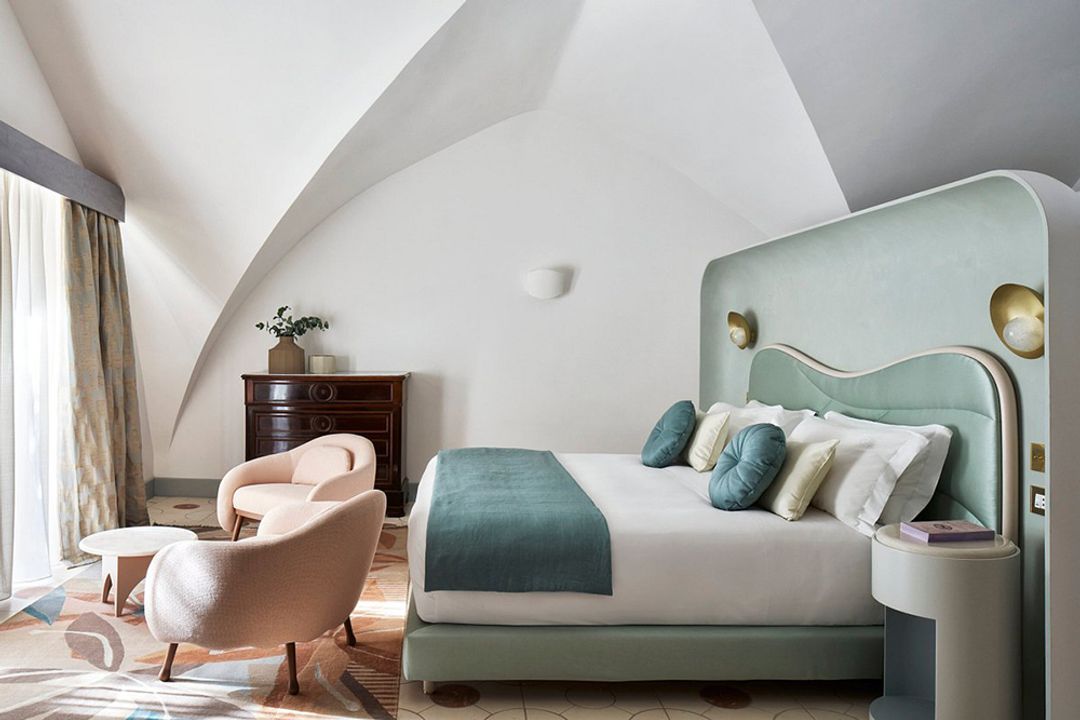
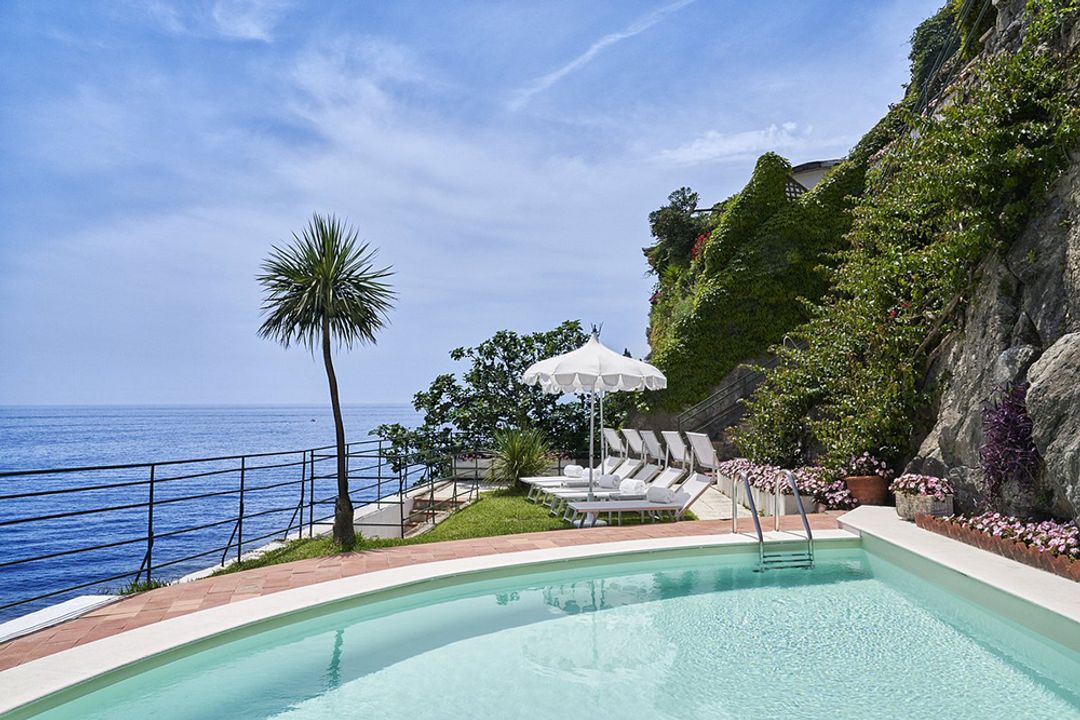
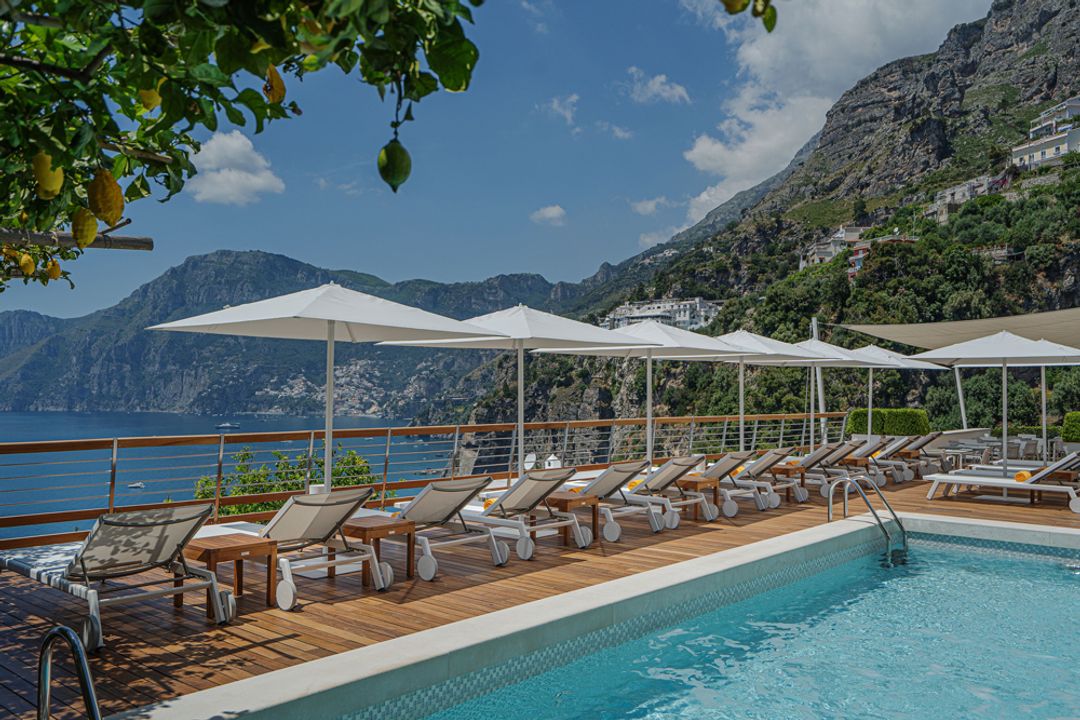
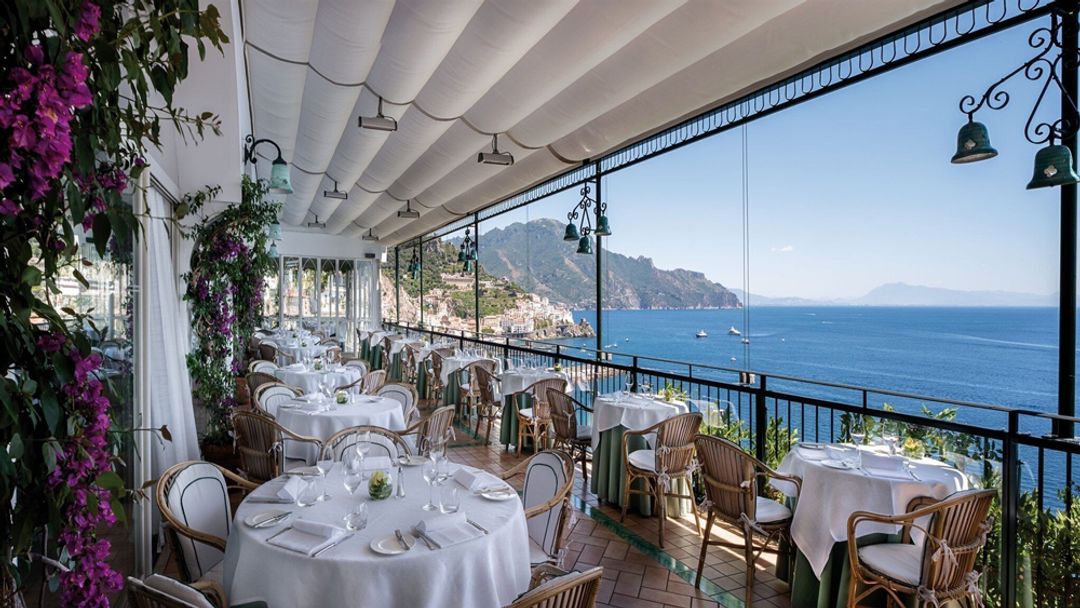
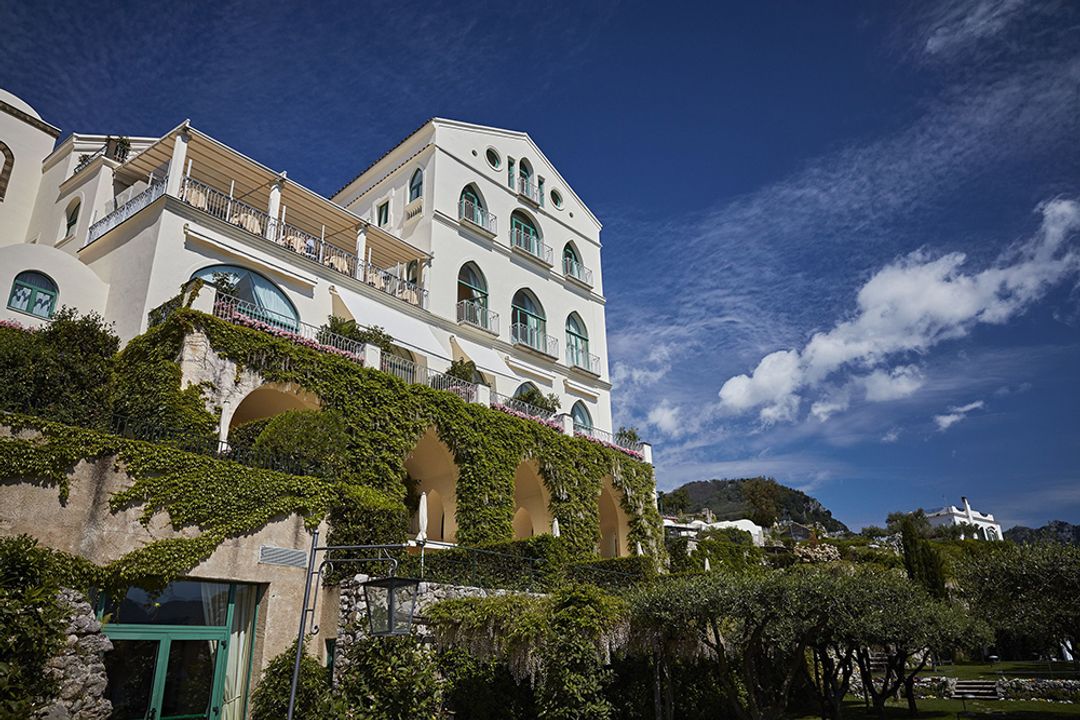
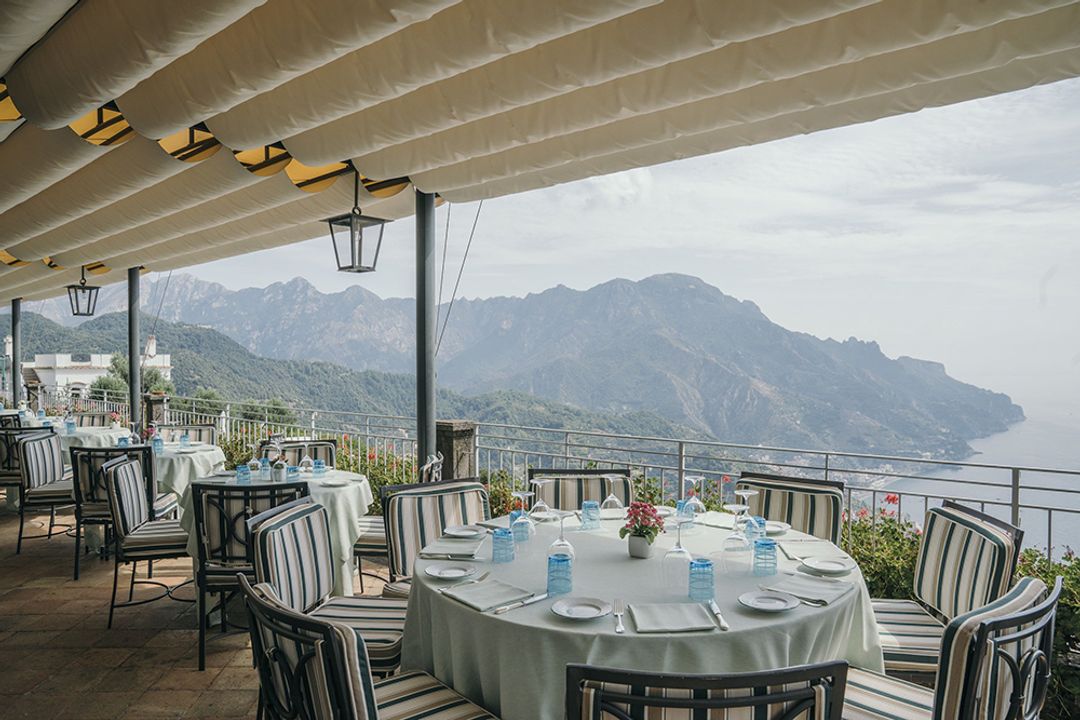
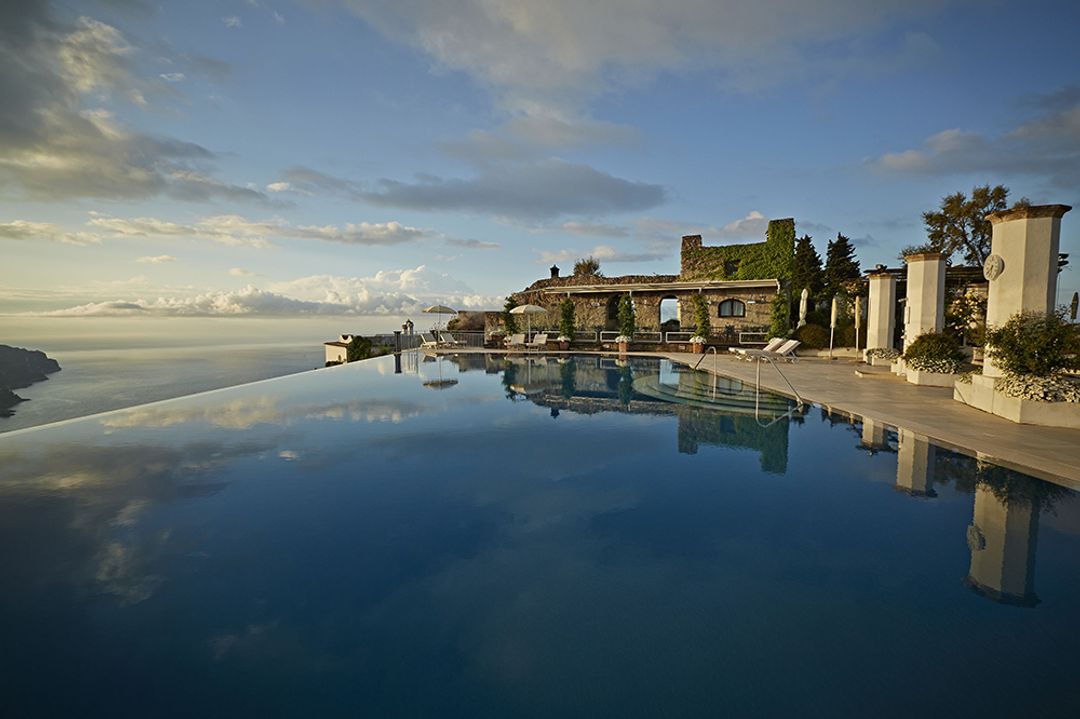
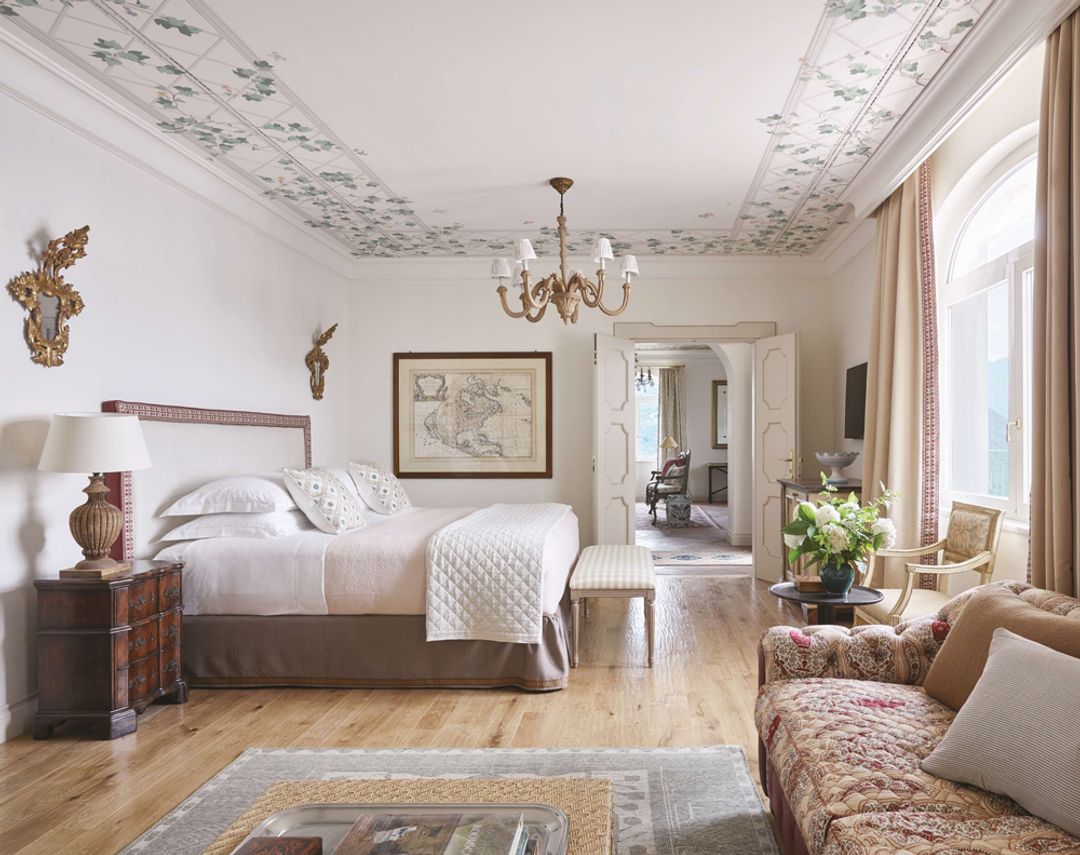
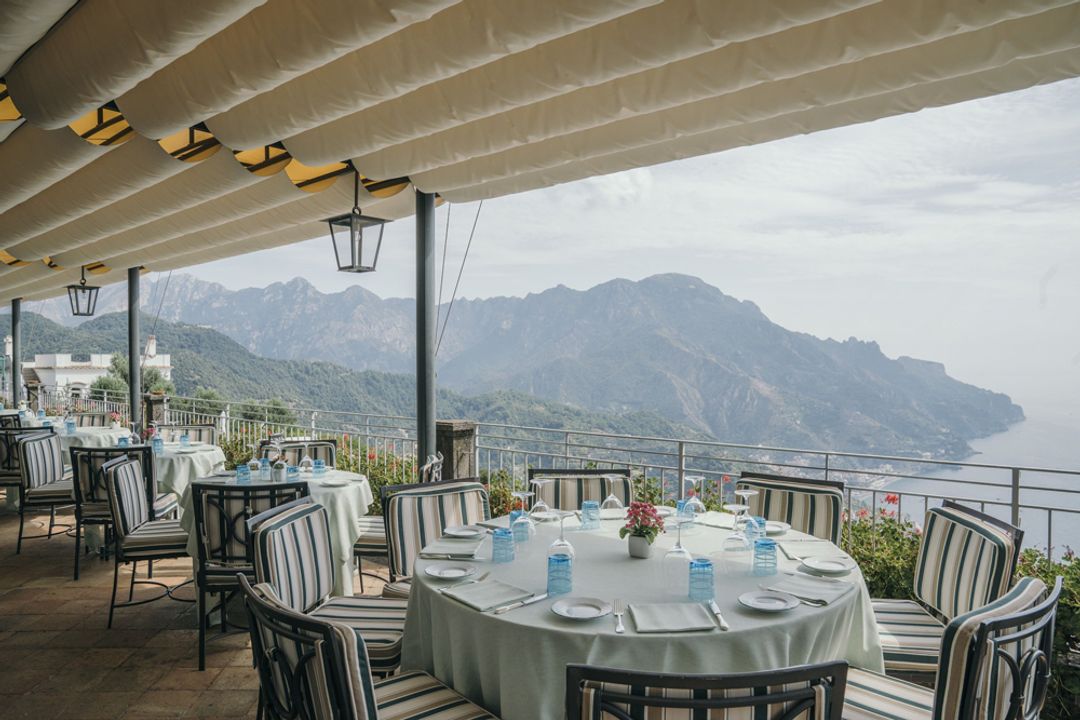
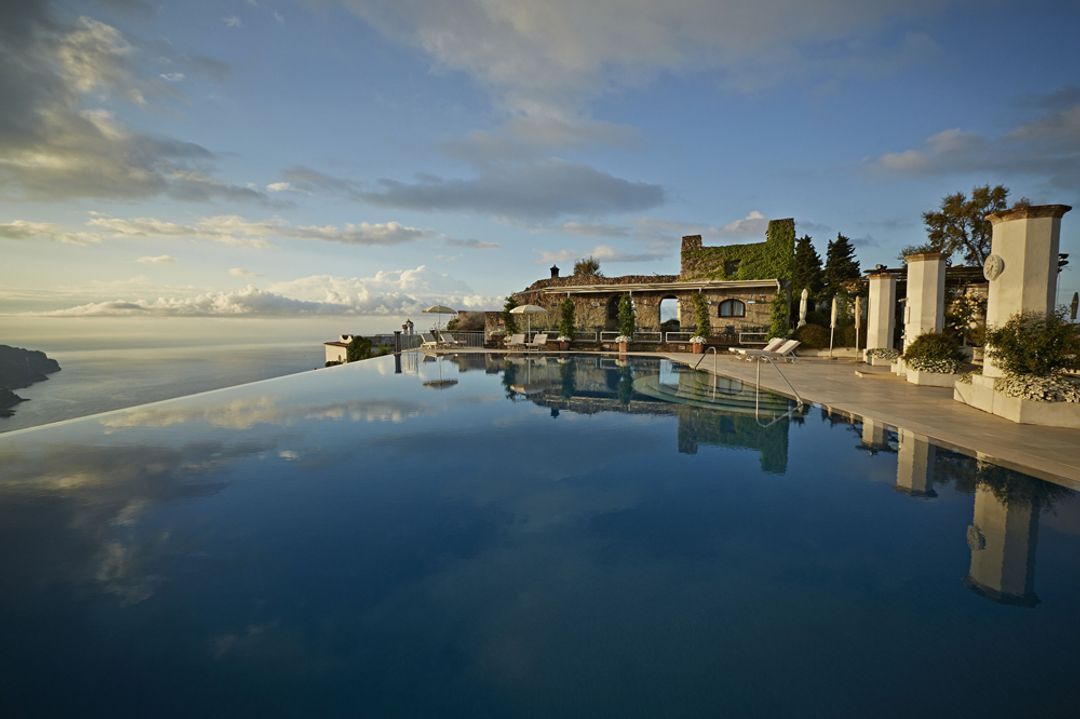
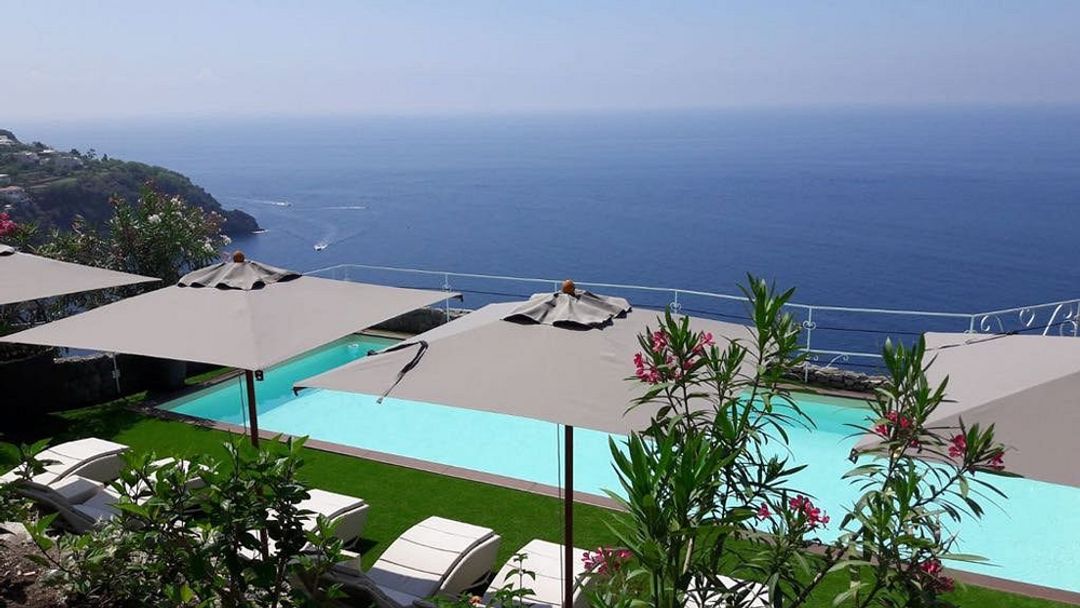
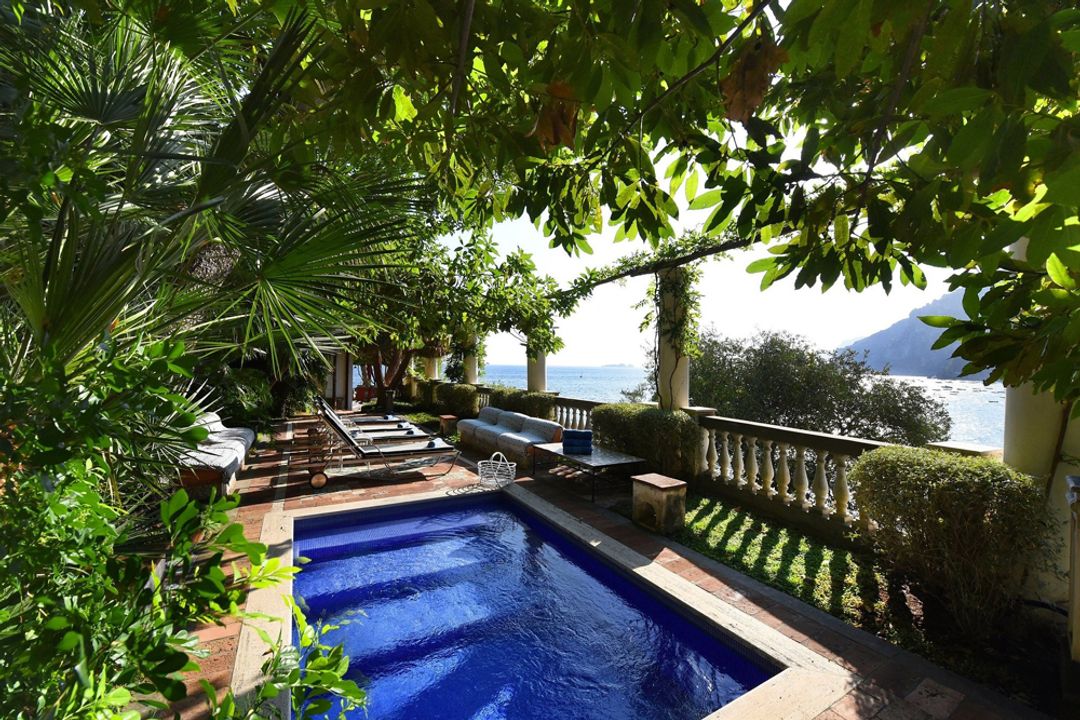
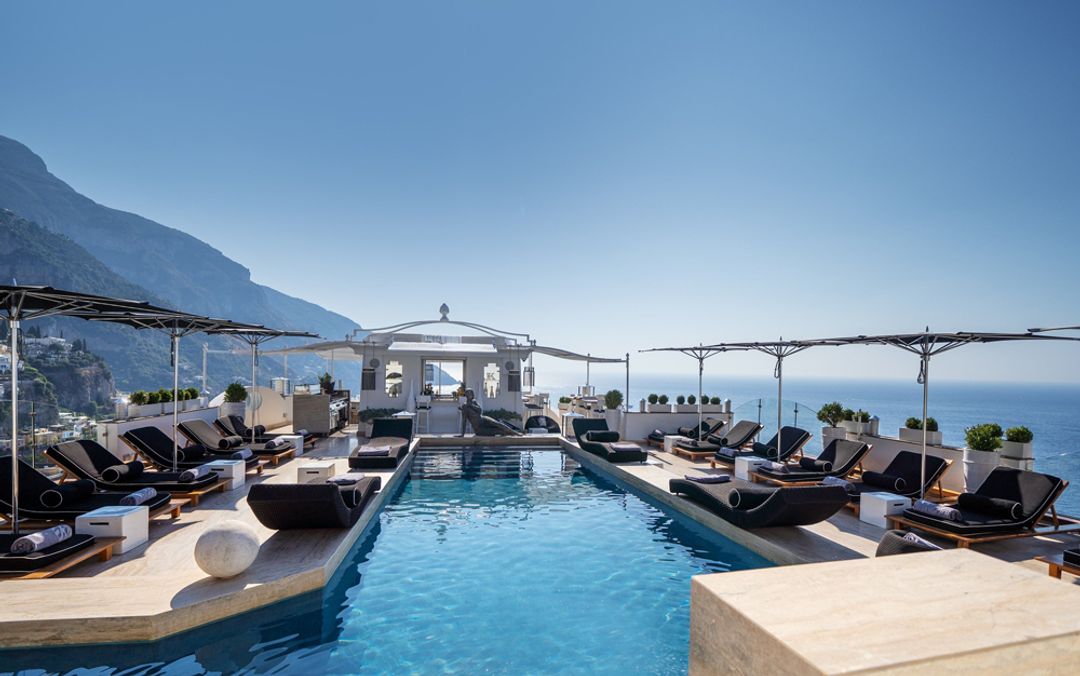
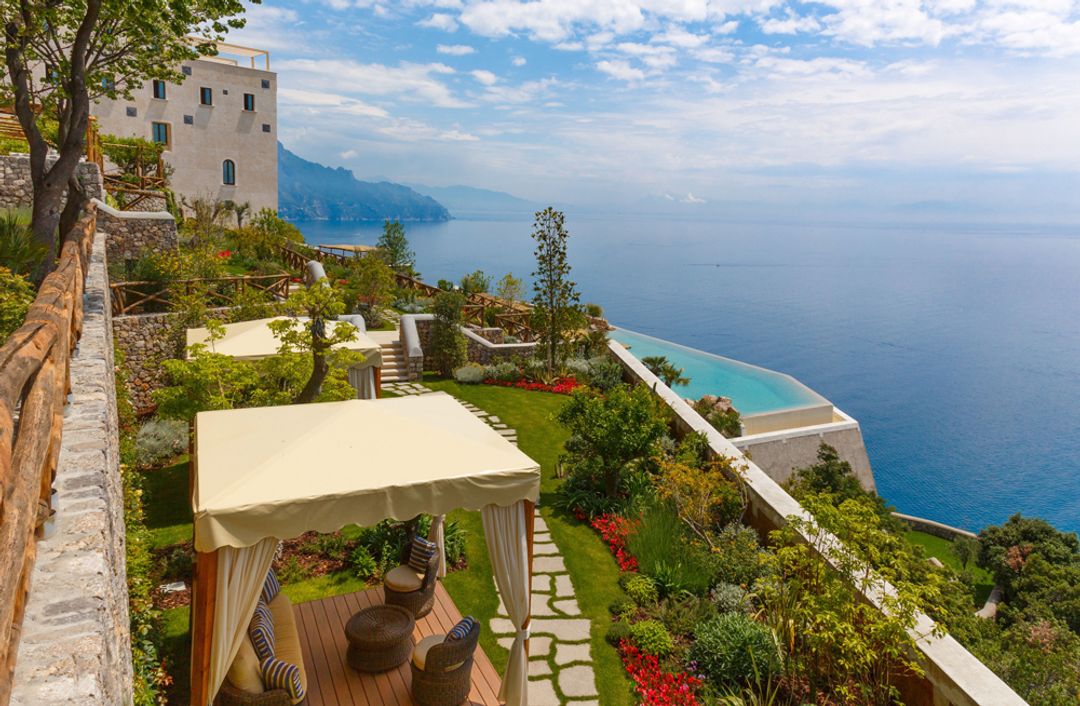
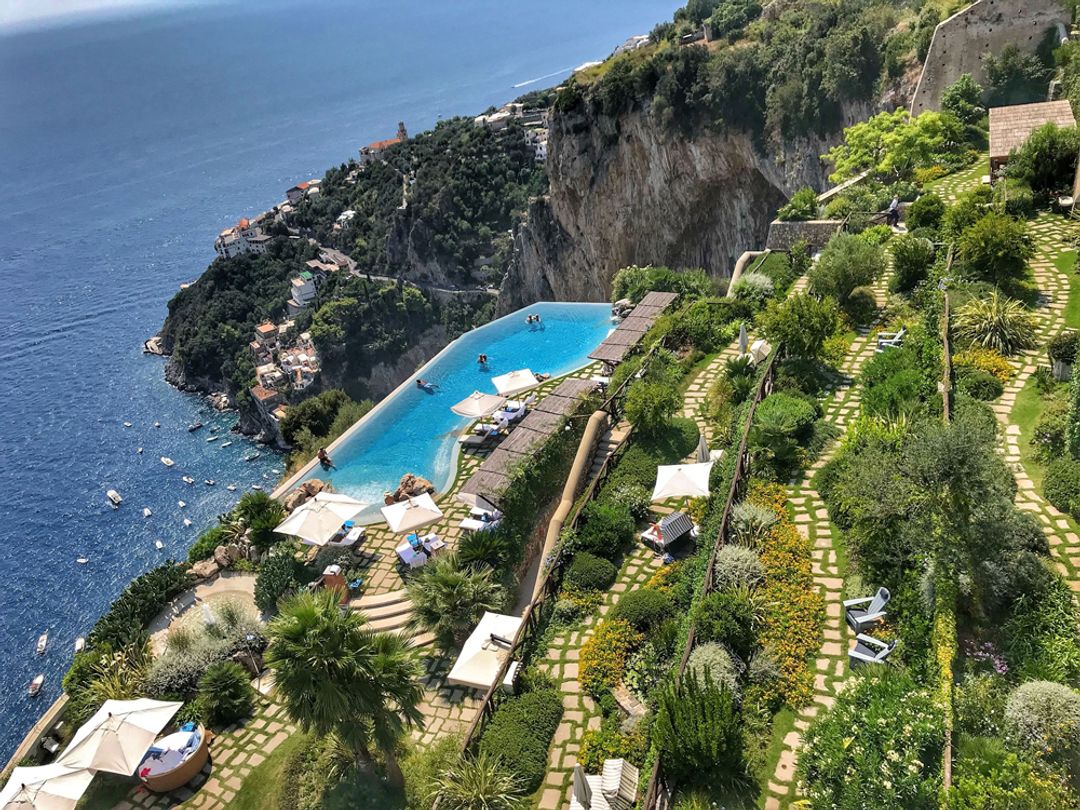
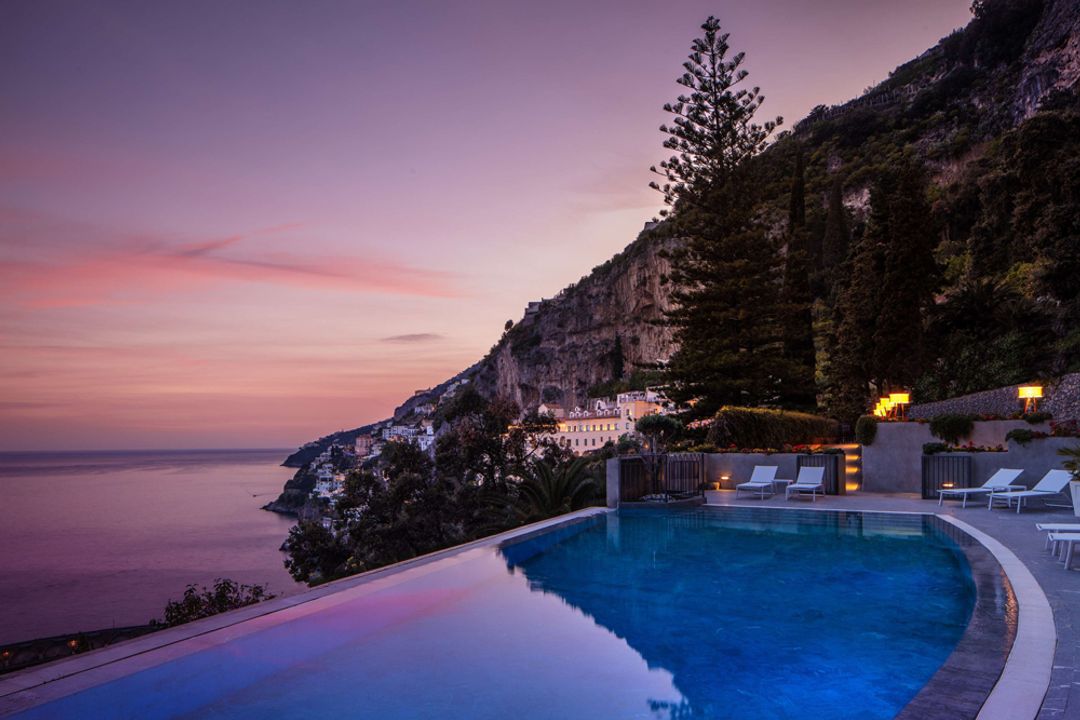
The Amalfi Coast's vertical geography is not a backdrop — it is the actual substance of how these hotels work. Properties here are carved into cliffs, draped across terraced gardens, or folded into former ecclesiastical structures, and the mode of arrival often tells you more about a hotel than its lobby does. At Caruso and its adjacent Villa Margherita in Ravello, you reach an infinity pool that appears to float above the valley rather than above the sea, the town's position on an elevated inland ridge giving it an entirely different character from the coast below. Palazzo Avino, also in Ravello, occupies a twelfth-century villa with later Baroque additions, and its pink-washed façade and majolica-tiled terraces feel less like hospitality product and more like inherited property. The distance from the sea is a feature, not a compromise: Ravello's calm is architectural as much as geographic.
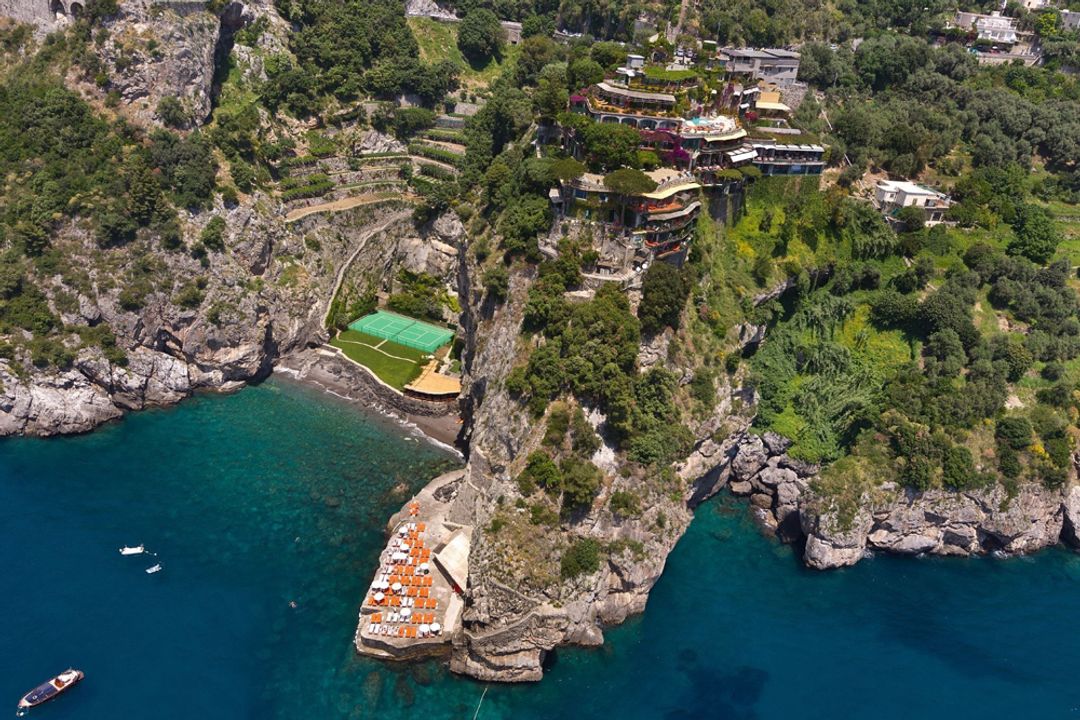
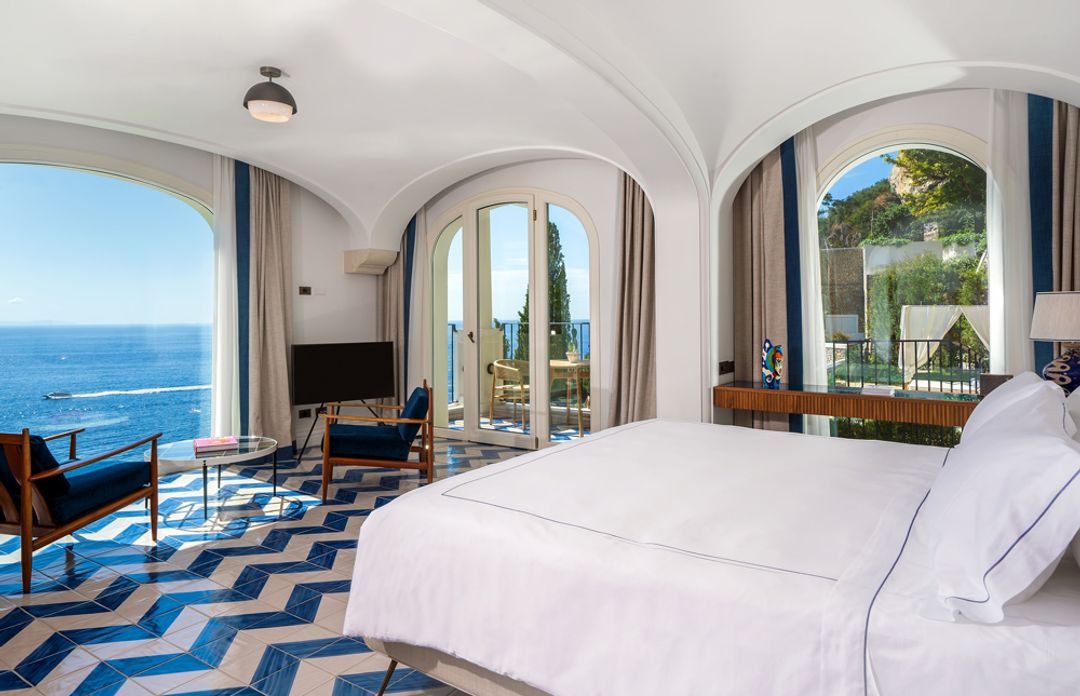
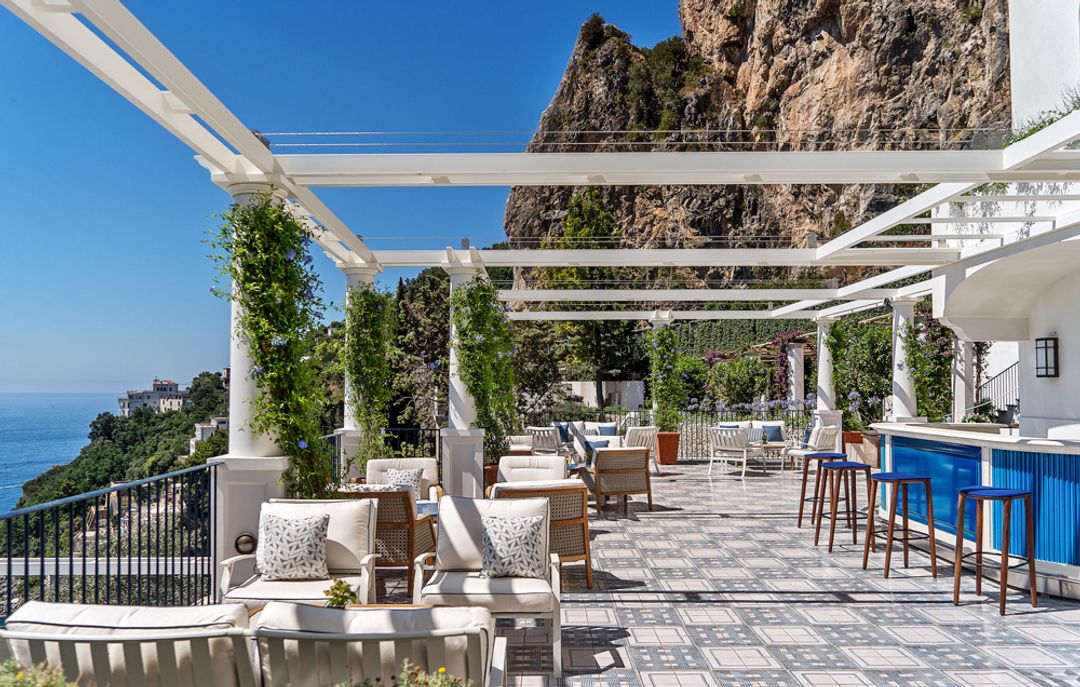
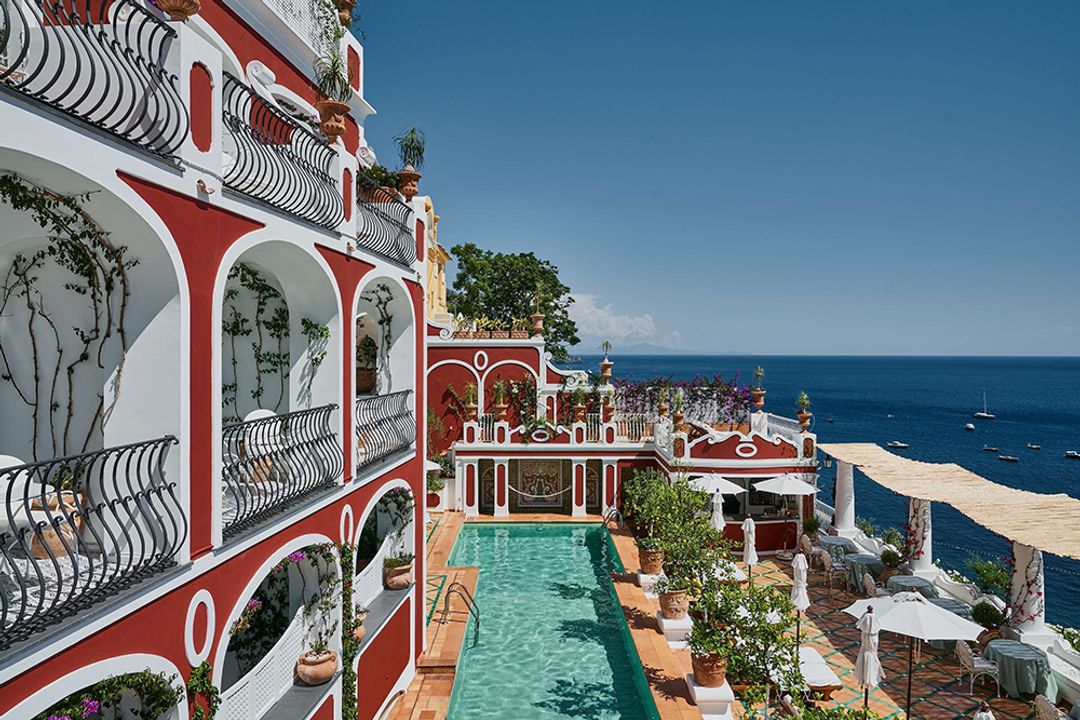
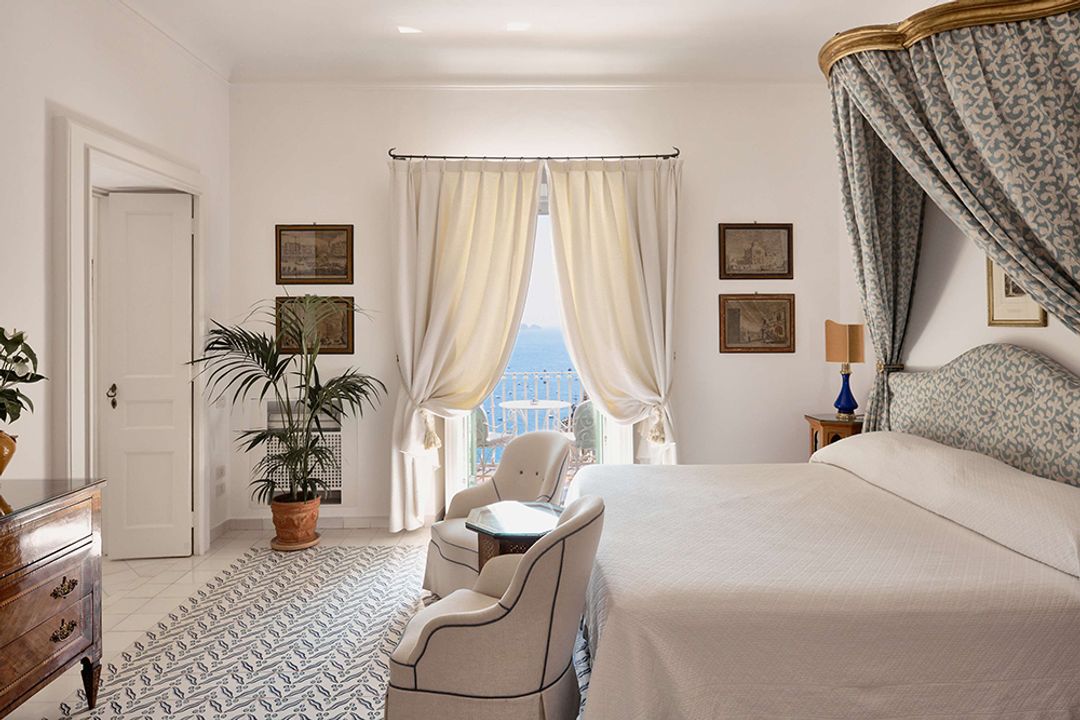
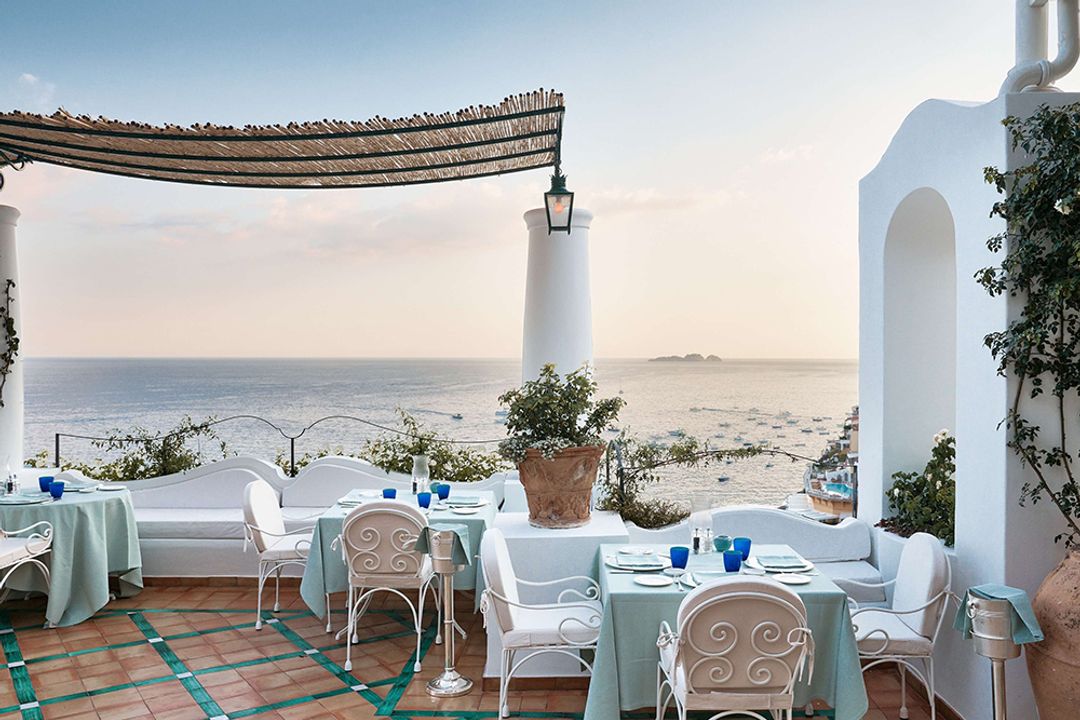
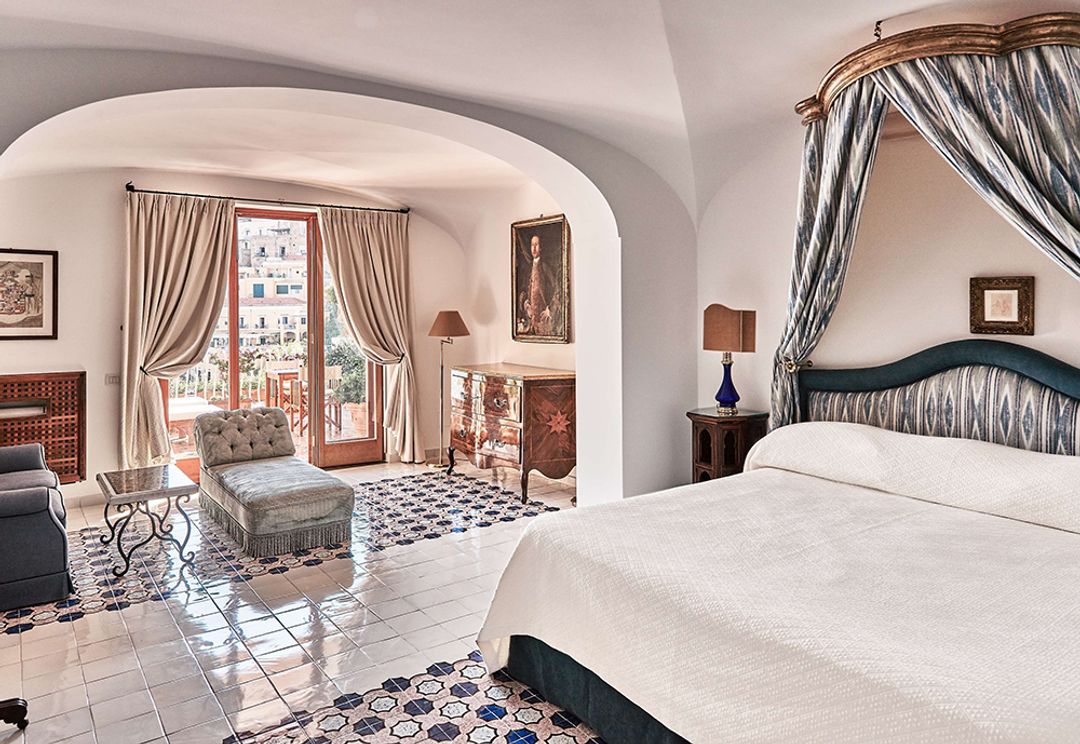
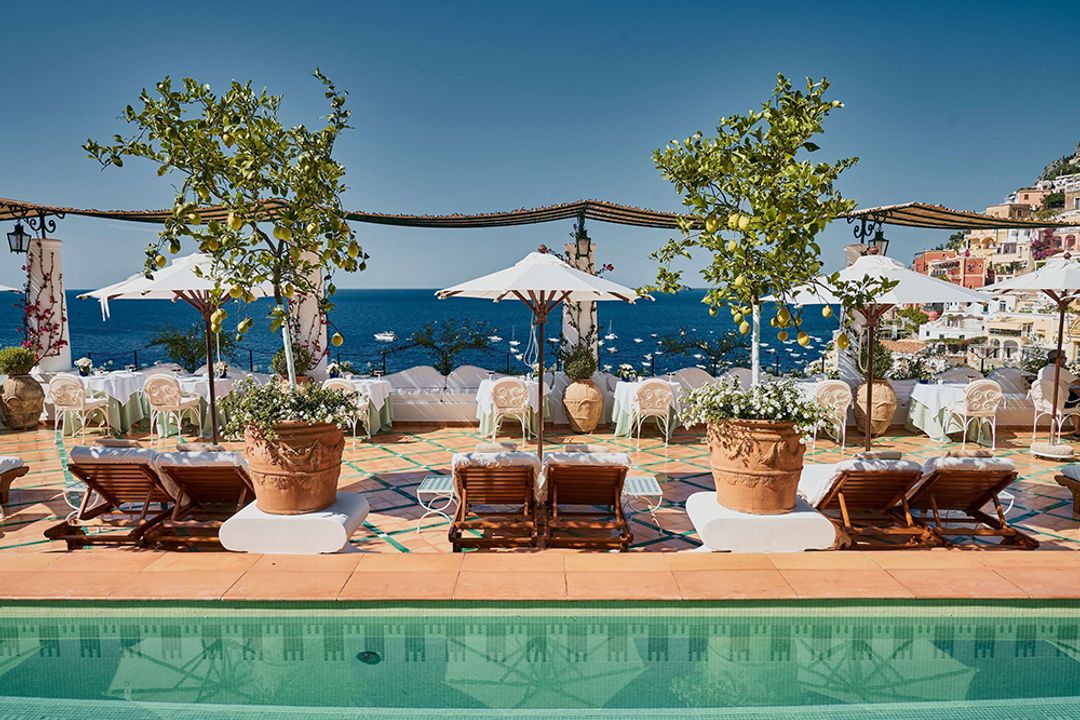
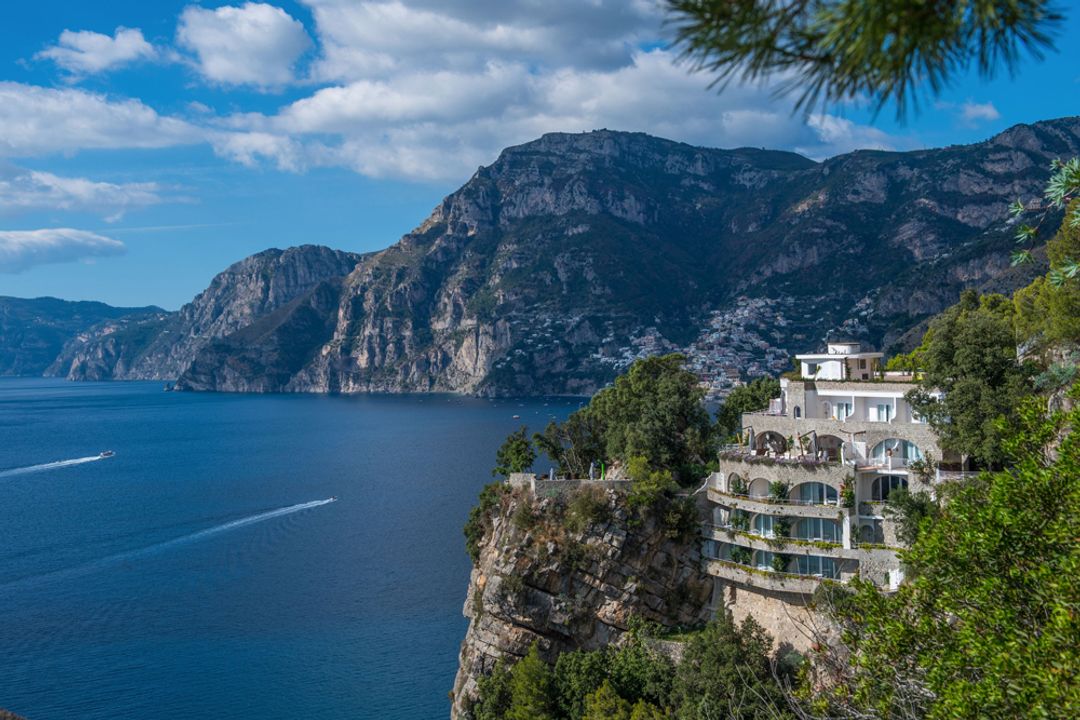
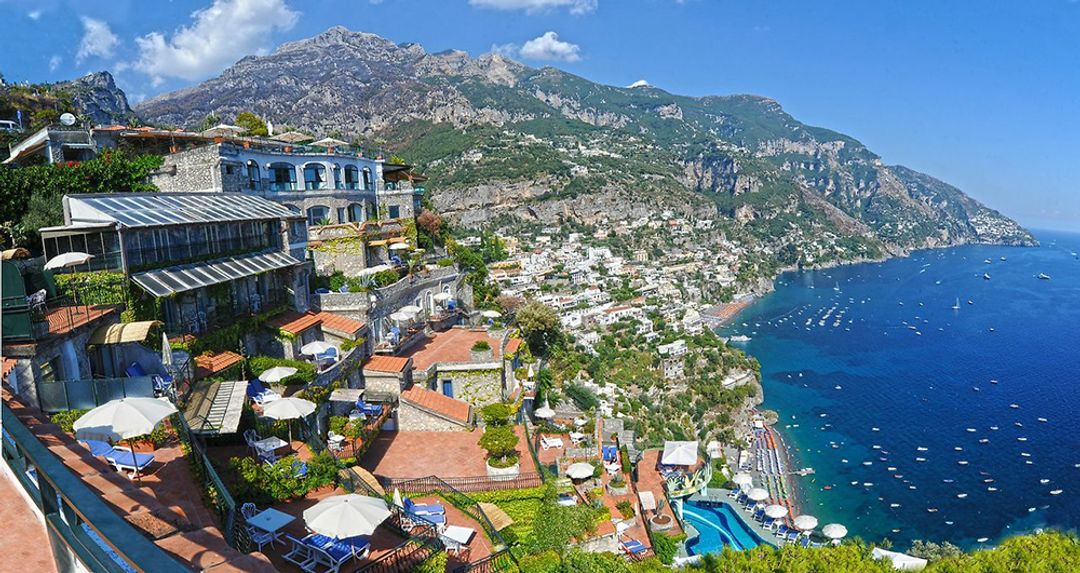
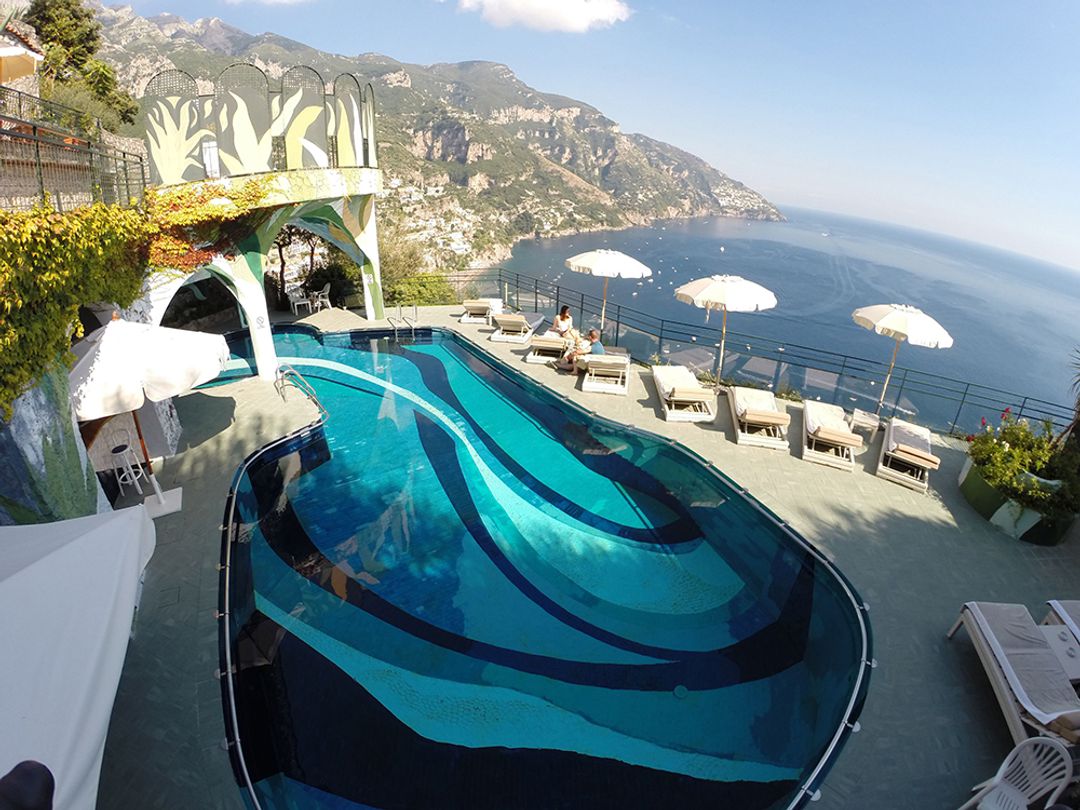
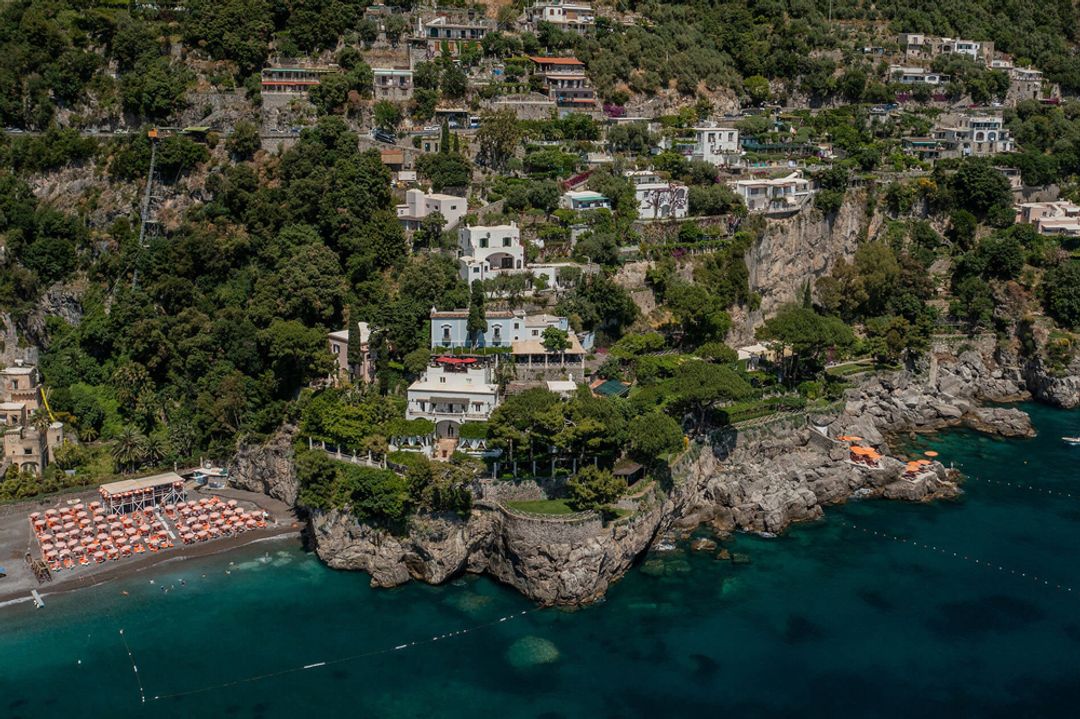
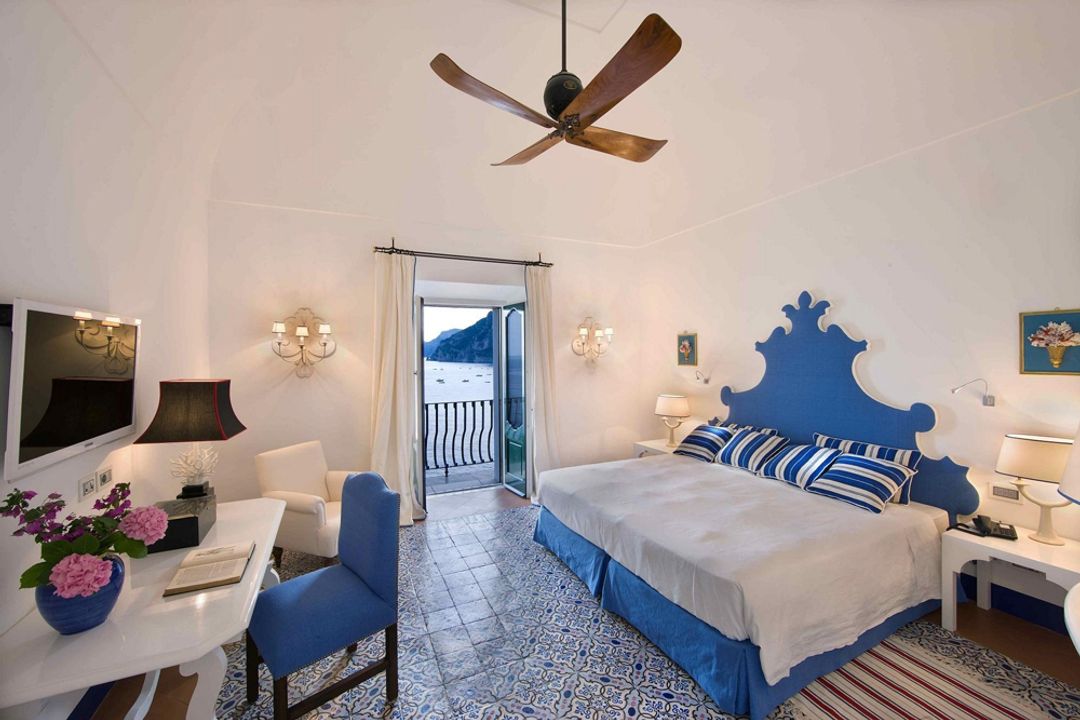
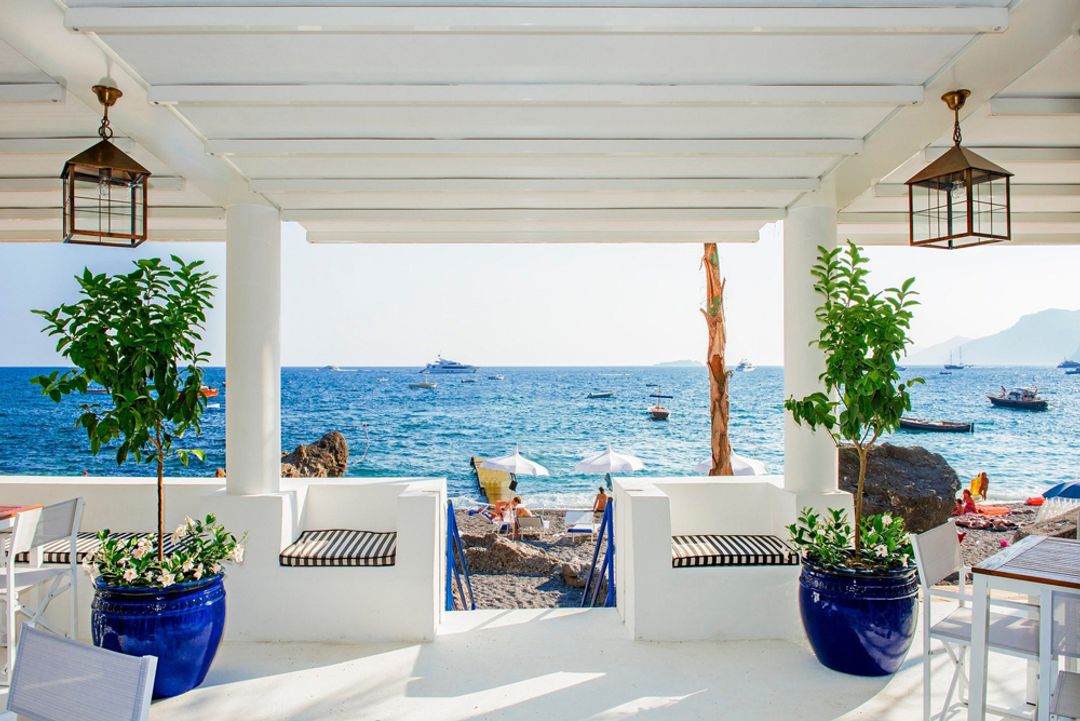
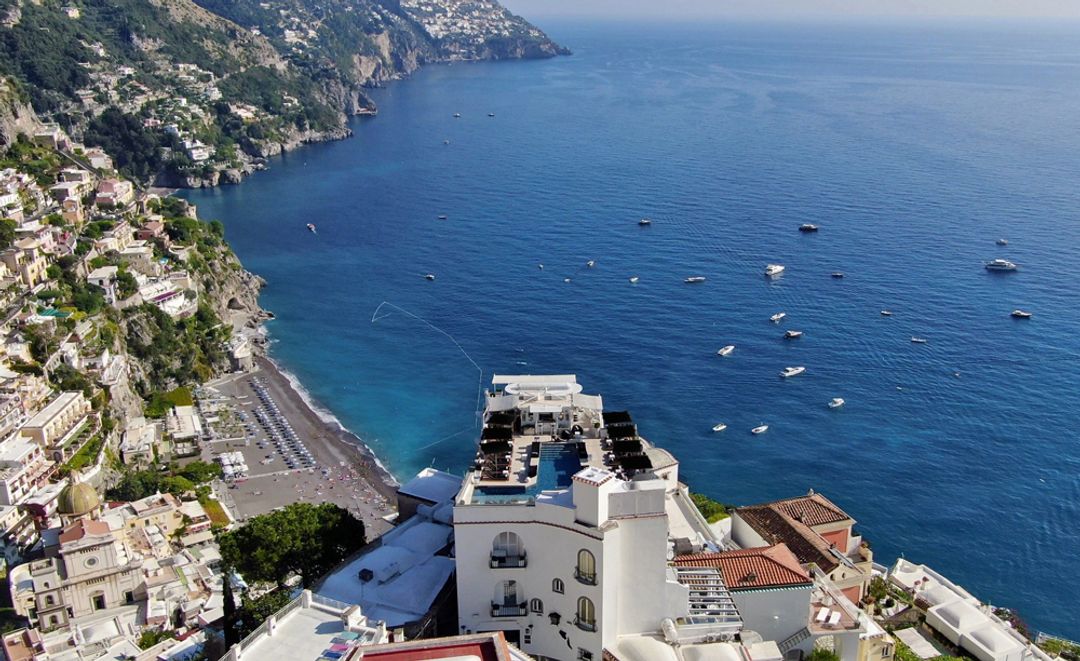
Down on the water, Positano concentrates the most architecturally ambitious properties in the tightest space. Le Sirenuse, owned by the Sersale family since 1951, has never required reinvention. It accumulates rather than updates: antiques from southern Italian estates, hand-painted tiles, and a terrace that generations of artists and writers have treated as common property. Il San Pietro di Positano is genuinely carved into the cliff face, its rooms accessible by elevator through the rock, and the hotel's gardens, strung along near-vertical terracing, are among the more serious horticultural efforts on the coast. Villa TreVille, further along the Positano promontory, was once the private residence of Franco Zeffirelli and still carries something of the theatrical intelligence he brought to it.
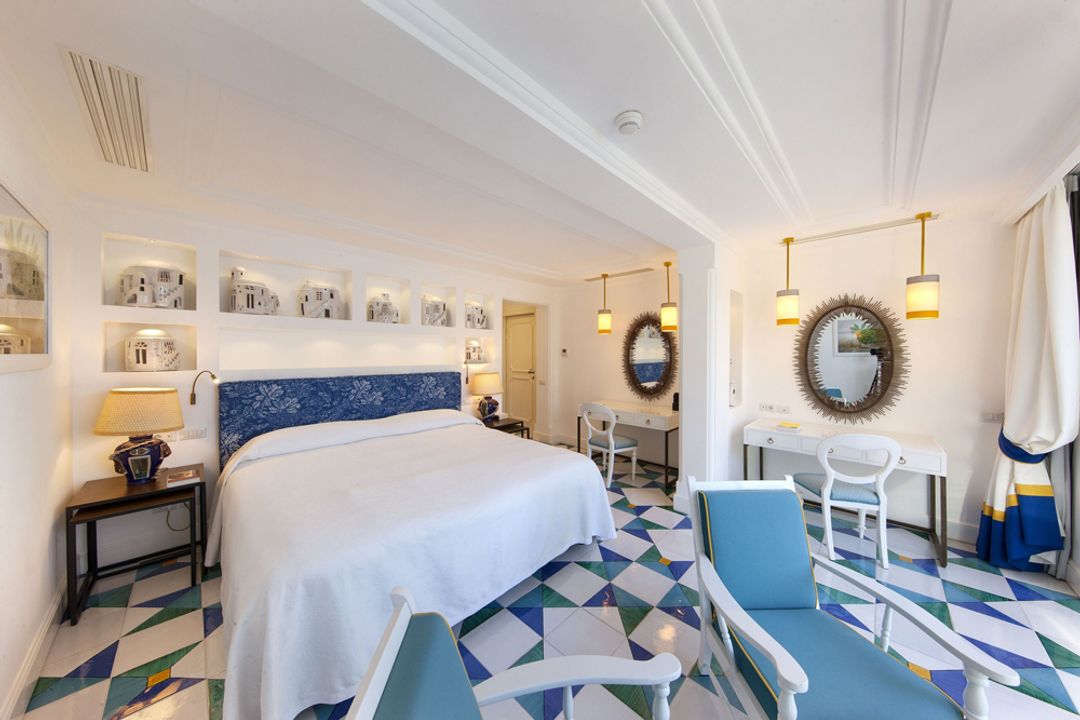
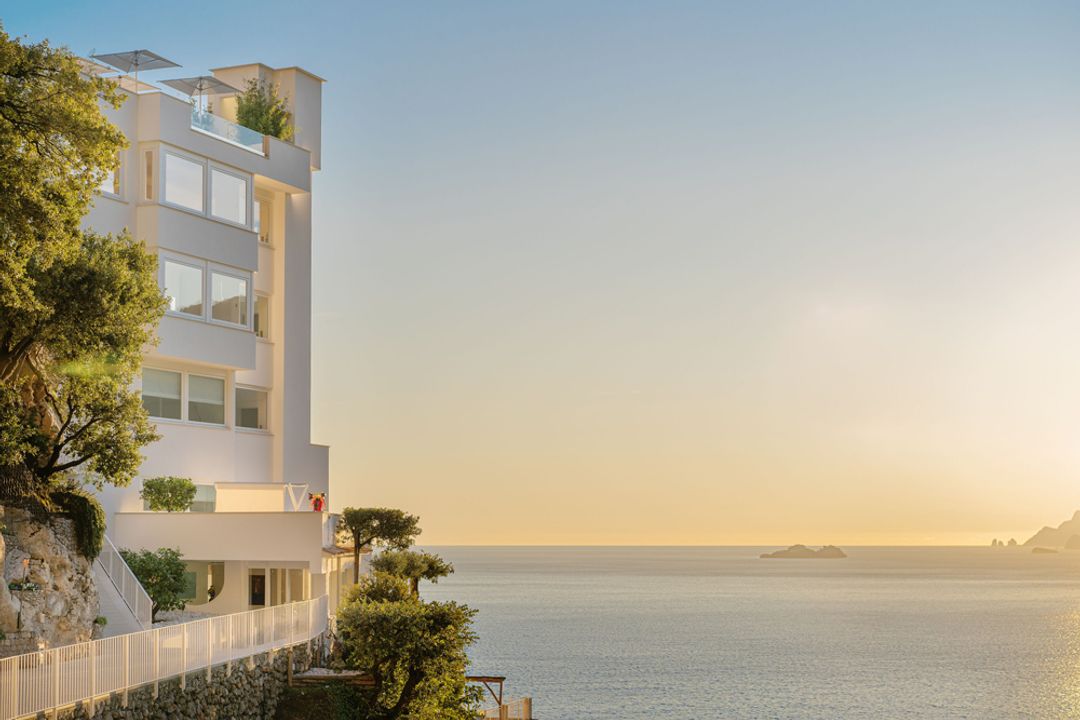
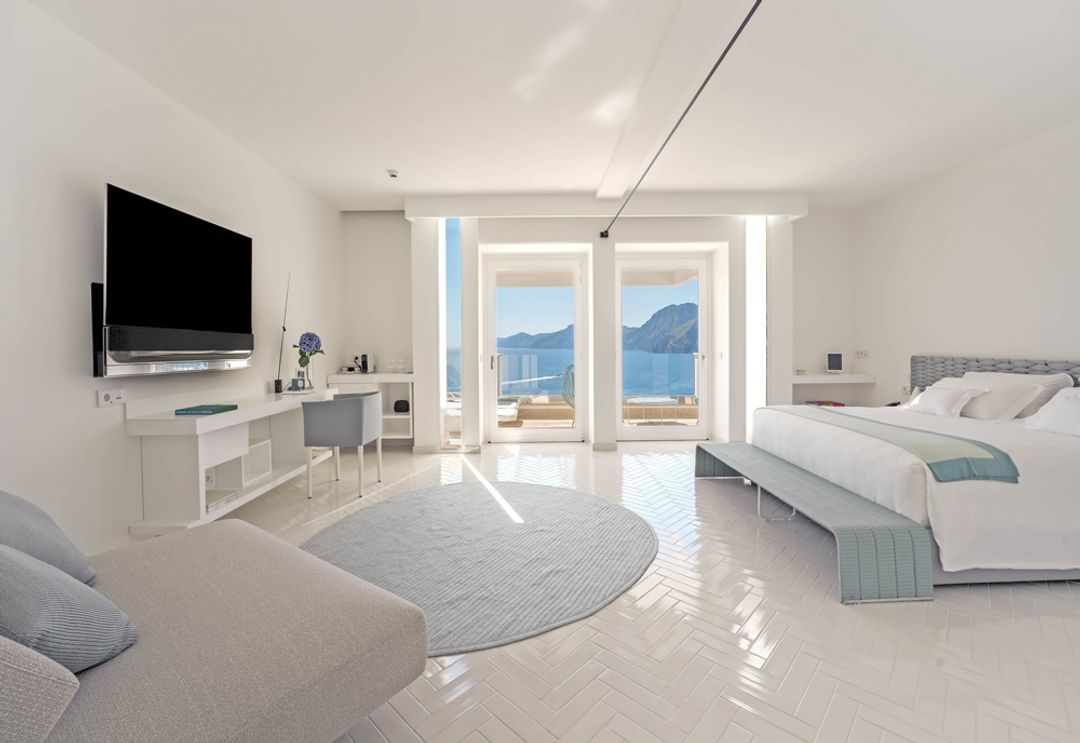
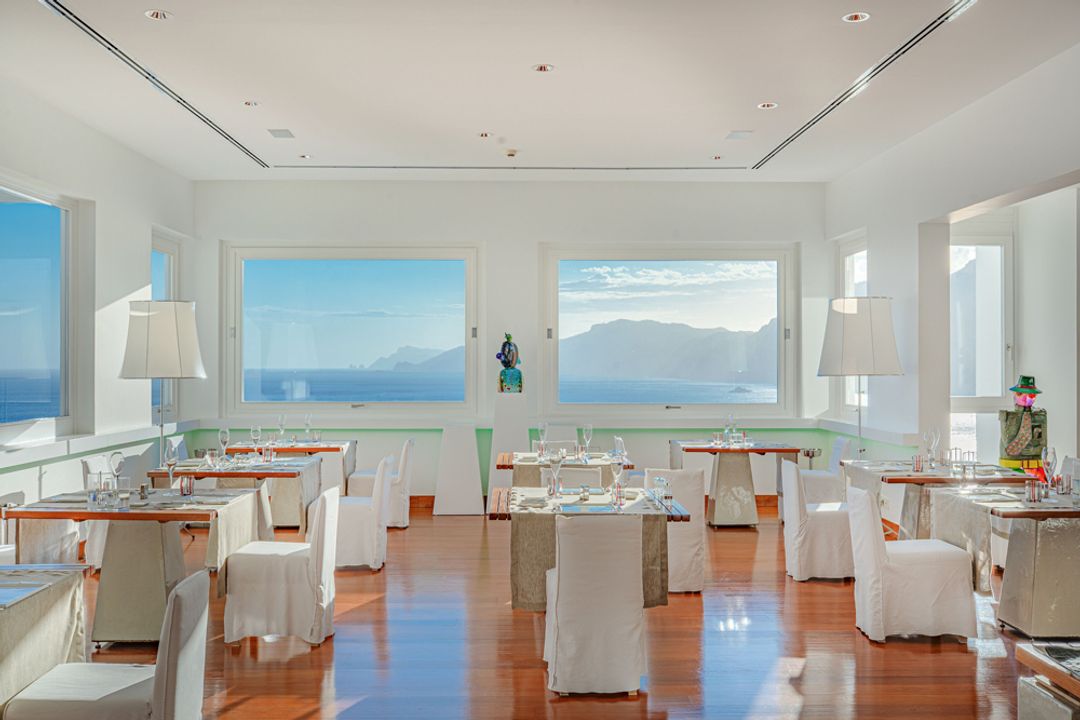
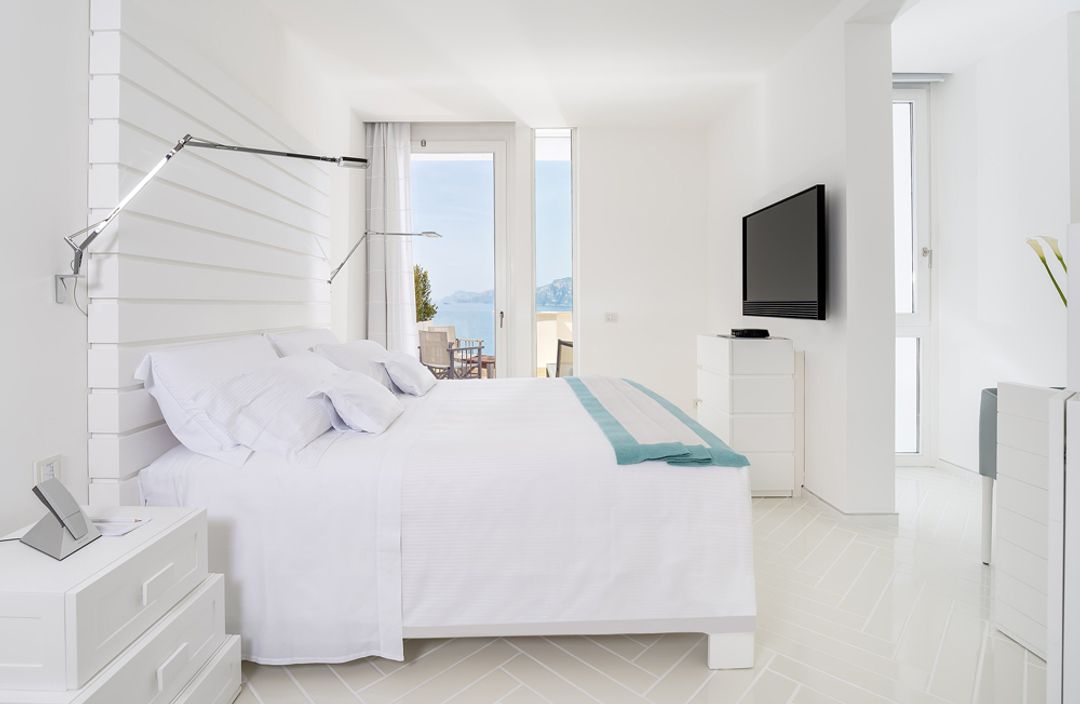
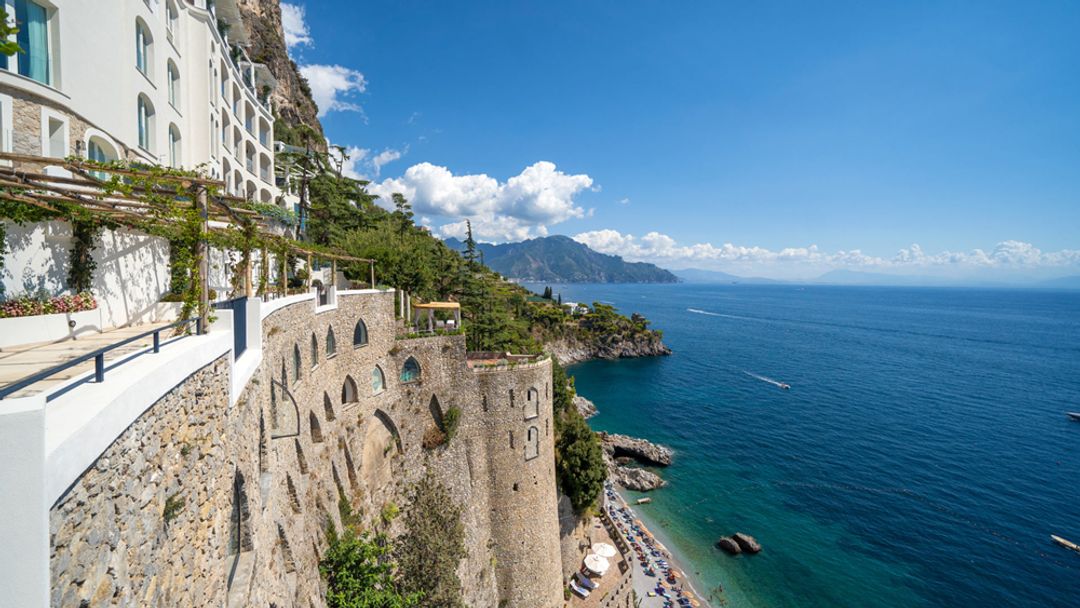
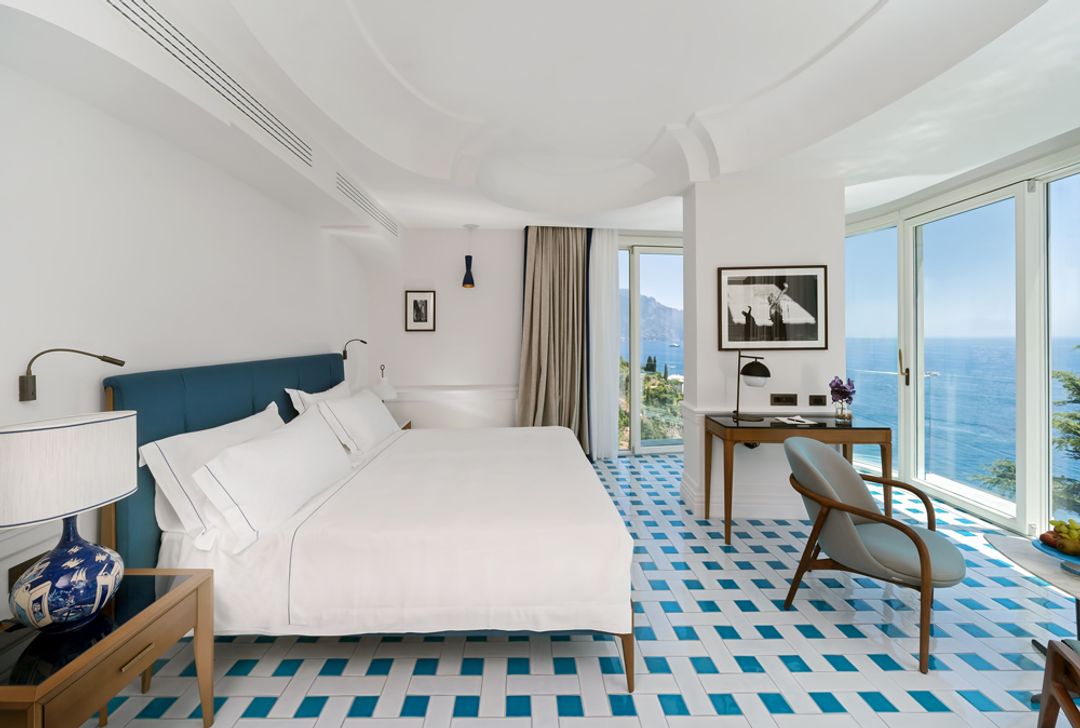
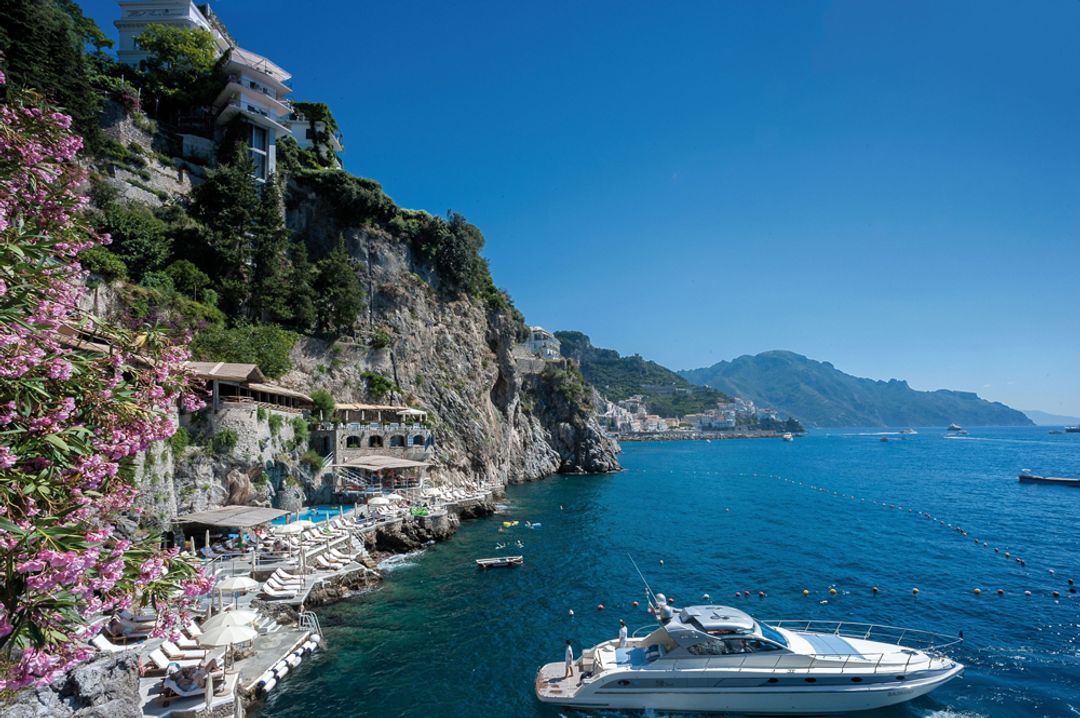
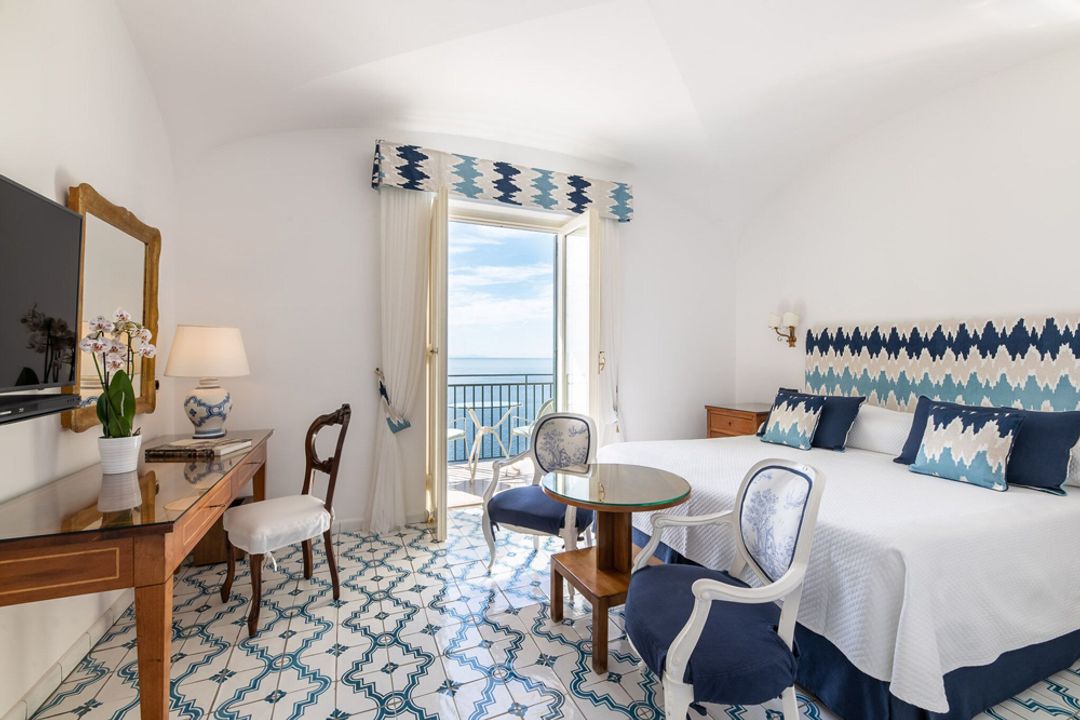
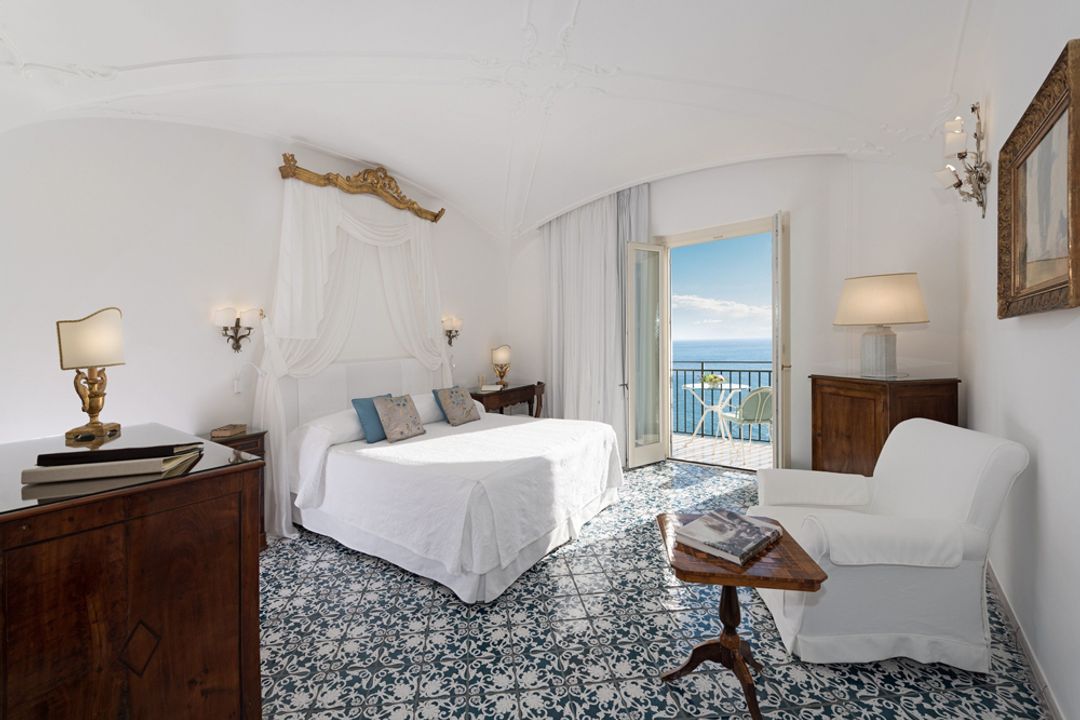
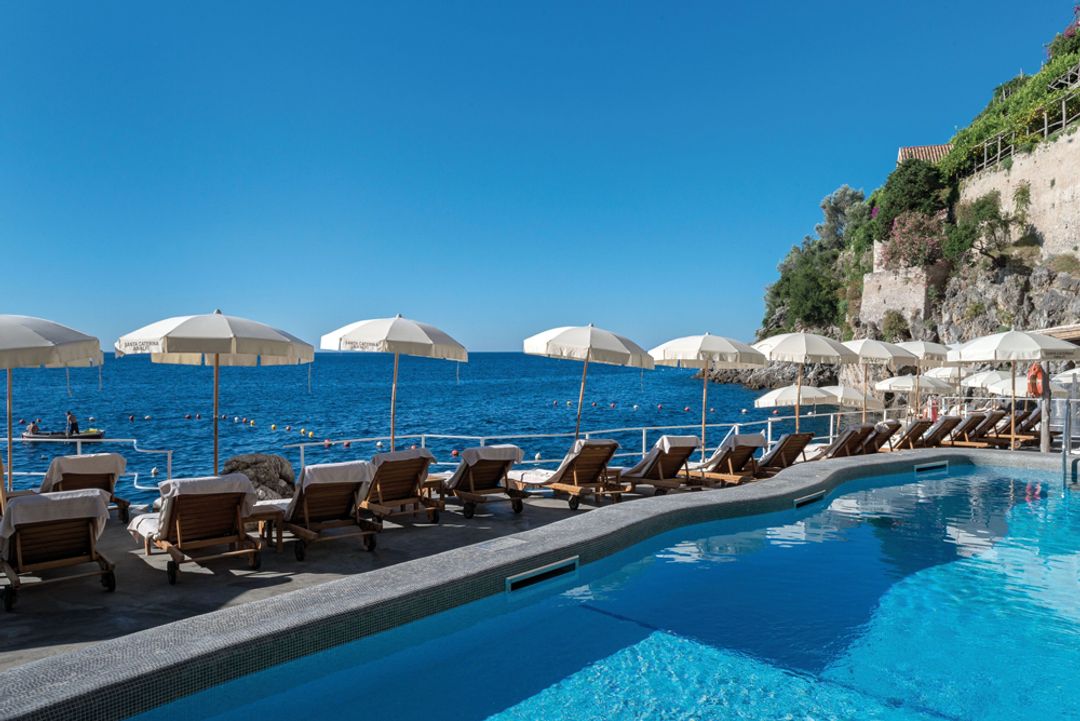
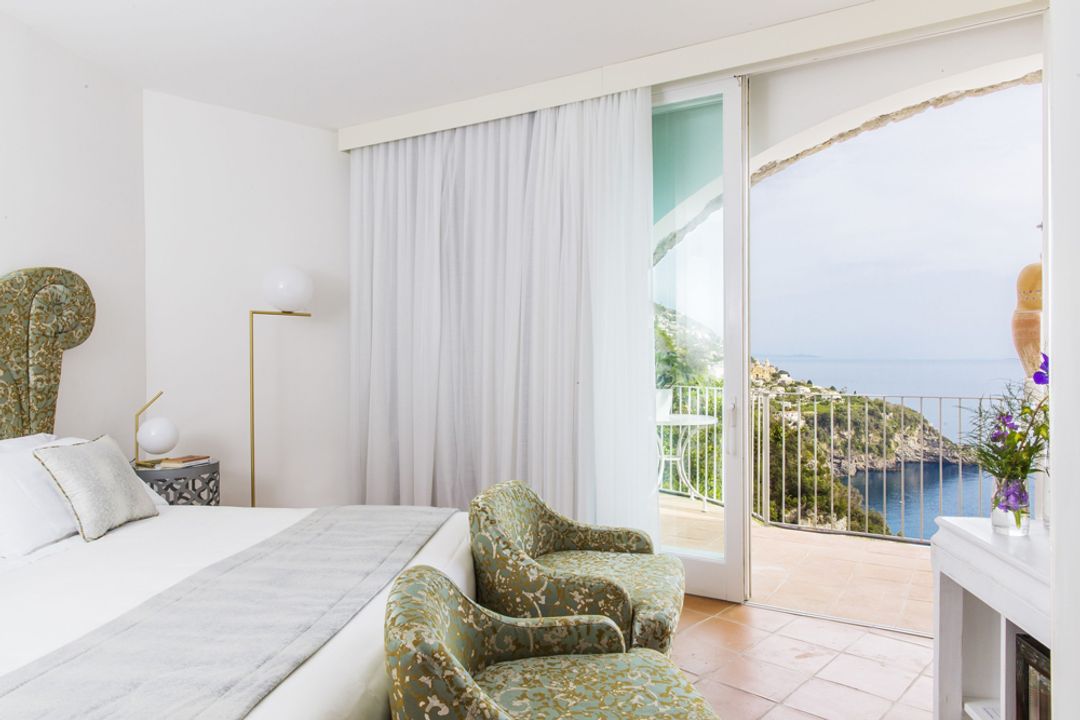
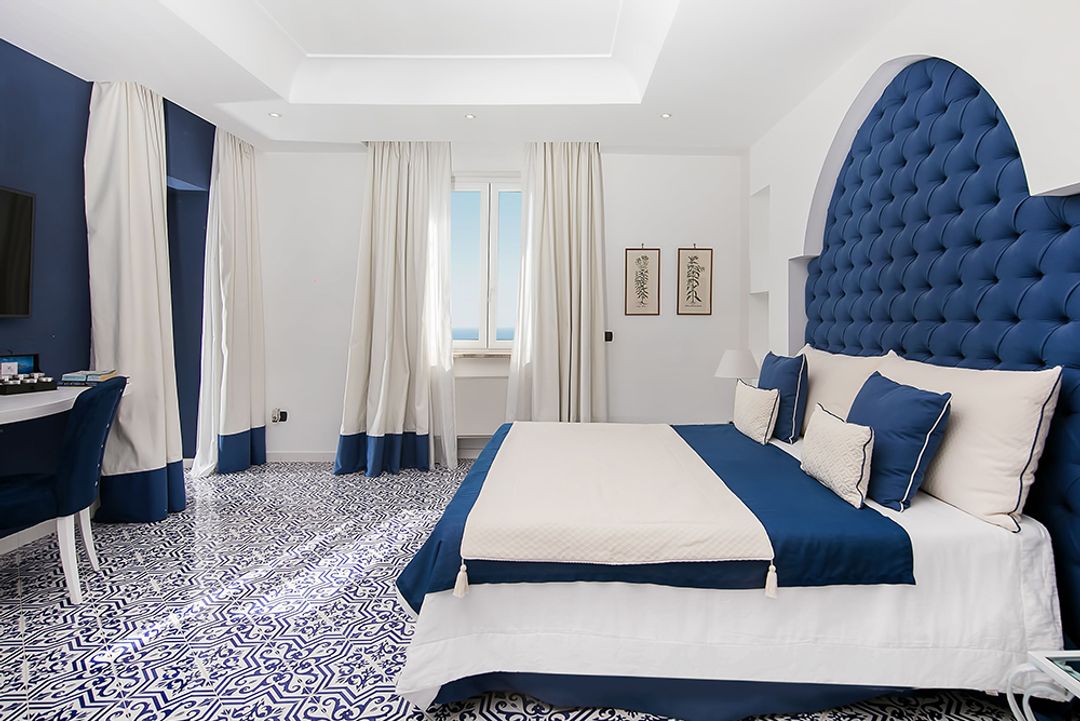
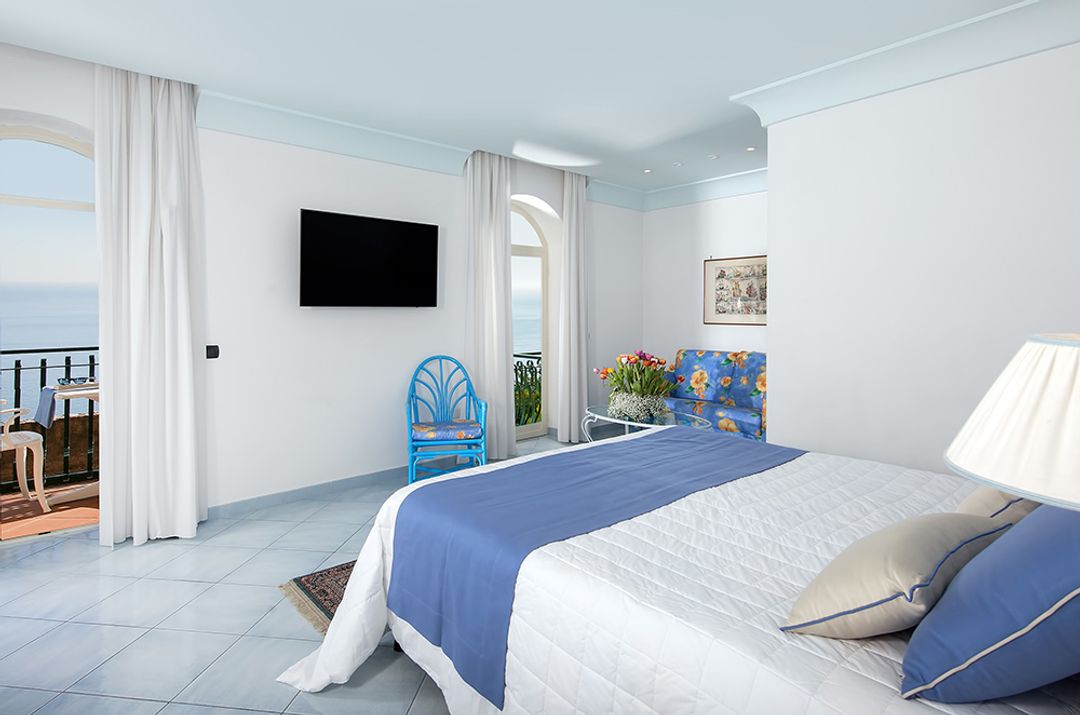
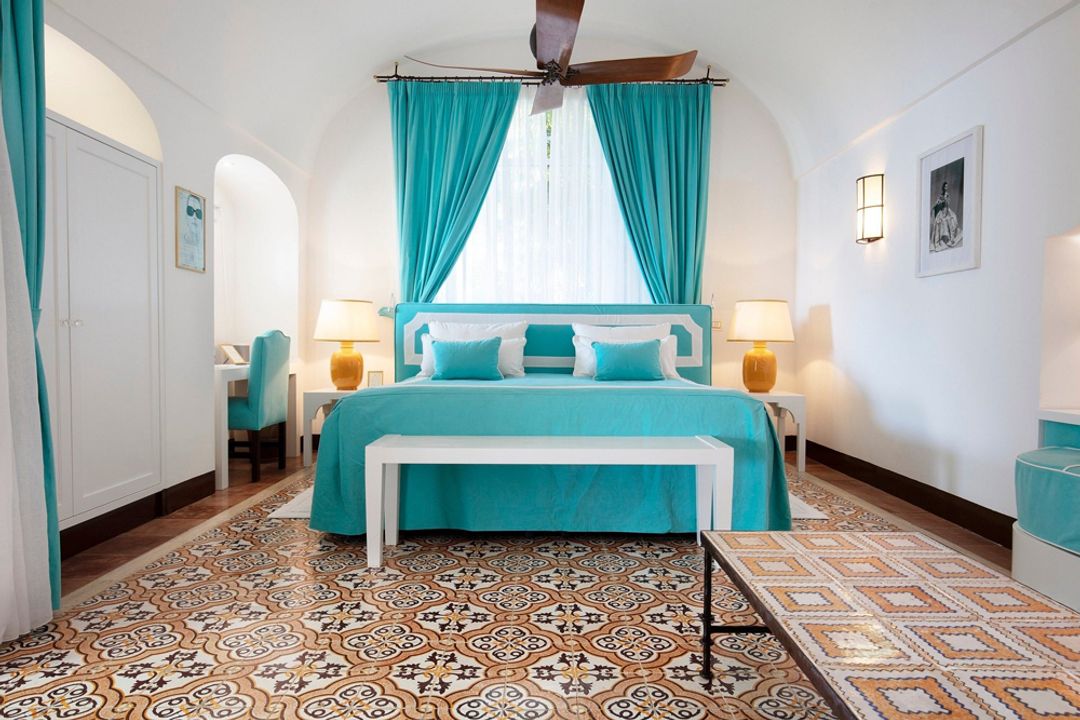
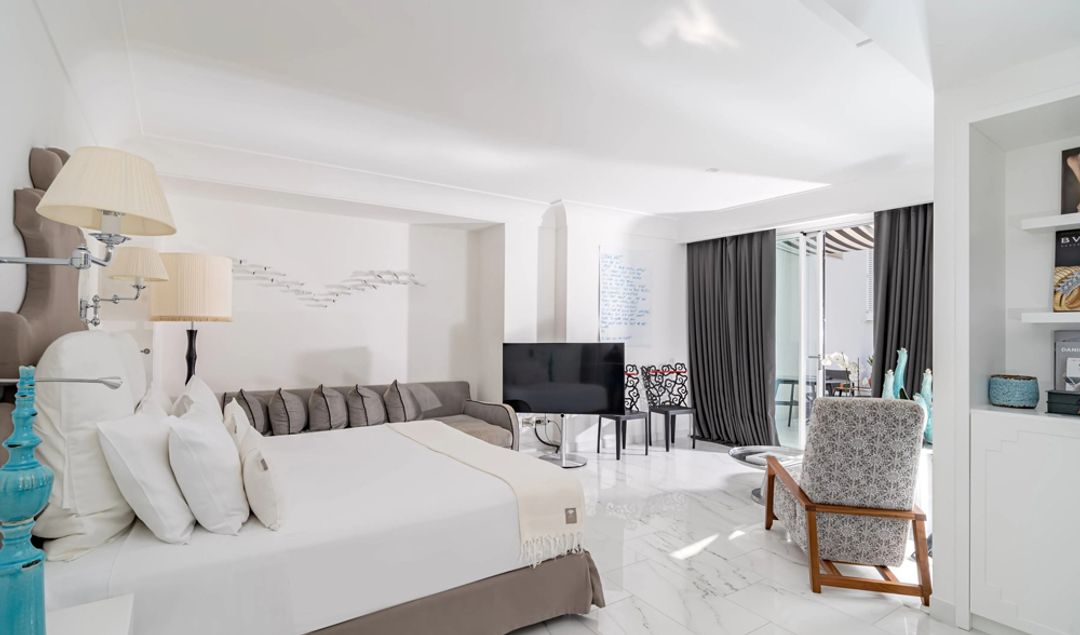
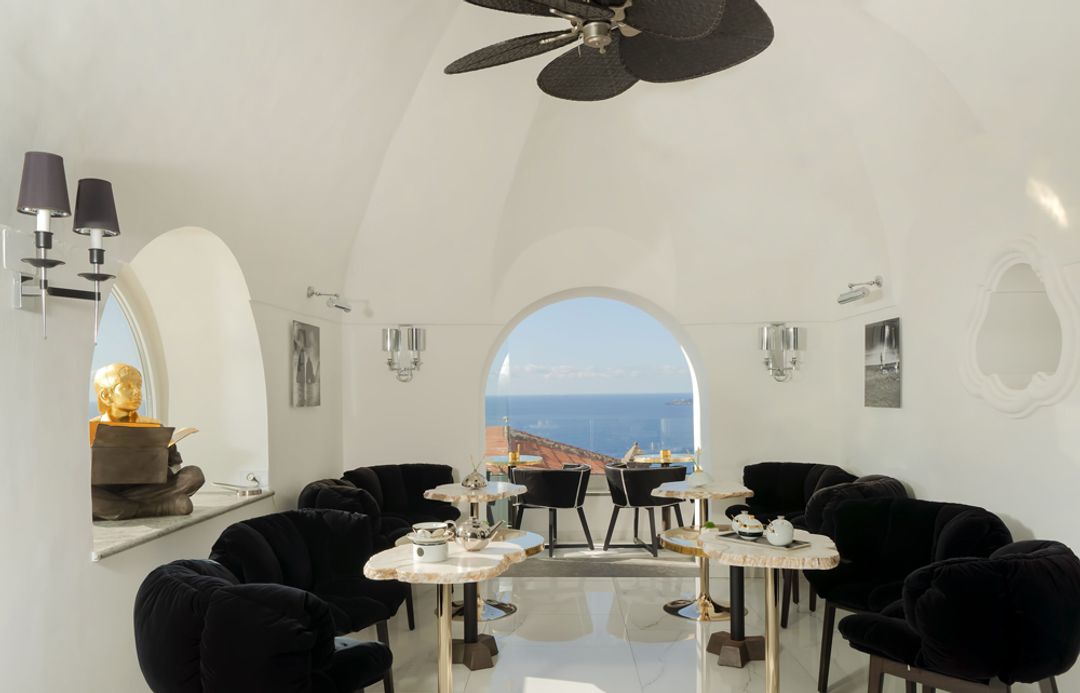
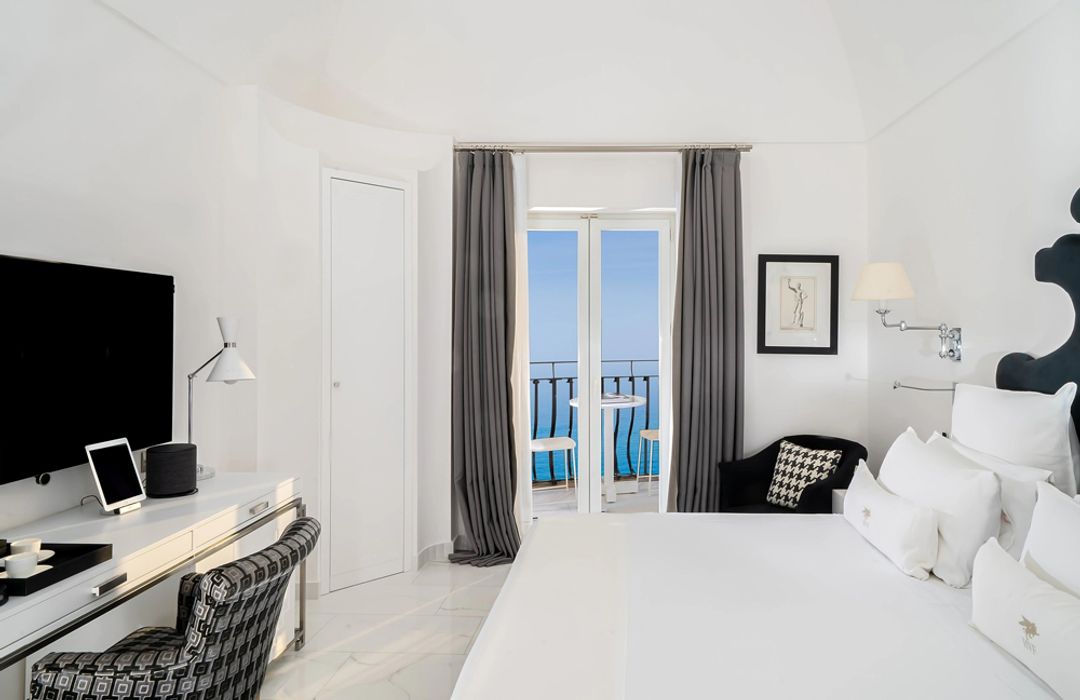
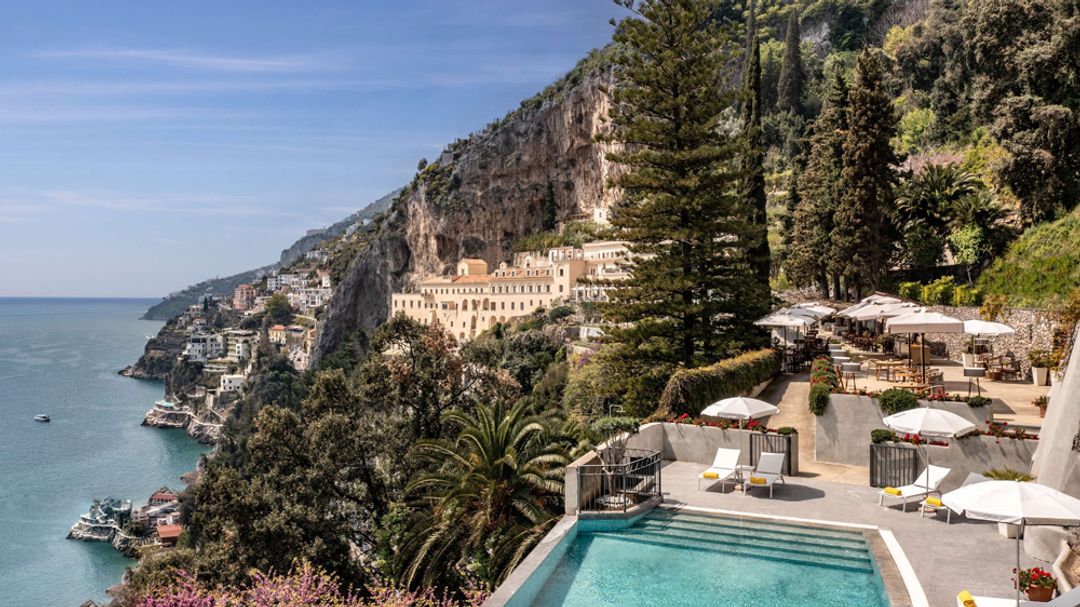
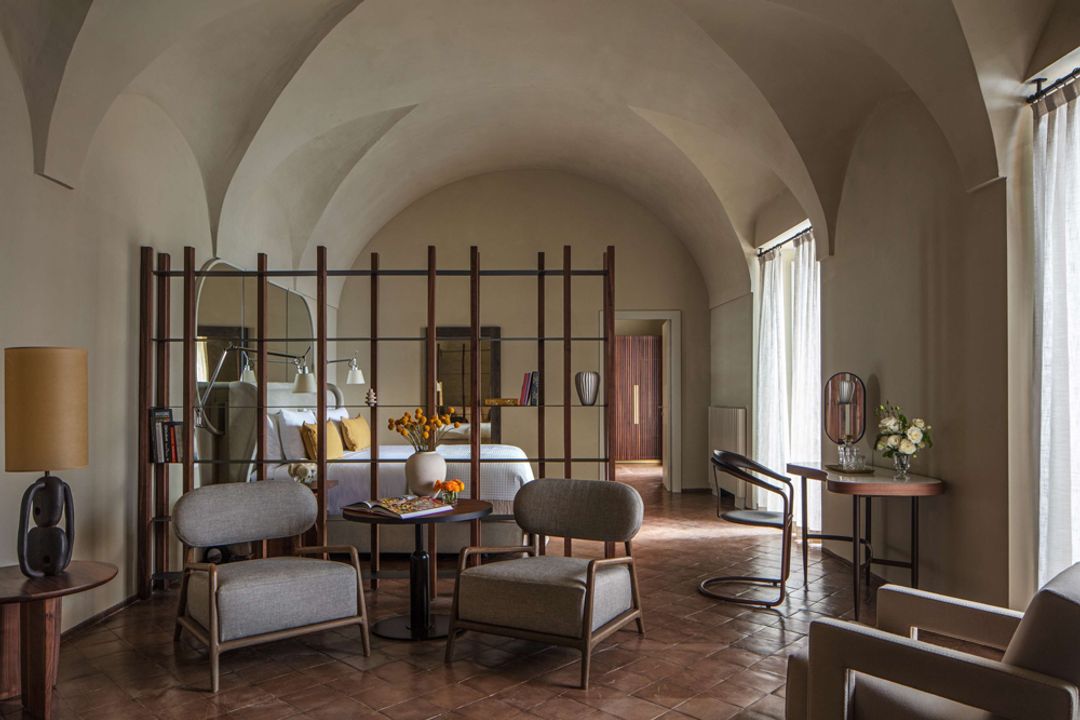
The stretch between Positano and Amalfi proper rewards attention for travelers whose instinct is to notice the grain of a place rather than its profile. Casa Angelina in Praiano offers an all-white interior vocabulary that reads as a deliberate counter to the polychrome exuberance everywhere else, its minimalism feeling considered rather than austere. Anantara Convento di Amalfi Grand Hotel occupies a thirteenth-century Capuchin convent built directly into the cliff above the town, with cloisters and original stonework that no renovation has managed to fully domesticate. Santa Caterina, outside Amalfi, and Borgo Santandrea, set into a particularly dramatic section of rockface nearby, both reward those willing to accept that access here is always a negotiation with the terrain.