Best hotels in Toronto, Canada | Visually Compare Top Stays Side-by-Side
Welcome to PressBeyond - a curated visual guide to design-driven hotels and the fastest way to compare them.
An Overview of the Boutique & Luxury Hotel Landscape in Toronto, Canada
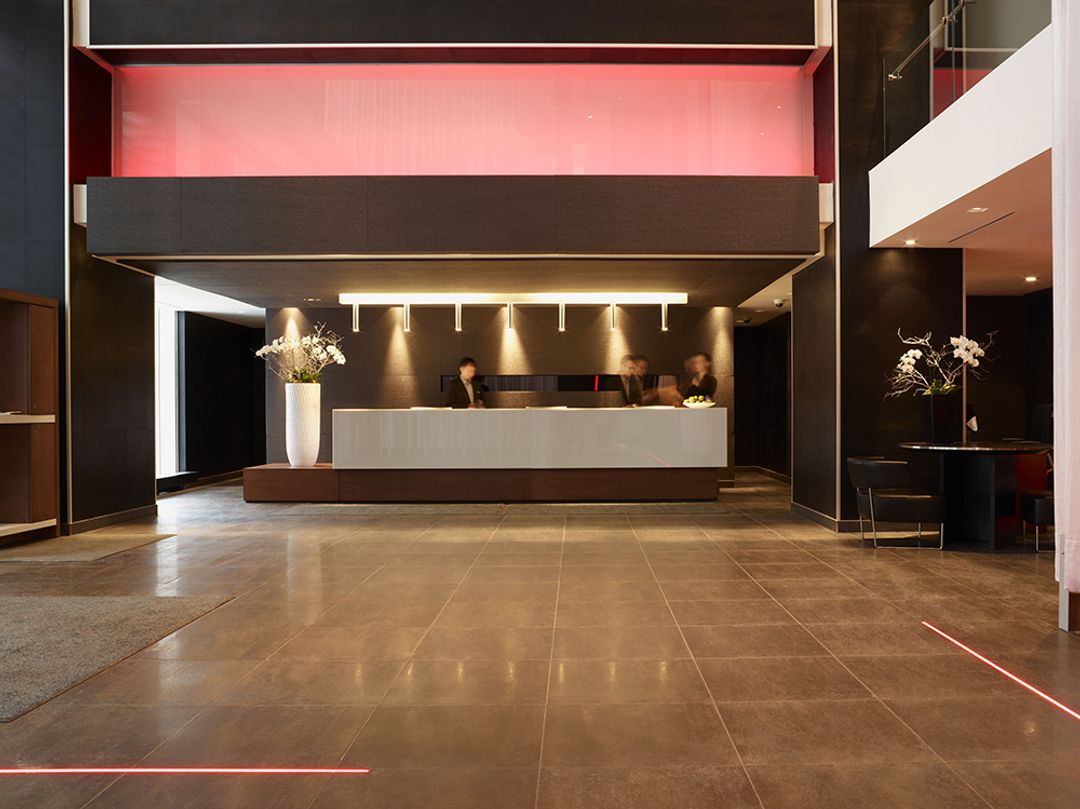
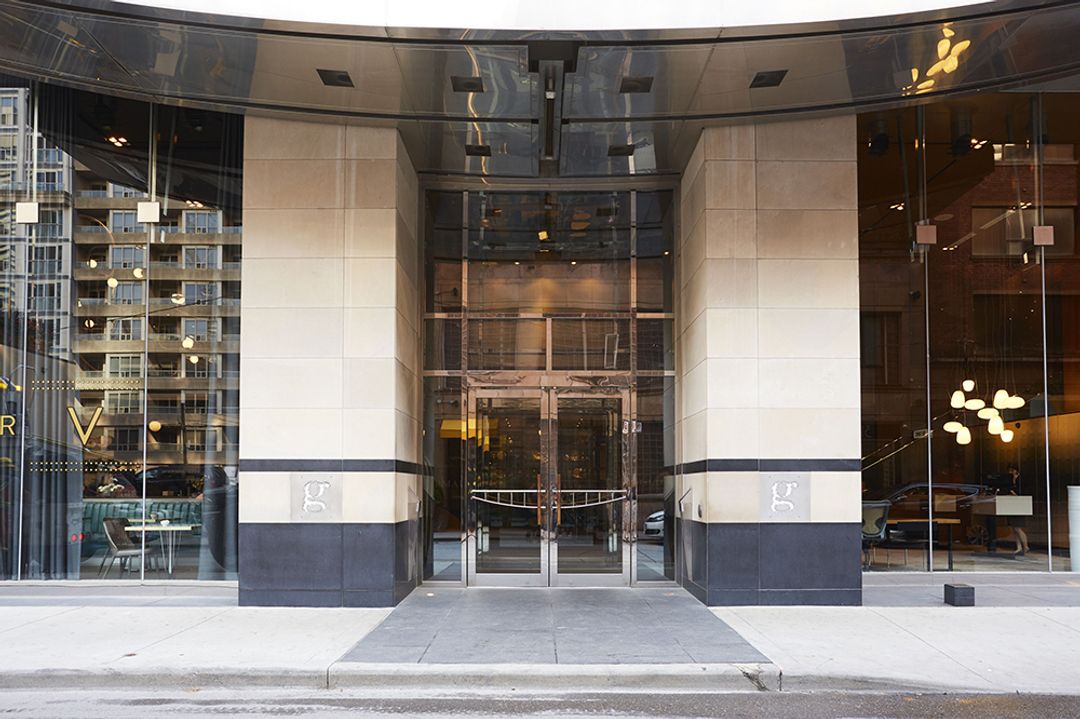
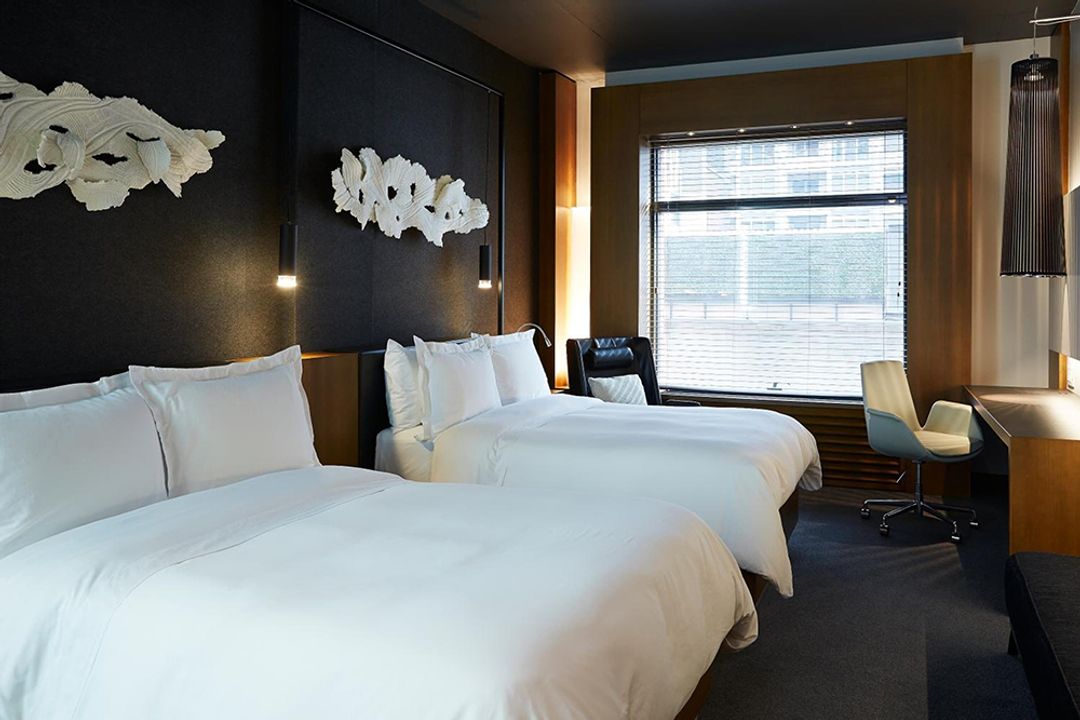
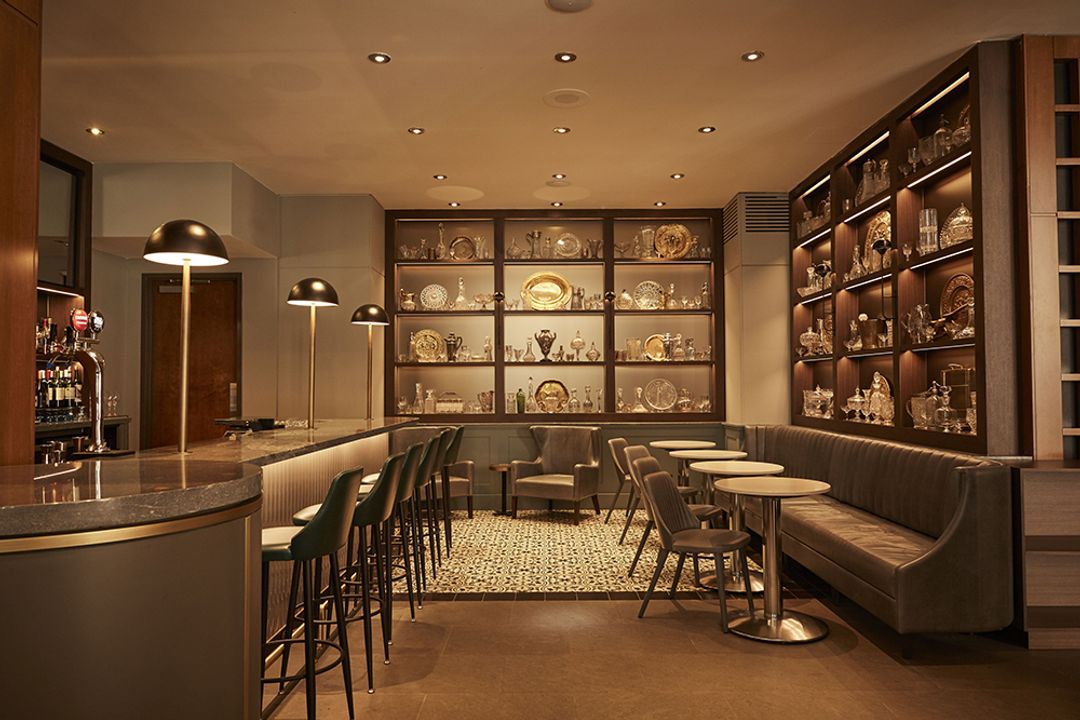
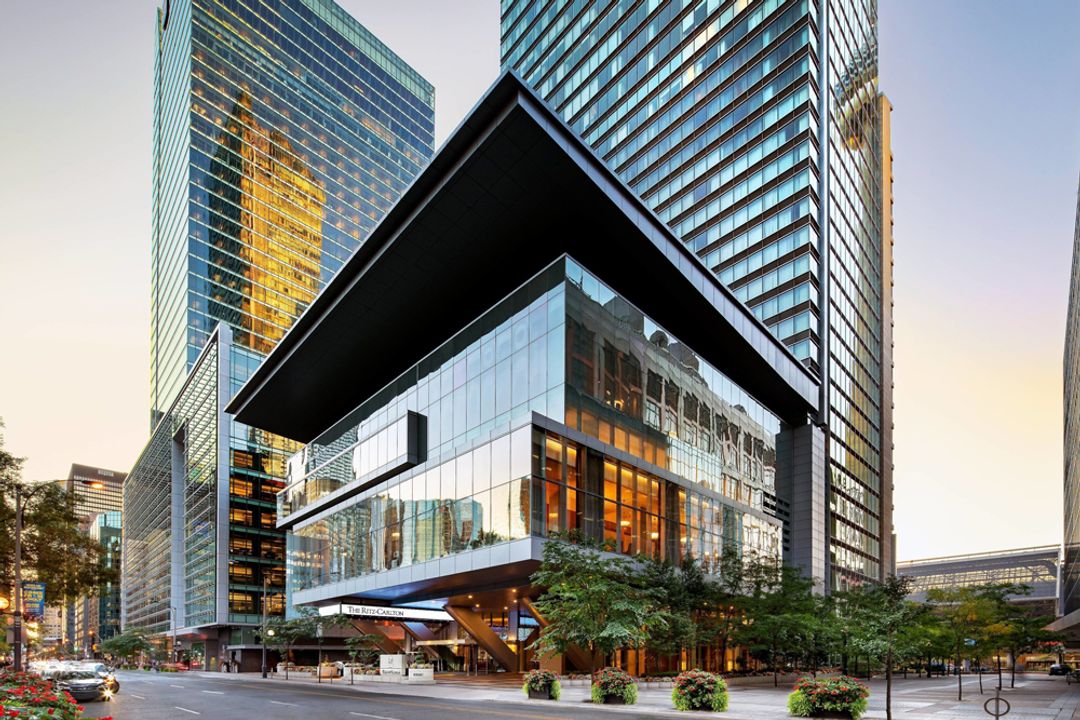
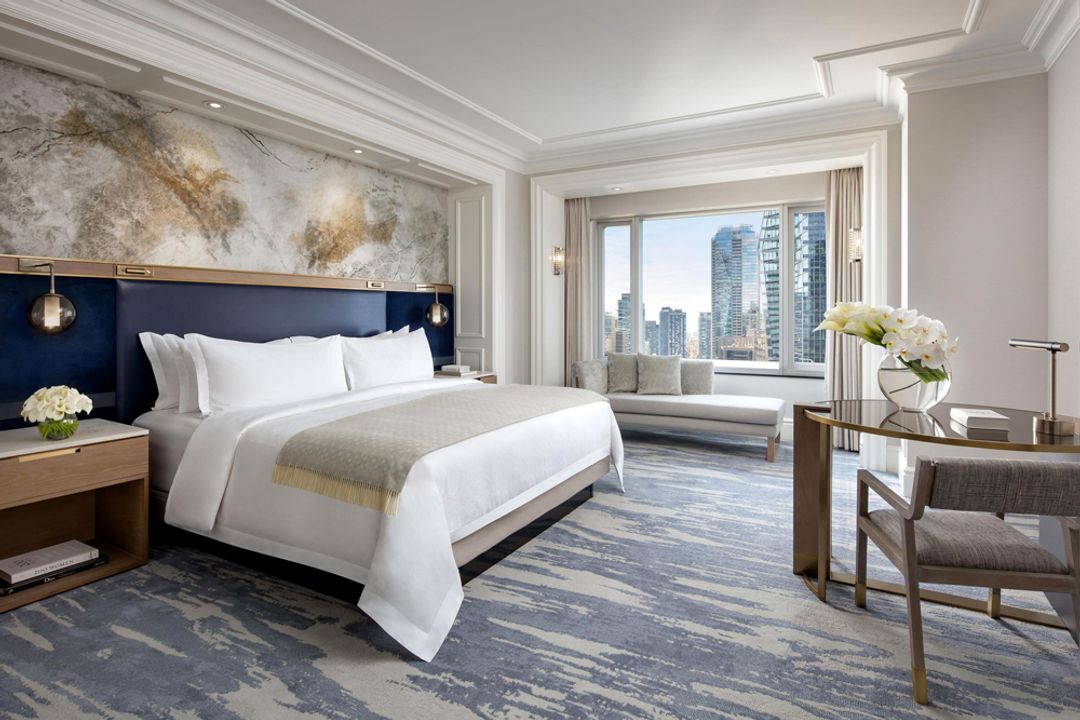
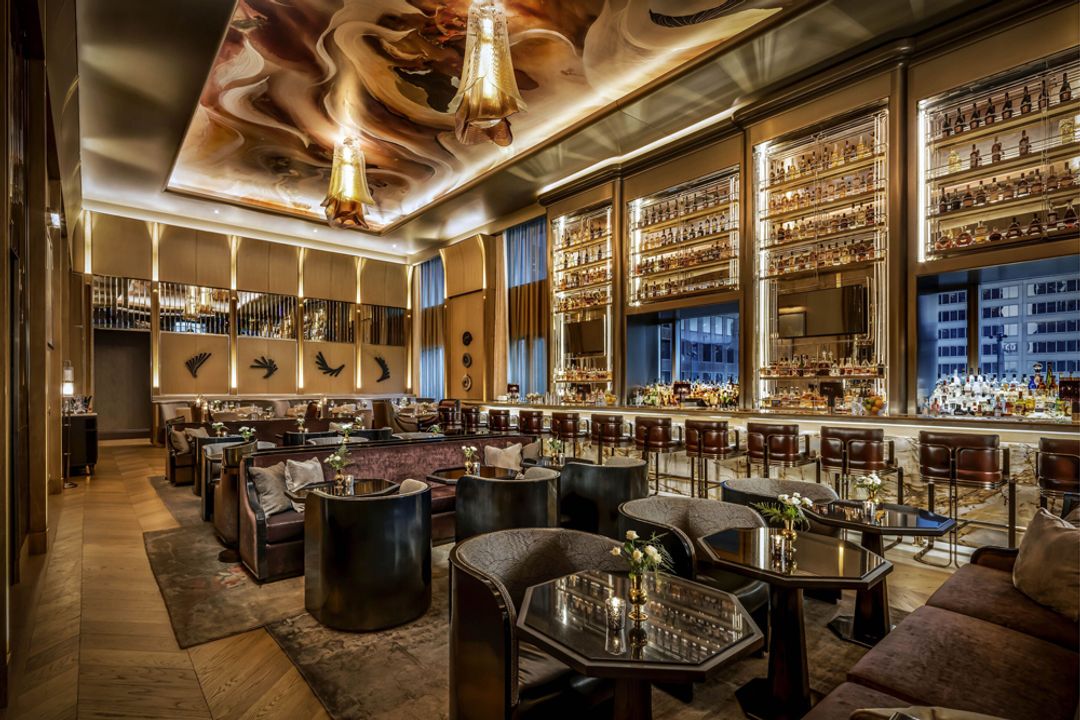
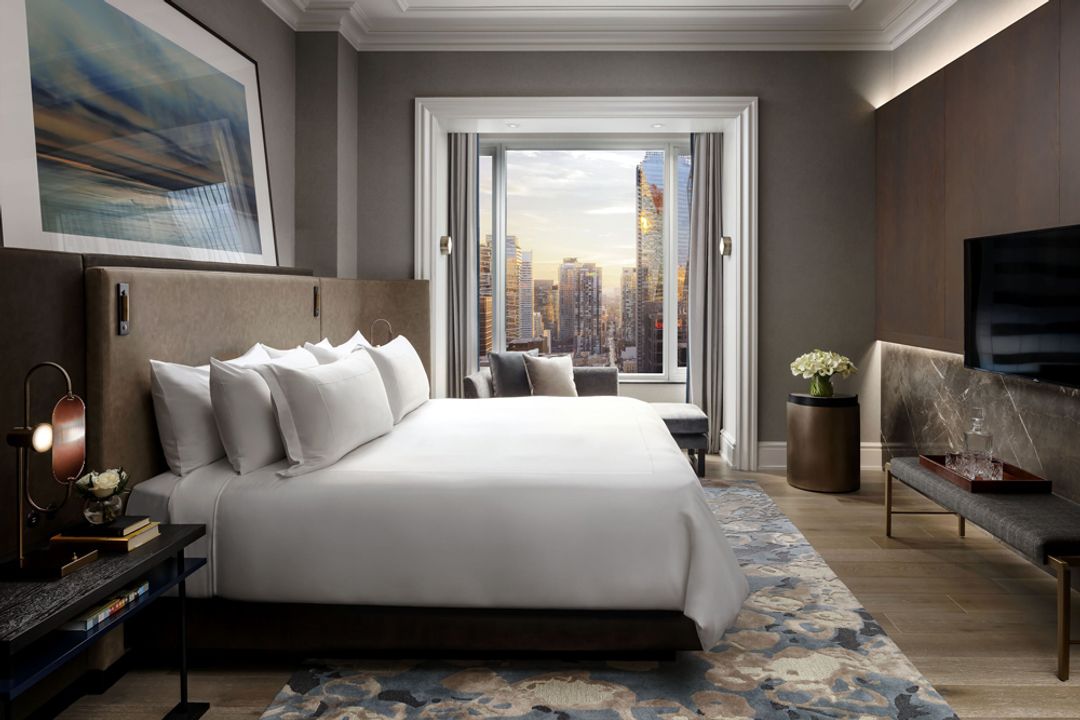
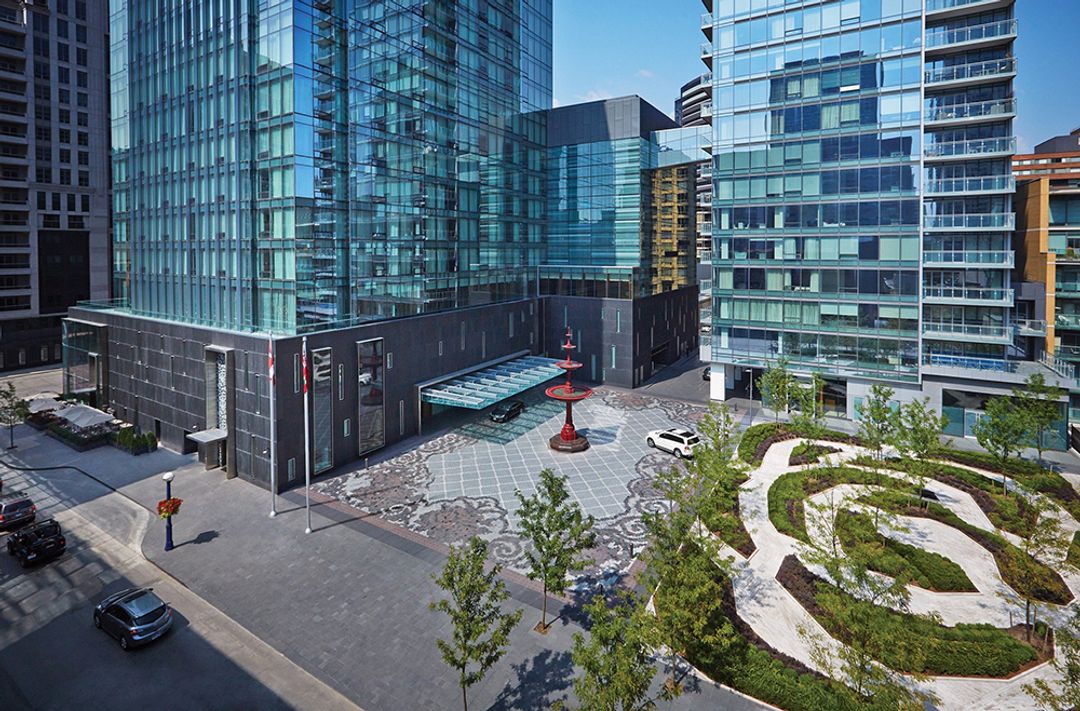
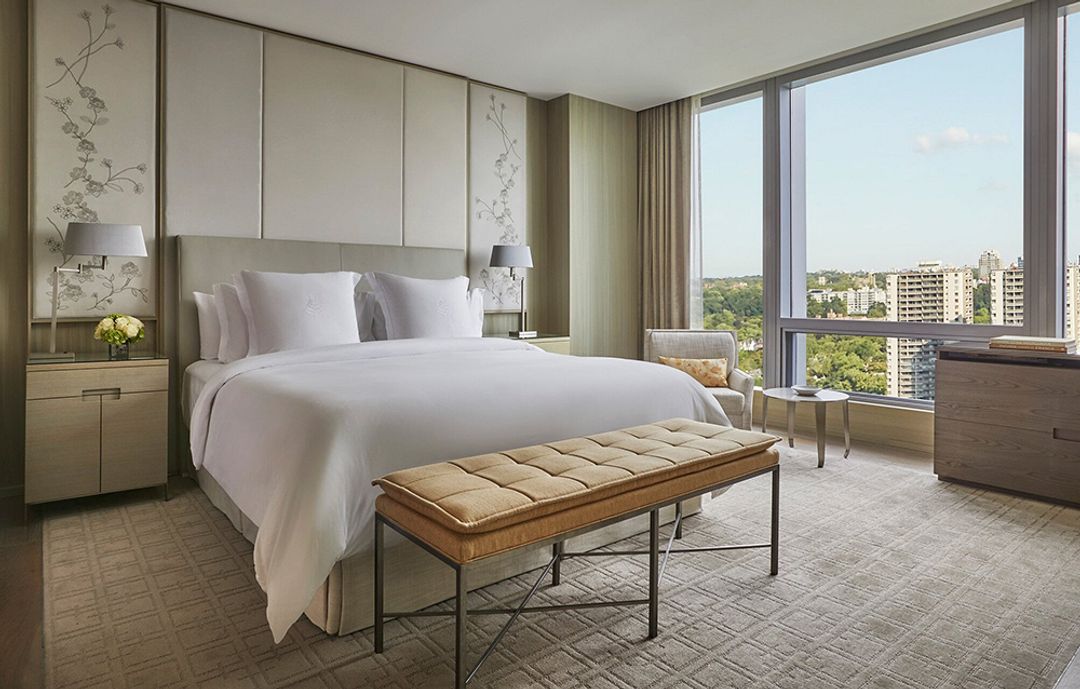
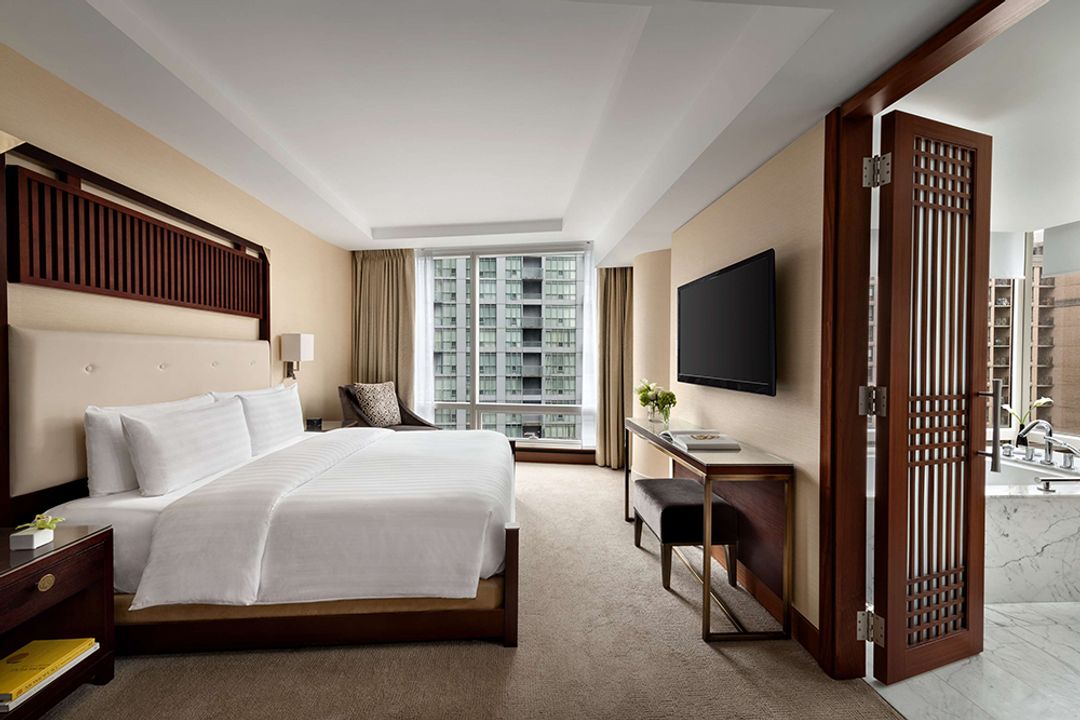
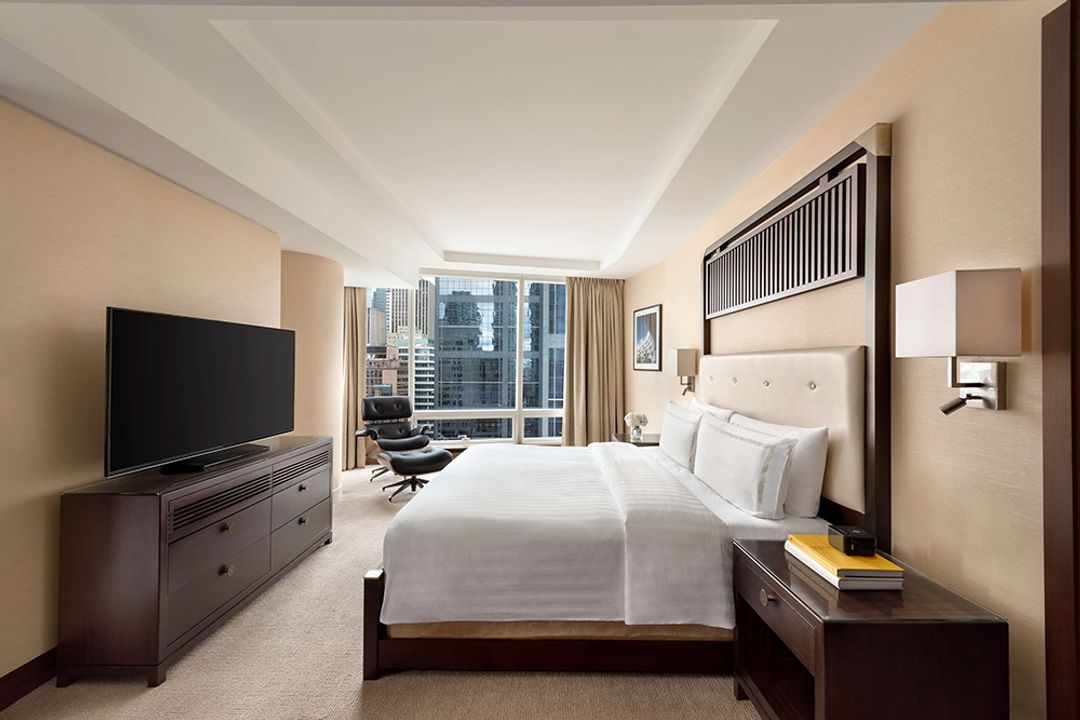
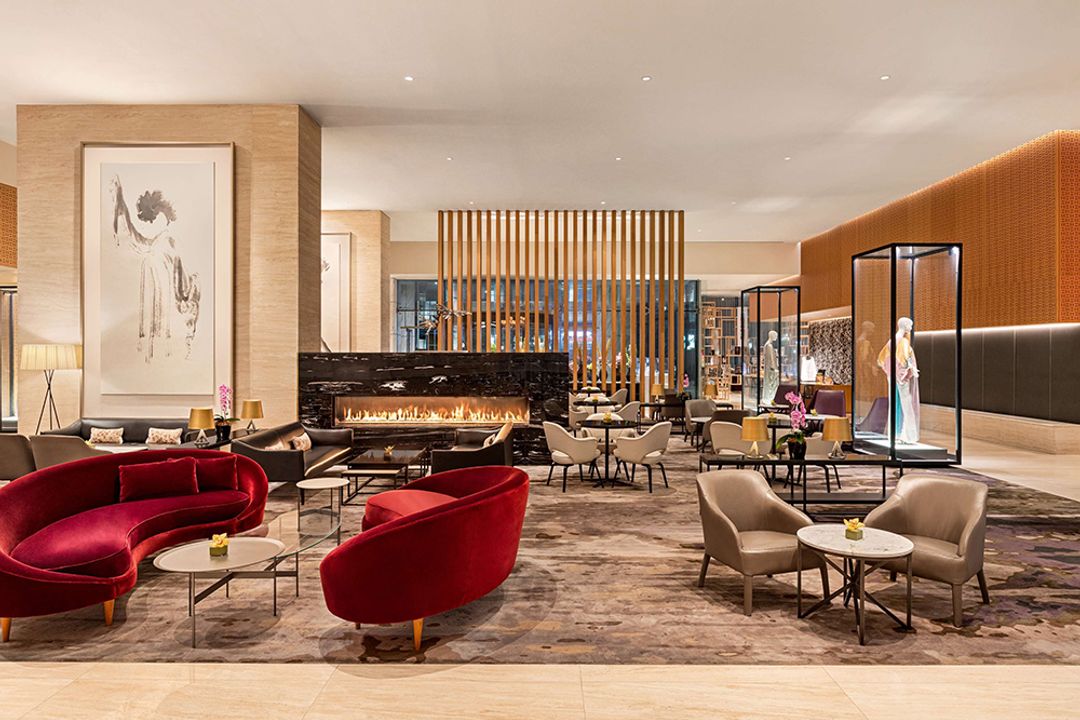
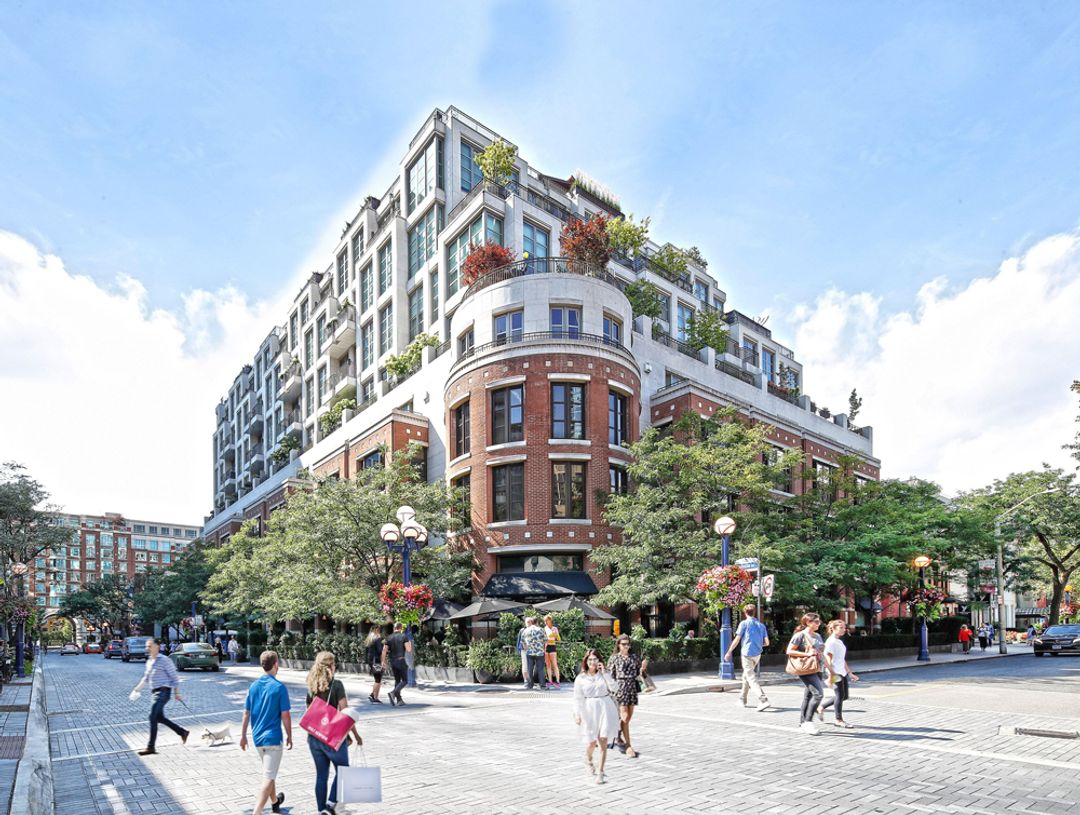
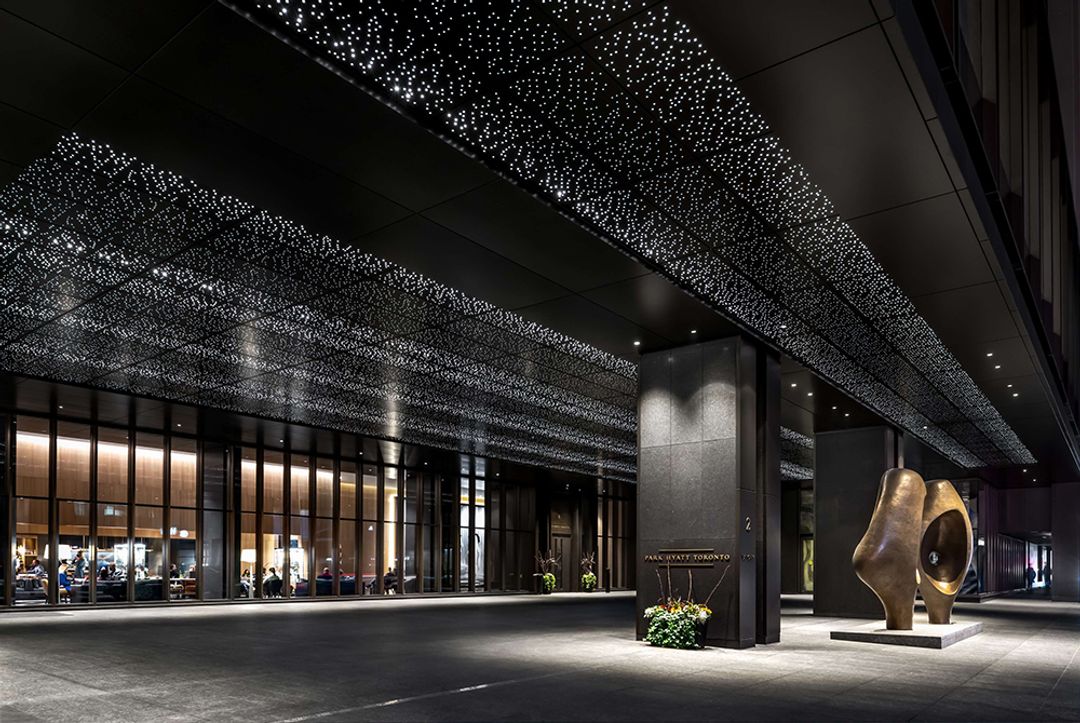
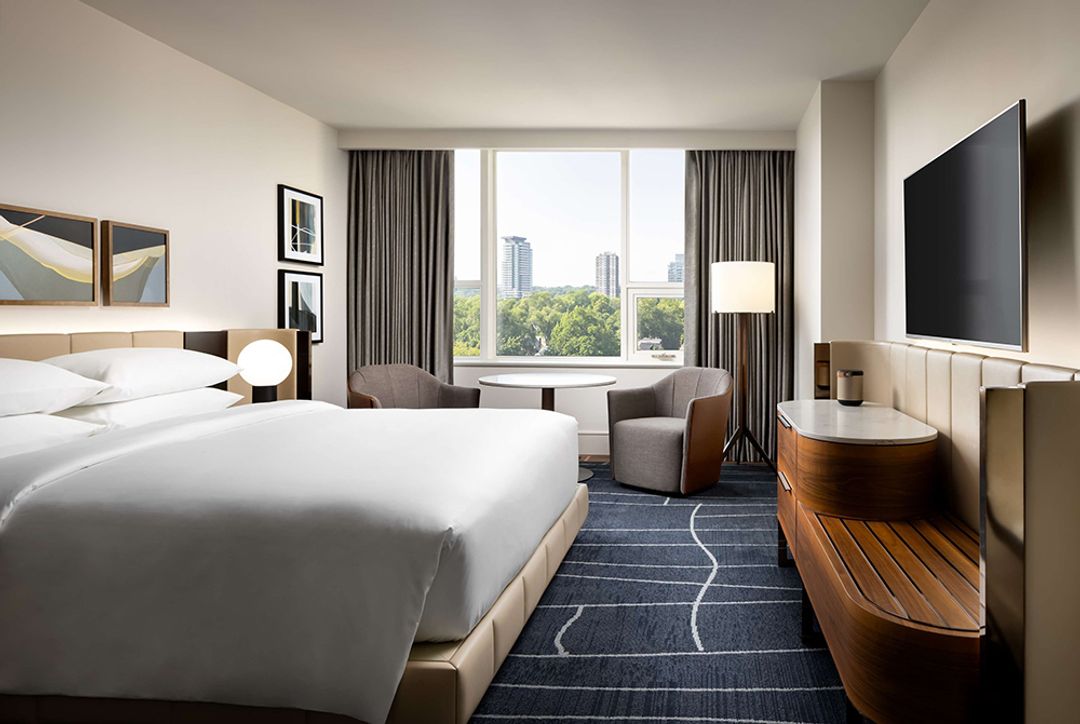
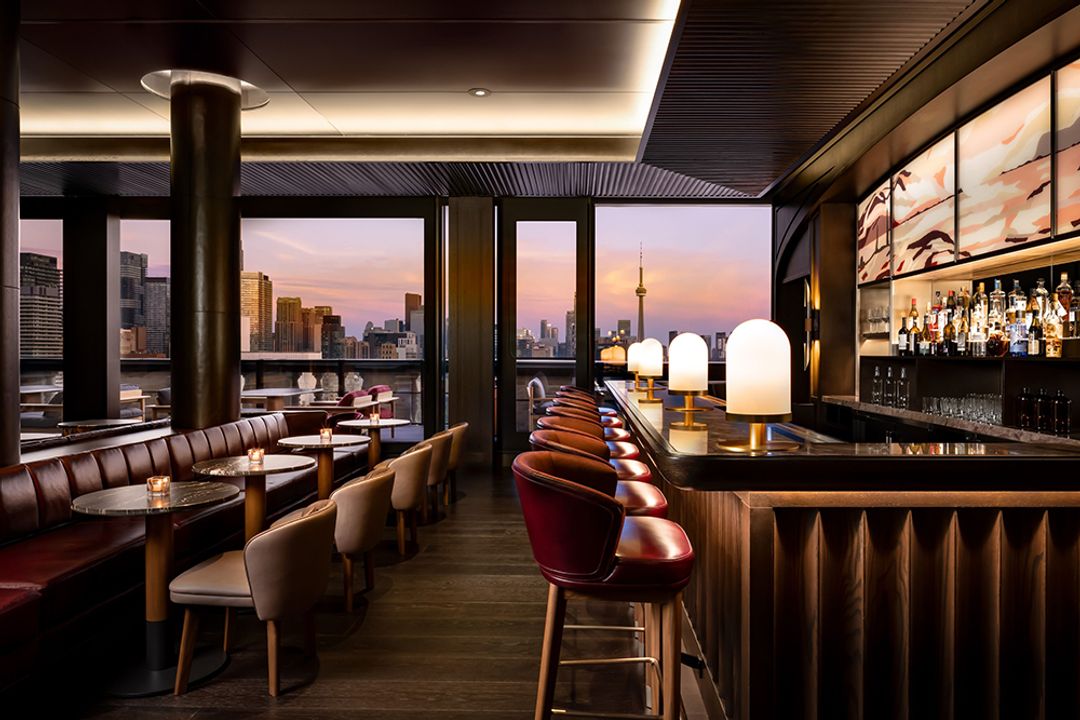
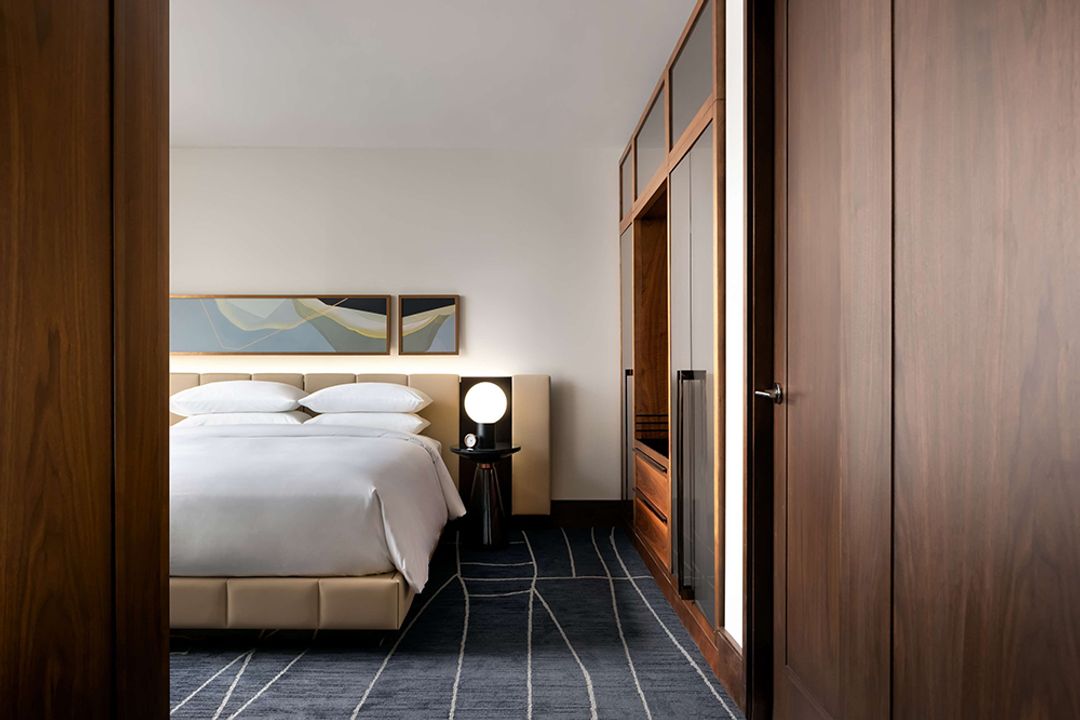
Toronto's hotel geography tends to cluster around two very different ideas of what the city wants to be. Yorkville, the neighborhood that traded its 1960s bohemian identity for expensive boutiques and gallery spaces, now anchors the city's most concentrated run of high-end accommodation. The Four Seasons Toronto, which opened in 2012 on Bay Street in a tower designed by Zeidler Partnership Architects, brought a kind of polished verticality to the neighborhood that the Park Hyatt, sitting at the corner of Avenue and Bloor since 1947, had never attempted. The Park Hyatt's 2021 renovation restored something of its mid-century gravitas while updating its interiors, and the rooftop Writers Room bar remains one of the better perches in the city. The Hazelton, tucked one block off Yorkville Avenue, is smaller and more discreet, oriented toward the Mira Godard Gallery crowd and the private-dining instinct rather than convention business.
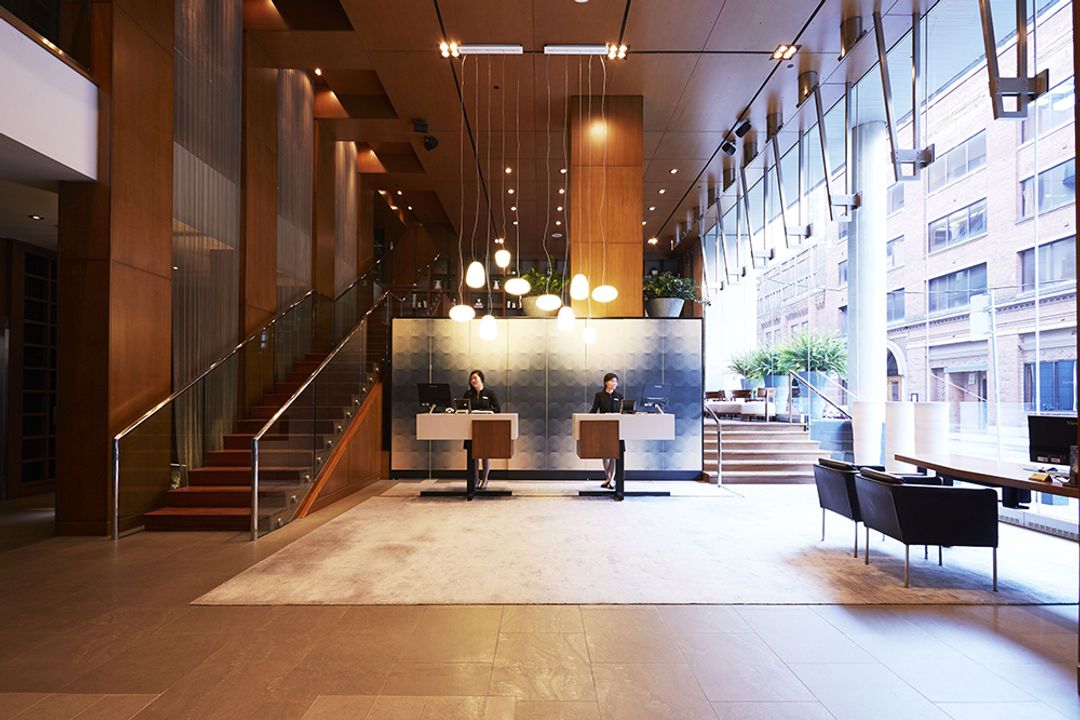
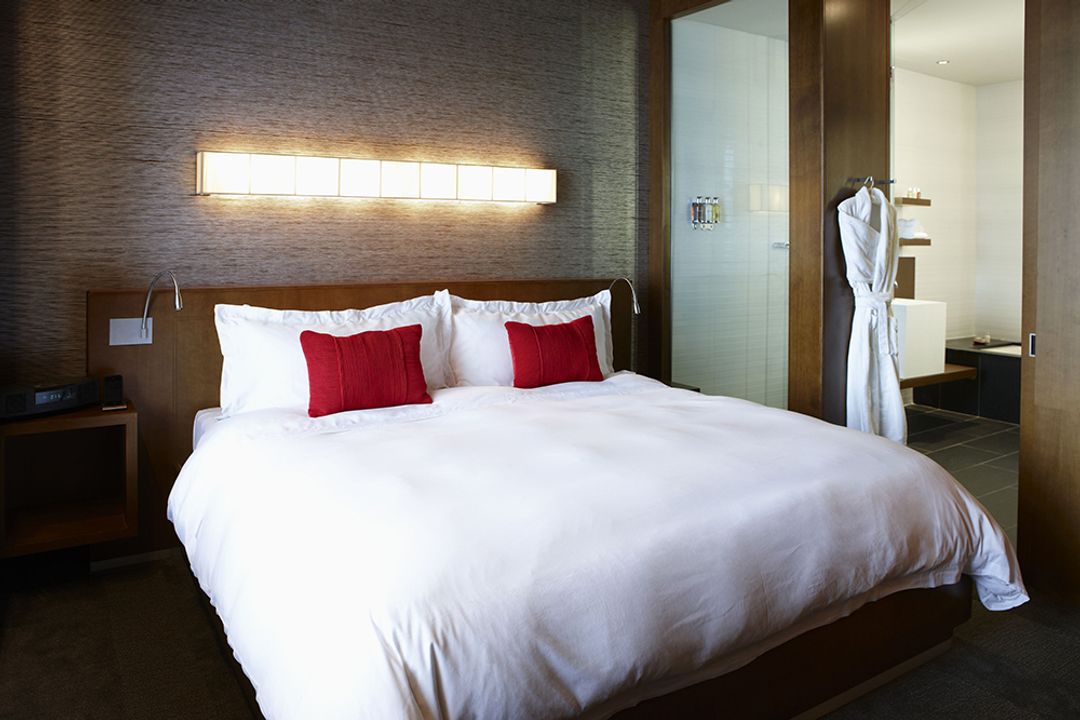
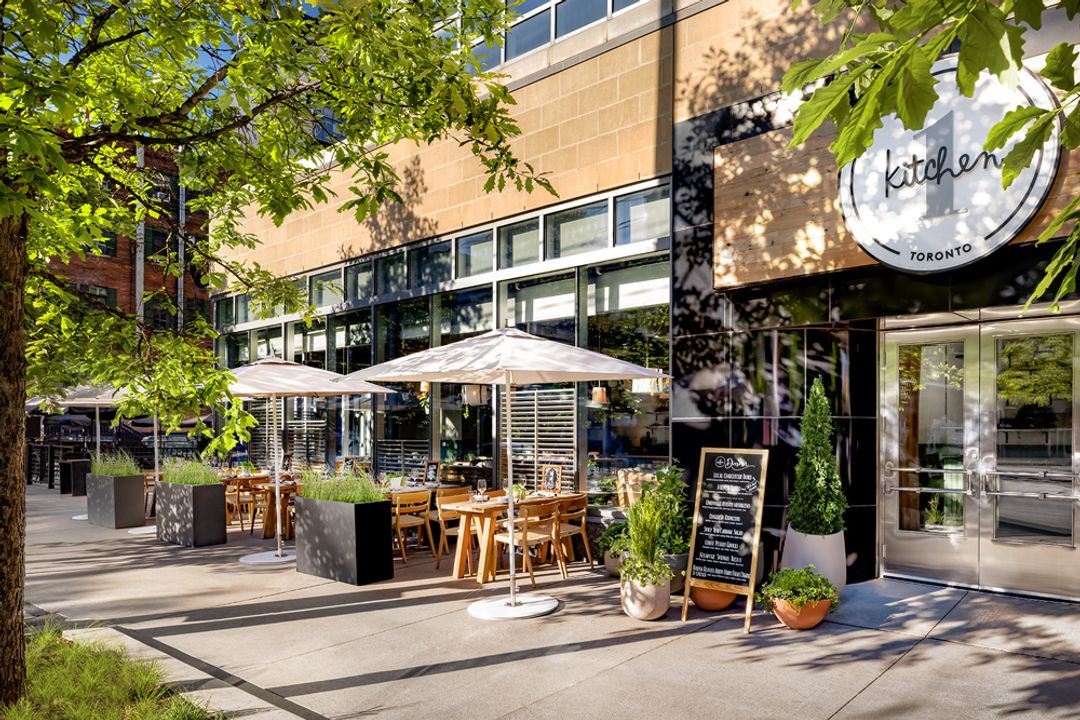
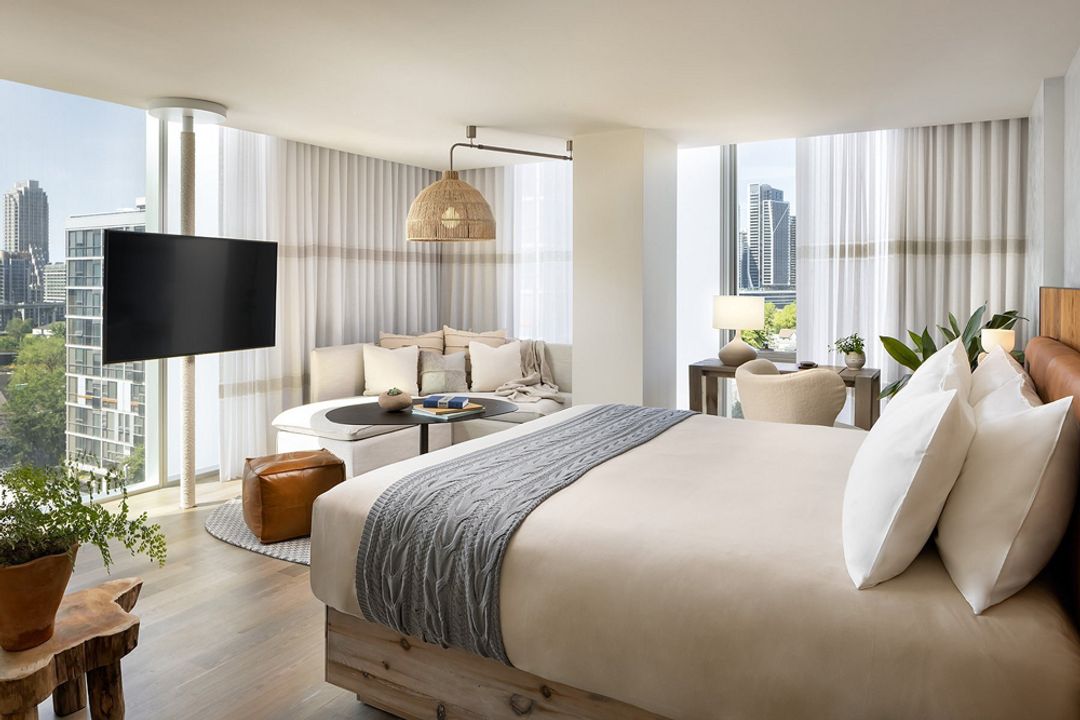
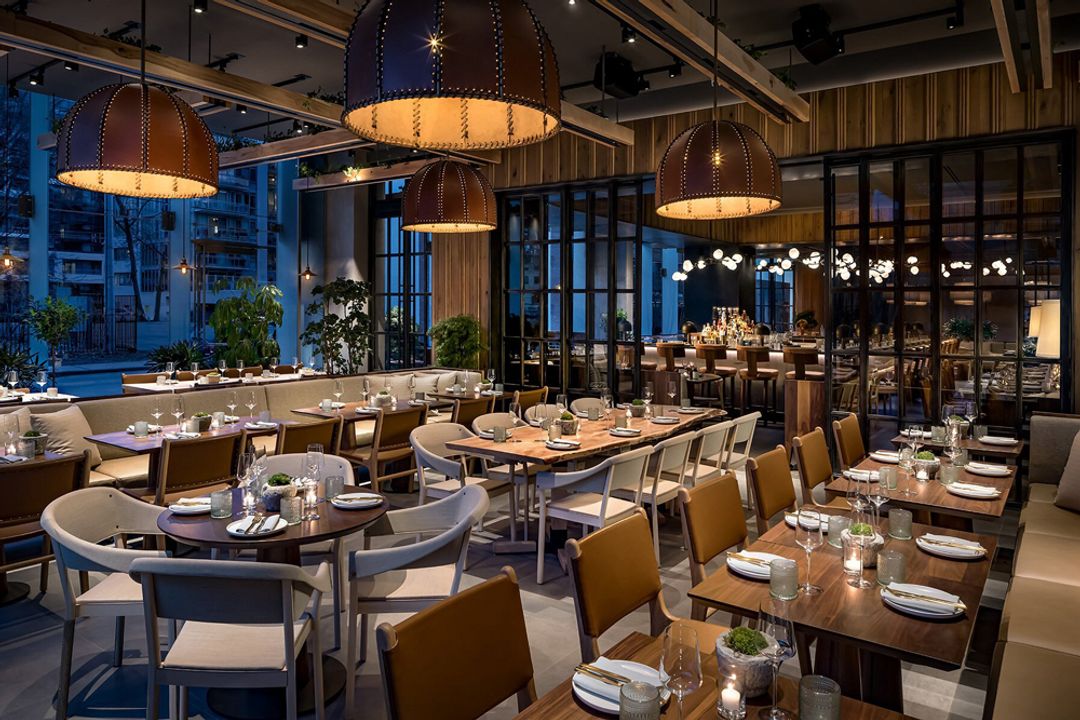
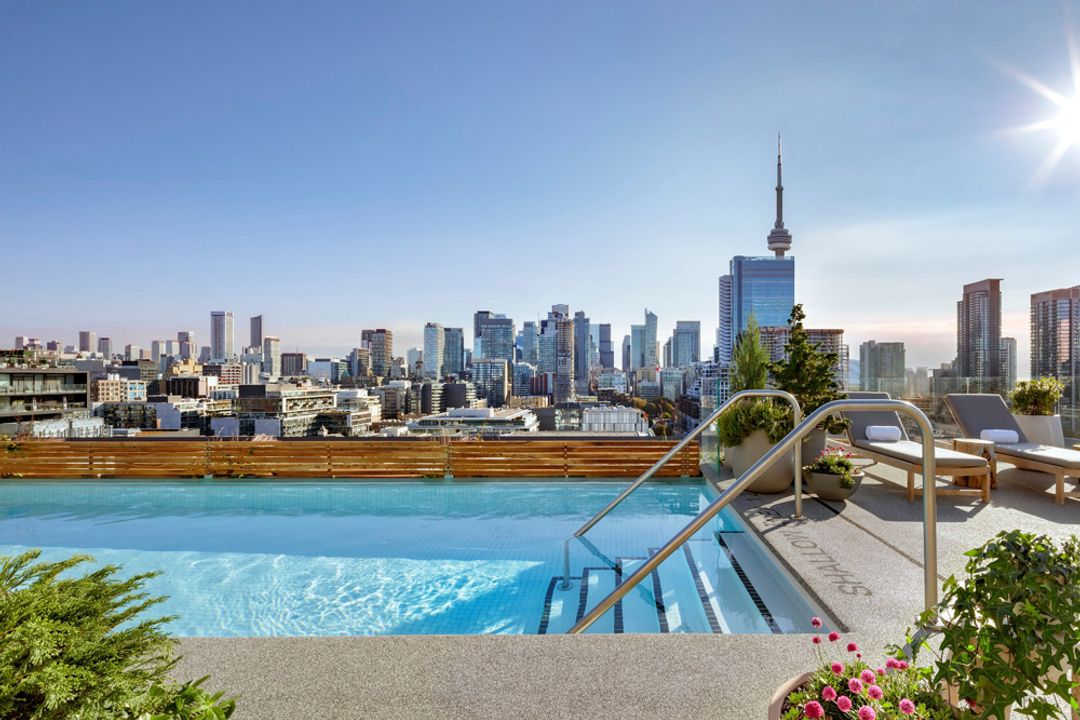
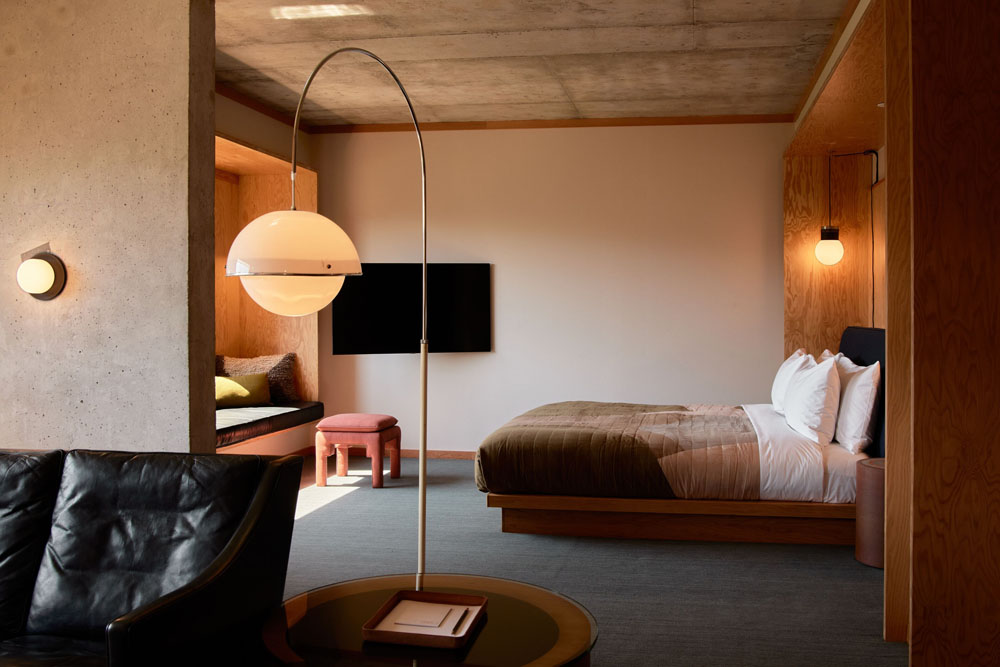
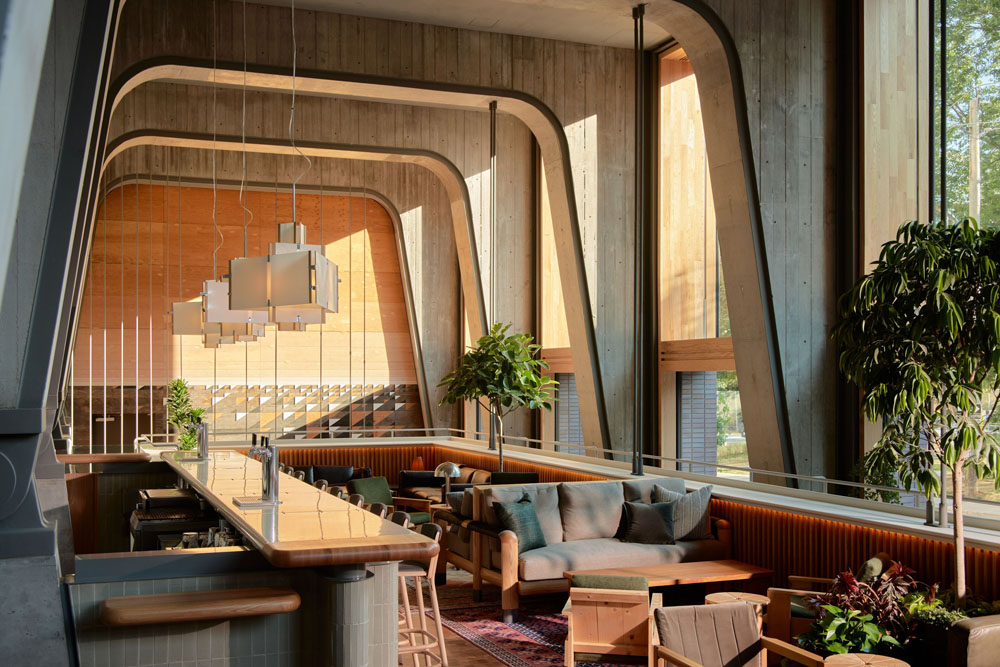
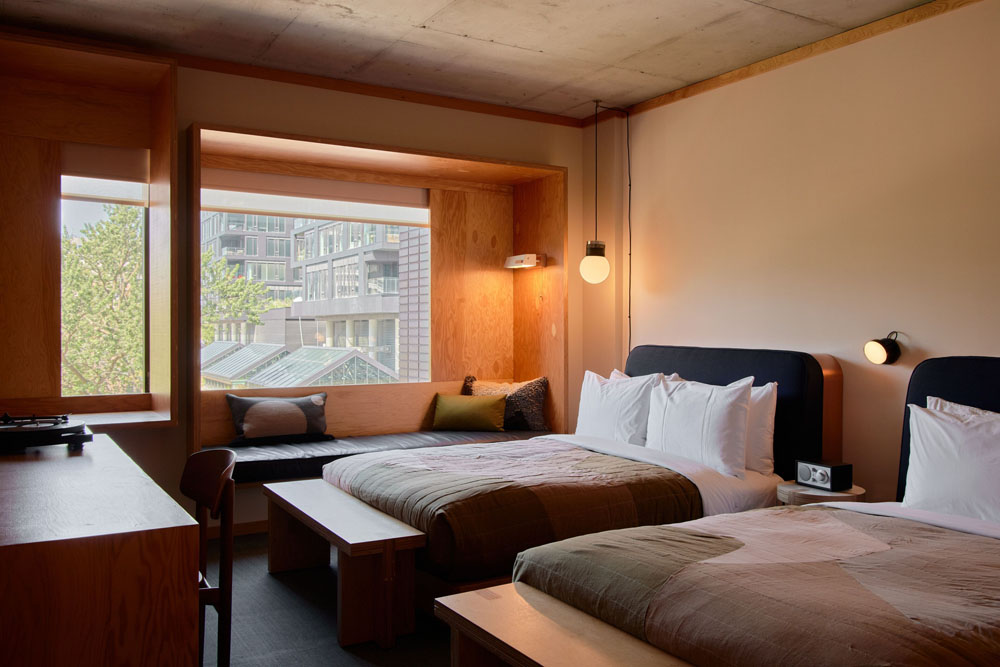
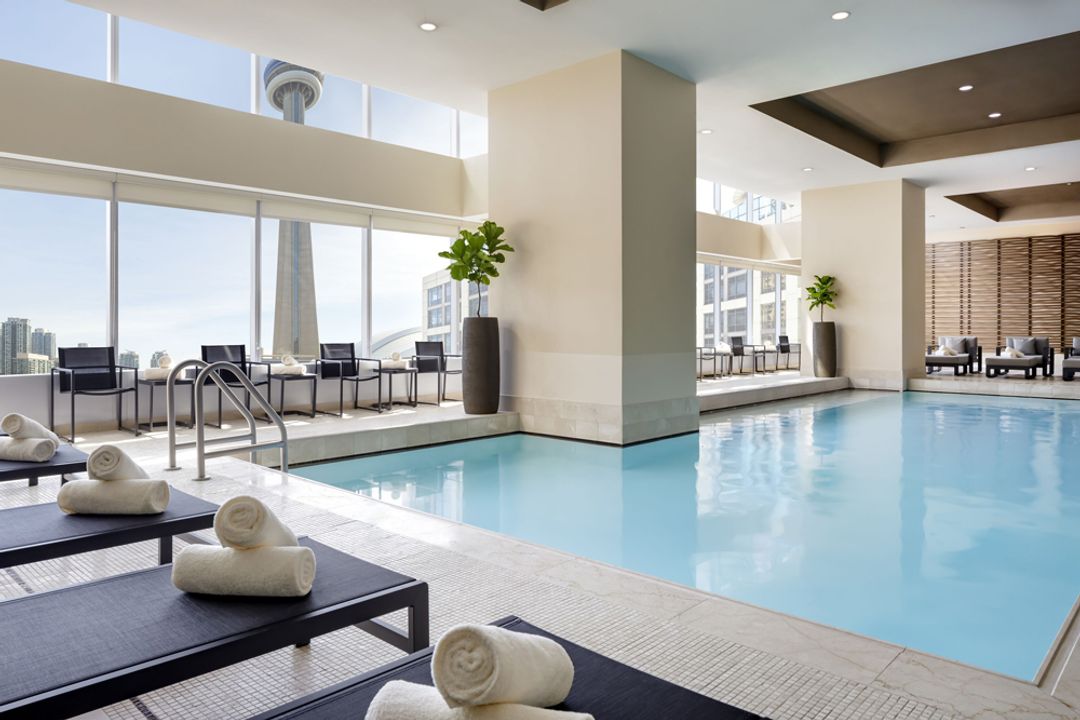
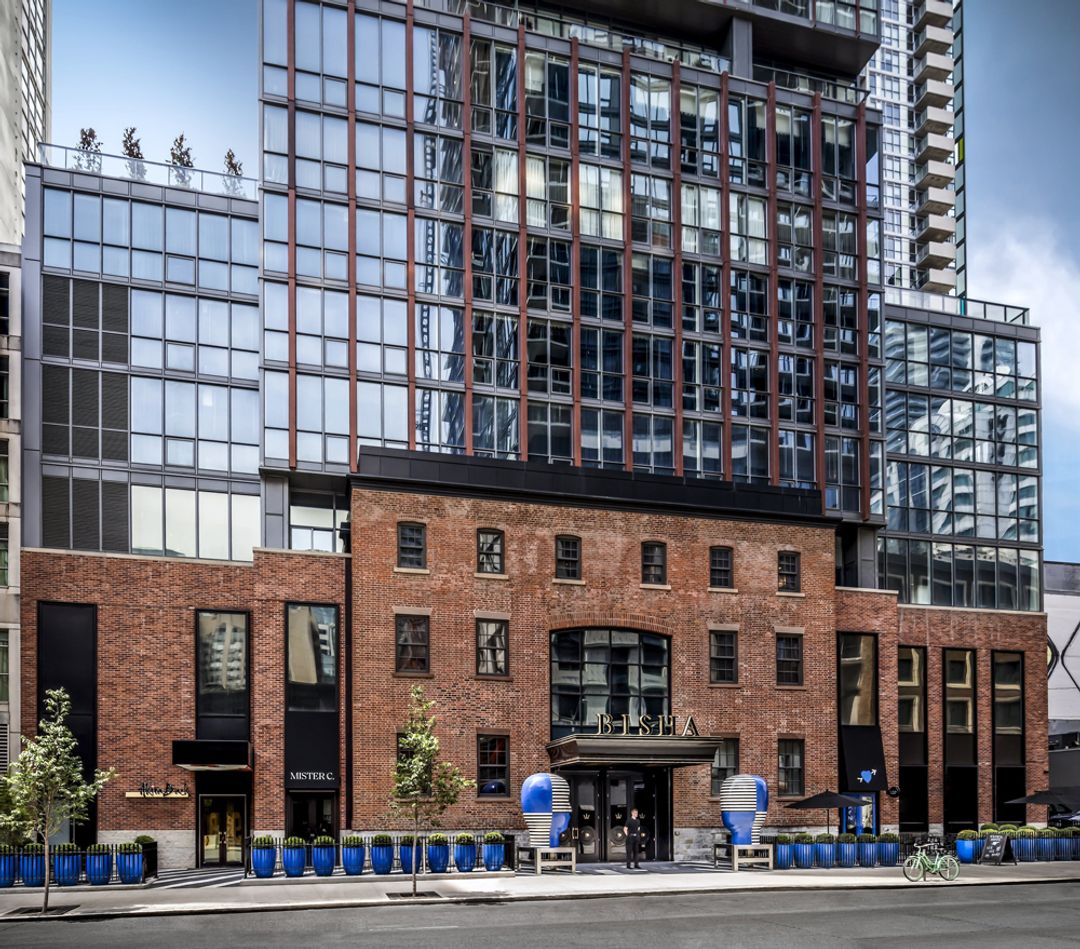
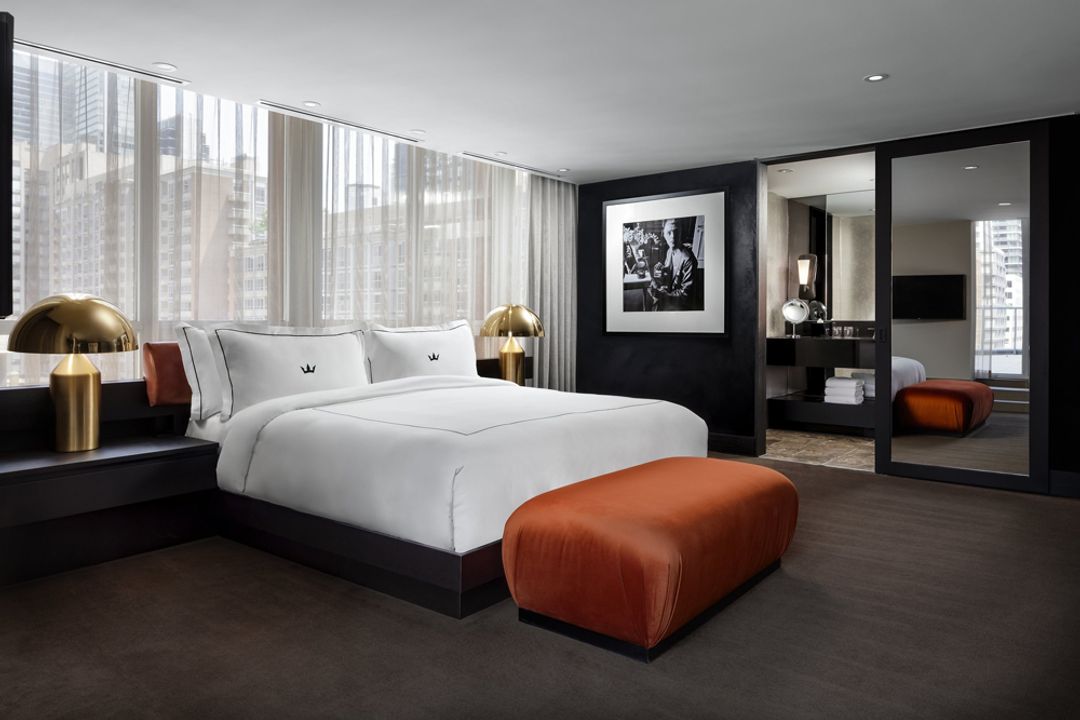
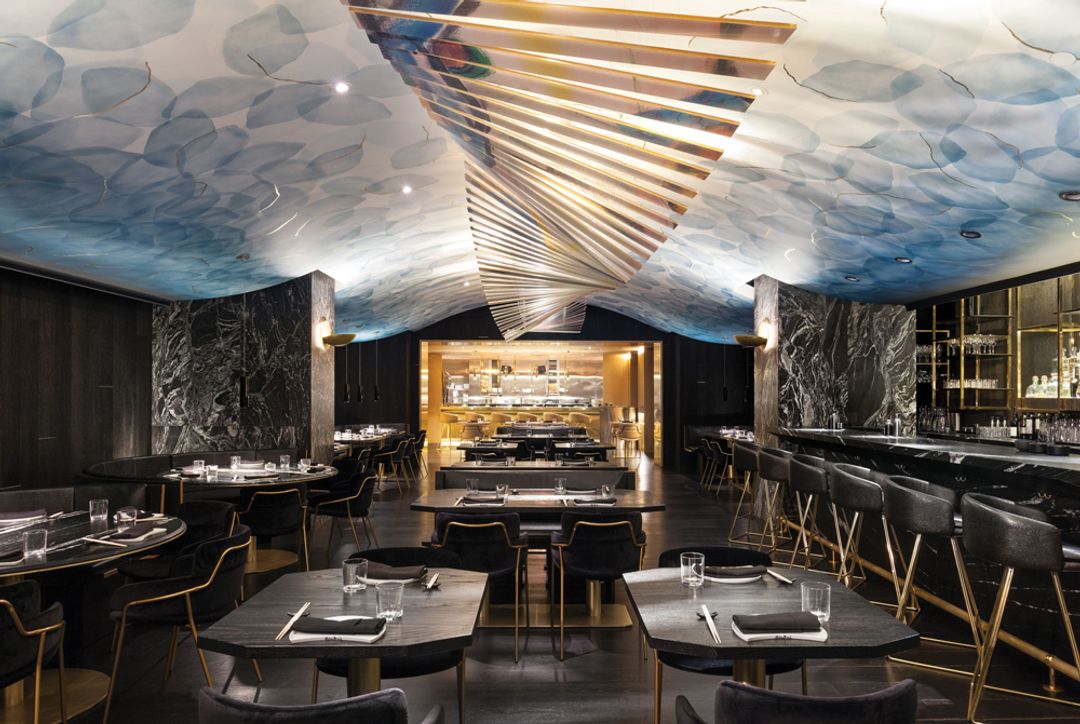
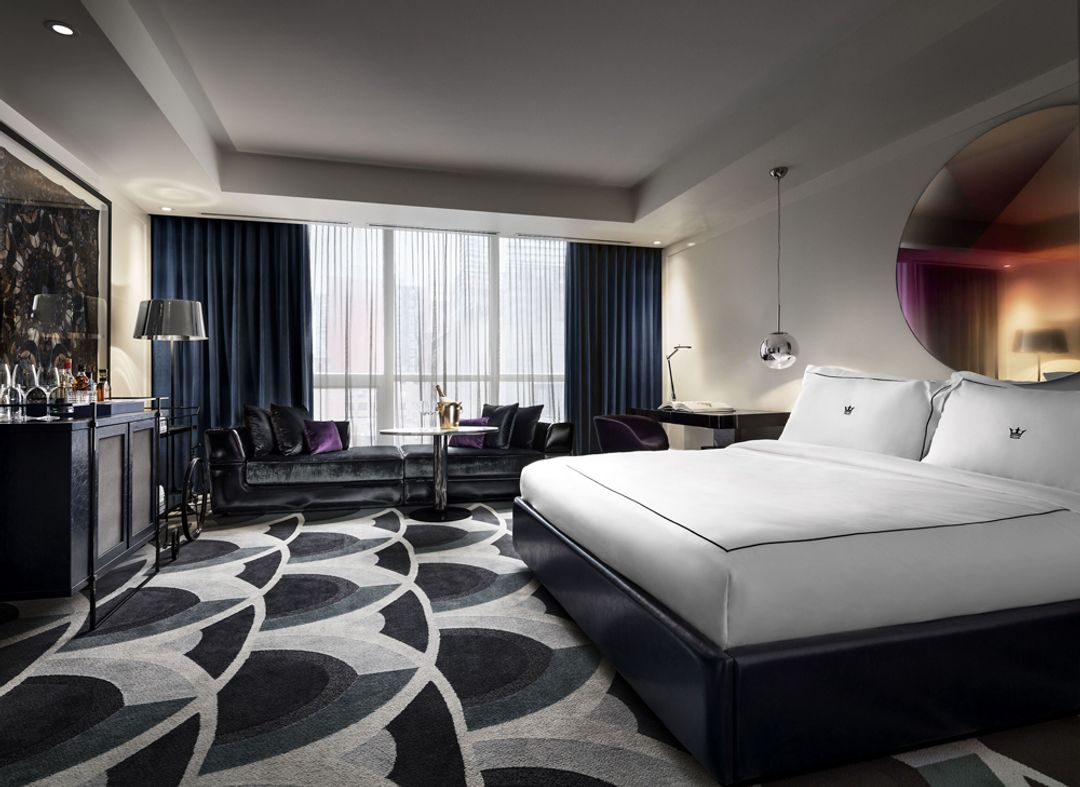
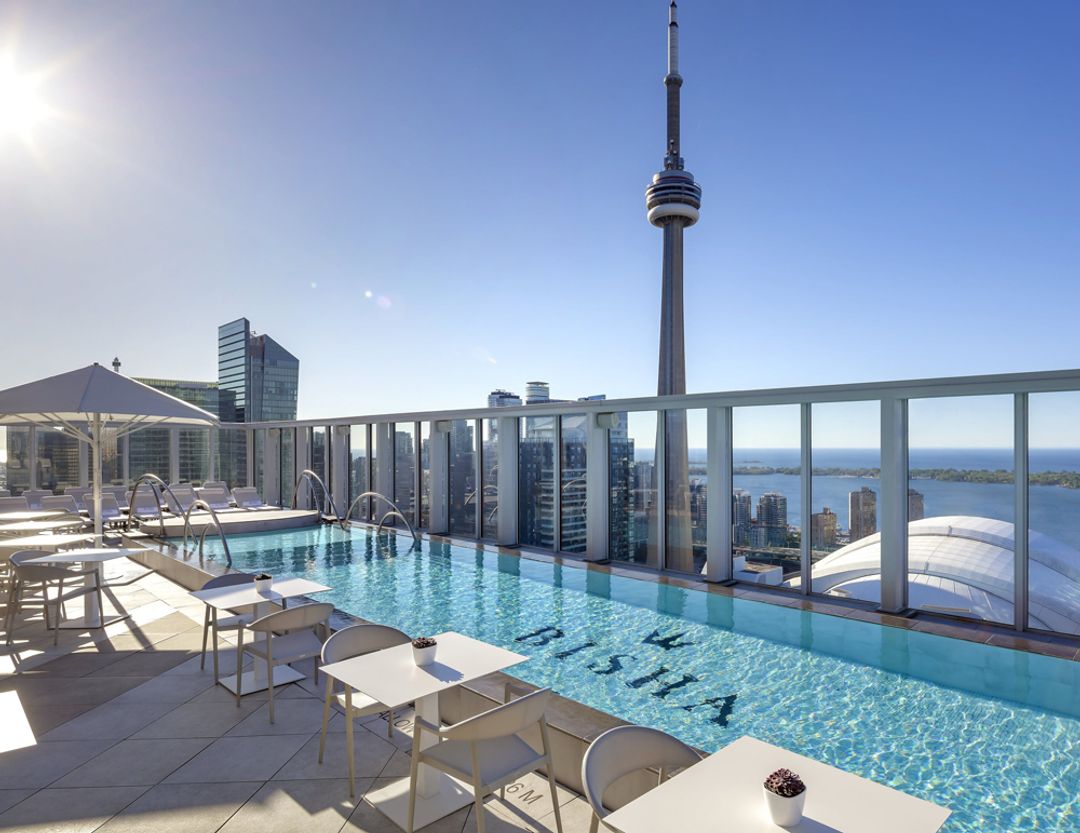
Downtown west, the Entertainment District and its immediate neighbors pull in a different direction entirely. Le Germain, the Quebec-based group that operates two properties in the area, brings a distinctly Canadian sensibility to a neighborhood better known for pre-theater traffic and sports arena adjacency. Its Mercer Street location in particular holds its own architecturally, occupying a conversion that suits the group's preference for warm materials and restrained service. The Ace Hotel Toronto, which opened in 2022 in the Garment District on Adelaide Street West, was designed by Shim-Sutcliffe Architects, one of Canada's most respected architecture practices, and the building is worth visiting for its raw concrete and Douglas fir interior regardless of whether you're staying. BISHA, designed in part with interiors by Ink Entertainment, aims for a louder frequency and largely delivers it to the rooftop pool crowd. The 1 Hotel Toronto on King West works a biophilic material palette, reclaimed wood and living walls, into a building that might otherwise read as another glass-and-steel residential conversion.
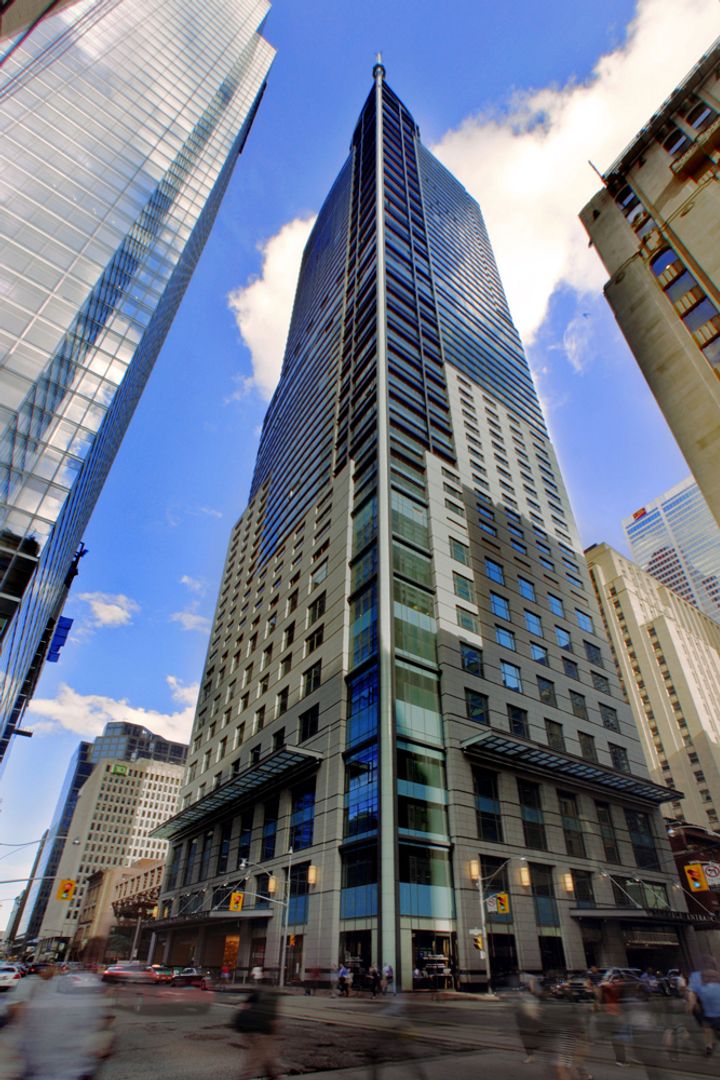
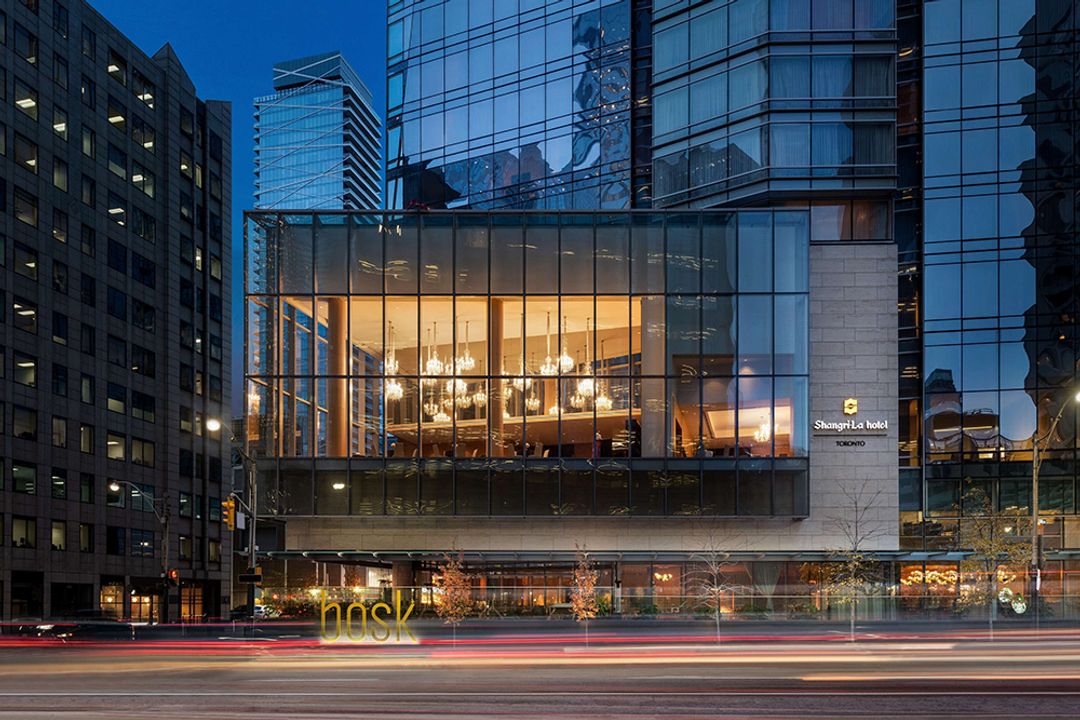
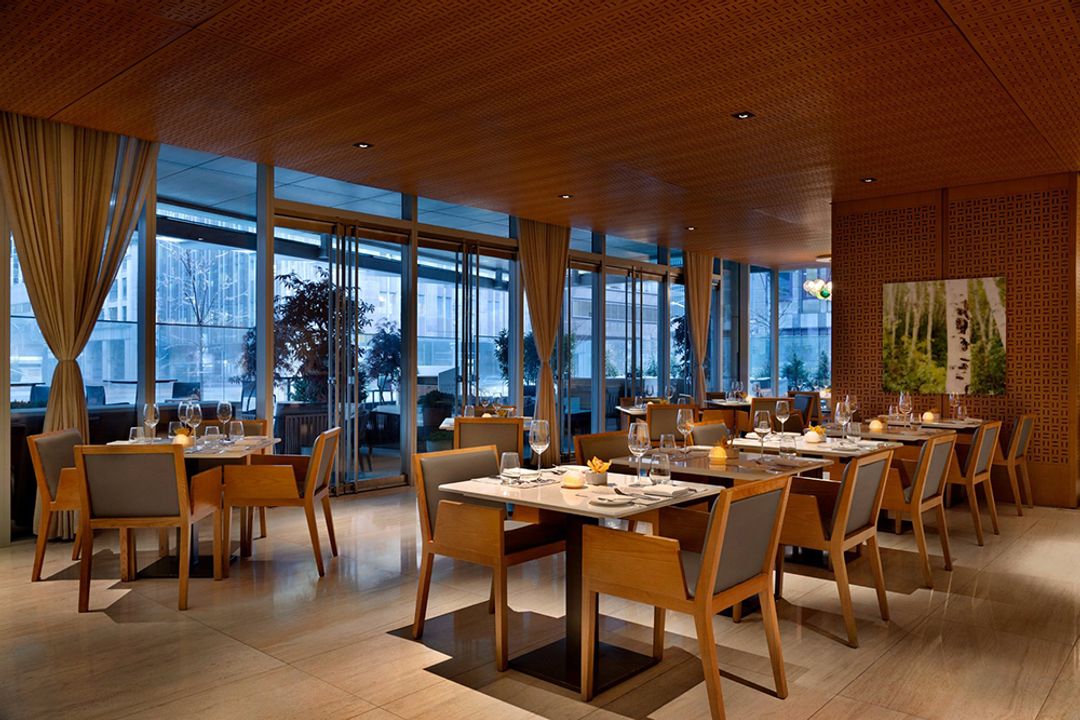
In the Financial District, the Shangri-La and the St. Regis occupy towers that prioritize volume and vertical address over neighborhood rootedness, which is honest enough given that the Financial District asks little of pedestrians. For a traveler whose instinct is to notice materials and street-level presence rather than lobby scale, the Ace remains the most considered recent addition to the city's portfolio, and Yorkville the neighborhood that rewards an extended stay rather than a convenient one.