Best hotels in Kuala Lumpur, Malaysia | Visually Compare Top Stays Side-by-Side
Welcome to PressBeyond - a curated visual guide to design-driven hotels and the fastest way to compare them.
An Overview of the Boutique & Luxury Hotel Landscape in Kuala Lumpur, Malaysia
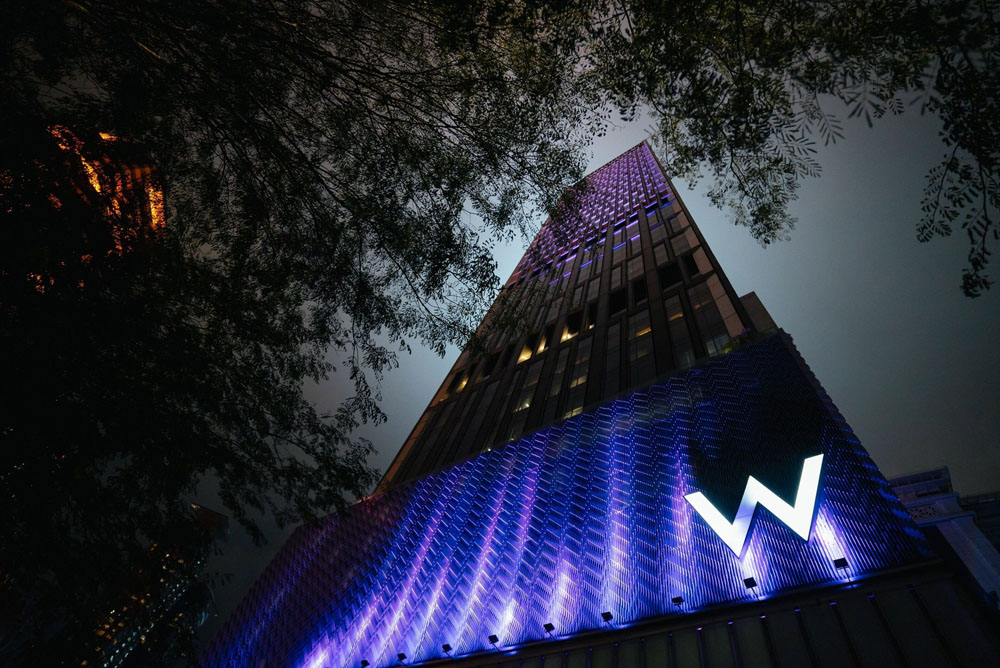
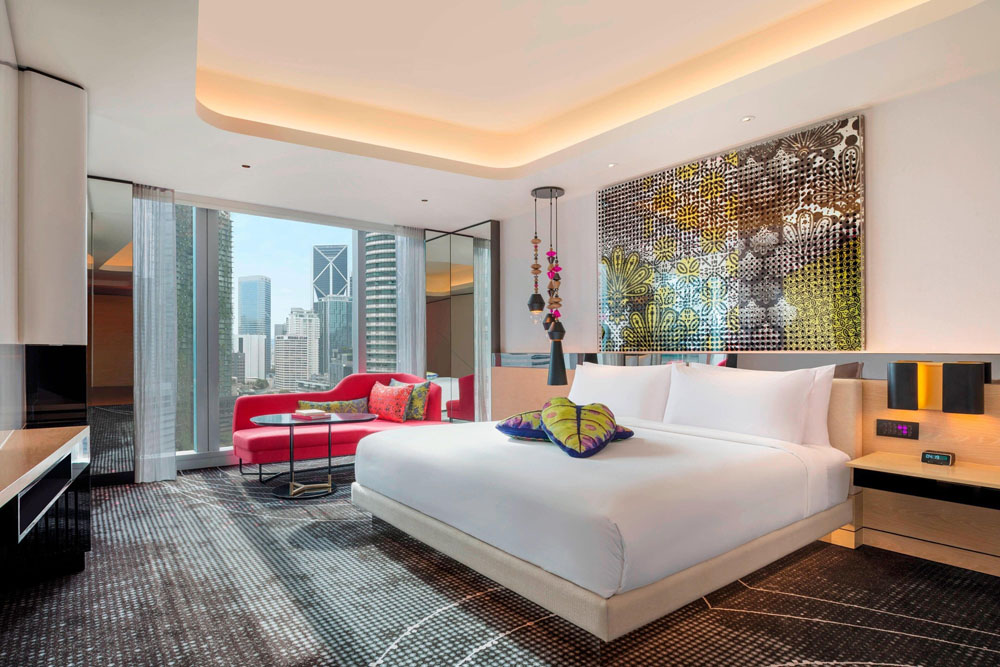
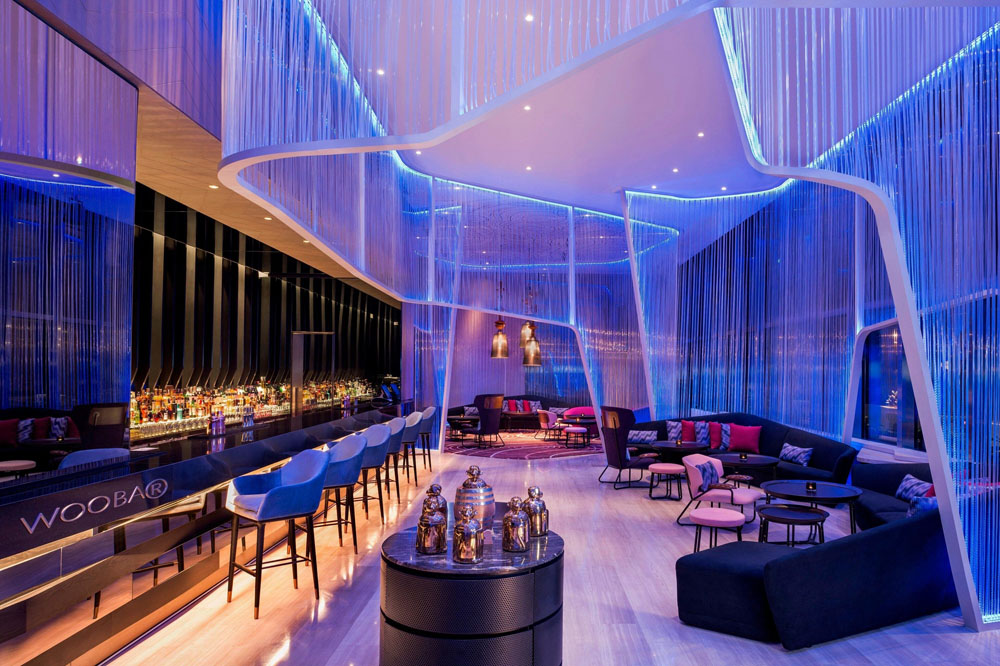
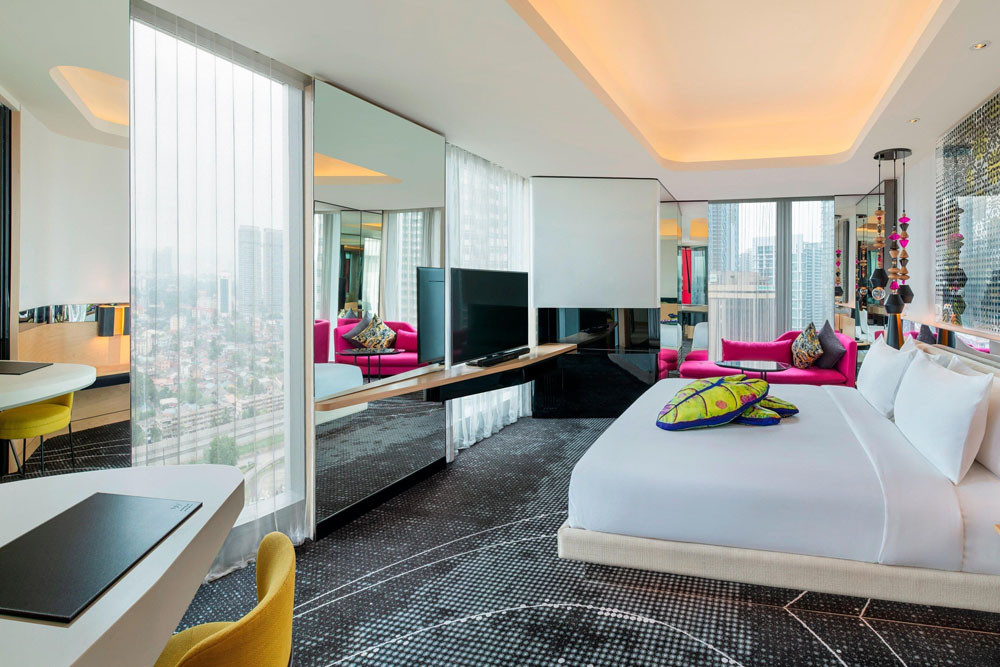
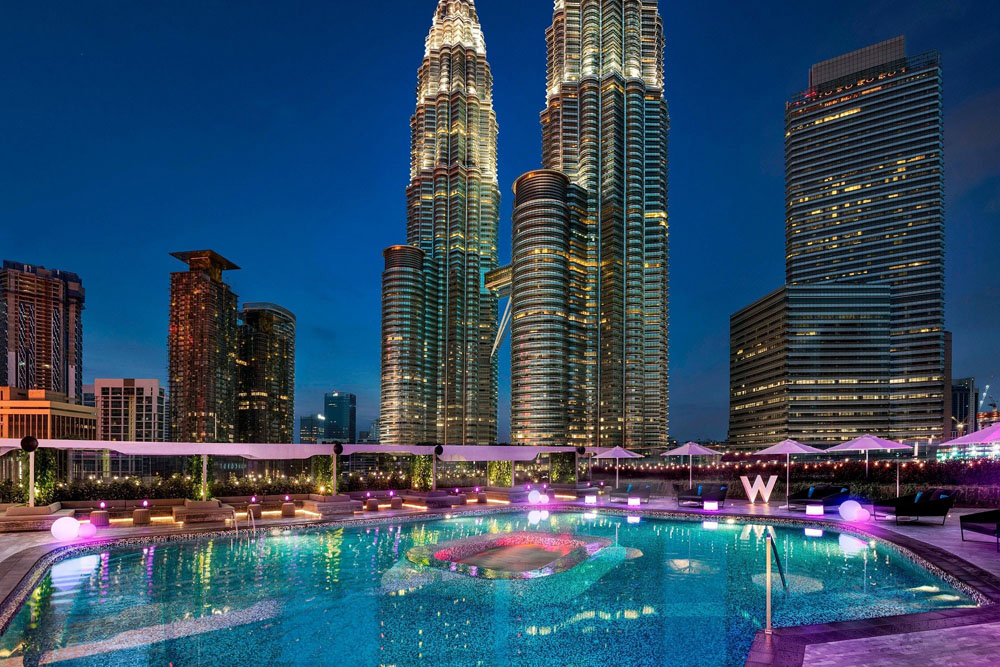
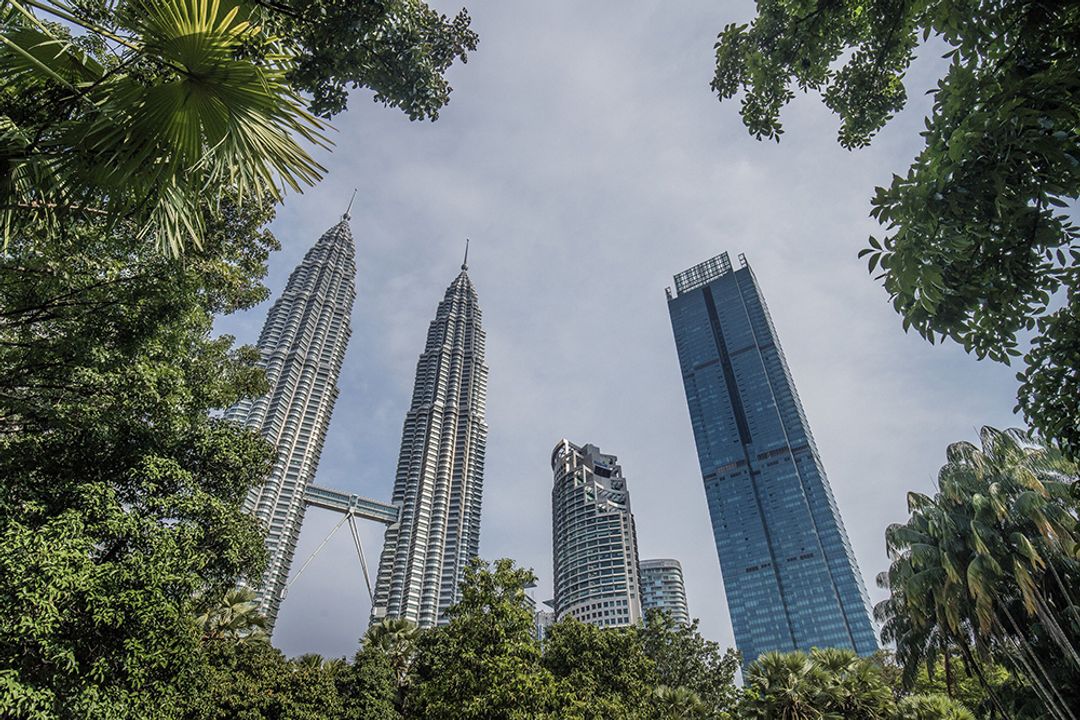
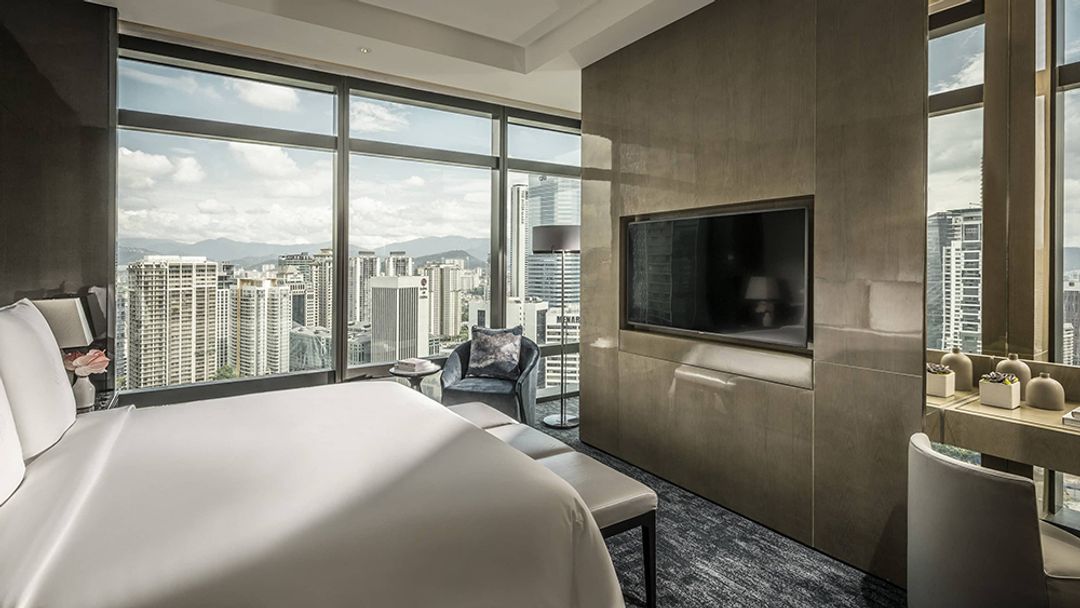
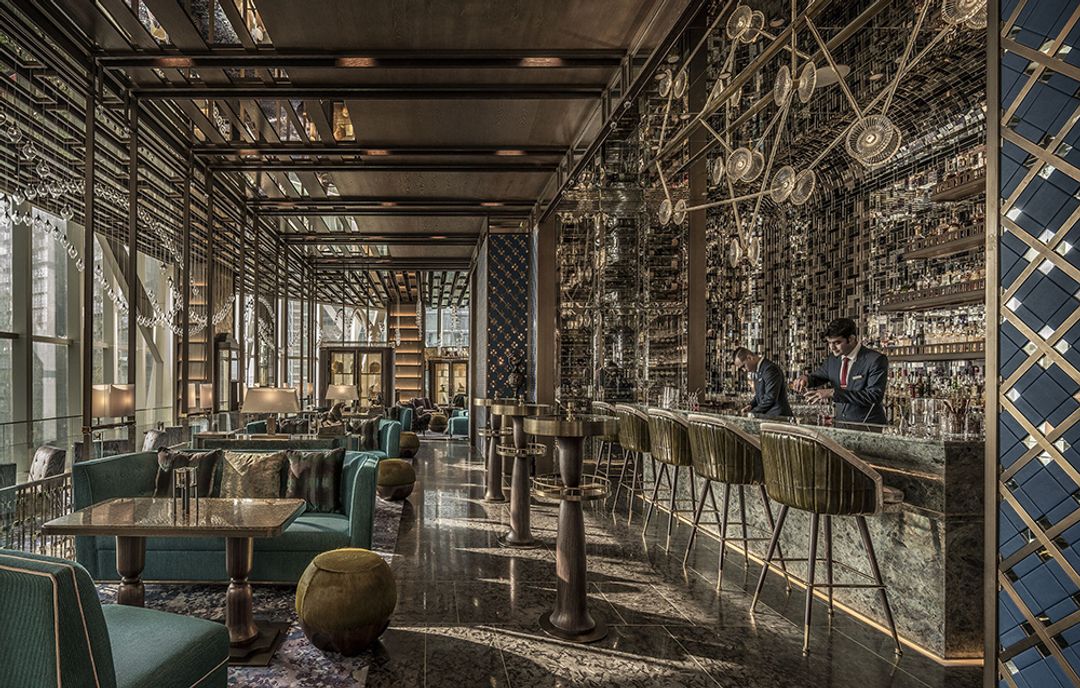
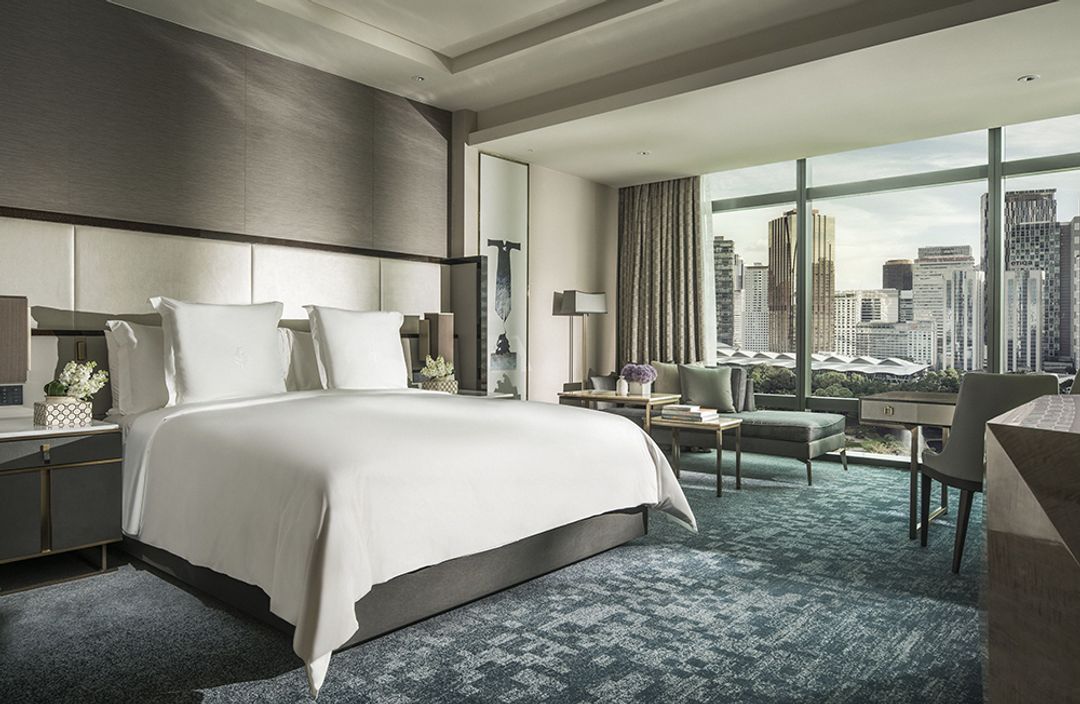
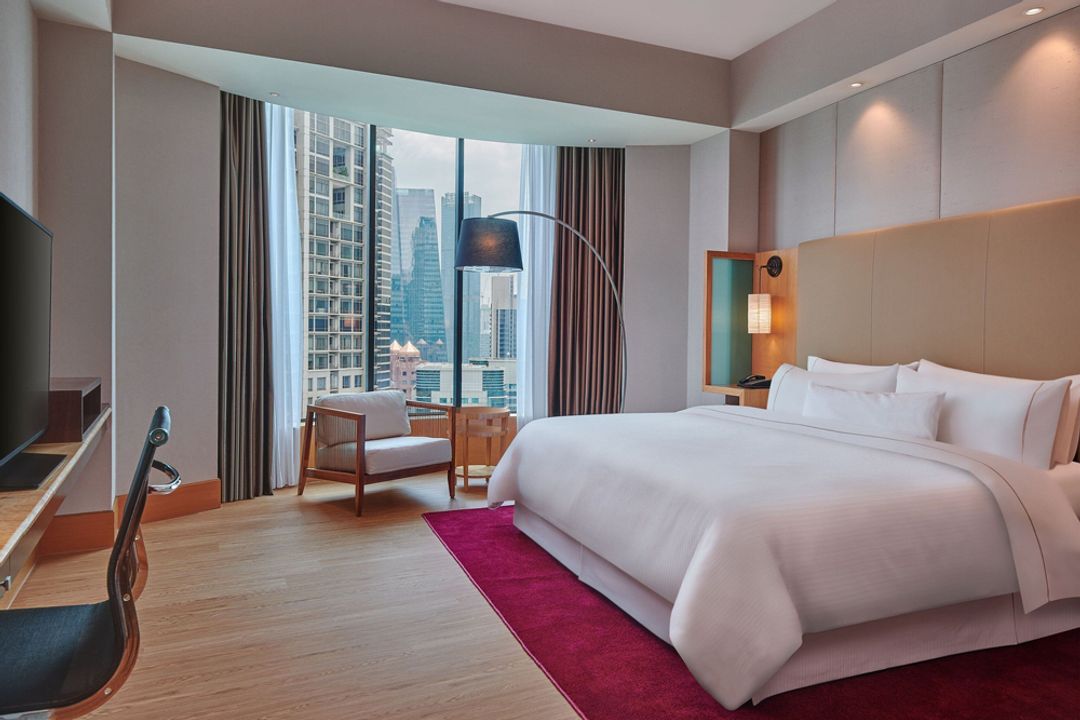
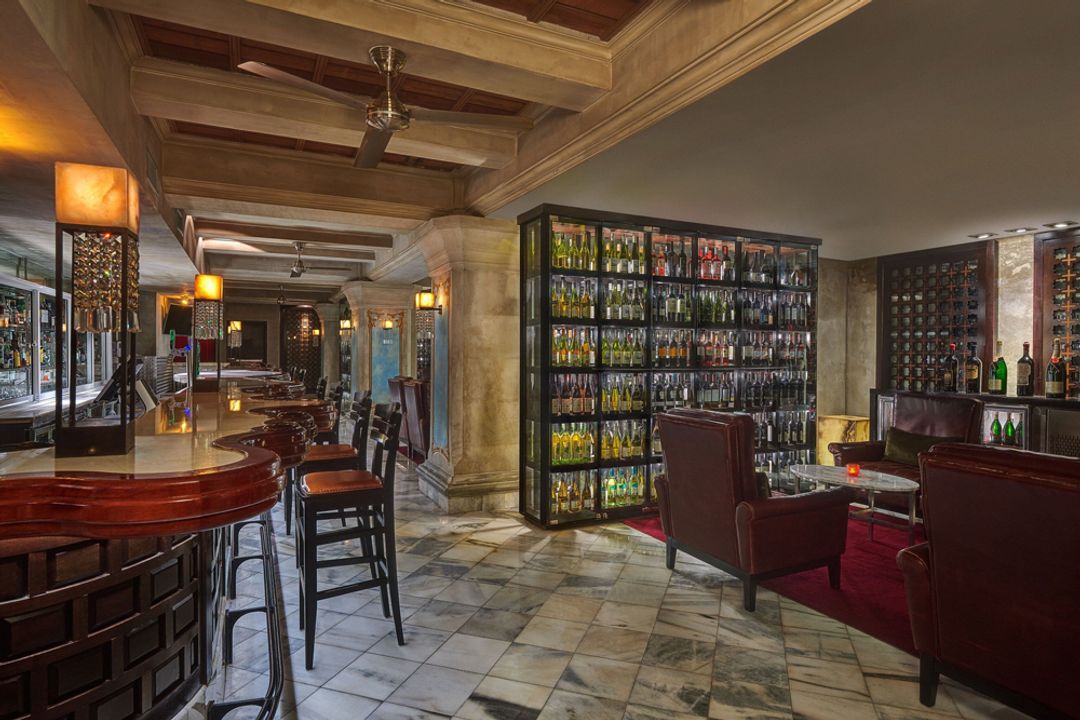
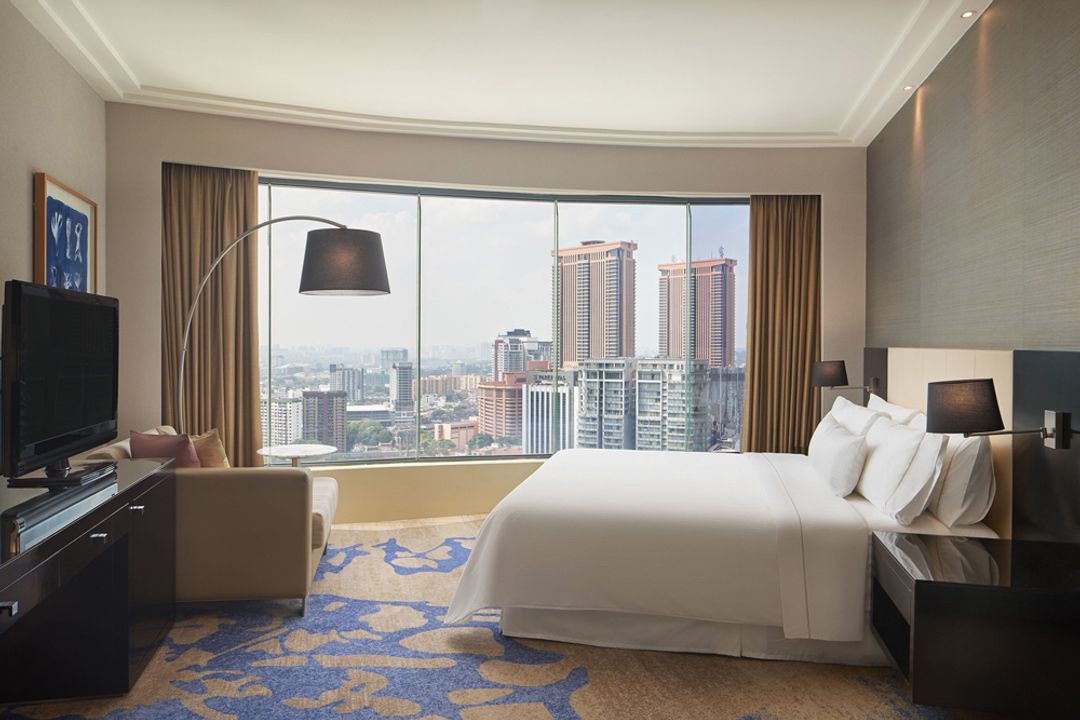
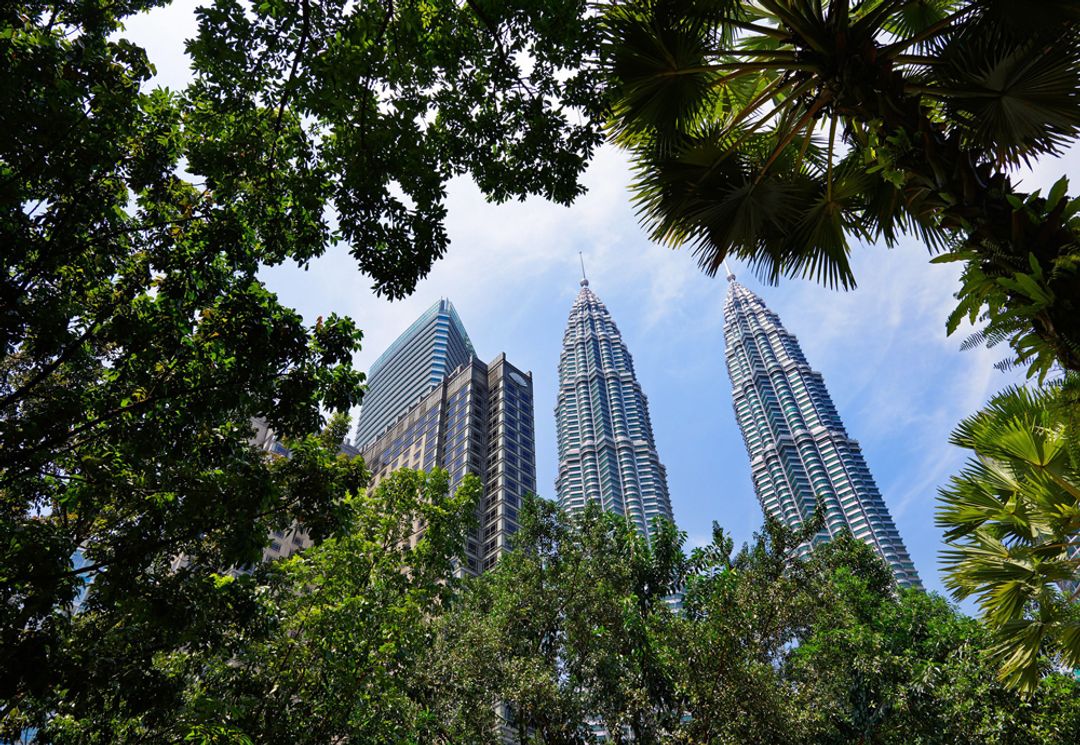
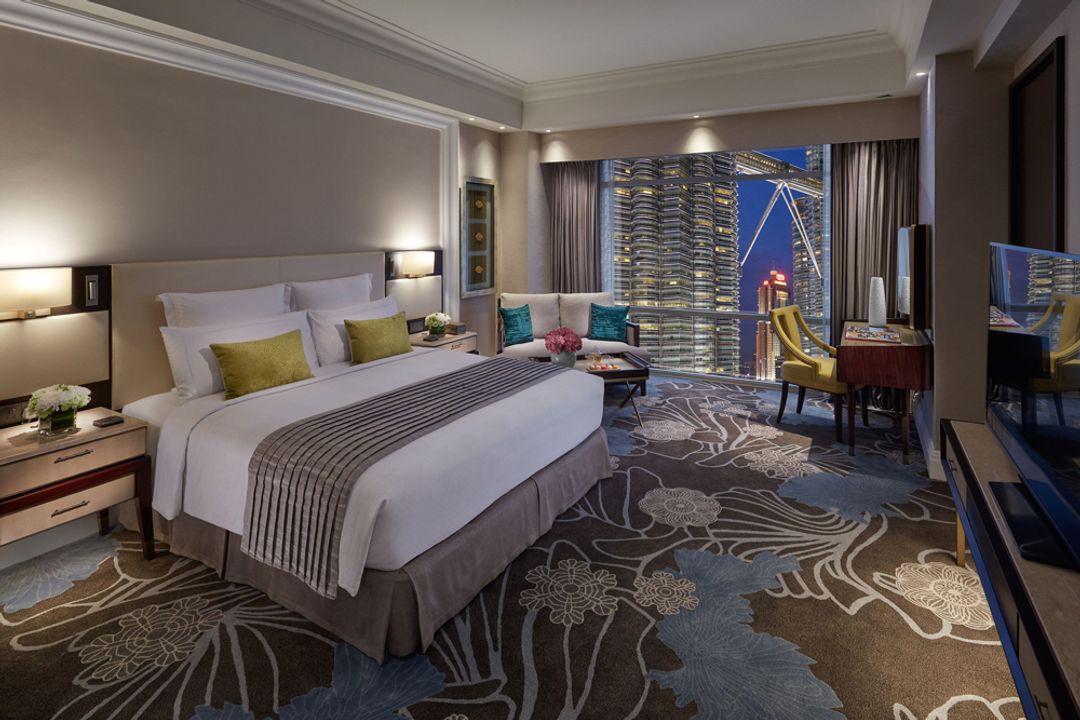
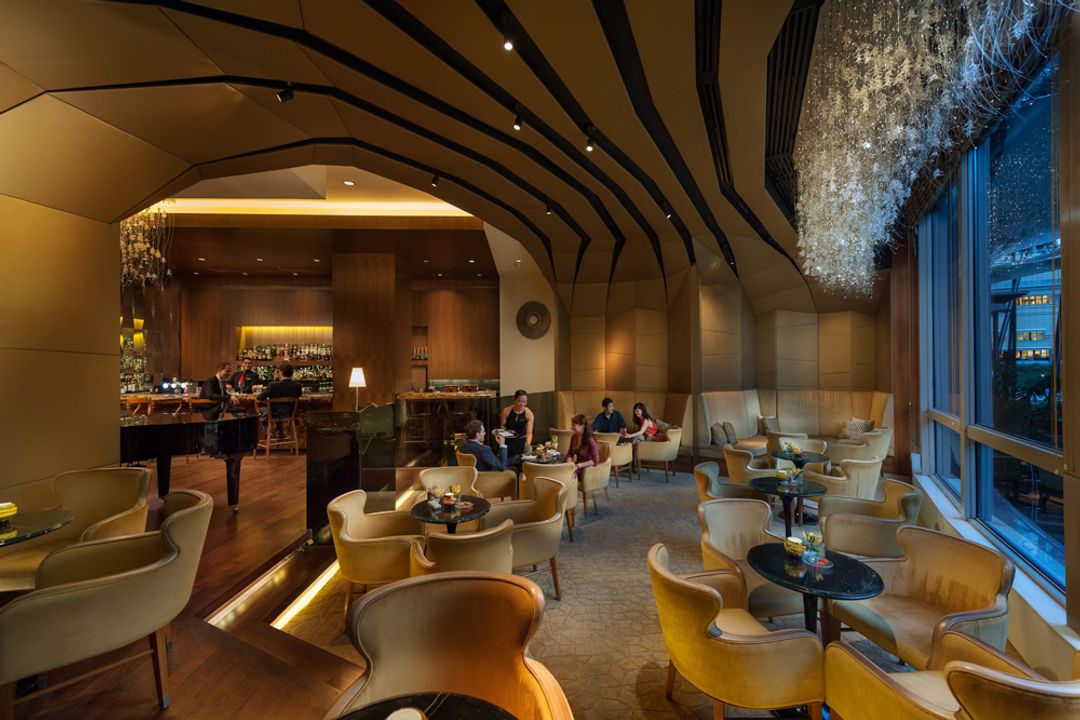
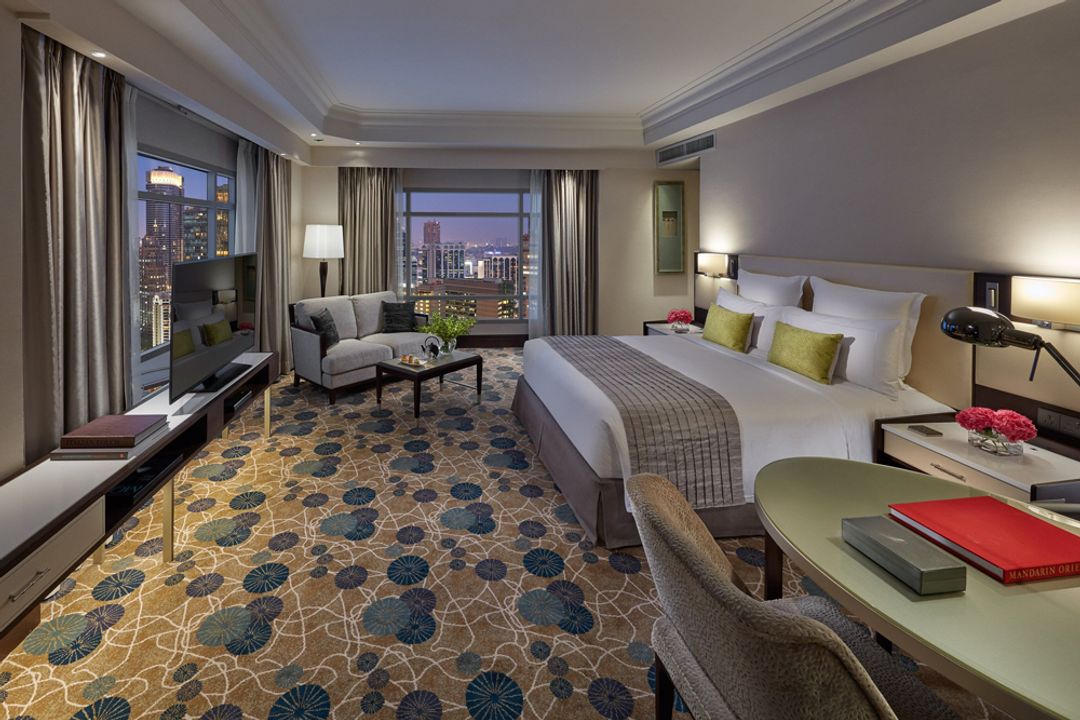
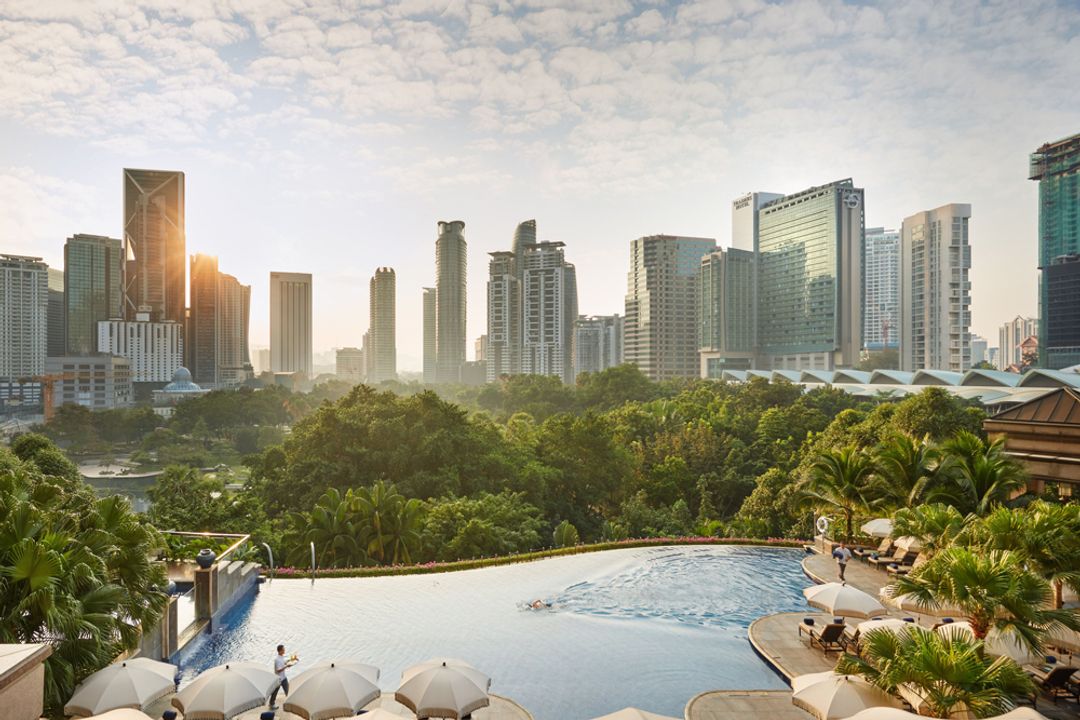
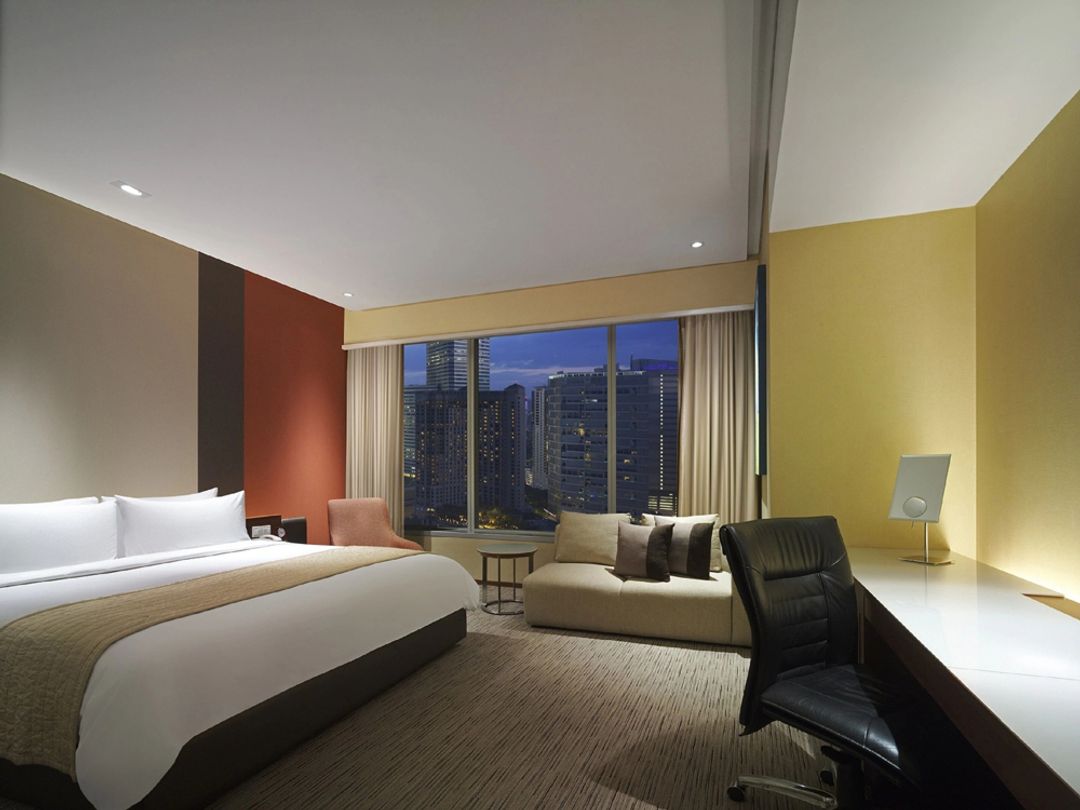
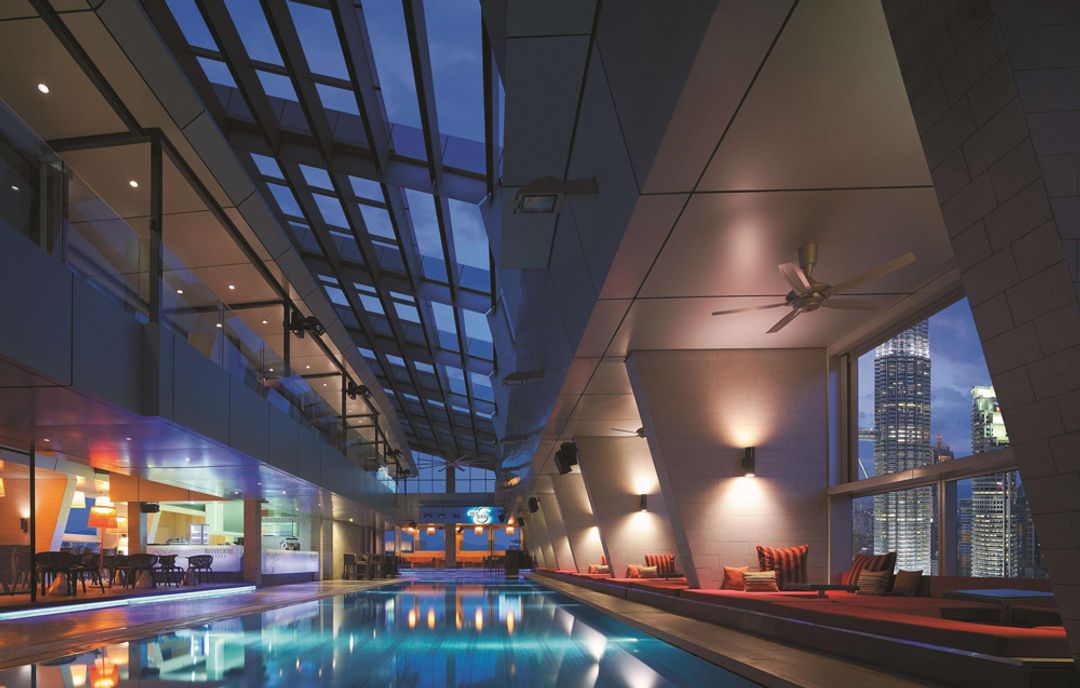
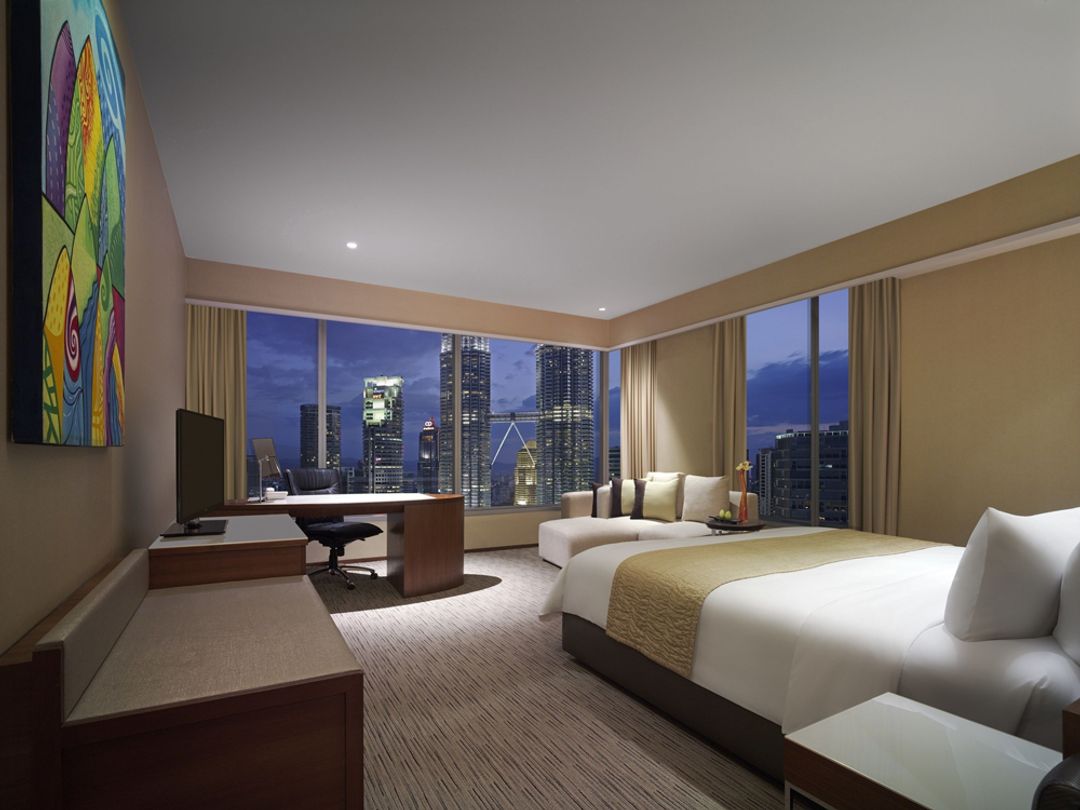
Kuala Lumpur builds upward with a particular restlessness, and nowhere is that impulse more concentrated than in the KLCC corridor, where the Petronas Towers still cast the longest shadow over the city's sense of itself. The hotels clustered here orient themselves to that skyline almost by reflex. The Mandarin Oriental sits at the base of the towers with direct views across the park, its interiors shaped by the kind of formal luxury that suits a business center at full throttle. The Four Seasons, part of the mixed-use development that includes Tower 2 of the Petronas complex and completed in 2018, is the most architecturally coherent of the new arrivals, with interiors by Pierre-Yves Rochon and a verticality that feels genuinely integrated into its surroundings rather than imposed on them. The W Kuala Lumpur, also in KLCC, pitches at a younger register, with the brand's characteristic heavy contrast and low lighting, while The RuMa, tucked just off Jalan Kia Peng, takes a quieter position, its interiors drawing on craft references and local material languages with more restraint than most of its neighbors.
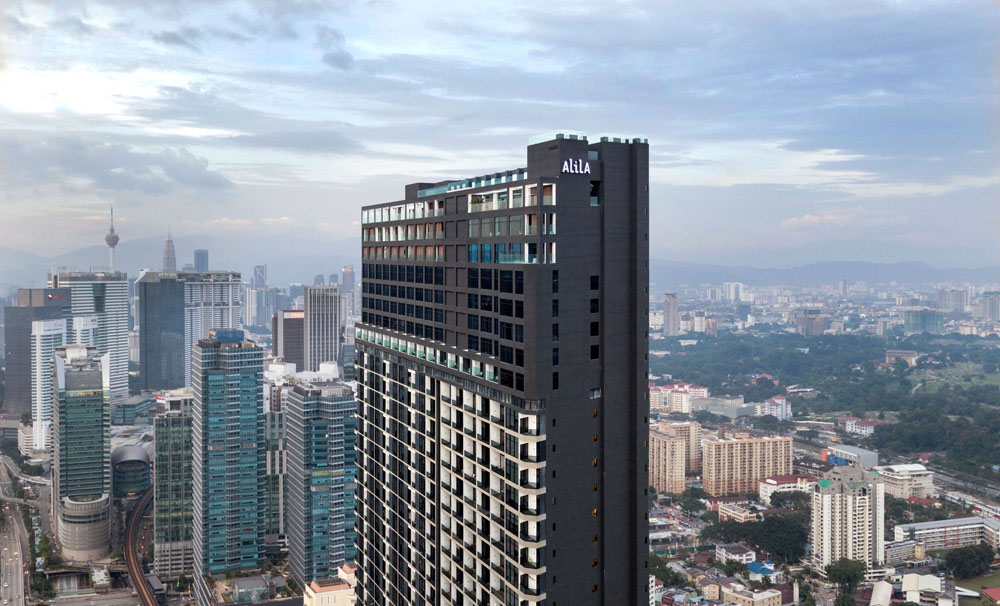
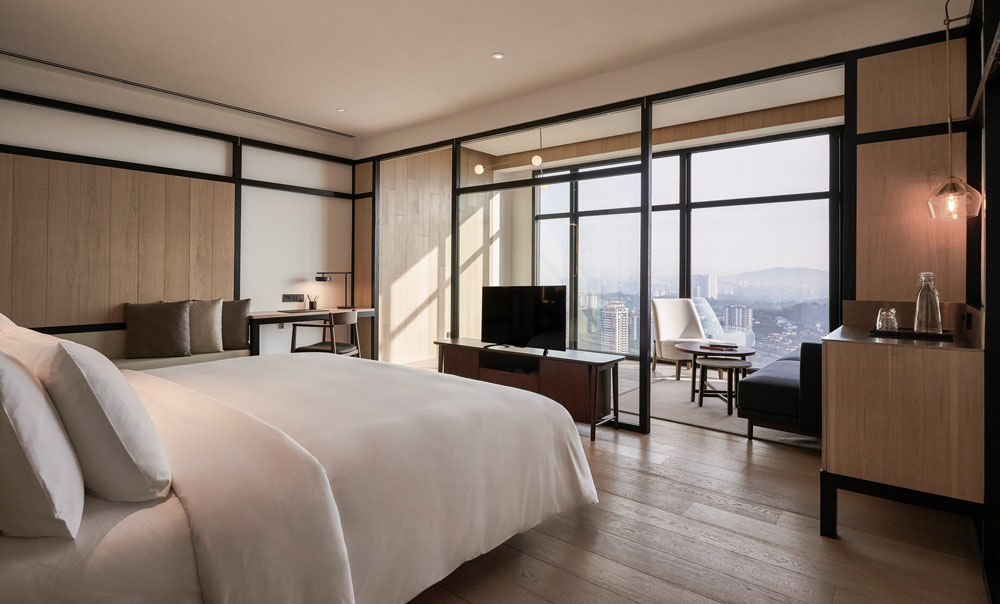
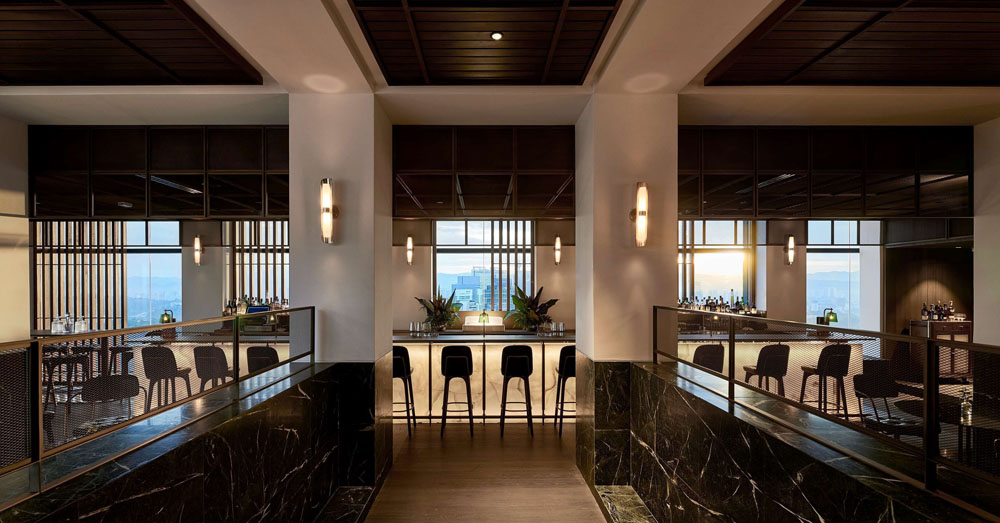
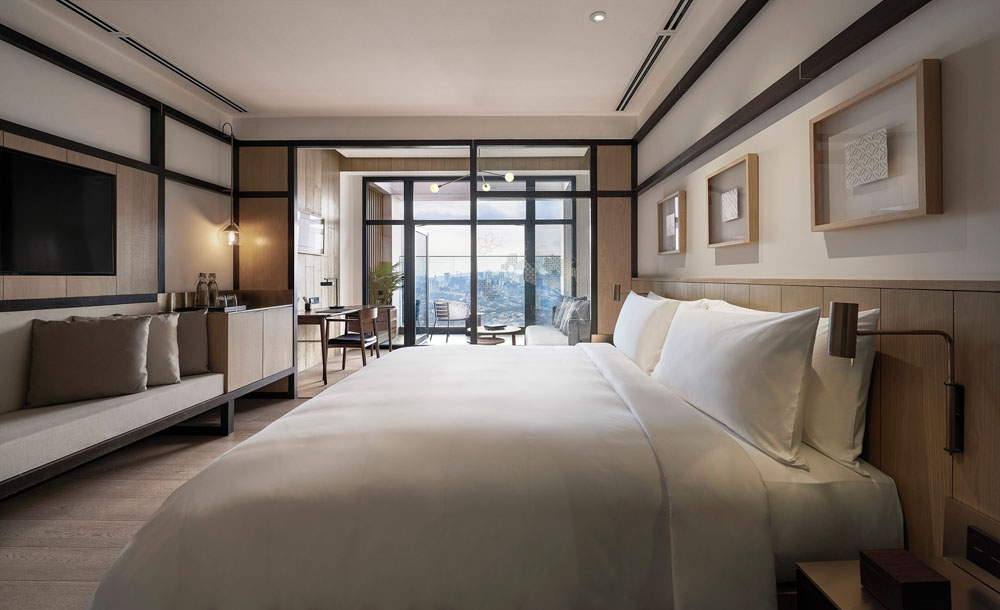
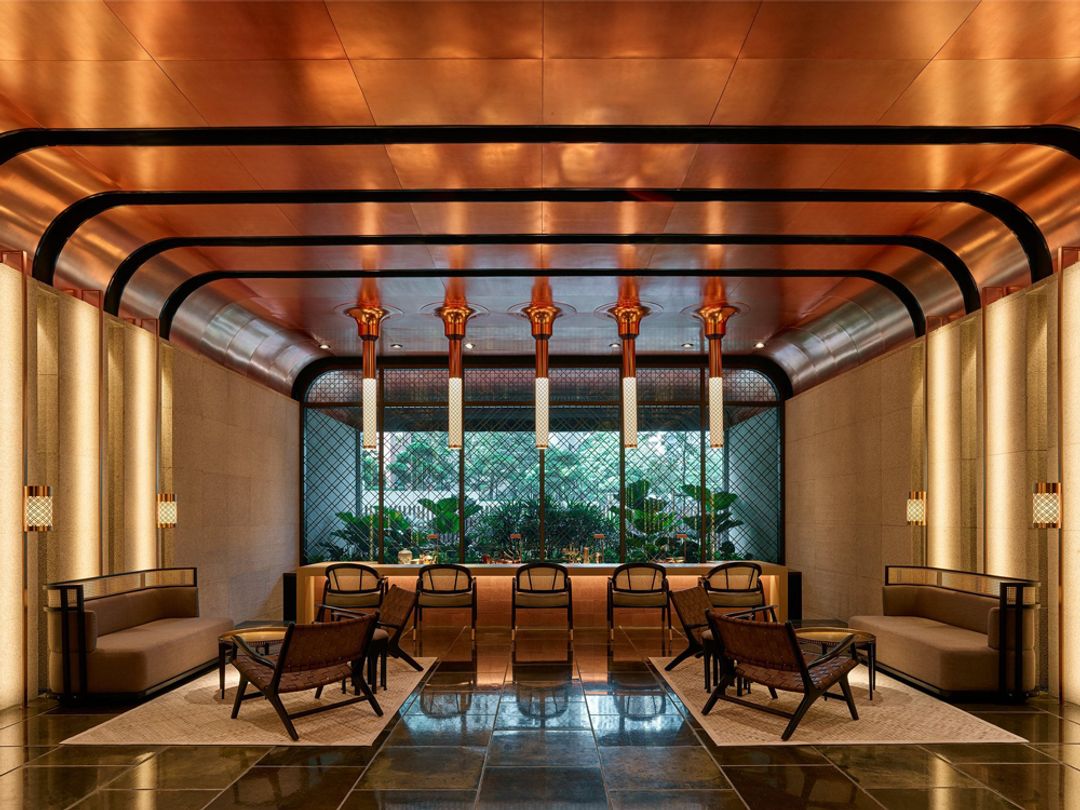
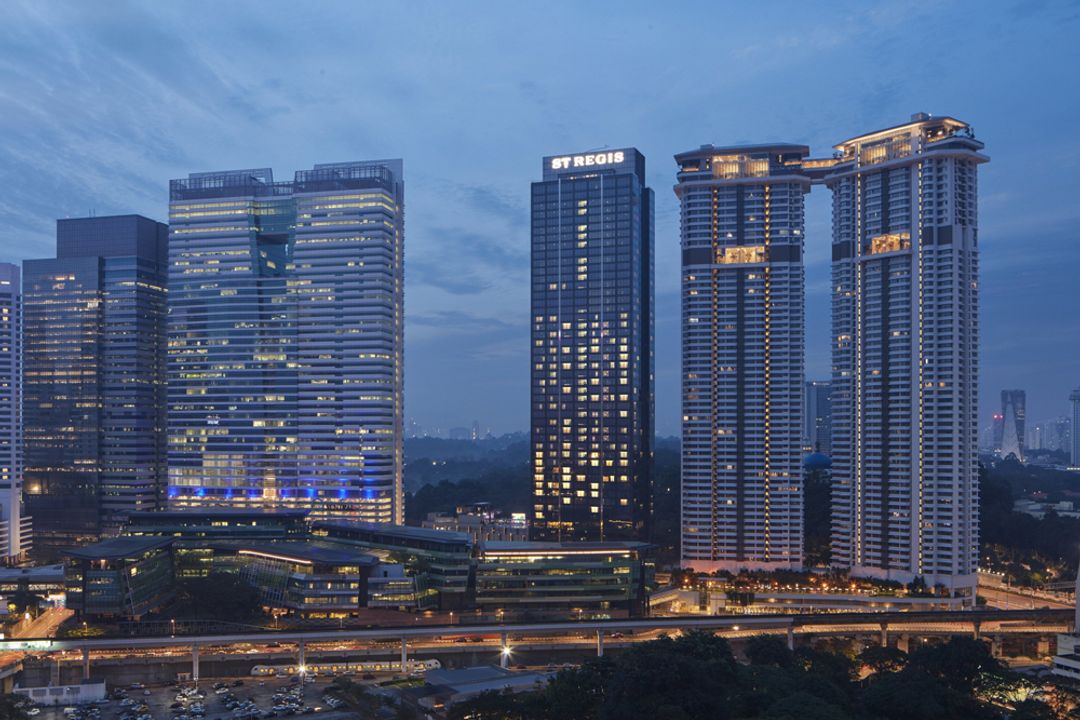
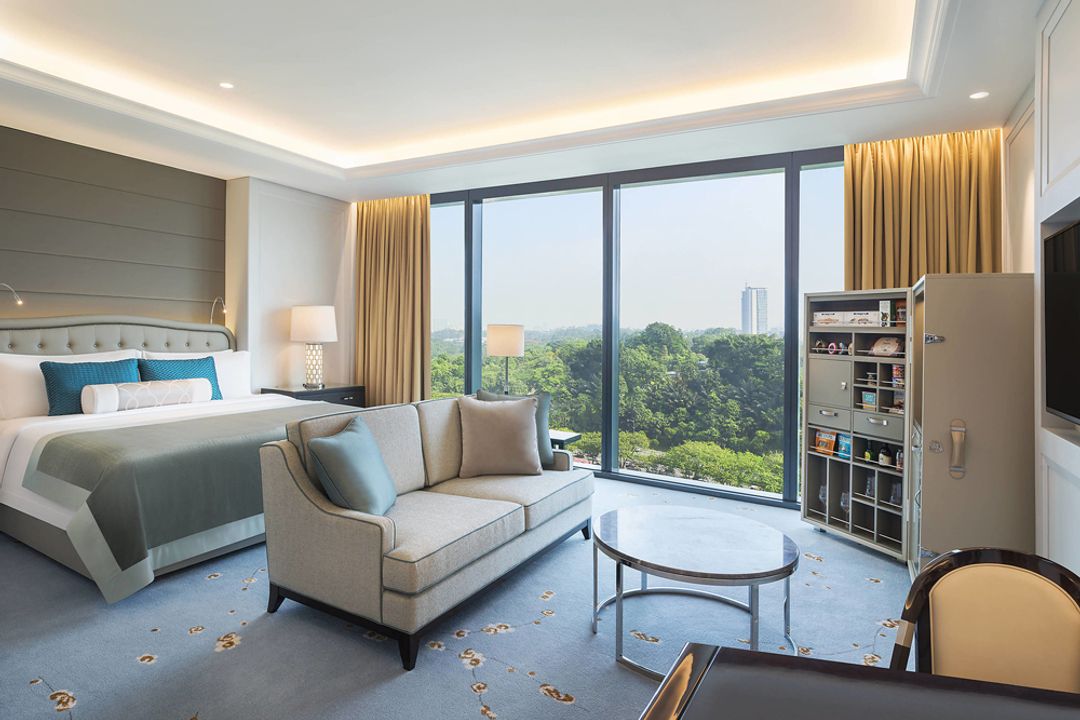
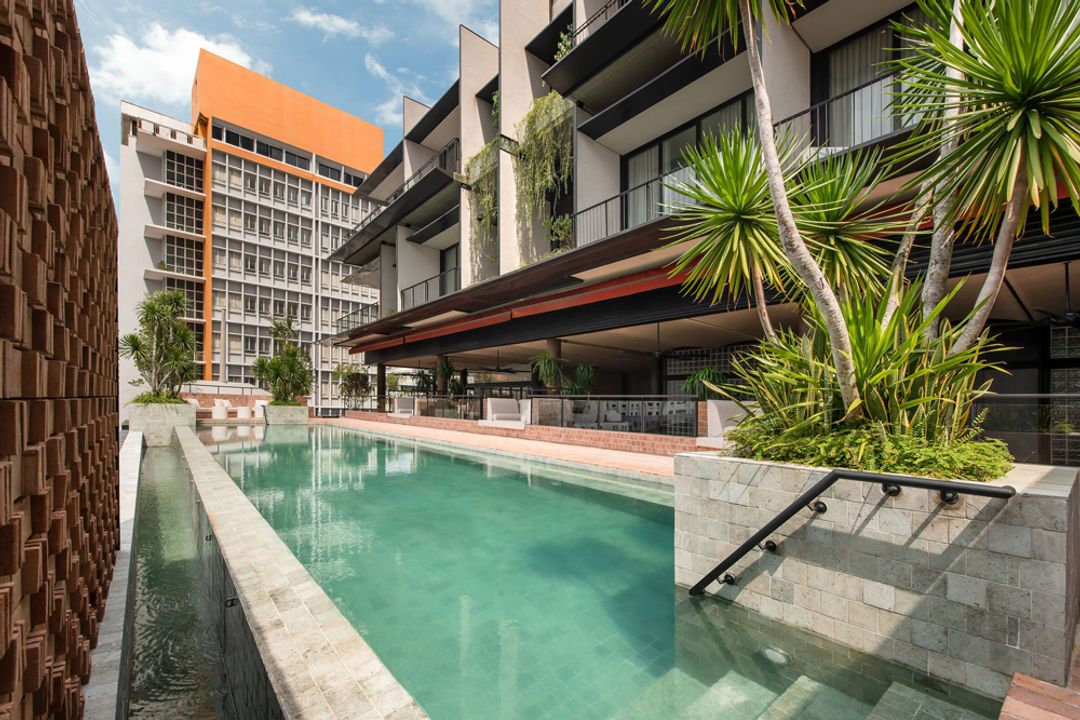
The ground shifts considerably once you move toward Bukit Bintang and the older residential districts to the west and south. The Ritz Carlton occupies a more contained, traditional luxury register in Bukit Bintang, while Bangsar, one of the city's more genuinely lived-in neighborhoods, is where Alila made an interesting choice with its Bangsar property, designed by the Malaysian firm GDP Architects. The building's slim tower rises from a leafy street corner with a restraint unusual for the brand tier, and the interiors work with warm timber and local craft in a way that rewards anyone whose instinct is to notice materials. Over in KL Sentral, the St. Regis takes a more ceremonial approach, anchoring the transit-adjacent development with a sense of occasion that feels slightly at odds with its surroundings, but delivers on its own terms.
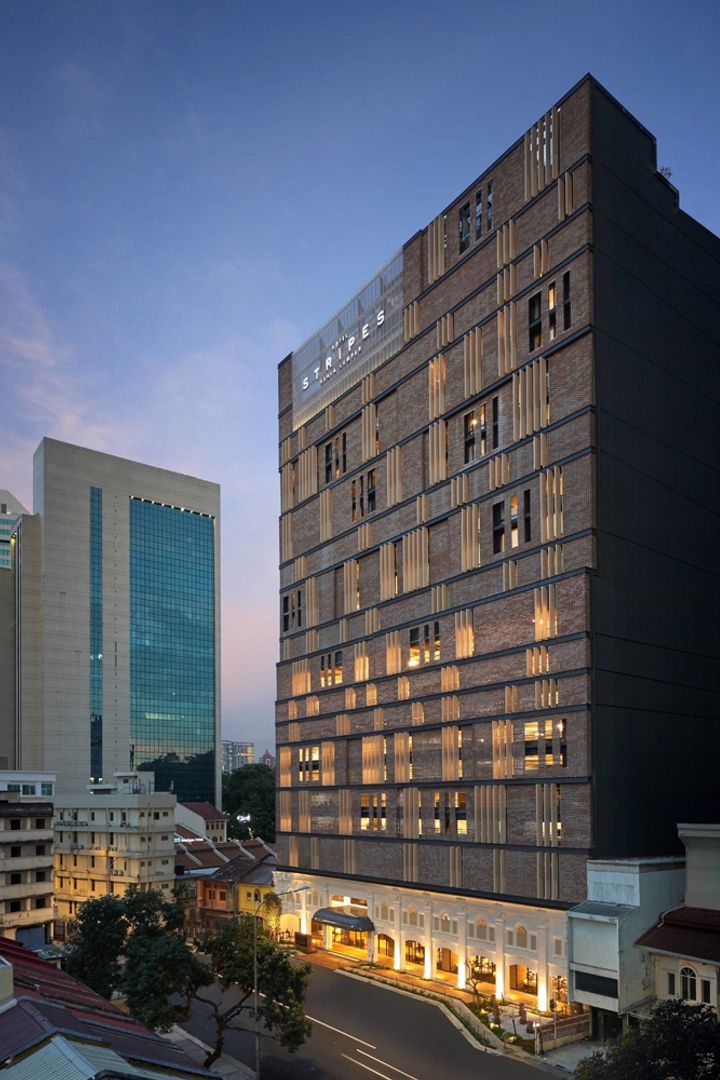
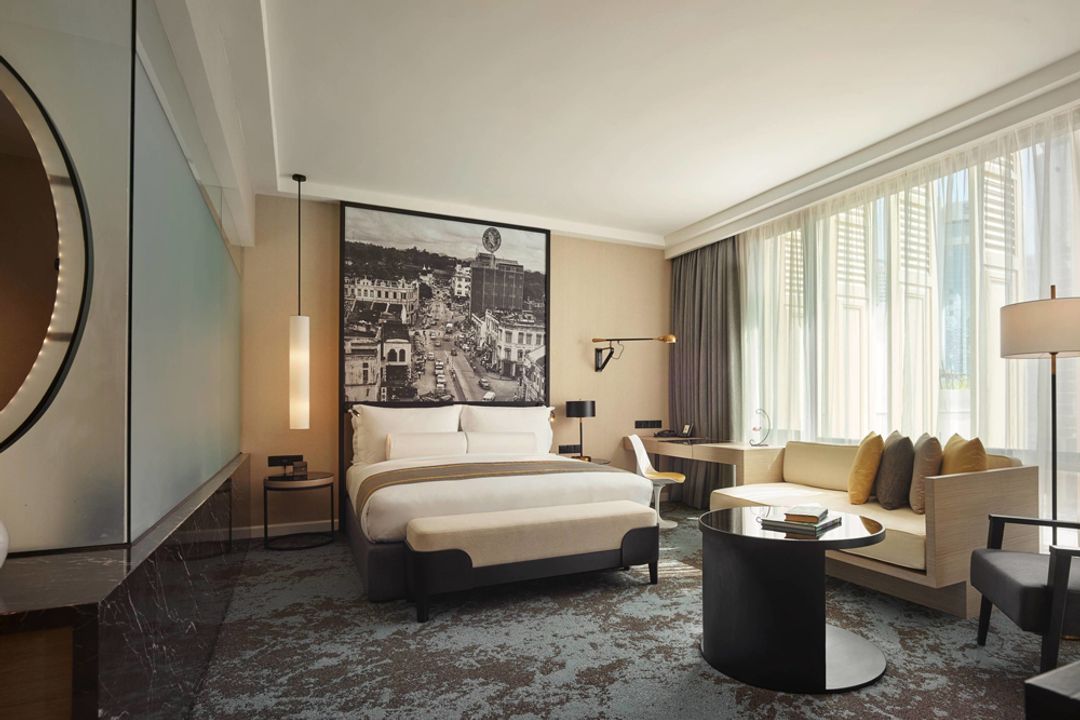
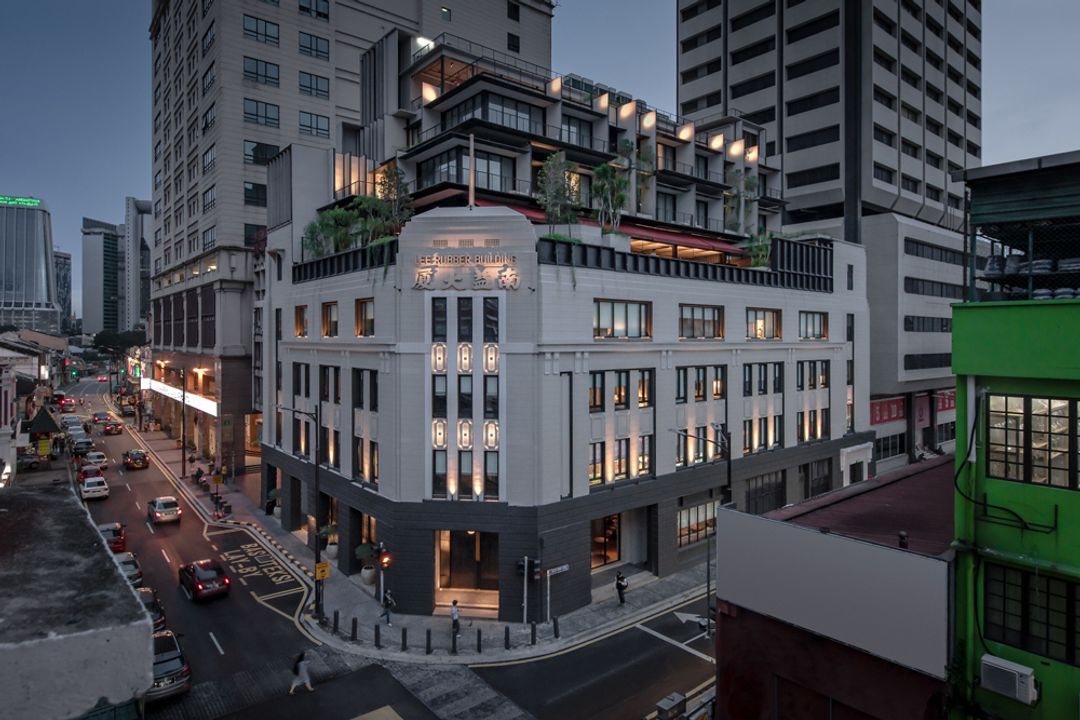
The most compelling reason to stay away from the KLCC axis entirely is Chinatown, where Else Kuala Lumpur has made something genuinely considered out of a heritage shophouse block. The interiors are thoughtful rather than nostalgic, engaging with the shophouse typology rather than merely preserving its surface. Hotel Stripes in Jalan Kamunting, part of Marriott's Autograph Collection, occupies similar territory: a mid-century building given a confident contemporary interior. These are hotels that read the city at street level, which remains, in KL, an underrated way to understand the place.