Best hotels in Boston, Massachusetts | Visually Compare Top Stays Side-by-Side
Welcome to PressBeyond - a curated visual guide to design-driven hotels and the fastest way to compare them.
An Overview of the Boutique & Luxury Hotel Landscape in Boston, Massachusetts
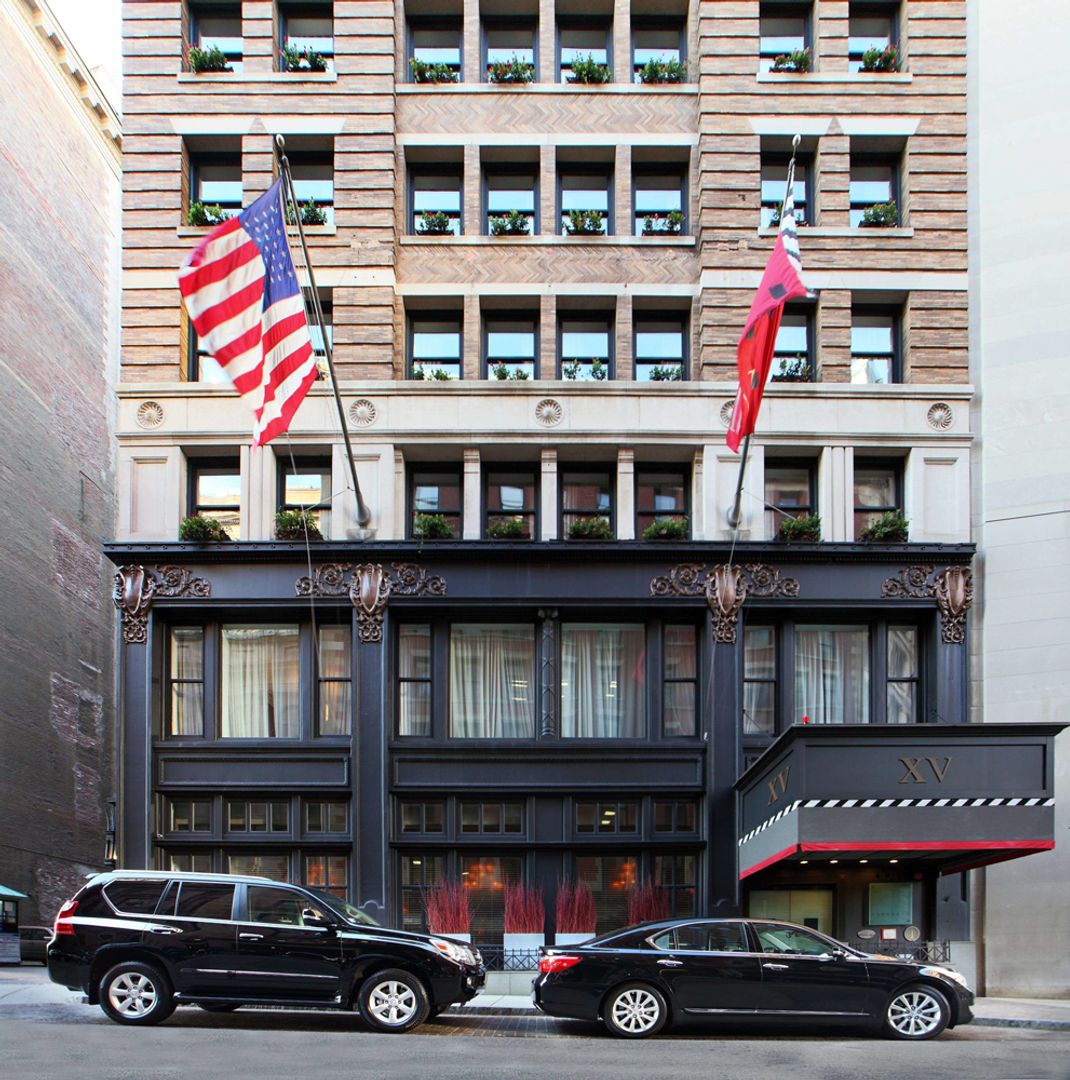
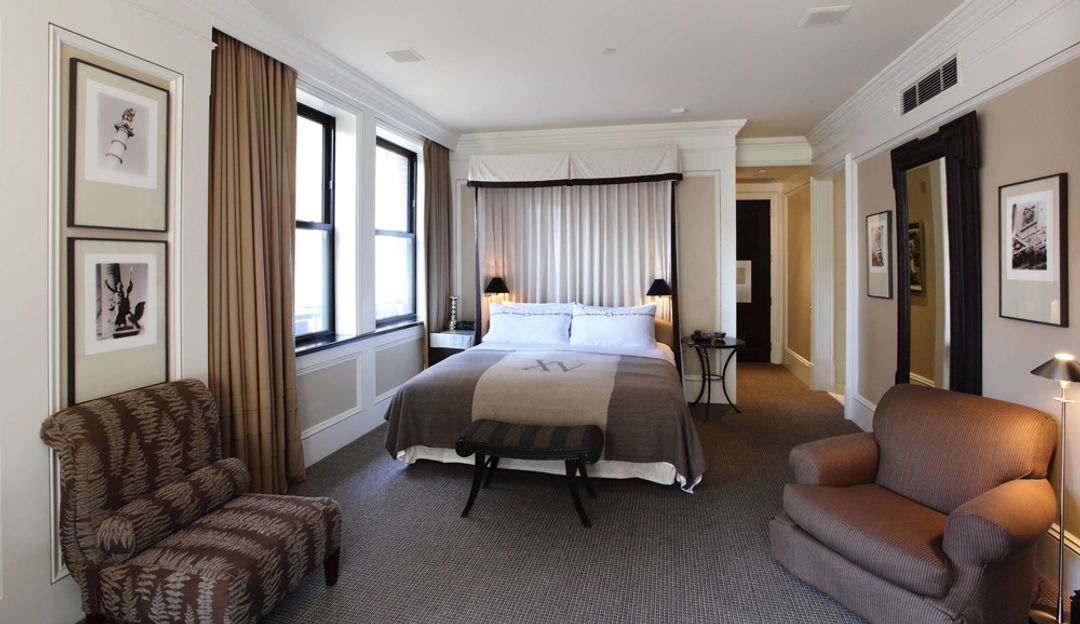
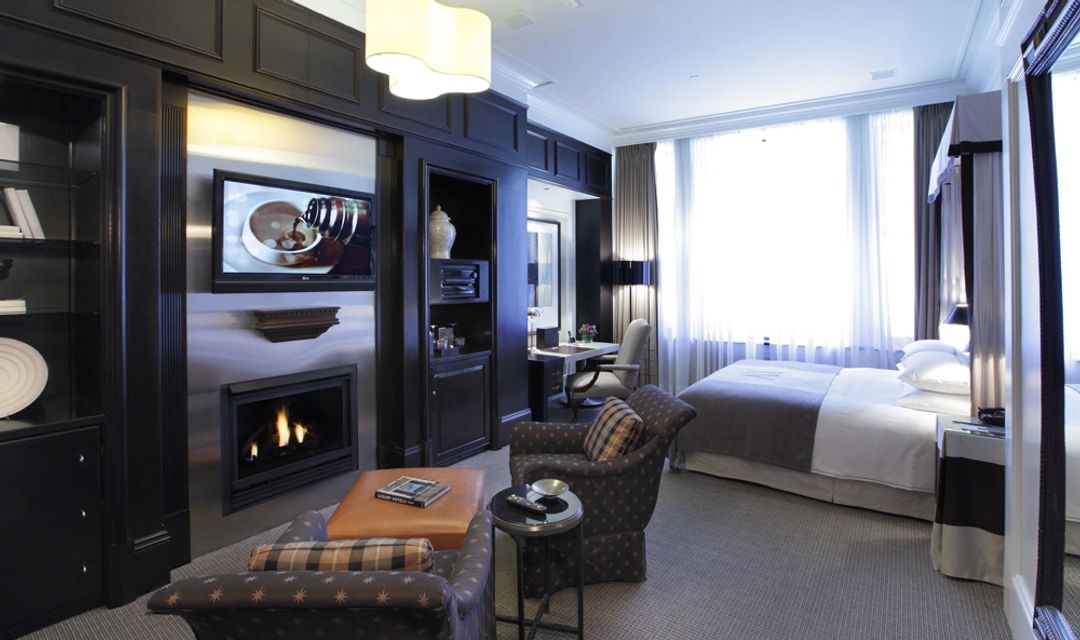
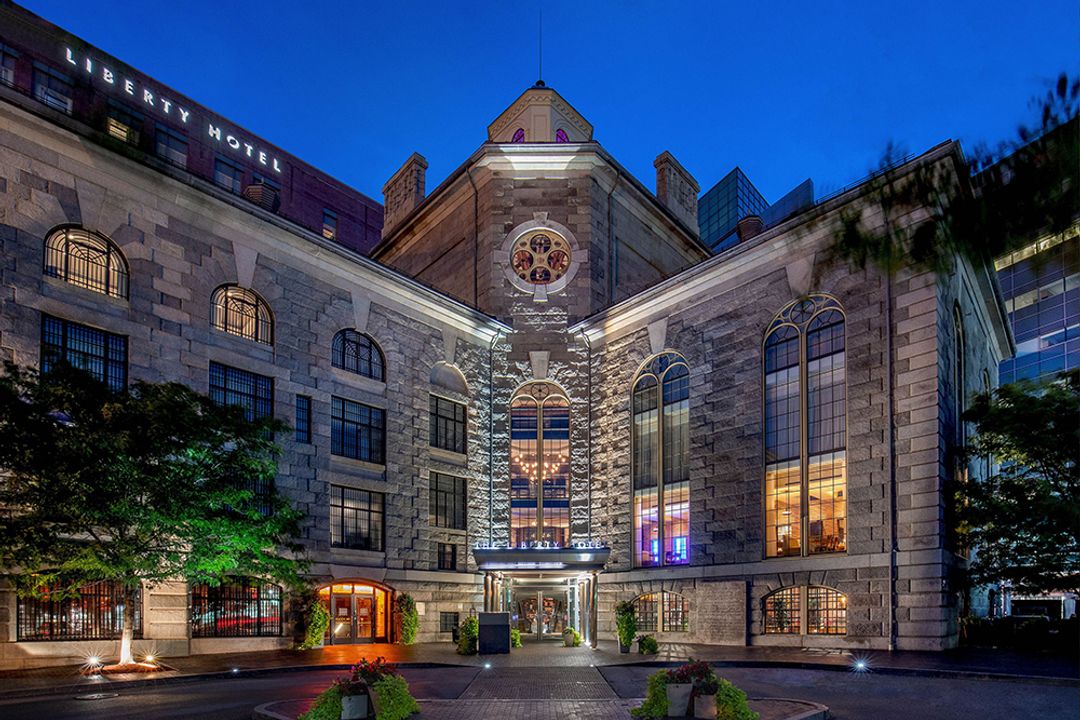
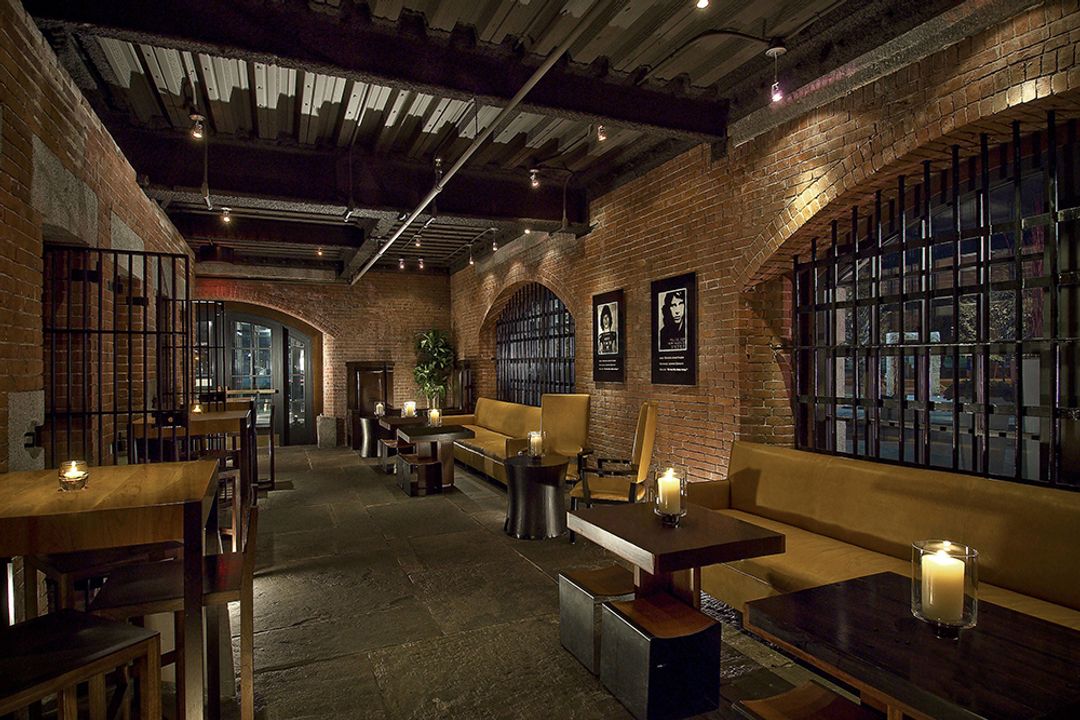
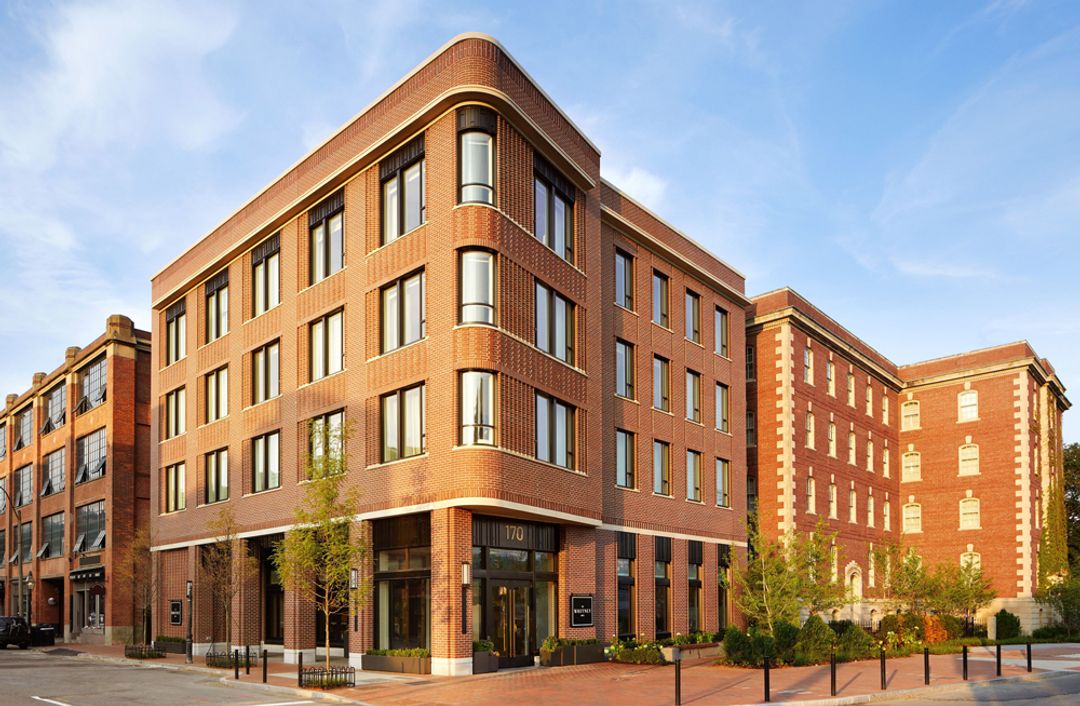
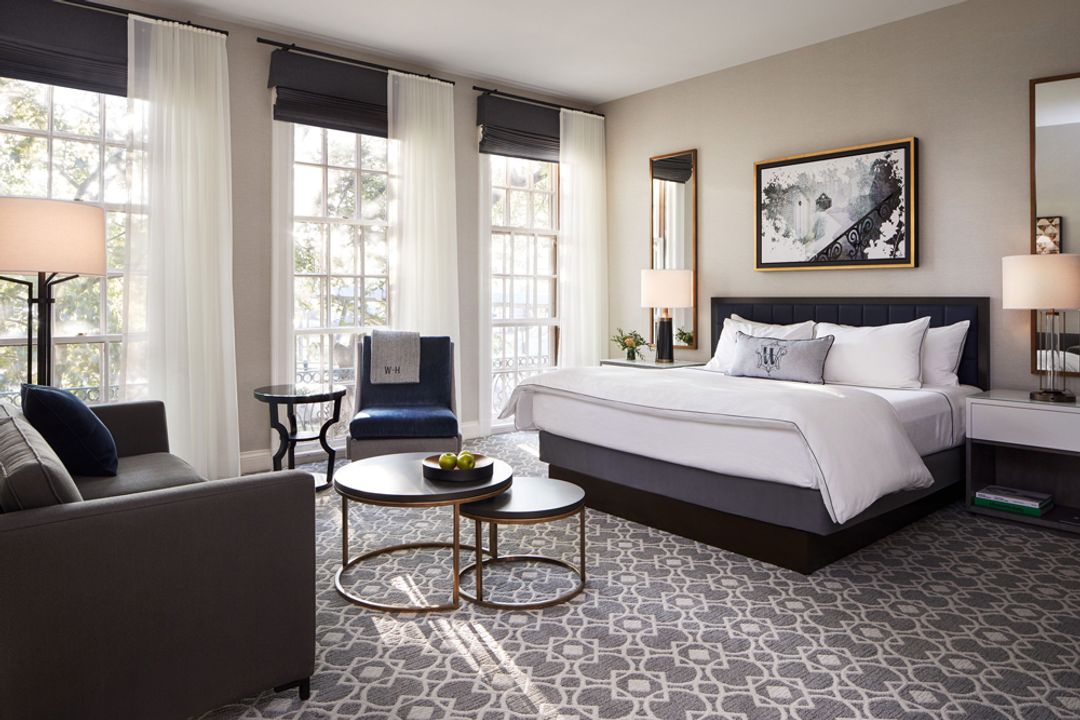
Boston's hotels are most honestly understood through the tension between two cities: the one built of Roxbury puddingstone and red brick, where history is pressed into every facade, and the newer waterfront city of glass and reclaimed industrial ambition. The conversion hotels make this tension most vivid. The Liberty Hotel occupies the former Charles Street Jail, a Charles Bulfinch-lineage structure from 1851 whose soaring rotunda and original cell-block corridors remain visible beneath the hospitality overlay. It sits in Beacon Hill, arguably the most architecturally coherent neighborhood in the country, and XV Beacon occupies a 1903 Beaux-Arts building just uphill, its small scale and wood-paneled interiors calibrated to the neighborhood's appetite for restraint. The Whitney Hotel nearby operates from a converted 19th-century granite warehouse, quieter in register, and all the more fitting for it.
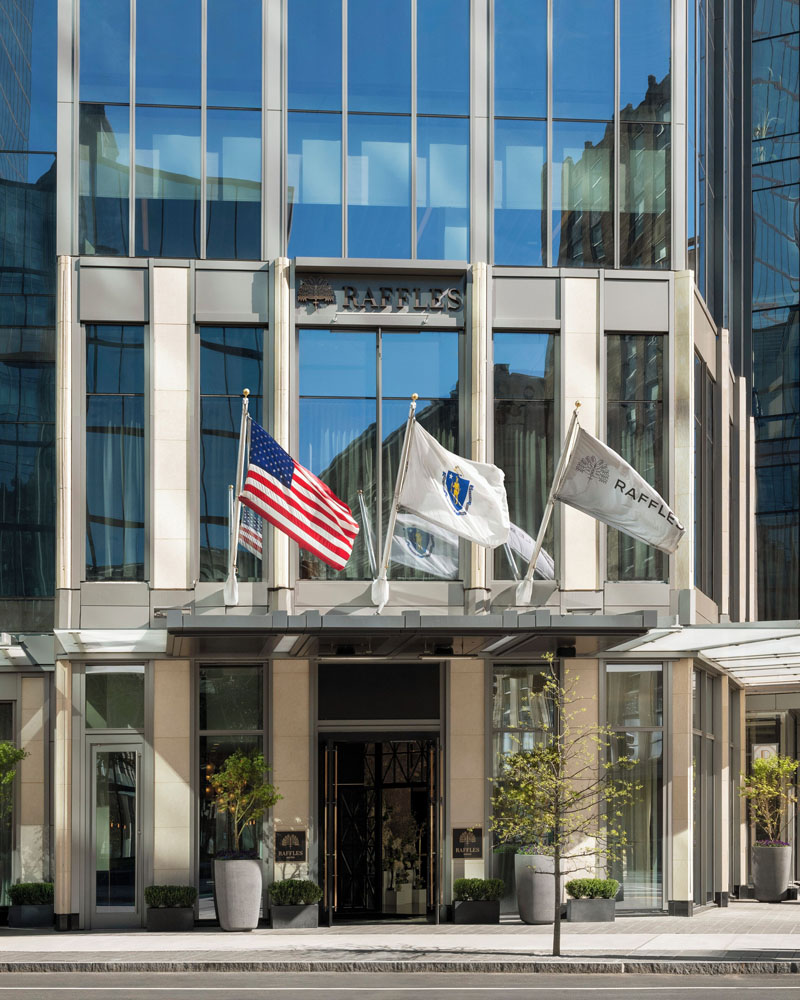
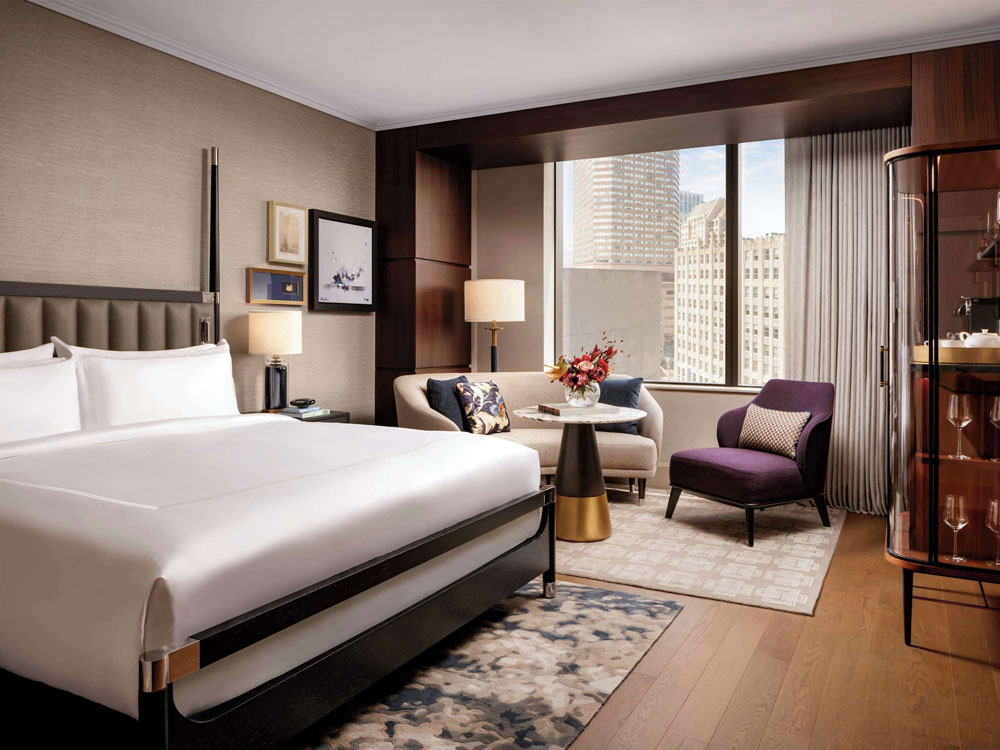
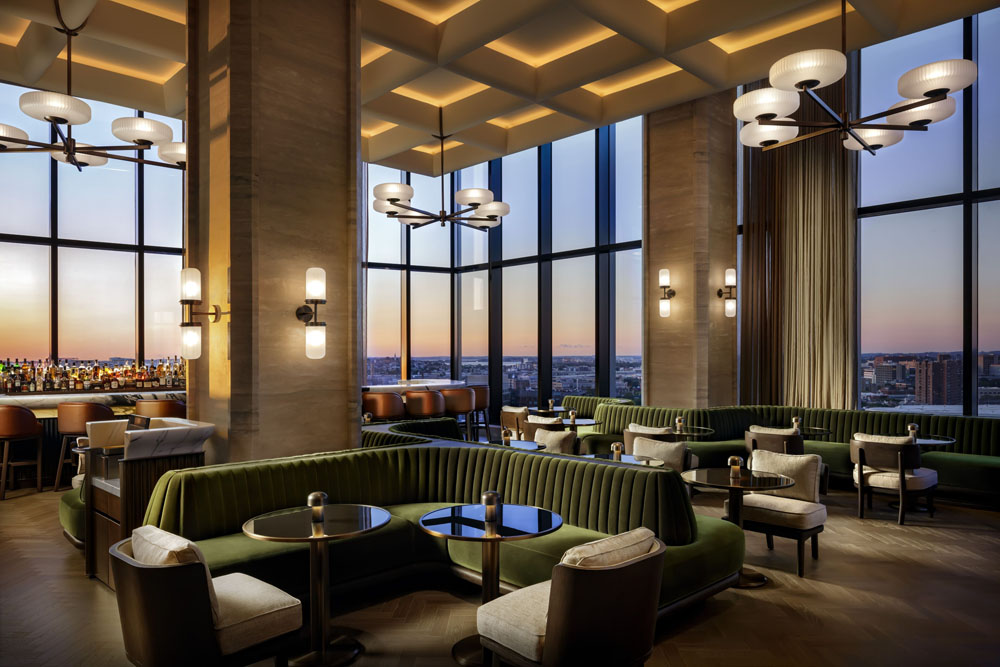
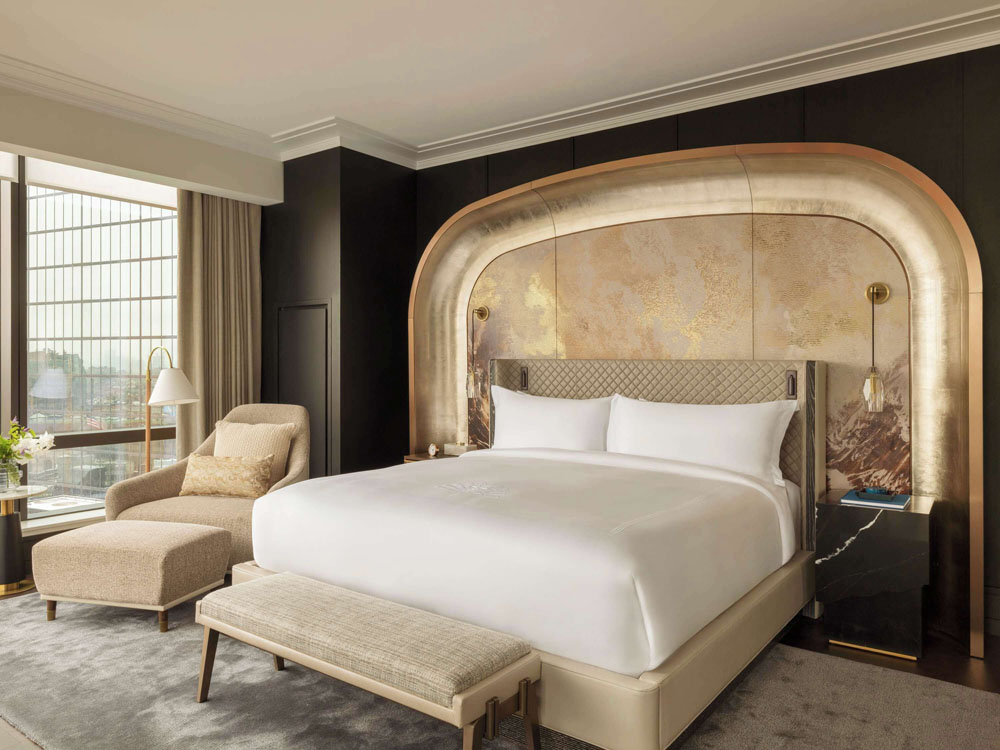
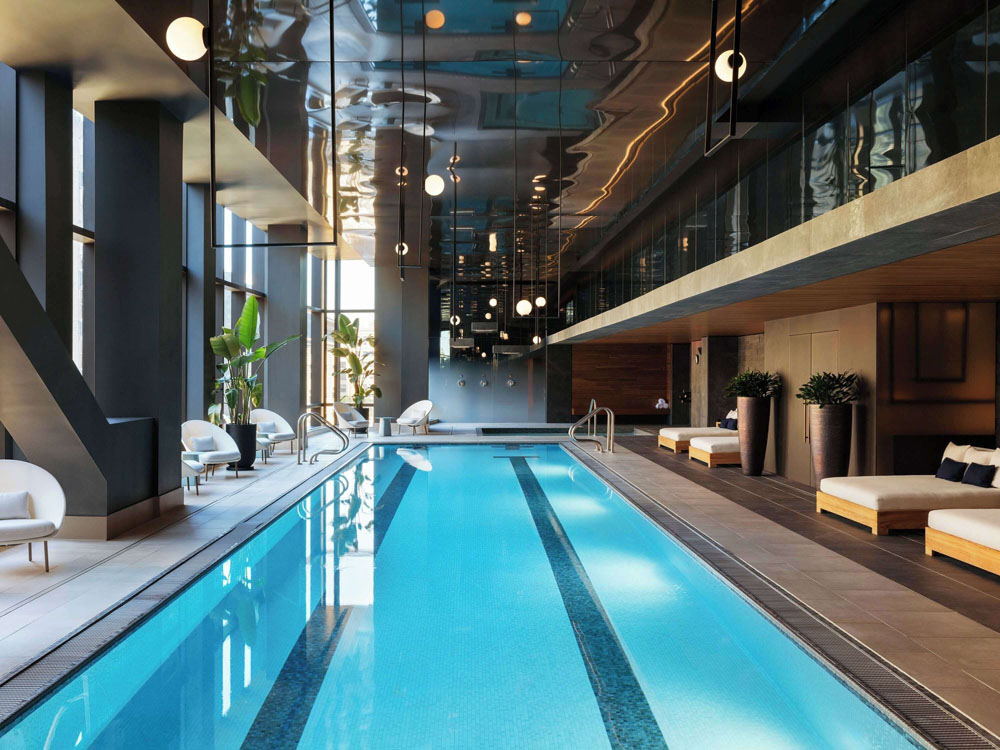
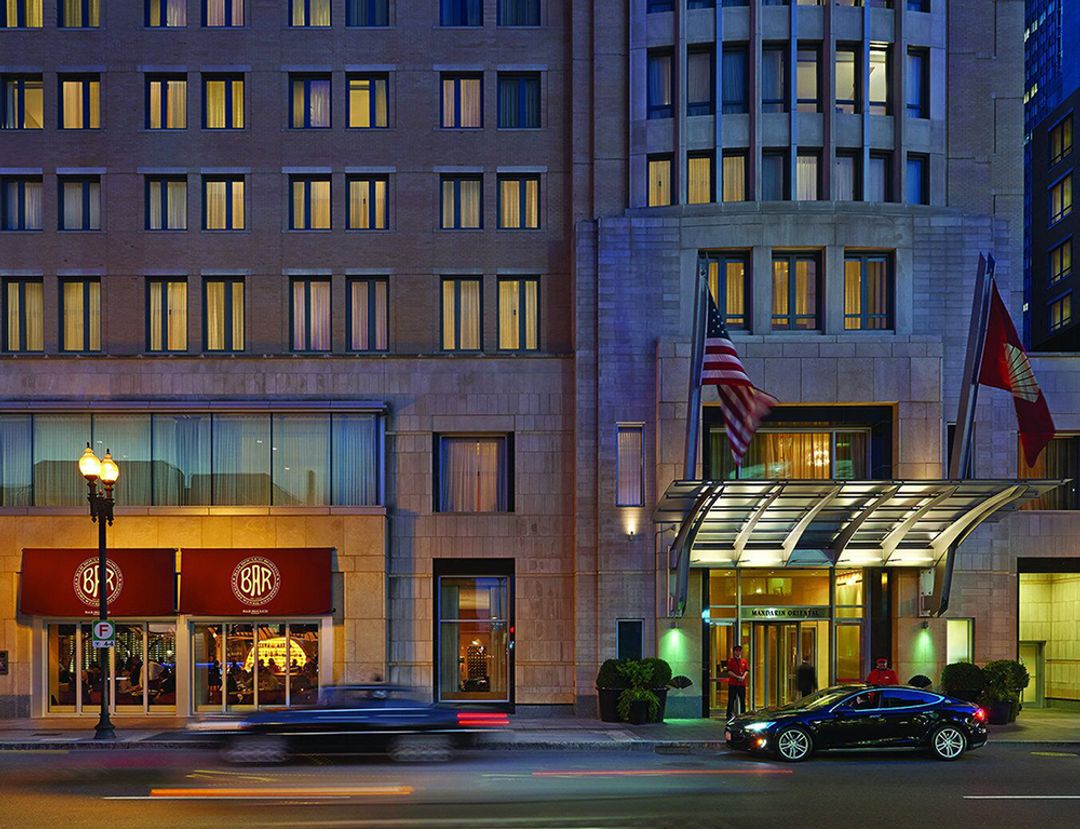
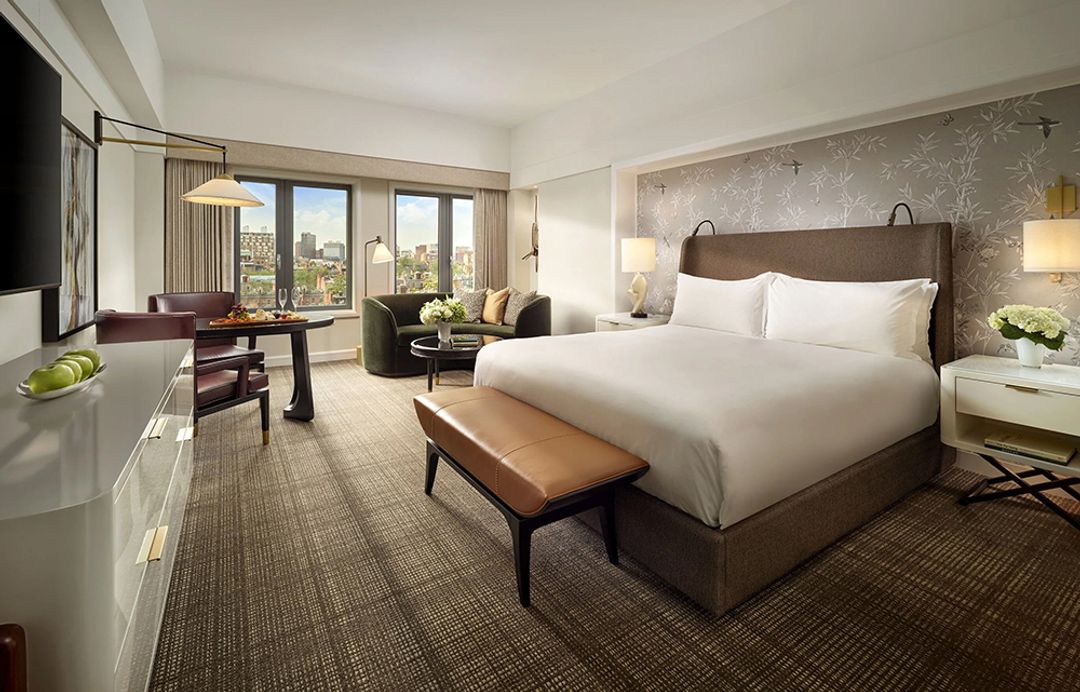
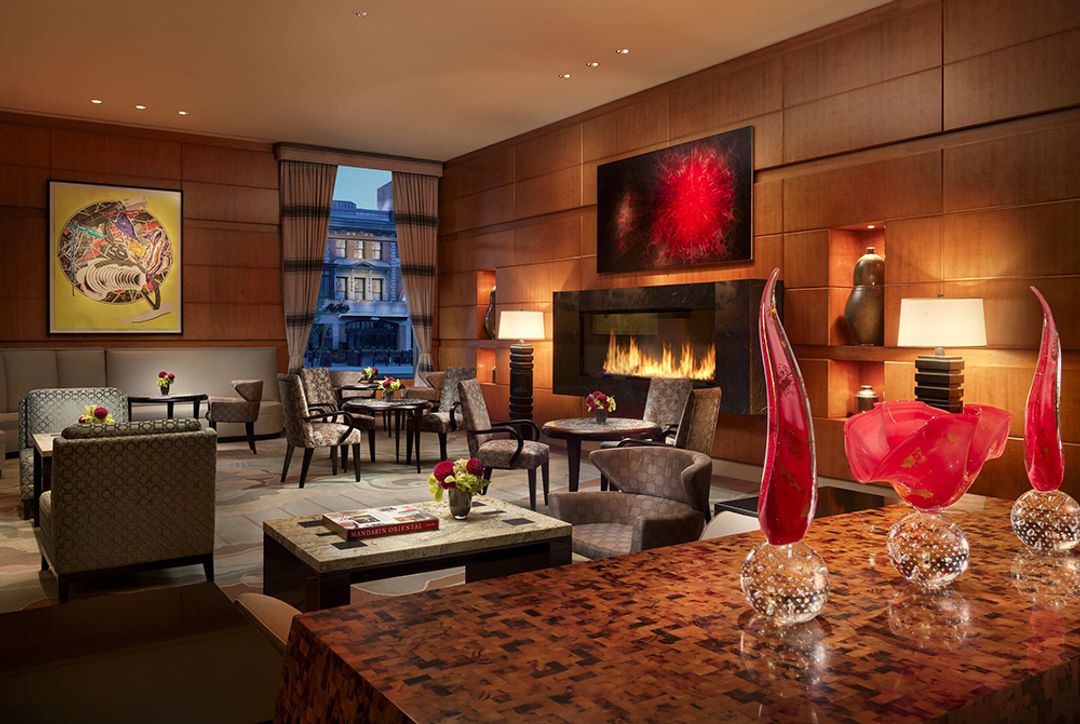
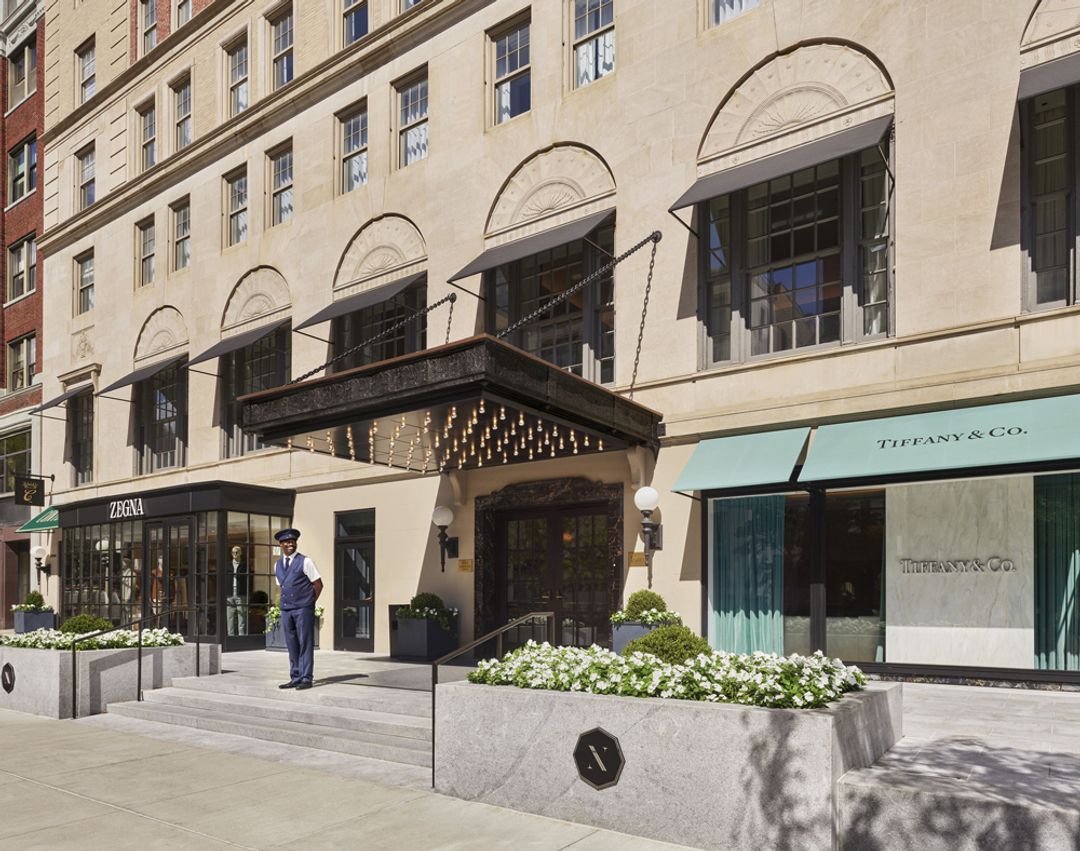
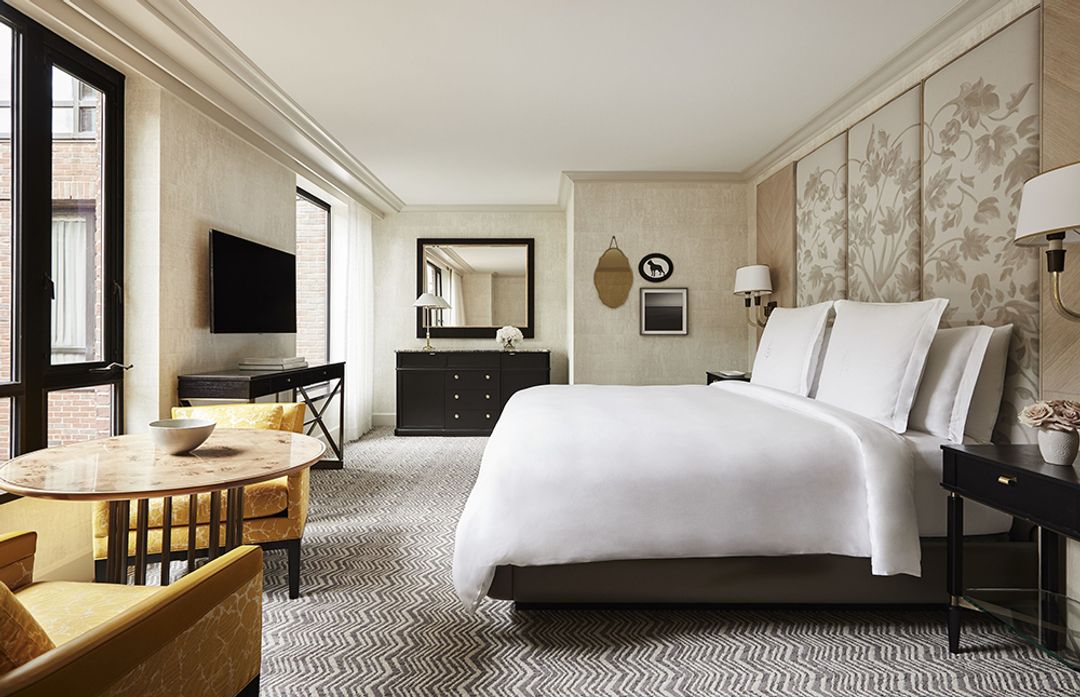
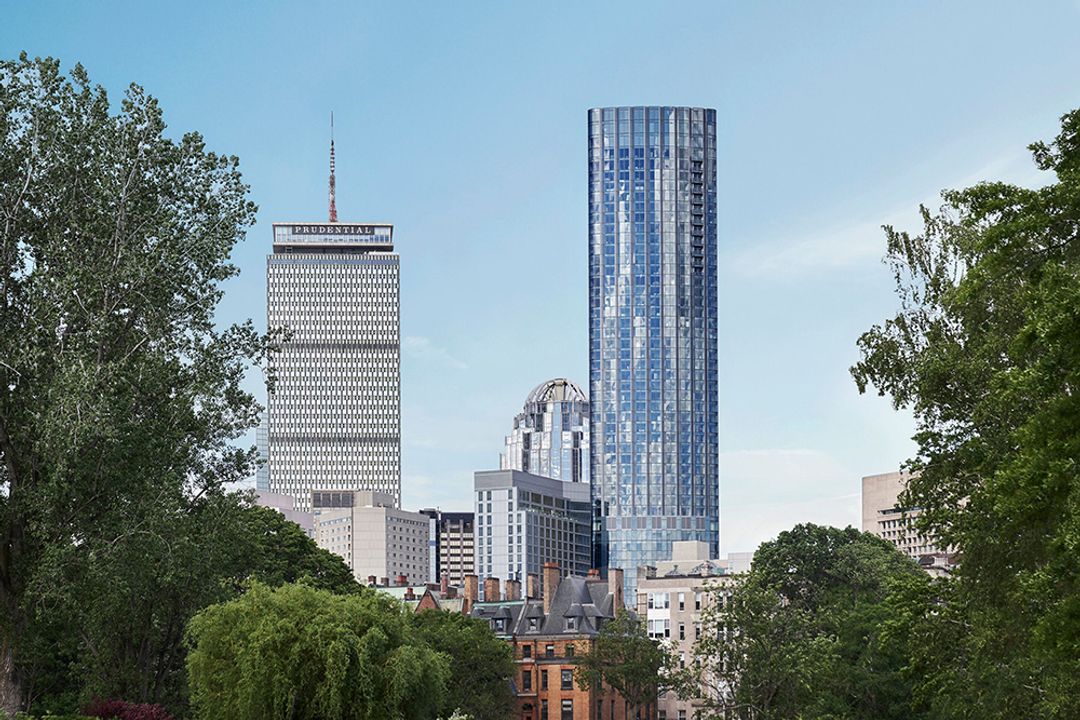
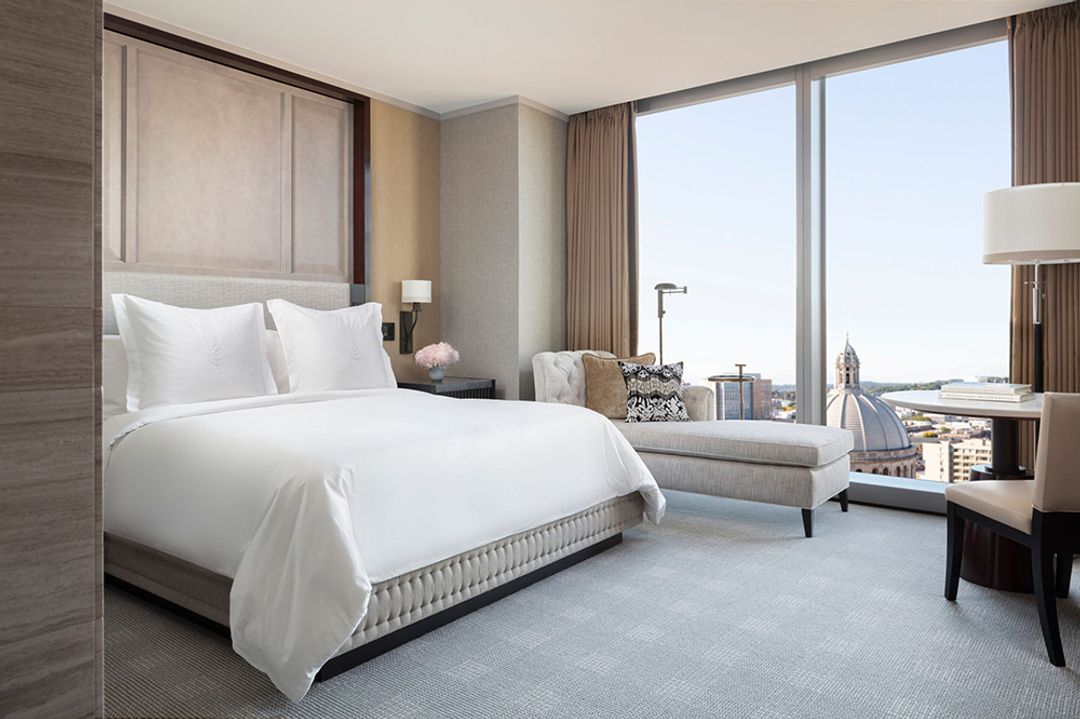
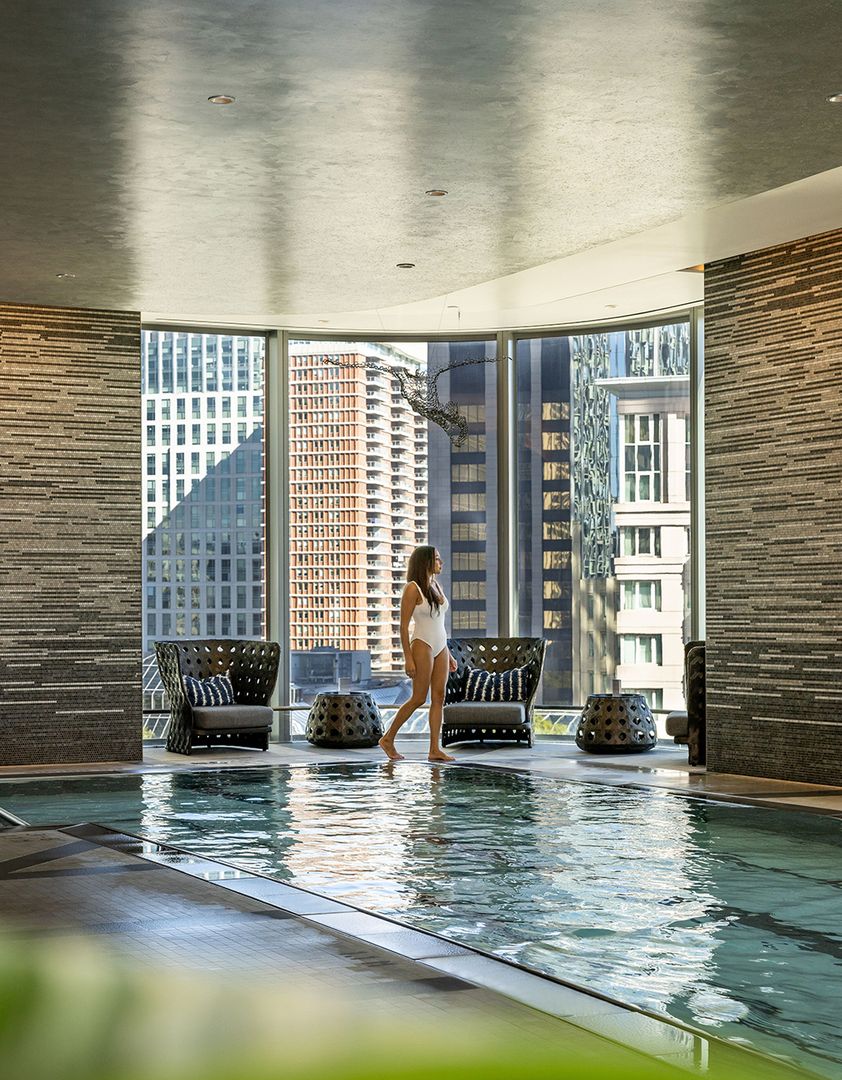
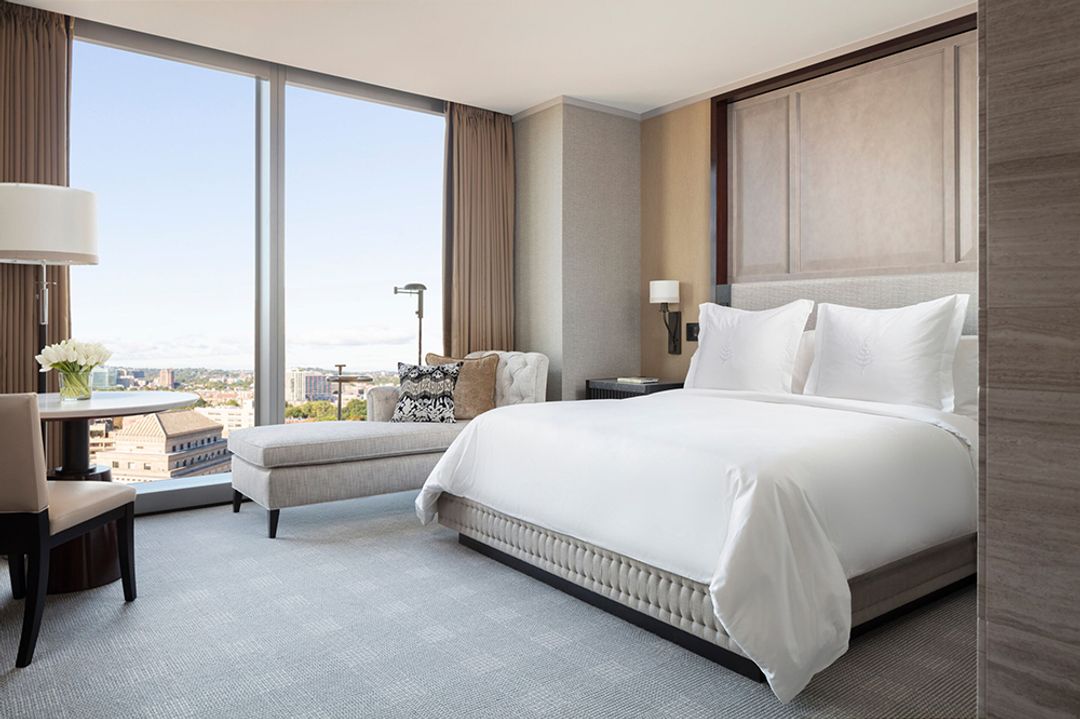
Back Bay is where Boston spends more deliberately. The Newbury Boston opened in 2021 in the former Taj Boston building on the corner of Arlington and Newbury Streets, a 1927 property whose bones belong to the grand American hotel tradition. The two Four Seasons properties define the neighborhood's range: the older house on Boylston Street maintains a classical hotel presence, while One Dalton Street, completed in 2019 and designed by Pei Cobb Freed and Partners, rises as a residential skyscraper with hotel floors in its lower section, giving Back Bay its only genuinely contemporary skyline addition. Raffles Boston, which opened in 2023, brought the Singapore-based brand's first North American address to the same neighborhood, designed with an emphasis on club membership alongside conventional hotel rooms. The Mandarin Oriental Boston, operating from a 2008 mixed-use development on Boylston, anchors the quieter end of this cluster.
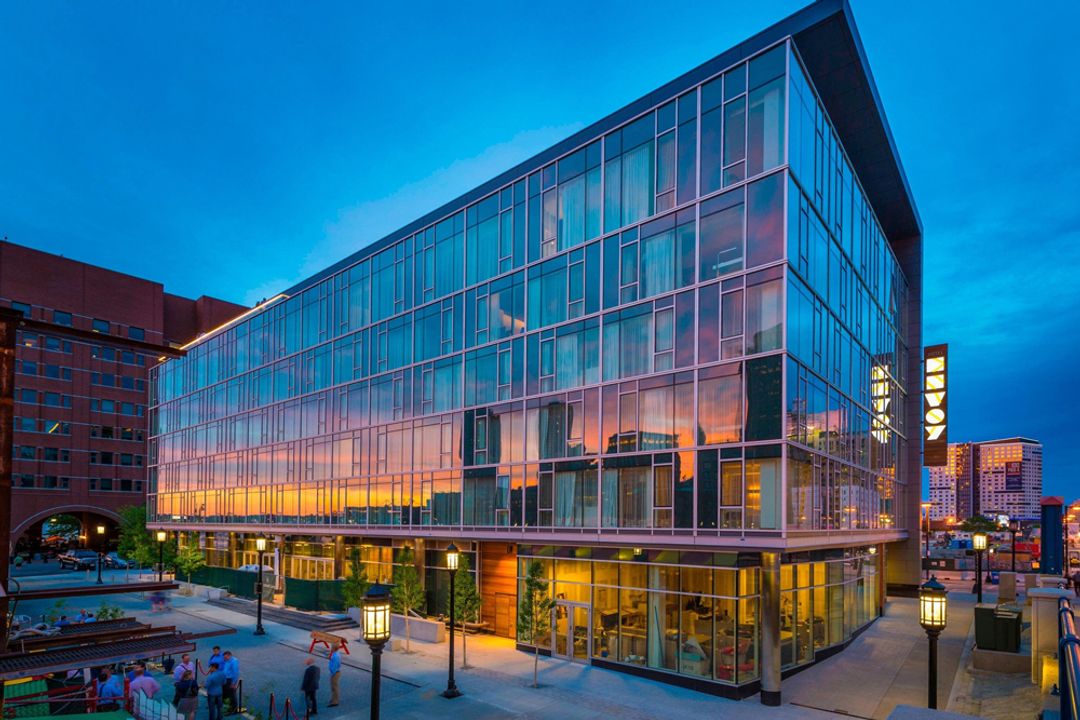
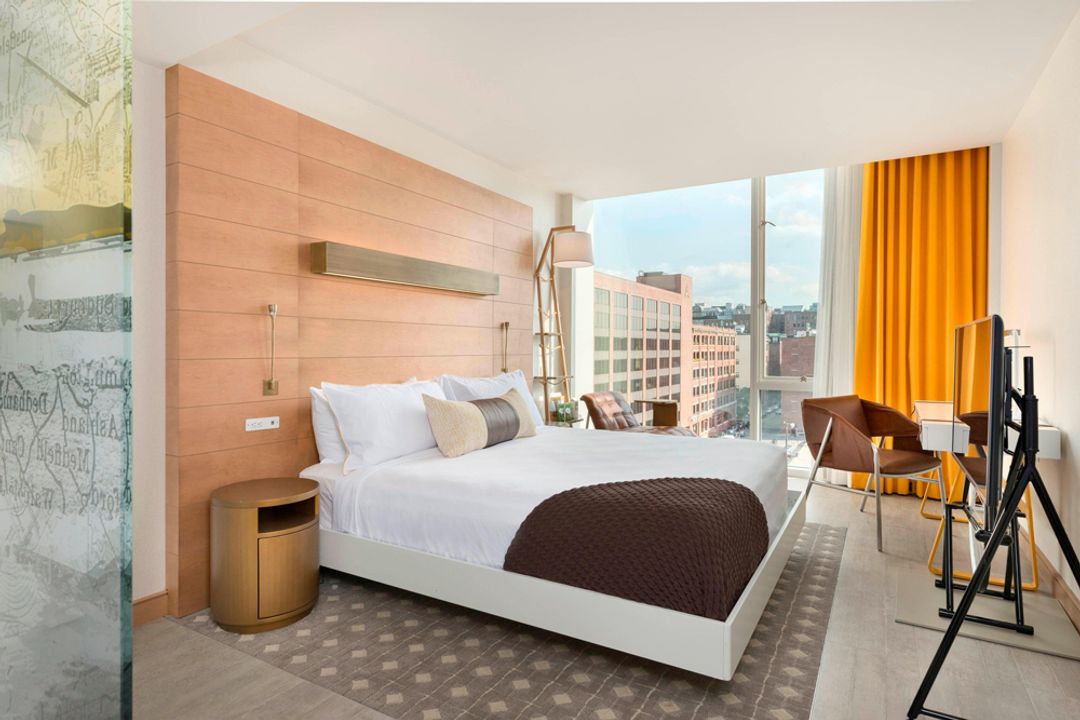
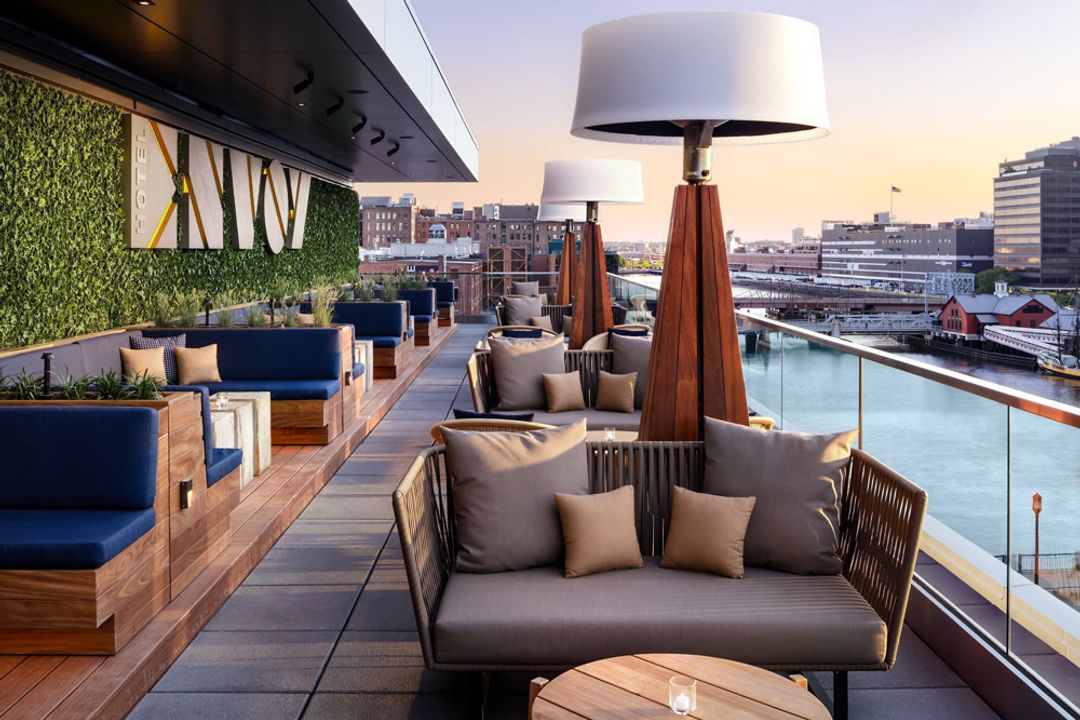
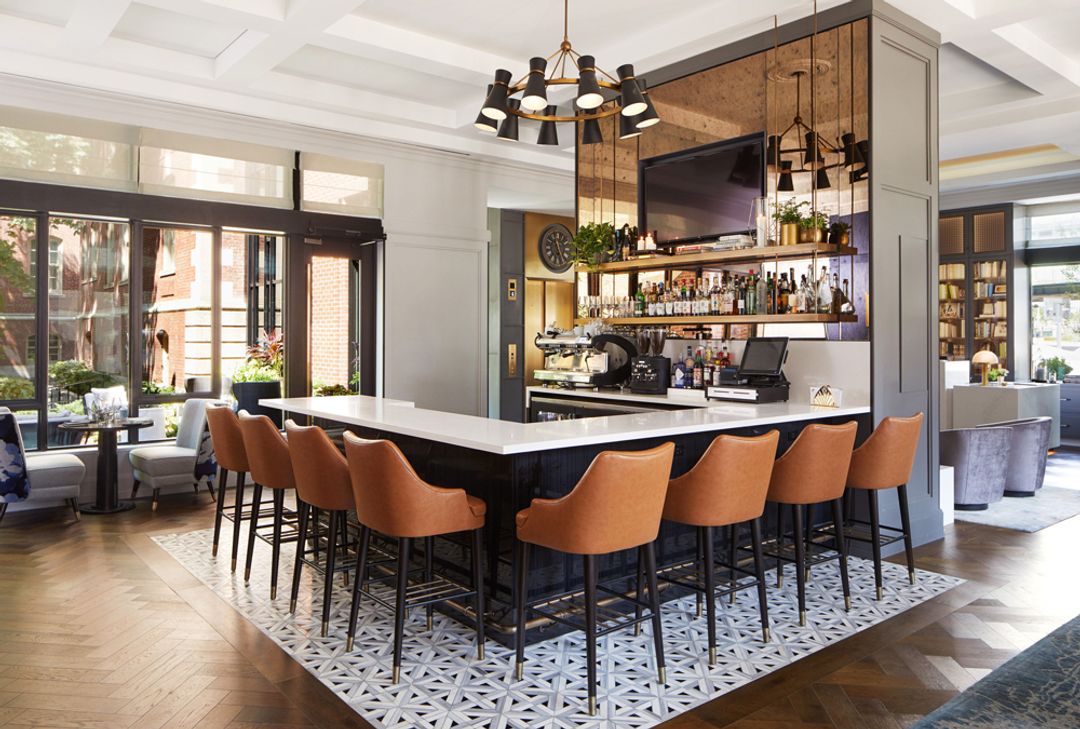
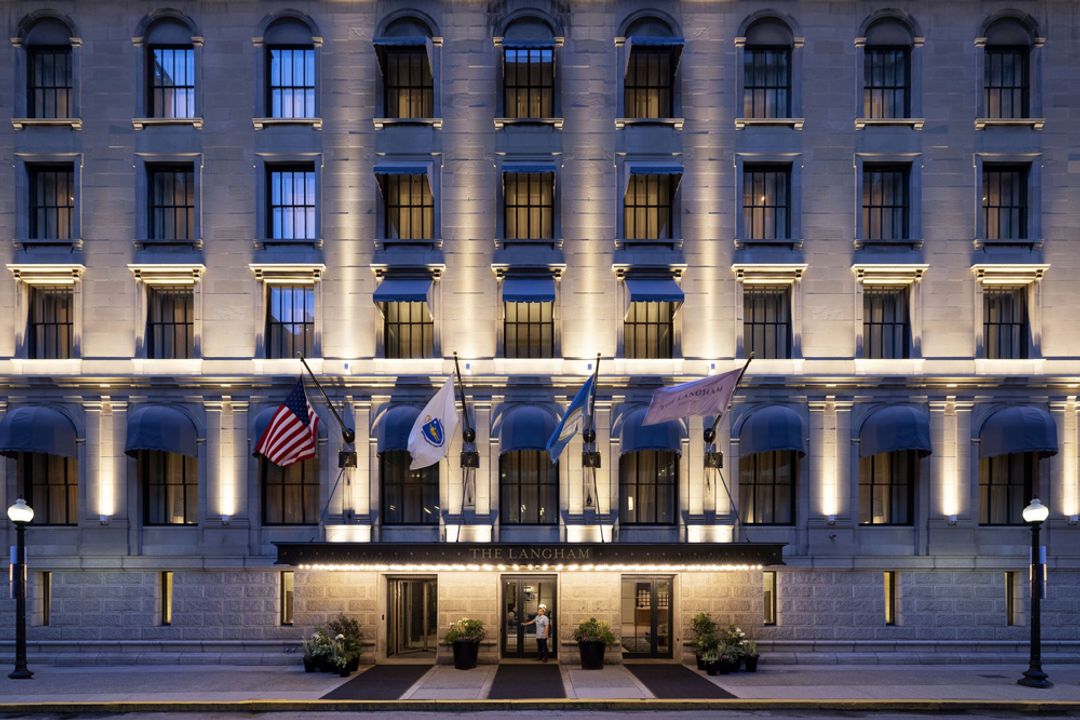
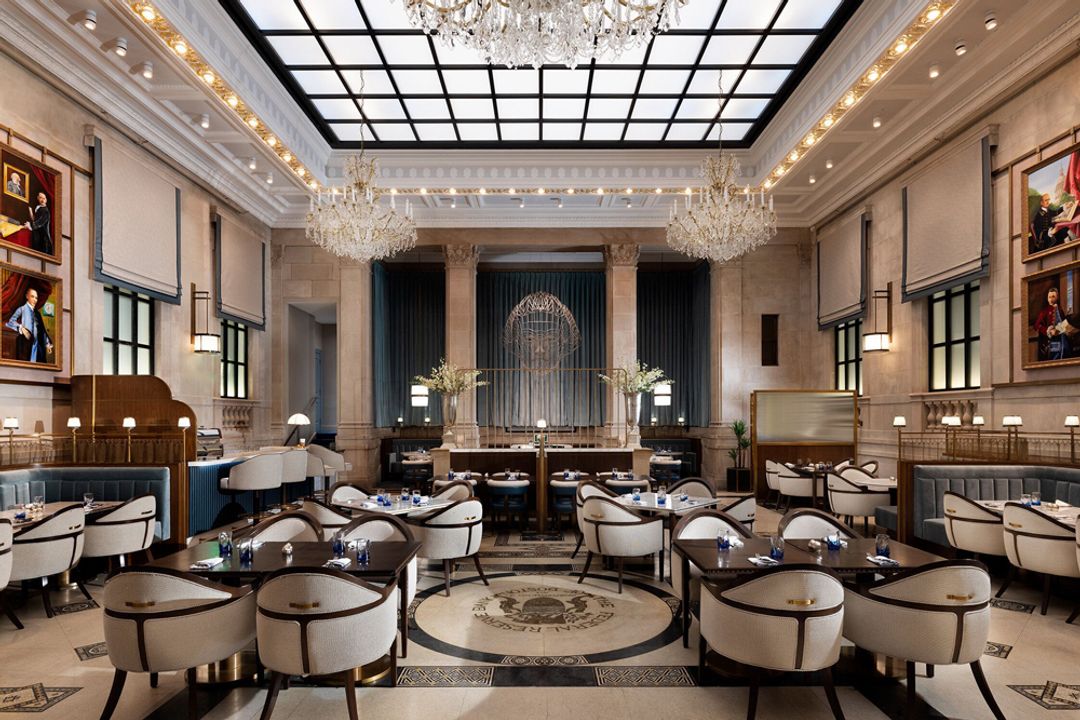
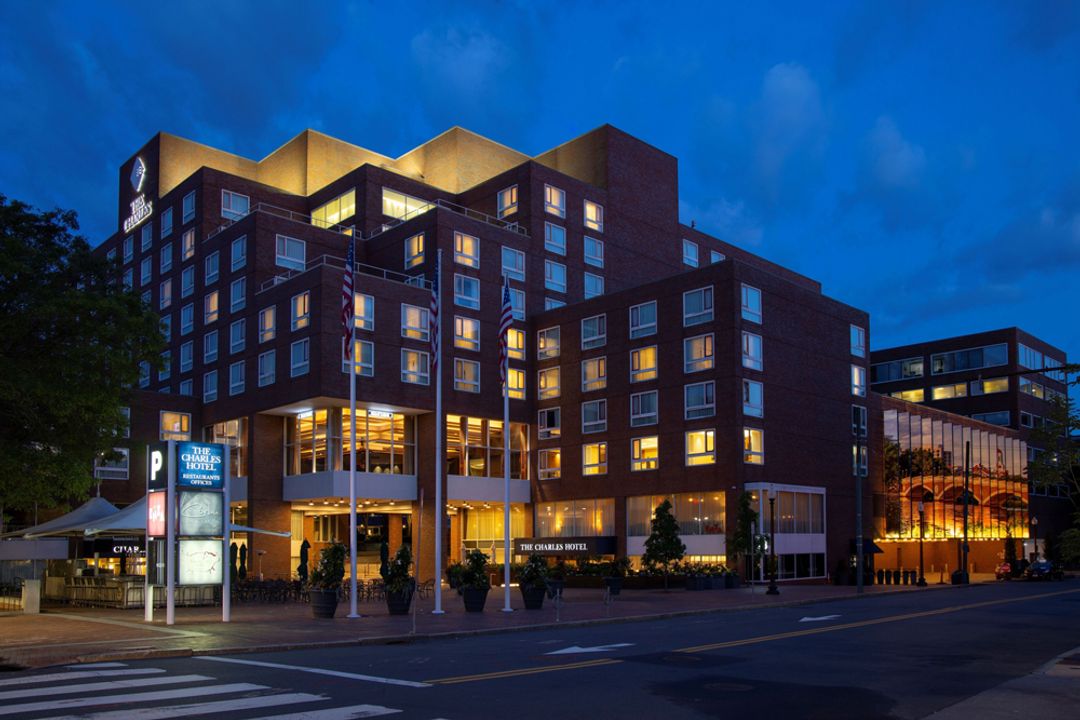
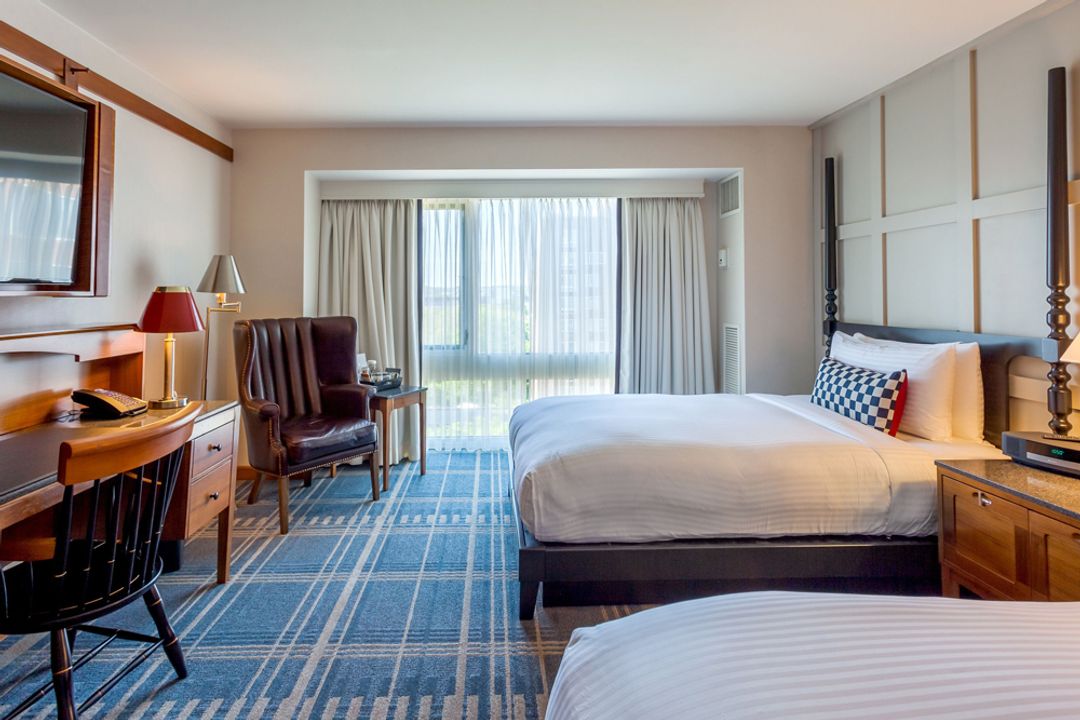
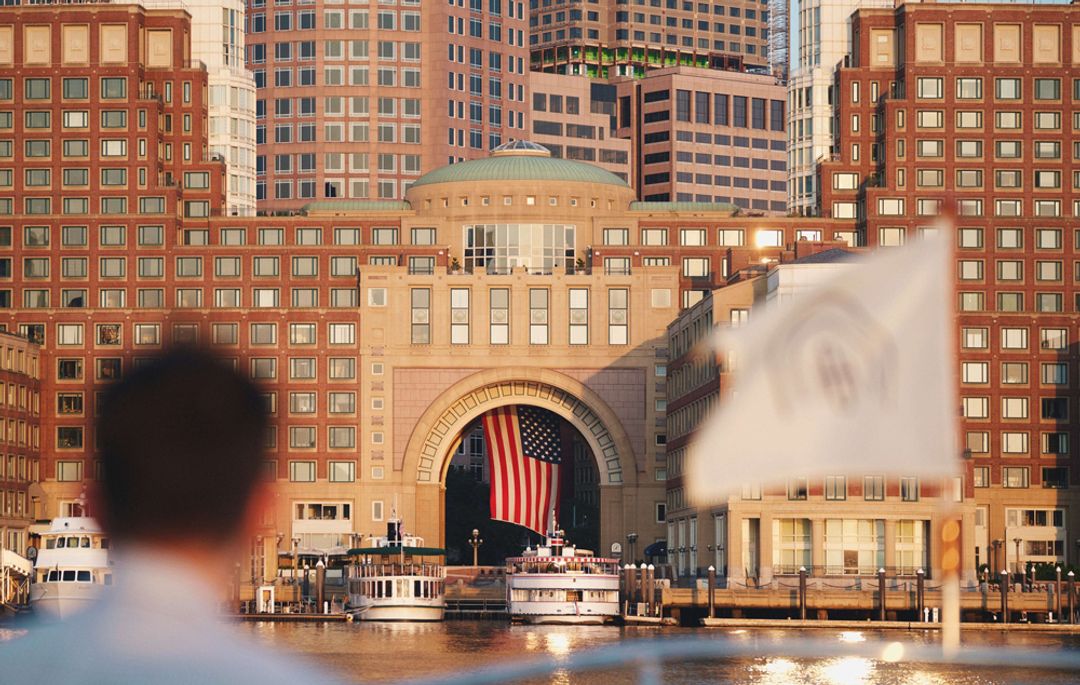
The Waterfront and Seaport represent Boston's unfinished sentence. The Boston Harbor Hotel, with its signature 1987 arch opening onto Rowes Wharf, was designed by Skidmore, Owings and Merrill and remains the most resolved building on this stretch of water. The Envoy Hotel in the Seaport brought a rooftop bar and a spare, contemporary interior to a district that is still finding its character. The Financial District's Langham Boston occupies the former Federal Reserve Bank building, a 1922 Italian Renaissance palazzo designed by R. Clipston Sturgis, and its banking hall conversion remains one of the more spatially generous hotel lobbies anywhere in New England. The Charles Hotel in Cambridge, near Harvard Square since 1985, operates at a remove from all of this, its Shaker-influenced interiors suggesting that the most confident design choice Boston ever made was to not try too hard.