Best hotels in Tuscany, Italy | Visually Compare Top Stays Side-by-Side
Welcome to PressBeyond - a curated visual guide to design-driven hotels and the fastest way to compare them.
An Overview of the Boutique & Luxury Hotel Landscape in Tuscany, Italy
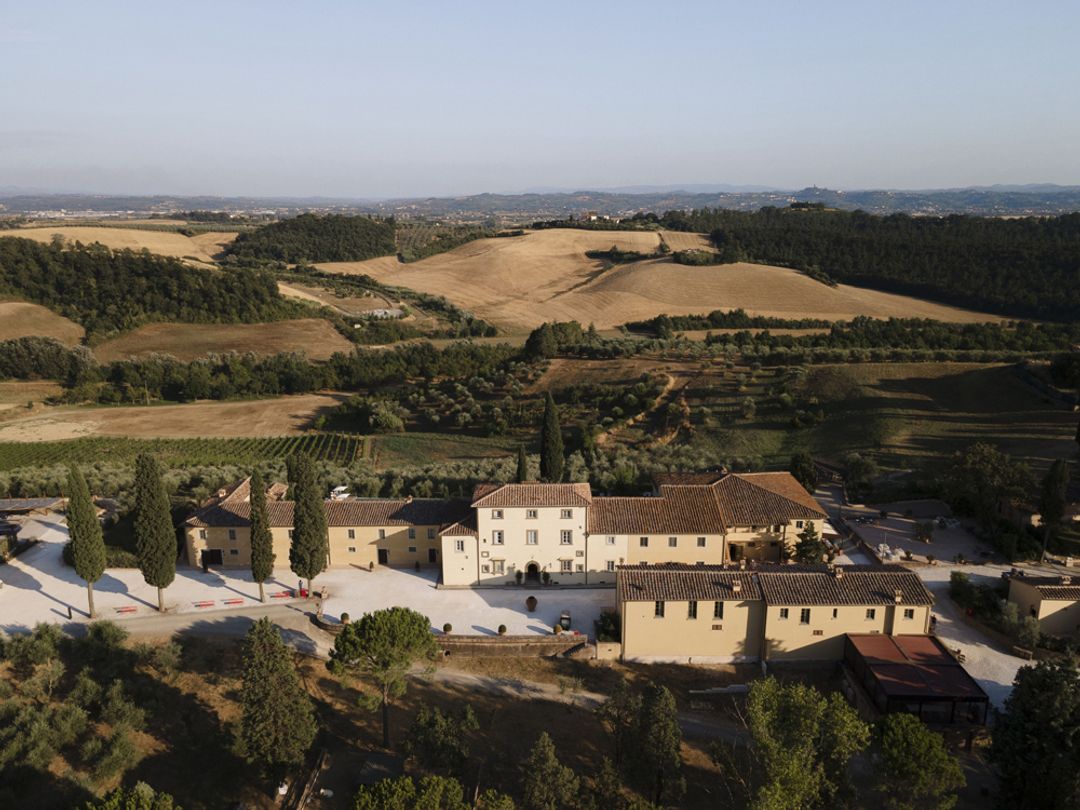
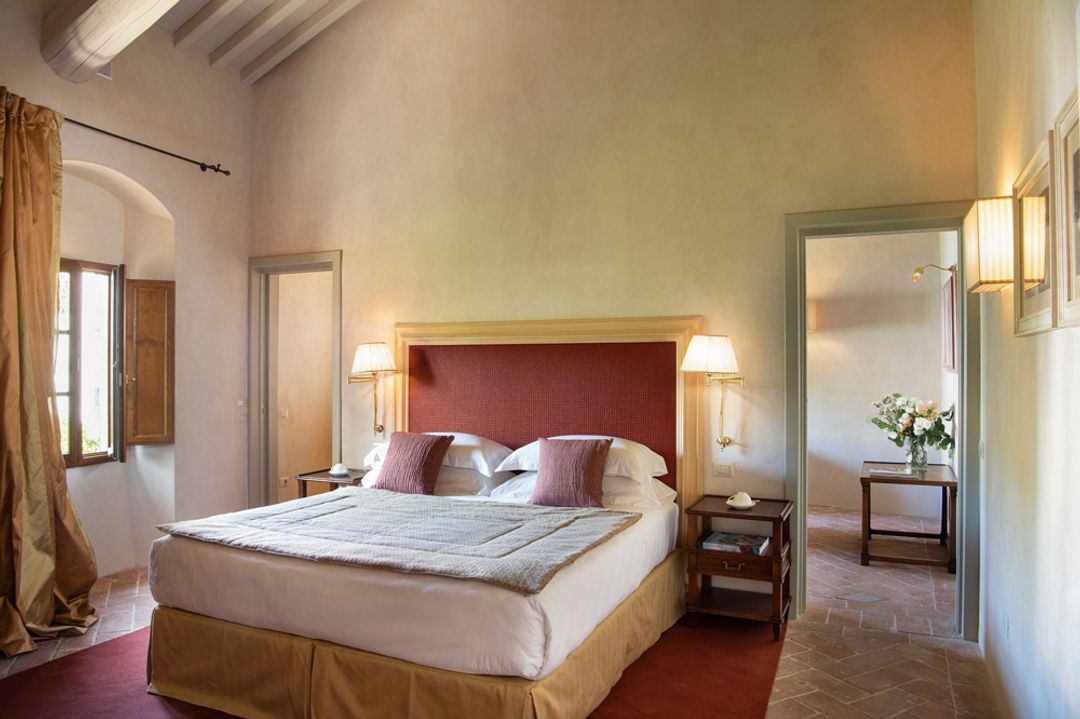
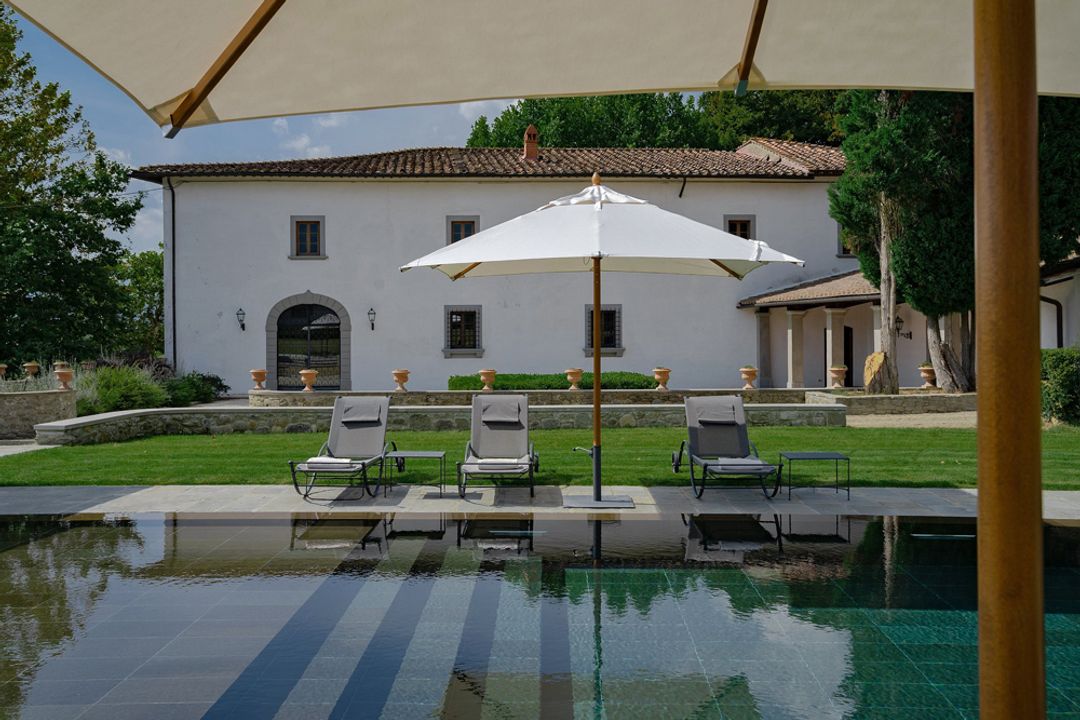
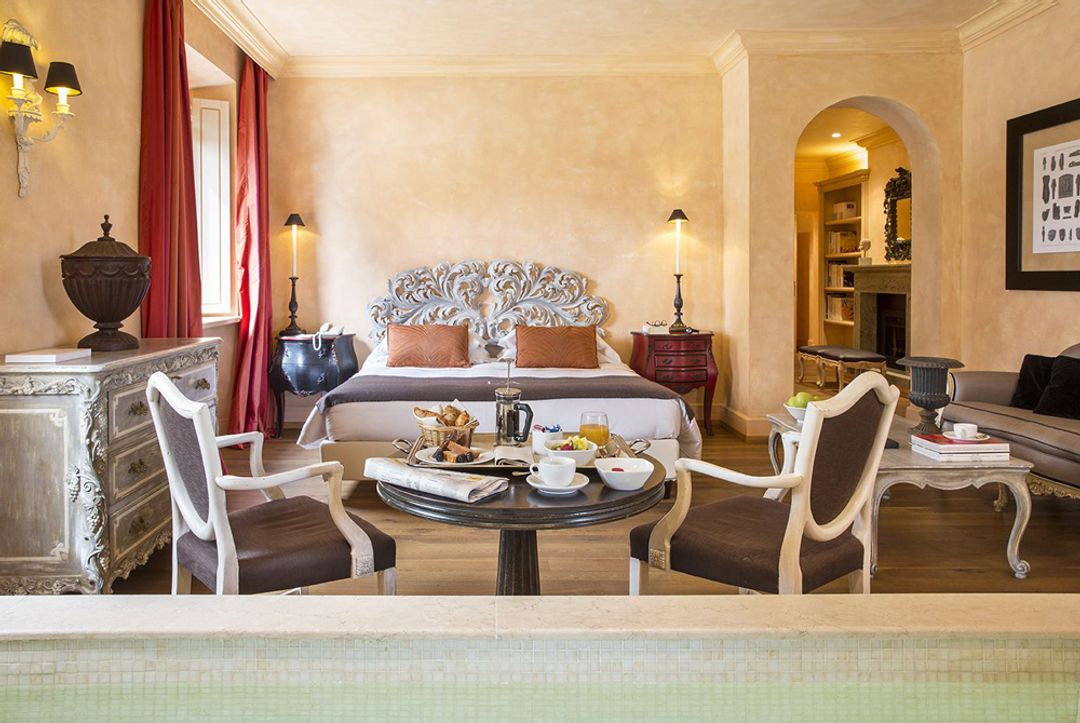
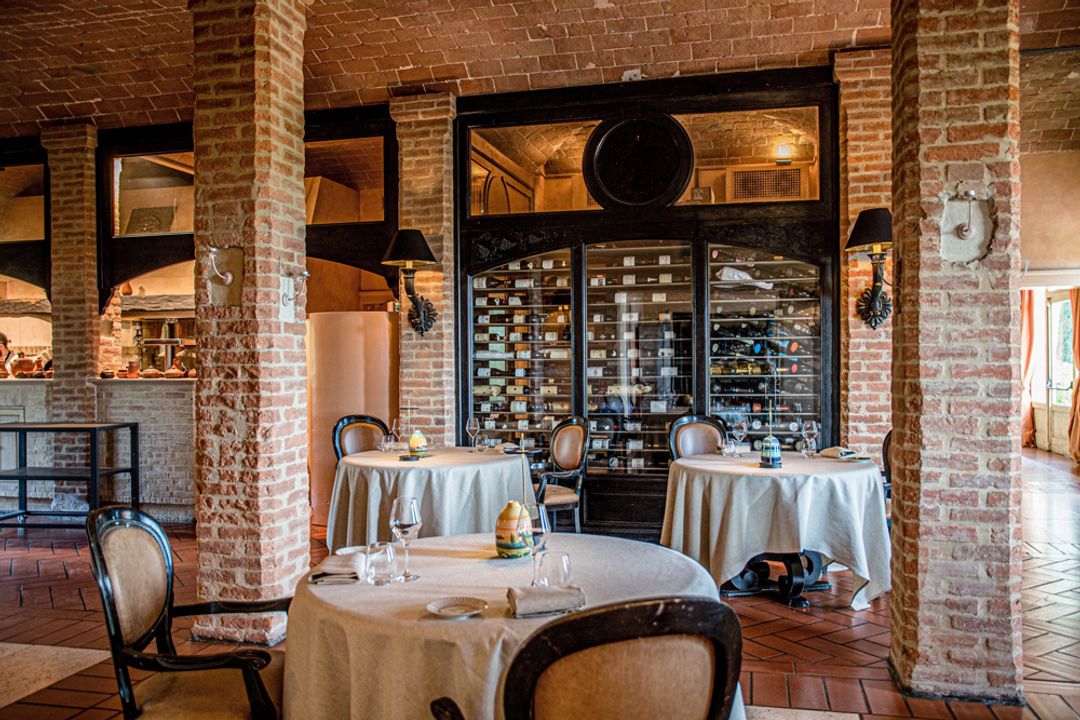
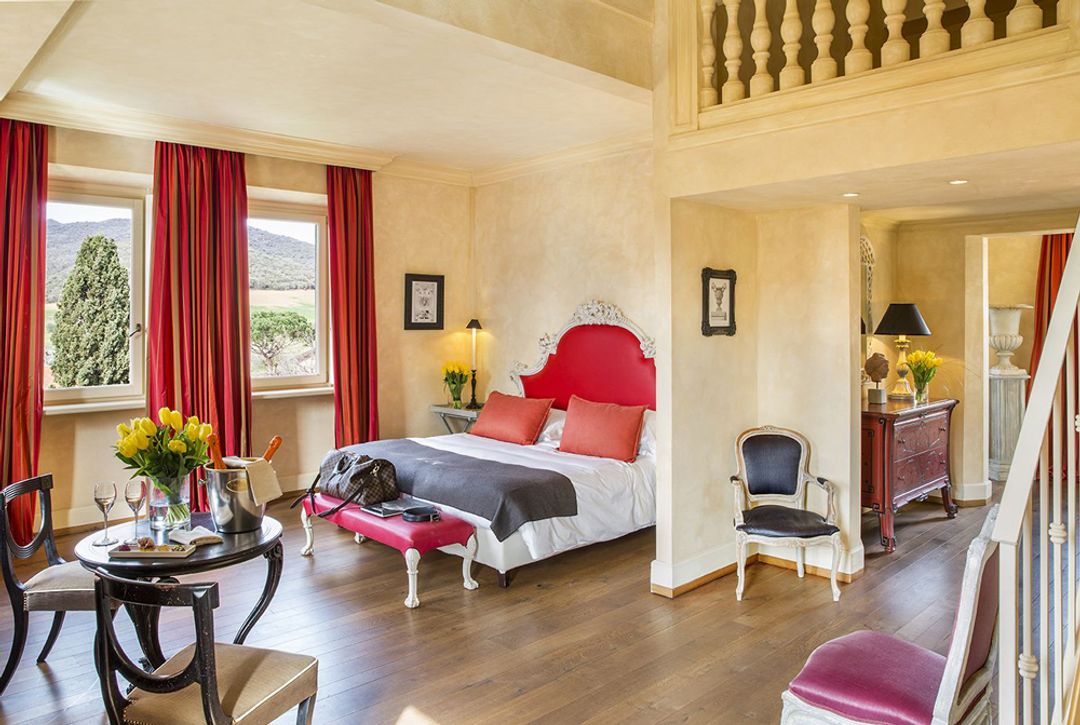
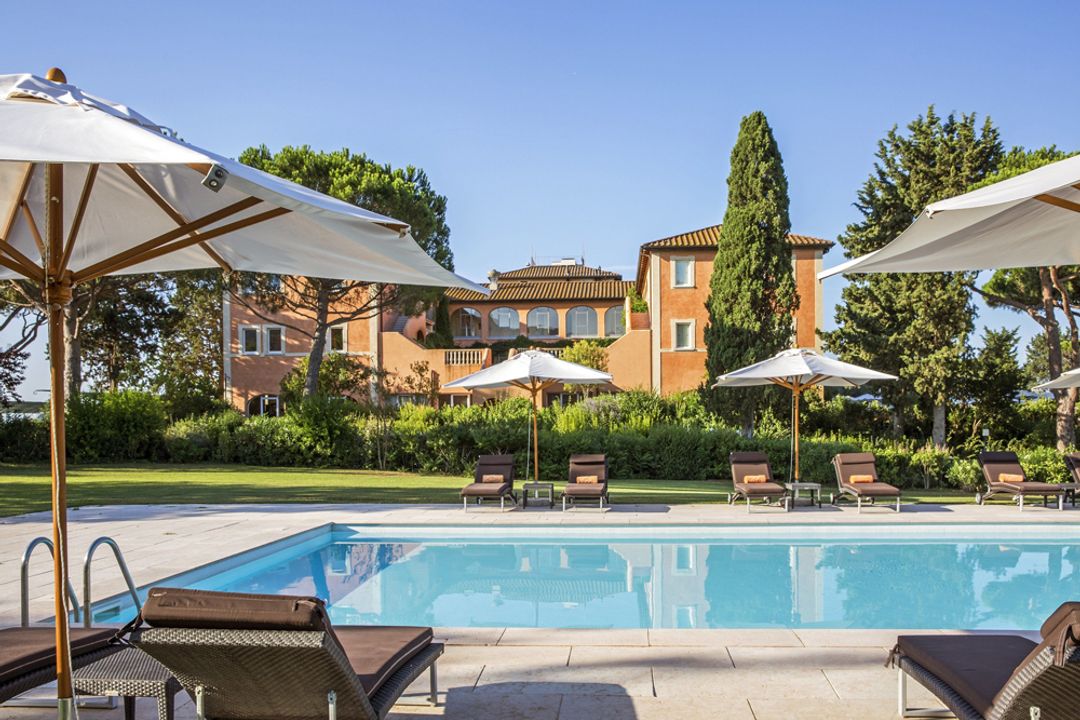
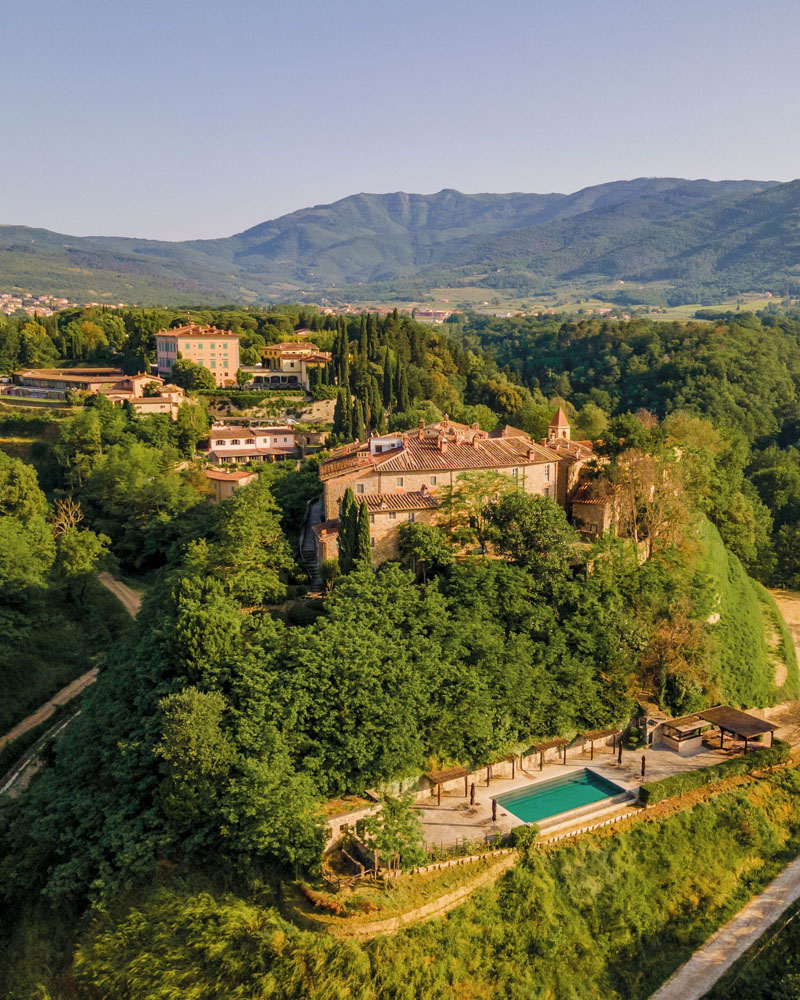
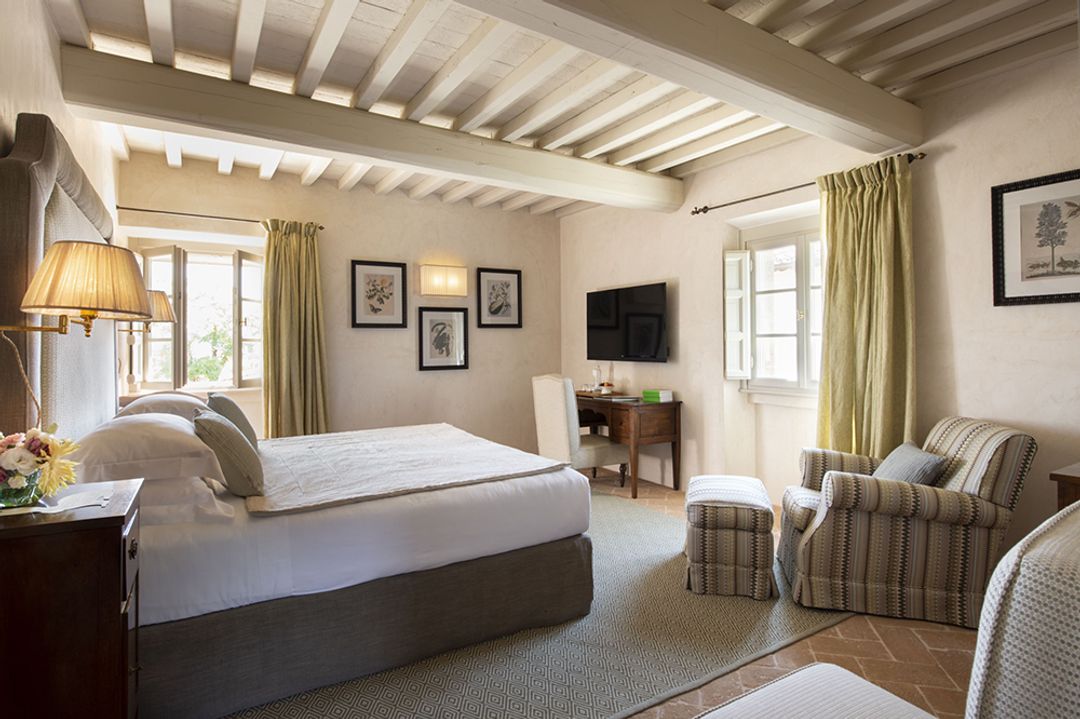
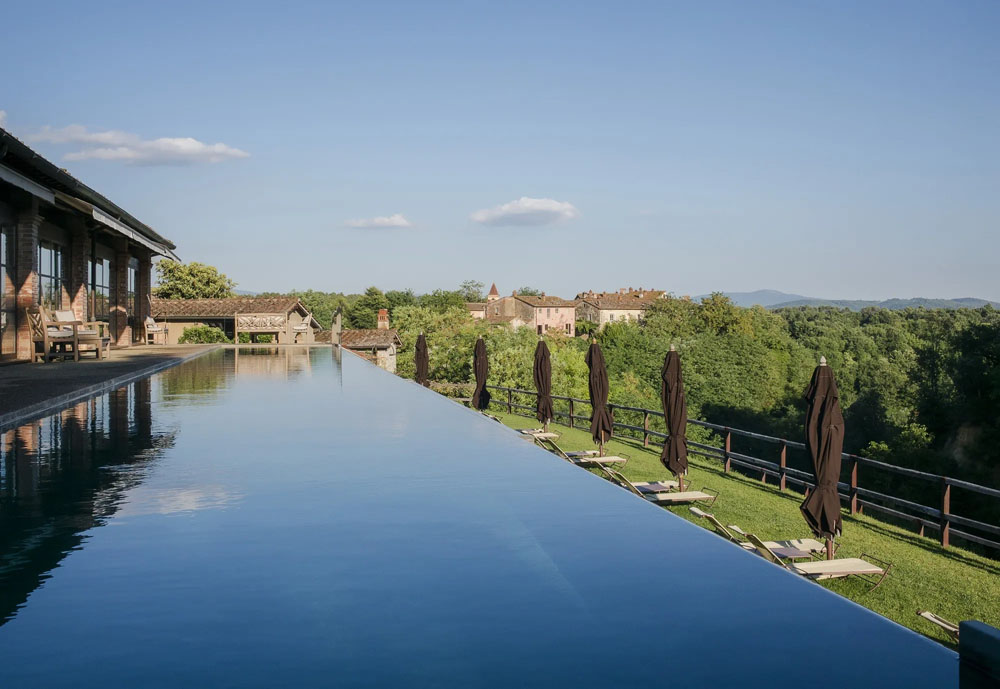
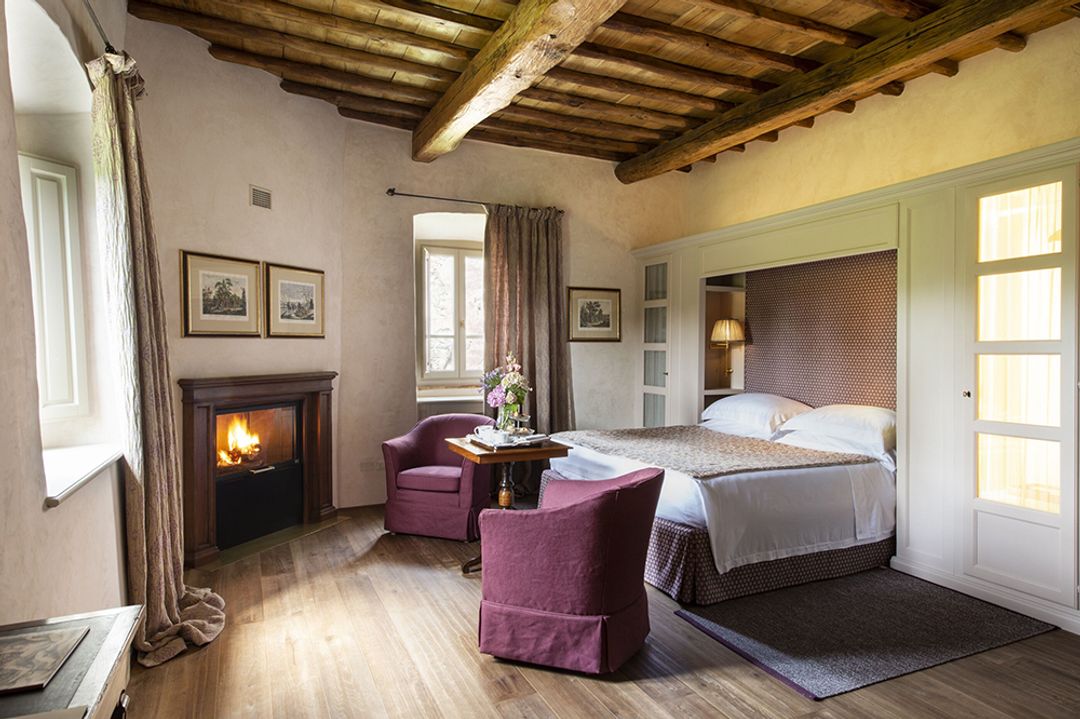
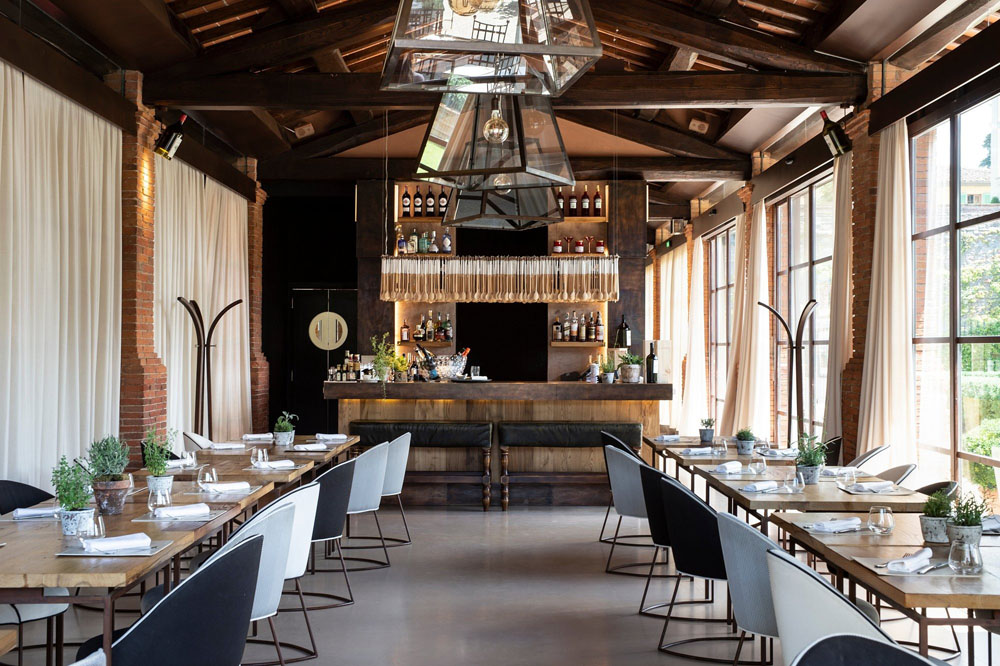
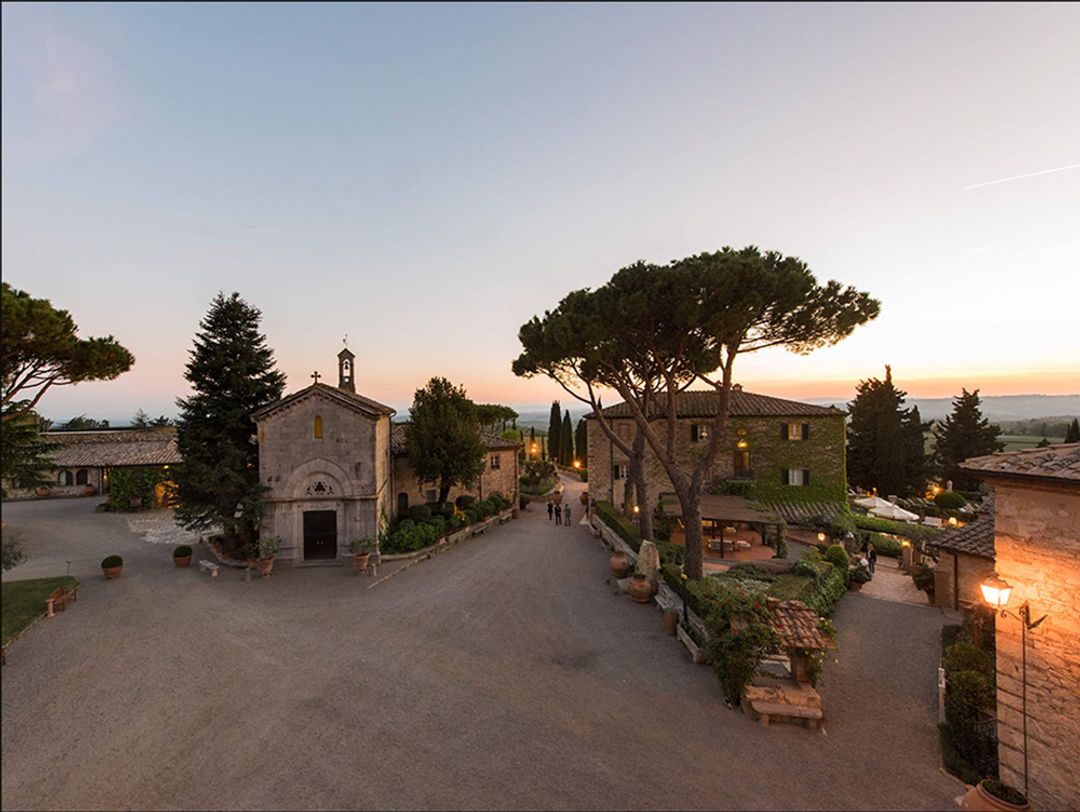
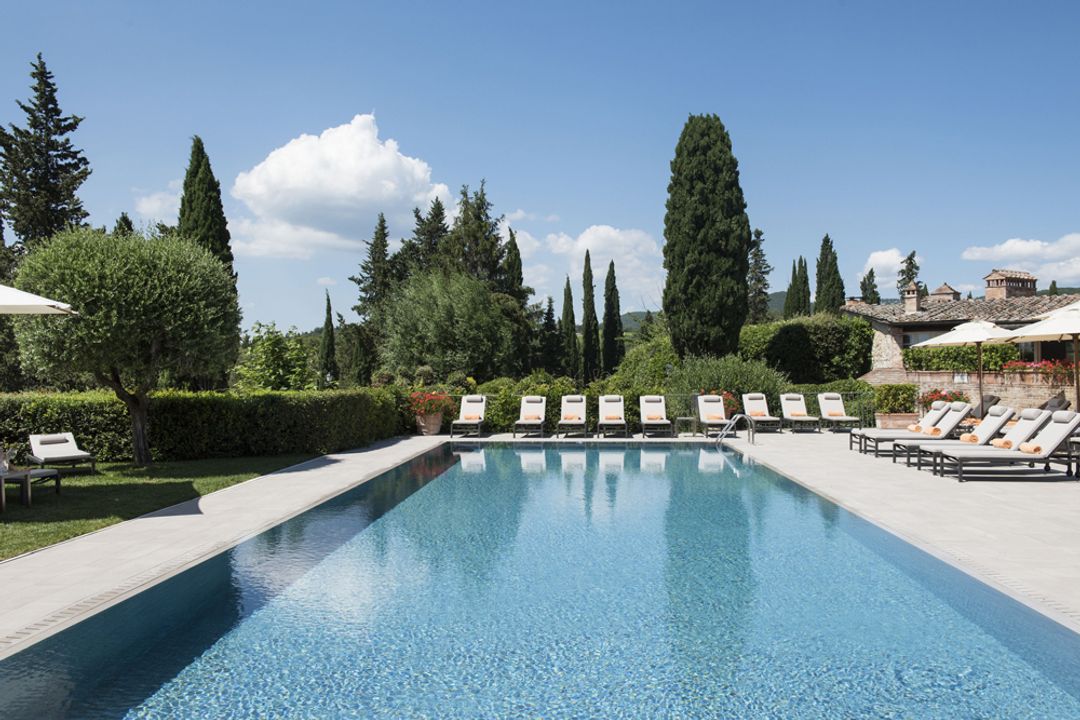
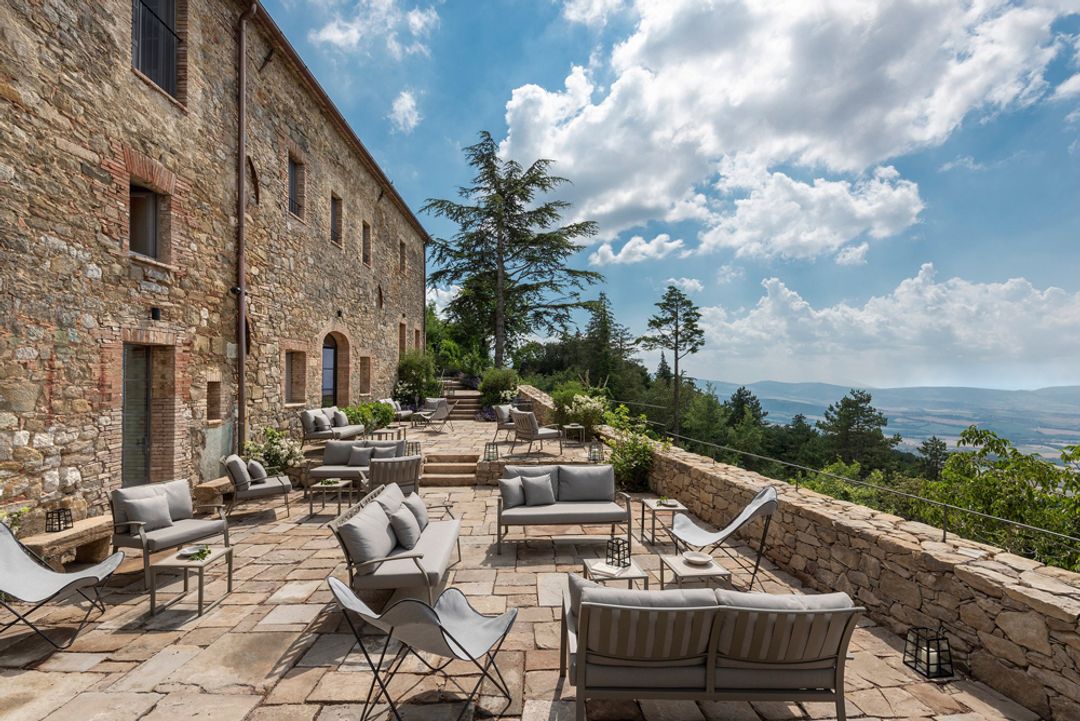
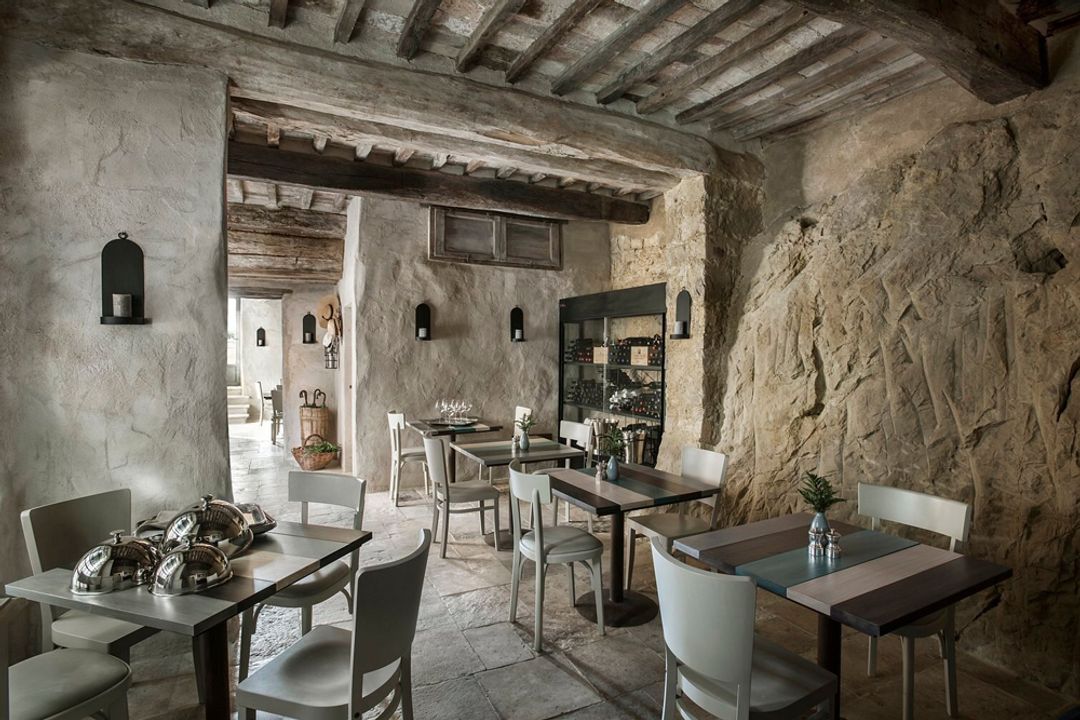
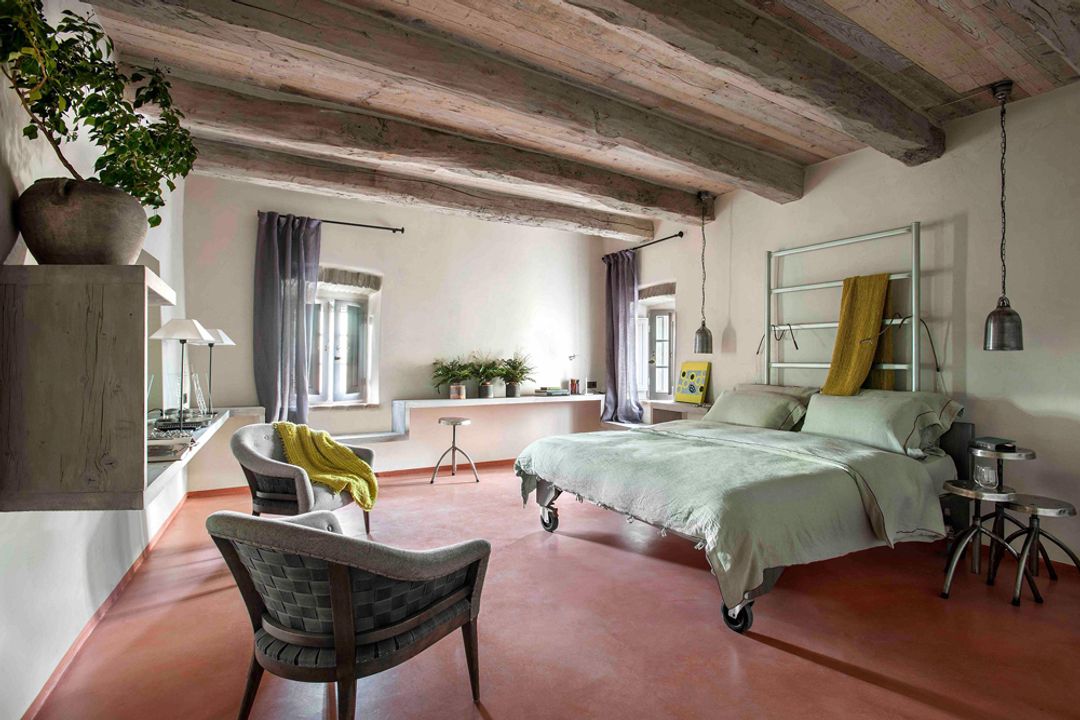
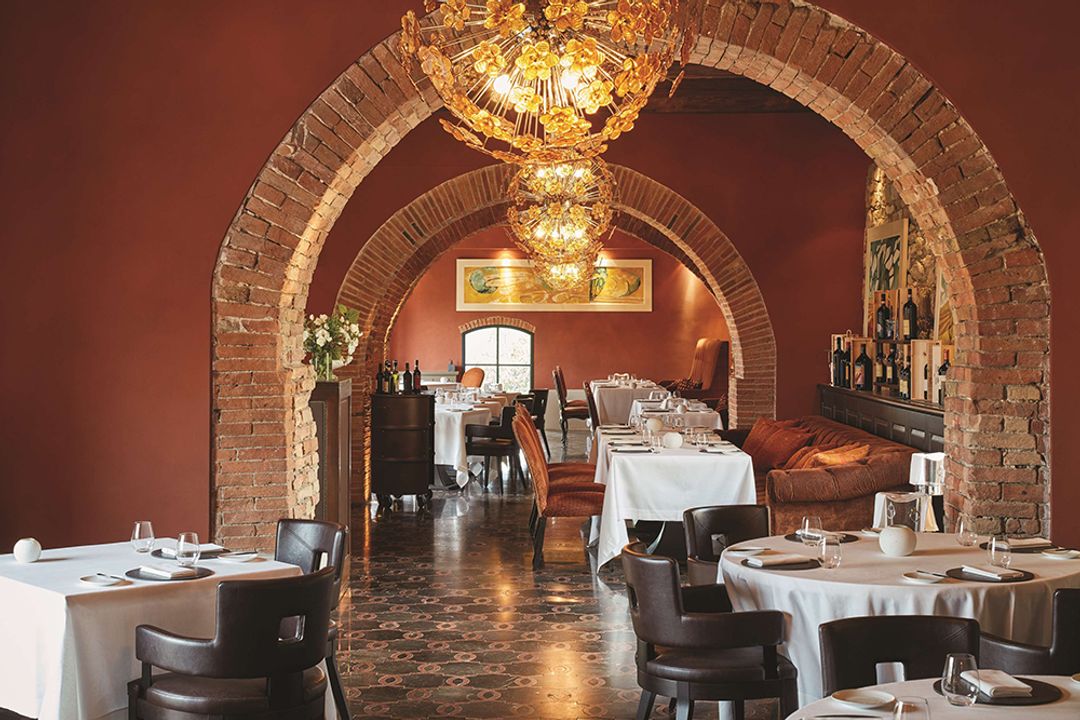
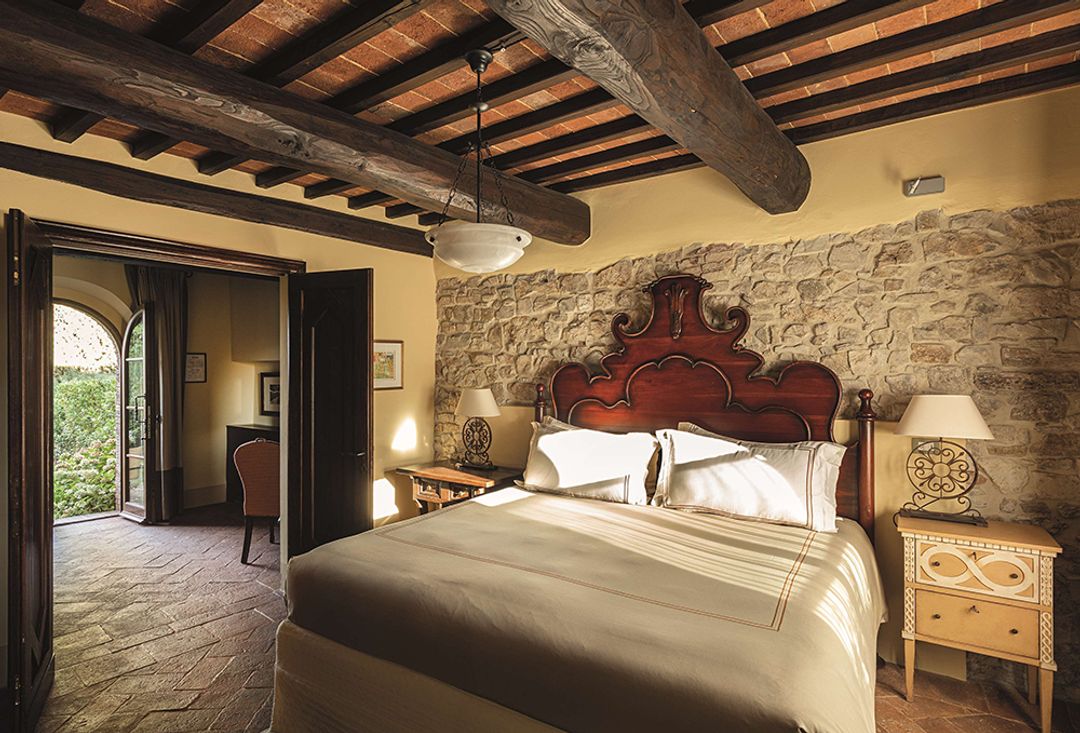
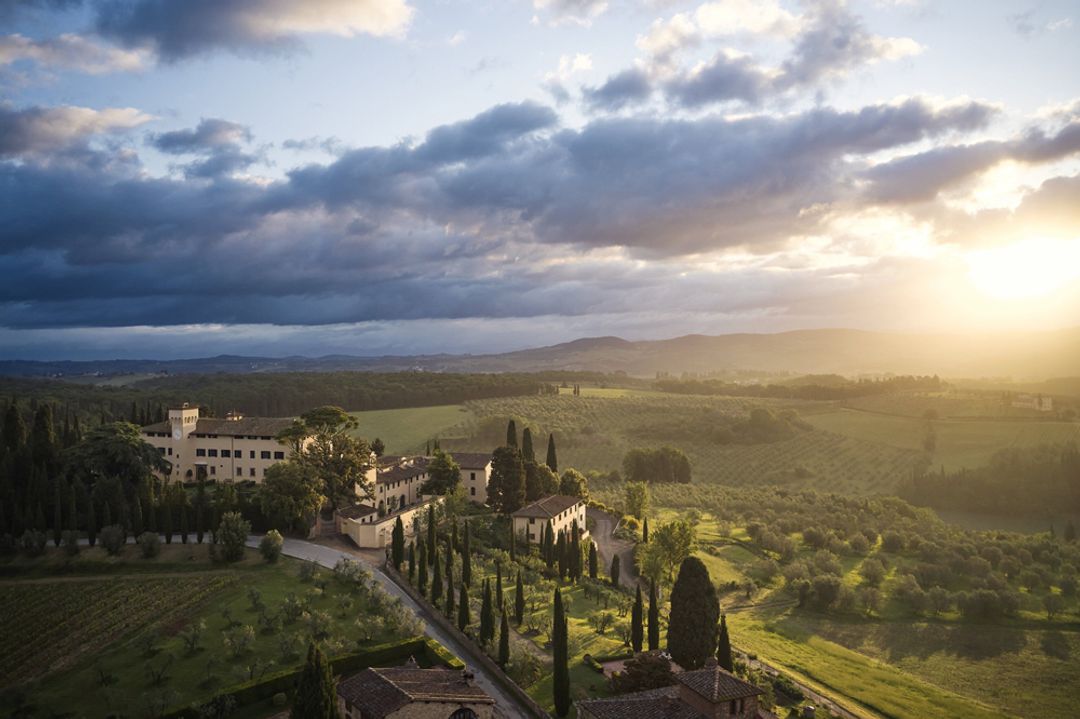
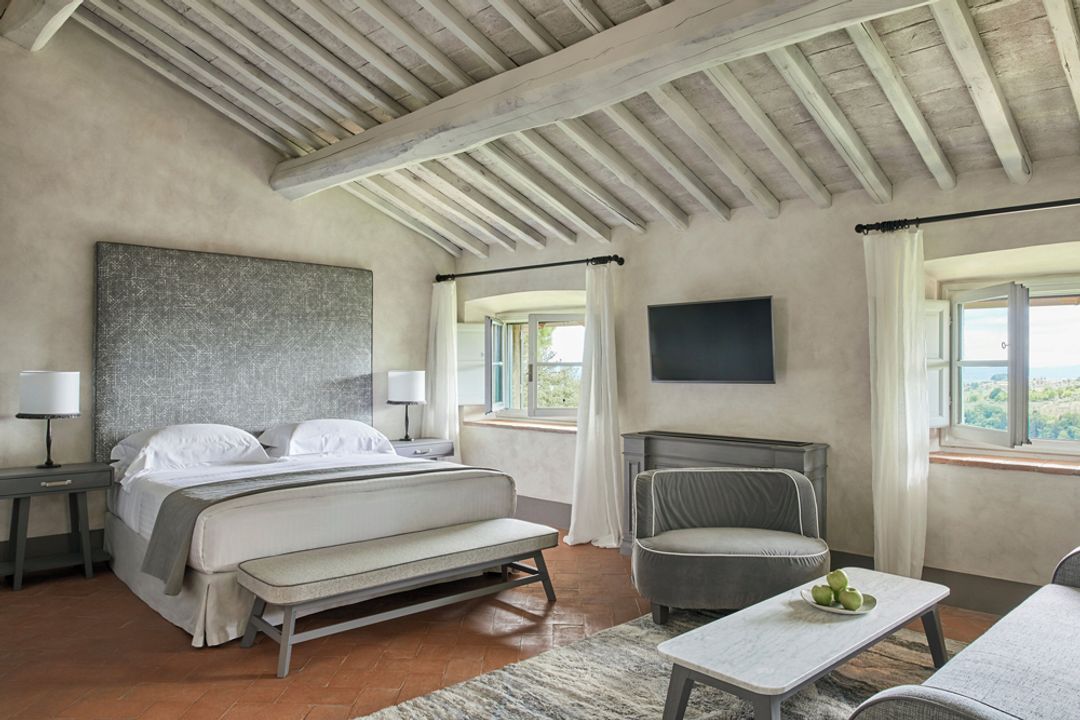
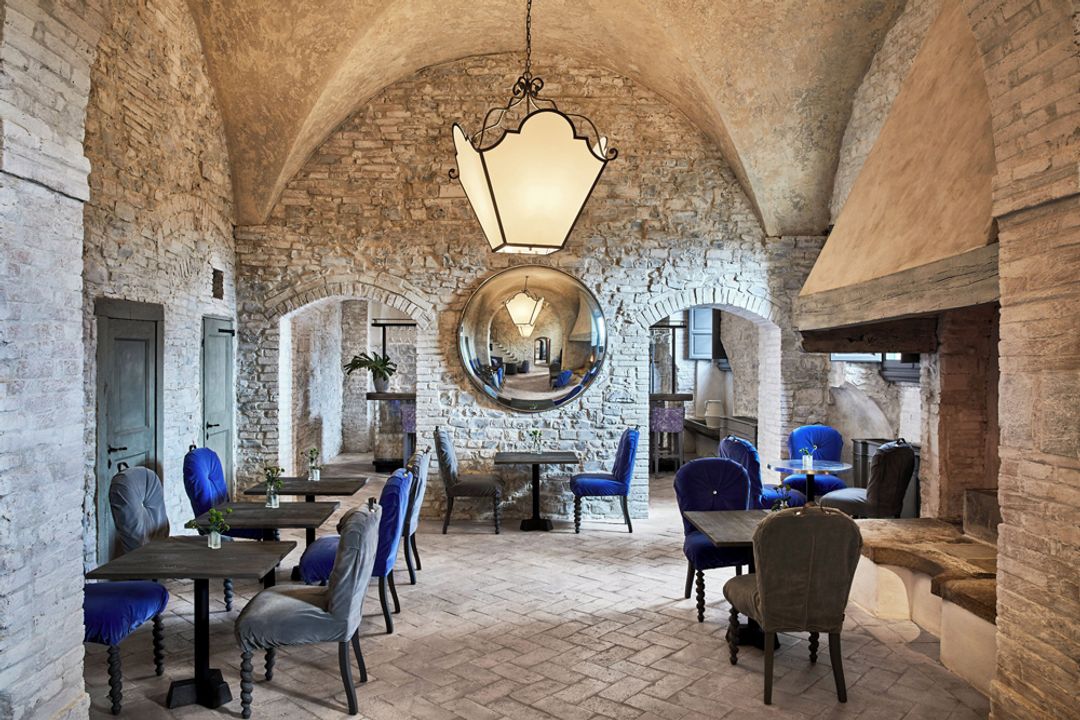
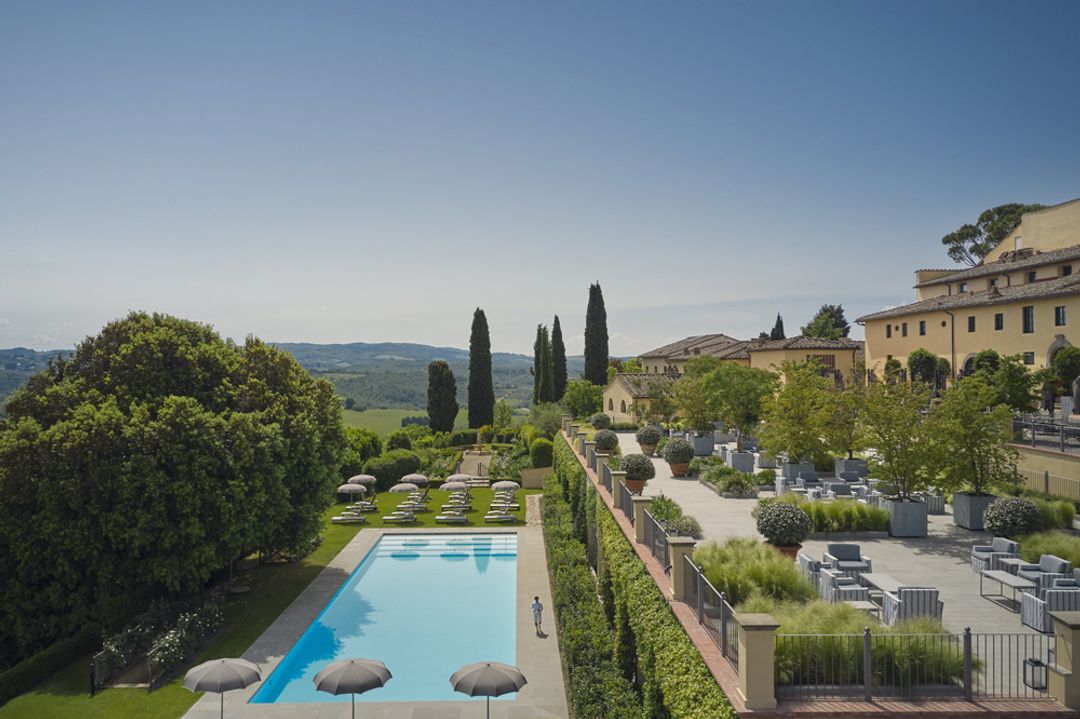
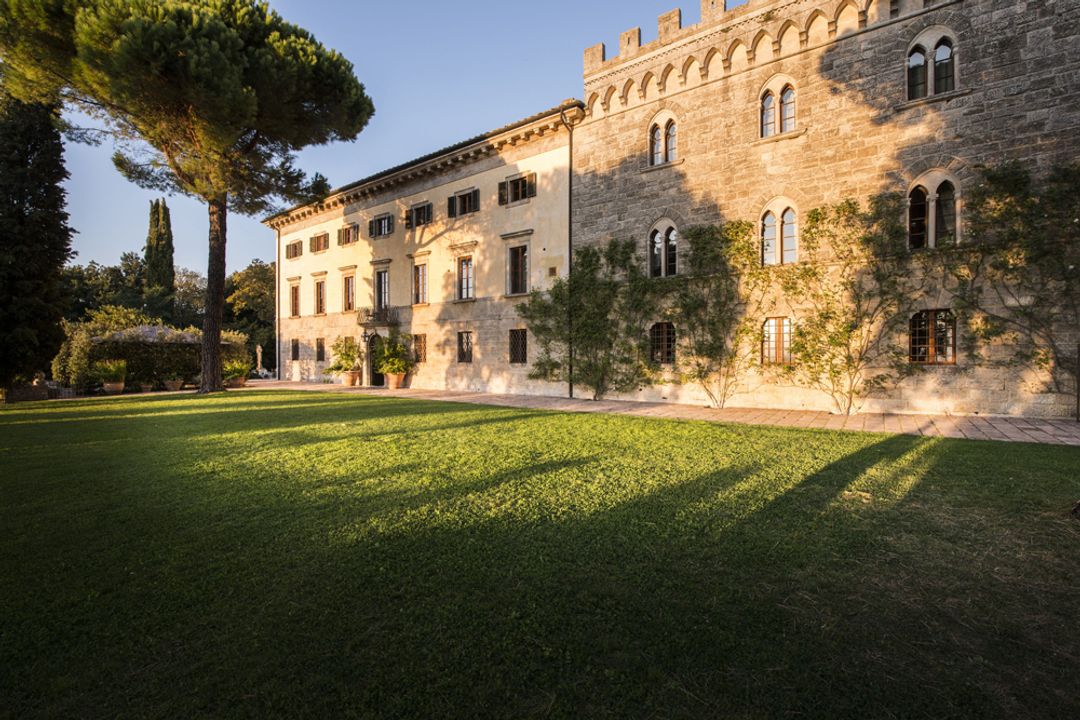
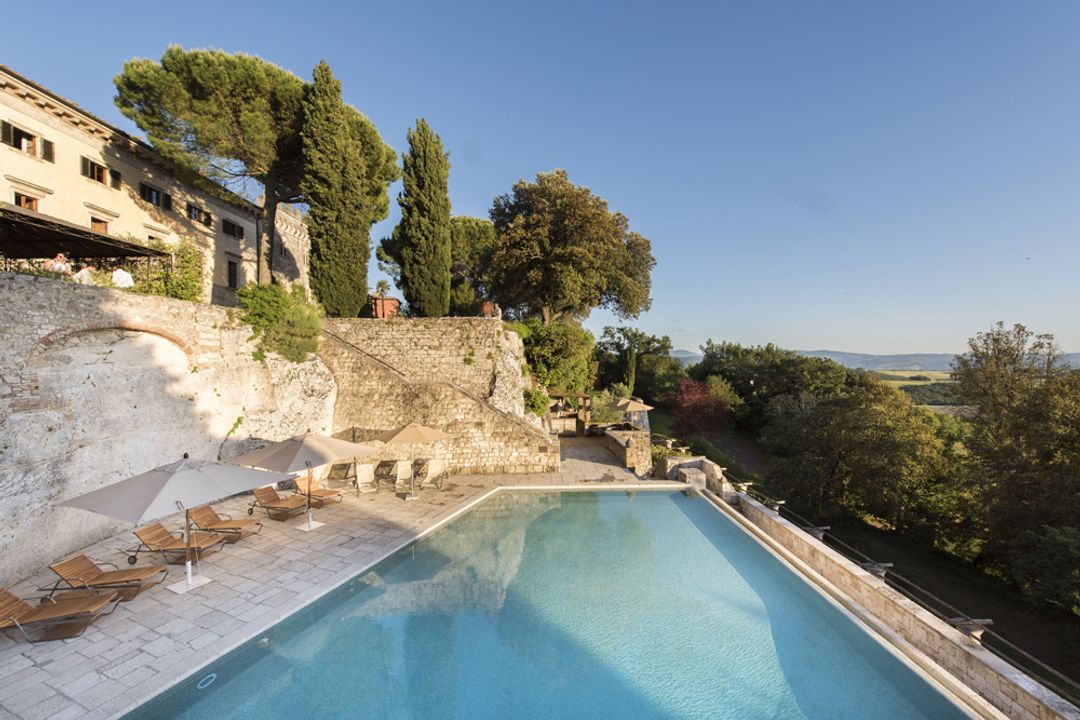
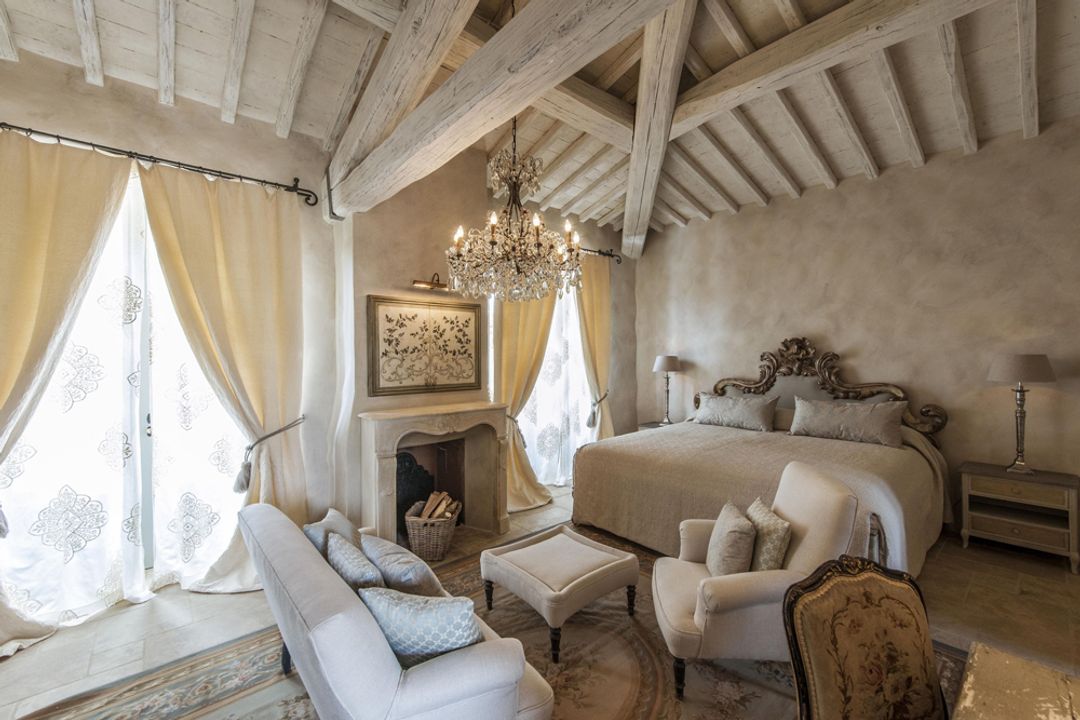
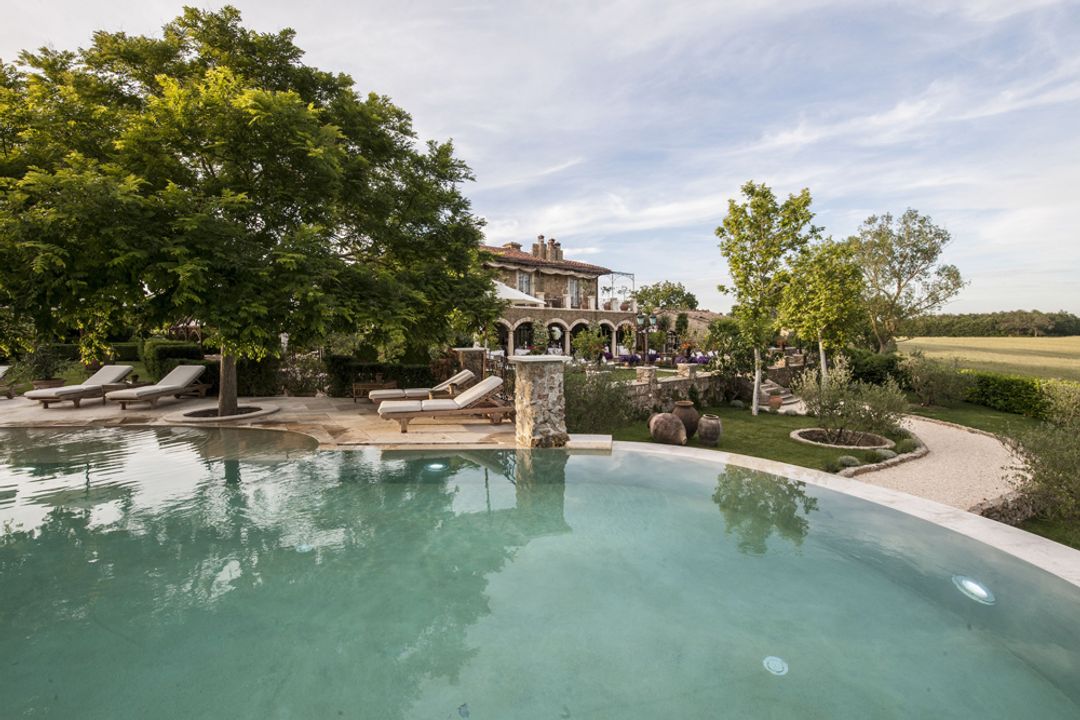
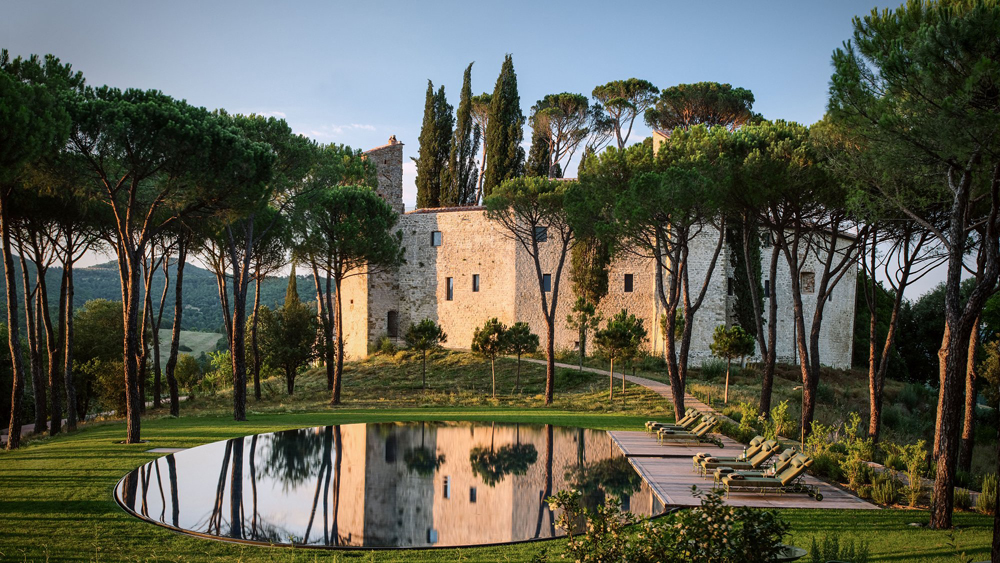
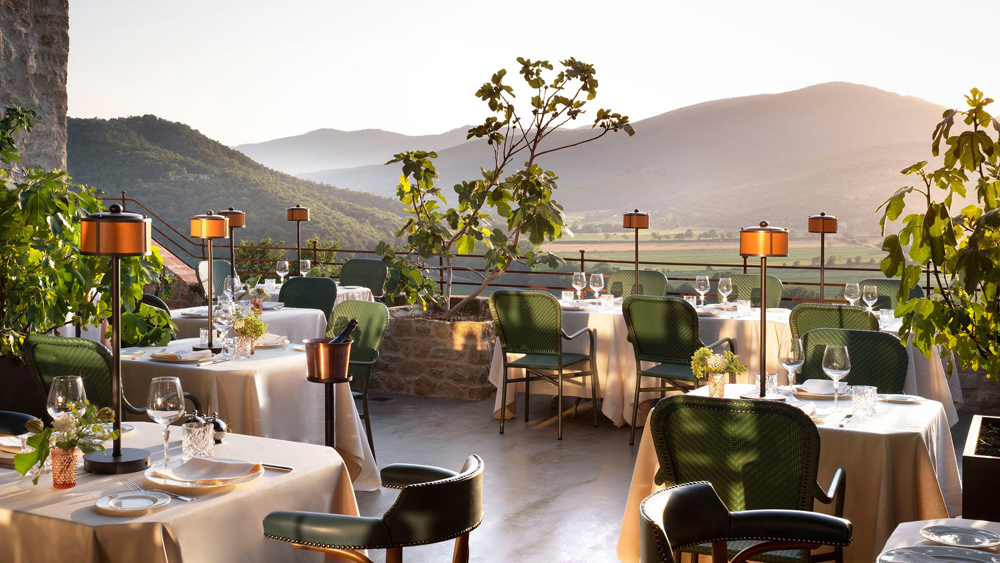
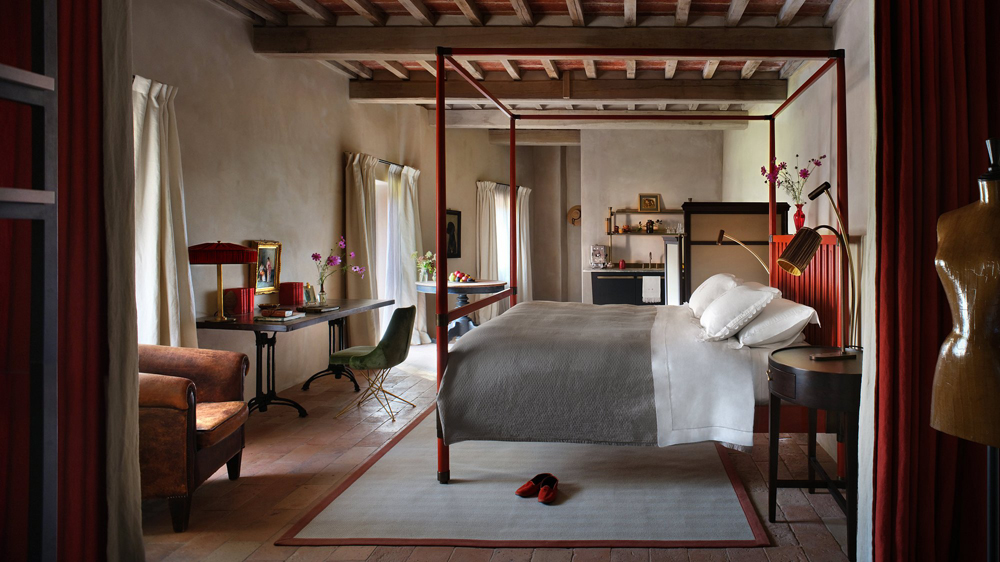
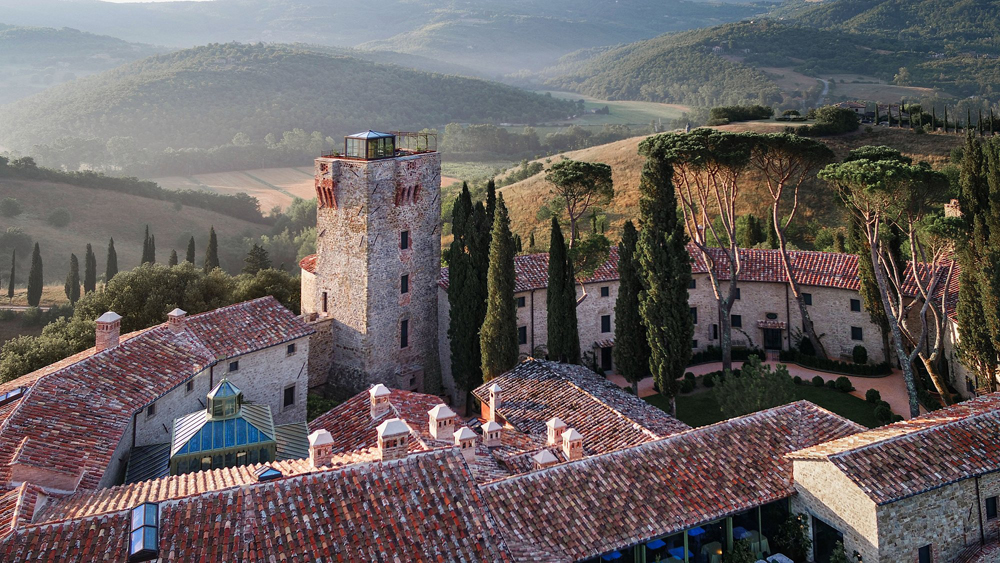
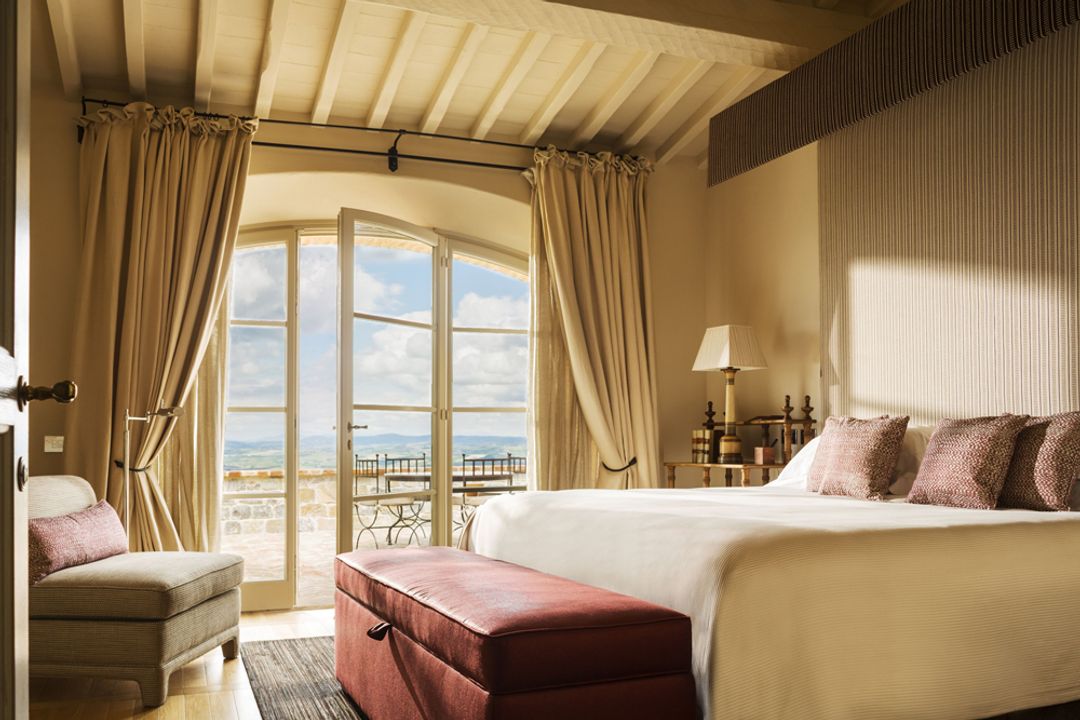
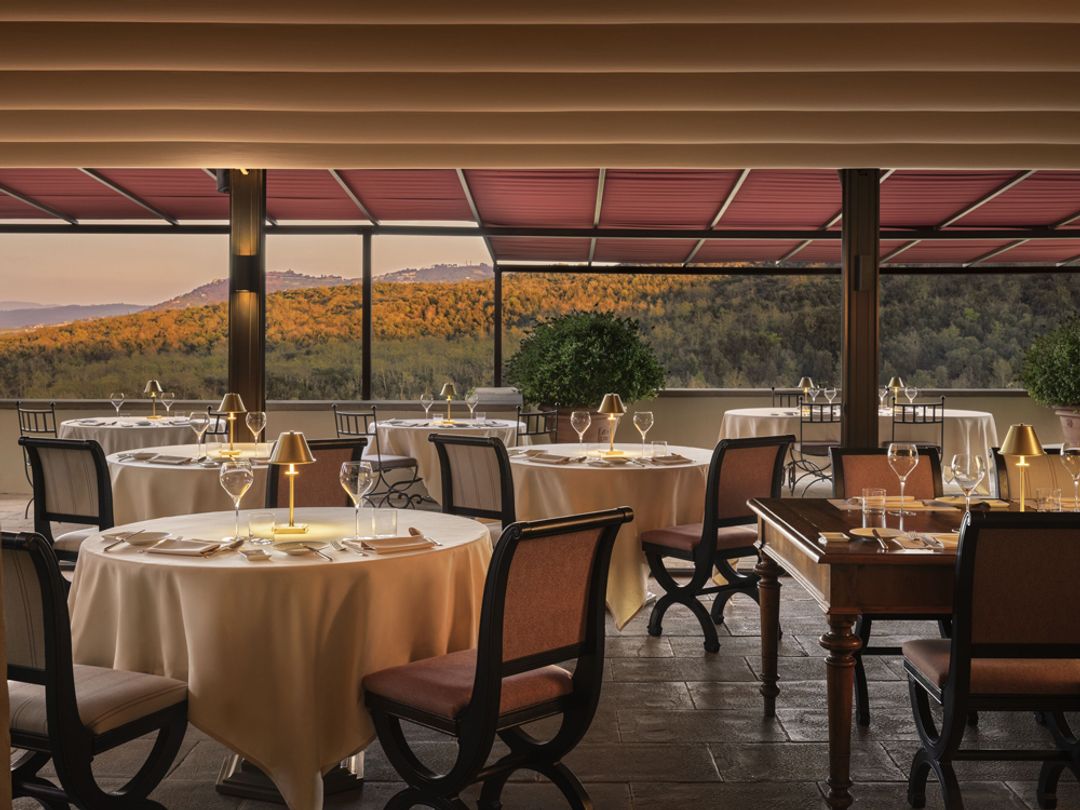
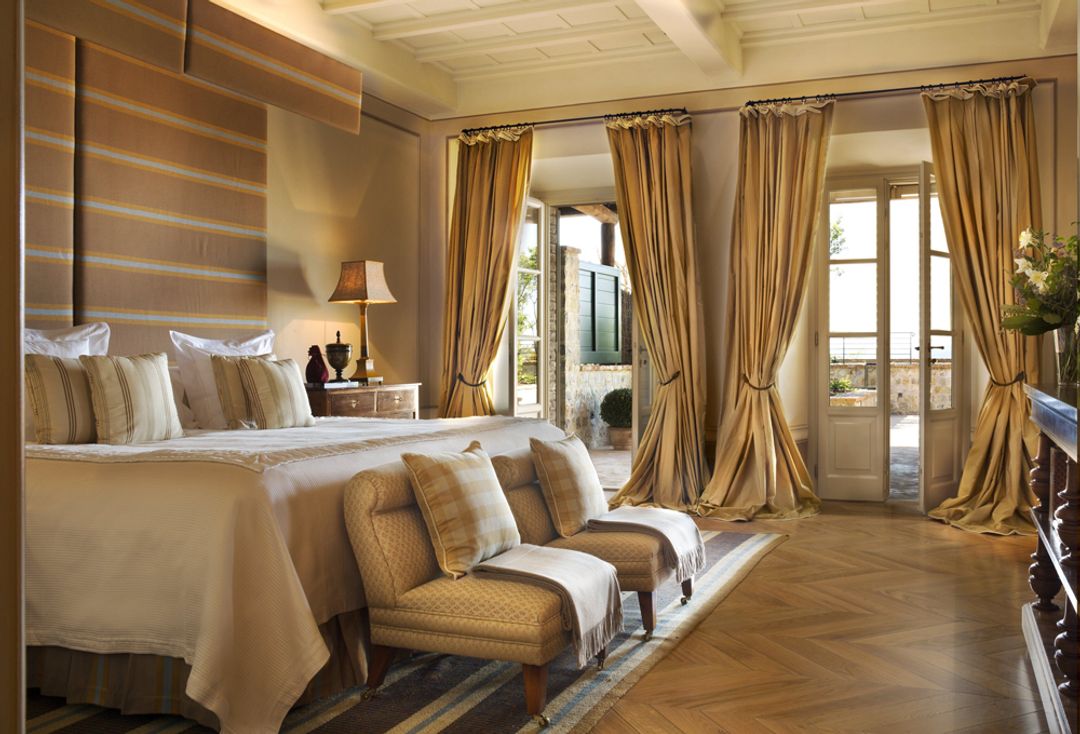
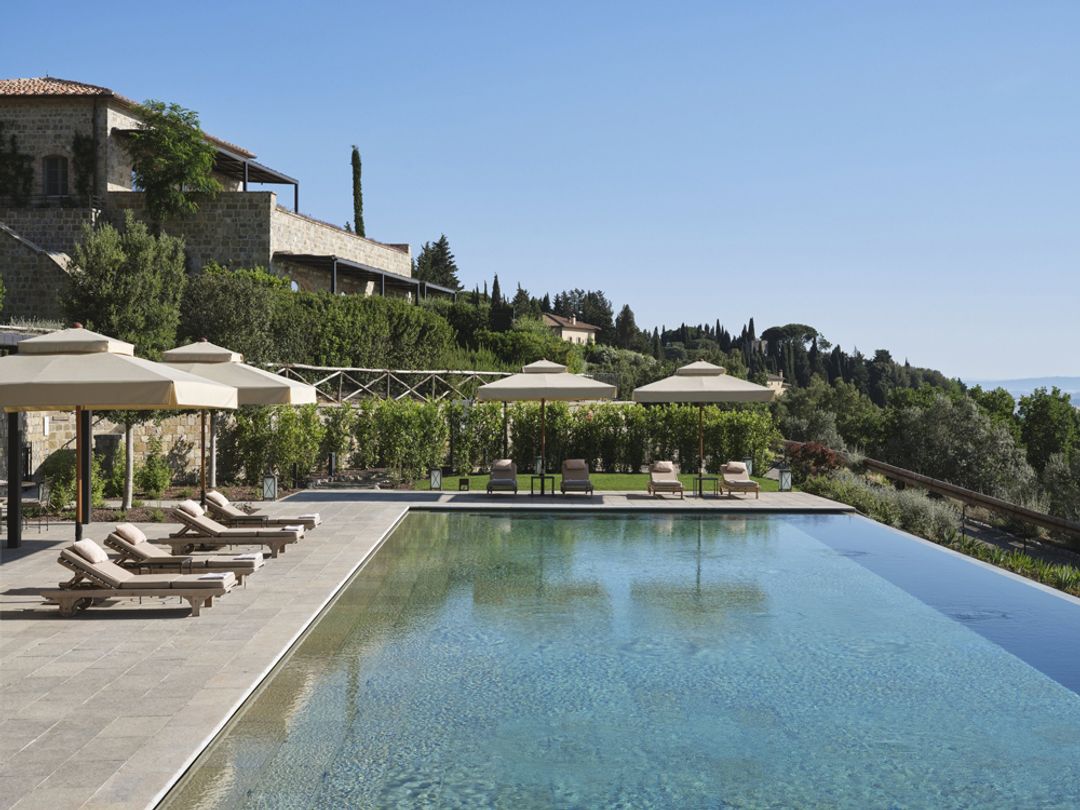
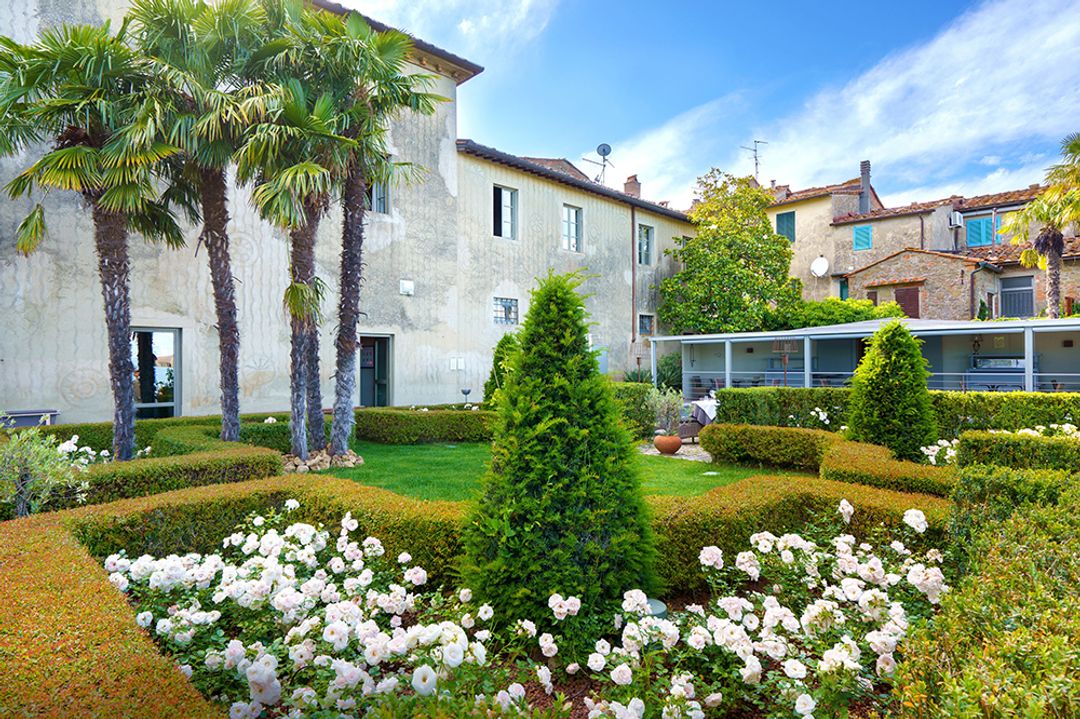
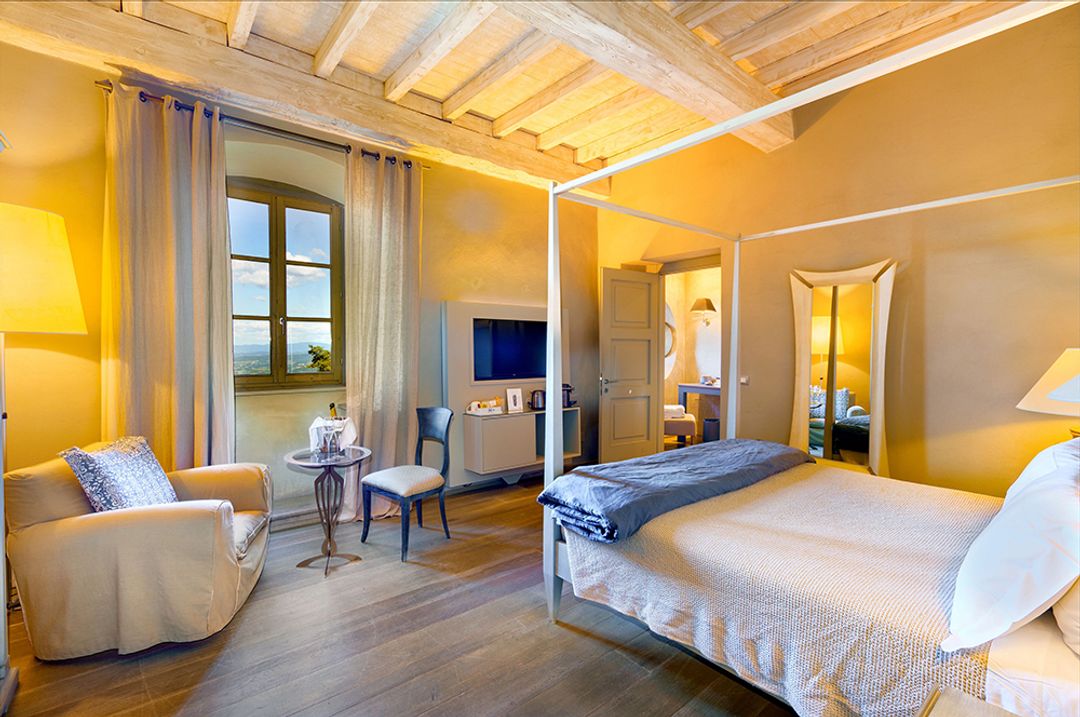
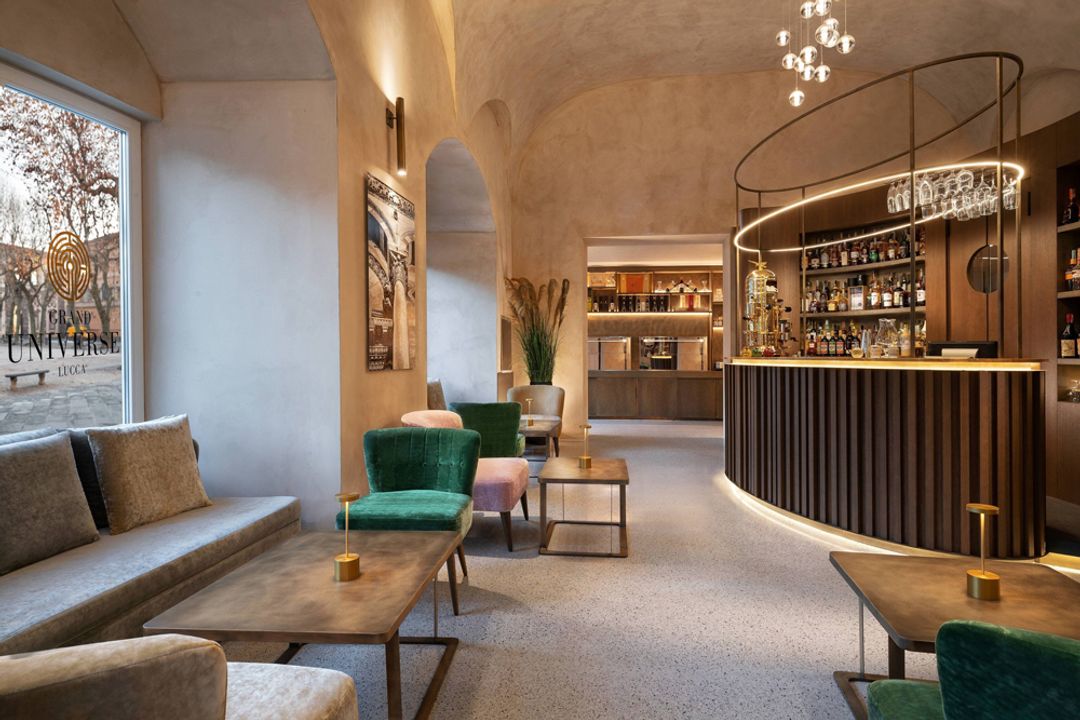
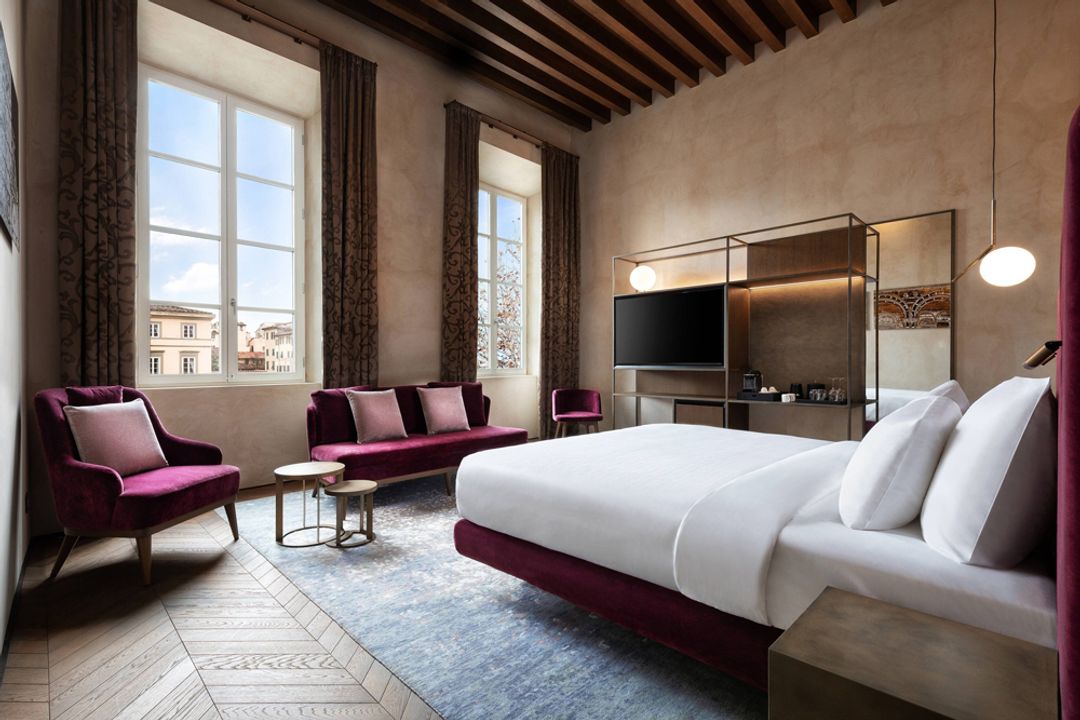
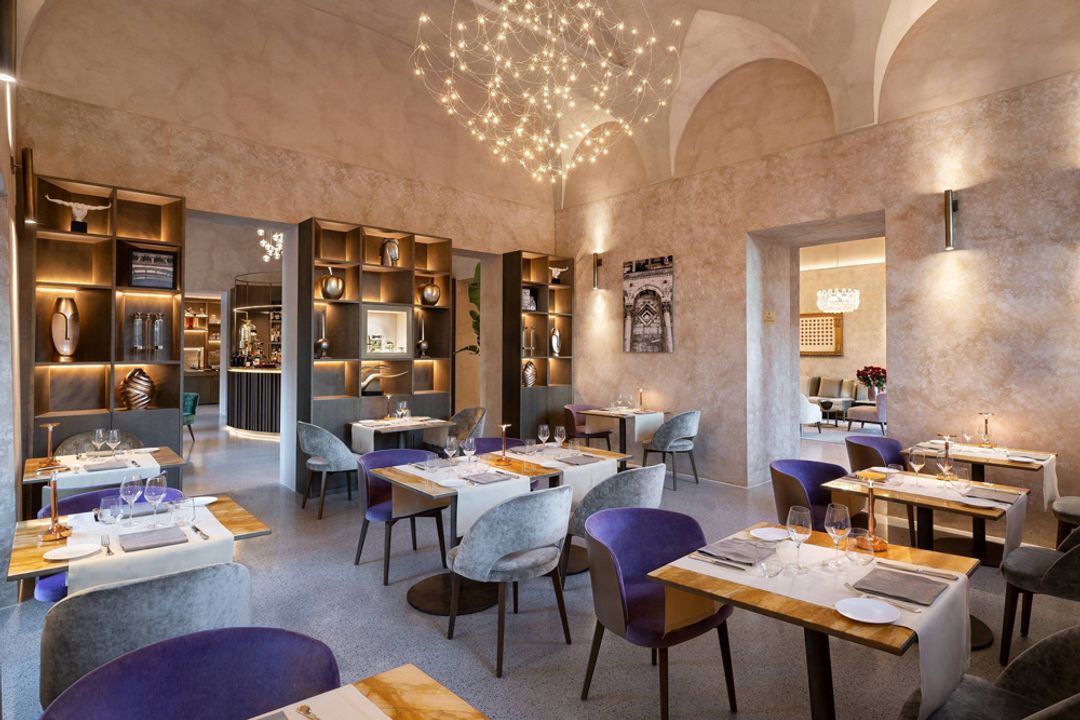
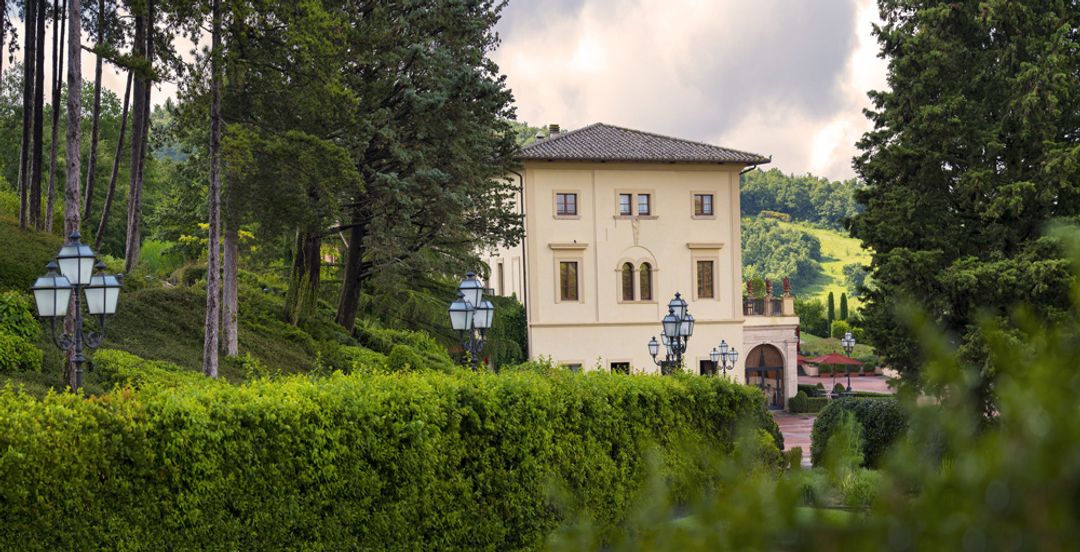
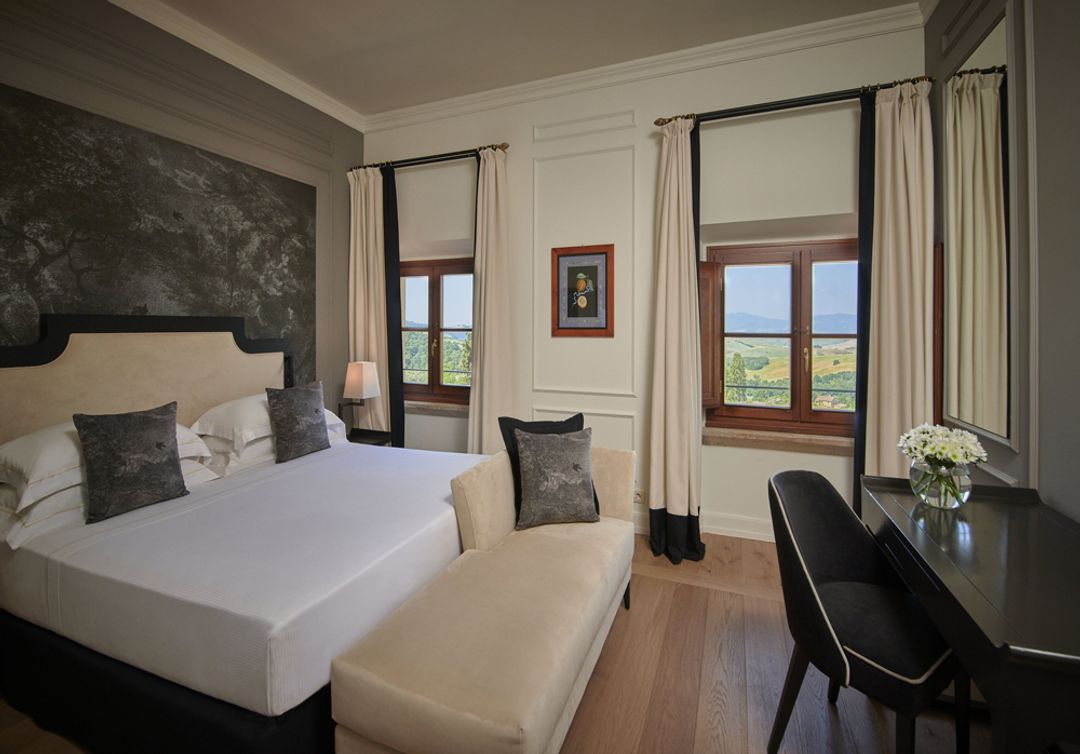
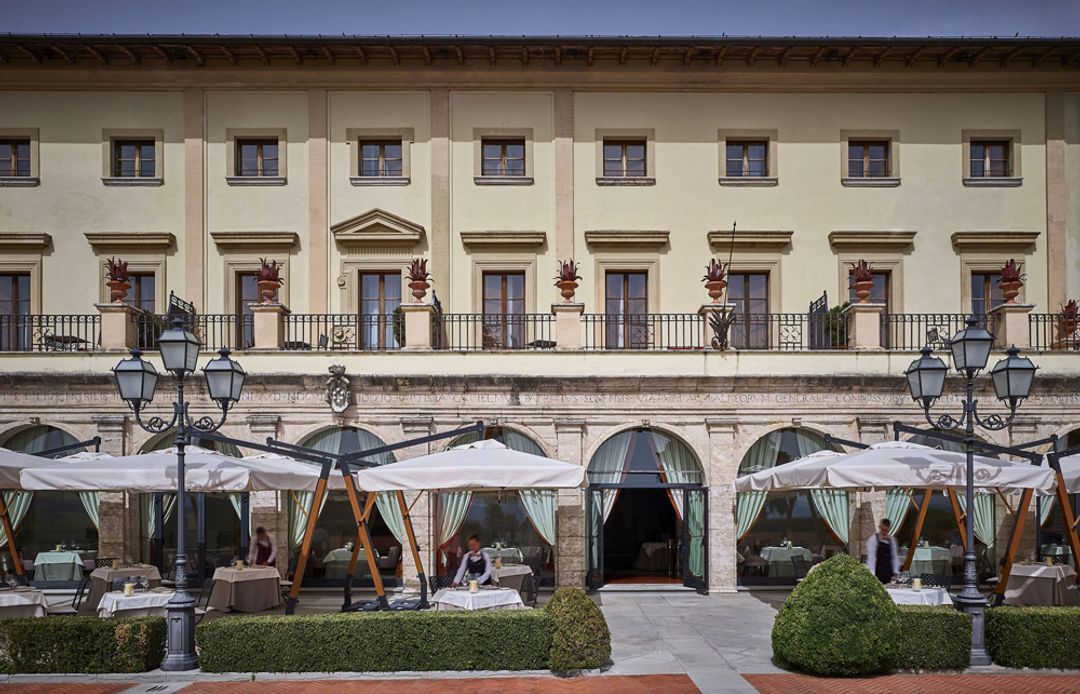
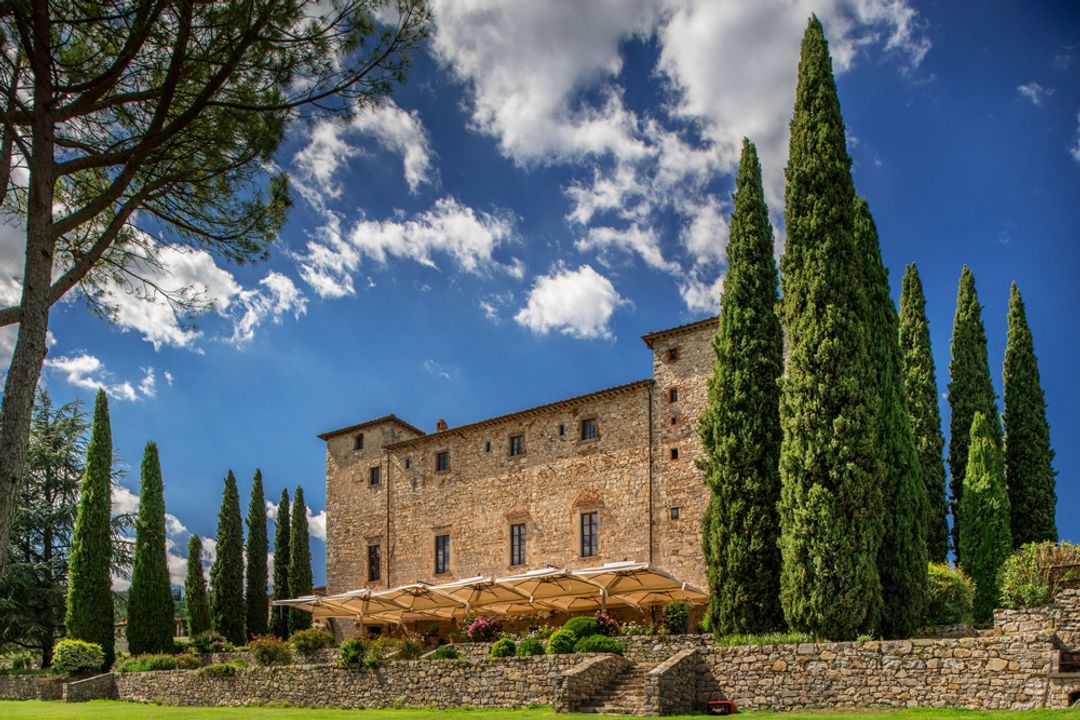
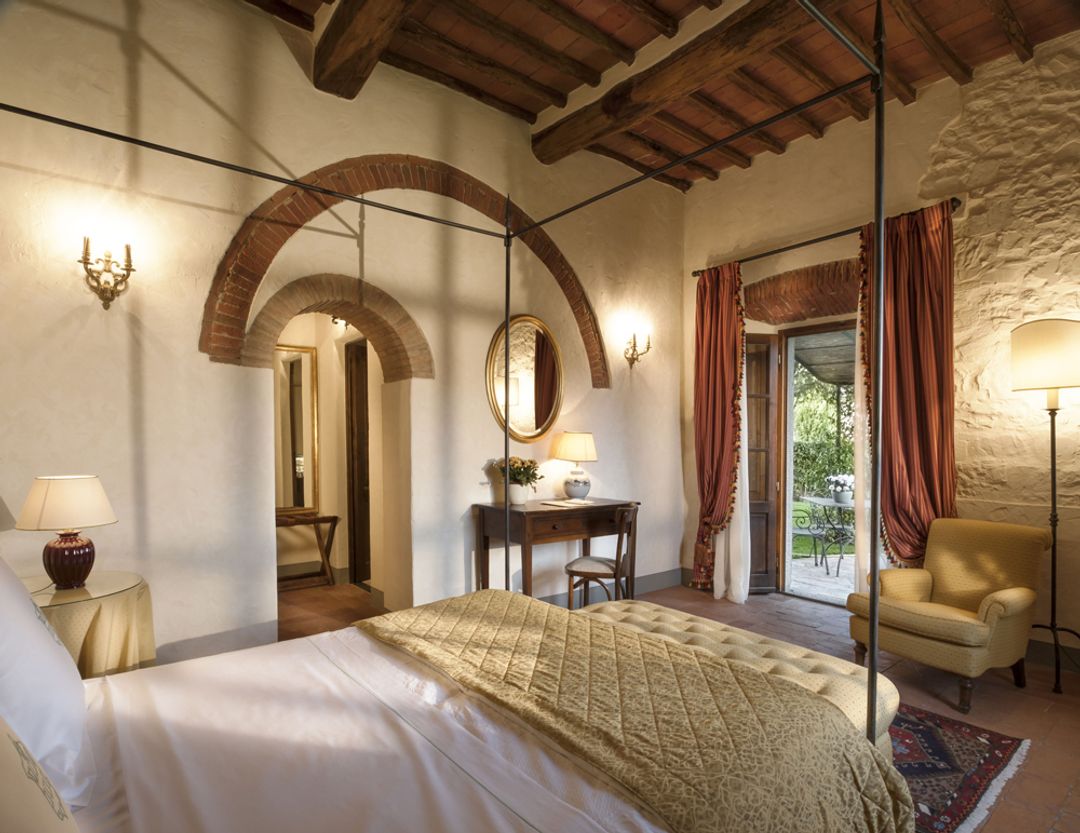
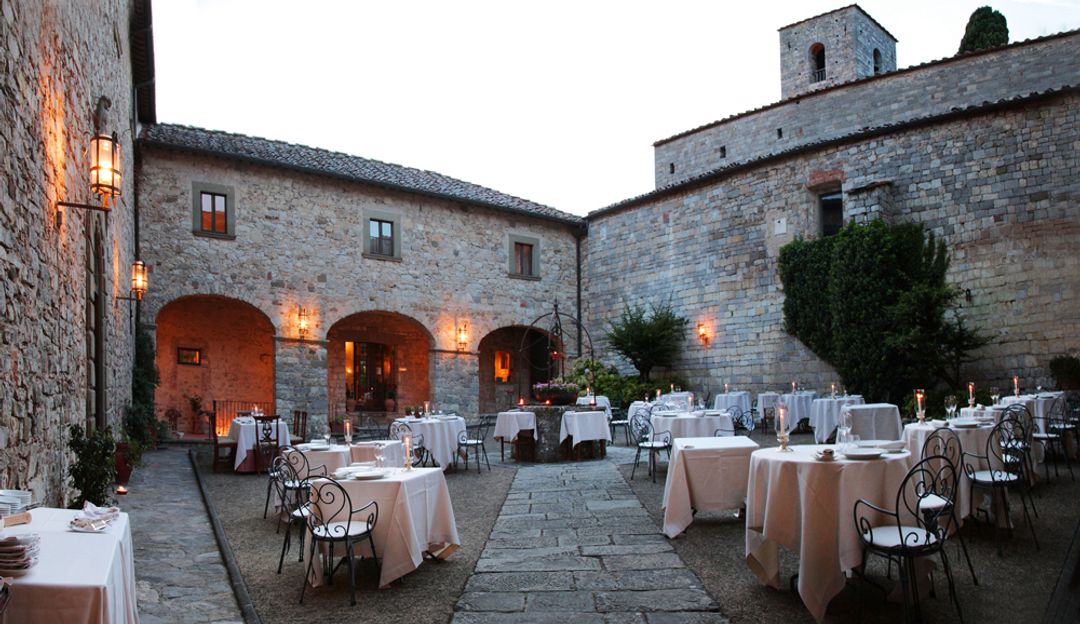
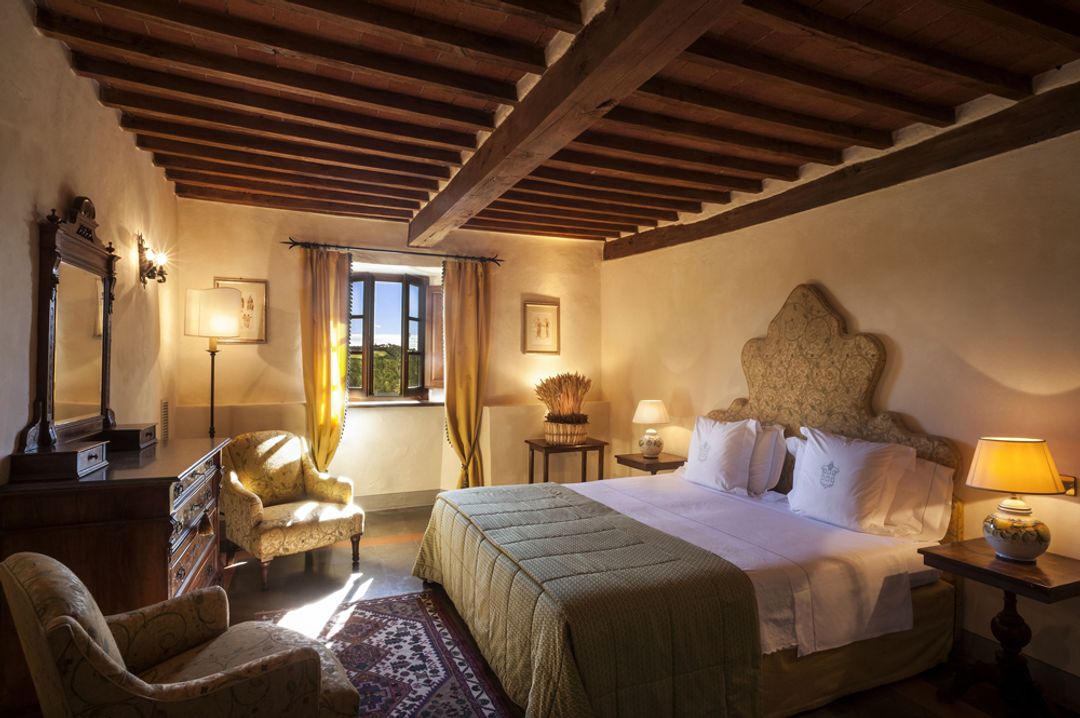
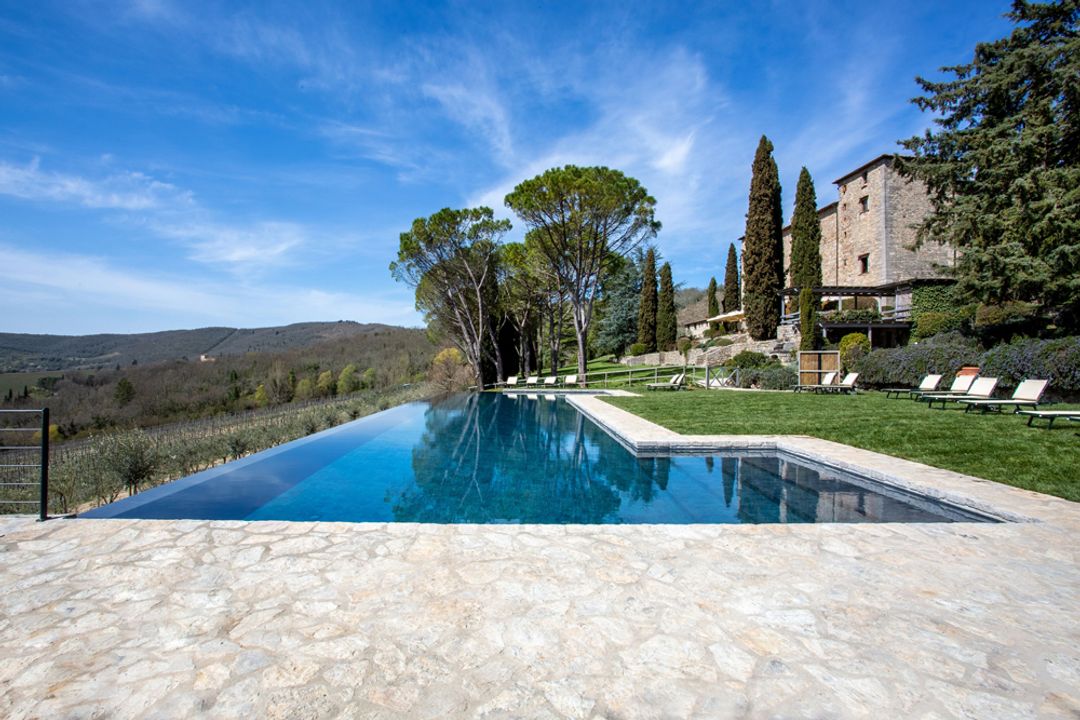
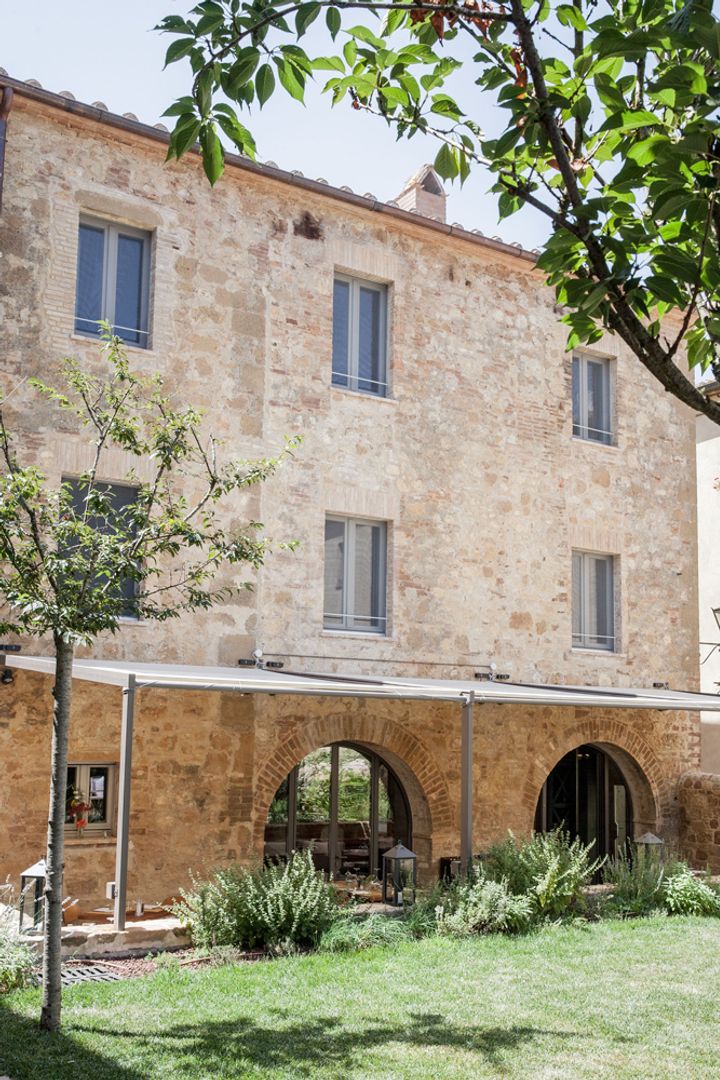
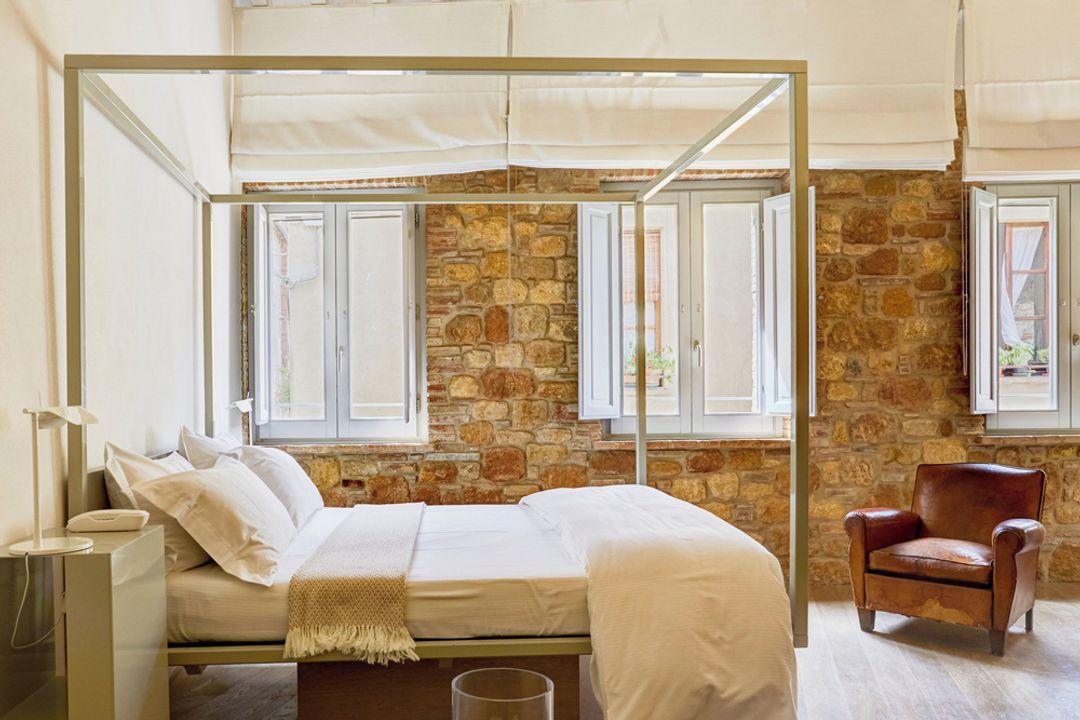
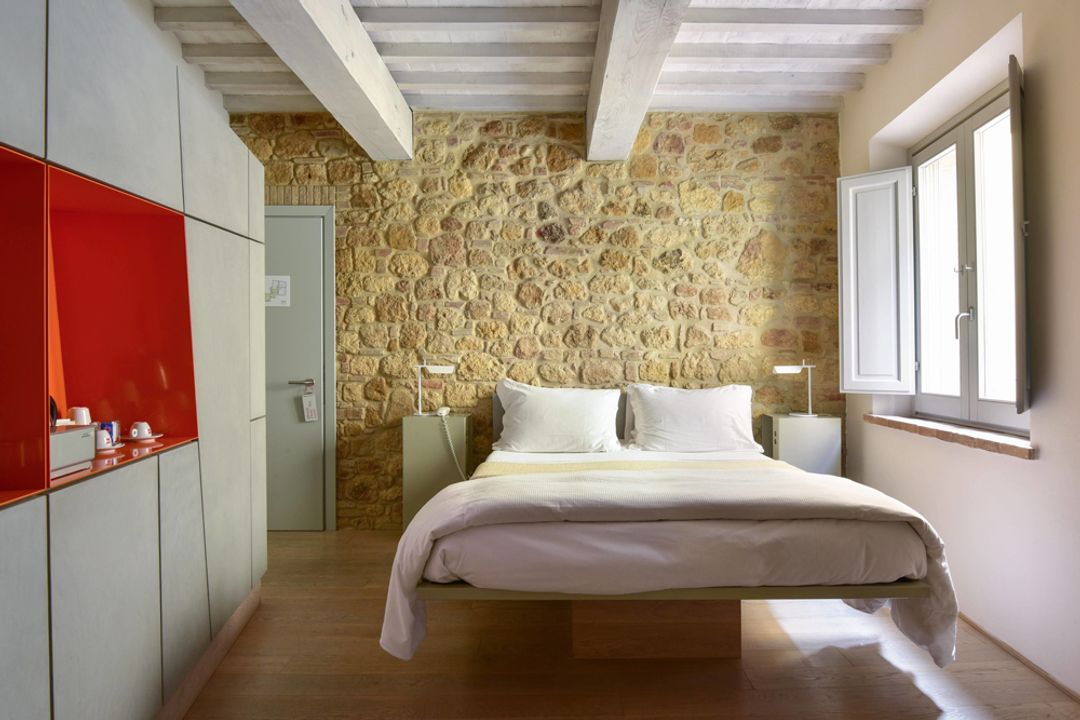
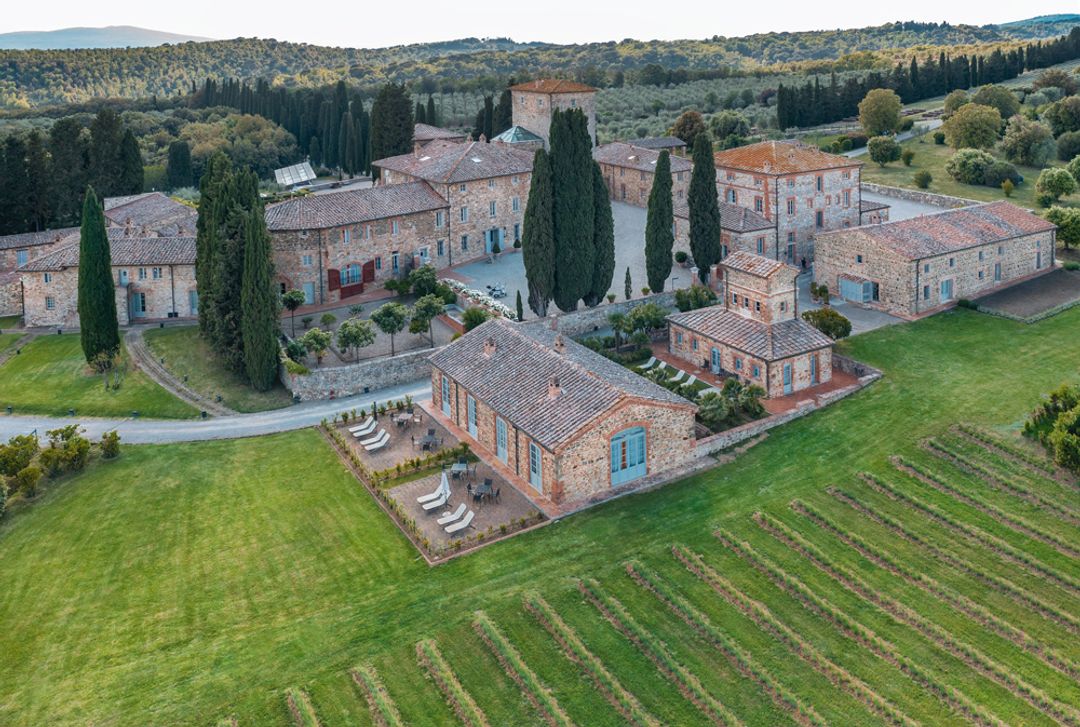
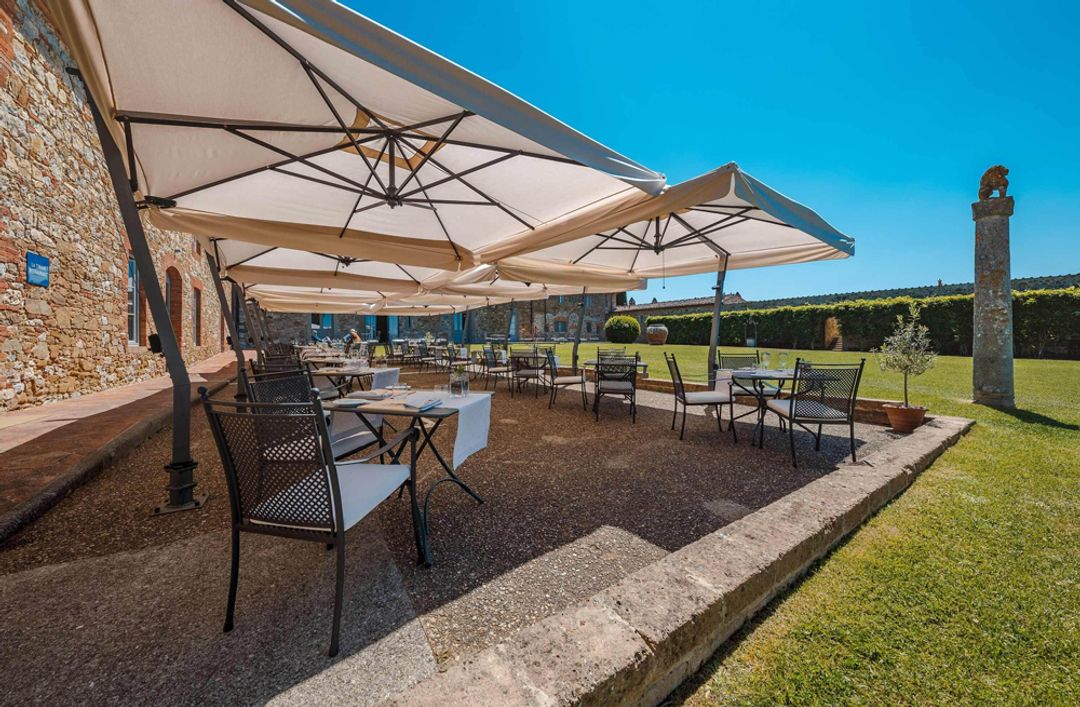
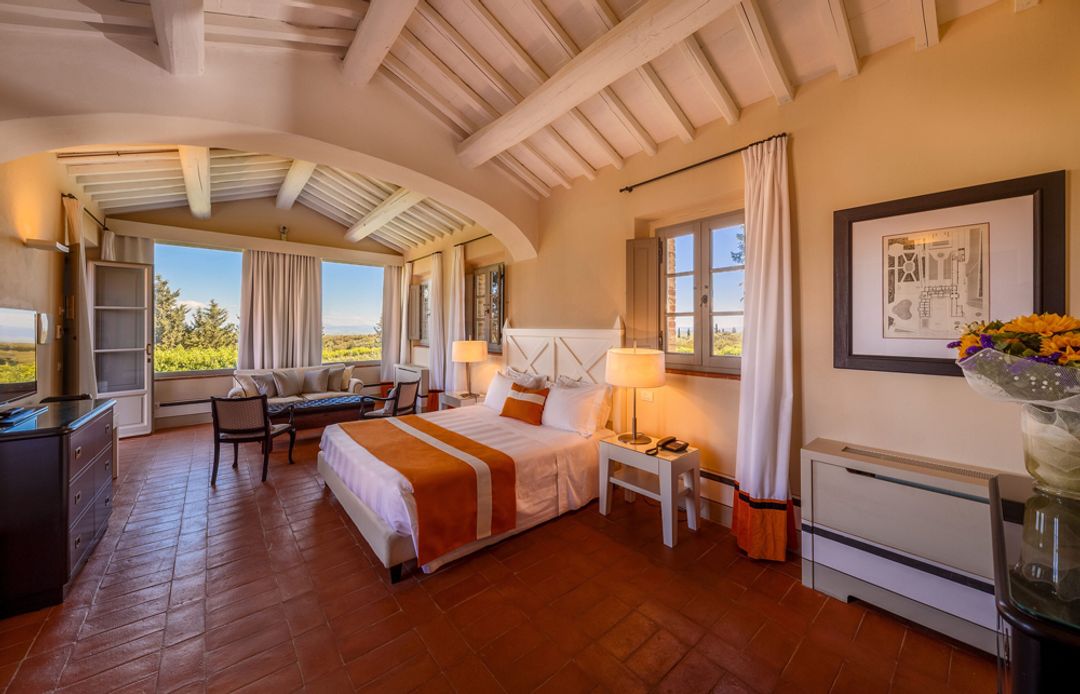
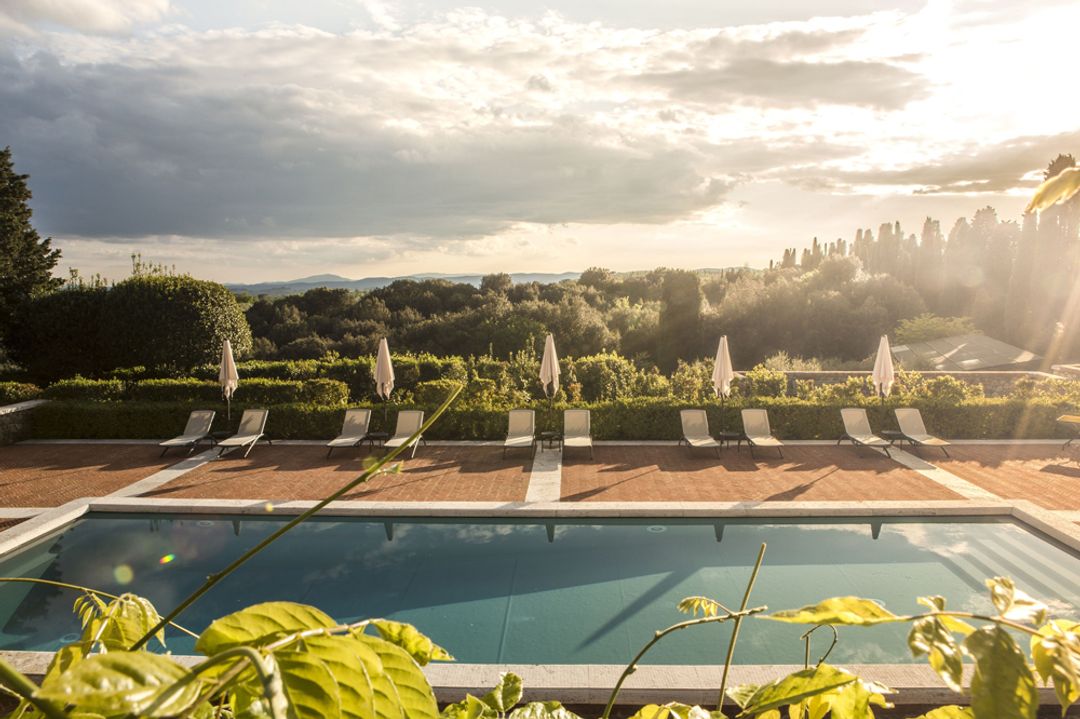
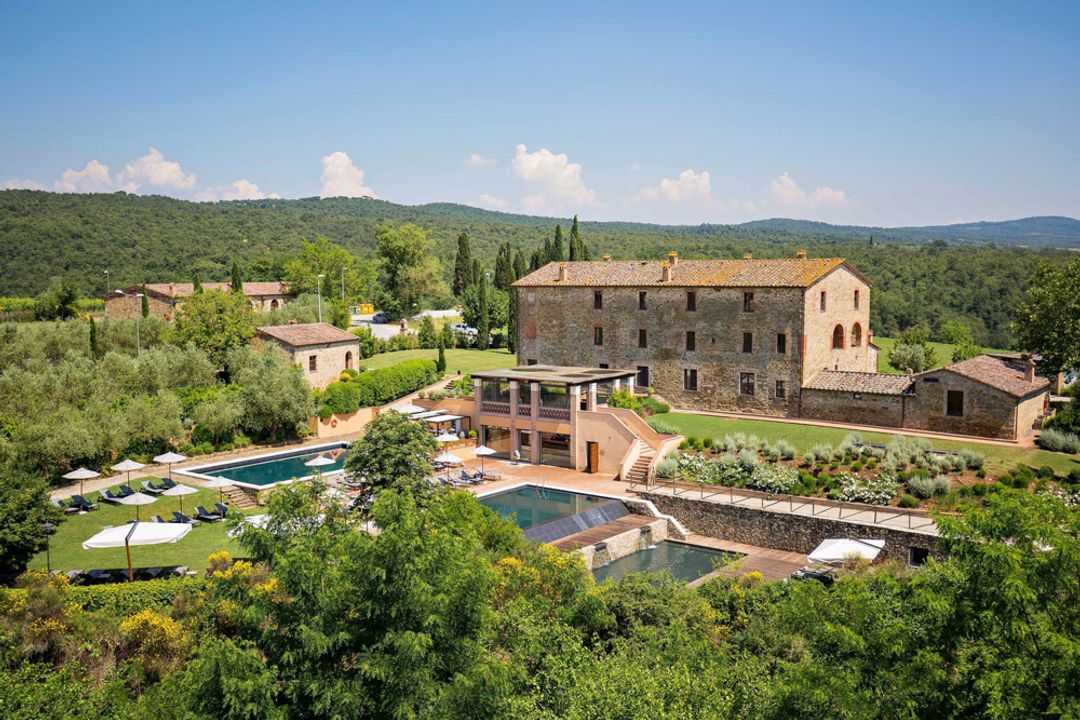
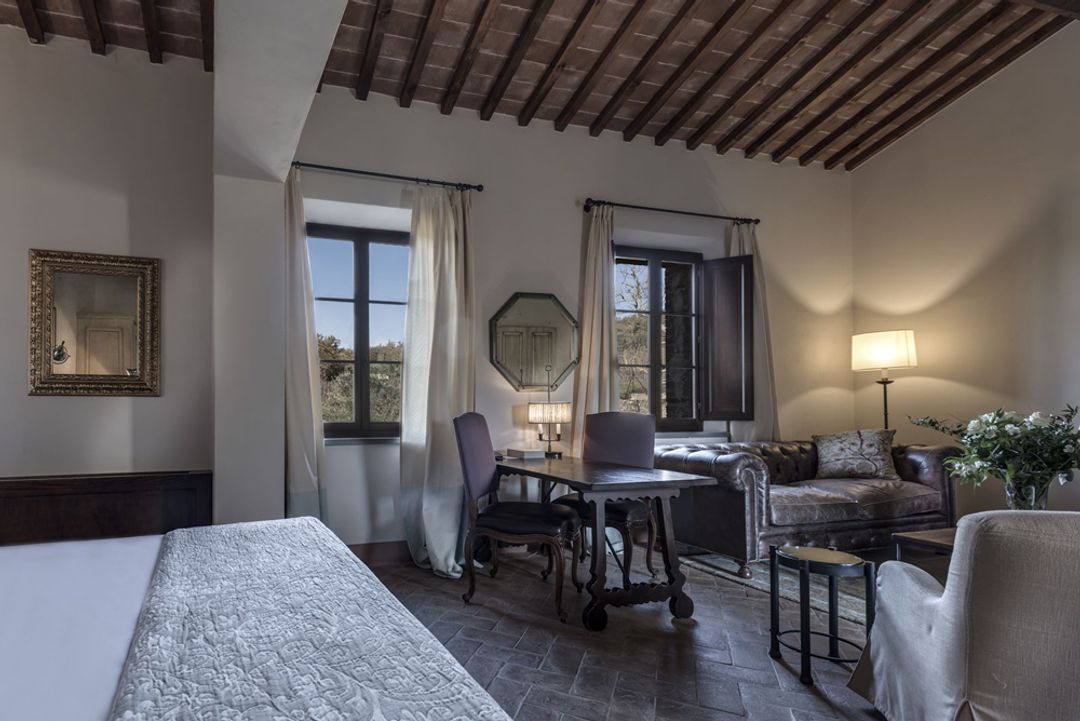
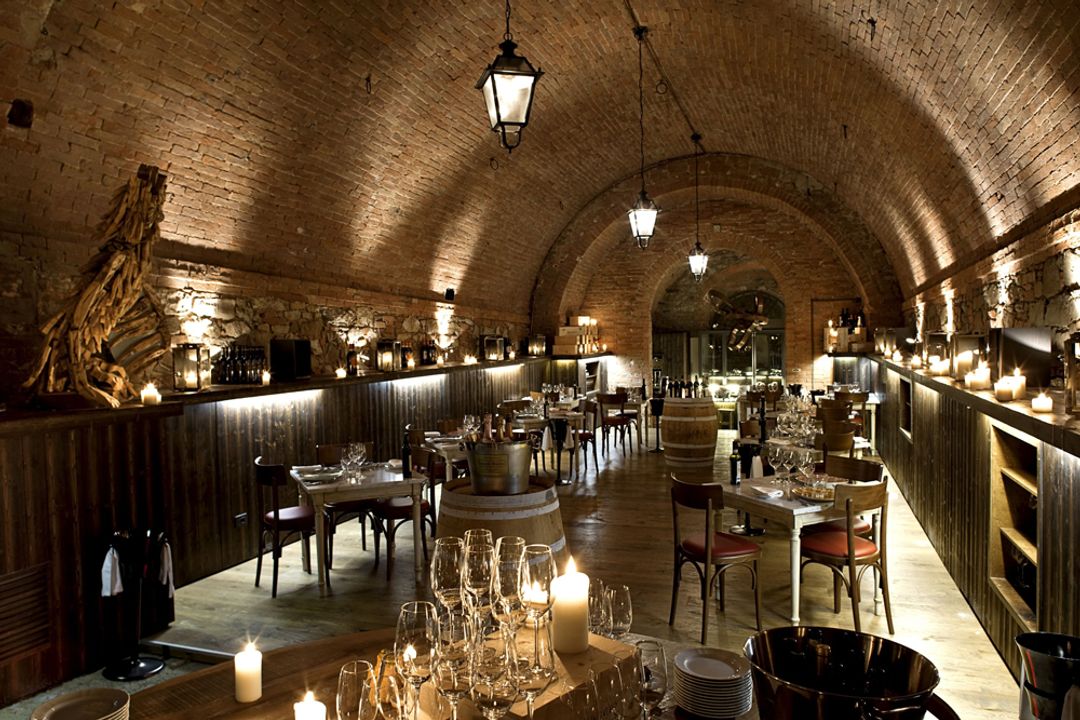
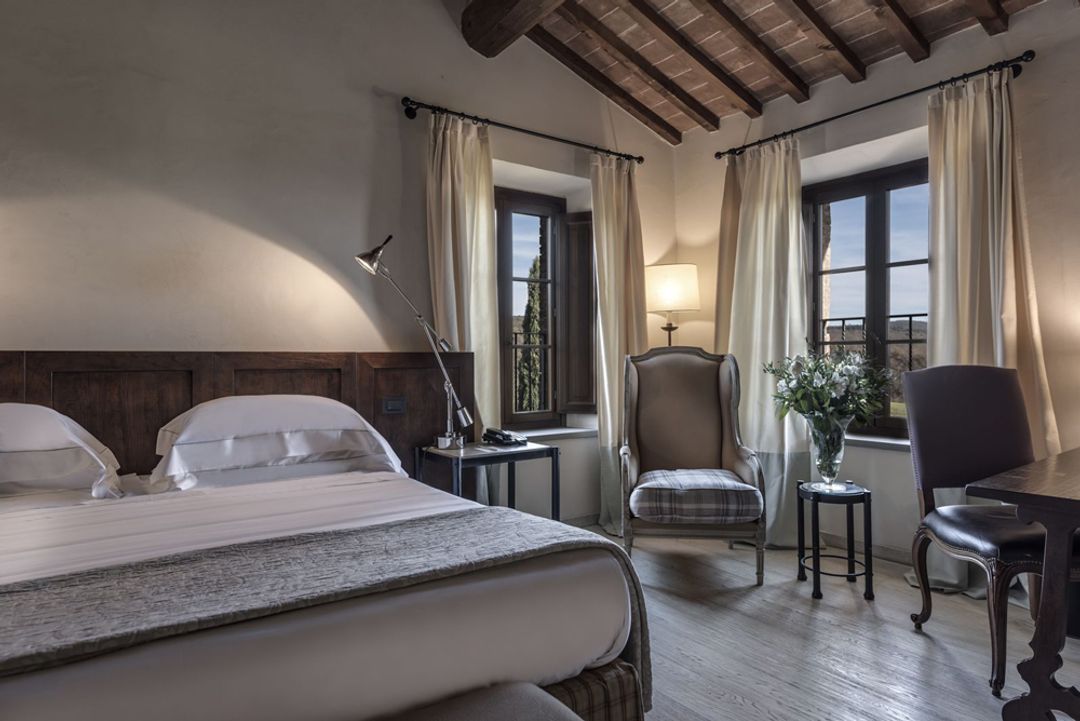
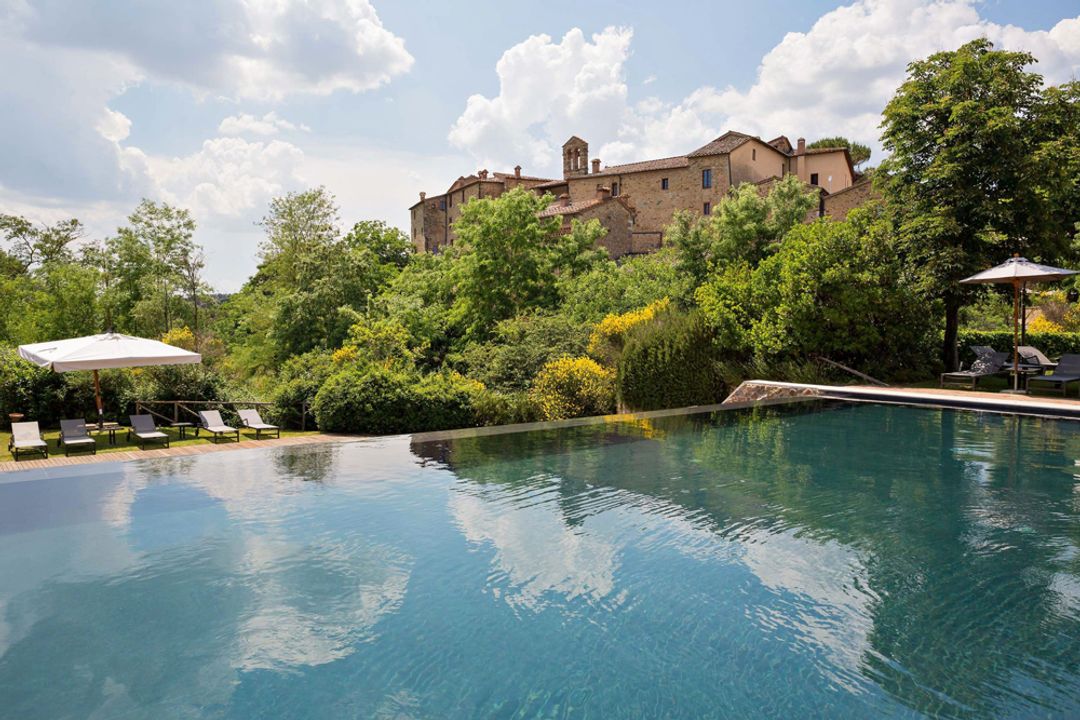
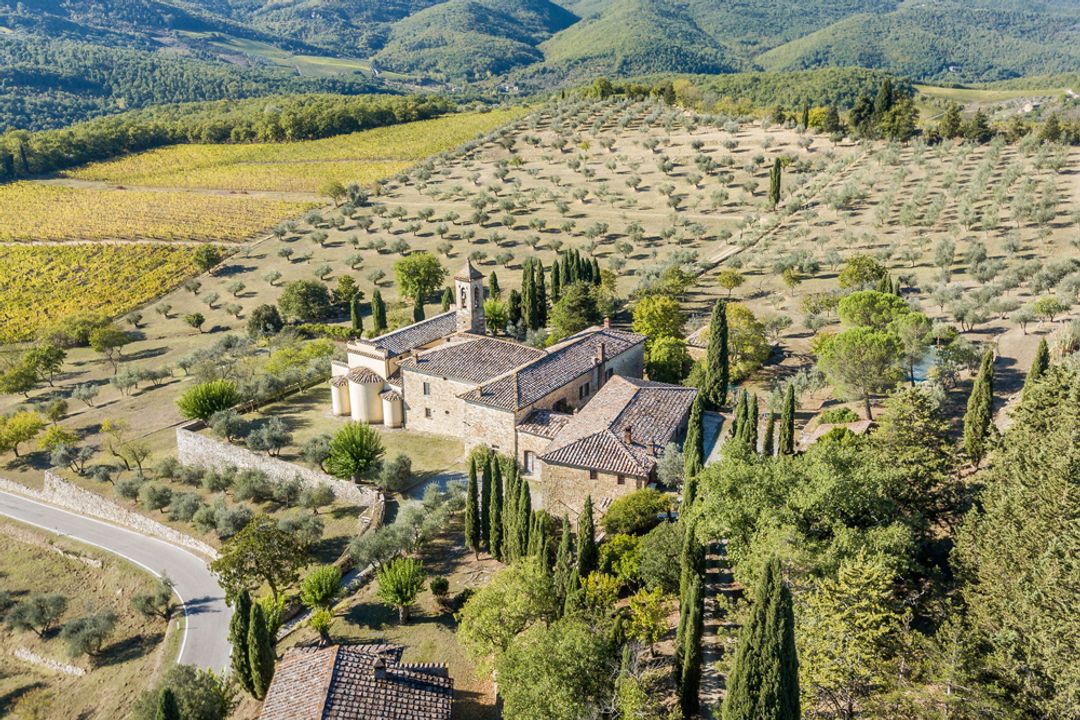
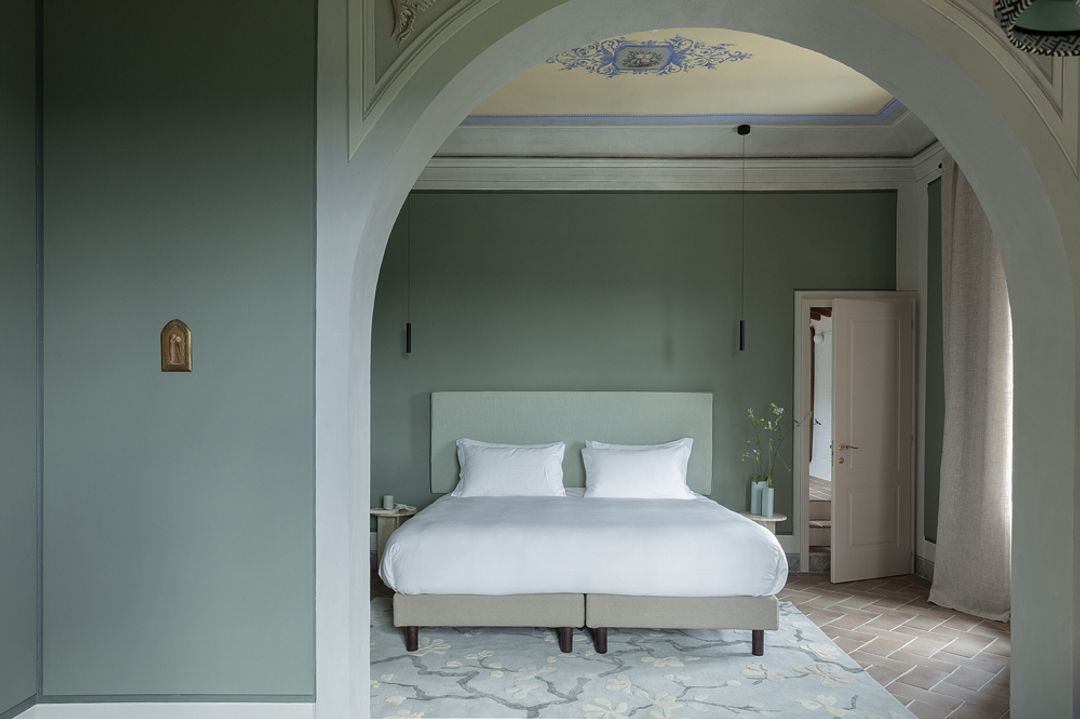
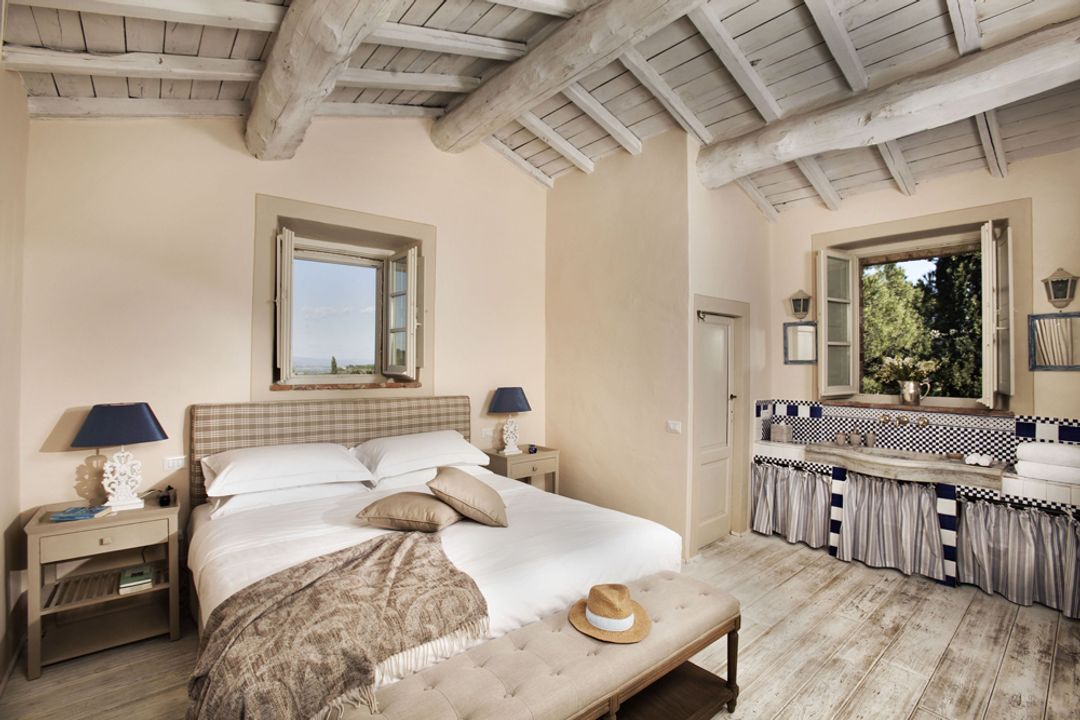
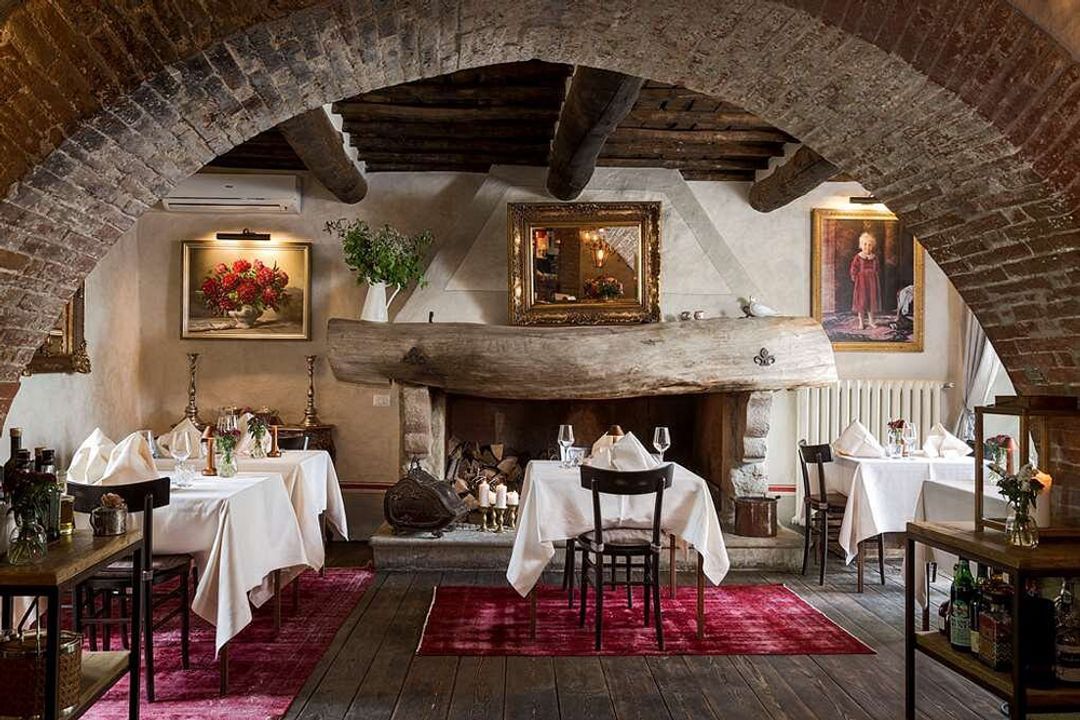
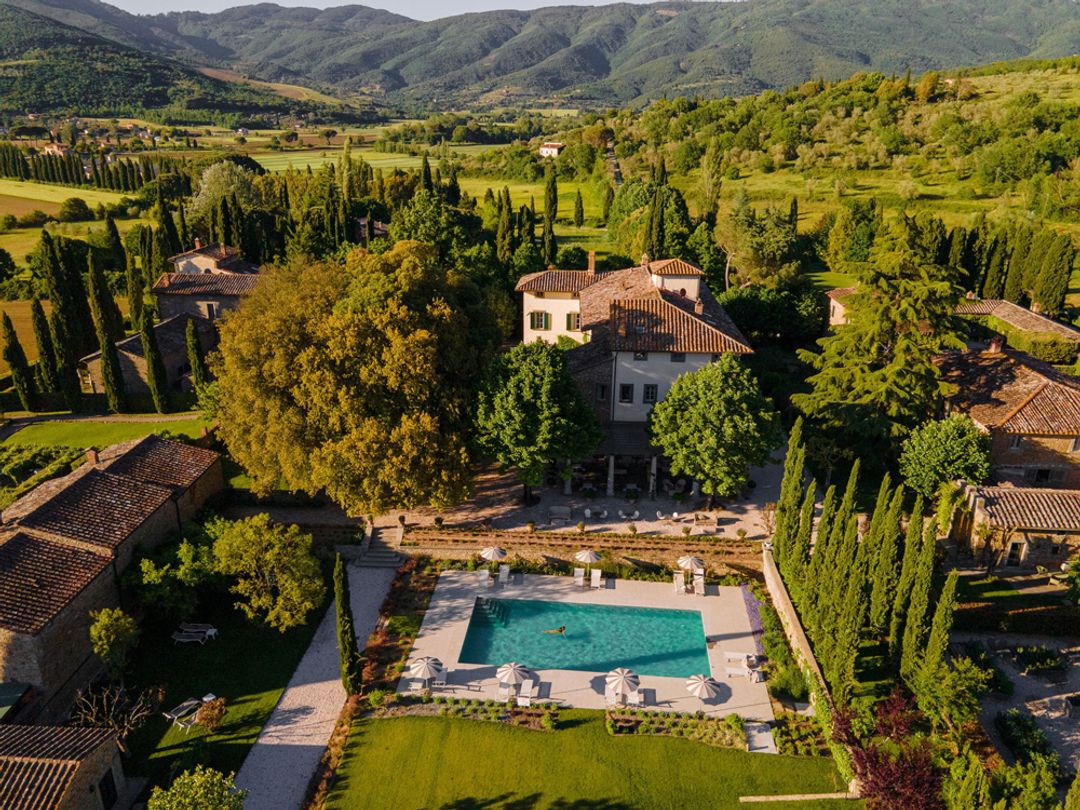
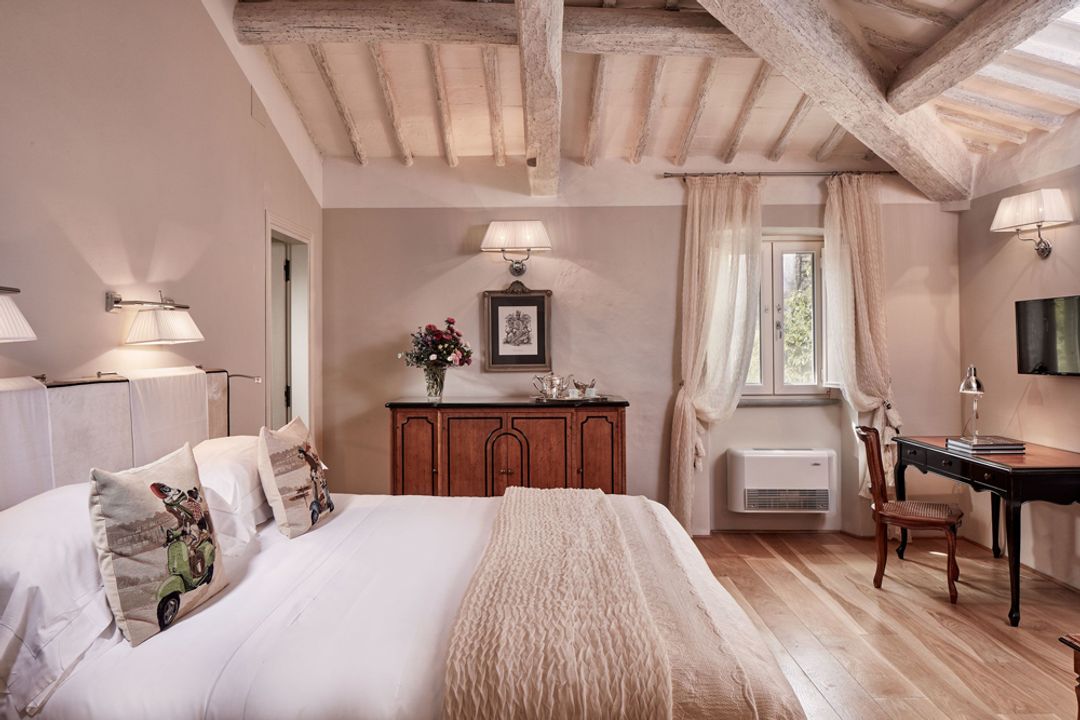
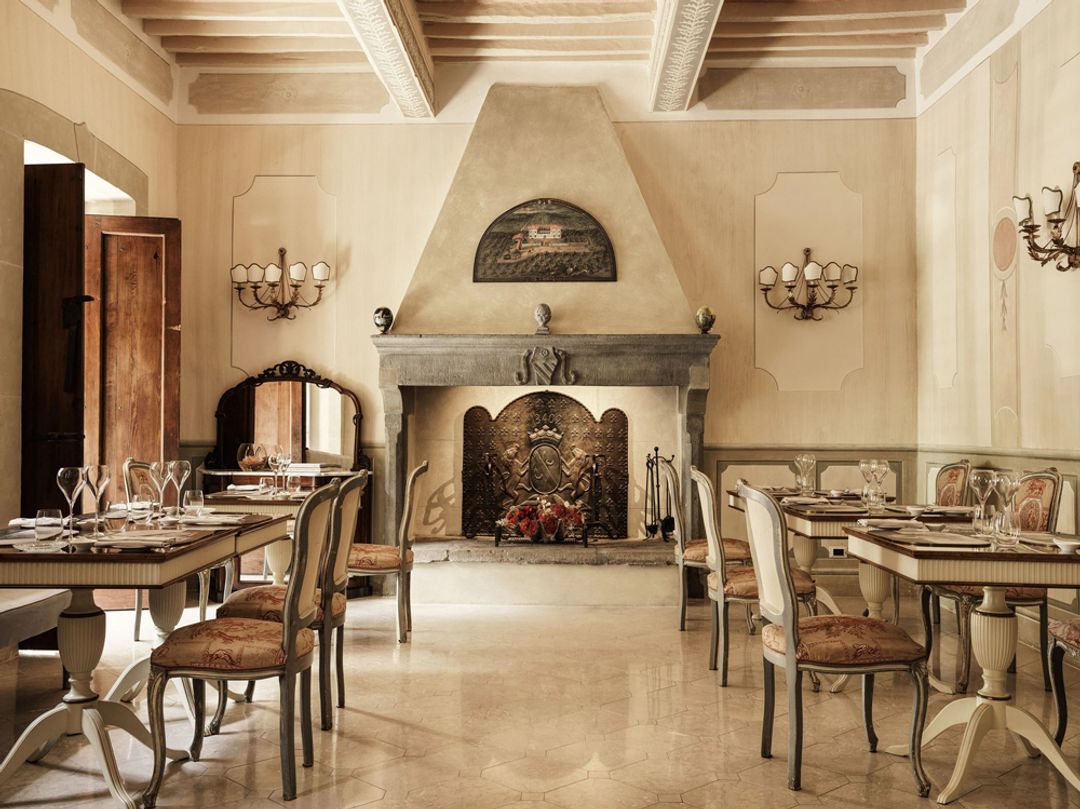
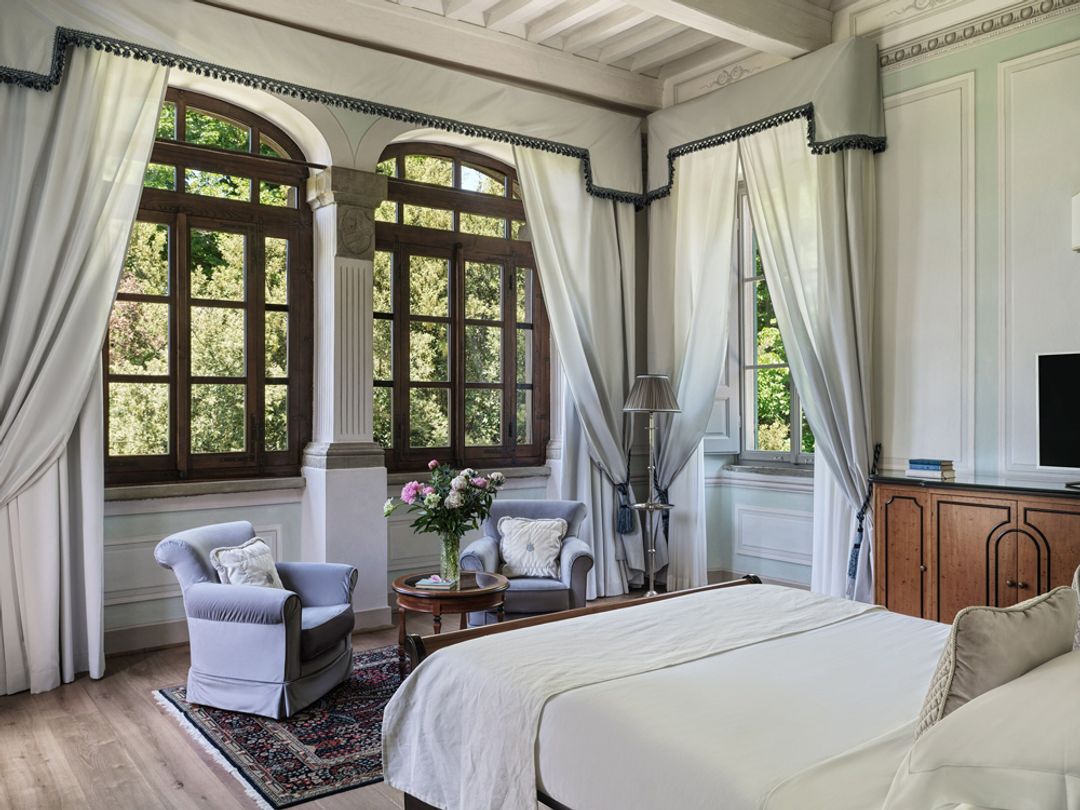
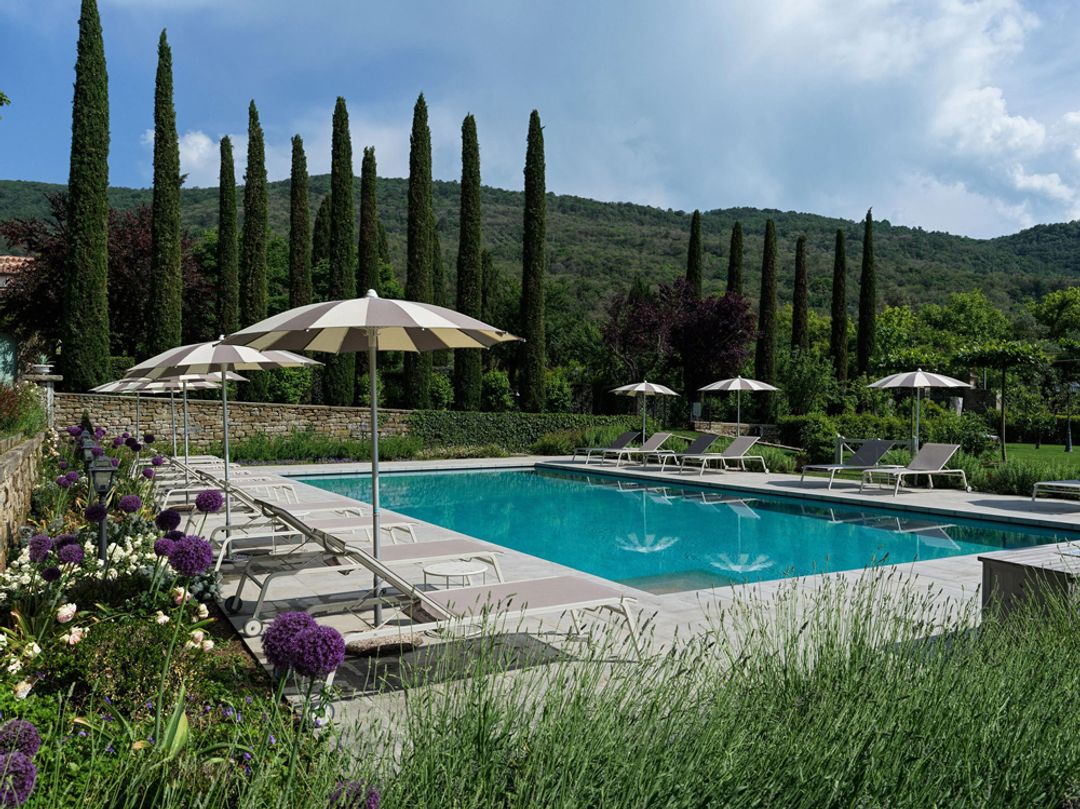
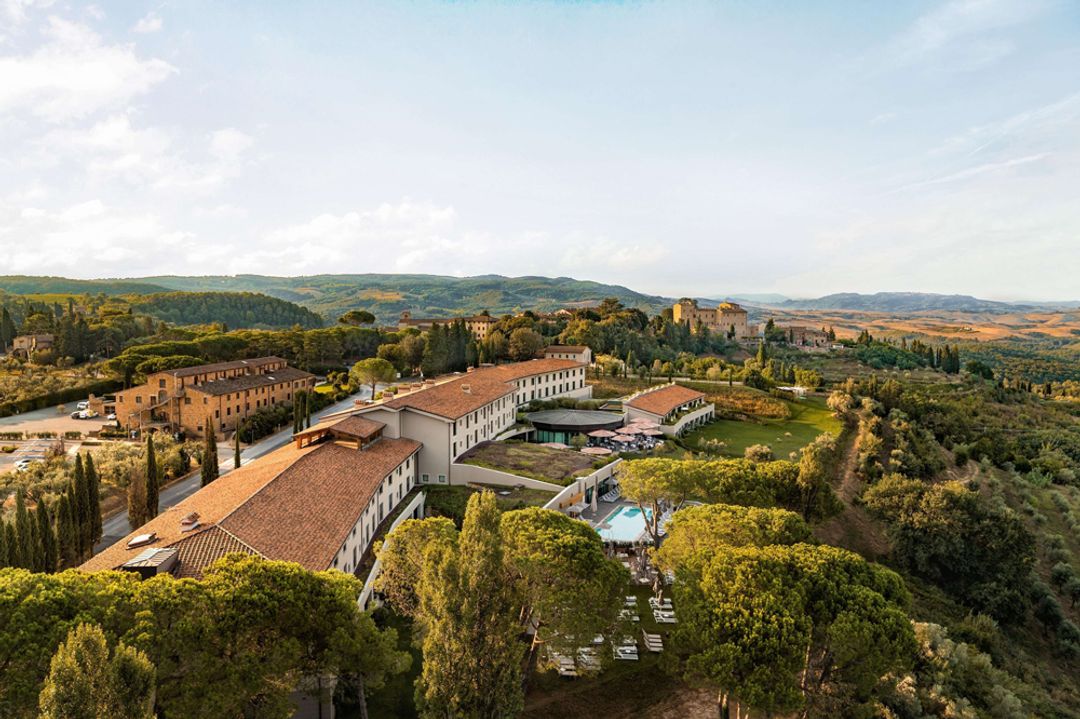
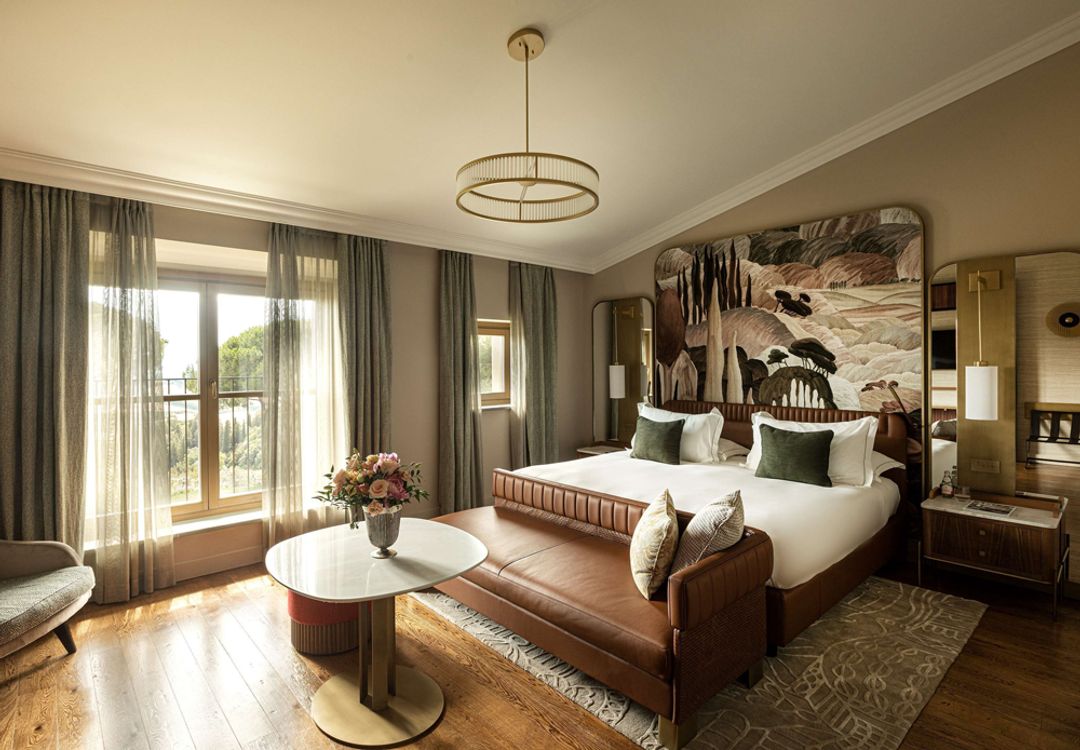
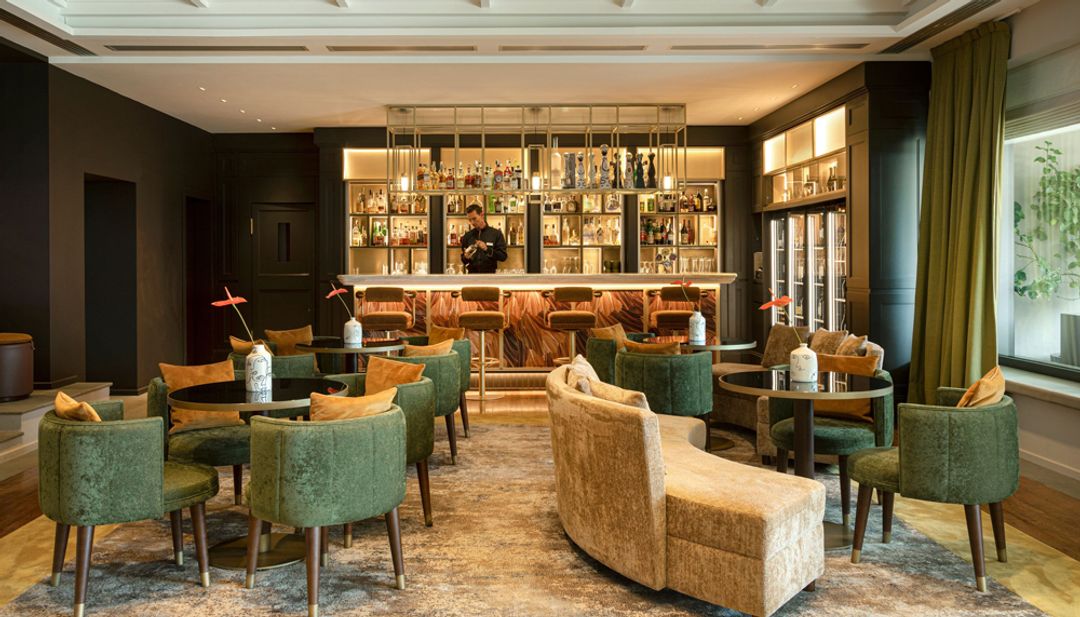
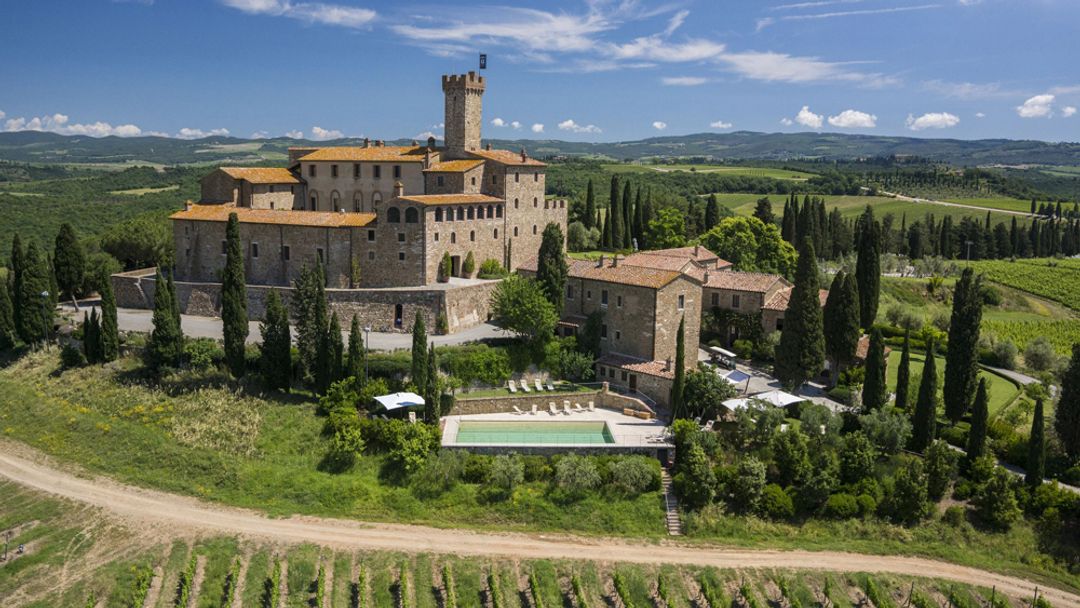
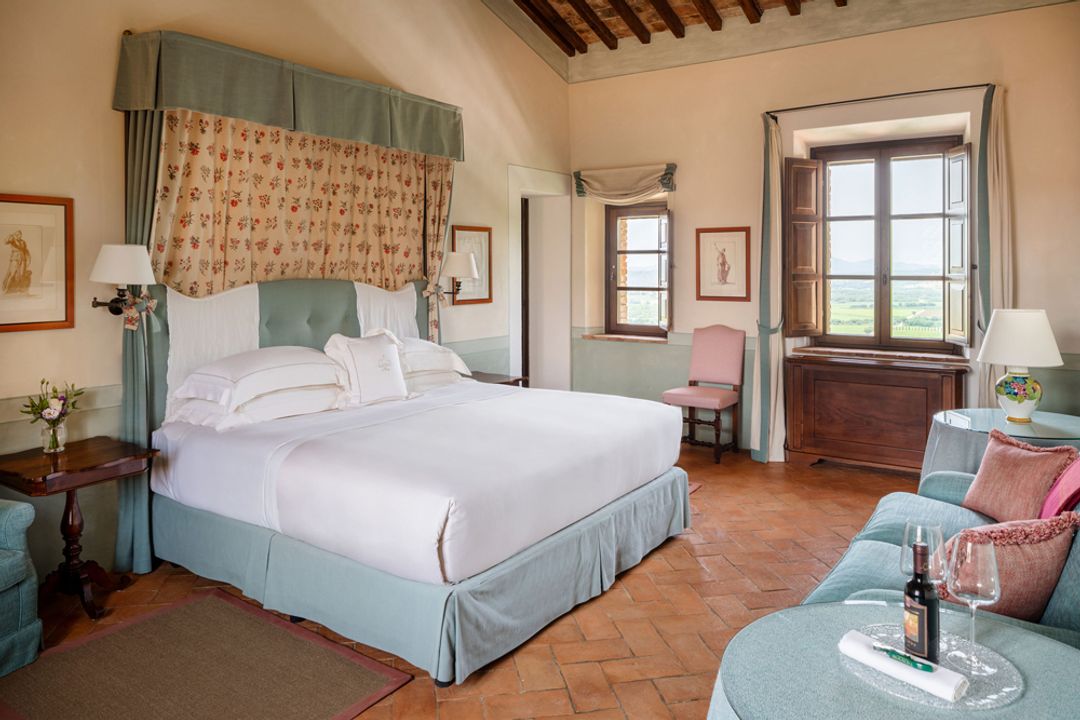
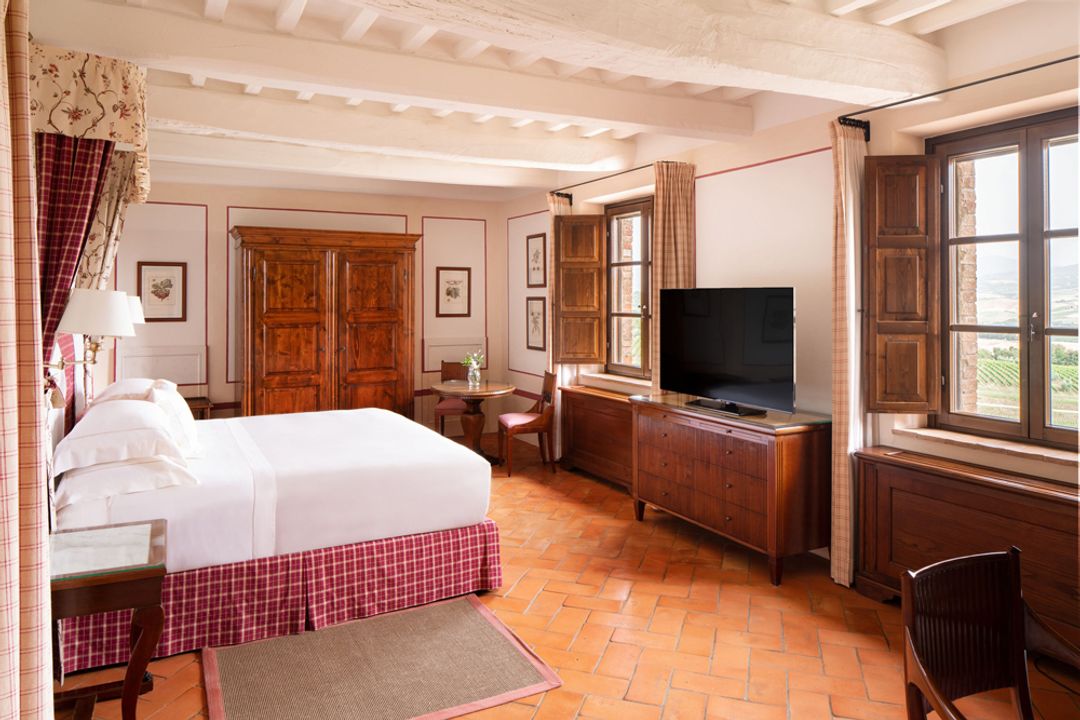
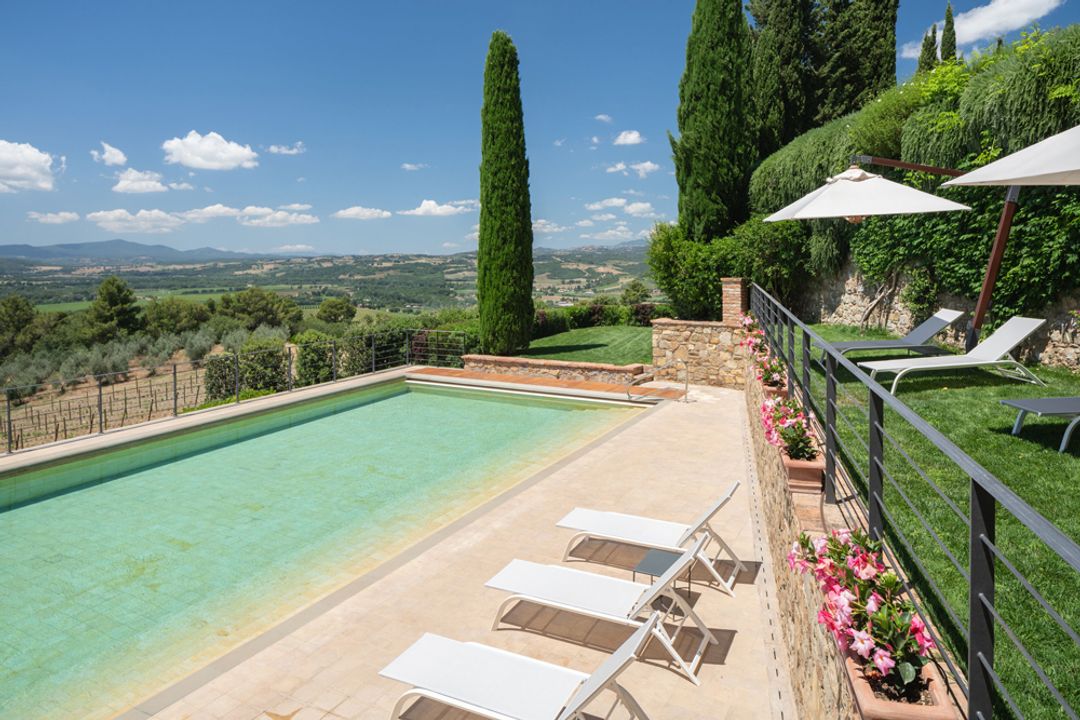
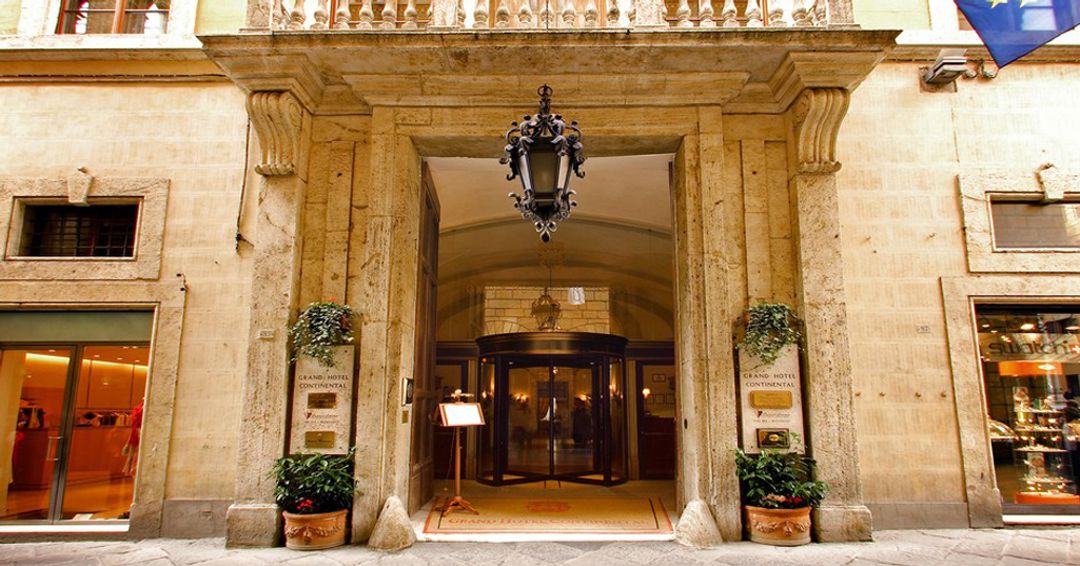
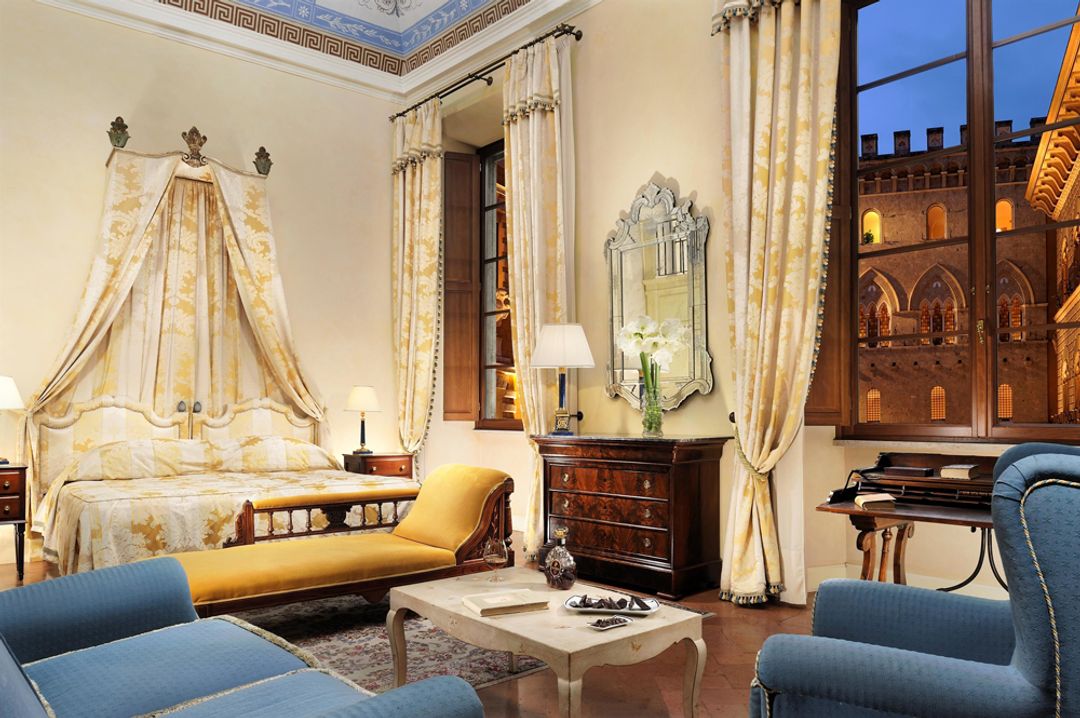
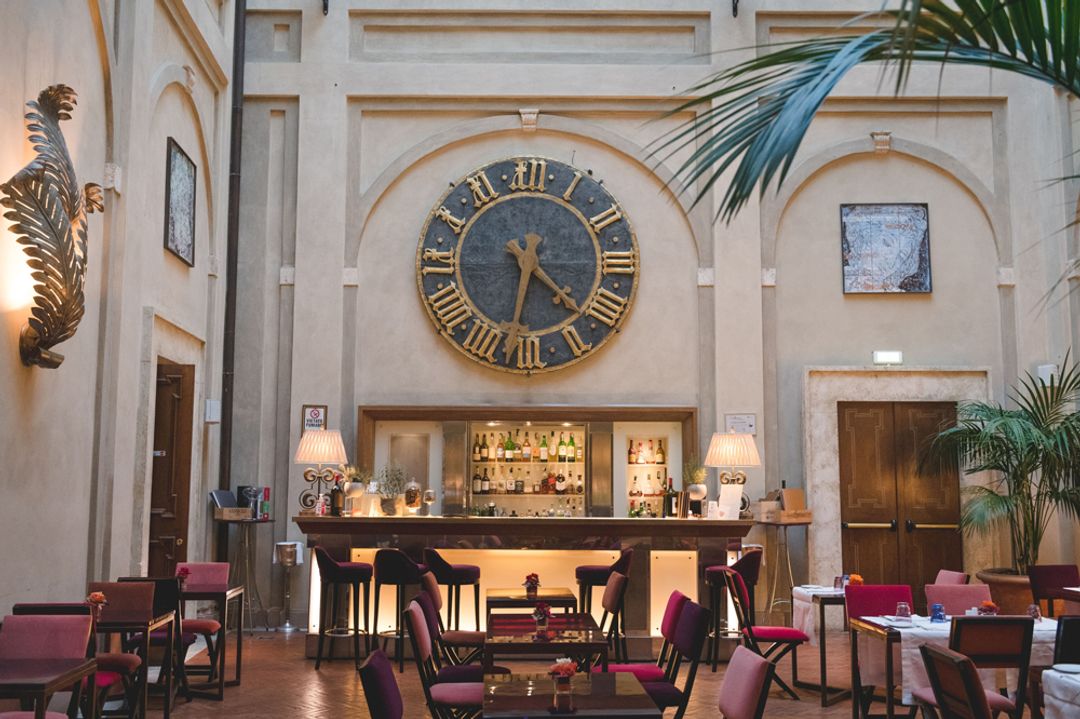
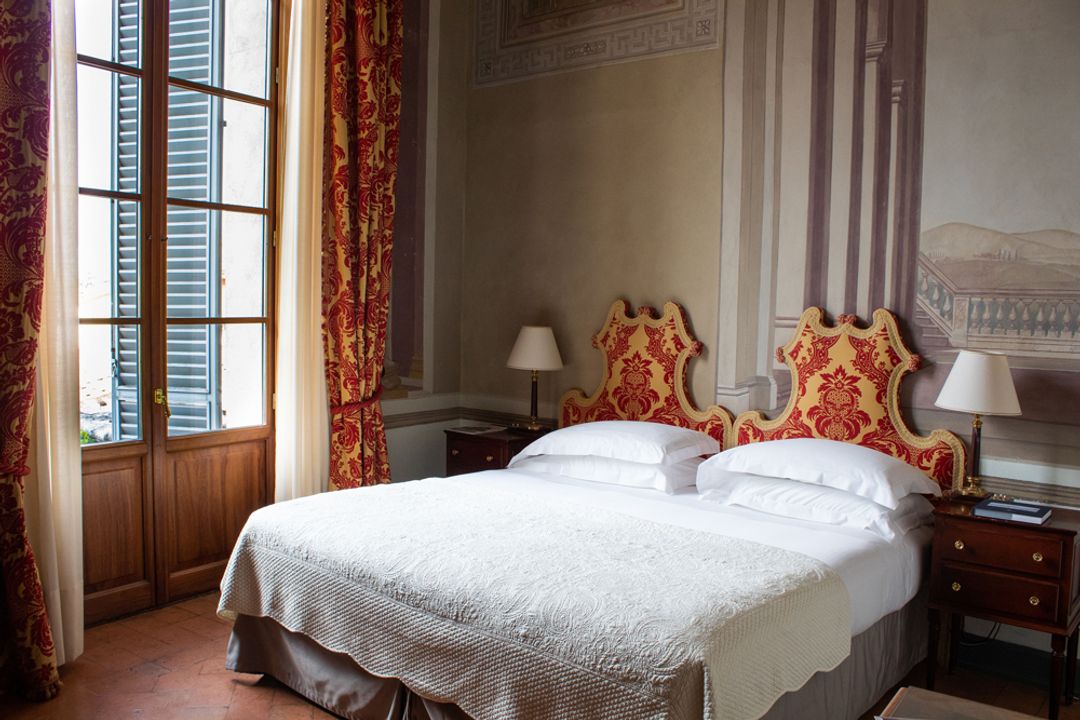
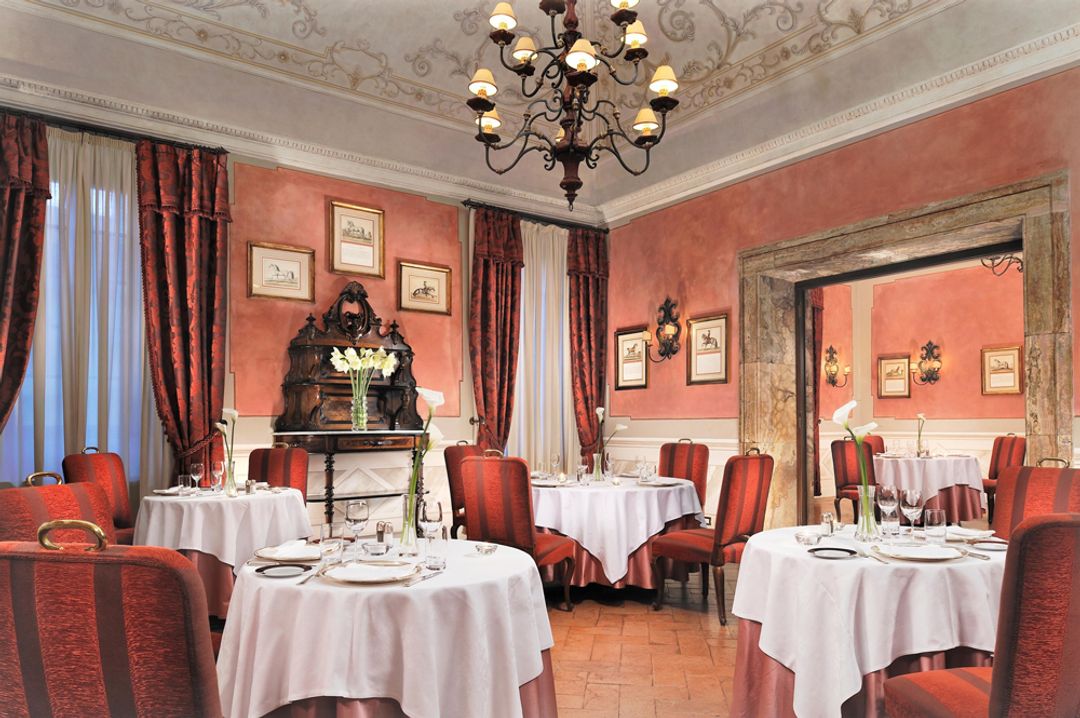
Tuscany resists reduction to a single image, but it keeps returning to the same materials: pale travertine, dark cypress, the particular ochre of aged plaster catching afternoon light. The hotels that work best here are the ones that understand stone not as decoration but as a medium with its own temperature and weight. In the Sienese hills and the Chianti corridor, this tends to mean fortified medieval structures adapted with varying degrees of architectural ambition. Borgo San Felice, a twelfth-century hamlet near Castelnuovo Berardenga, achieves something rare: a complete village absorbed into a hotel without losing the sense that the village was primary. COMO Castello Del Nero, a restored eleventh-century castle in the Chianti hills above Tavarnelle, takes a more composed approach, its spa and interiors calibrated to a contemporary precision that sits in productive tension with the building's age. The Grand Hotel Continental in Siena itself, a seventeenth-century palazzo with frescoed salons by the Gori family, remains the most architecturally instructive way to stay inside the city walls.
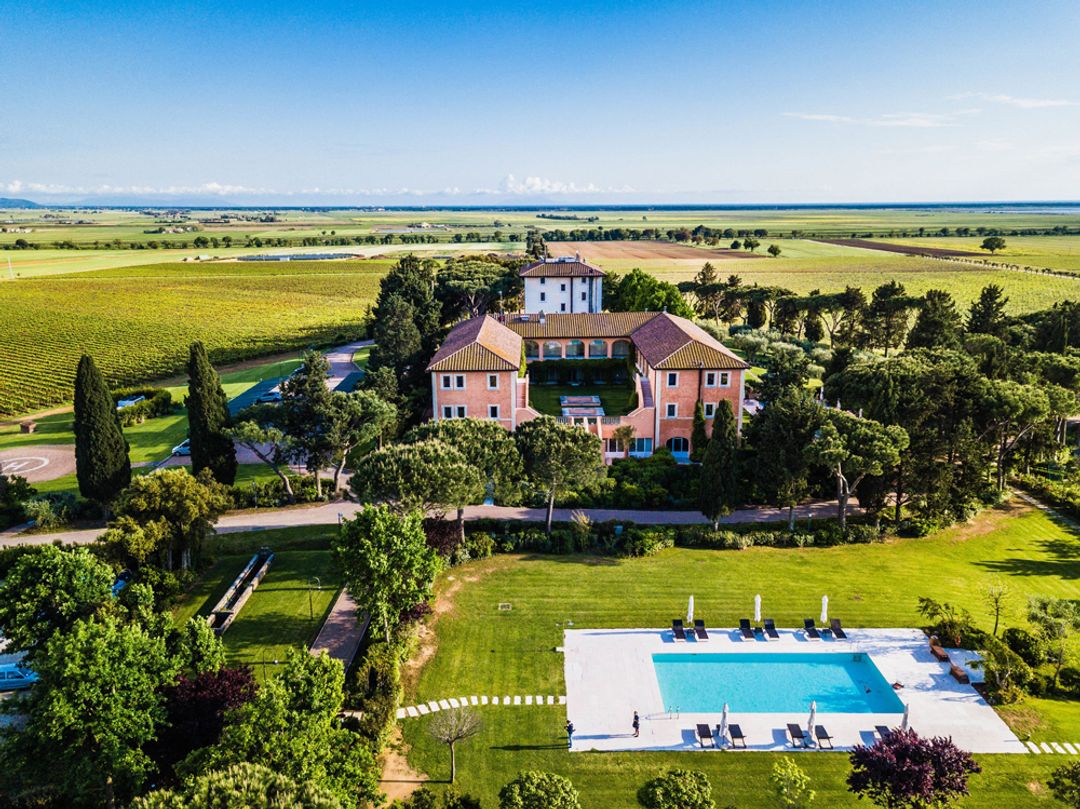
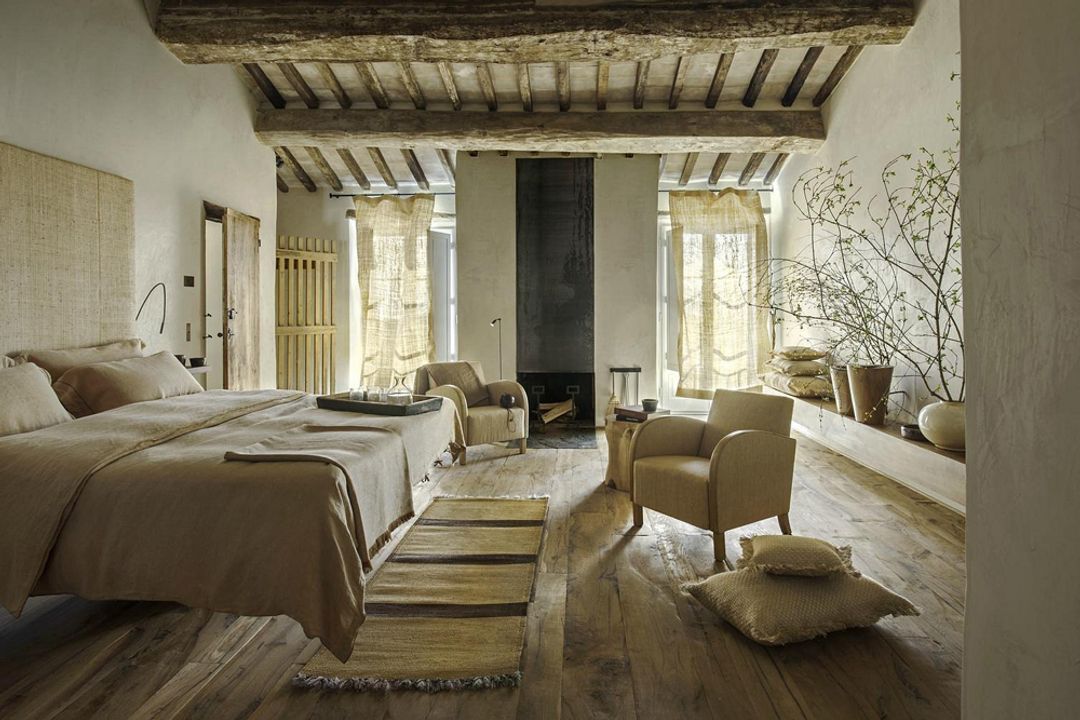
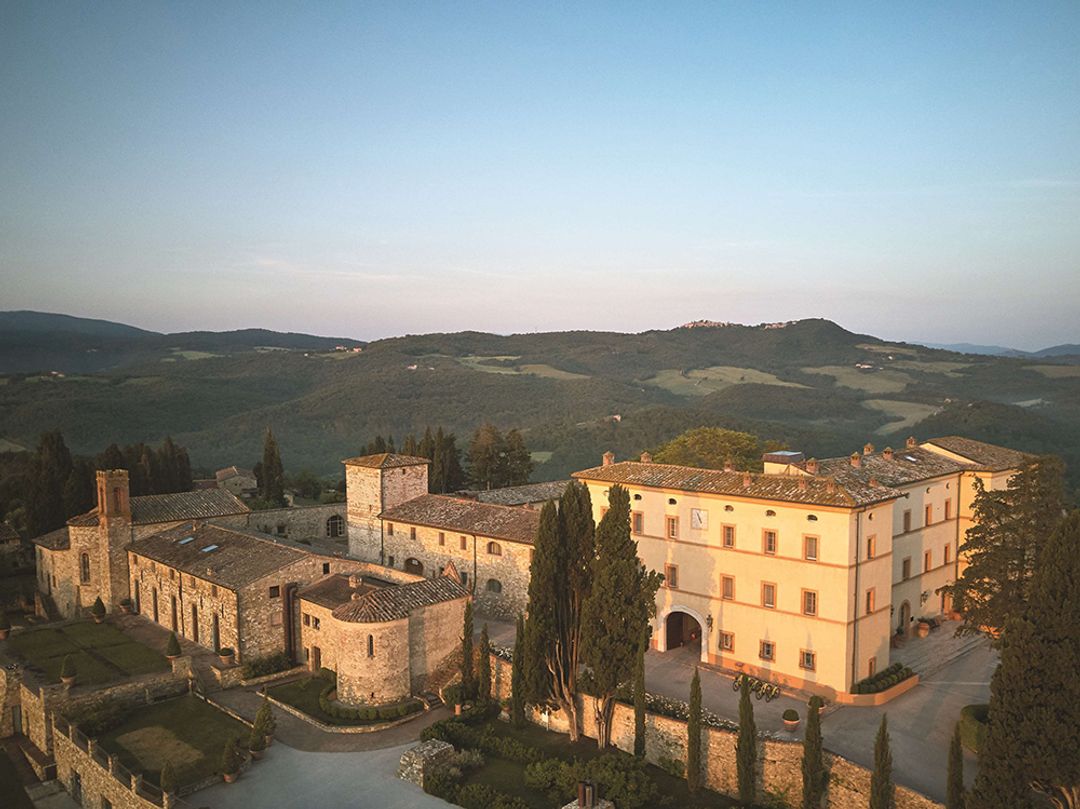
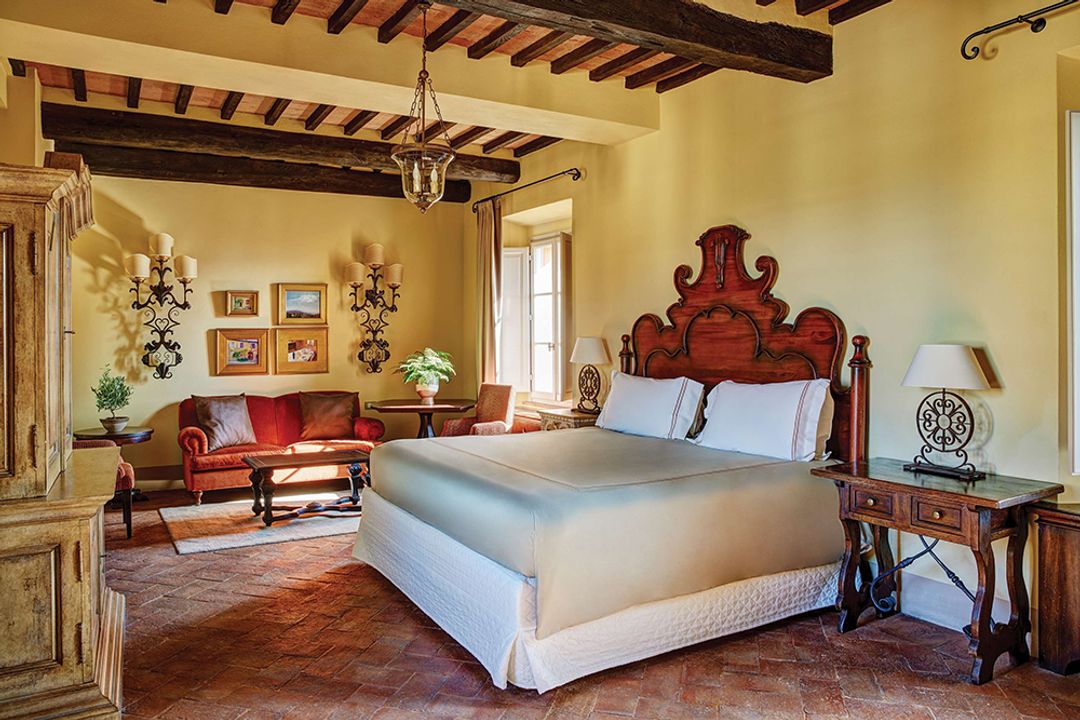
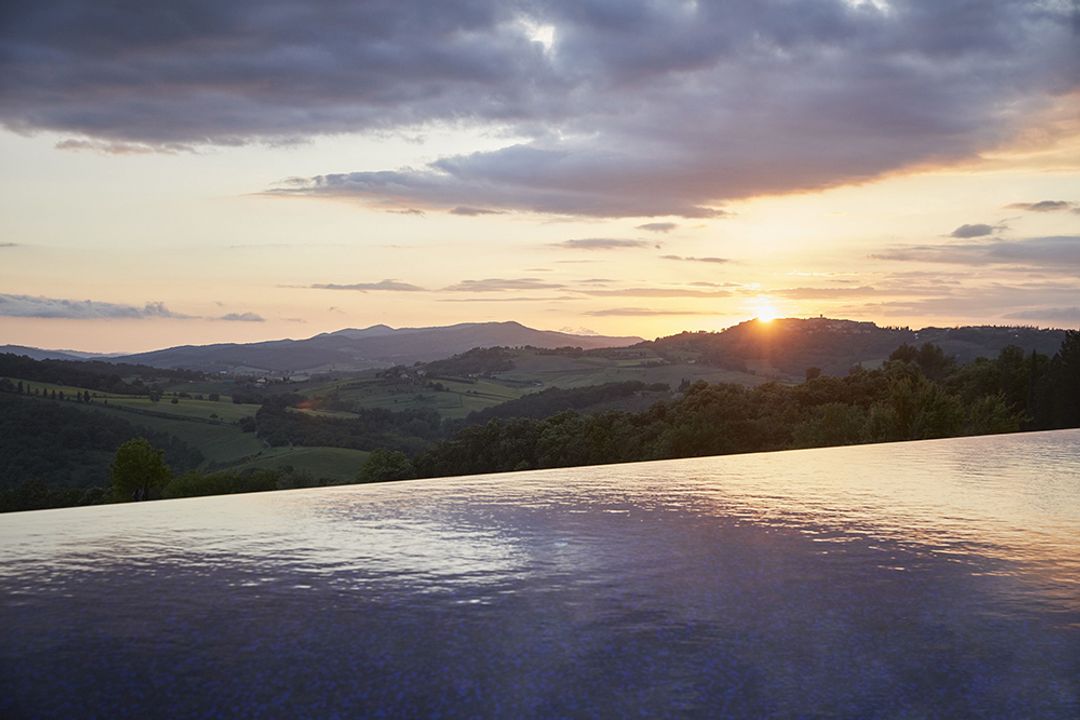
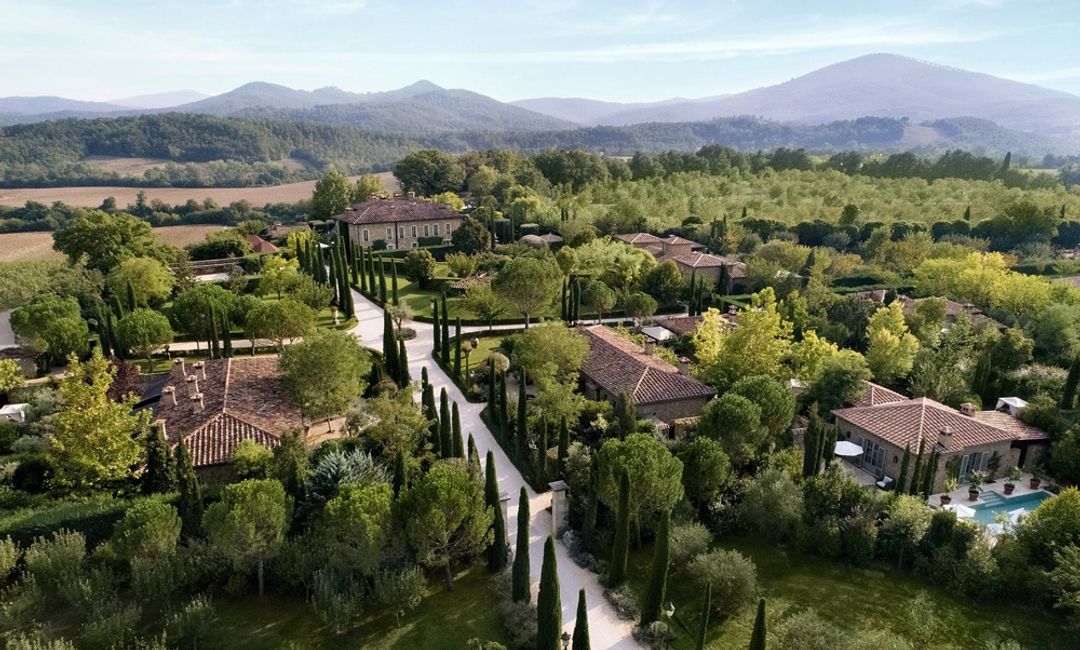
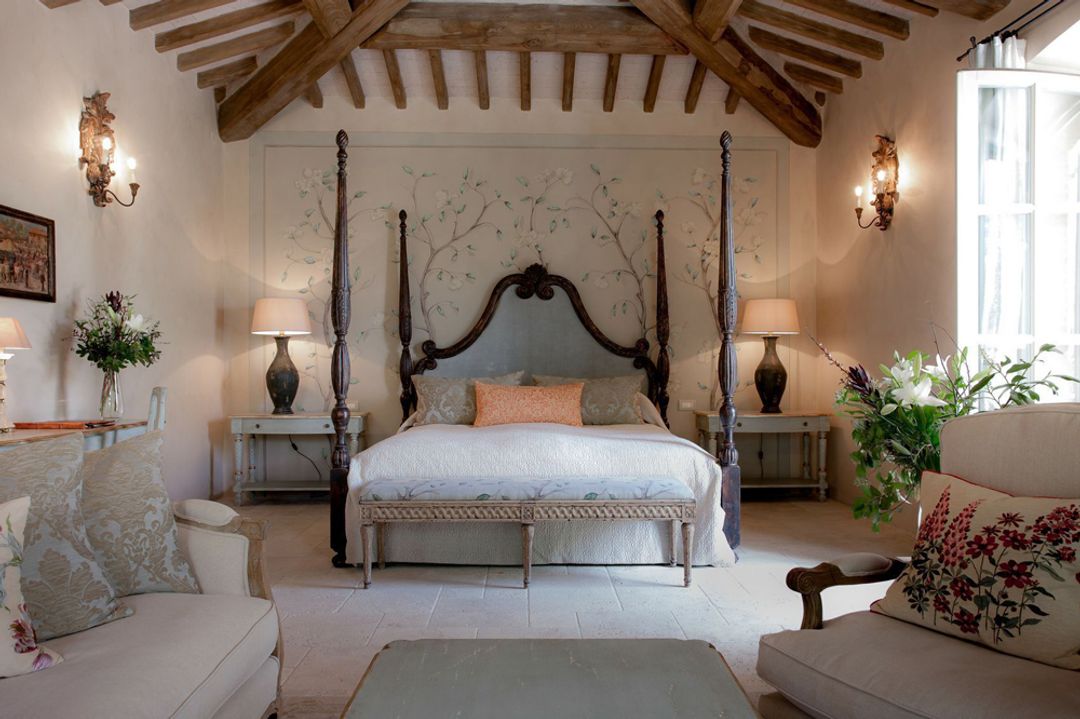
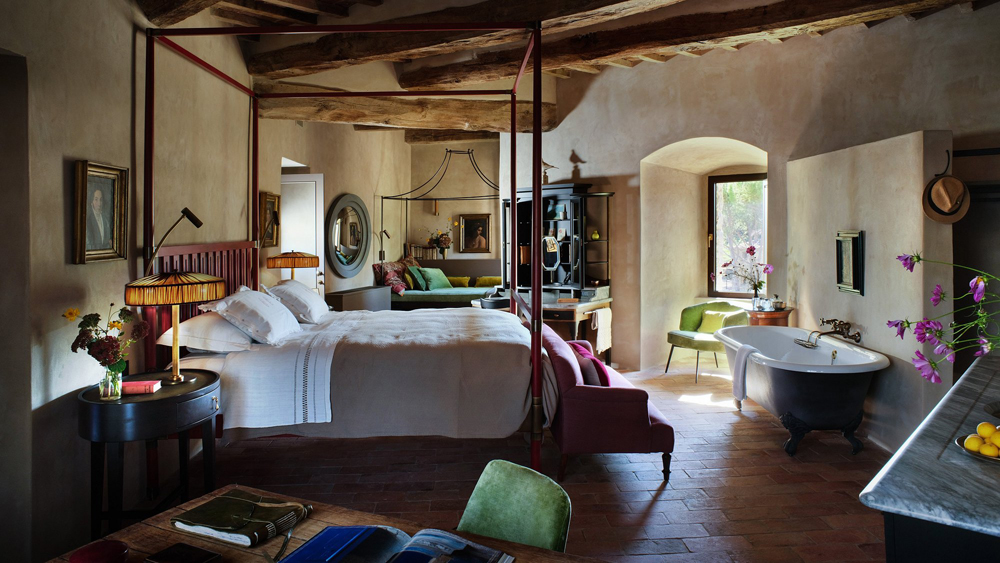
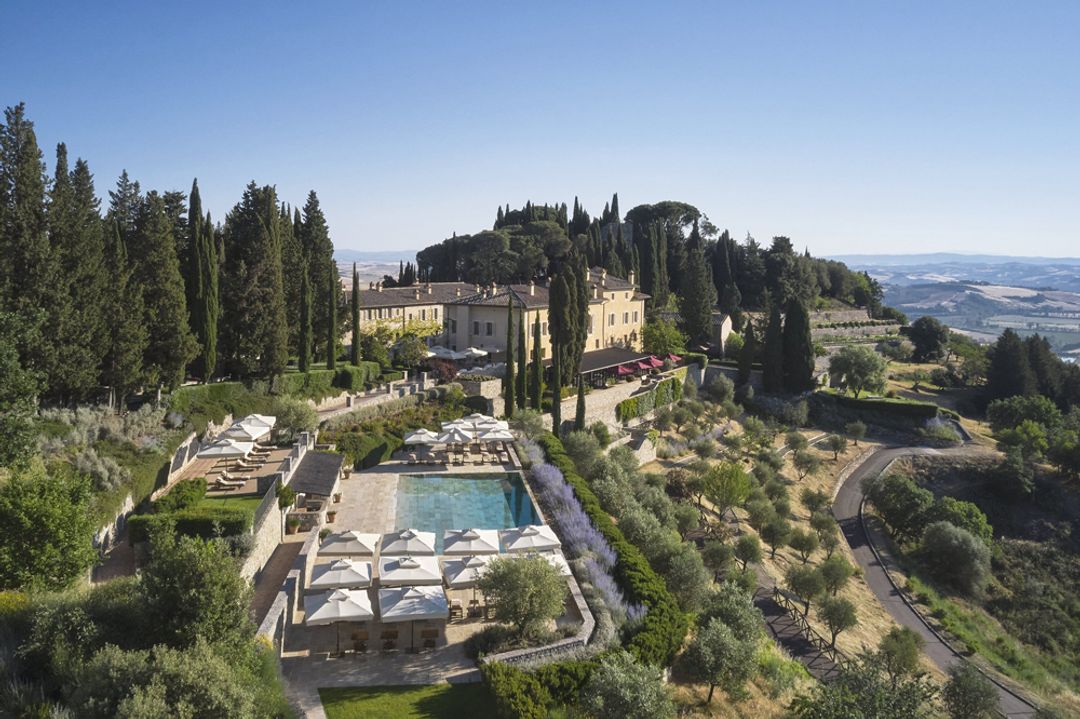
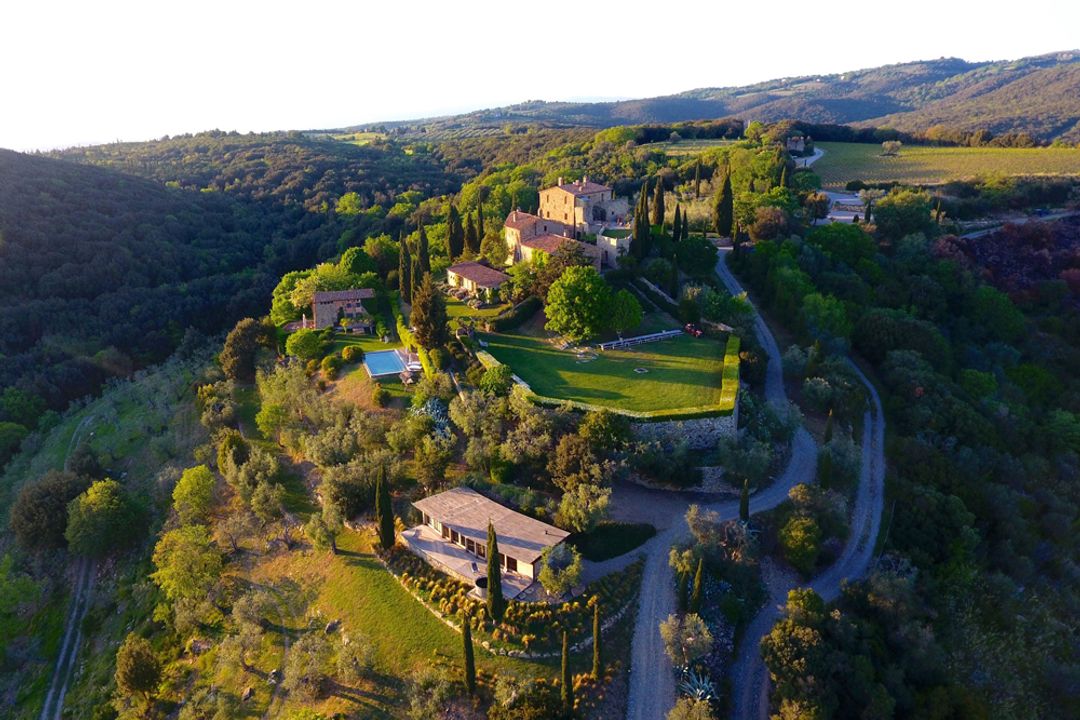
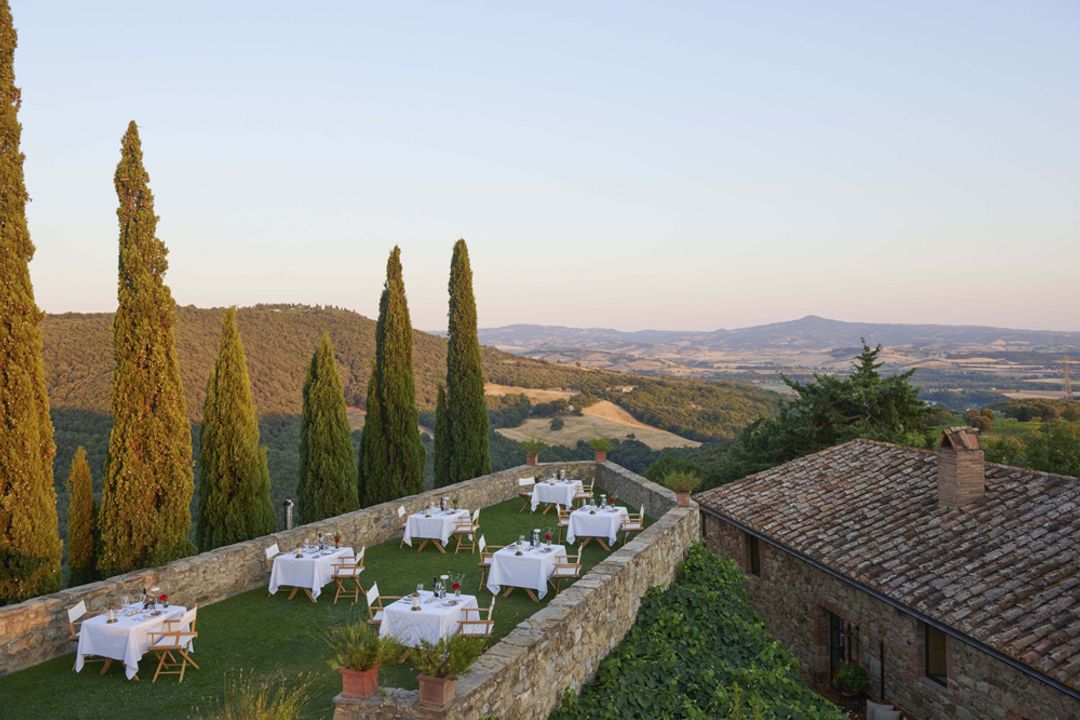
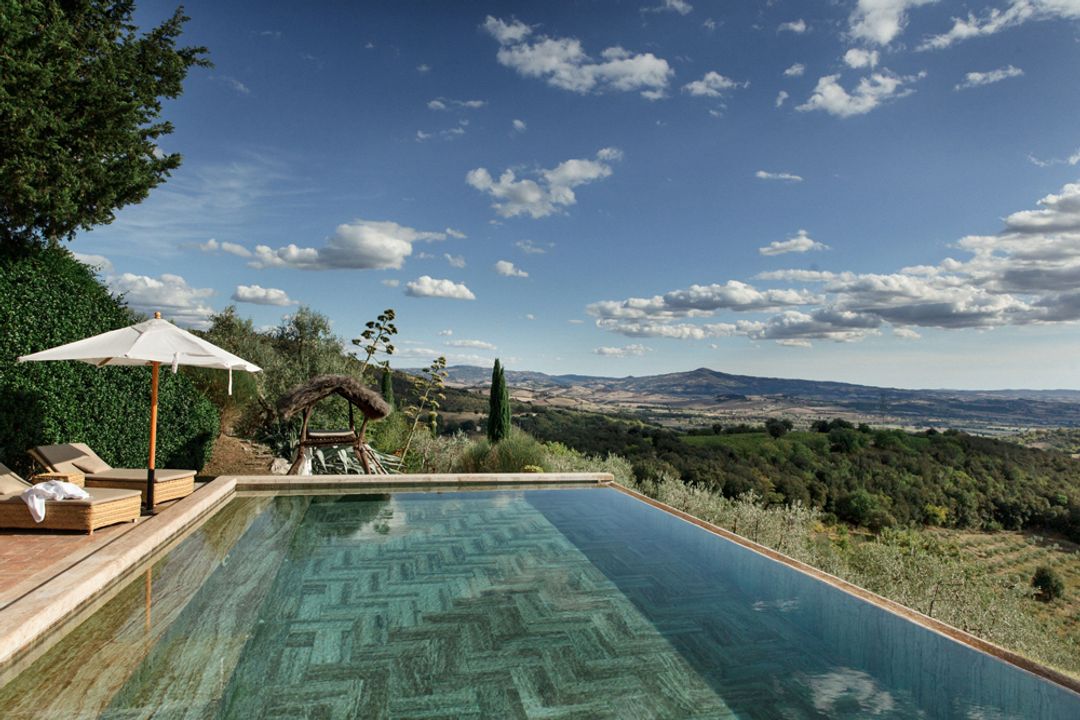
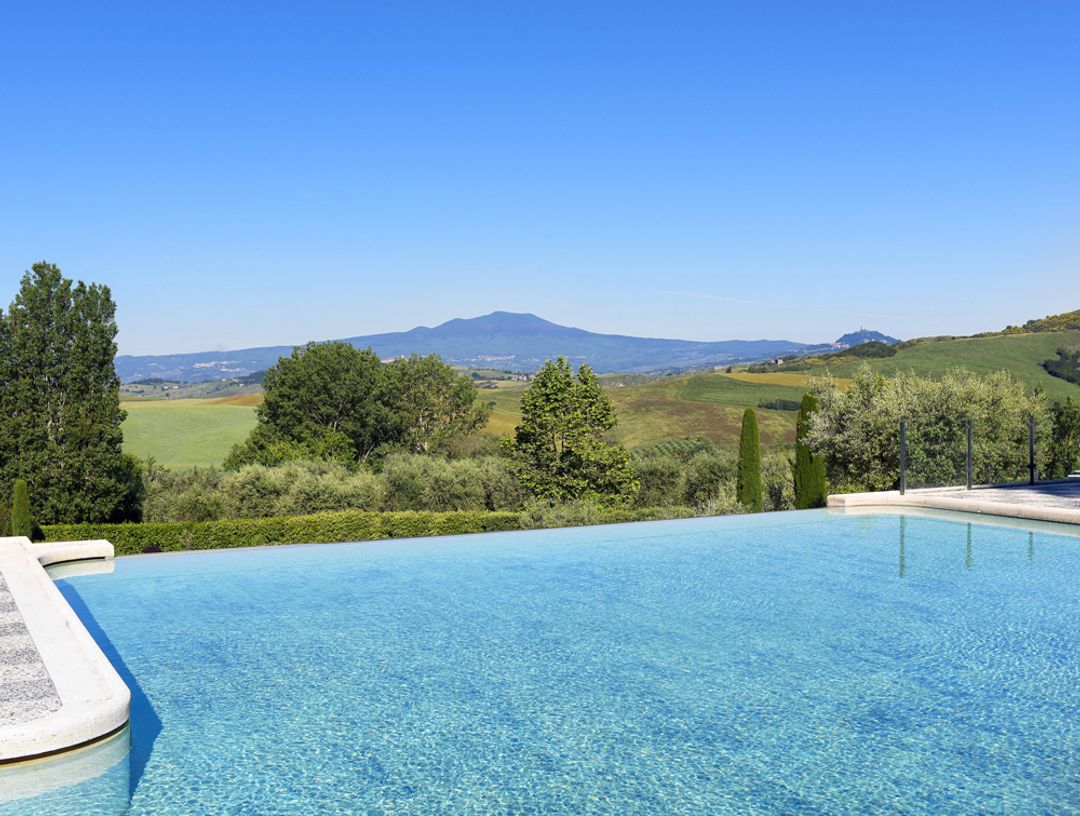
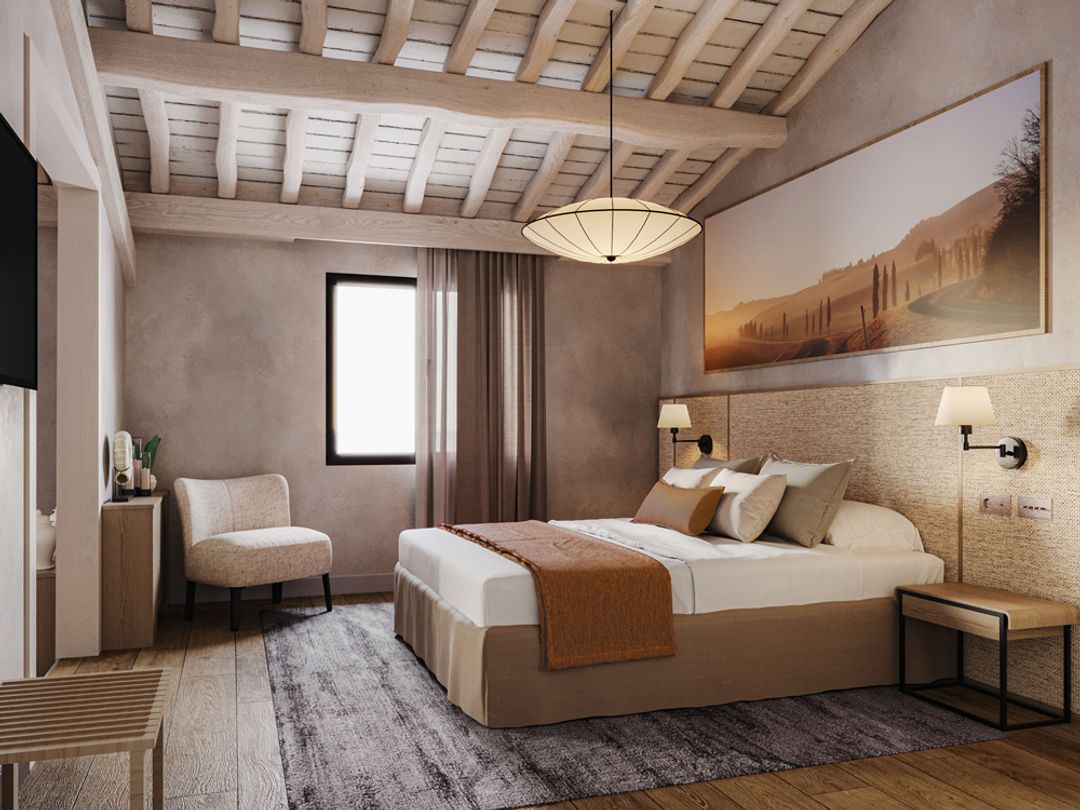
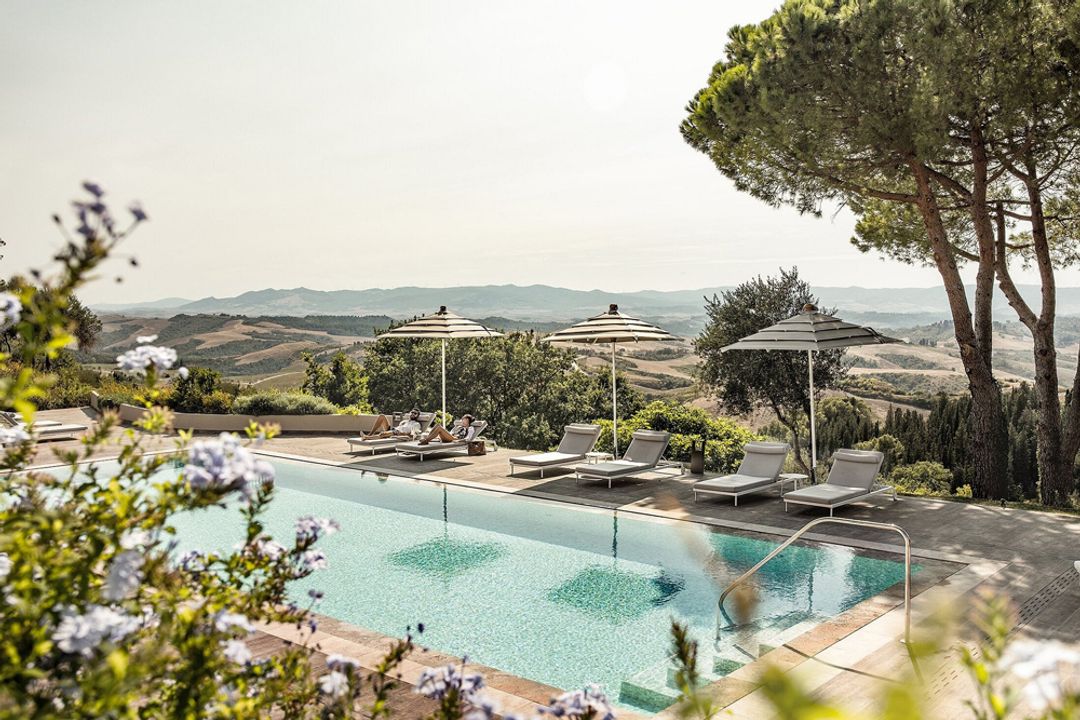
The Val d'Orcia and Maremma represent a different proposition altogether. Here the landscape itself becomes the primary material, and the best properties are those willing to let the horizon do most of the work. Rosewood Castiglion del Bosco, set within a medieval village and working wine estate near Montalcino, manages scale well, with restoration work that respects the Cacciaconti family's original stonework. Castello di Vicarello in the Maremma hills takes the opposite approach: small, obsessively curated, the restoration driven by Aurora and Carlo Baccheschi Berti over years rather than by any developer's timeline, and the result reads as a personal house that happens to accommodate guests. Monteverdi Tuscany, in the depopulated hill village of Castiglioncello del Trinoro, bears the mark of American collector Michael Cioffi's involvement, with interiors assembled from antique and contemporary sources in equal measure.
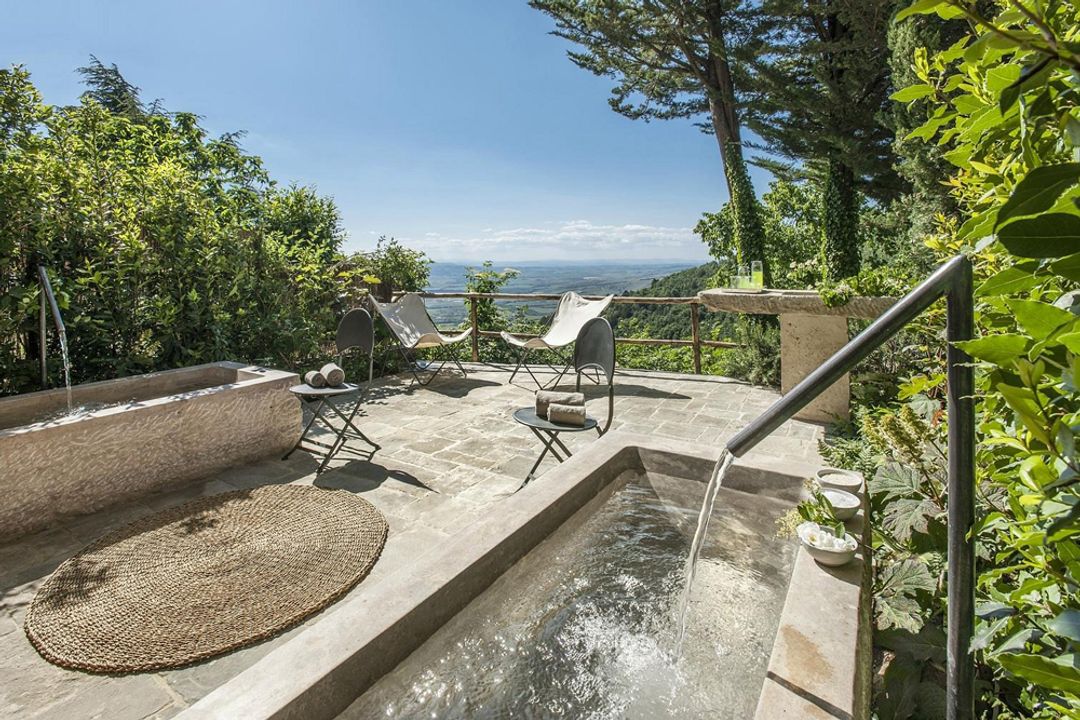
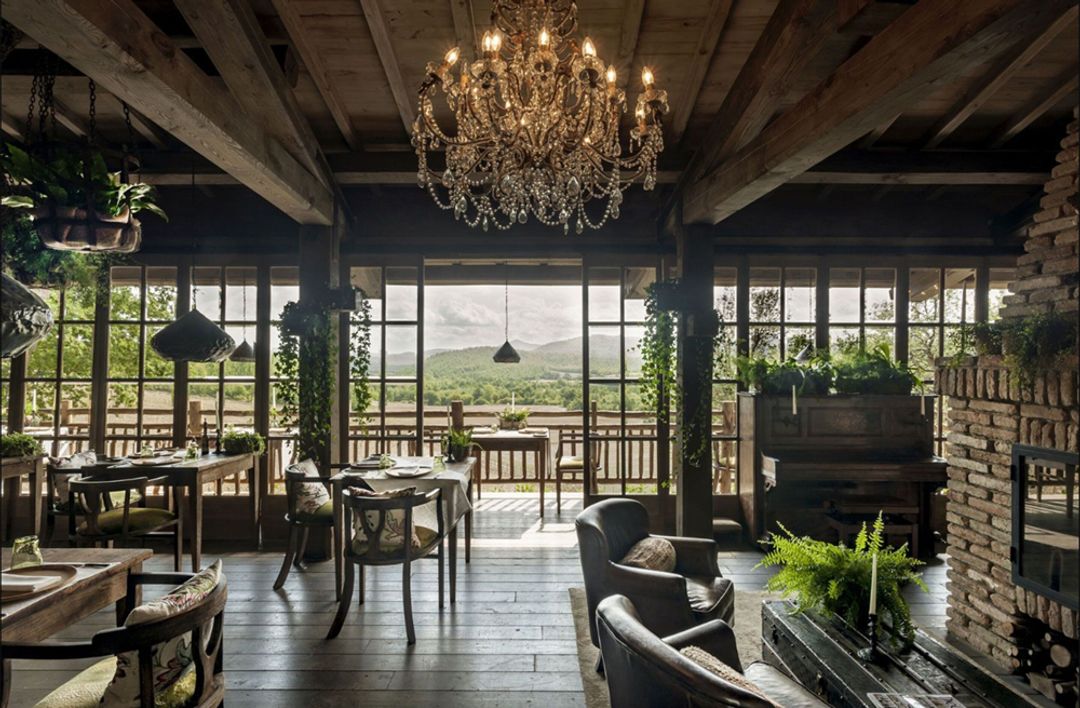
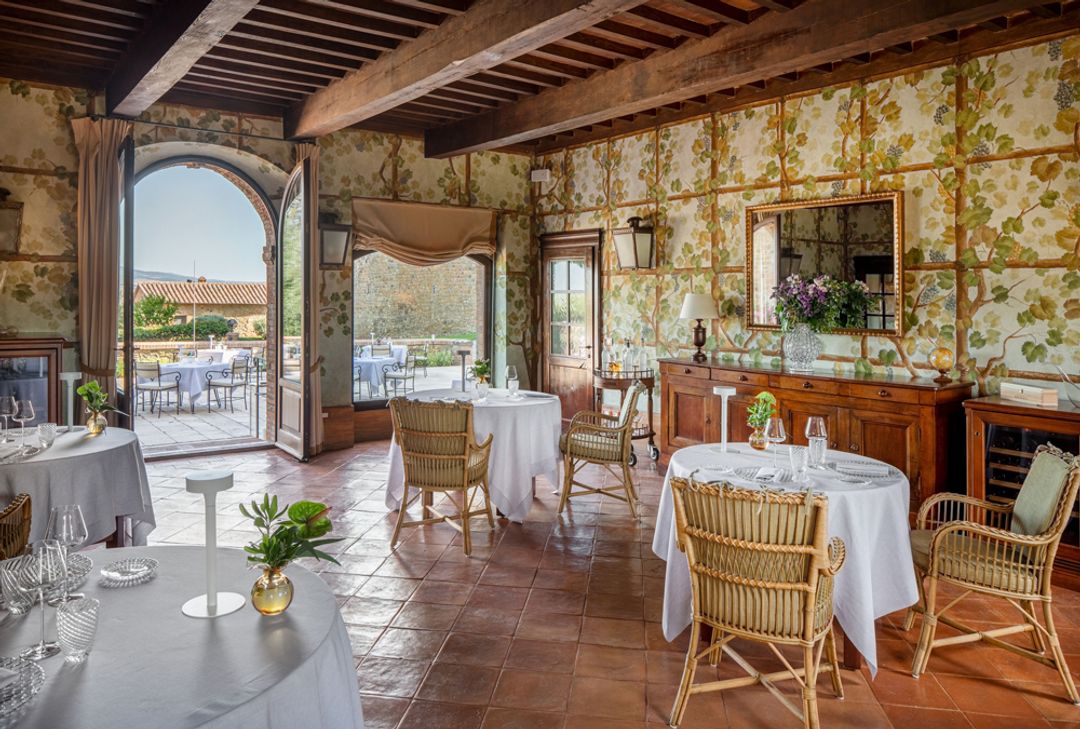
Outliers worth tracking: Borgo Santo Pietro near Chiusdino, where the garden and kitchen gardens have become as deliberate as the twelfth-century building itself; Fonteverde at San Casciano dei Bagni, positioned over Etruscan thermal springs with a spa architecture that references rather than ignores its Roman predecessors; and L'Andana in the Maremma, where Ferran Adrià's consulting role in the kitchen brought a moment of unlikely conceptual seriousness to an already accomplished property. For anyone whose instinct is to notice materials and ask who made decisions, Tuscany rewards itineraries built around the buildings, not just the wine.