Best hotels in Venice, Italy | Visually Compare Top Stays Side-by-Side
Welcome to PressBeyond - a curated visual guide to design-driven hotels and the fastest way to compare them.
An Overview of the Boutique & Luxury Hotel Landscape in Venice, Italy
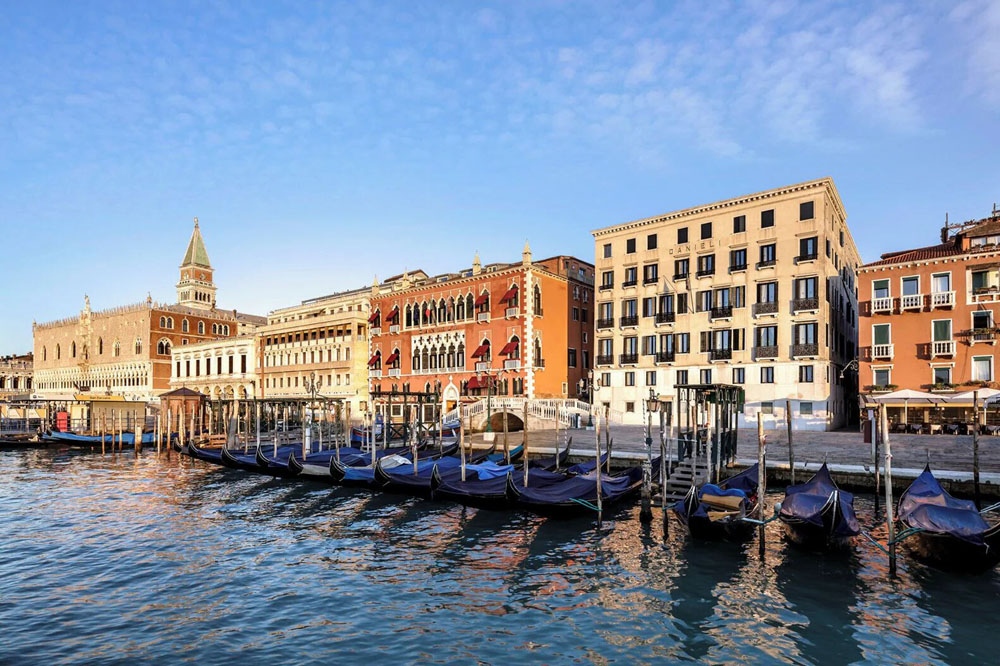
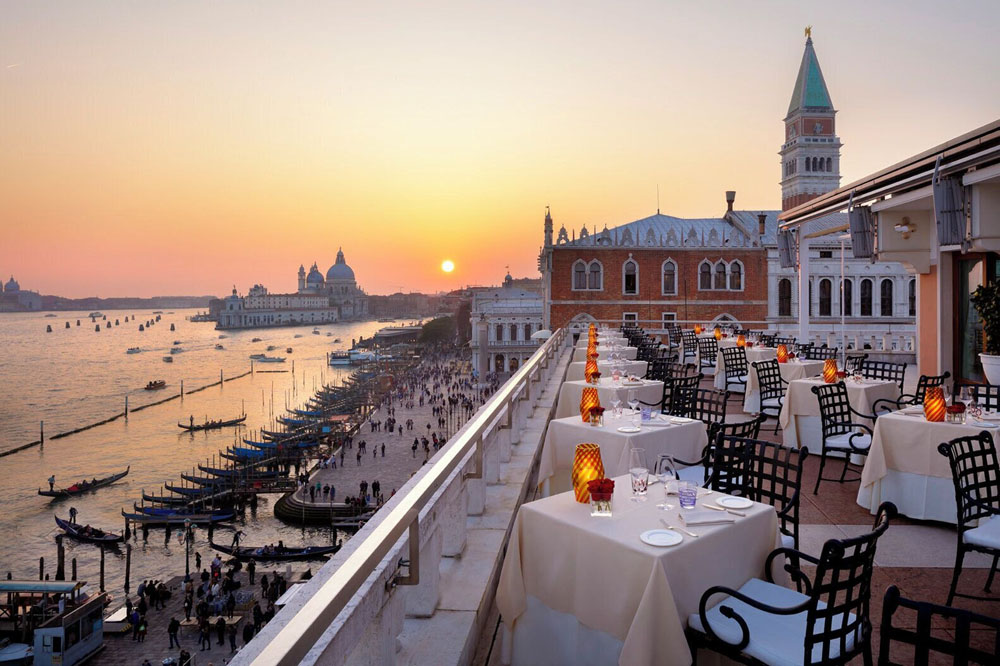
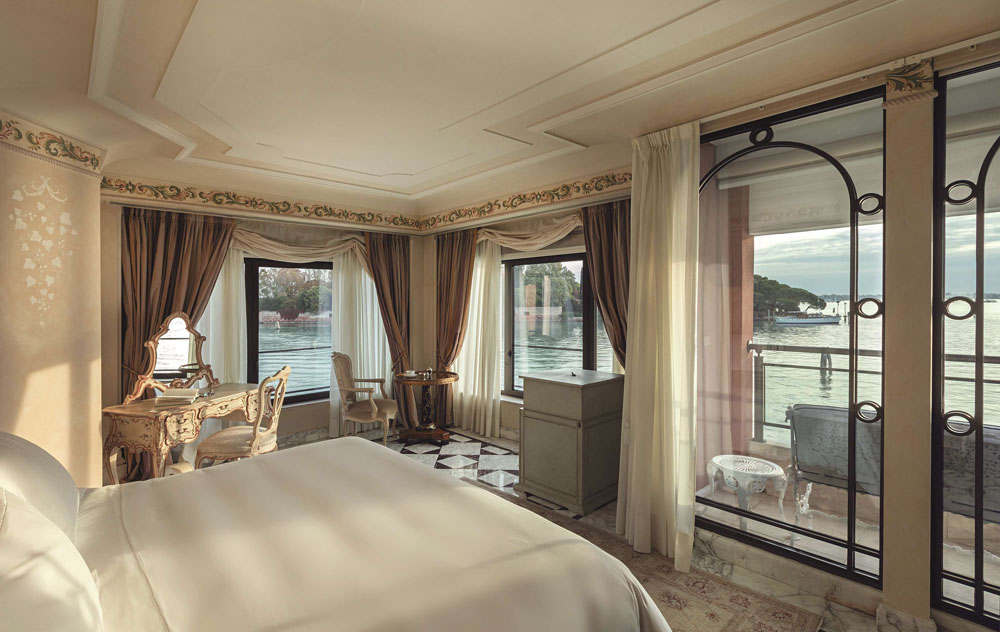
Water does not merely border Venice — it determines everything: which facade faces what light, which entrance counts as front, why a palazzo's grandest rooms look out over nothing but canal and sky. The heaviest concentration of serious hotels occupies the San Marco sestiere and its immediate adjacencies, where centuries of power left behind buildings of extraordinary scale and ambition. The Gritti Palace, restored by AD100 designer Chuck Chewning under LVMH's Bvlgari Hotels sometime before its 2013 reopening, commands the Grand Canal from a fifteenth-century palazzo with the confidence of an institution that has never needed to explain itself. The Danieli, now a Four Seasons property, spreads across three linked Gothic and neoclassical buildings near the Riva degli Schiavoni — a palimpsest of Venetian architectural history that no single renovation could ever fully rationalize. Newer arrivals in San Marco include the Nolinski Venezia, brought to Venice by the French Evok Hotel Collection with interiors by Hugo Toro, and the St. Regis, which occupies the former Grand Hotel on the Grand Canal with a more considered contemporary restraint than the name might suggest.
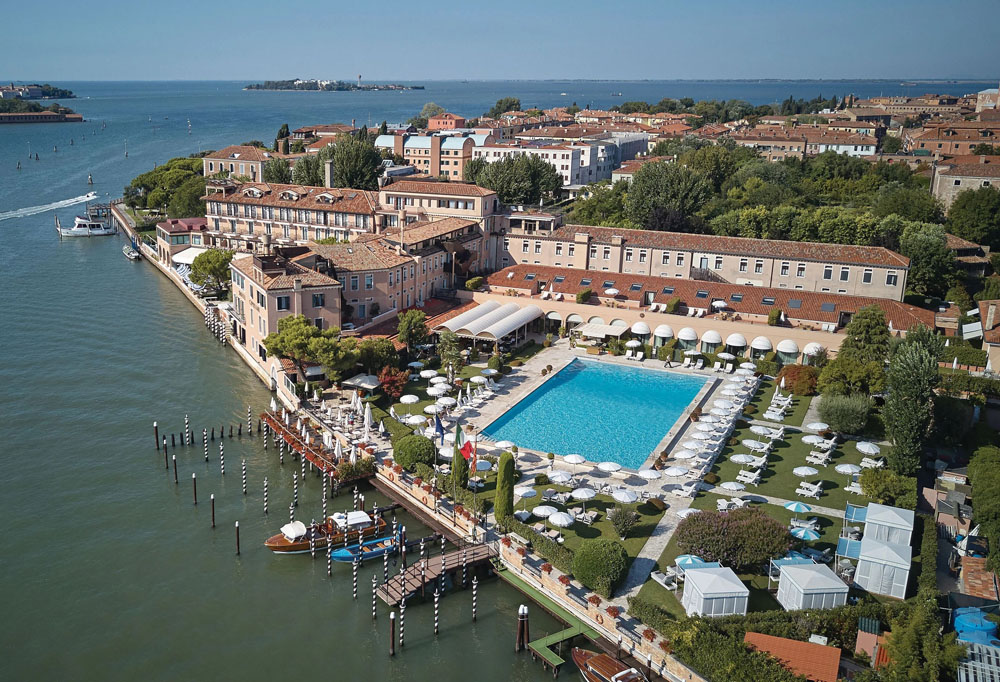
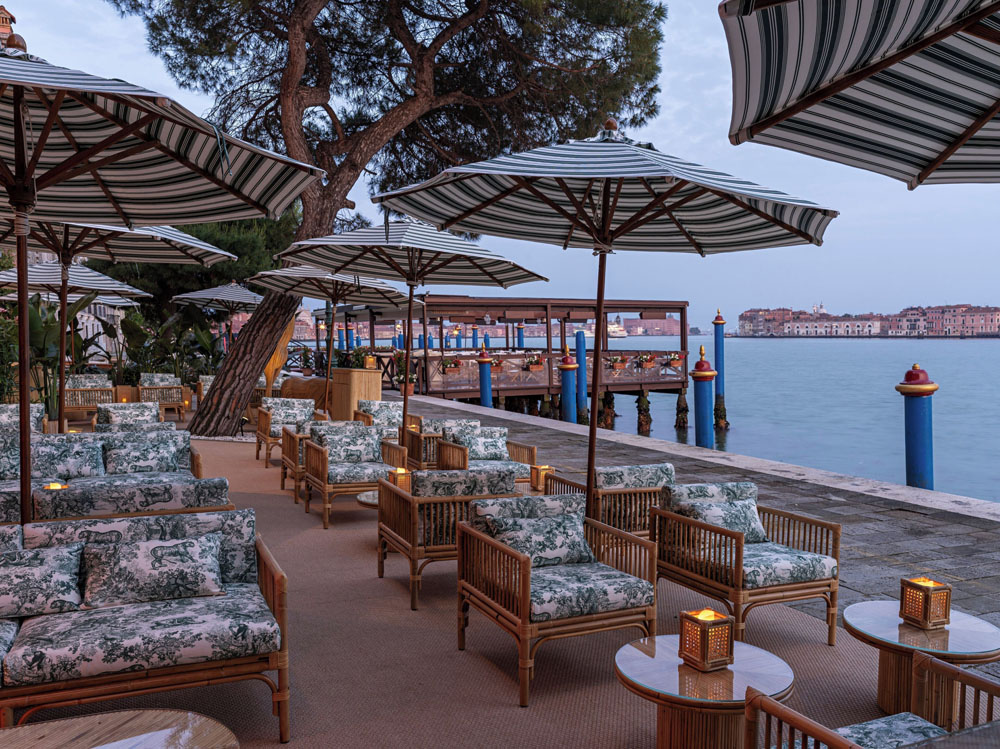
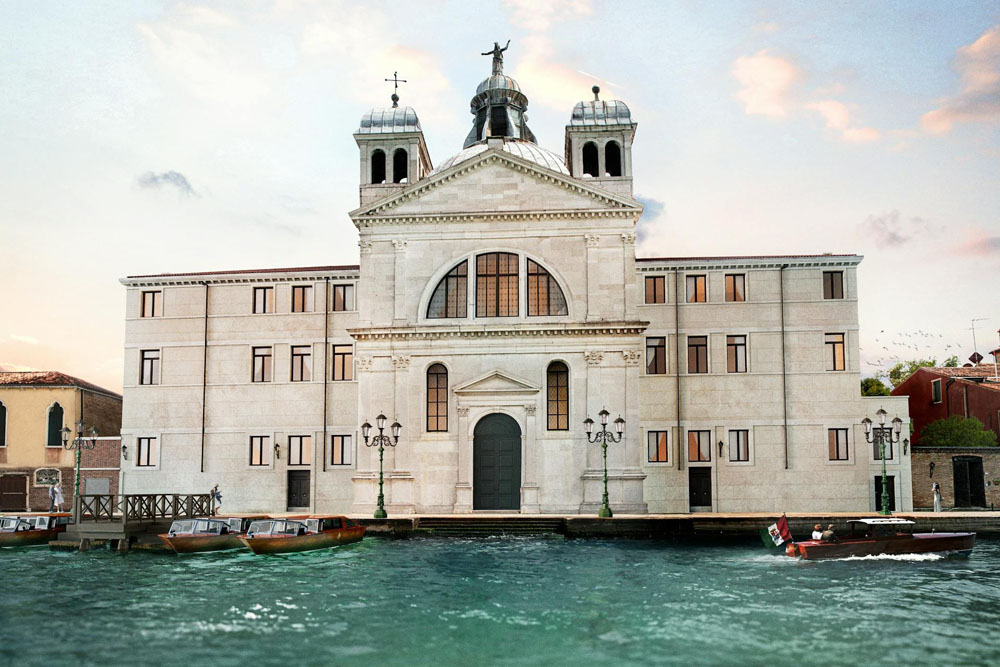
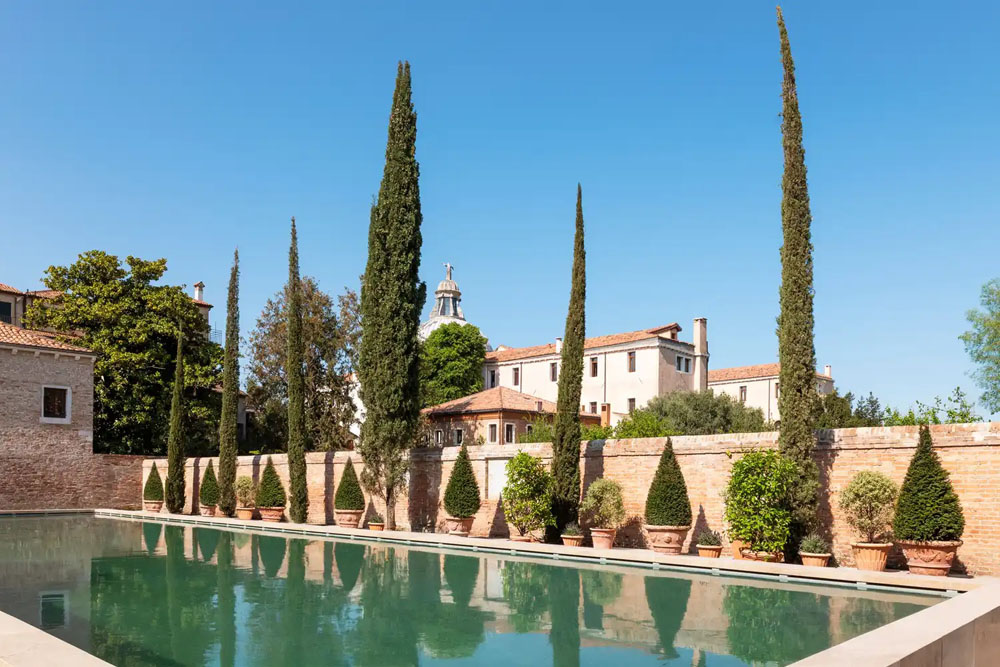
Across the water on Giudecca, two properties stake out a very different position. The Cipriani, now managed by Belmond, has operated since 1958 as Venice's great act of deliberate removal — guests cross by private launch, and the island's gardens and pool enforce a separation from the city that feels less like retreat than counterargument. Airelles Palladio, newer and more architecturally adventurous, commissioned Jacques Garcia to reimagine a Palladio-attributed church complex with a theatricality that reads as homage rather than pastiche. The San Clemente Palace Kempinski takes the island idea further still, occupying its own island entirely with the converted buildings of a former psychiatric hospital, which gives the grounds an architectural melancholy no amount of renovation has quite erased.
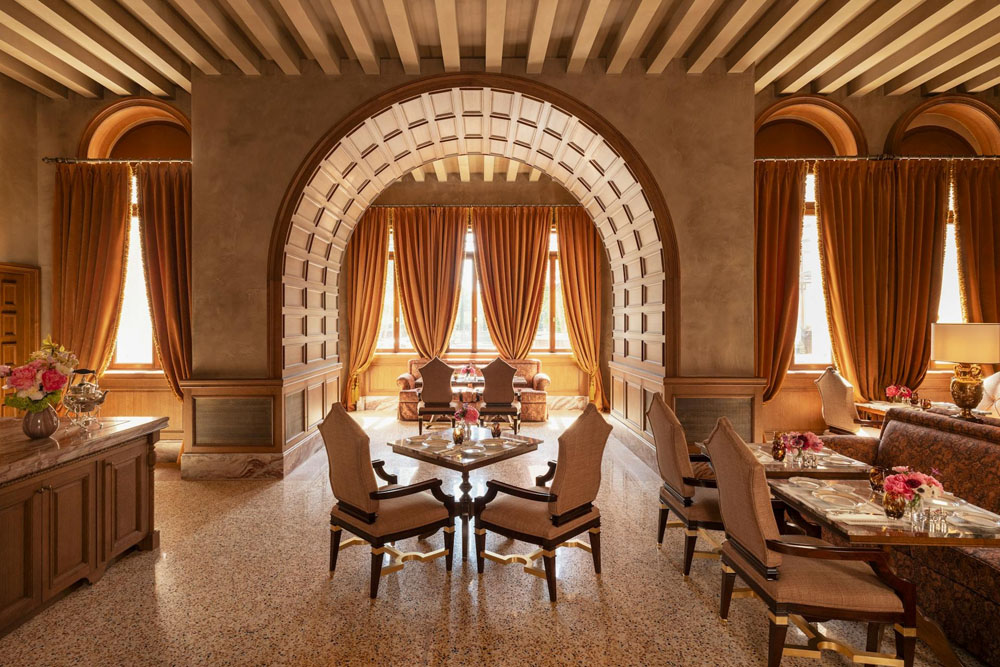
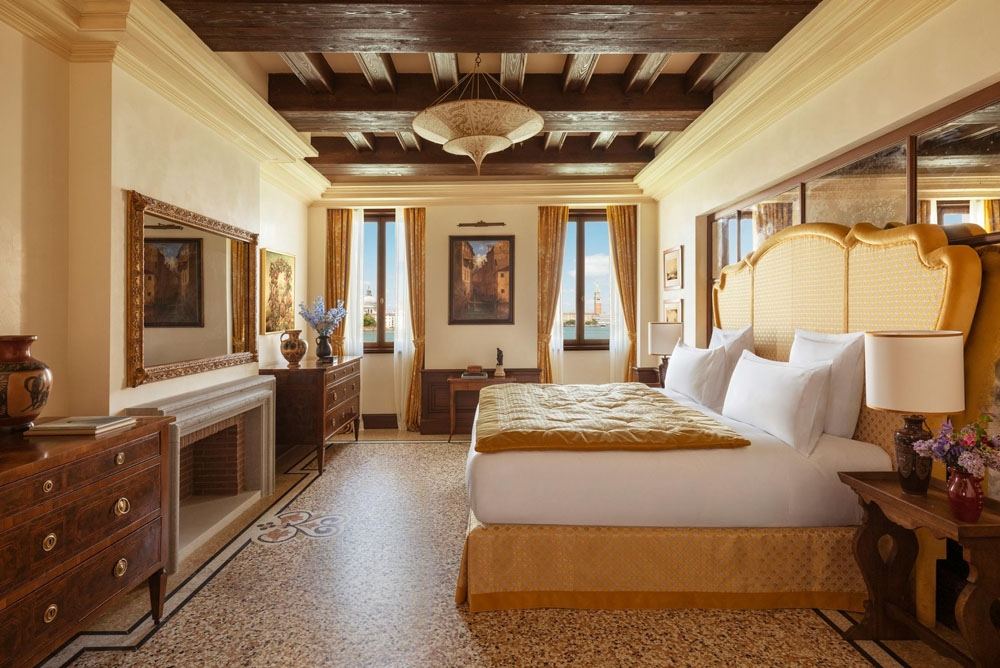
Dorsoduro and the quieter reaches of San Polo and Cannaregio attract travelers who want proximity to the city's actual life — the Accademia, the Zattere, the working neighborhoods that tourists cross rather than occupy. The Sina Centurion Palace sits on the Dorsoduro bank of the Grand Canal in a converted Armenian palace, its neogothic facade among the more photographed on the waterfront. Aman Venice, by contrast, occupies a sequence of sixteenth-century rooms in the Palazzo Papadopoli off the San Polo side of the Grand Canal, where Lorenzo Massotti's intervention has left the frescoed ceilings and terrazzo floors essentially undisturbed — the rarest possible position in Venetian hospitality: restraint as the most expensive option available.