Best hotels in Hong Kong, China (SAR) | Visually Compare Top Stays Side-by-Side
Welcome to PressBeyond - a curated visual guide to design-driven hotels and the fastest way to compare them.
An Overview of the Boutique & Luxury Hotel Landscape in Hong Kong, China (SAR)
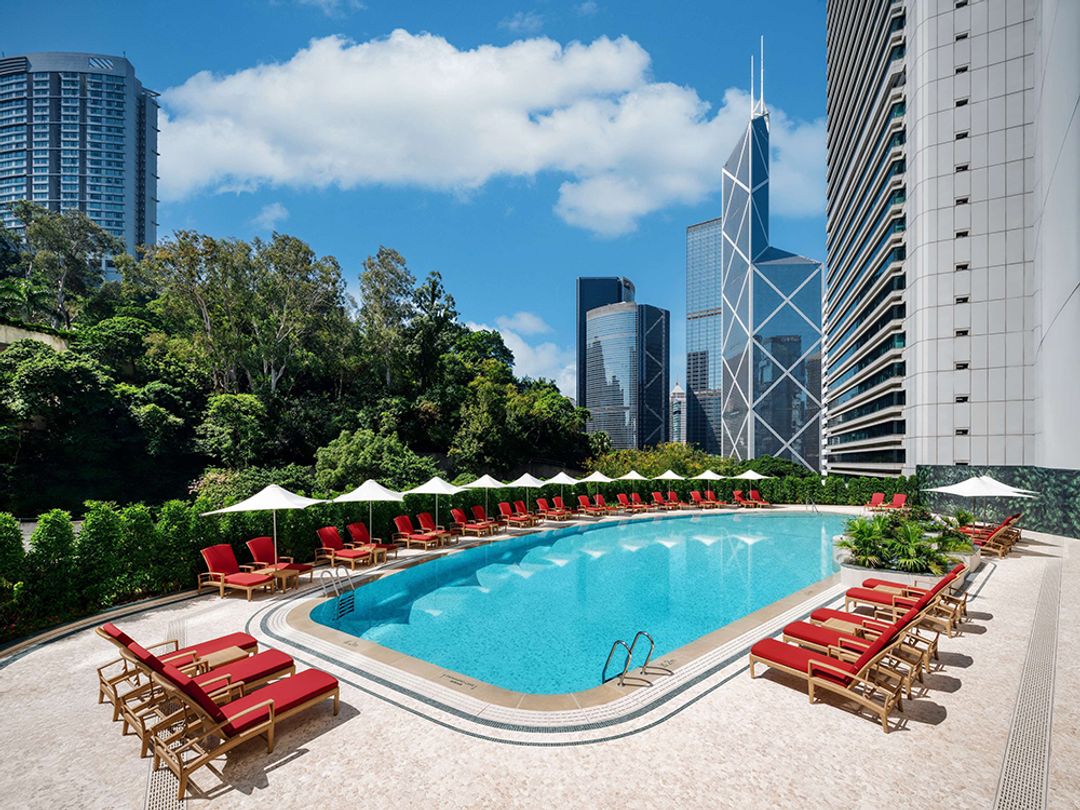
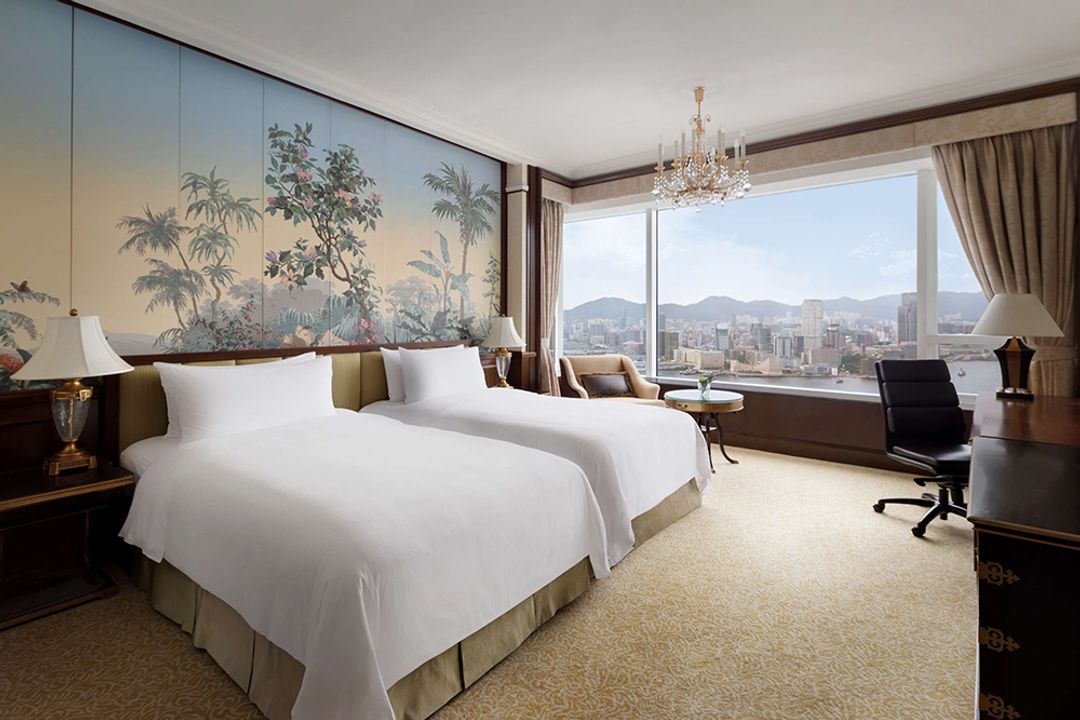
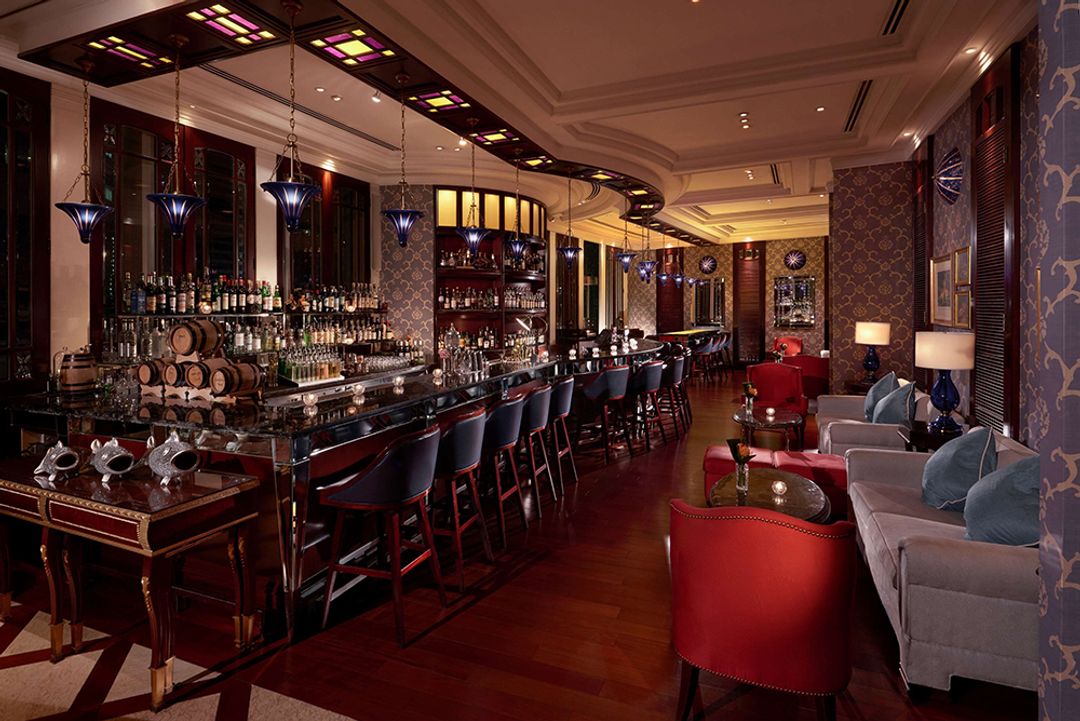
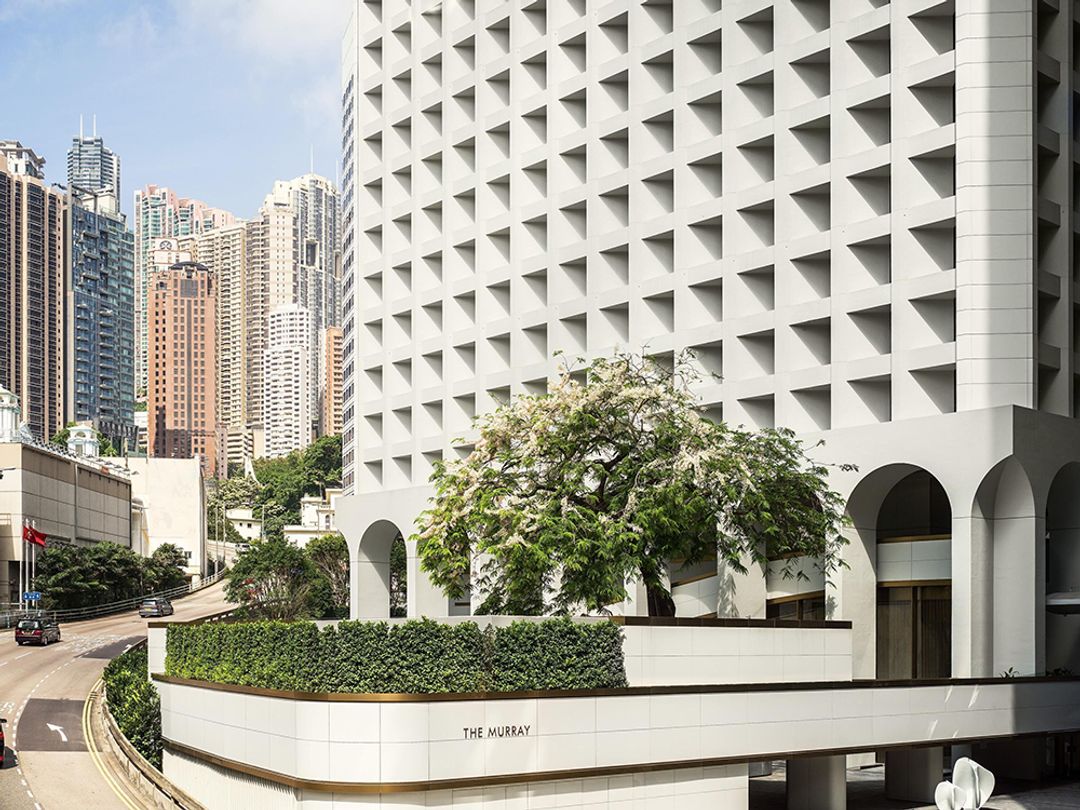
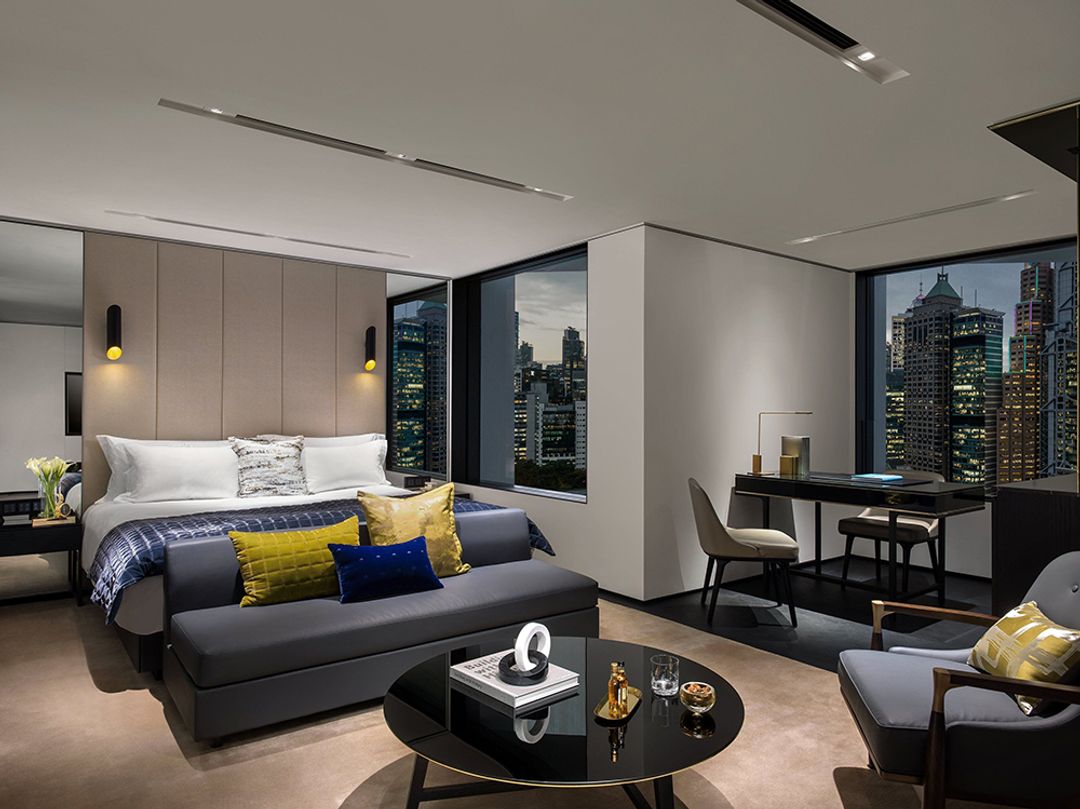
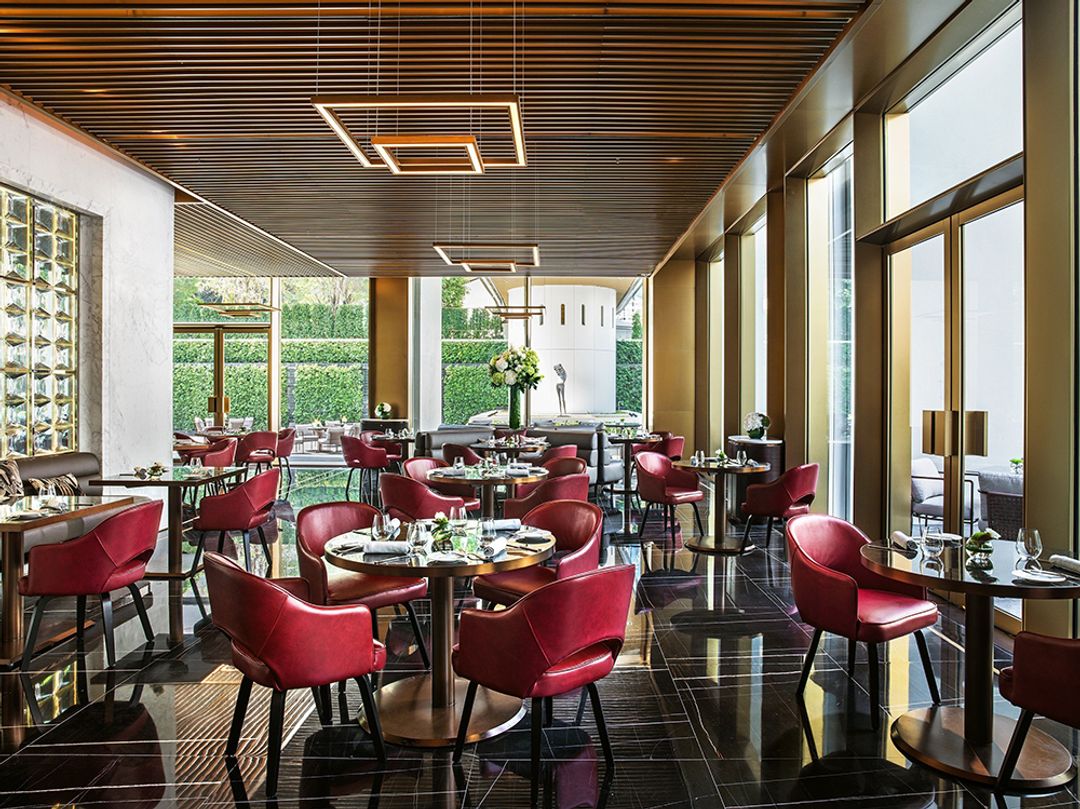
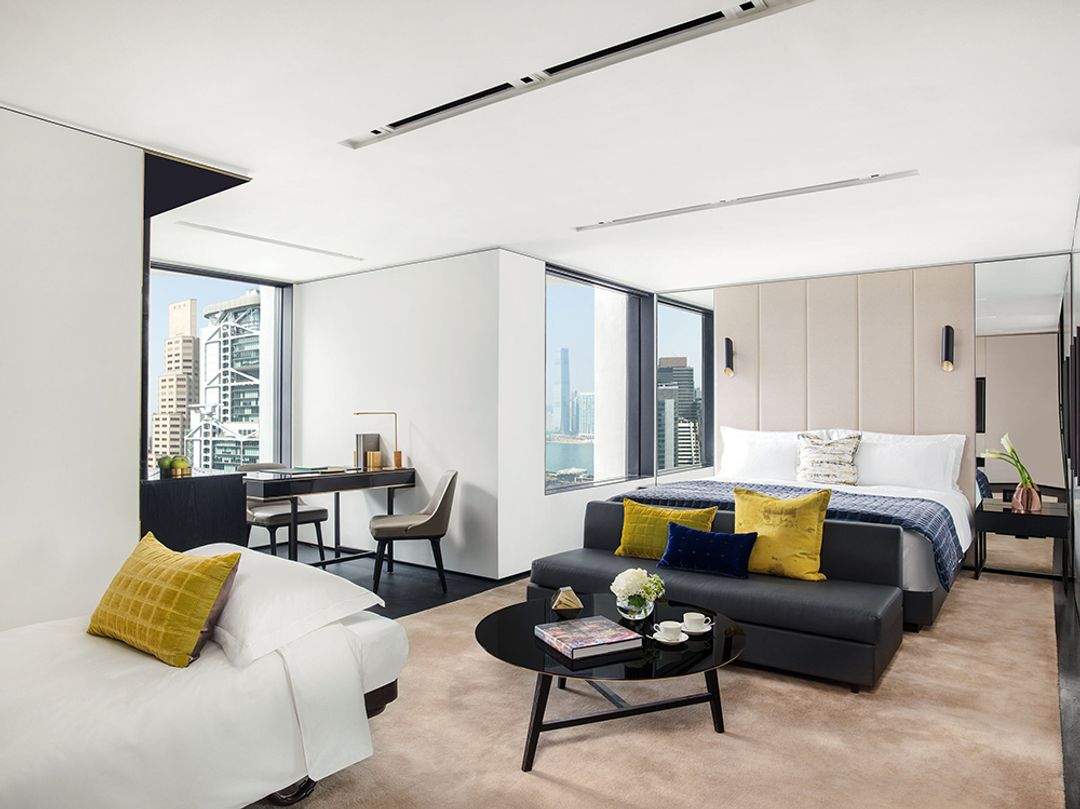
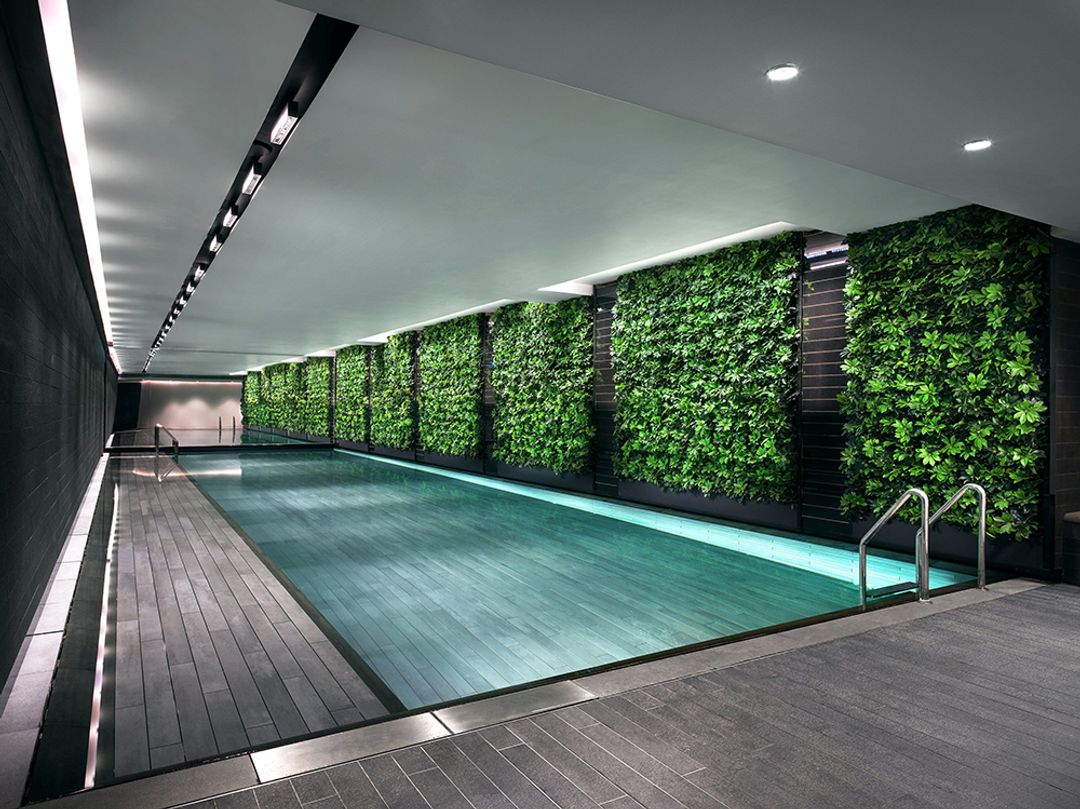
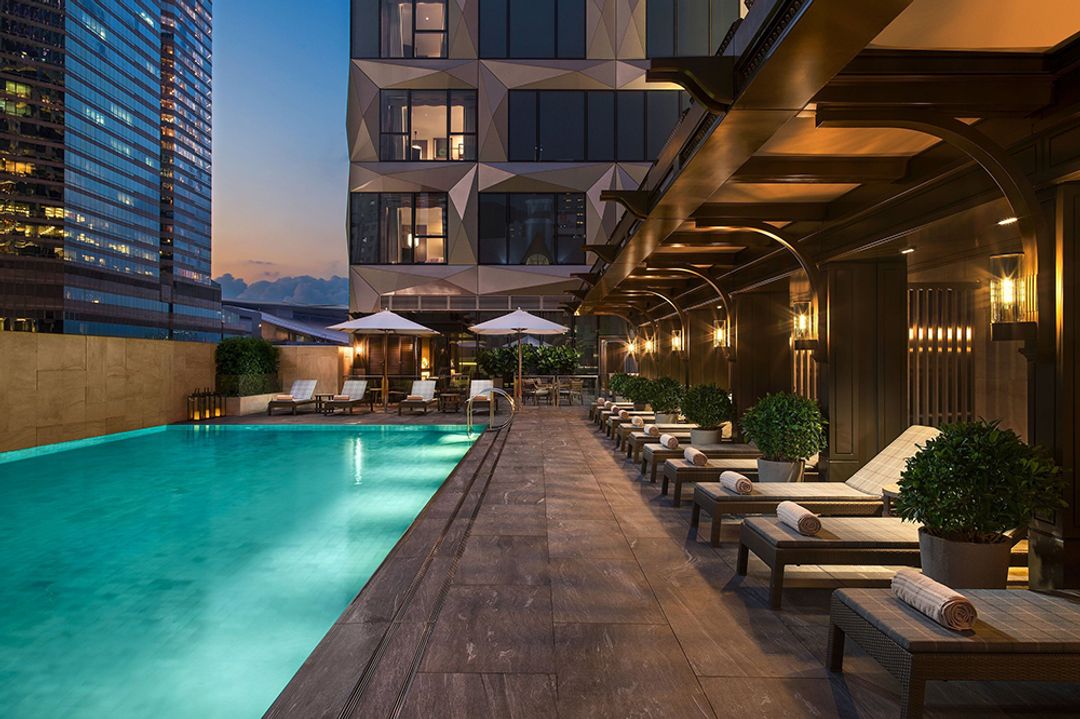
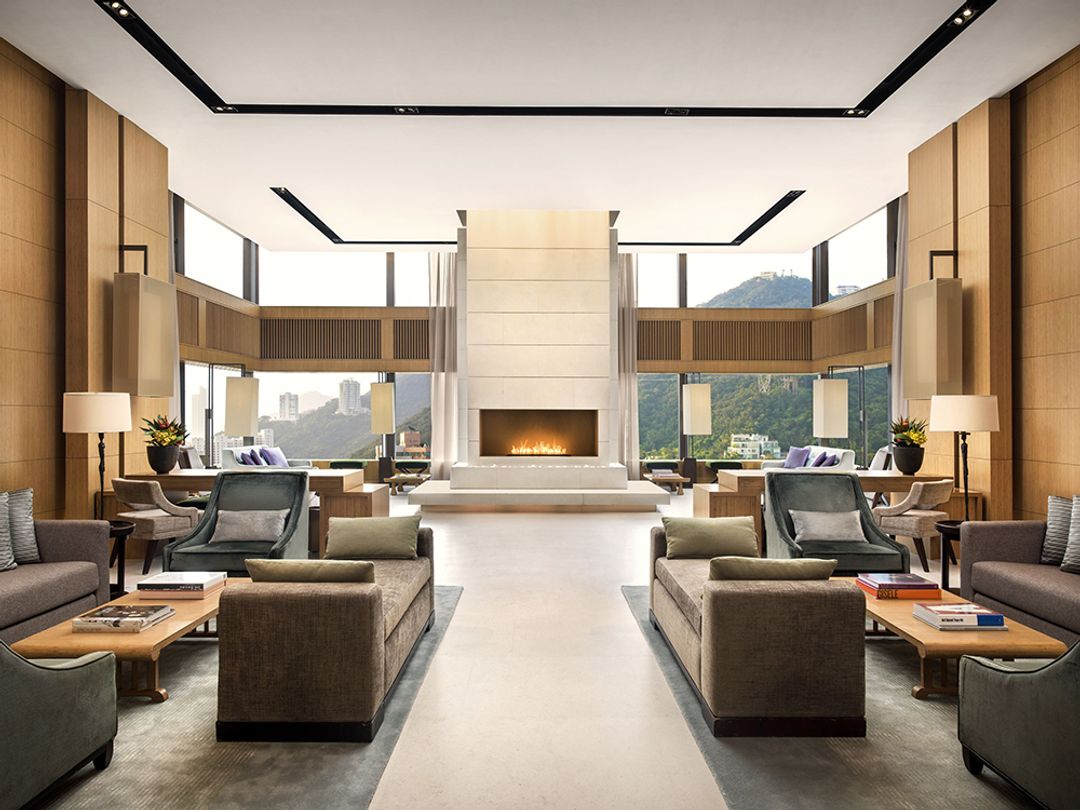
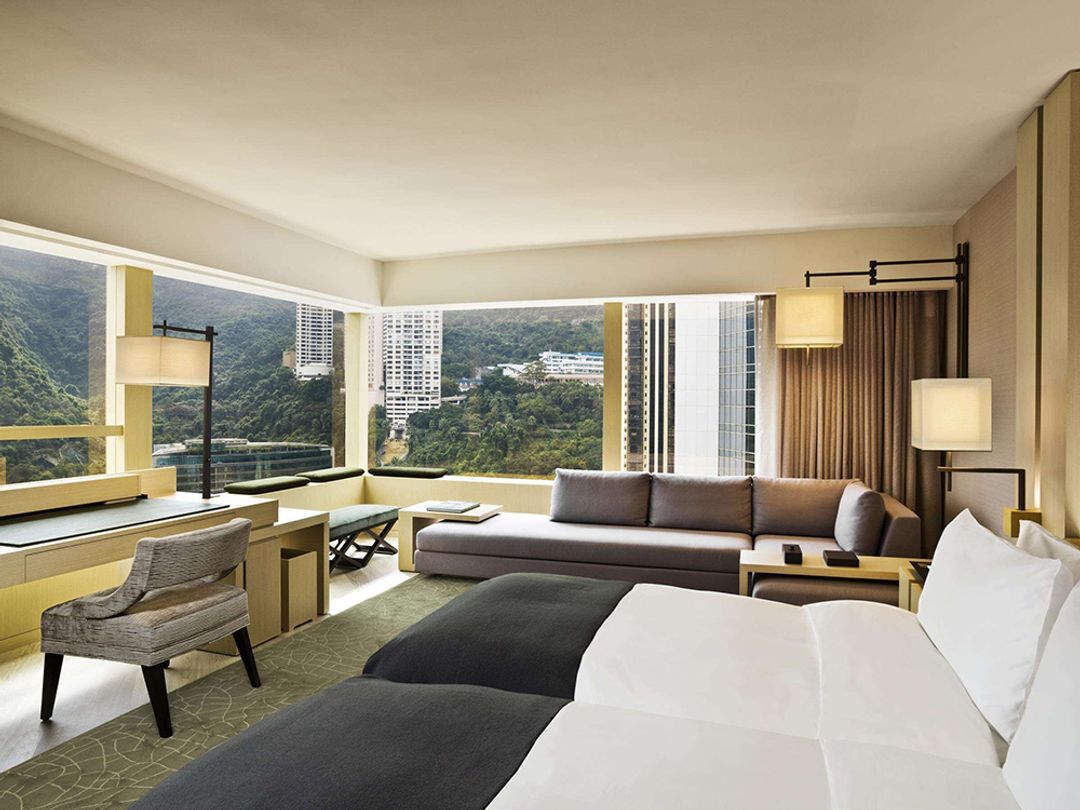
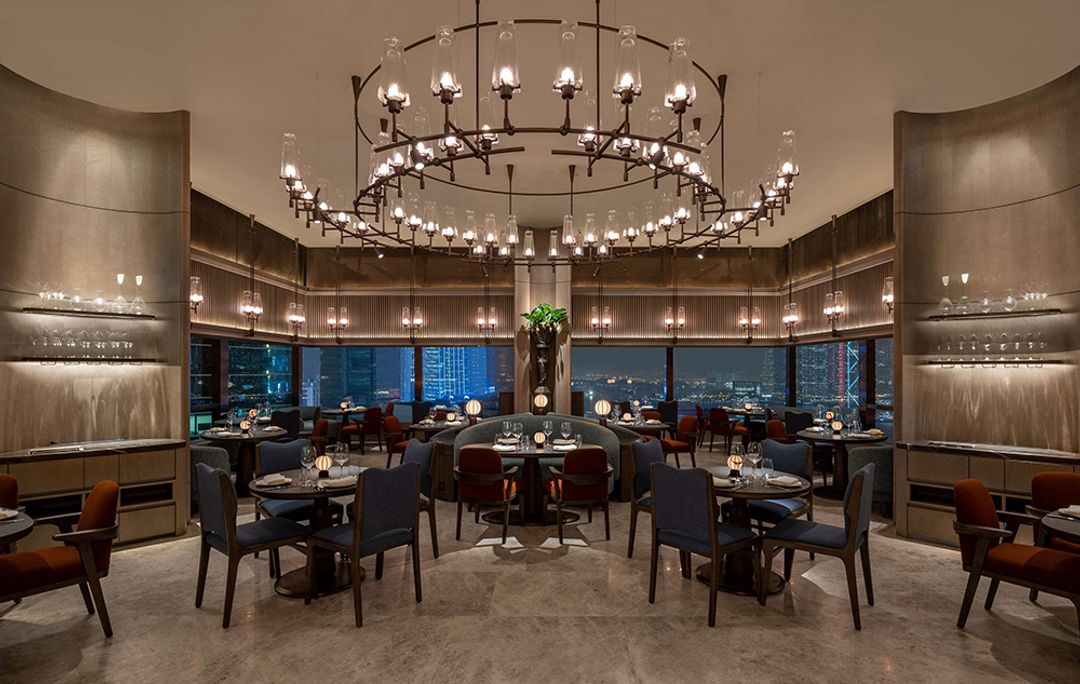
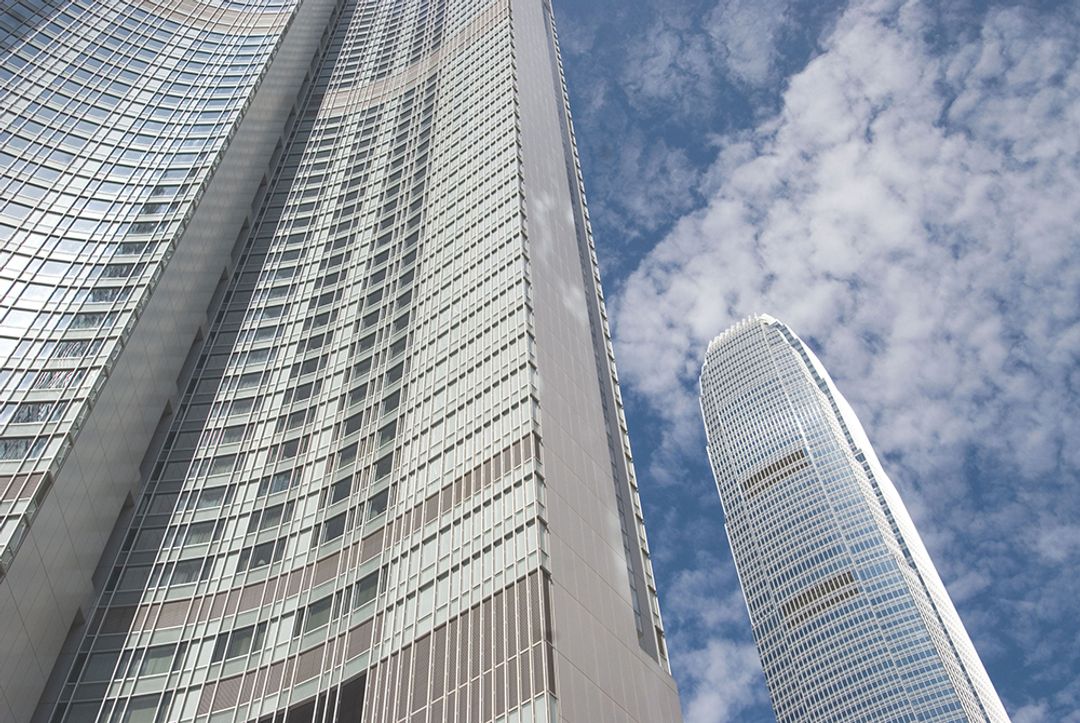
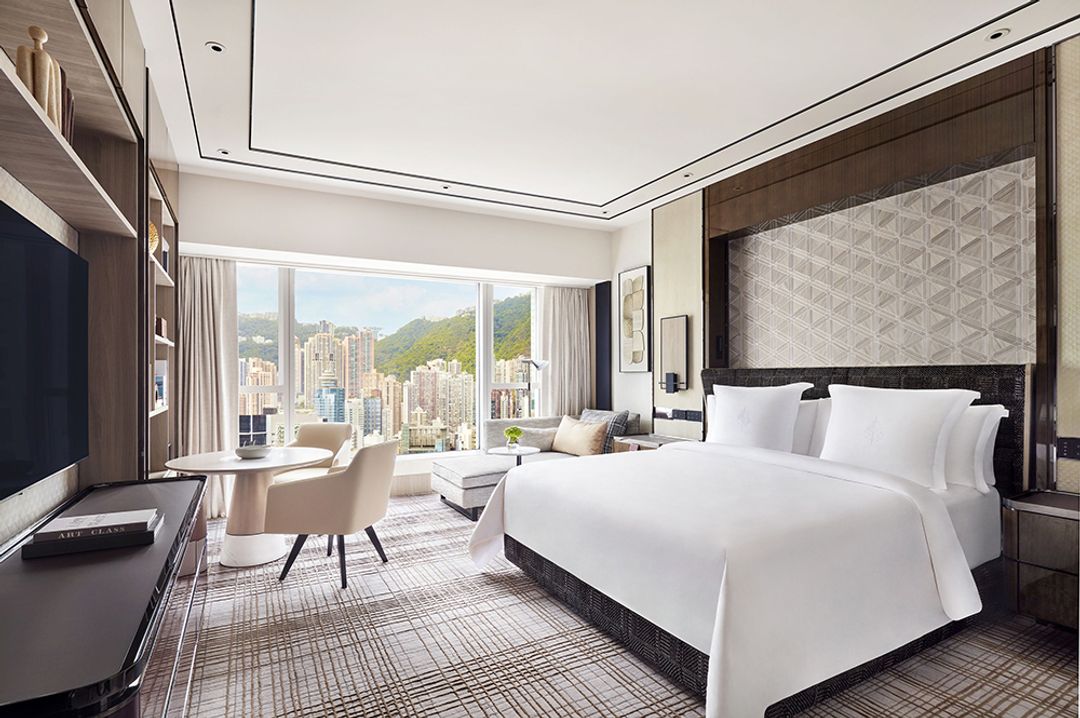
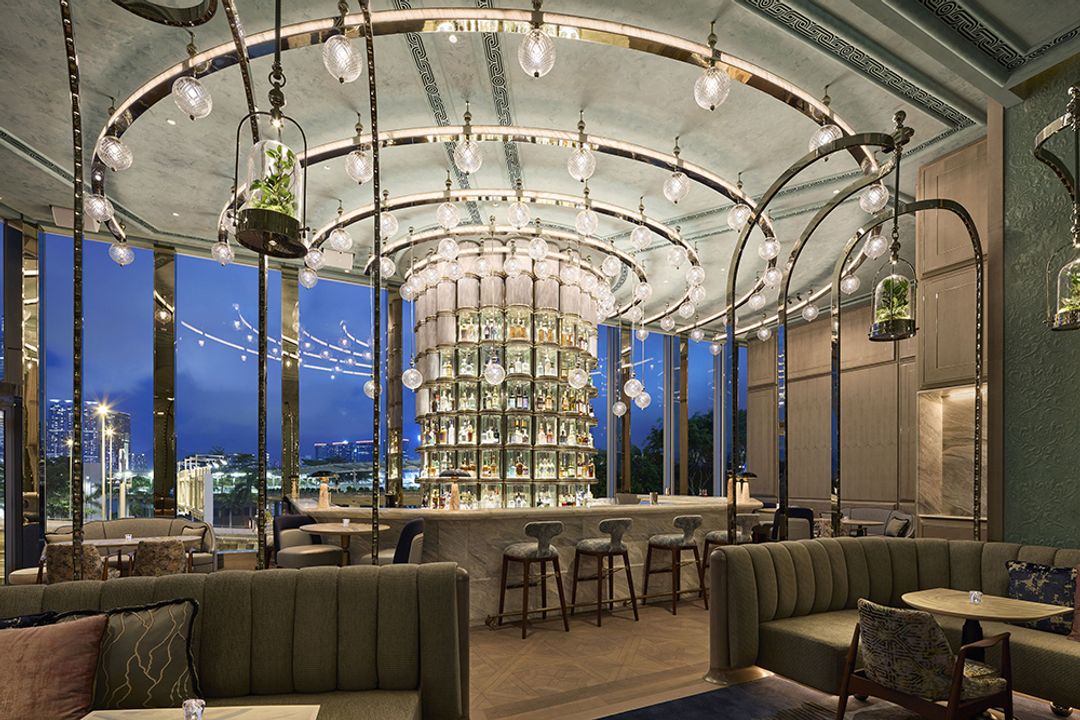
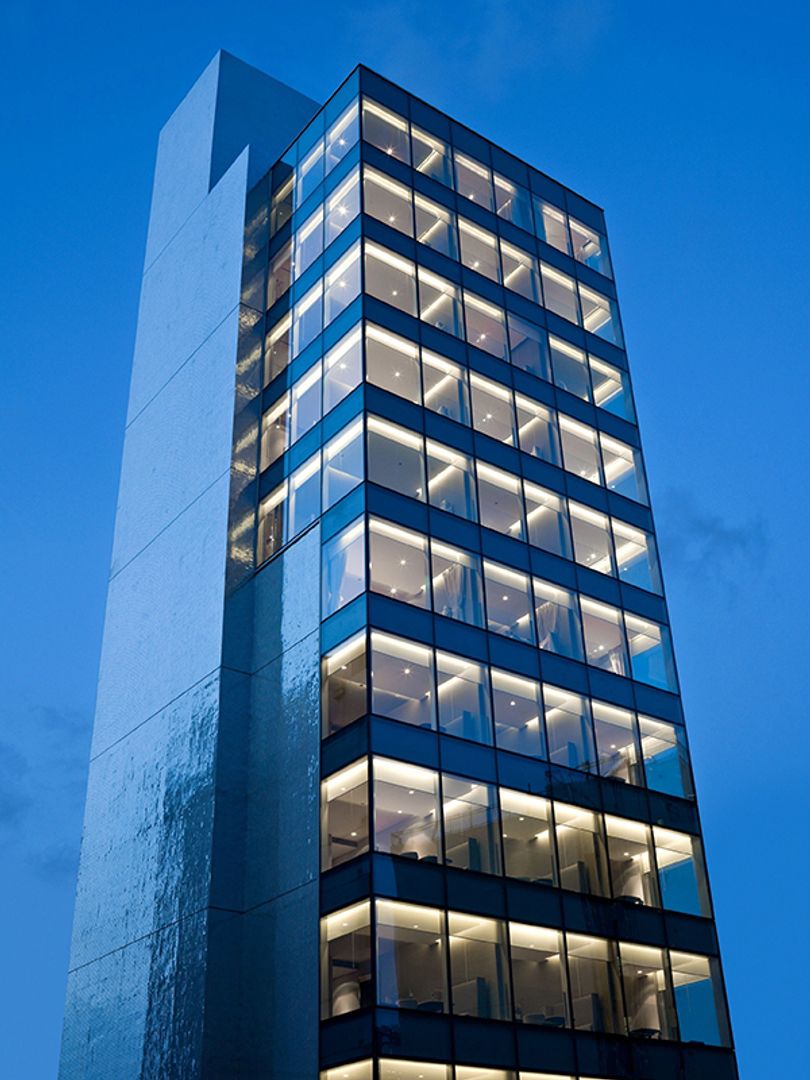
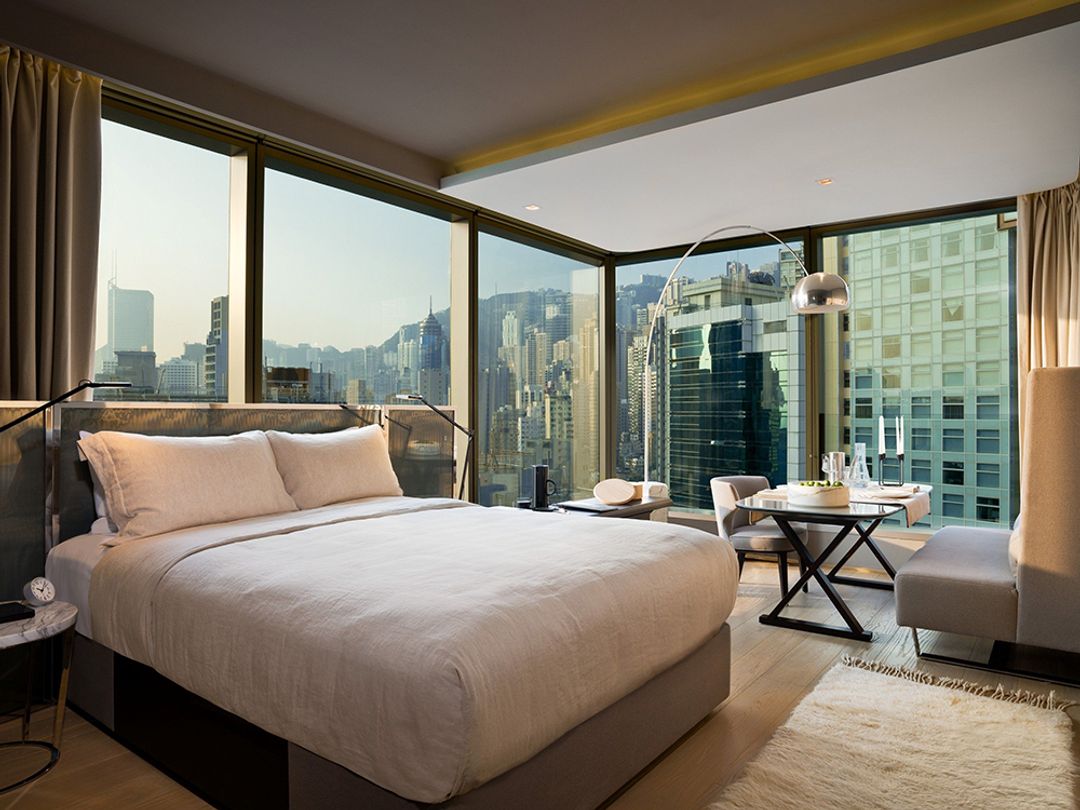
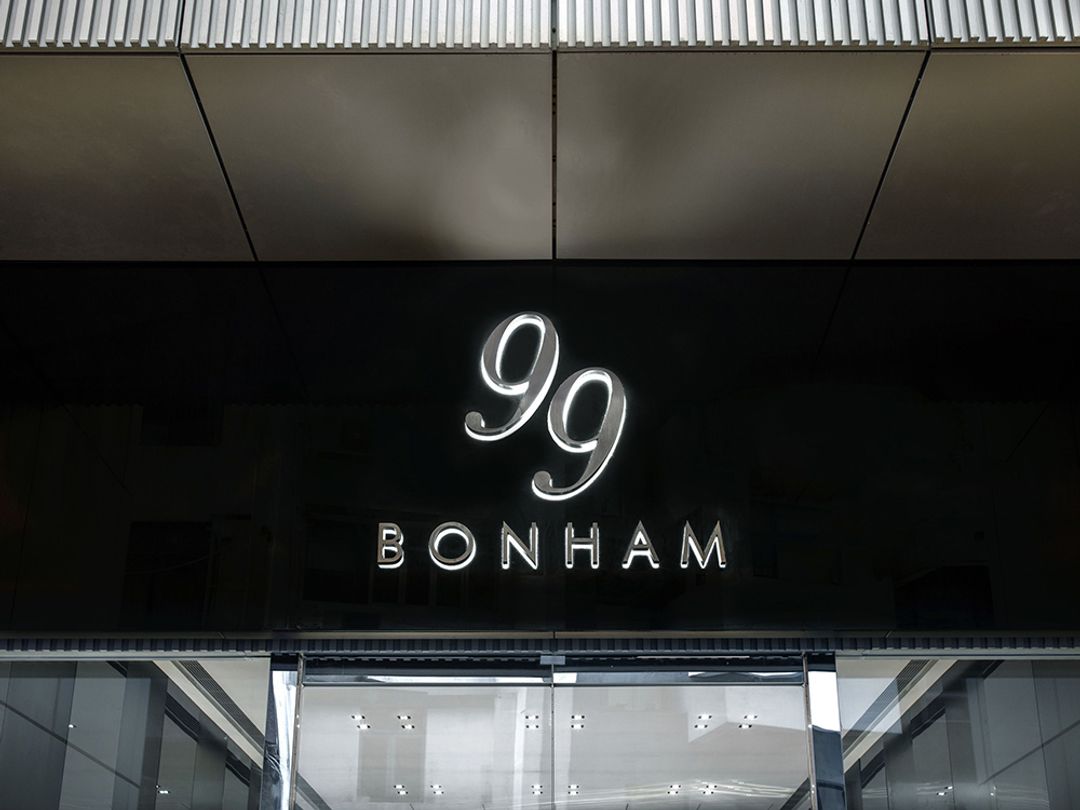
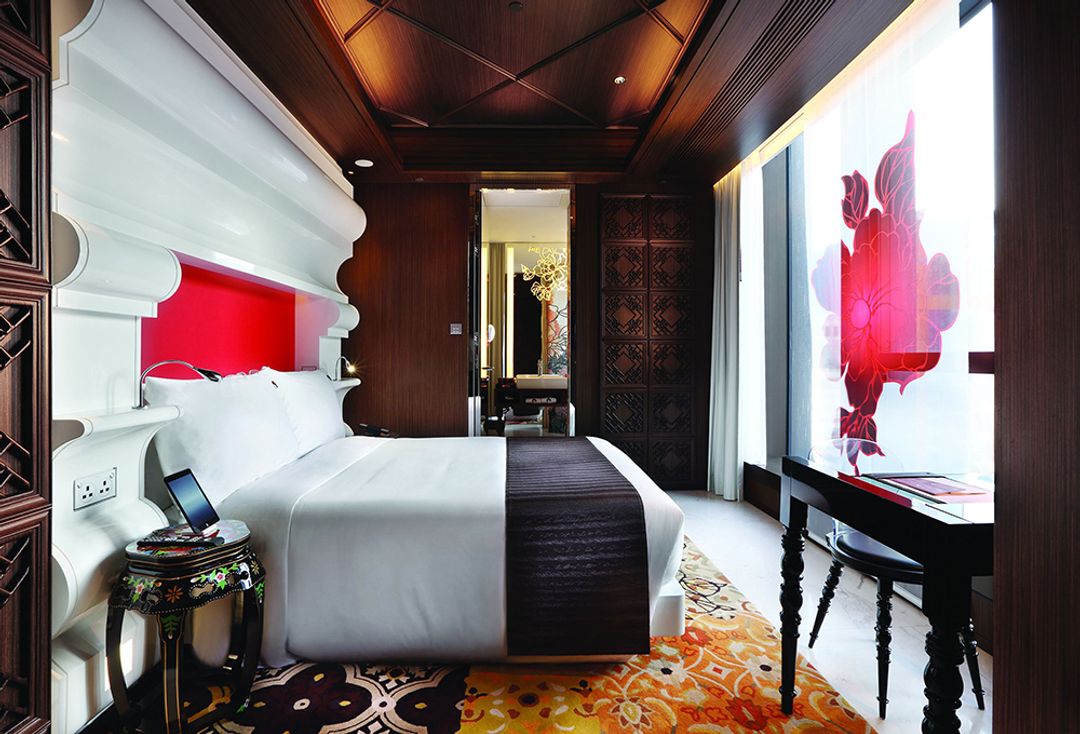
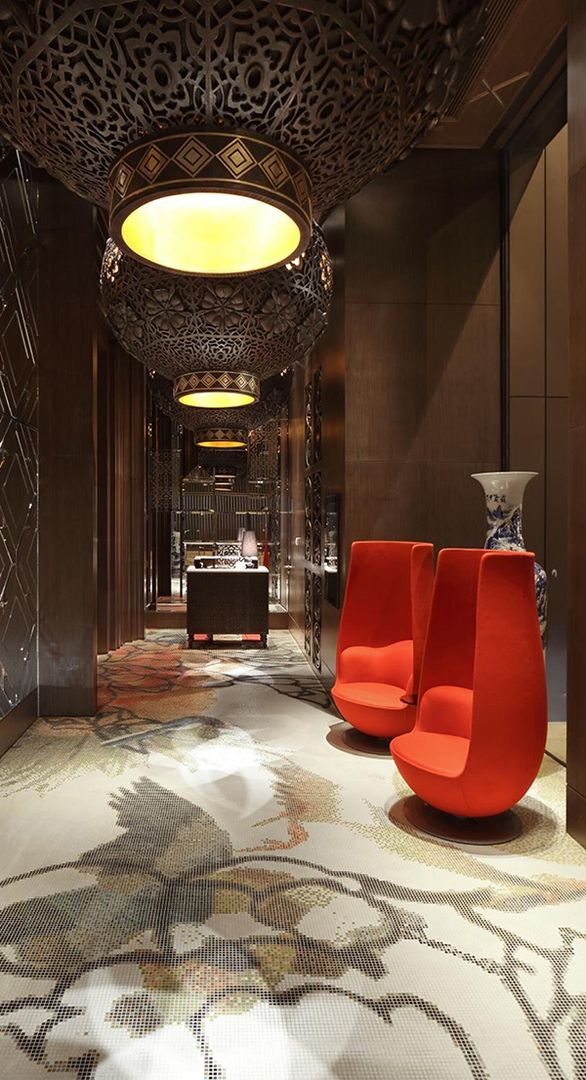
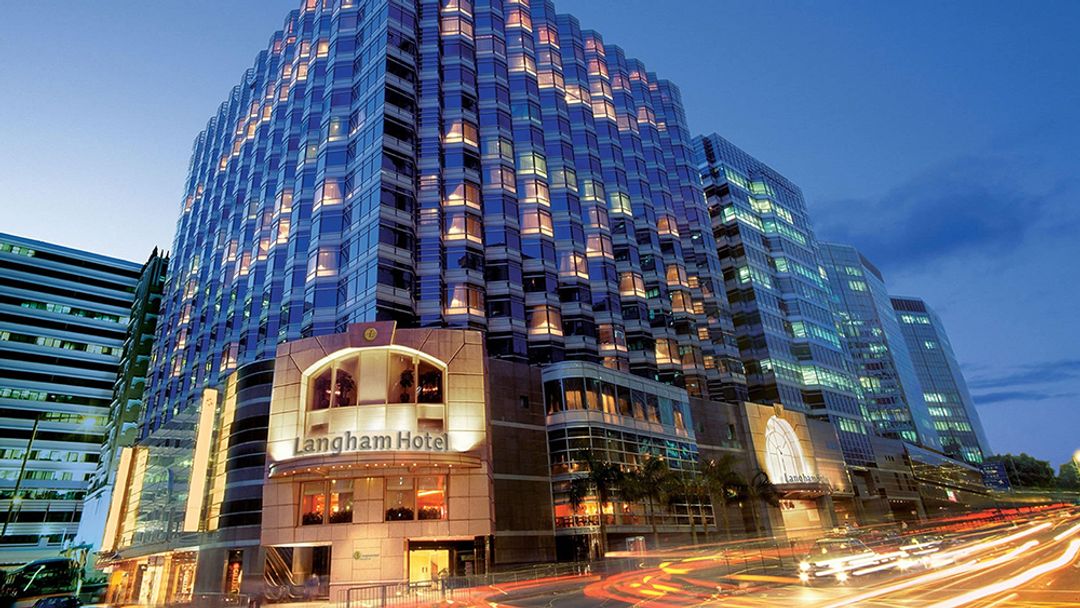
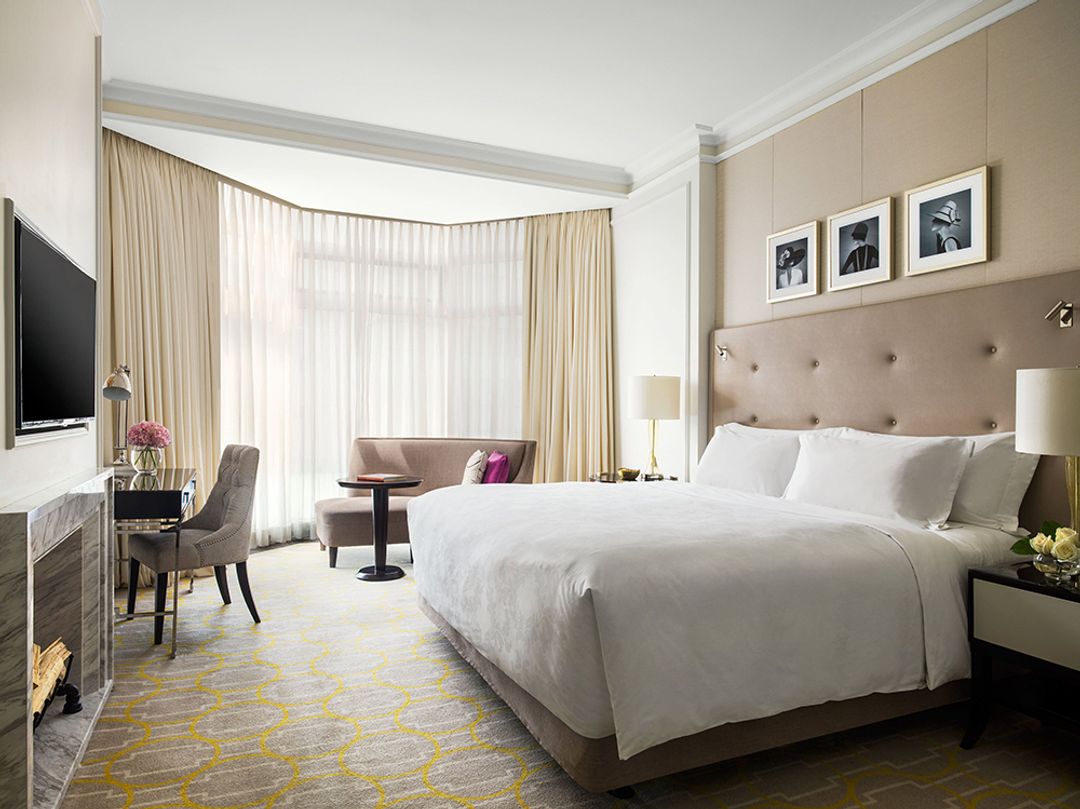
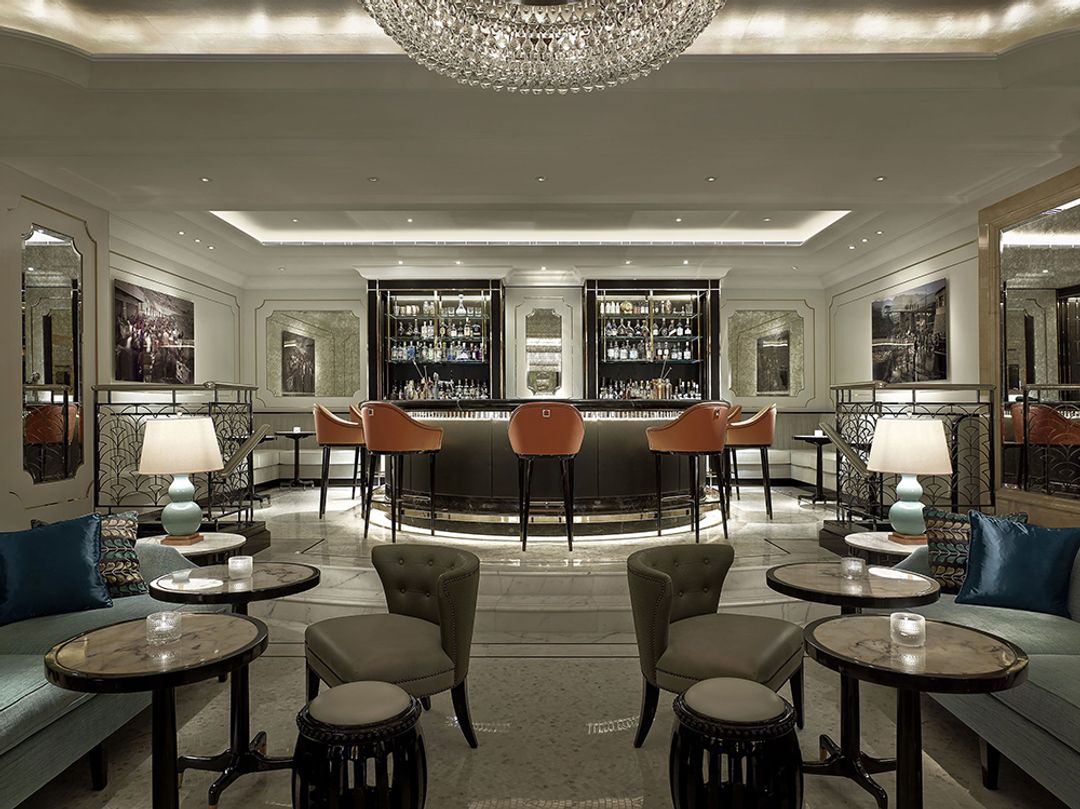
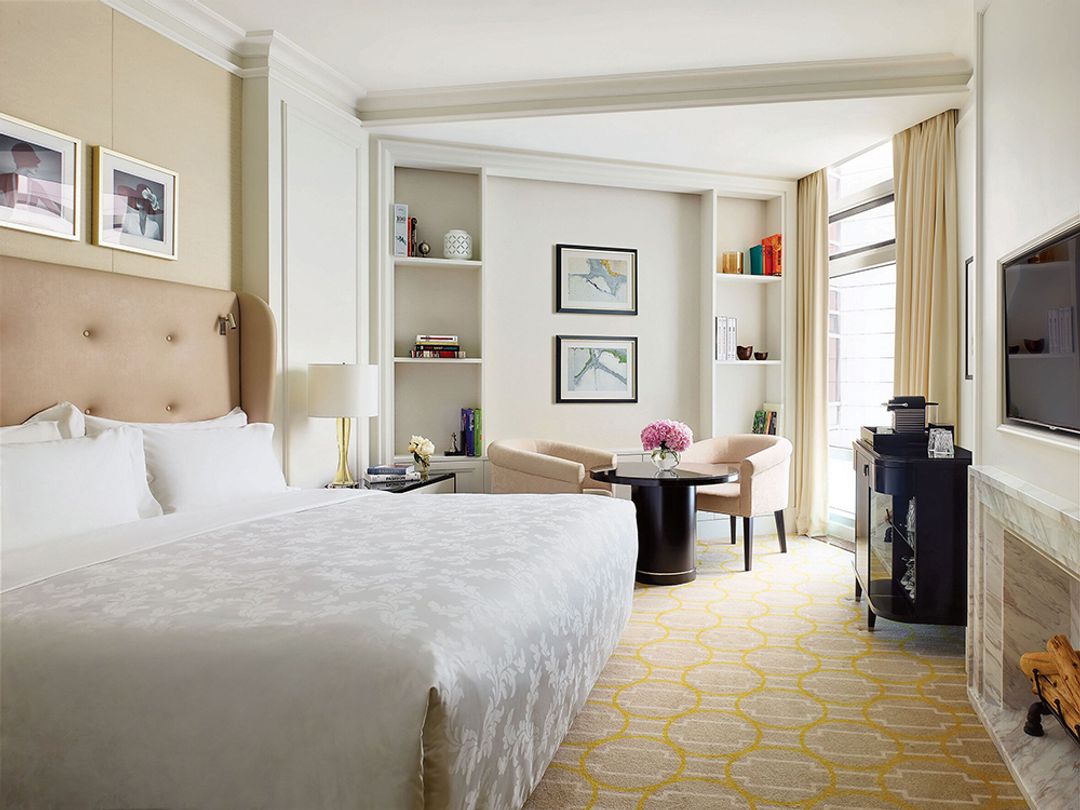
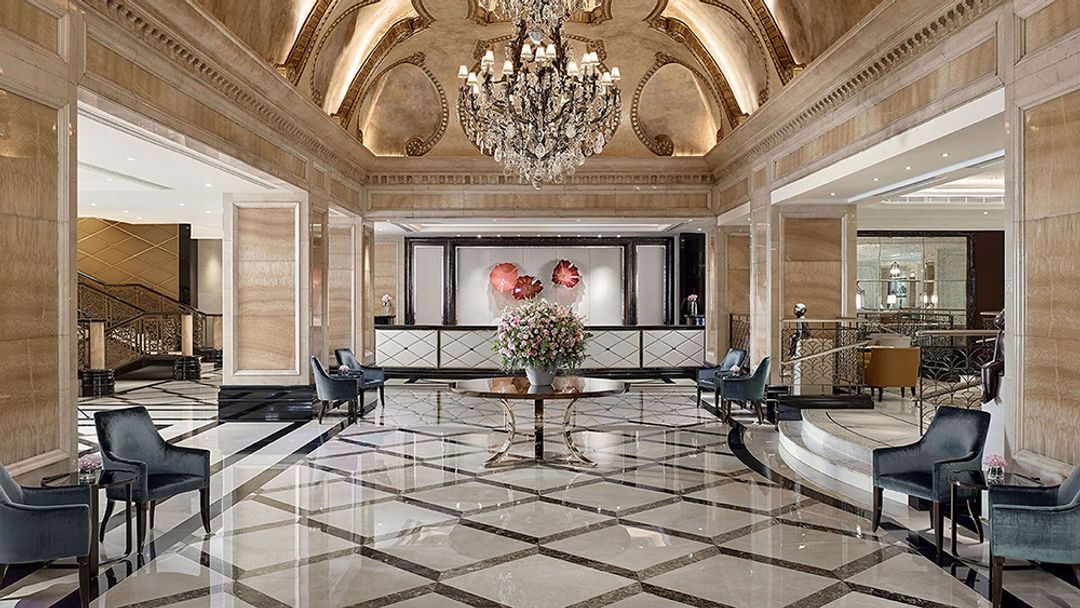
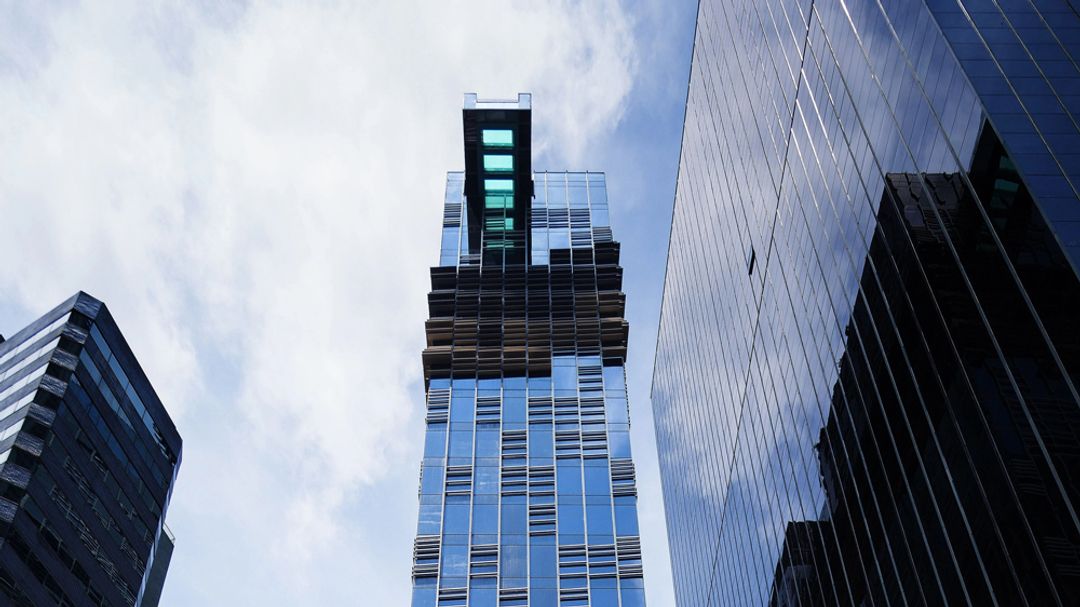
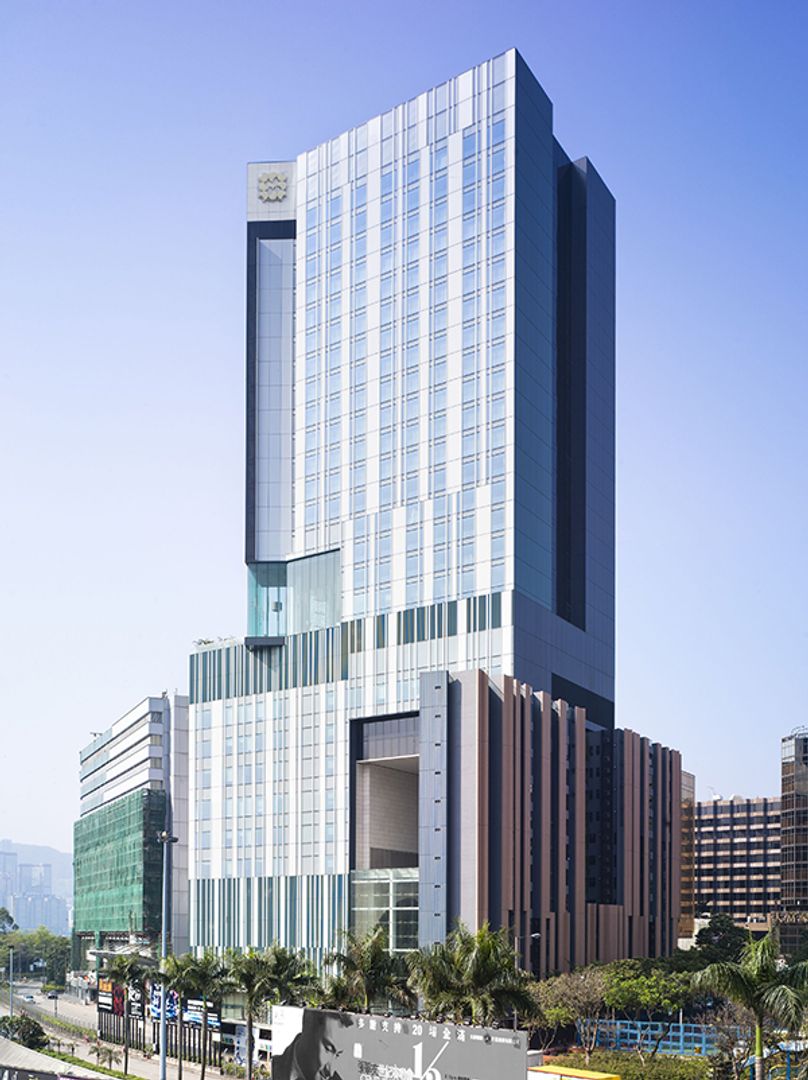
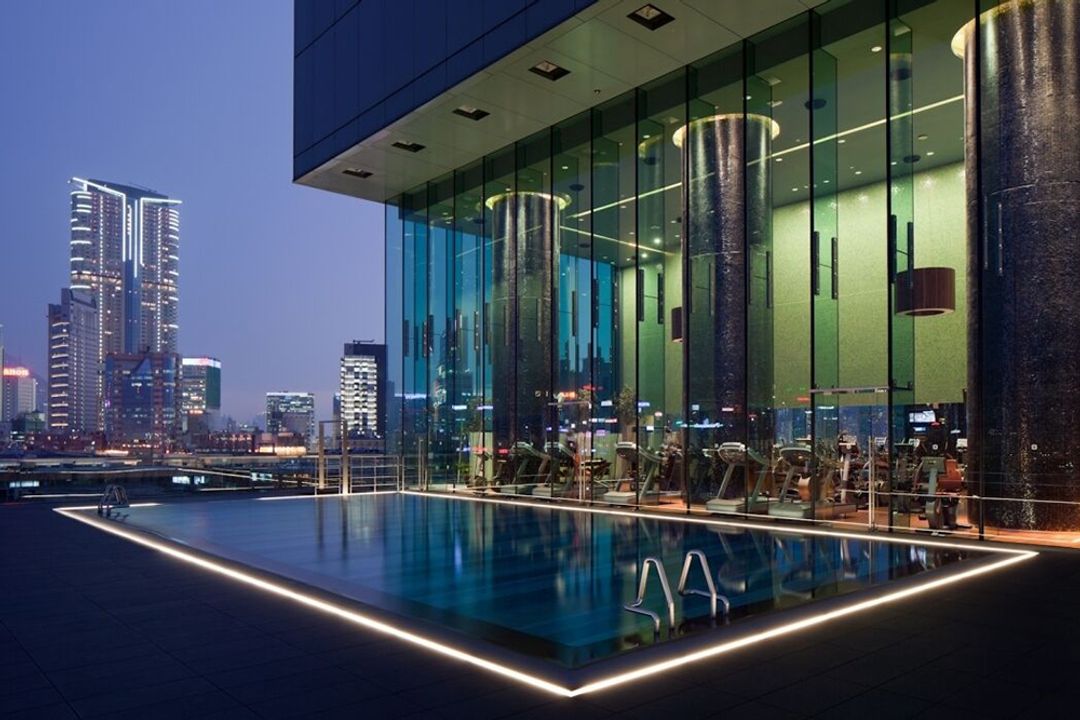
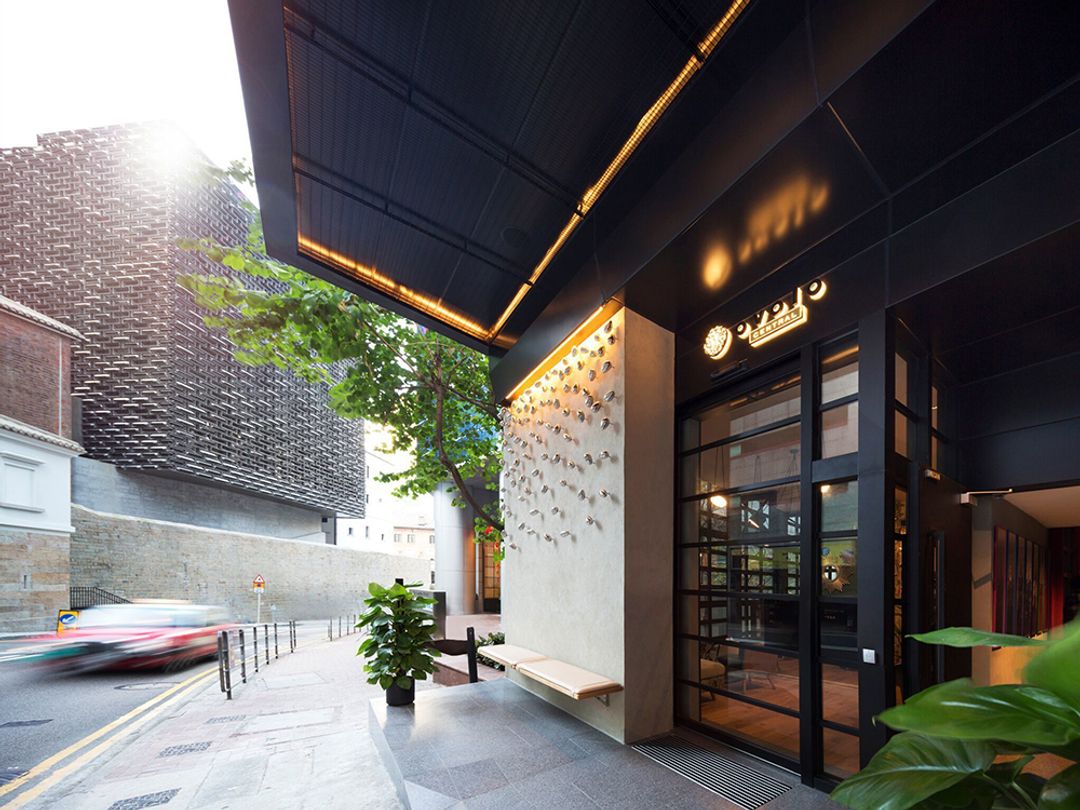
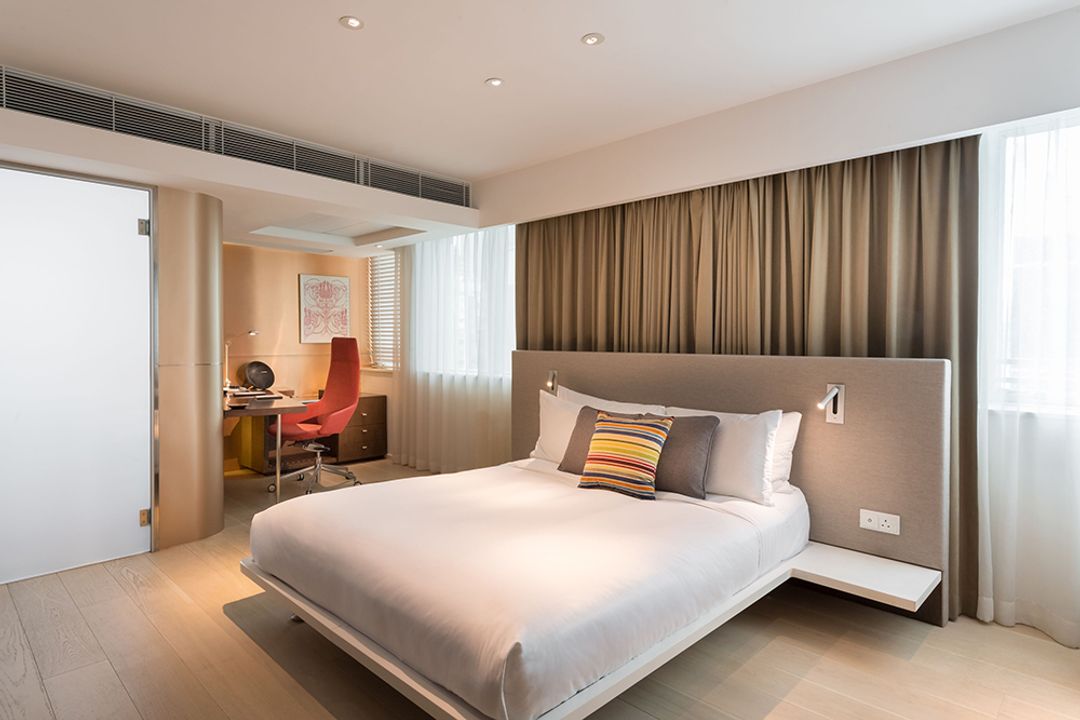
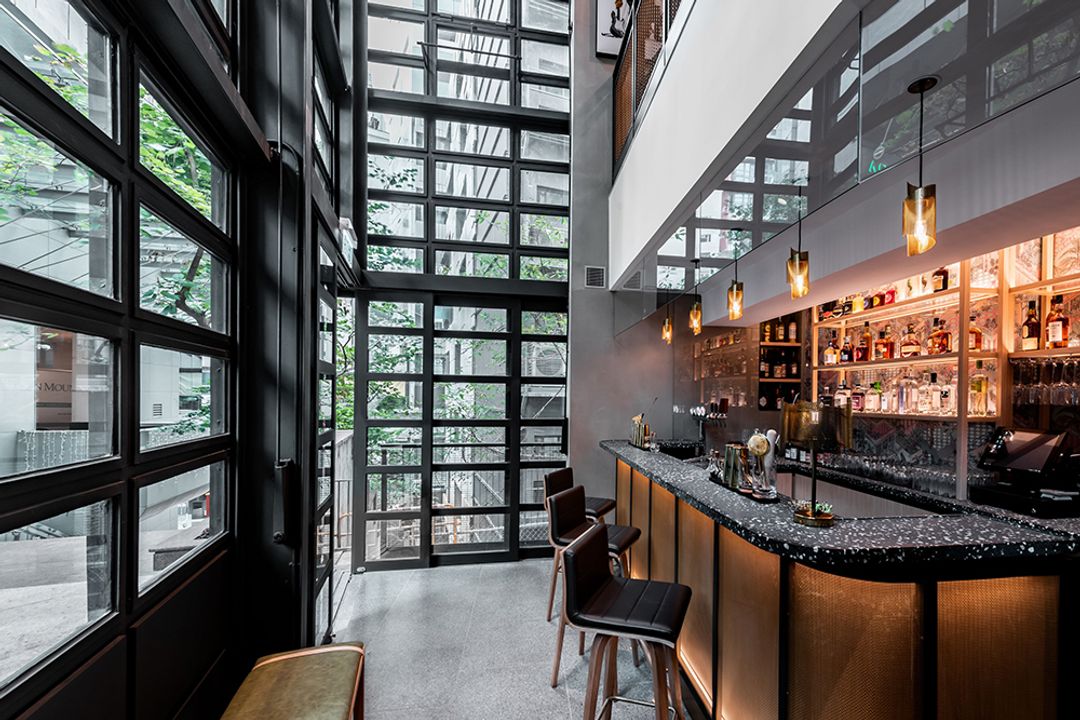
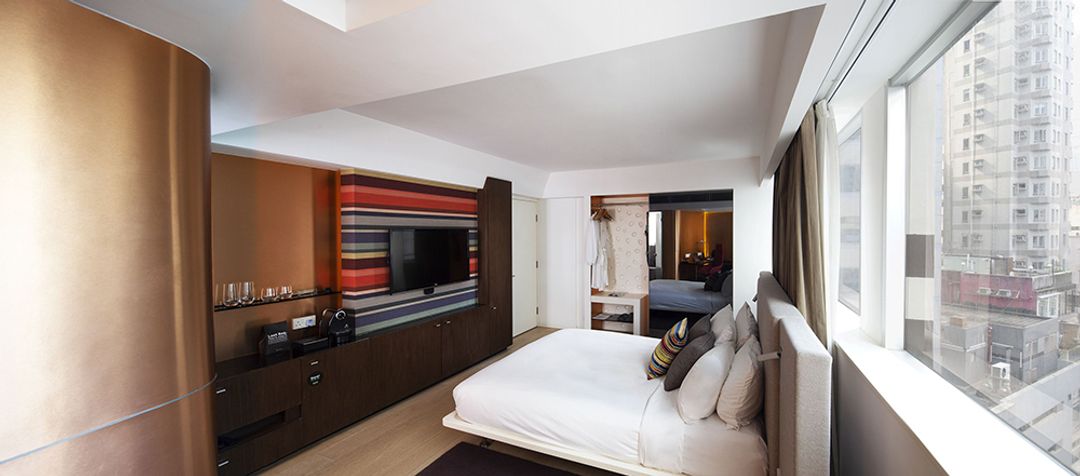
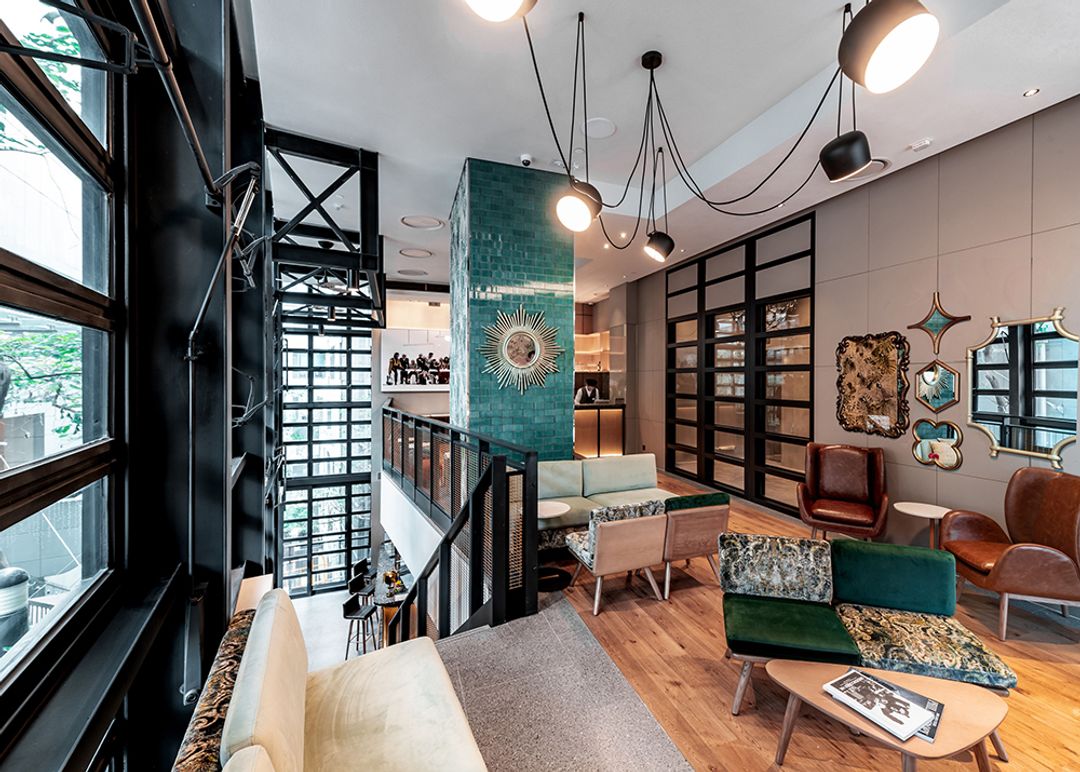
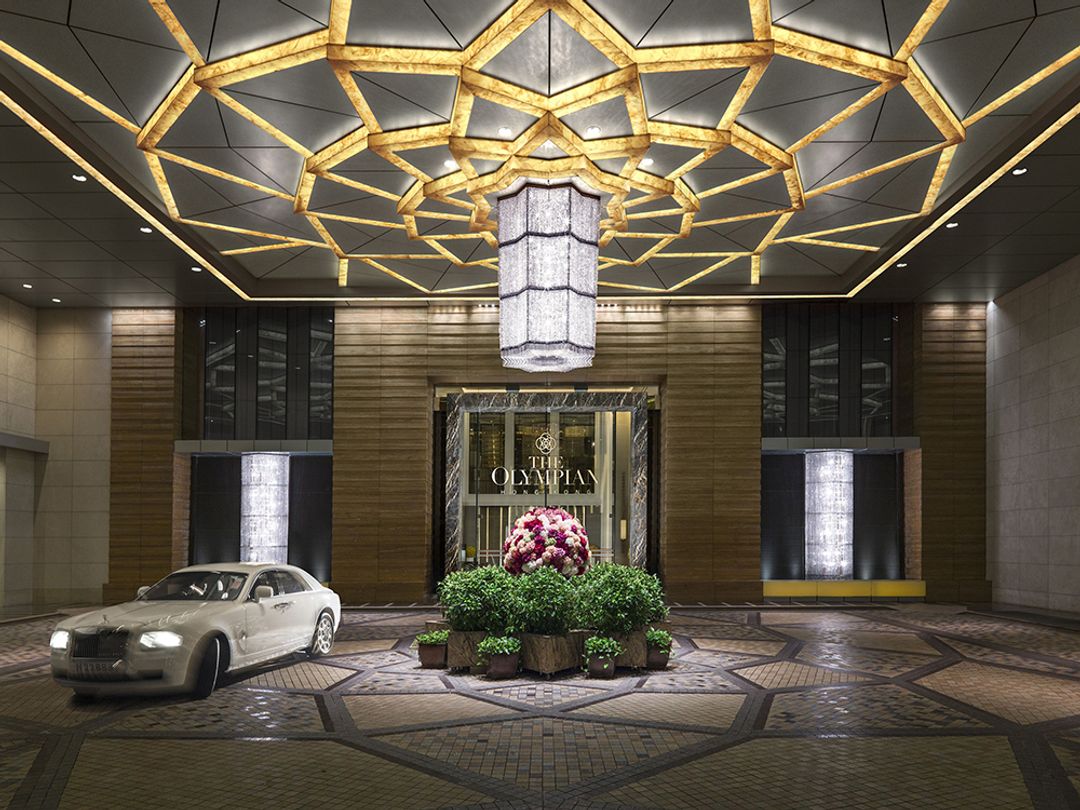
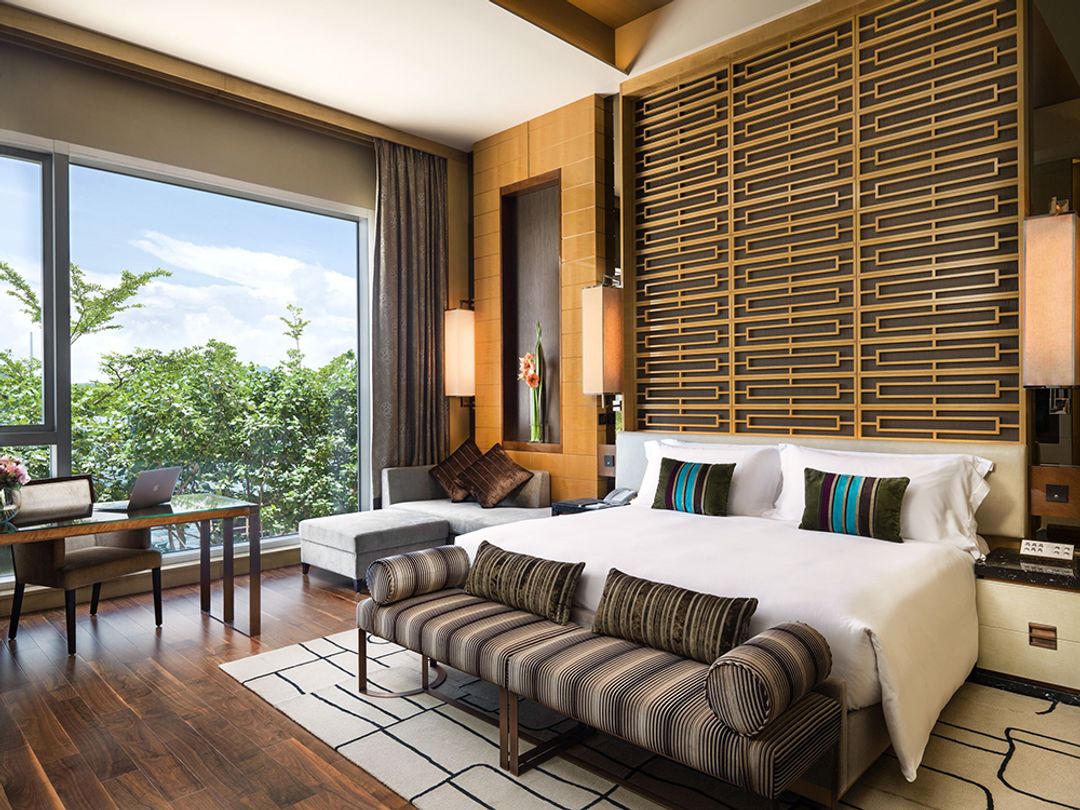
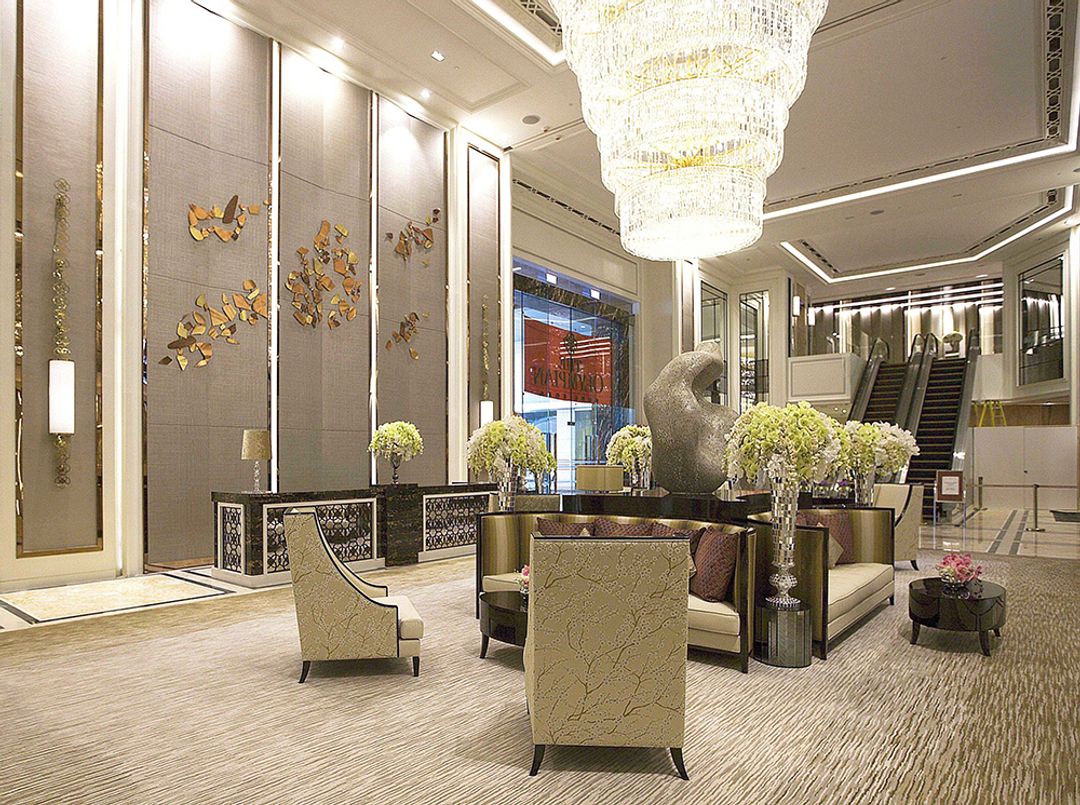
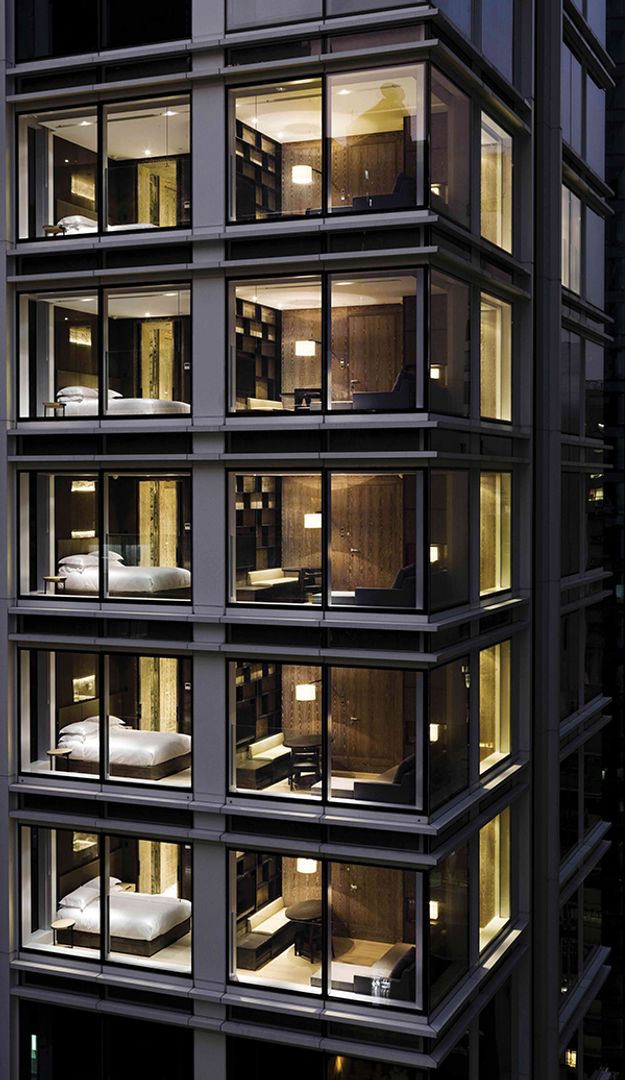
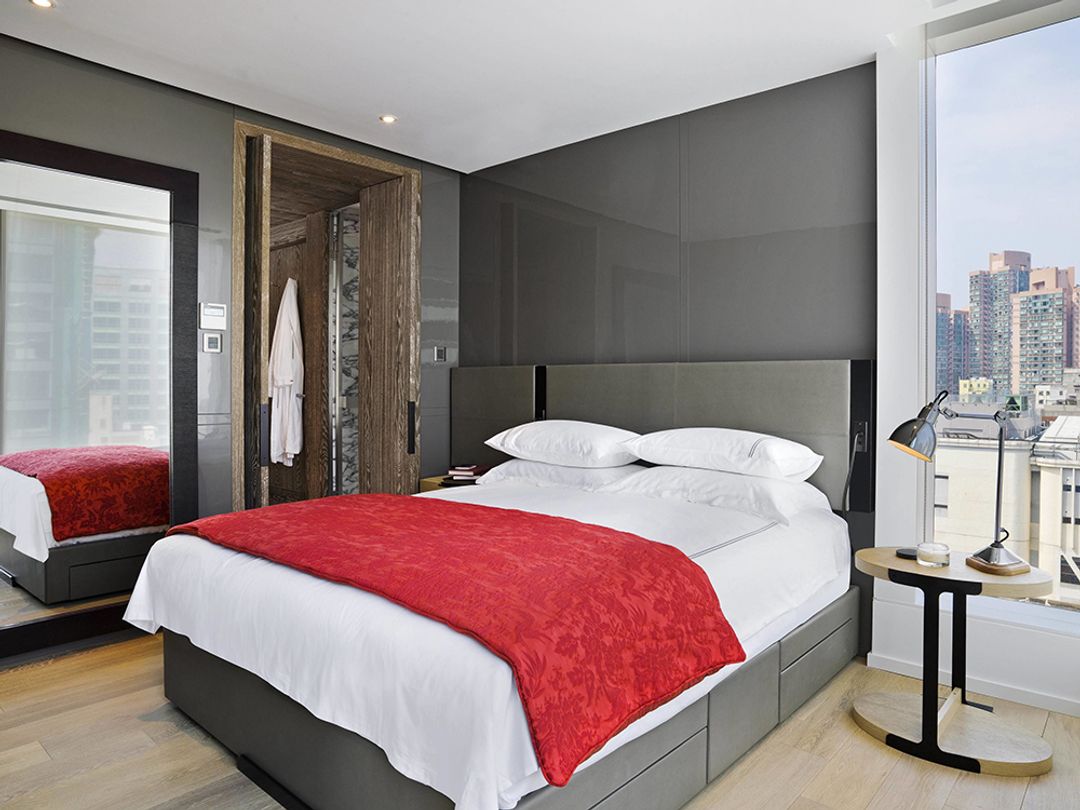
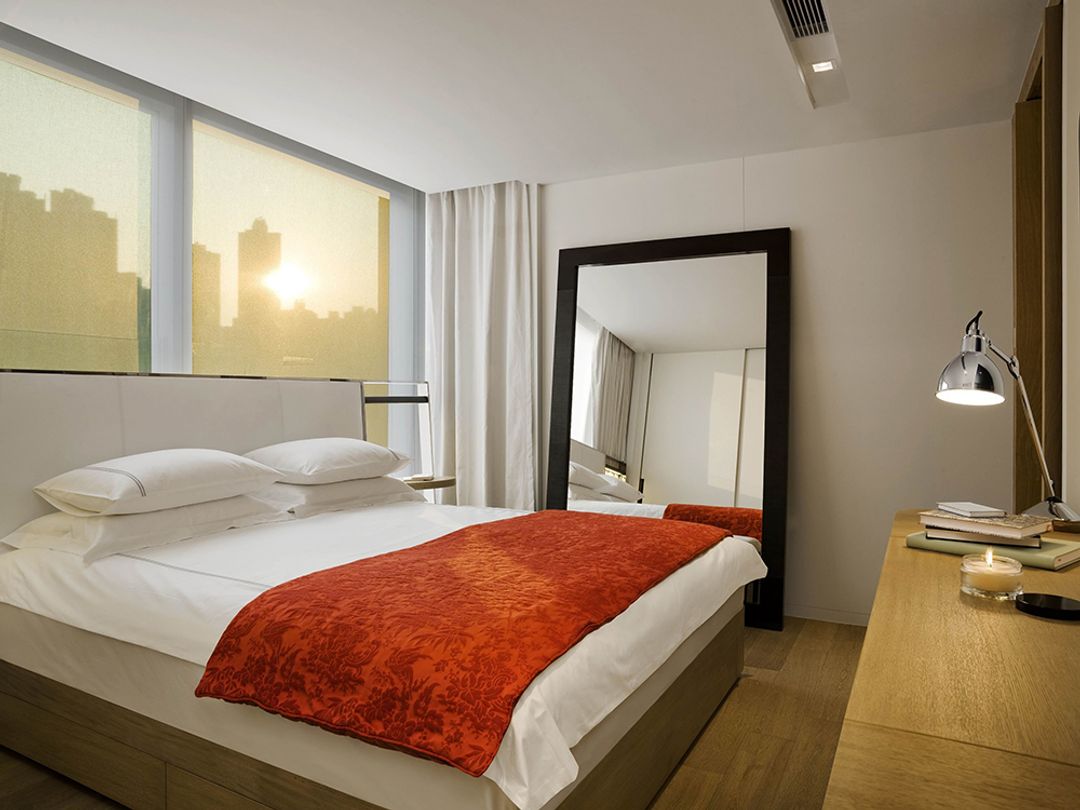
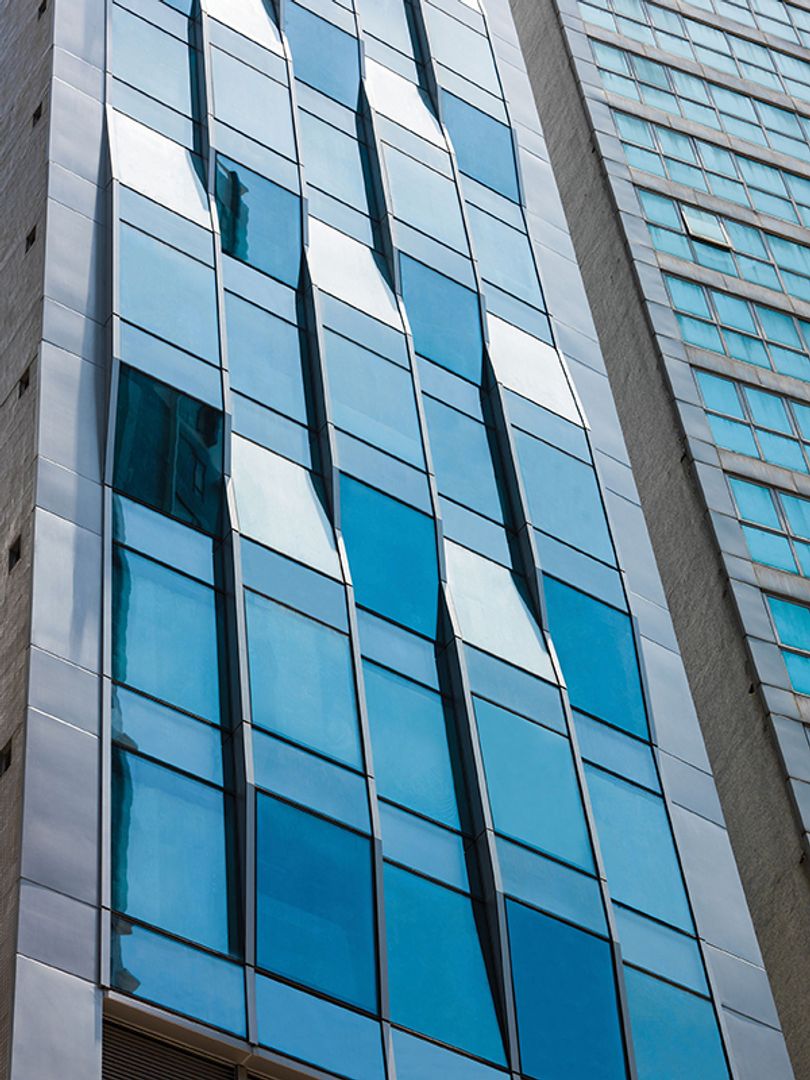
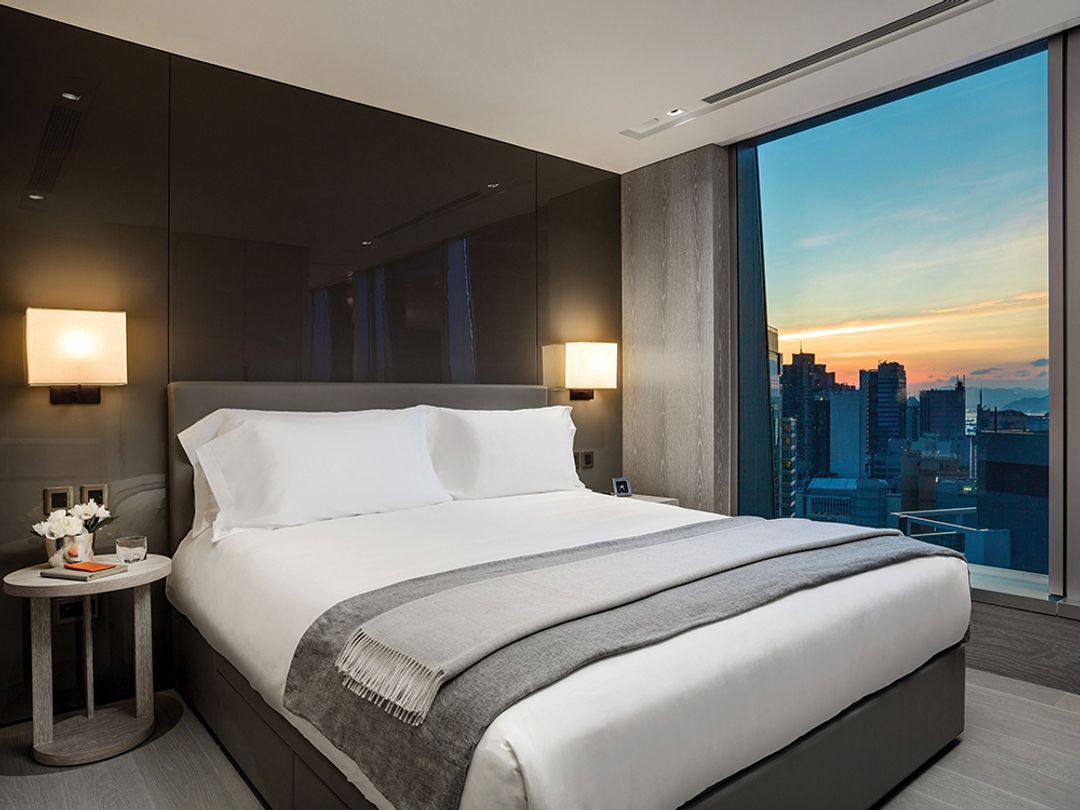
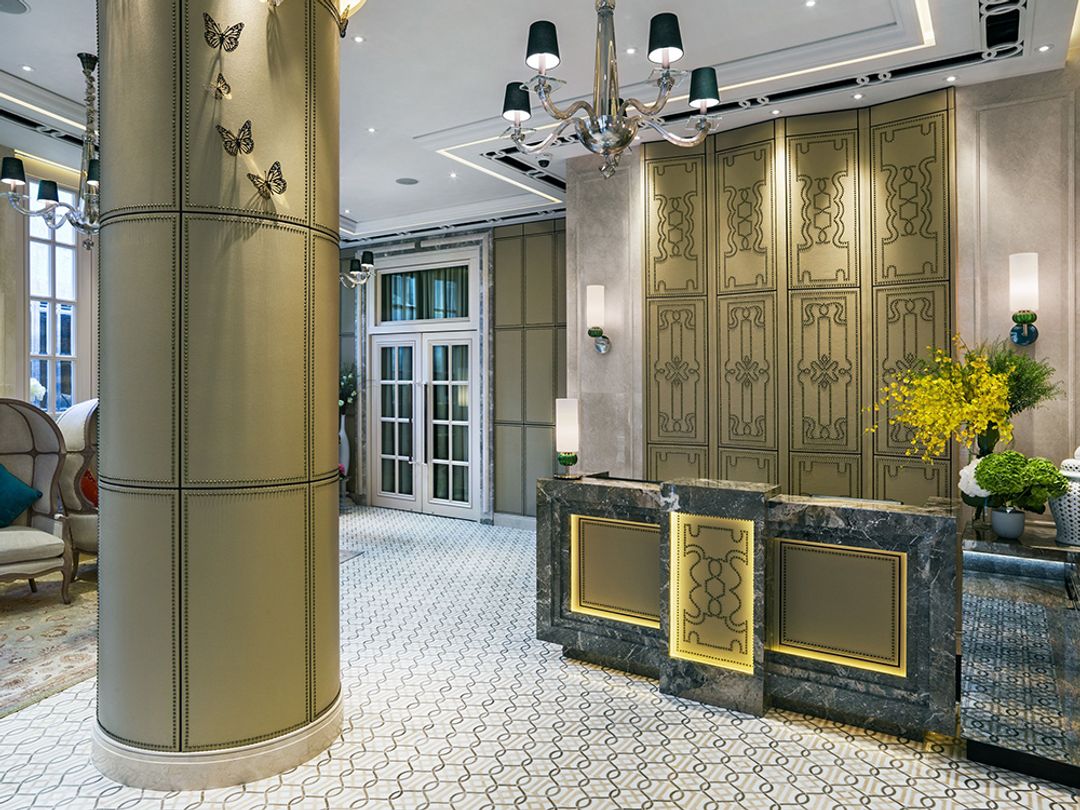
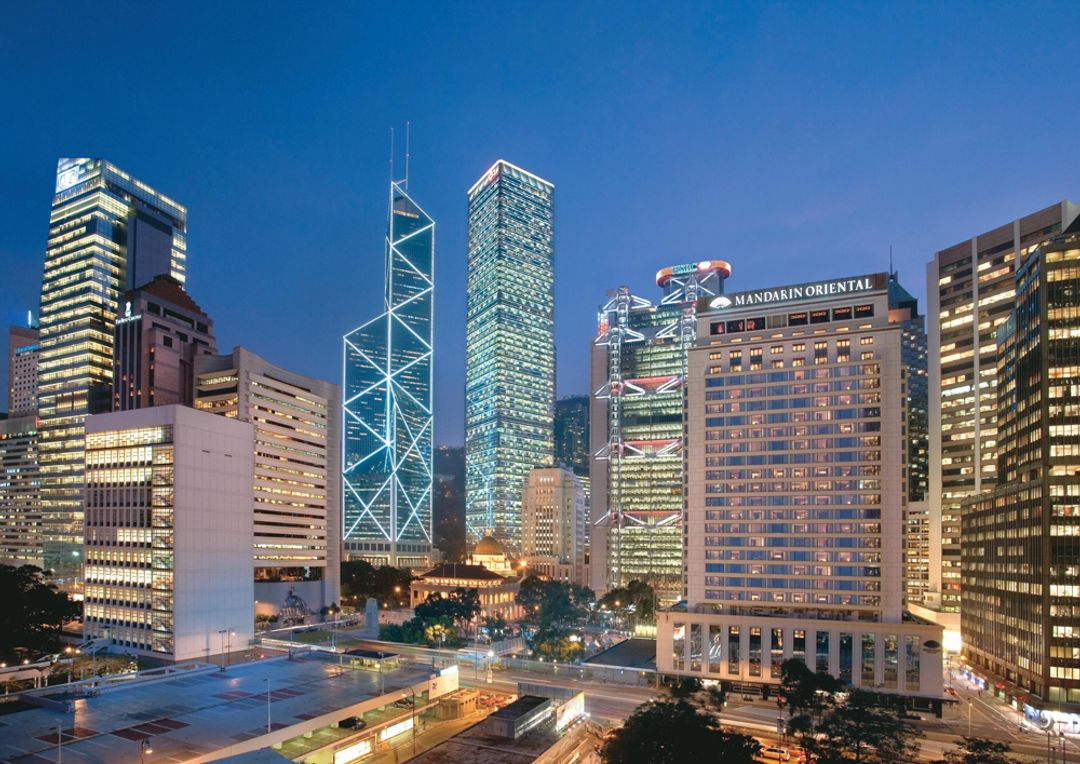
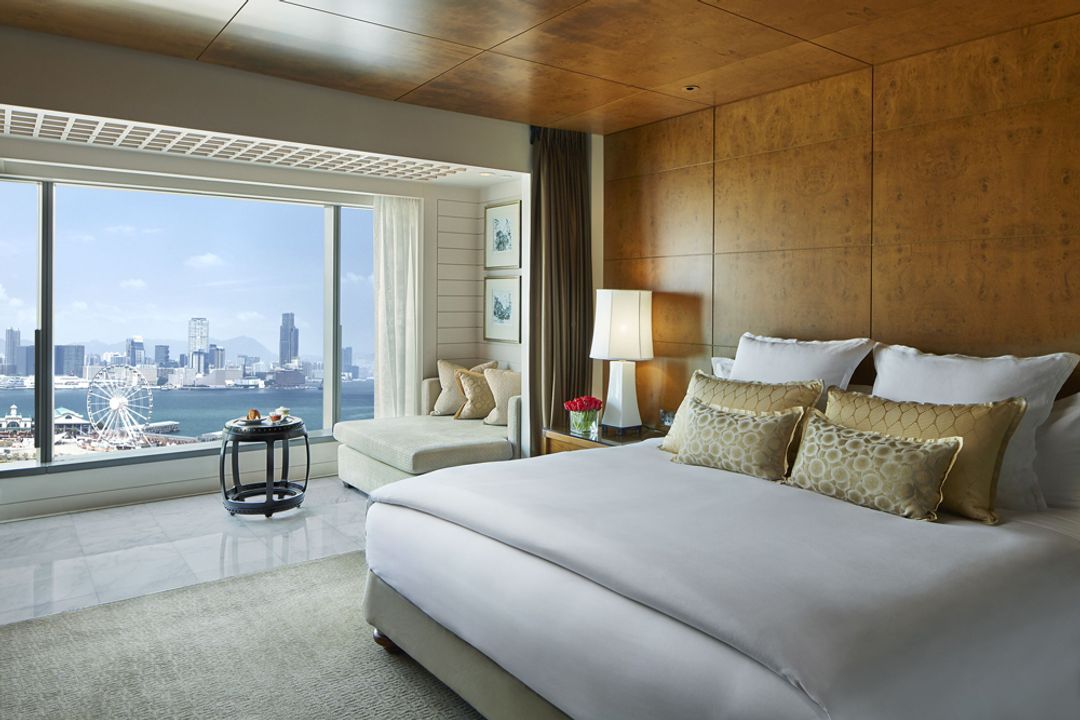
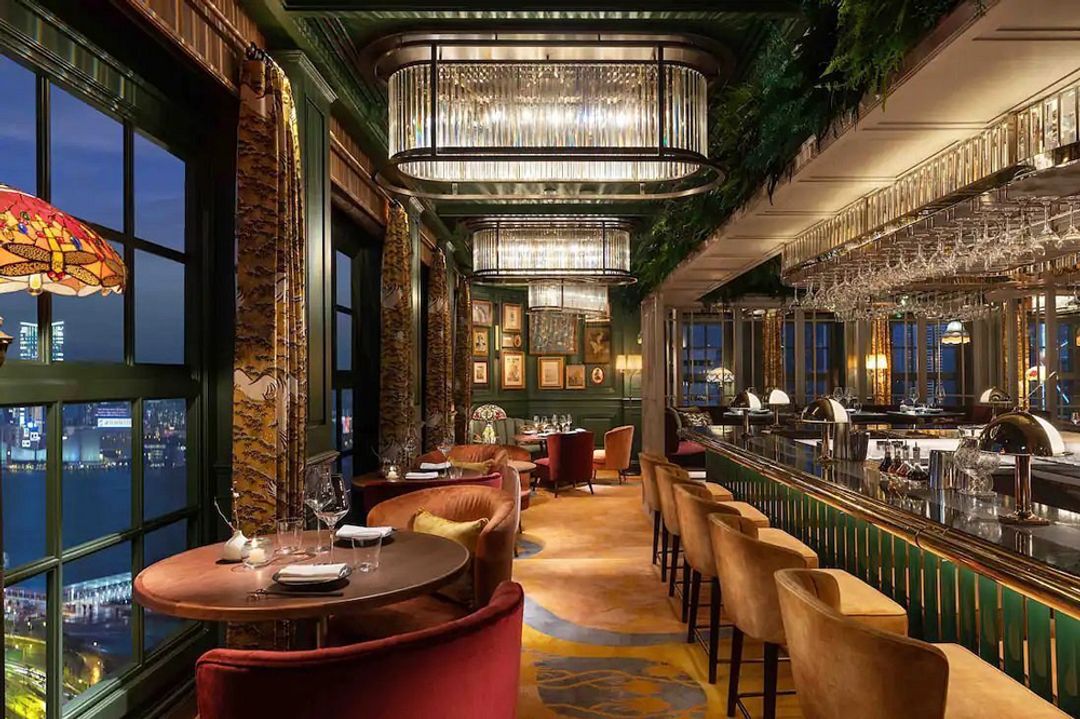
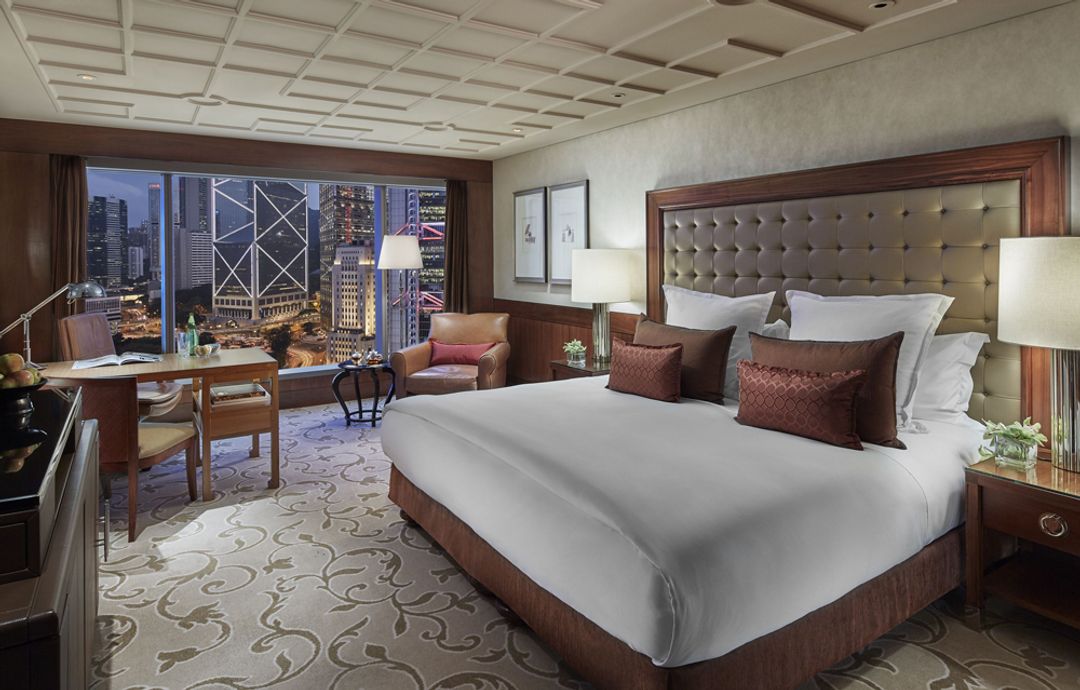
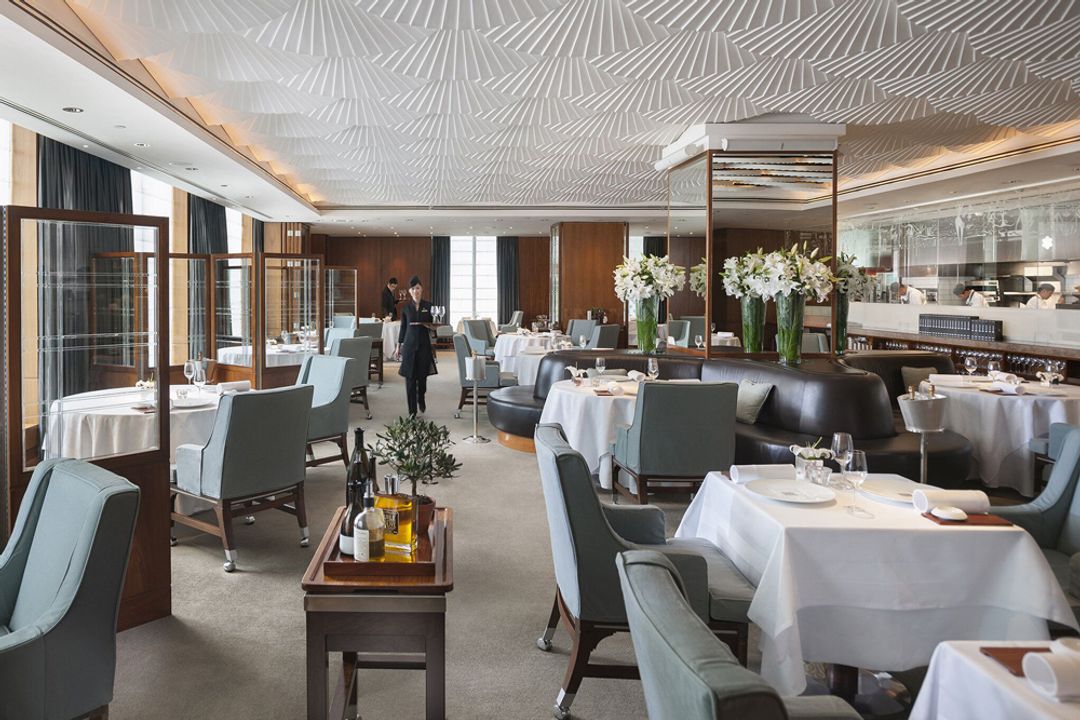
Hong Kong stacks itself vertically, and its hotels follow the same instinct. On the Hong Kong Island side, Central and Admiralty concentrate the most architecturally considered addresses. The Murray, a former government office block completed in 1969 and converted by Foster + Partners in 2018, is the clearest example of adaptive reuse done with genuine ambition: its distinctive curved façade and deep sun-shading fins survive intact, now framing a Niccolo interior that plays the heritage structure rather than fighting it. The Mandarin Oriental on Connaught Road has held its position since 1963 and remains a benchmark of a certain kind of assured, unhurried Hong Kong hospitality. The Upper House in Admiralty, with interiors by André Fu, takes a more contemplative approach, all warm timber and restrained palette against a tower that would otherwise read as pure commercial real estate. Sheung Wan, just west of Central, runs quieter: the Jervois and 99 Bonham offer apartment-scaled alternatives for anyone who finds the harbourfront towers too relentless.
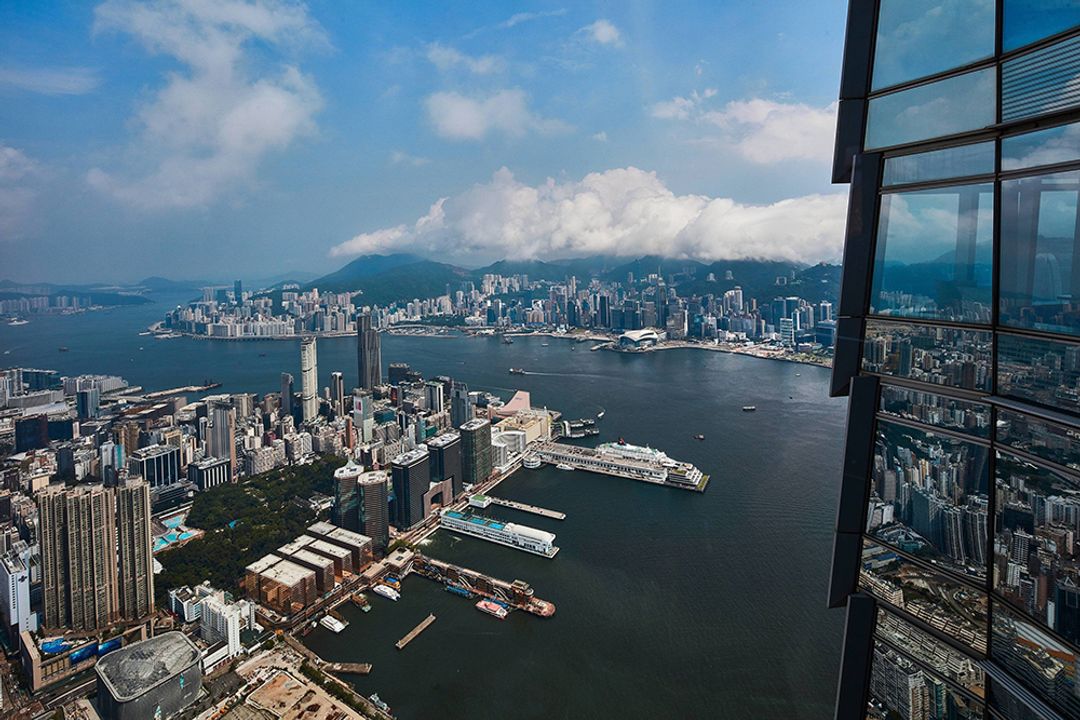
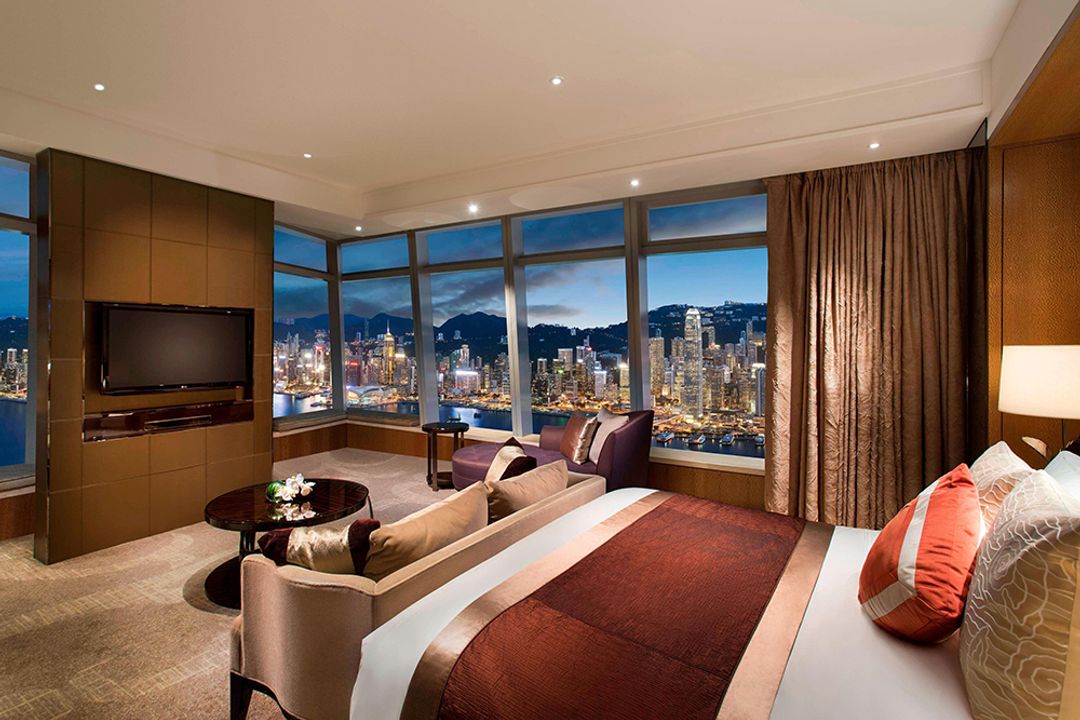
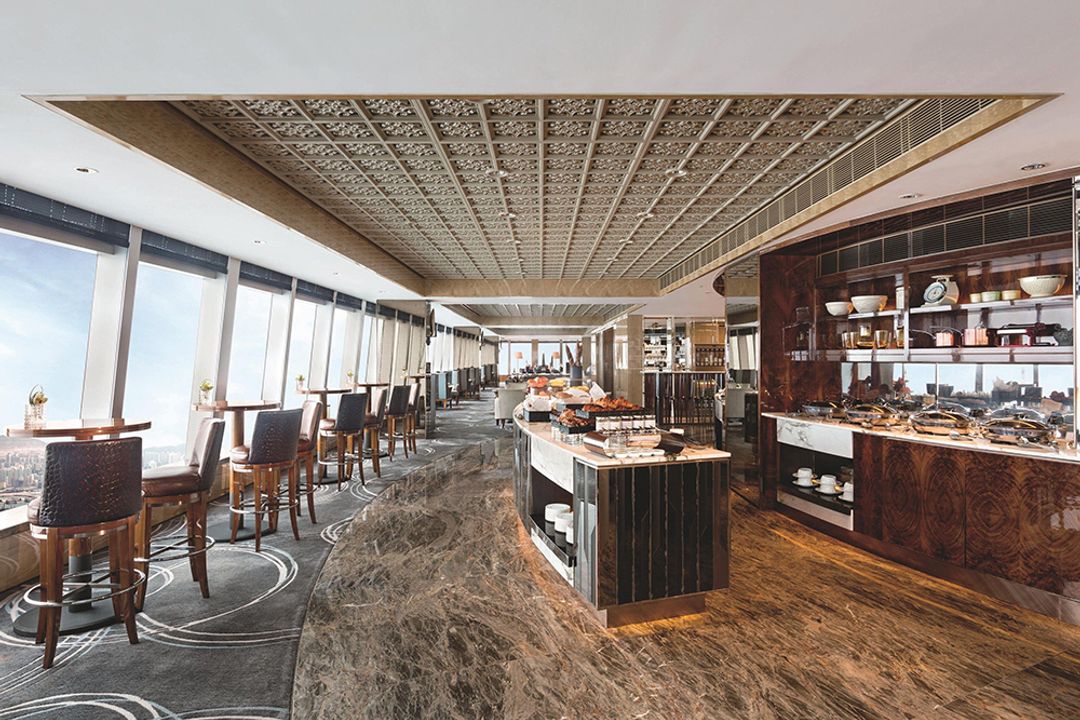
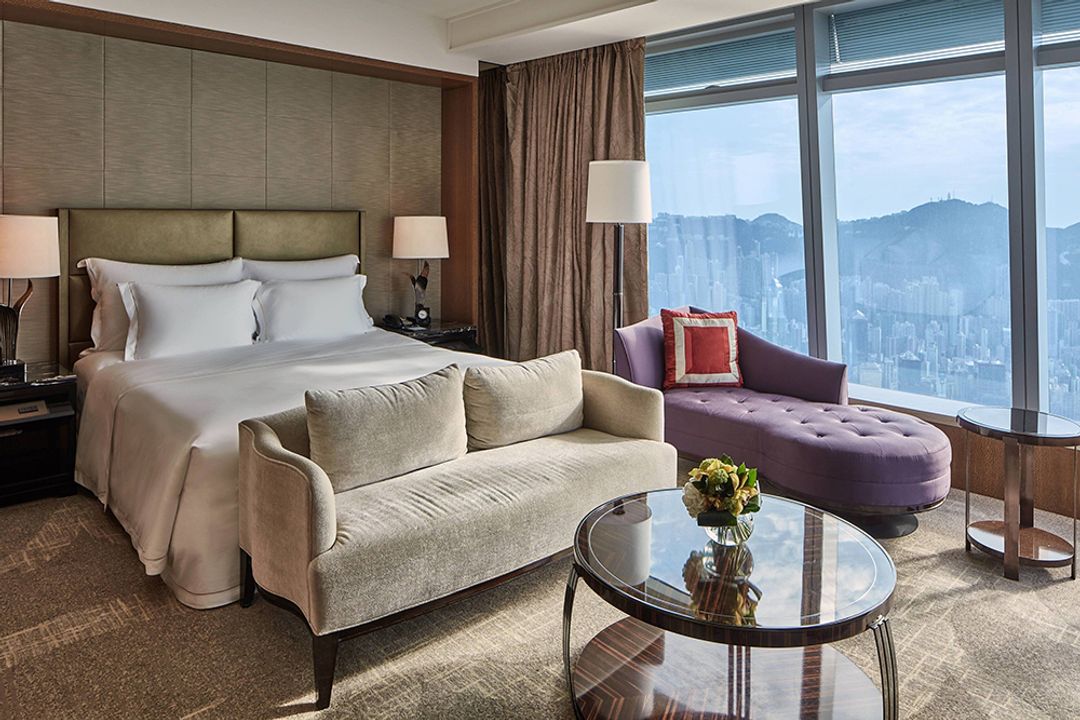
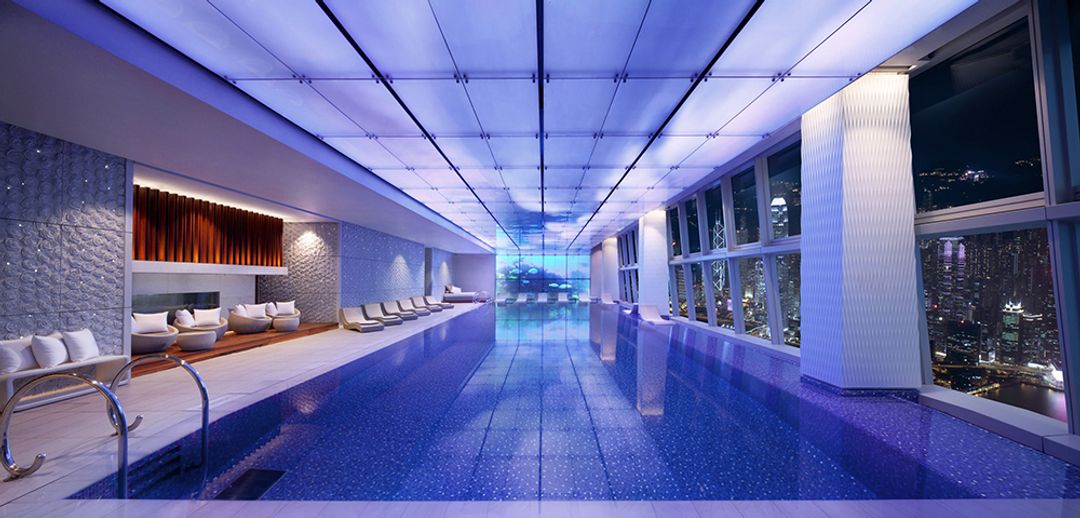
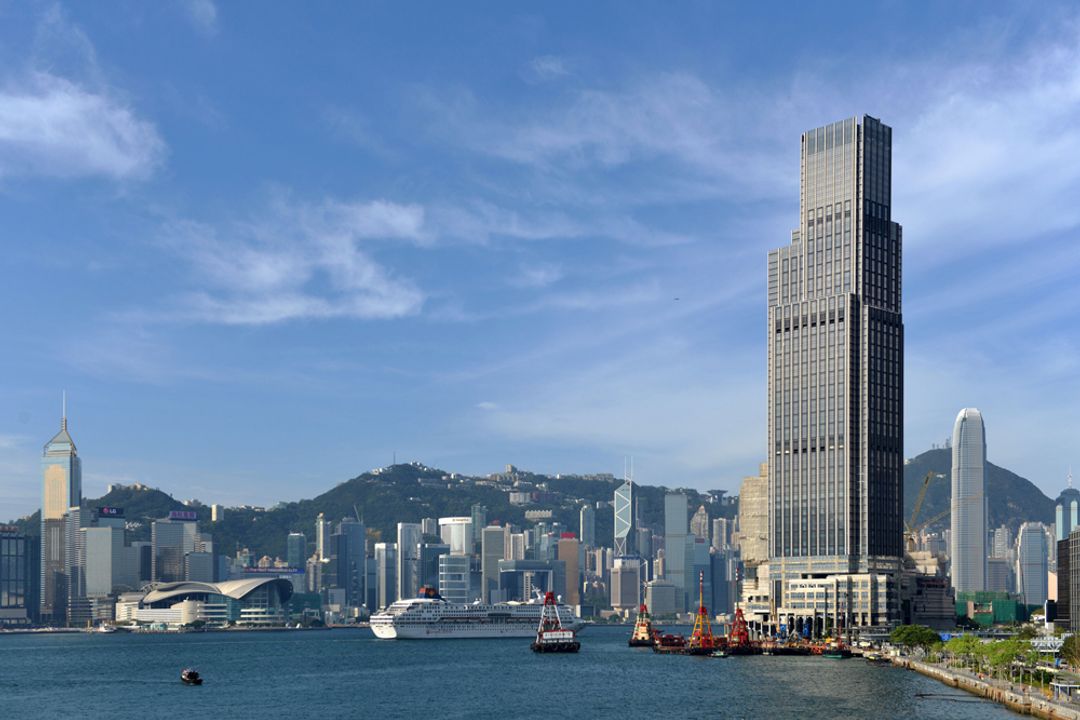
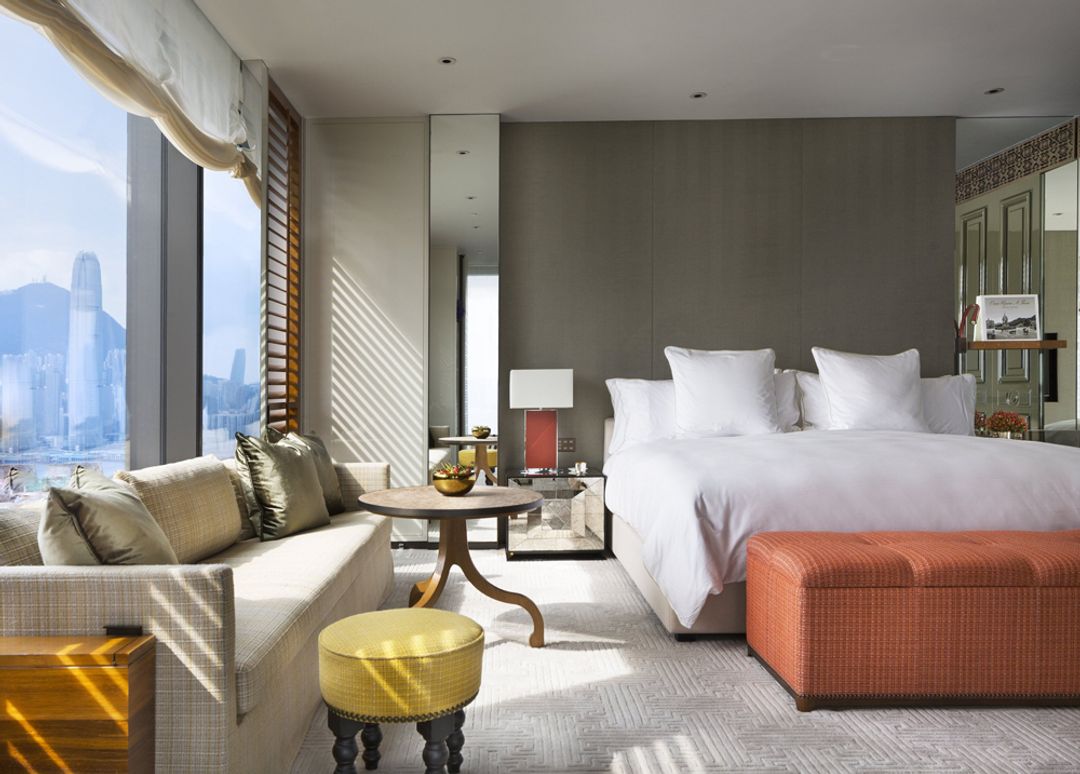
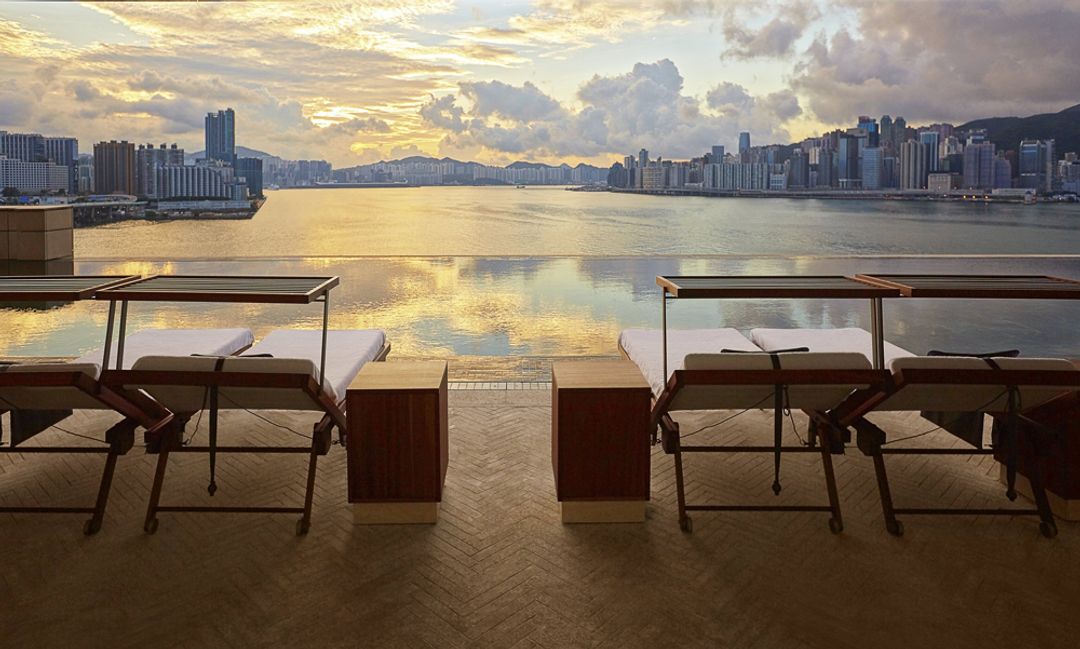
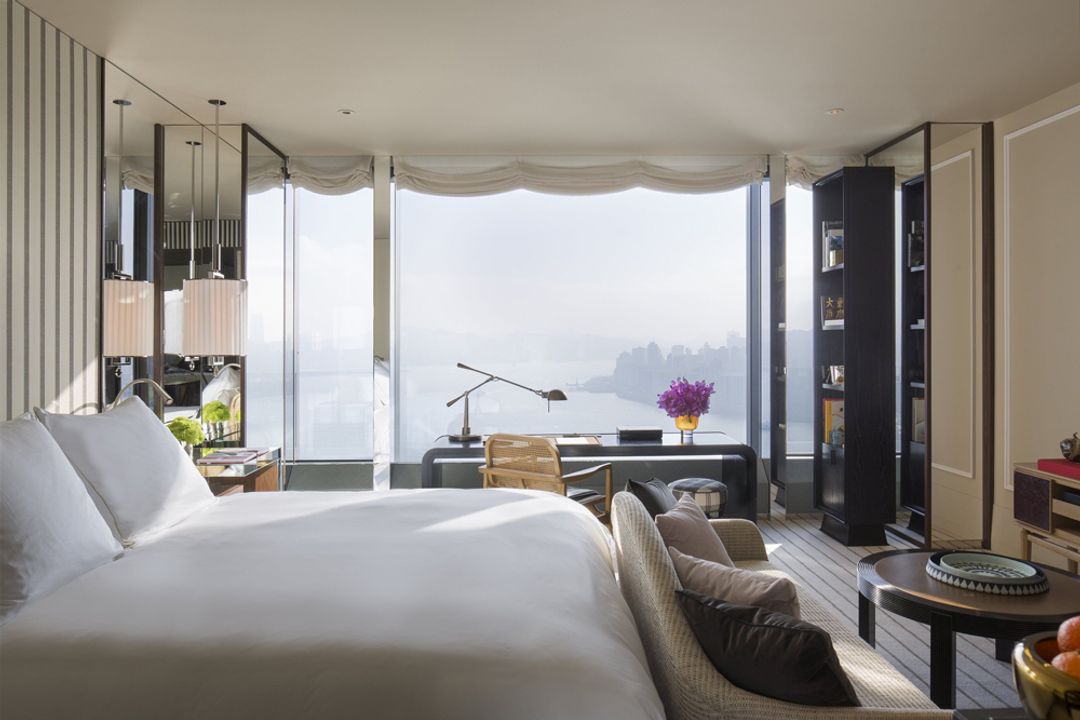
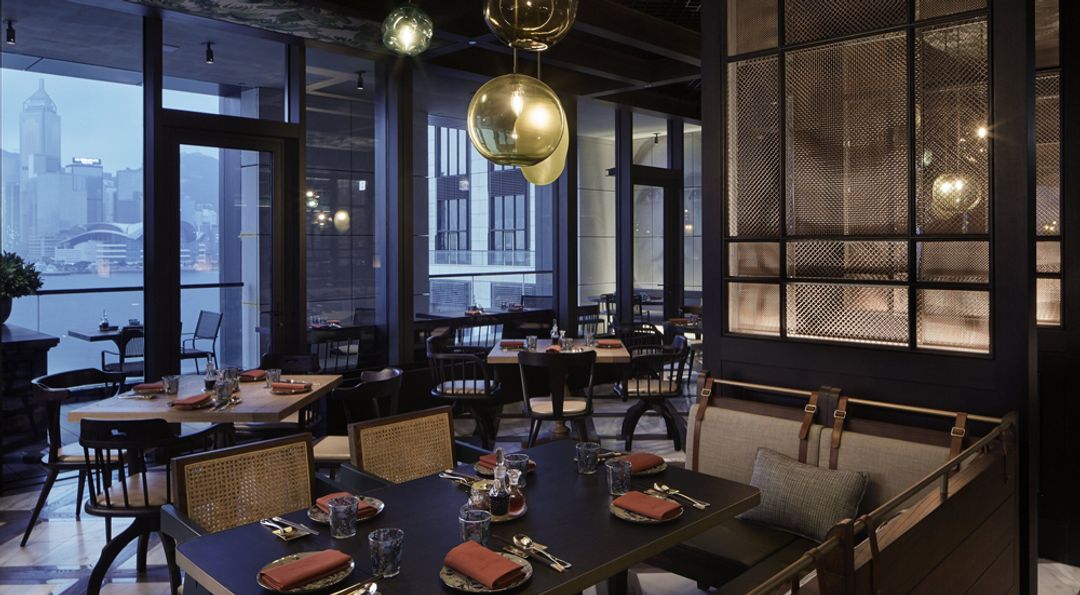
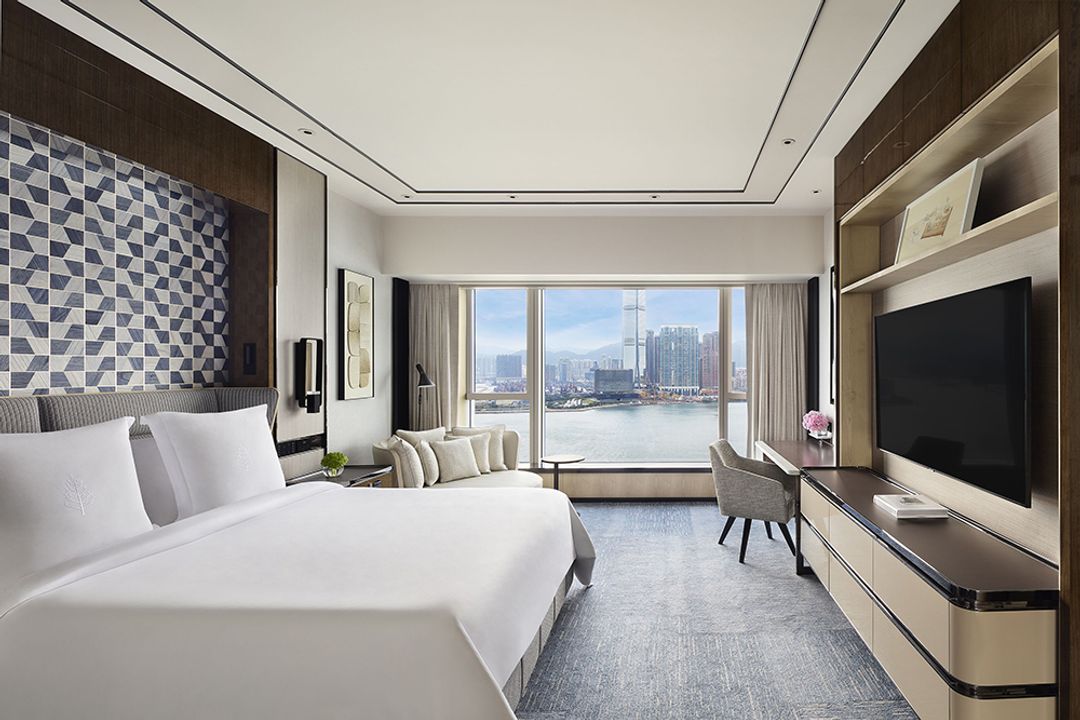
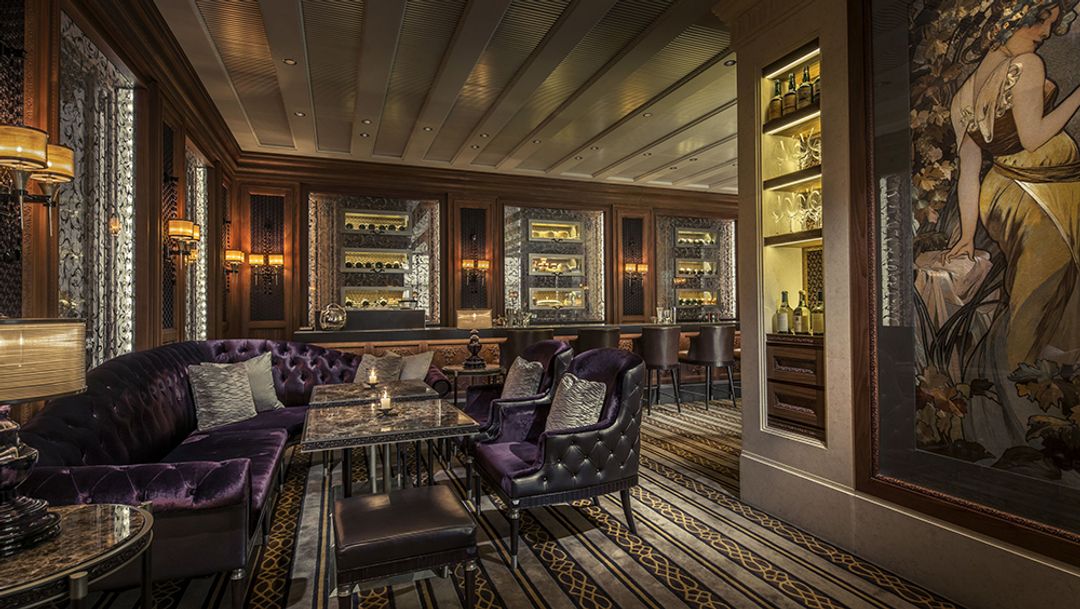
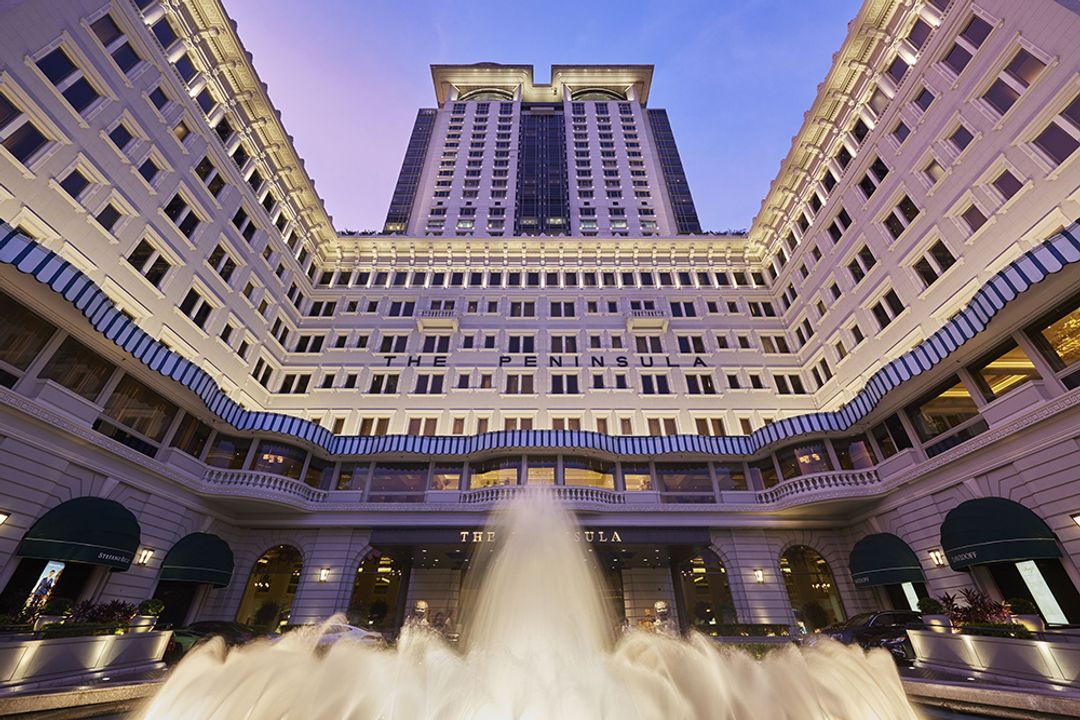
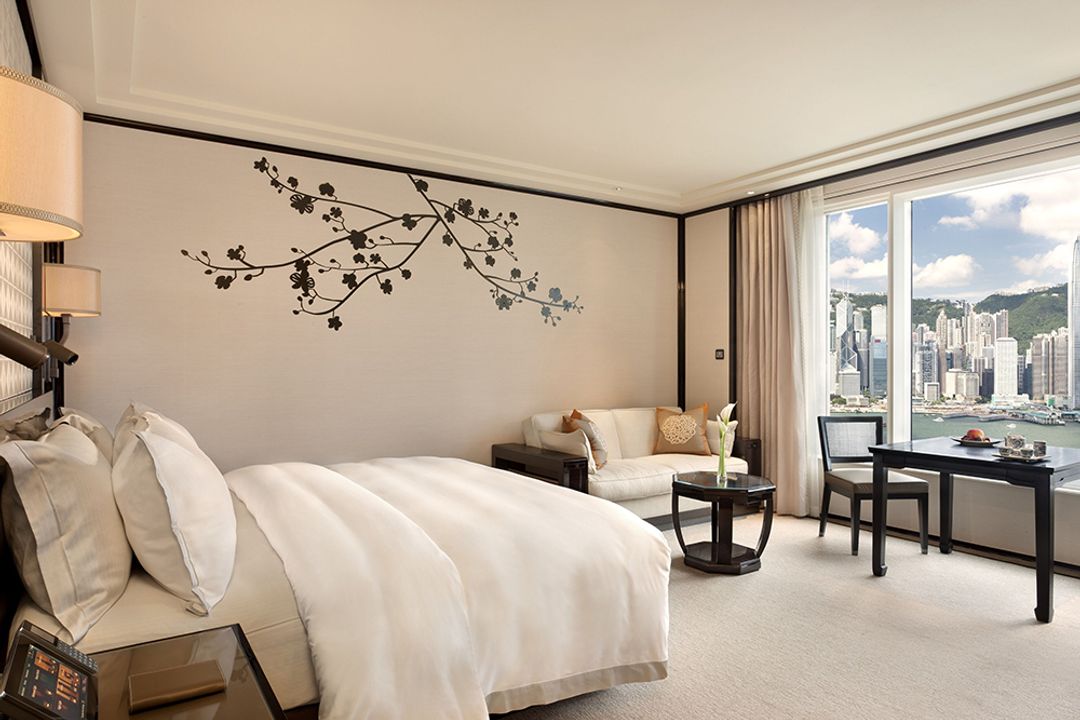
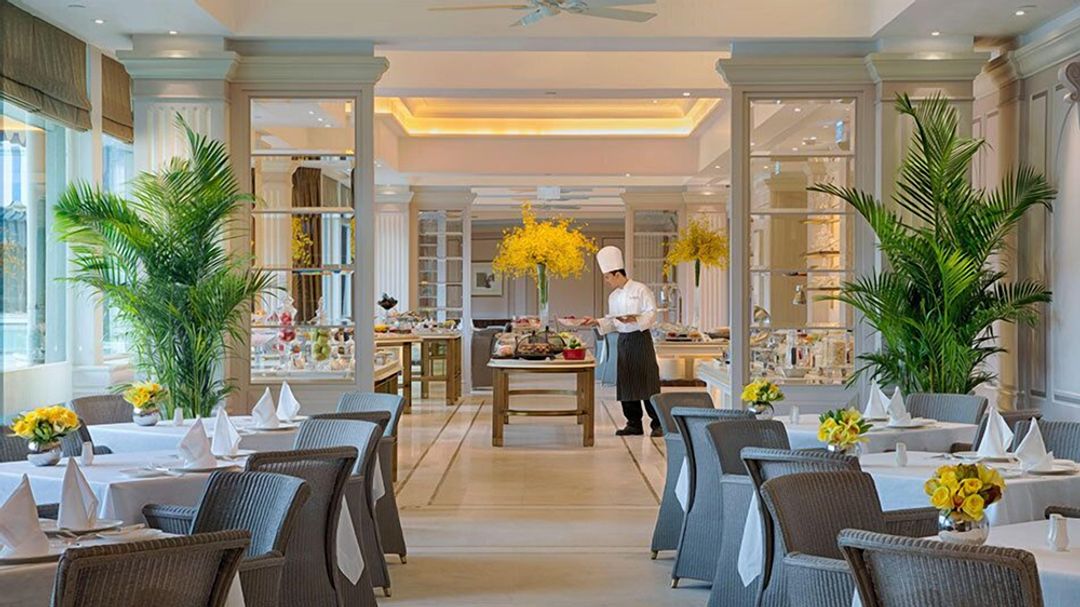
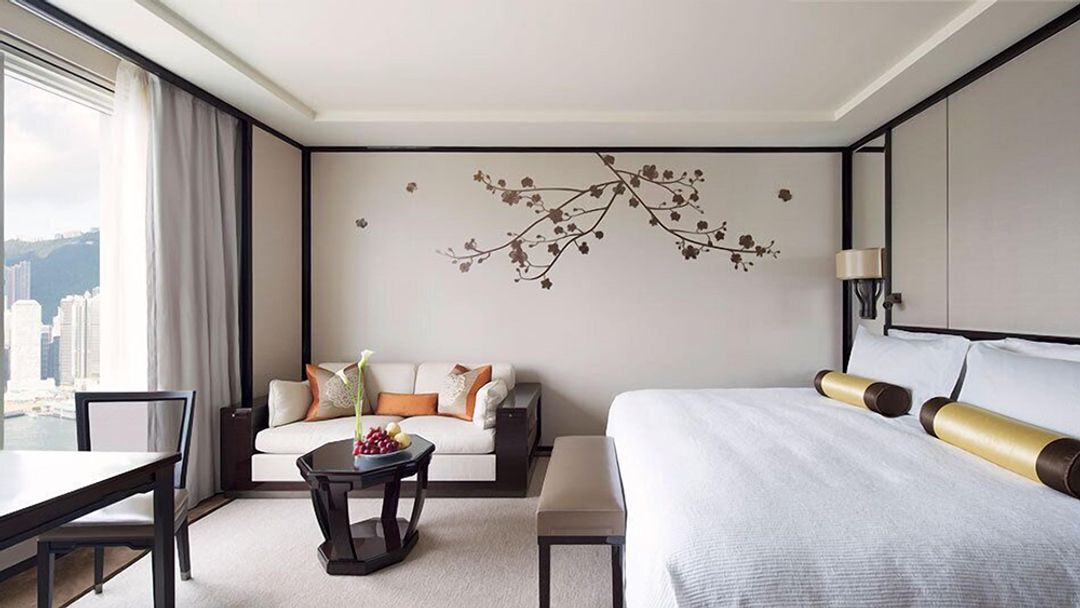
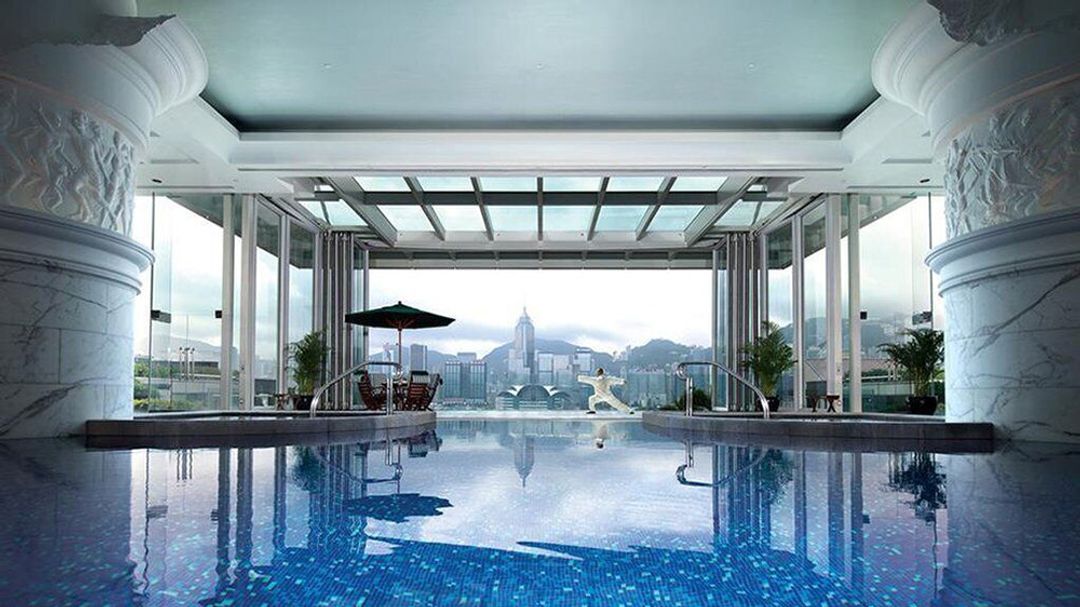
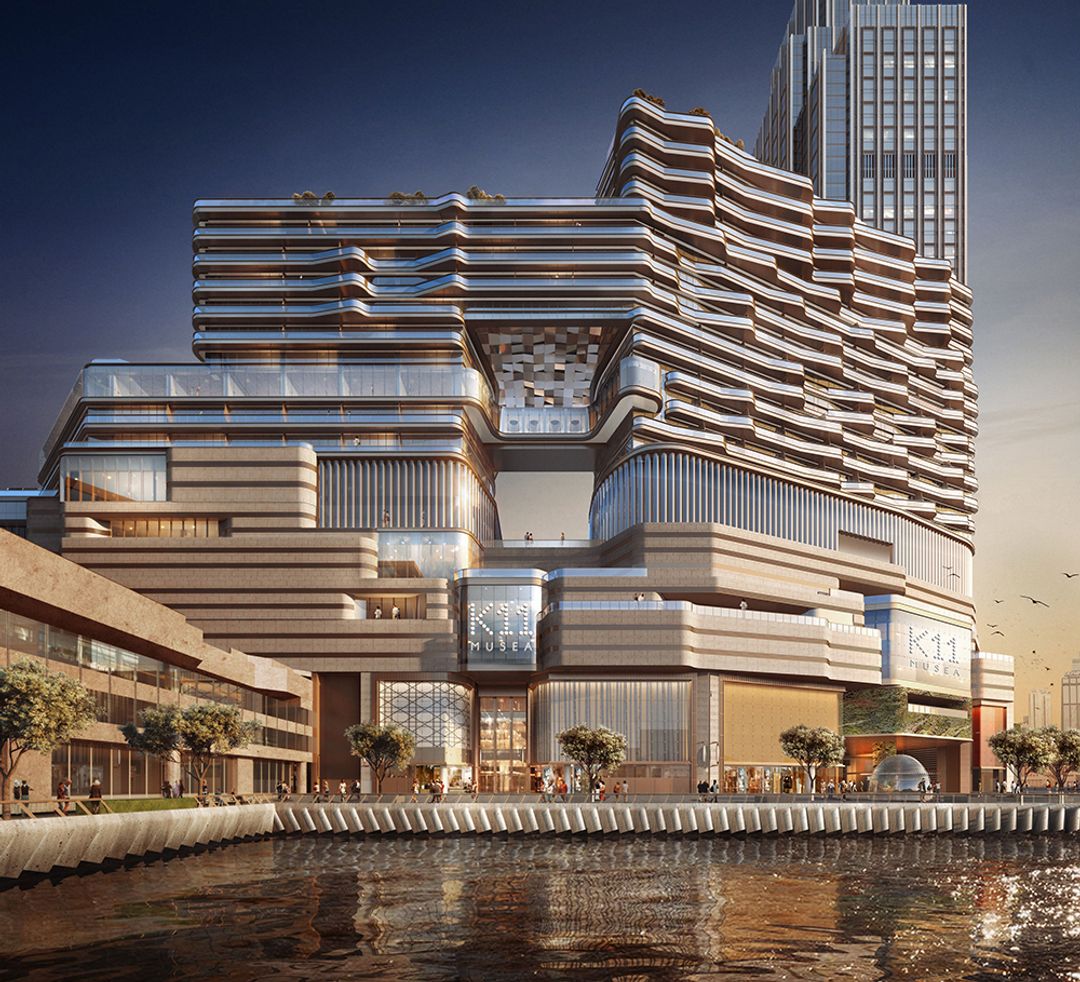
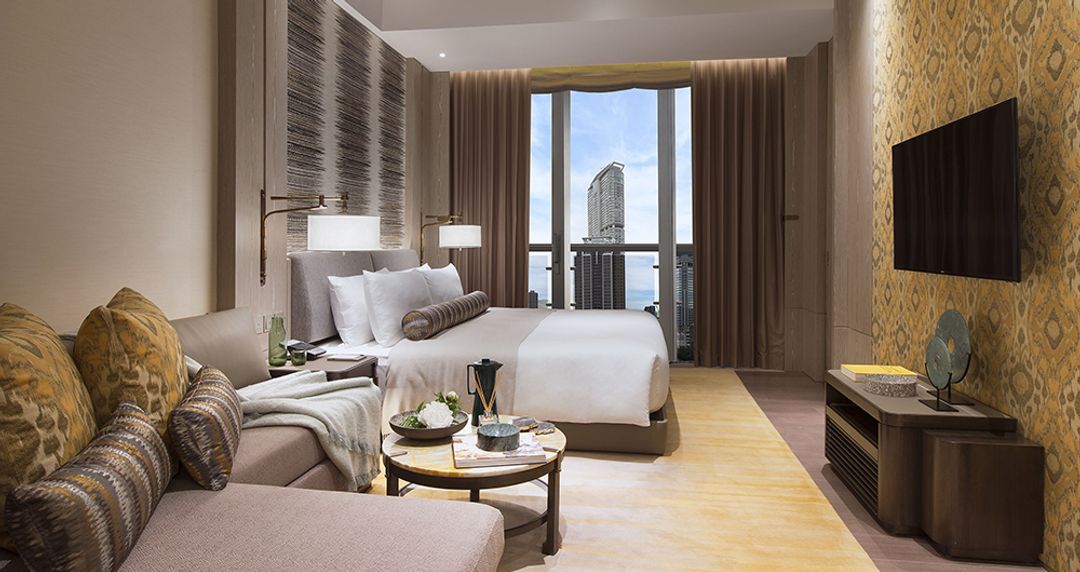
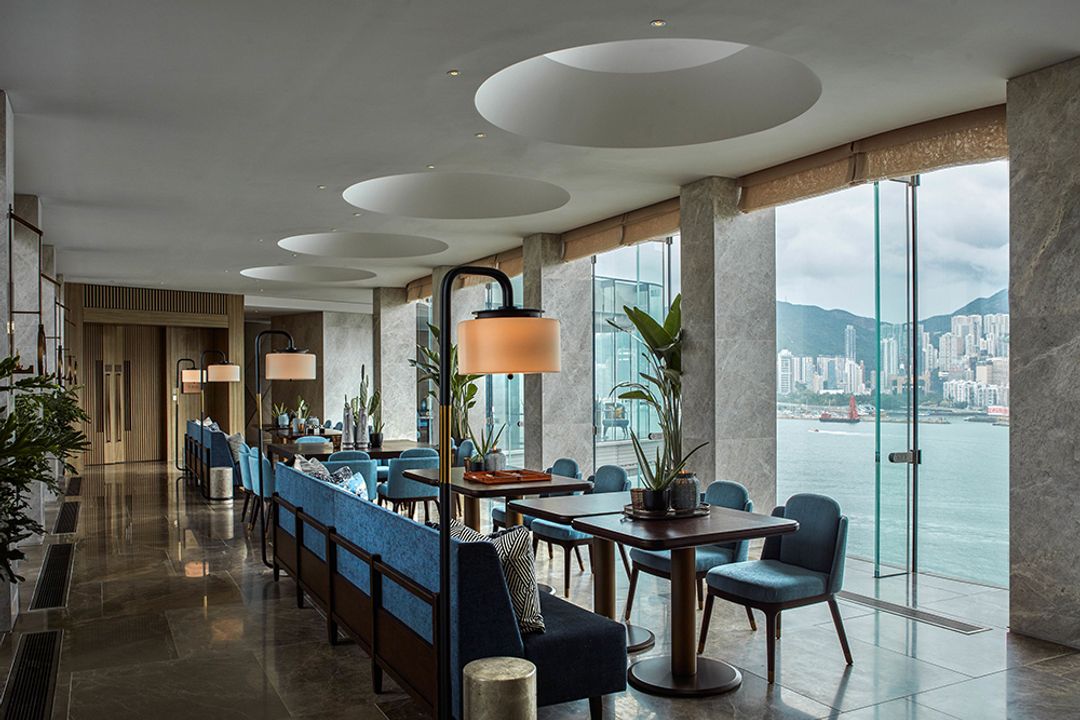
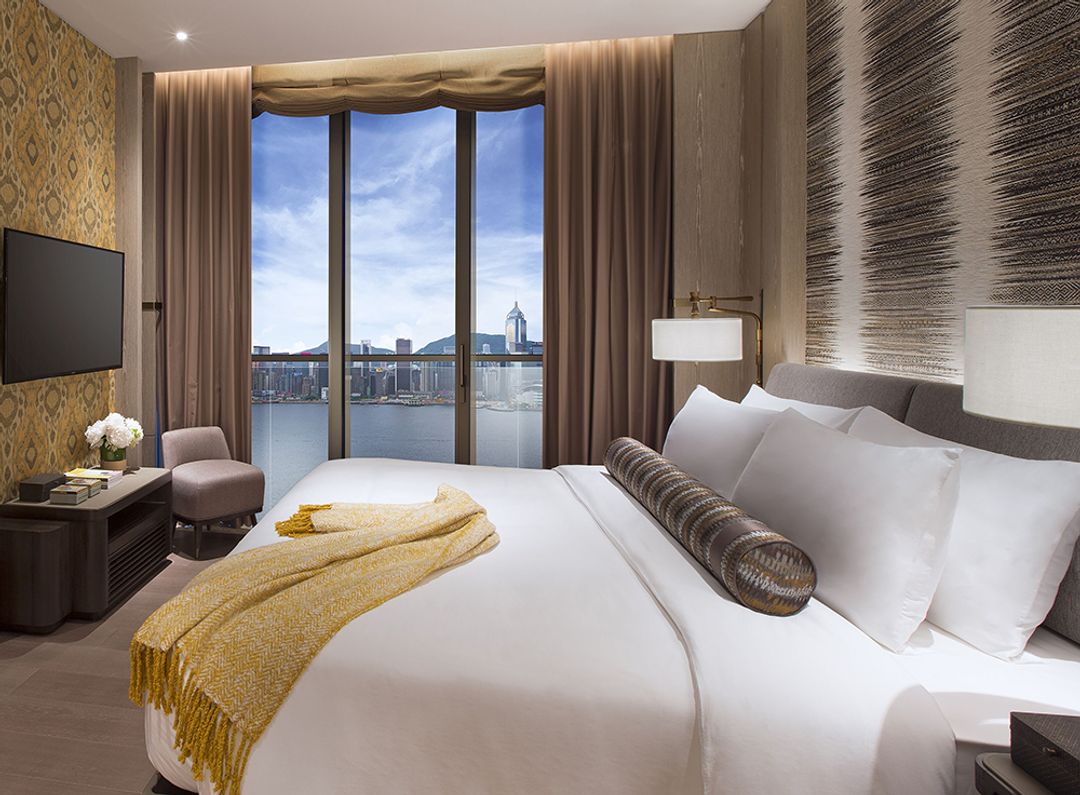
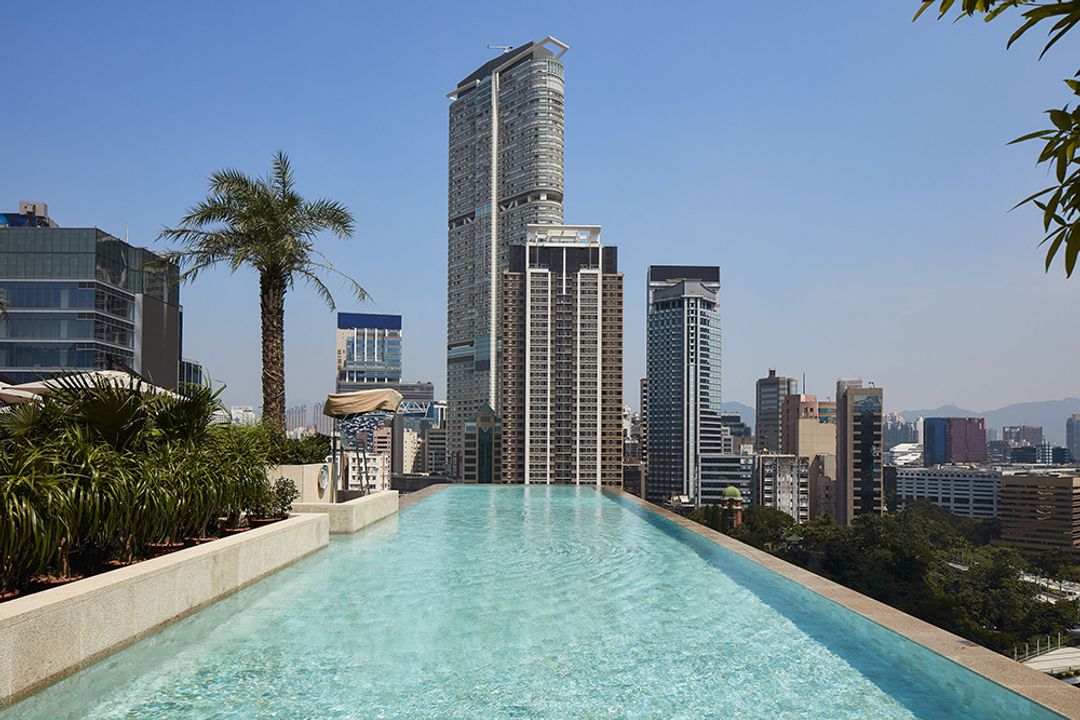
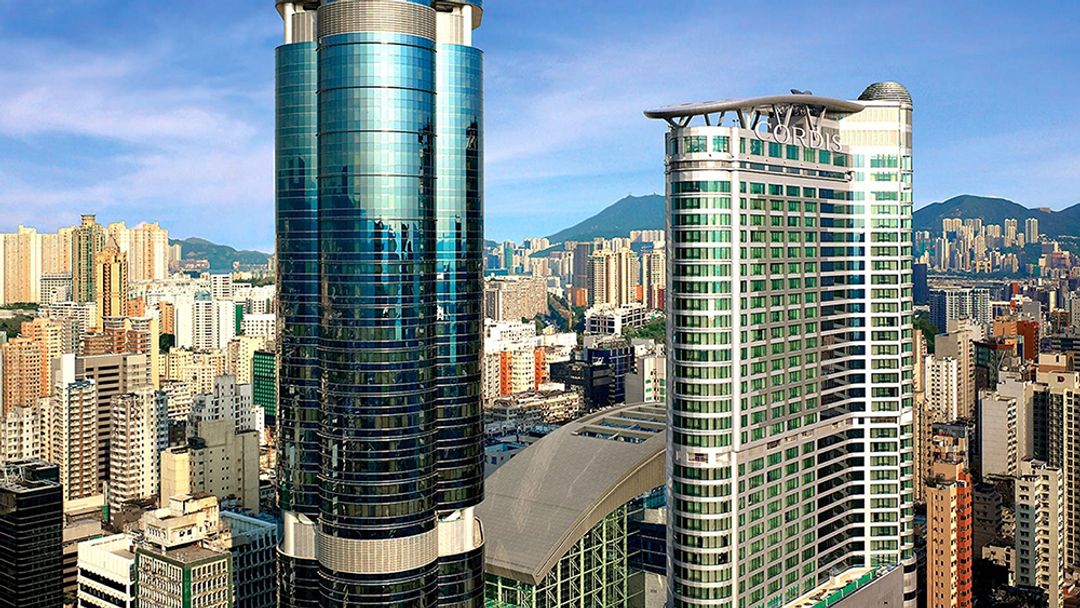
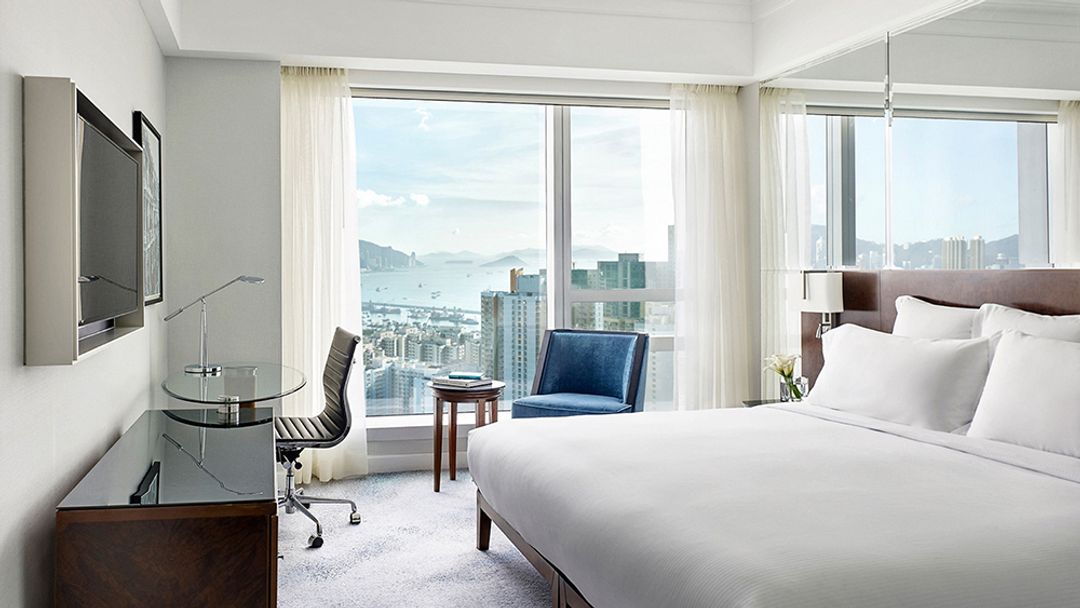
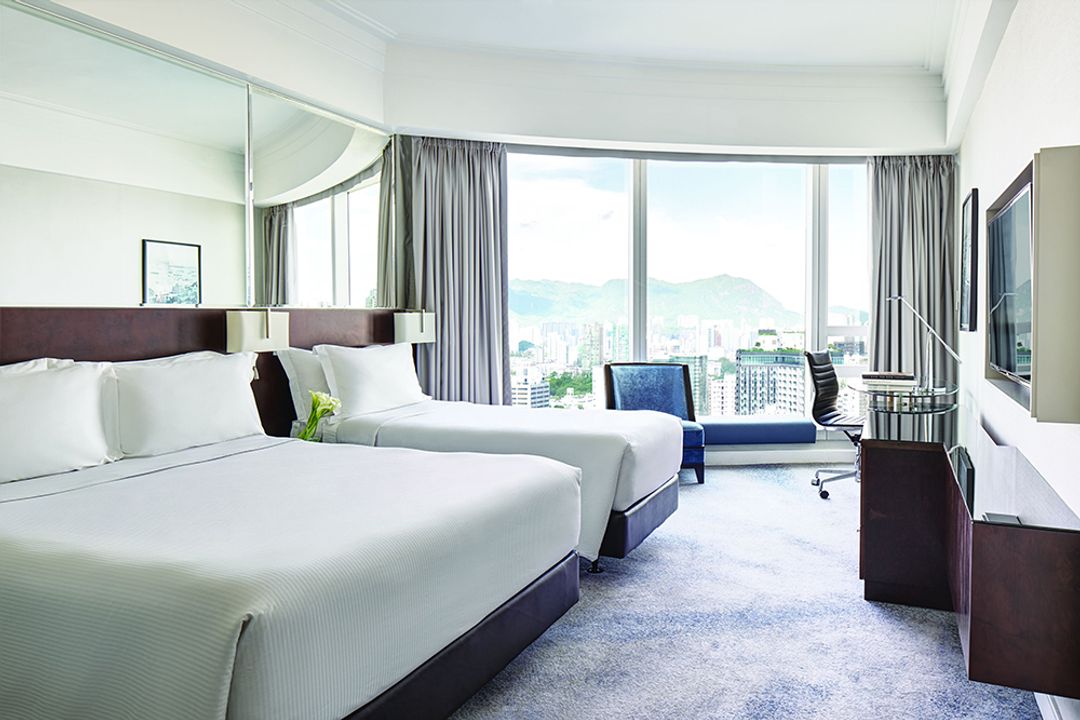
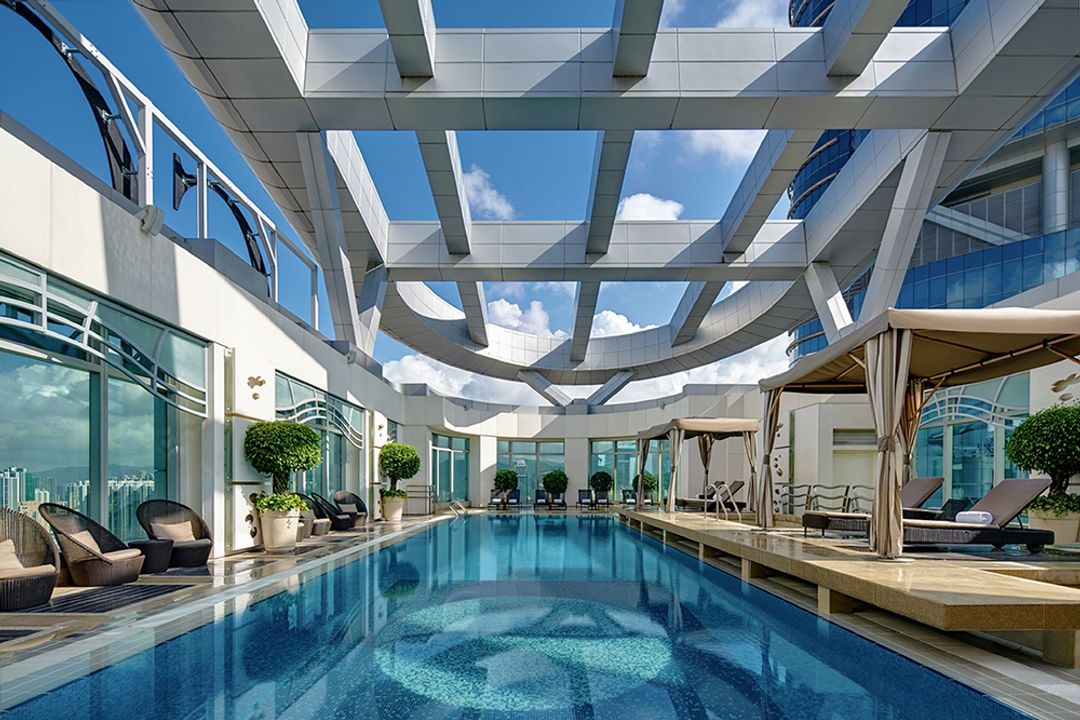
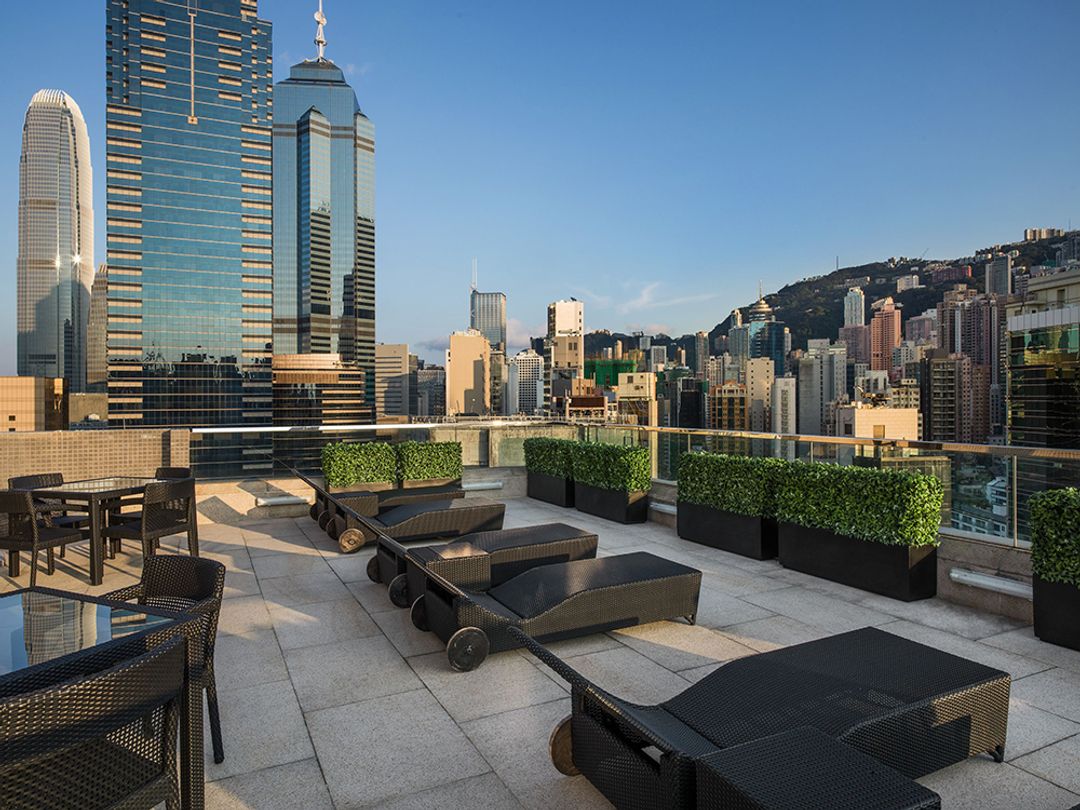
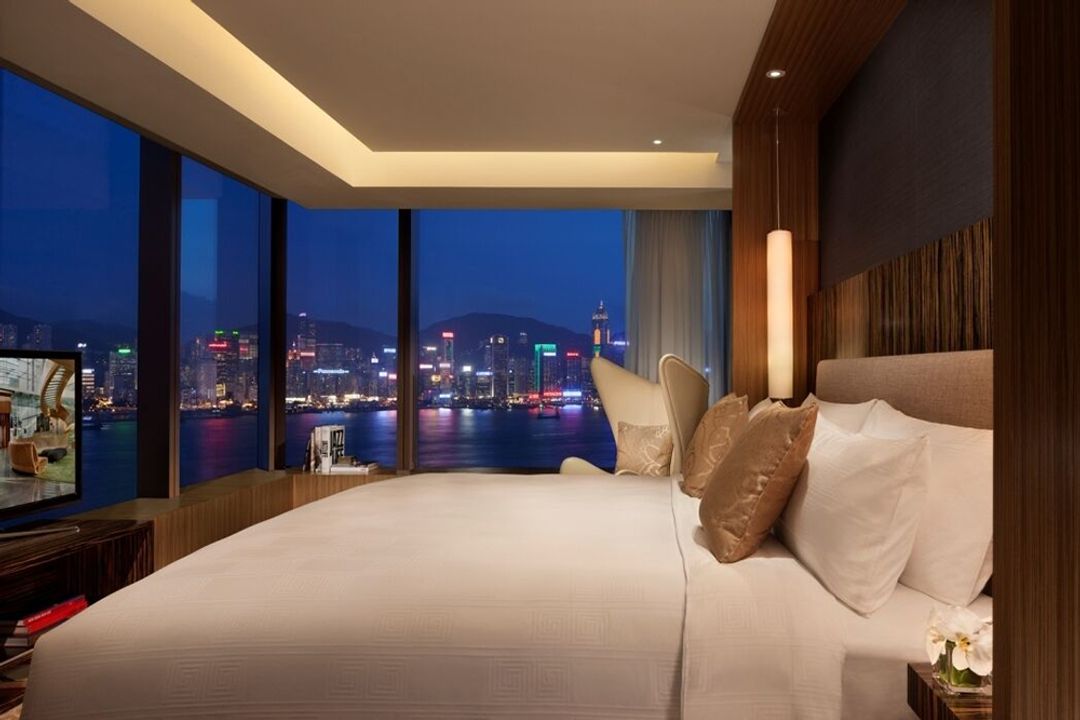
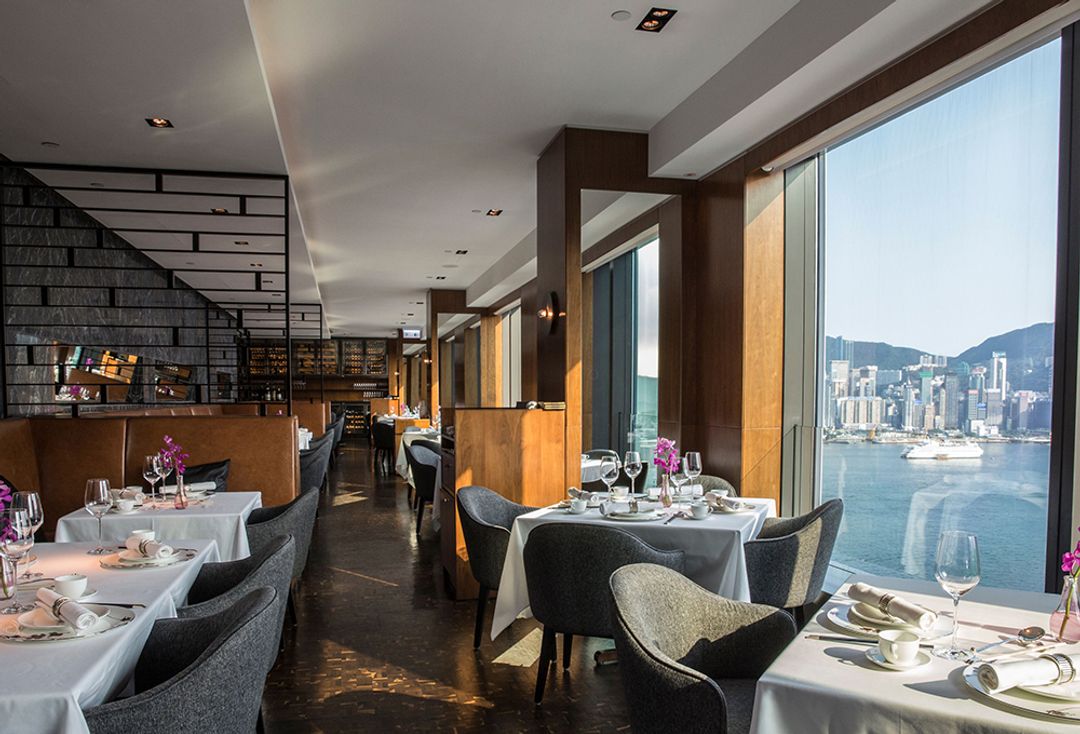
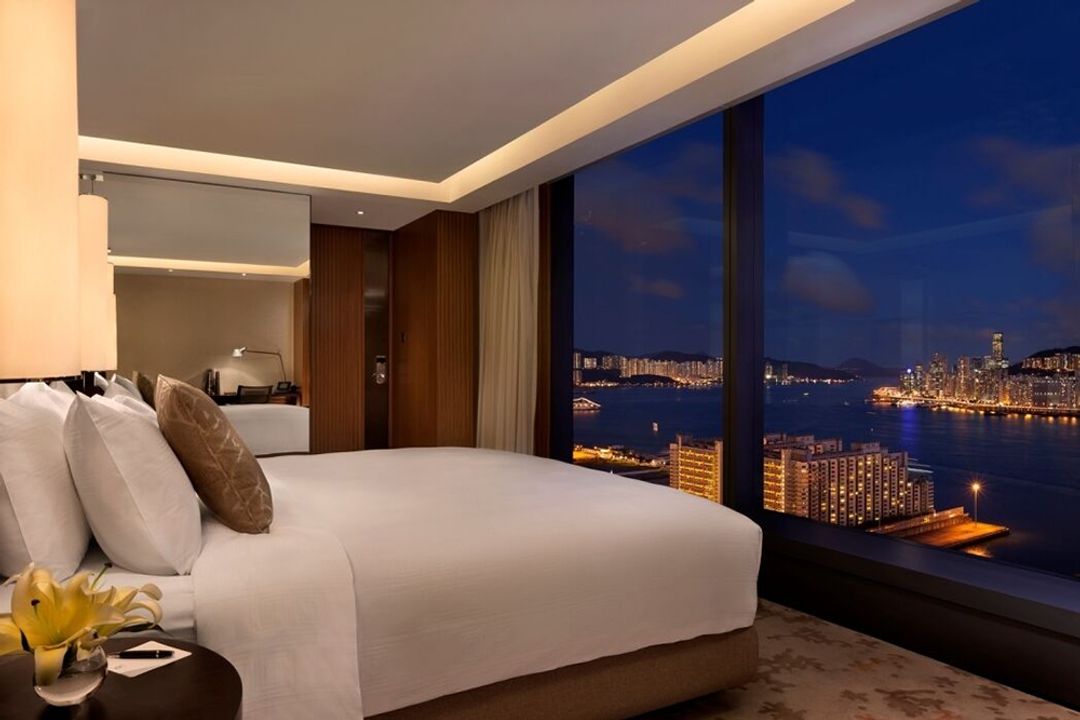
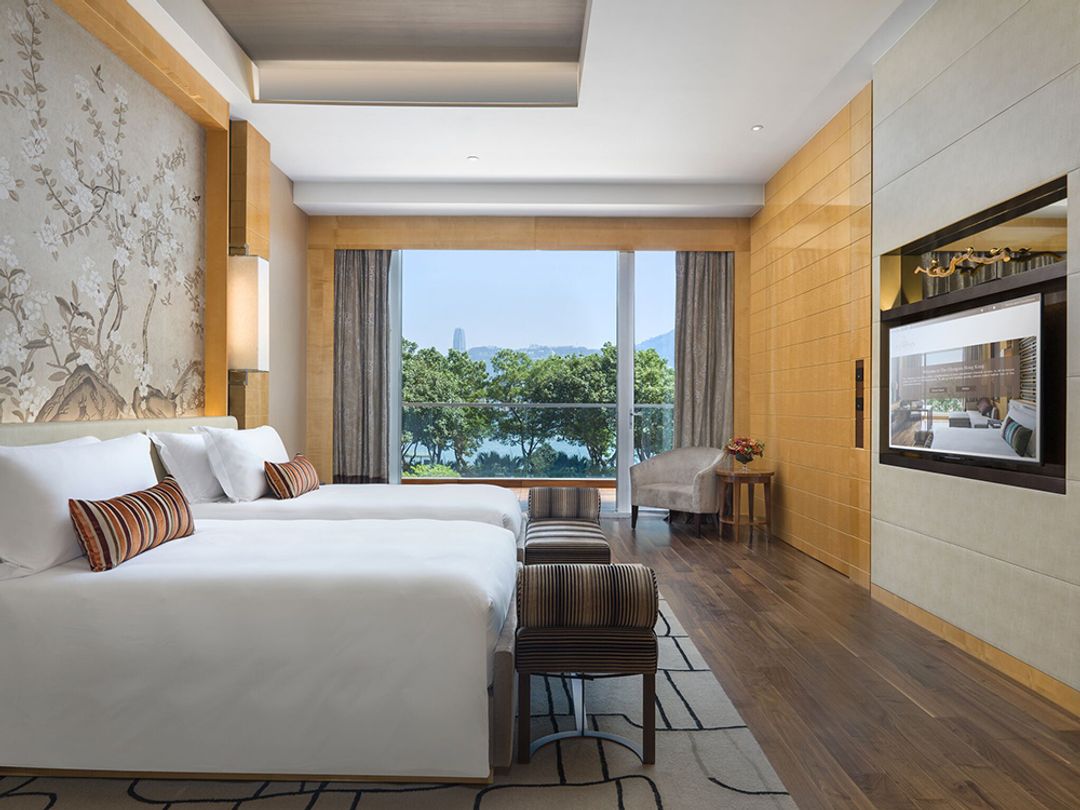
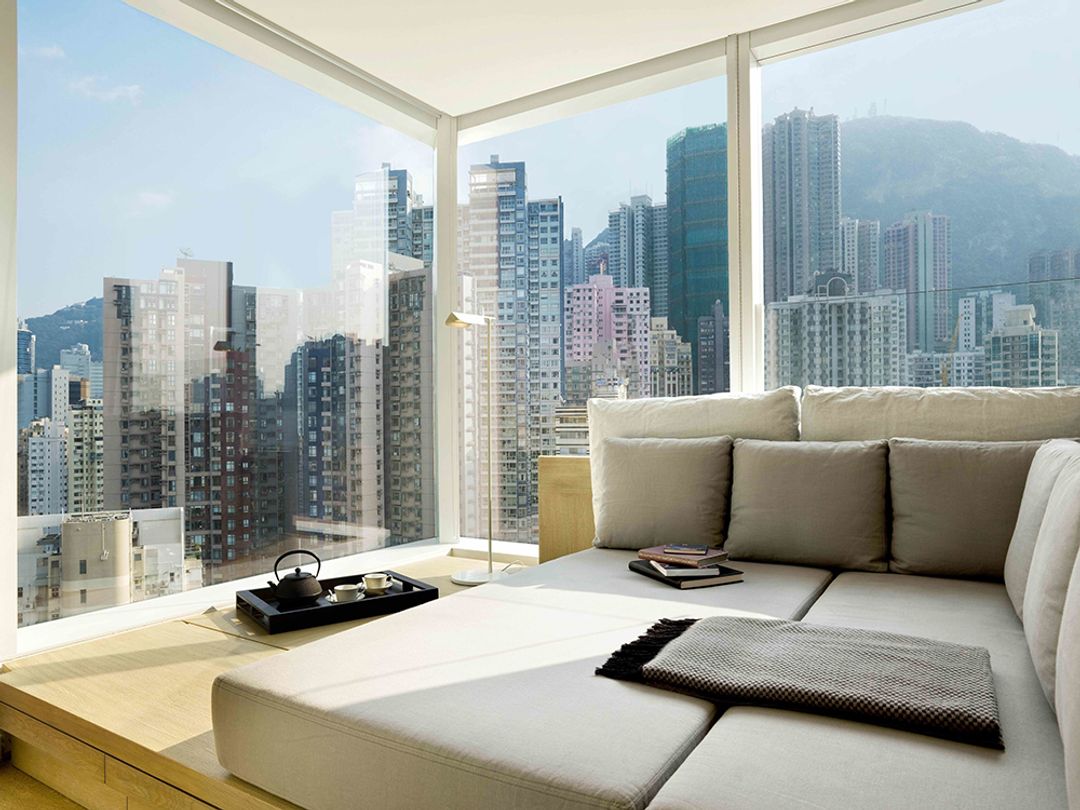
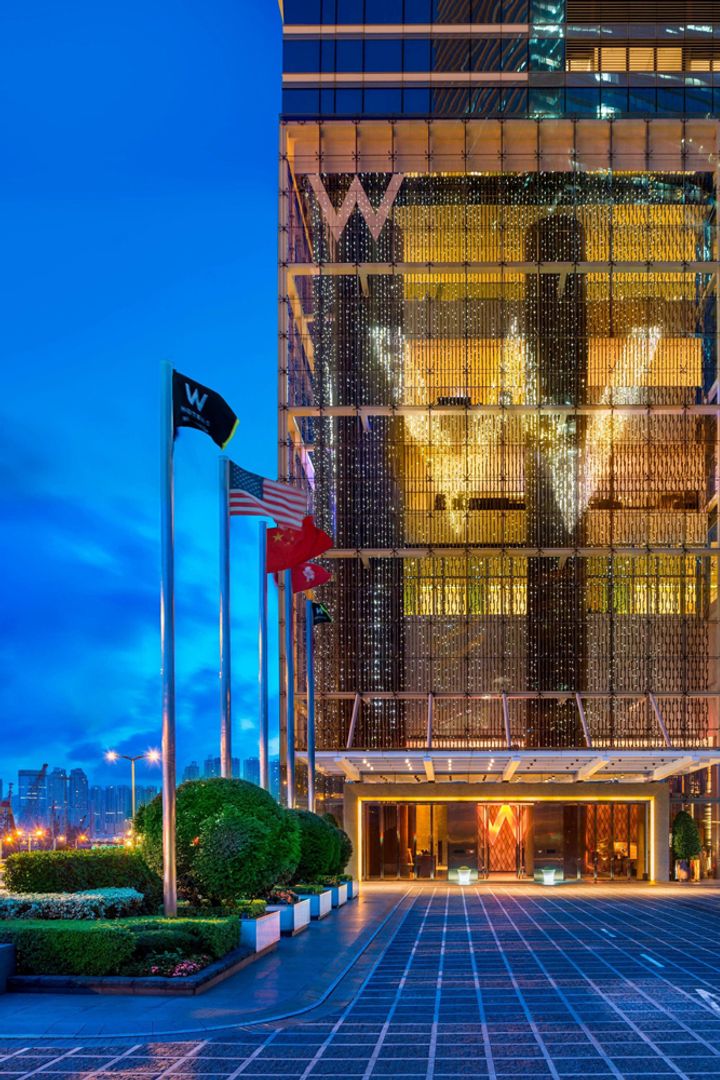
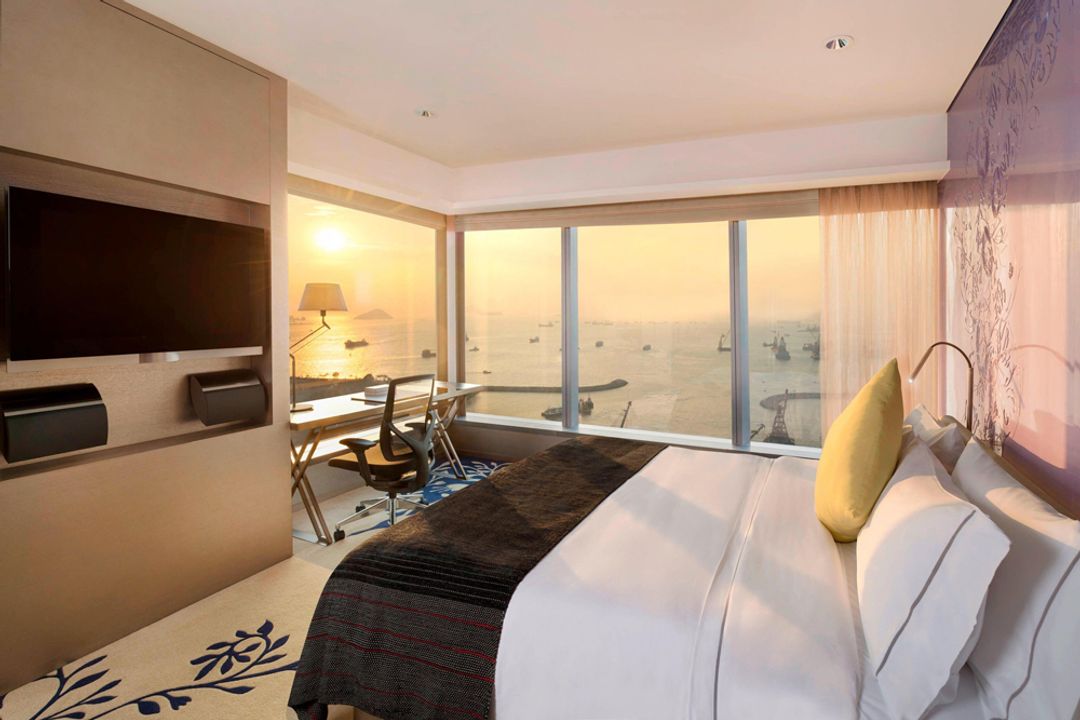
Across Victoria Harbour, Kowloon carries a different weight. Tsim Sha Tsui has the Peninsula, which opened in 1928 and is among the most consequential hotel buildings in Asia, its original neo-classical block now anchored by a tower addition completed in 1994. The Rosewood, which opened in 2019 with interiors by Neri and Hu, represents a newer ambition for the Kowloon waterfront, its vernacular references and layered materiality landing in deliberate contrast to the Peninsula's formality. K11 Artus, embedded within the K11 Musea development, draws its identity as much from the arts complex surrounding it as from the rooms themselves. The West Kowloon Cultural District has added its own cluster: the Ritz-Carlton occupies the upper floors of the International Commerce Centre, and the W Hong Kong sits nearby, both offering the kind of altitude that makes Hong Kong's density feel like a spectacle rather than a condition.
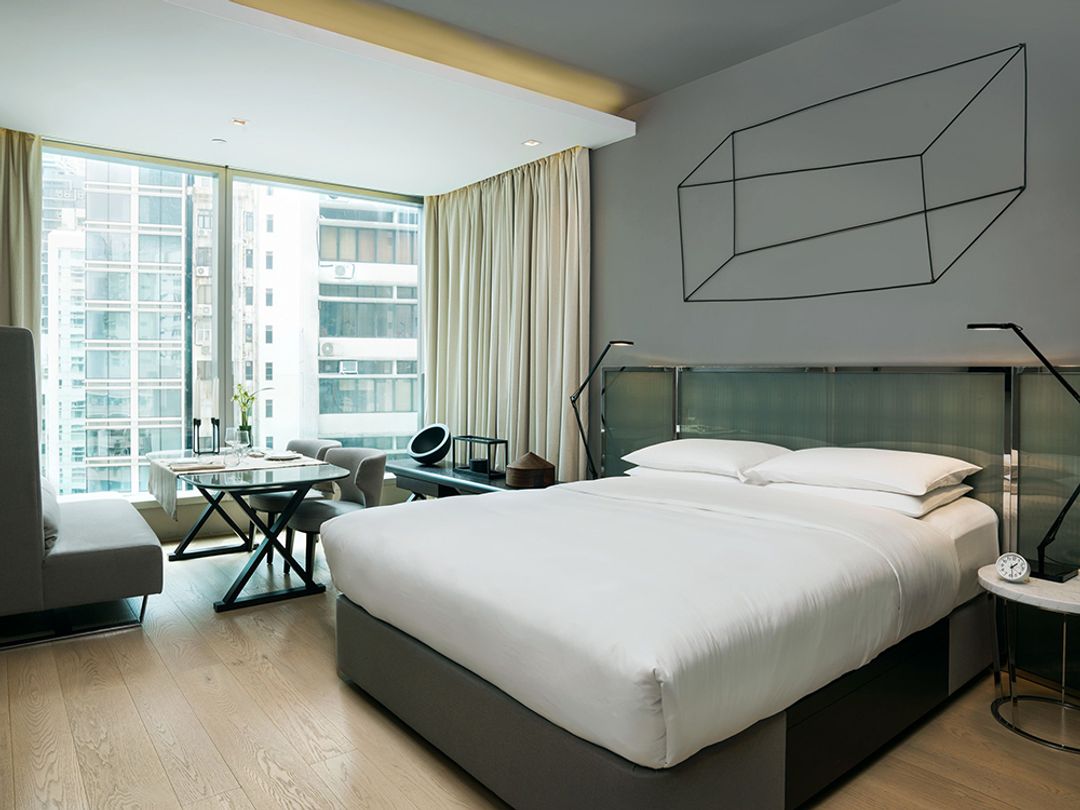
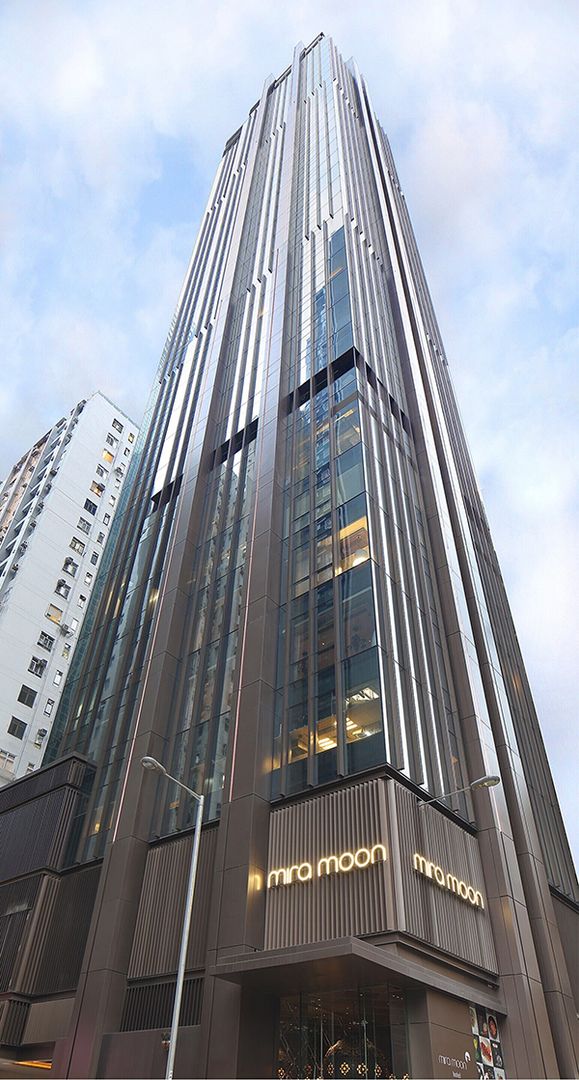
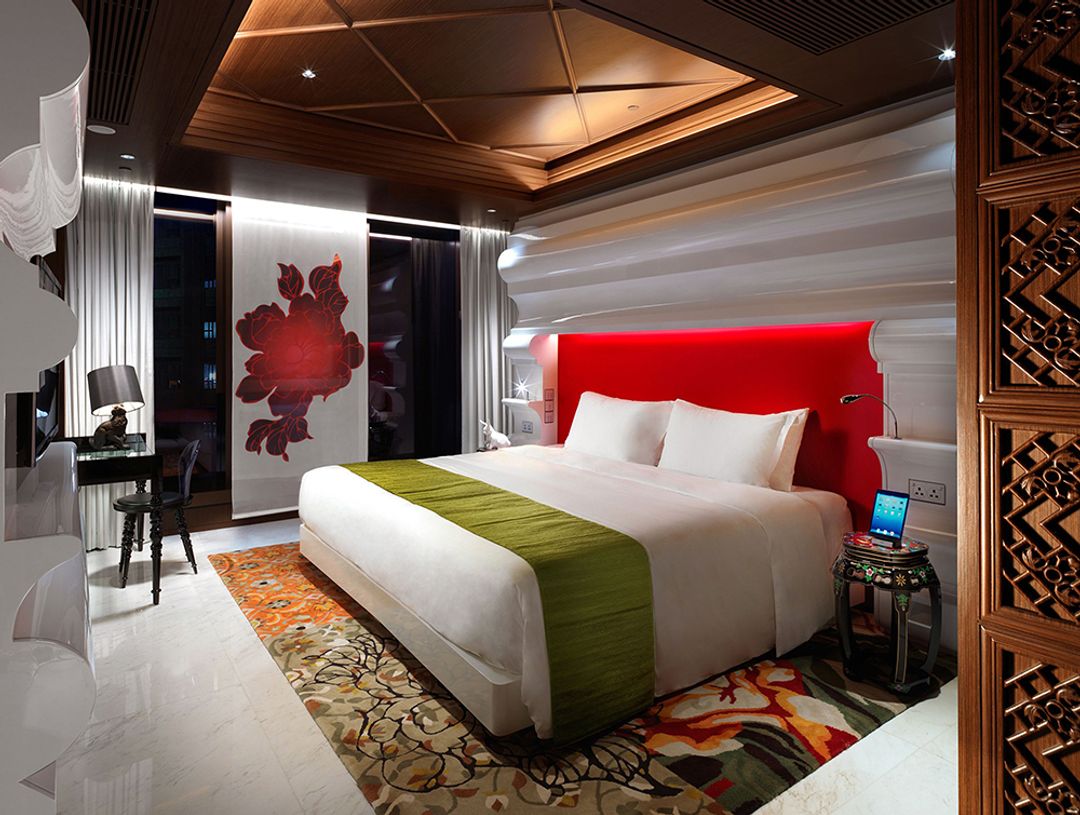
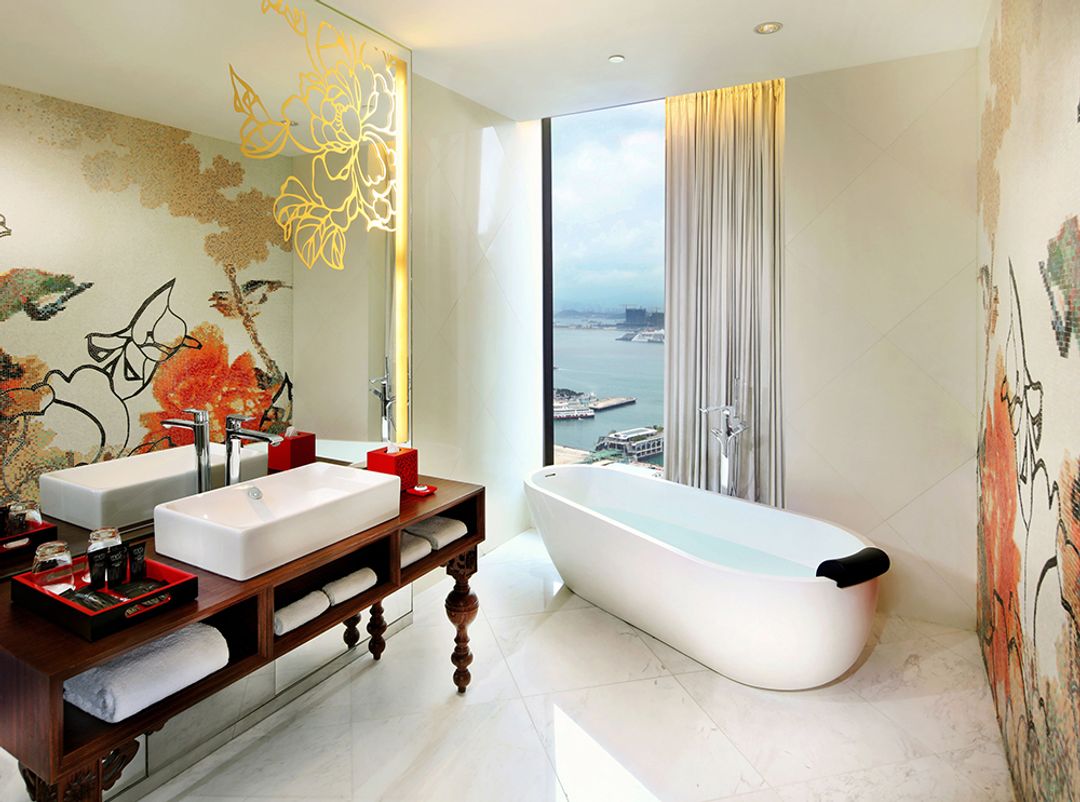
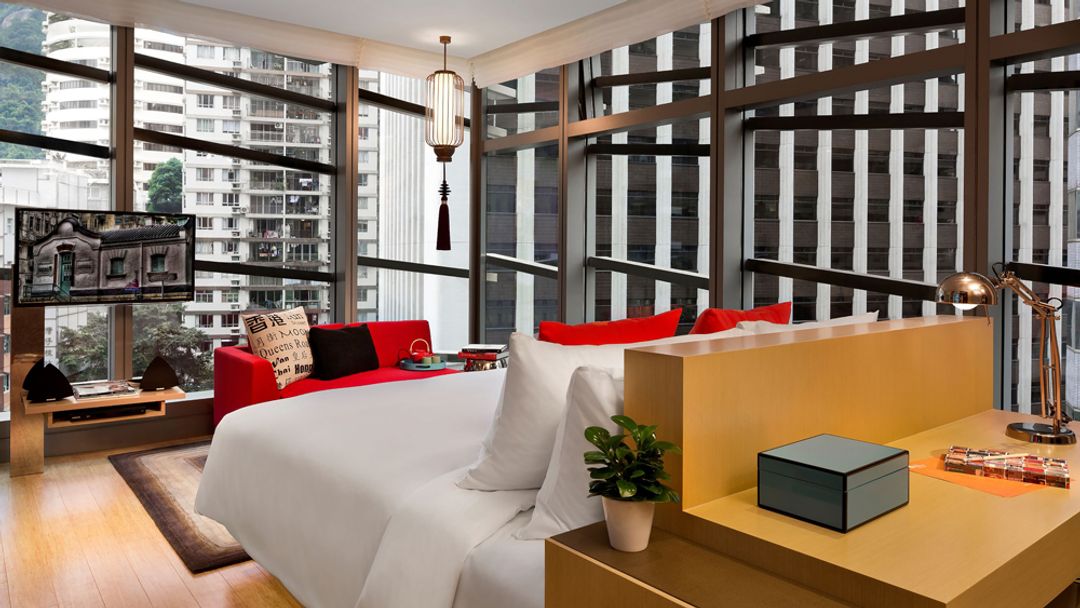
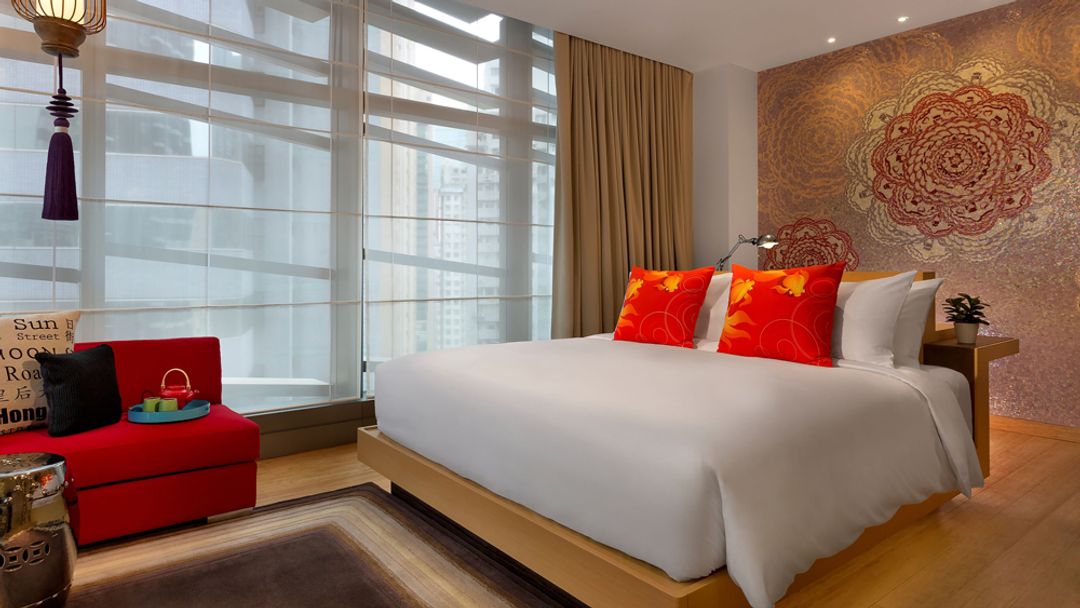
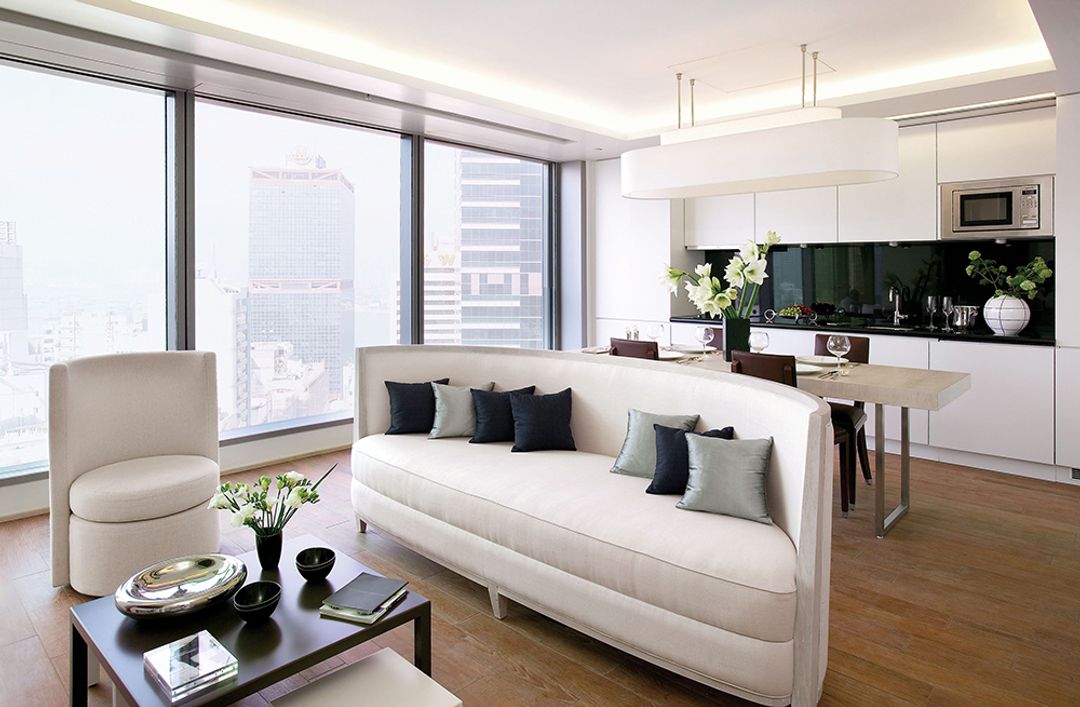
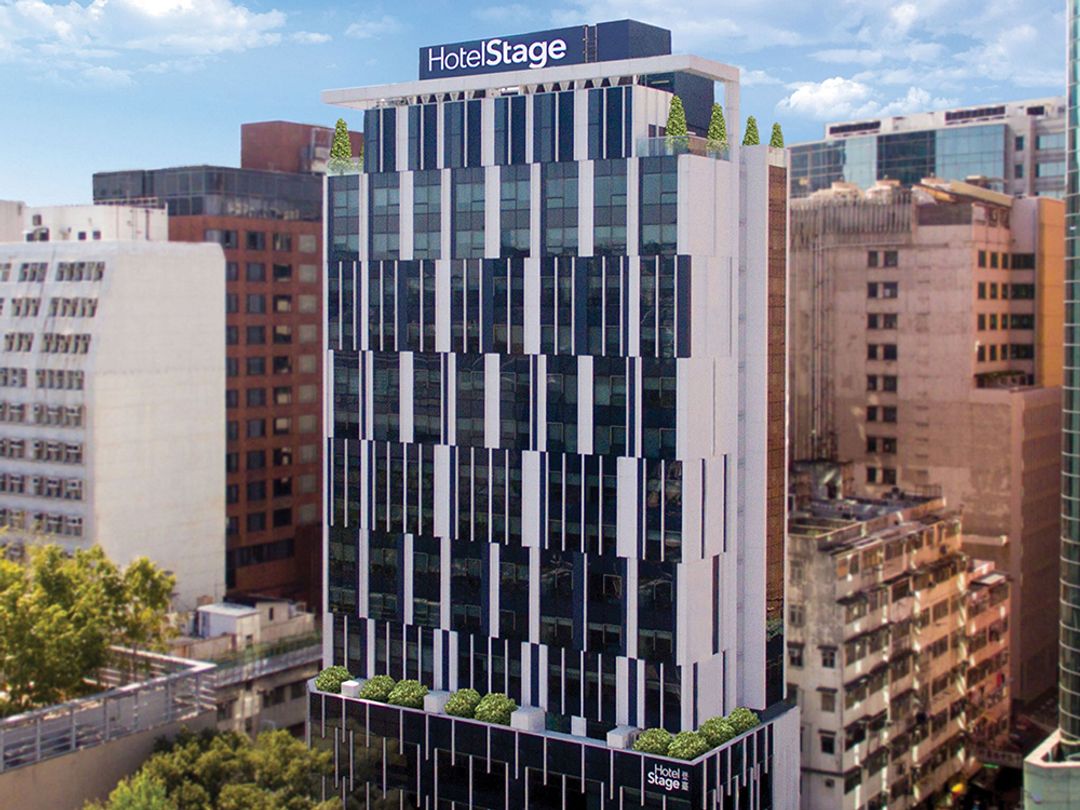
The neighborhoods of Wan Chai, Causeway Bay, and Yau Ma Tei reward travelers willing to move away from the obvious harbourside axes. Hotel Indigo Hong Kong Island reads Wan Chai's tram-lined streets back into its interiors, while Mira Moon in Causeway Bay applies a Chinese mythology concept through quite graphic, illustrative design. Hotel Stage in Yau Ma Tei, occupying a converted tenement block, is the most modest and perhaps most telling address on the list: a reminder that Hong Kong's built fabric, when left mostly intact, does more for the experience than most renovations manage to add.