Best hotels in Amsterdam, Netherlands | Visually Compare Top Stays Side-by-Side
Welcome to PressBeyond - a curated visual guide to design-driven hotels and the fastest way to compare them.
An Overview of the Boutique & Luxury Hotel Landscape in Amsterdam, Netherlands
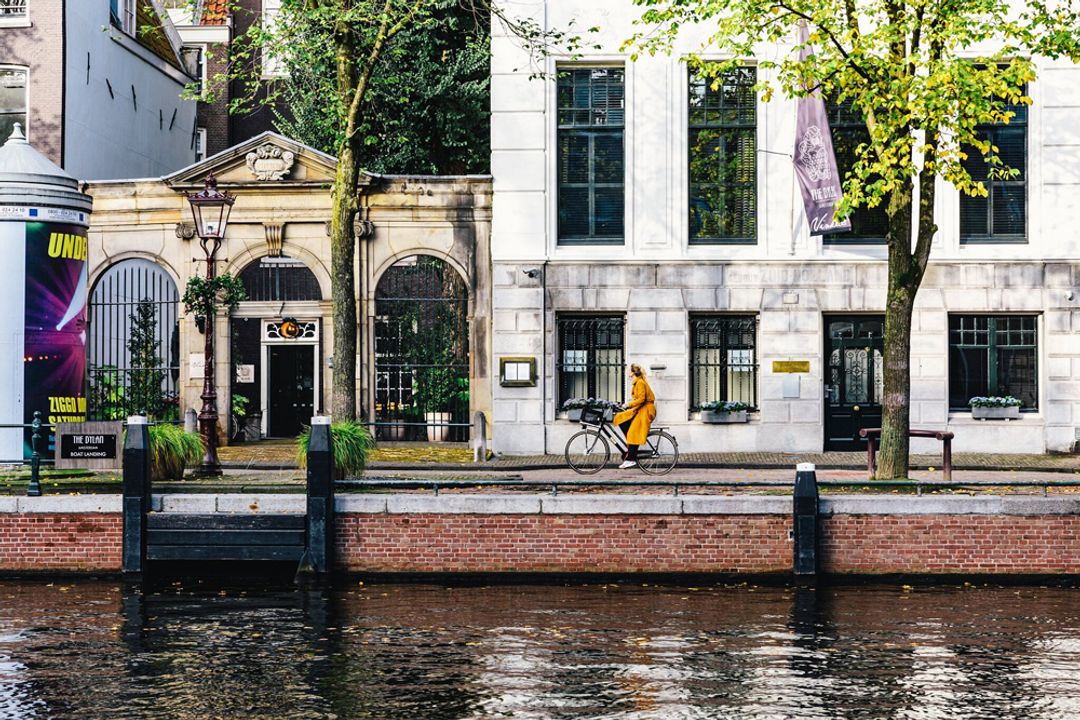
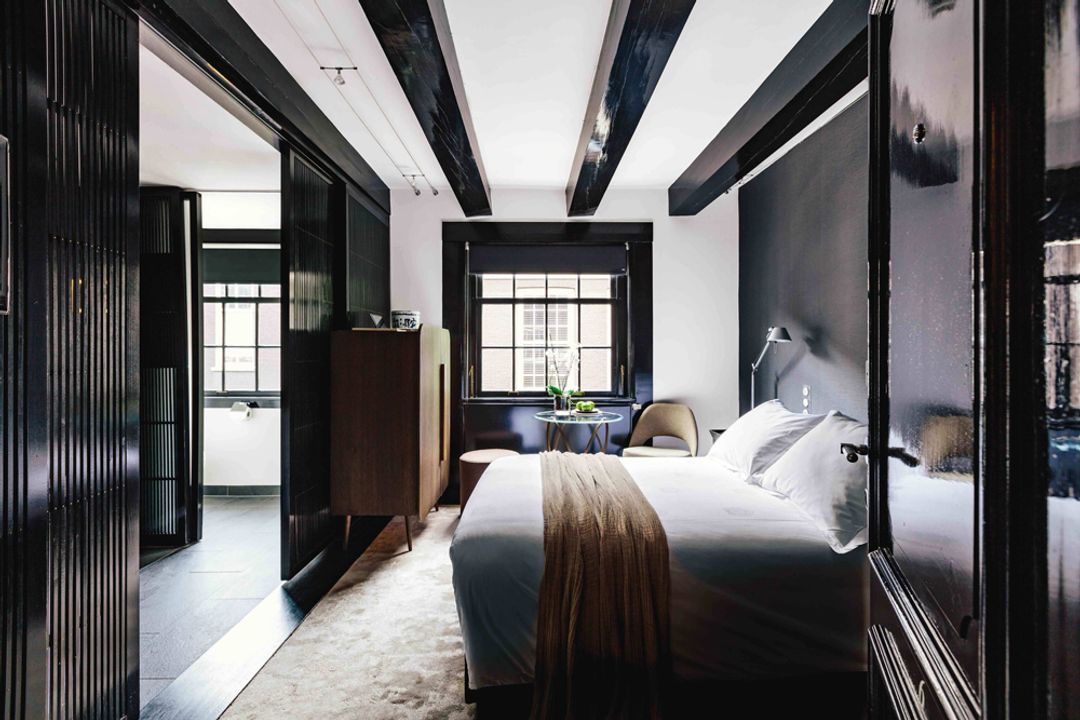
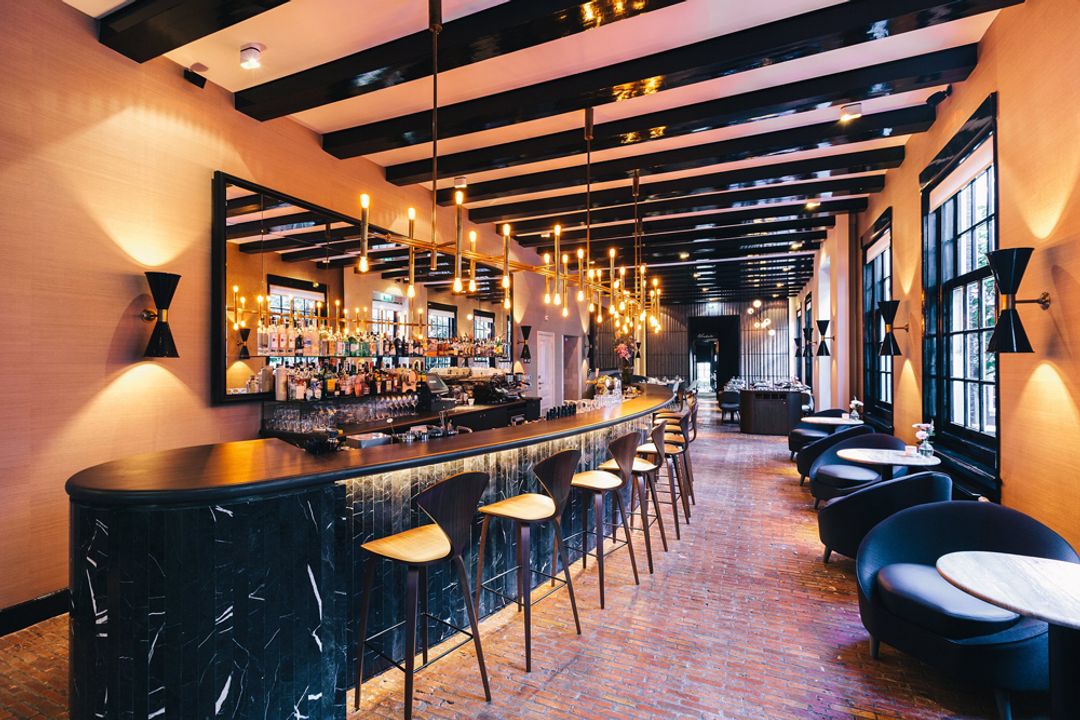
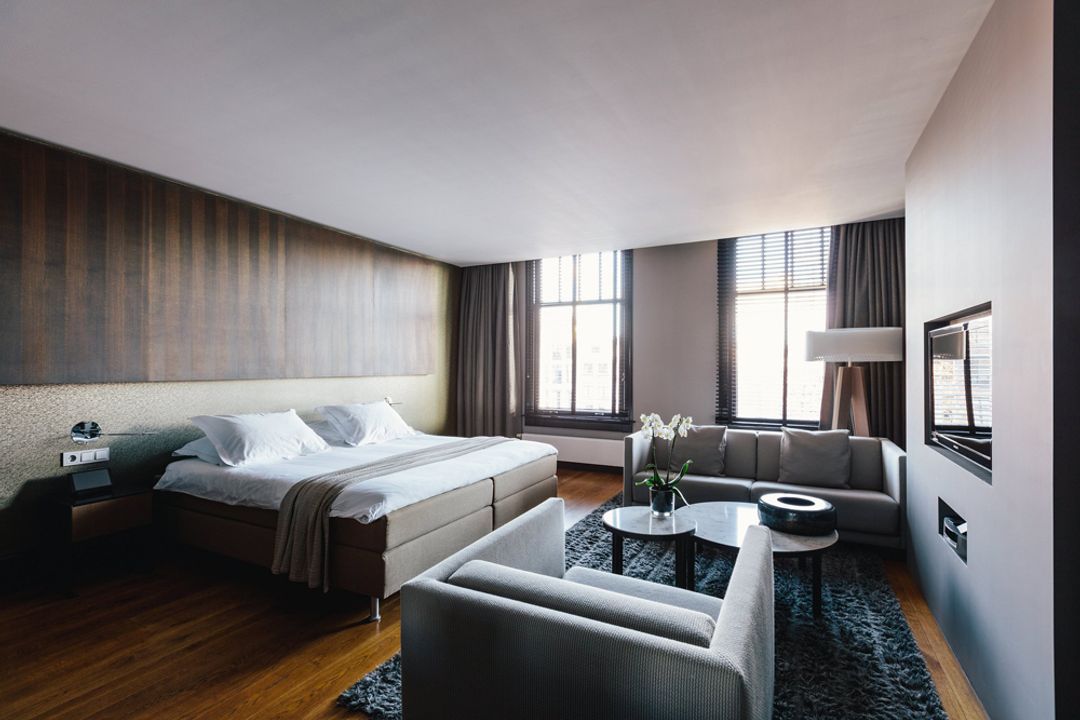
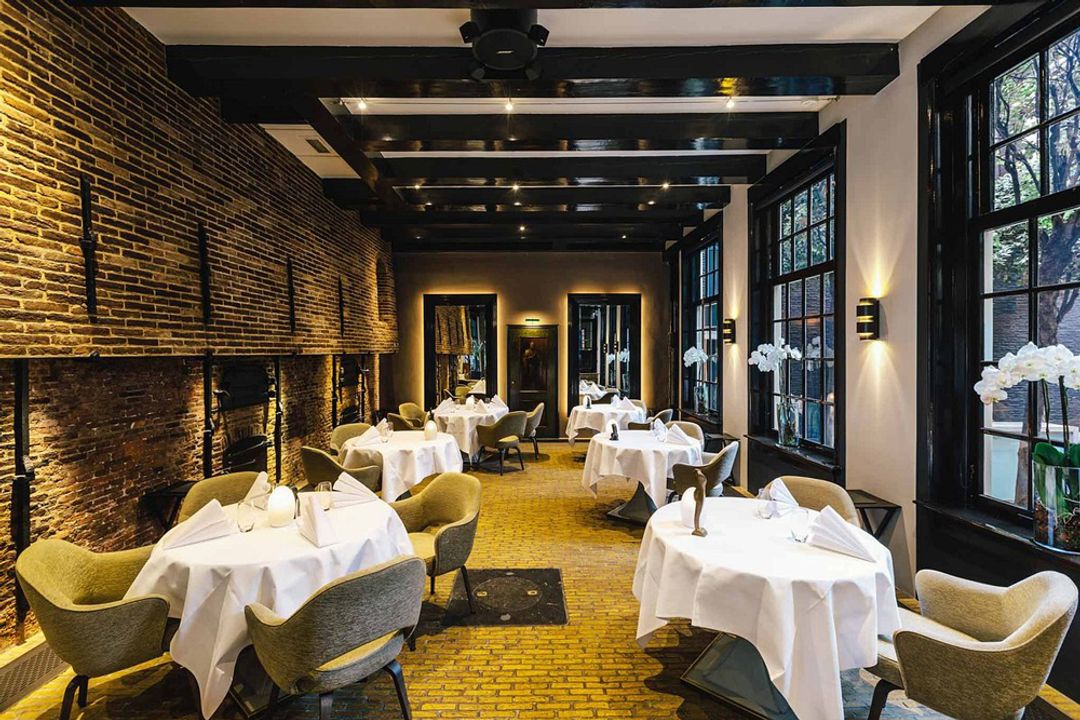
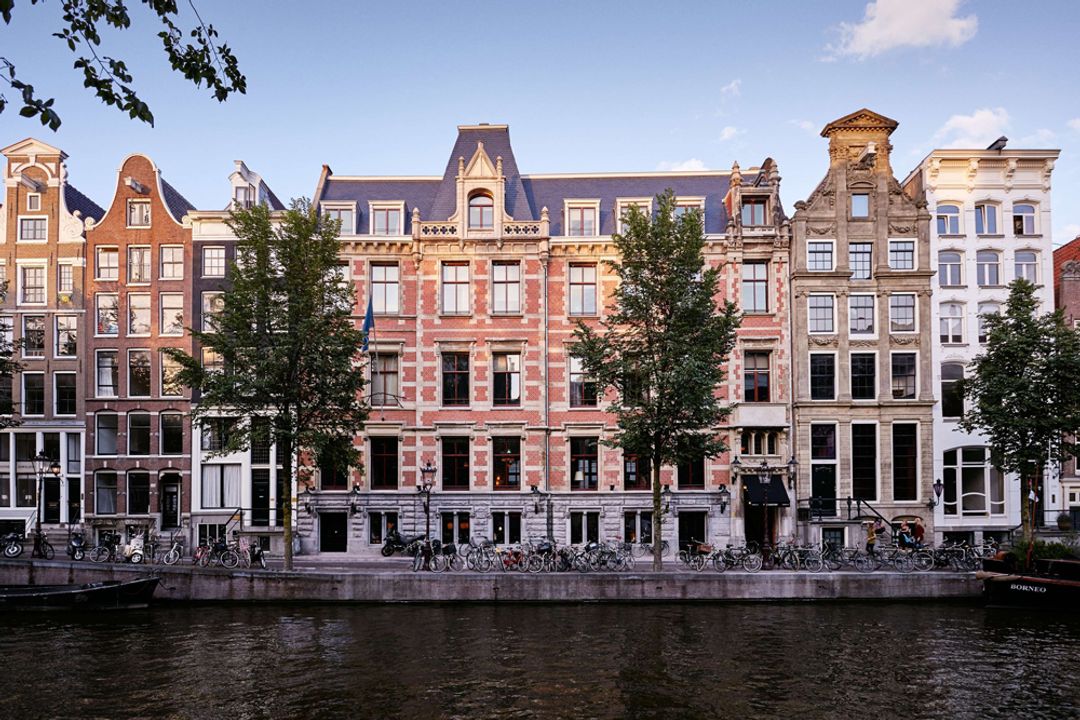
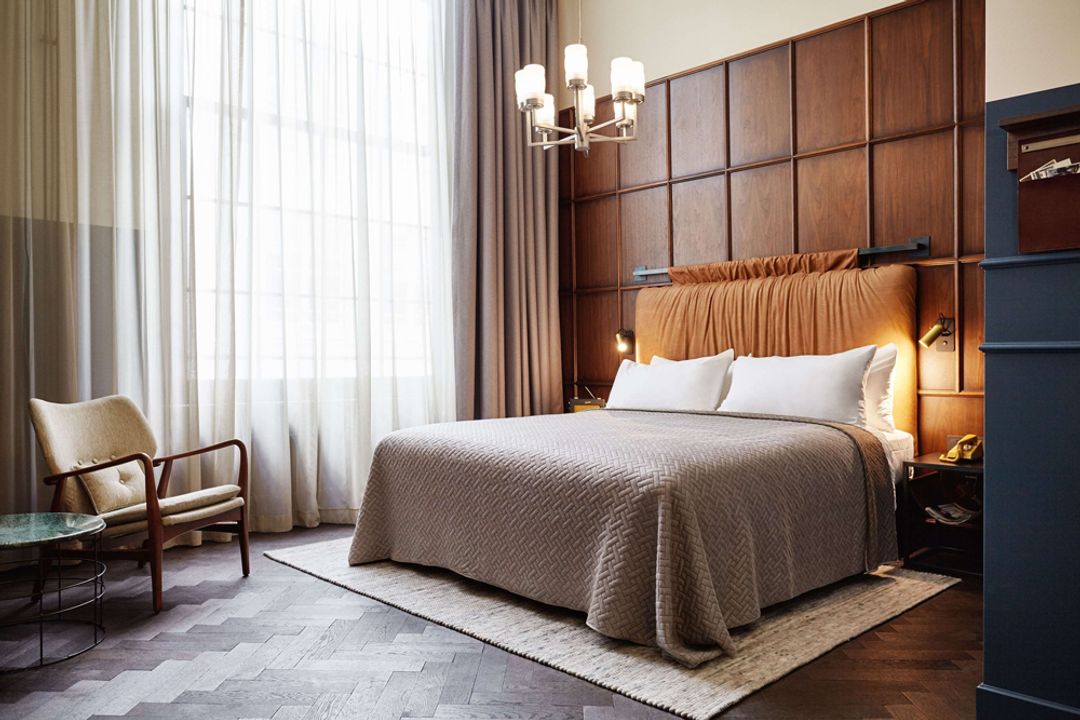
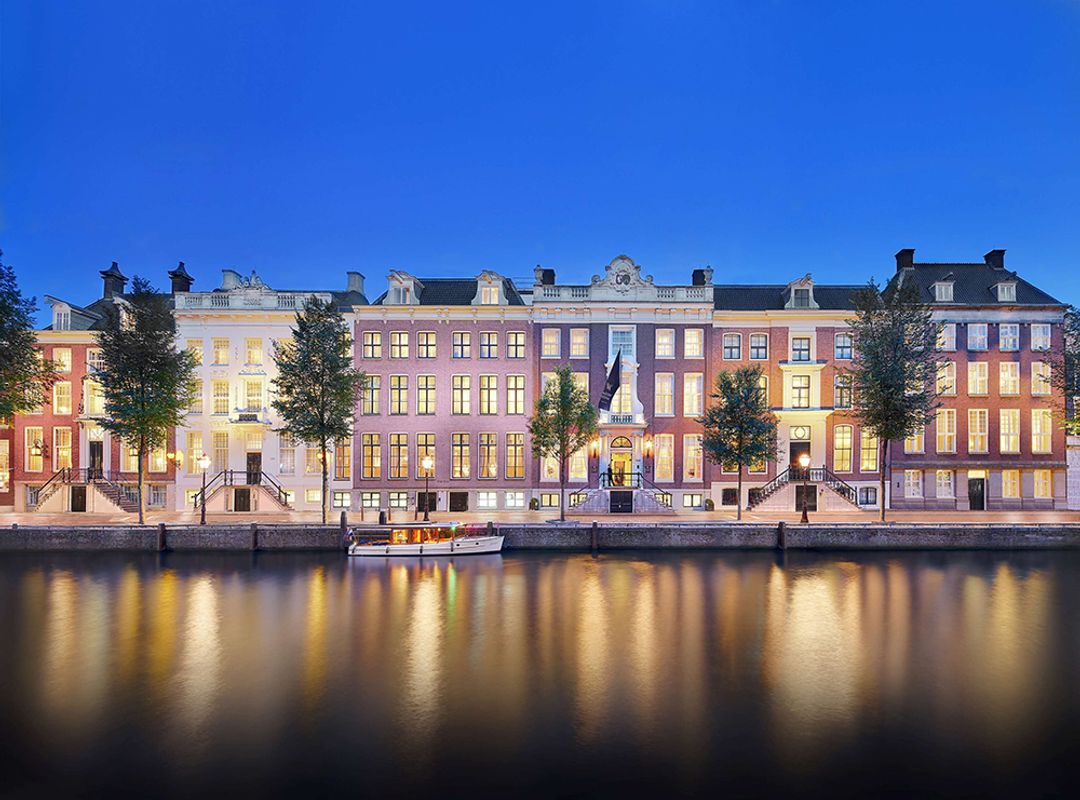
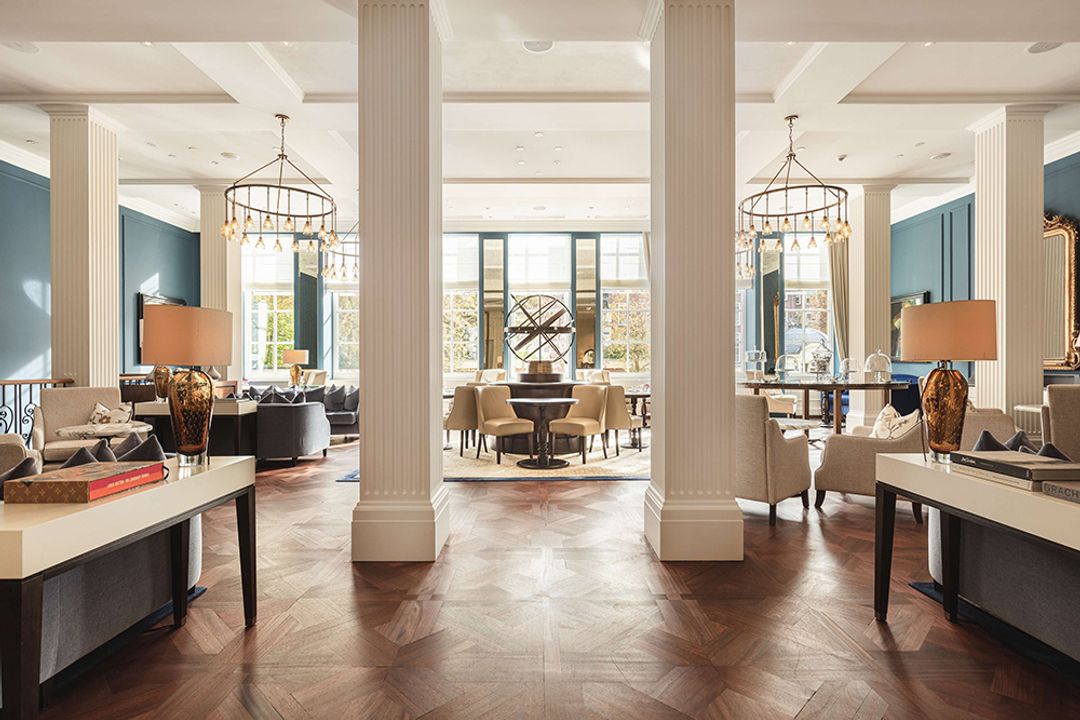
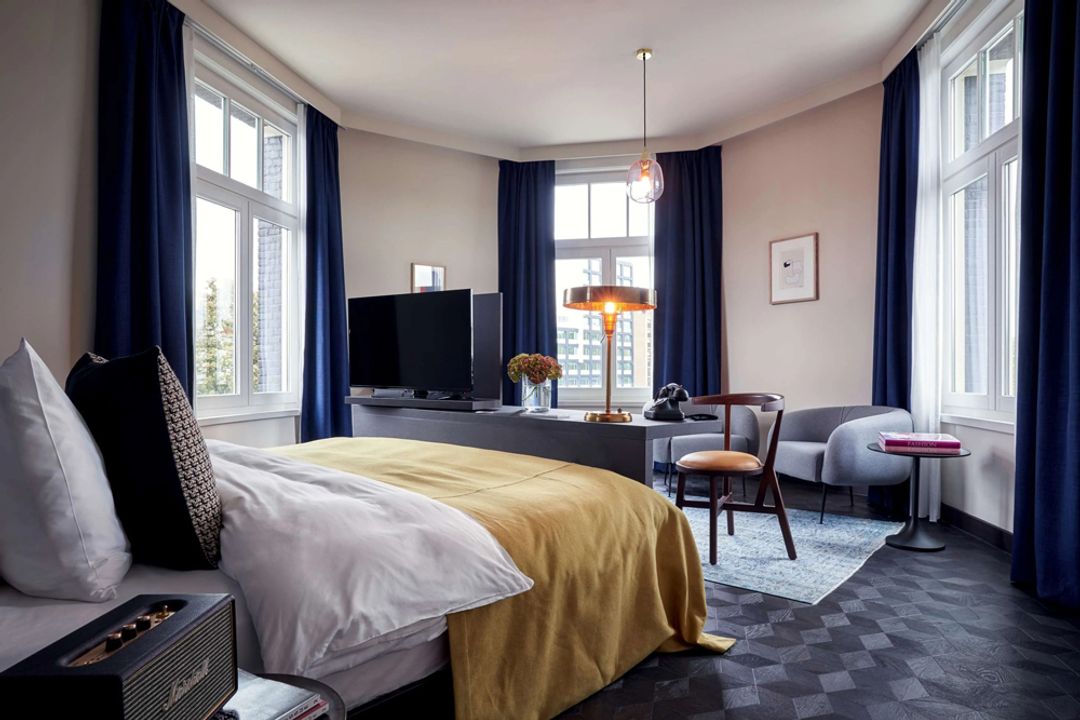
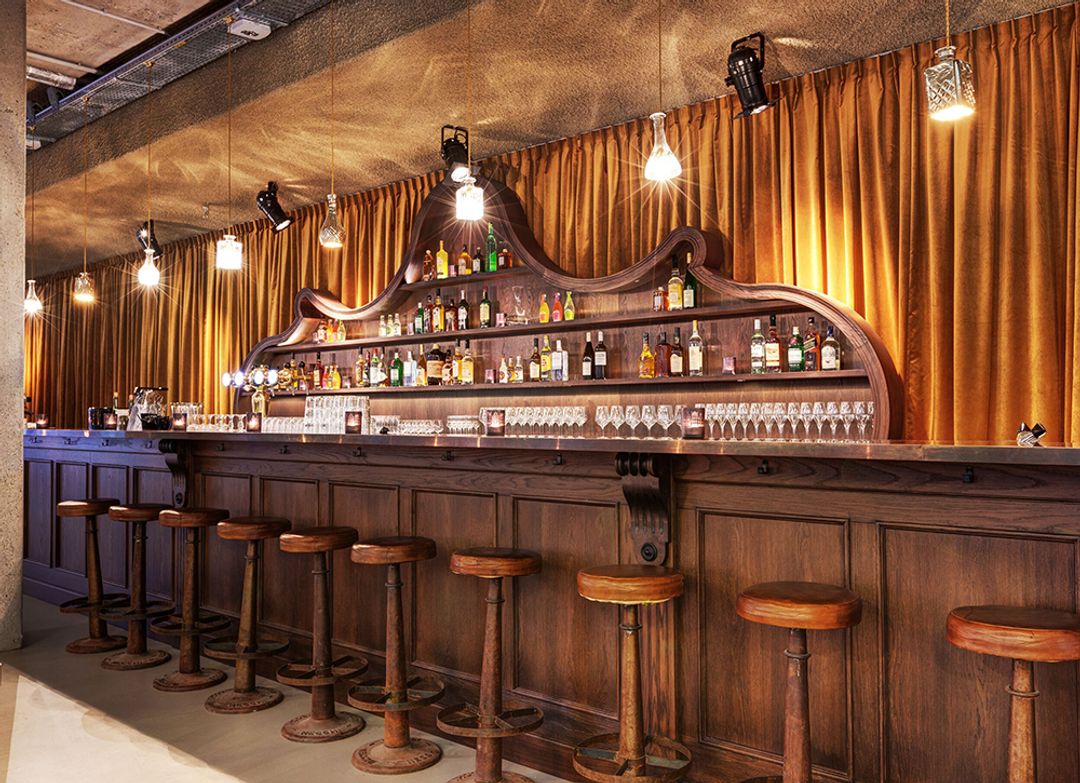
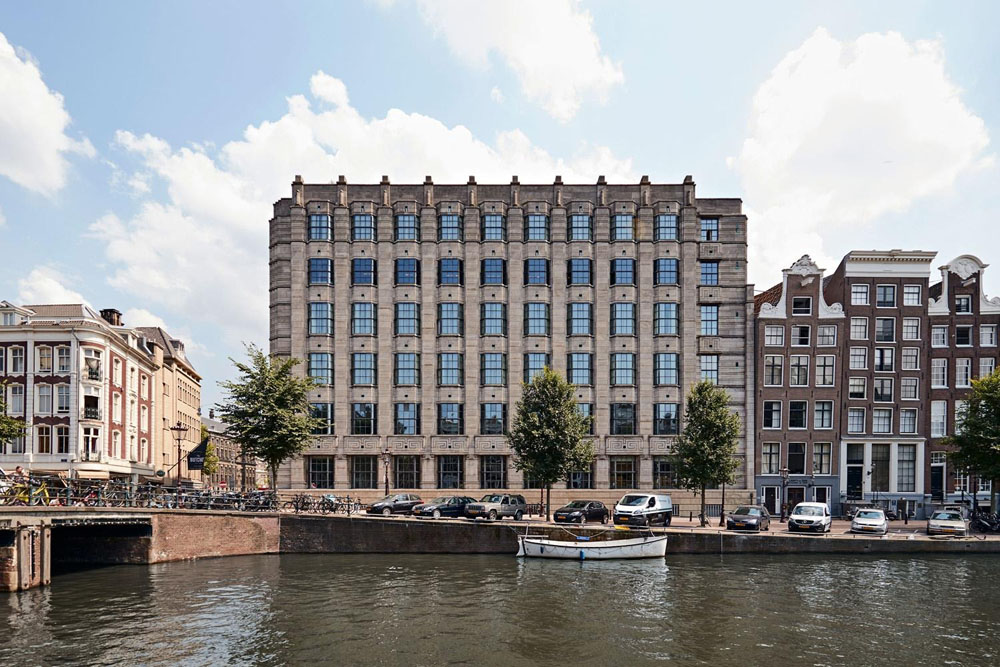
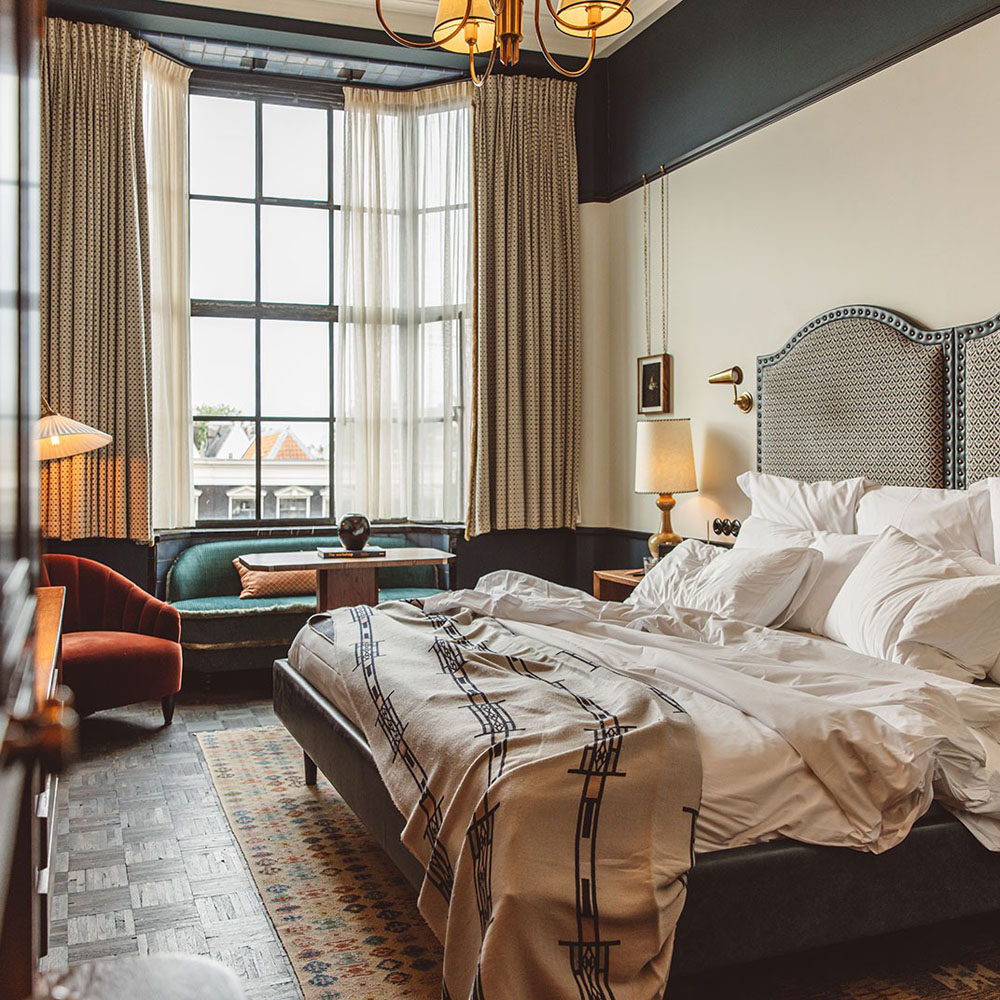
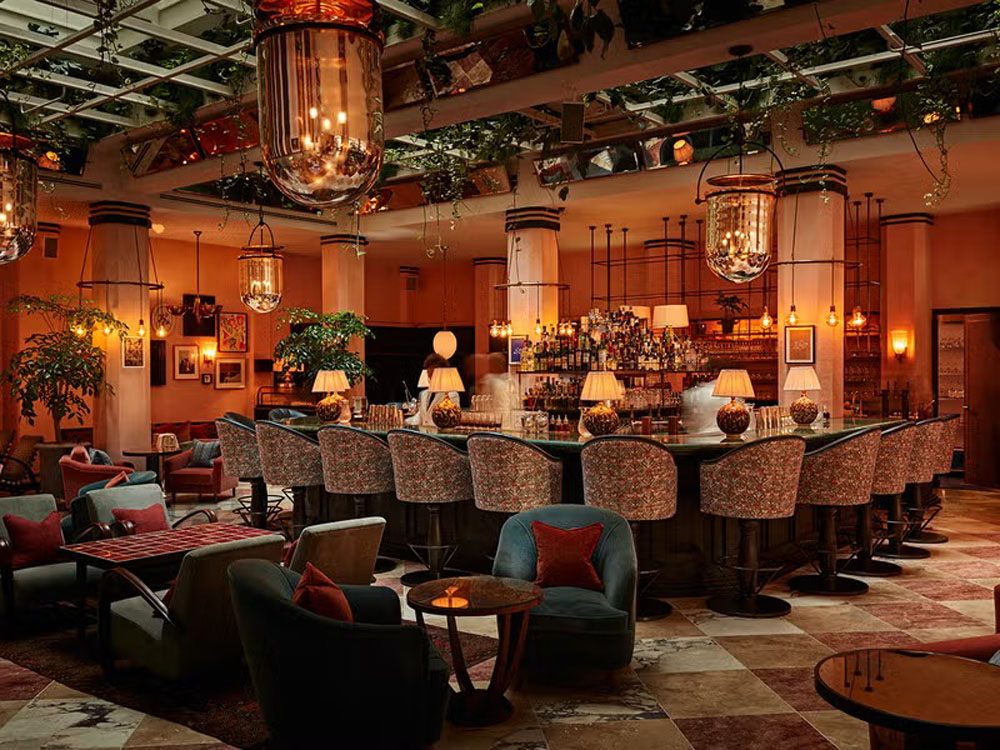
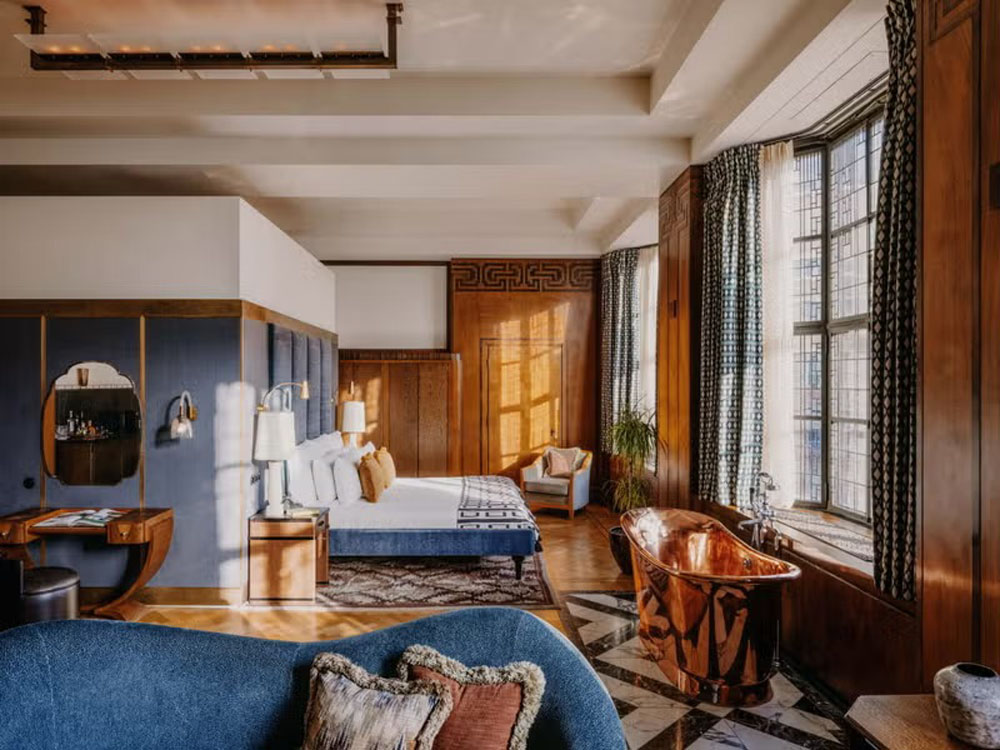
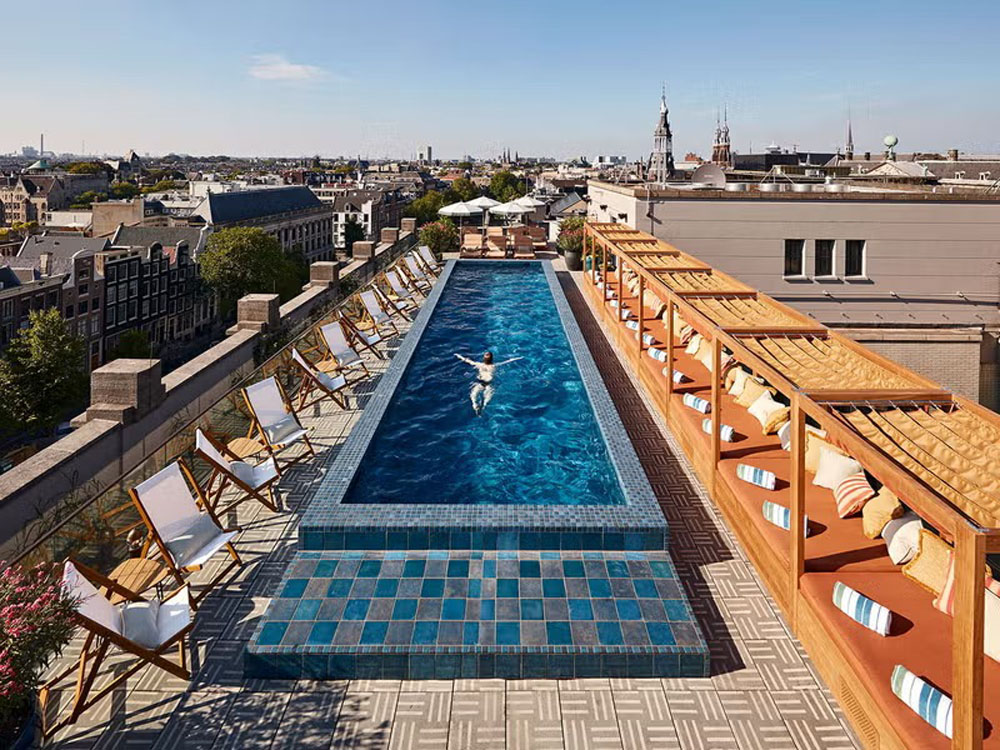
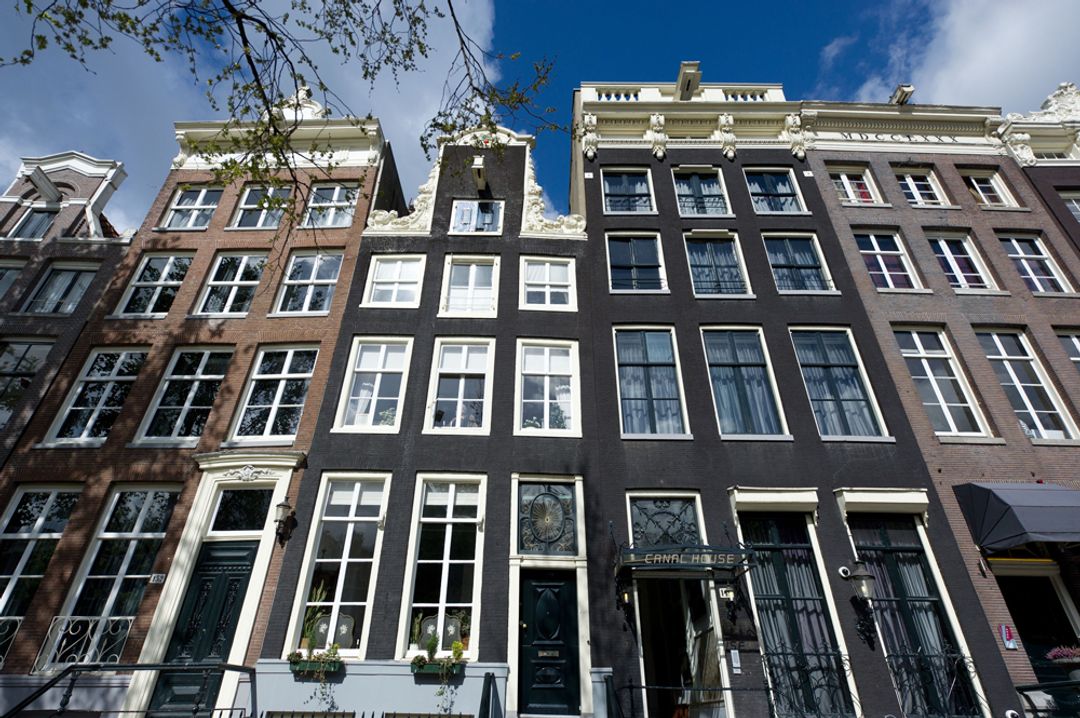
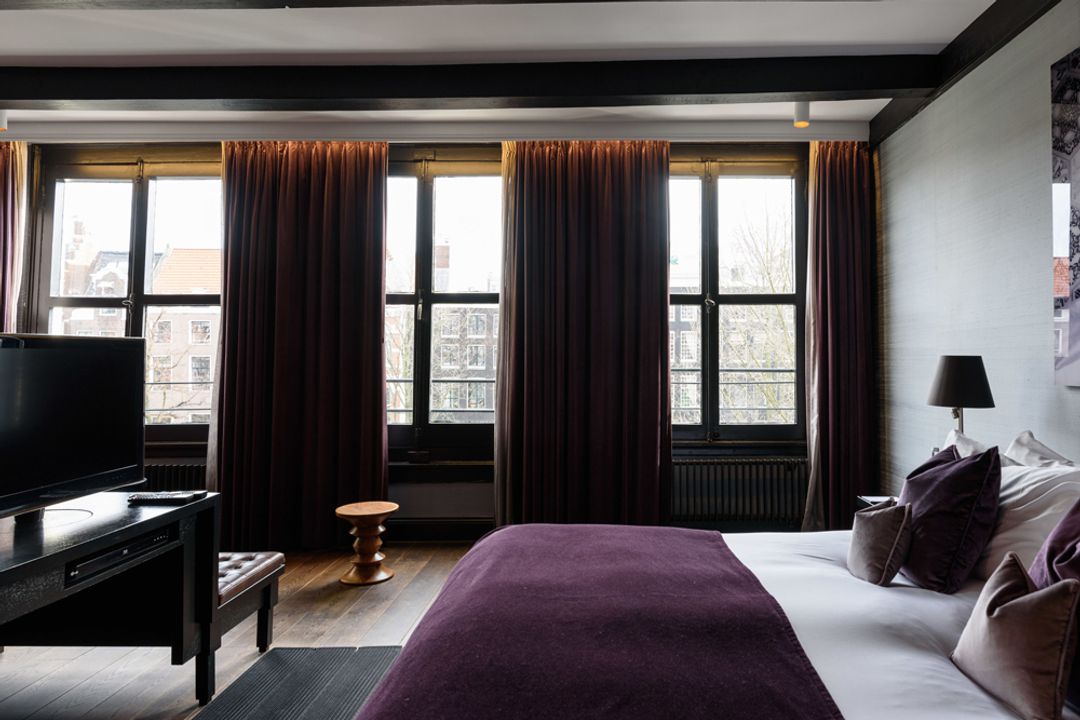
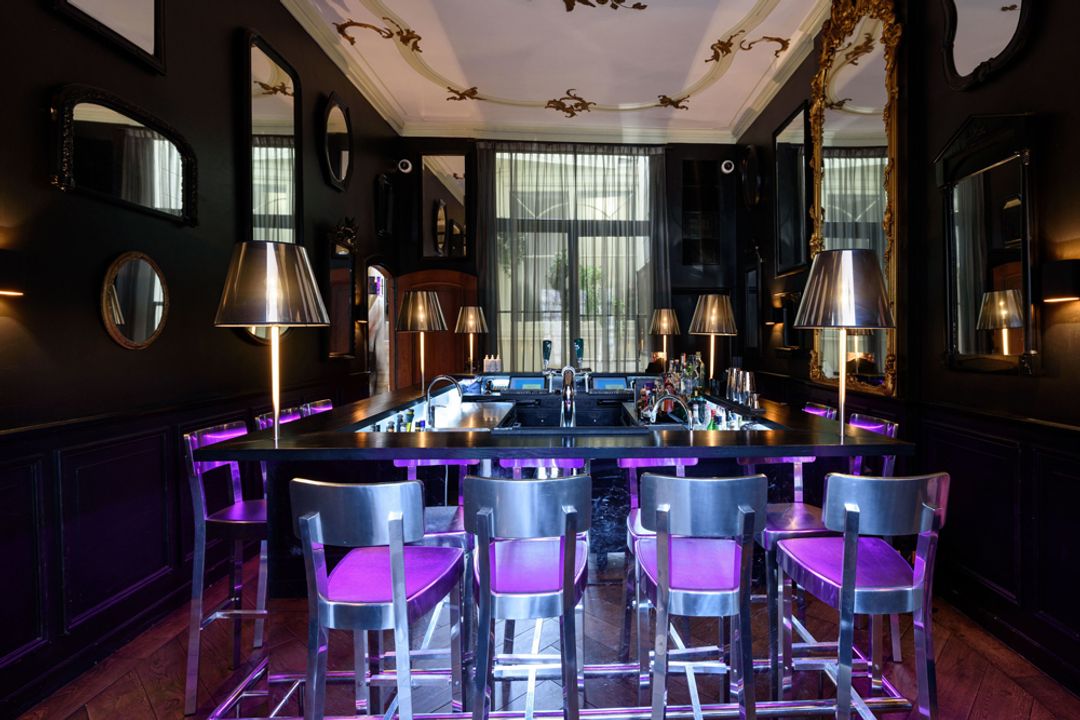
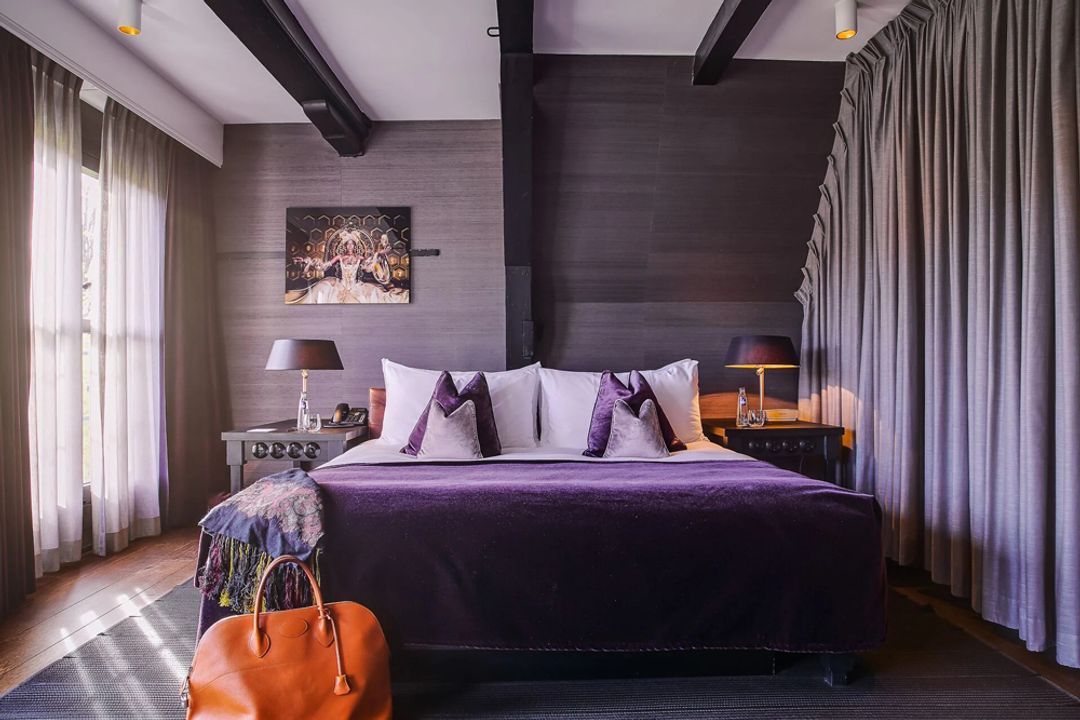
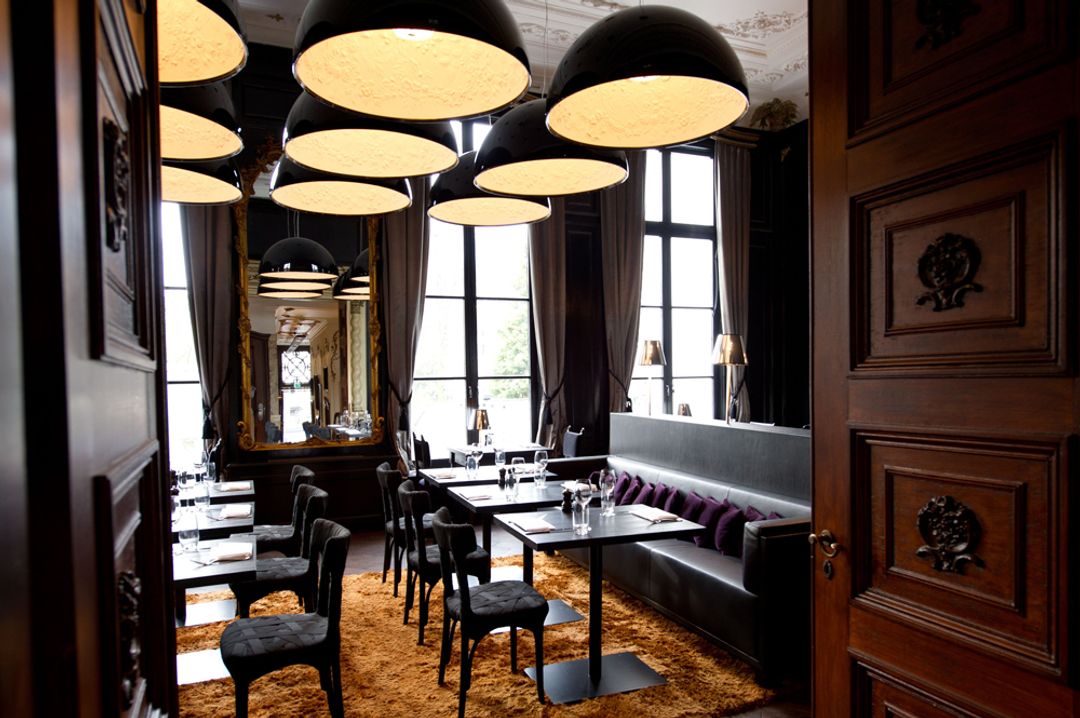
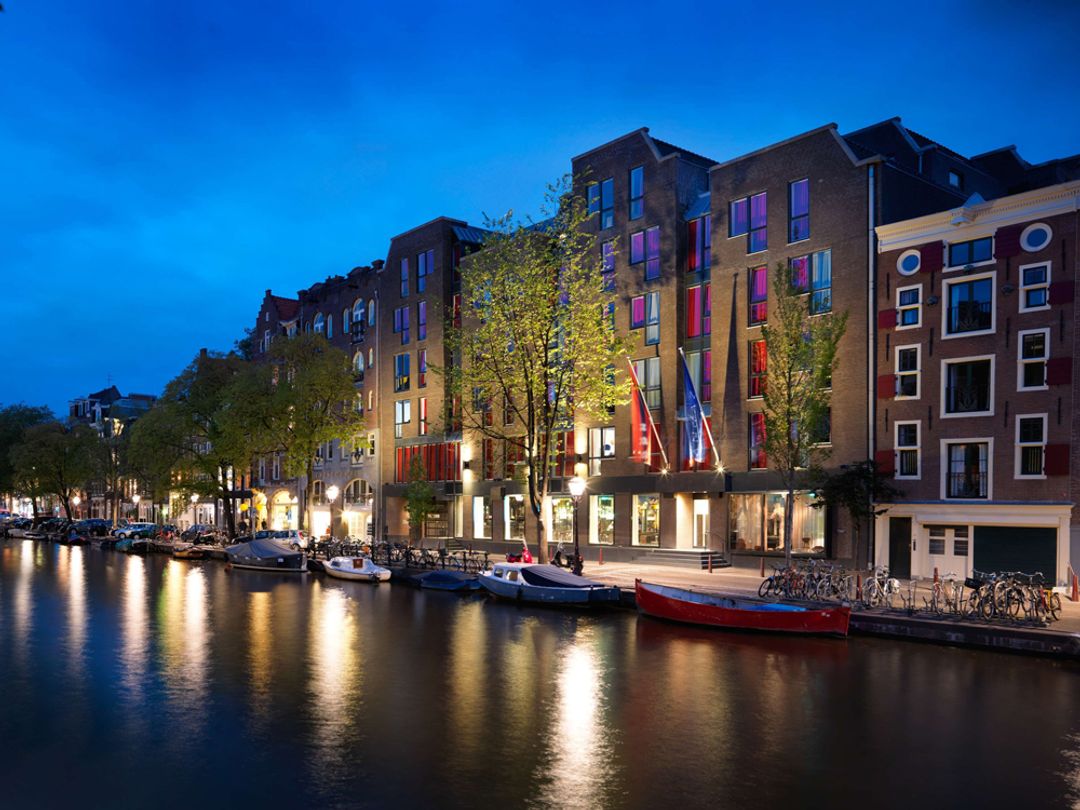
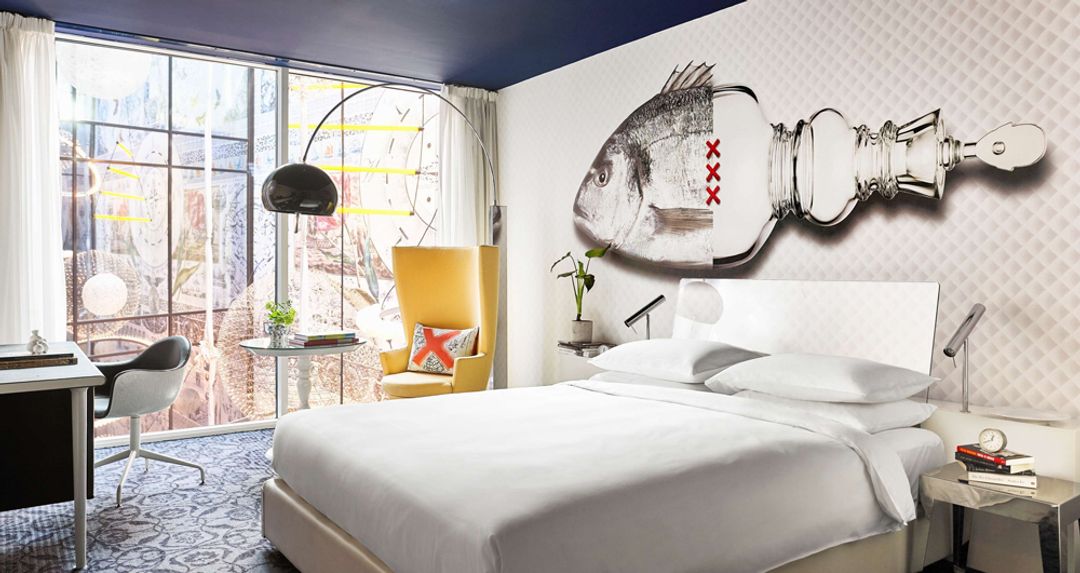
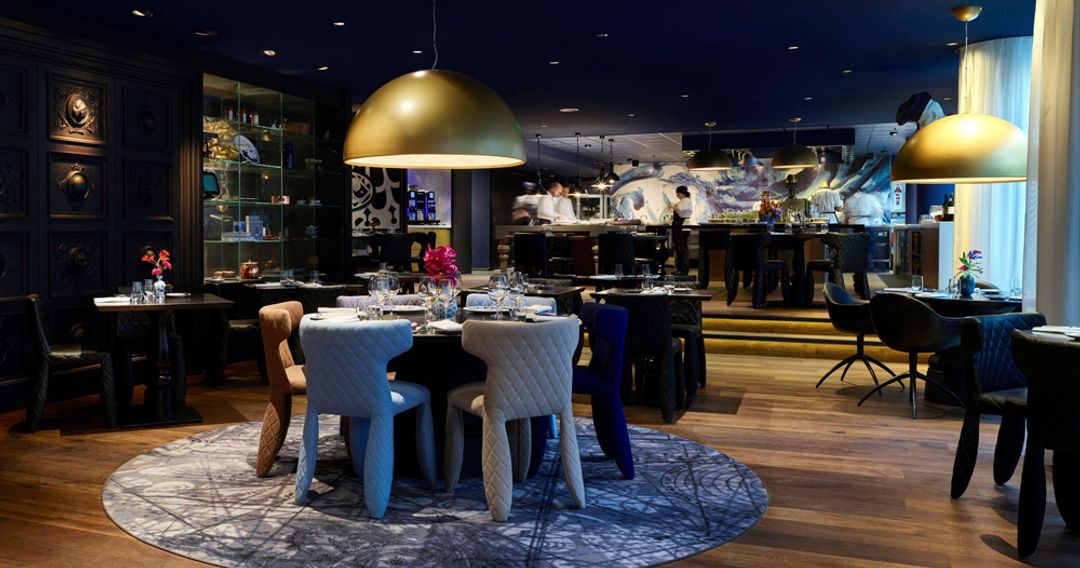
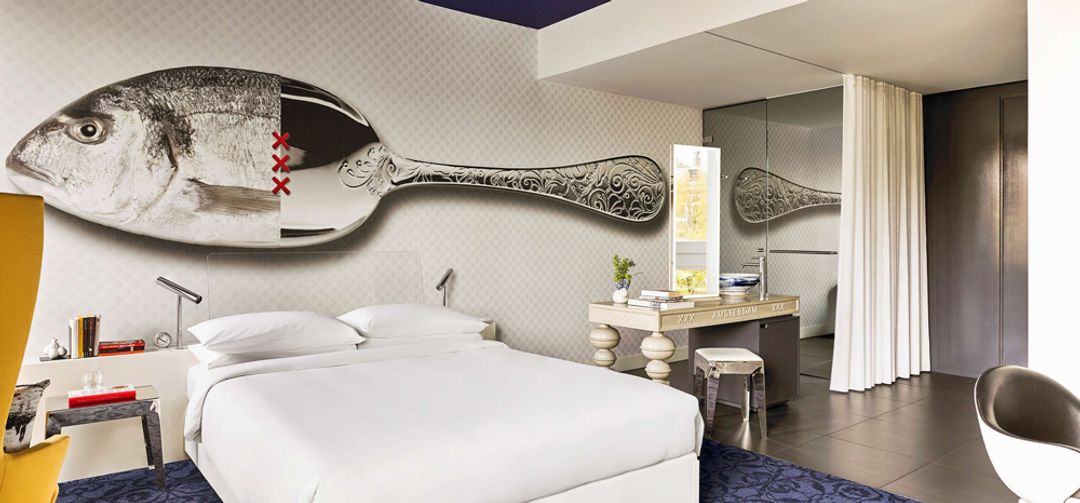
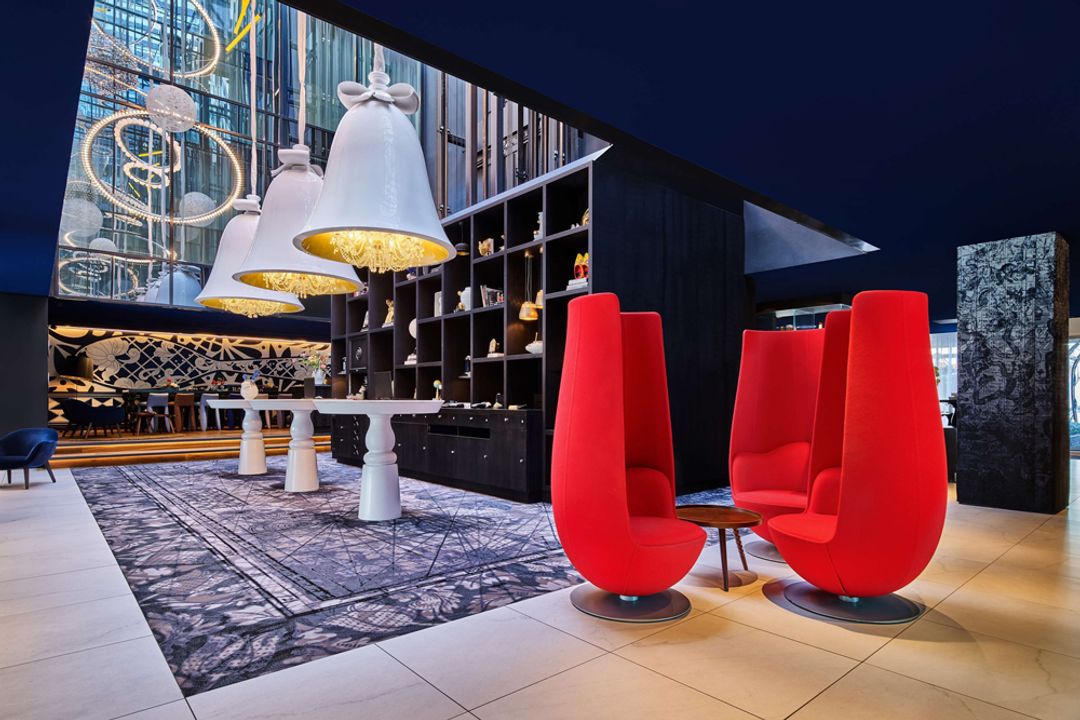
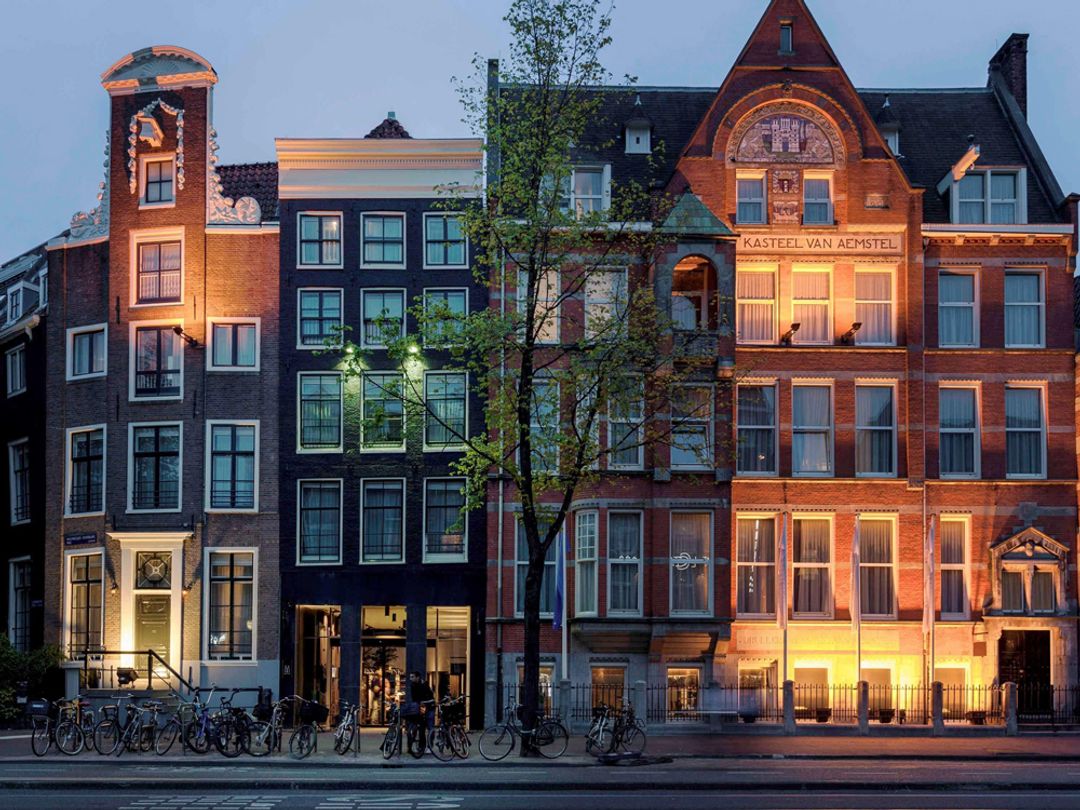
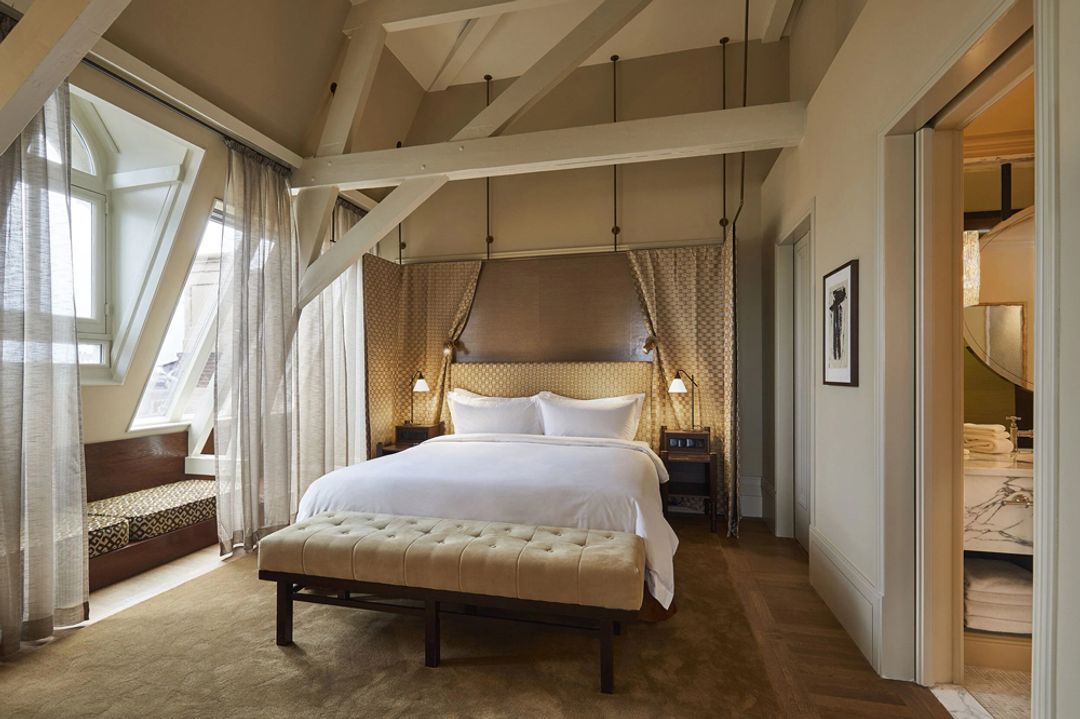
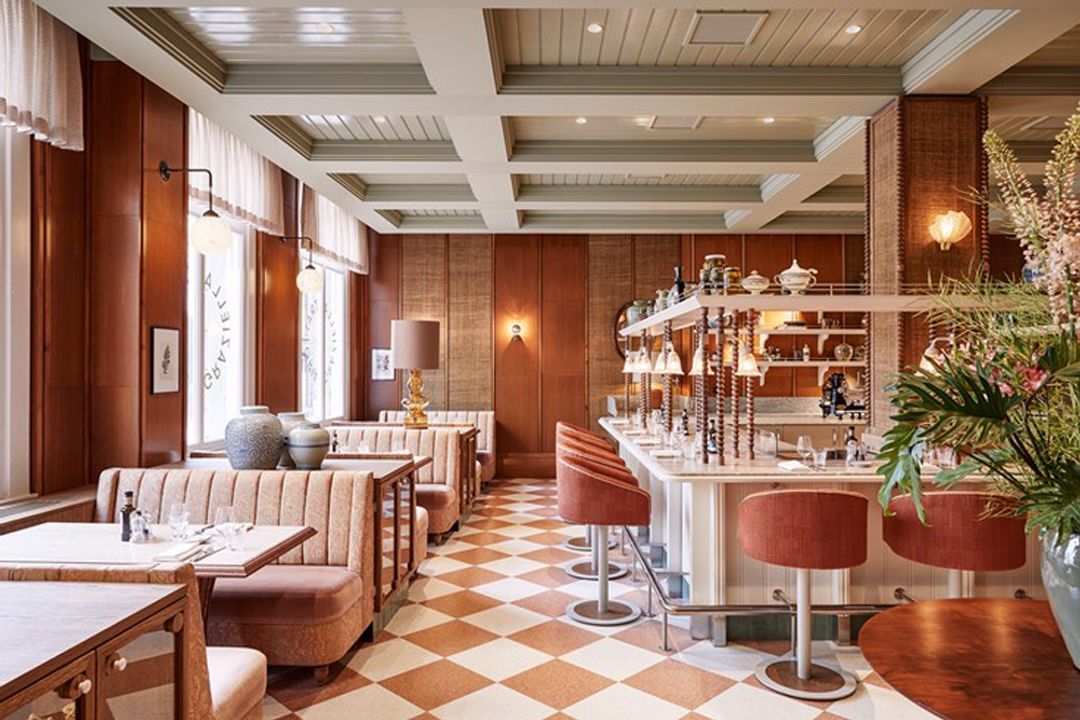
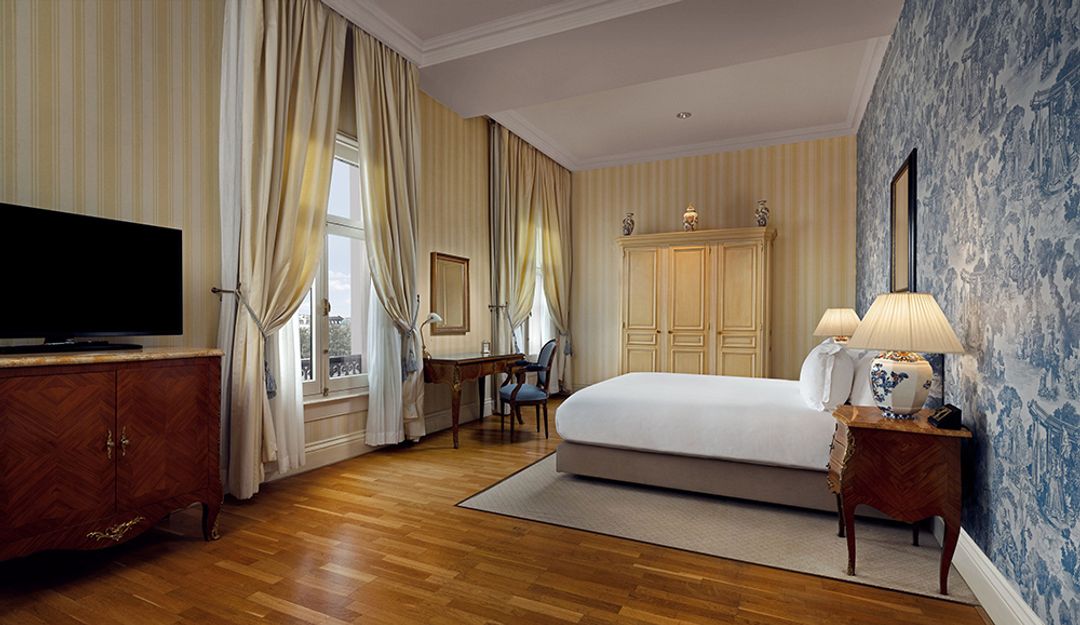
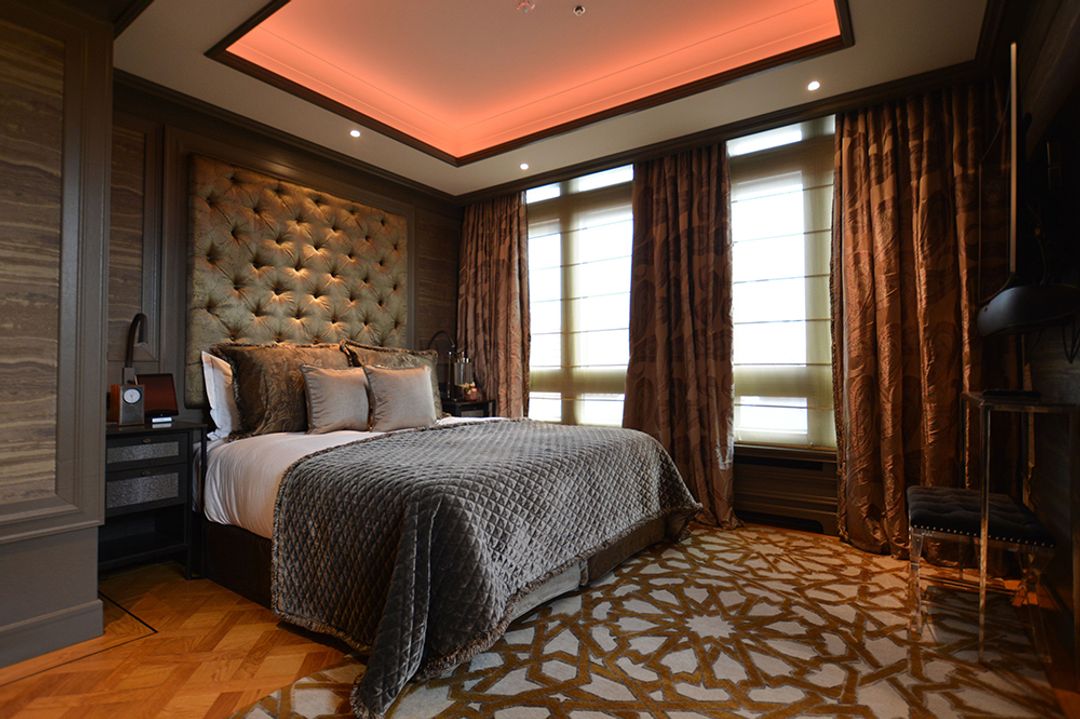
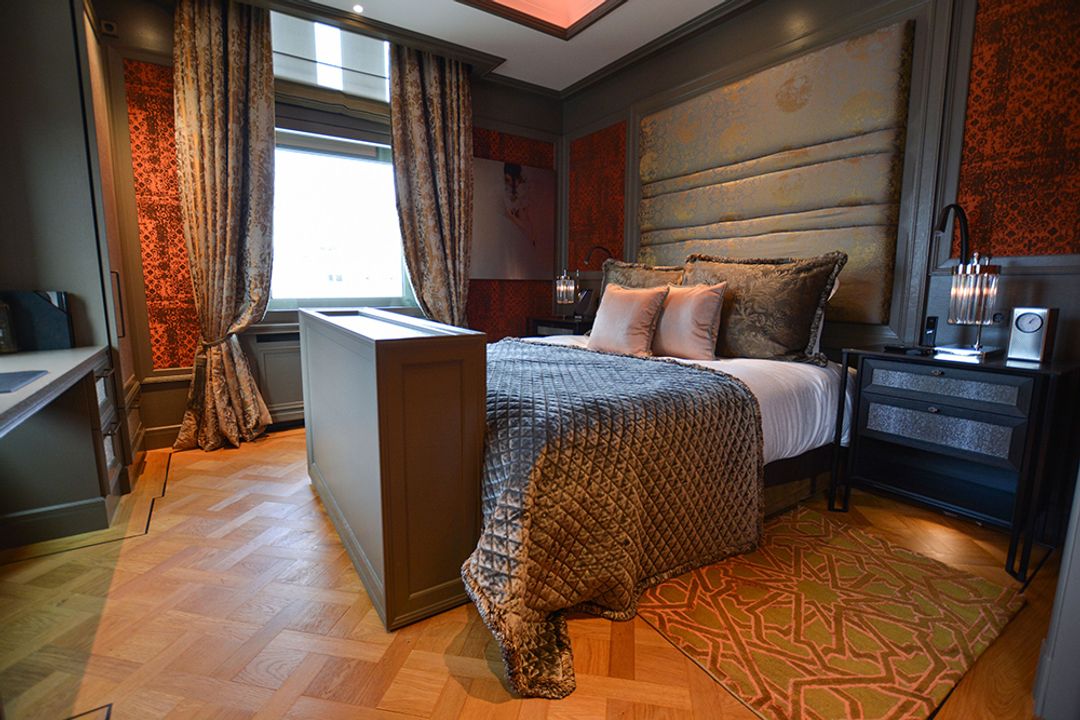
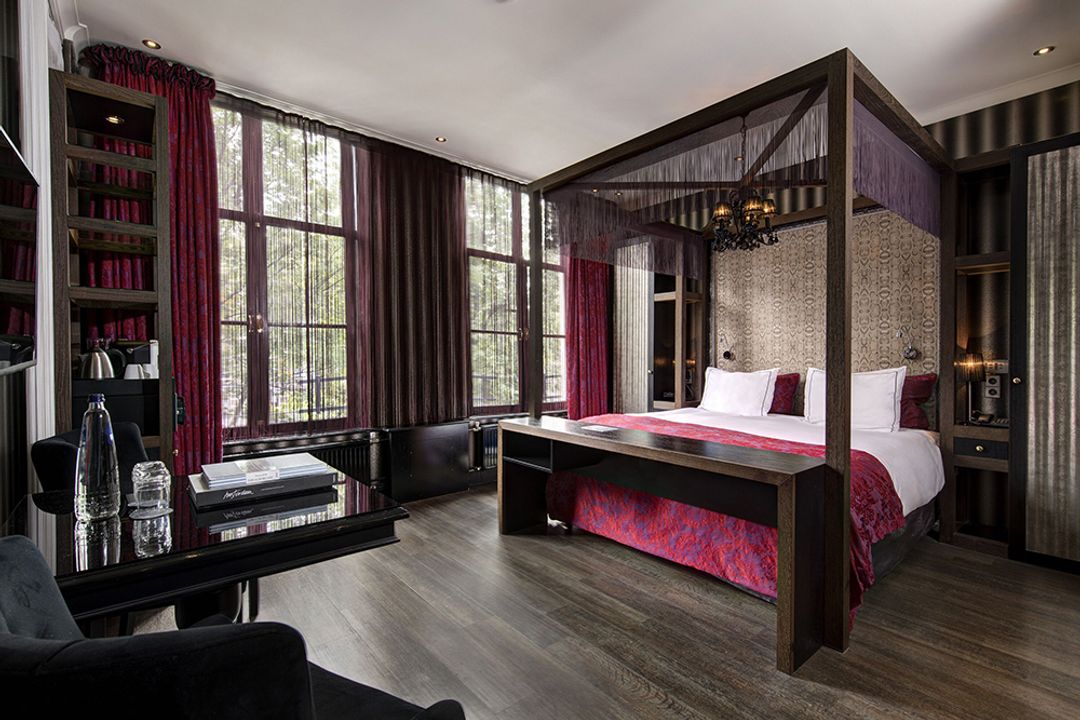
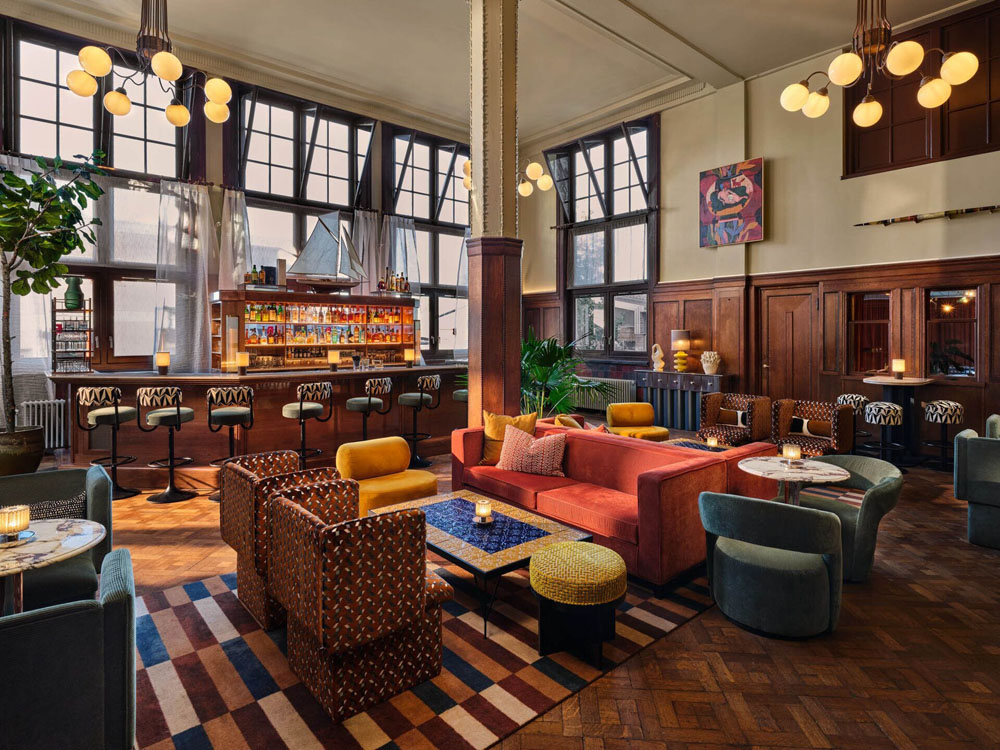
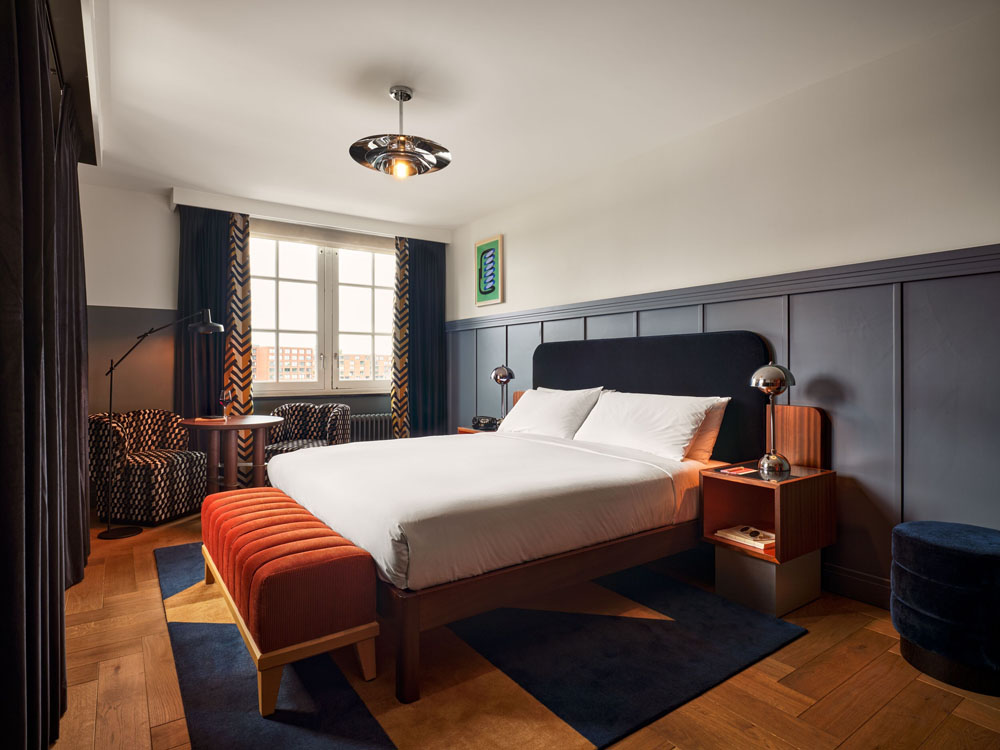
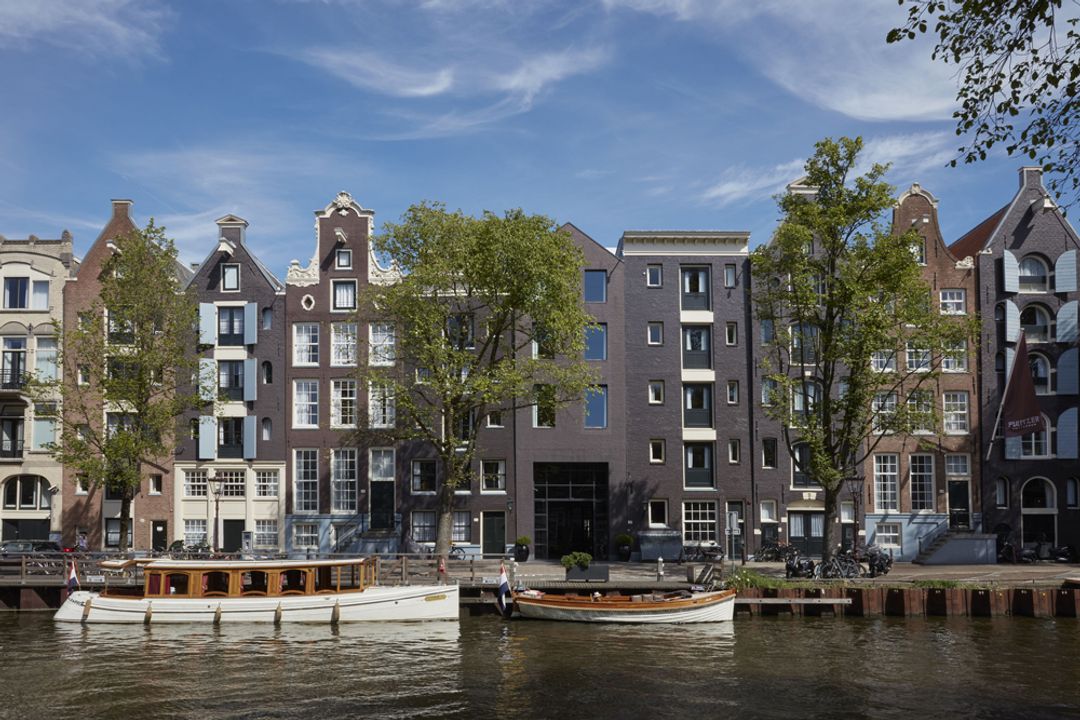
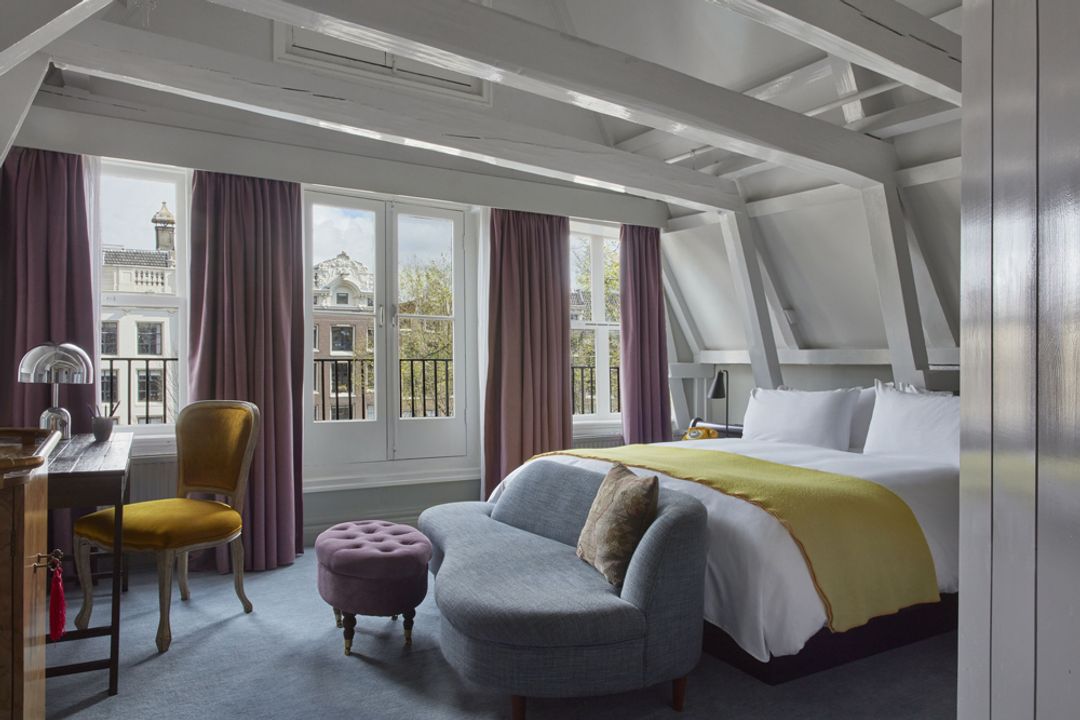
The canal belt — the Grachtengordel — is where Amsterdam's seventeenth-century ambitions are most densely concentrated, and it is where most of the city's serious hotel investment has landed. The Waldorf Astoria occupies six connected canal houses dating to the Golden Age, their interiors handled with a restraint that respects the original proportions rather than overwhelming them. A few bridges away, the Pulitzer strings together twenty-five historic houses into a labyrinthine whole, its public spaces filled with contemporary art against aged brick. The Dylan, tucked into a former almshouse on Keizersgracht, operates at a smaller scale and higher finish, with an attention to material detail that rewards the traveler who notices things. The Hoxton Herengracht brings the group's familiar relaxed-membership-club atmosphere into a canal house setting it wears convincingly, and Andaz Prinsengracht commissioned Marcel Wanders to furnish the interiors with his characteristically Dutch-surrealist touch, all tulip motifs and folkloric references rendered in contemporary form.
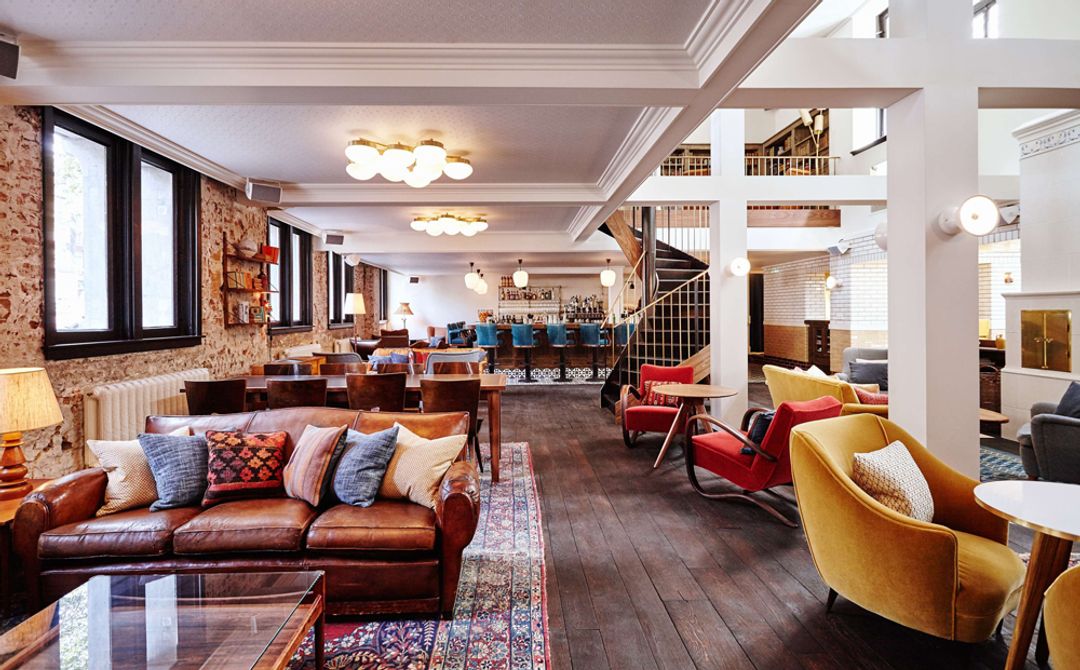
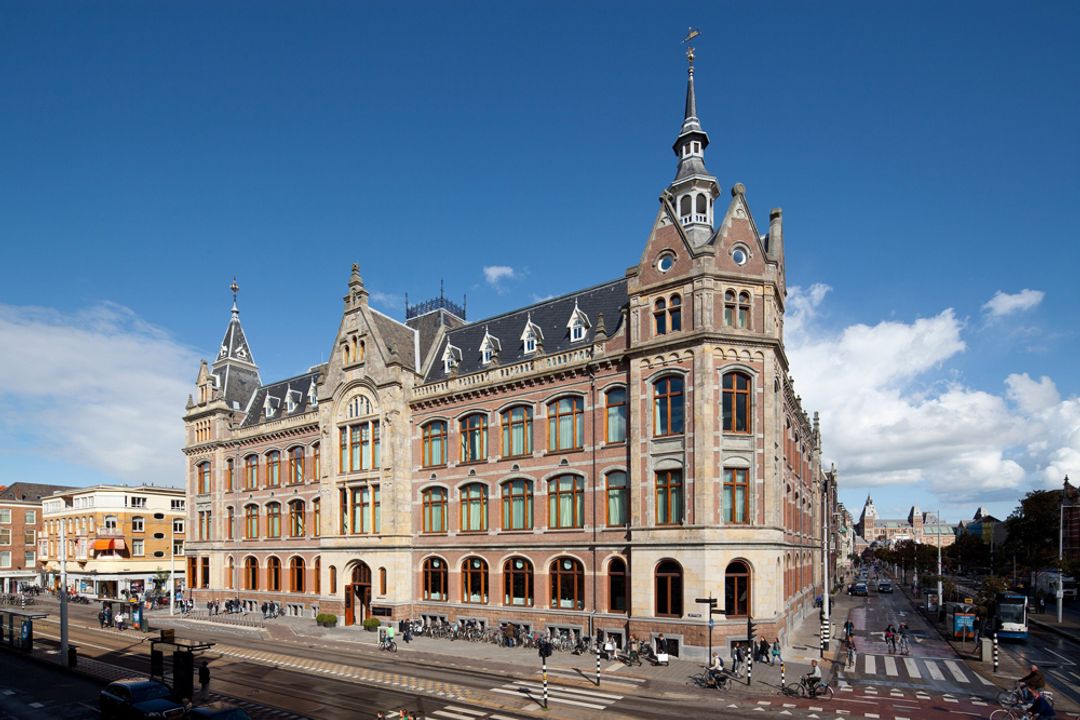
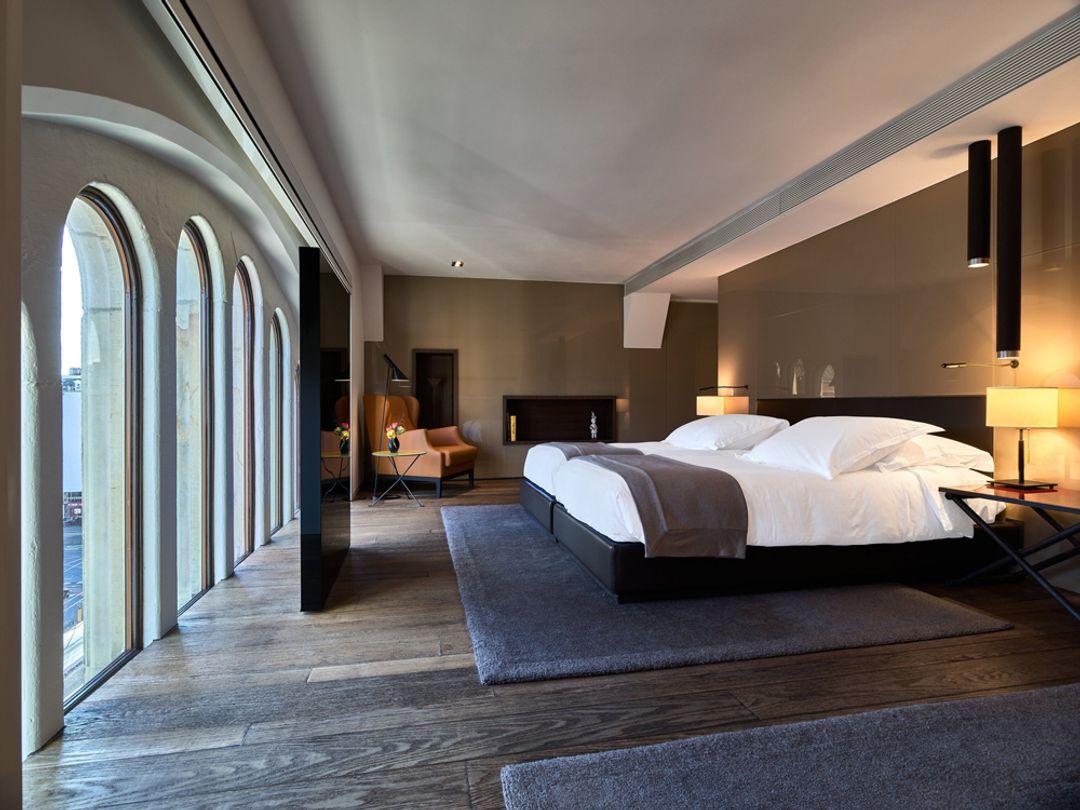
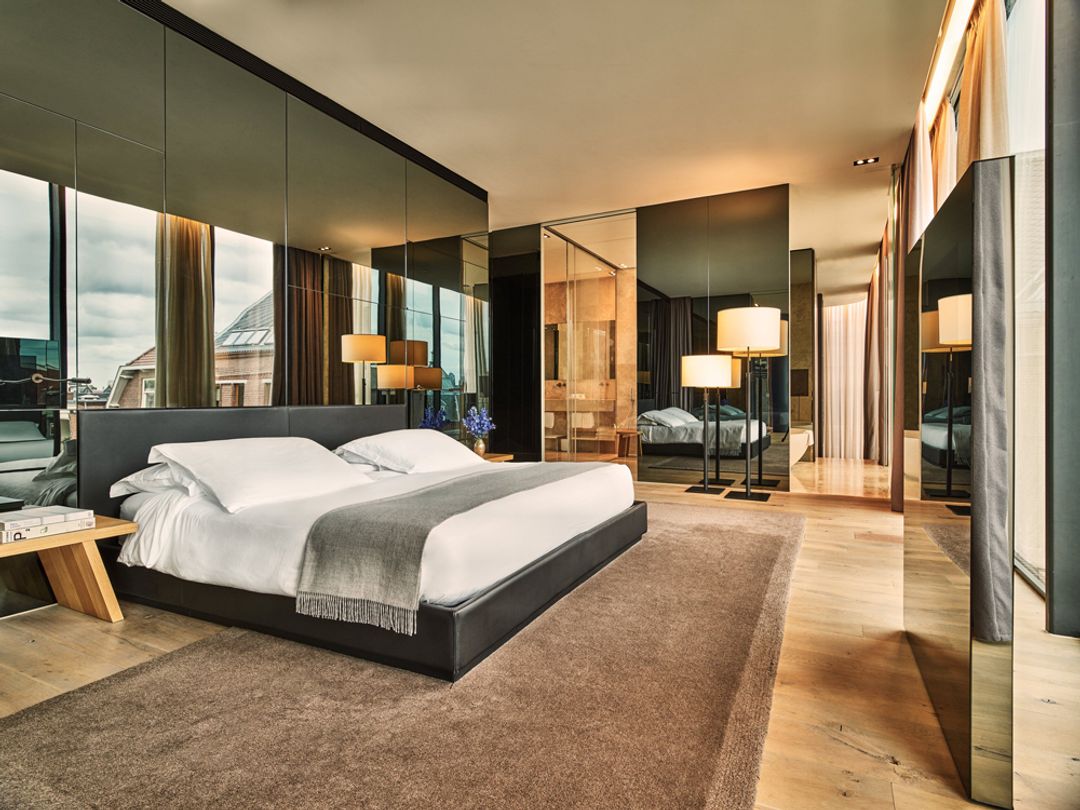
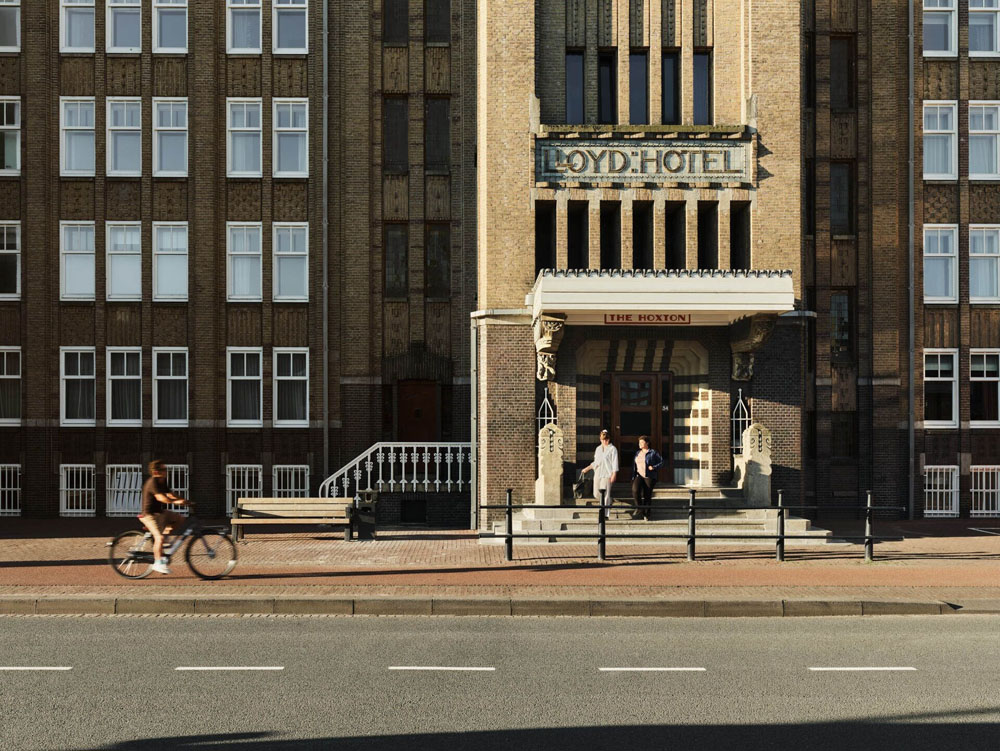
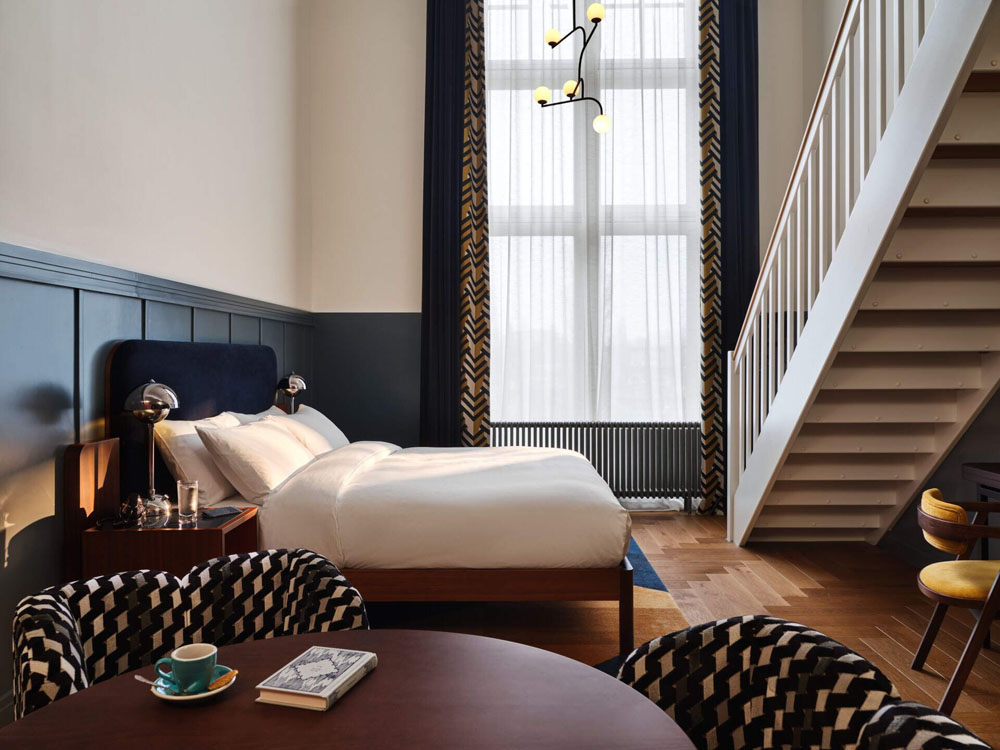
Away from the canals, two hotels mark genuinely distinct design positions. The Conservatorium, in the Museum Quarter near the Rijksmuseum, occupies a late nineteenth-century bank building that Piero Lissoni converted into 129 rooms in 2011, threading a vast glass-and-steel atrium through the original Cuypers-era shell in a move that manages to feel expansive without erasing the building's institutional gravity. It remains one of the more architecturally coherent conversions in Northern Europe. Across the city in the Eastern Docklands, the Hoxton Lloyd inhabits the former Lloyd Hotel, a 1921 building that served successively as emigrant hostel, prison, and psychiatric facility before its cultural rebirth in the early 2000s. The neighborhood is still finding itself, but the building's layered history gives it a texture most new-build hotels cannot manufacture.
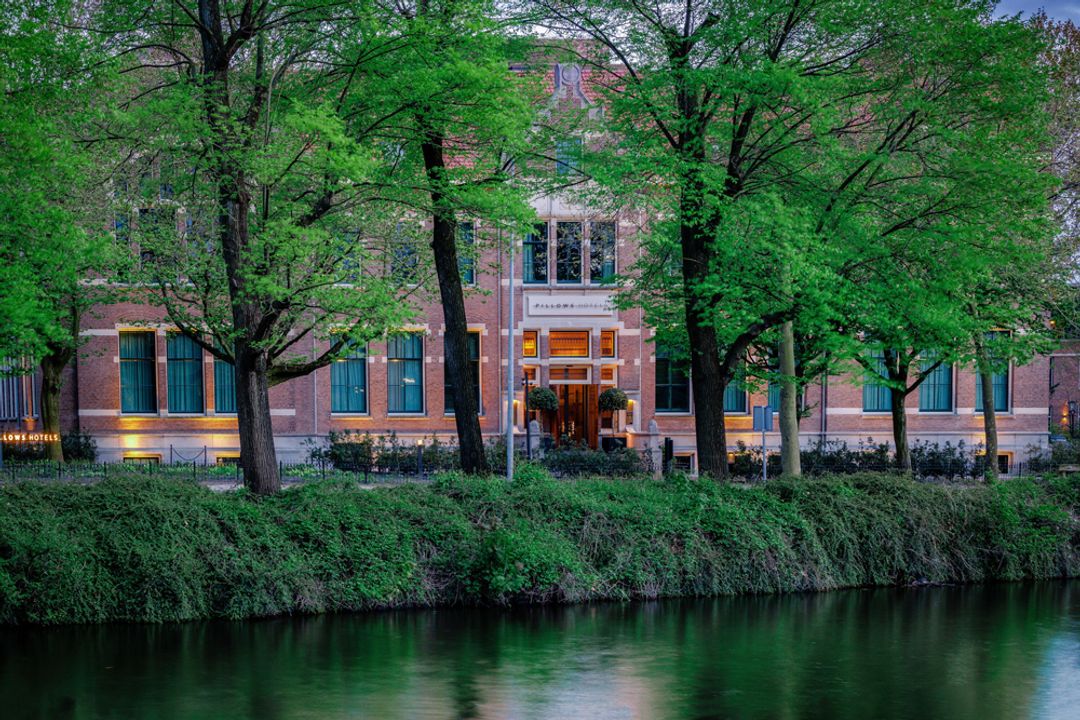
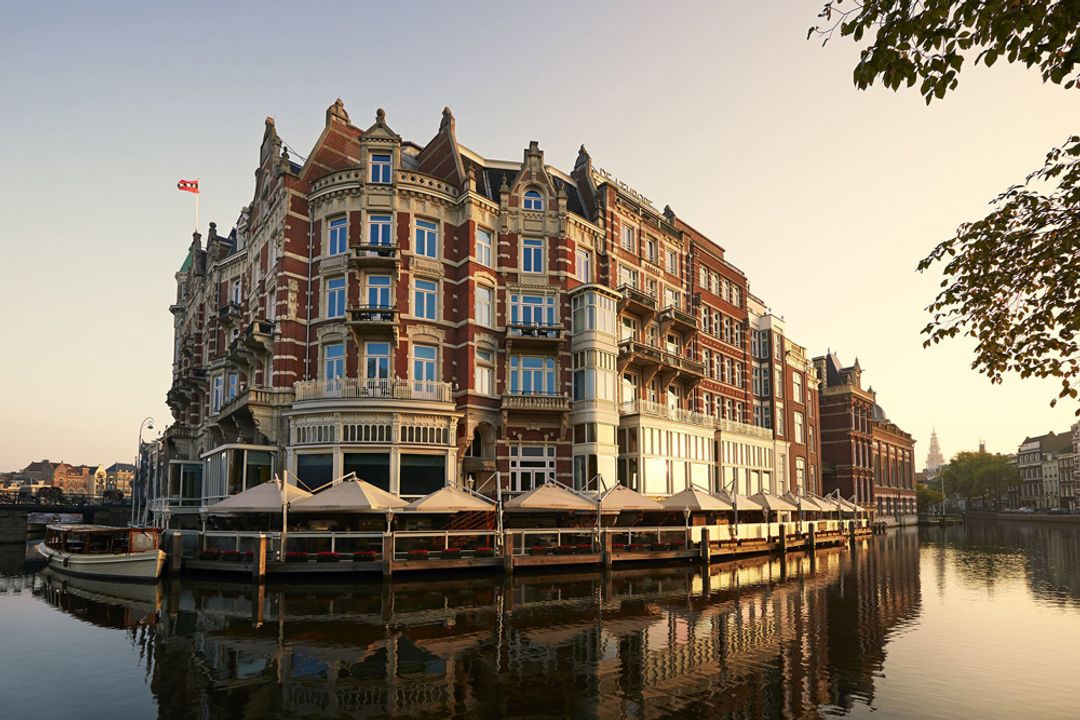
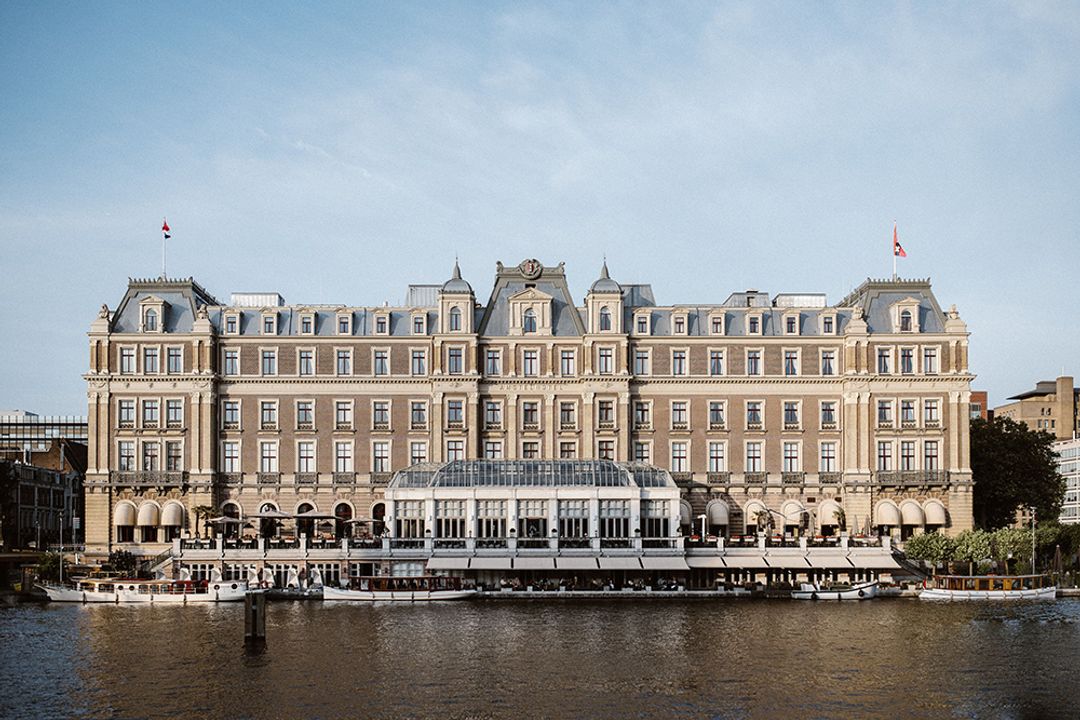
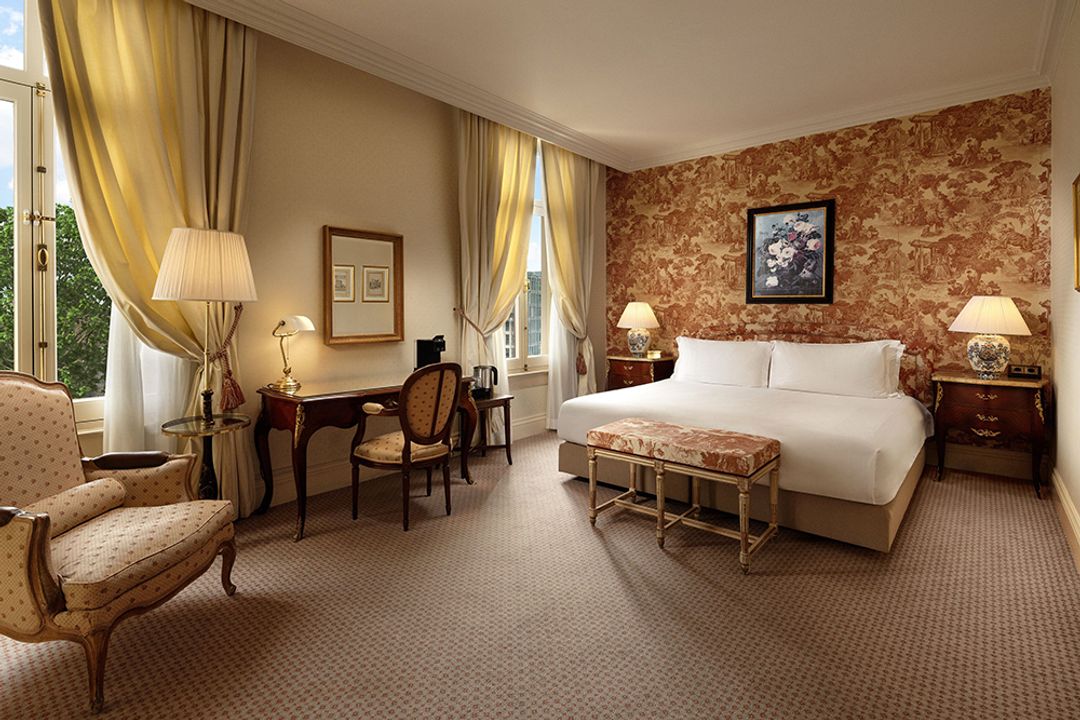
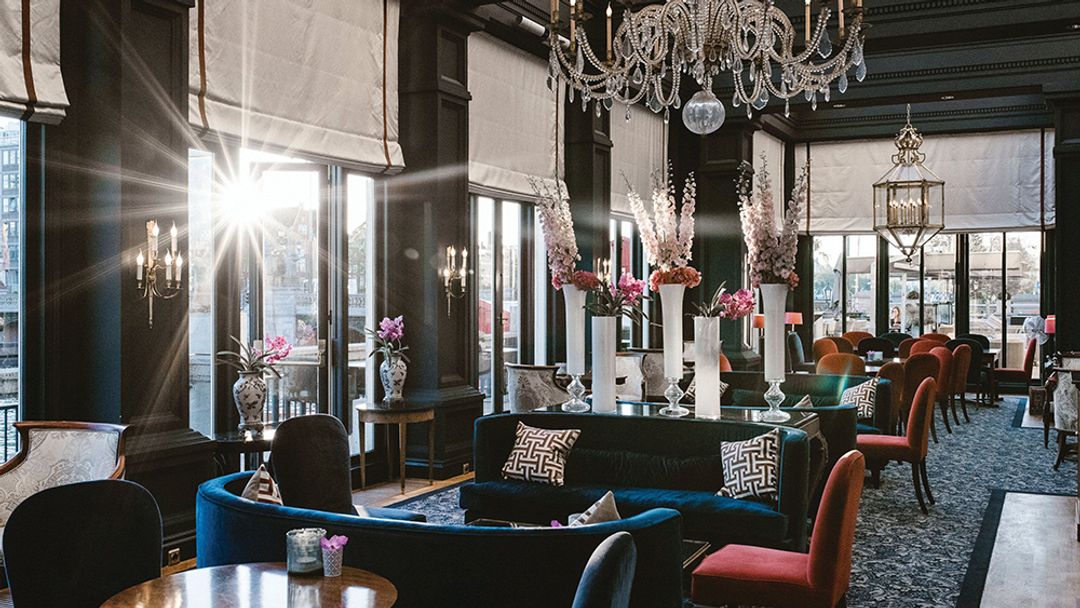
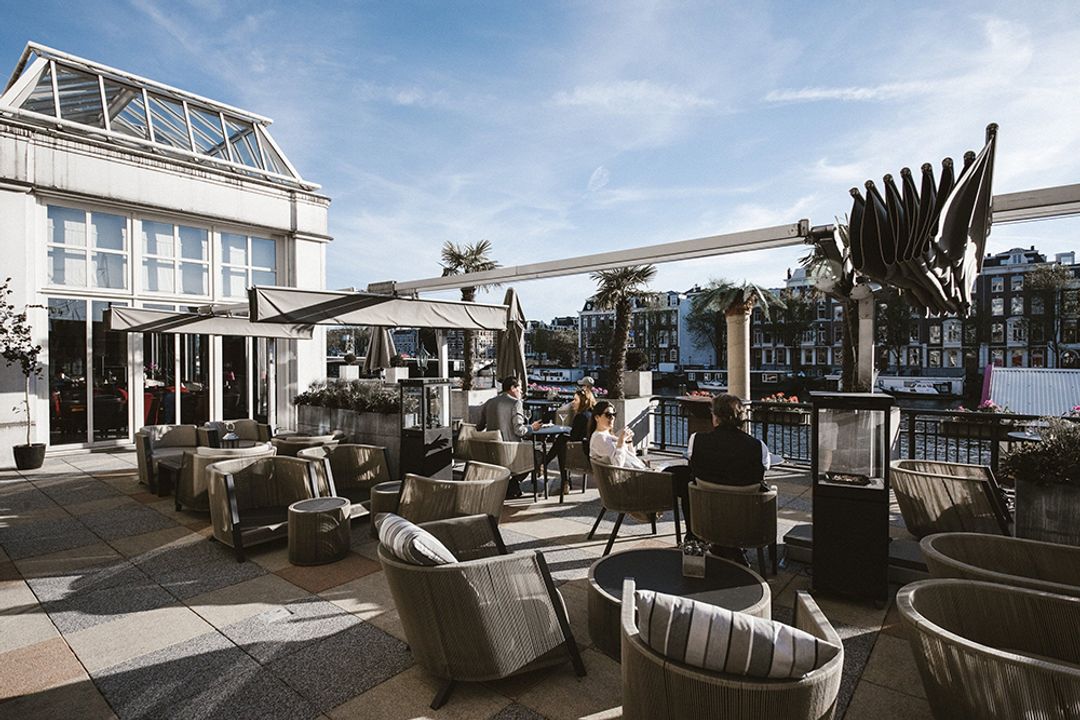
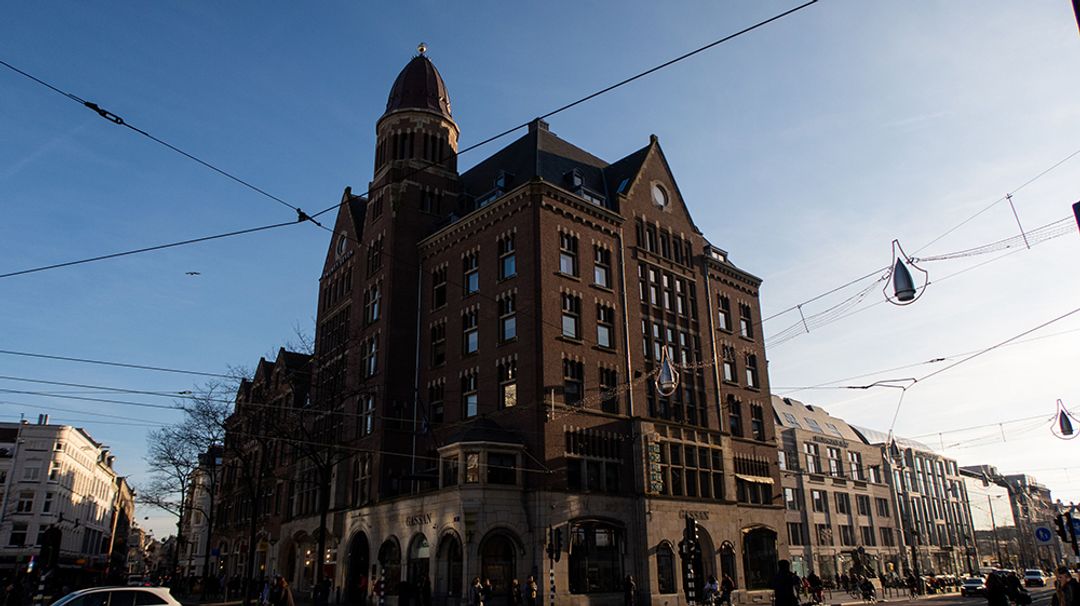
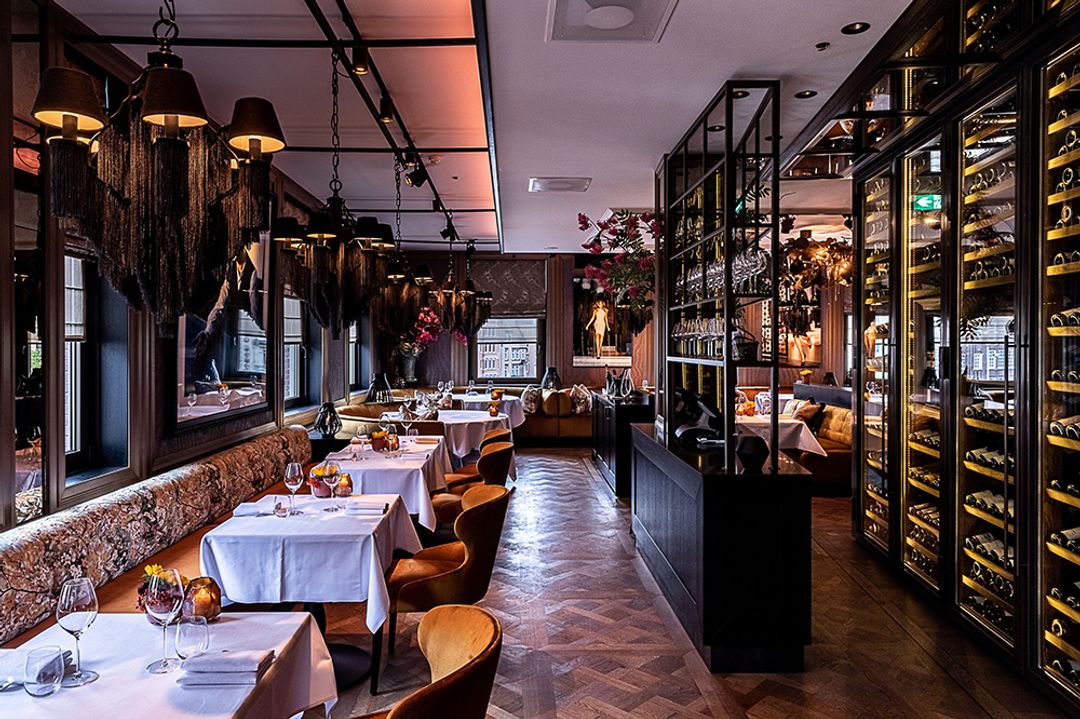
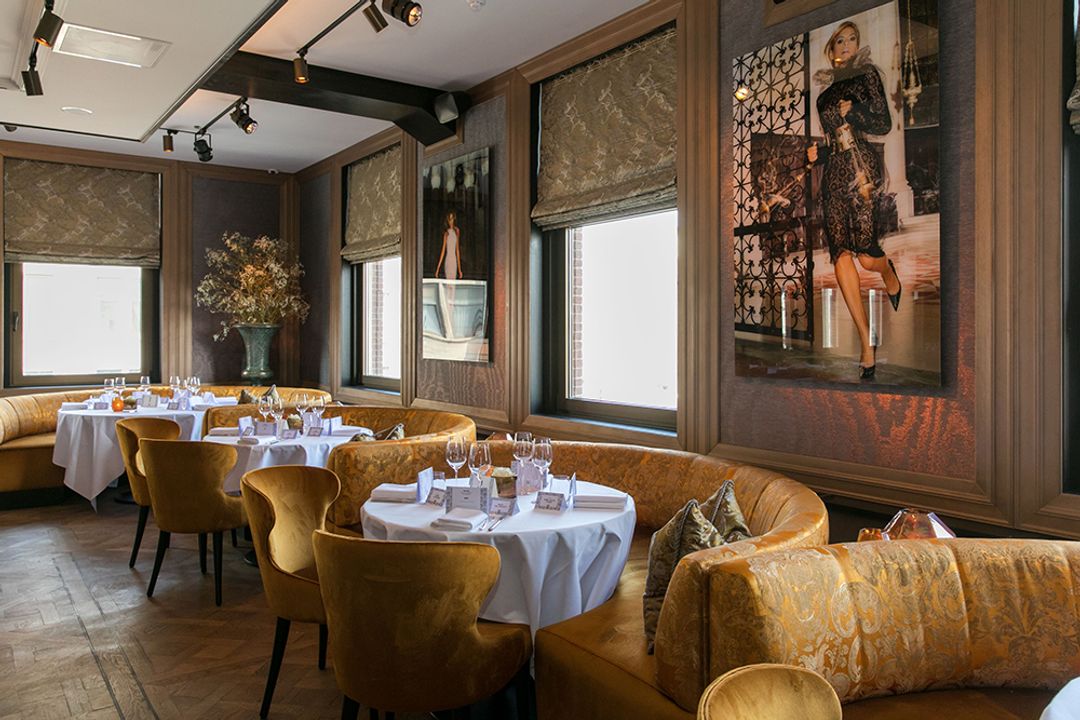
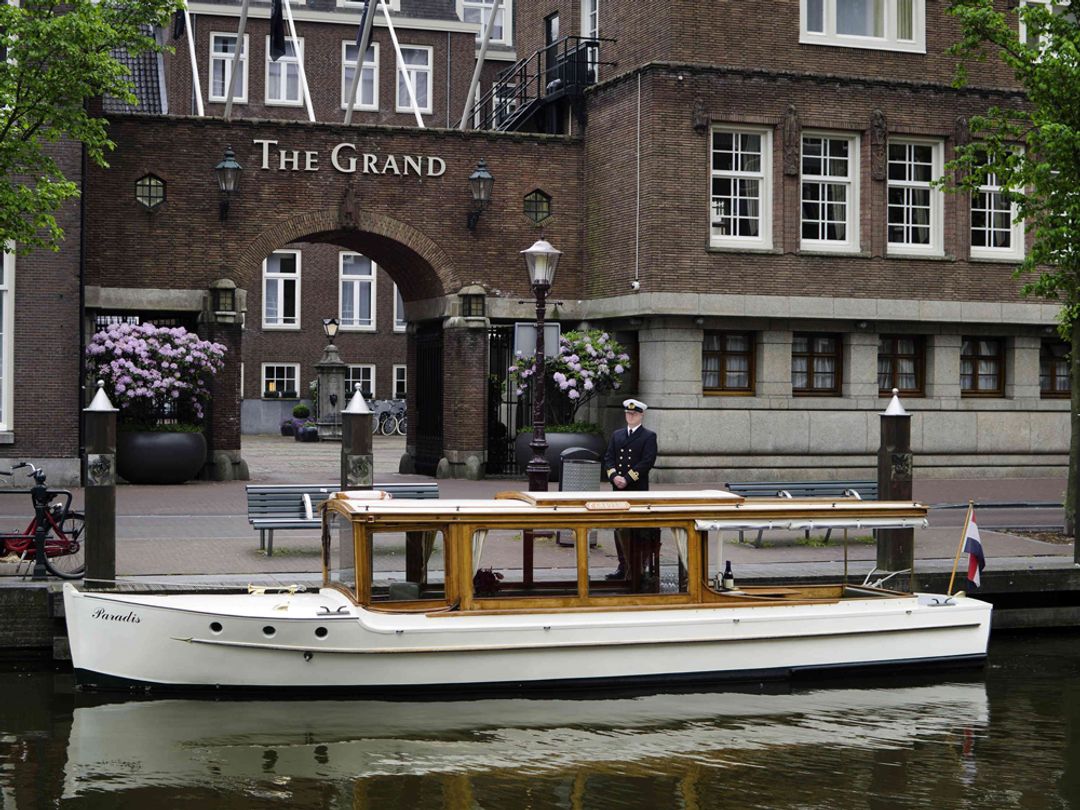
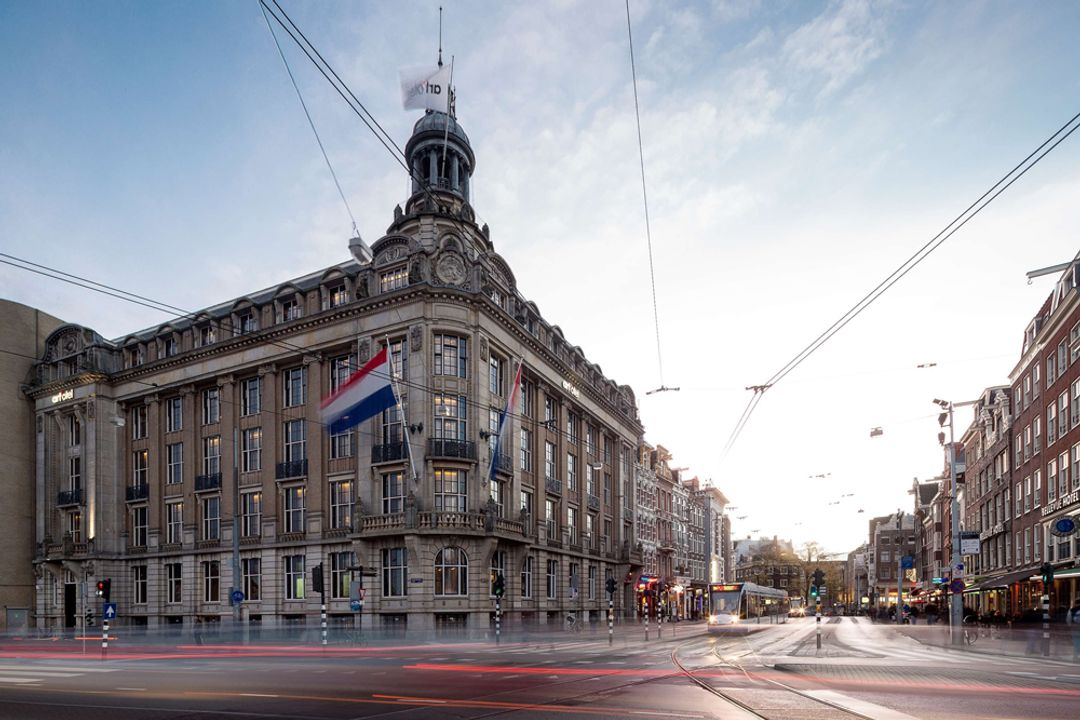
The grand end of the market has its own geography. The InterContinental Amstel, sitting on the river since 1867, is the hotel that Dutch royalty and visiting heads of state have always used, its Second Empire facade as fixed a part of the city's eastern waterfront as the bridges it overlooks. Hotel TwentySeven on Dam Square and Sofitel Legend The Grand in the Binnenstad offer more overtly theatrical interpretations of Dutch heritage, each pitching itself at a traveler for whom heritage and ceremony matter as much as the room itself. For those less drawn to period grandeur, Pillows Maurits at the Park in the Oosterpark district offers a quieter, neighborhood-scaled alternative at a fraction of the cost.