Best hotels in Barcelona, Spain | Visually Compare Top Stays Side-by-Side
Welcome to PressBeyond - a curated visual guide to design-driven hotels and the fastest way to compare them.
An Overview of the Boutique & Luxury Hotel Landscape in Barcelona, Spain
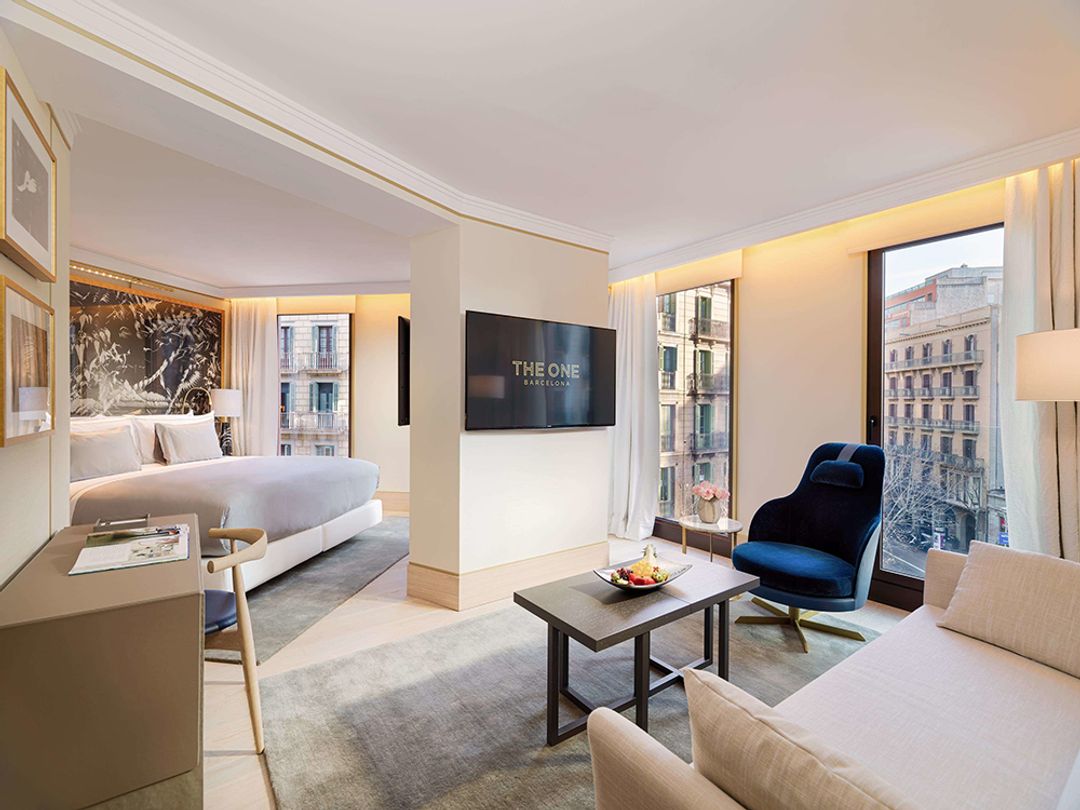
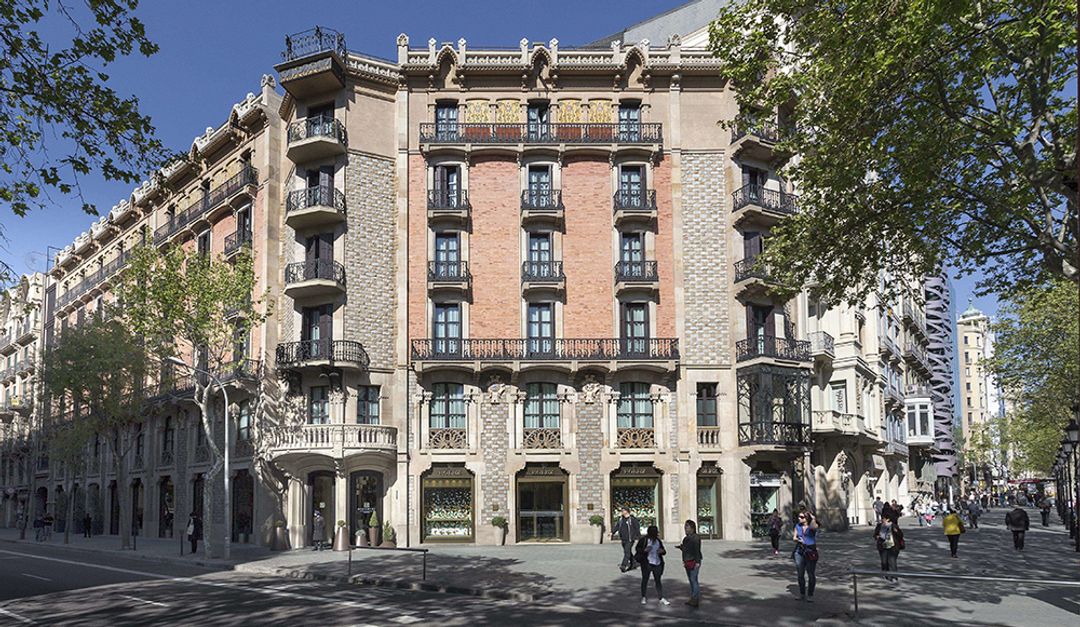
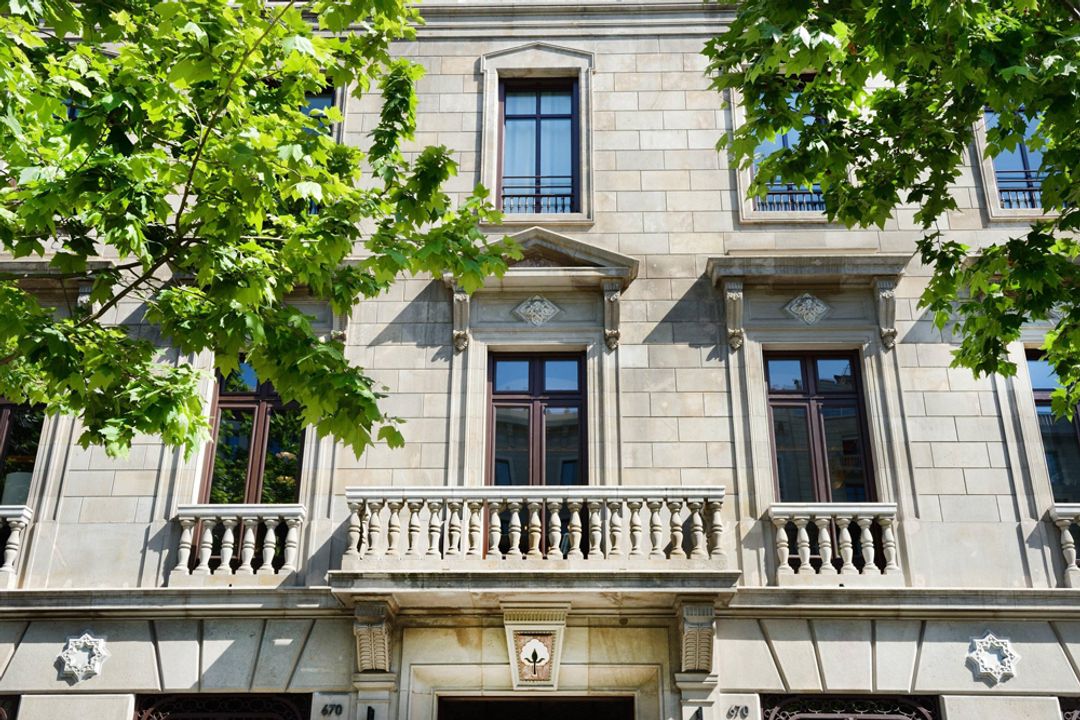
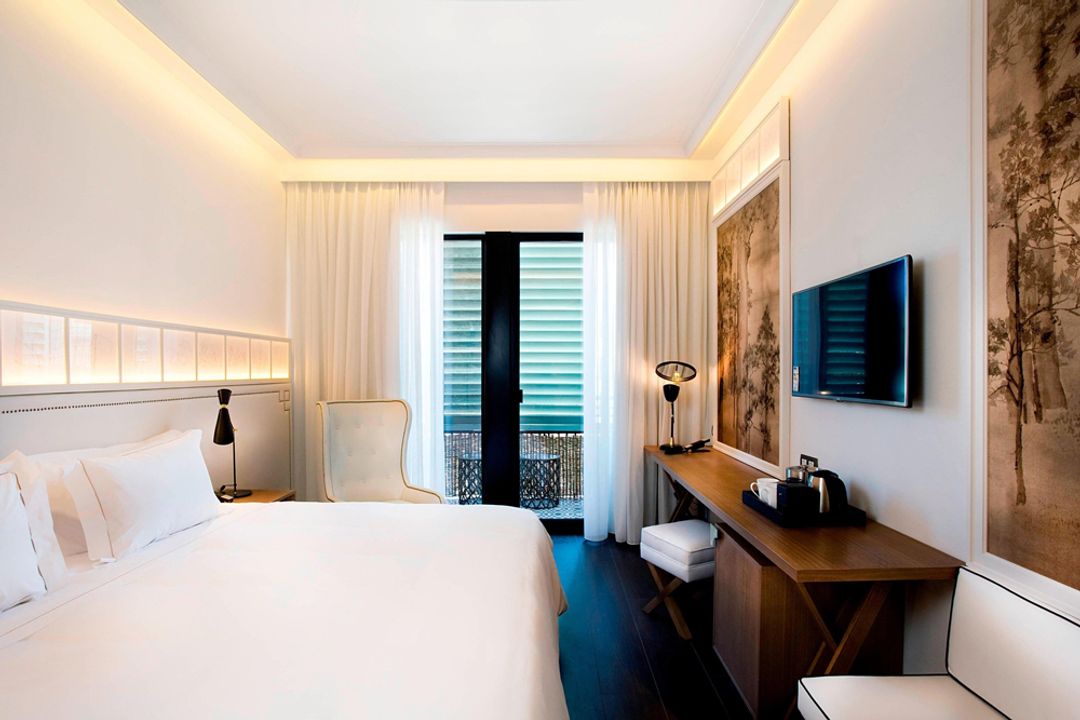
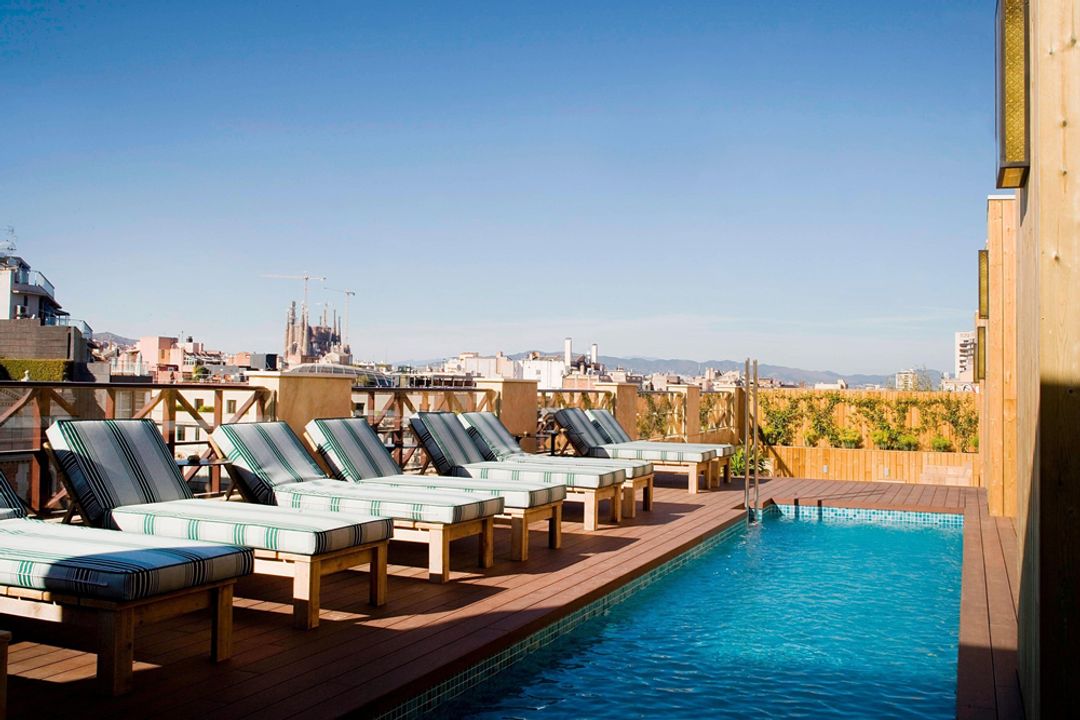
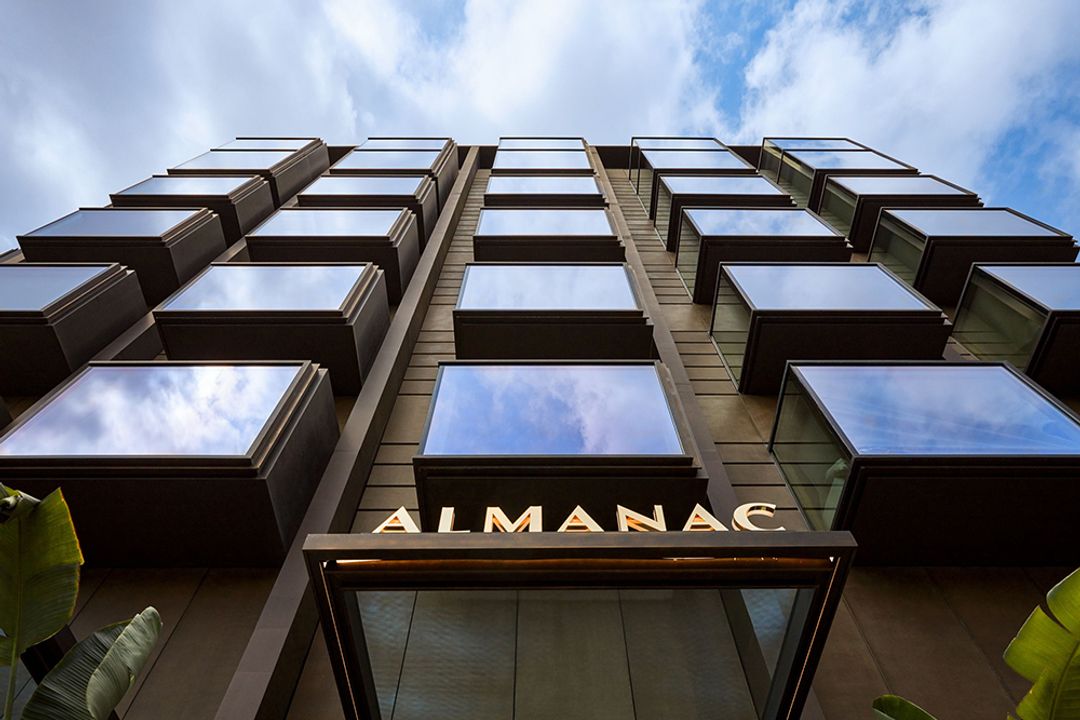
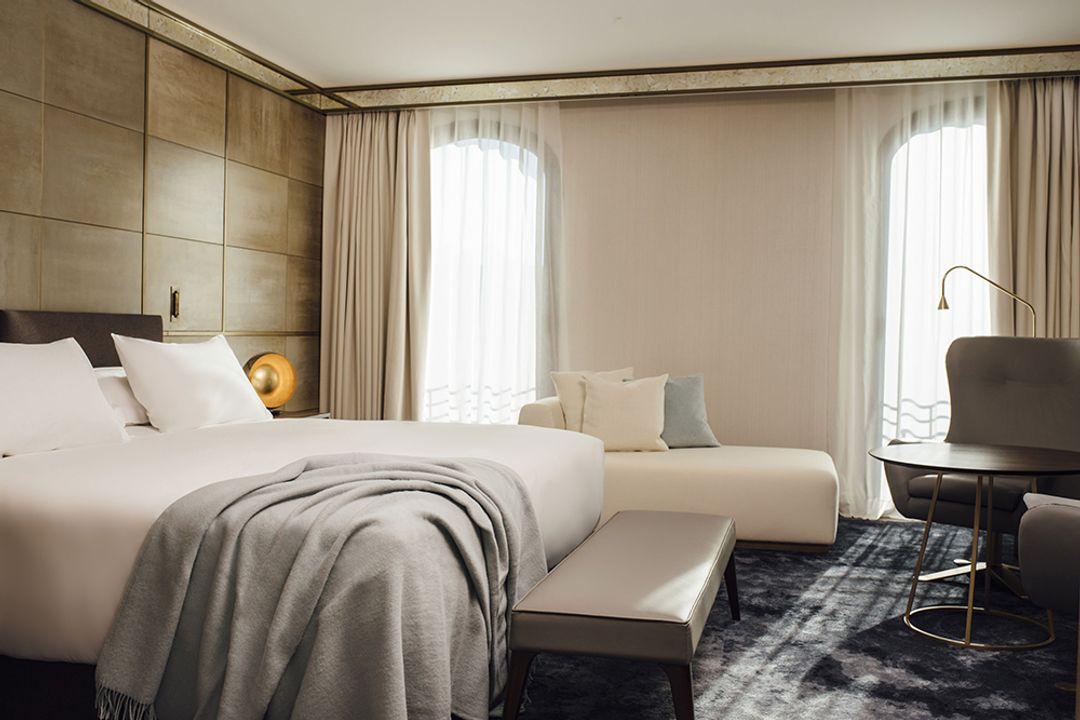
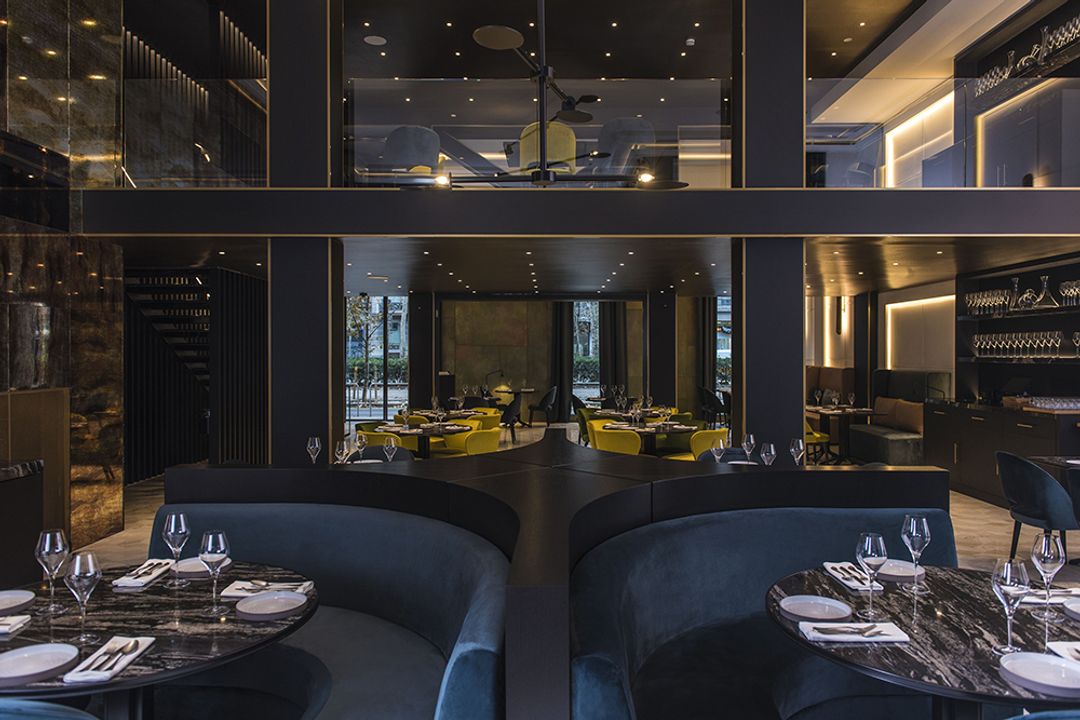
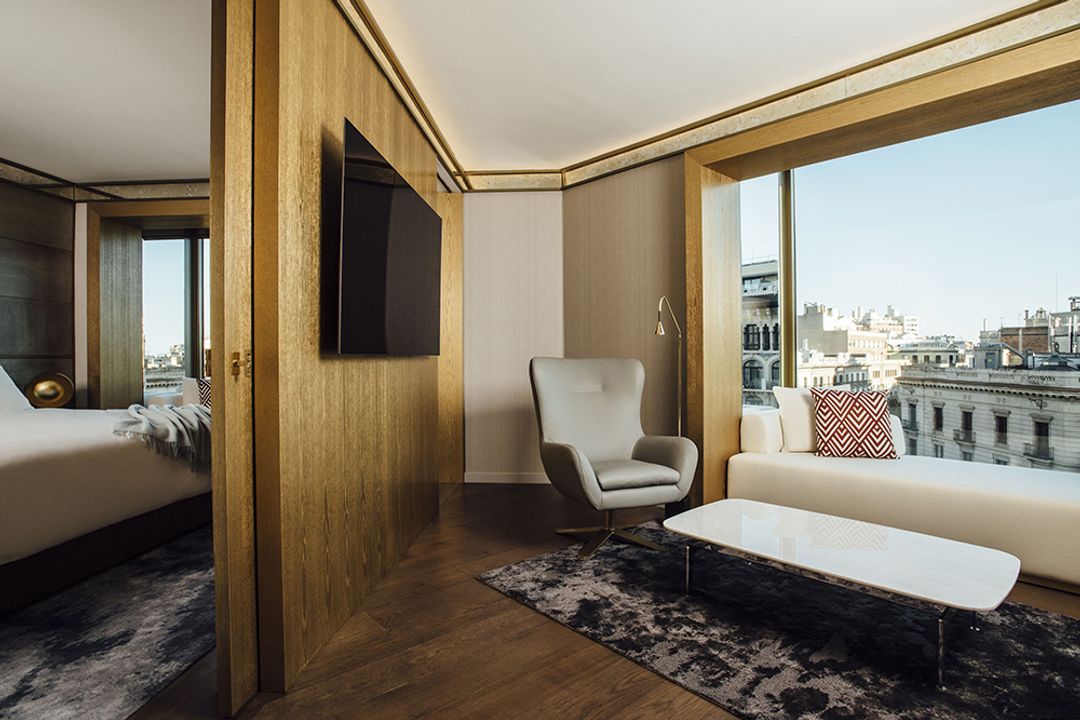
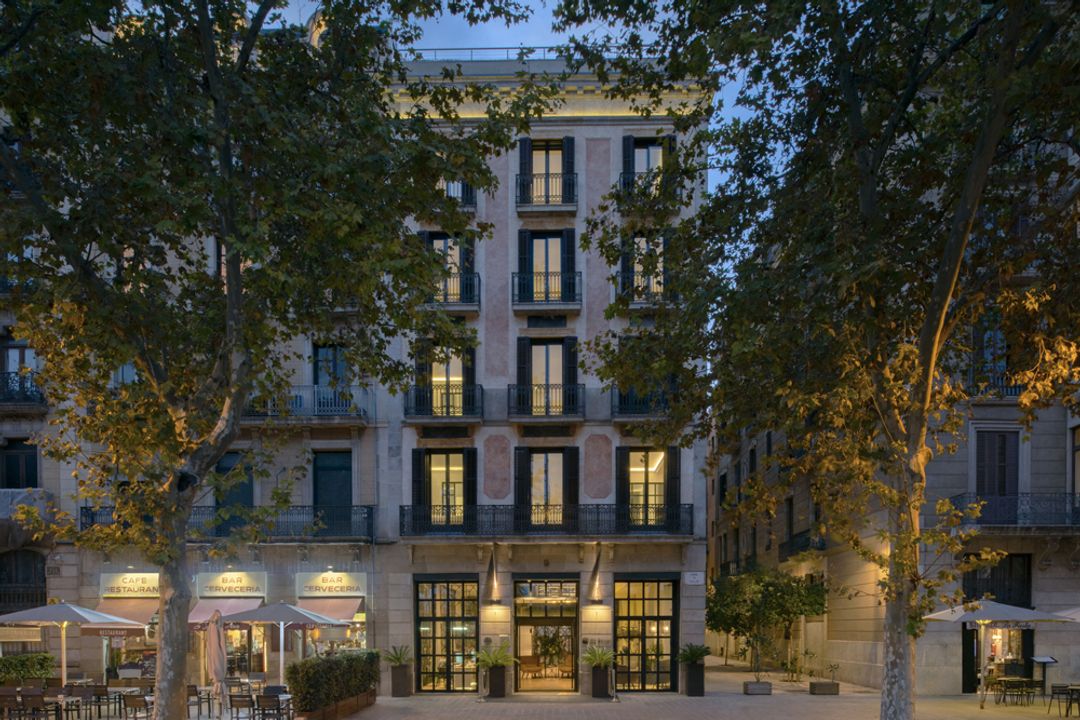
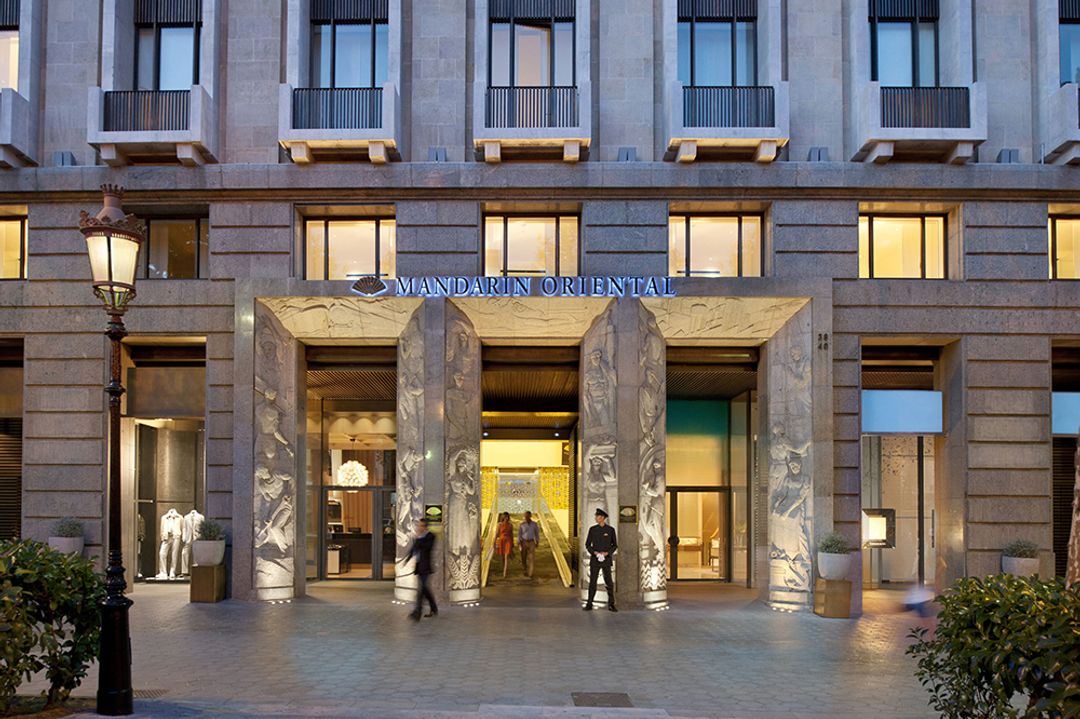
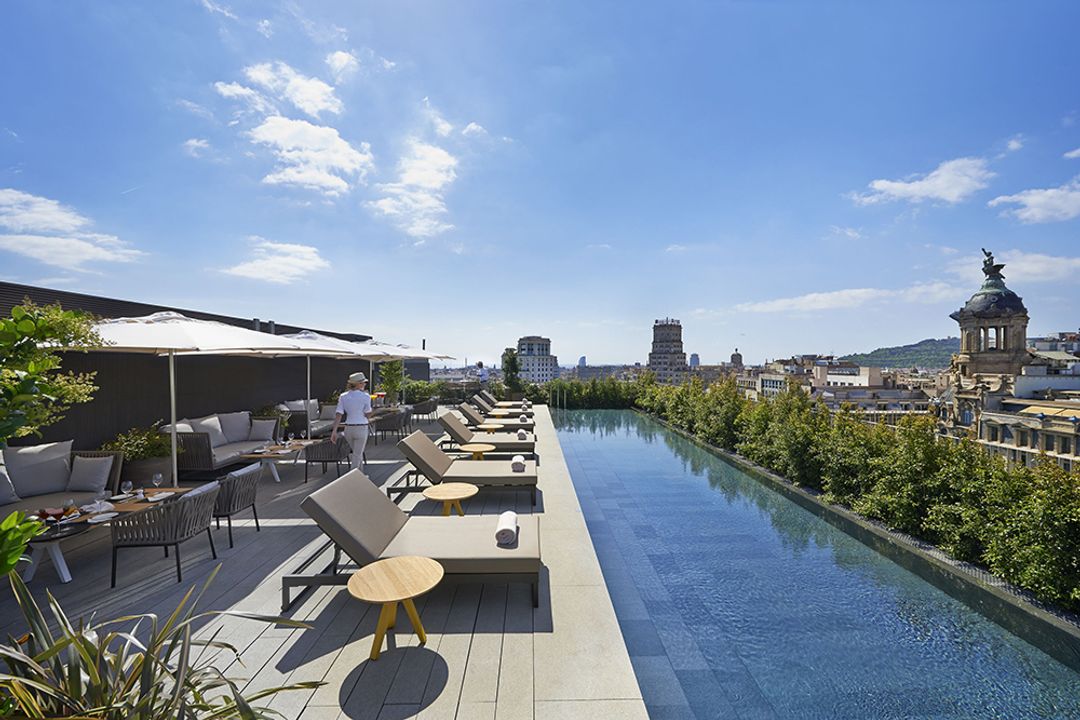
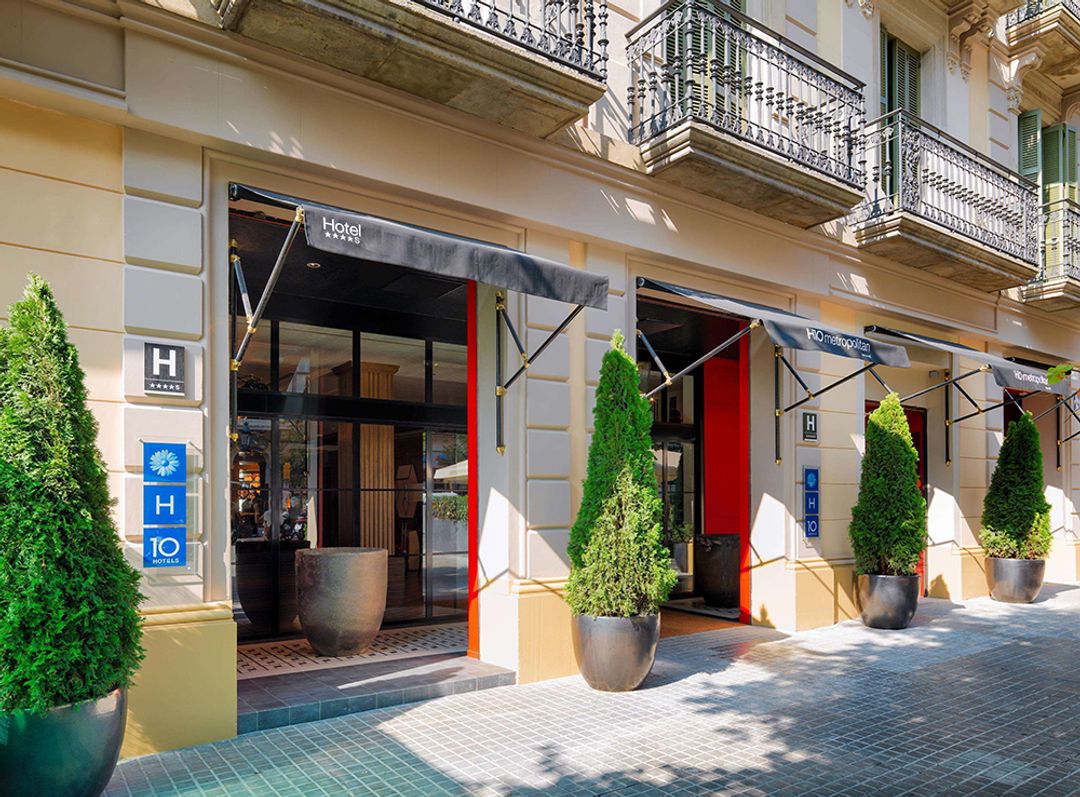
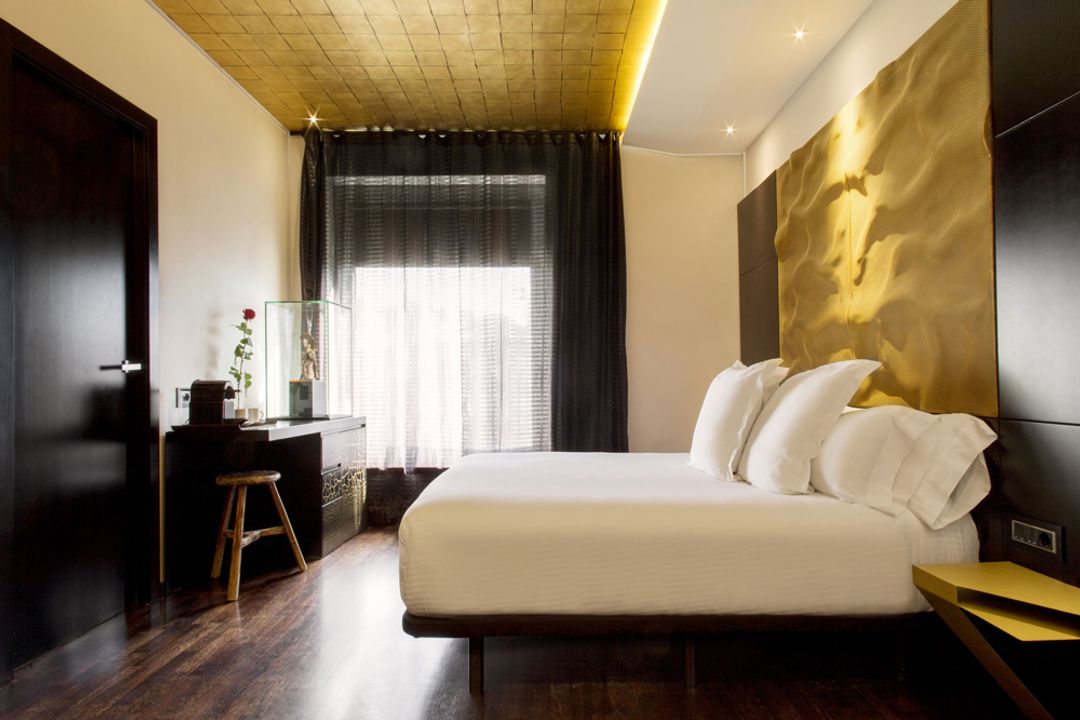
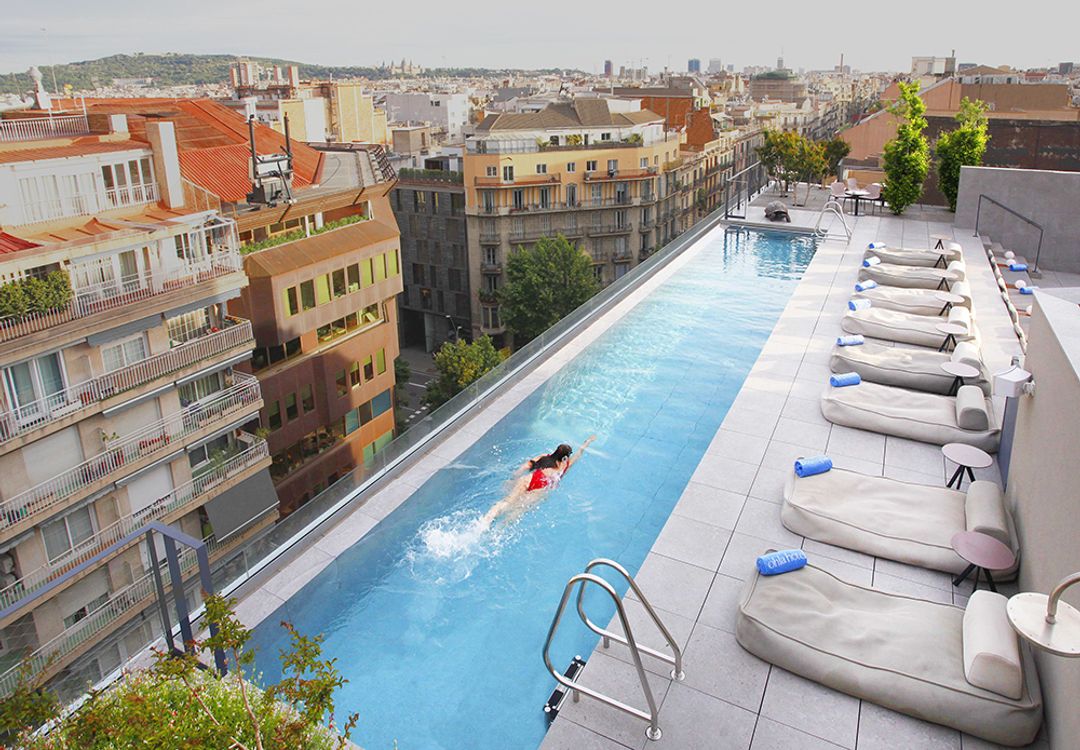
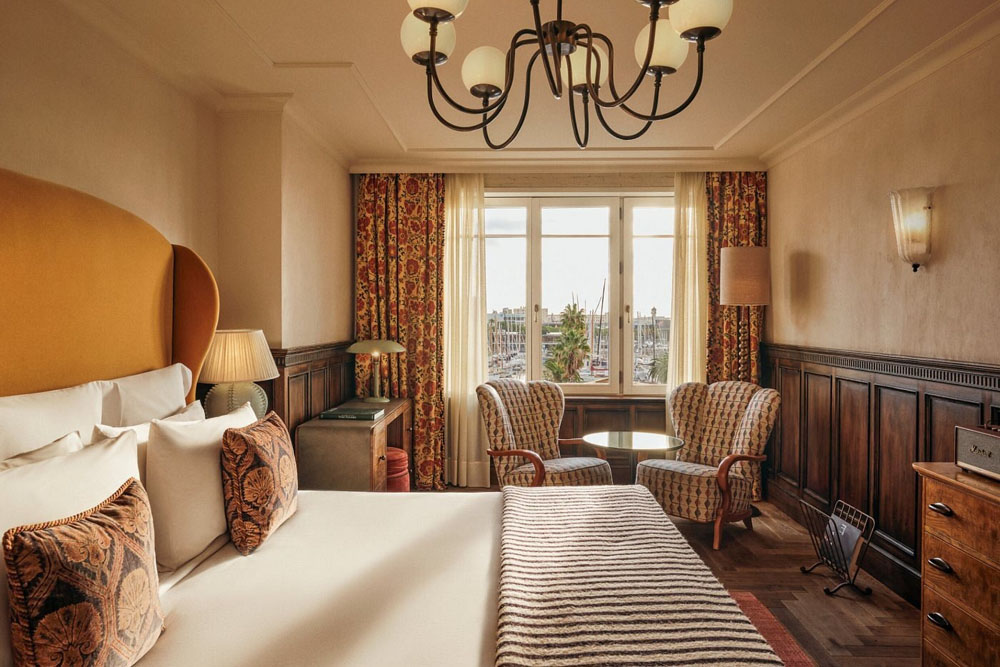
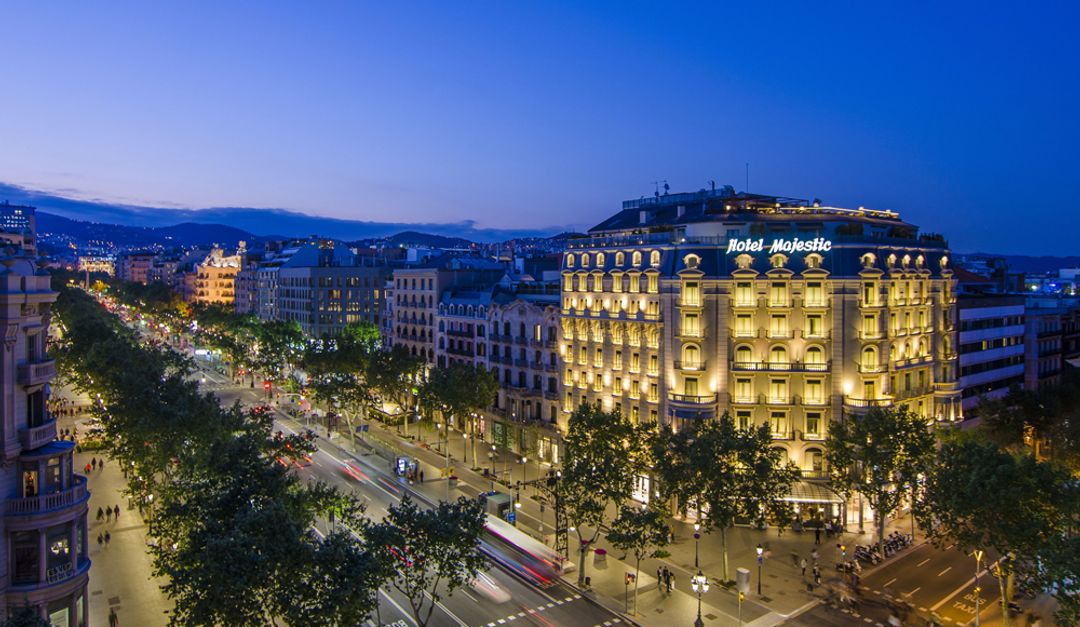
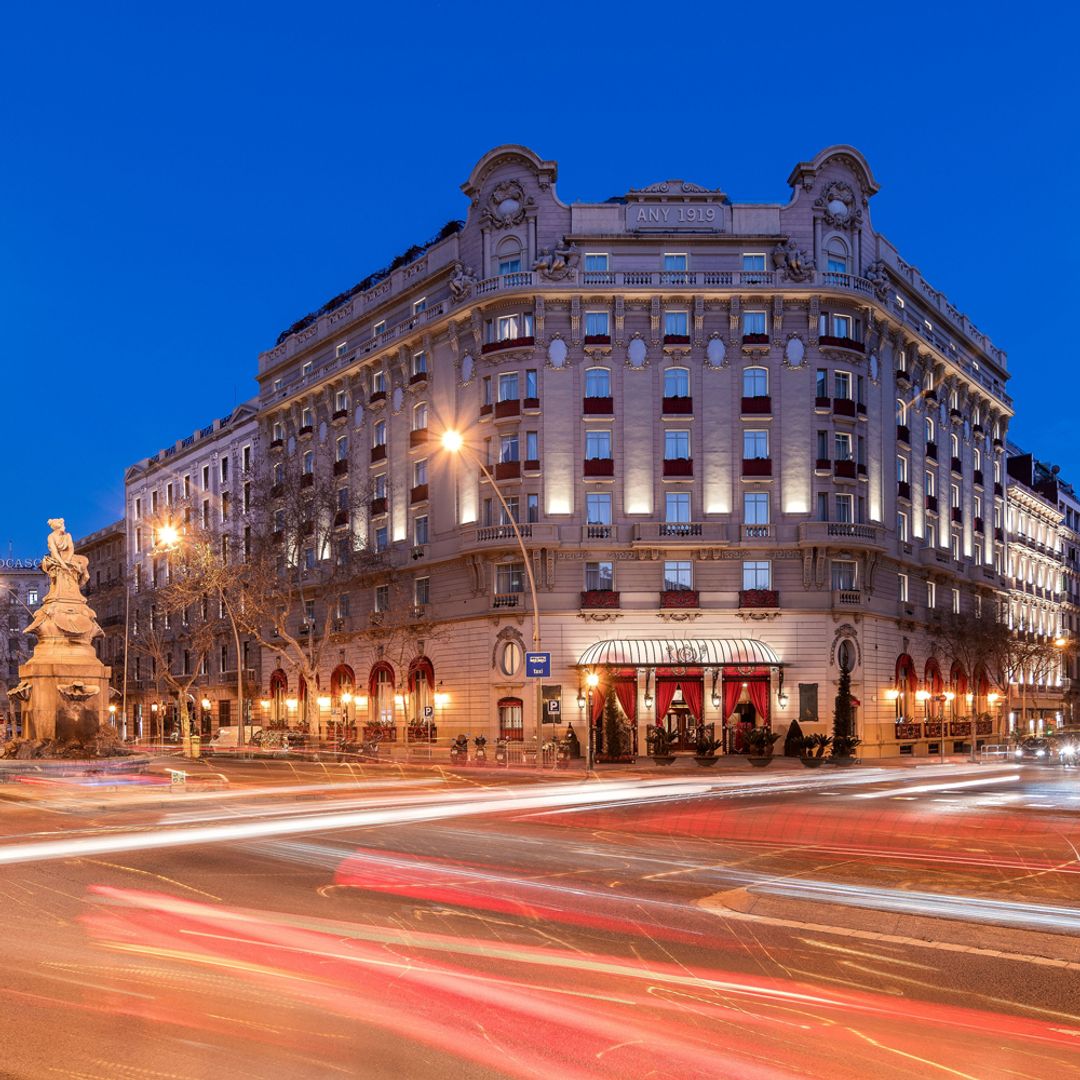
Cerda's grid still structures how visitors orient themselves in Barcelona, and the Eixample remains where the city's architectural ambitions concentrate most densely. The Passeig de Gràcia corridor, lined with Modernista facades by Gaudí, Domènech i Montaner, and Puig i Cadafalch, has accumulated a corresponding tier of hotels that treat their buildings as seriously as their service. The Cotton House Hotel occupies the former headquarters of the Fomento del Trabajo Nacional, a neoclassical institution that has been carefully turned into something genuinely habitable without losing its collegiate gravity. The Monument Hotel on Passeig de Gràcia is another high-water mark in this stretch, its interiors threading Art Nouveau references through contemporary restraint. The Mandarin Oriental Barcelona operates from a mid-century bank building on the same boulevard, and its public spaces carry that cool, wide-floored confidence that Mandarin brings to converted civic buildings. Further into the Dreta, the Almanac, Alma, and The One each represent different approaches to contemporary Eixample living, from the Alma's almost residential quietness to the One's more declarative presence.
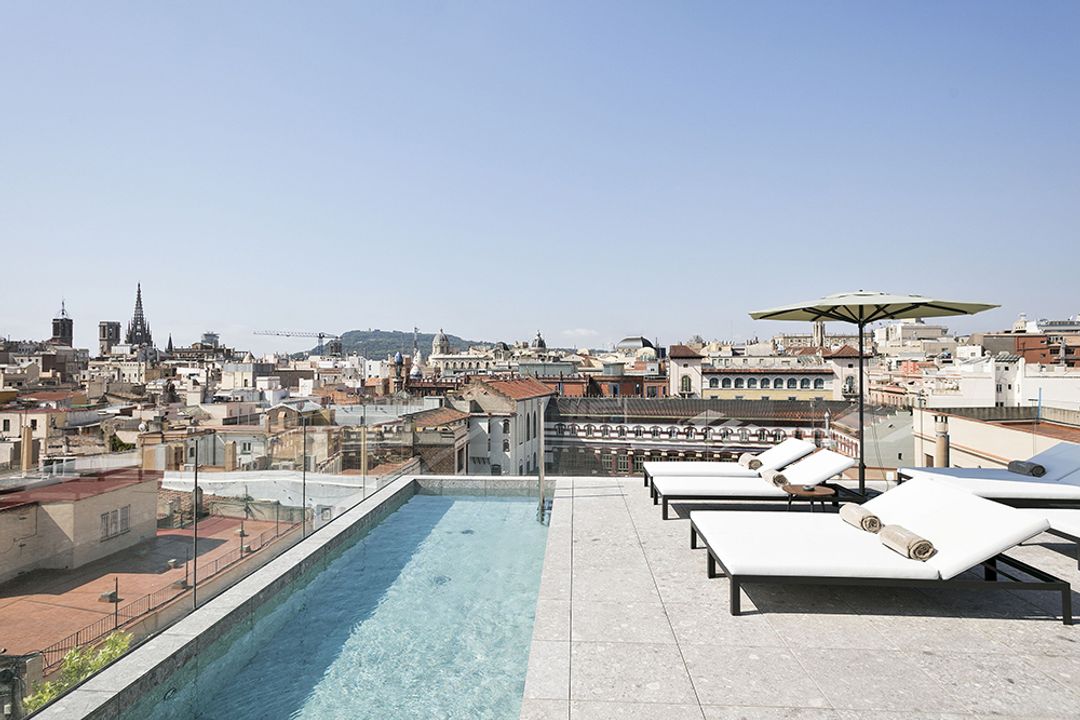
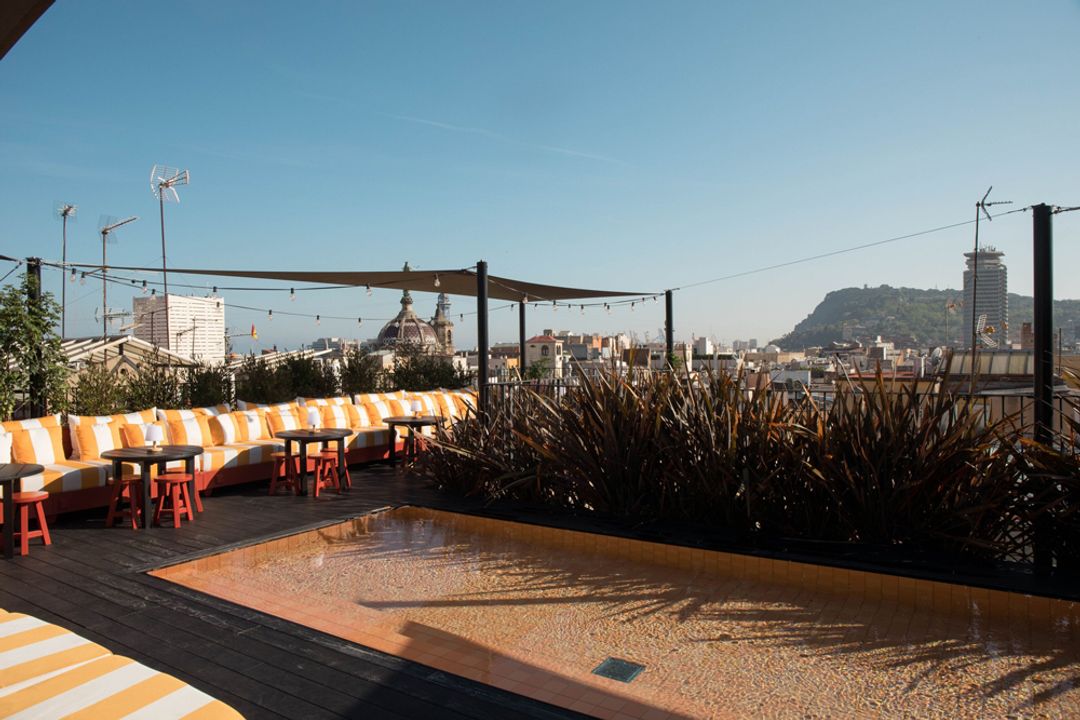
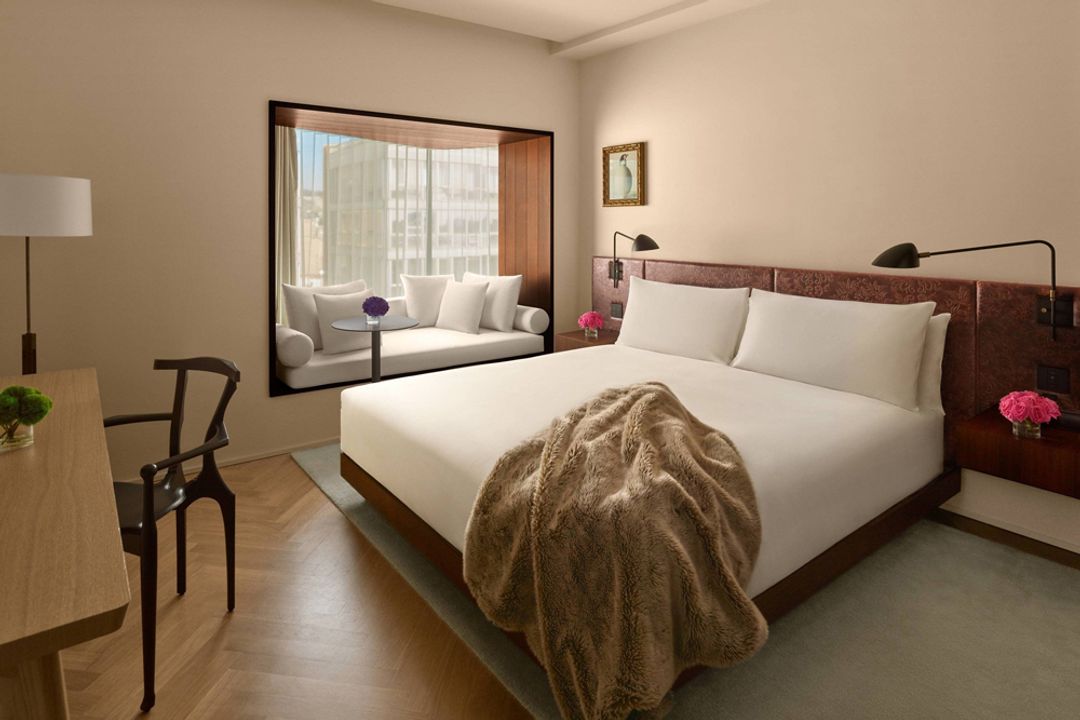
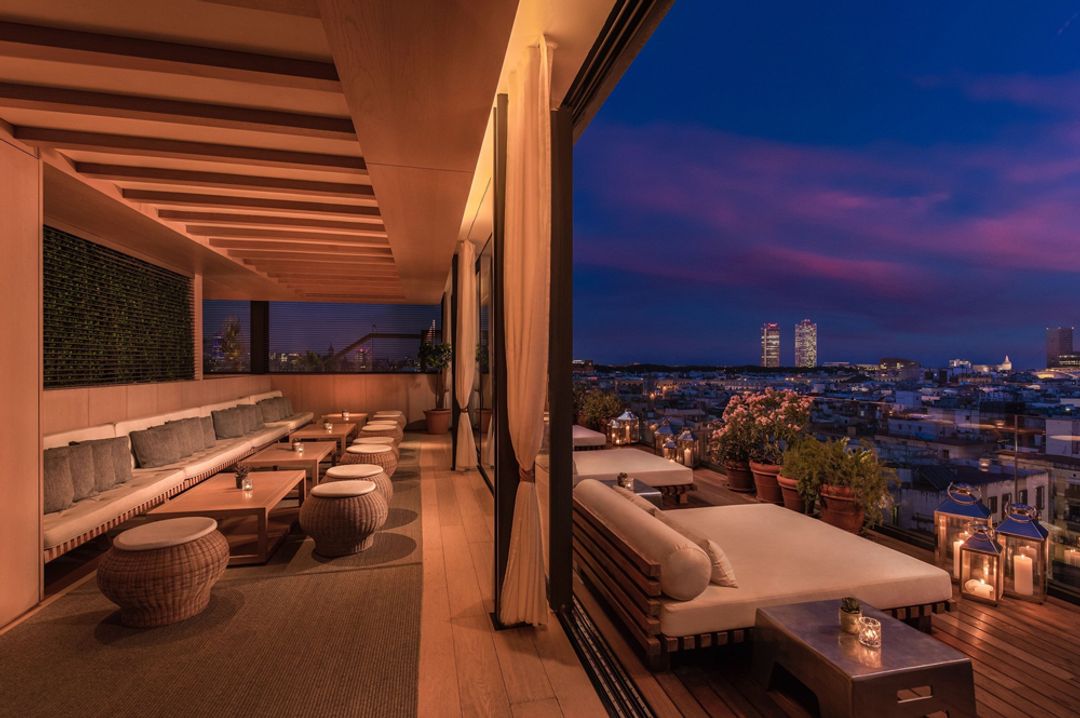
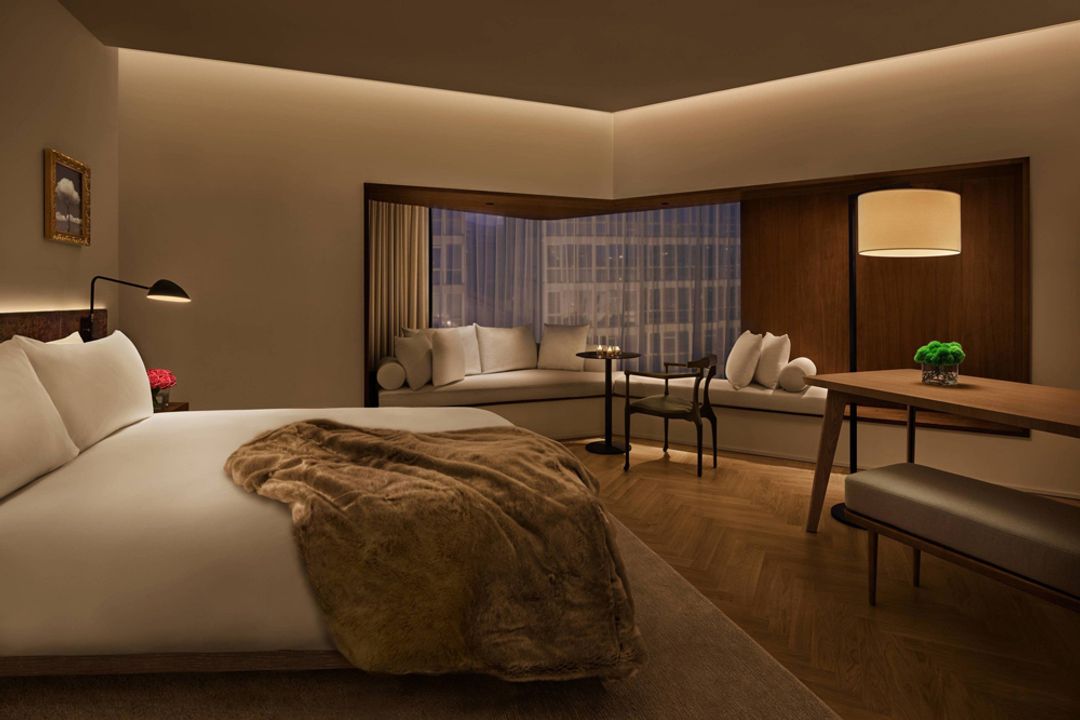
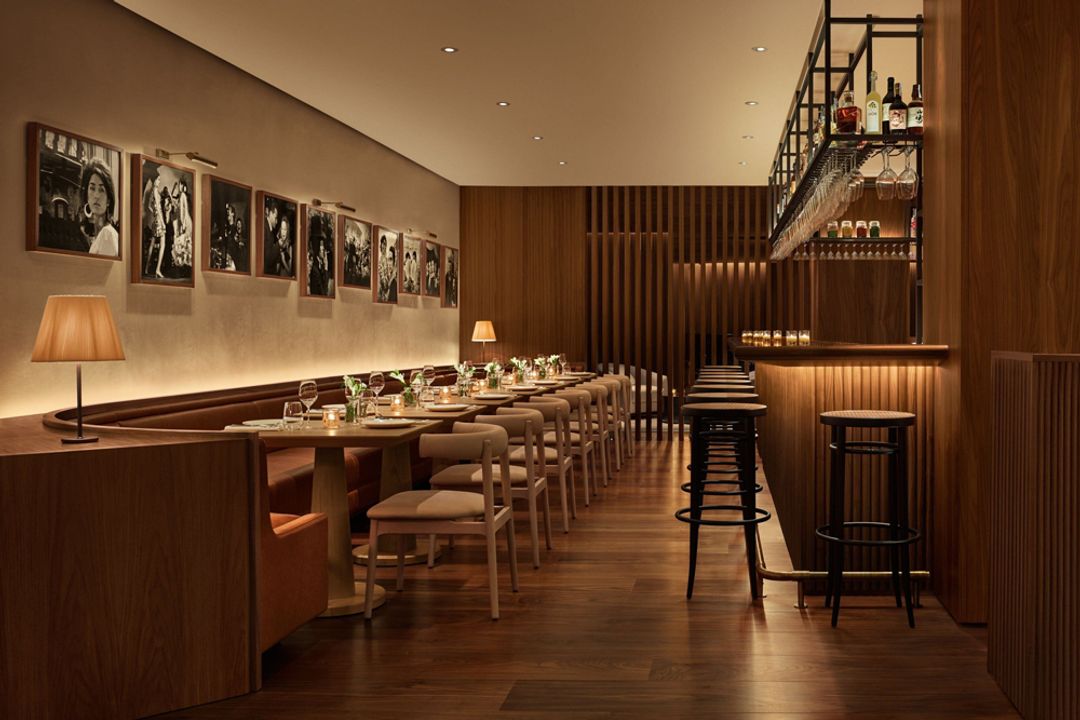
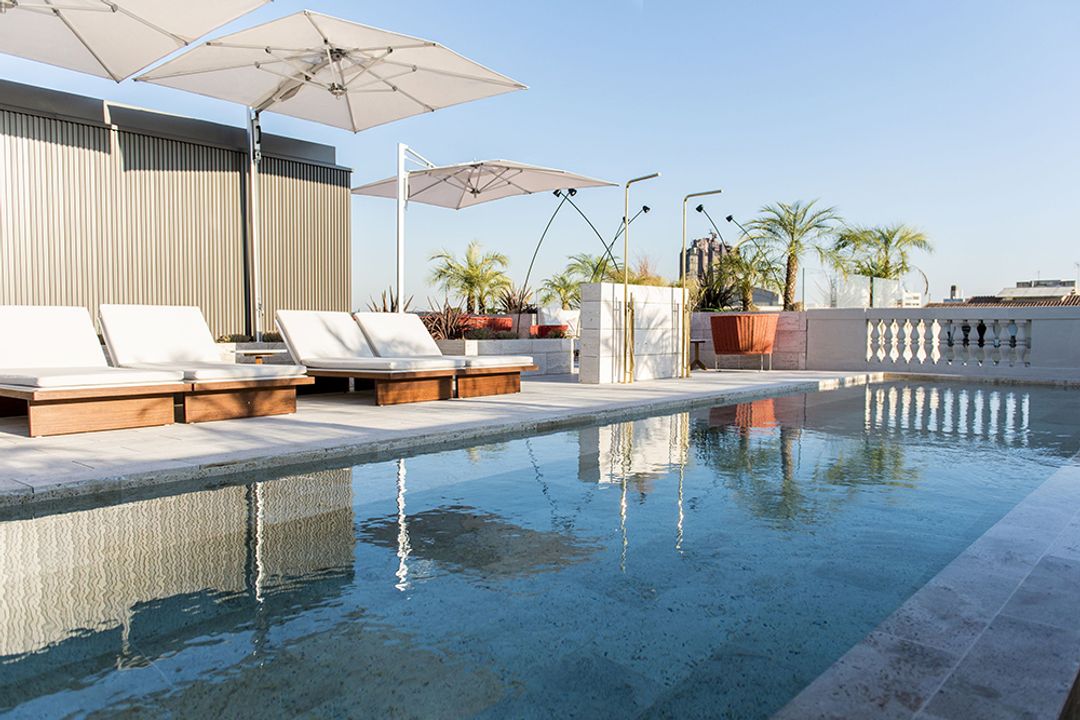
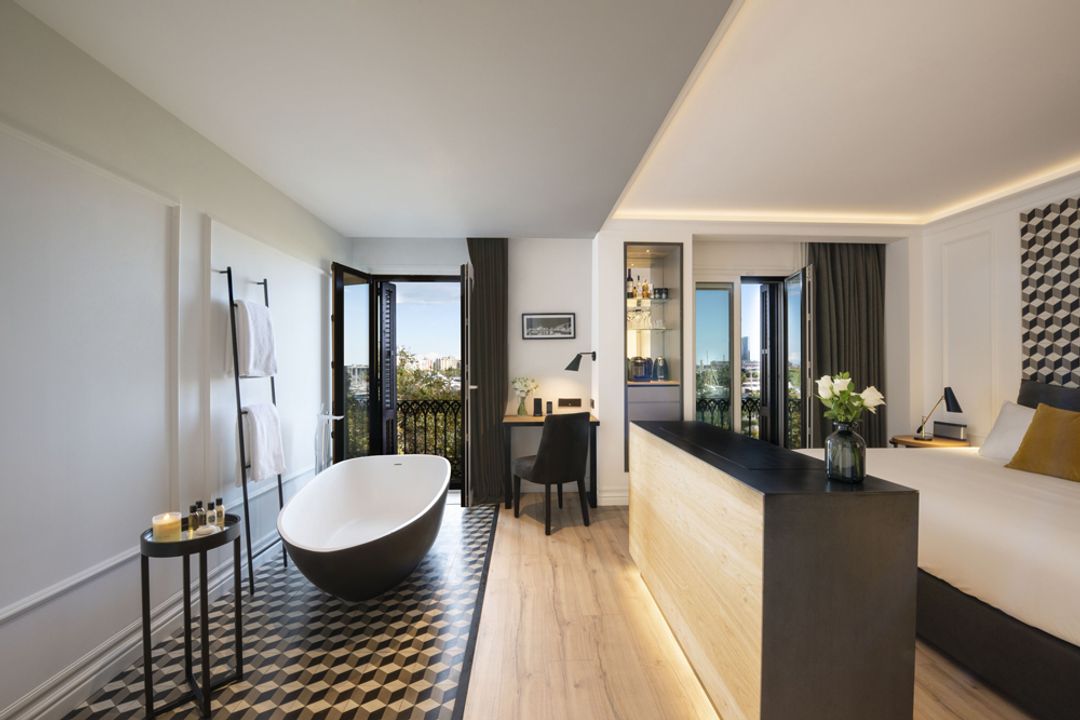
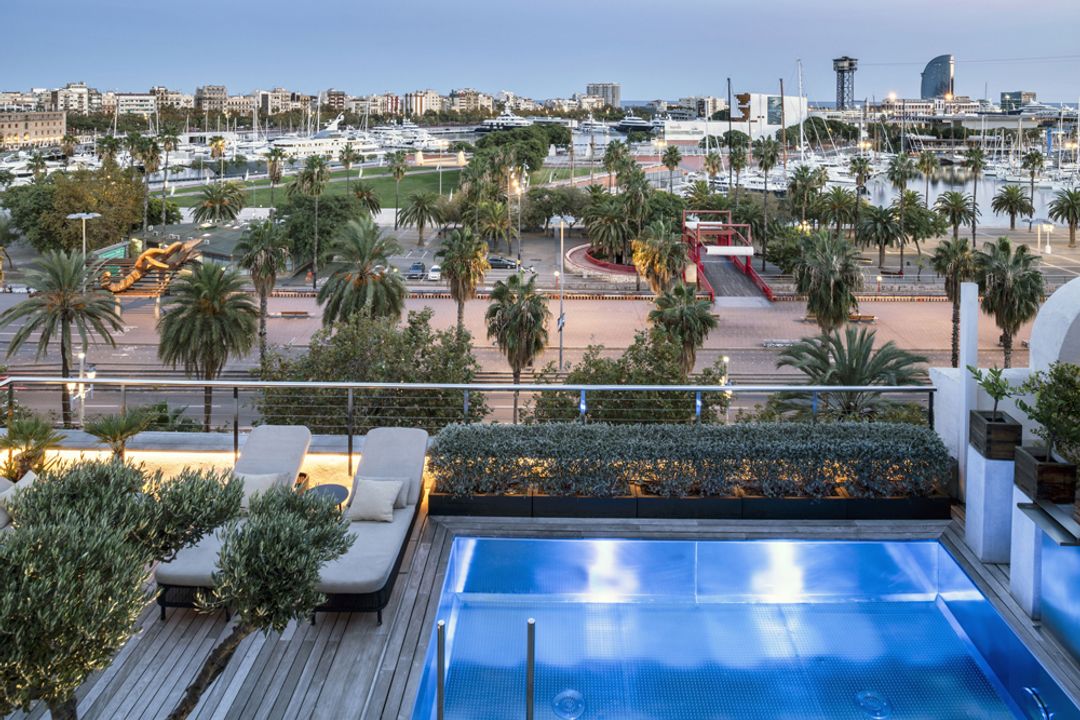
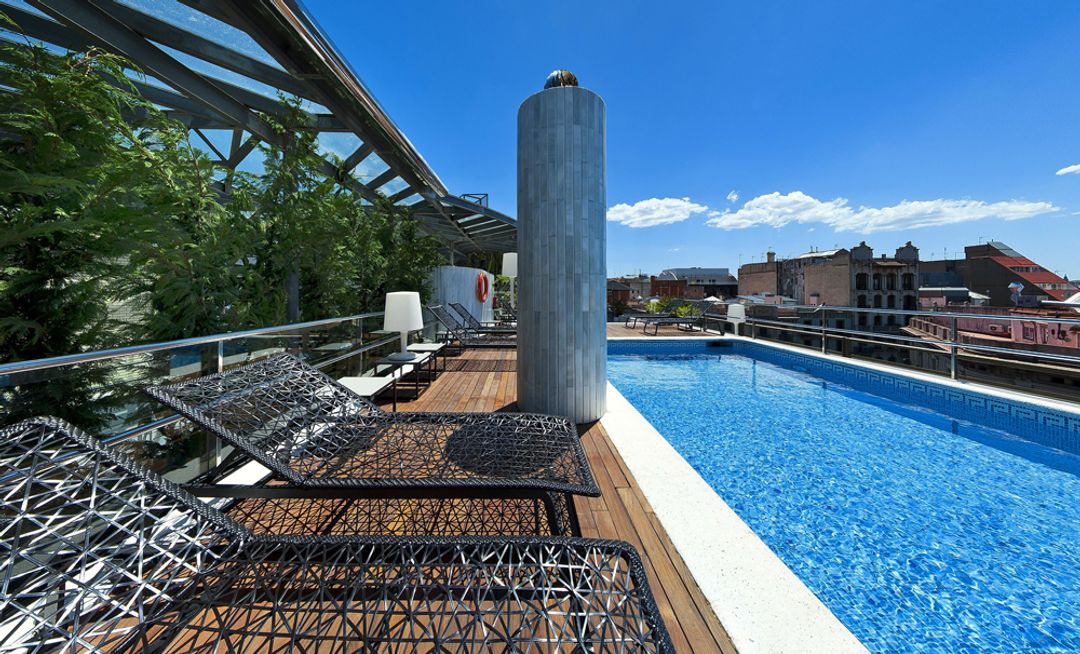
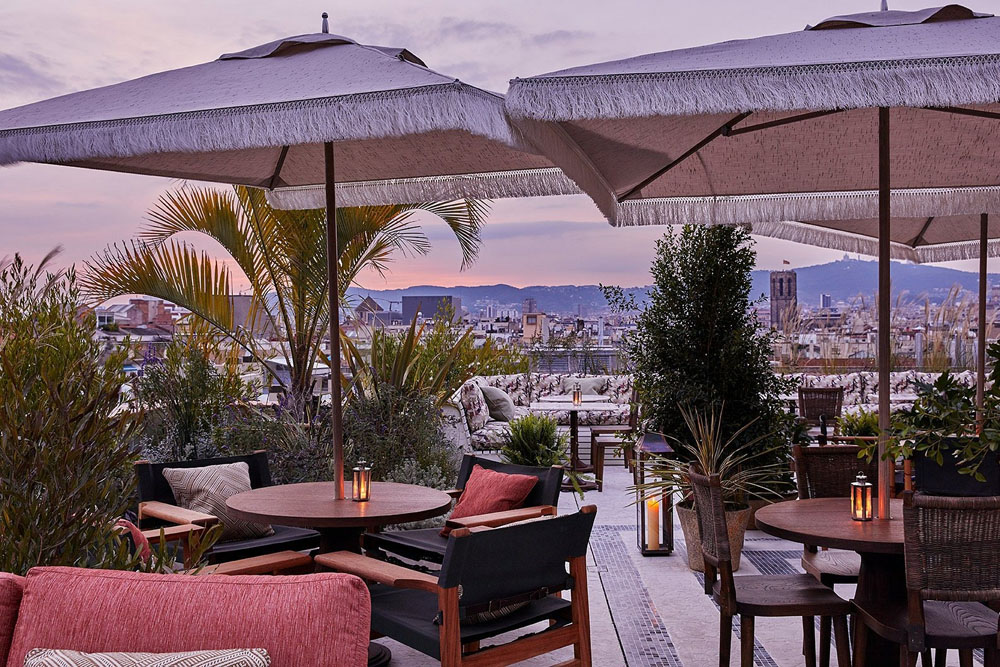
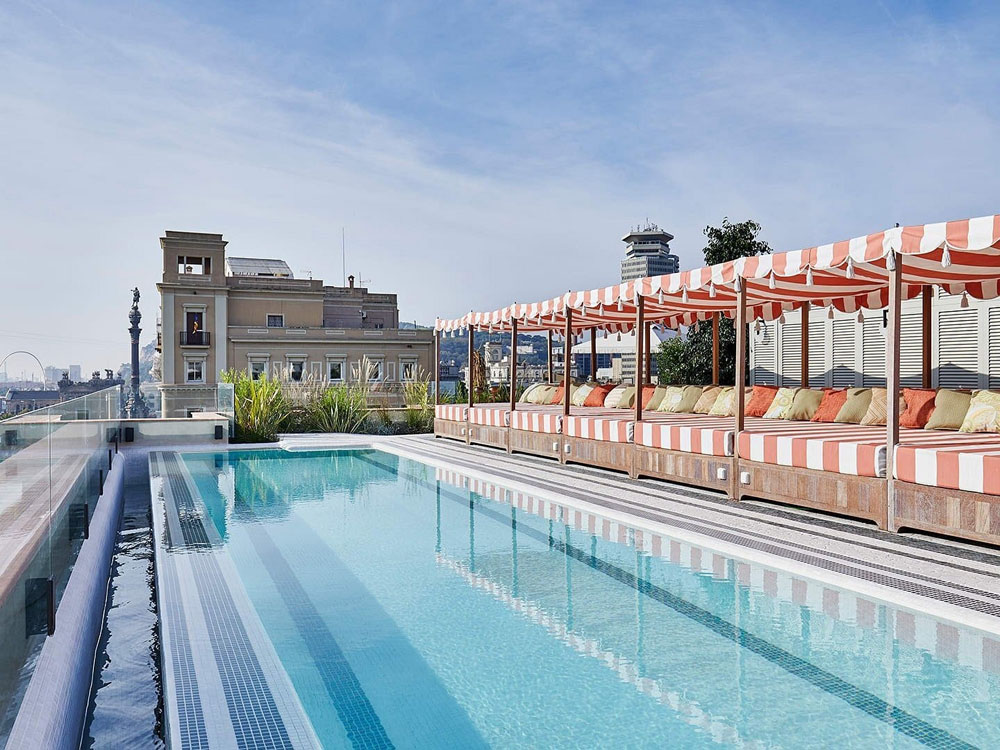
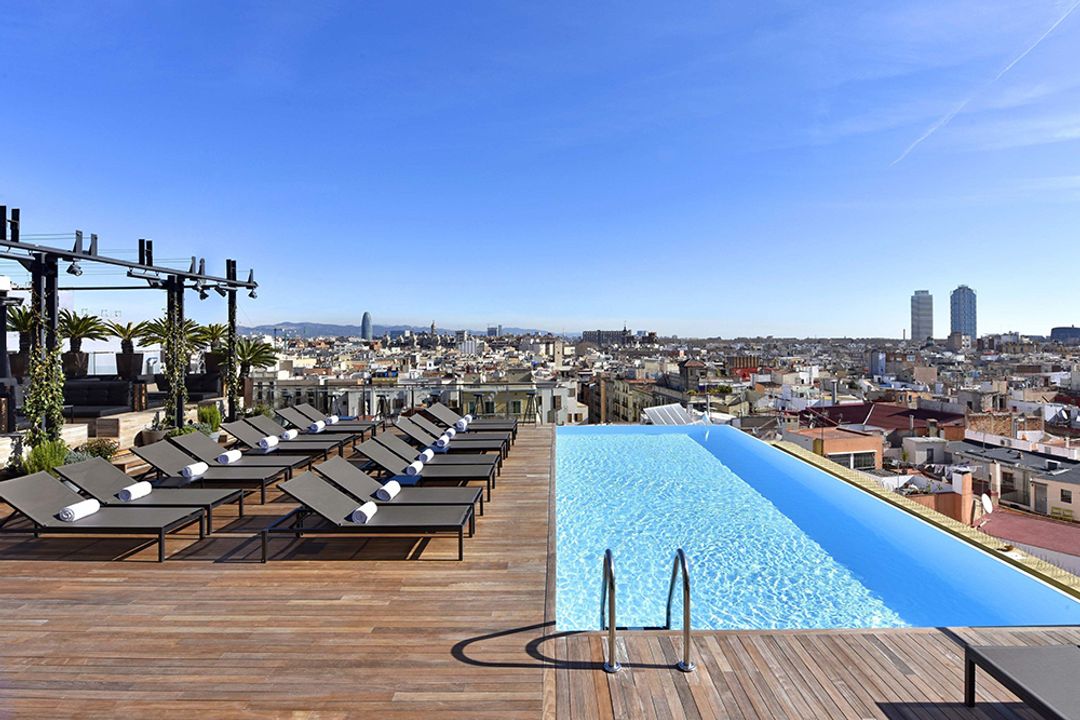
The Gothic Quarter and El Born pull travelers who want to feel the city beneath them rather than above it. The Mercer Hotel Barcelona is perhaps the most architecturally serious address in the old town: built into the Roman walls of Barcino, with archaeological remains visible in the lower levels, it is the kind of place that rewards visitors who pay attention to what they are actually standing on. Nearby, the Serras Barcelona sits right on the edge of the Born where it meets the port, with a rooftop that returns the city in full panorama. The Wittmore and Soho House Gothic Quarter are smaller, quieter propositions, suited to anyone who would rather walk out into narrow medieval streets than into the Passeig's boulevard rhythm. Yurbban Passage in El Born and The Barcelona EDITION thread a middle register between neighborhood texture and considered contemporary design.
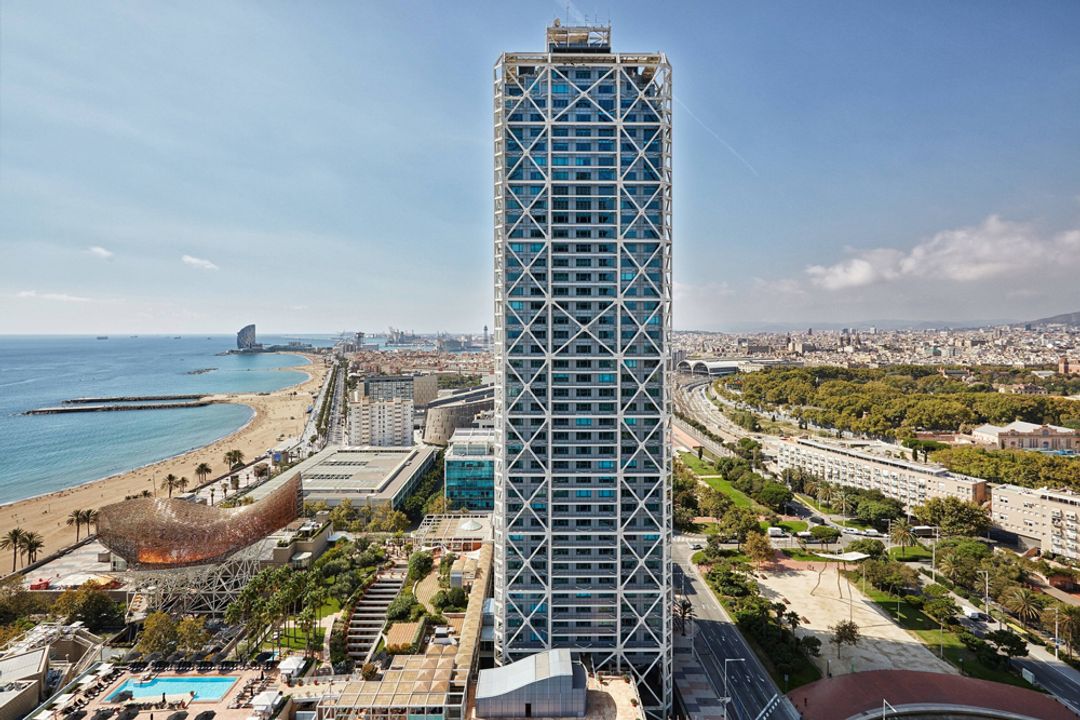
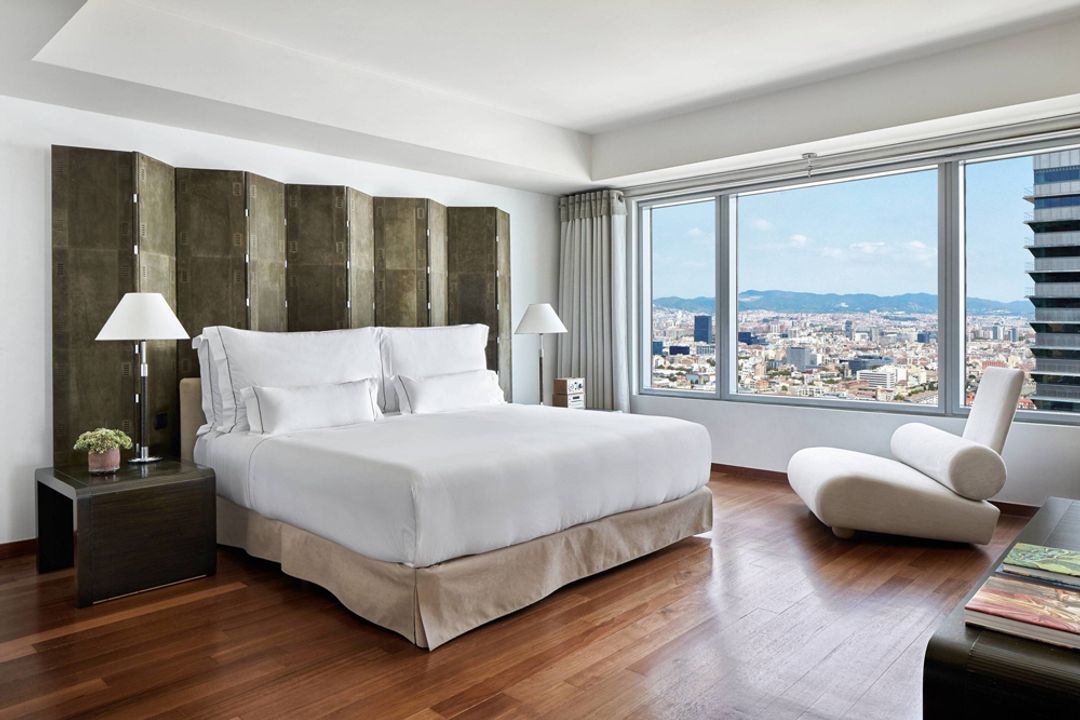
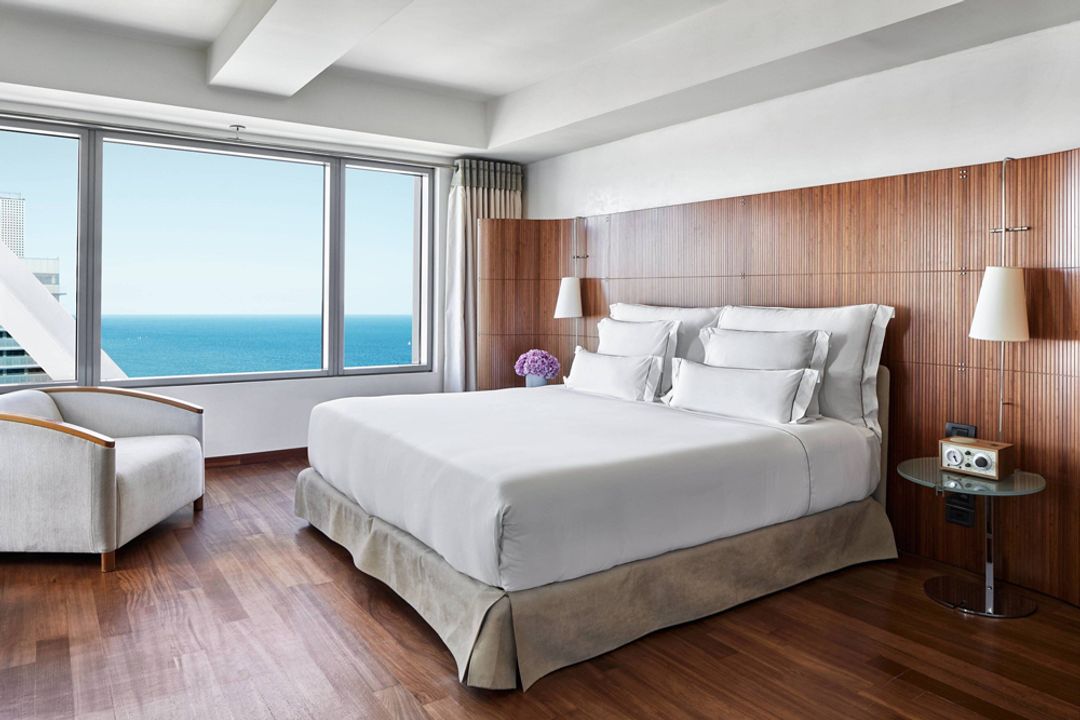
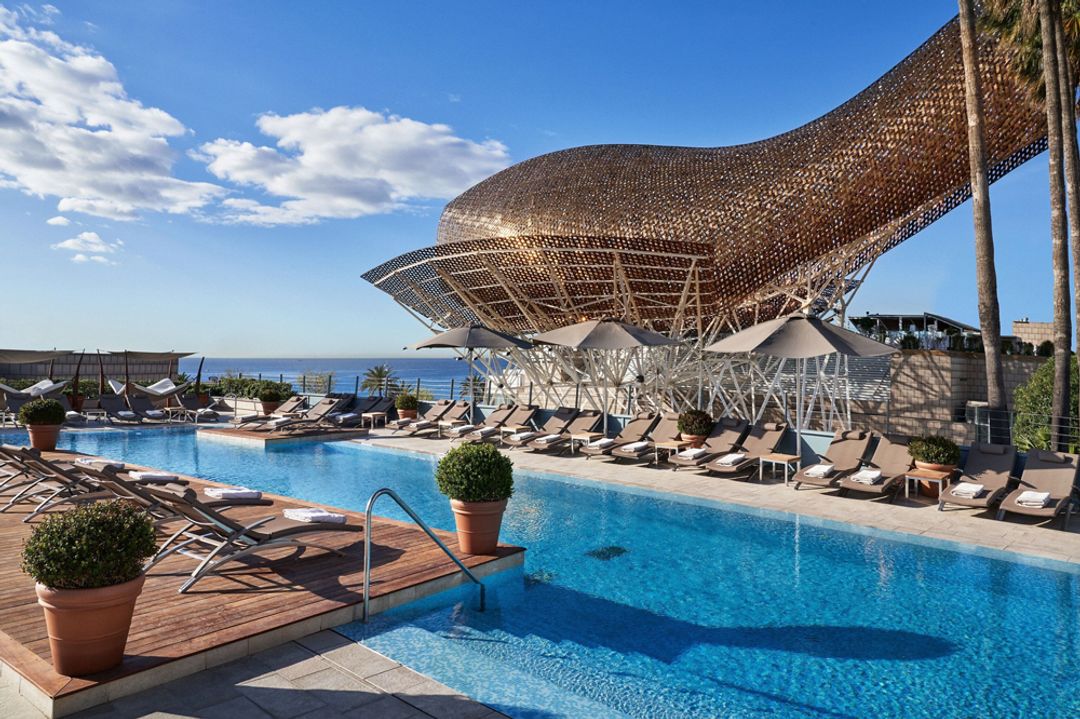
At the edges, two hotels mark genuinely different urban moods. The Hotel Arts Barcelona rises from Frank Gehry's fish sculpture at the Barceloneta waterfront, a Skidmore, Owings and Merrill tower that belongs to the post-Olympic reinvention of the city's coast, all height and sea light. The Hoxton Poblenou, by contrast, sits in the former industrial district now populated by studios and co-working spaces, and its low-key, brick-registered aesthetic reads as deliberate in that context. Hotel Casa Fuster in Gràcia, a Domènech i Montaner building from 1908 restored to hotel use, closes the map on a note of genuine Modernista pedigree.