Best hotels in Shanghai | A Curated Visual Guide to Top Stays
Welcome to PressBeyond, the ultimate curated visual guide for design-driven hotels! My name is Will Miller and these are my recommendations for the best boutique and luxury hotels in Shanghai.
I am the founder of PressBeyond and I am an ultra-meticulous hotel curator who loves clean visuals. I have individually analyzed and tiered each hotel included in this guide based on a variety of criteria (architecture & design, location, brand & brand affiliation, existing reviews, and my own personal experiences), and importantly, I have hand-selected the leading imagery for each hotel to provide you with easily-digestible, yet detailed and complete, like-for-like, high-level visual profiles. I felt this summarization step was a critical missing piece across existing guides, blogs, and booking platforms. My aim is to make it easier for people to identify hotel environments that resonate with them, along with enabling them to visualize the types of social experiences that those environments help foster. My brain doesn't work when exposed to cluttered content, so my goal was to create the opposite.
Underneath this, we are also a full booking engine offering 5% Venmo cash back along with other exclusive perks. For all of you design-obsessed hotel enthusiasts out there, I hope this guide helps get you to where you see yourself!
An Overview of the Boutique & Luxury Hotel Landscape in Shanghai
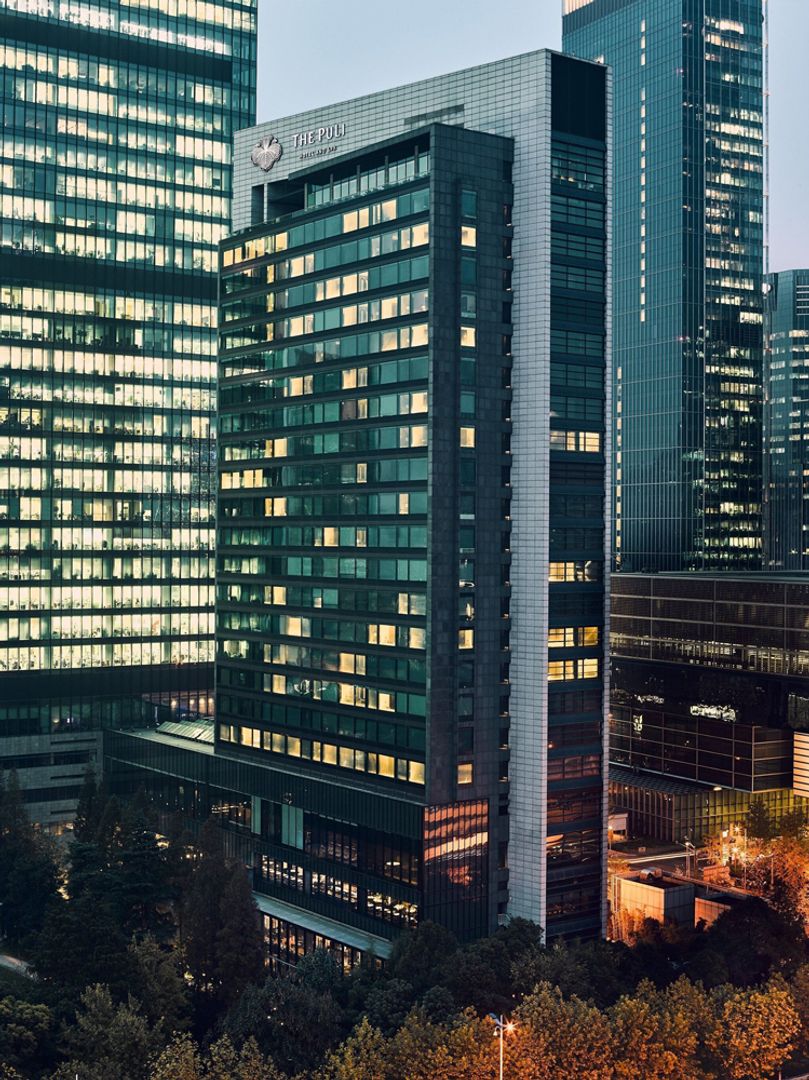
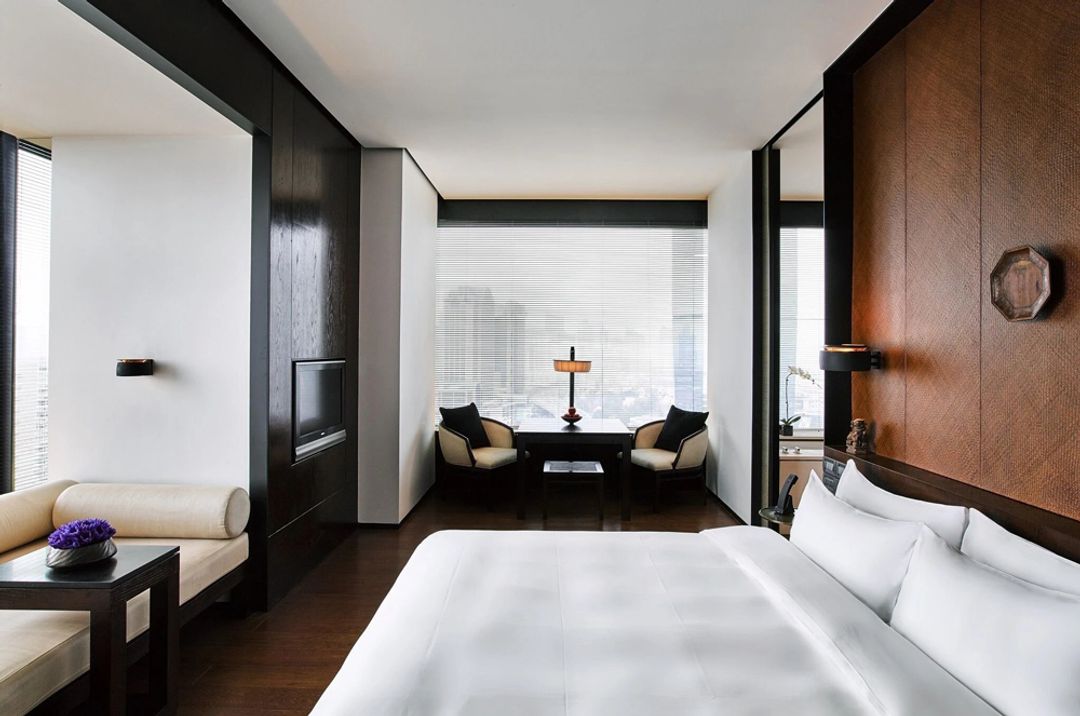
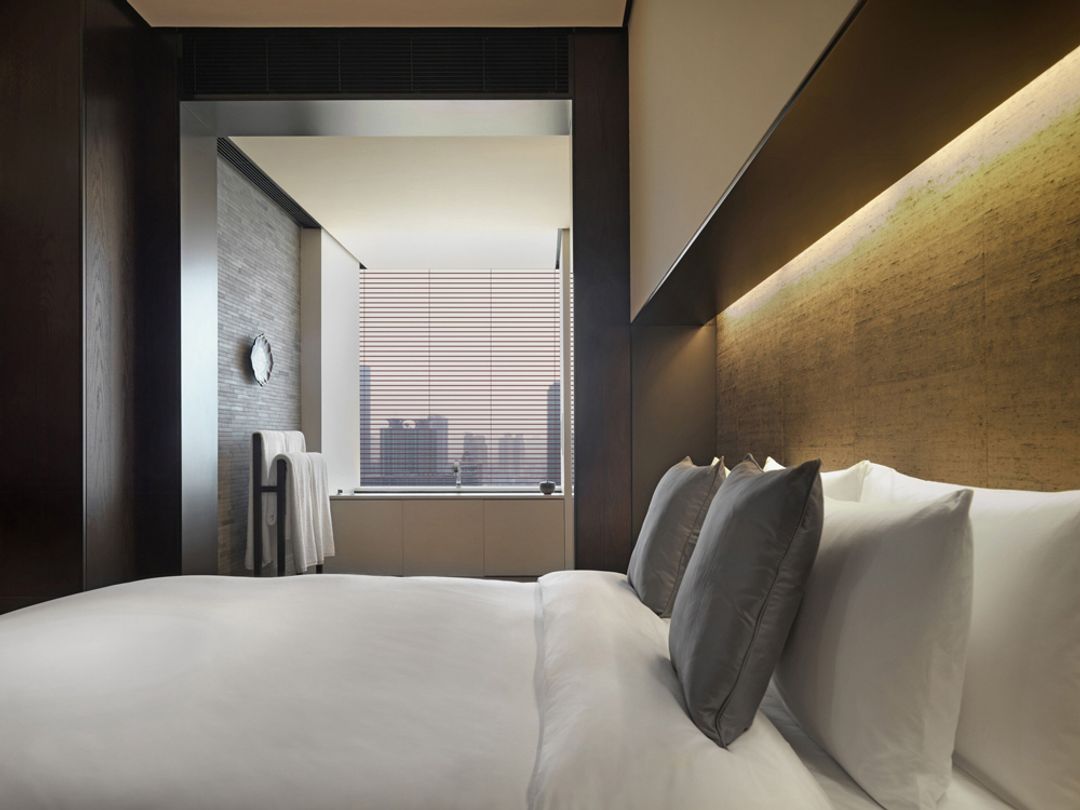
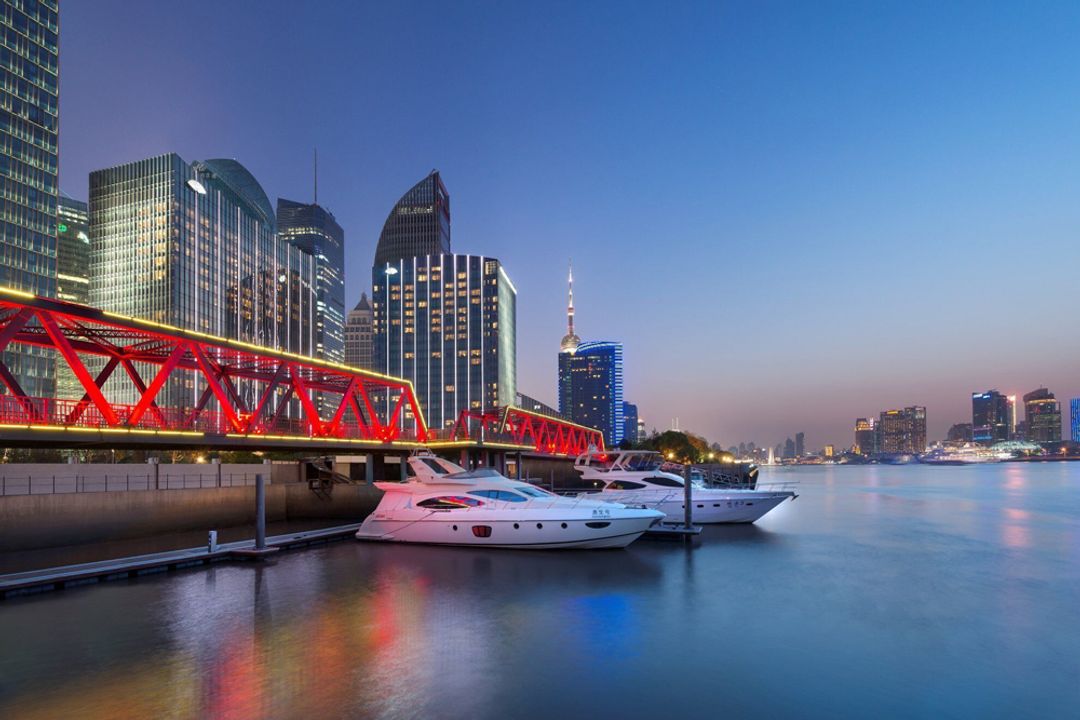
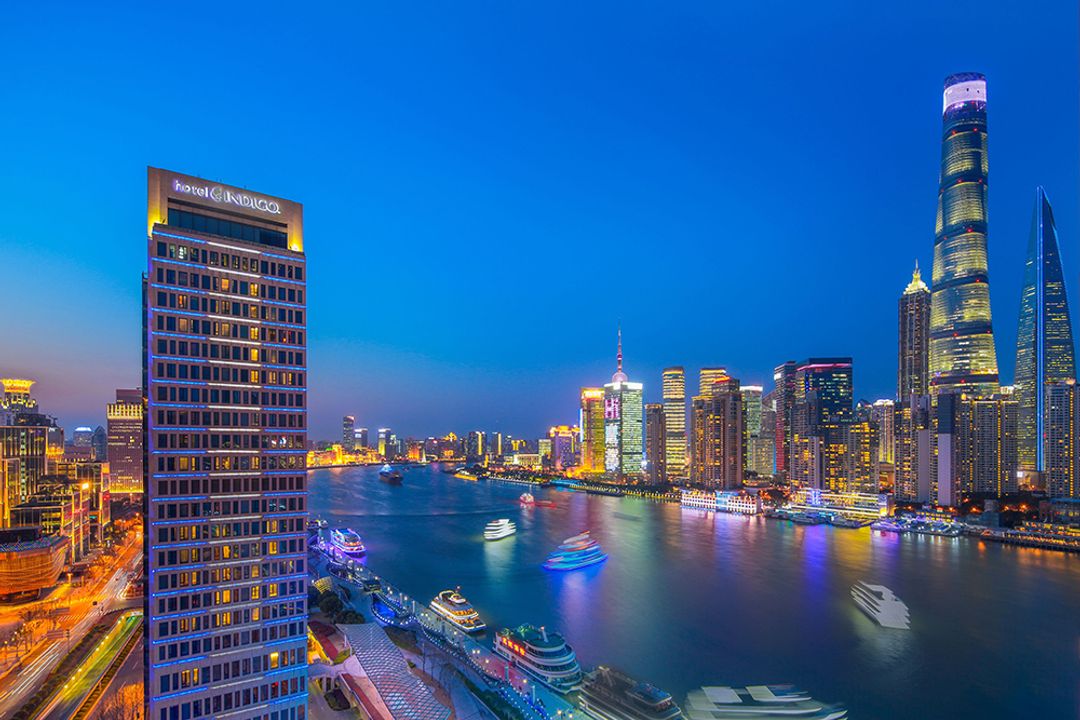
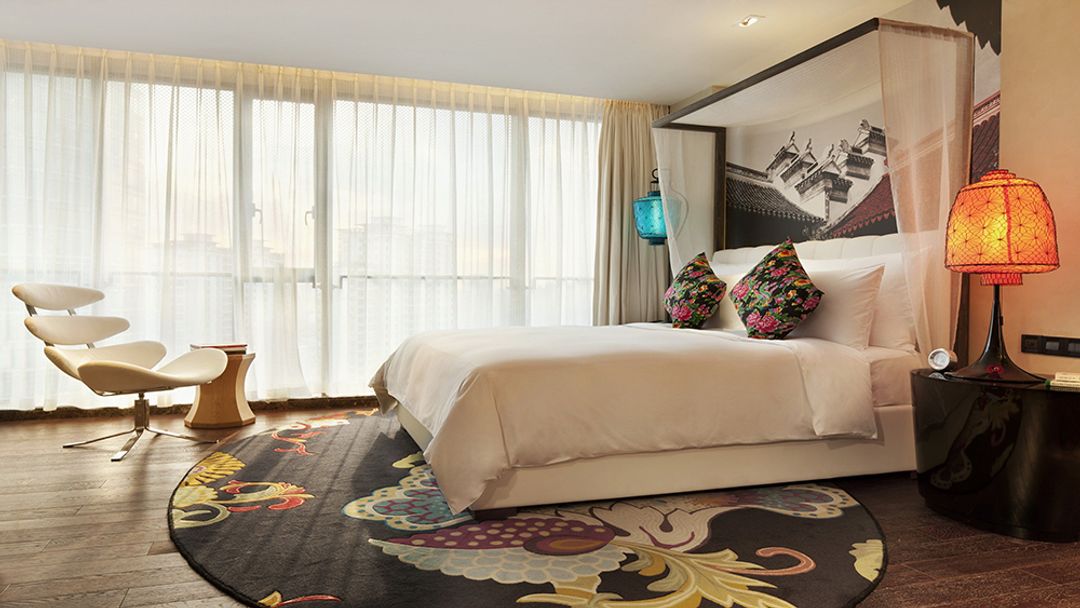
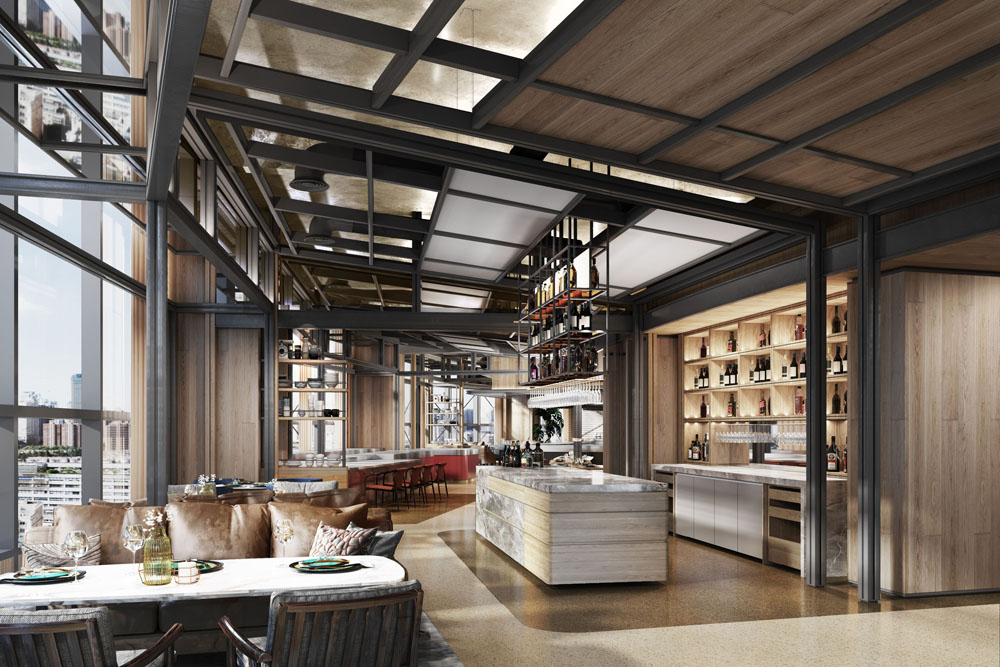
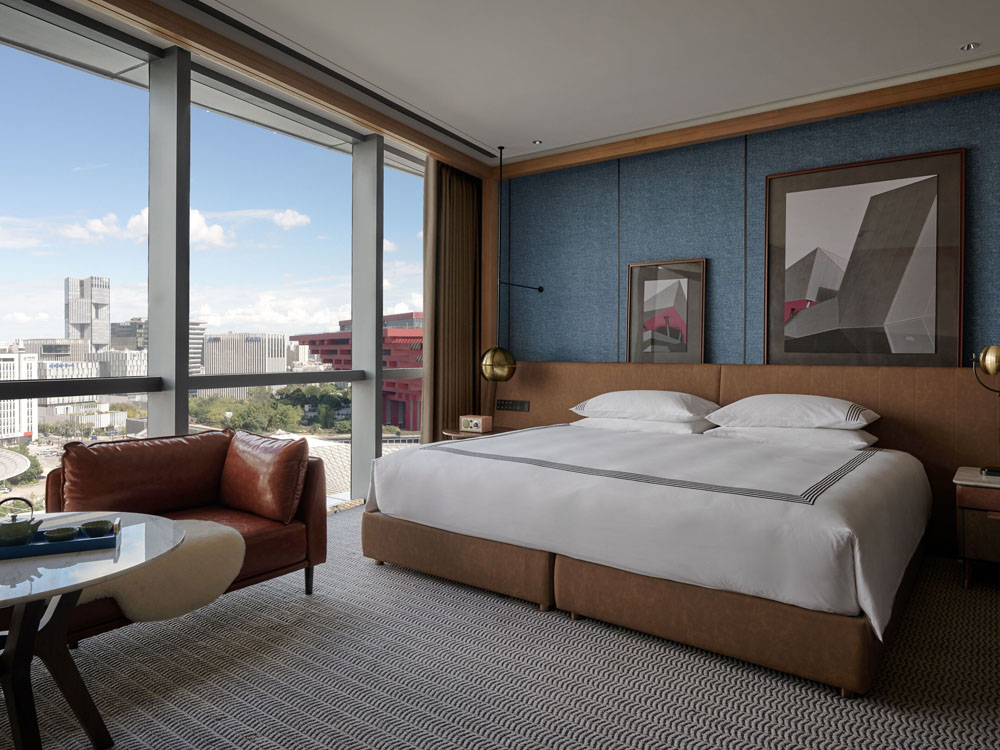
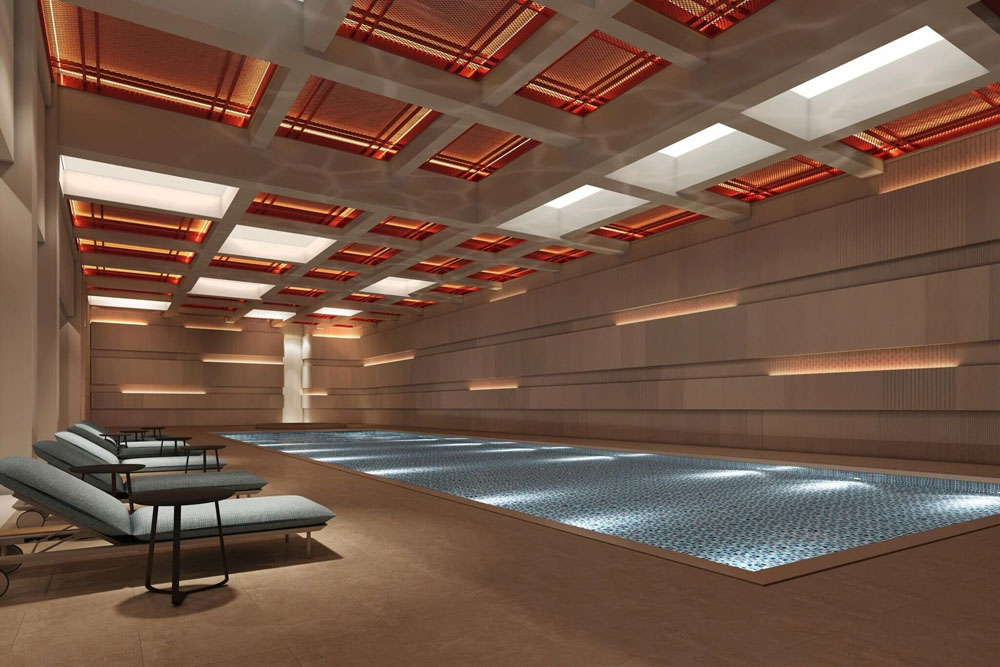
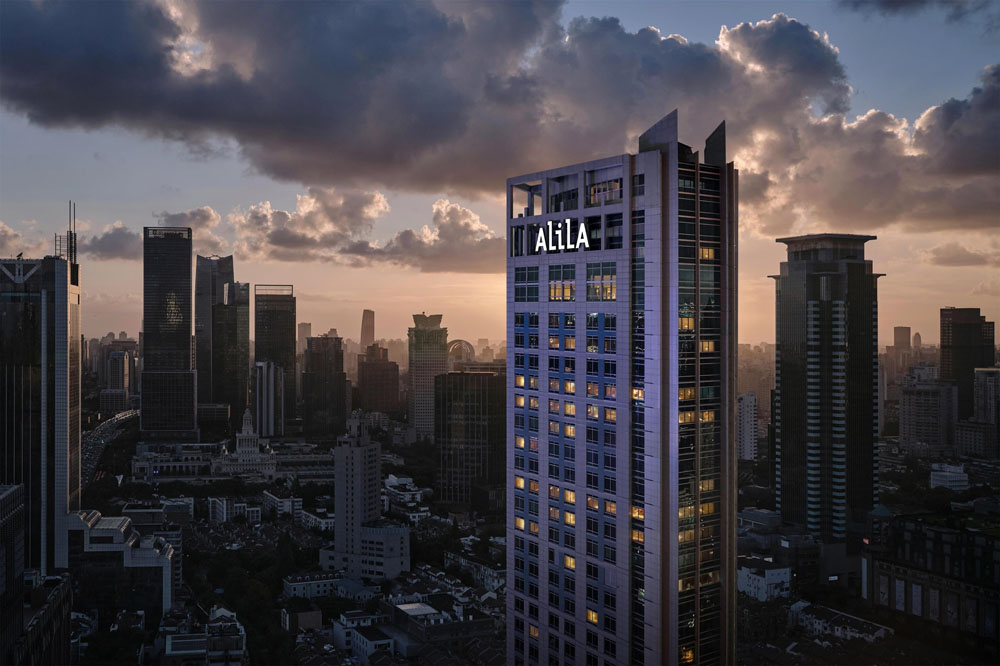
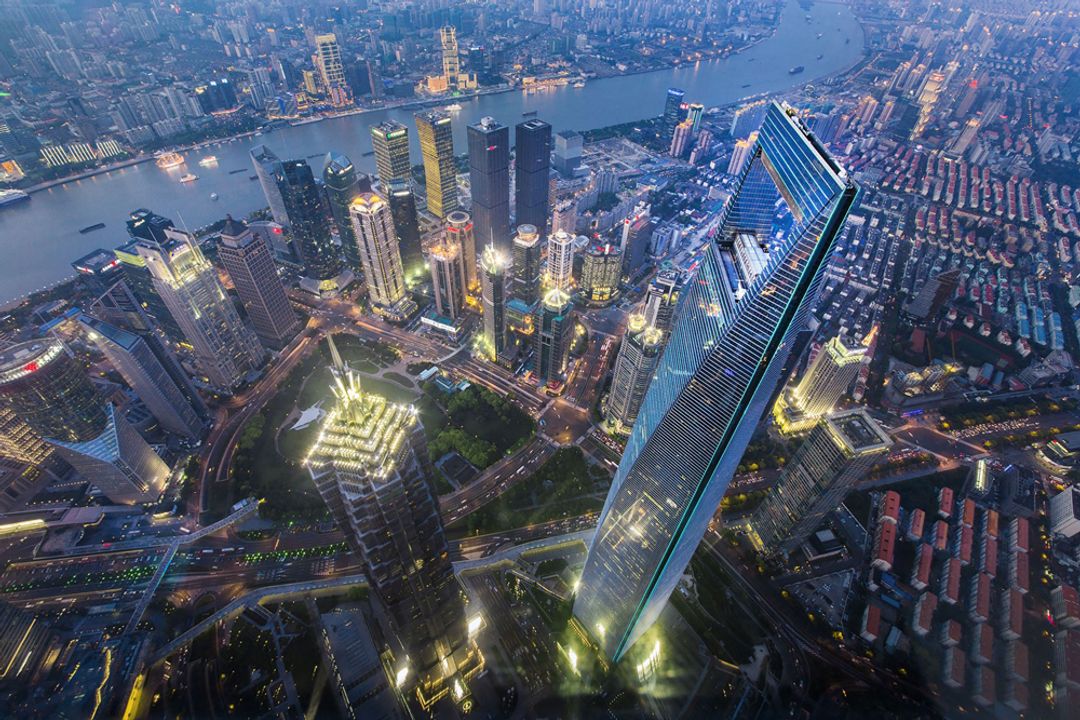
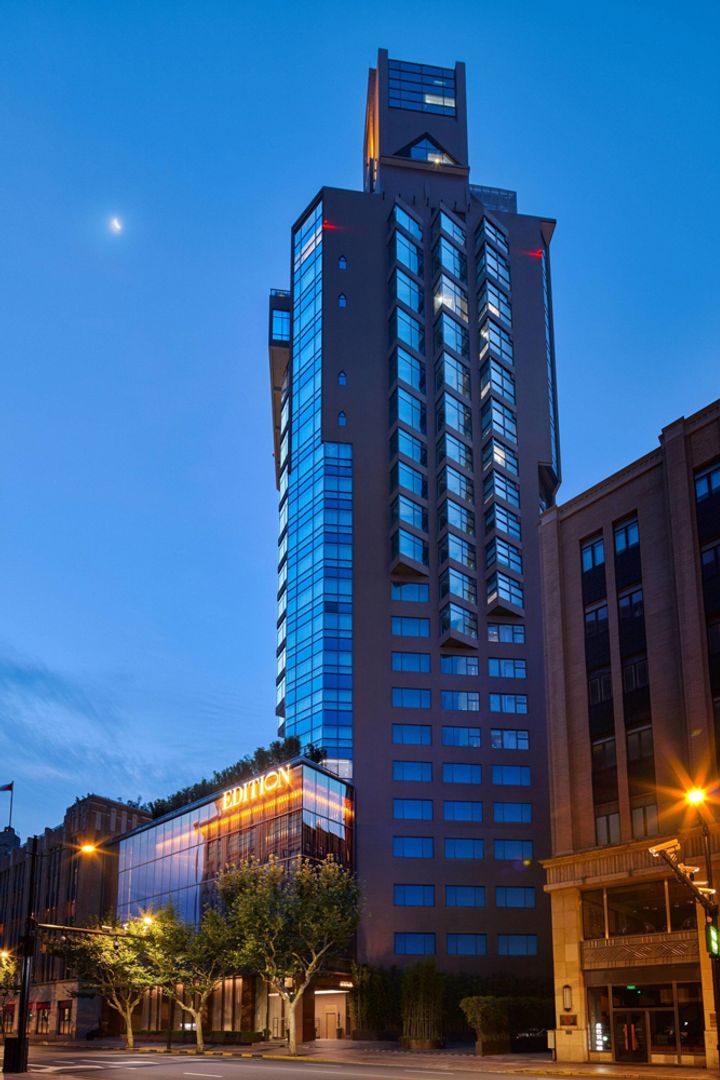
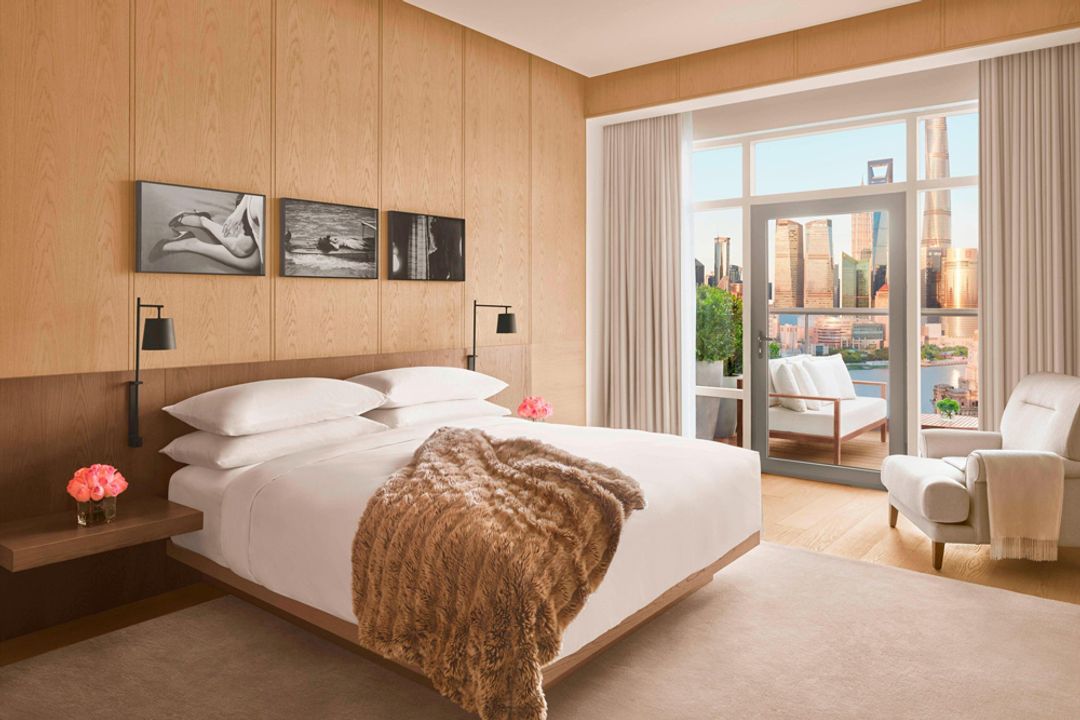
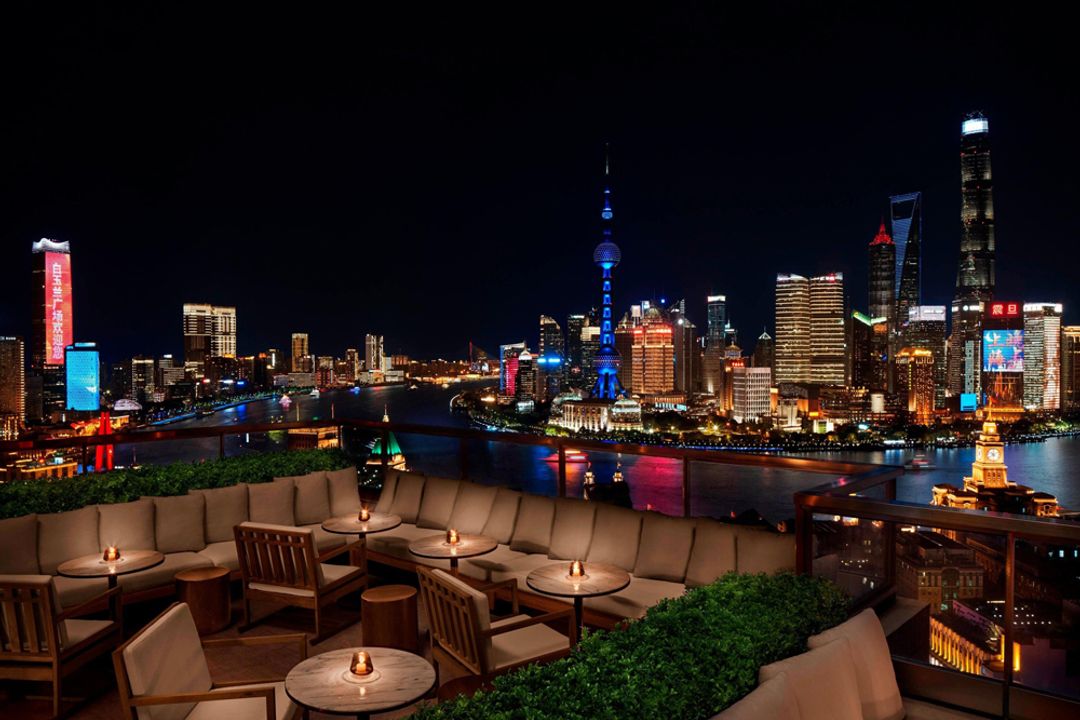
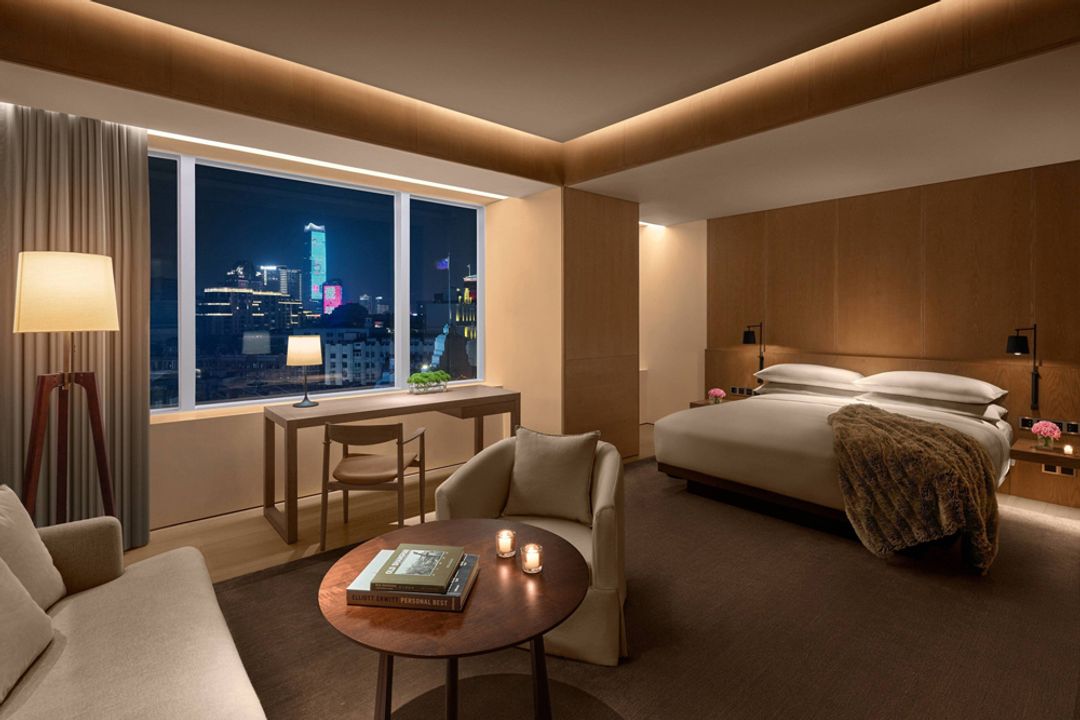
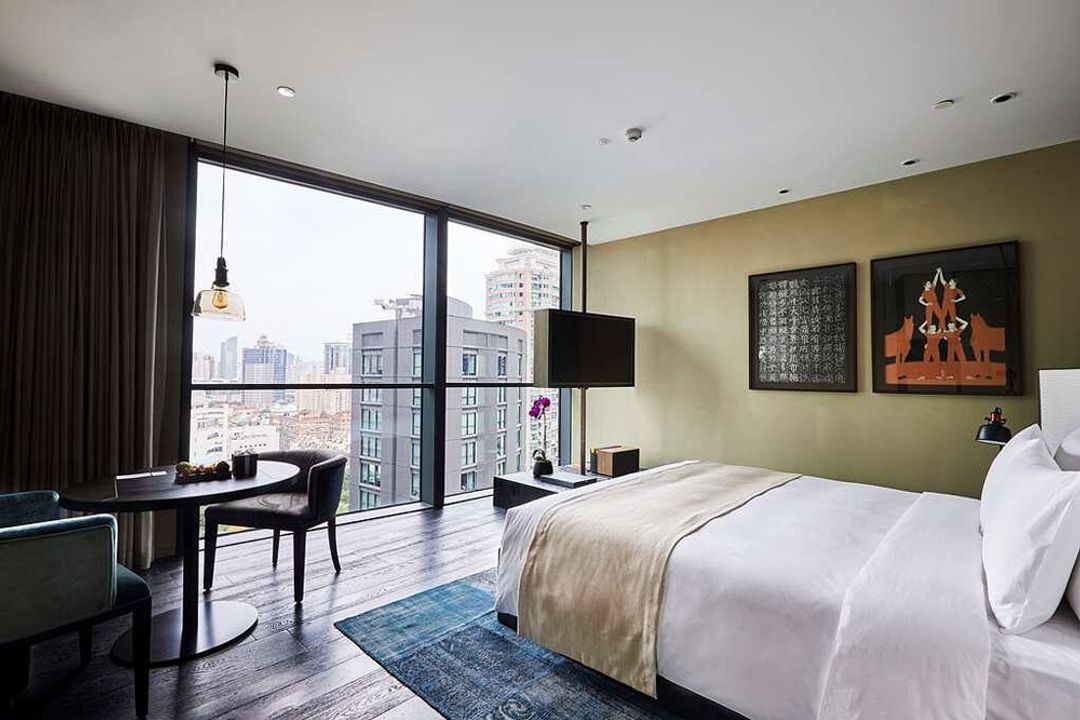
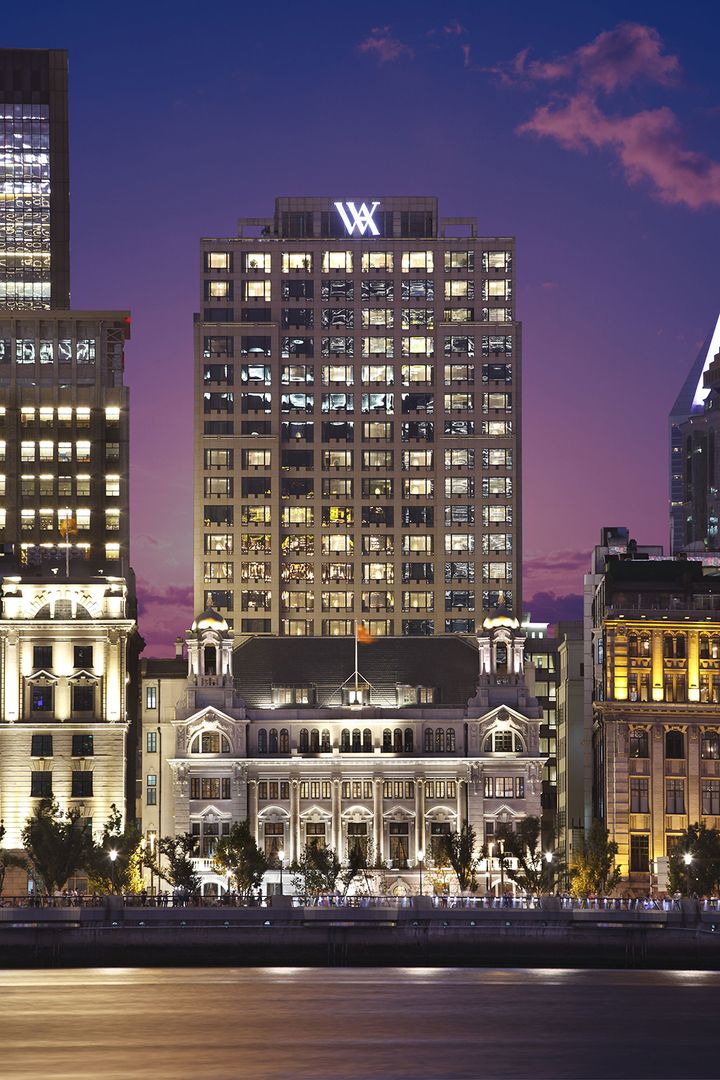
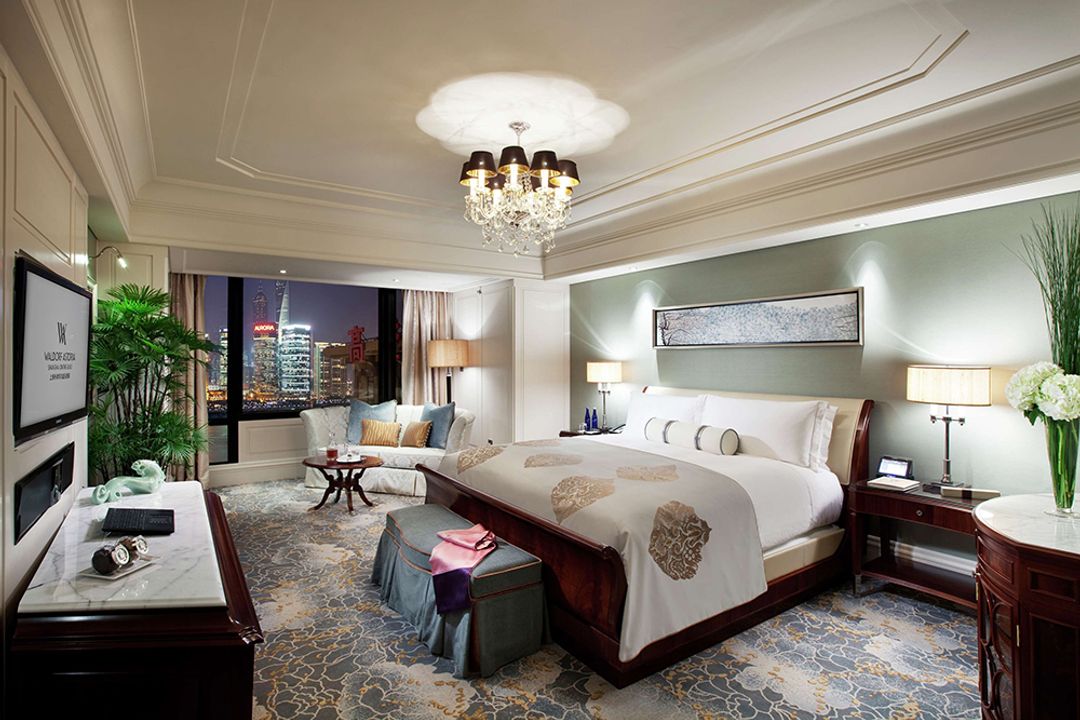
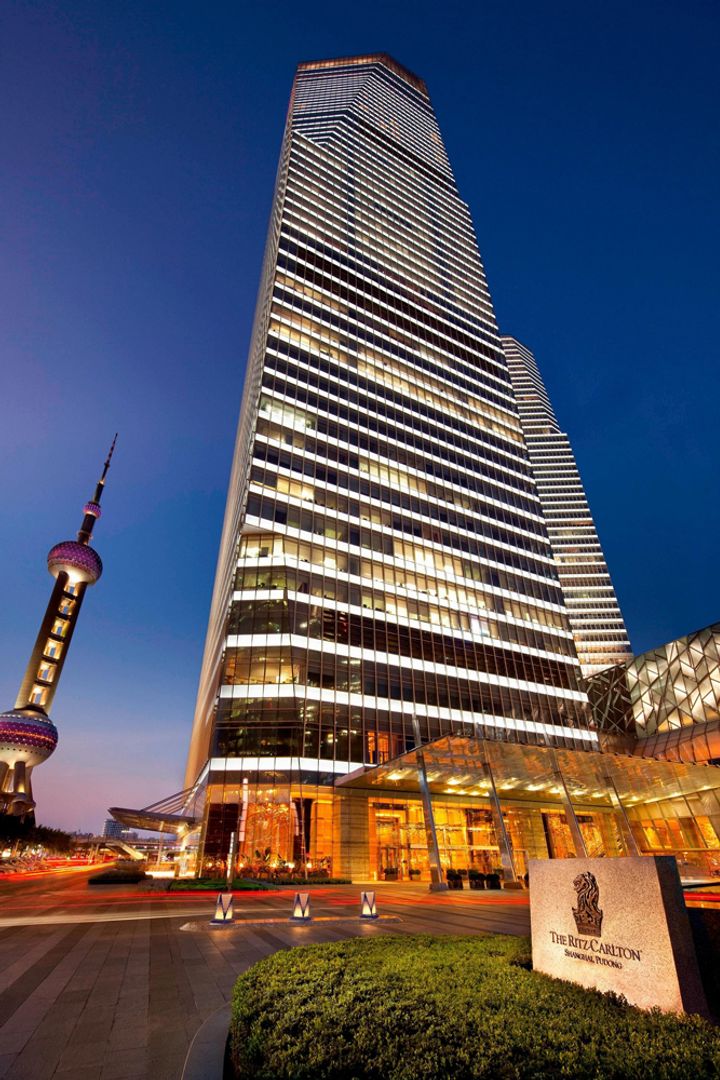
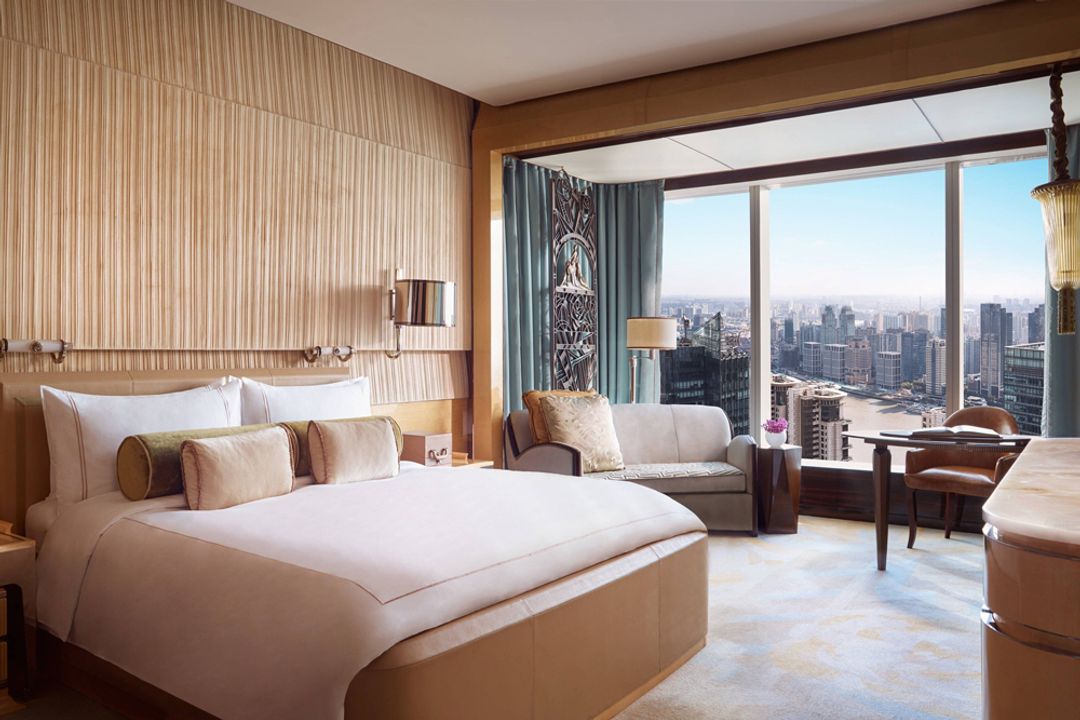
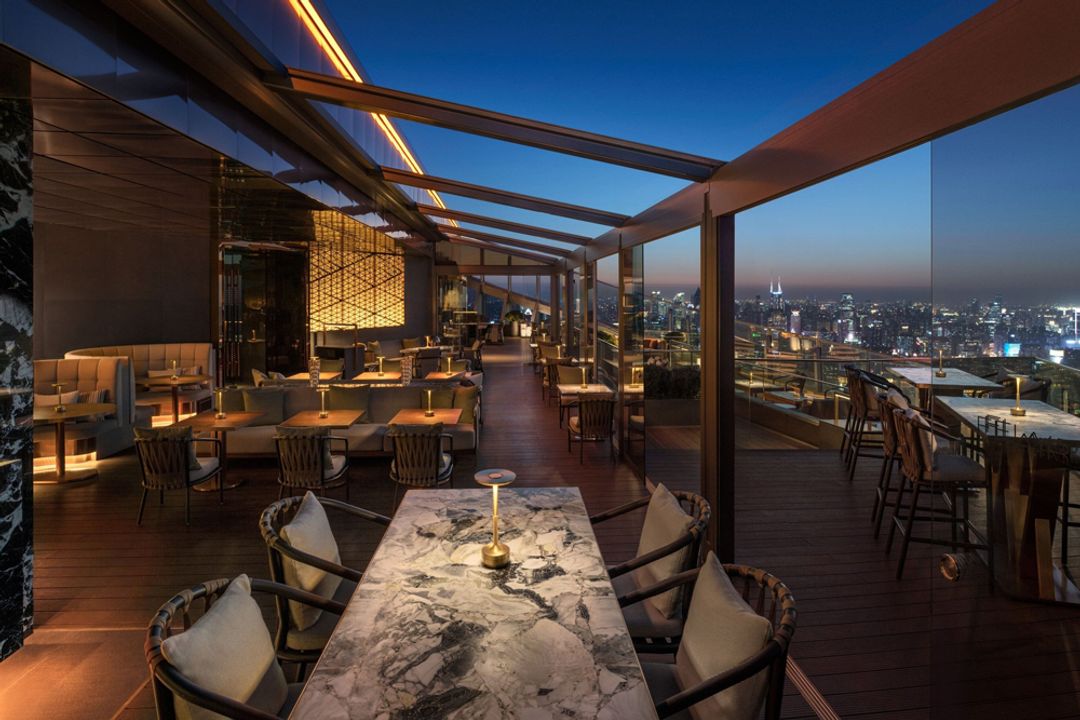
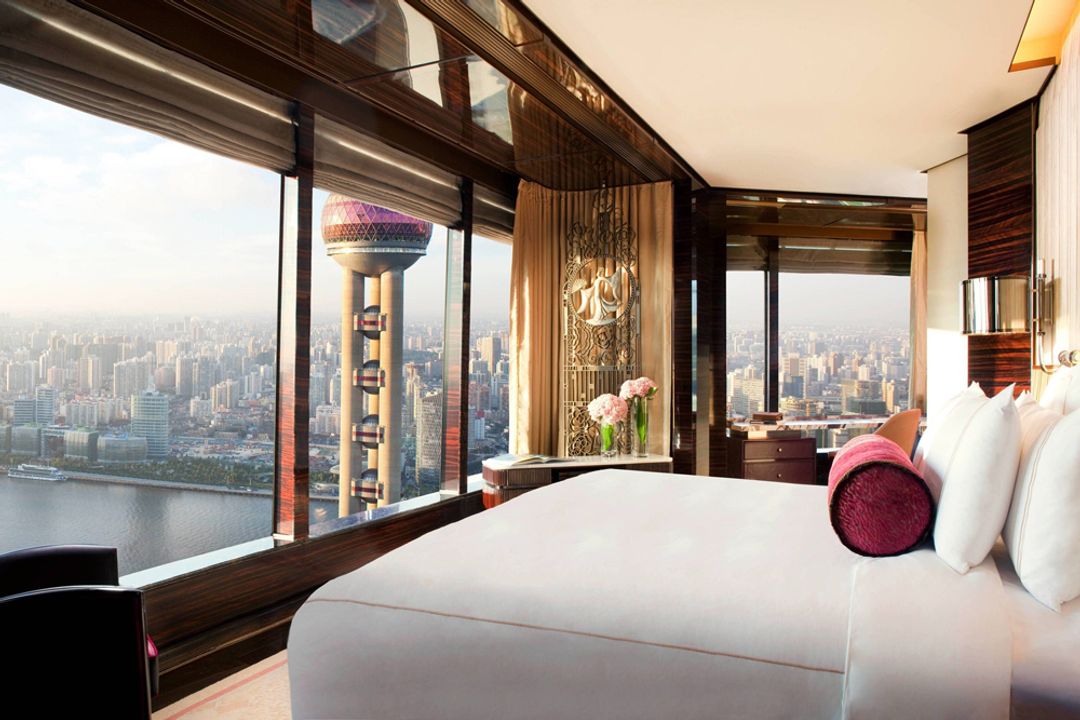
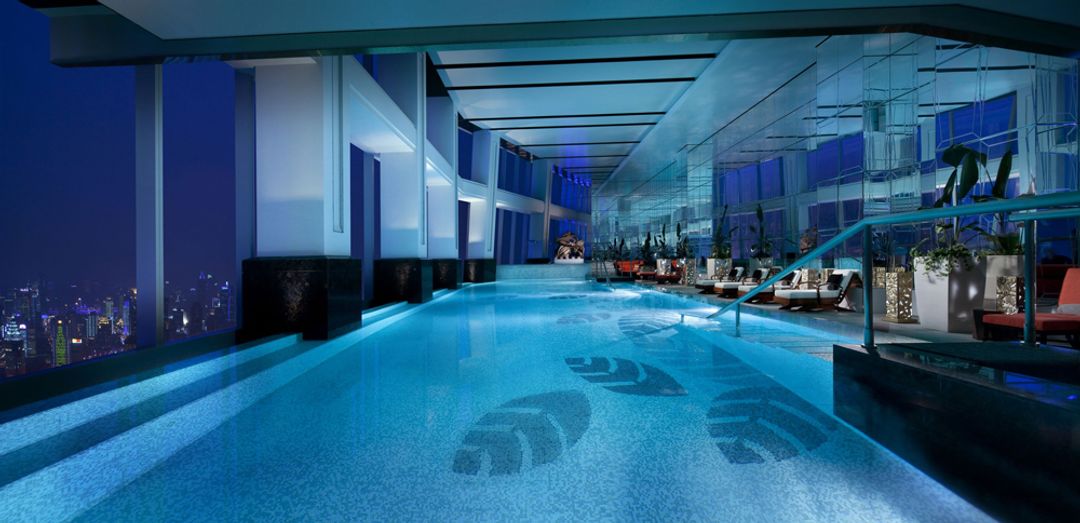
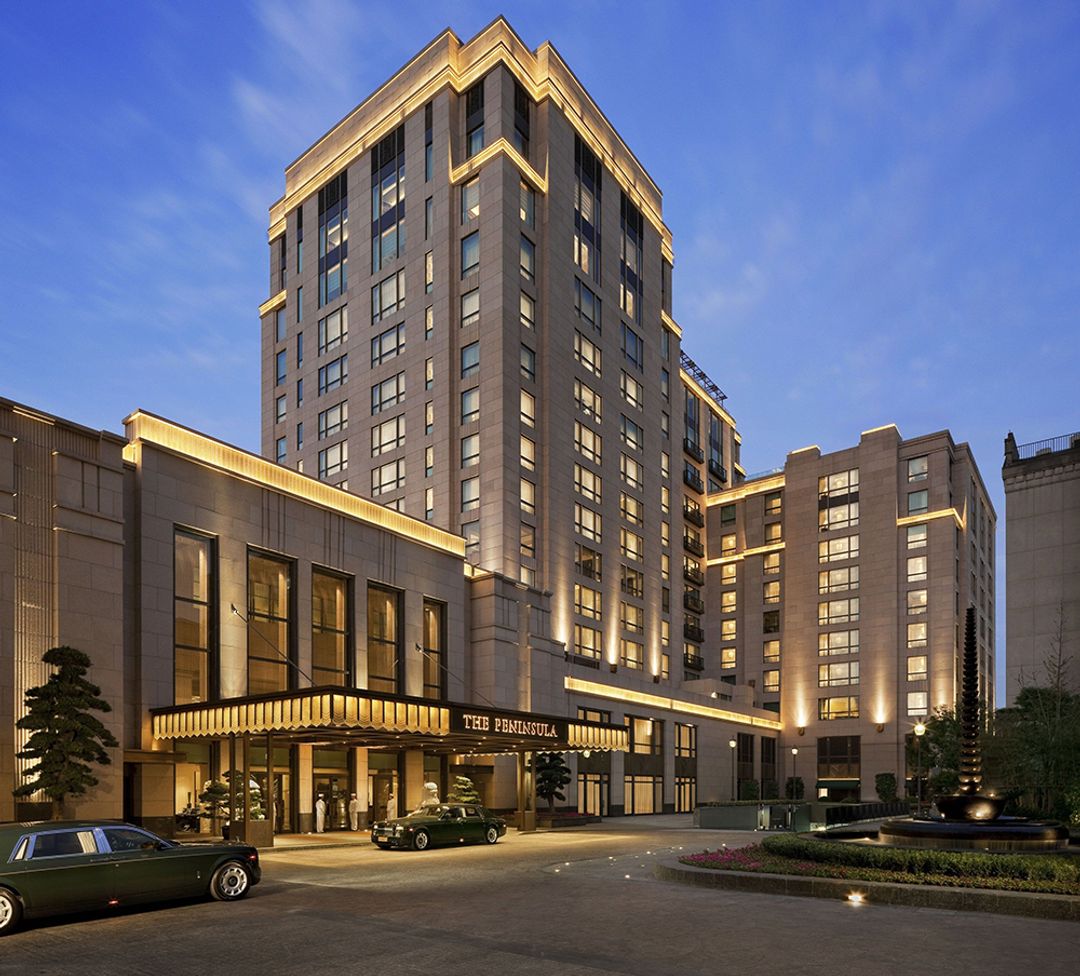
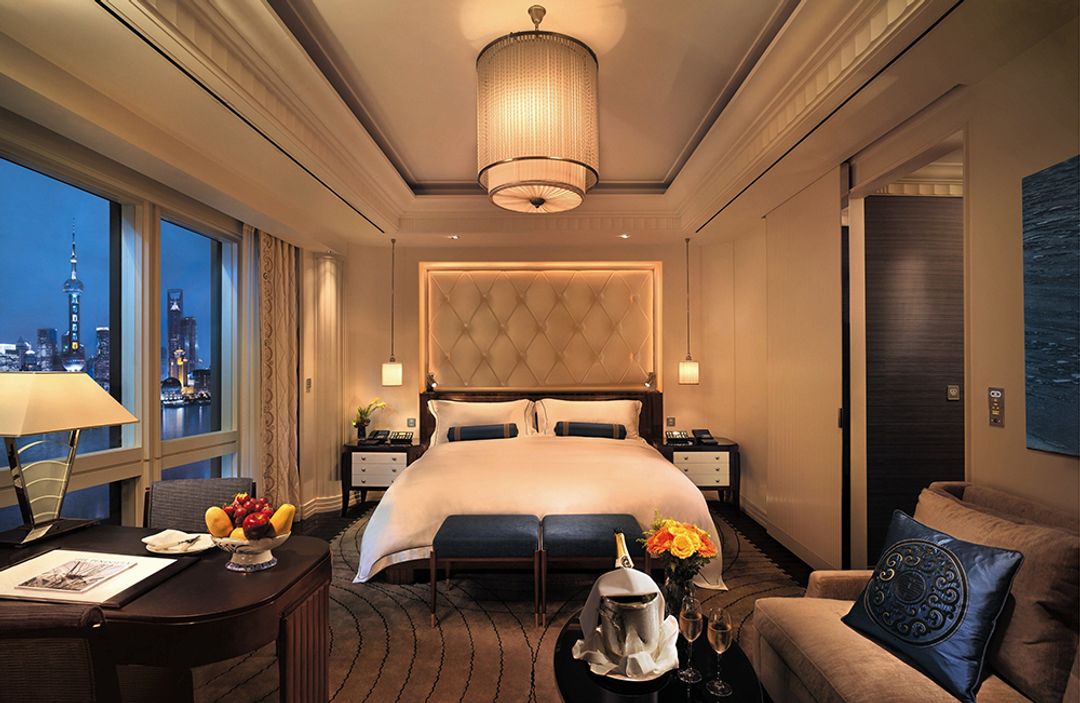
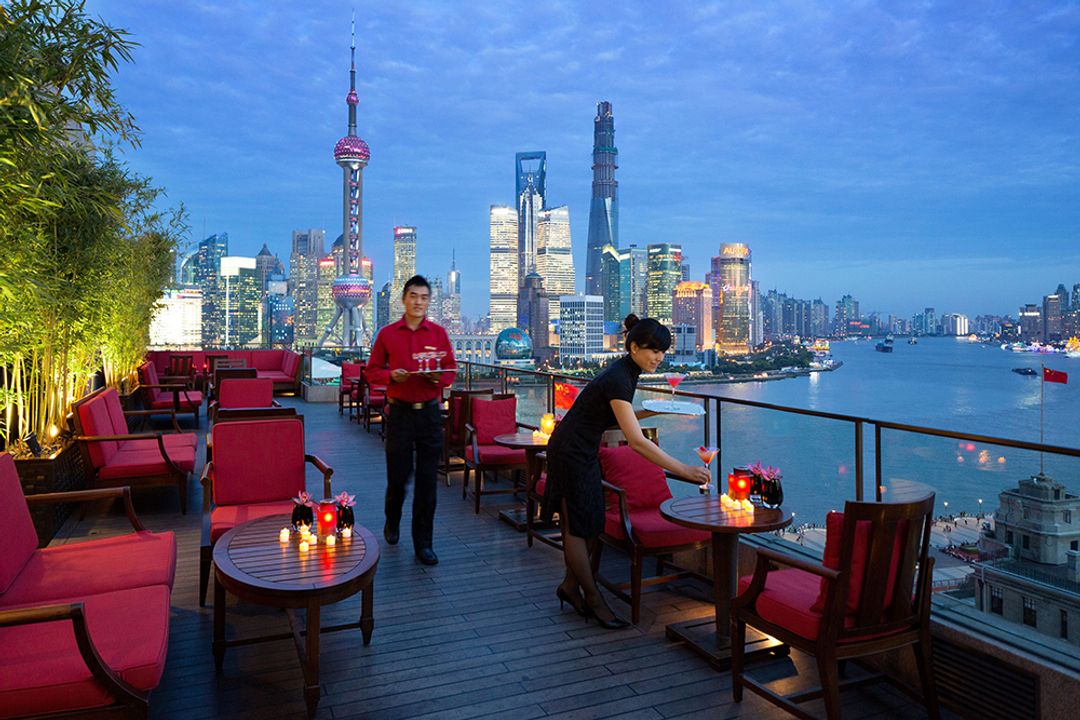
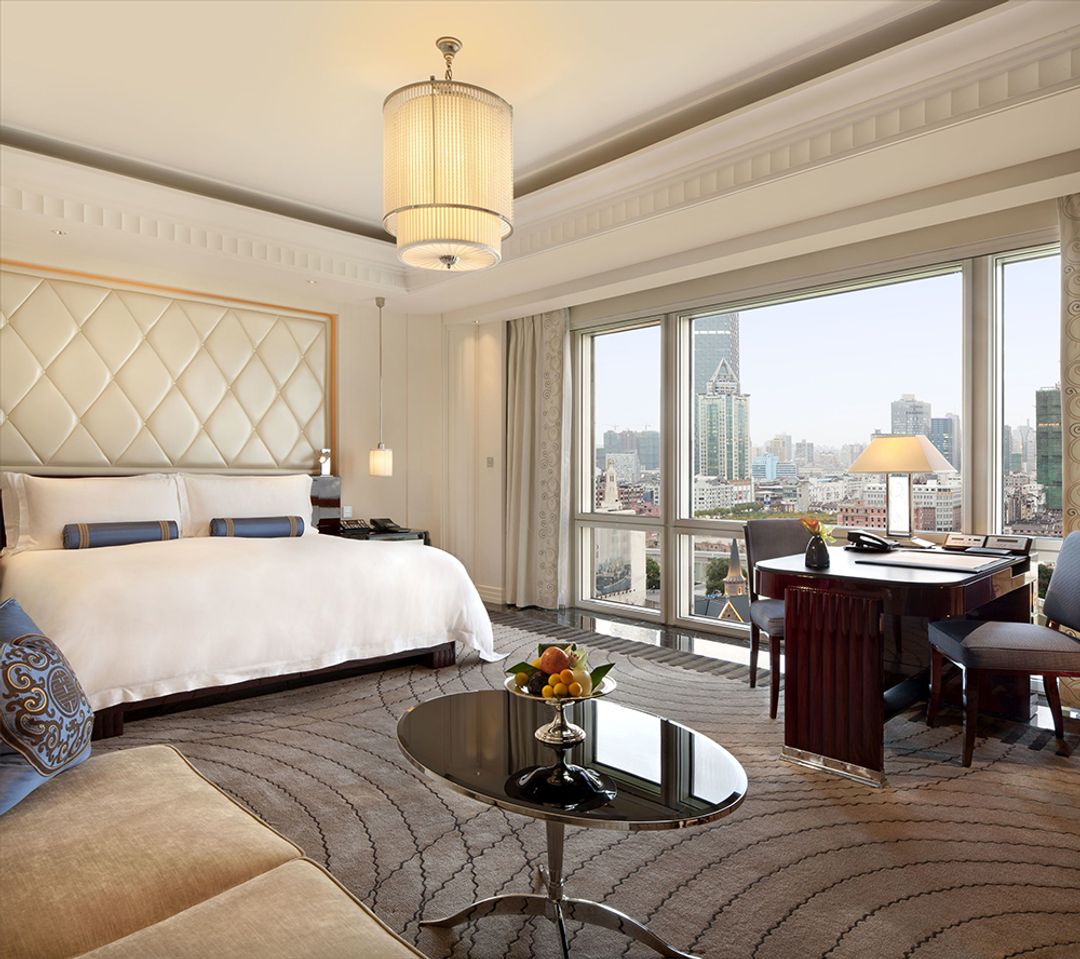
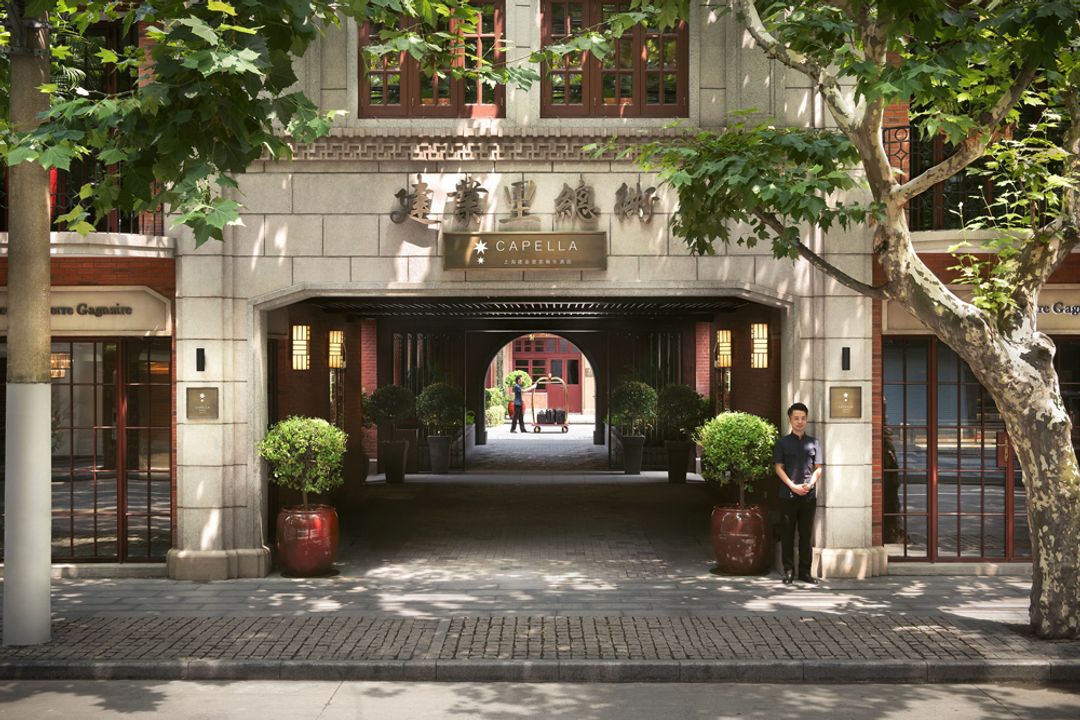
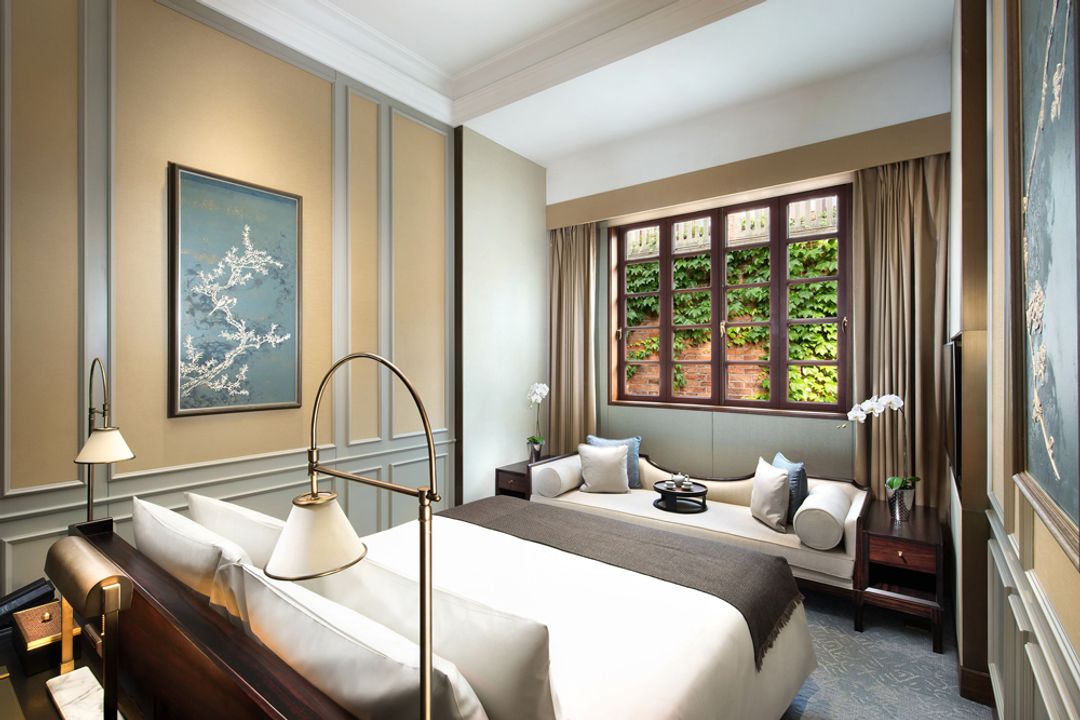
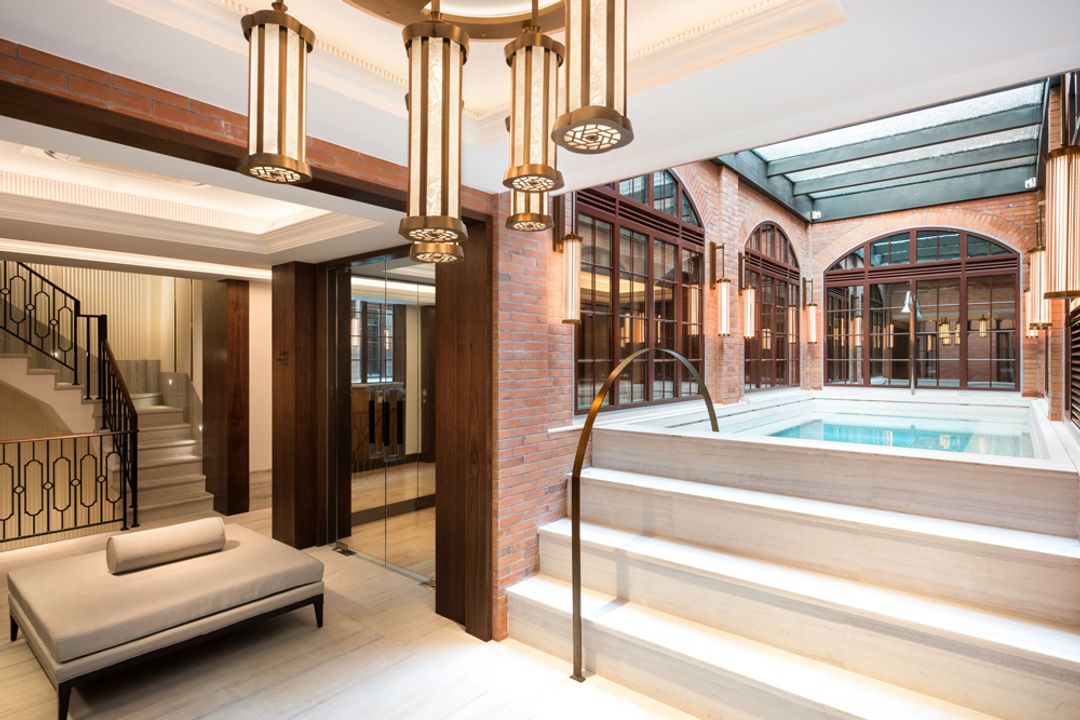
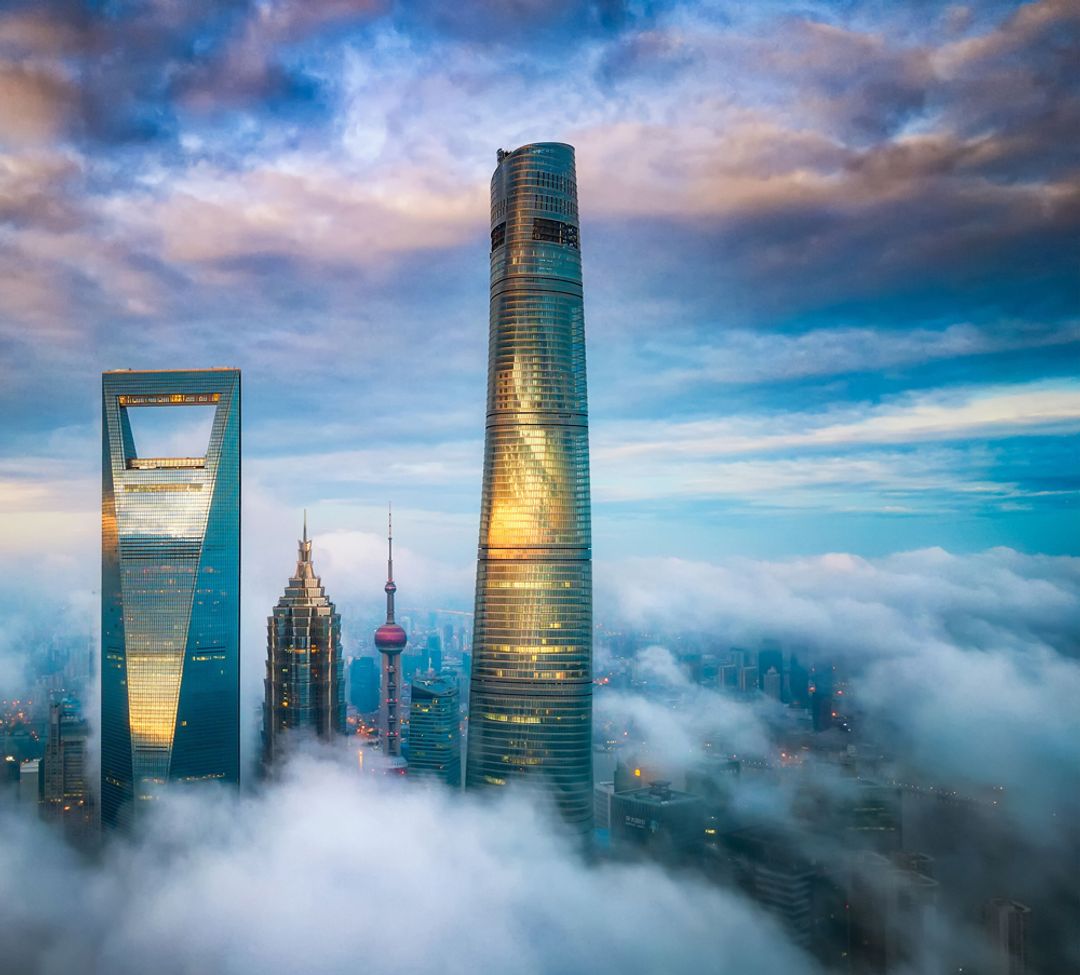
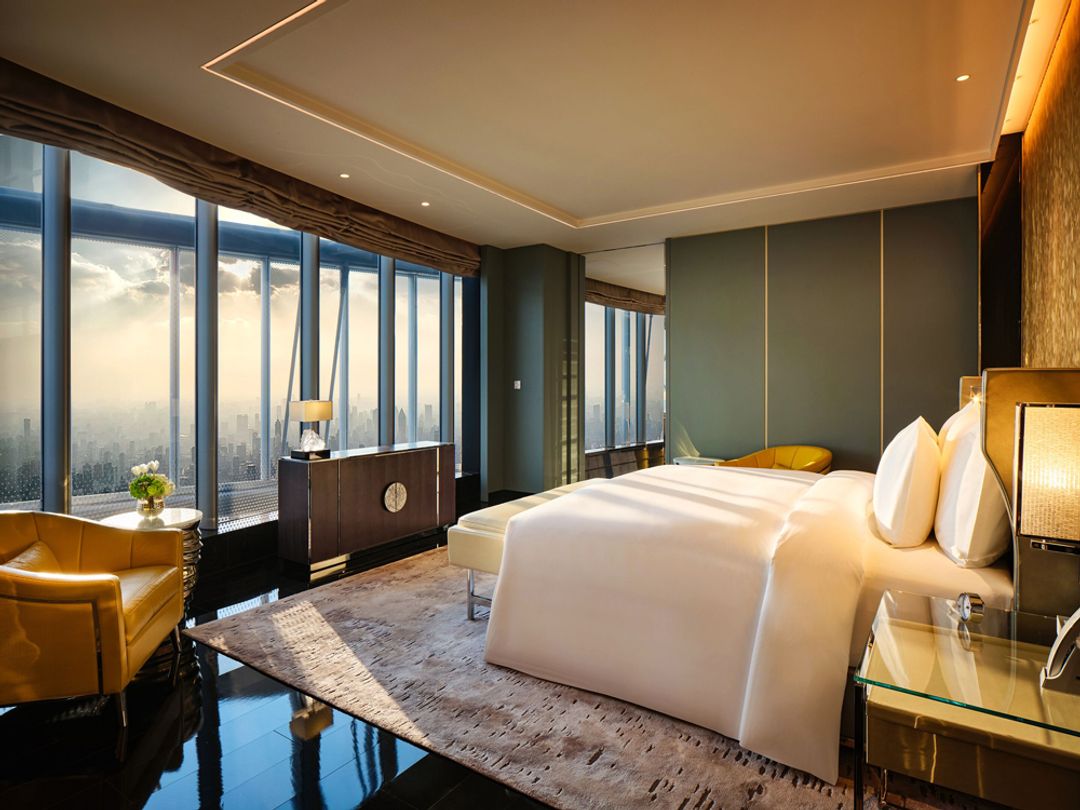
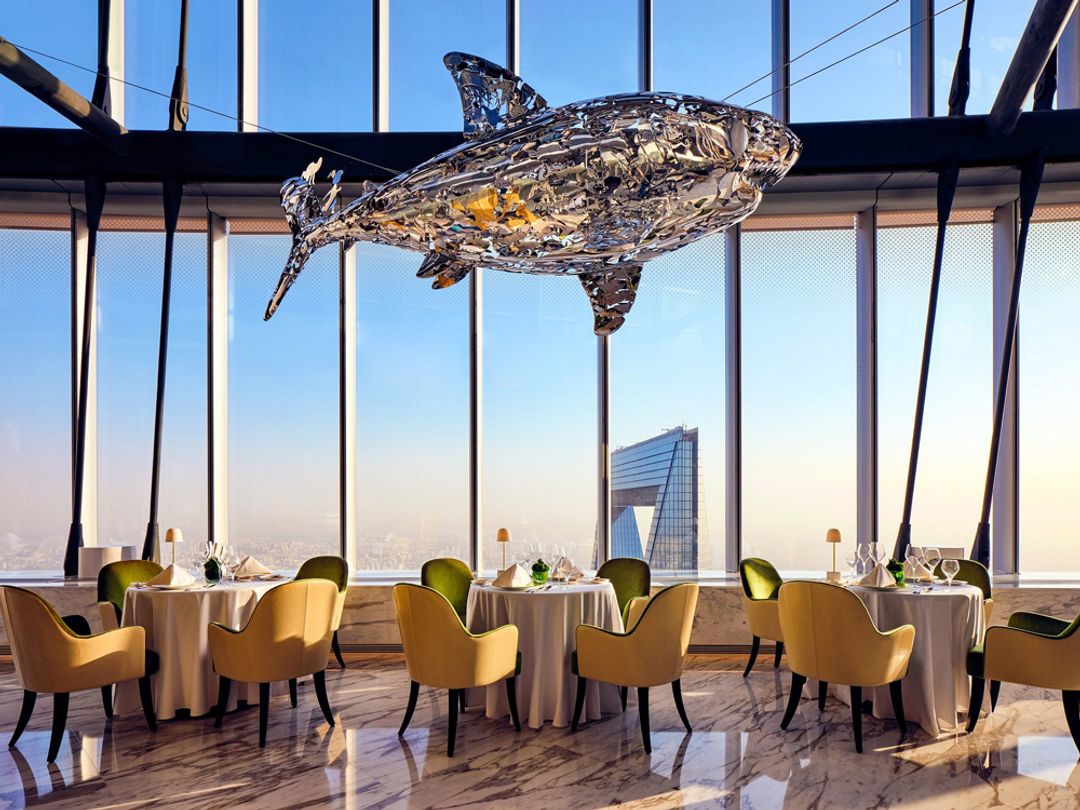
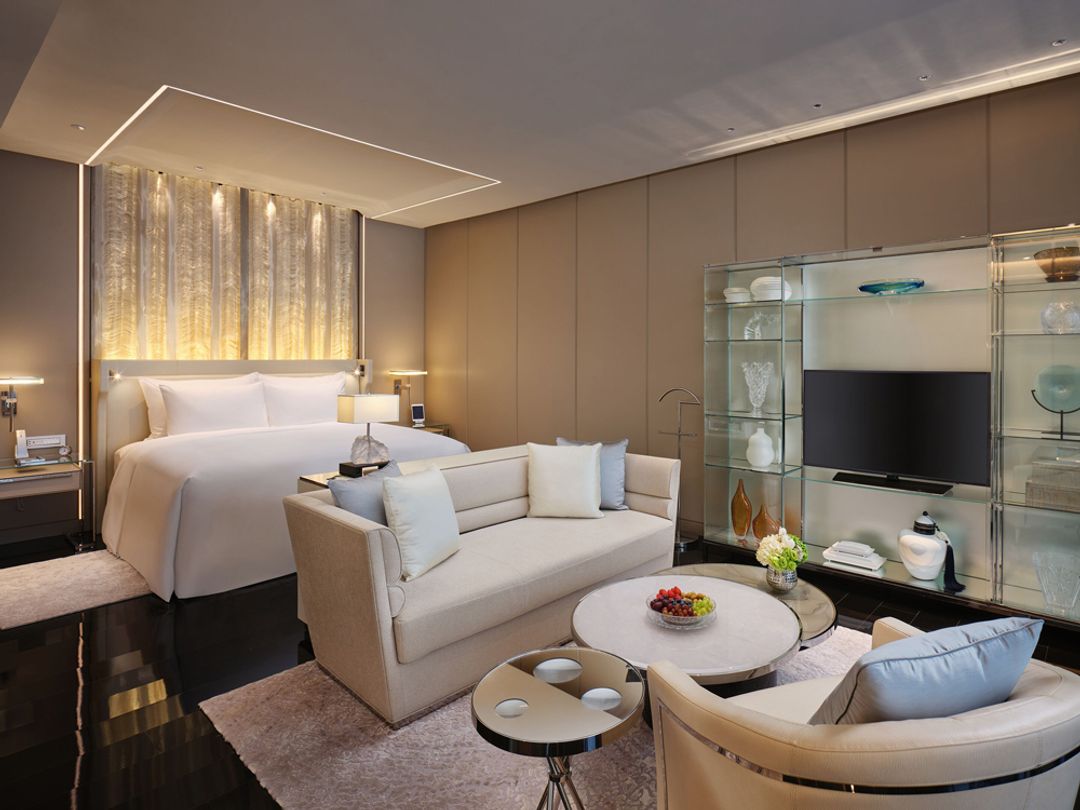
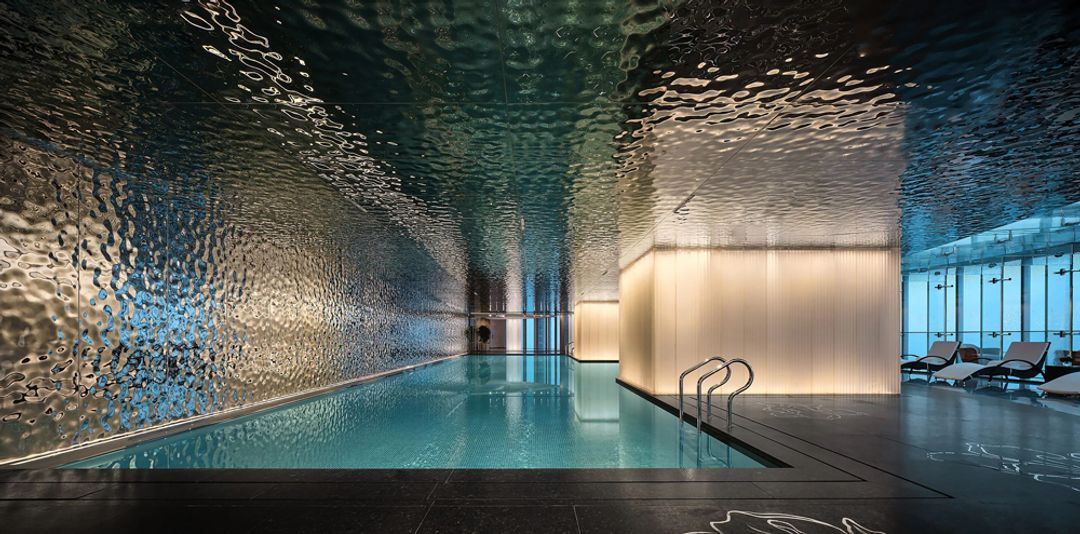
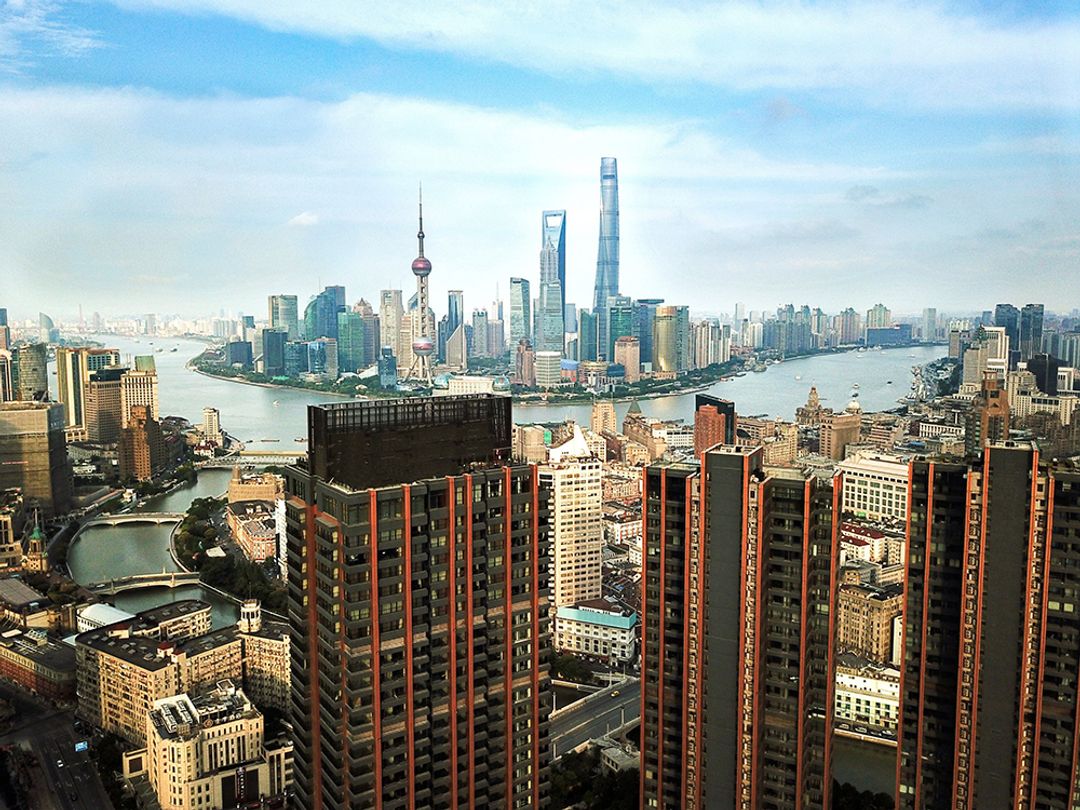
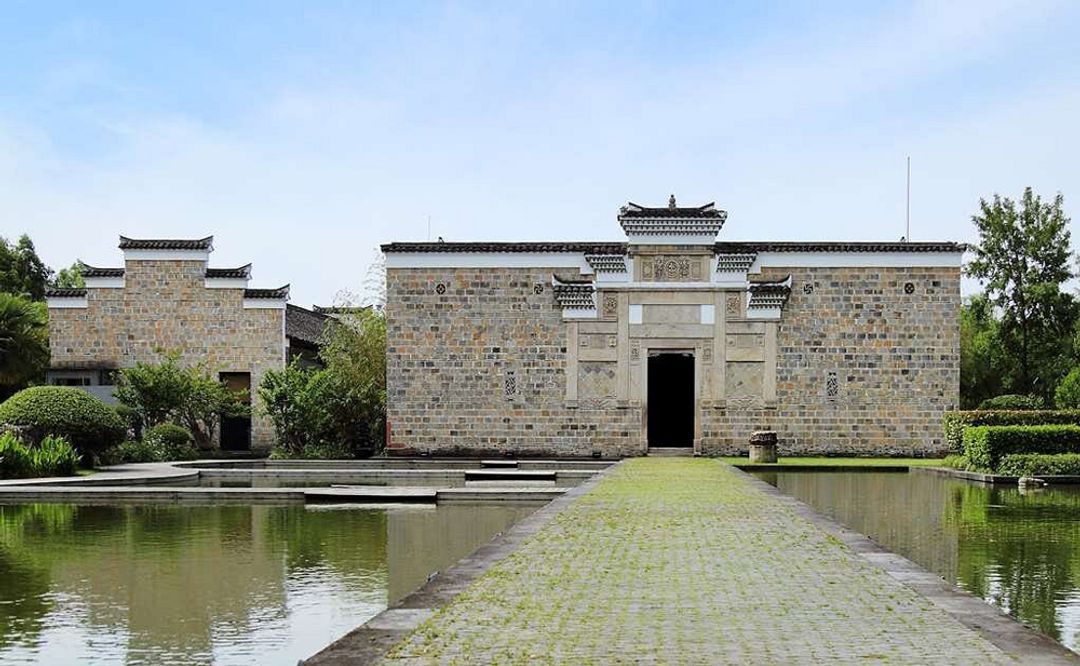
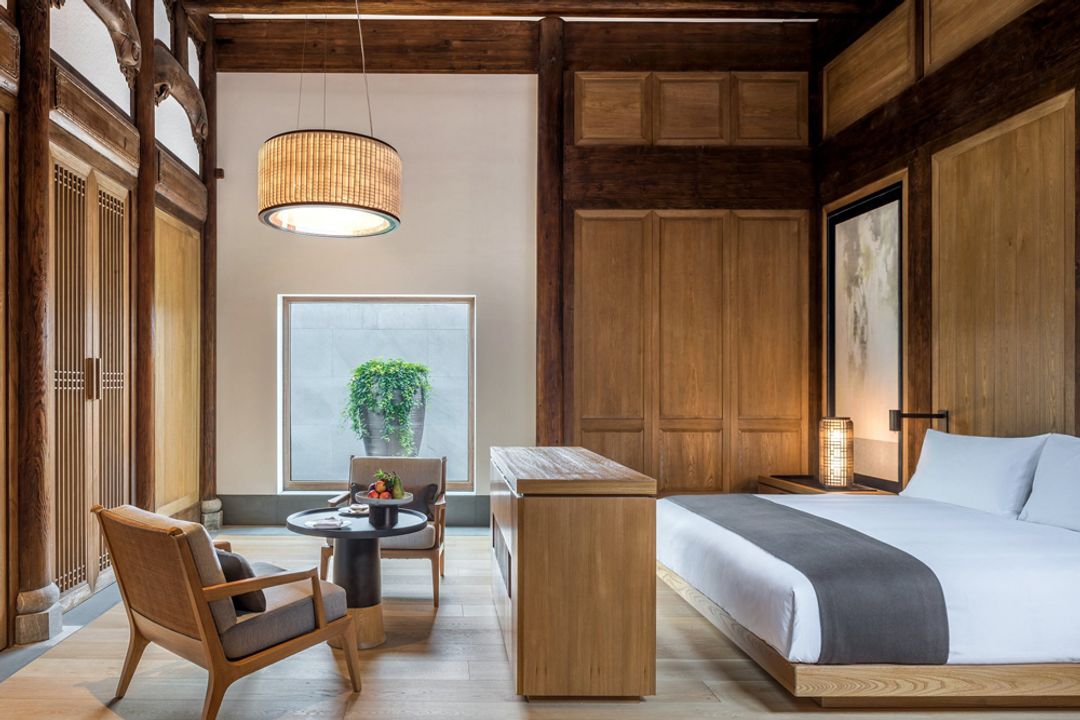
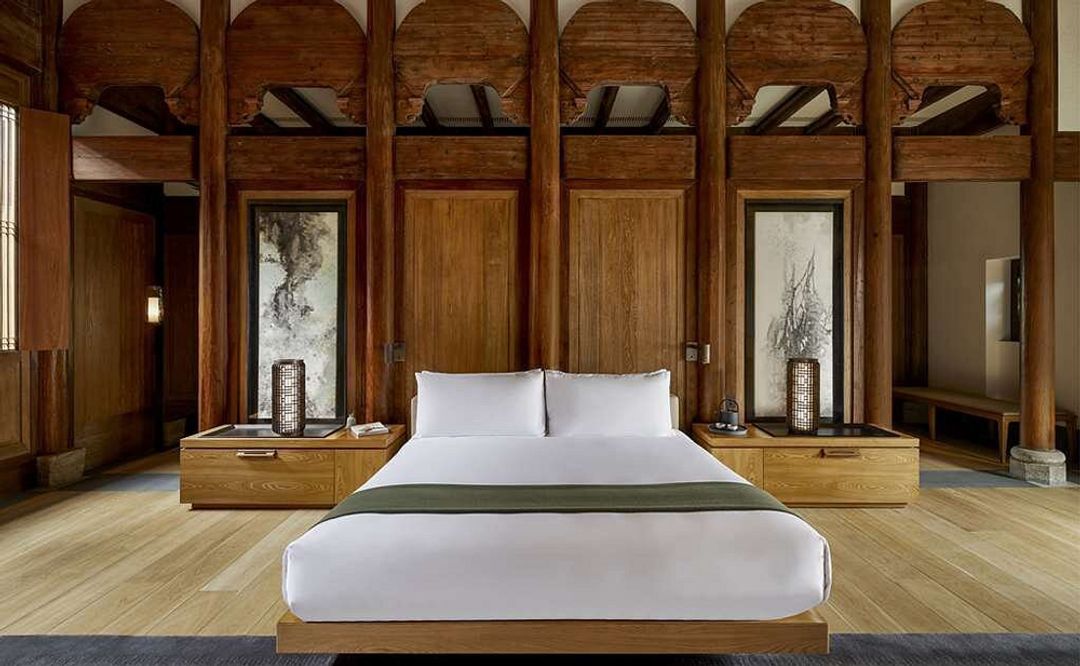
The Bund is the obvious place to start because it refuses to be ignored. The strip of early twentieth-century treaty-port architecture facing the Huangpu River — banks, trading houses, and clubs built in neoclassical and Art Deco styles by foreign firms who assumed permanence — now contains some of the city's most architecturally charged hotels. The Waldorf Astoria occupies the former Shanghai Club (1910), whose Long Bar once enforced a seating hierarchy as rigid as any caste system; the restoration is meticulous enough to feel genuinely uncomfortable in the best possible way. Across the neighborhood, the Peninsula Shanghai, which opened in 2009 in a purpose-built structure referencing the colonnaded grammar of its neighbors, sets the operational standard for the entire city. The Shanghai EDITION and the Hotel Indigo both bring more contemporary interiors to the same address without the same architectural gravitas, though the Indigo's Shanghai-specific design program, organized around references to the city's Art Deco period, earns its place. Banyan Tree's Bund outpost occupies a converted heritage building with river-facing terraces that deliver the view more generously than most. Jing An, on the western side of the old International Settlement, operates at a different register — quieter, more residential in grain, with French Concession plane trees giving way to the commercial density around West Nanjing Road. The PuLi and the Alila both occupy this neighborhood with a considered restraint that suits it. Capella Shanghai Jian Ye Li, technically in Xuhui, is perhaps the most architecturally significant hotel in the entire portfolio: a project that preserves a cluster of 1930s shikumen stone-gate houses around a series of courtyards, the laneway typology of old Shanghai compressed into a luxury property with extraordinary sensitivity. The Middle House in Dazhongli, designed by Piero Lissoni, works in an adjacent key — a contemporary tower whose interiors resist the temptation toward pastiche while remaining alert to the city around them. Pudong, across the river, is a different argument entirely. J Hotel occupies the upper floors of the Shanghai Tower — Gensler's twisting 632-meter supertall completed in 2015 — which makes it the highest hotel in the world and gives it a perspective on the city that is purely vertical and purely twenty-first century. The Park Hyatt, in the Shanghai World Financial Center's distinctive bottle-opener profile, and the Ritz-Carlton in the adjacent IFC complex complete a cluster where altitude is itself the design gesture. Amanyangyun, south of the city in Fuzhou, stands apart from all of this: a resort assembled from Ming and Qing dynasty timber structures relocated from Jiangxi province, a project that measures Shanghai's appetite for preservation against its habit of demolition.