Best hotels in Singapore (City) | Visually Compare Top Stays Side-by-Side
Welcome to PressBeyond - a curated visual guide to design-driven hotels and the fastest way to compare them.
An Overview of the Boutique & Luxury Hotel Landscape in Singapore (City)
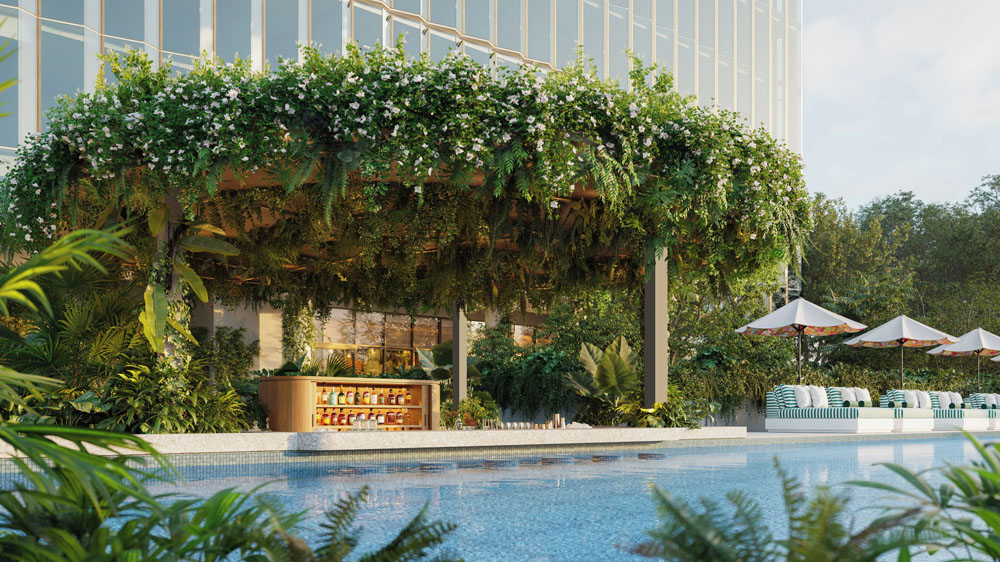
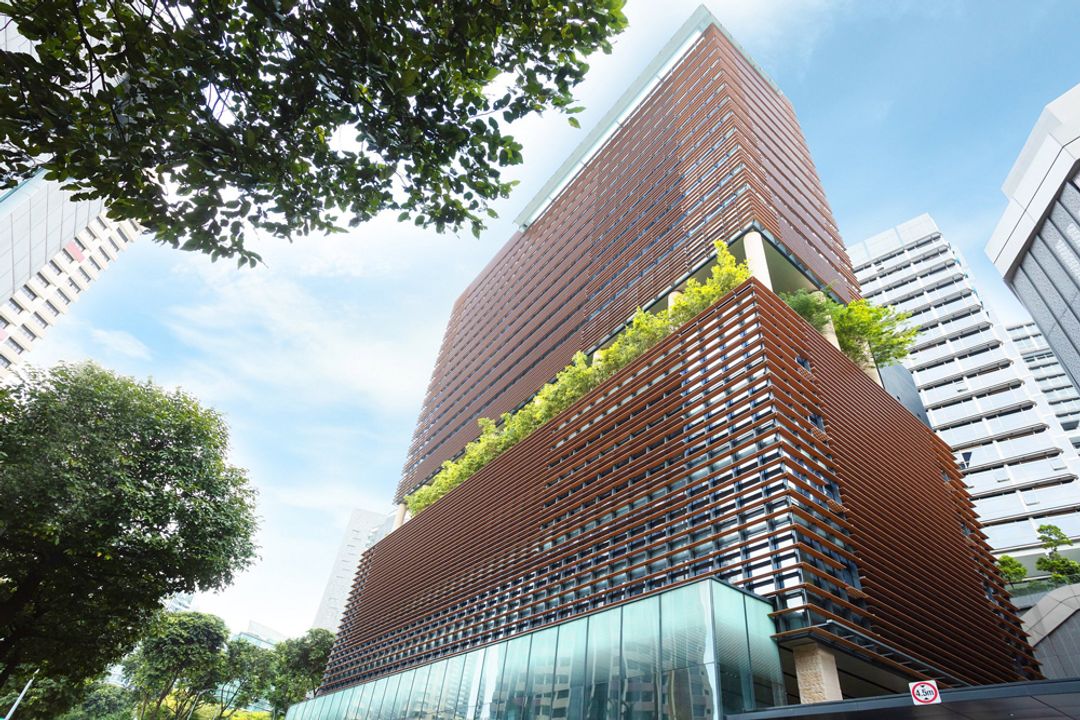
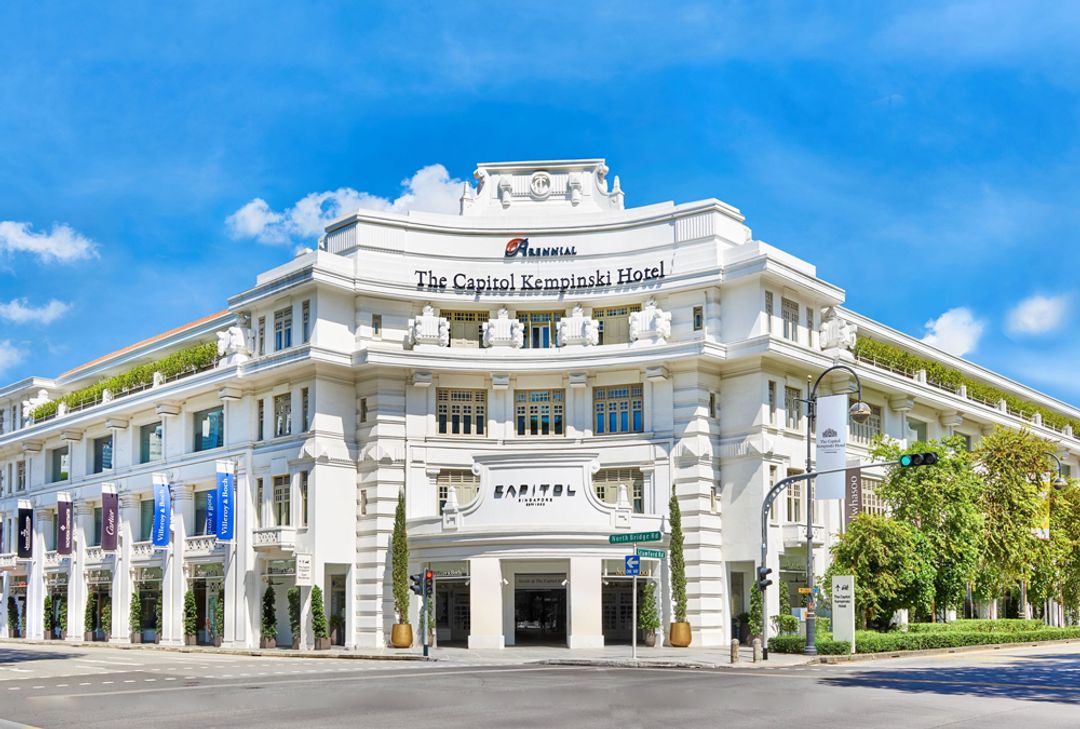
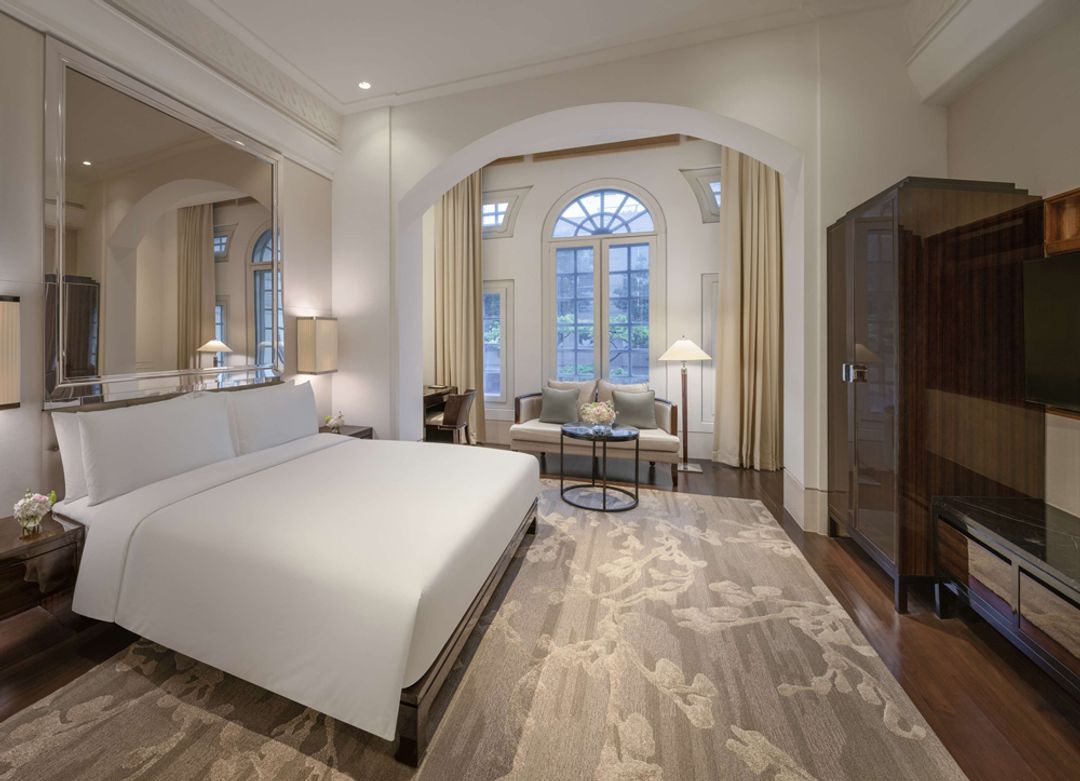
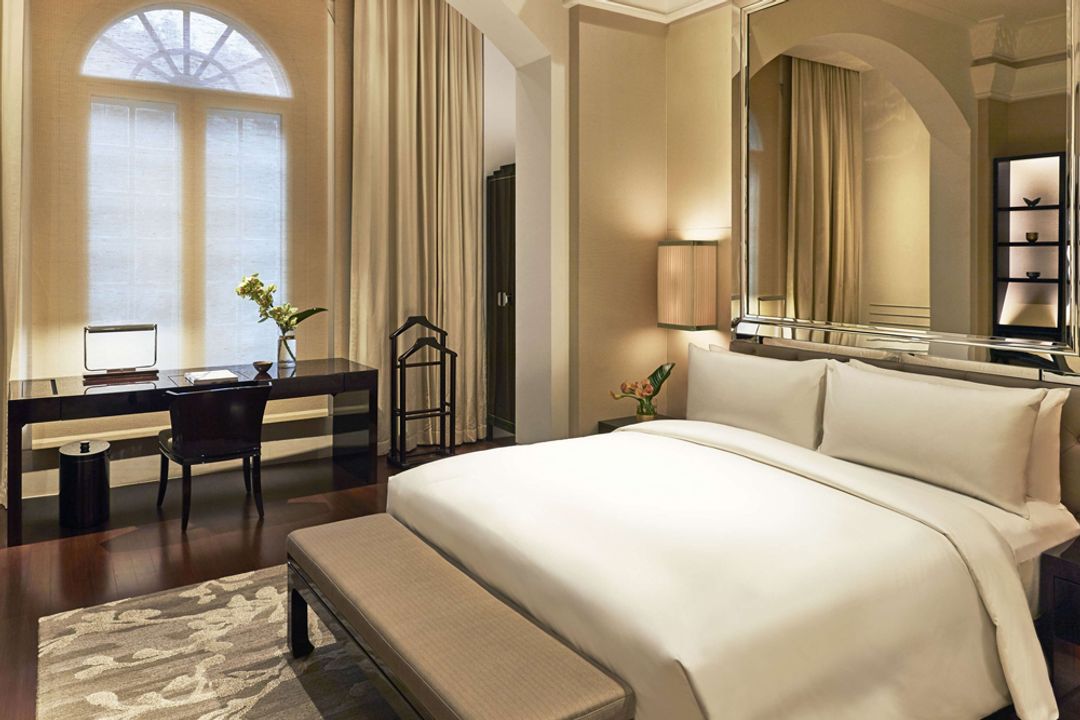
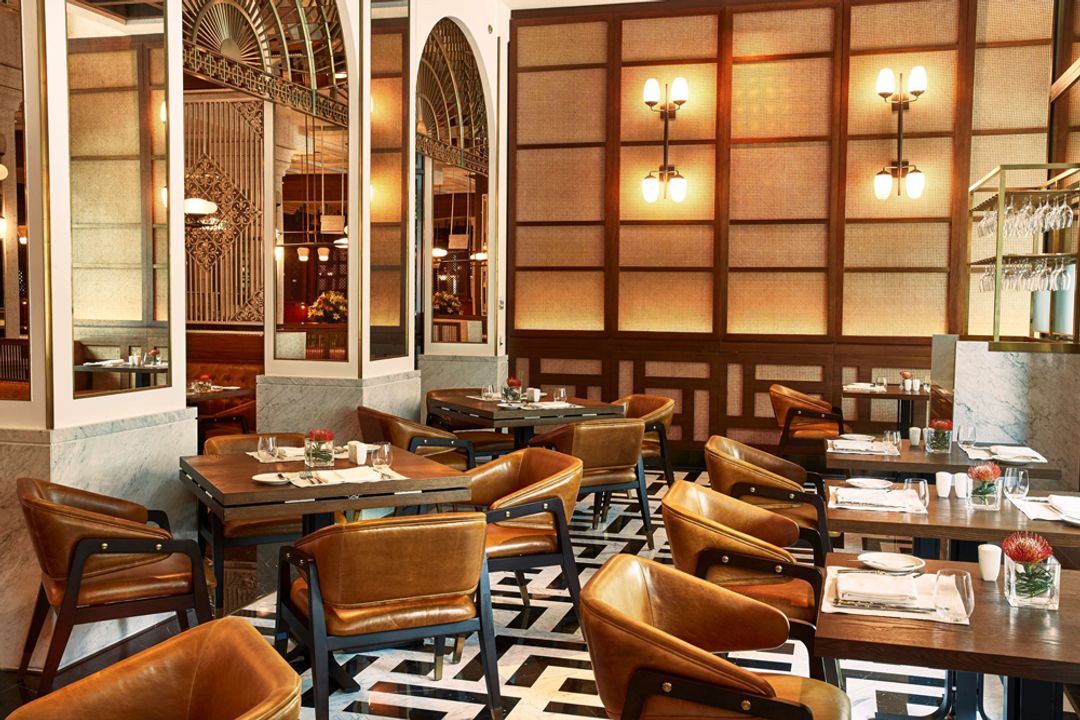
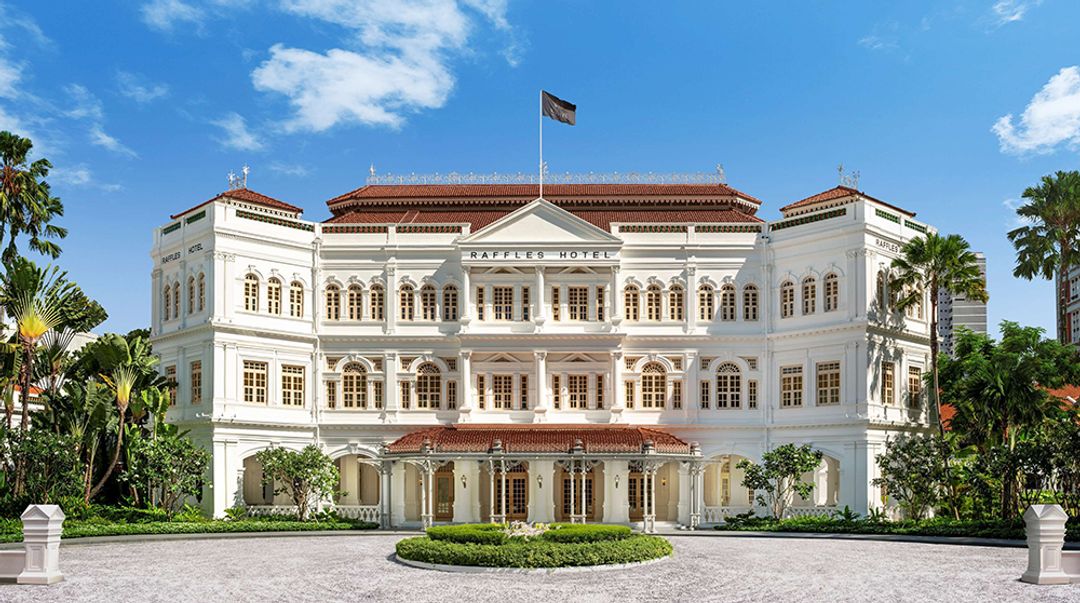
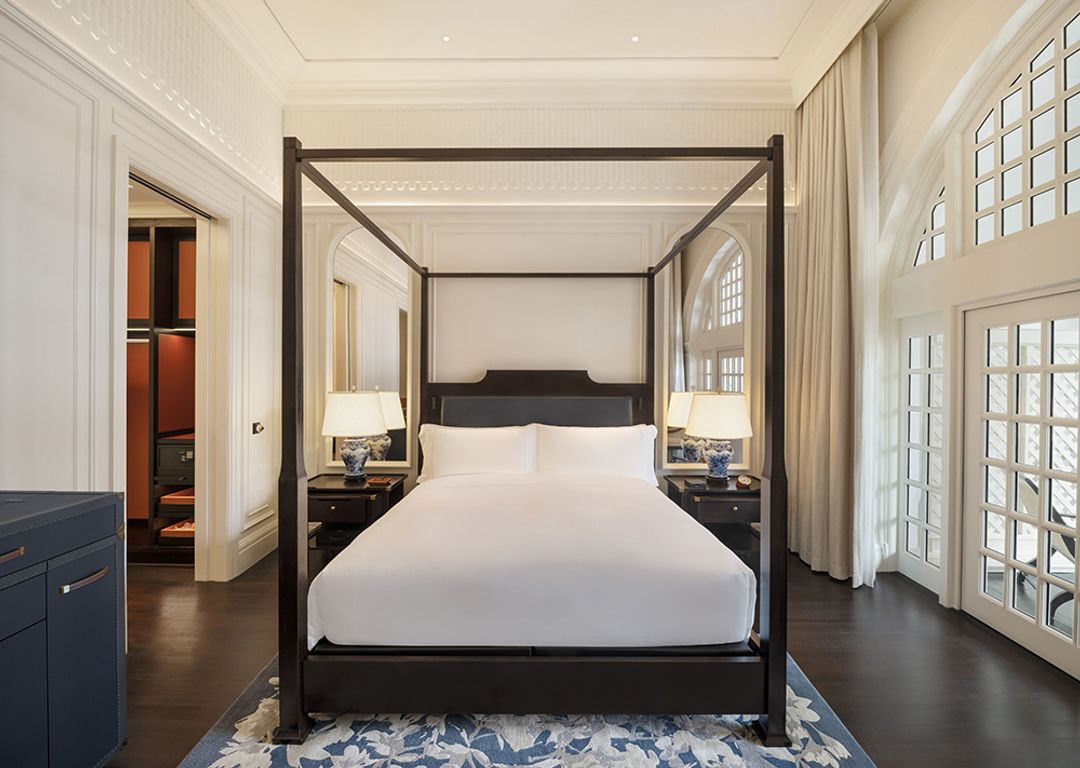
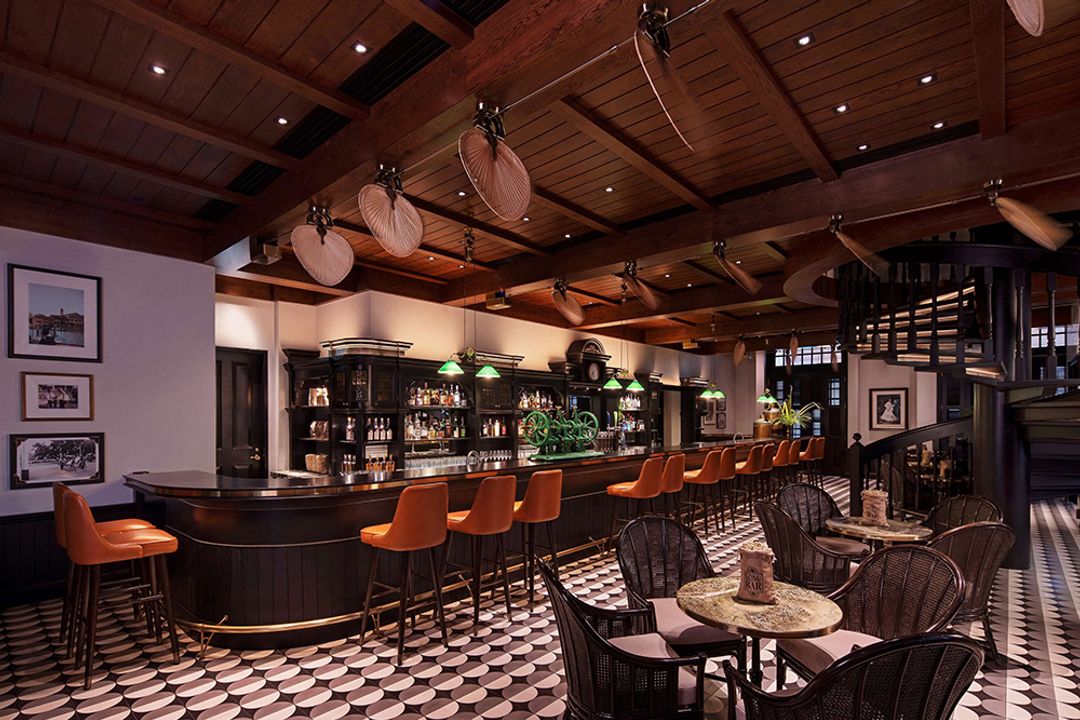
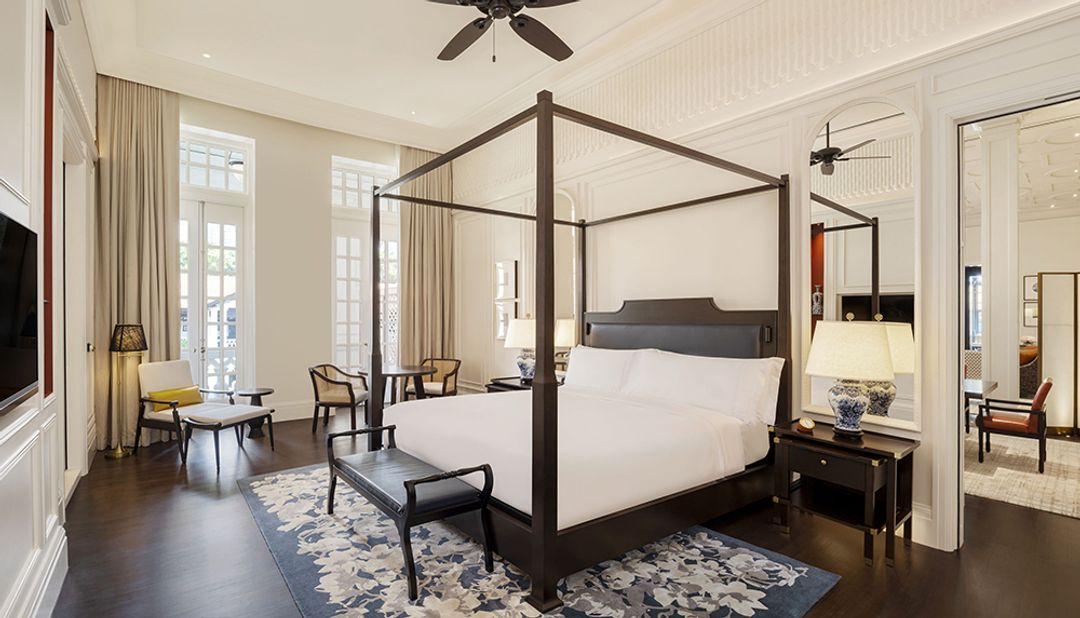
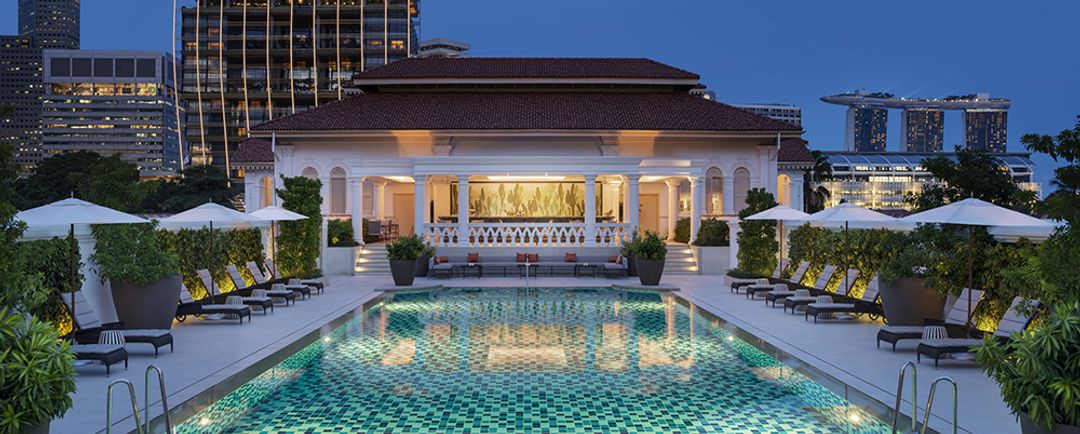
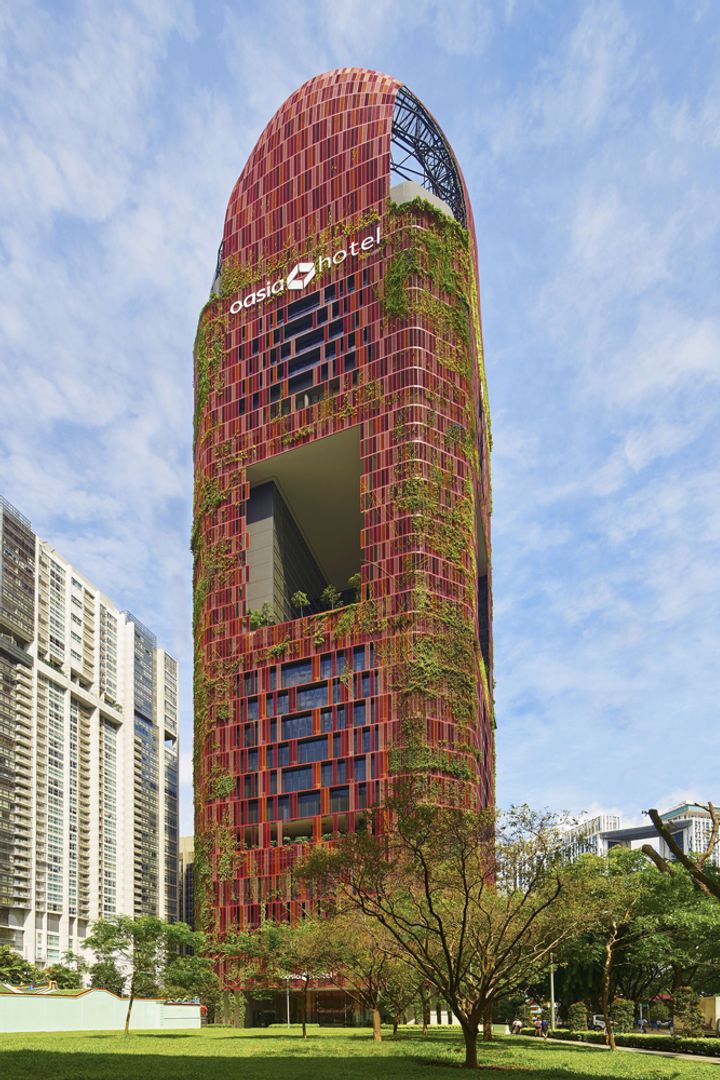
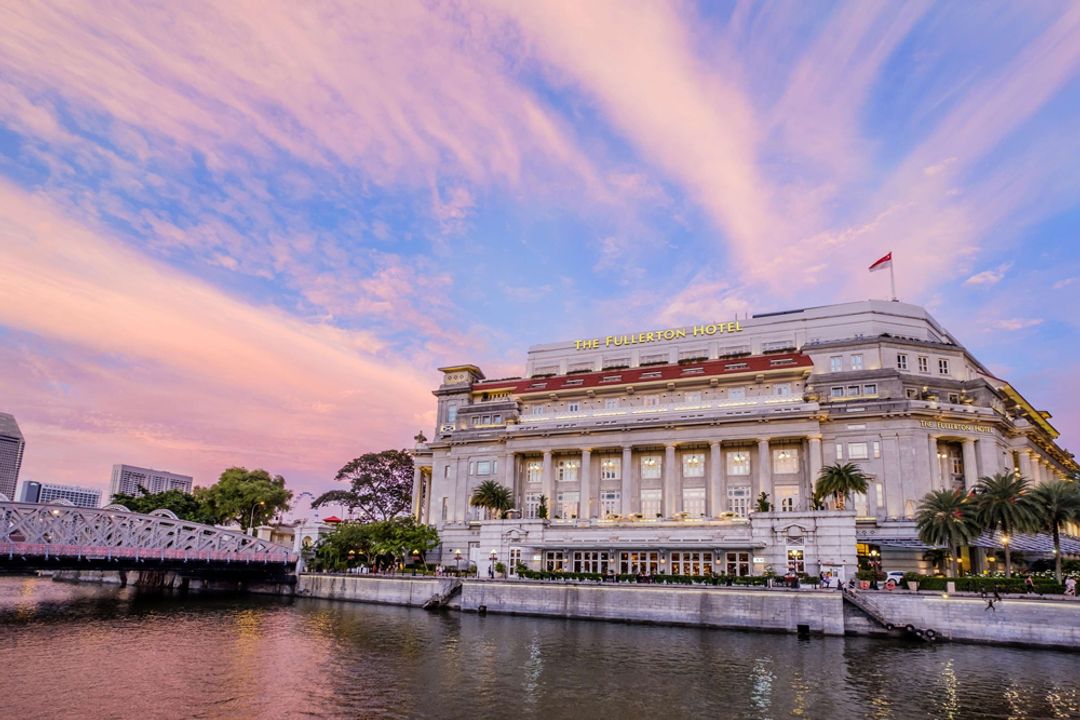
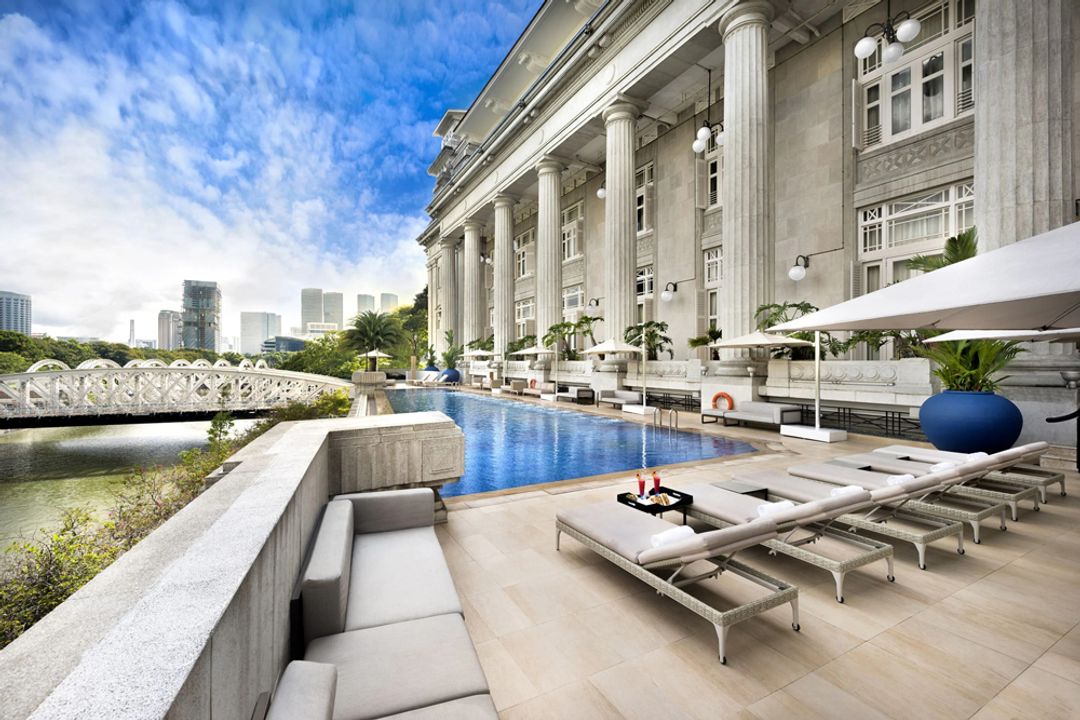
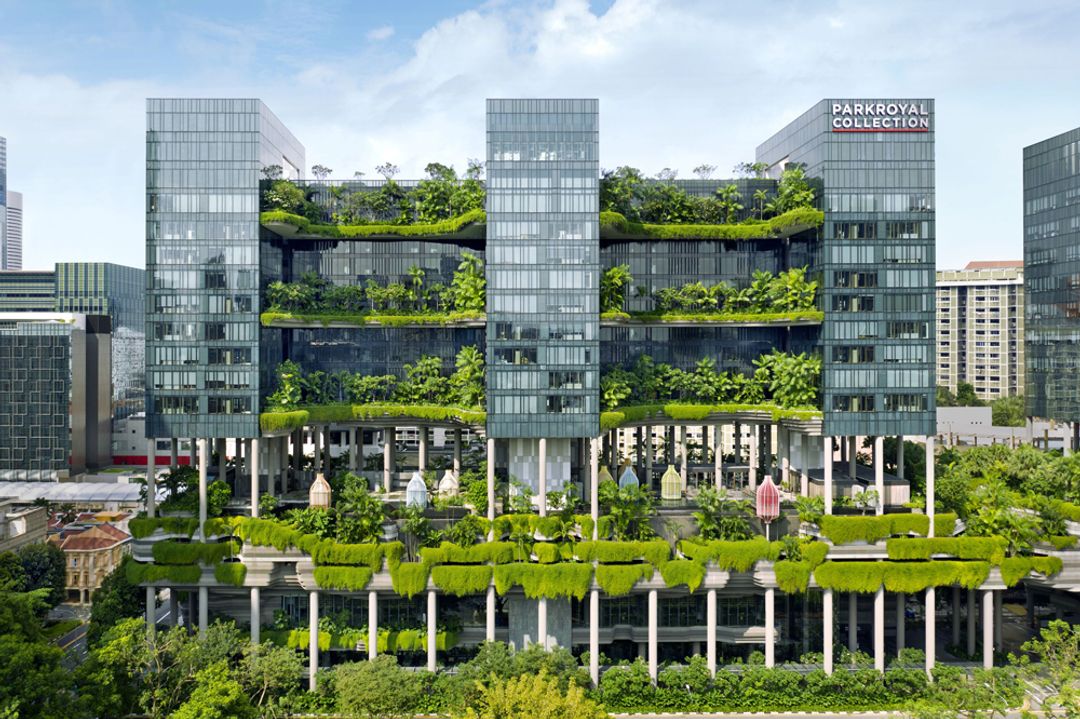
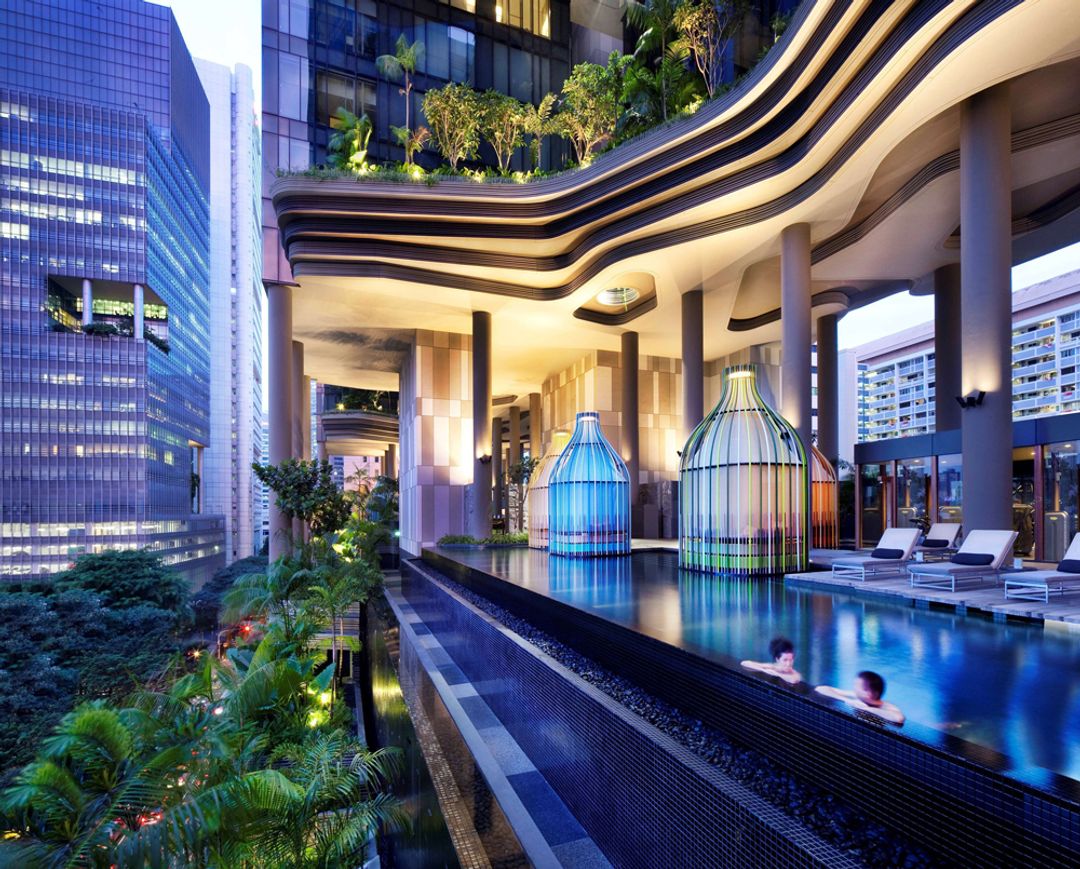
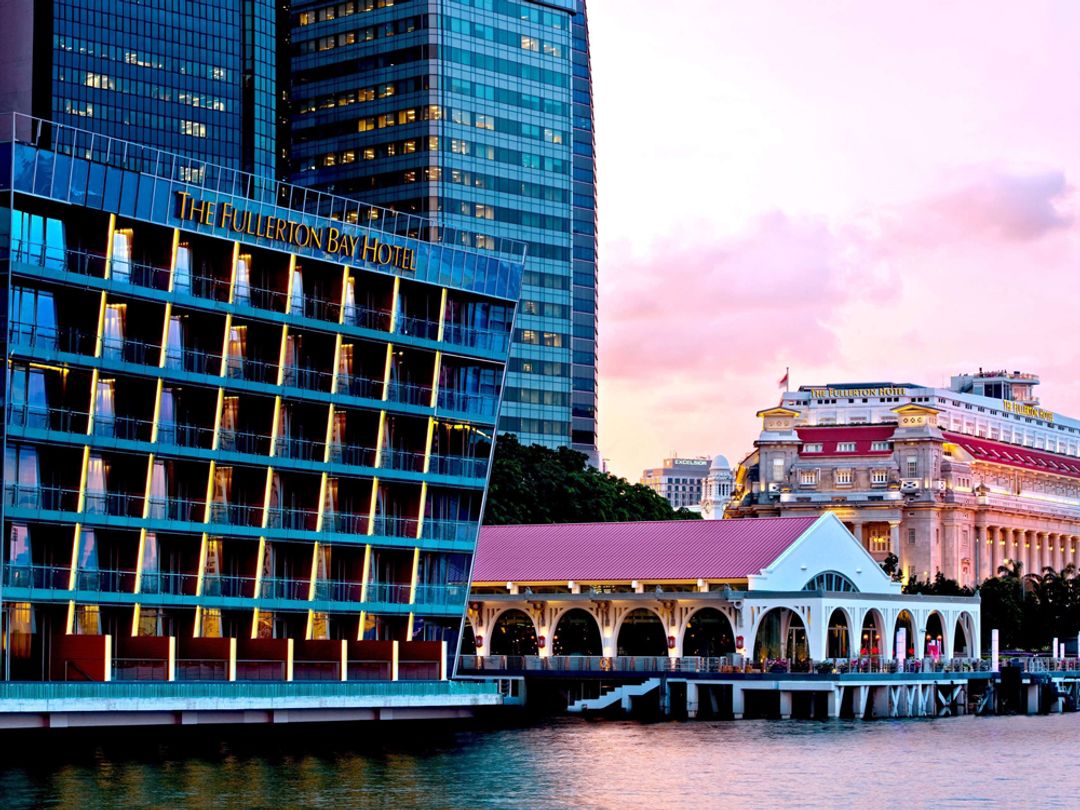
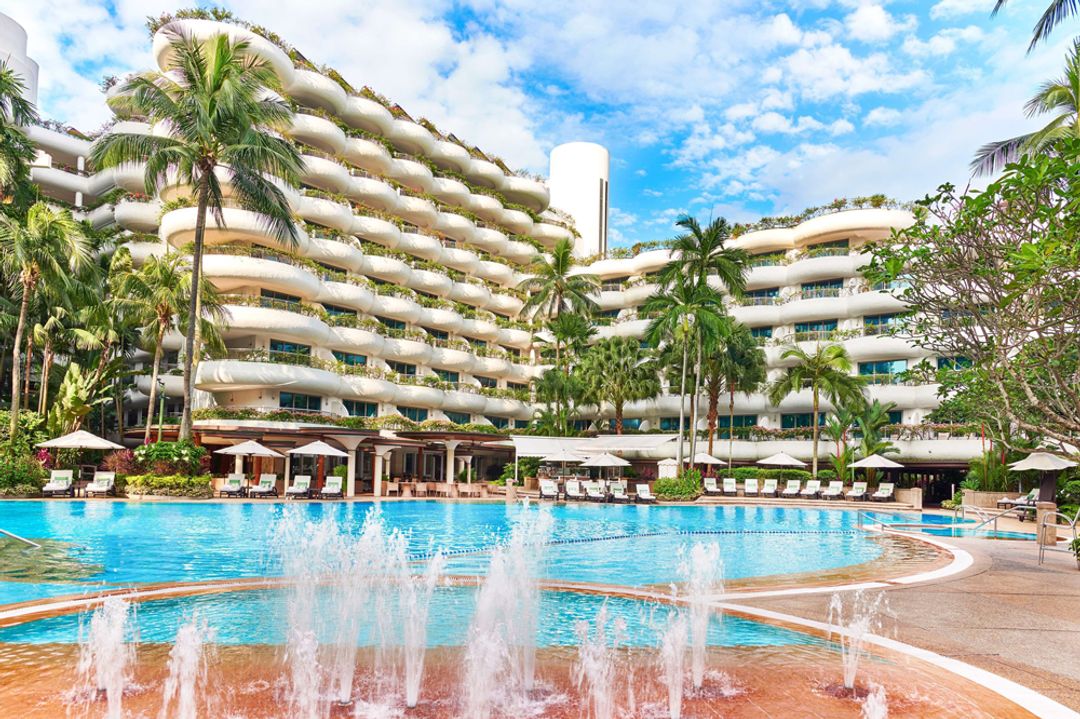
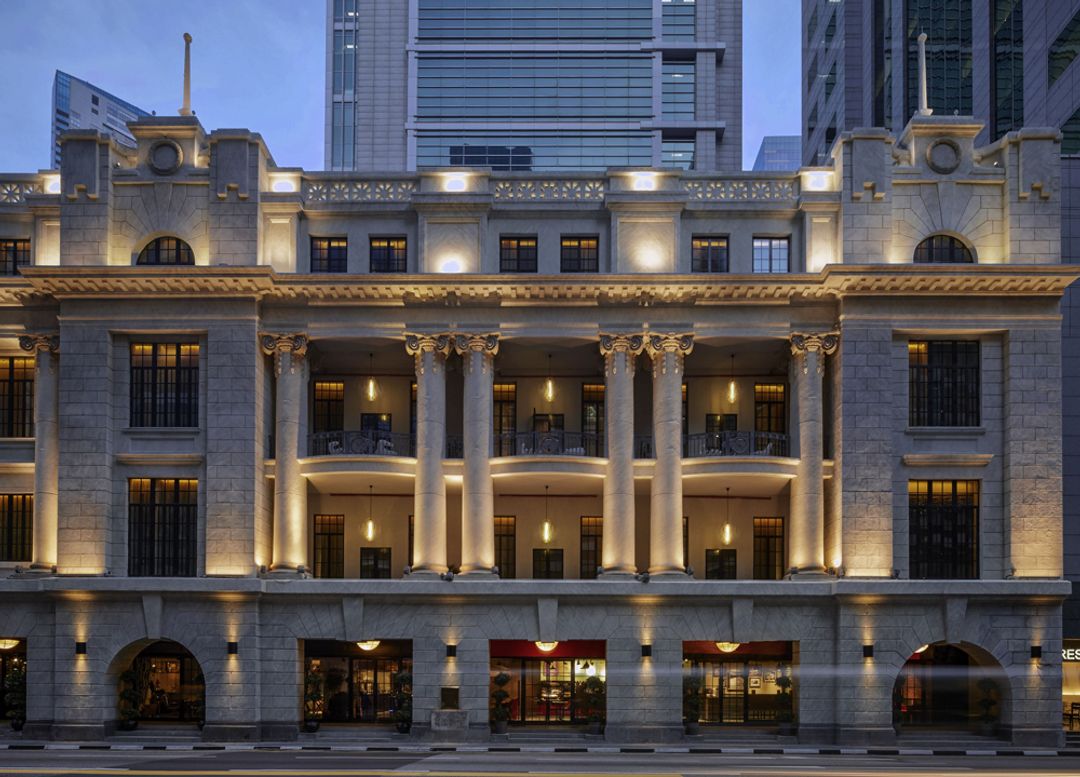
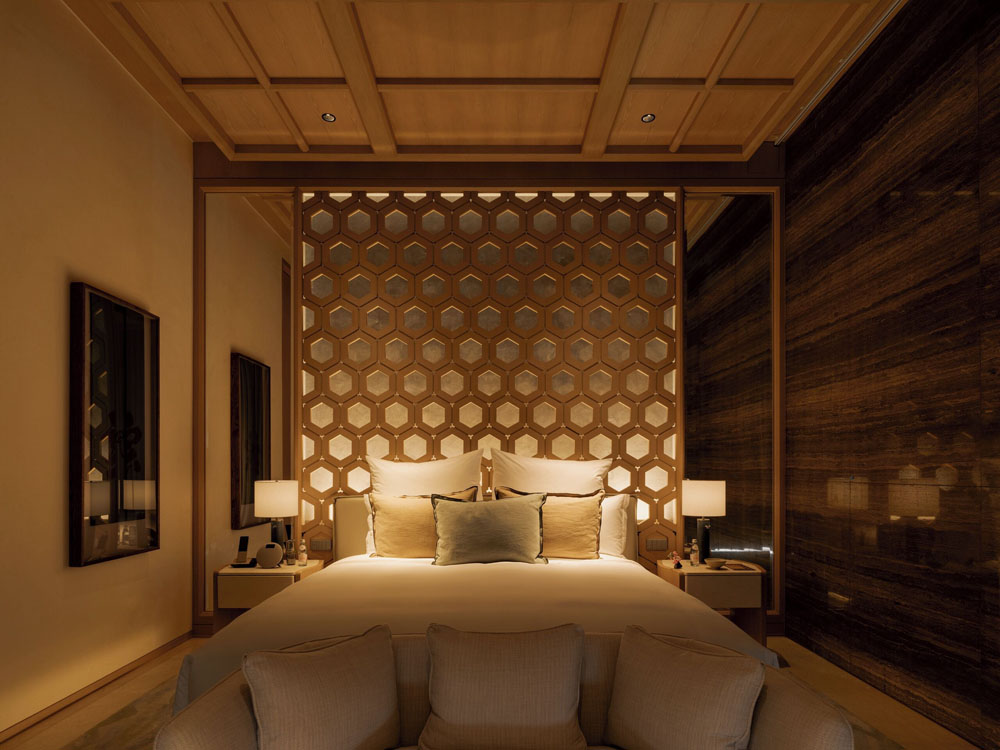
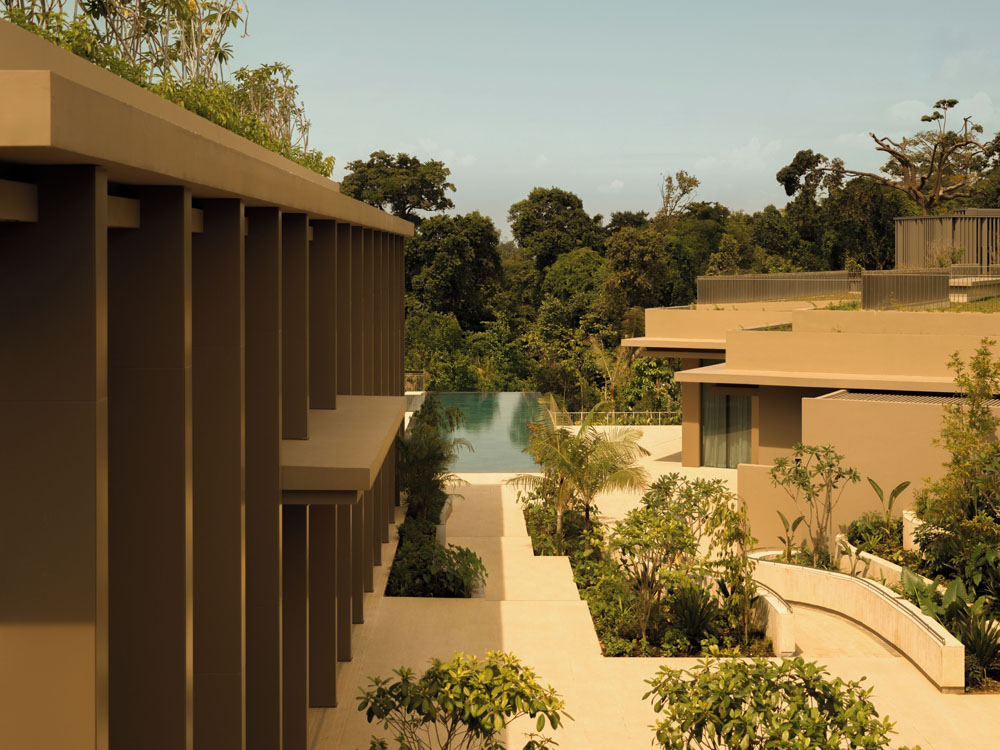
The colonial grid of the Downtown Core holds more architectural memory than any other district in Singapore, and the hotels here make that tension between preservation and reinvention impossible to ignore. Raffles Singapore, reopened after a careful 2019 restoration, remains the clearest example of what Singapore has chosen to protect: the 1887 Tiffany-white facade, the teak-floored suites, the Long Bar. Nearby, The Capitol Kempinski occupies the restored Capitol Building and Stamford House, a 1930s civic ensemble that architect Keys and Dowdeswell originally conceived as a theater and retail complex; the hotel preserves the rotunda and colonnade while threading contemporary interiors through the shell. The Fullerton Hotel makes a similar case from its position in the former General Post Office, a Palladian block completed in 1928, while its sibling property The Fullerton Bay Hotel extends the conversation across Cavenagh Bridge to a glassy modern pavilion cantilevered over Marina Bay. PARKROYAL COLLECTION Pickering belongs to a different order entirely, with WOHA Architects designing a building in which tiered sky gardens swallow the facade in tropical greenery, a deliberate rebuttal to the neighborhood's stone-faced predecessors.
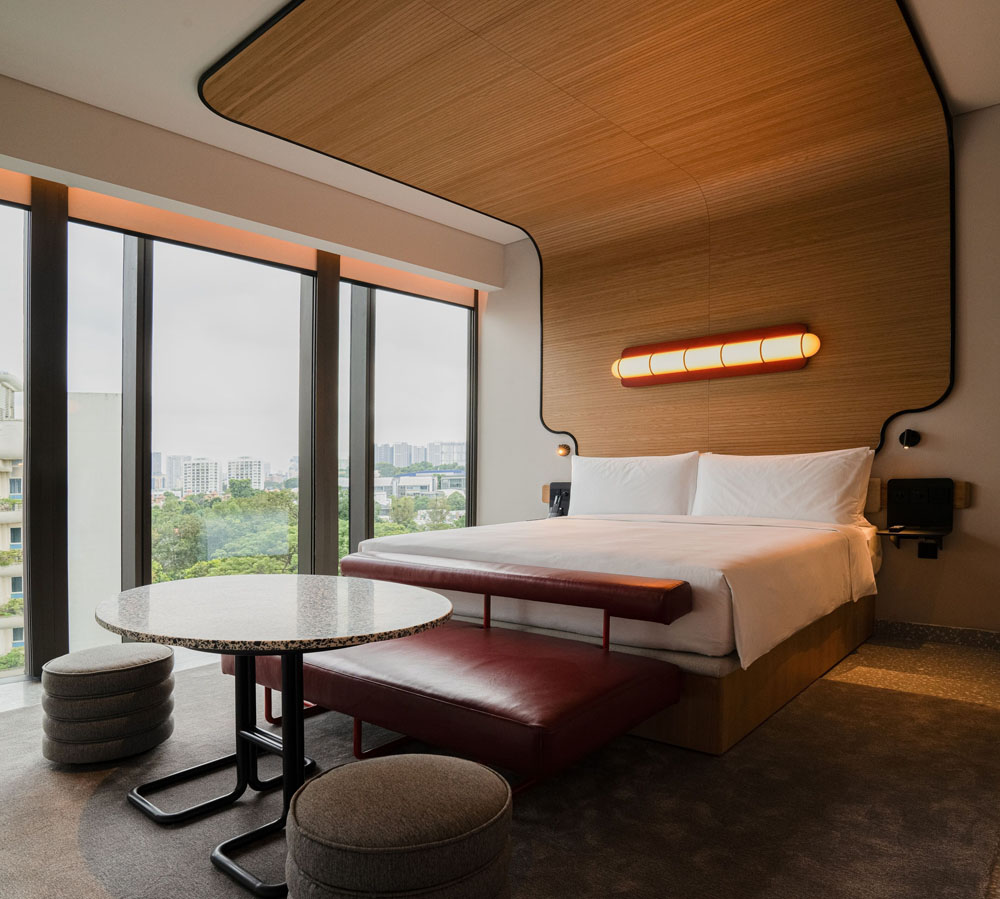
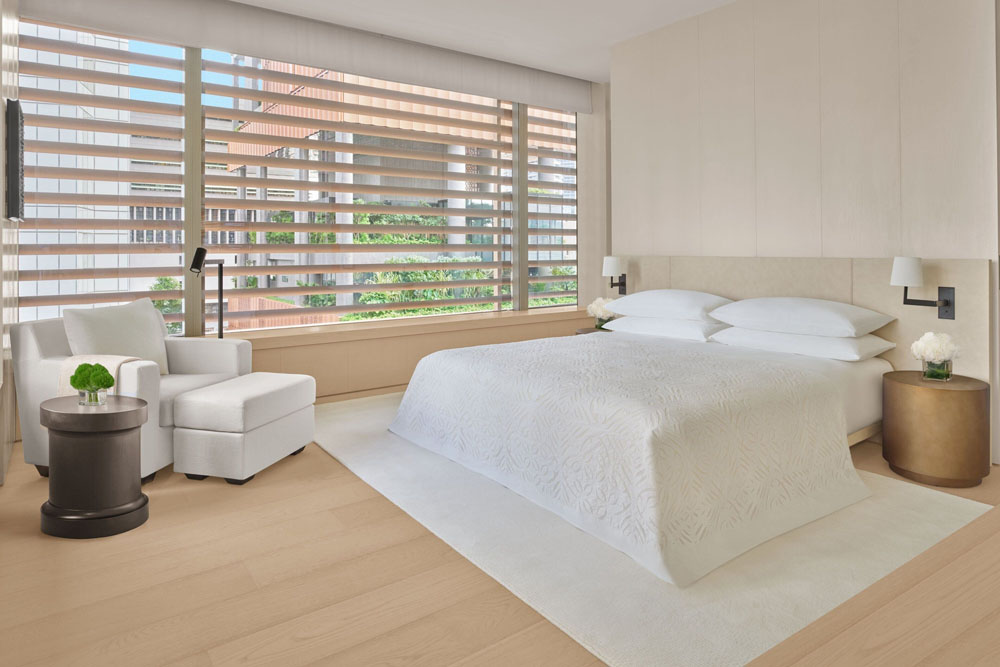
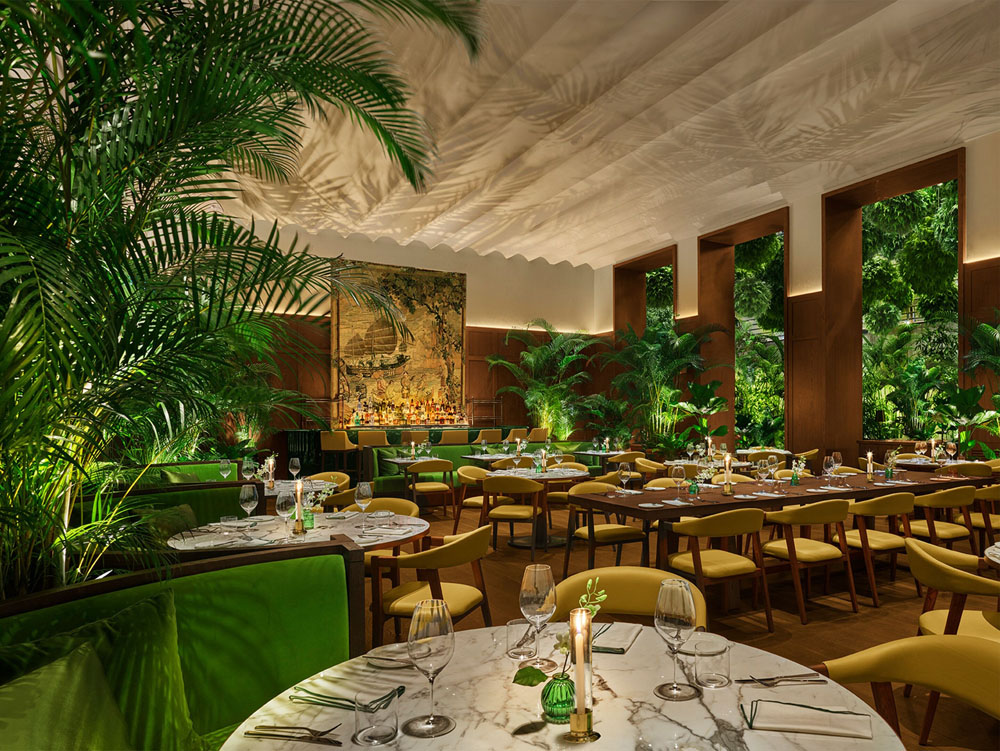
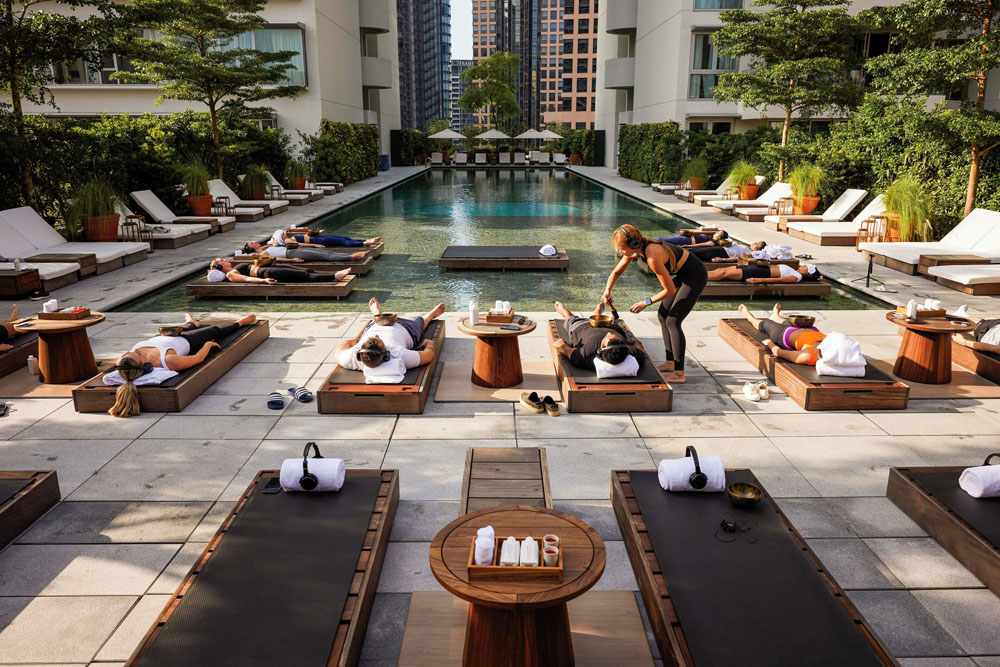
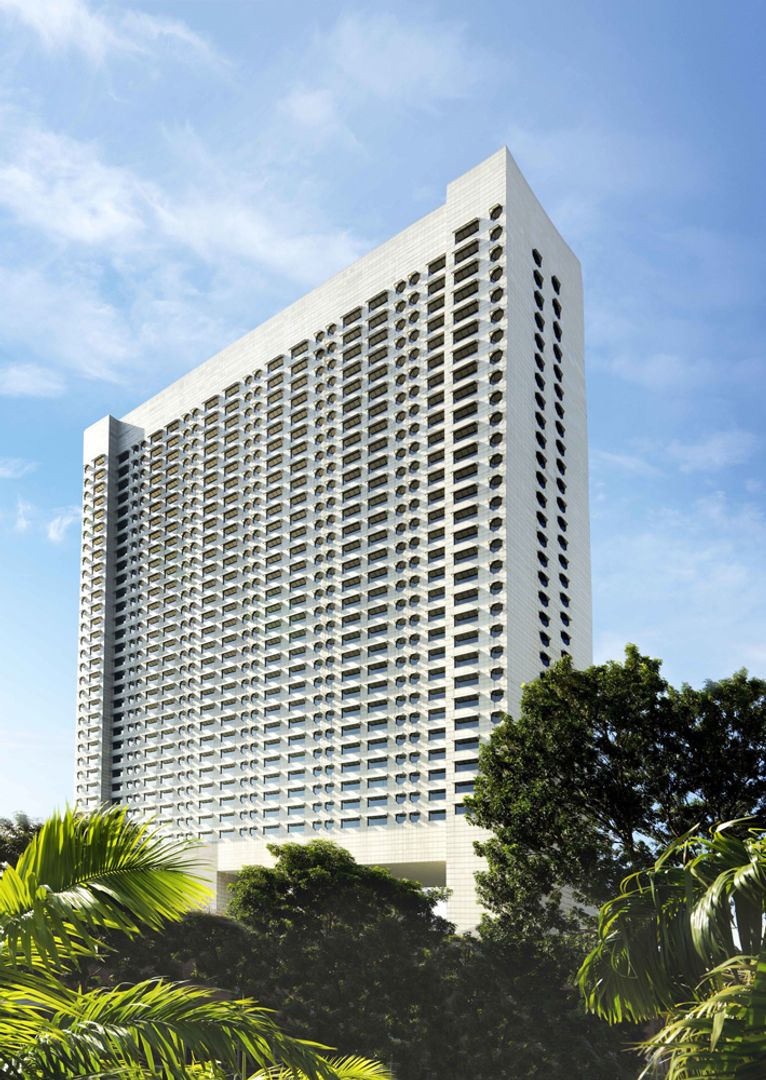
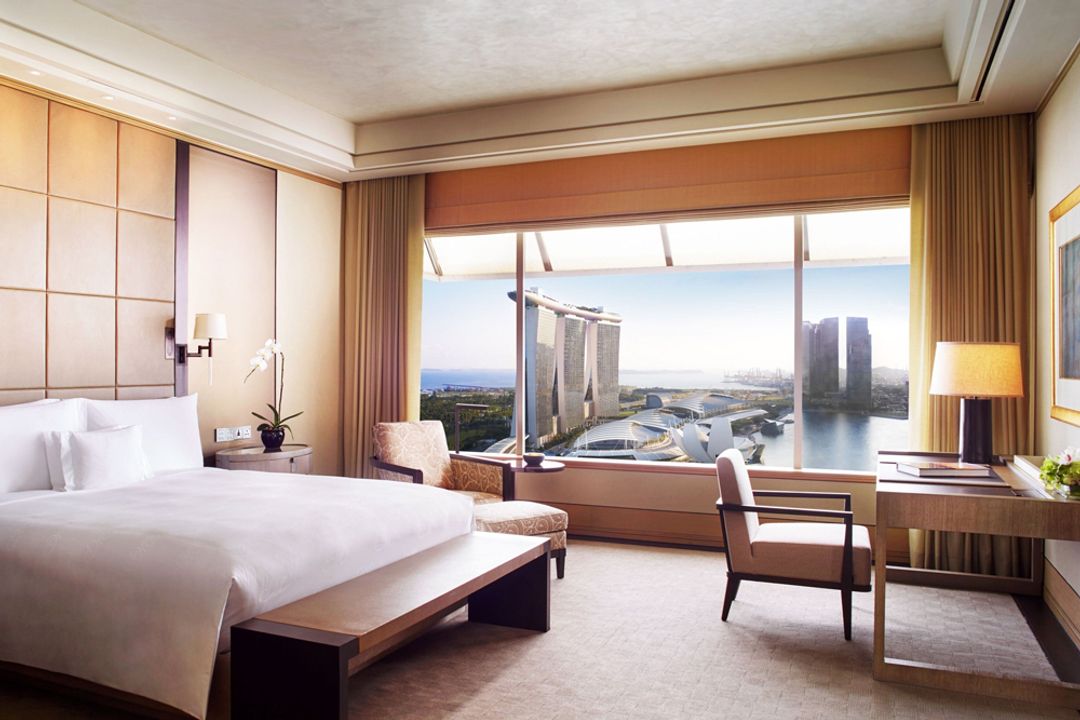
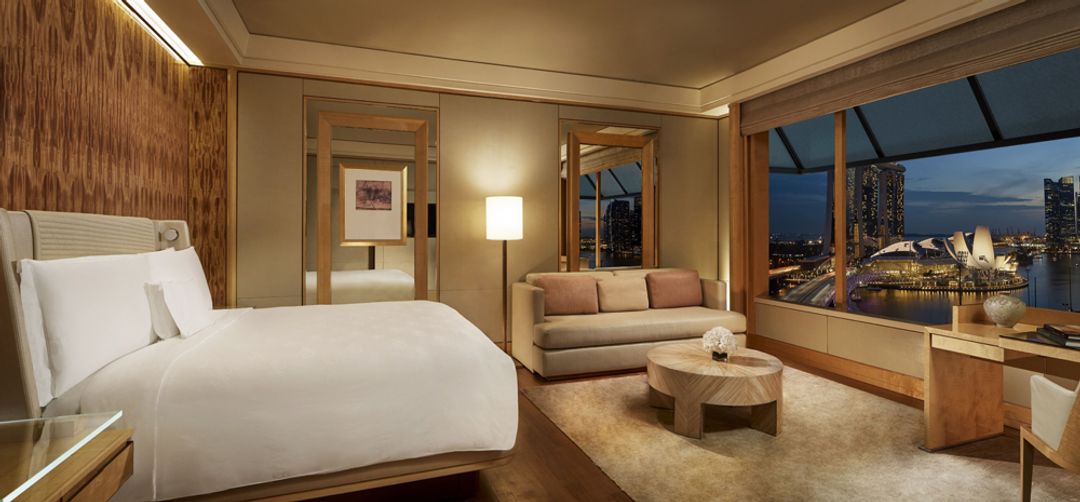
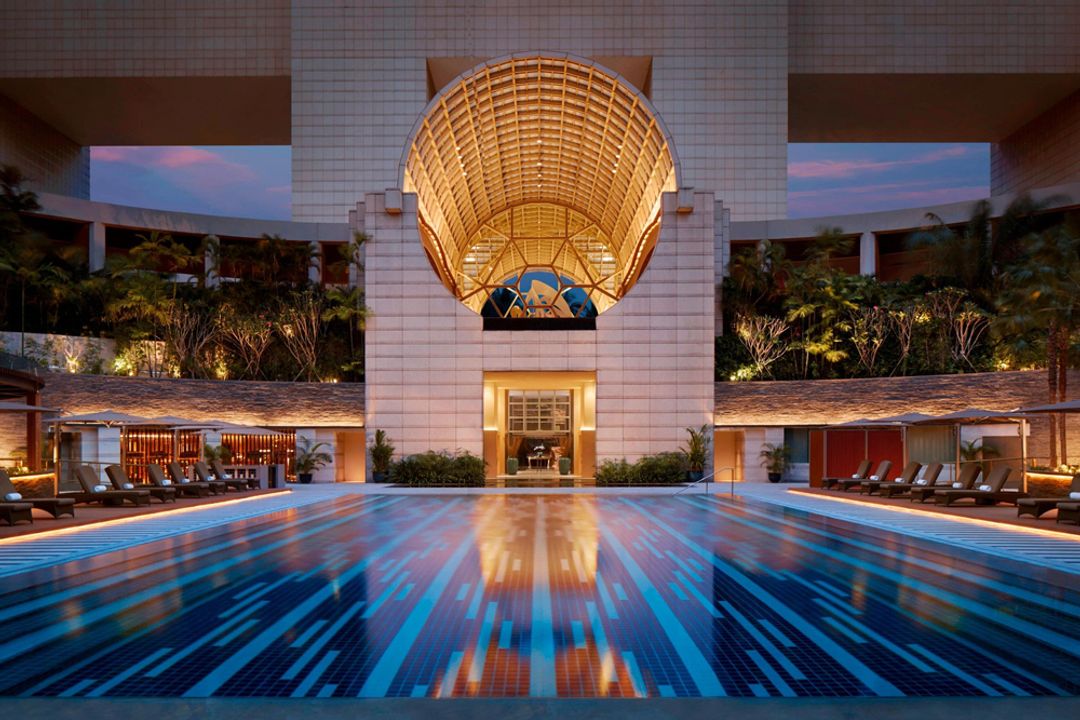
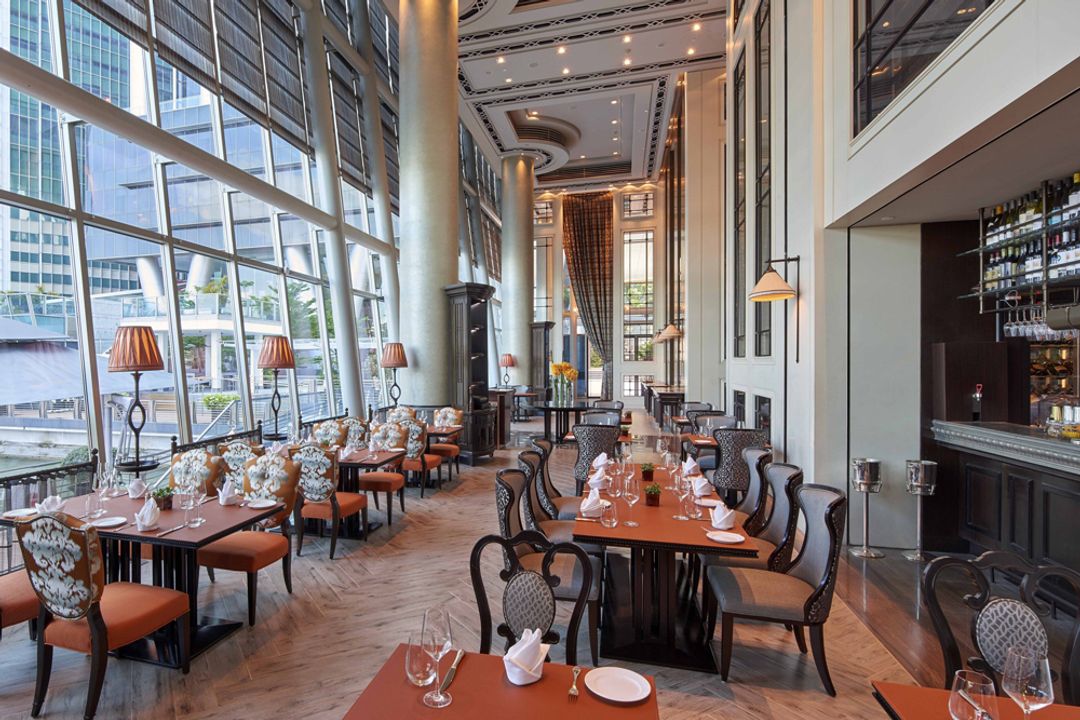
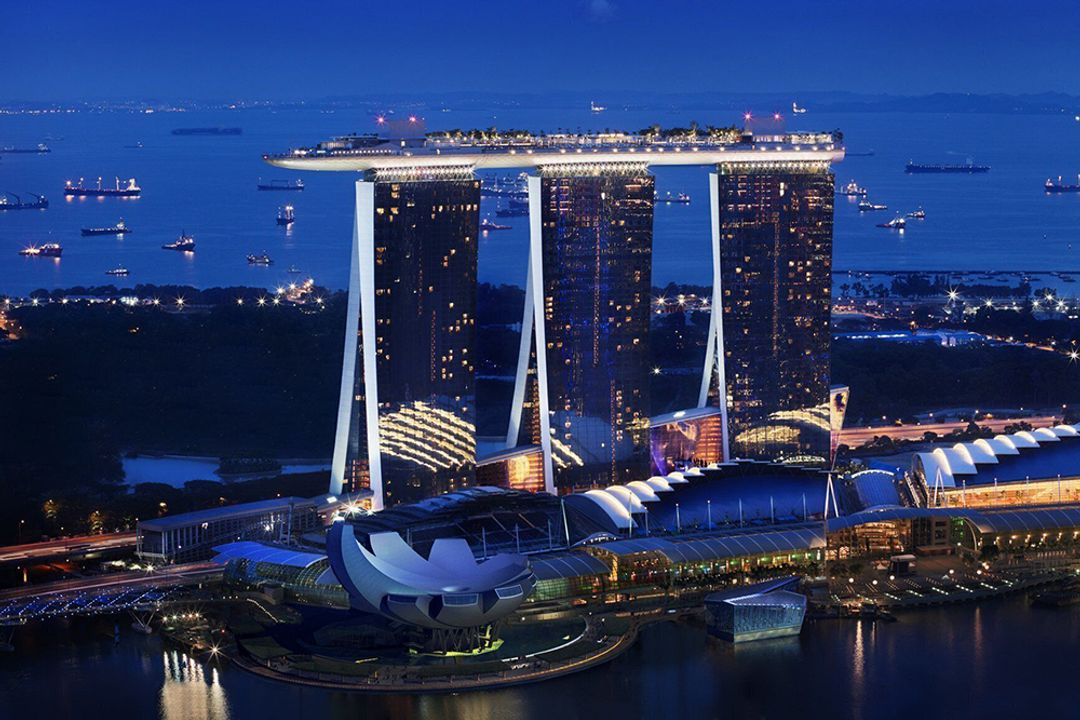
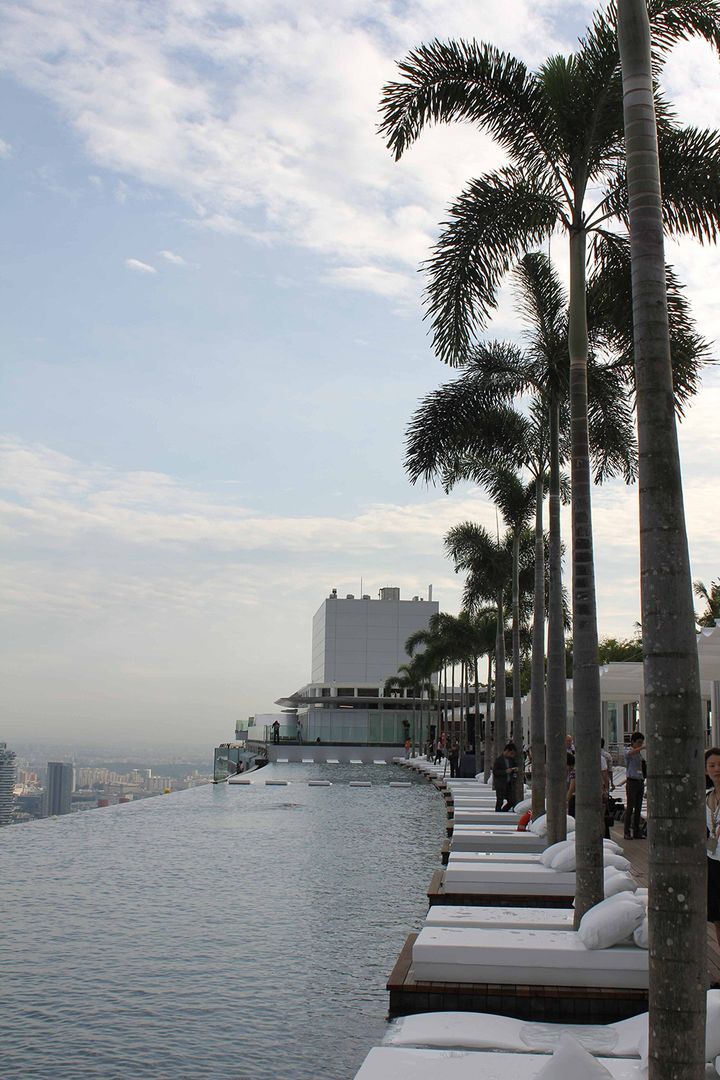
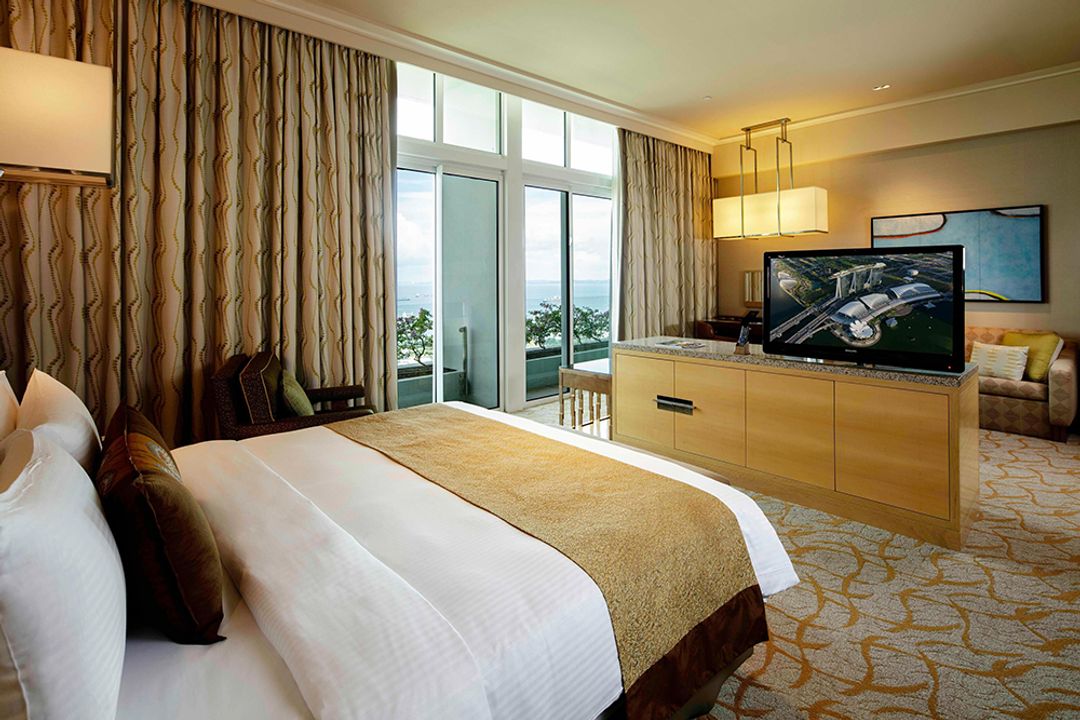
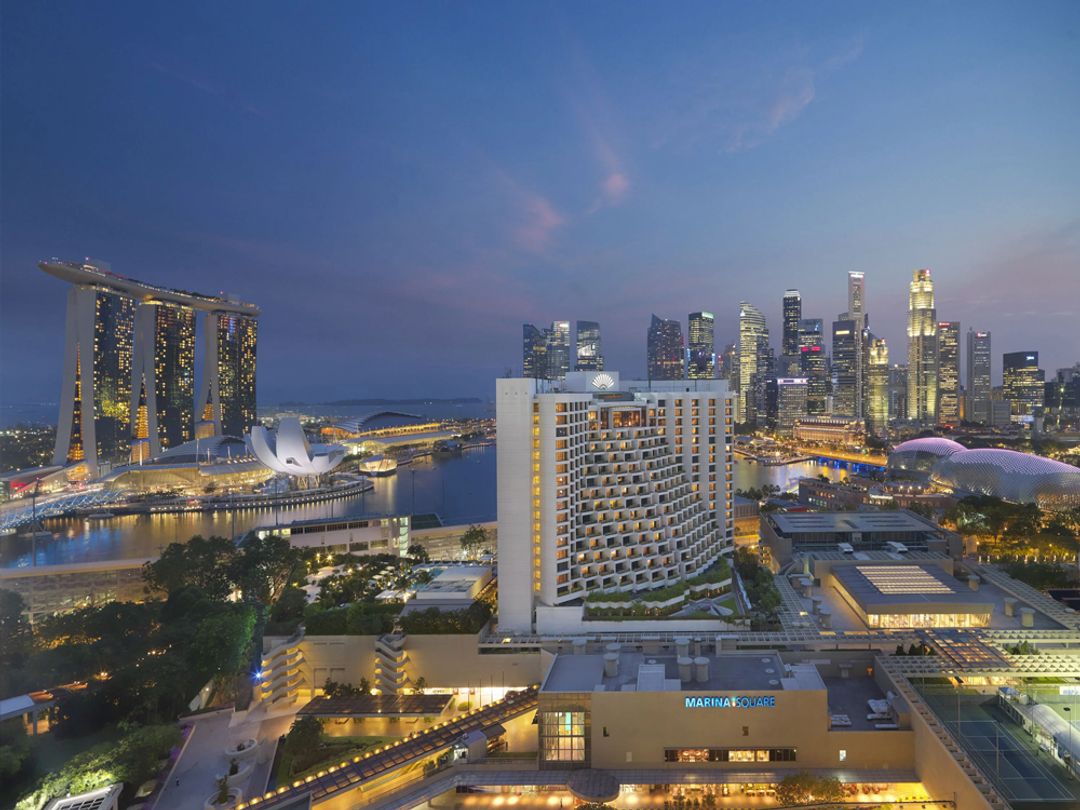
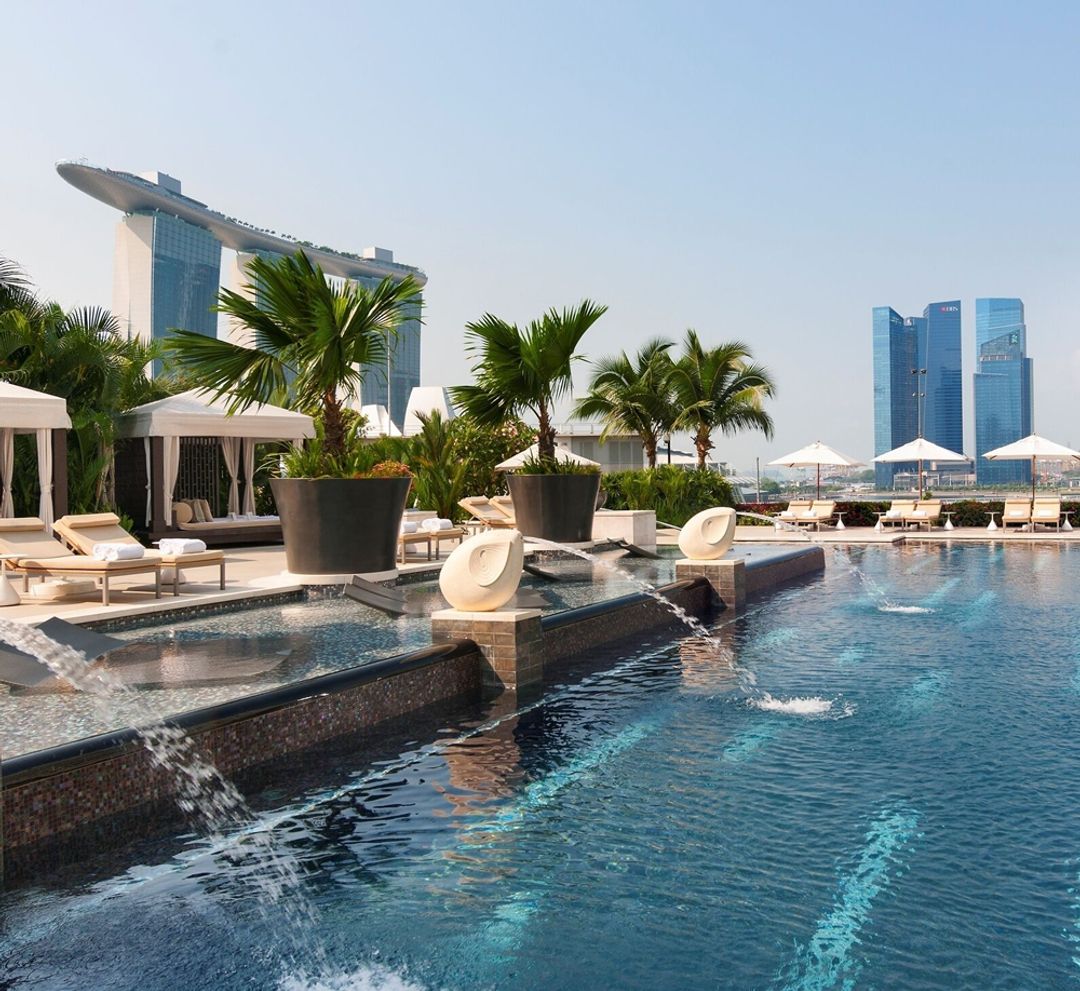
Marina Bay itself draws the skyline hotels. The Ritz-Carlton Millenia Singapore, designed by Kevin Roche with an atrium that frames the bay through vast diagonal windows, has held its authority since 1995. Marina Bay Sands, Moshe Safdie's tripartite tower topped by the cantilevered SkyPark, remains the most photographed structure in the city and functions less as a hotel than as a piece of civic infrastructure that happens to include rooms. Across the Orchard corridor, The Singapore EDITION and The Standard Singapore represent a newer mode, both occupying contemporary towers on Orchard Road and trading period gravitas for a sharper, more programmatic sensibility aimed at travelers who care about what plays at the bar rather than what era the building dates from.
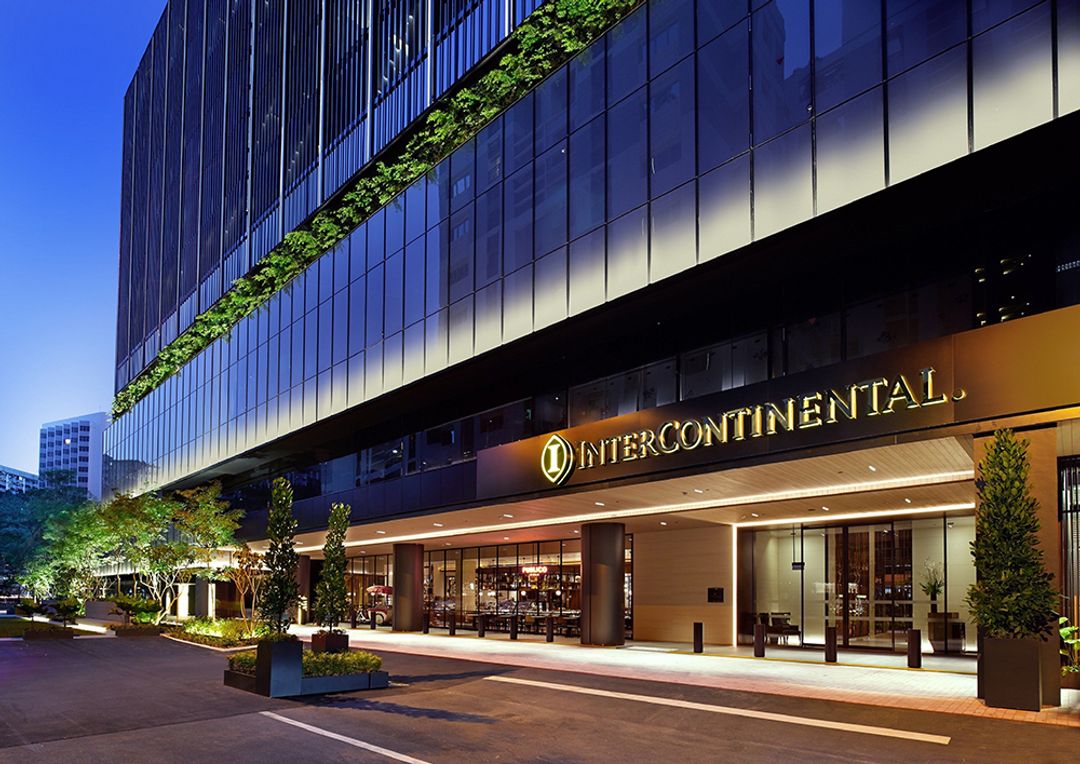
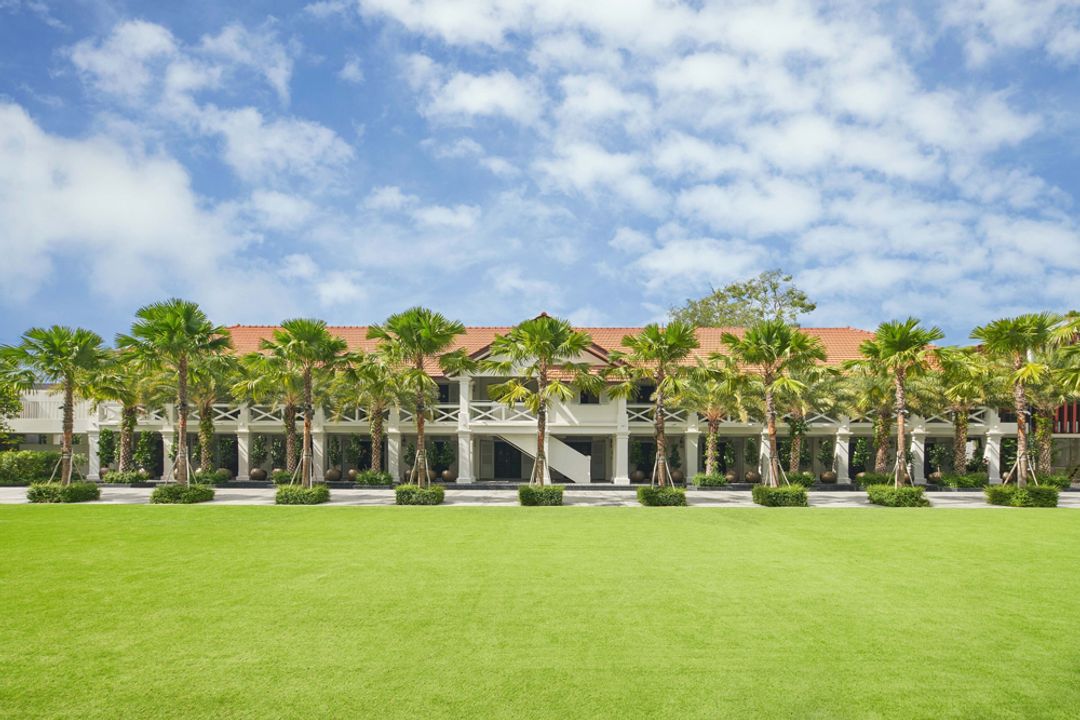
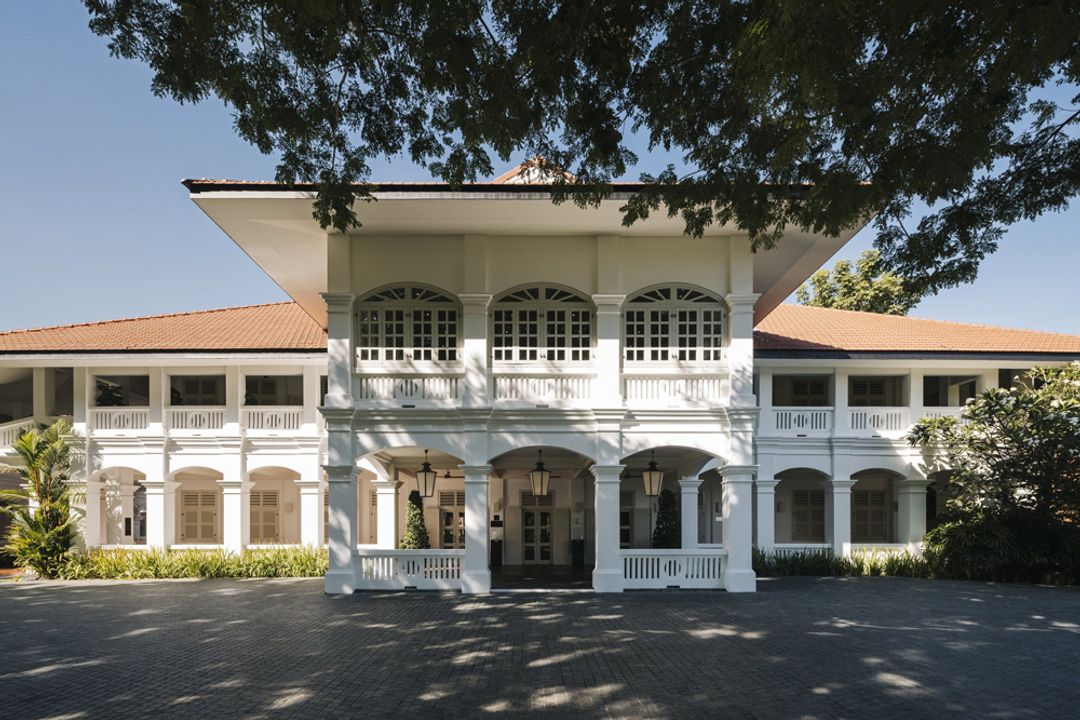
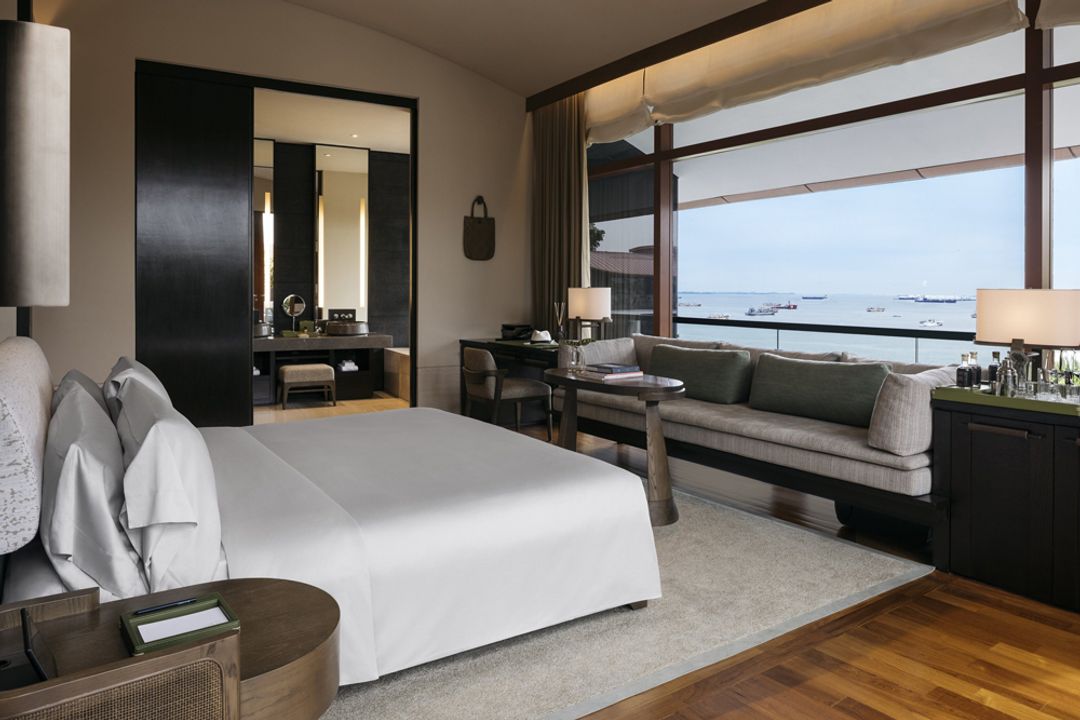
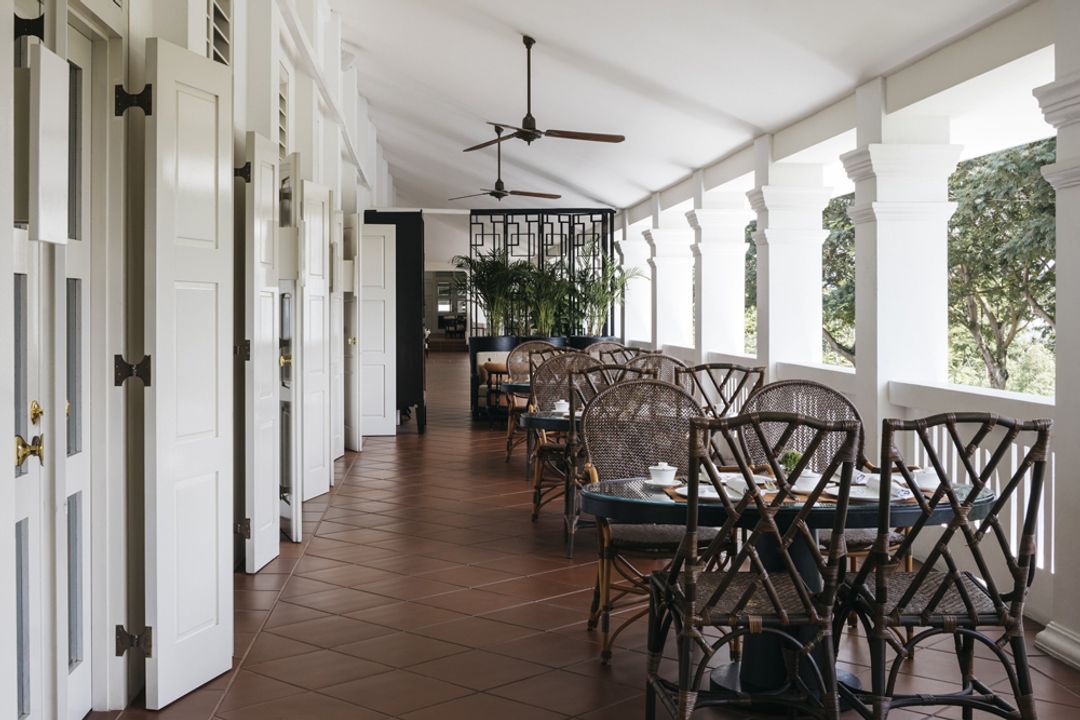
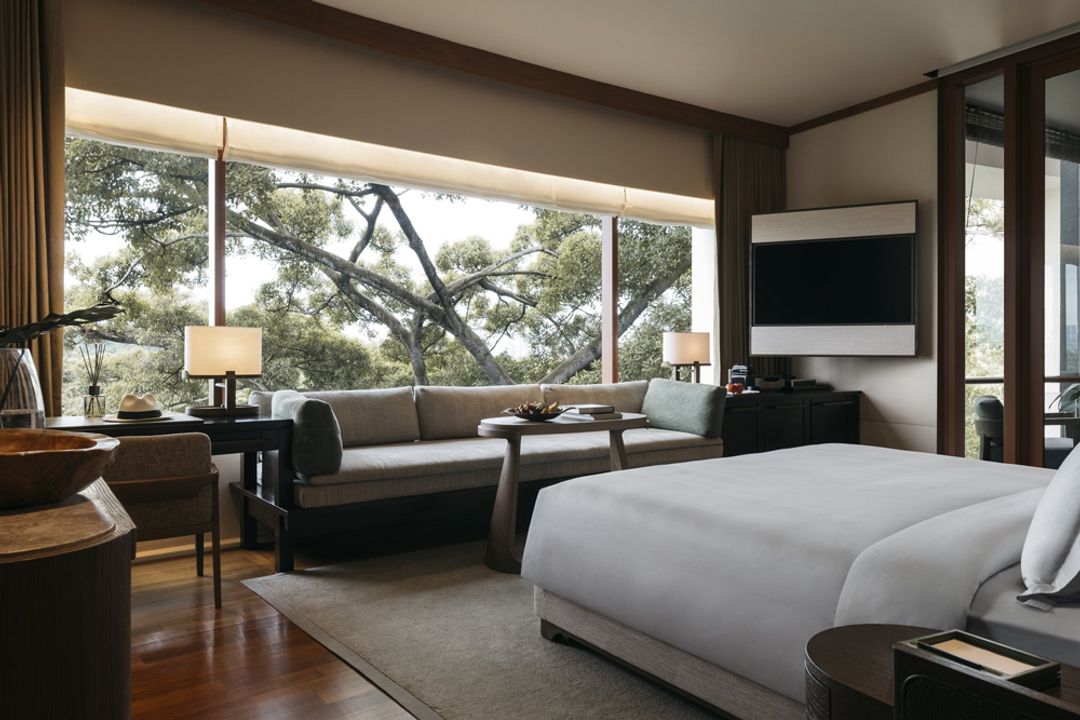
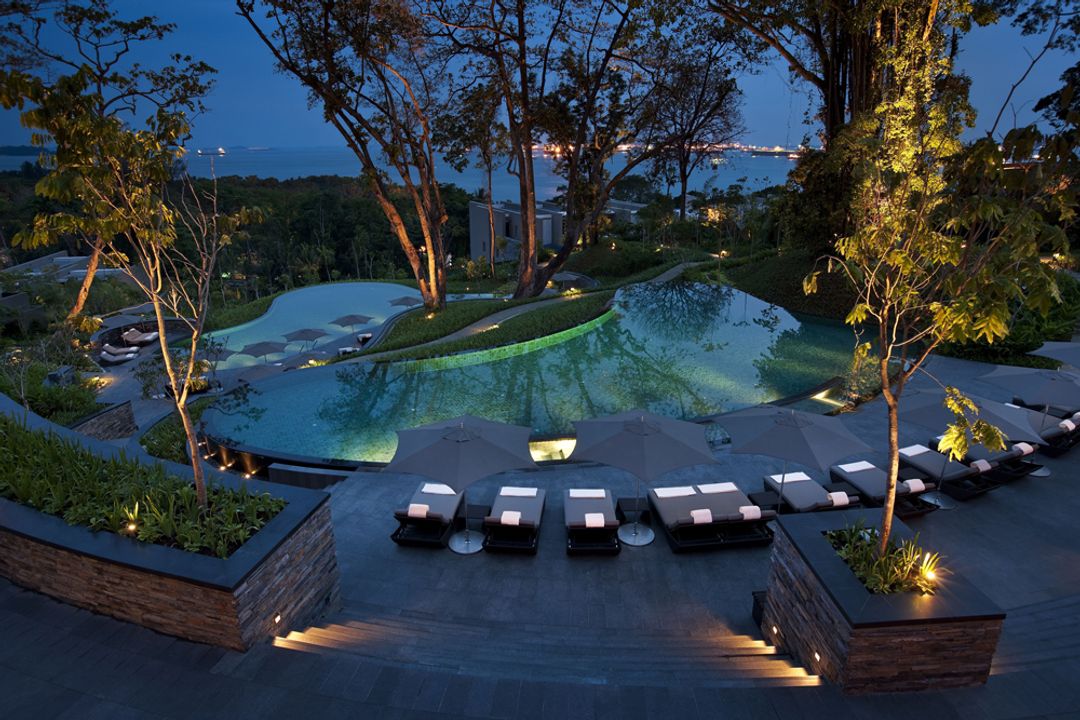
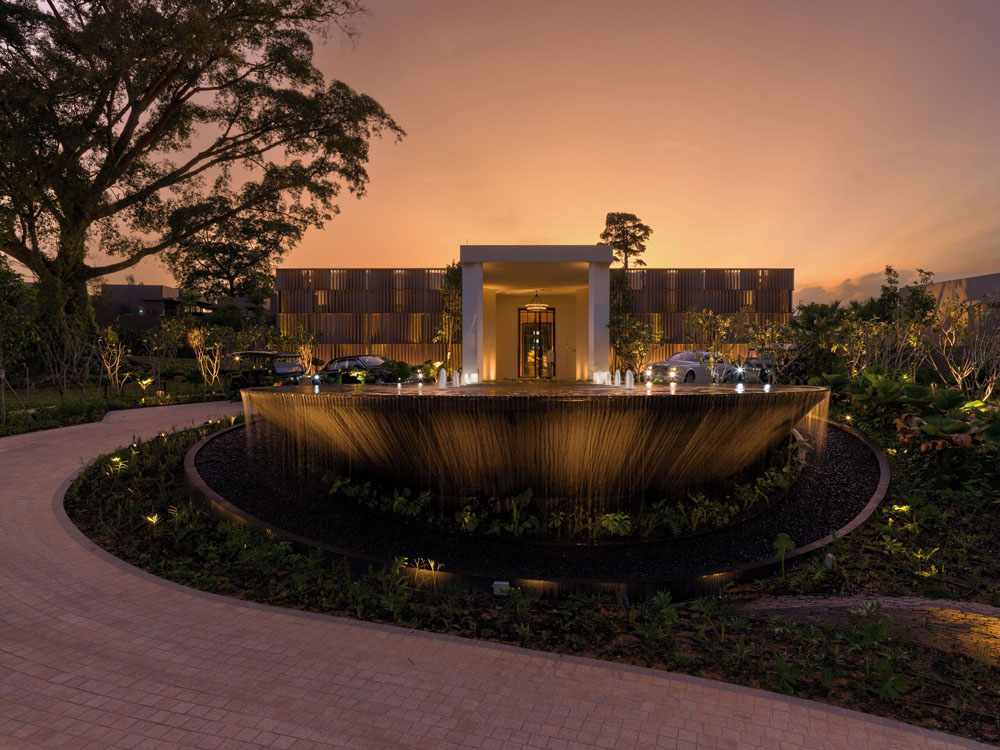
Sentosa Island operates at a remove from the city, and the hotels there either lean into that separation or struggle against it. Capella Singapore, designed by Norman Foster with restored colonial bungalows at its core, uses the island's forested topography rather than fighting it, producing a resort of genuine quietude. The Barracks Hotel works on a smaller scale in a cluster of preserved military buildings, and the newer Raffles Sentosa adds brand weight to the mix, though neither has Capella's architectural cohesion. Robertson Quay, further up the river, offers the InterContinental Singapore Robertson Quay as a looser, more residential option for anyone who prefers the shophouse scale of that stretch to the density closer to the bay.