Best hotels in Chicago | A Curated Visual Guide to Top Stays
Welcome to PressBeyond, the ultimate curated visual guide for design-driven hotels! My name is Will Miller and these are my recommendations for the best boutique and luxury hotels in Chicago.
I am the founder of PressBeyond and I am an ultra-meticulous hotel curator who loves clean visuals. I have individually analyzed and tiered each hotel included in this guide based on a variety of criteria (architecture & design, location, brand & brand affiliation, existing reviews, and my own personal experiences), and importantly, I have hand-selected the leading imagery for each hotel to provide you with easily-digestible, yet detailed and complete, like-for-like, high-level visual profiles. I felt this summarization step was a critical missing piece across existing guides, blogs, and booking platforms. My aim is to make it easier for people to identify hotel environments that resonate with them, along with enabling them to visualize the types of social experiences that those environments help foster. My brain doesn't work when exposed to cluttered content, so my goal was to create the opposite.
Underneath this, we are also a full booking engine offering 5% Venmo cash back along with other exclusive perks. For all of you design-obsessed hotel enthusiasts out there, I hope this guide helps get you to where you see yourself!
An Overview of the Boutique & Luxury Hotel Landscape in Chicago
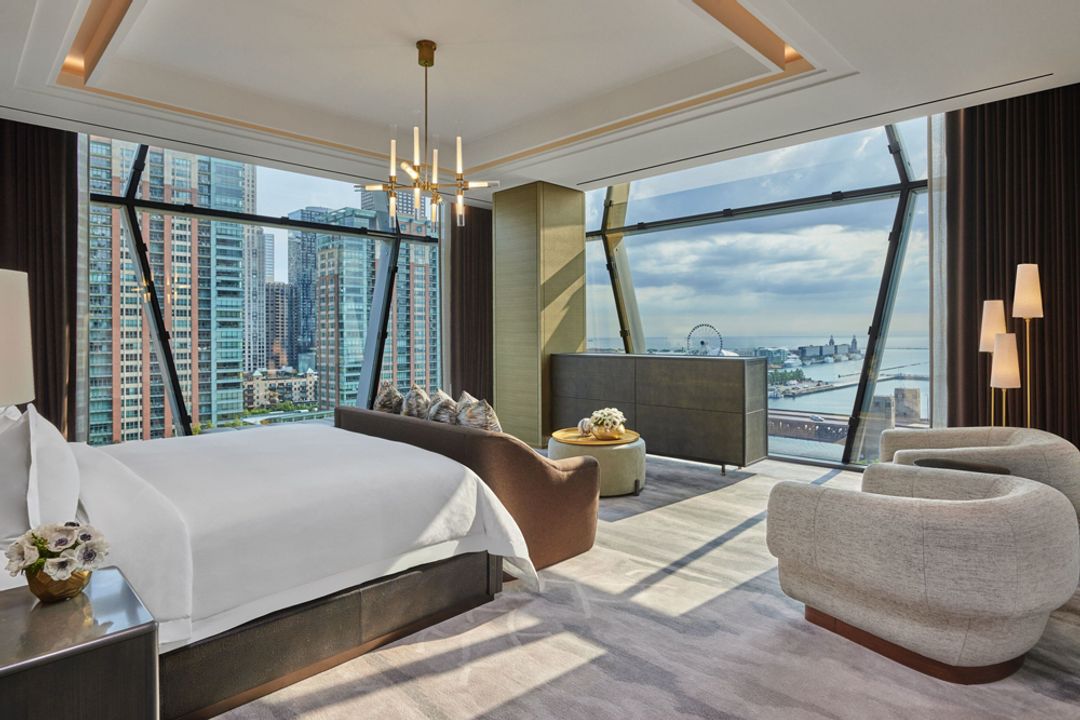
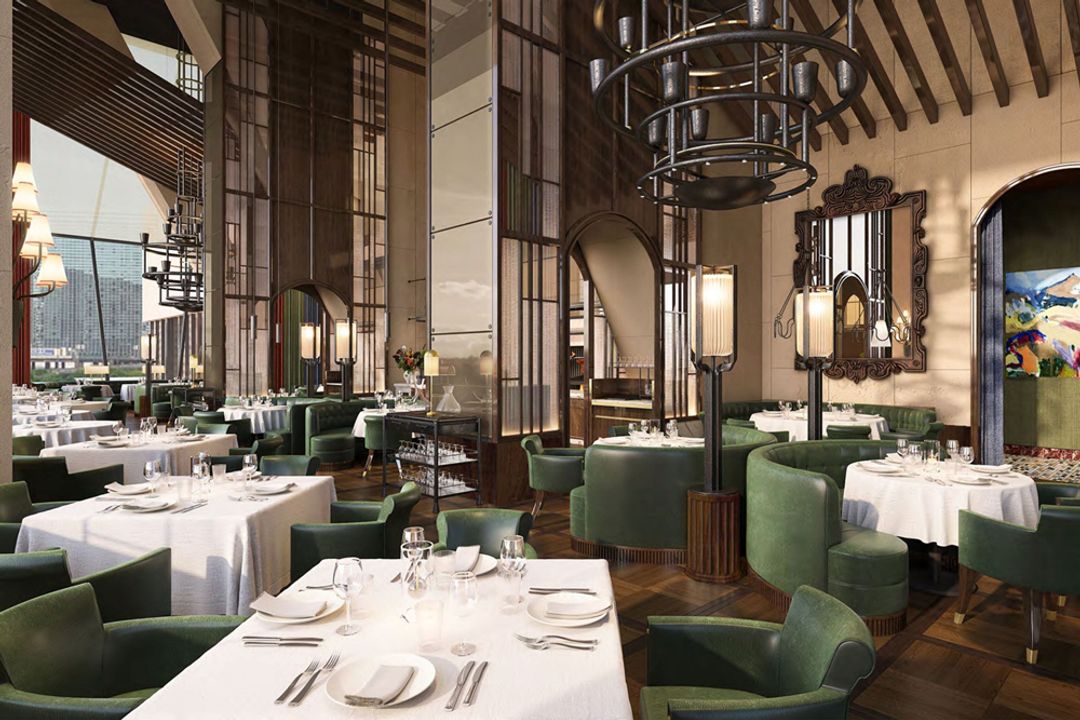
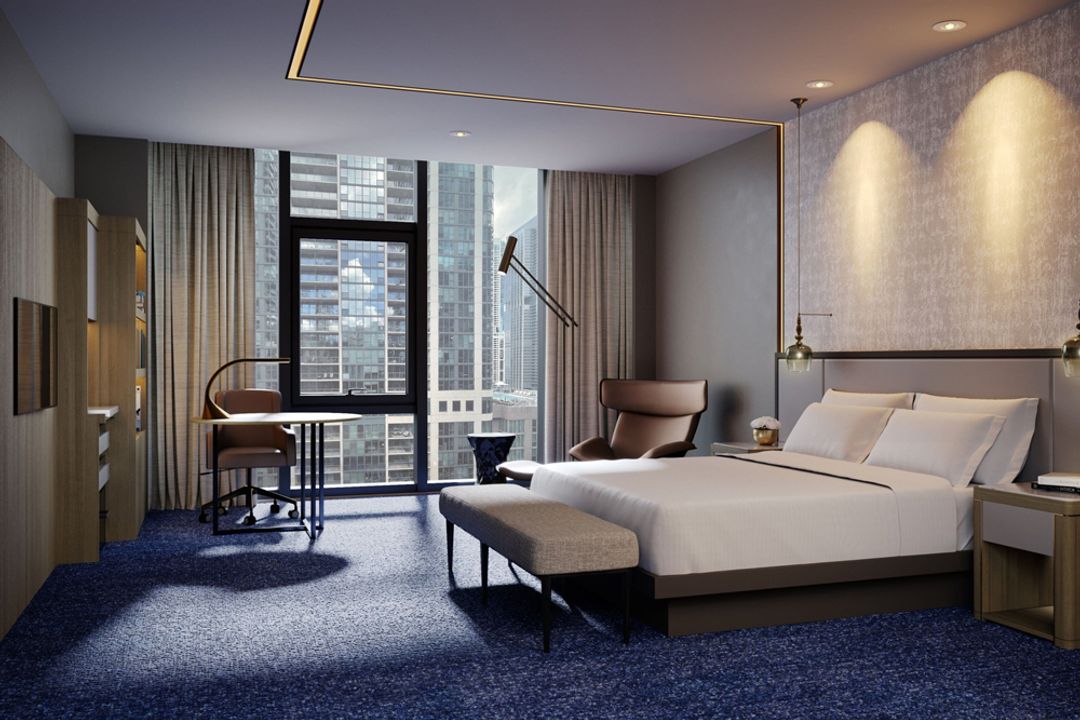
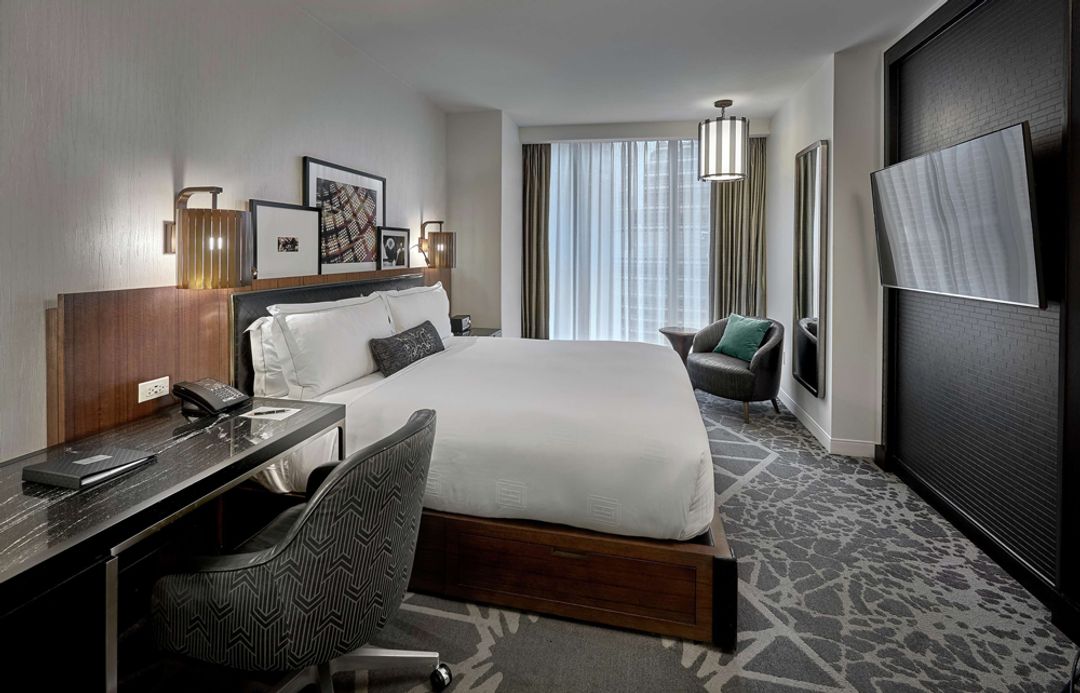
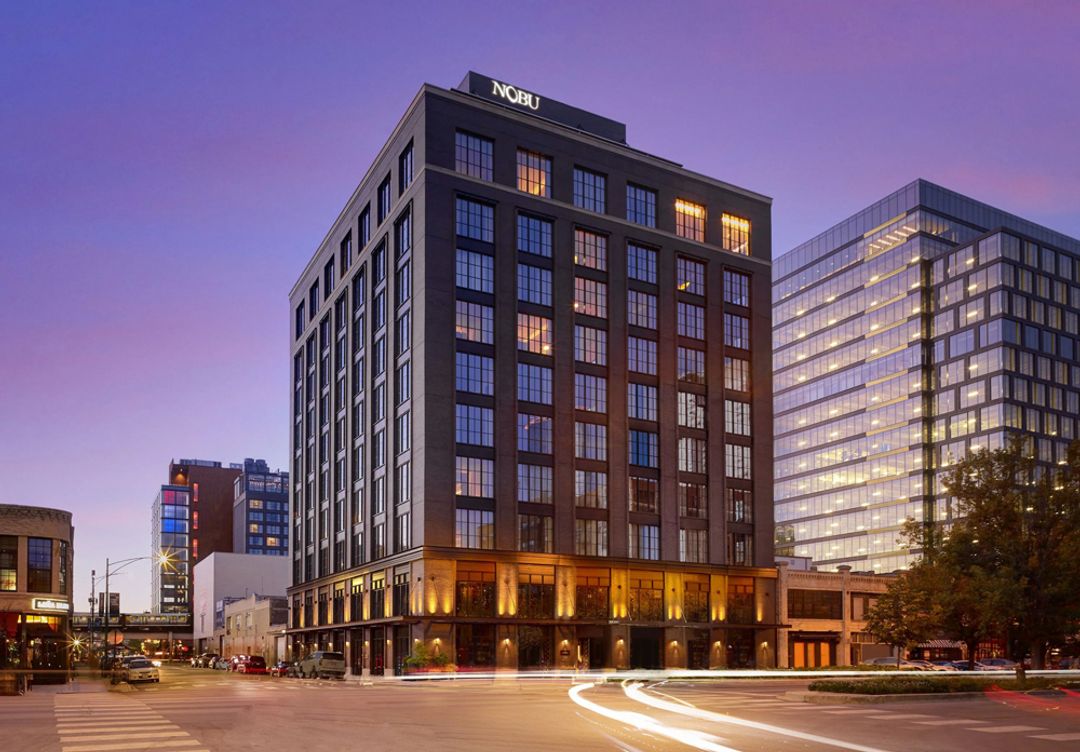
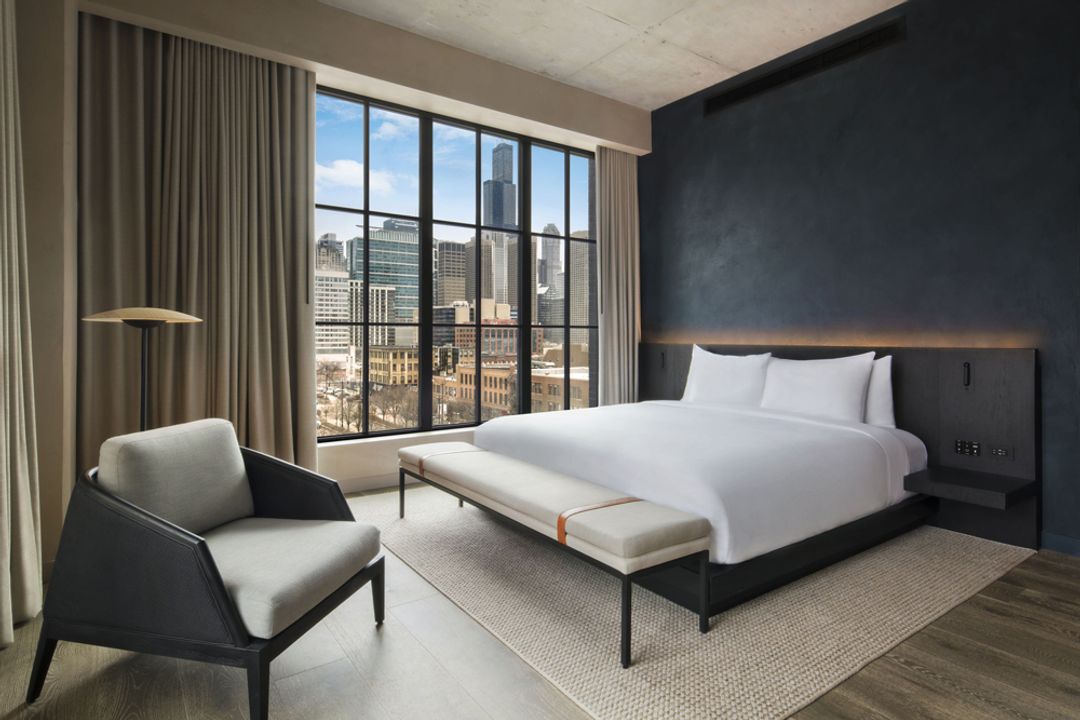
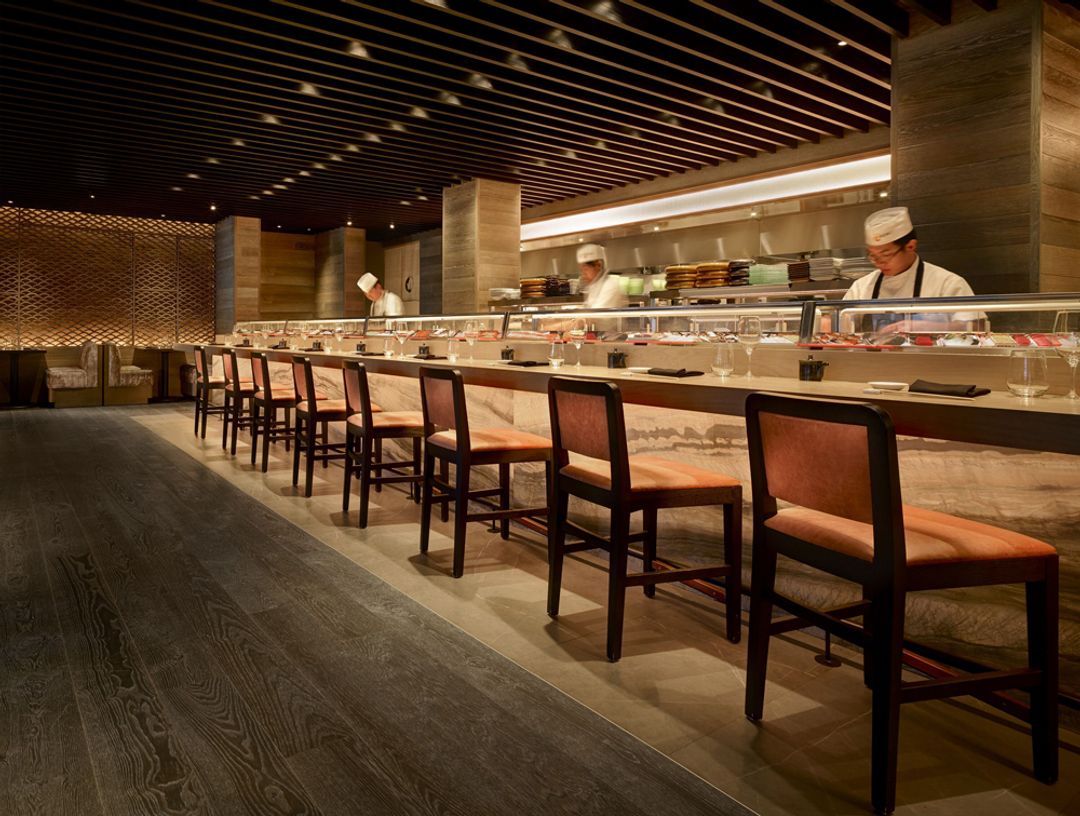
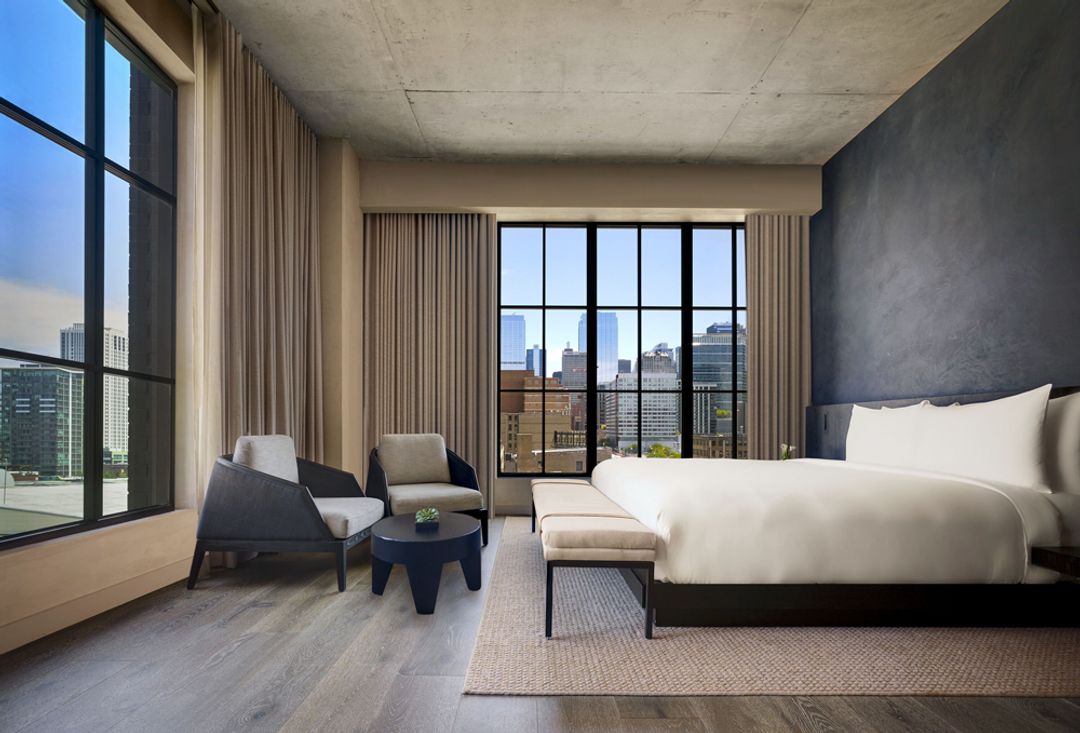
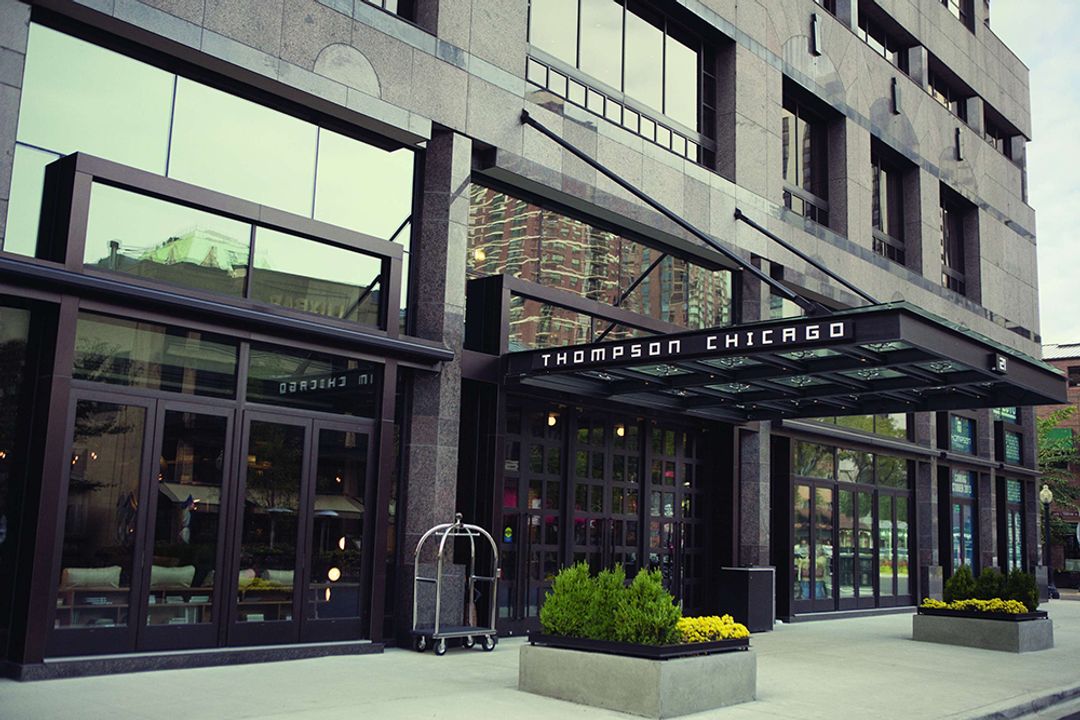
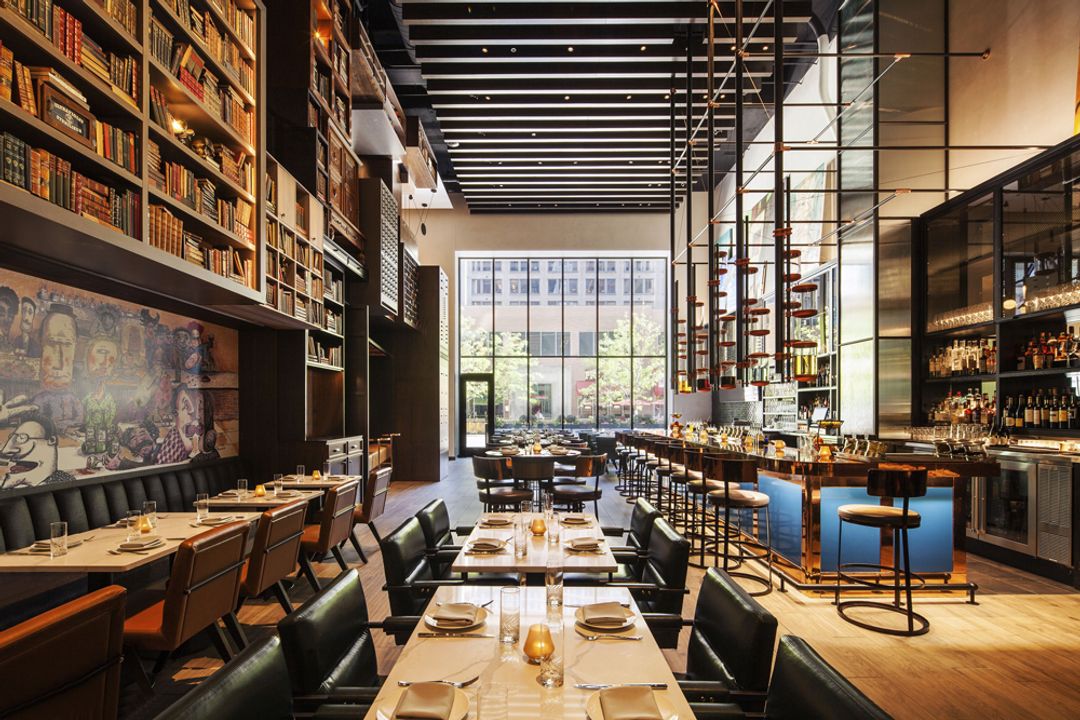
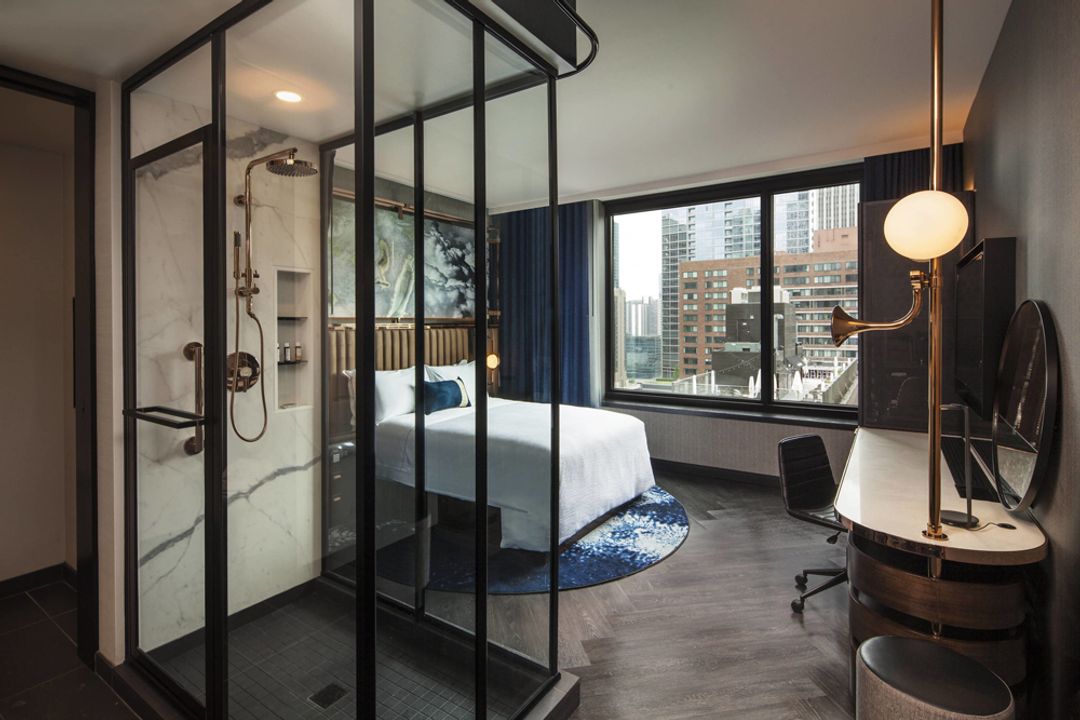
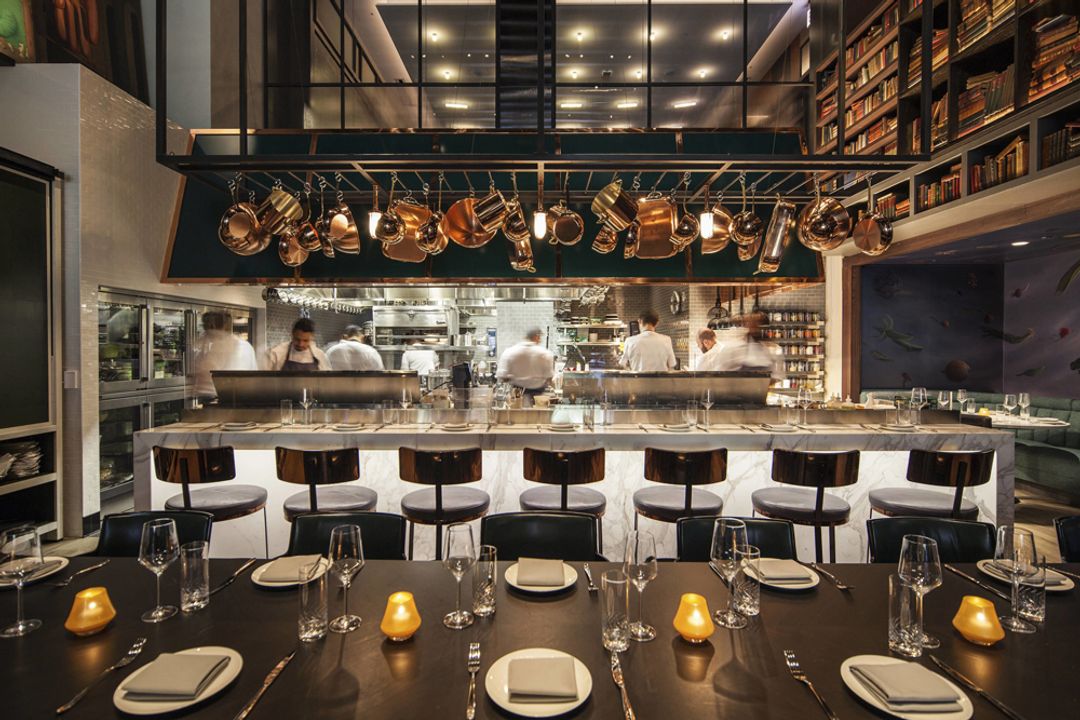
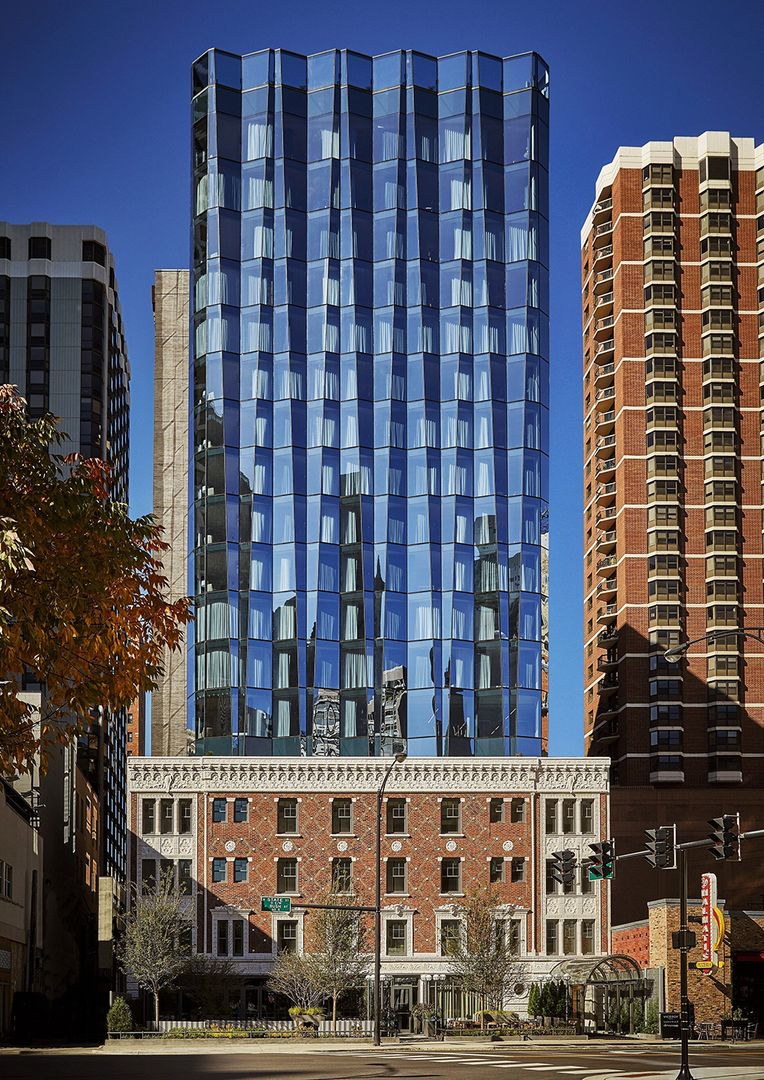
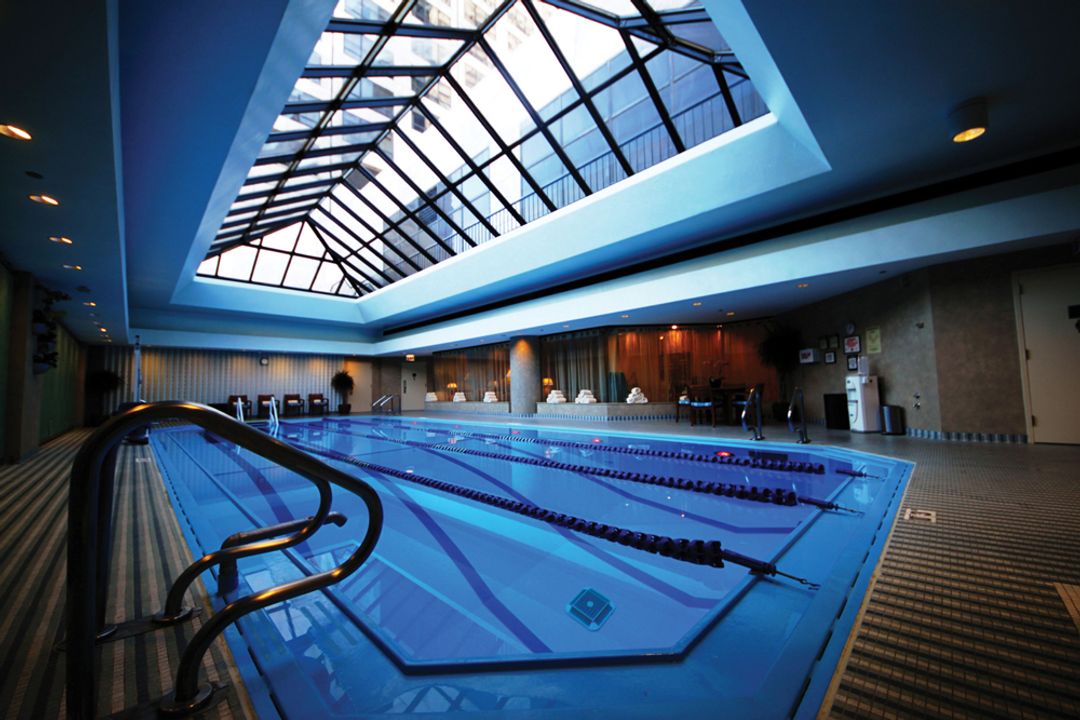
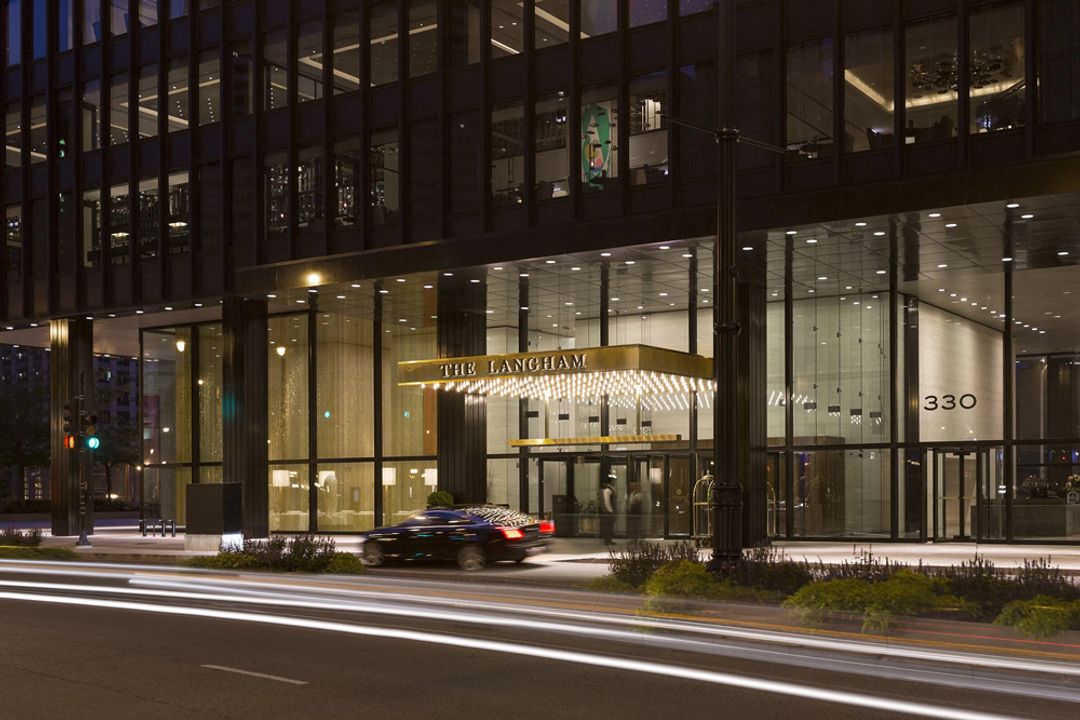
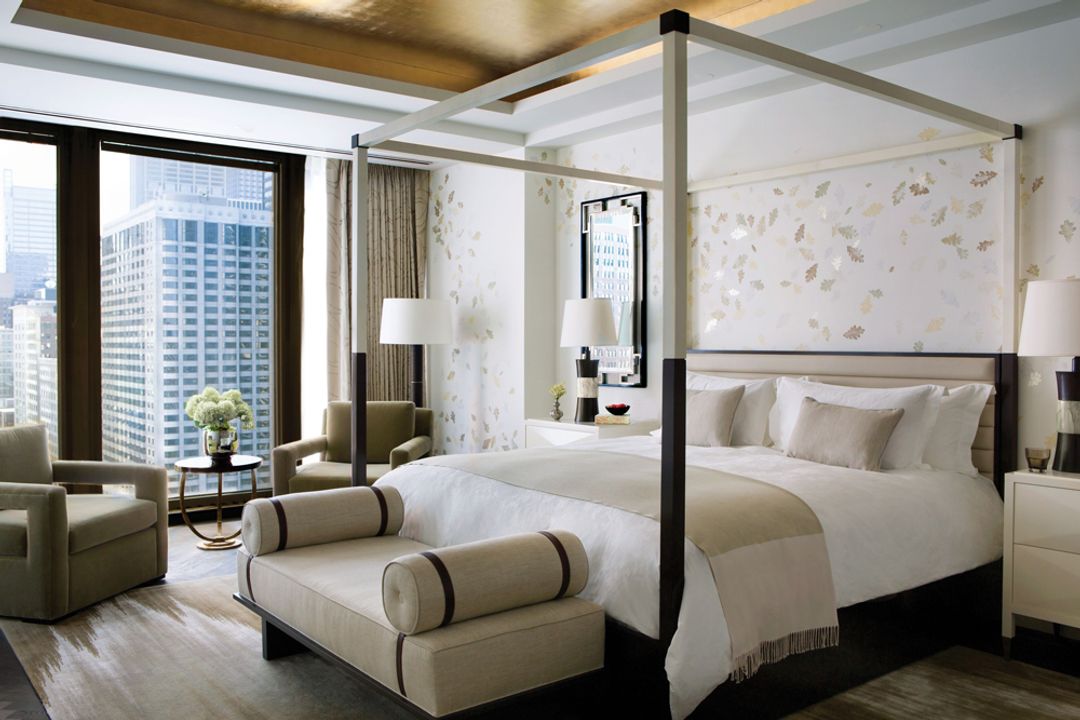
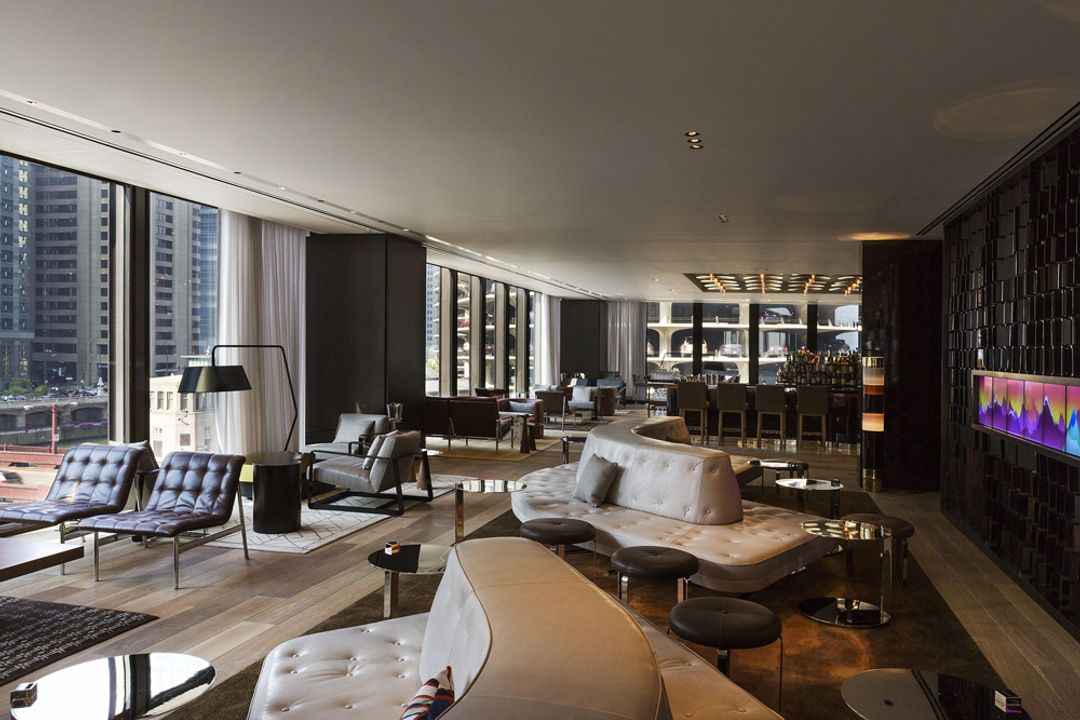
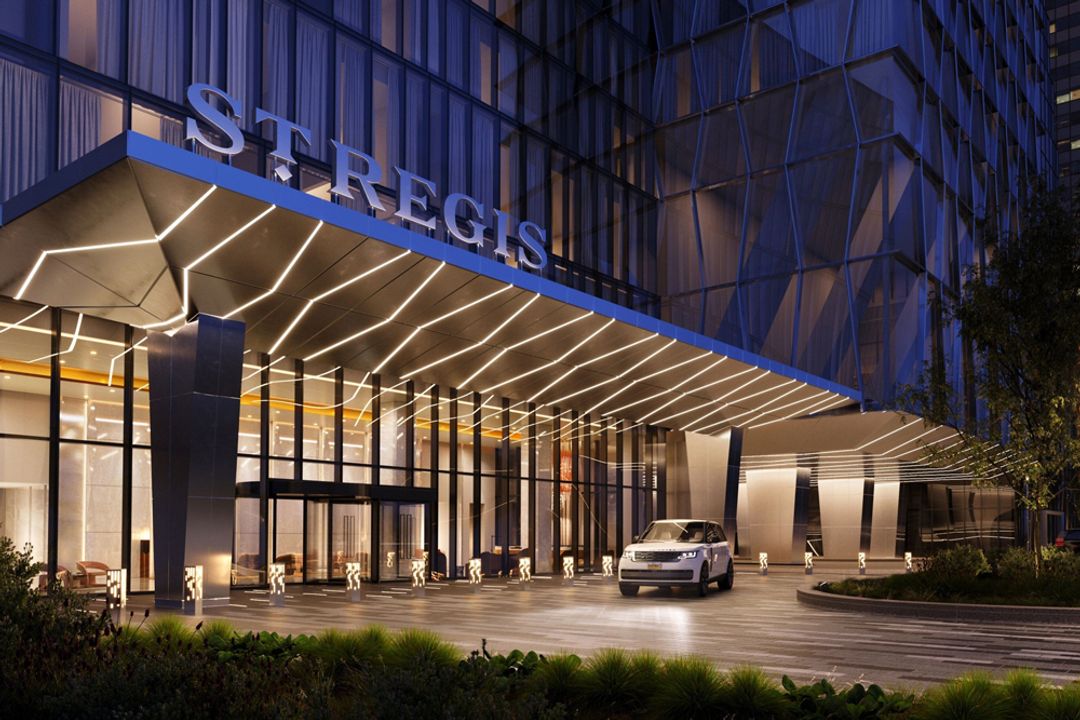
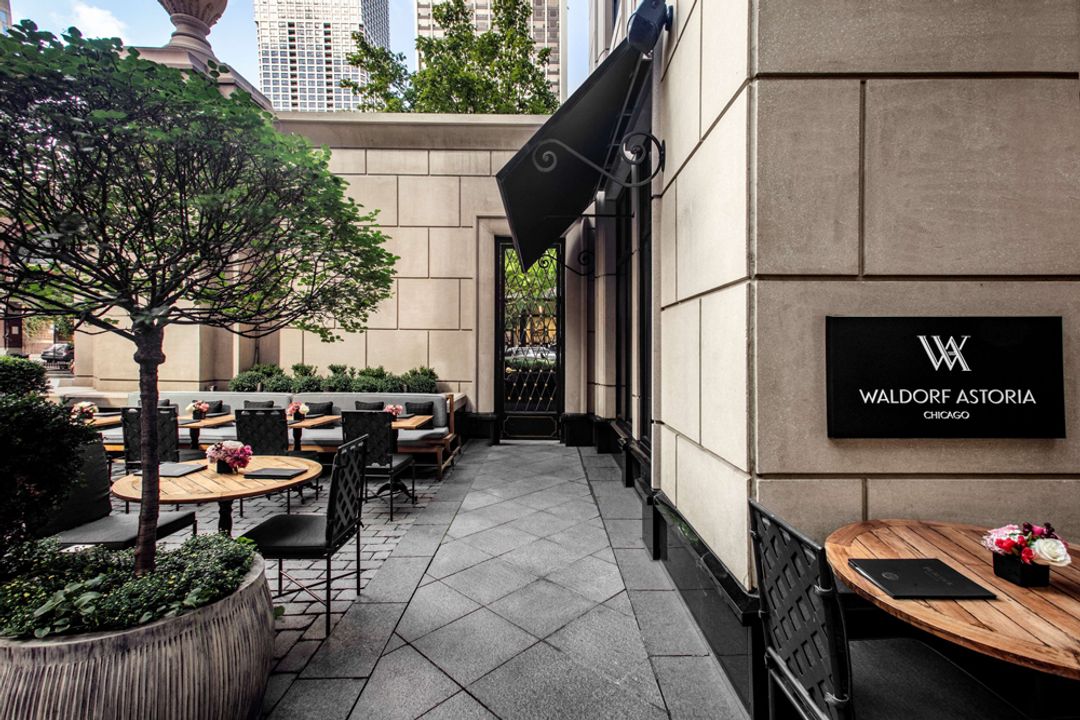
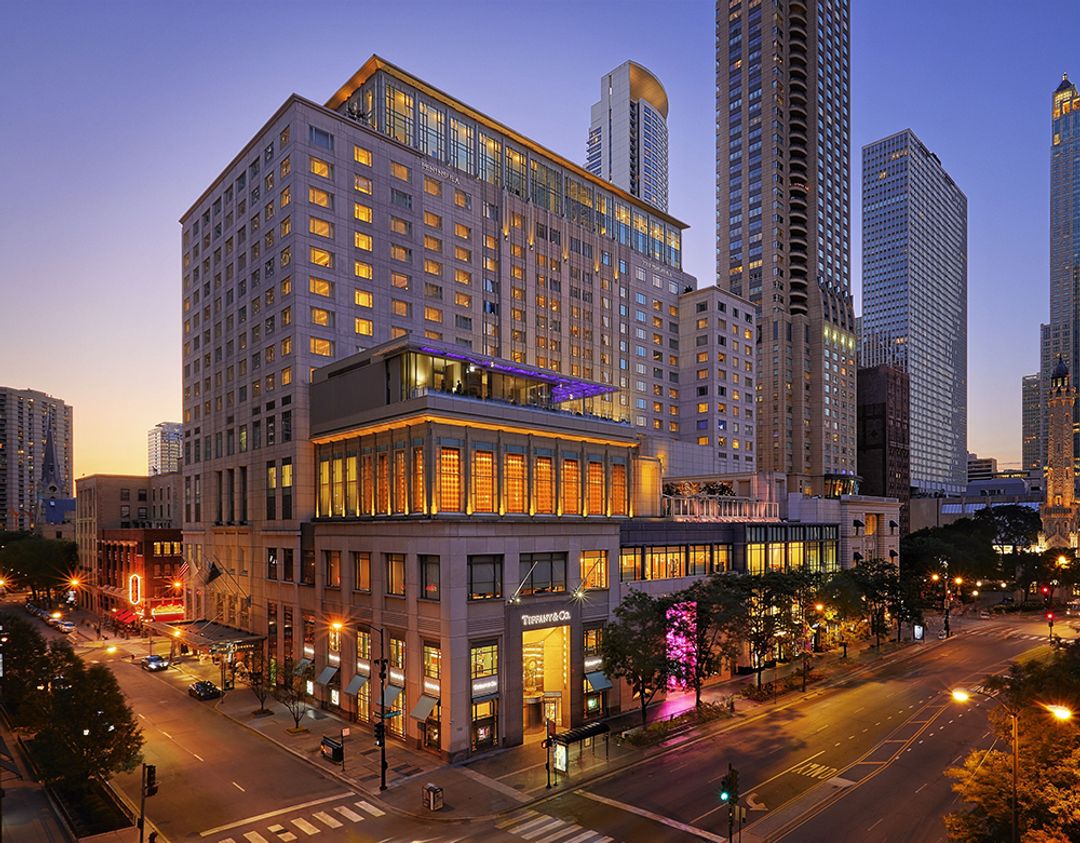
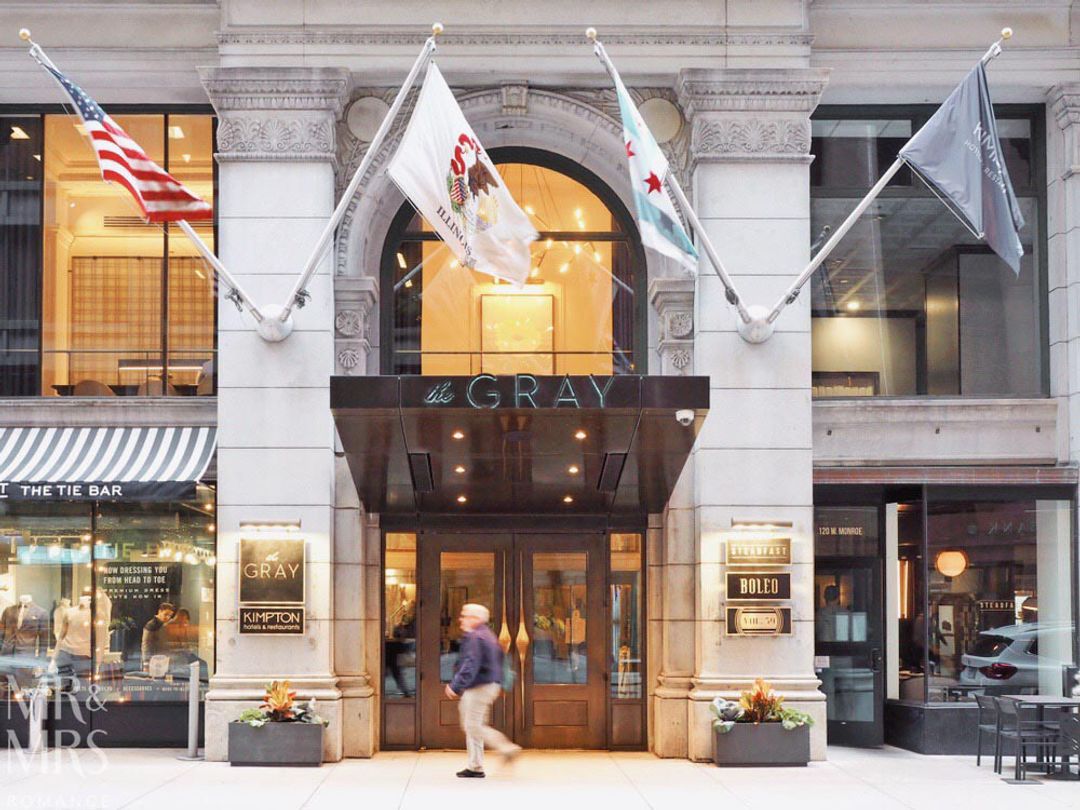
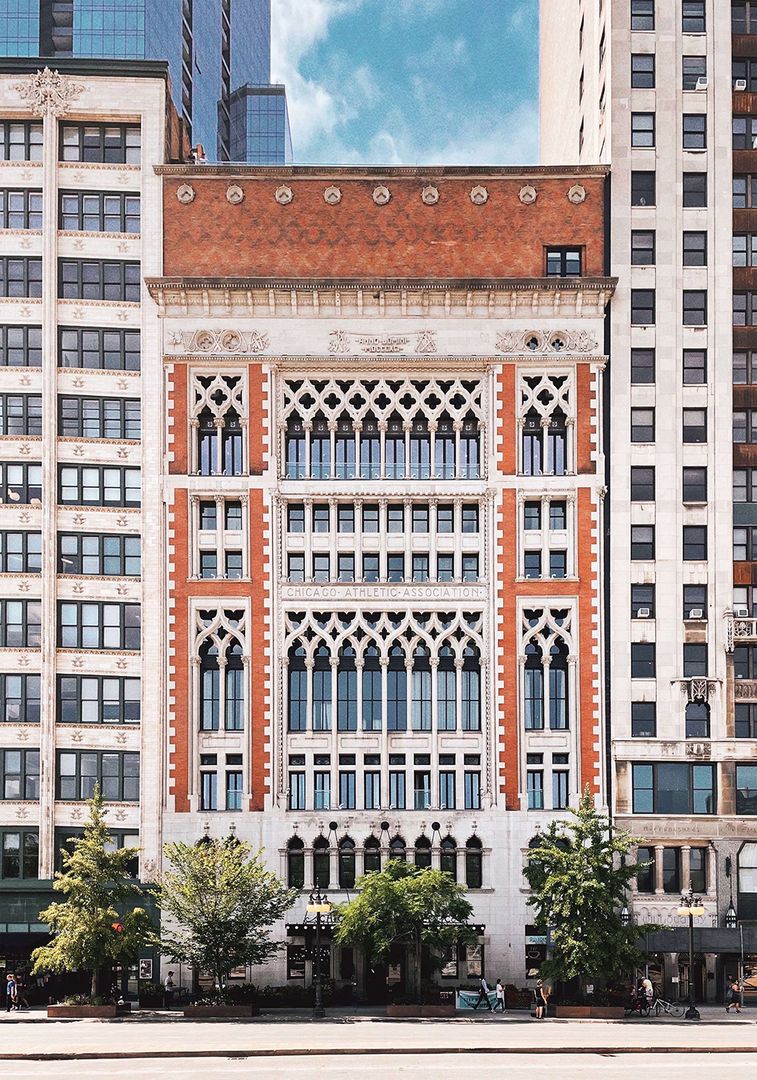
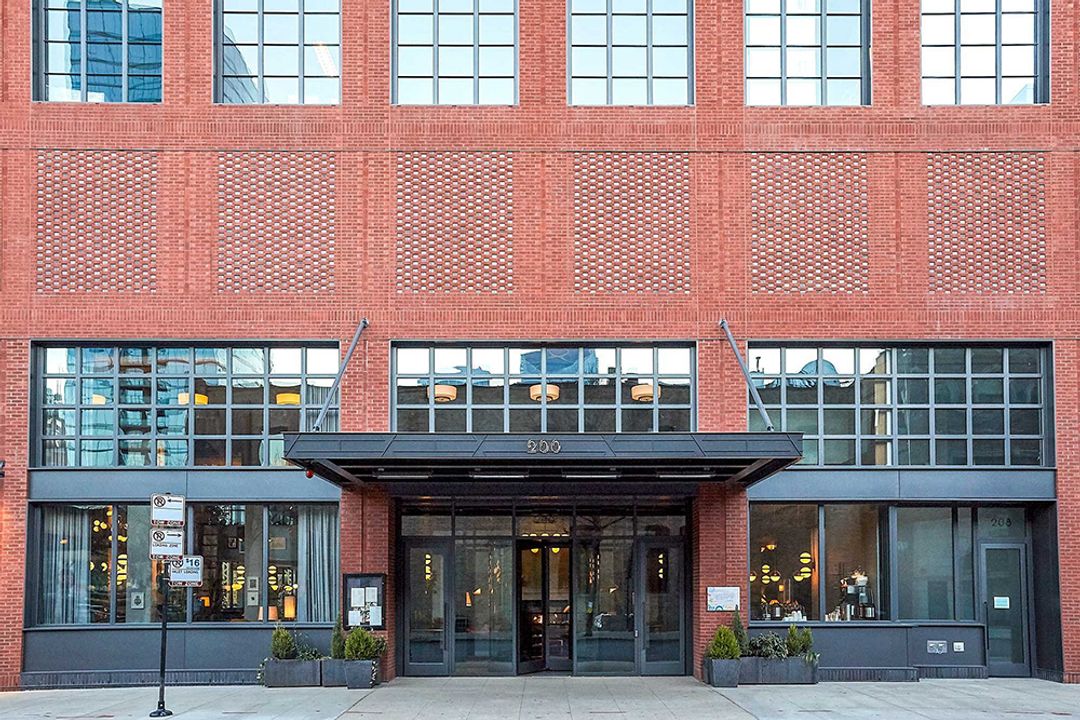
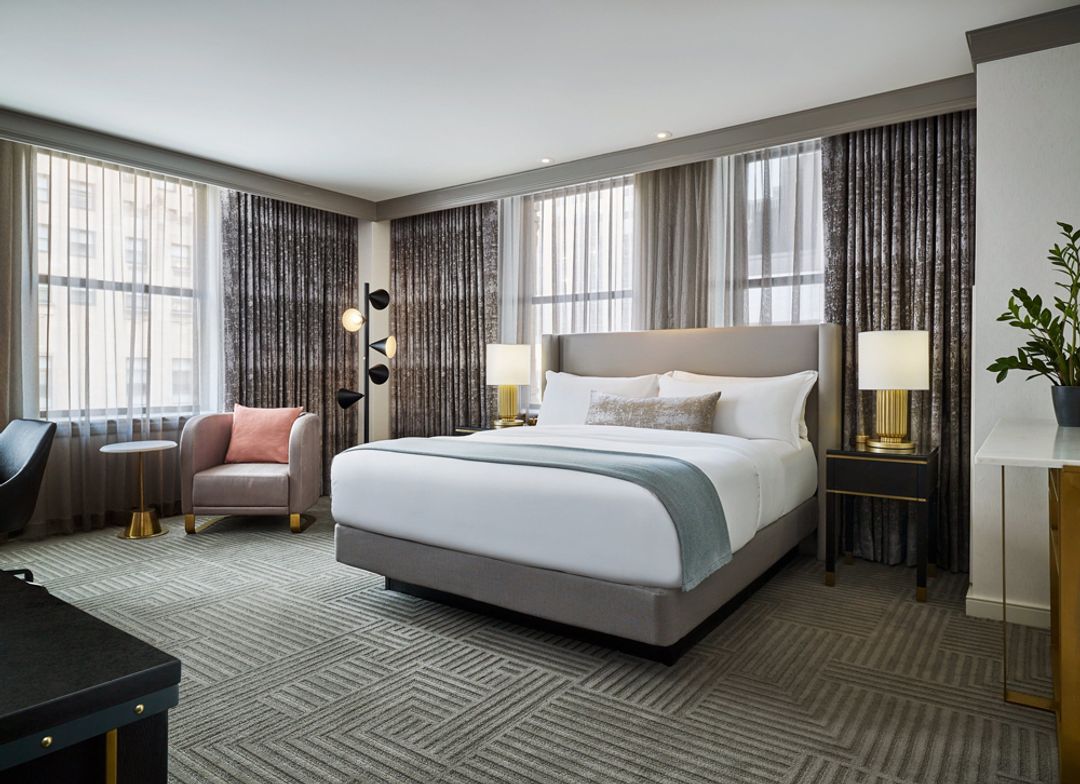
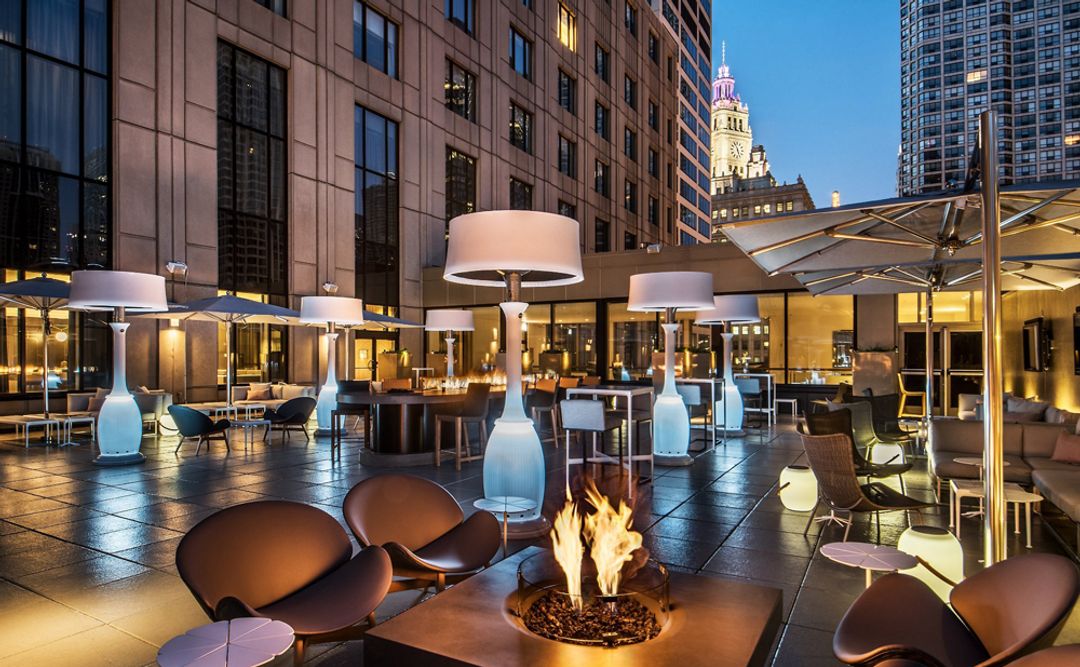
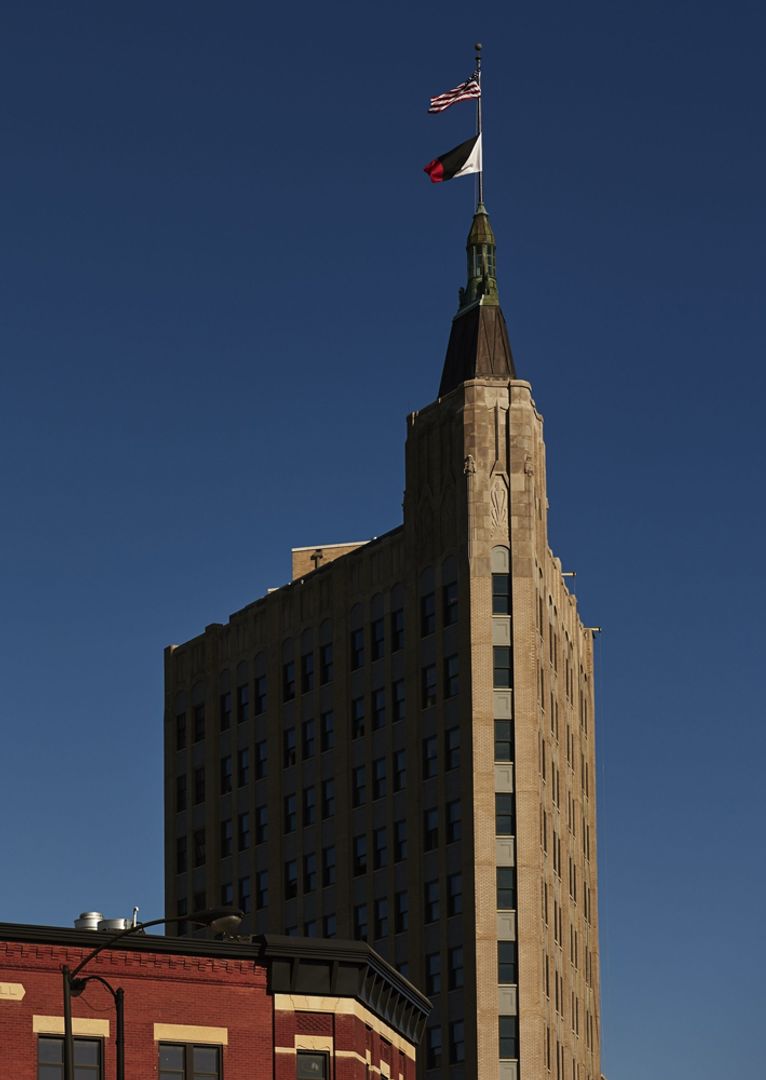
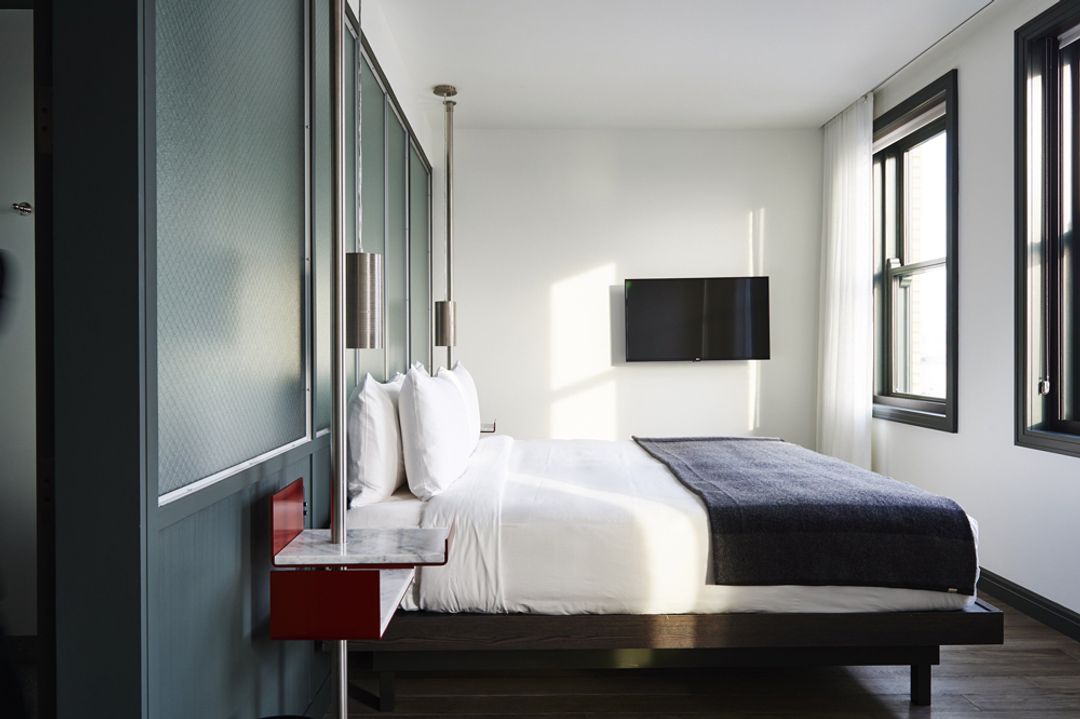
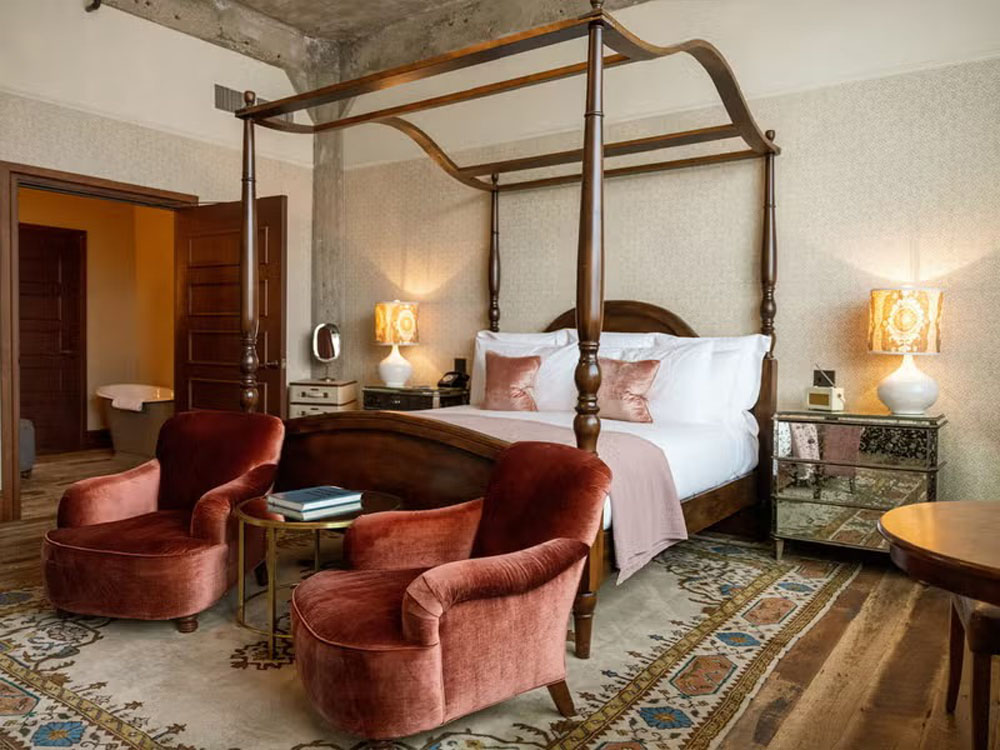
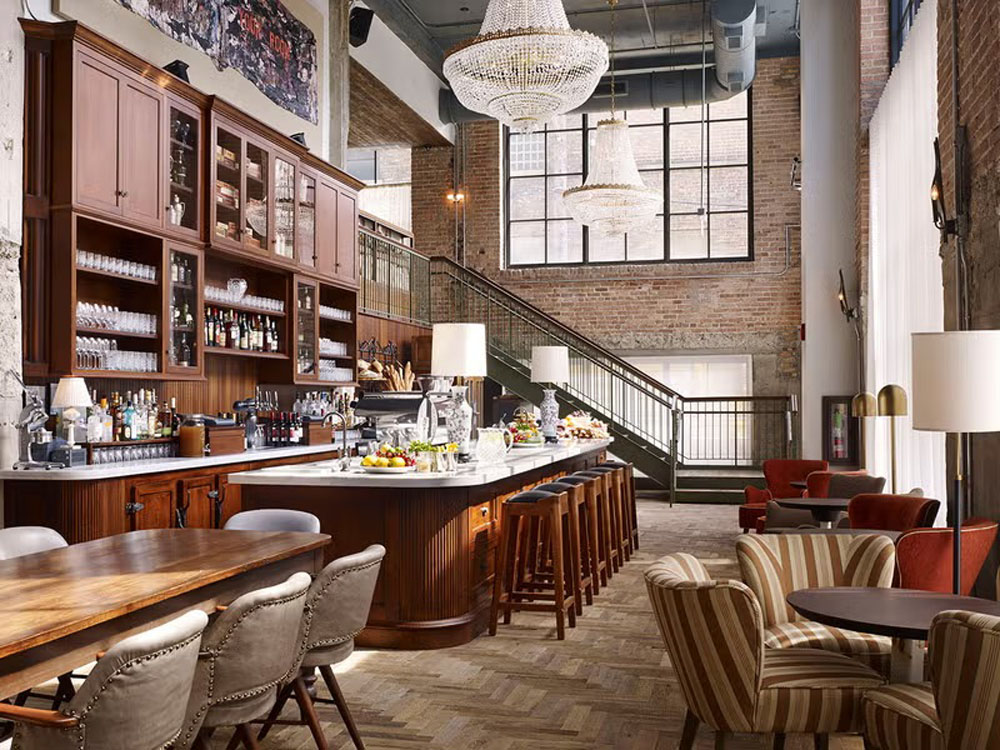
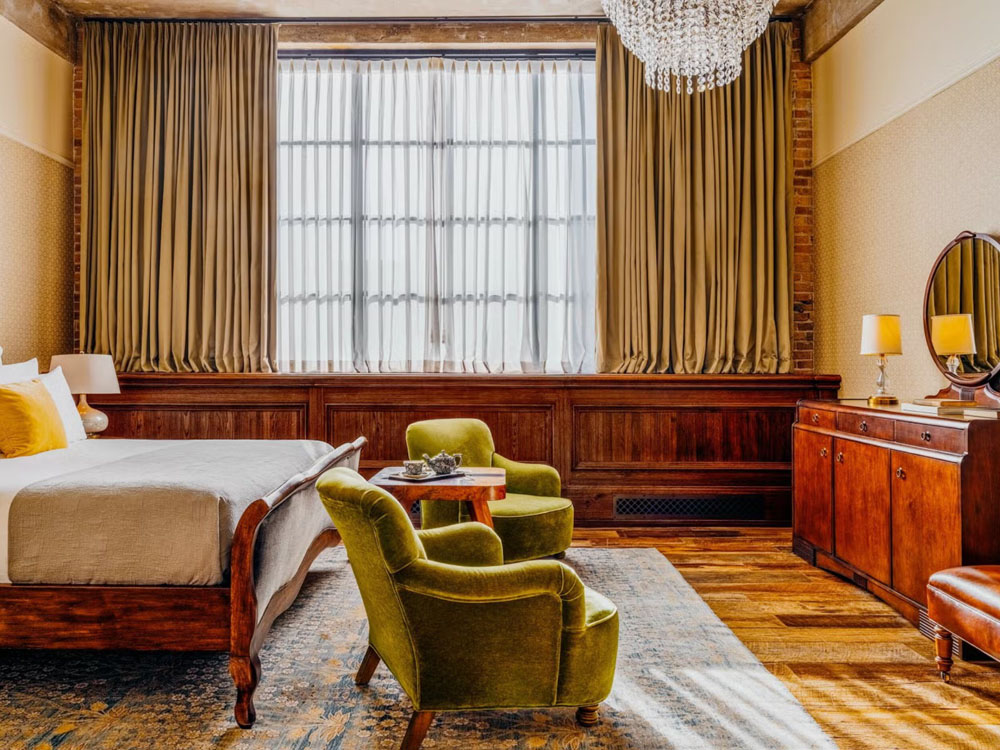
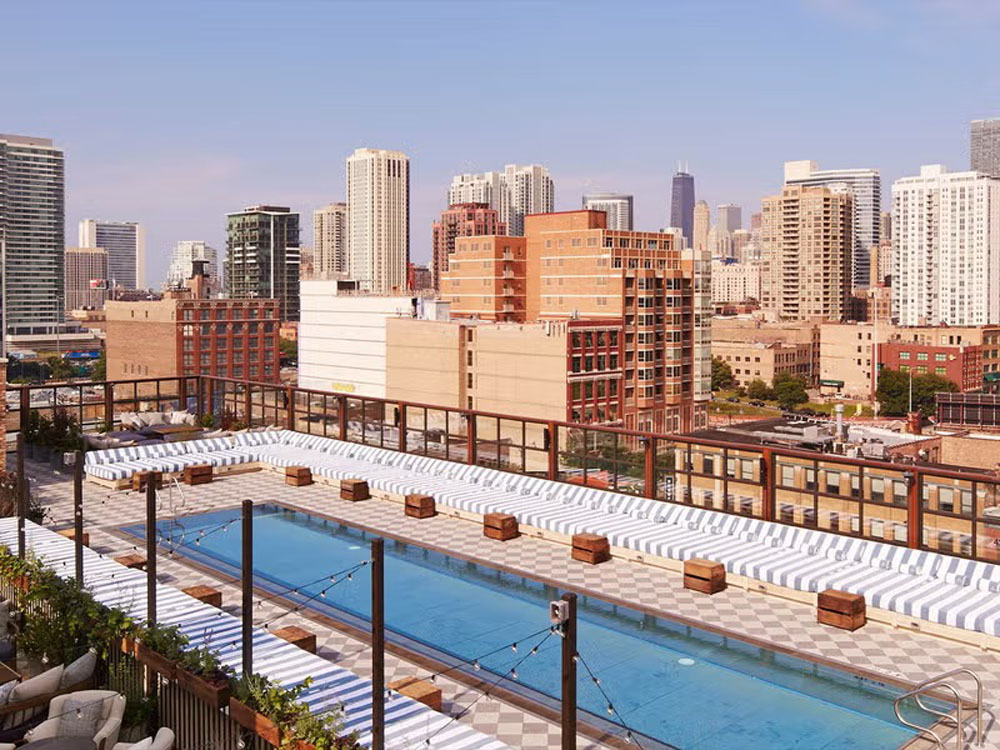
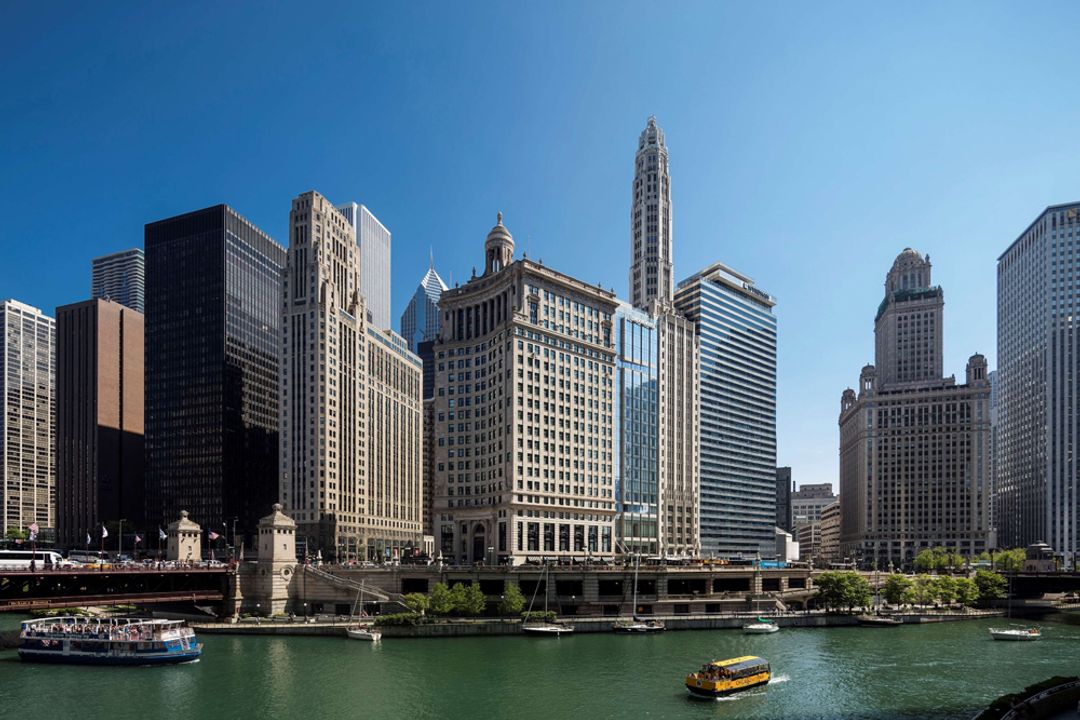
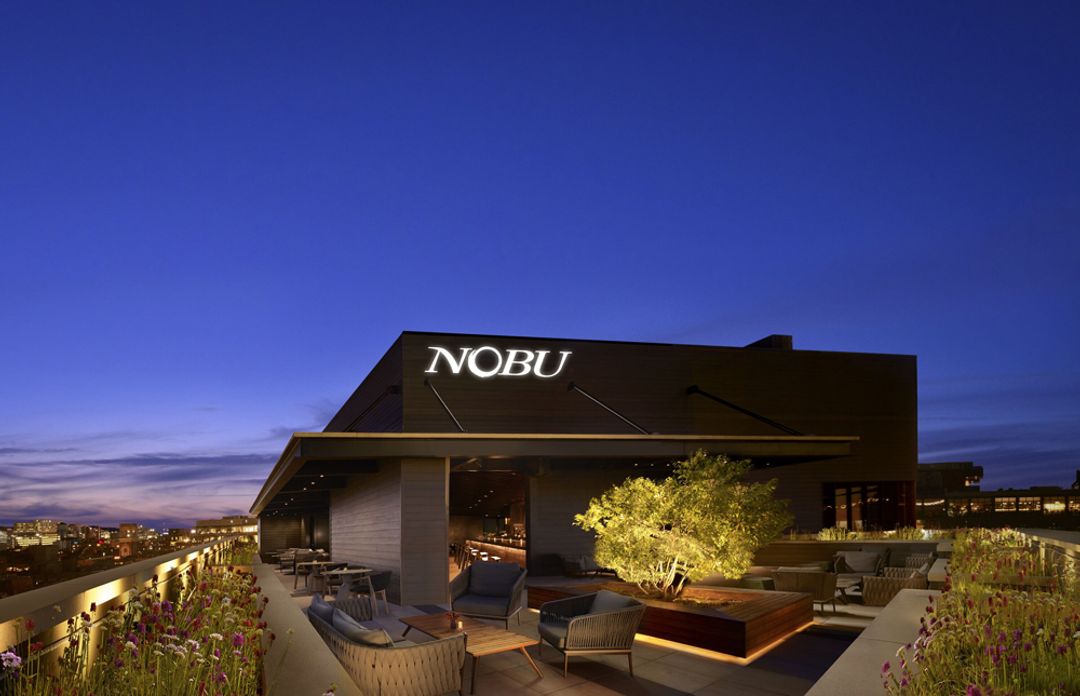
Steel and stone have always mattered here in a way they don't quite elsewhere — Chicago's relationship with its own built environment is almost competitive, a city perpetually in argument with itself about what a building should do. That anxiety produces extraordinary hotels. The Langham Chicago occupies the former IBM Building, a 1971 Mies van der Rohe tower on the river, and the pairing of that Miesian restraint with Richmond International's interiors creates something genuinely unresolved in the best sense: modernist bones dressed with considered softness. A few blocks north, the Park Hyatt Chicago works a similar tension inside Lucien Lagrange's Water Tower Place-adjacent tower on Michigan Avenue, while the Peninsula — the portfolio's most expensive address — commands its Magnificent Mile corner with the kind of institutional confidence that makes the street feel organized around it. The St. Regis Chicago, in Lakeshore East, brought Jeanne Gang's Studio Gang-designed tower to the hotel conversation in 2020, the building's faceted, staggered geometry making it one of the more architecturally serious new structures to enter Chicago hospitality in years. Away from the lakefront axis, the city's westward expansion into formerly industrial neighborhoods has produced a different register entirely. The Hoxton in Fulton Market arrived as that district was mid-transformation — meatpacking heritage absorbed into tech offices and chef-driven restaurants — and its approachable rates relative to the room quality reflect a positioning that is less about destination luxury than neighborhood integration. Soho House Chicago, settled into an 1886 red-brick warehouse in the West Loop, plays the same industrial-adaptive hand with more deliberate curation, while Nobu Hotel on Randolph Street trades on its restaurant's pull to anchor a design-forward address that might otherwise struggle in the company of its neighbors. Gold Coast consolidates the older money. The Waldorf Astoria, the Four Seasons, the Ritz-Carlton, the Viceroy, and Thompson Chicago cluster within a few blocks on and around Rush Street, each occupying a slightly different architectural moment and positioning — the Viceroy (Roman and Williams, 2017) the sharpest design statement among them, with its jewel-box interiors rewiring a 1920s tower into something wholly contemporary. For travelers drawn less to the lake and the Magnificent Mile than to the grain of the city itself — Wicker Park's two-flats, the Loop's beaux-arts banking halls, the warehouses of the near West Side — The Robey in a 1929 art deco corner building, or the Kimpton Gray inside the 1894 New York Life Building on LaSalle, offer architecture as genuine context rather than backdrop.