Best hotels in Washington D.C. | A Curated Visual Guide to Top Stays
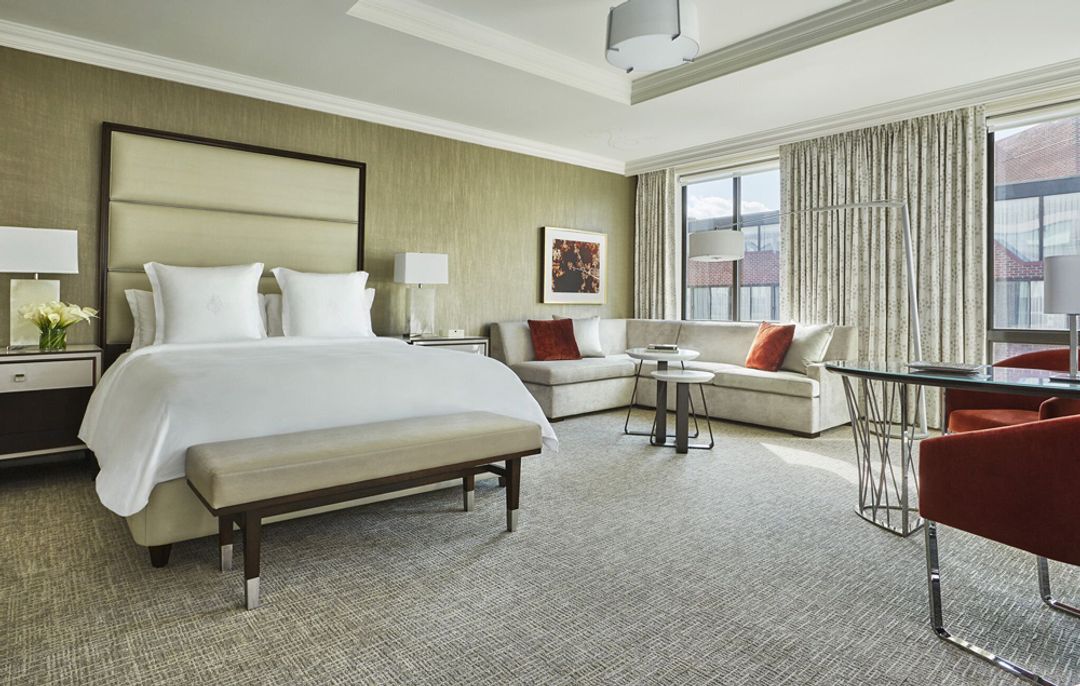
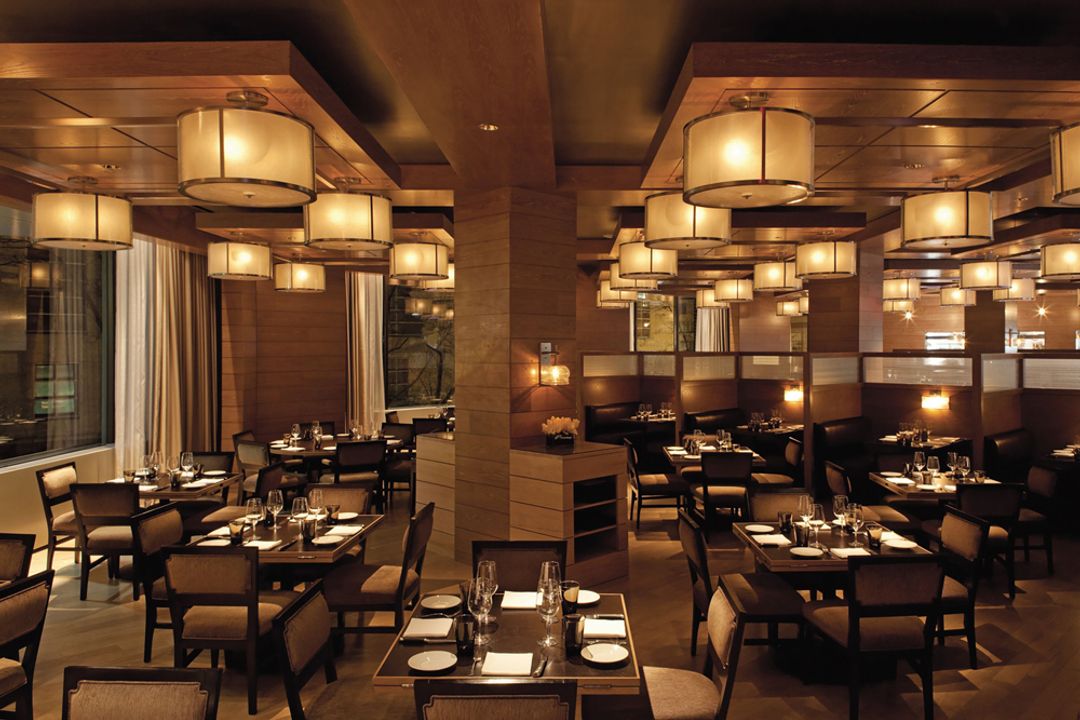
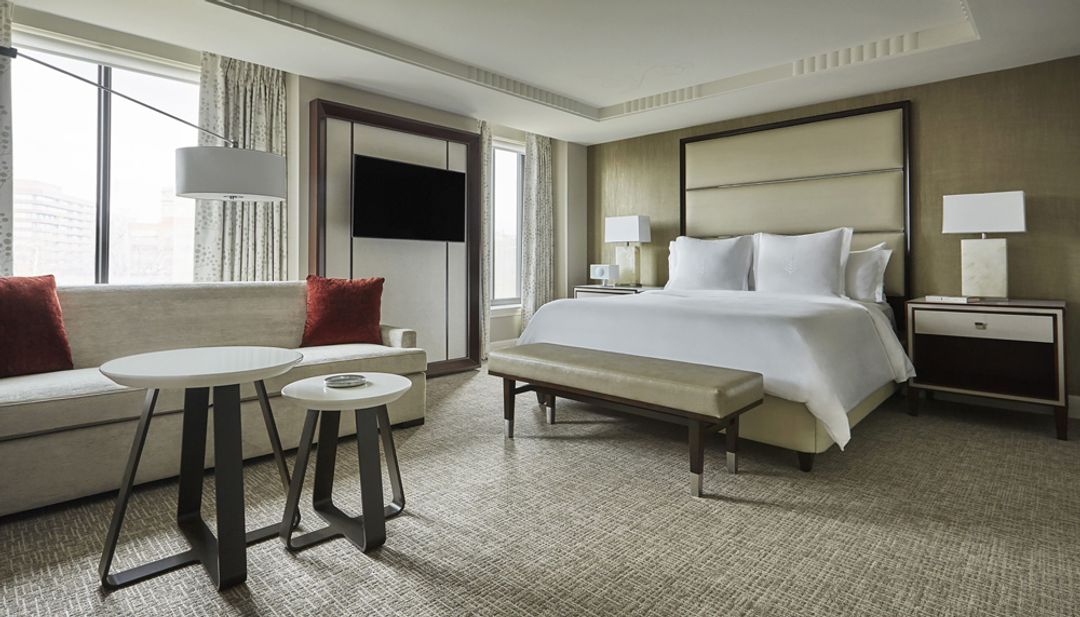
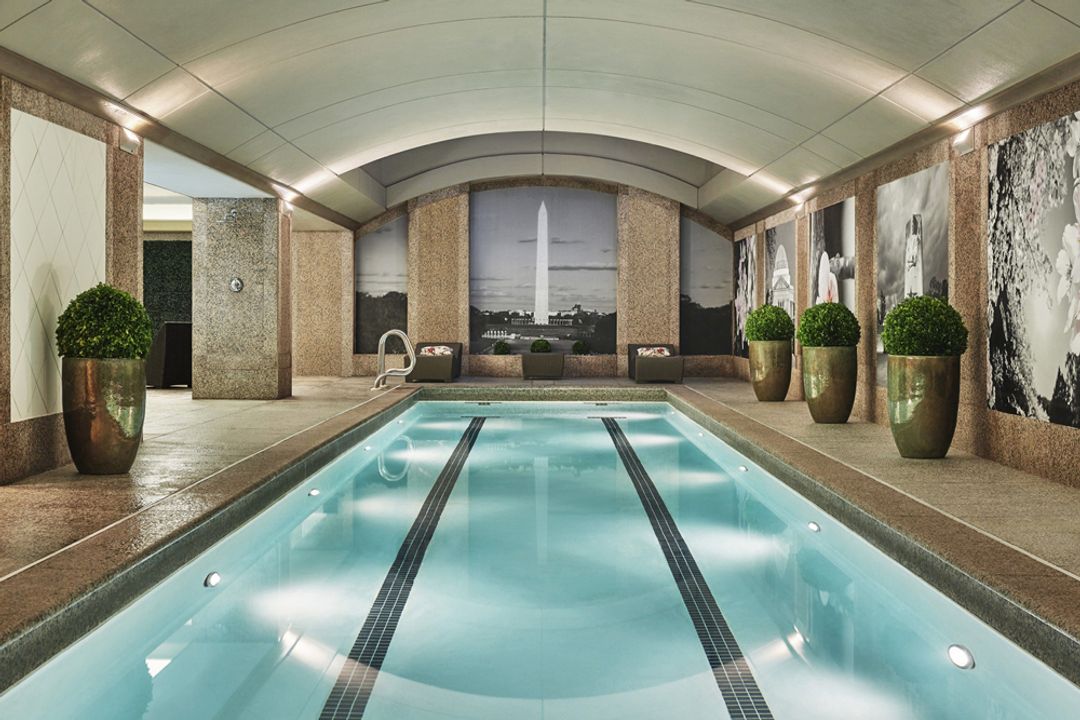
Welcome to PressBeyond, the ultimate curated visual guide for design-driven hotels! My name is Will Miller and these are my recommendations for the best boutique and luxury hotels in Washington D.C..
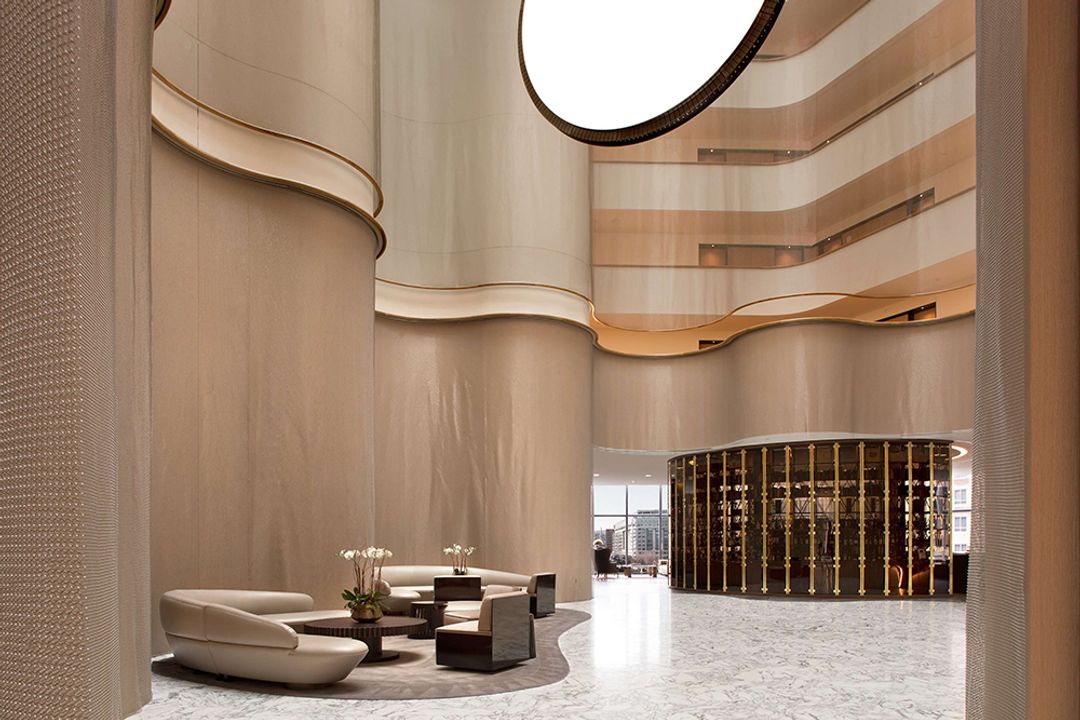
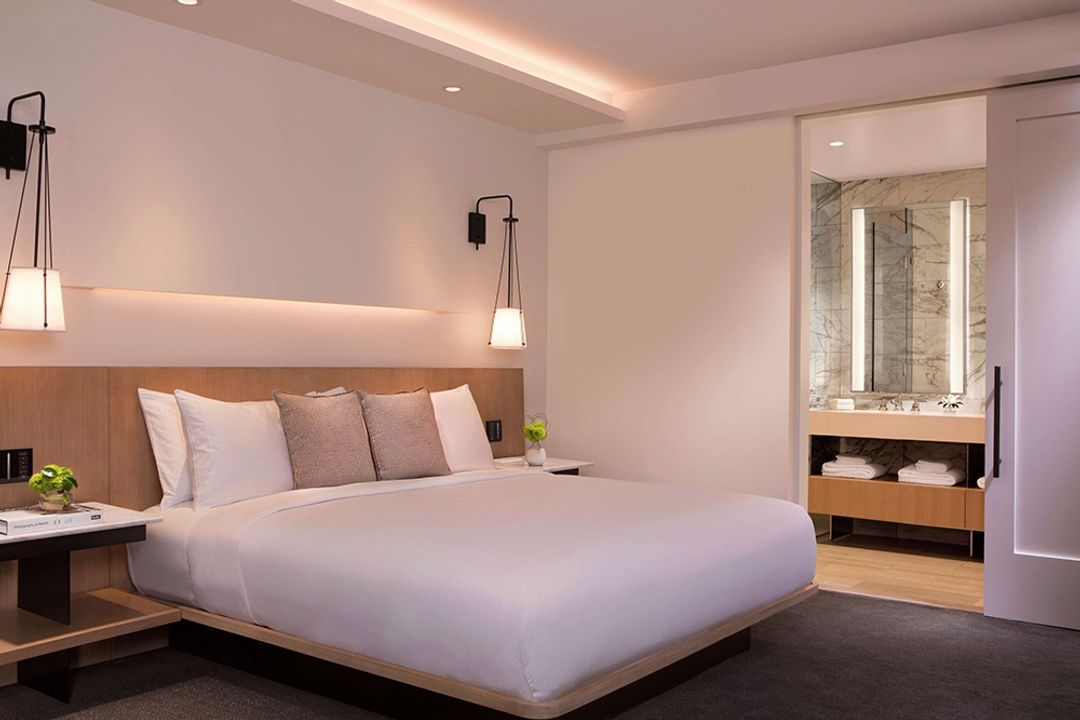
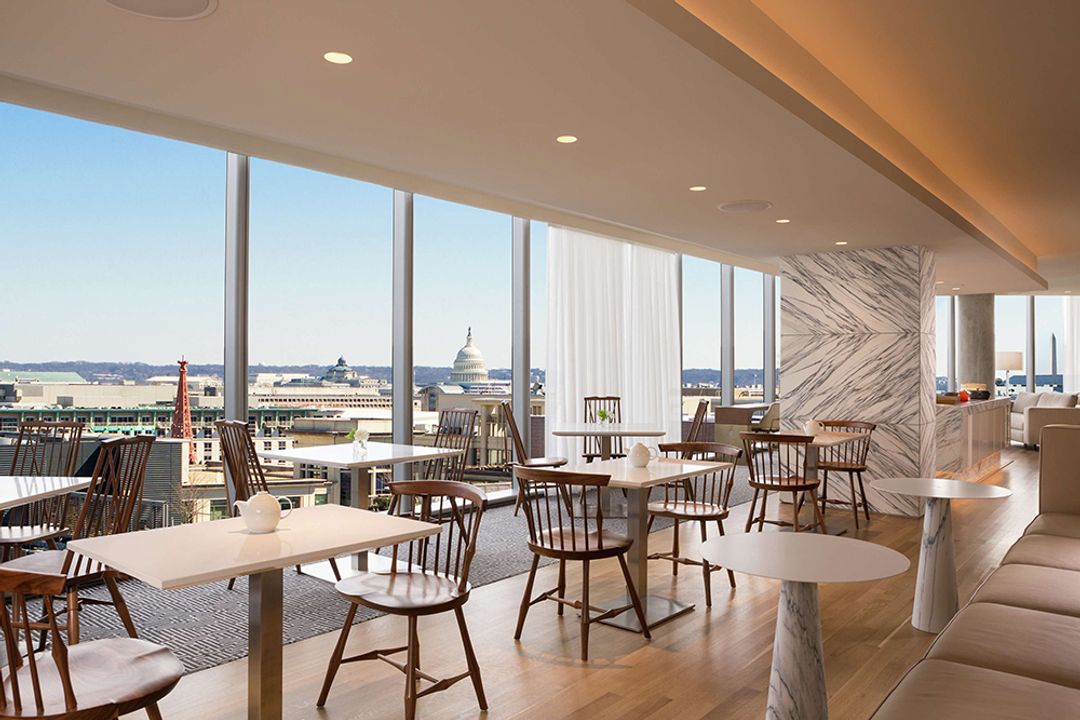
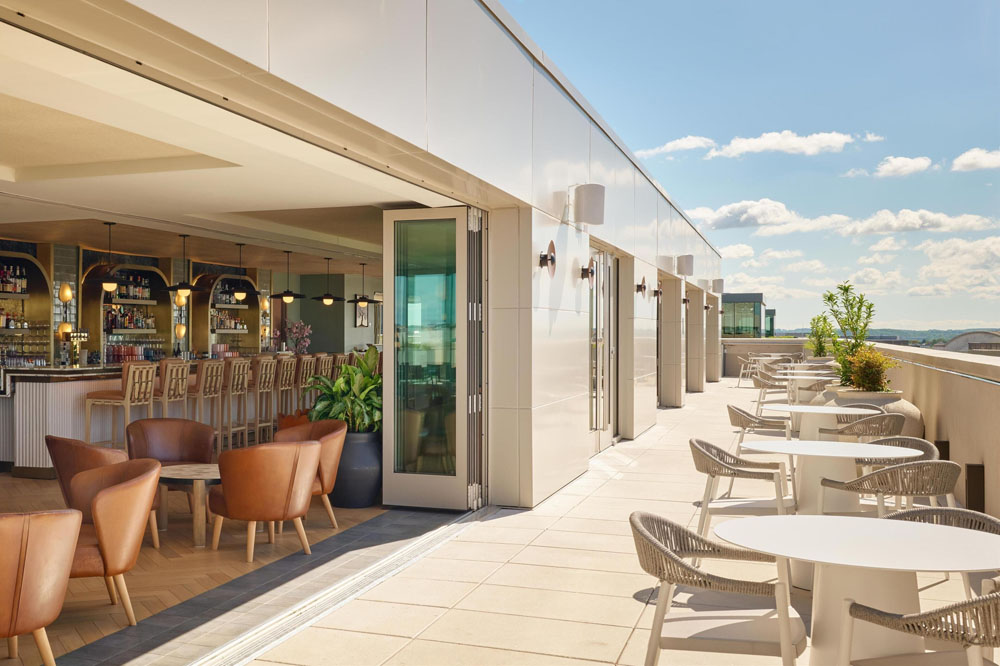
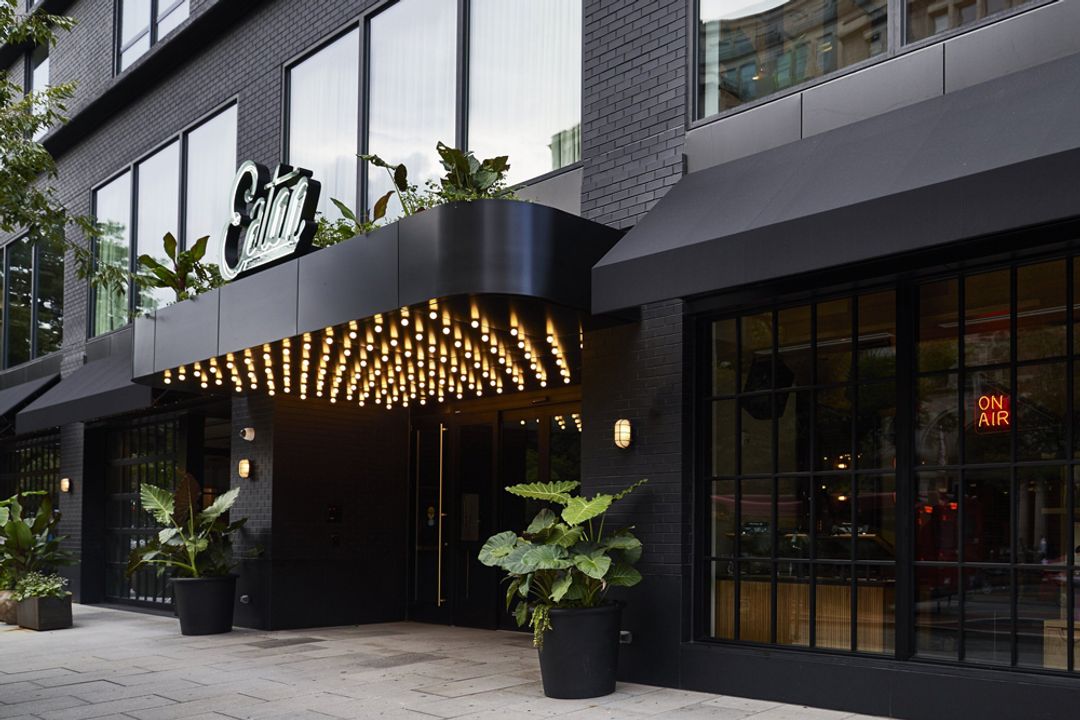
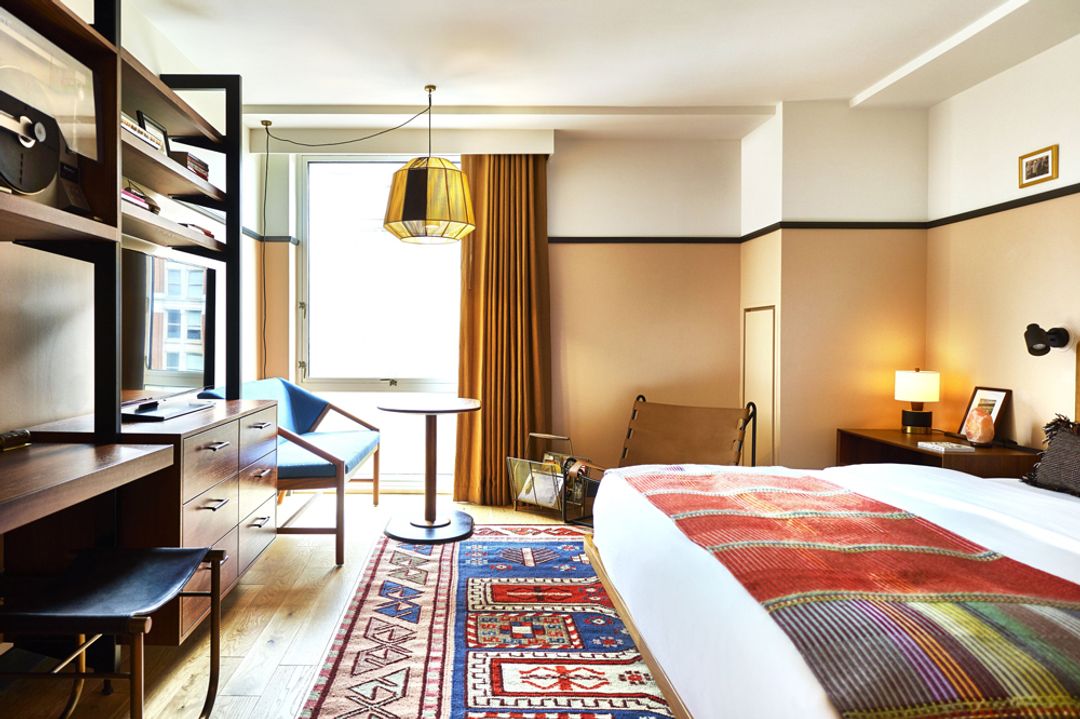
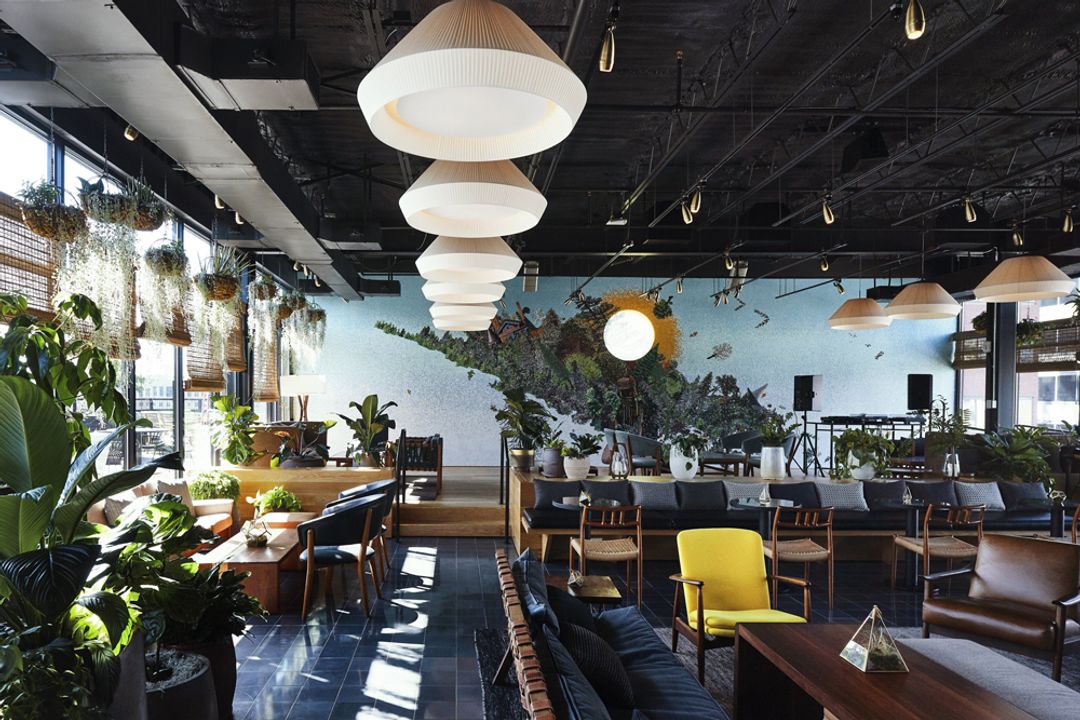
I am the founder of PressBeyond and I am an ultra-meticulous hotel curator who loves clean visuals. I have individually analyzed and tiered each hotel included in this guide based on a variety of criteria (architecture & design, location, brand & brand affiliation, existing reviews, and my own personal experiences), and importantly, I have hand-selected the leading imagery for each hotel to provide you with easily-digestible, yet detailed and complete, like-for-like, high-level visual profiles. I felt this summarization step was a critical missing piece across existing guides, blogs, and booking platforms. My aim is to make it easier for people to identify hotel environments that resonate with them, along with enabling them to visualize the types of social experiences that those environments help foster. My brain doesn't work when exposed to cluttered content, so my goal was to create the opposite.
Underneath this, we are also a full booking engine offering 5% Venmo cash back along with other exclusive perks. For all of you design-obsessed hotel enthusiasts out there, I hope this guide helps get you to where you see yourself!
An Overview of the Boutique & Luxury Hotel Landscape in Washington D.C.
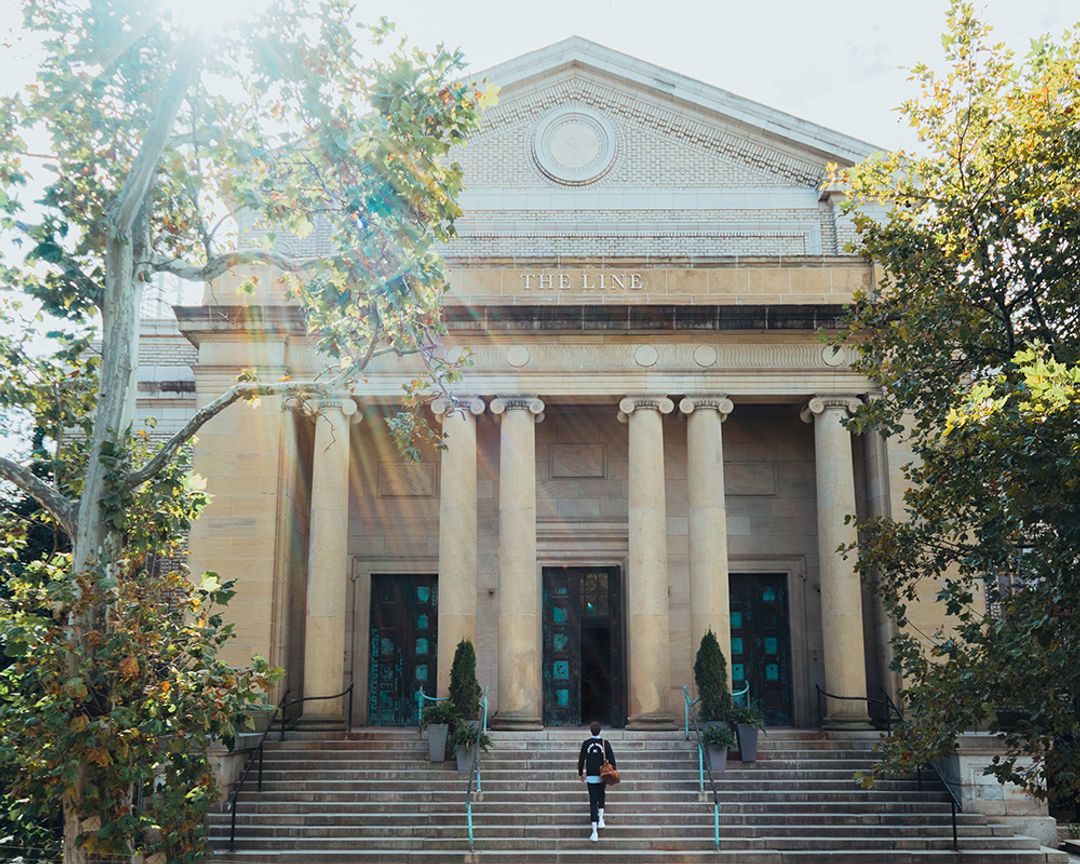
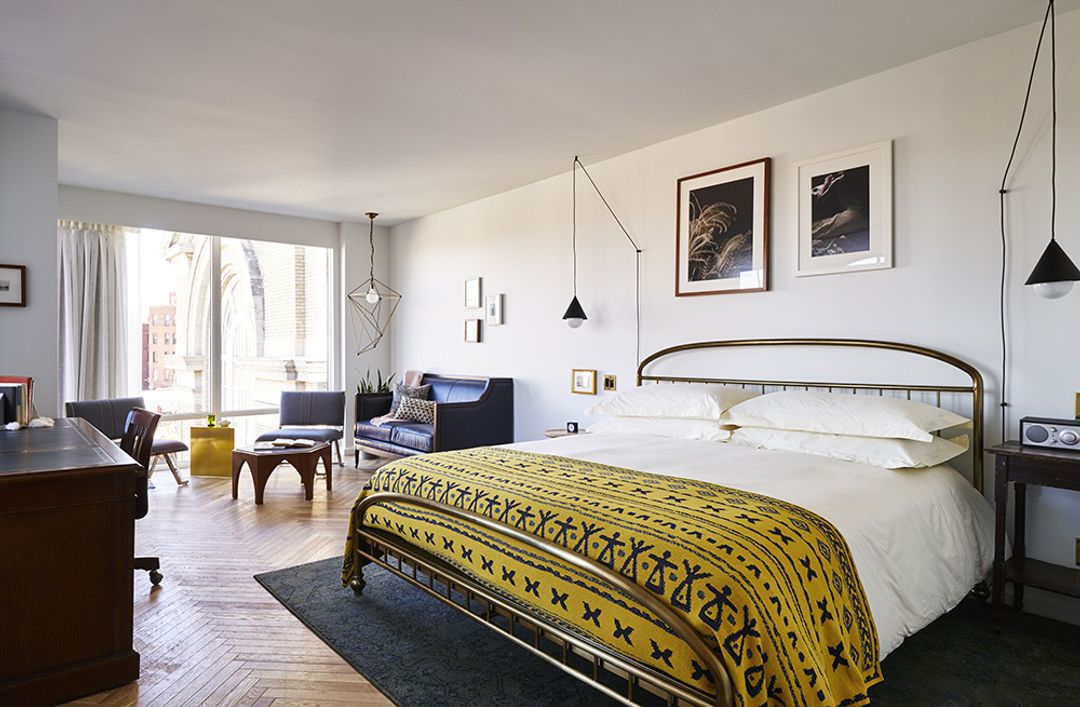
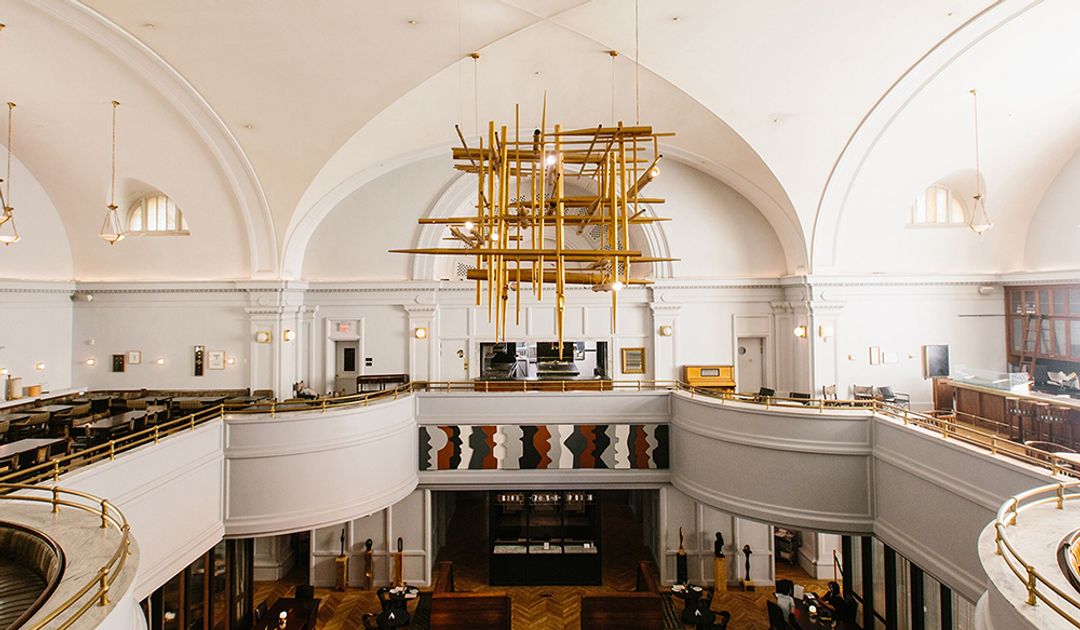
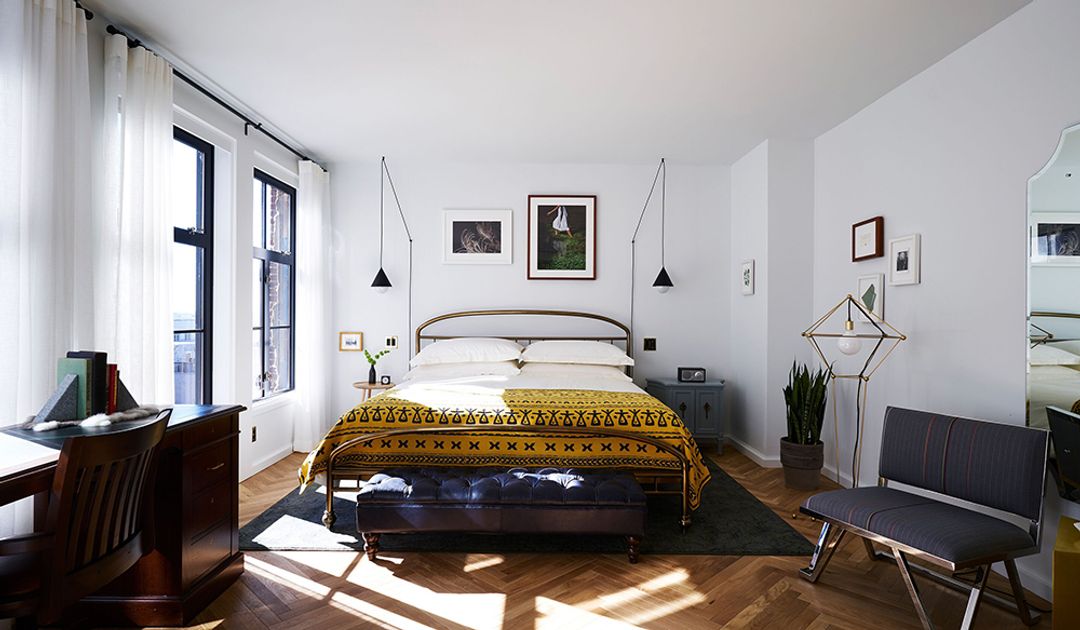
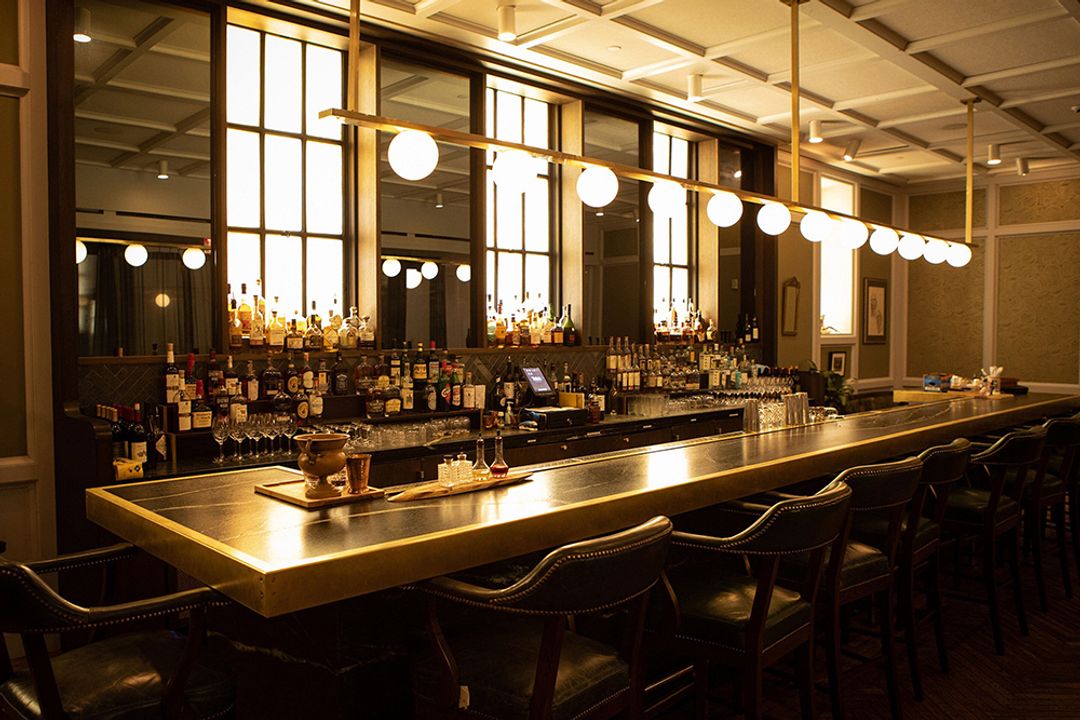
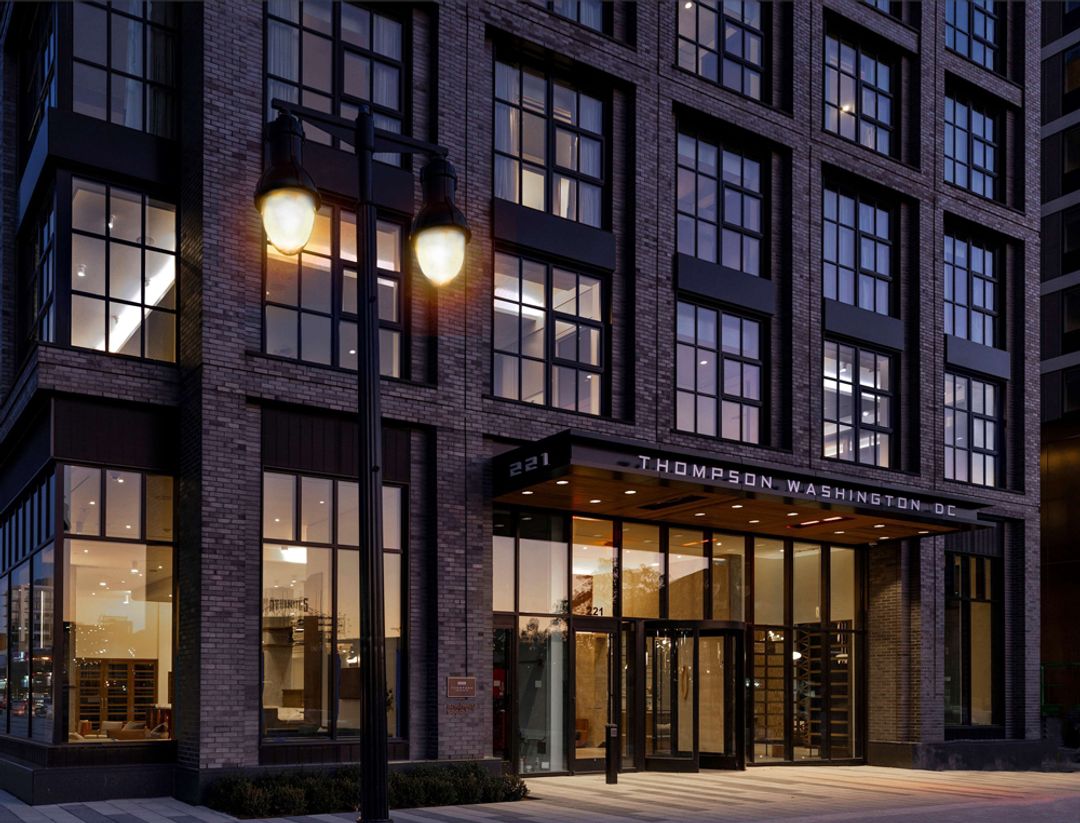
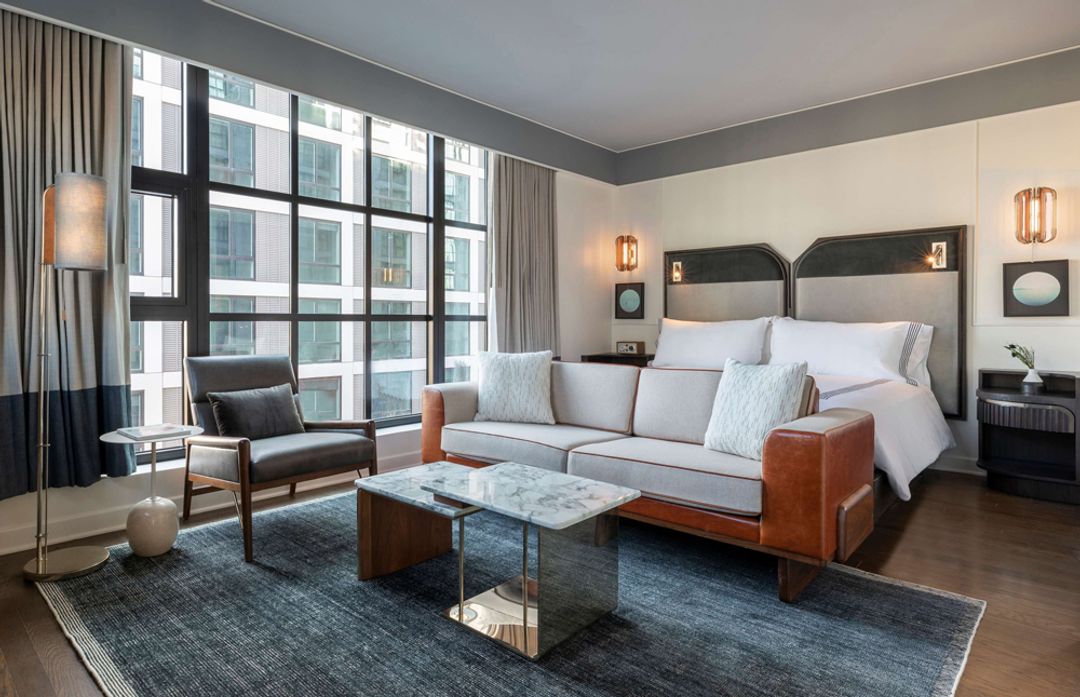
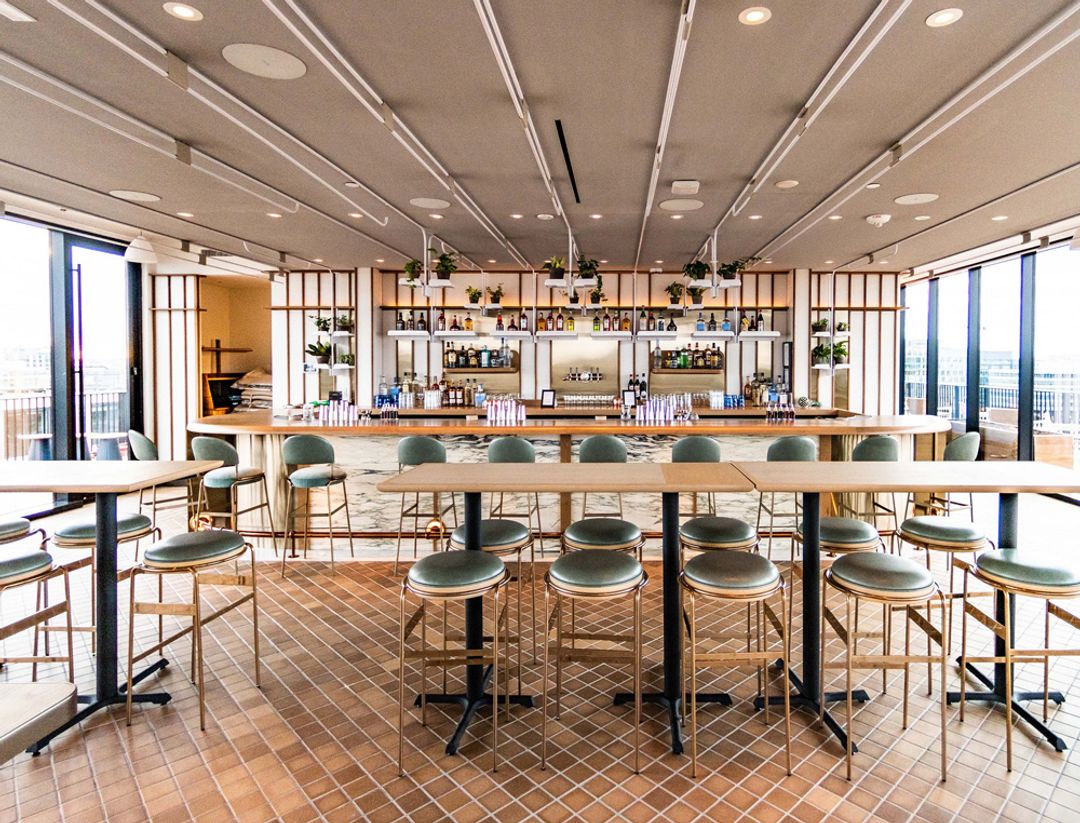
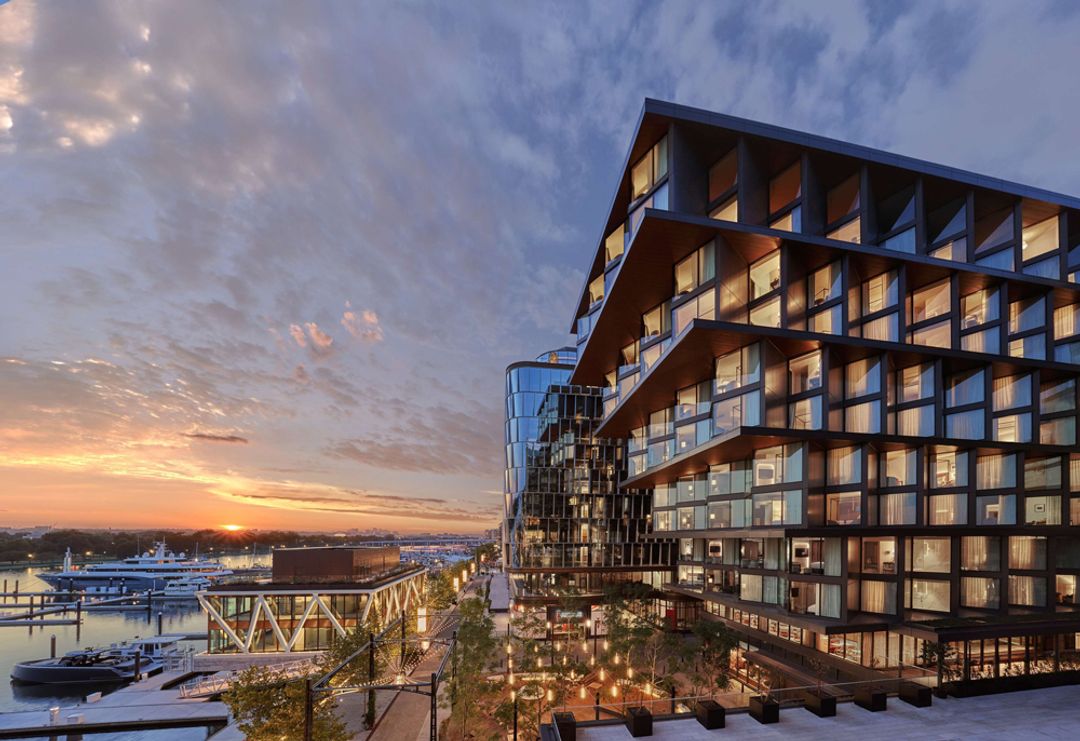
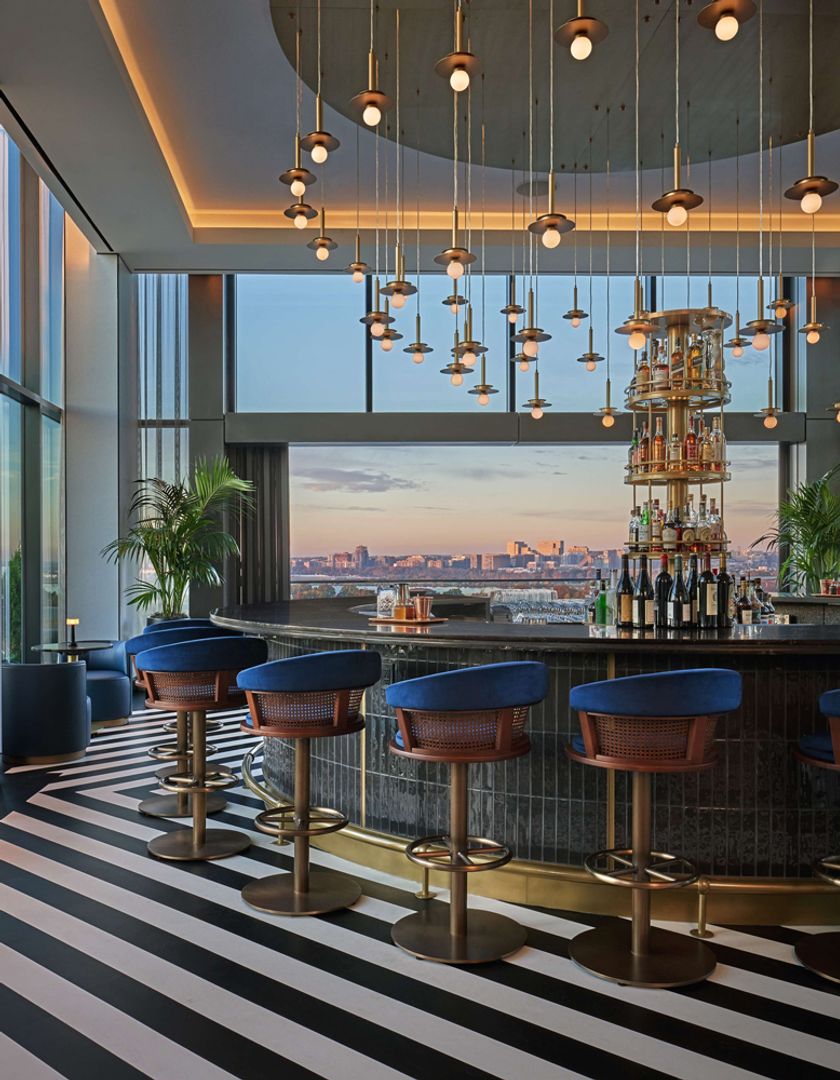
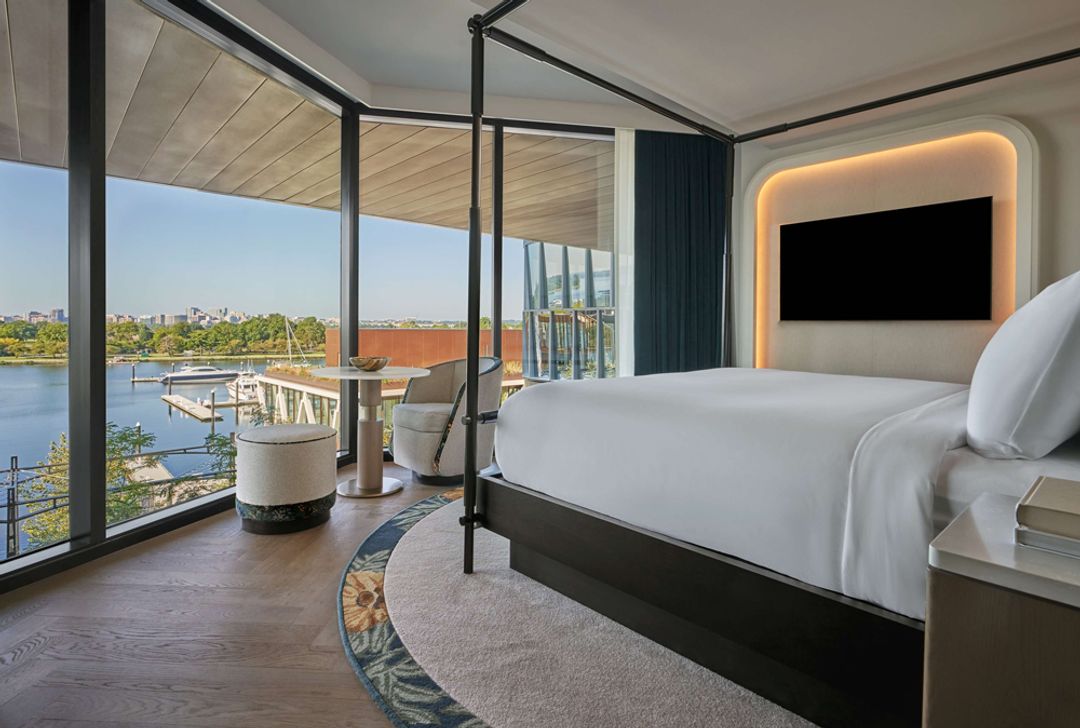
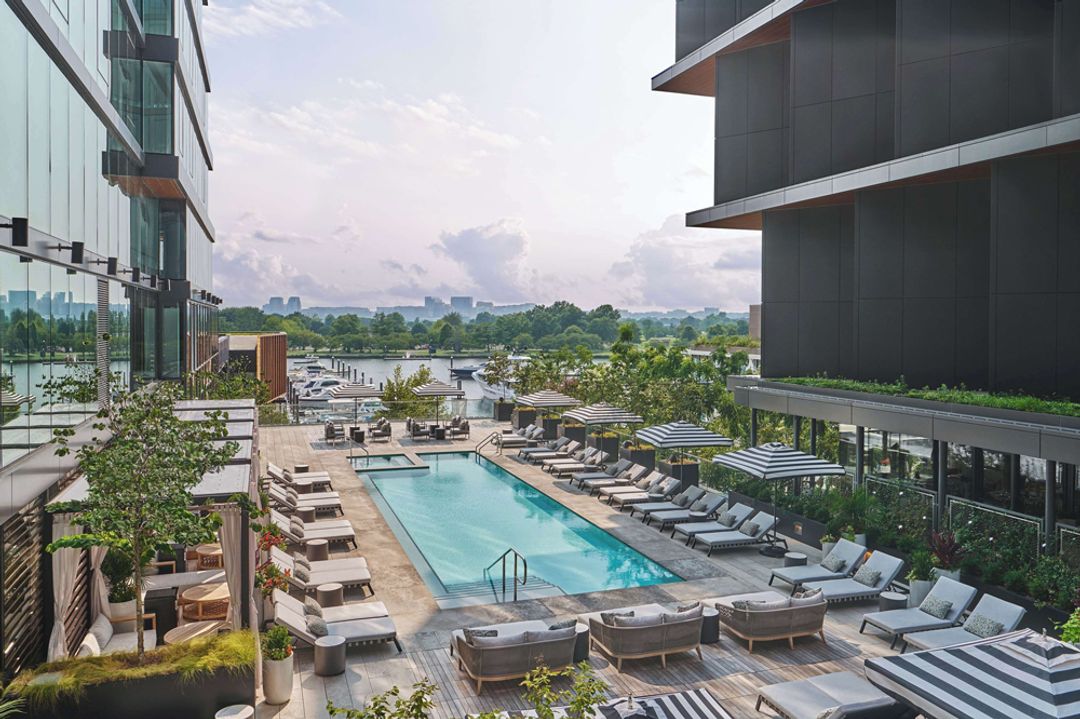
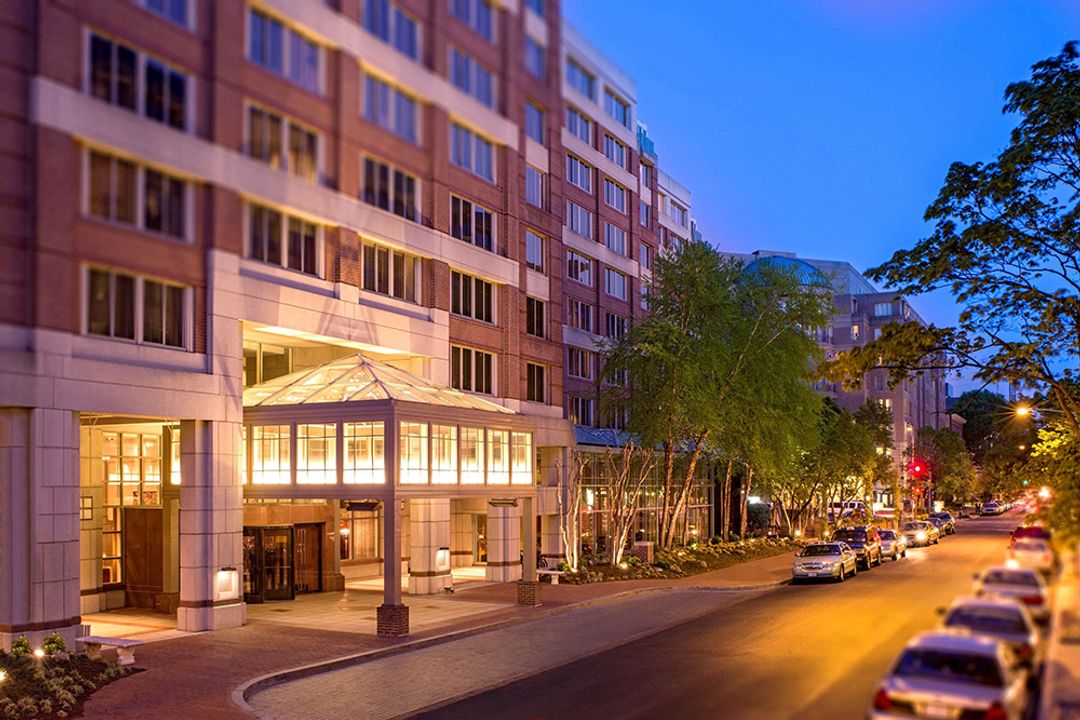
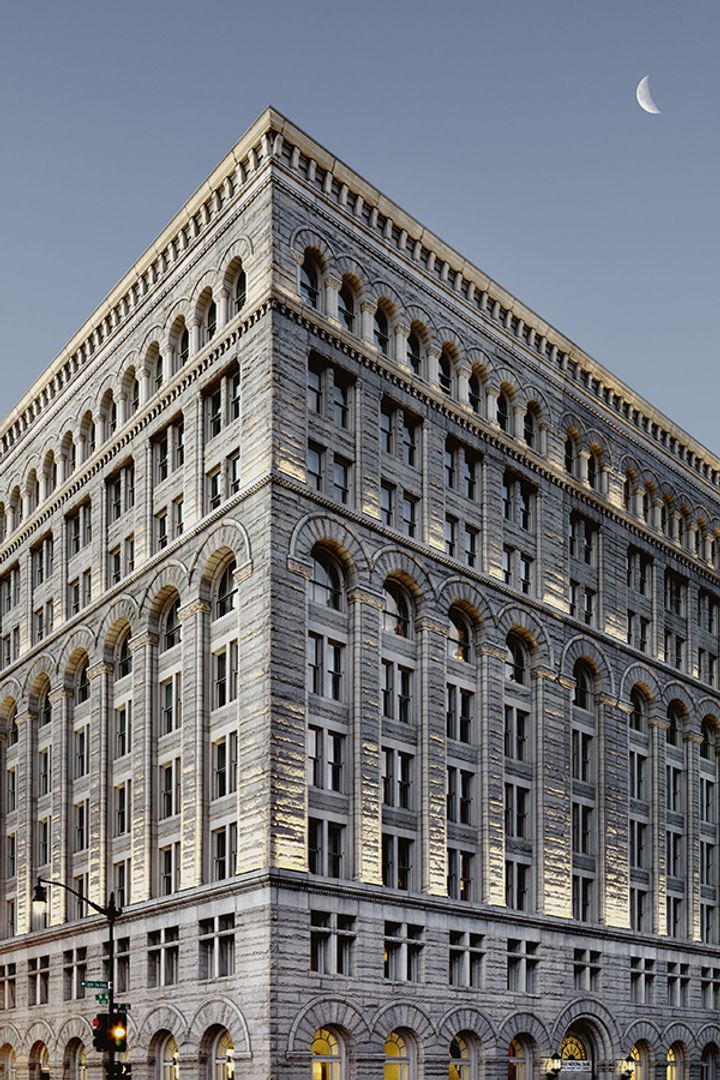
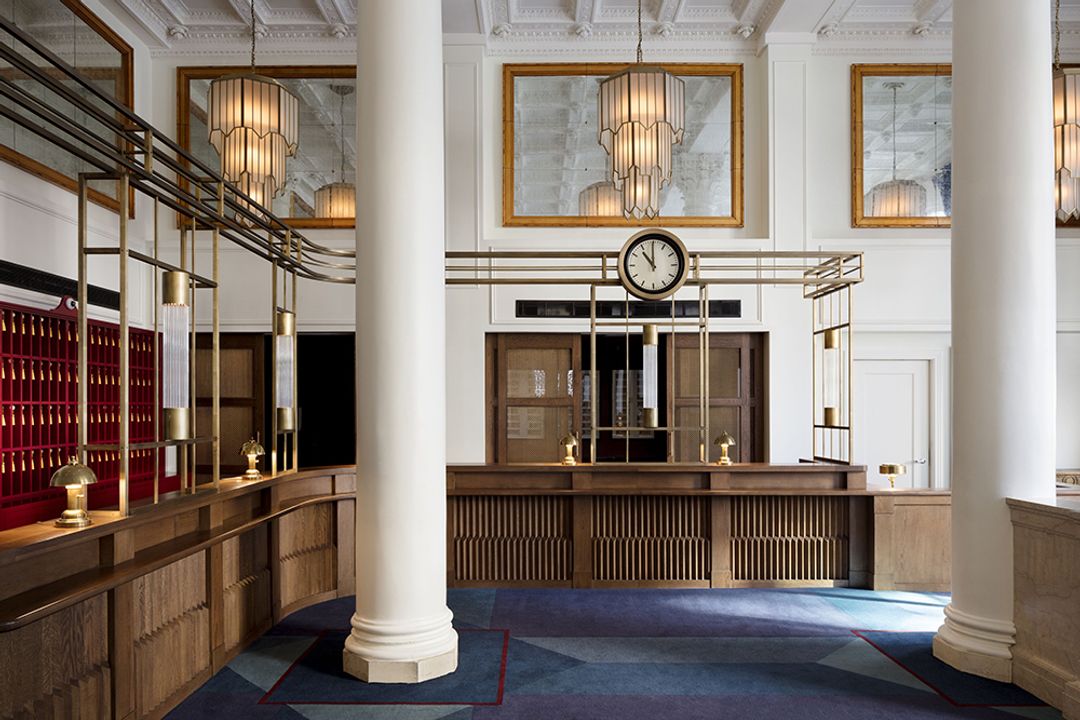
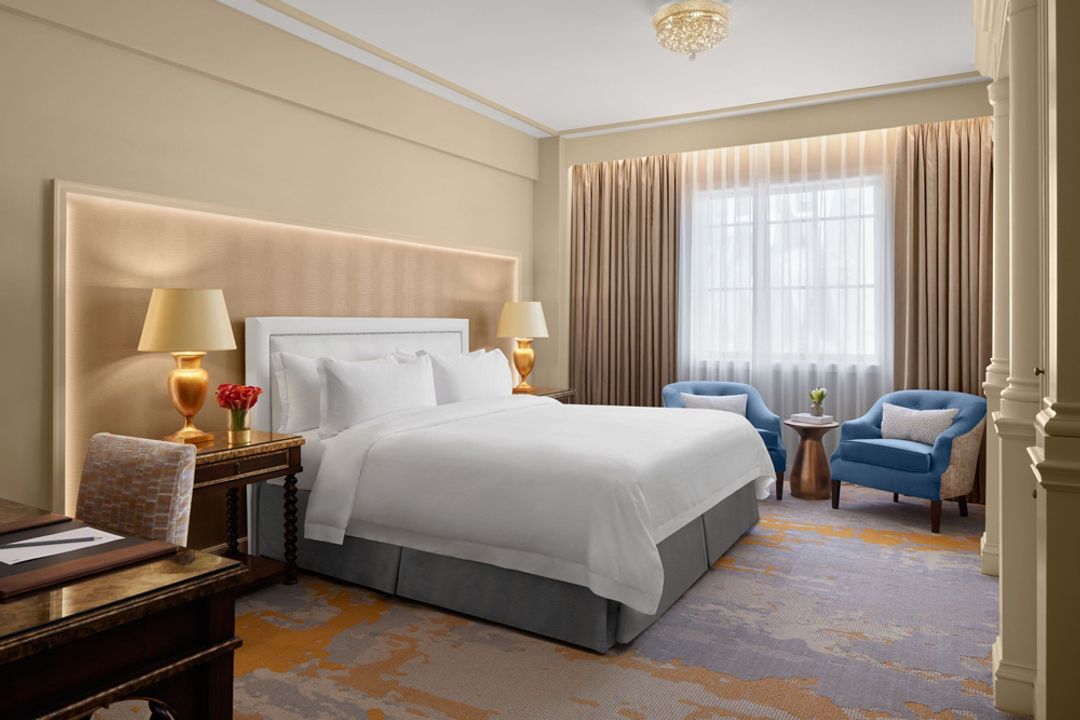
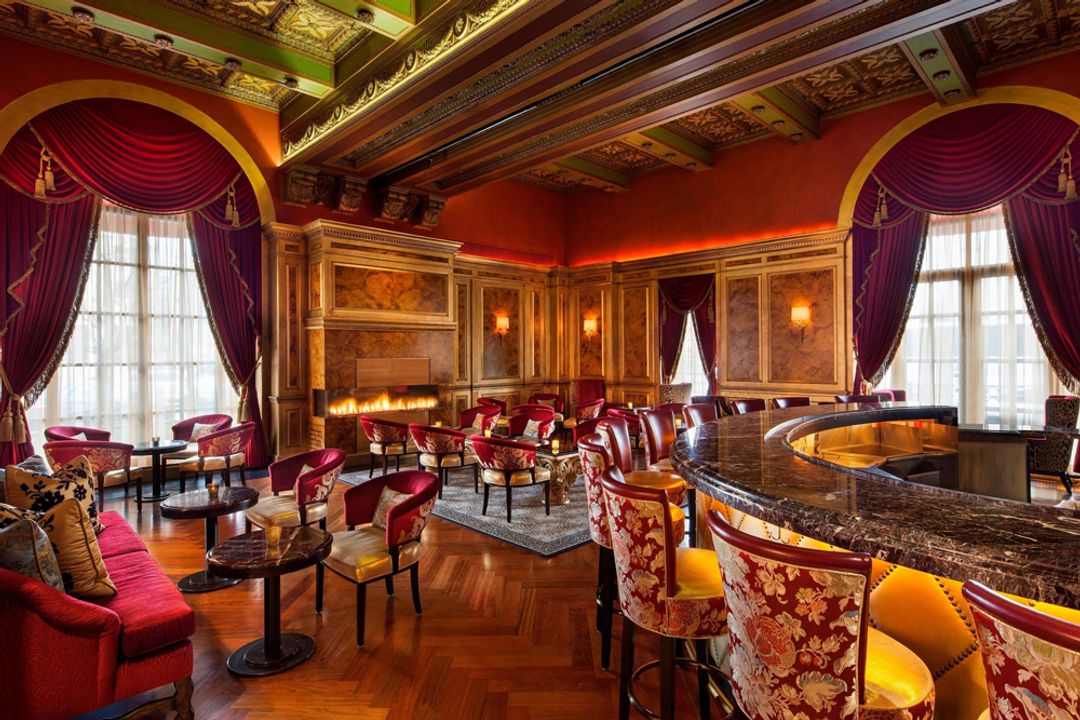
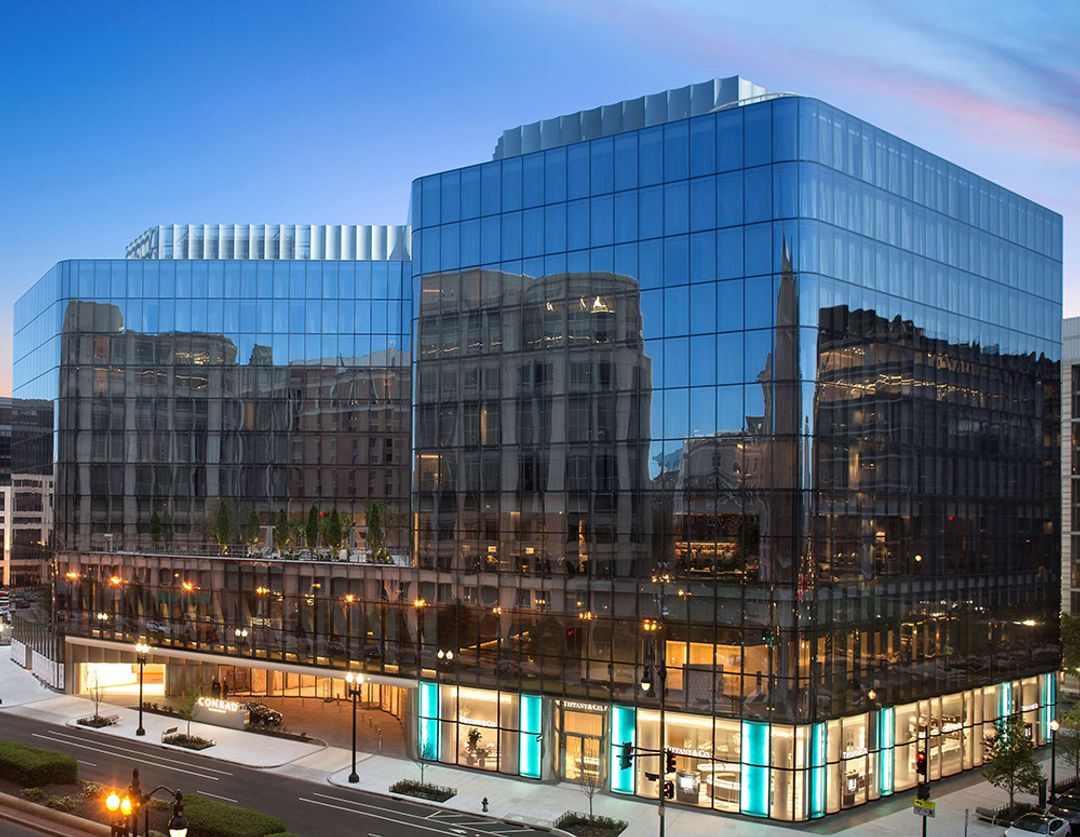
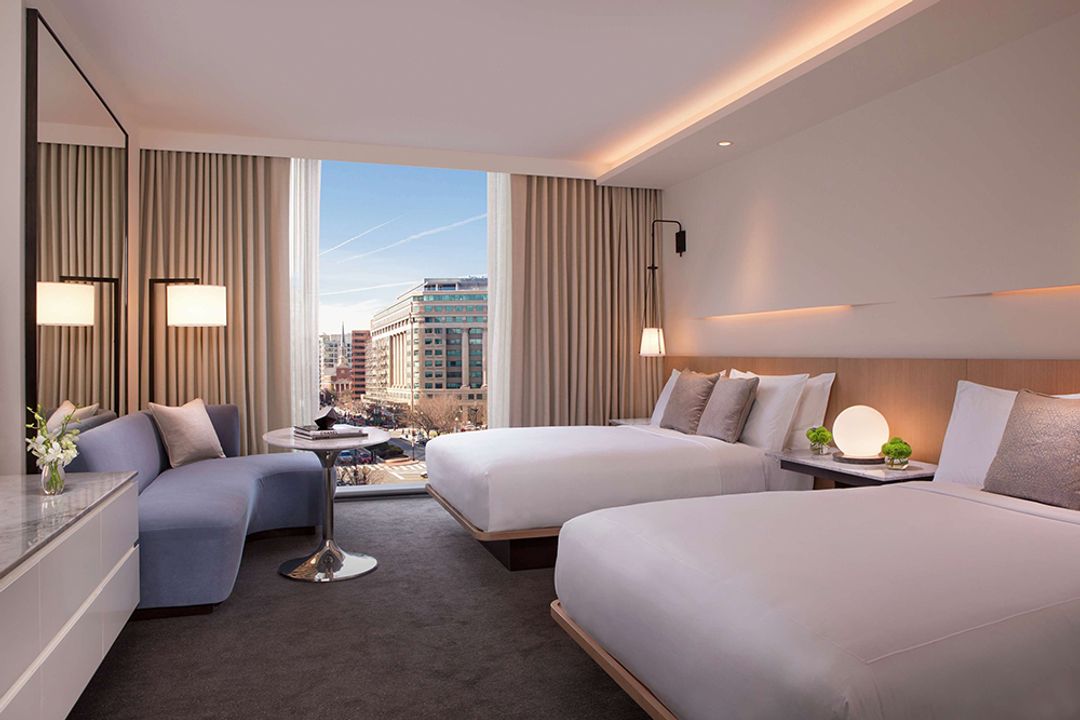
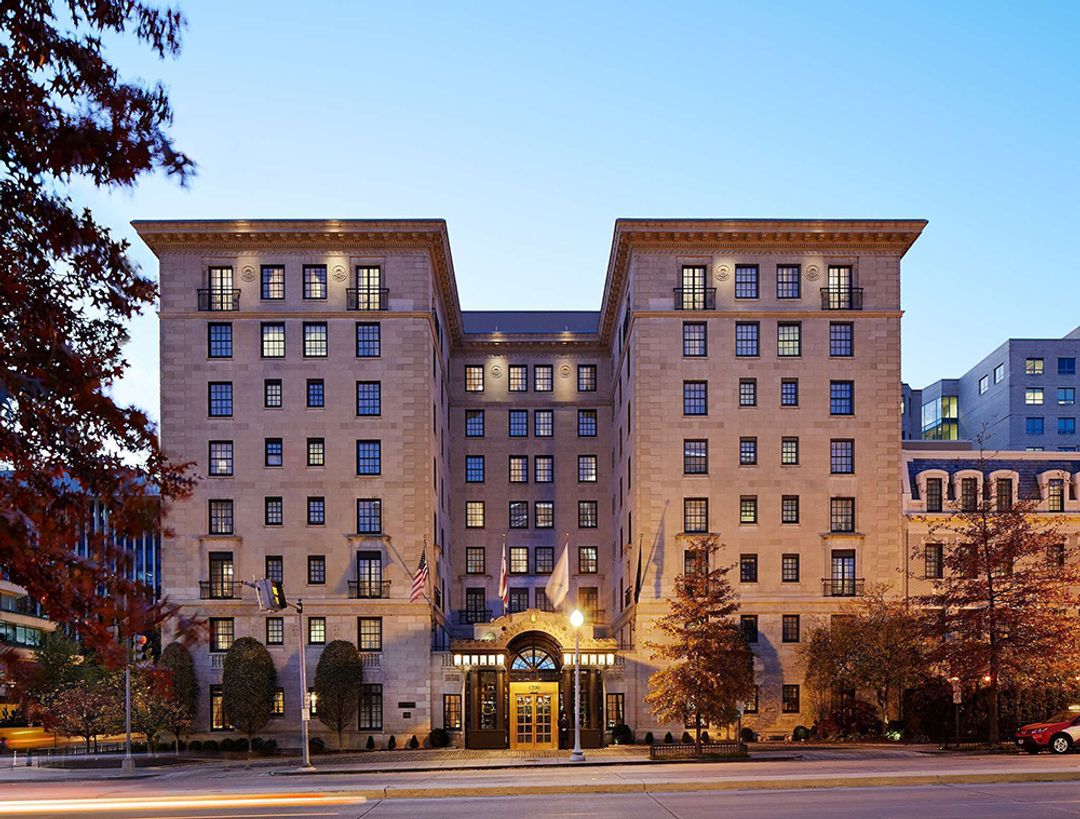
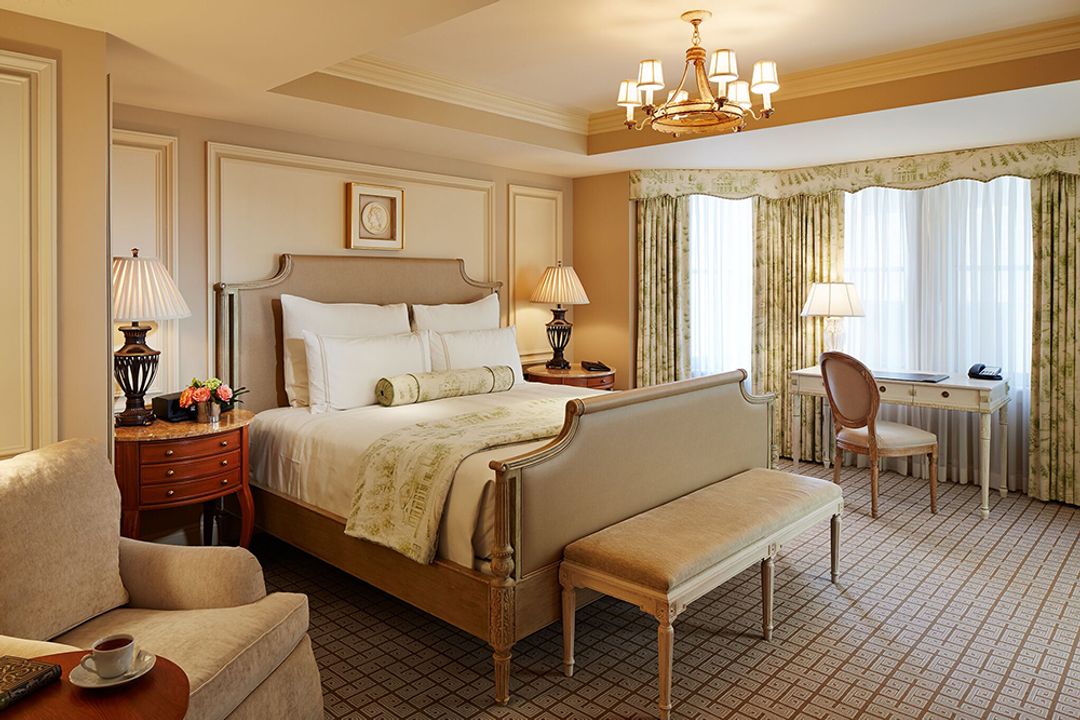
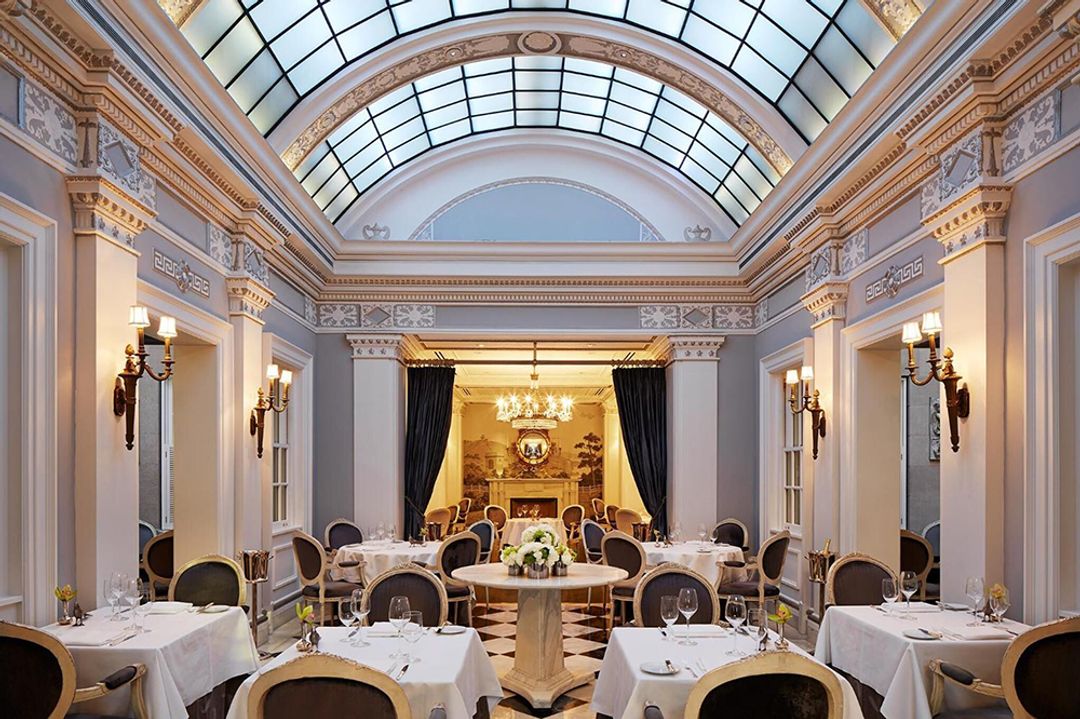
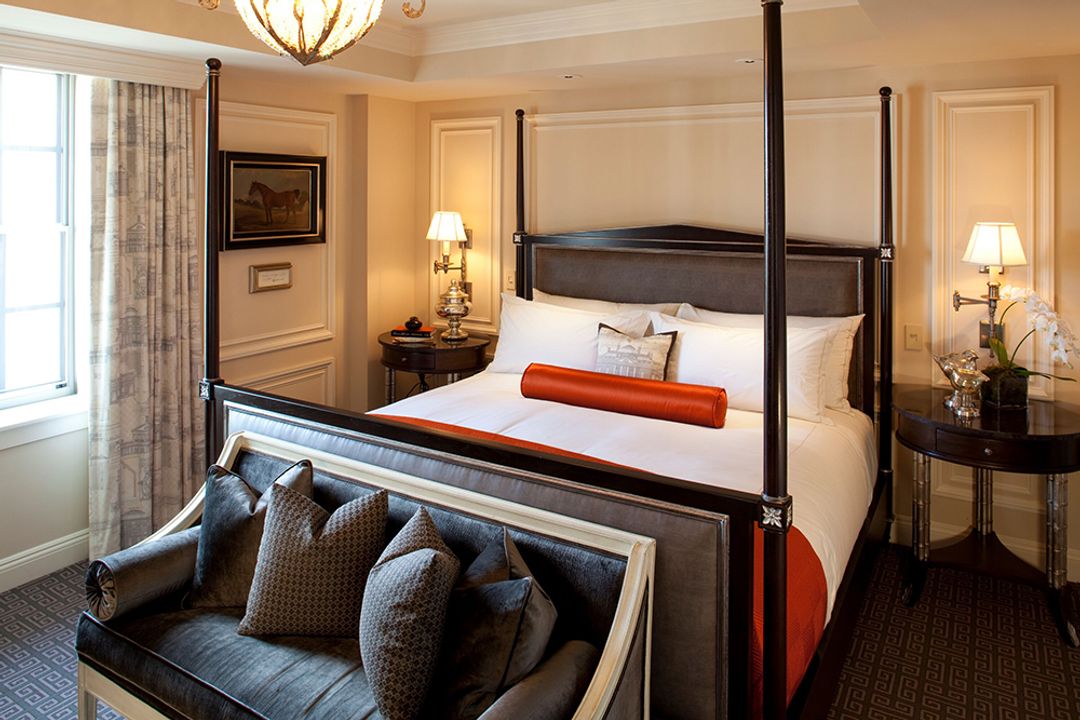
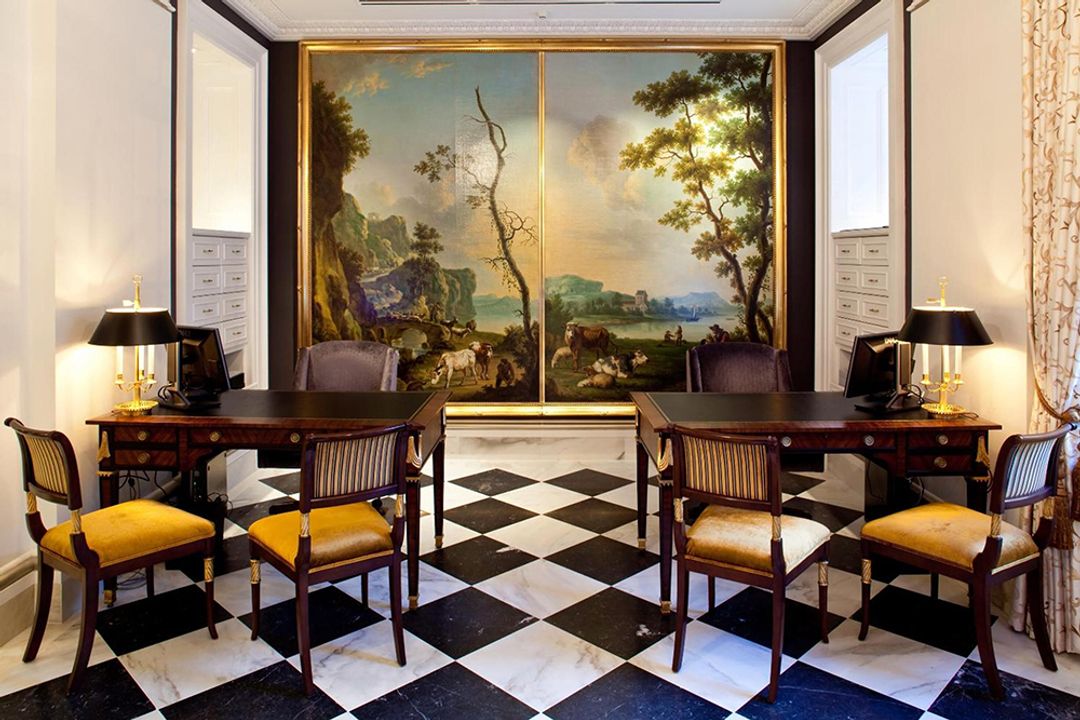
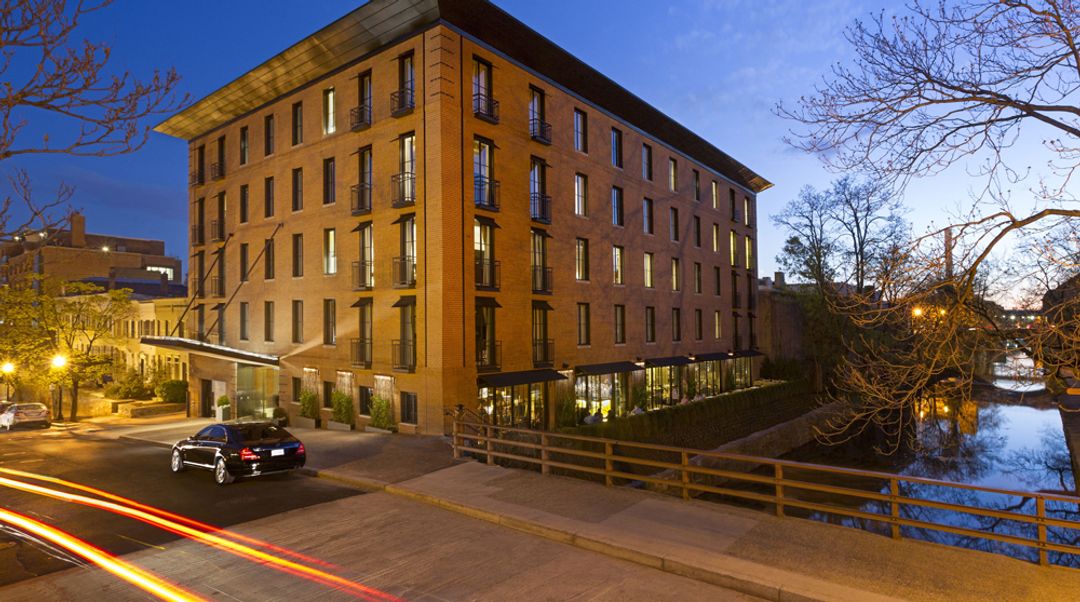
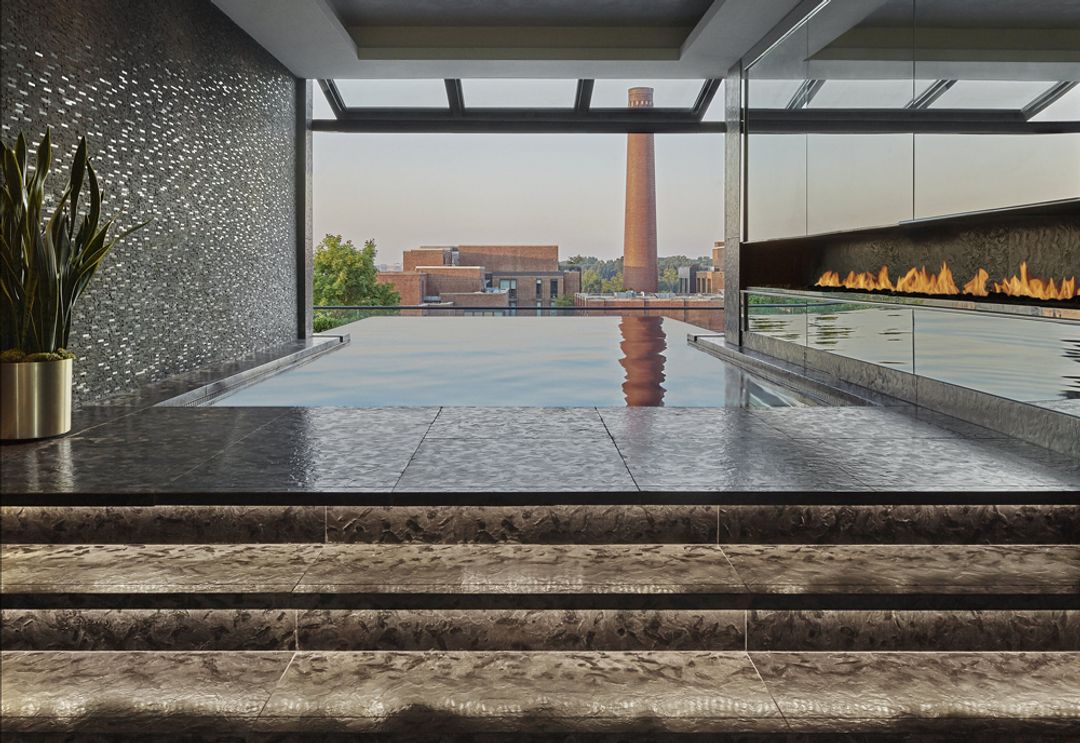
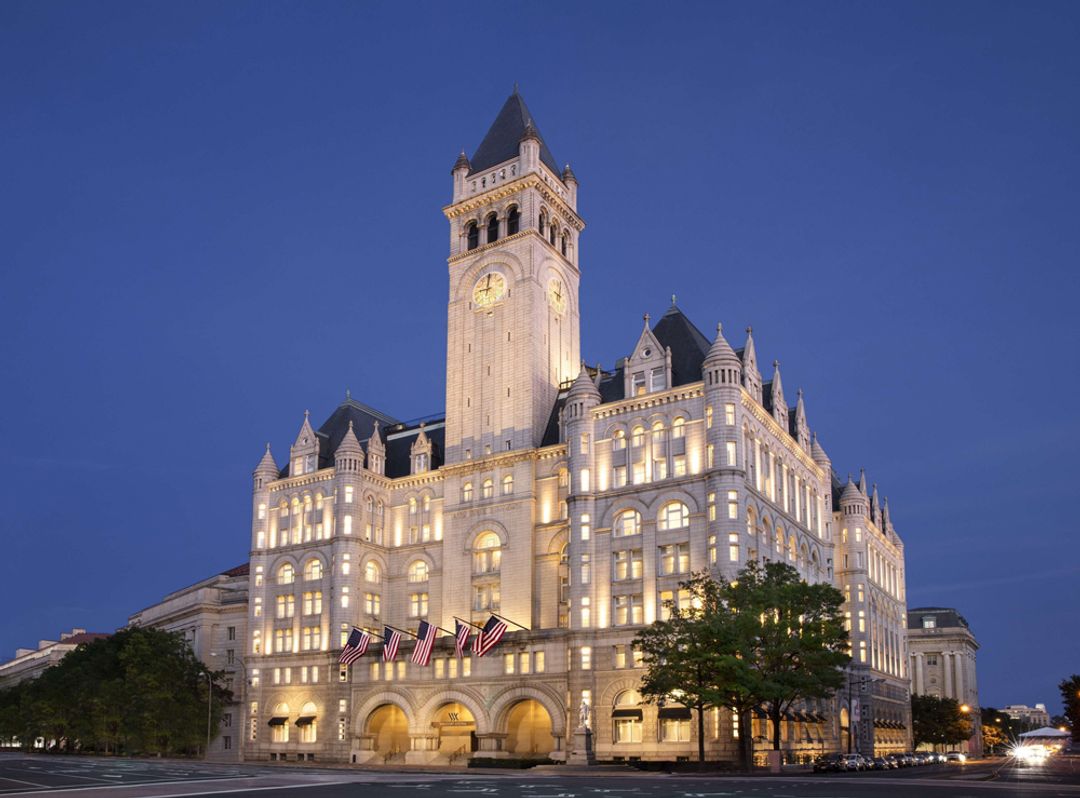
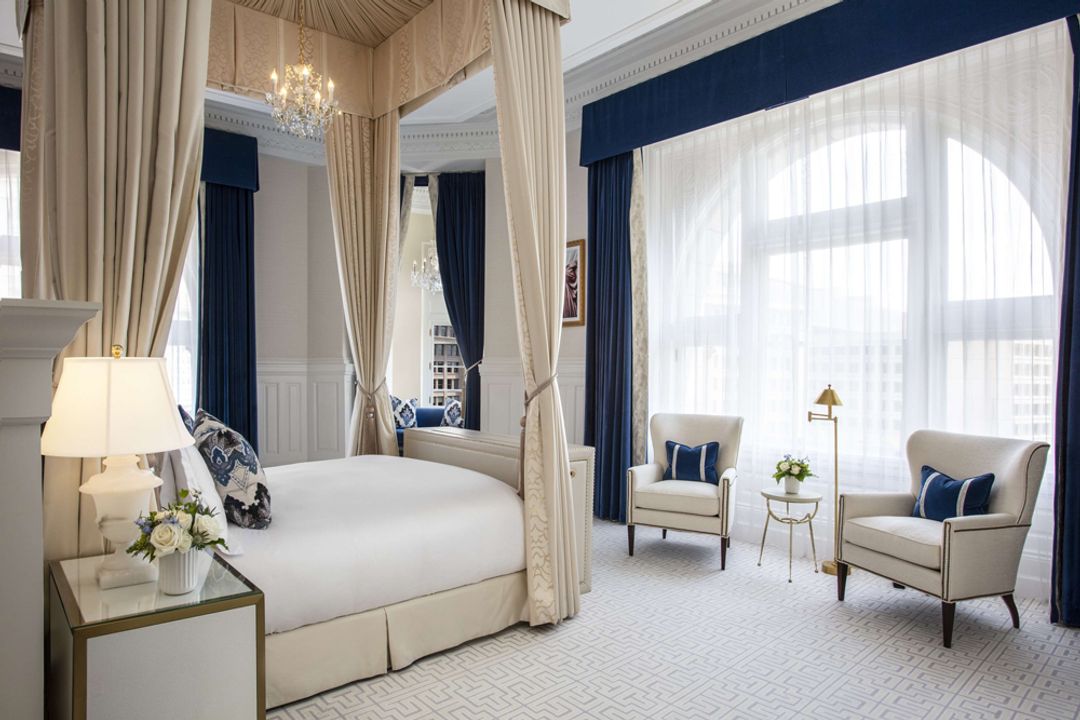
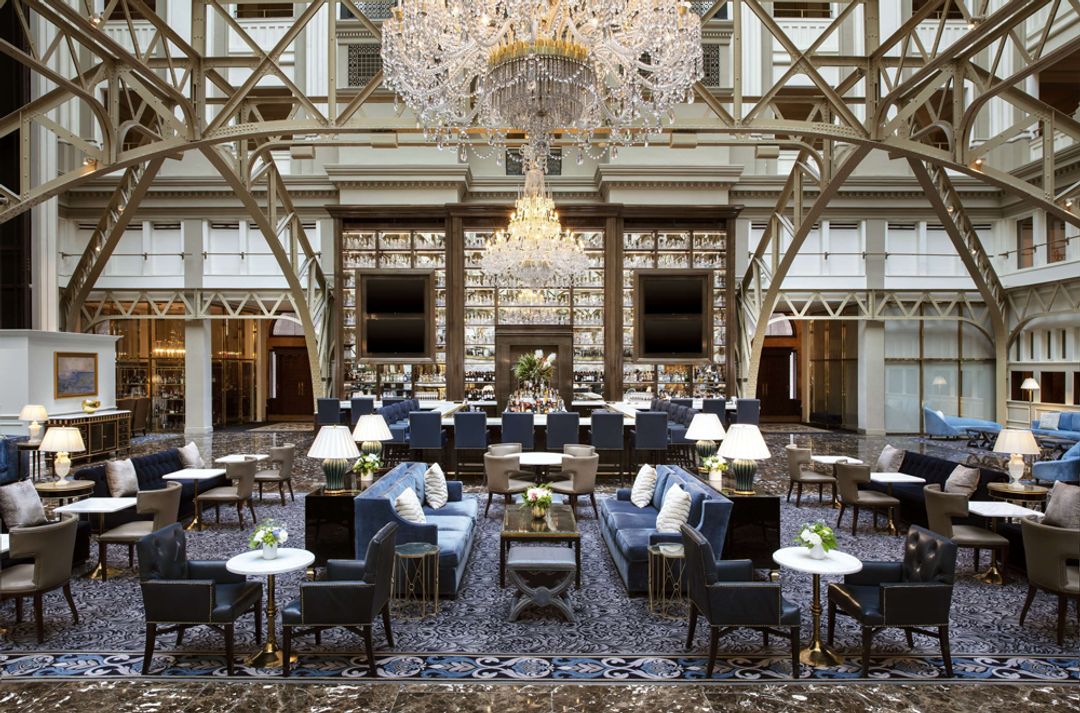
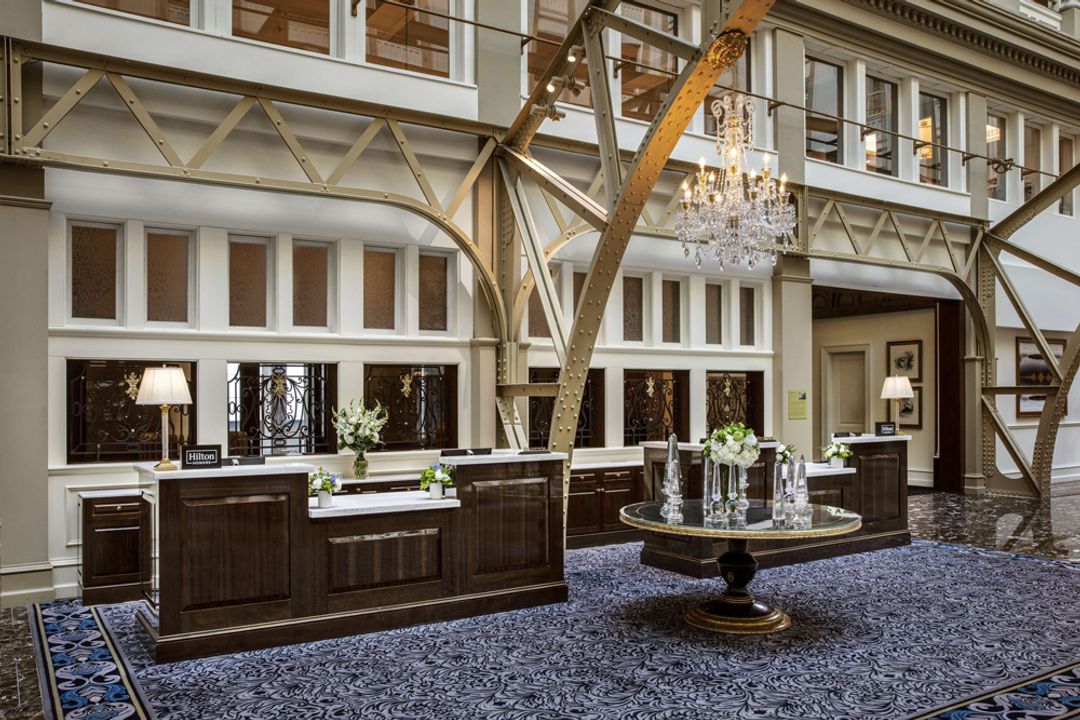
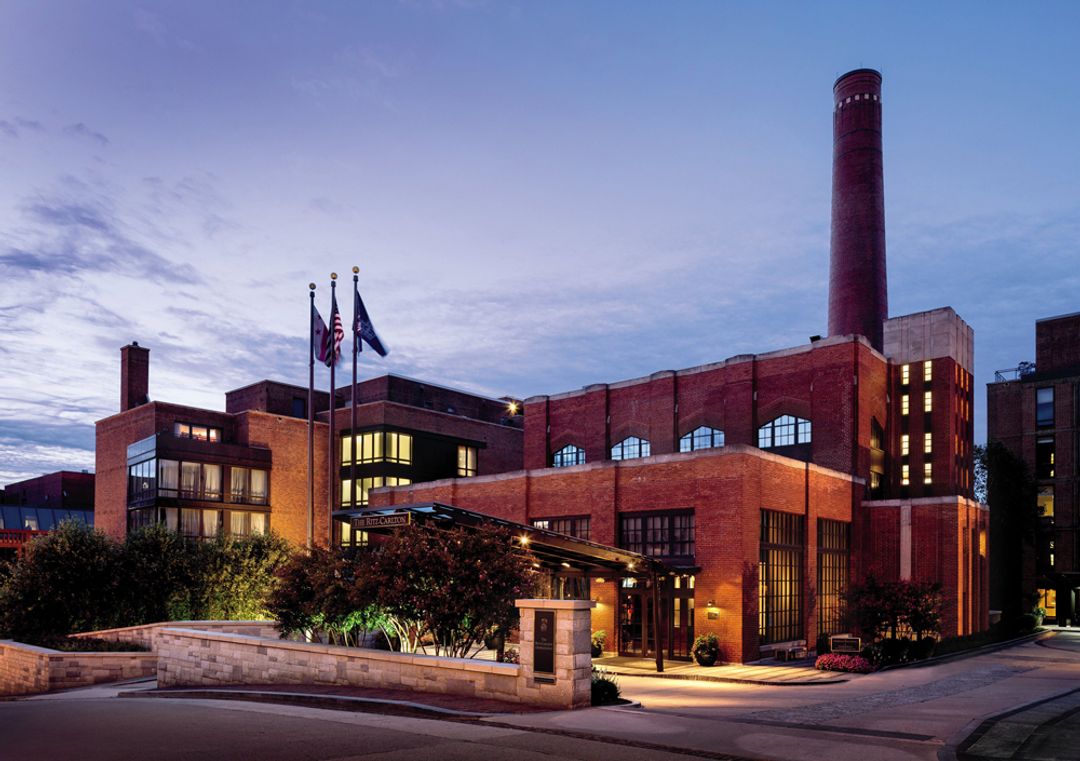
The building that probably best explains Washington's hotel instincts is the one that houses Riggs Washington DC in Penn Quarter — a former Riggs National Bank, all neoclassical mass and marble gravitas, converted into a hotel that treats its financial past as atmosphere rather than irony. That impulse — preservation as identity, history worn openly — runs through much of the city's better accommodation. The Jefferson in Downtown carries it further, a Beaux-Arts townhouse property where the rooms feel calibrated to a specific kind of political seriousness. The Hay Adams, directly across Lafayette Square from the White House, operates in the same register: its 1928 interiors by Mihran Mesrobian still set the tone, and the location makes proximity to power a design statement in itself. The Waldorf Astoria on Pennsylvania Avenue, occupying the former Post Office Pavilion with its Richardsonian Romanesque clock tower intact, is perhaps the most architecturally dramatic expression of this tendency — a building that the city spent decades arguing about before Hilton finally got it right. Georgetown offers a different proposition. The Four Seasons there has long been the default for serious money, its West Georgetown address conferring a residential remove from the federal core. The Rosewood, a relative newcomer to the neighborhood, is more considered in its design sensibility — quieter materiality, a more restrained contemporary hand. The Ritz-Carlton Georgetown occupies a converted 1930s incinerator building on the C&O Canal, which is either the most surprising adaptive reuse in the city or simply proof that Georgetown will absorb almost anything into its particular brand of patrician calm. On the waterfront, Pendry Washington DC at The Wharf represents a genuine shift in civic ambition — a mixed-use development that broke the city's old indifference to its own riverfront. The LINE DC in Adams Morgan is where the portfolio gets architecturally interesting in a different direction. Designed by studios with a more contemporary hospitality sensibility, it occupies a former church — the 1914 Gilded Age structure giving the lobby an unlikely spatial drama. Conrad Washington DC, a more straightforward tower in Mount Vernon Triangle, brings Ennead Architects' clean geometry to a neighborhood still finding its identity. Thompson Washington DC's arrival in Navy Yard tracks the district's own rapid reinvention around Nationals Park. For travelers less interested in the marble-and-mahogany gravity of the federal city, these newer conversions and purpose-built properties offer a more forward-looking point of entry.