Best hotels in Malé, Maldives | Visually Compare Top Stays Side-by-Side
Welcome to PressBeyond - a curated visual guide to design-driven hotels and the fastest way to compare them.
An Overview of the Boutique & Luxury Hotel Landscape in Malé, Maldives
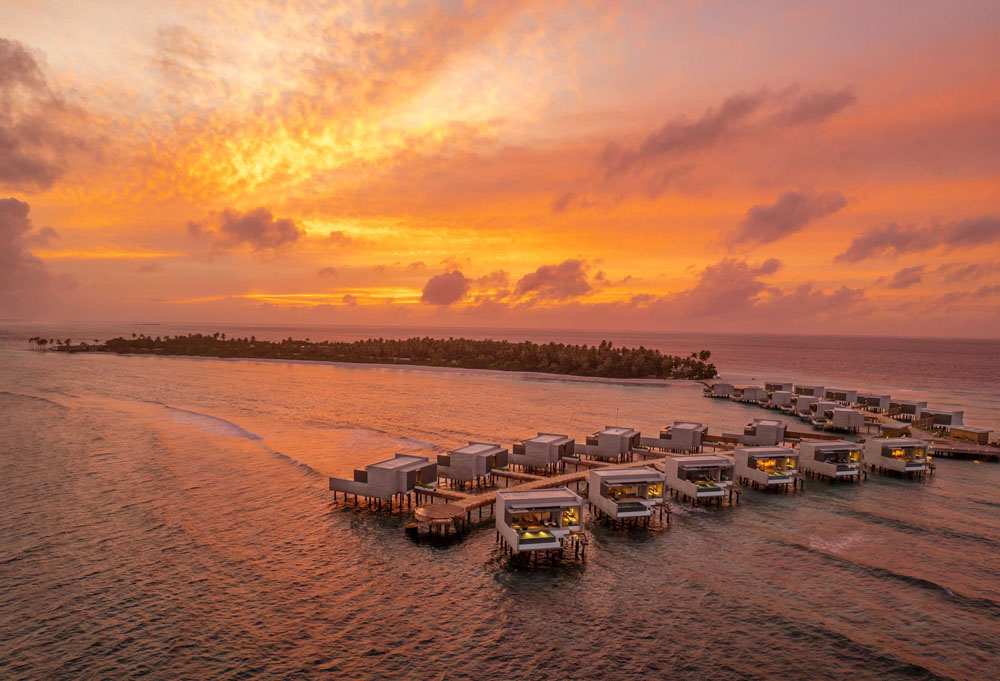
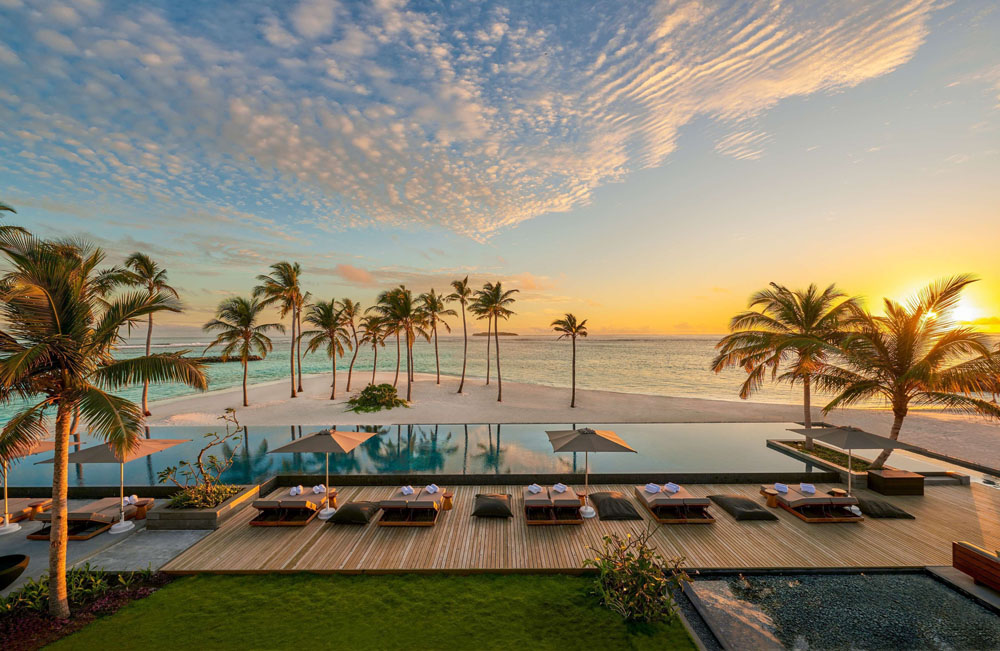
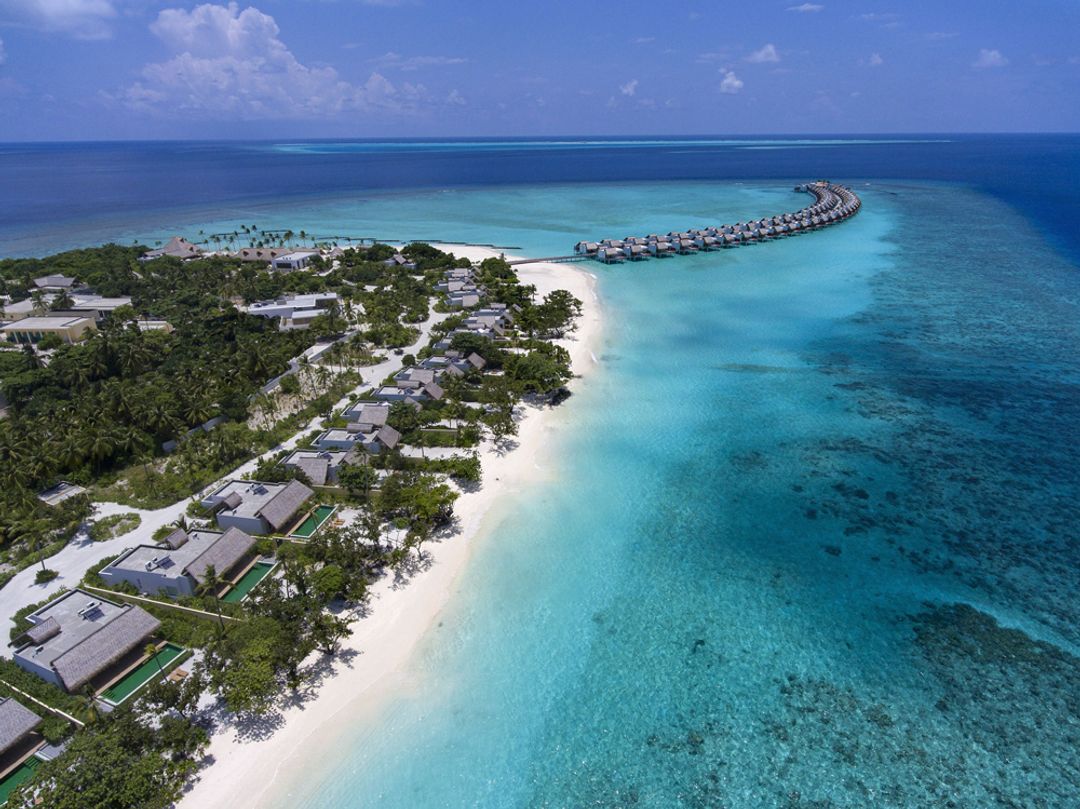
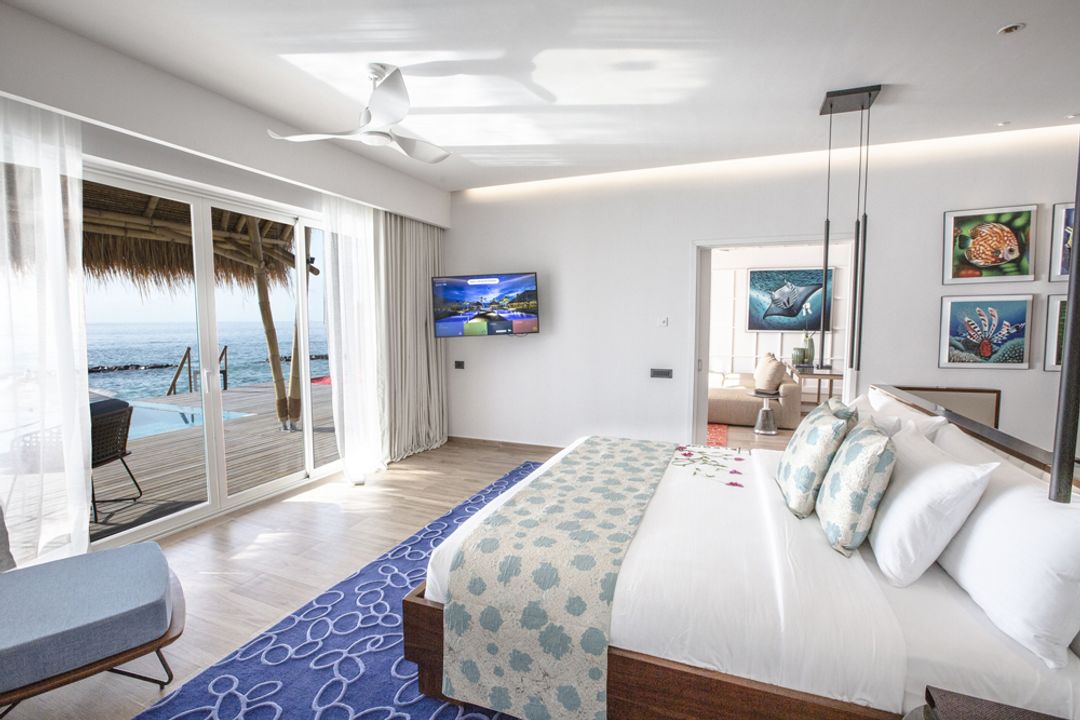
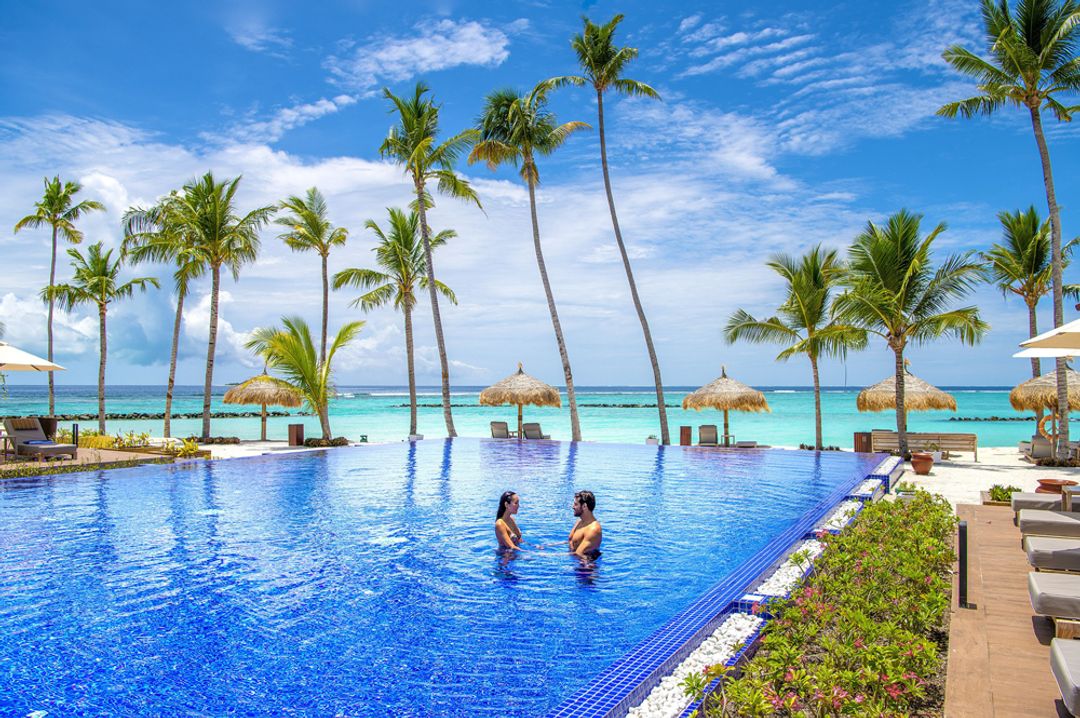
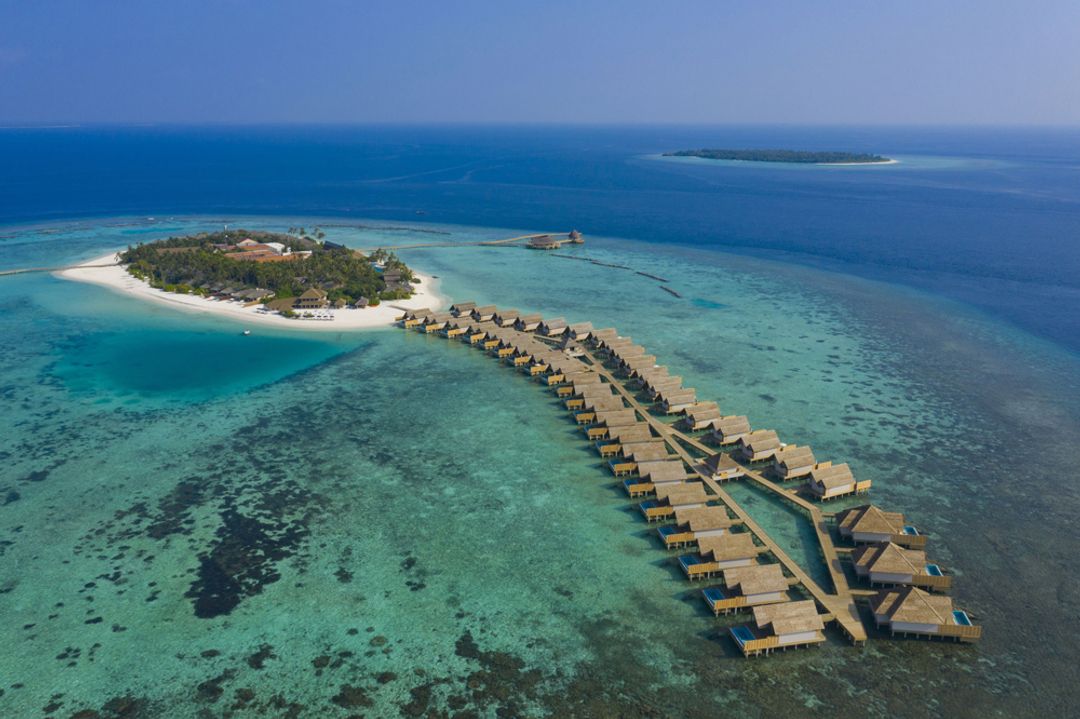
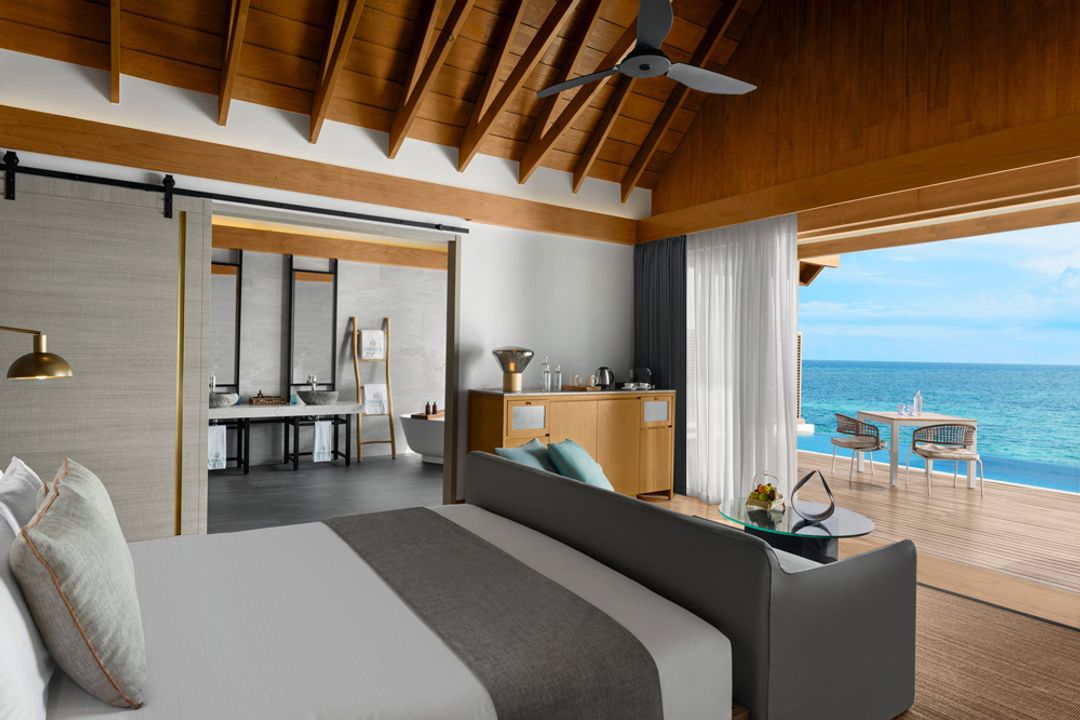
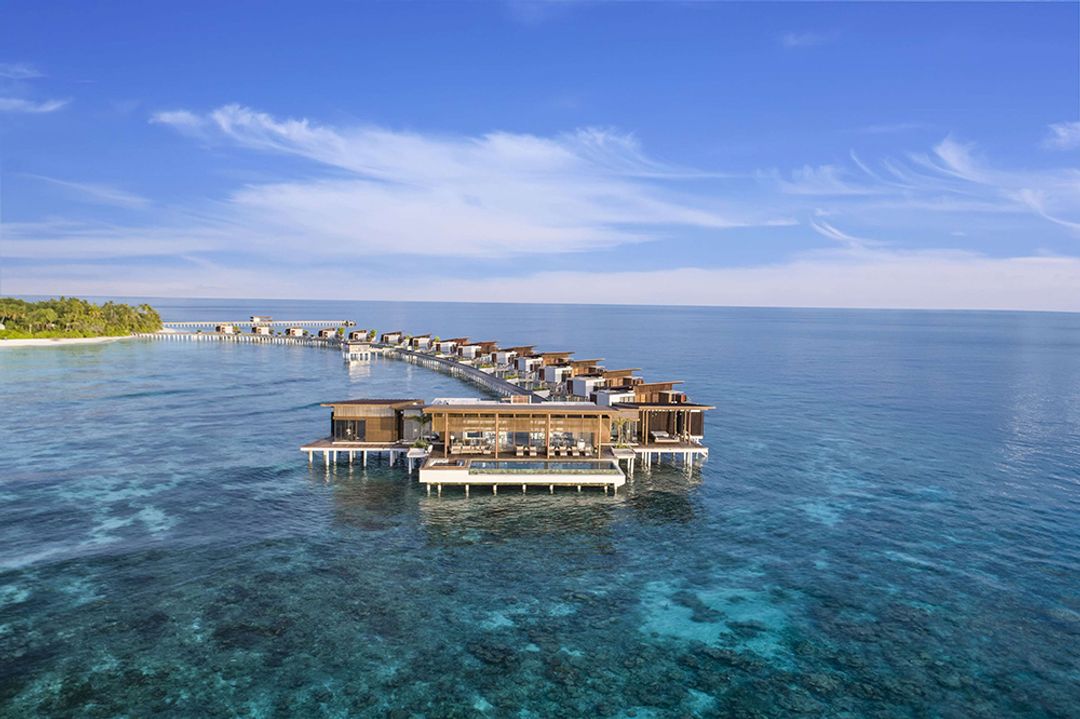
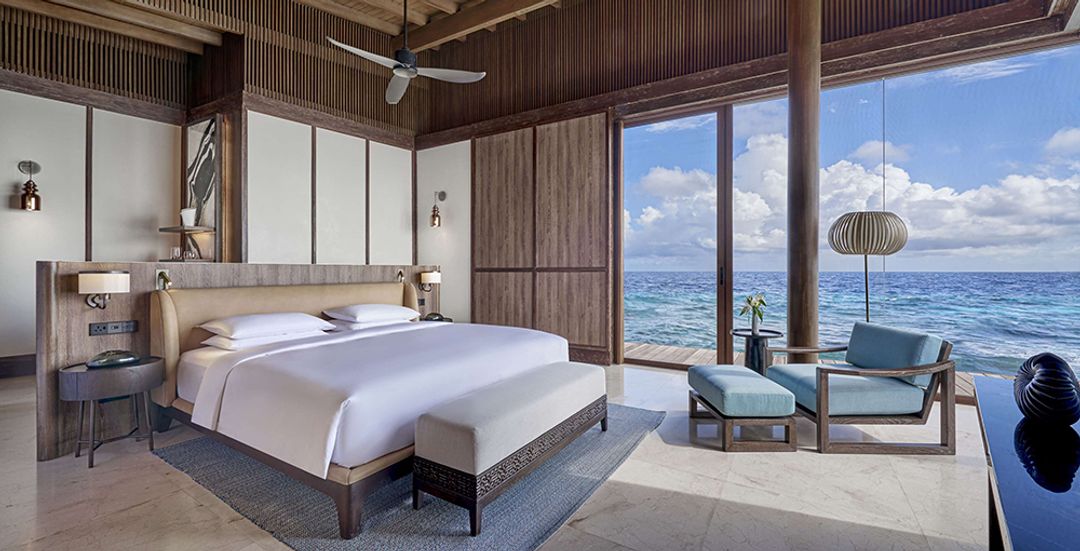
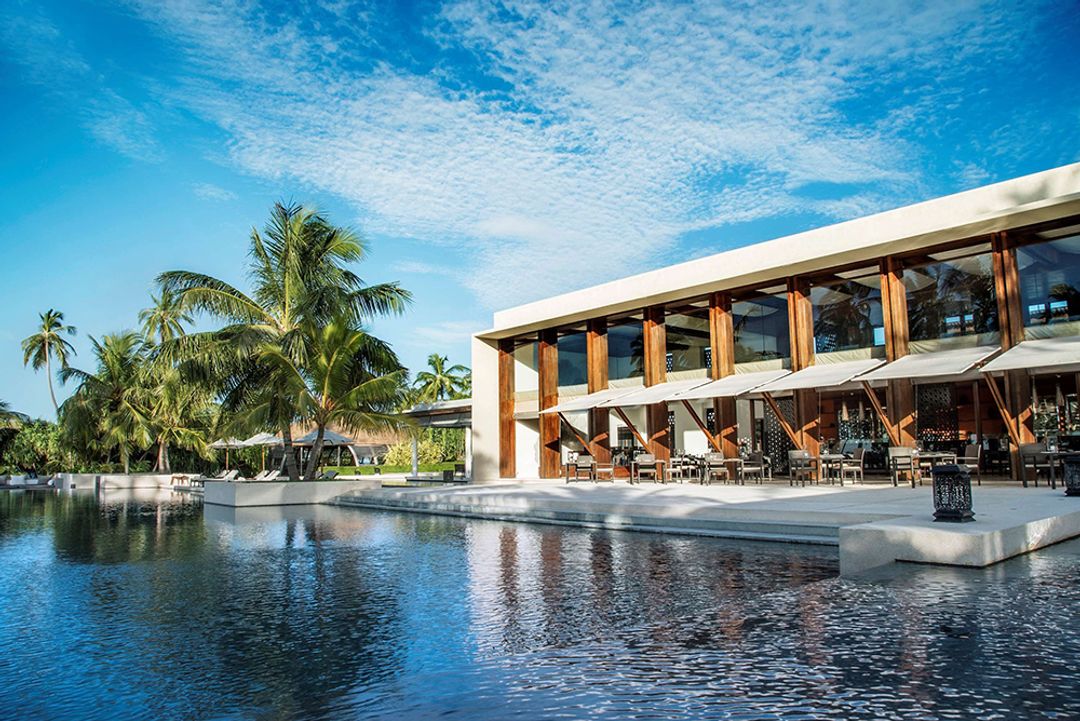
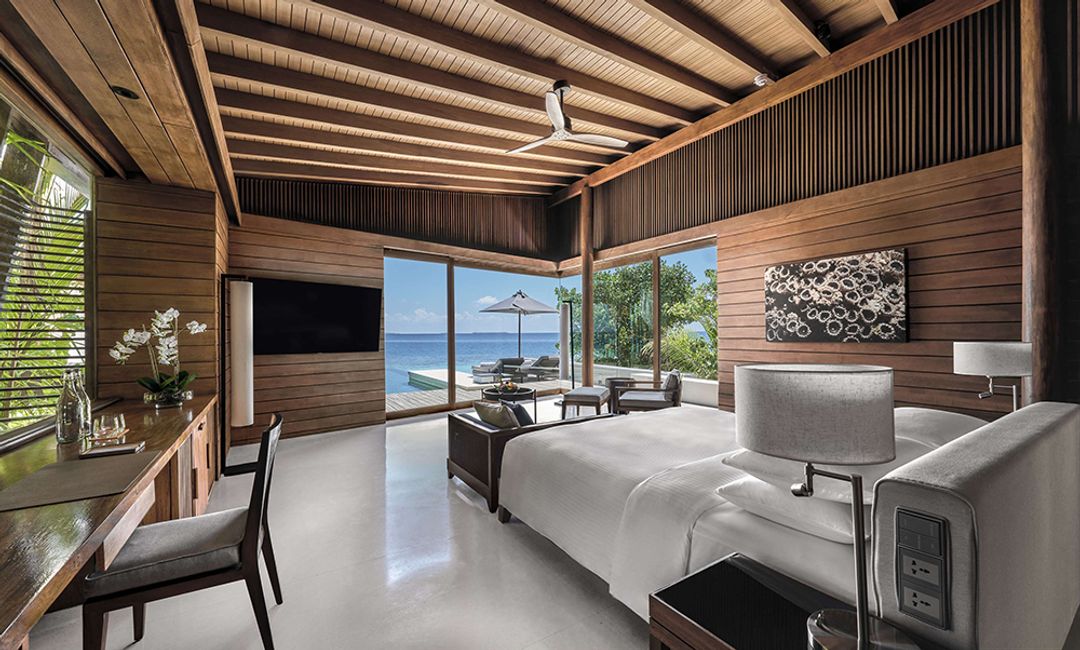
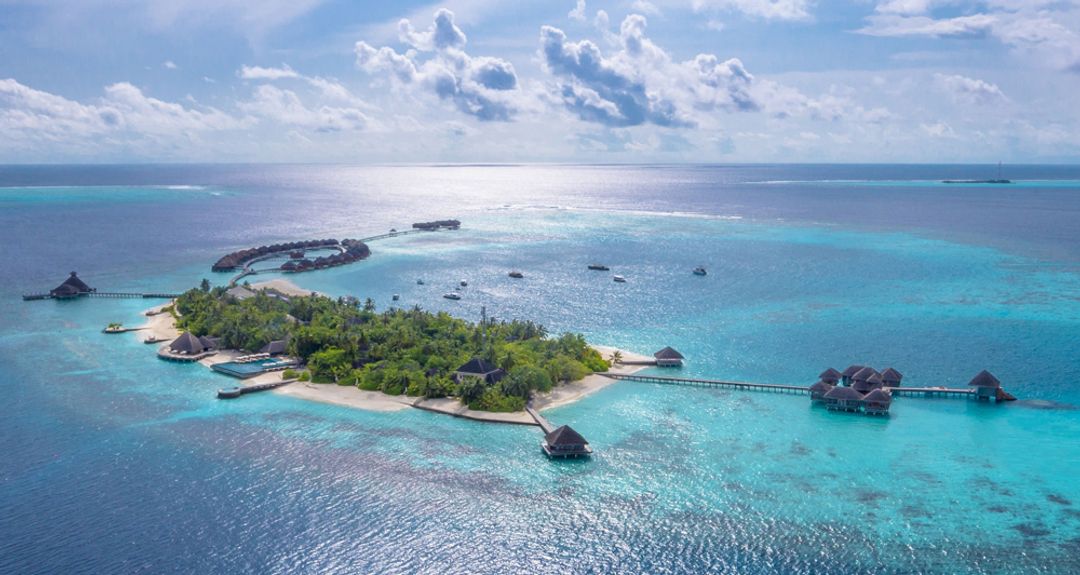
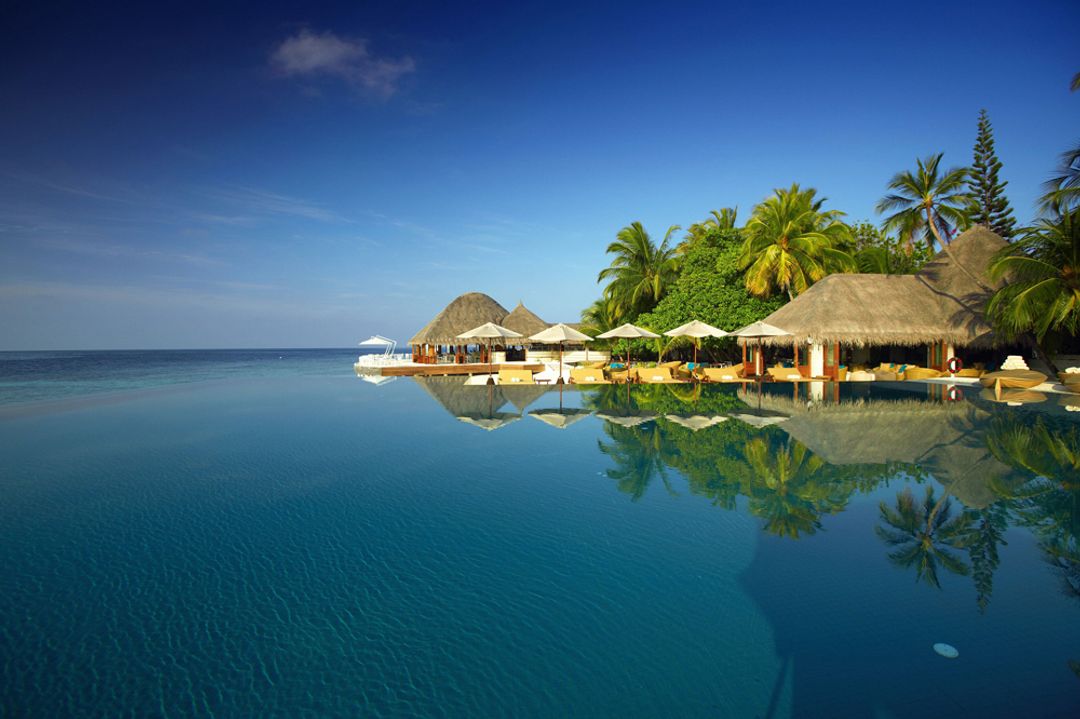
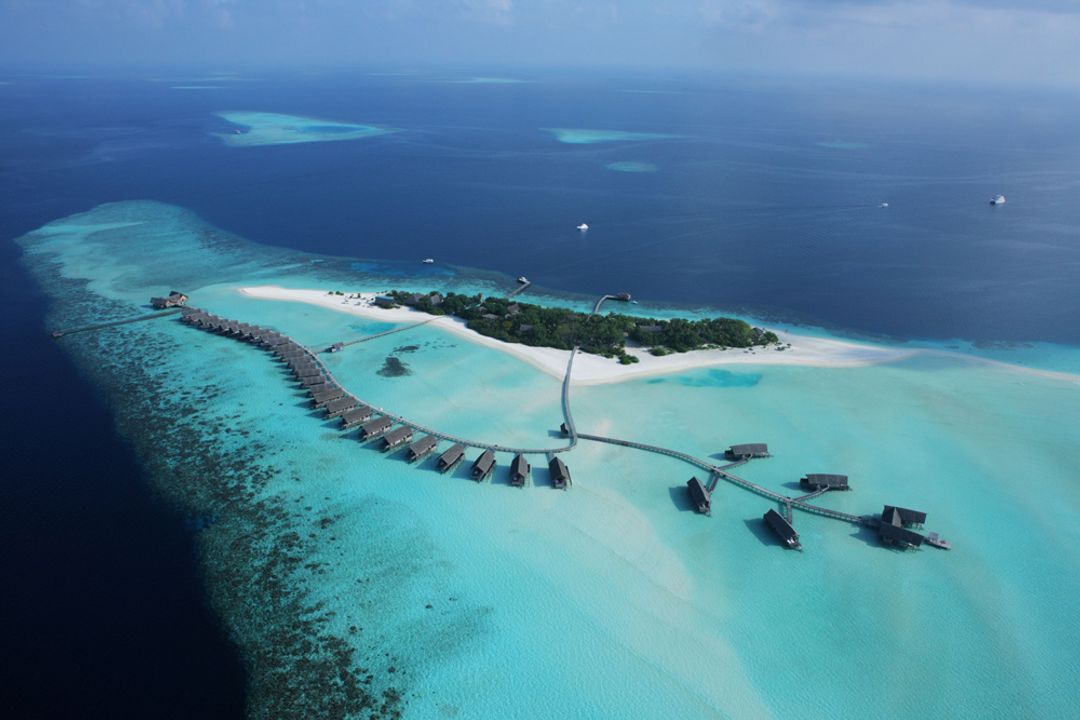
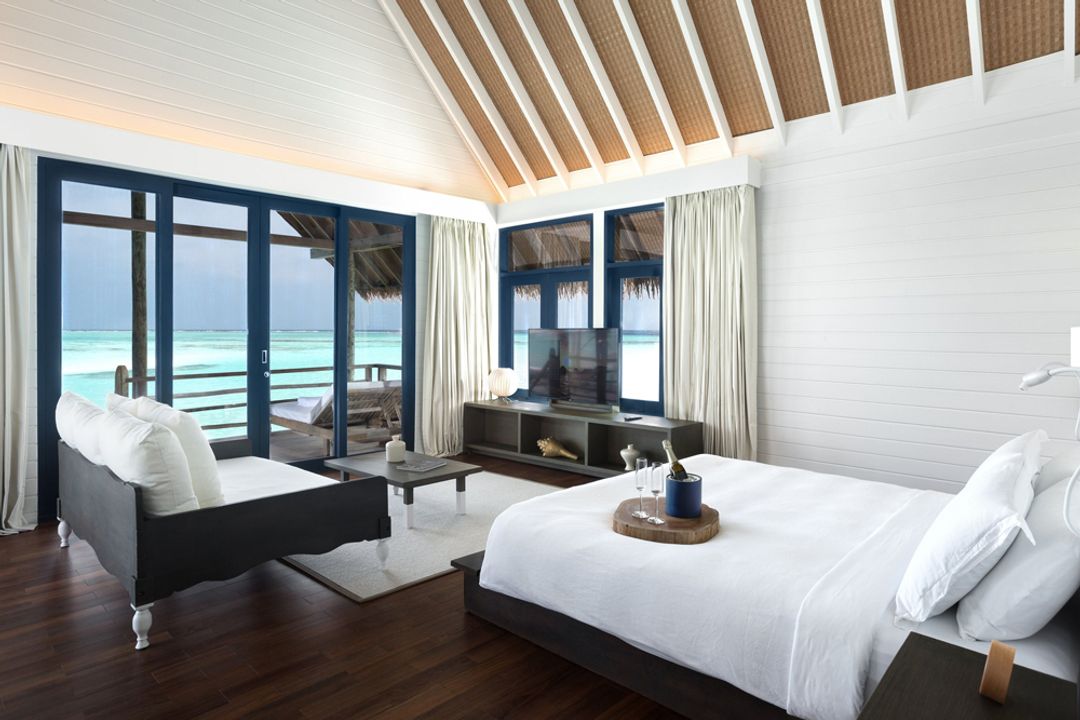
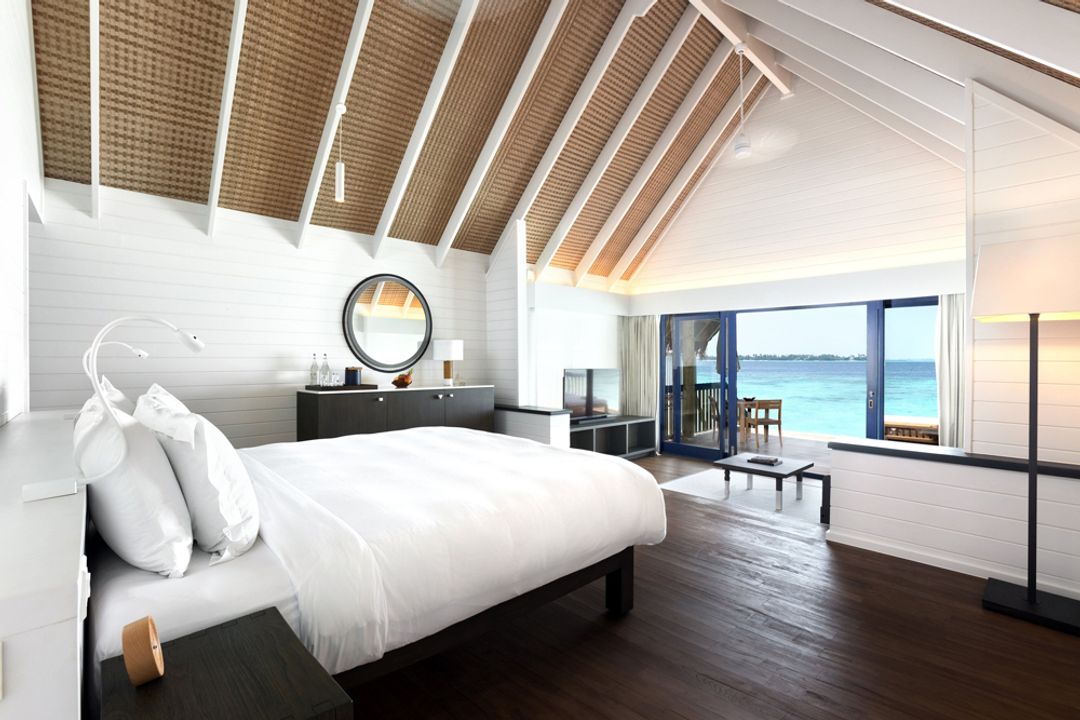
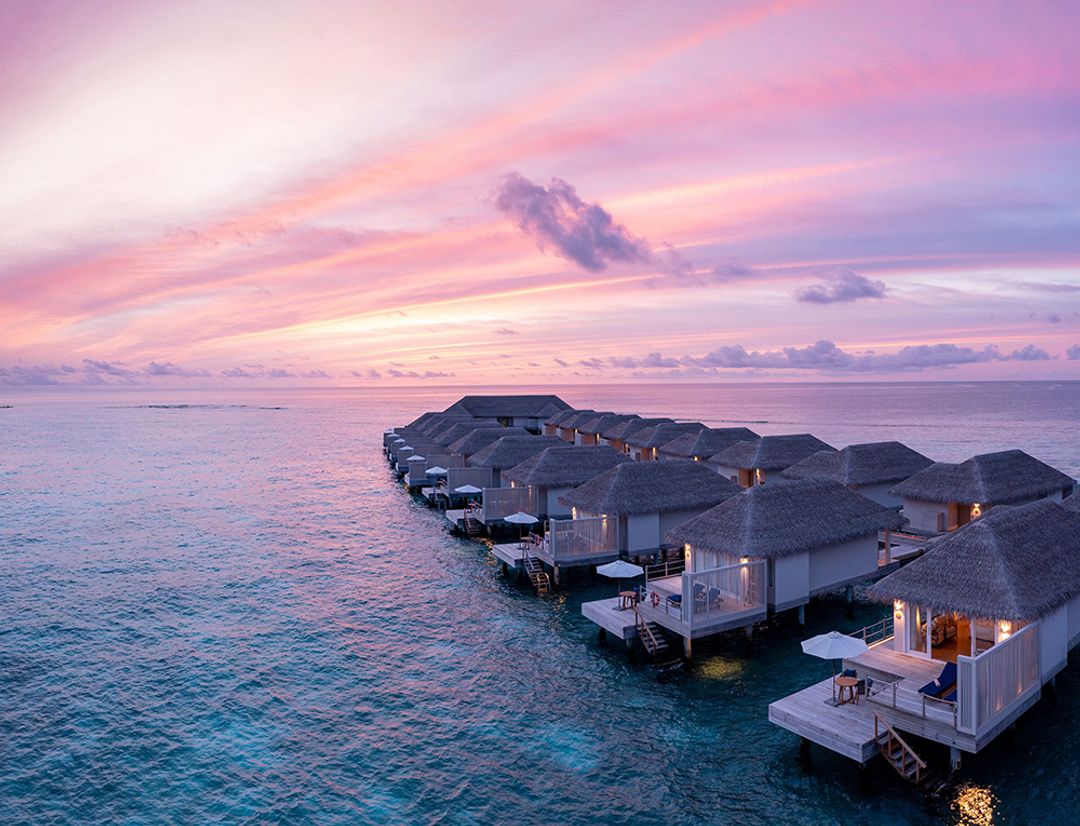
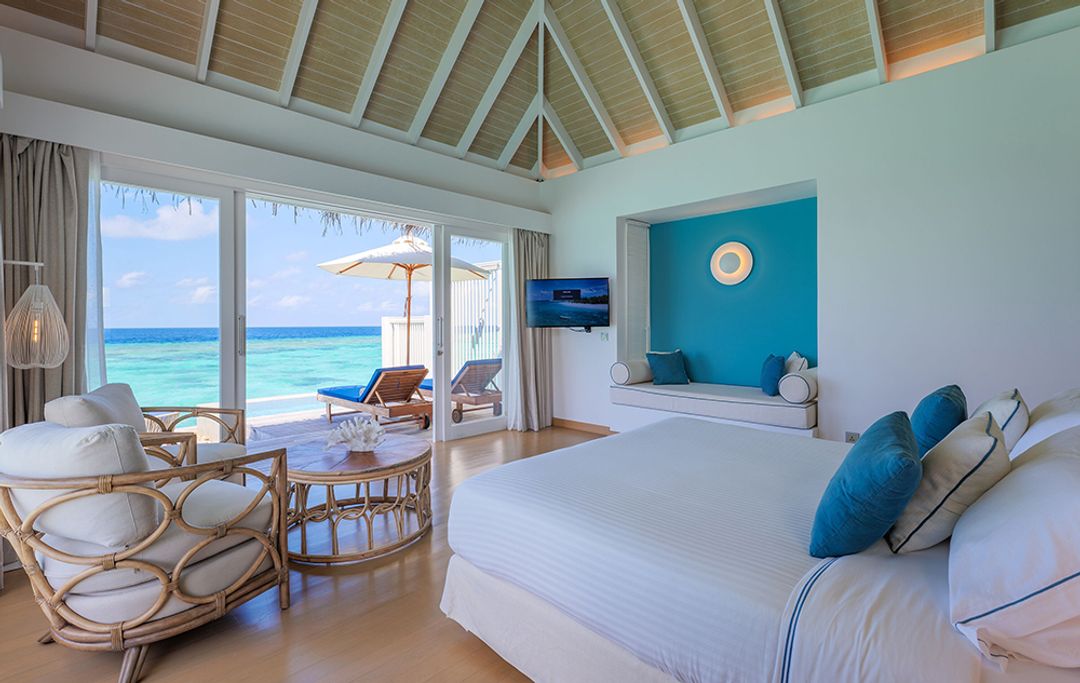
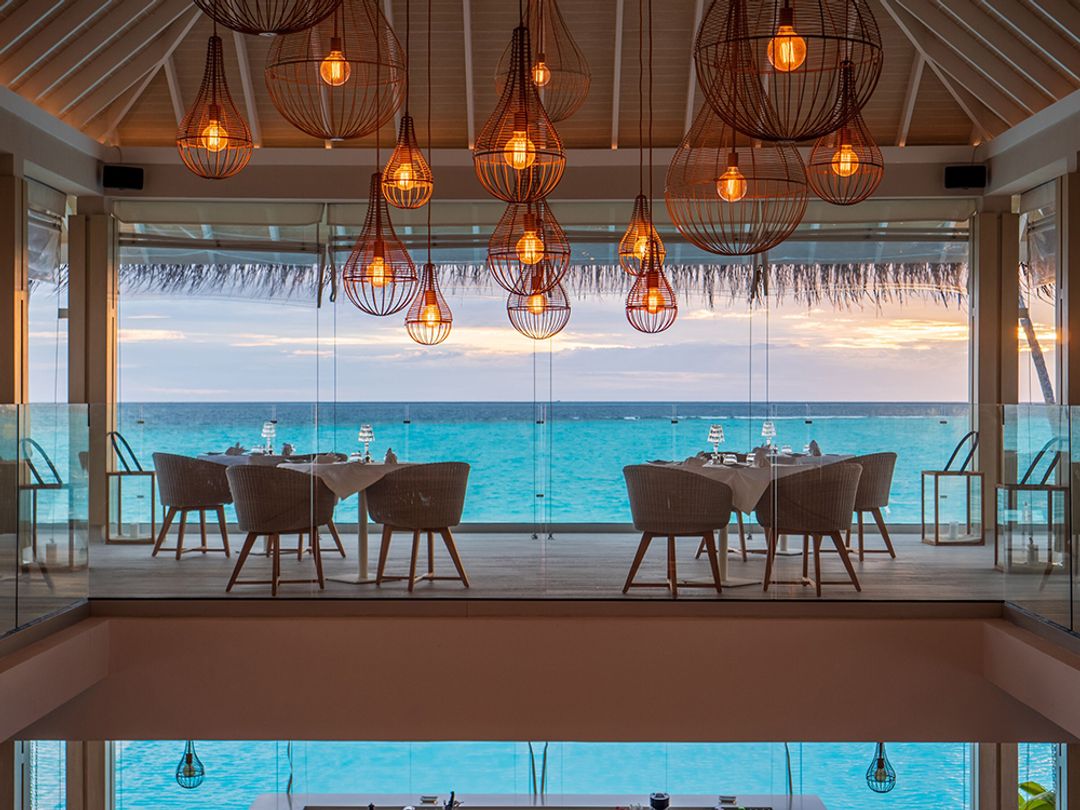
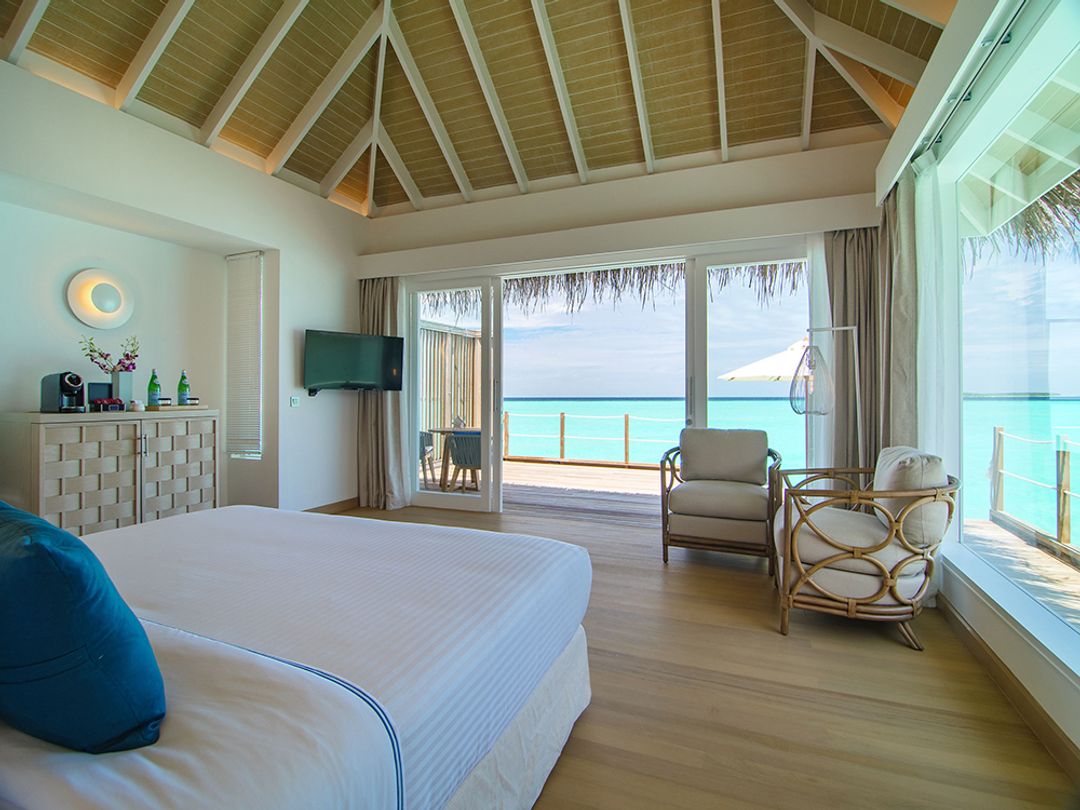
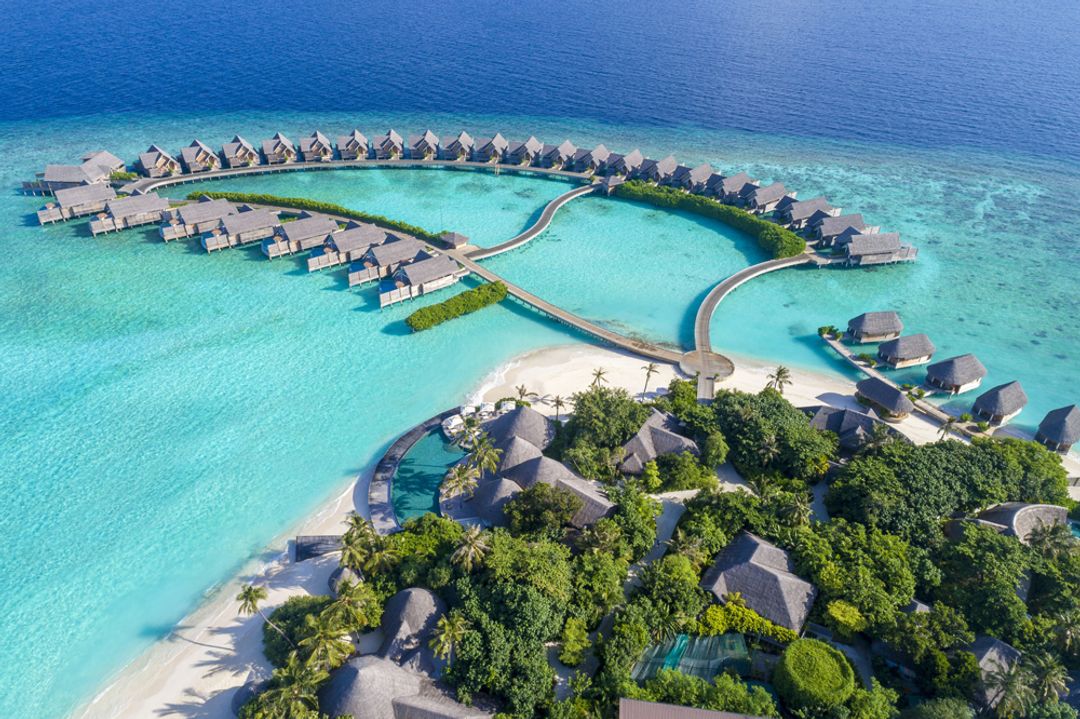
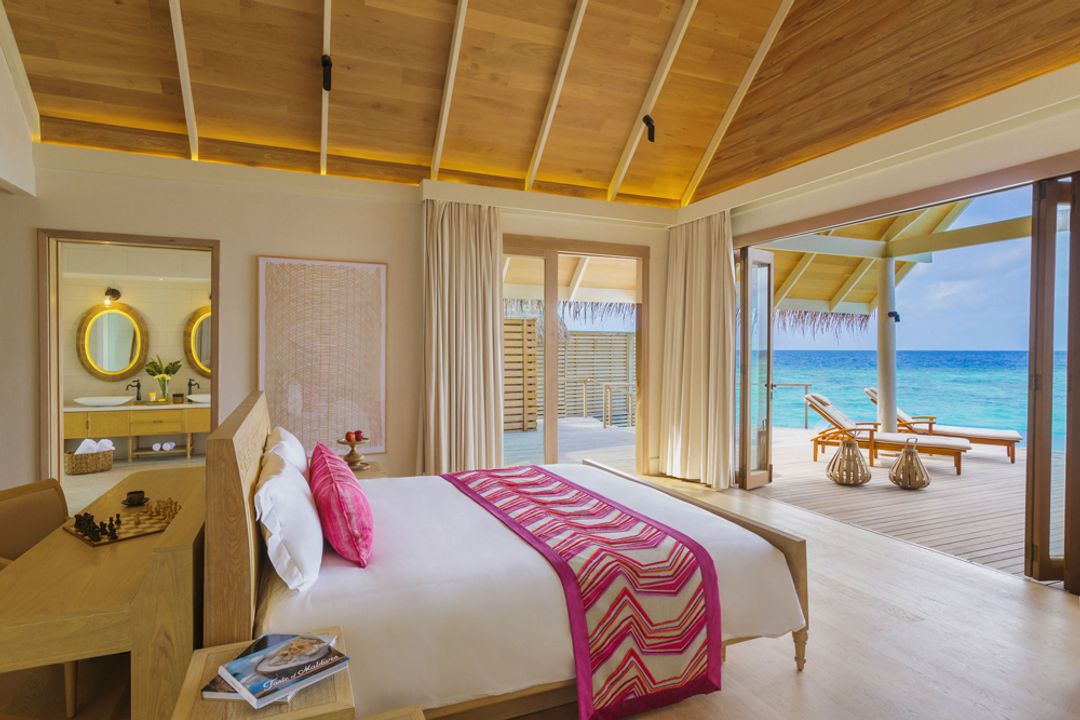
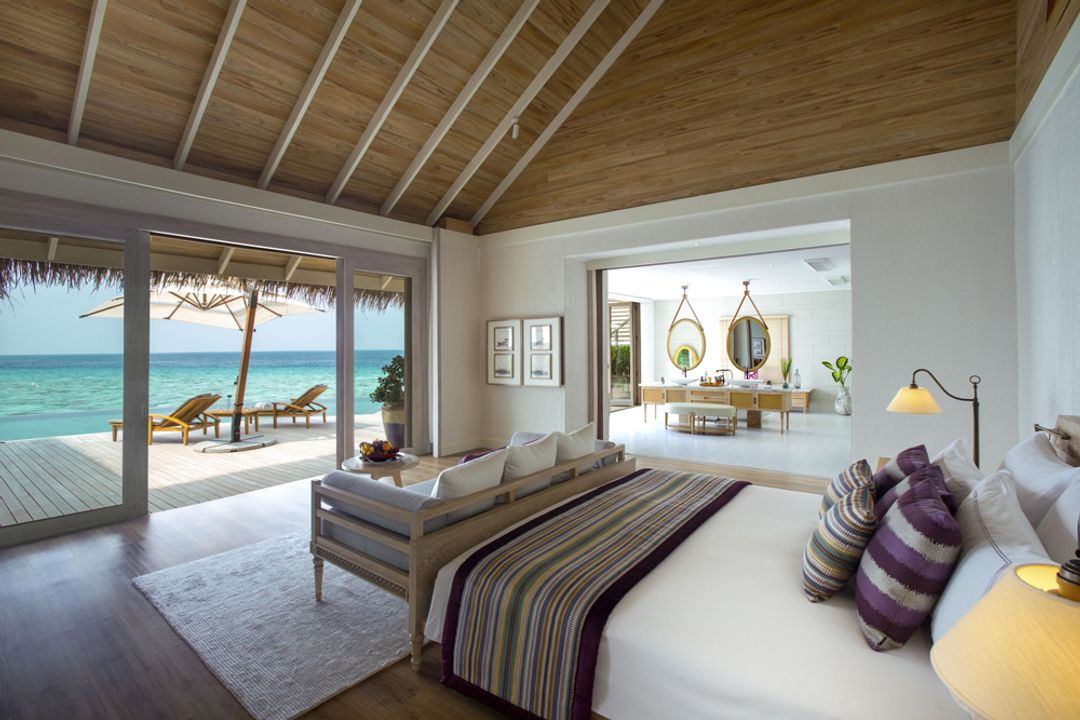
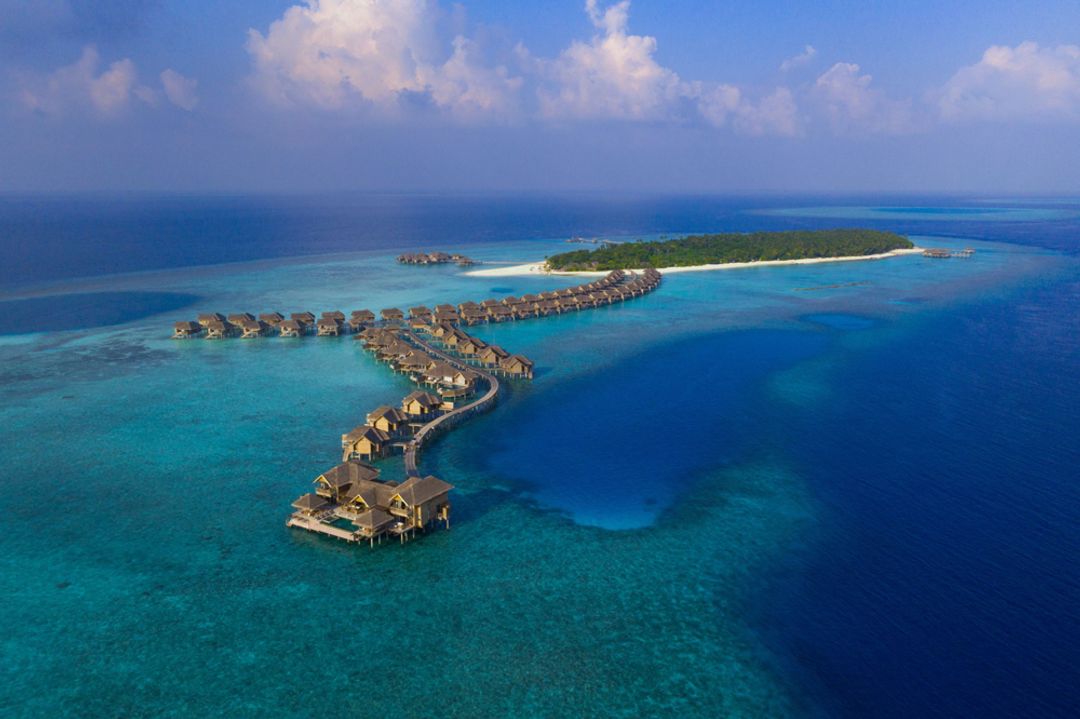
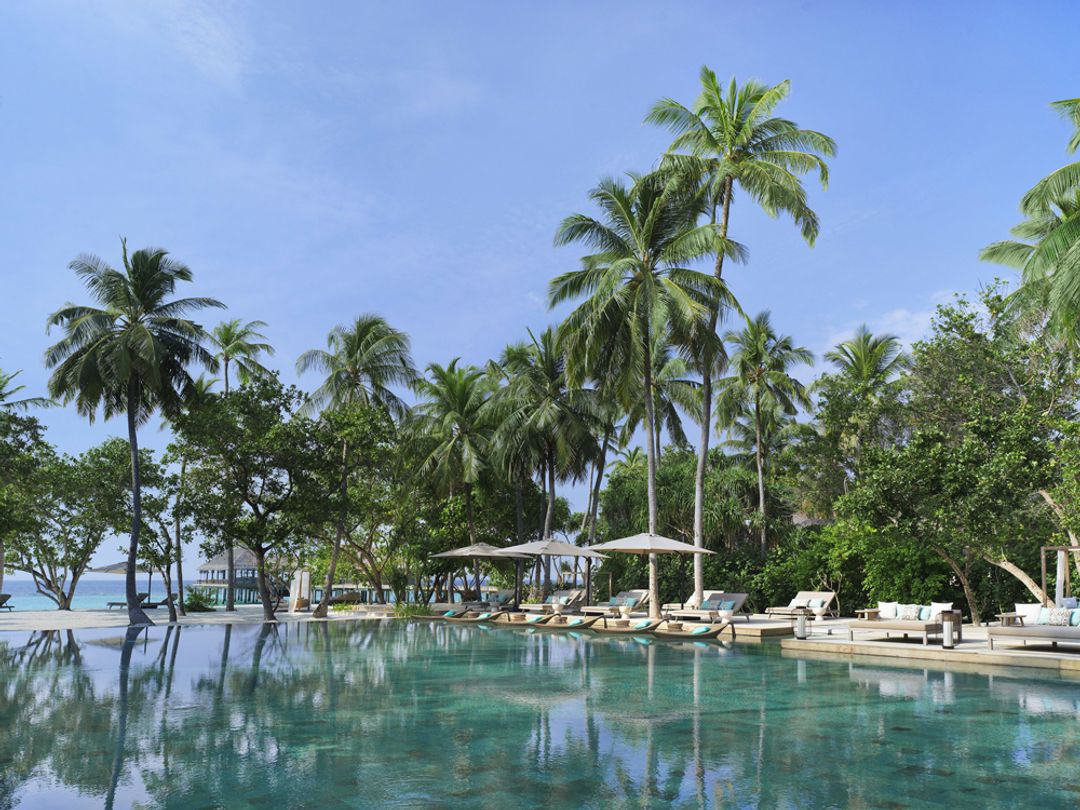
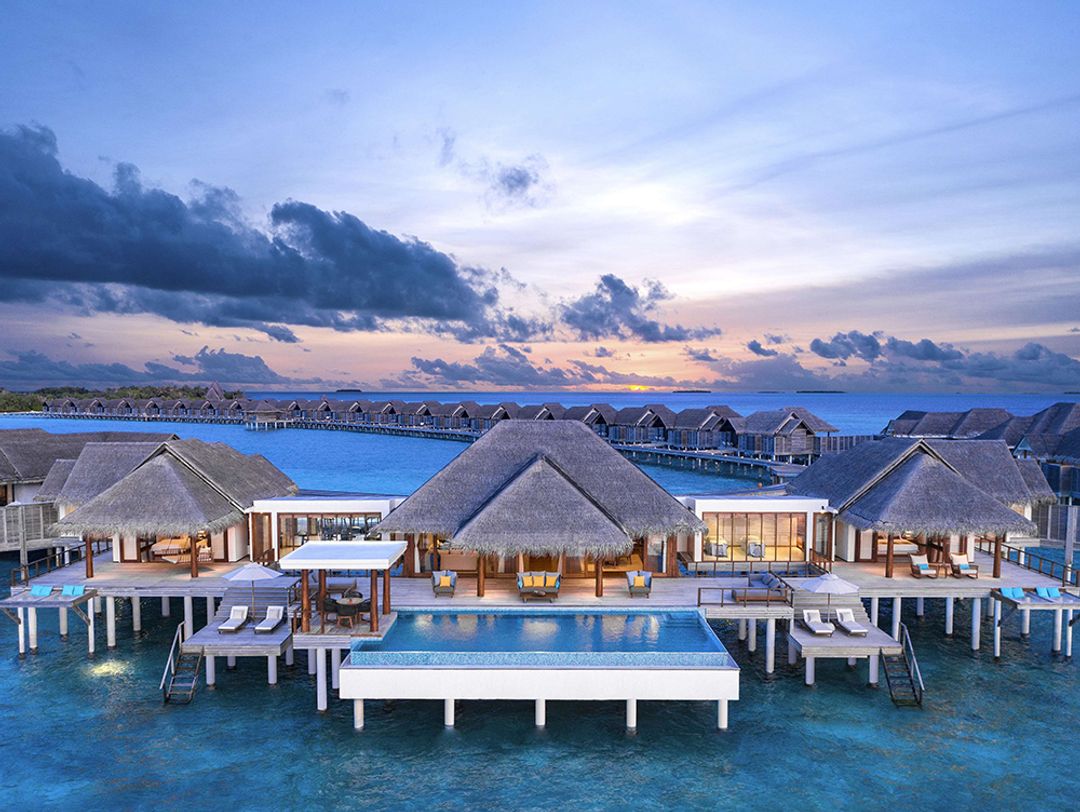
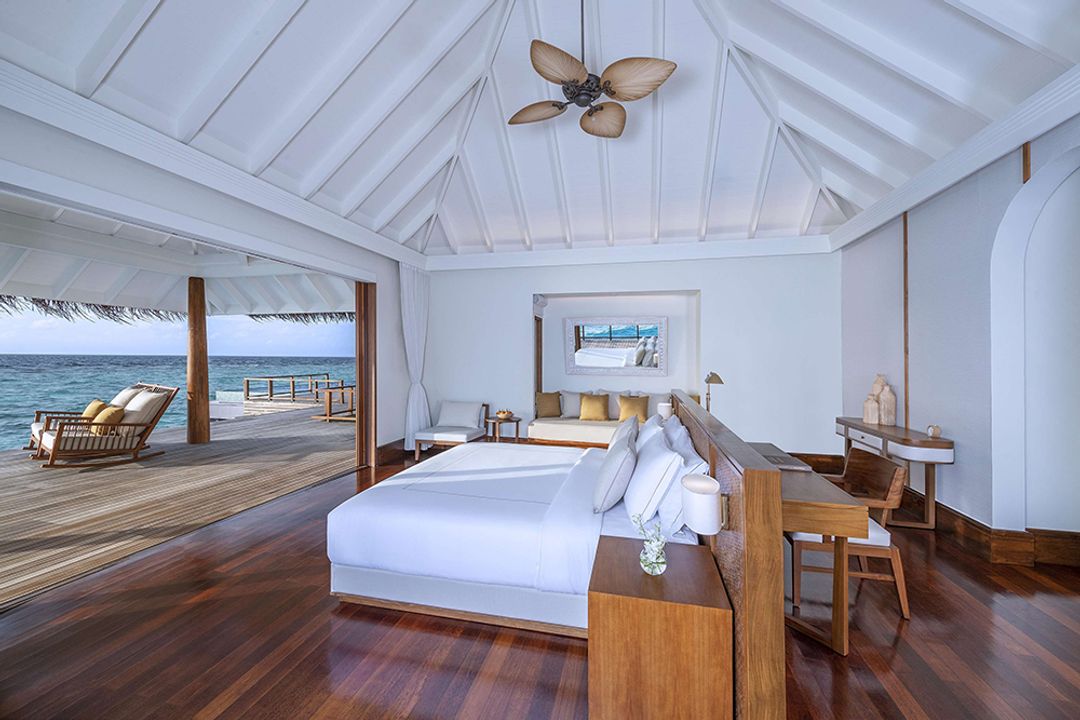
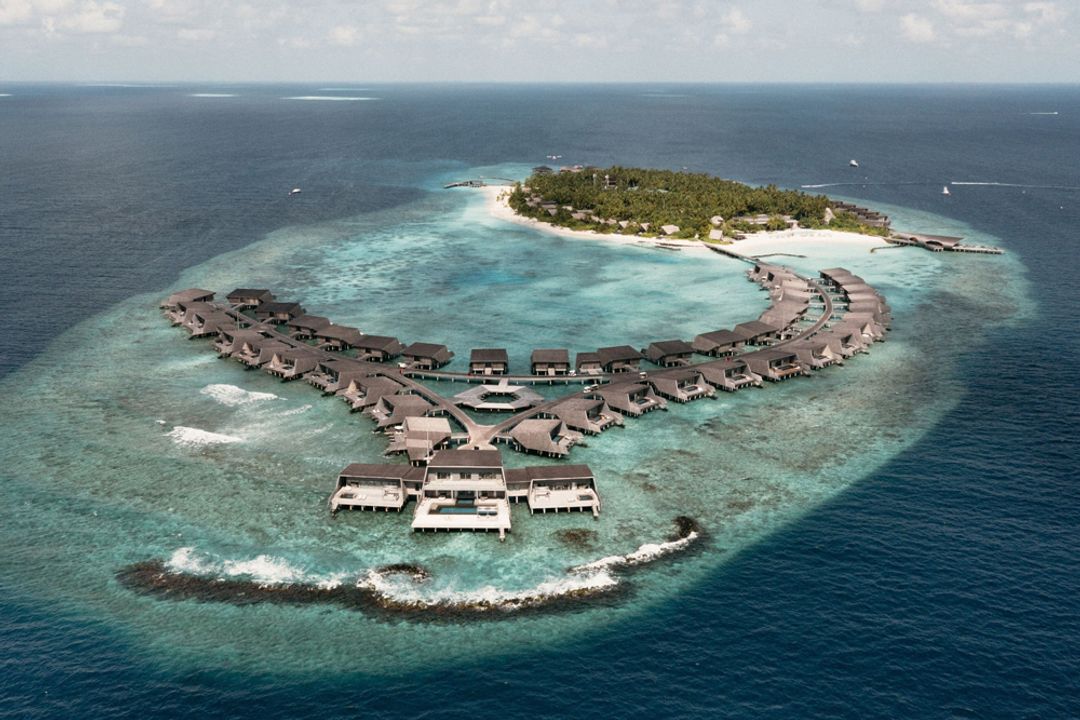
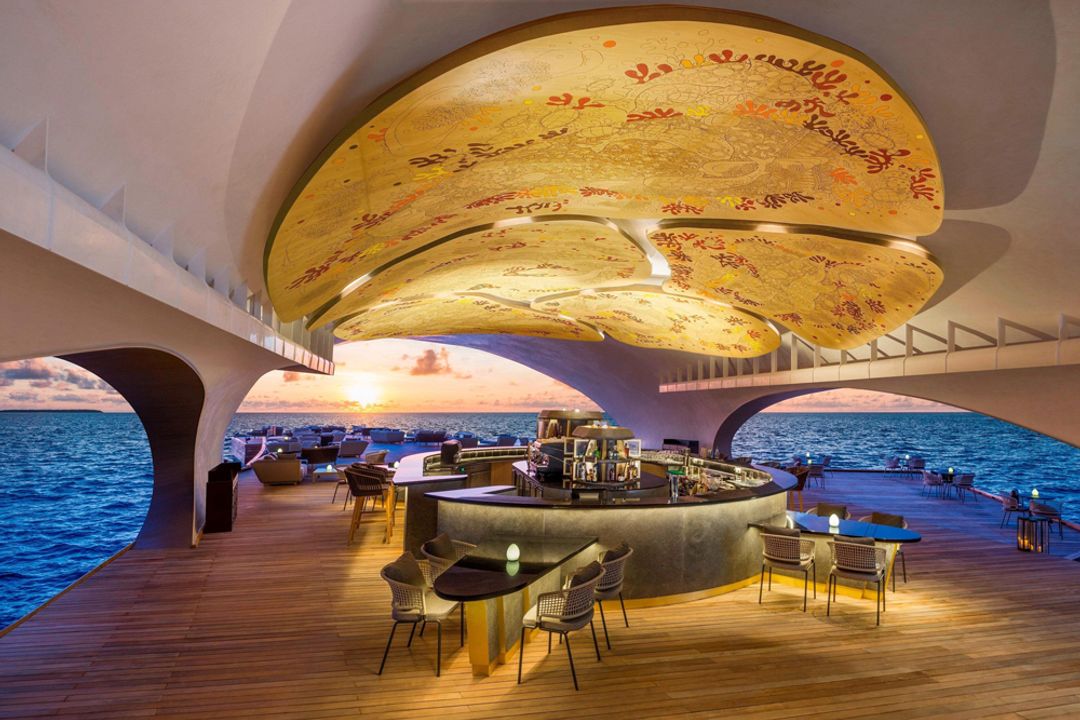
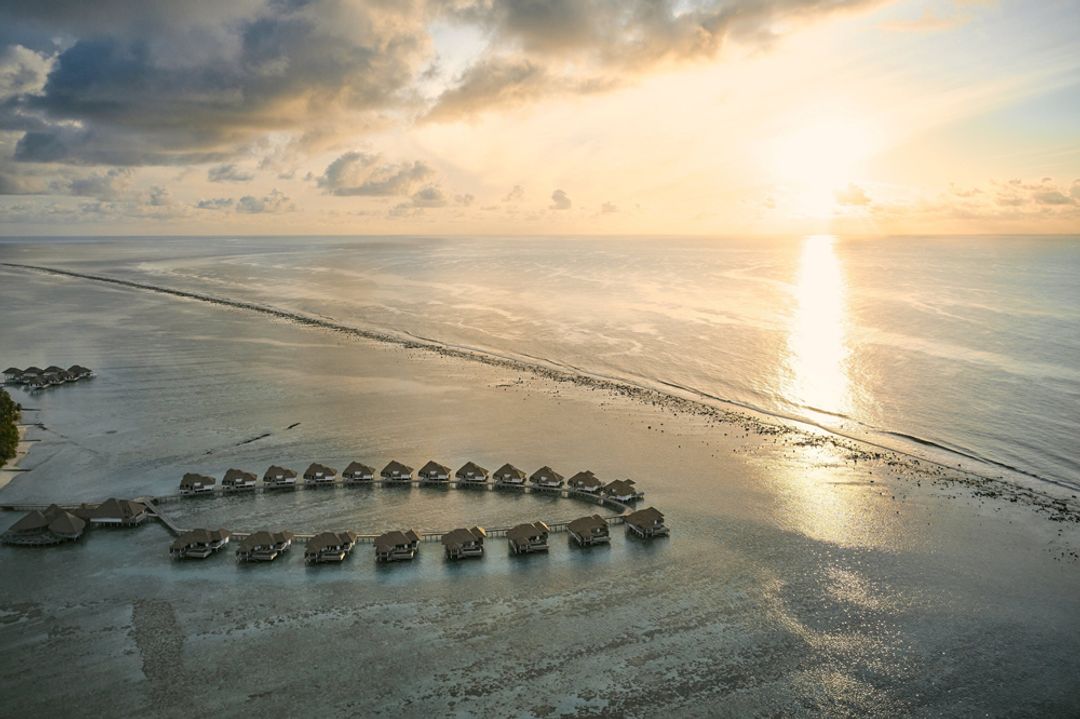
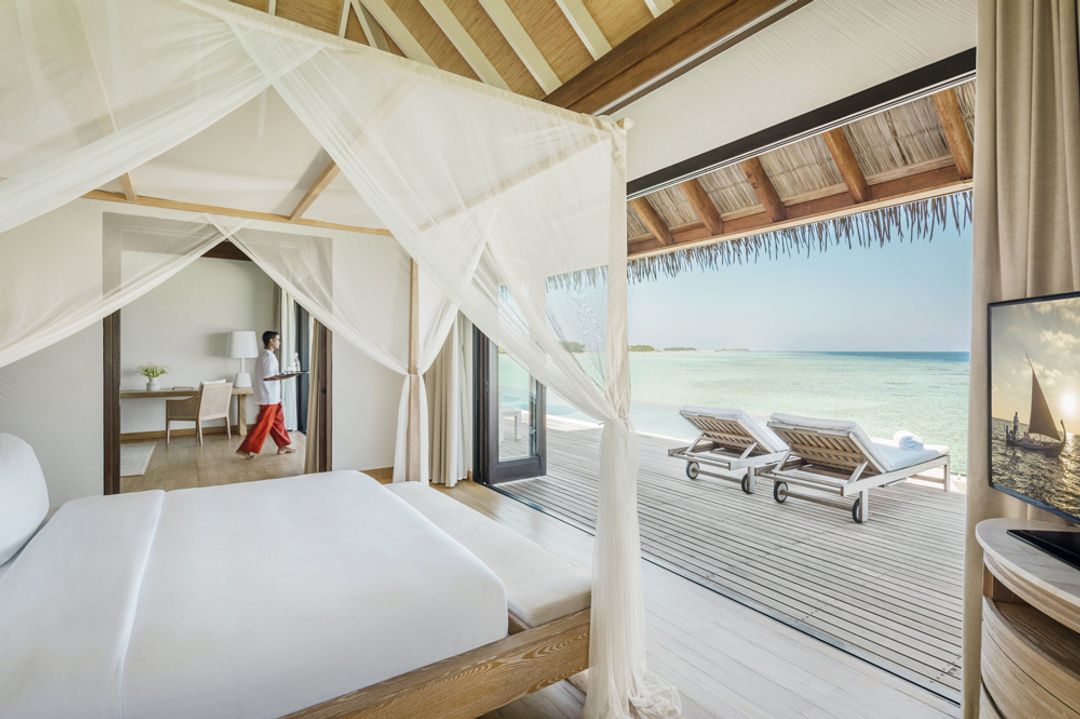
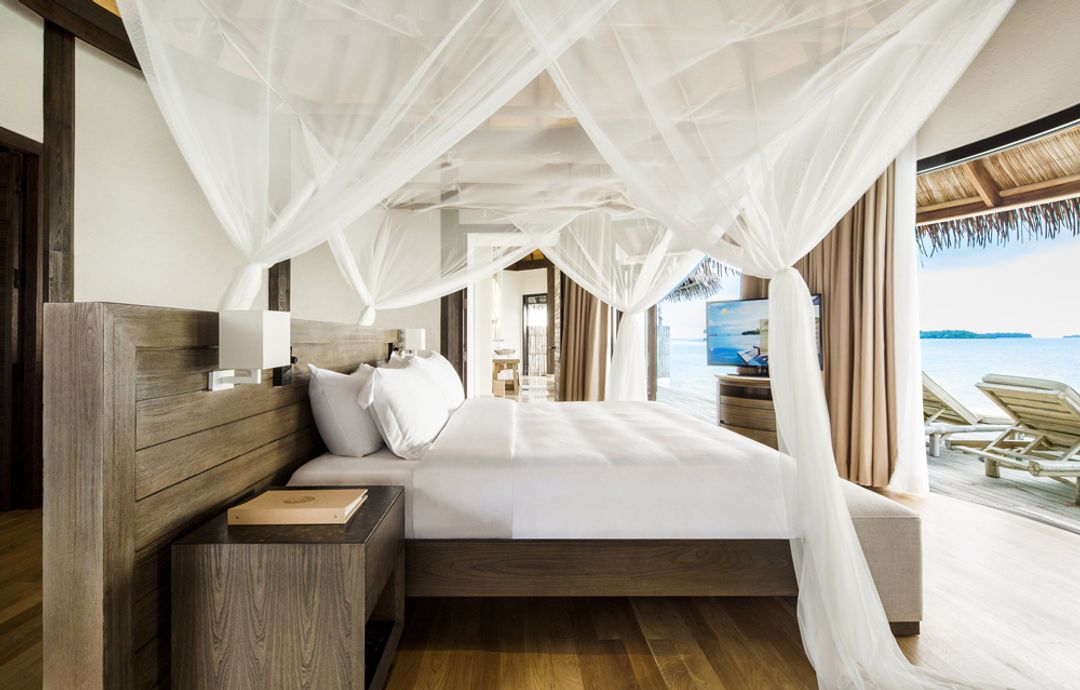
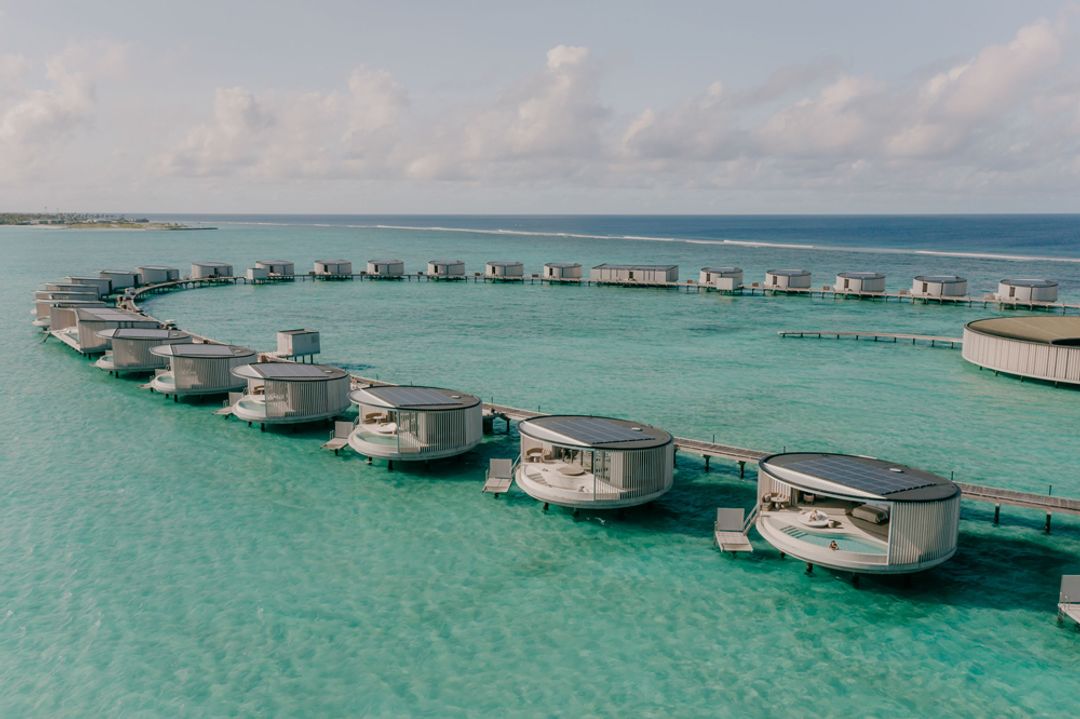
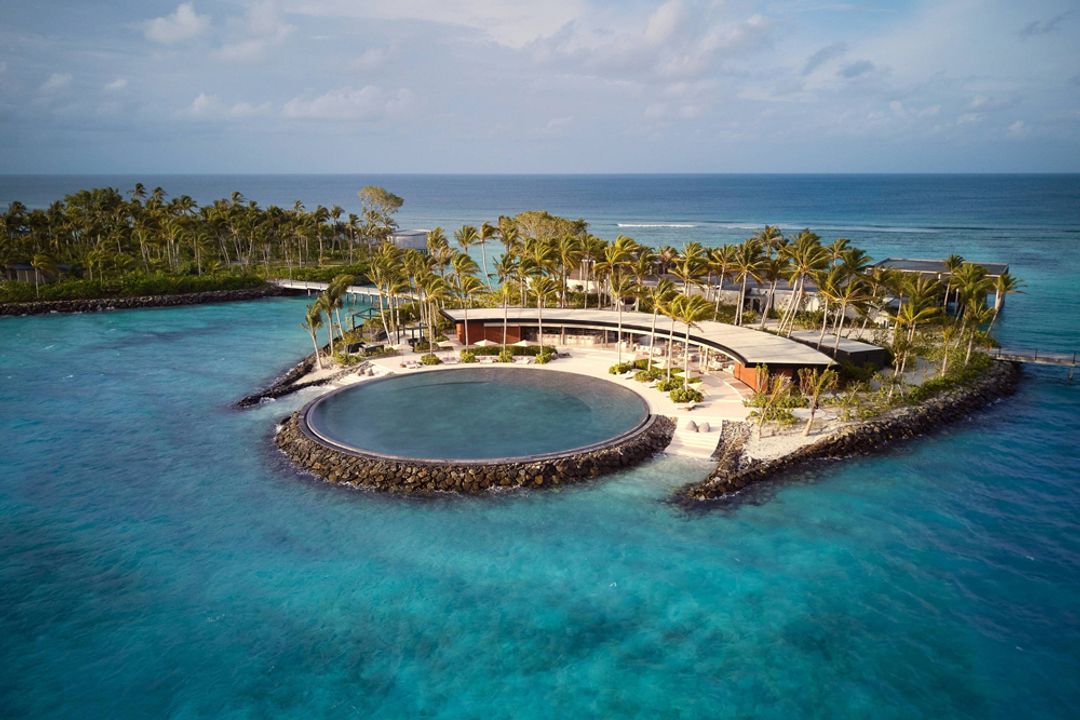
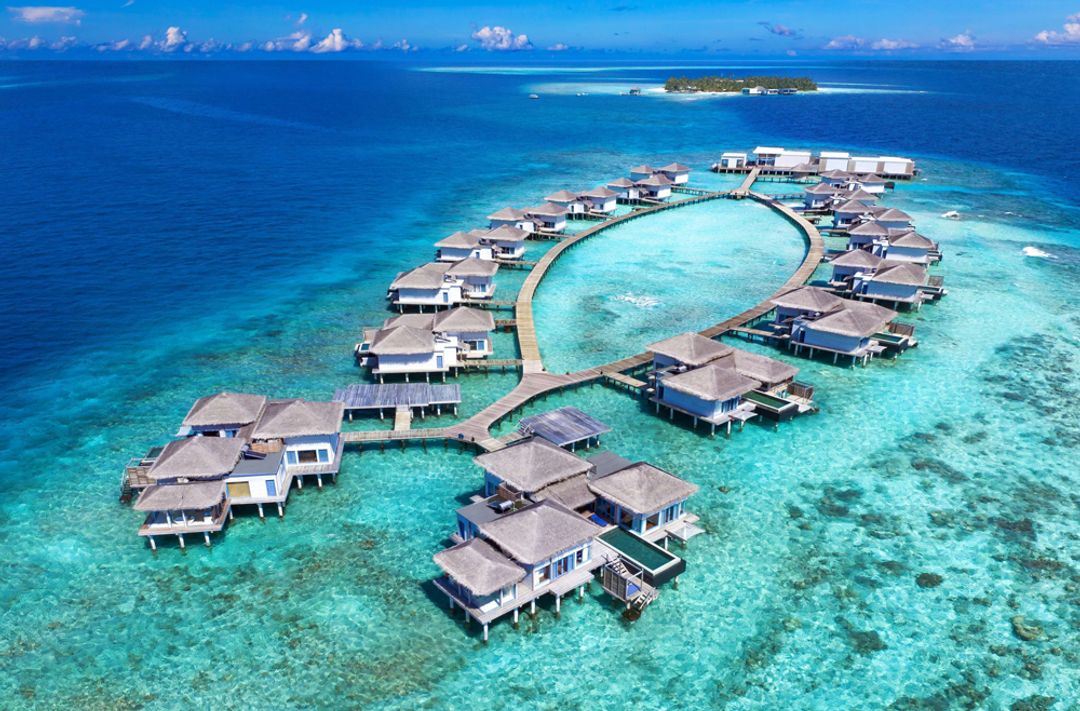
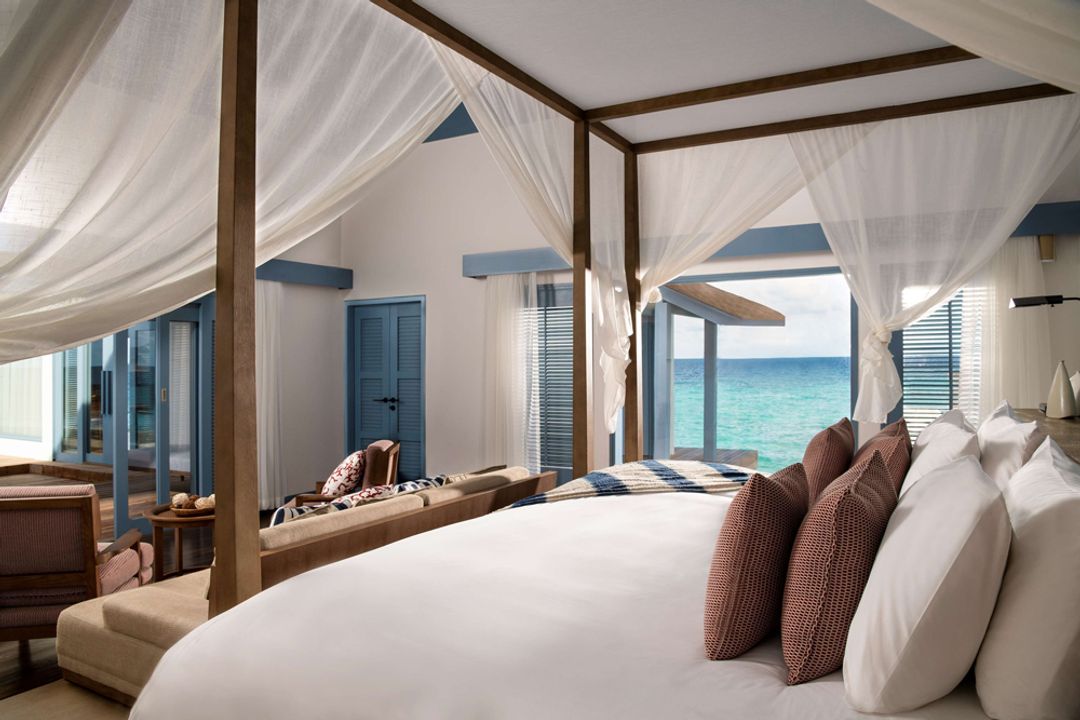
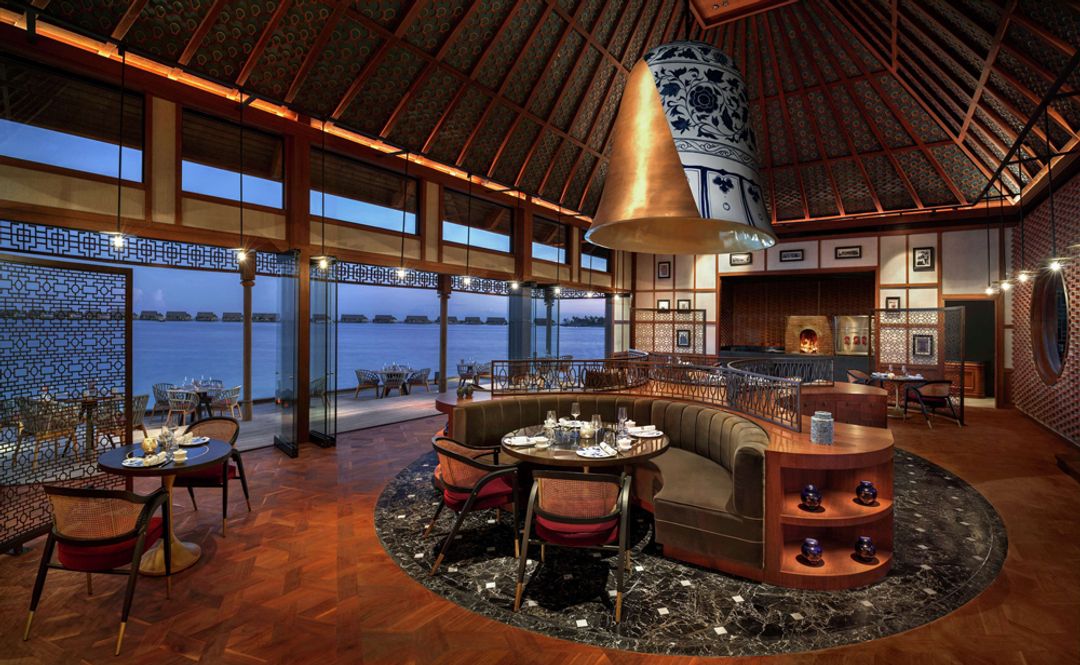
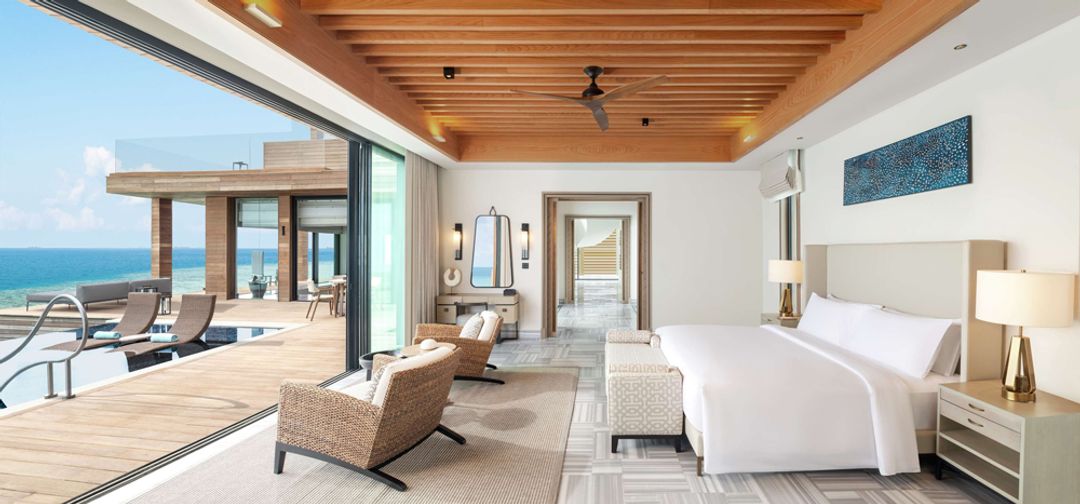
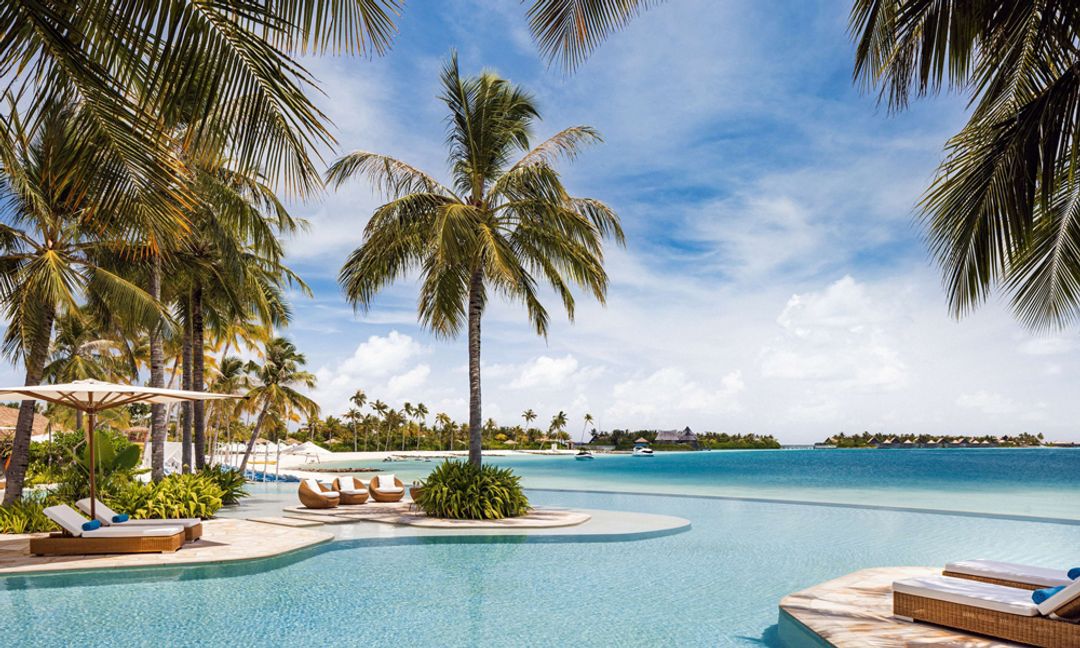
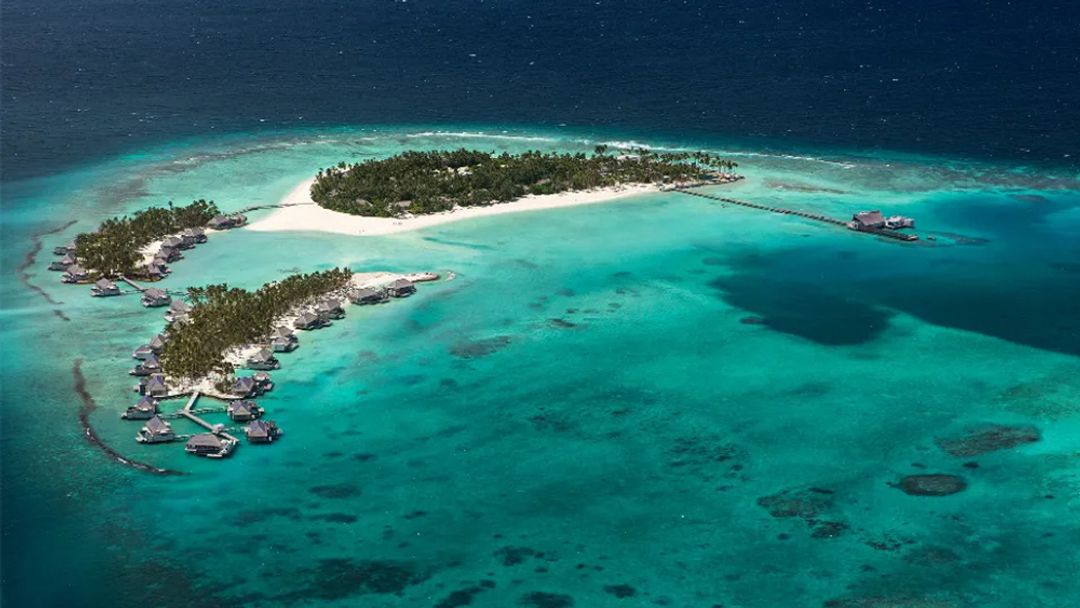
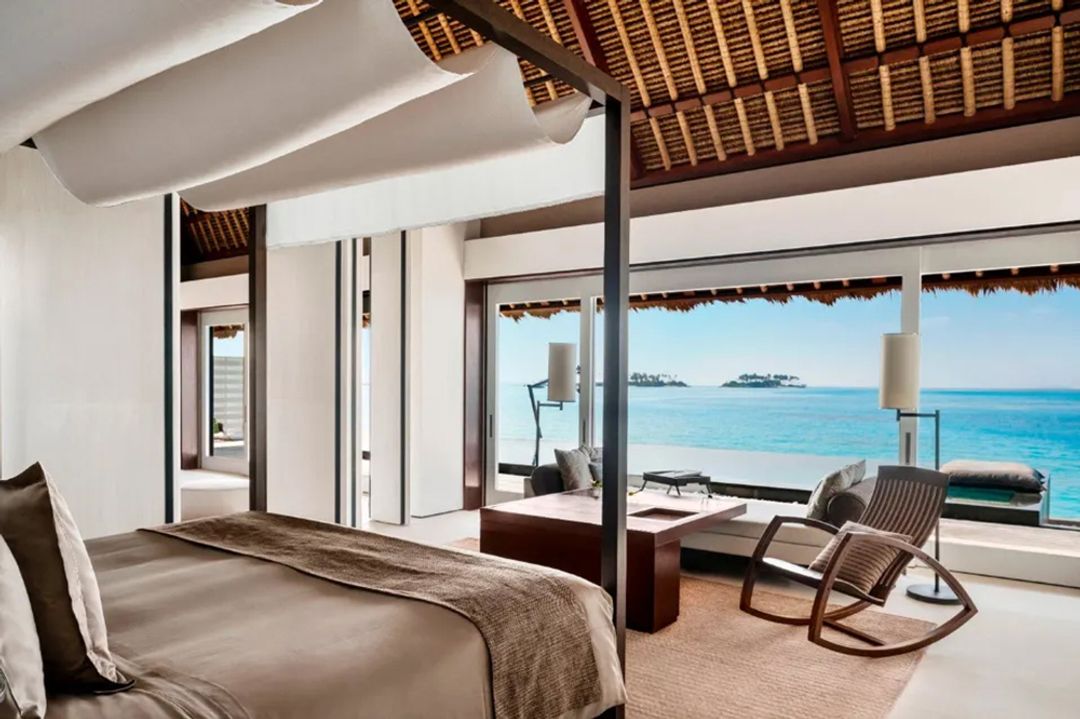
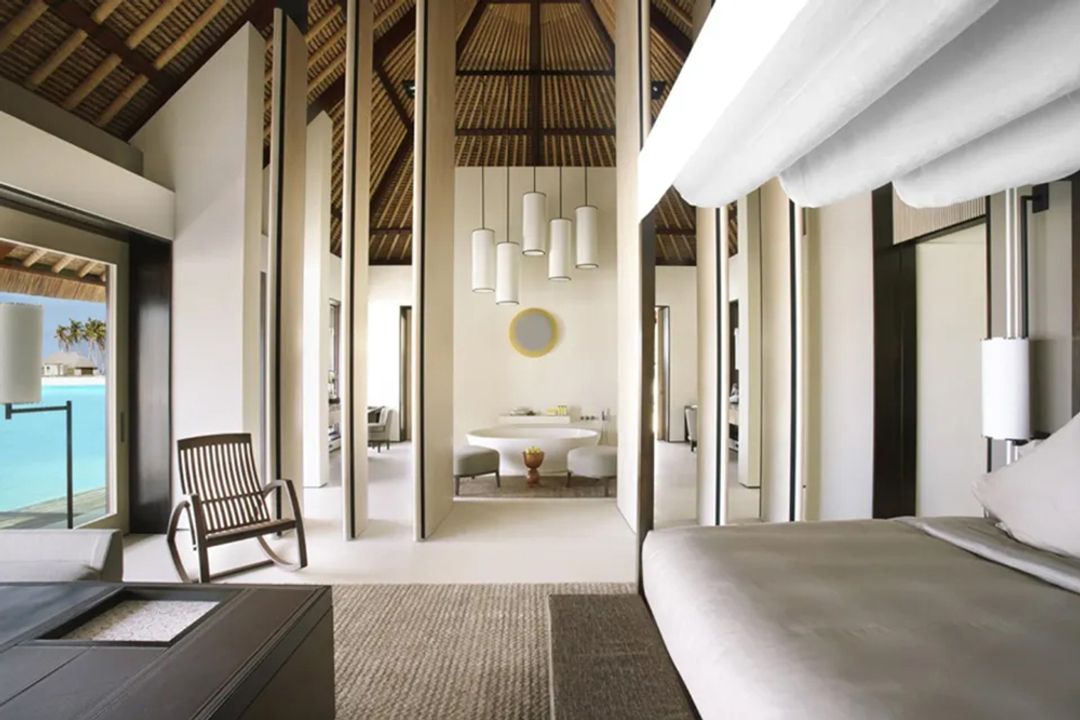
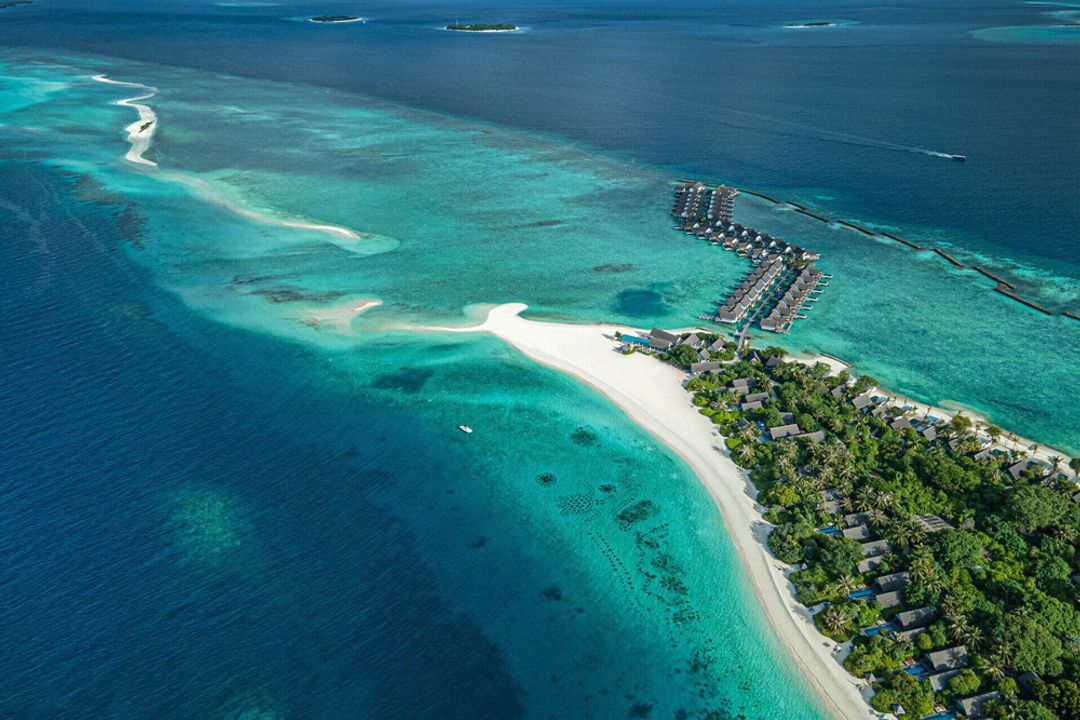
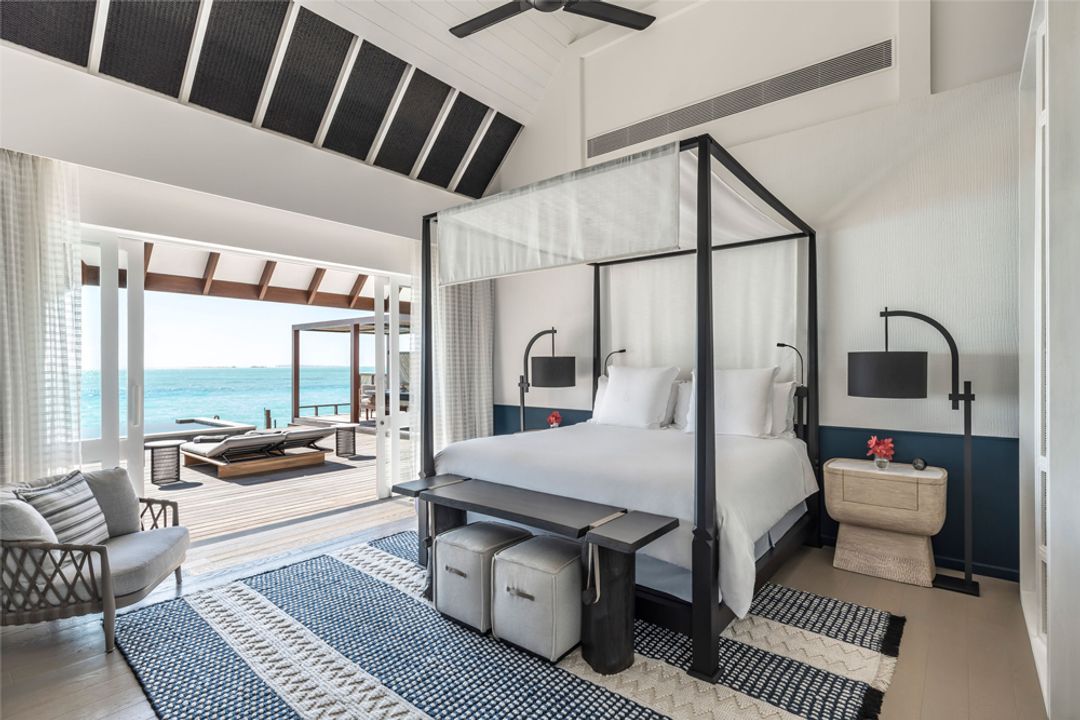
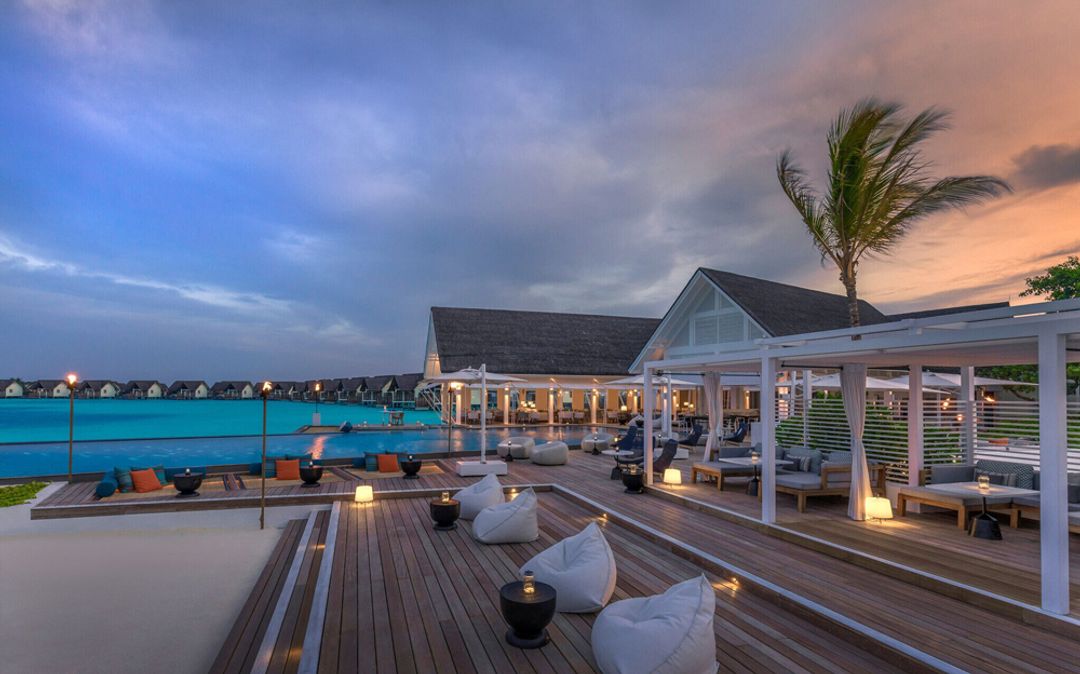
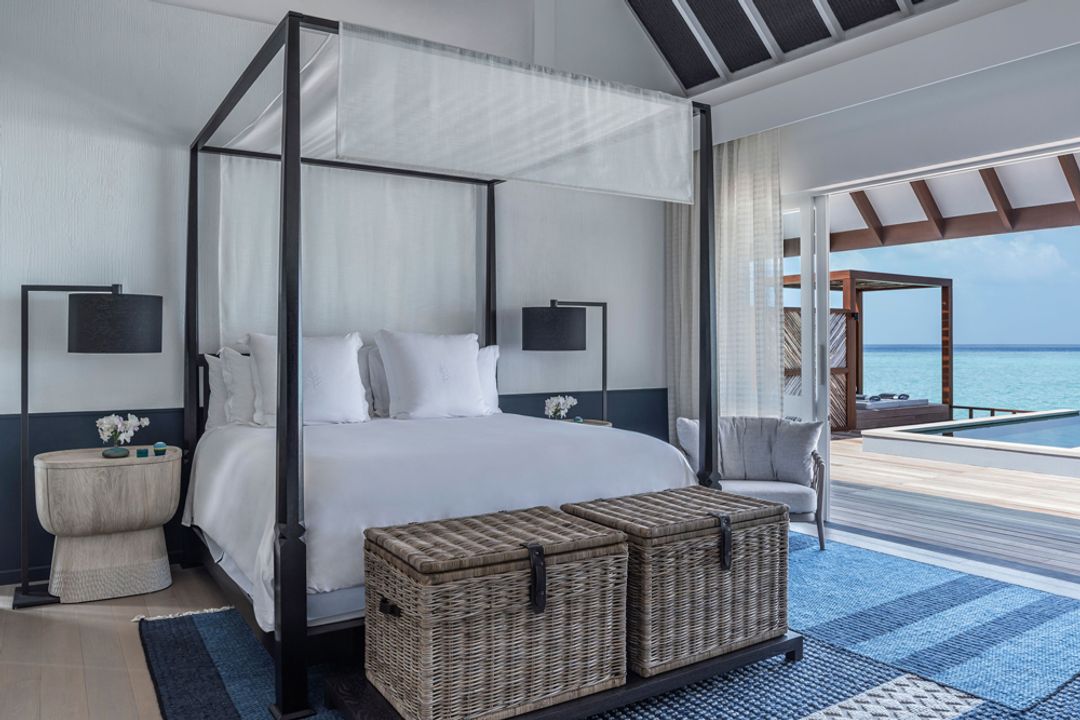
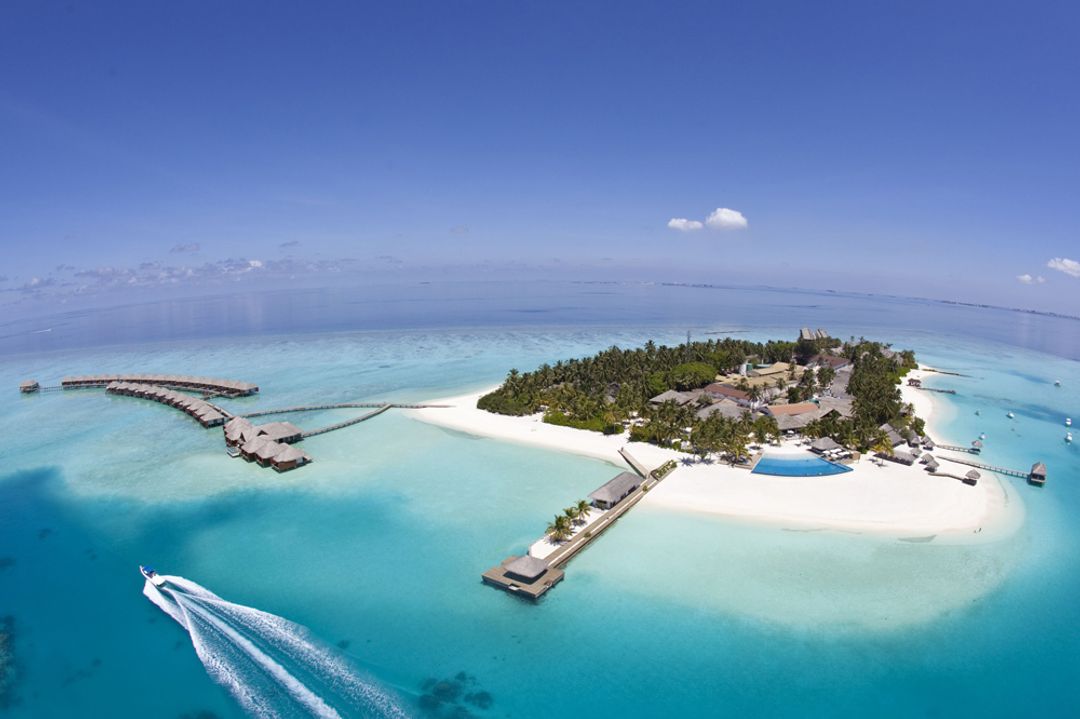
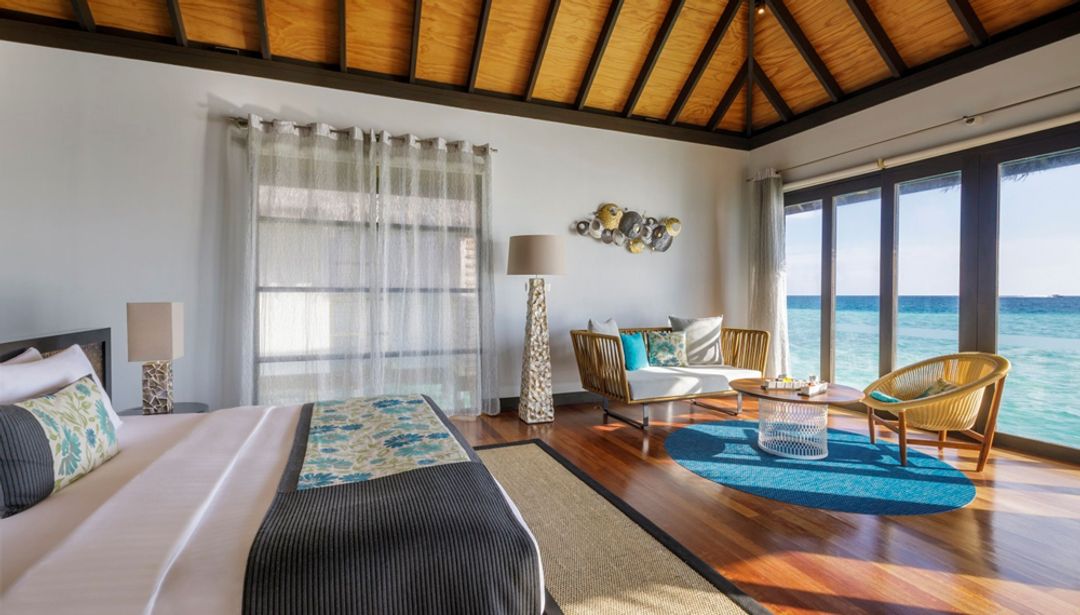
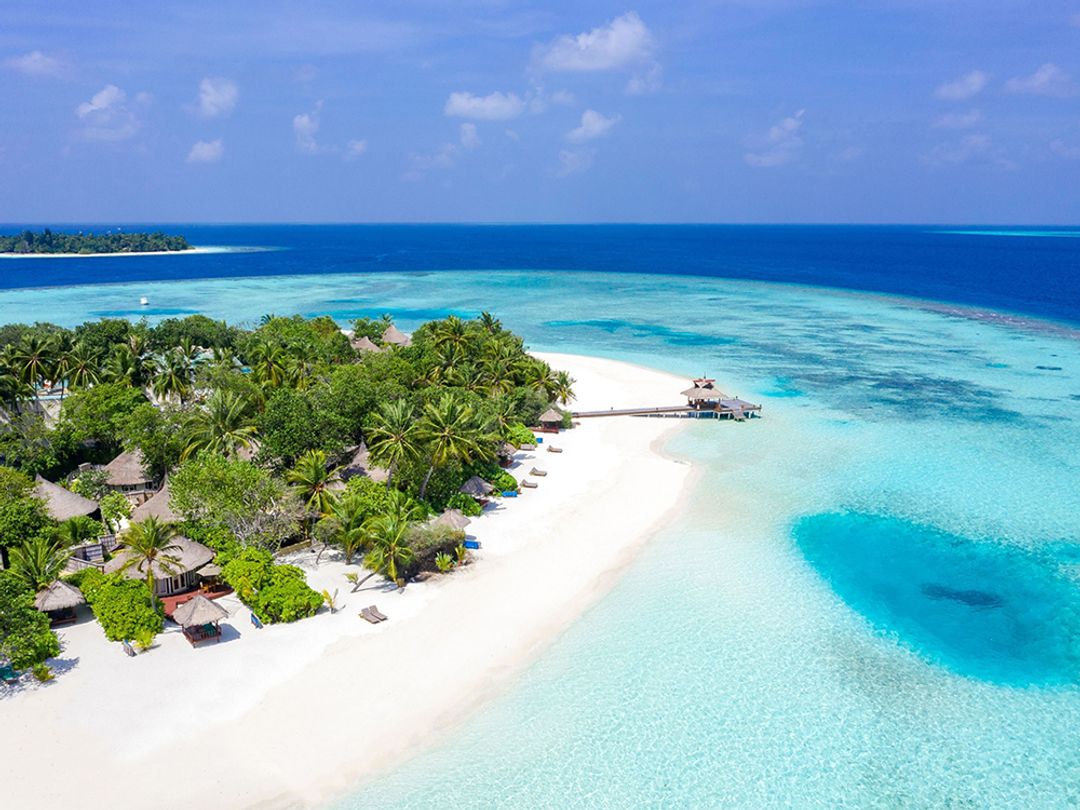
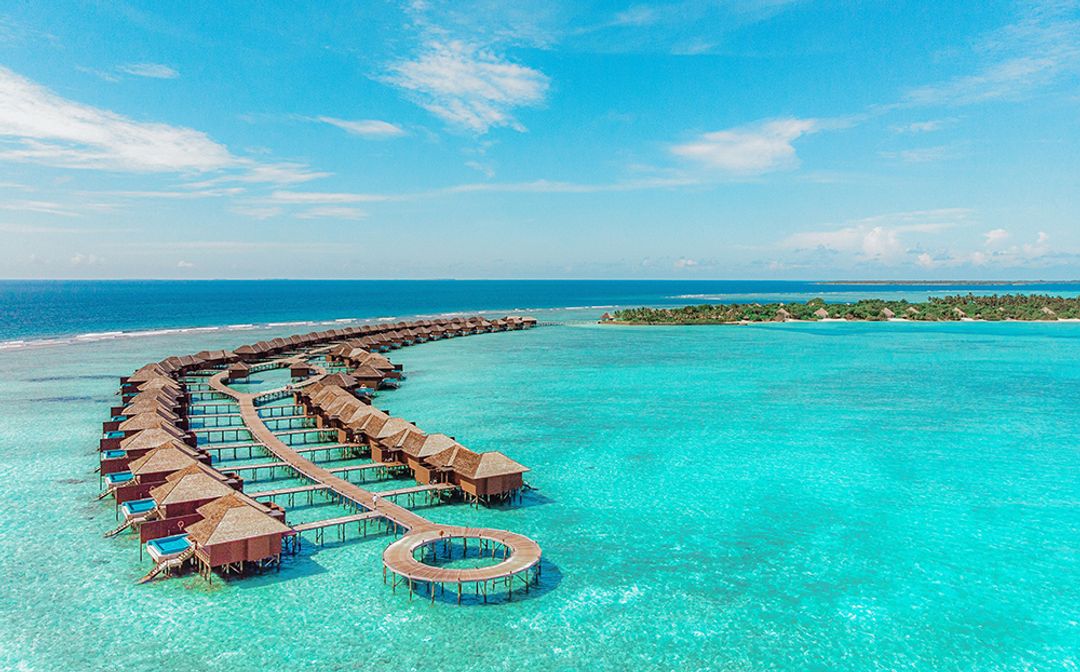
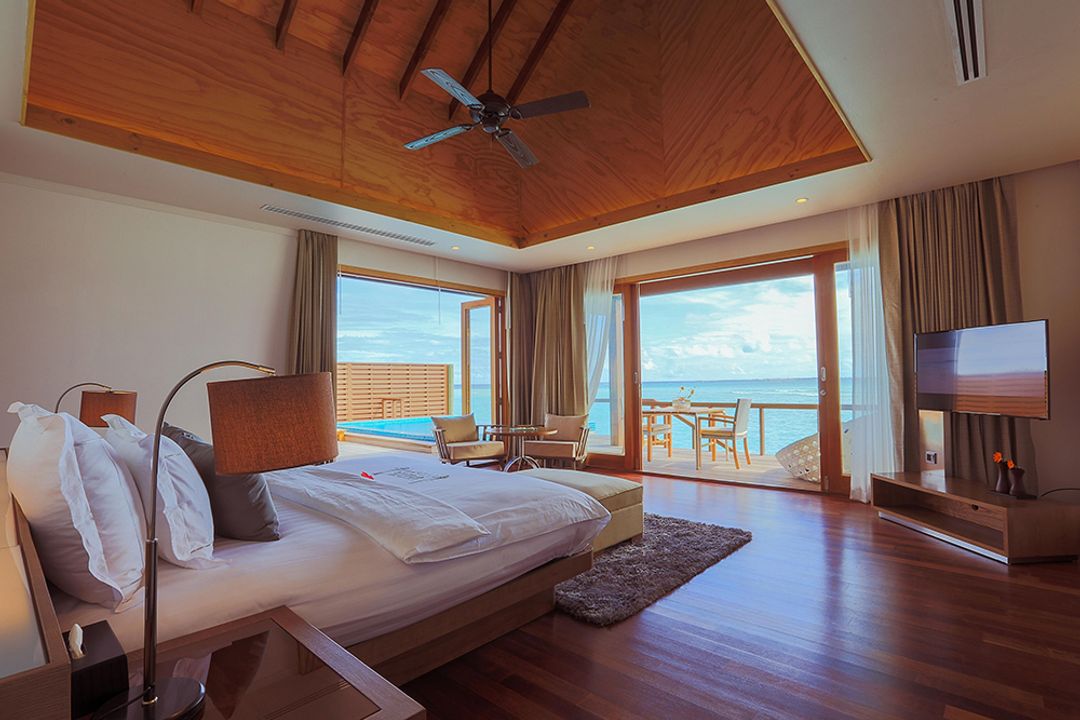
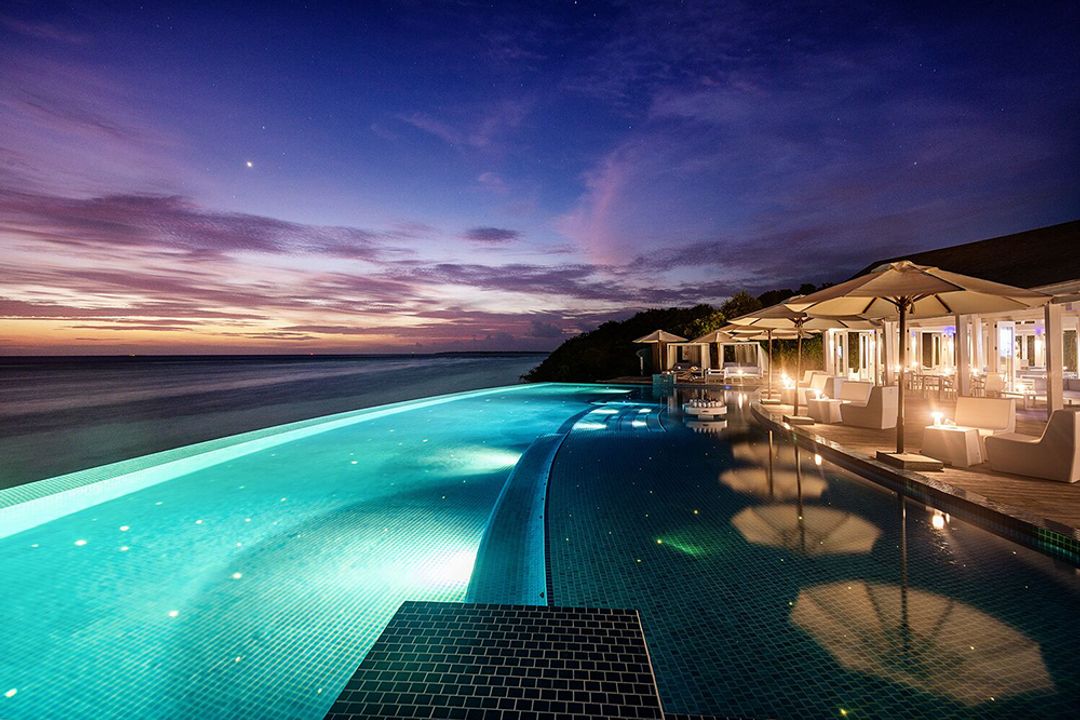
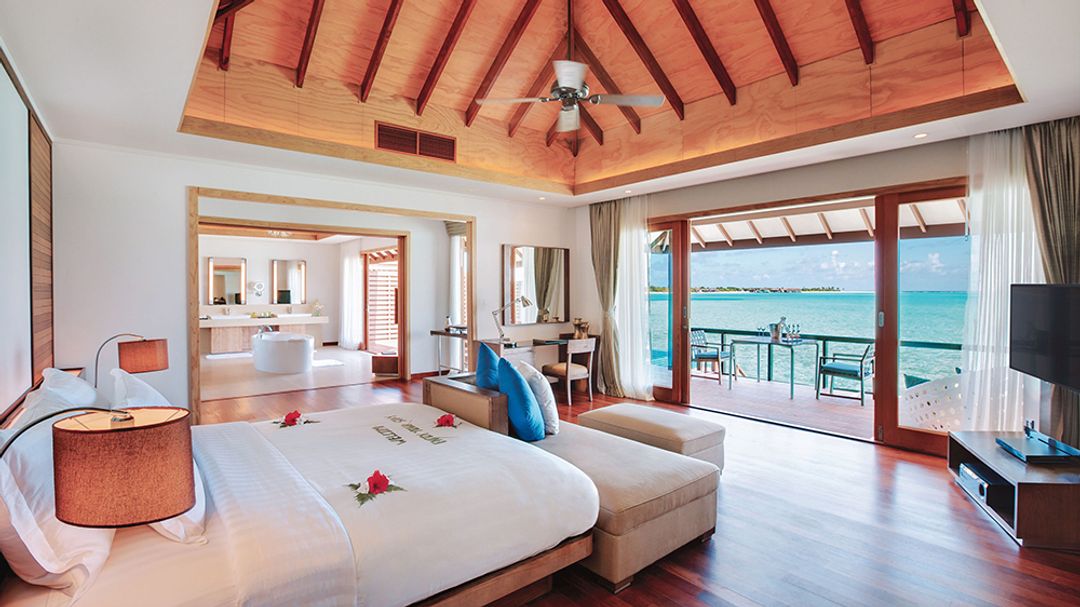
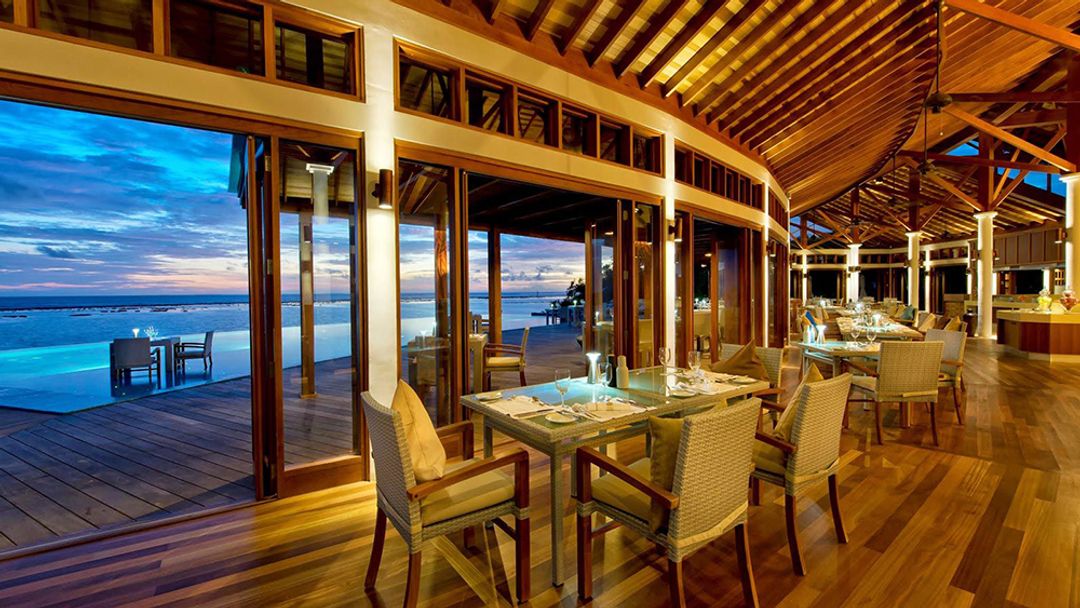
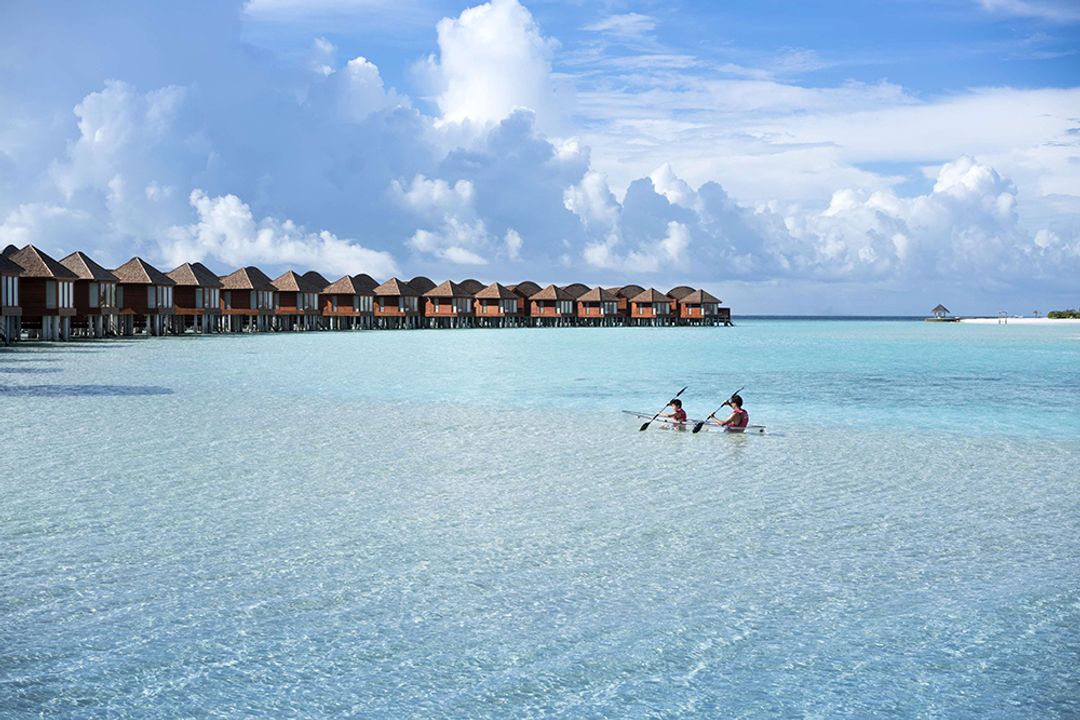
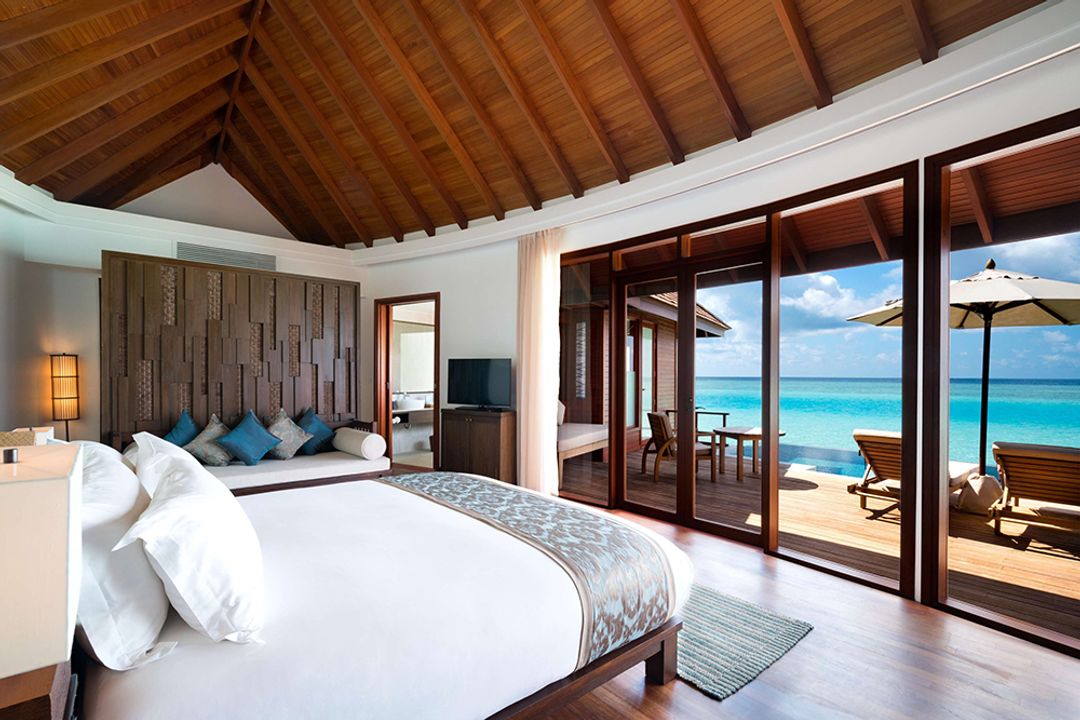
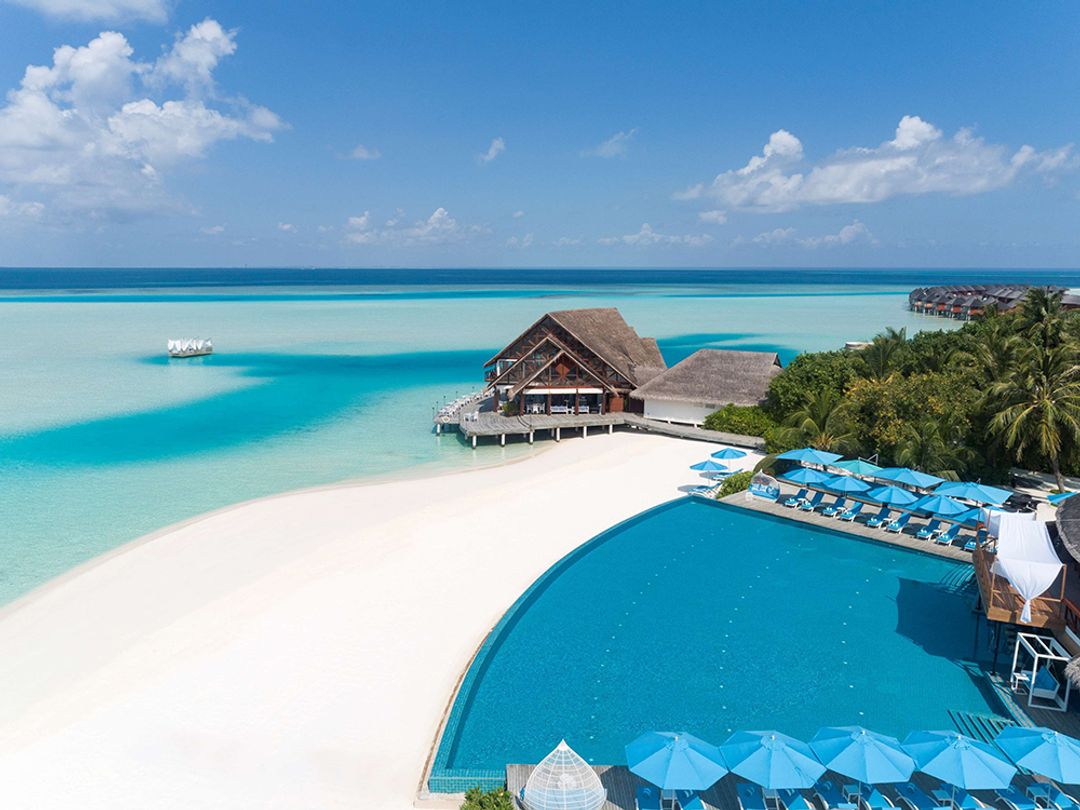
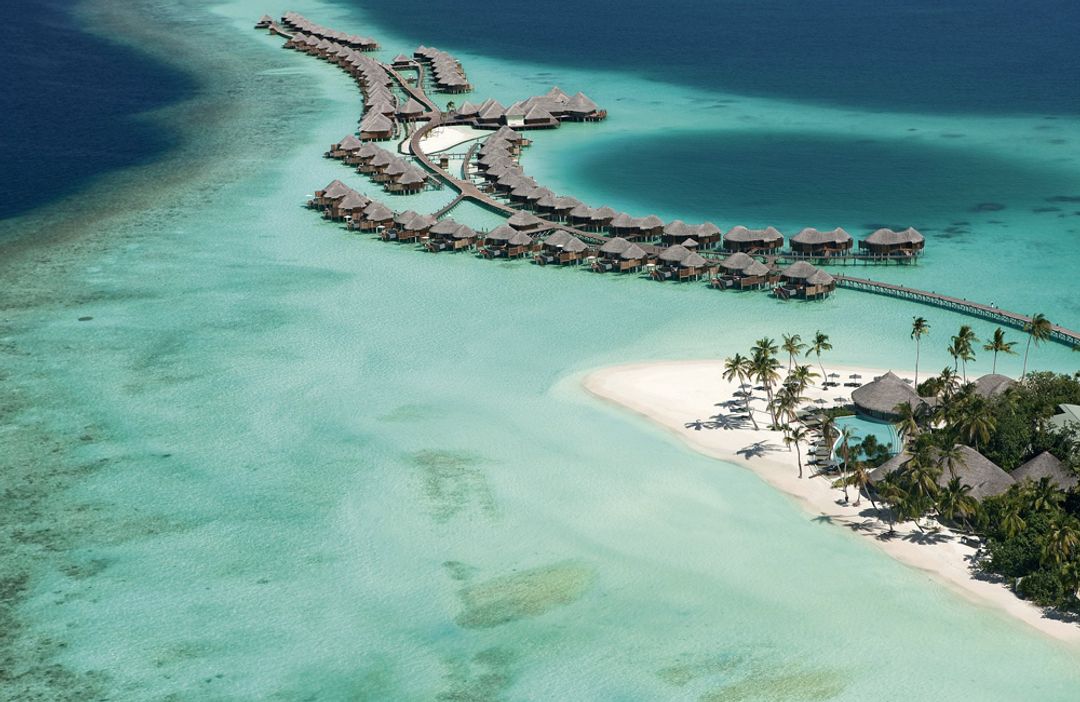
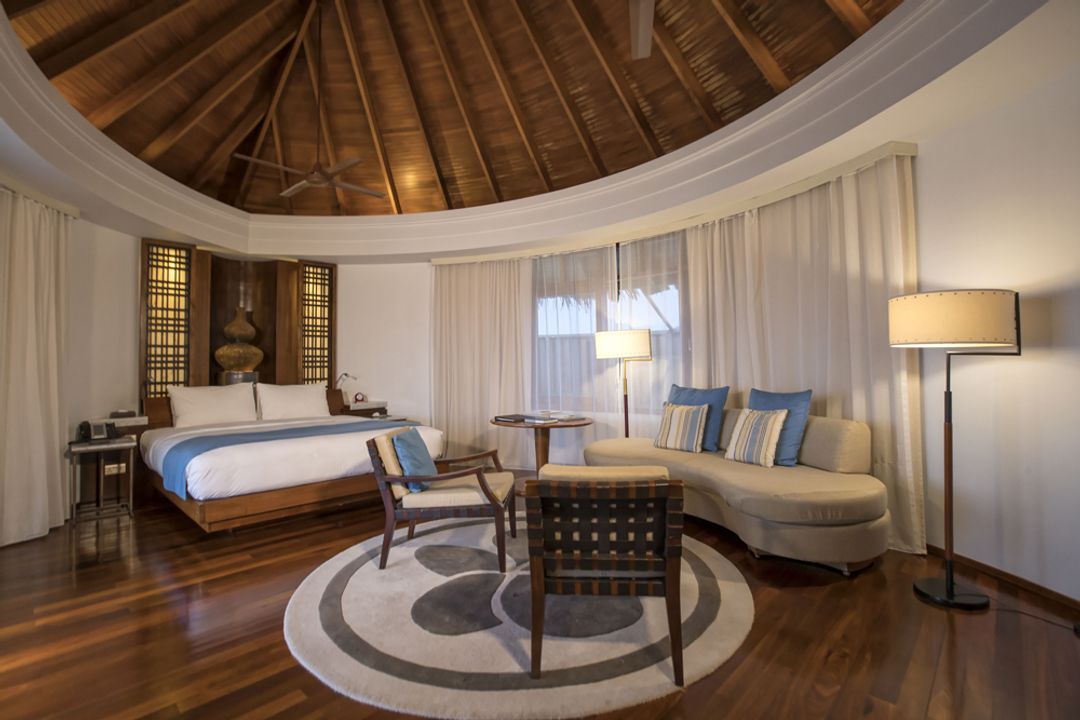
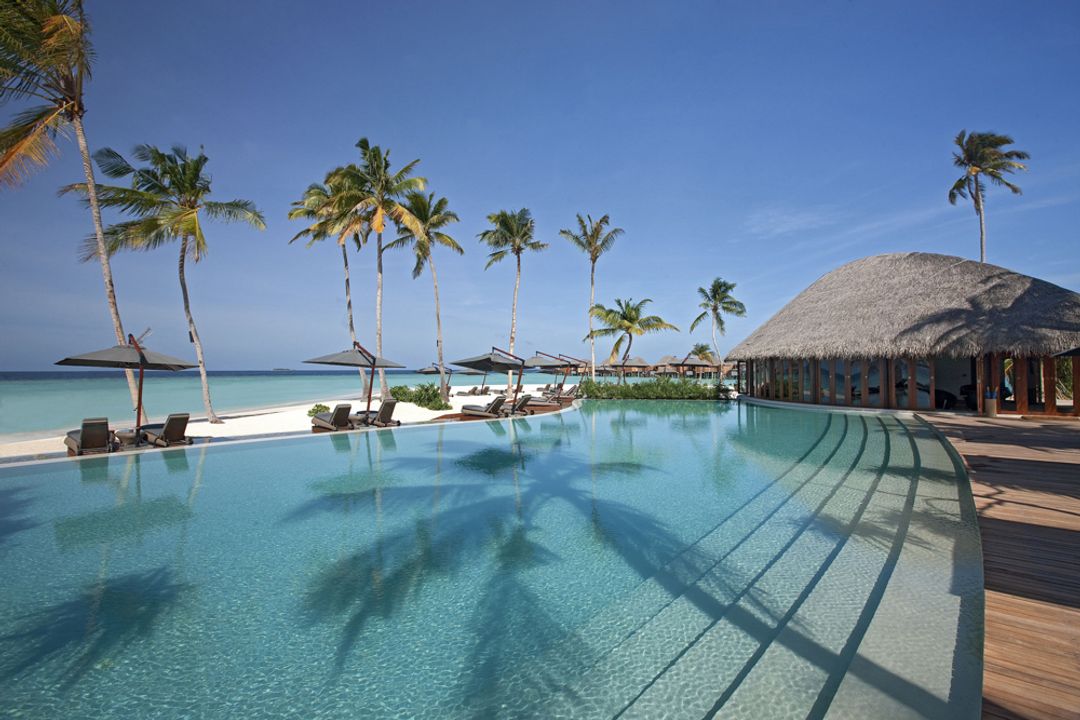
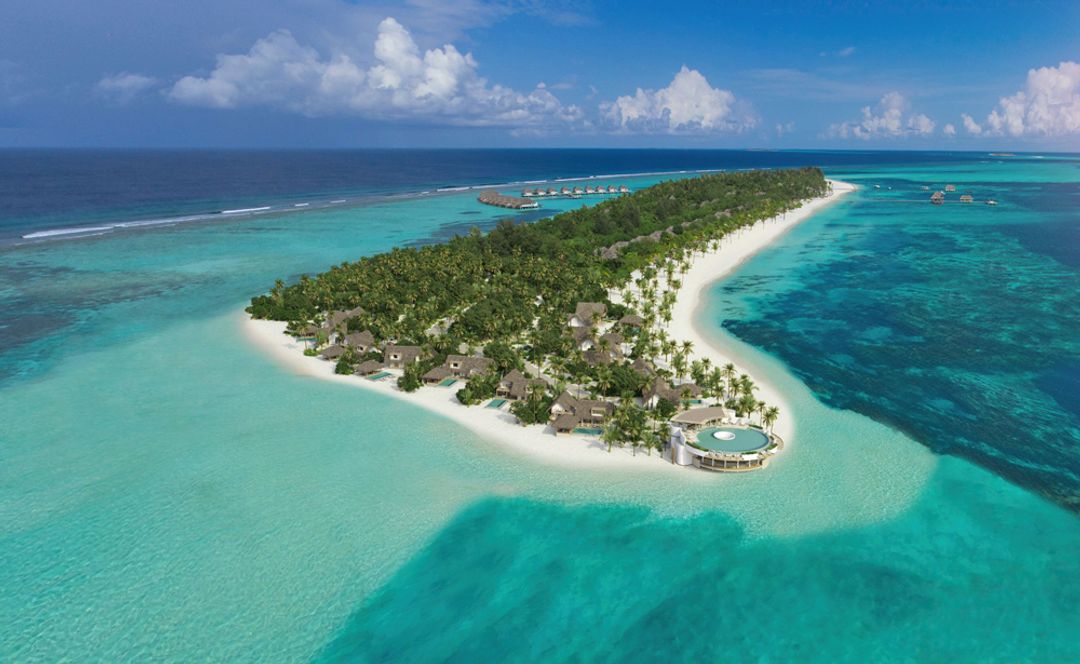
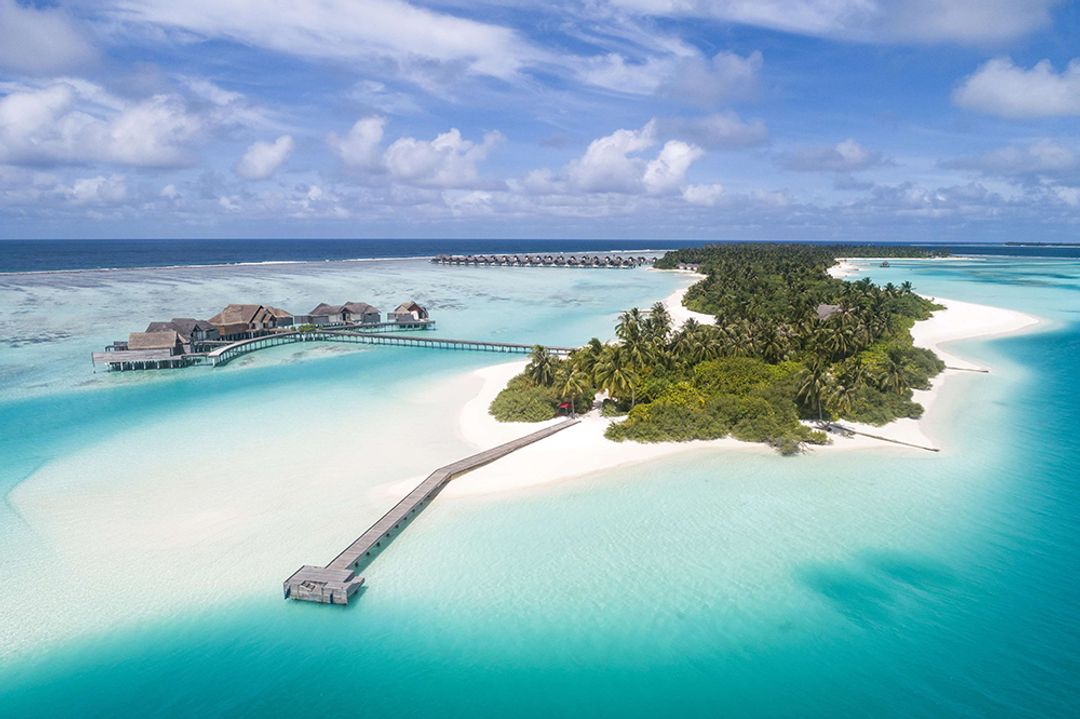
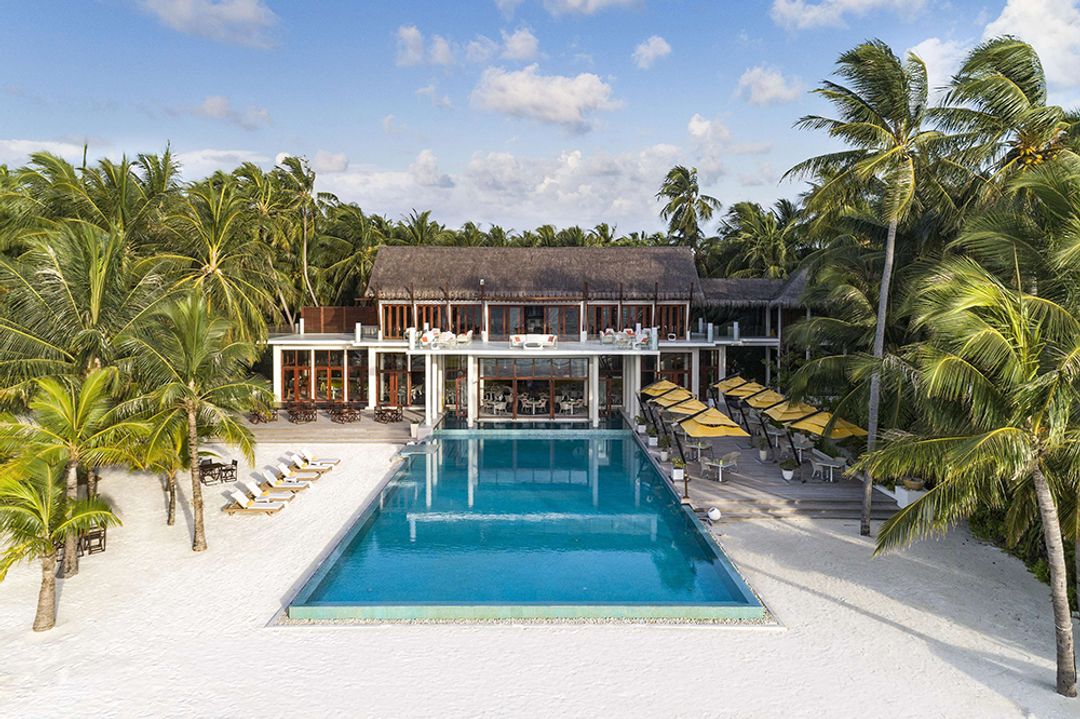
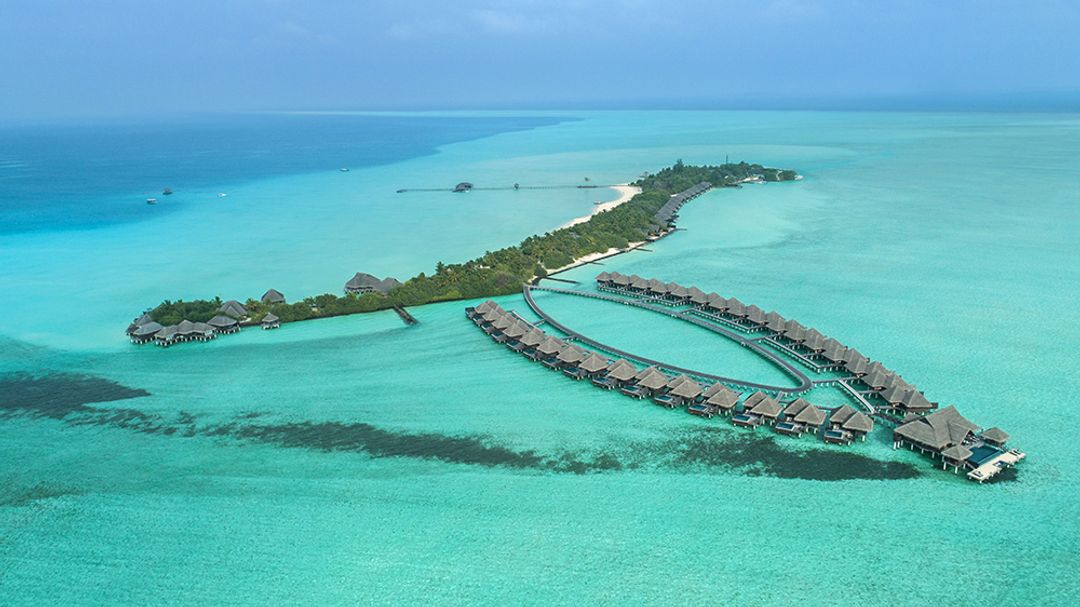
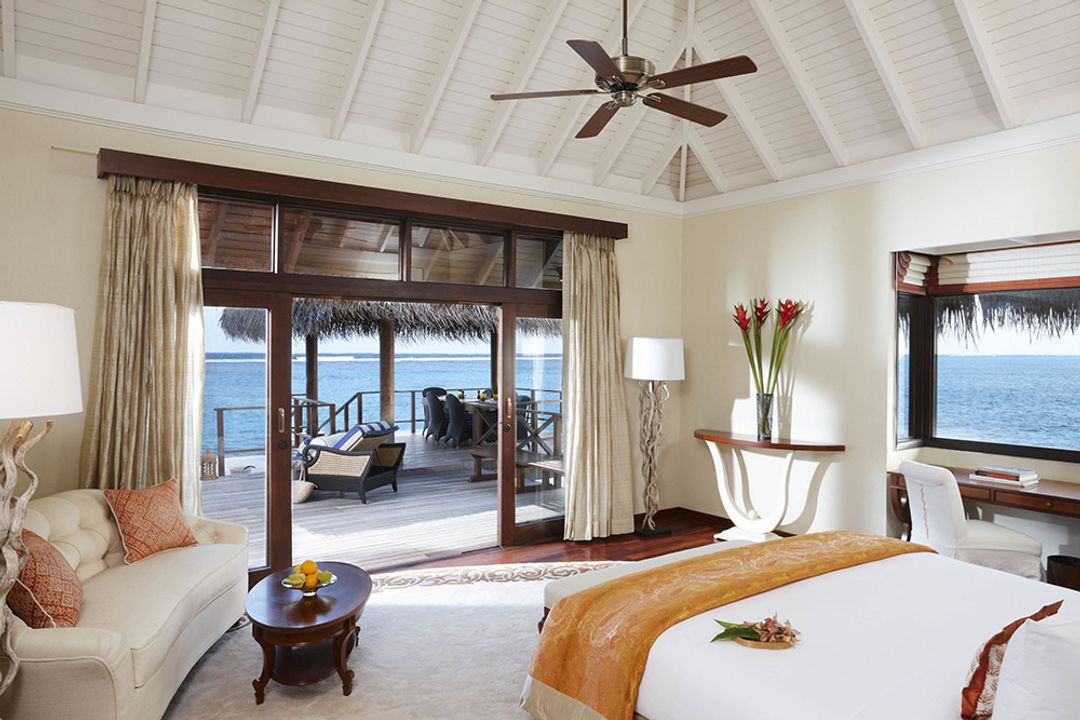
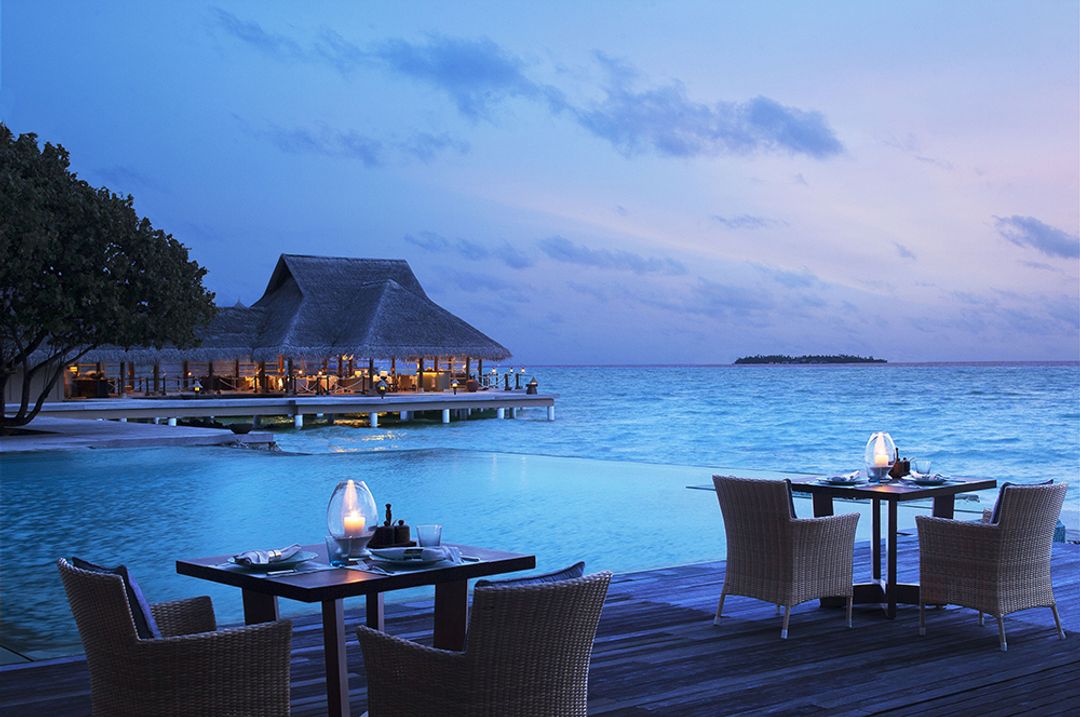
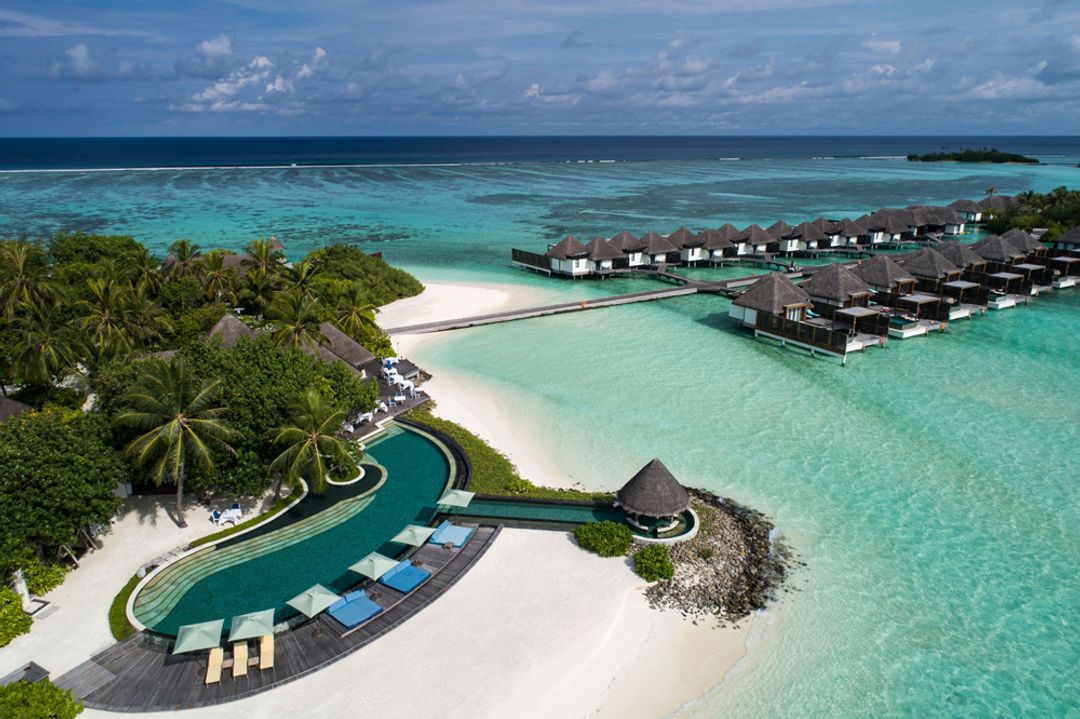
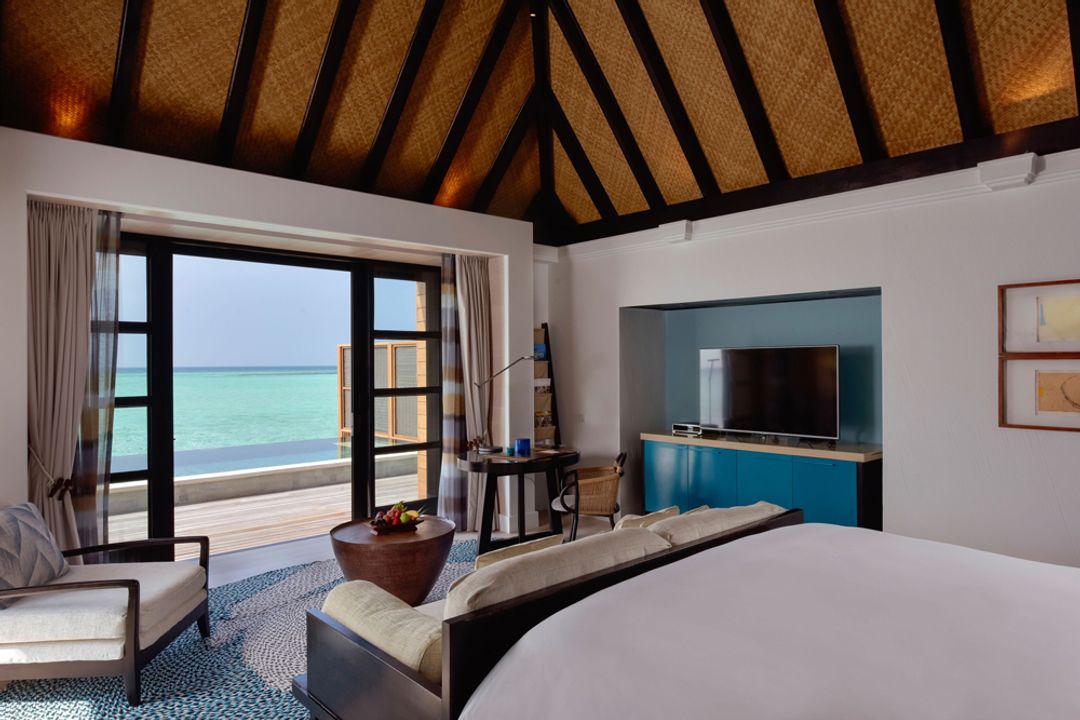
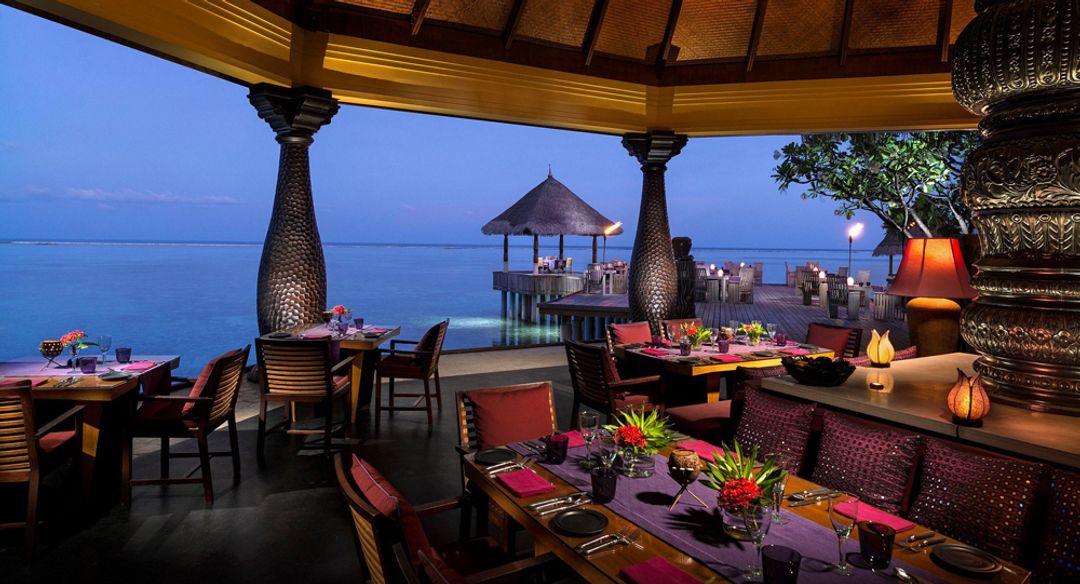
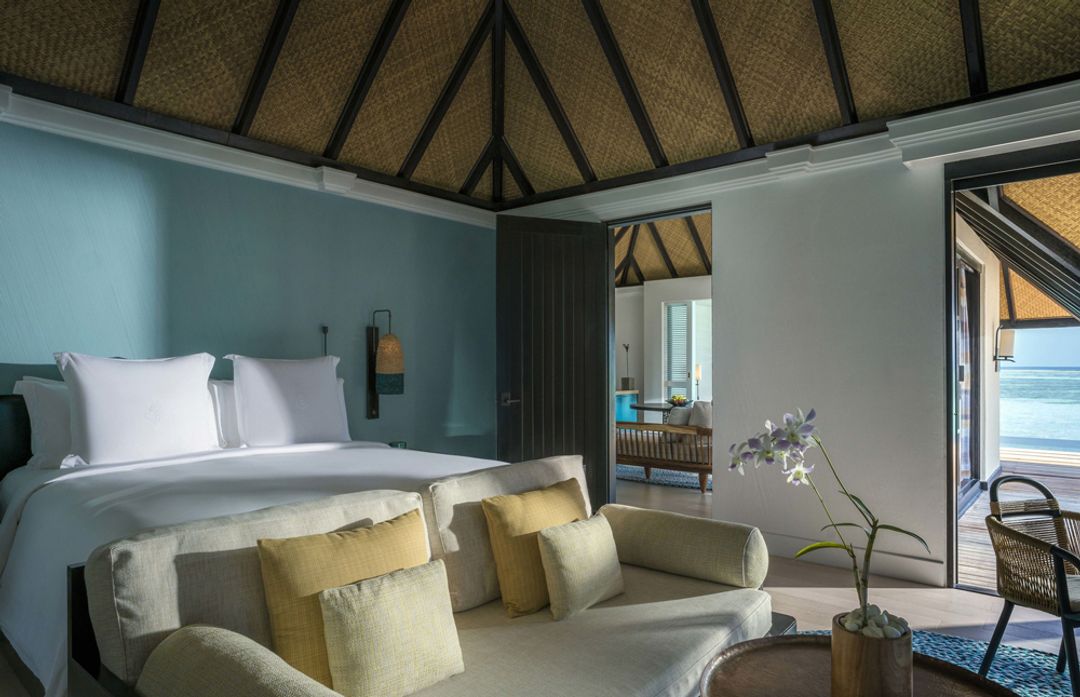
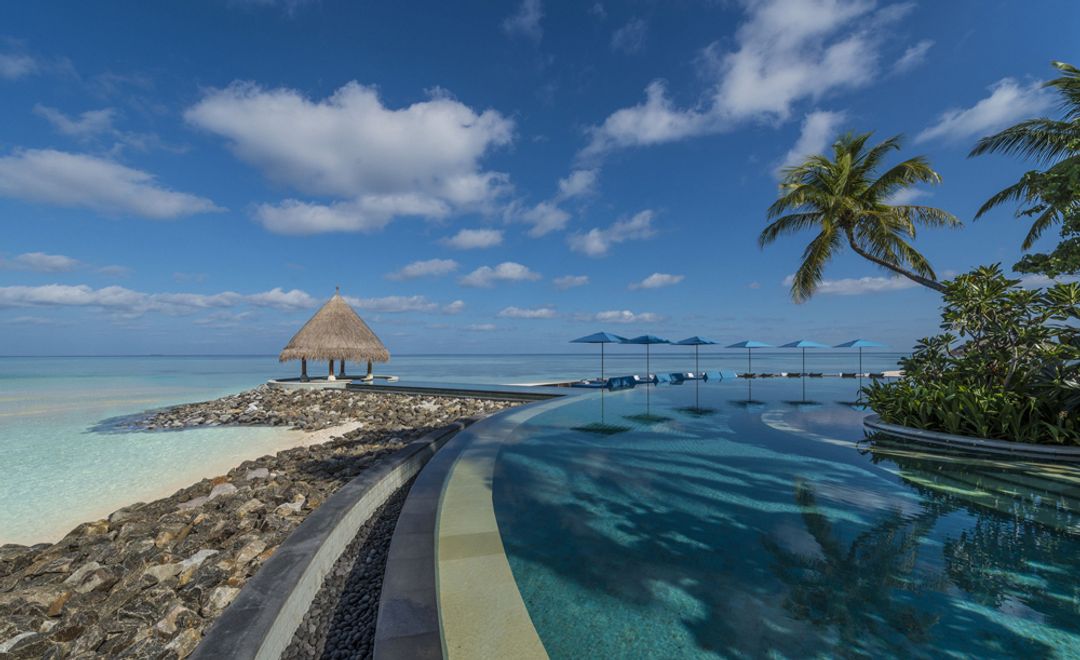
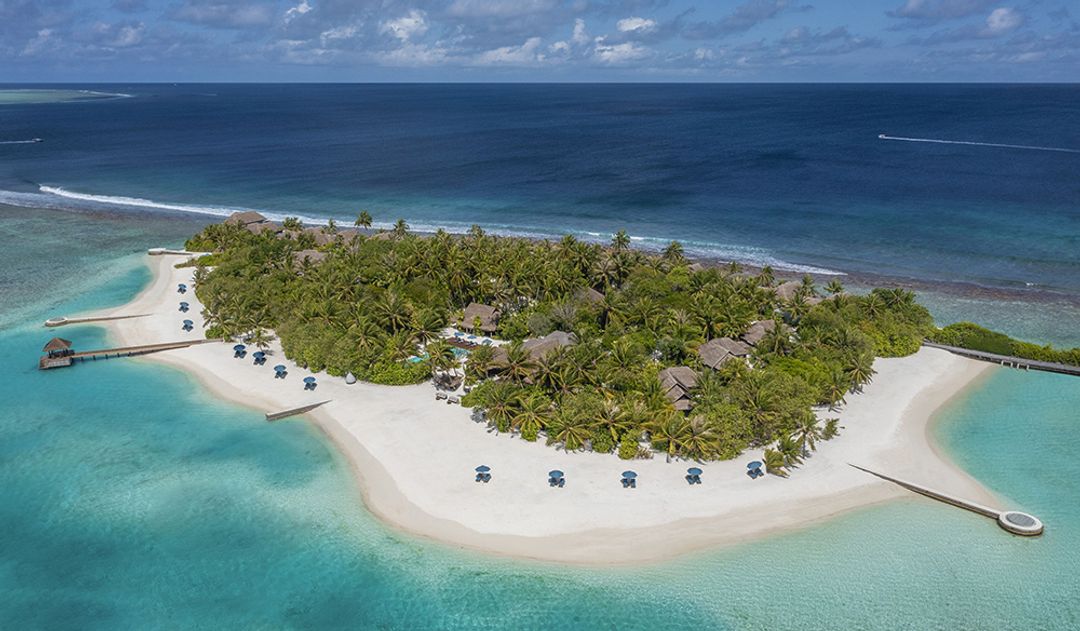
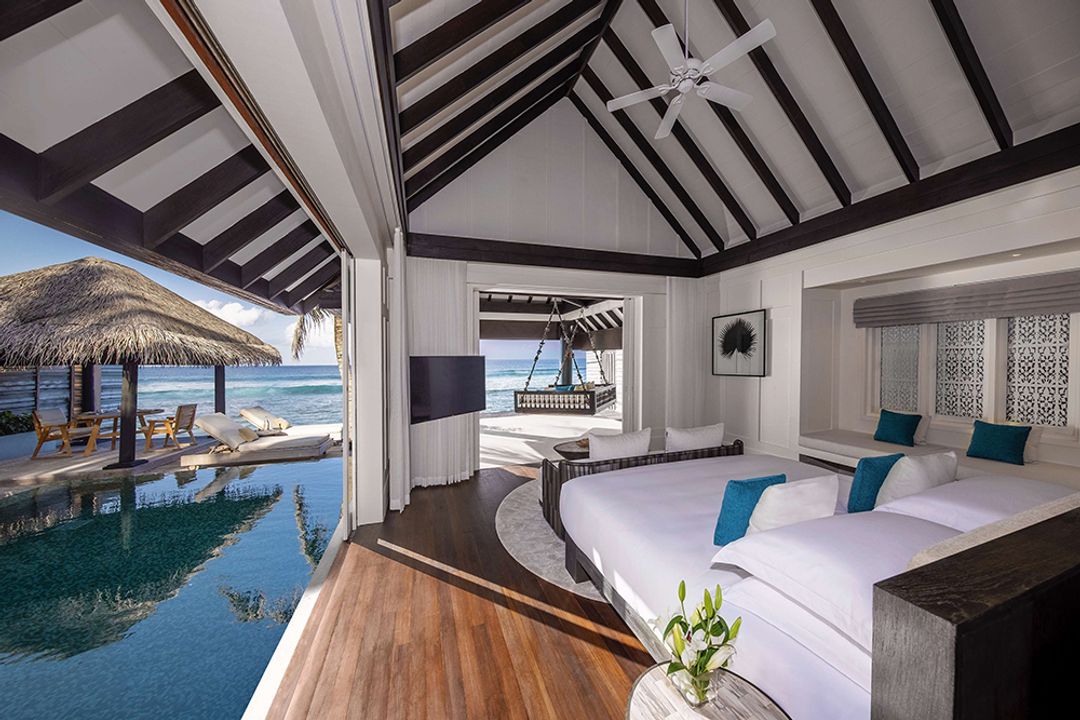
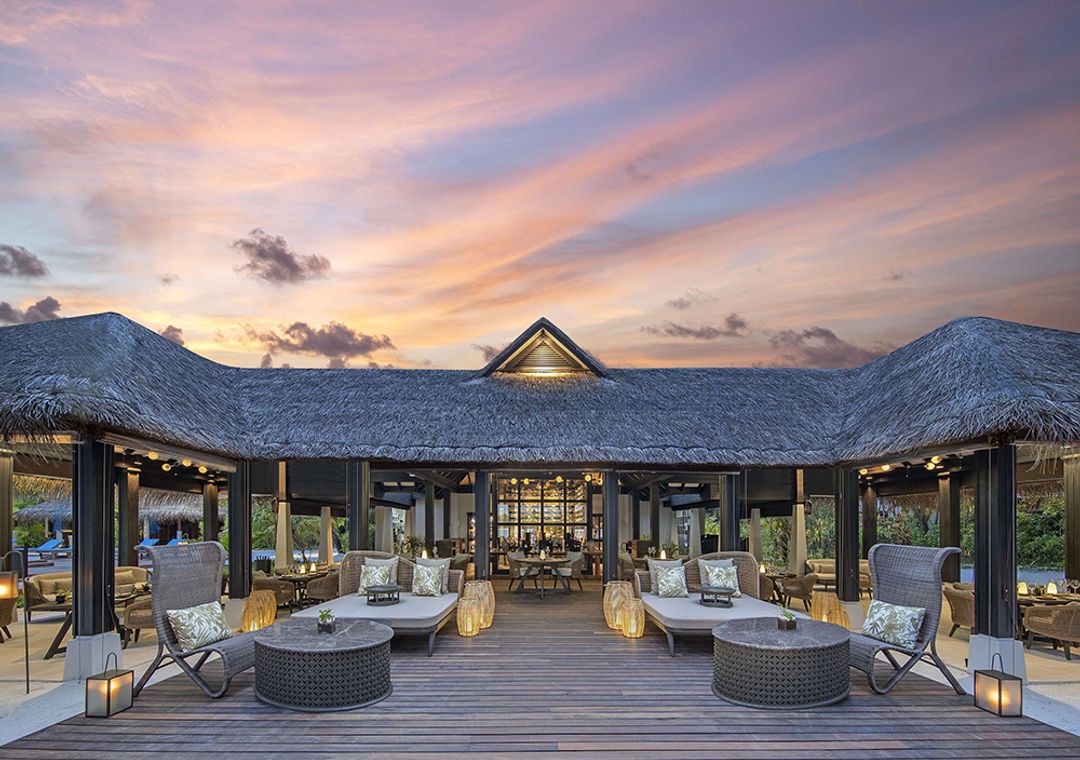
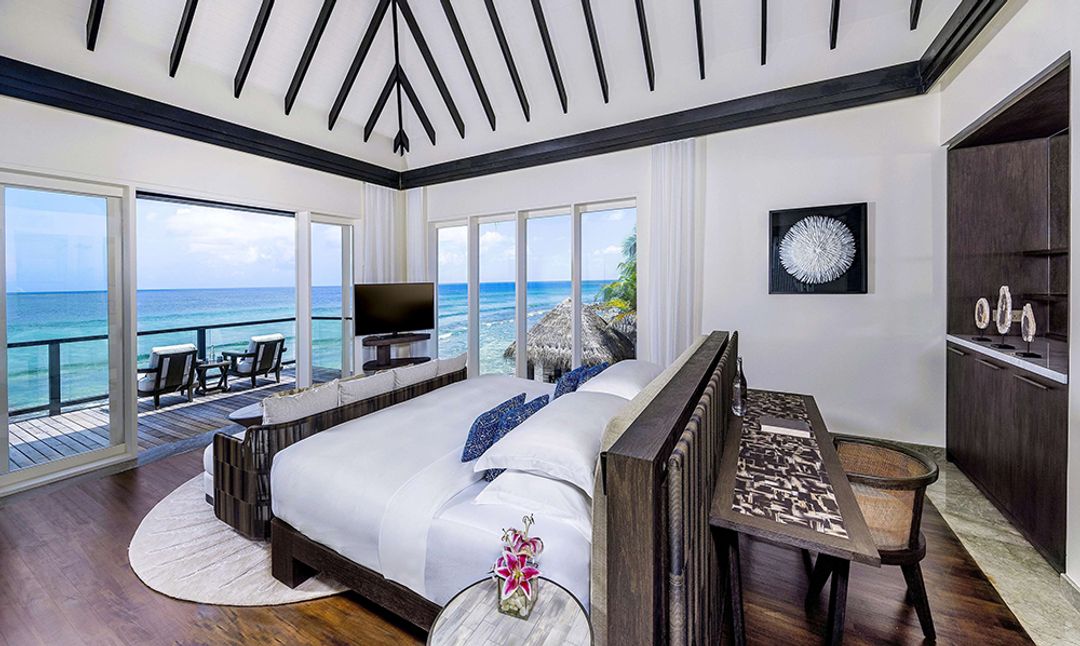
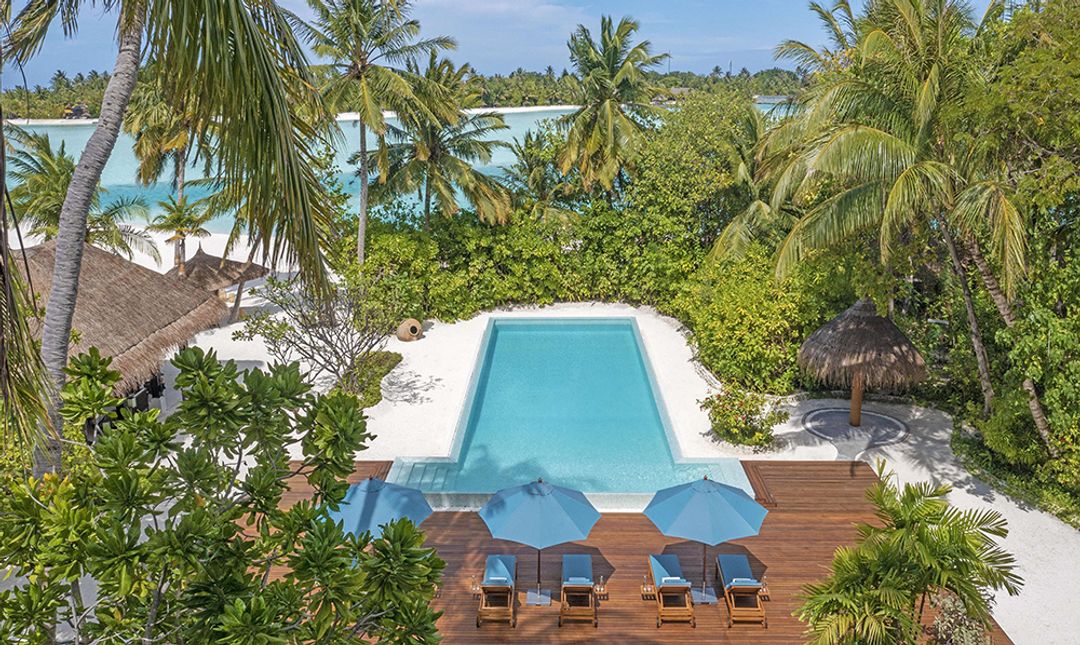
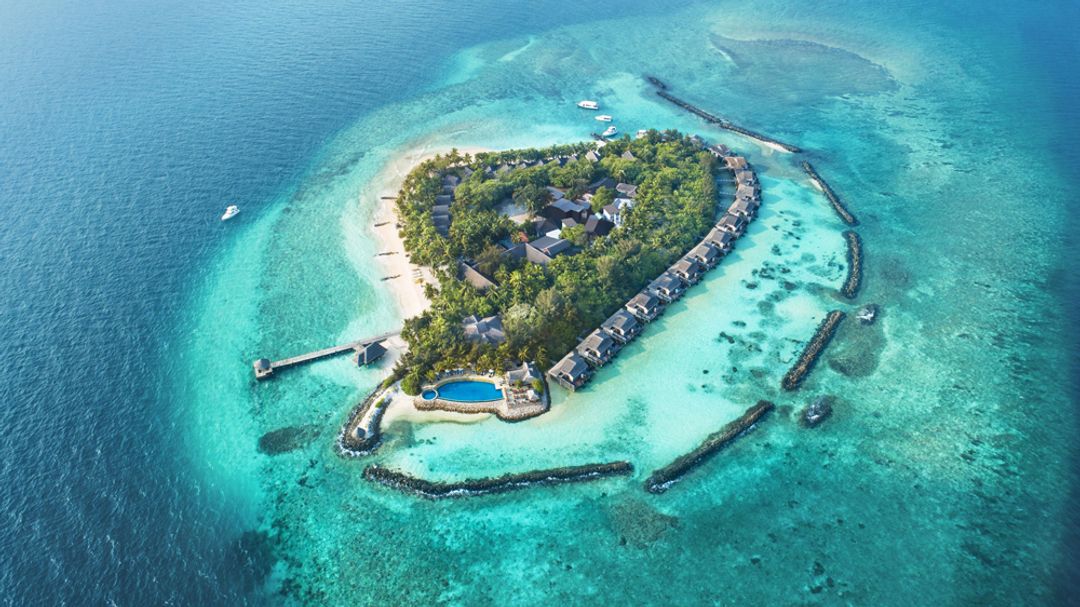
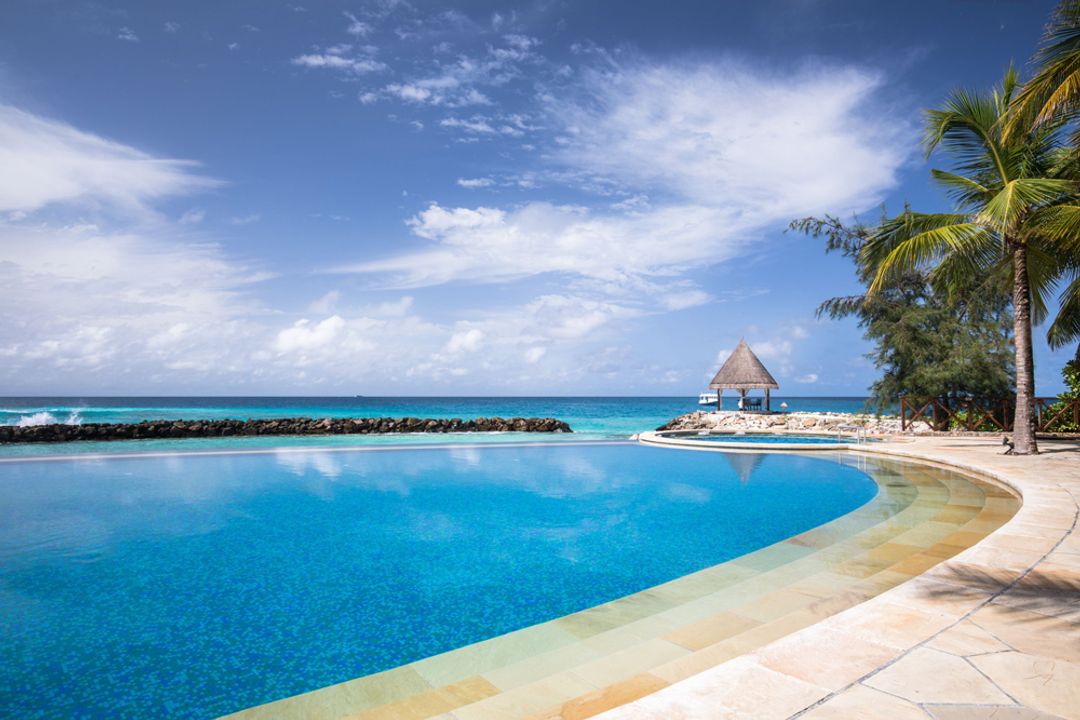
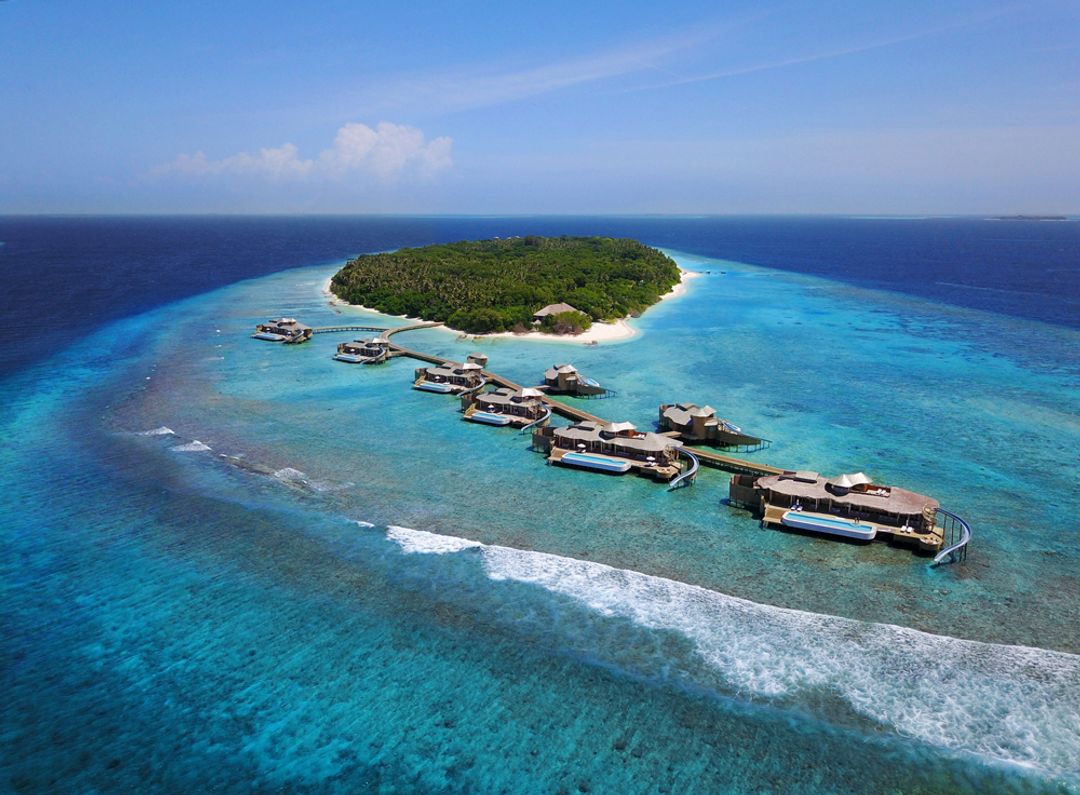
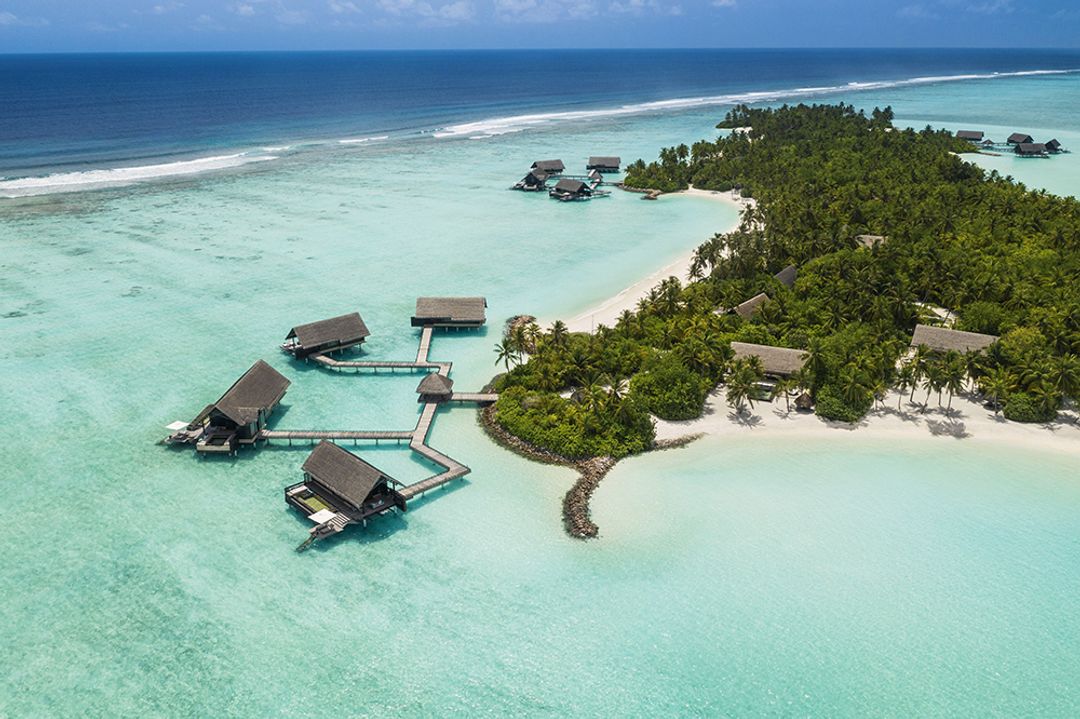
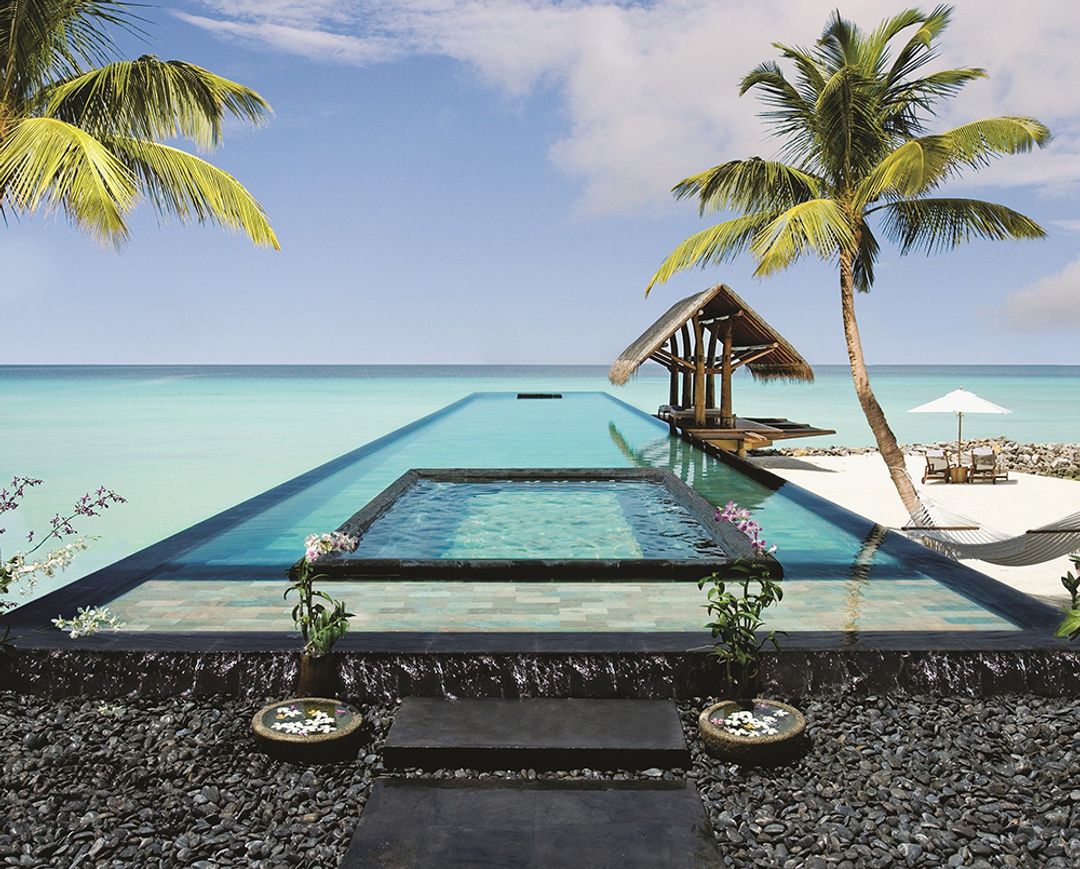
The Maldives is, at its core, an archipelago of distances. How far a resort sits from Malé, and how you reach it, shapes the experience as fundamentally as any design decision: a 20-minute speedboat transfer to South Malé Atoll delivers something entirely different from a 90-minute seaplane flight over open ocean to Laamu or Raa. Velassaru, Anantara Dhigu, Naladhu, and COMO Cocoa Island cluster within reach of Ibrahim Nasir International Airport and carry the compressed, efficient ease of proximity. COMO Cocoa Island is the most architecturally distinct of these: its overwater villas draw from the form of traditional Maldivian dhoni boats, their curved timber rooflines visible from the water in a way that reads as genuinely considered rather than decorative. Taj Exotica, on Emboodhu Finolhu, sits on one of the largest private lagoons in the country, which gives its layout a generous horizontality that most atolls cannot offer.
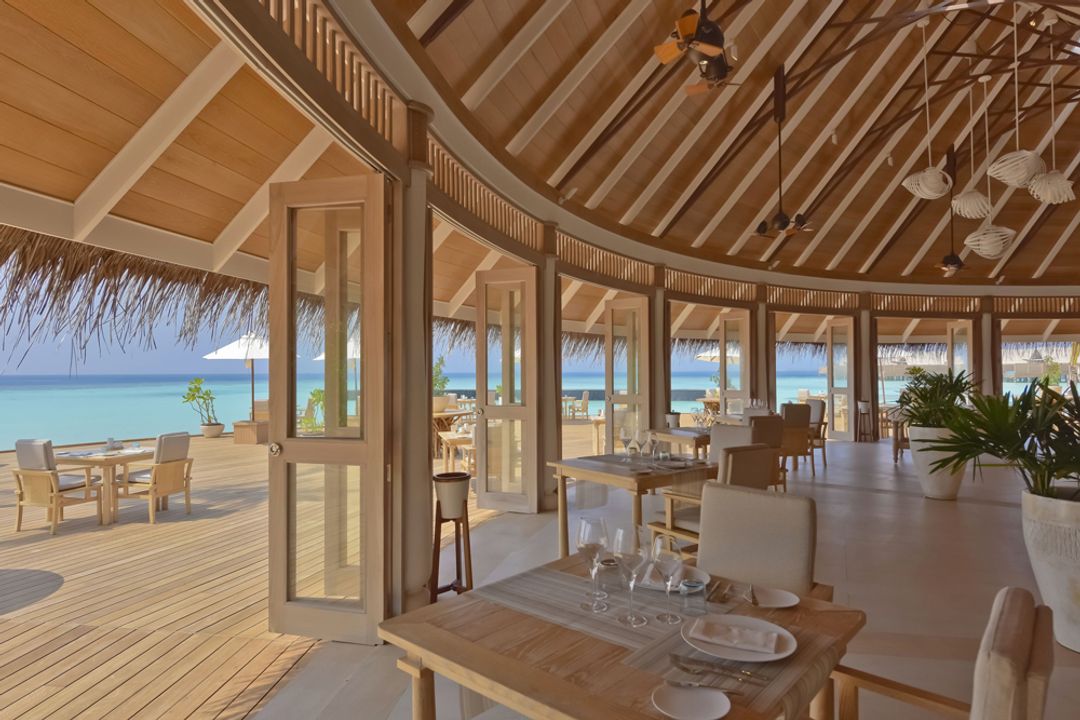
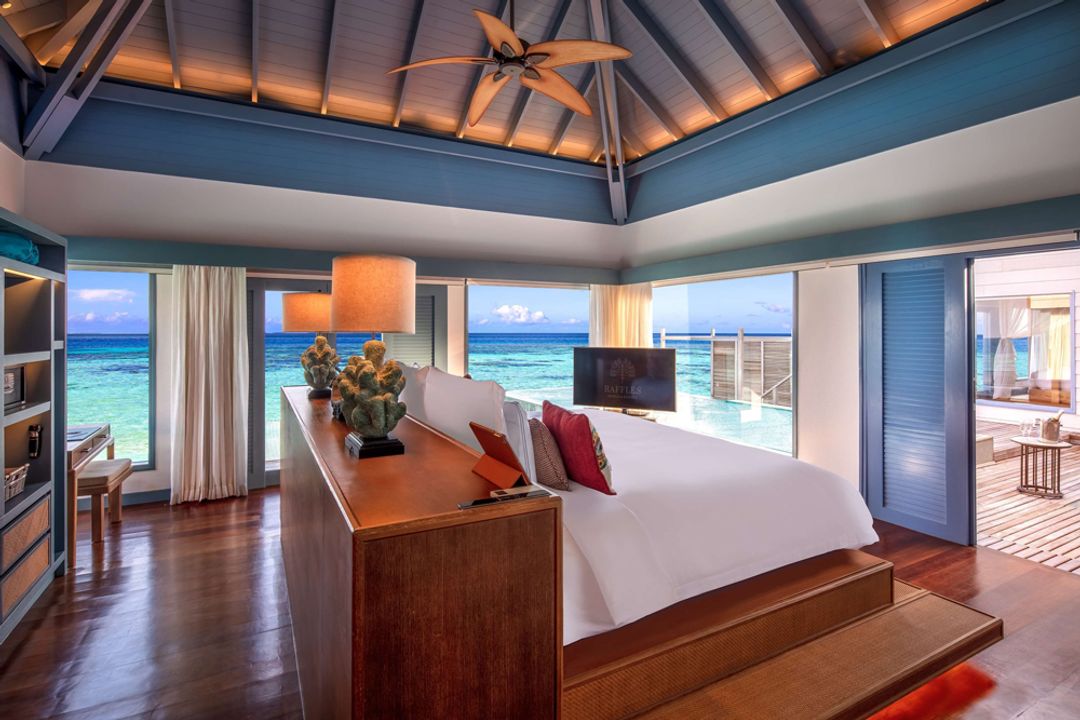
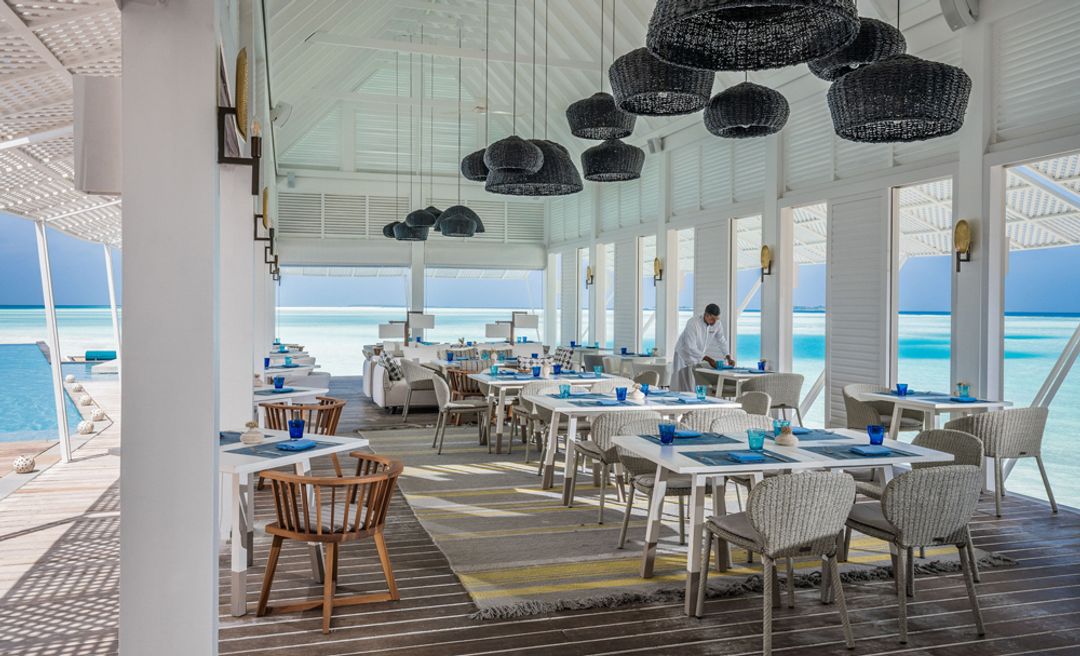
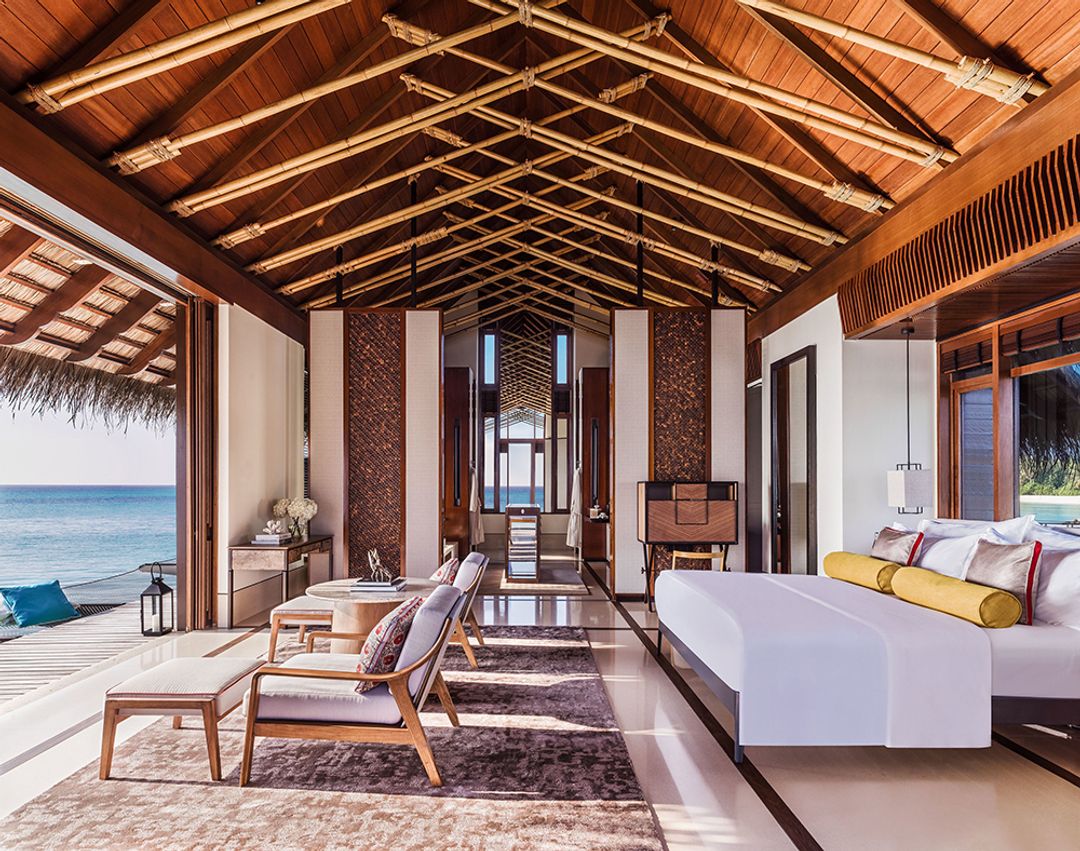
The upper tier of the portfolio tends to cluster around specific atolls with protected biosphere status or unusual marine topography. Vakkaru and Milaidhoo both occupy Baa Atoll, a UNESCO Biosphere Reserve whose manta ray aggregations at Hanifaru Bay are a factual draw rather than a marketing abstraction. Cheval Blanc Randheli in Noonu Atoll, conceived with interiors by Sybille de Margerie, represents one of the more coherent gestures toward European furniture culture in a context that often defaults to generic tropical vocabulary. The Four Seasons at Landaa Giraavaru in Baa Atoll sits at the far end of the price range and delivers a scale of operation, including a dedicated marine biology center, that earns its position. Raffles Meradhoo and Park Hyatt Hadahaa, both isolated in southern atolls, attract travelers who treat remoteness as the primary amenity rather than a side effect of geography.
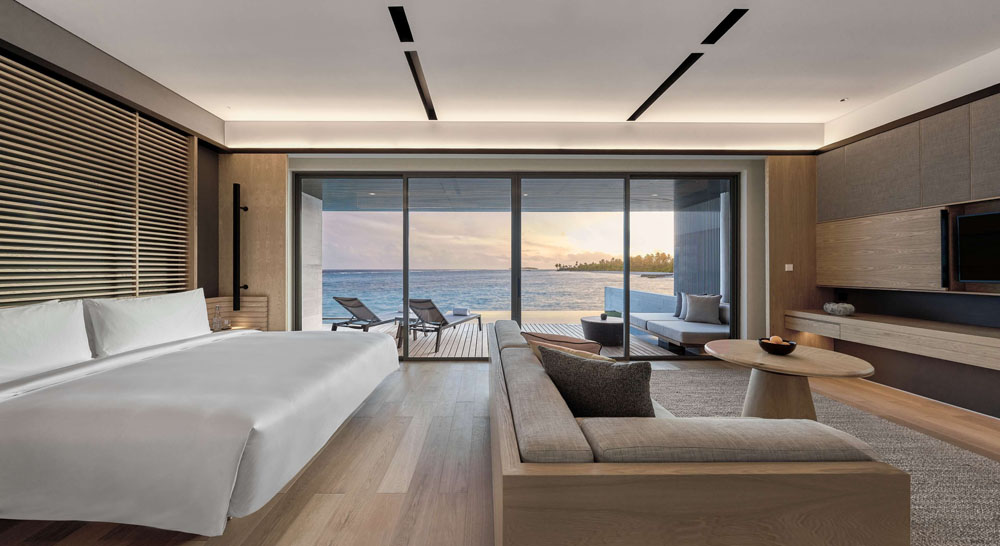
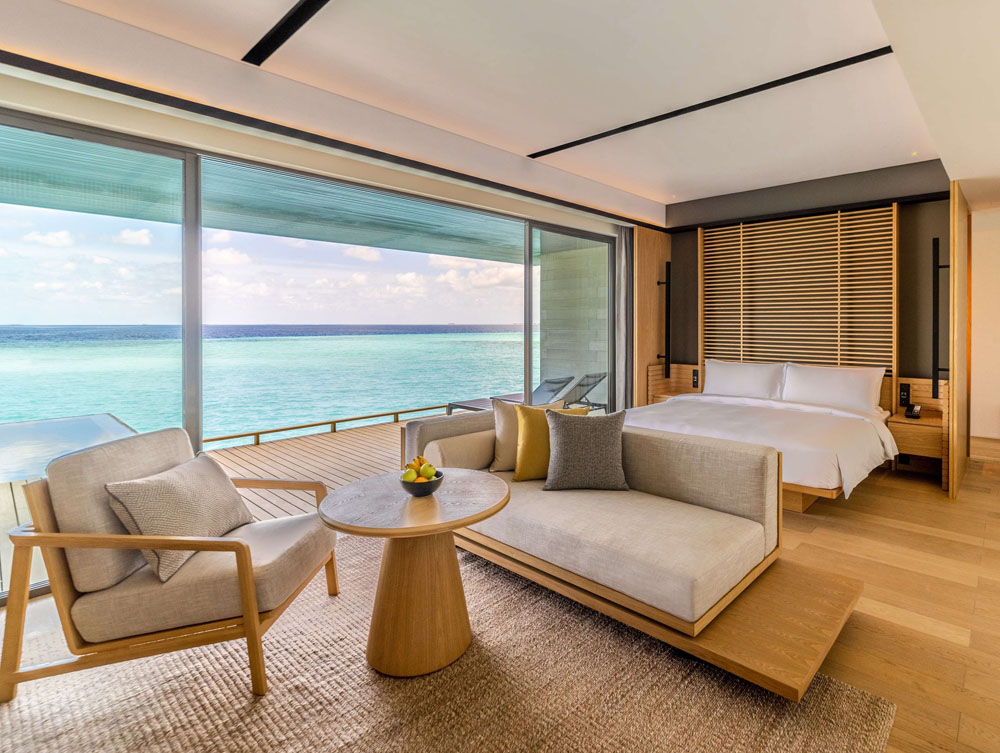
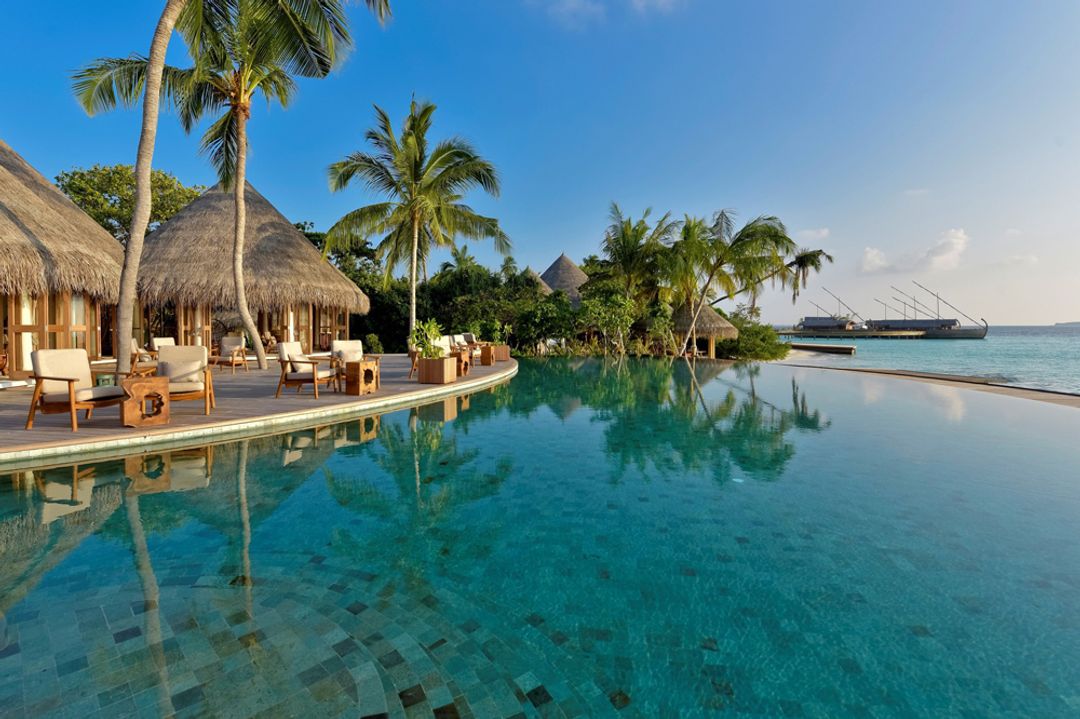
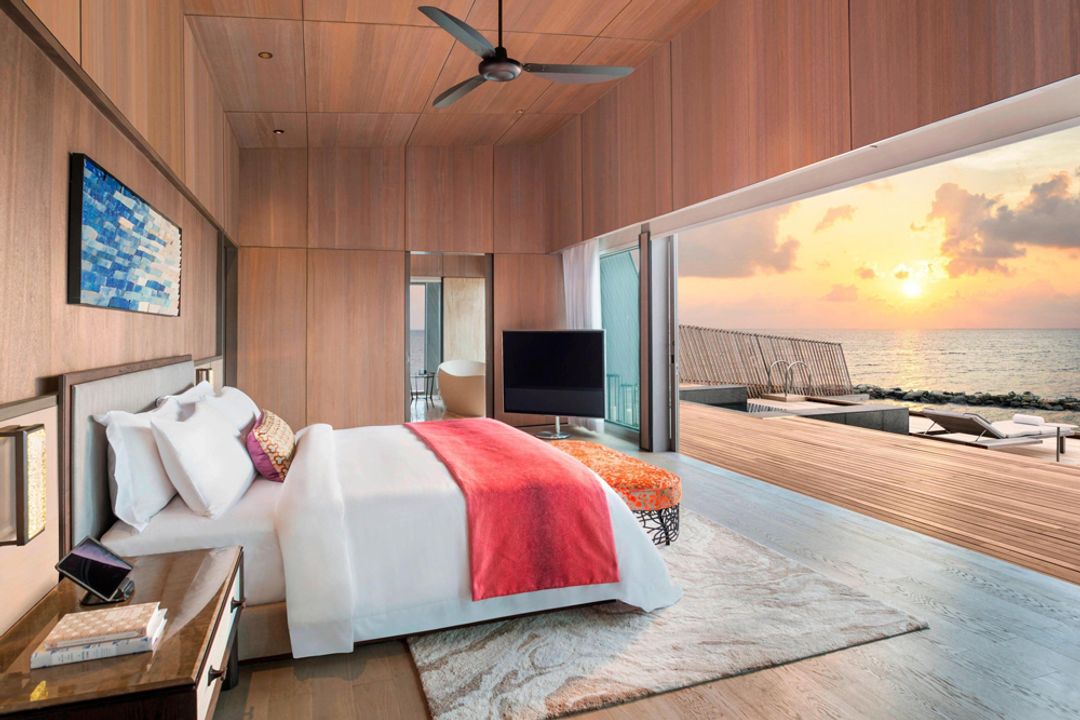
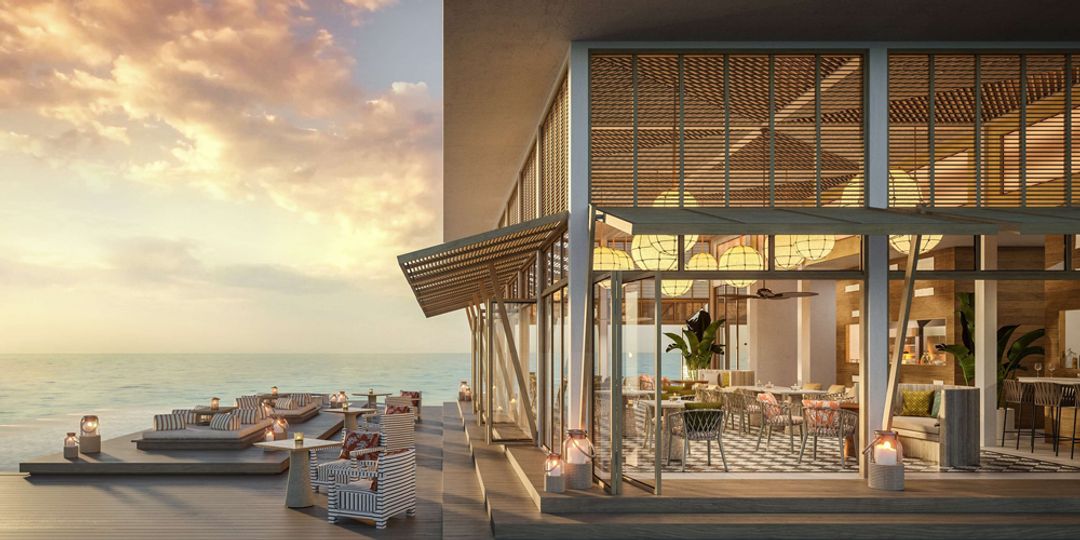
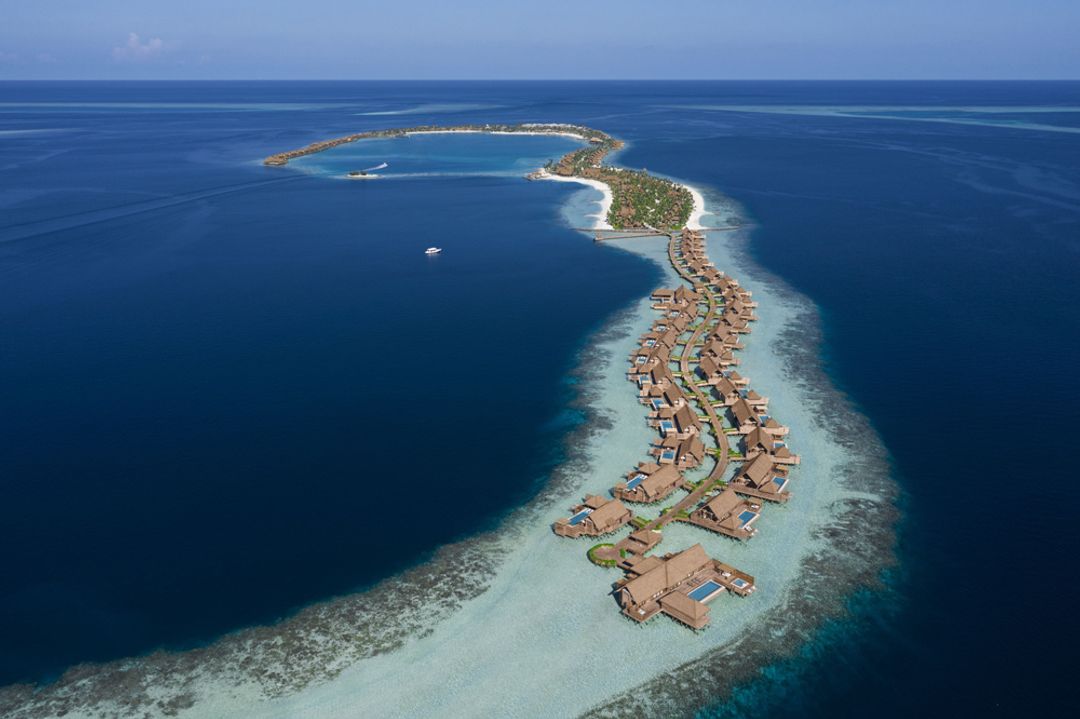
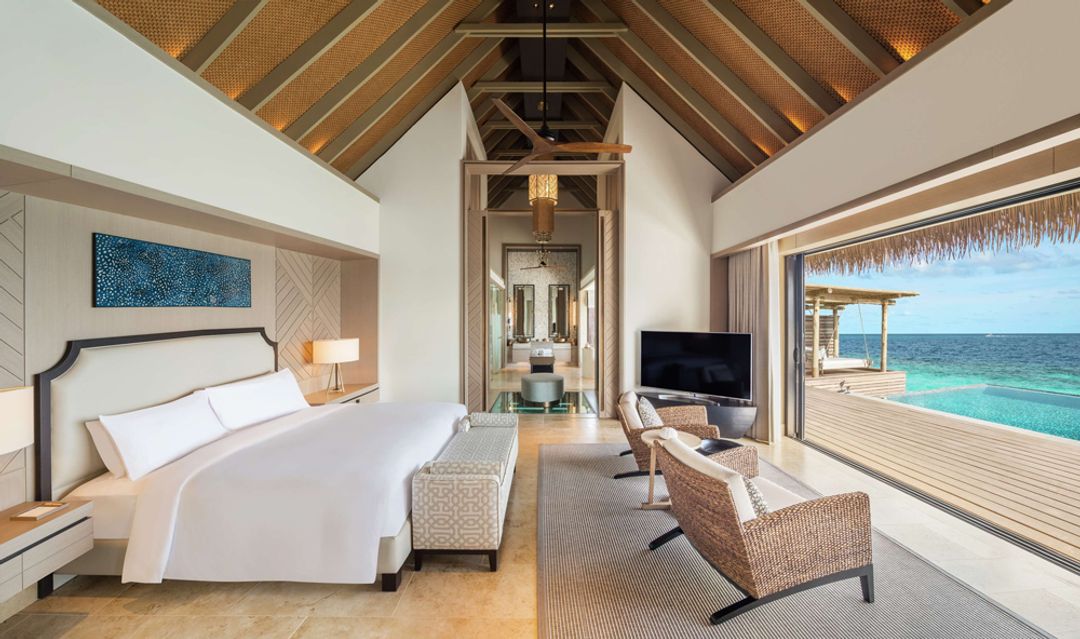
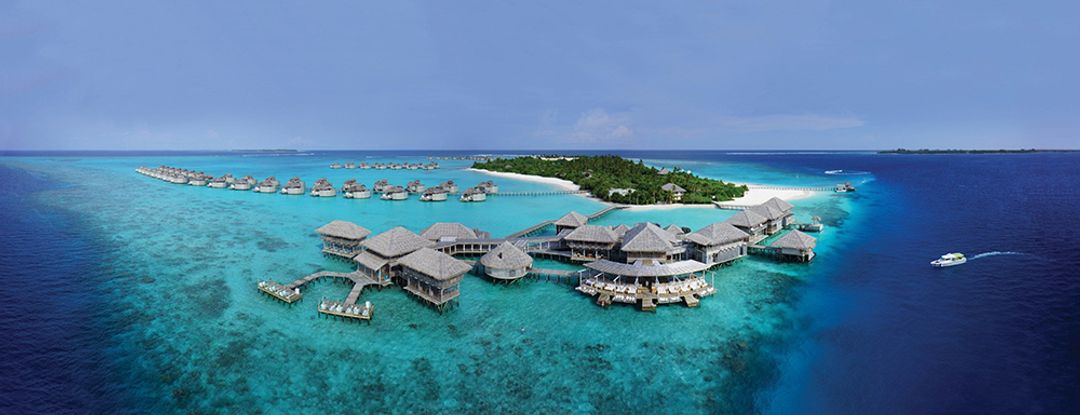
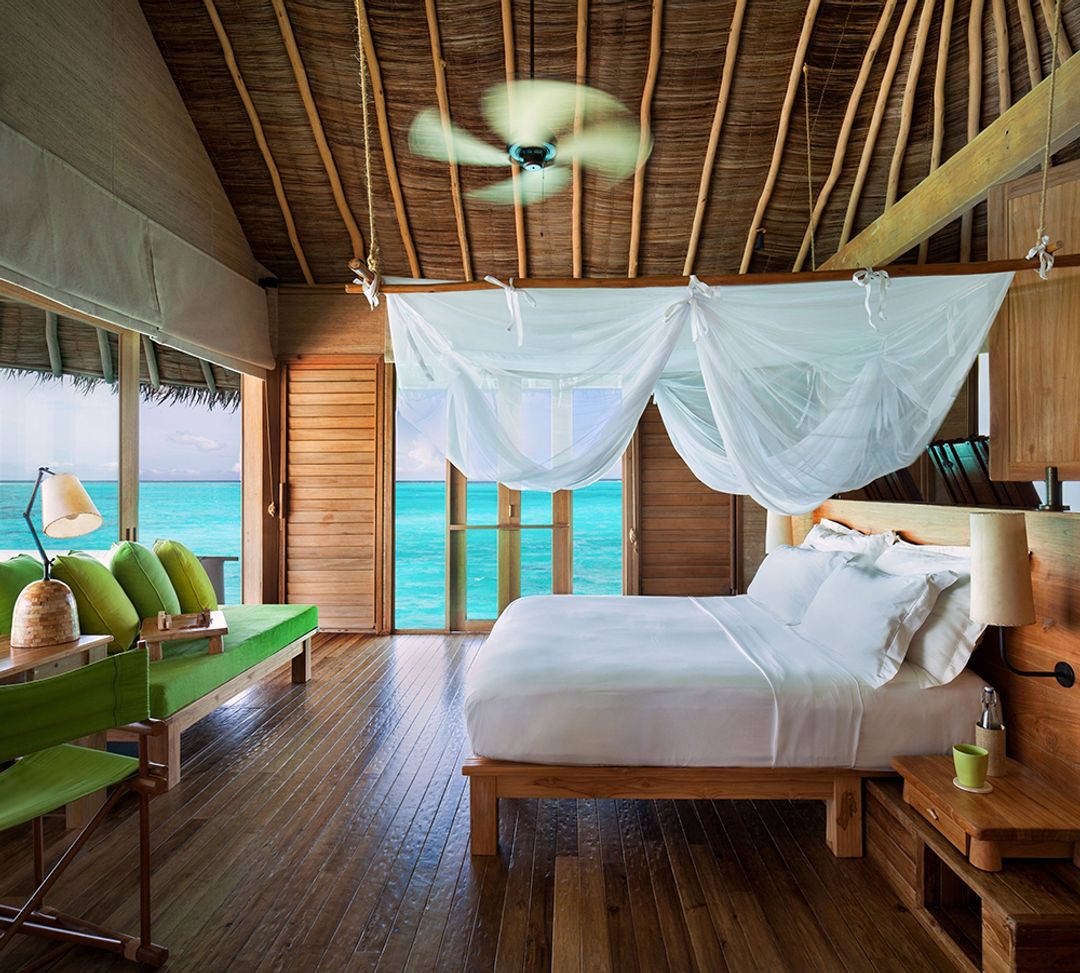
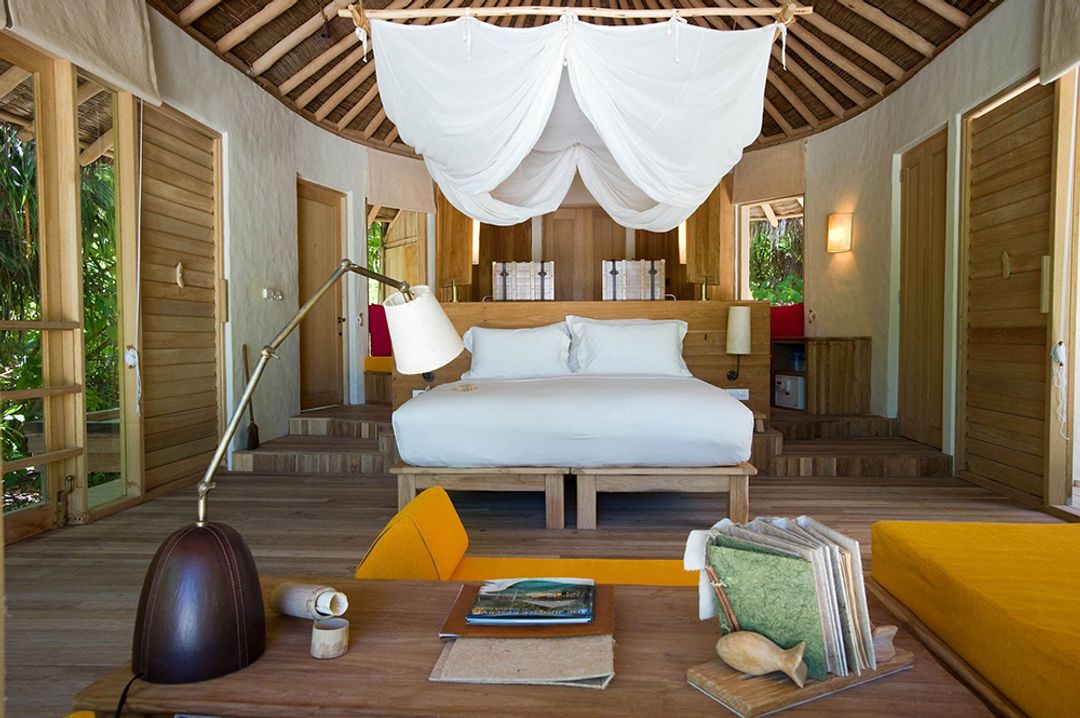
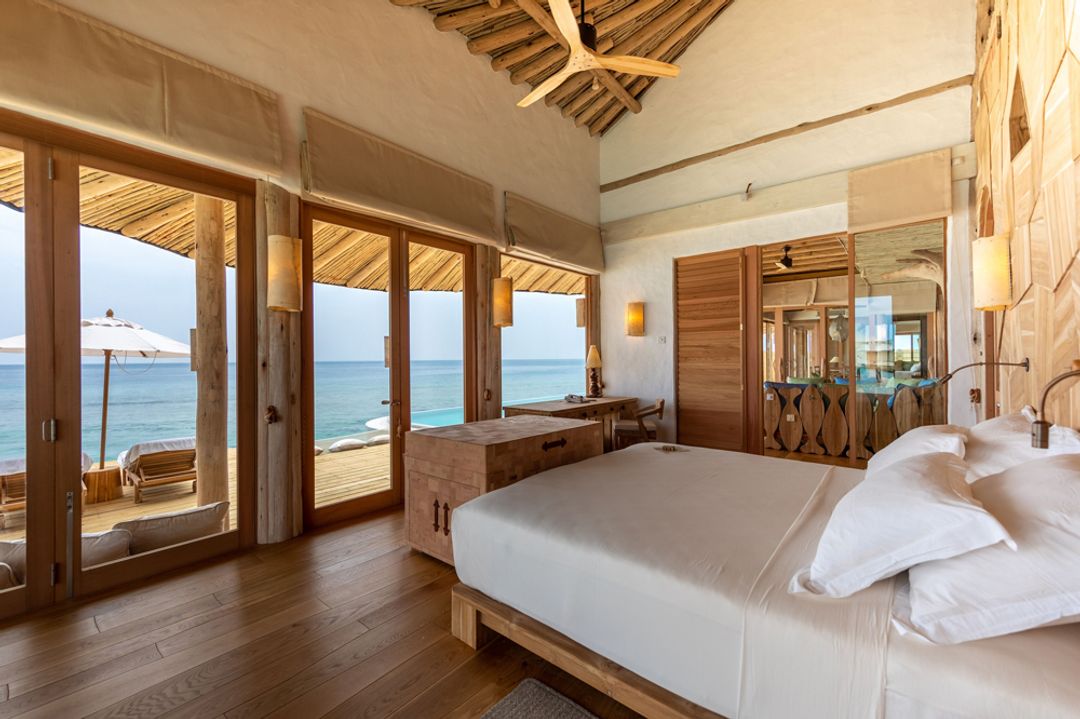
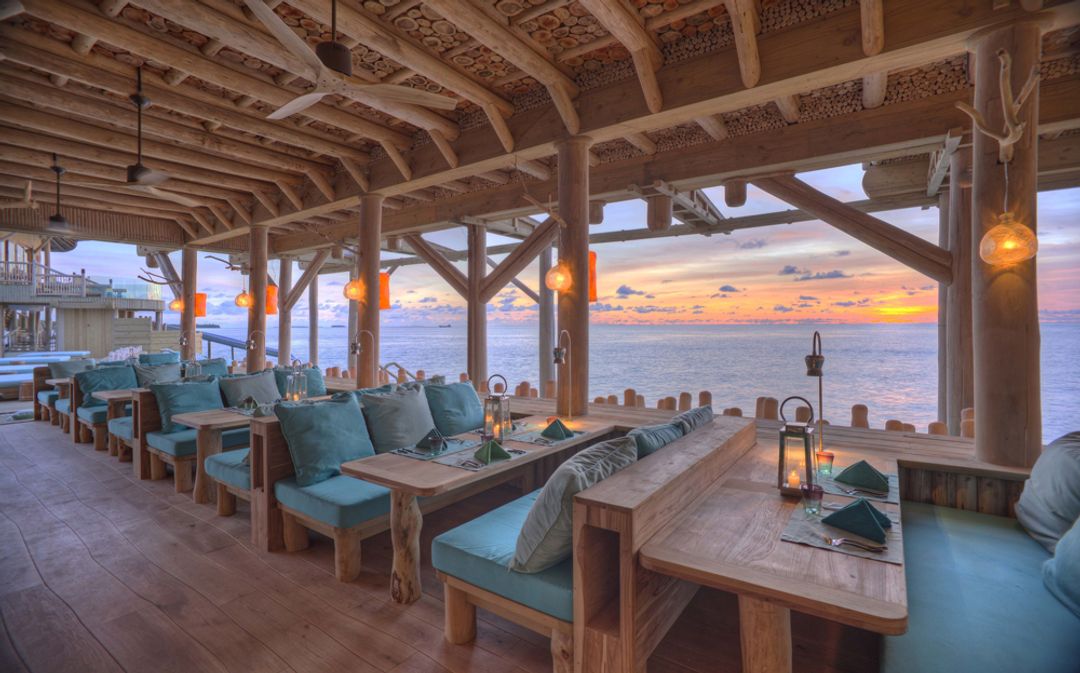
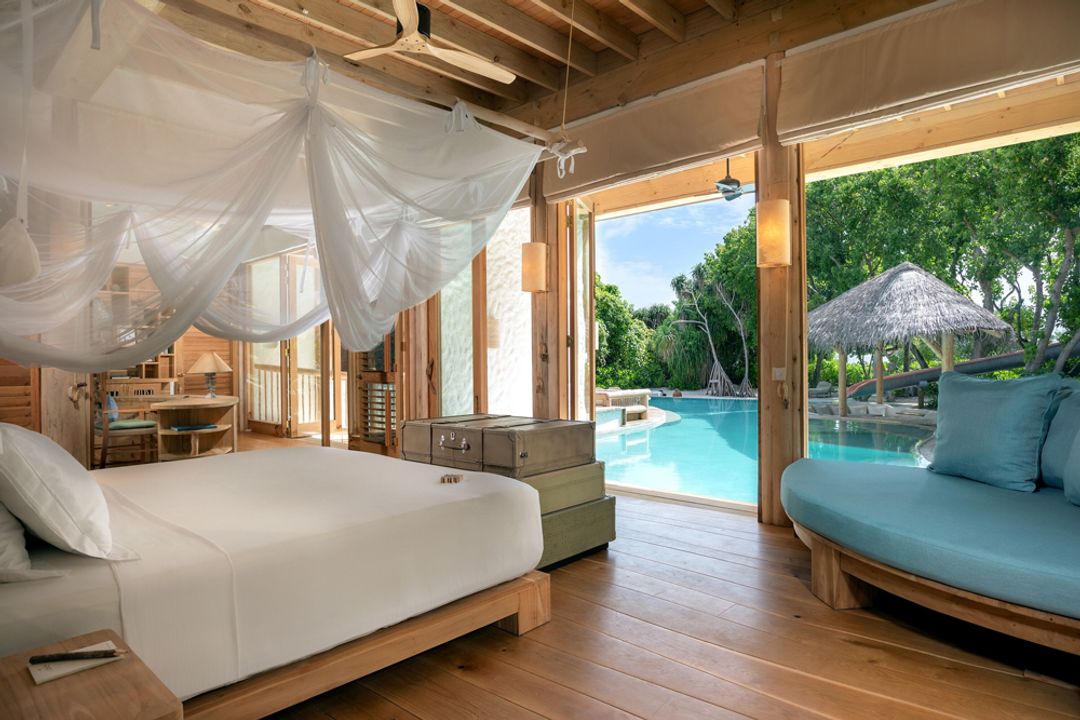
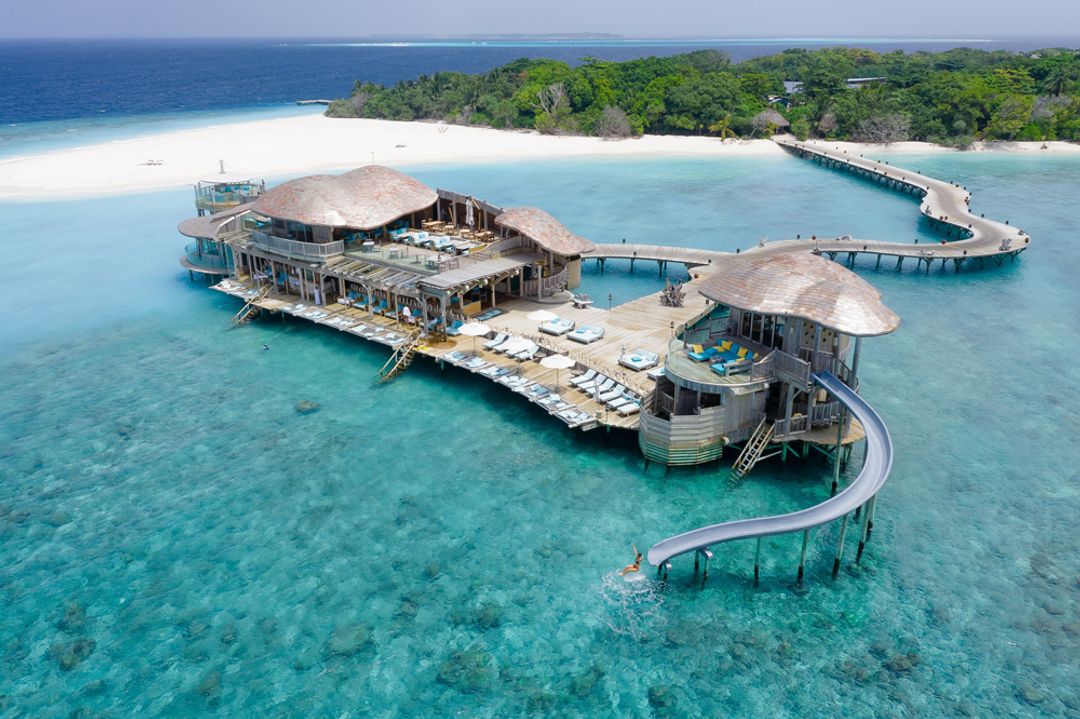
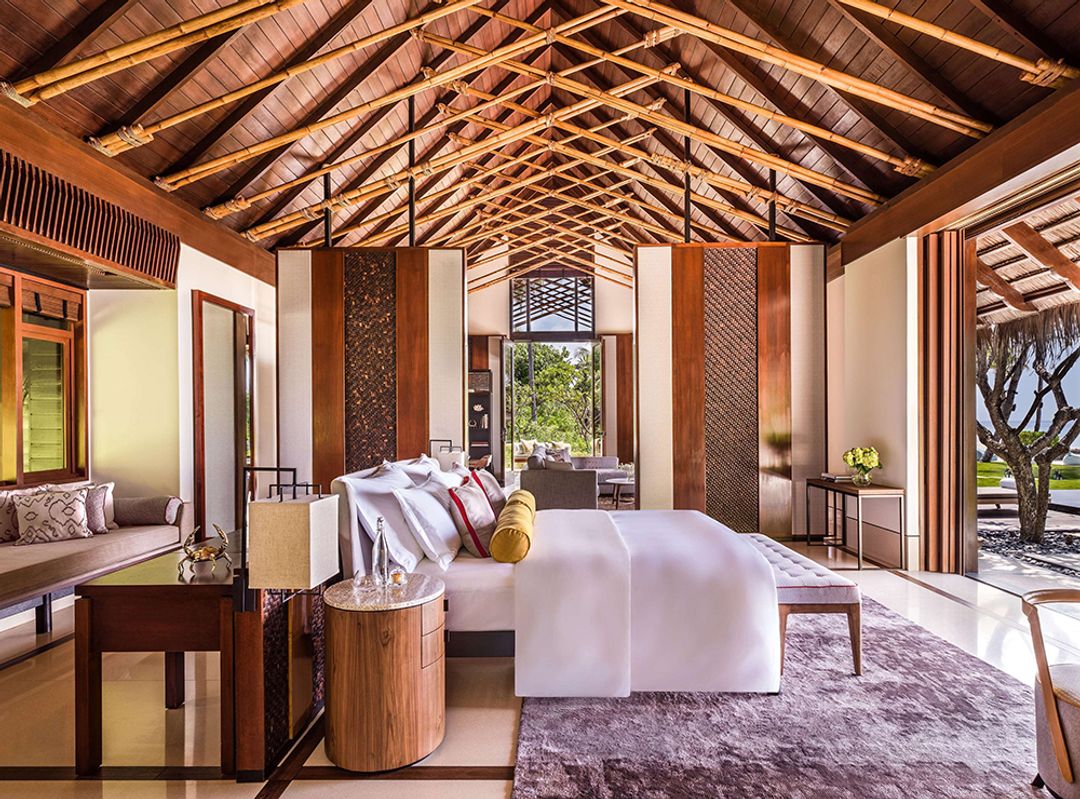
What separates the strongest properties from the merely expensive ones is usually a question of material honesty and site specificity, not acreage or villa count. Soneva Fushi on Kunfunadhoo pioneered the barefoot-luxury register that half the industry now imitates, and its density of overwater and beach accommodation within dense vegetation still feels closer to an inhabited island than a resort compound. Six Senses Laamu, with its emphasis on low-intervention architecture and coral reef restoration, occupies similar territory with a lighter physical footprint. Waldorf Astoria Ithaafushi goes the other direction entirely, its scale and finish pitched toward travelers who want the private-island fantasy delivered with the precision of a hotel, not the texture of a place.