Best hotels in New York City, New York | Visually Compare Top Stays Side-by-Side
Welcome to PressBeyond - a curated visual guide to design-driven hotels and the fastest way to compare them.
An Overview of the Boutique & Luxury Hotel Landscape in New York City, New York
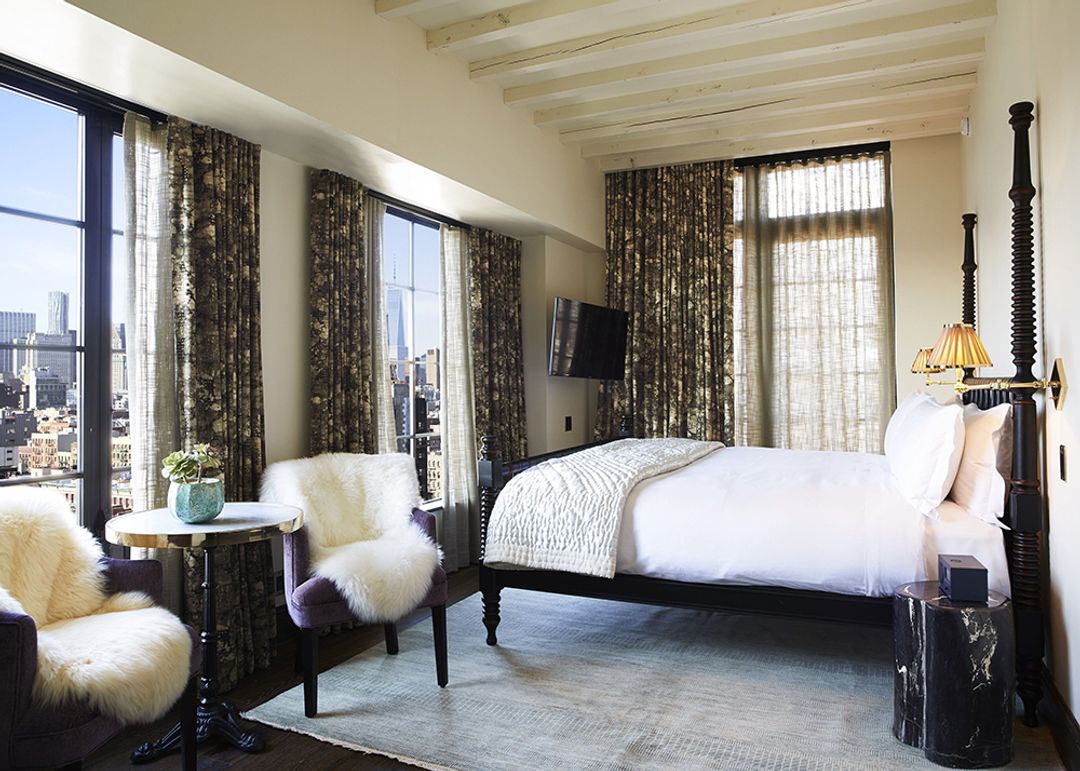
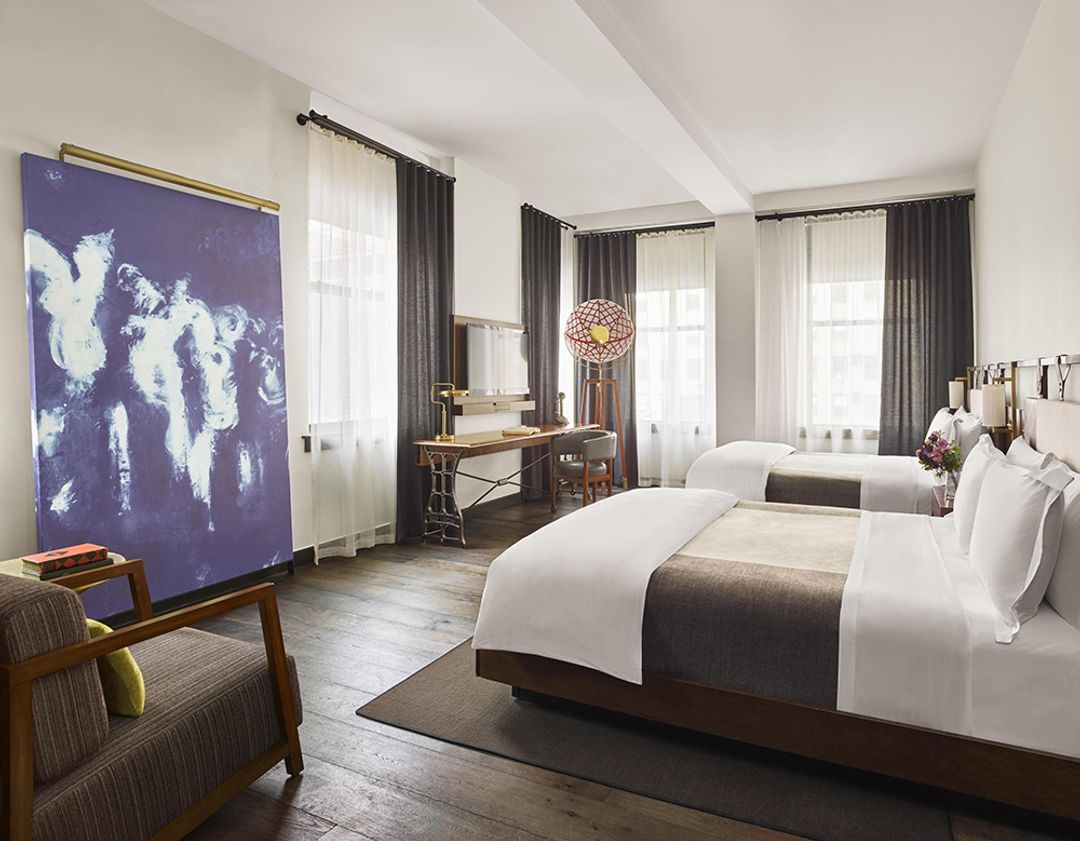
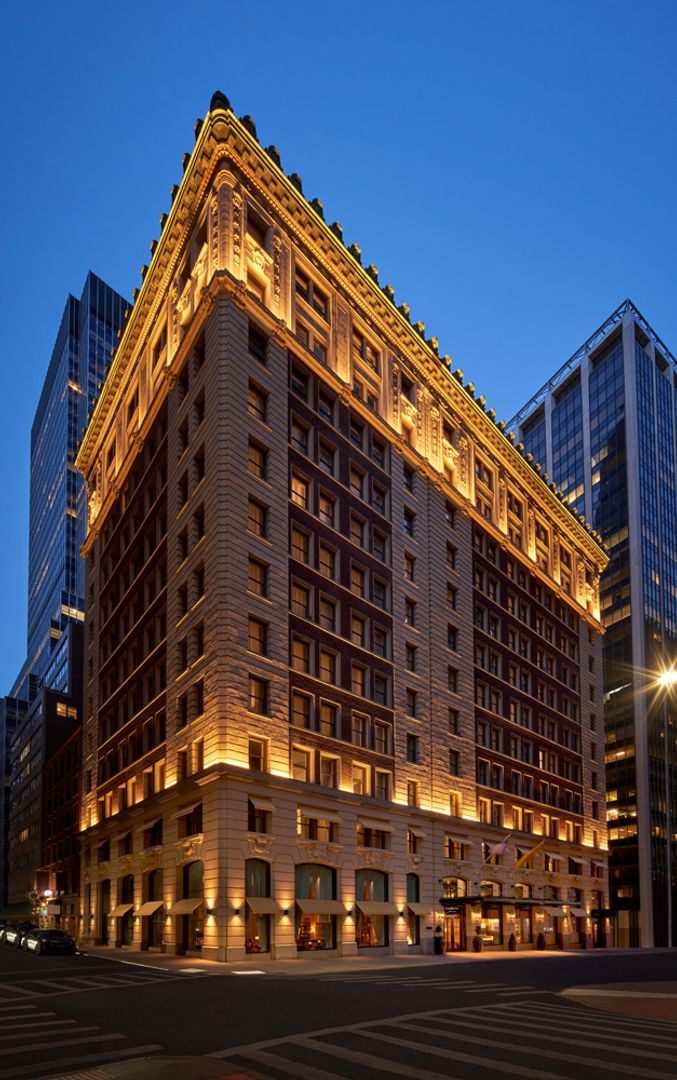
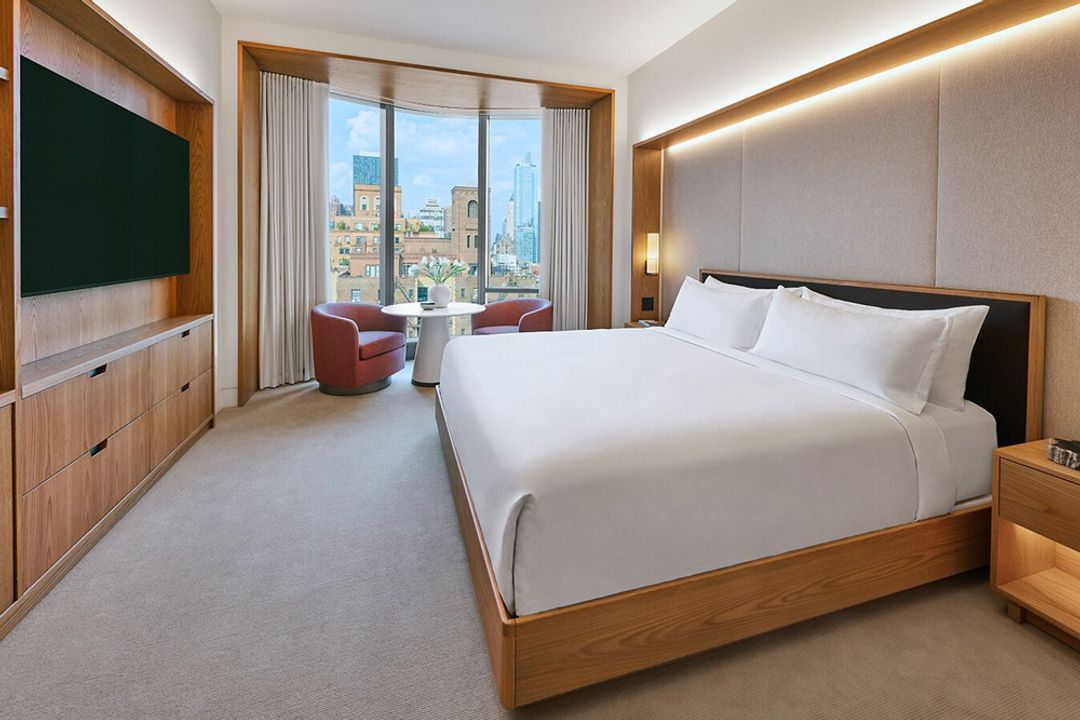
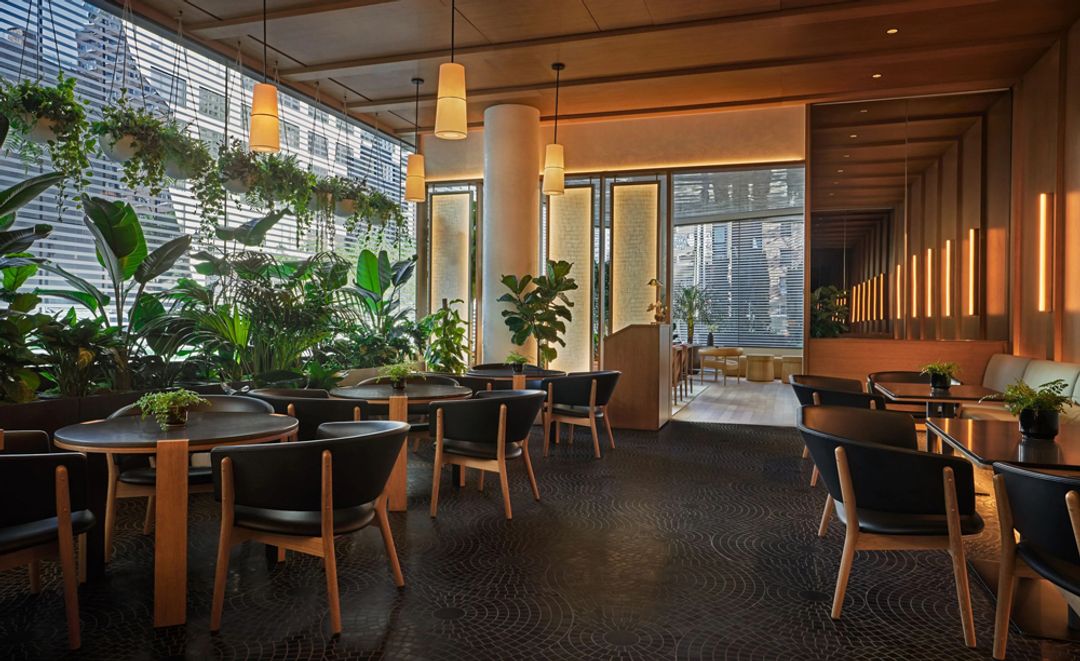
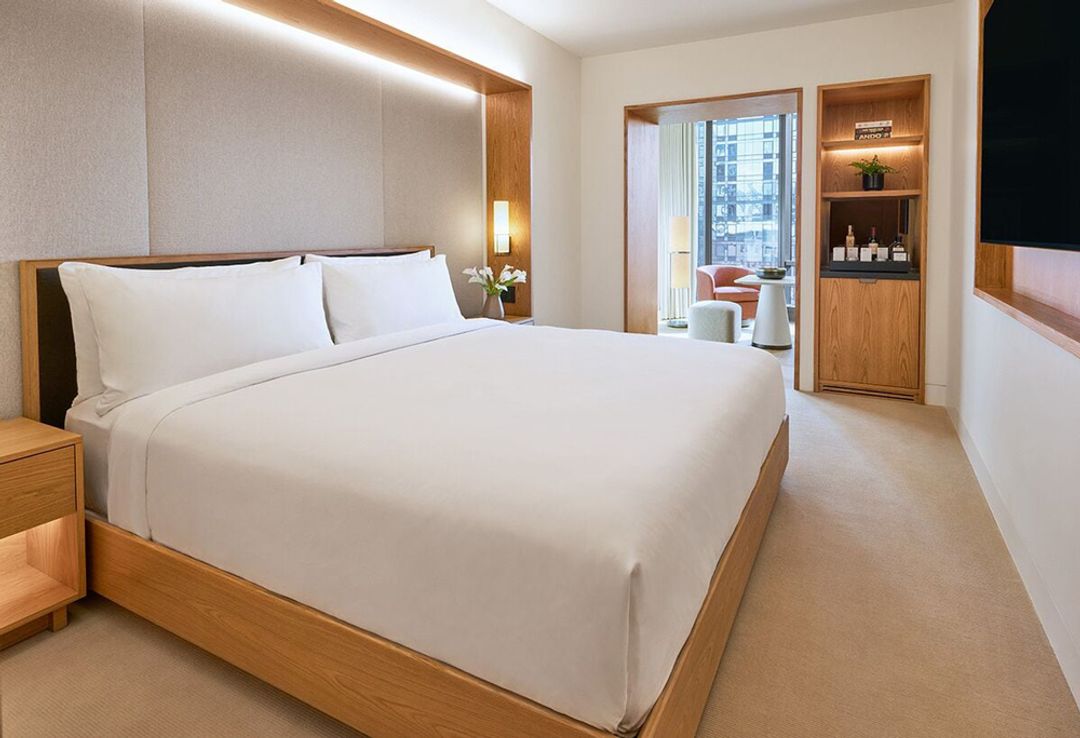
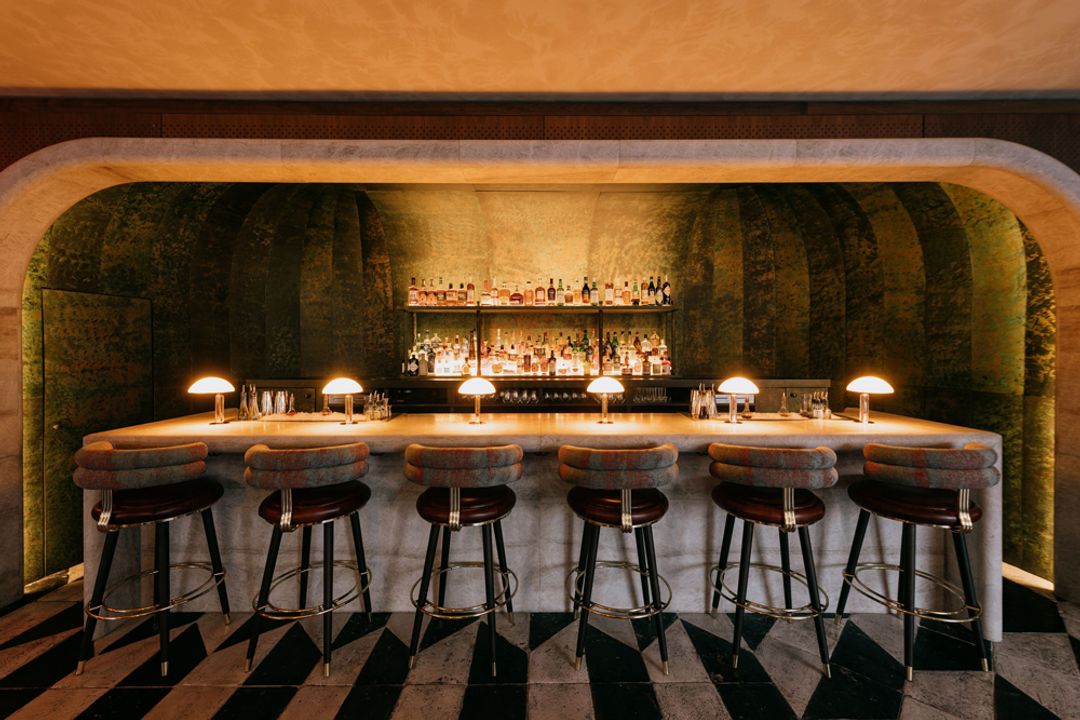
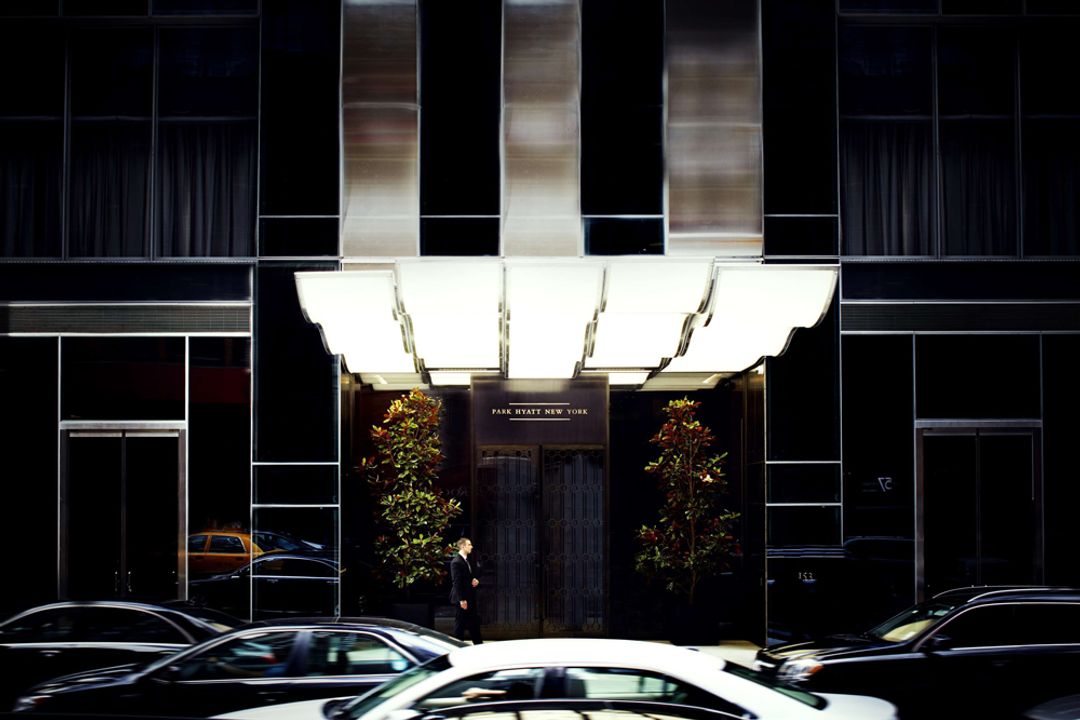
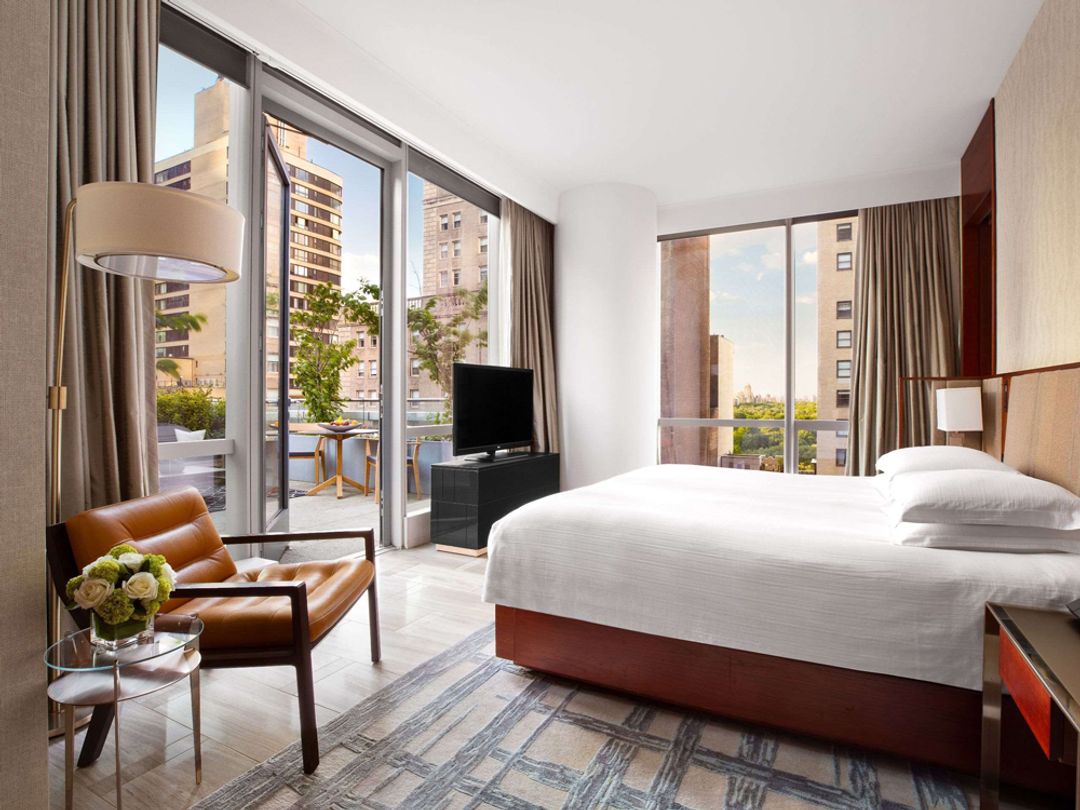
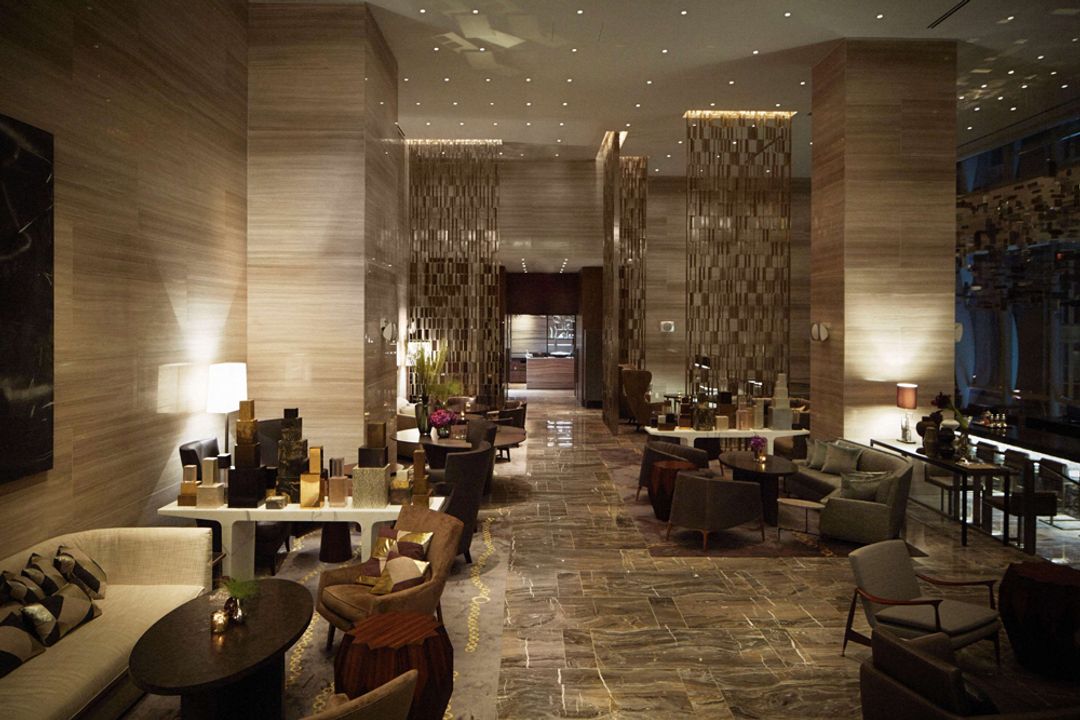
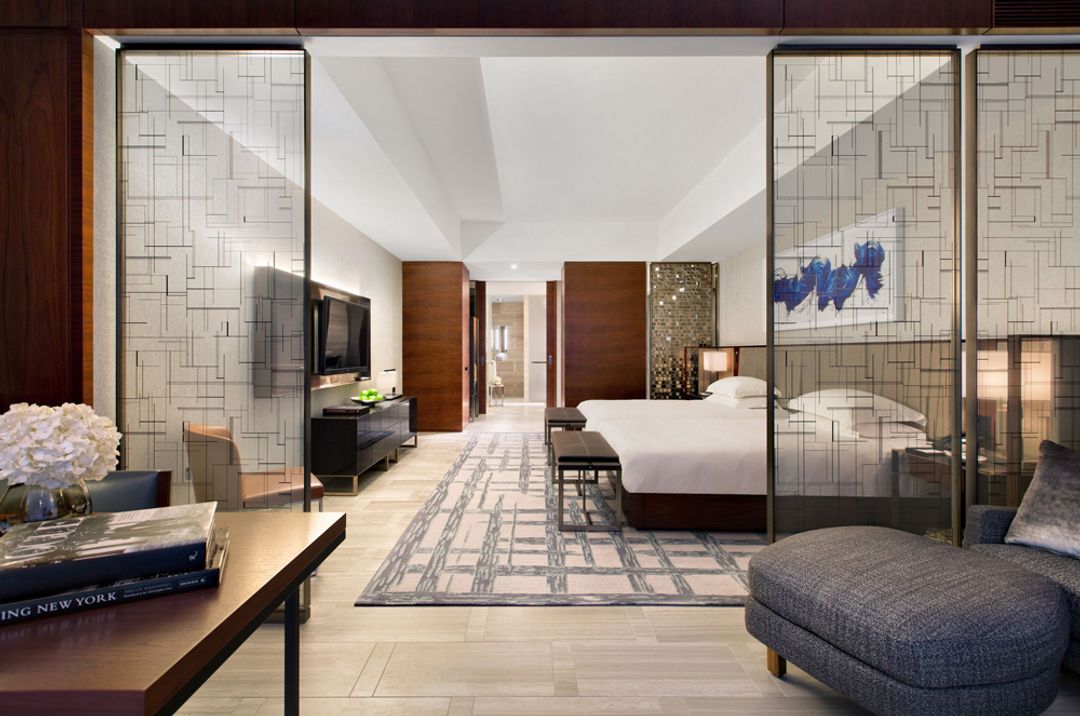
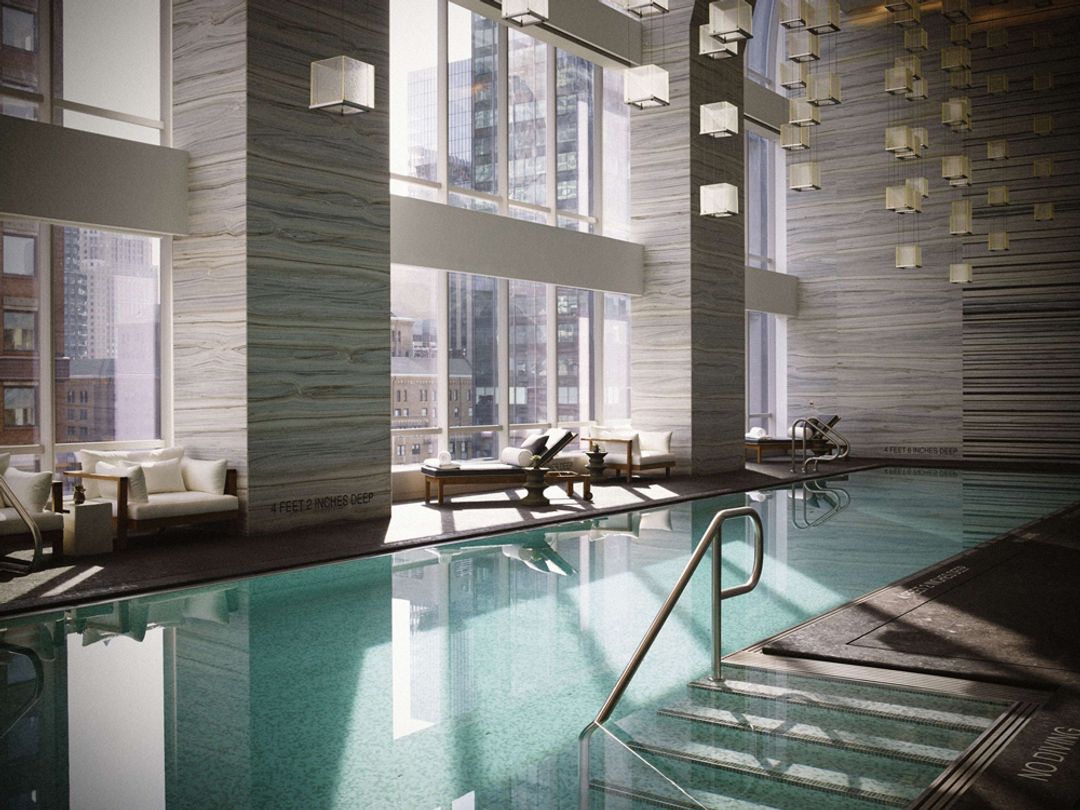
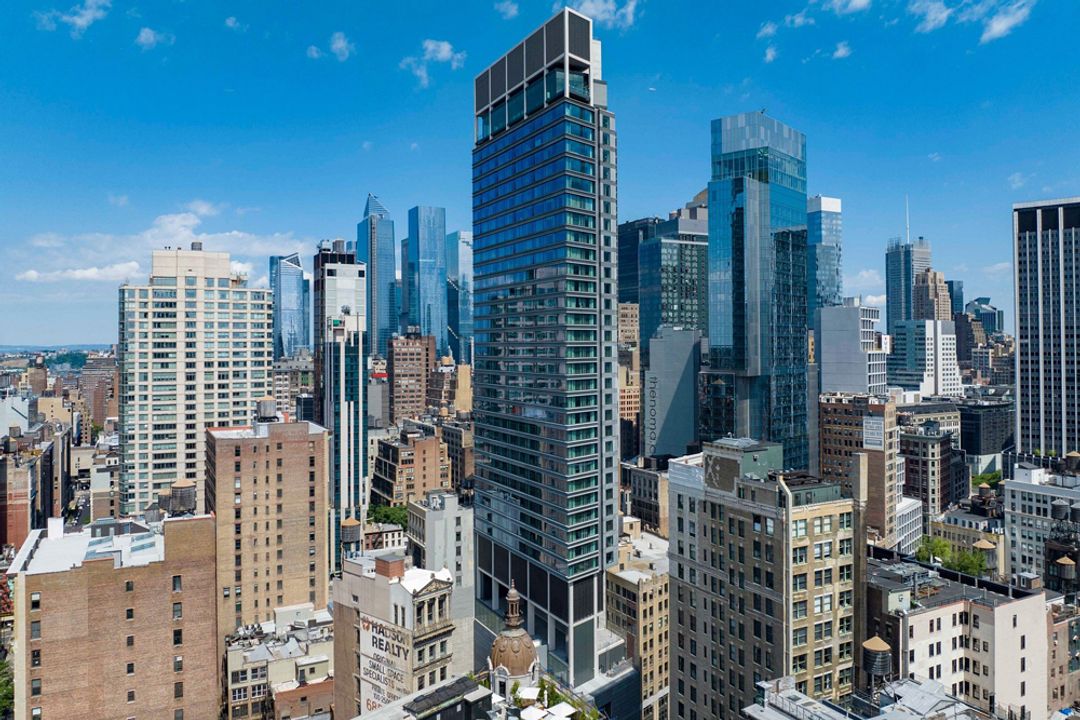
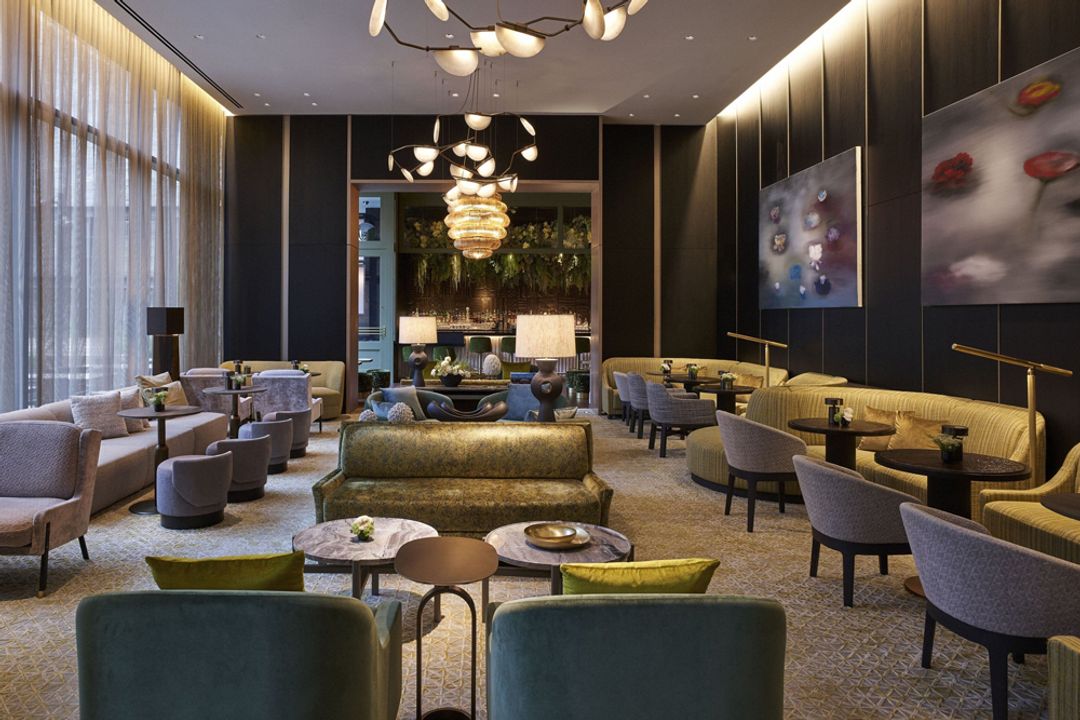
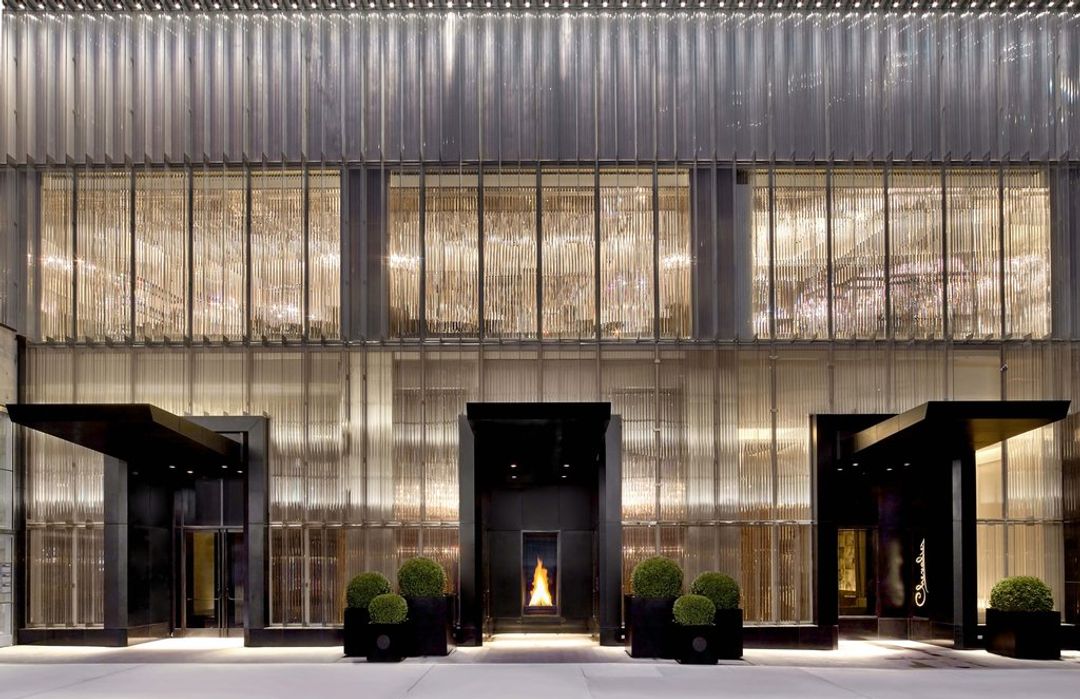
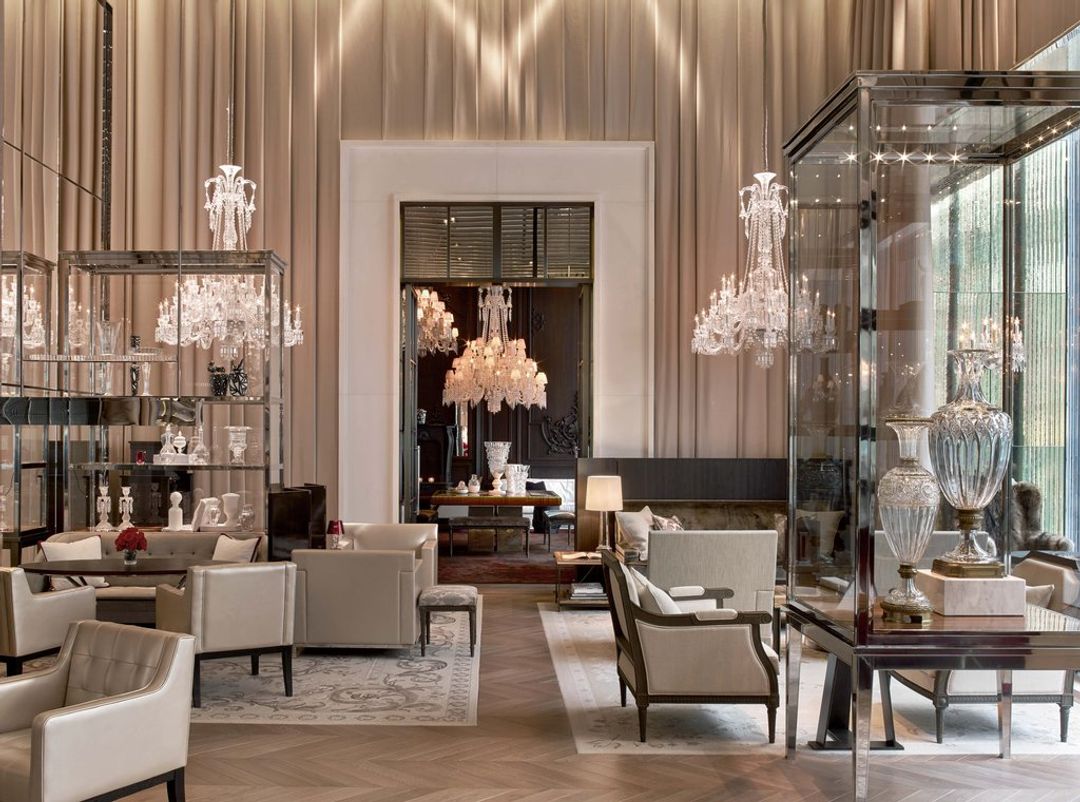
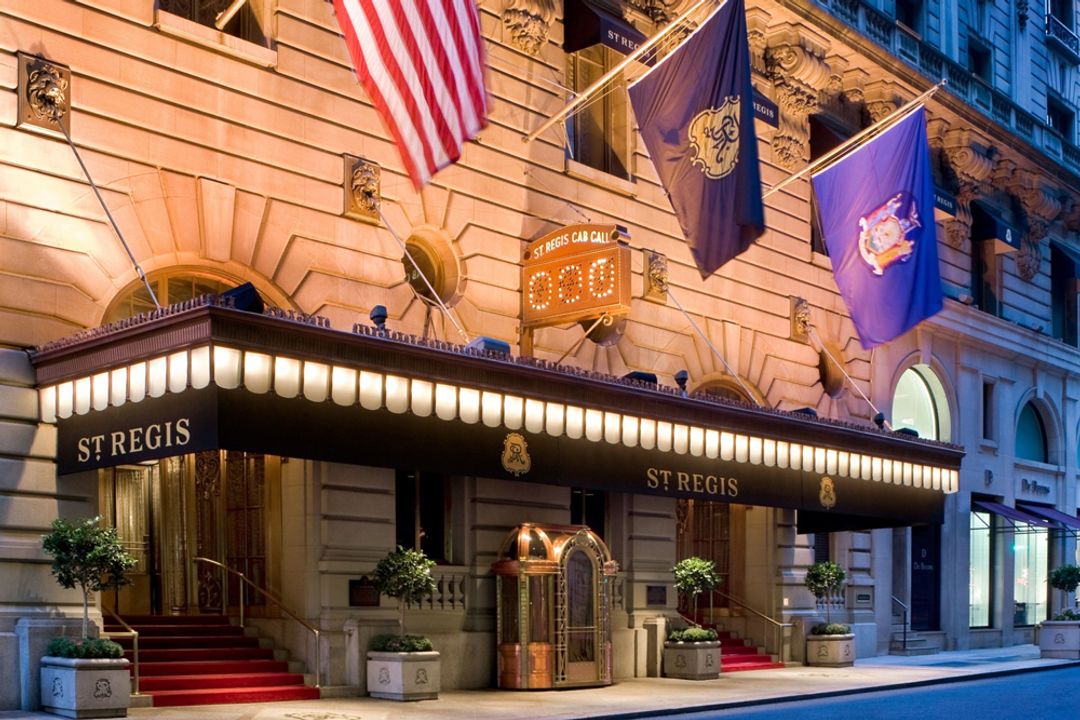
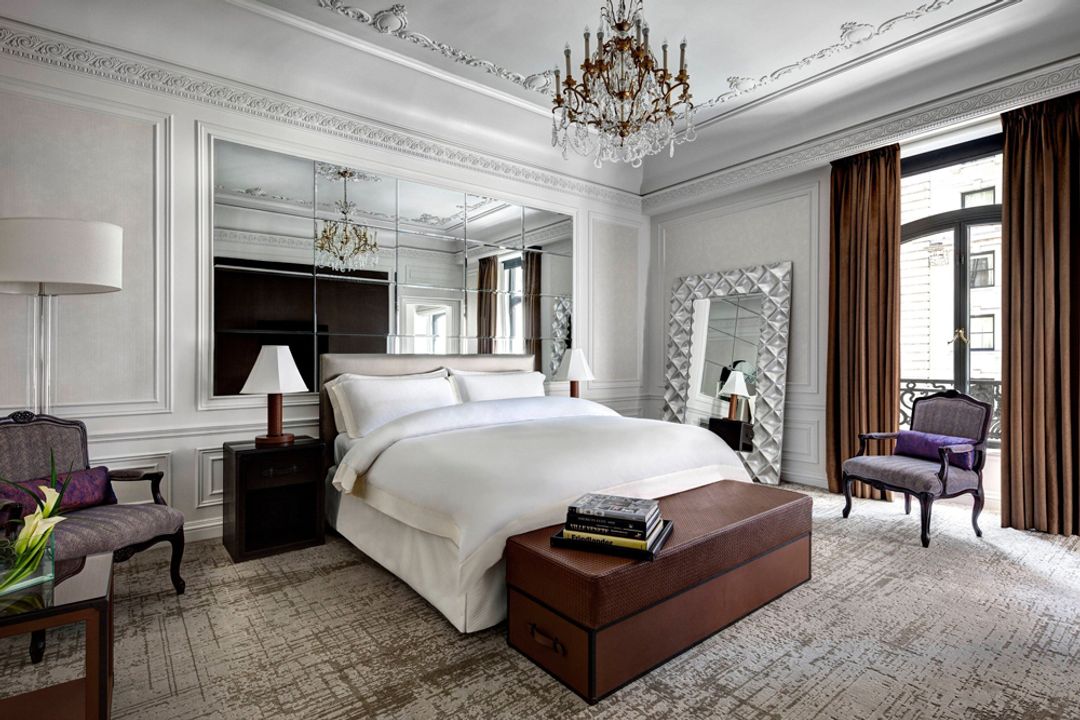
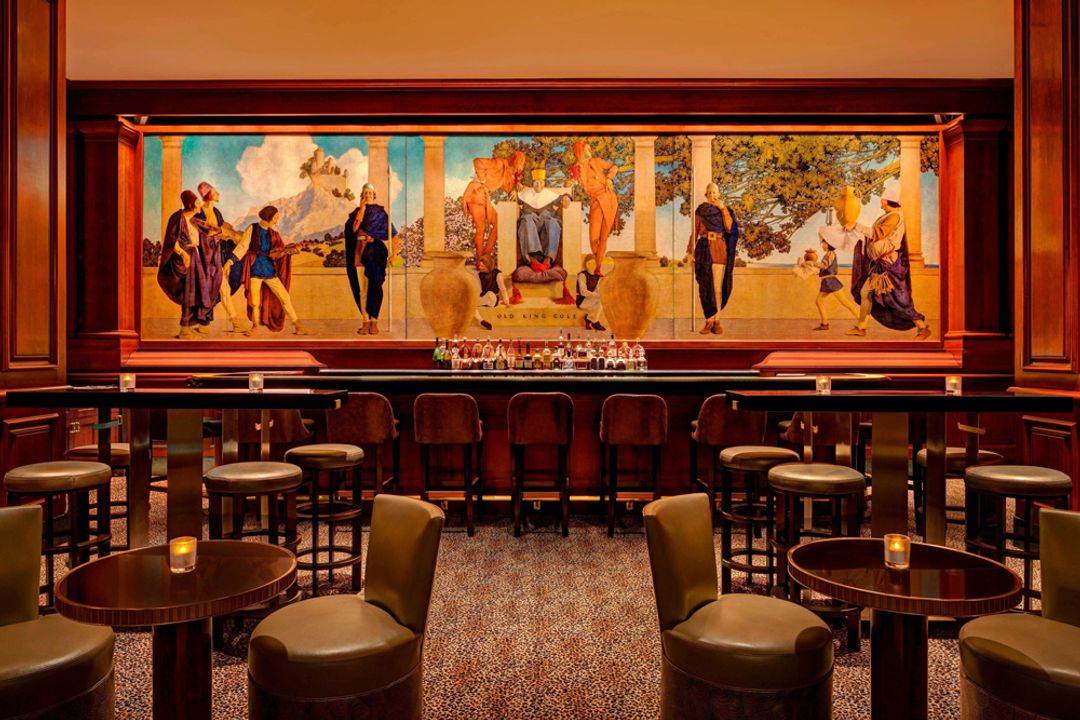
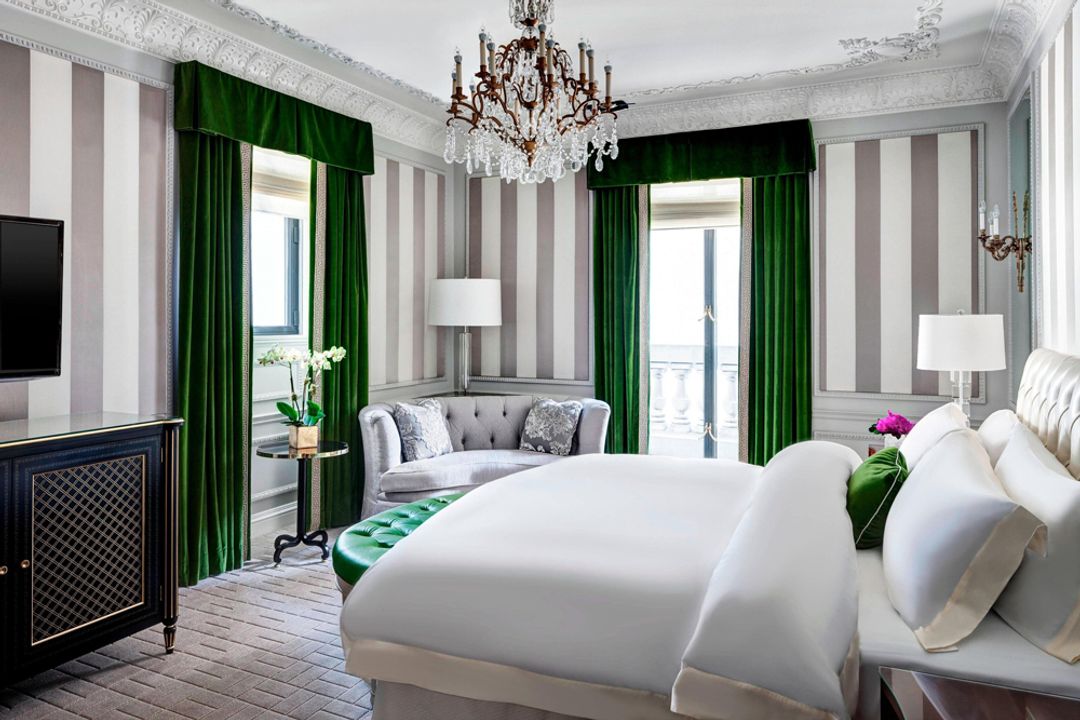
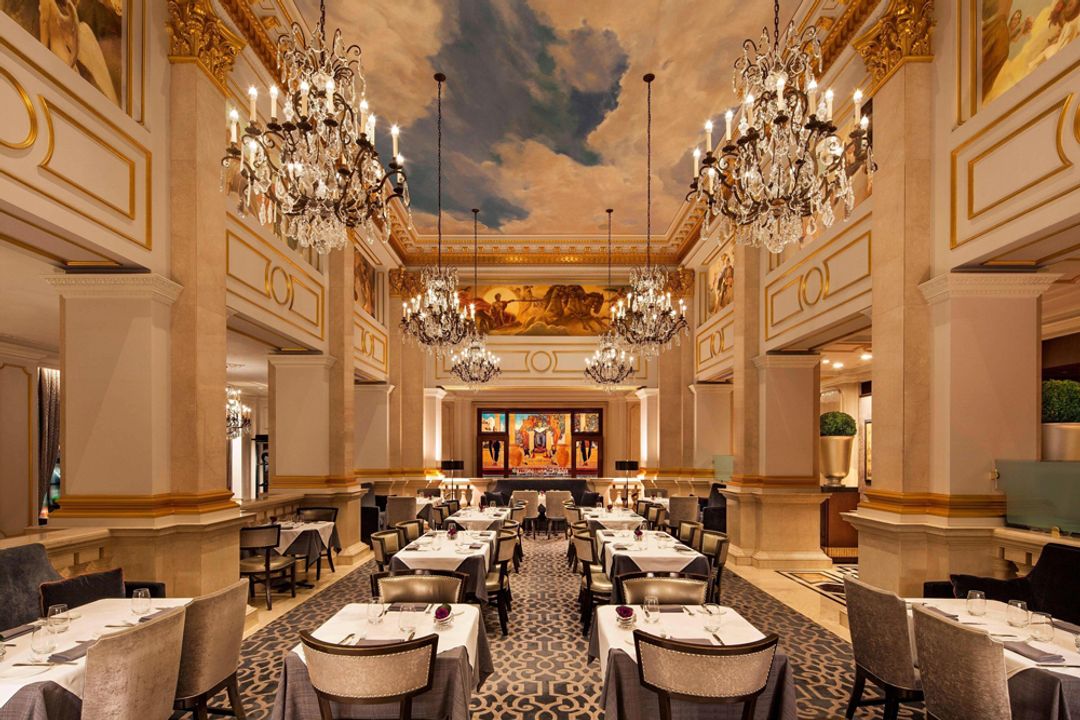
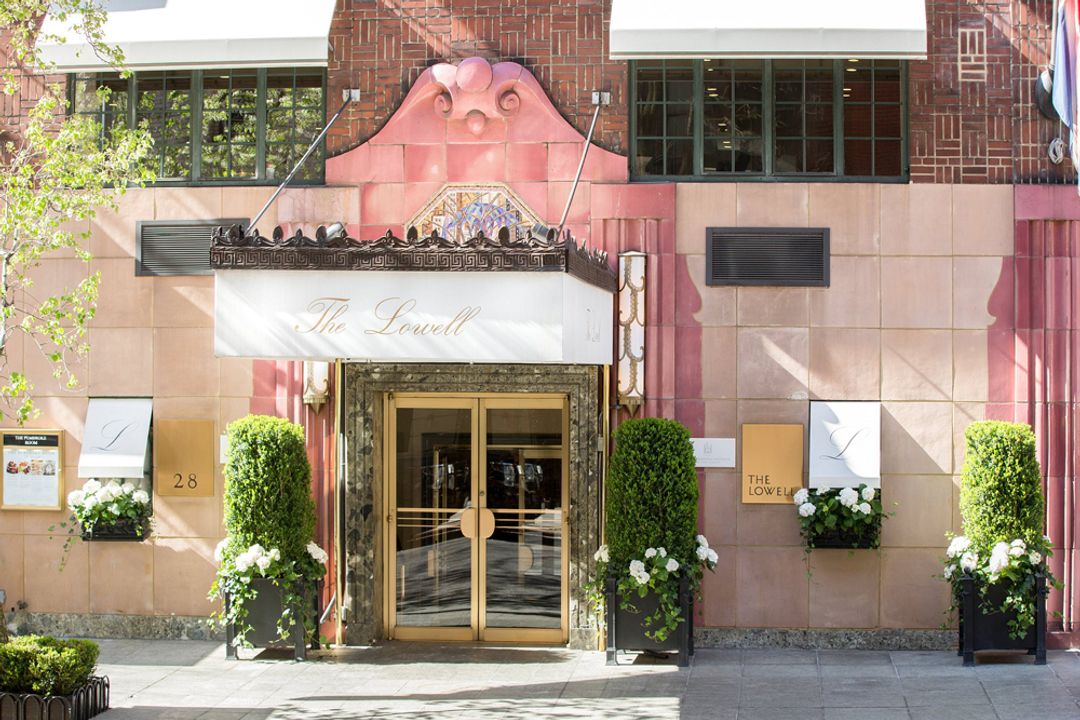
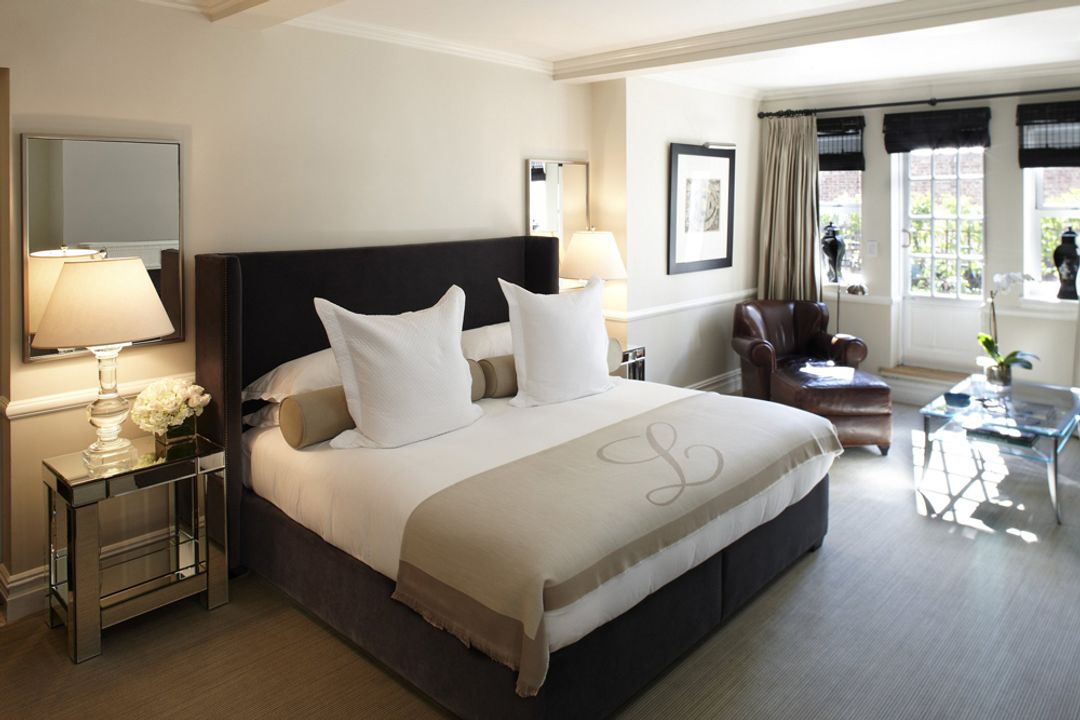
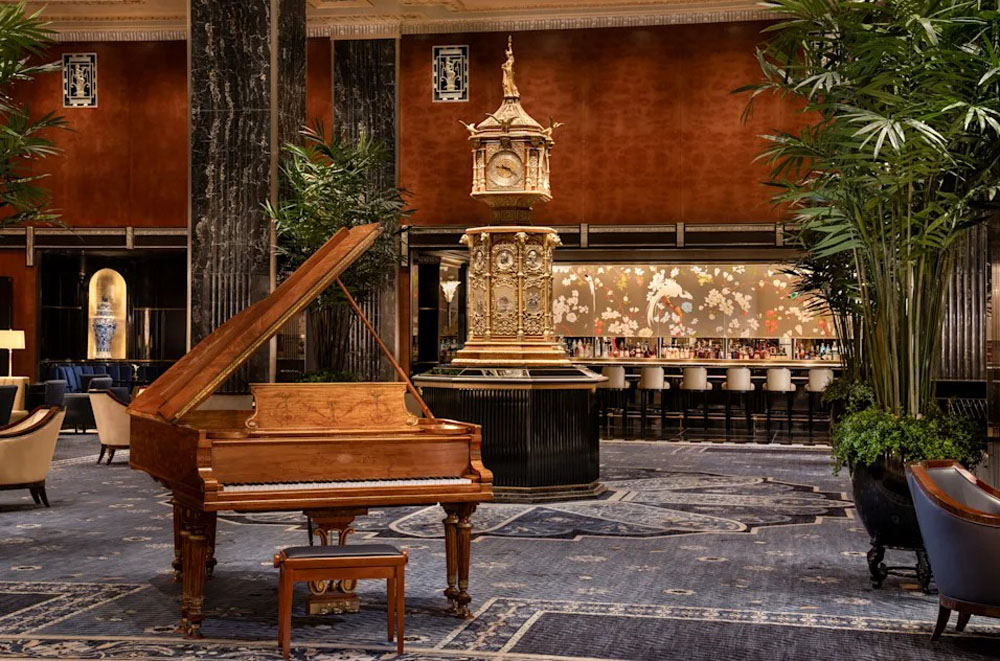
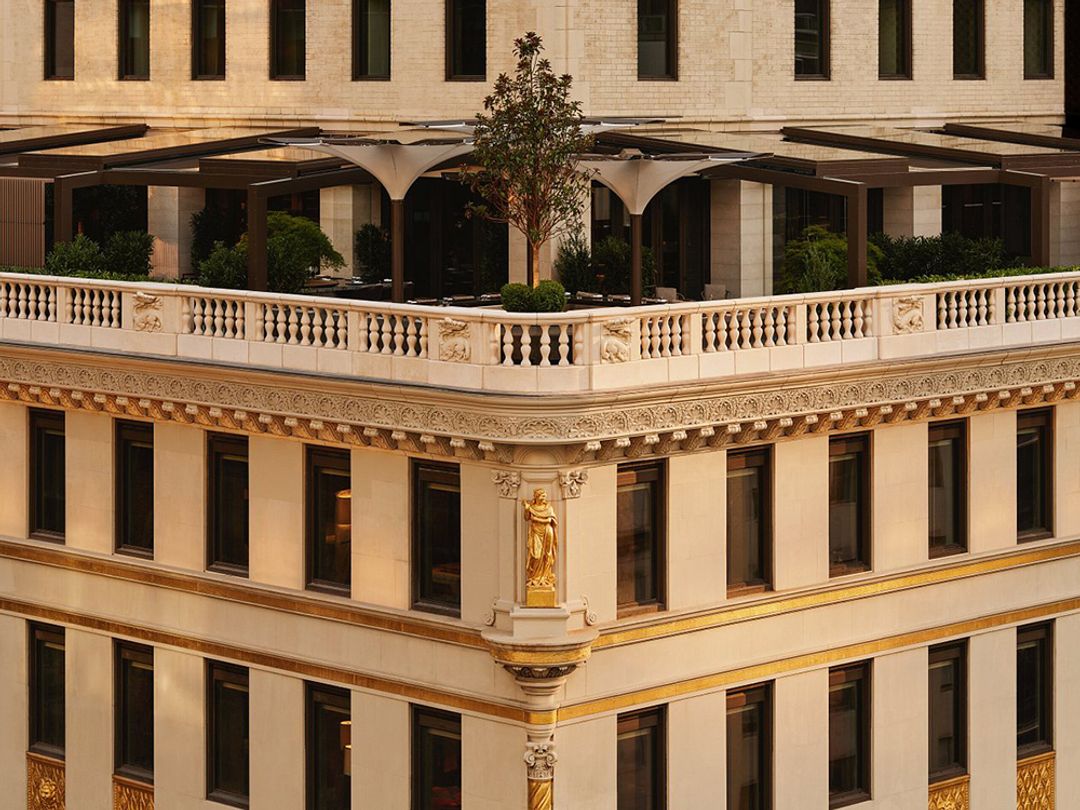
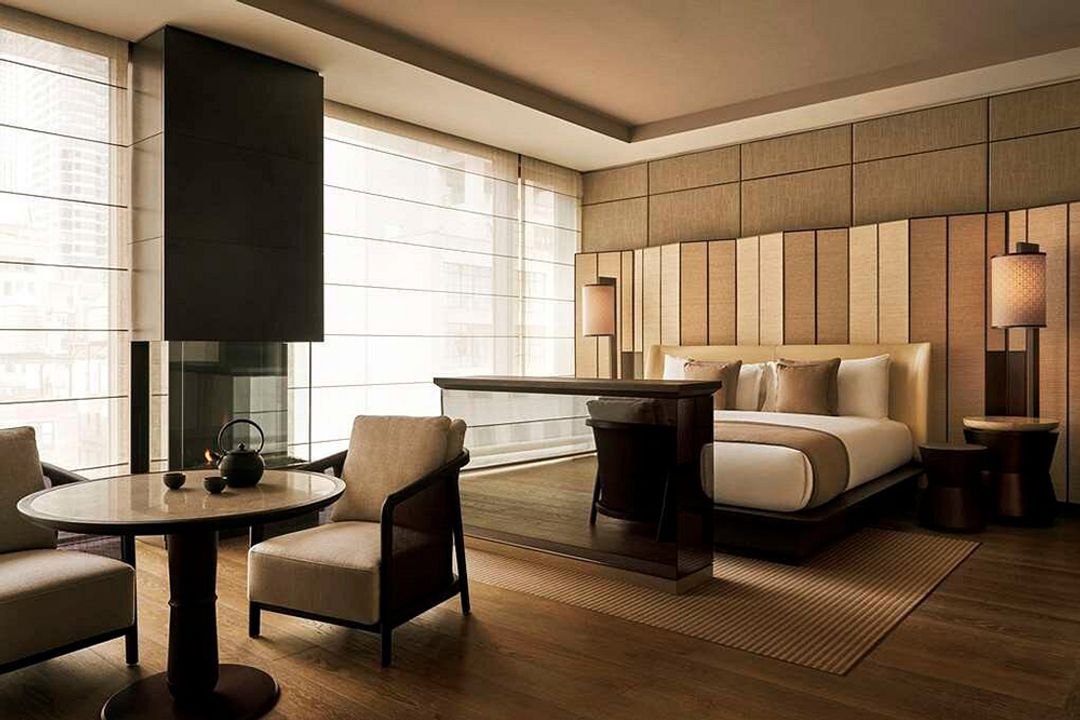
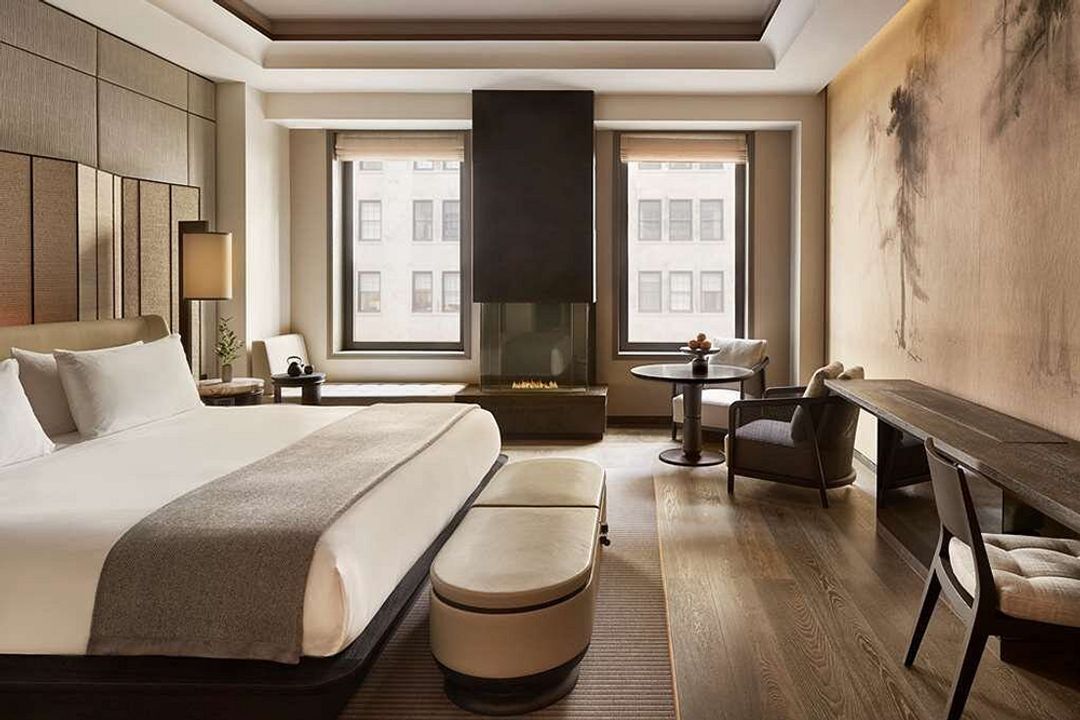
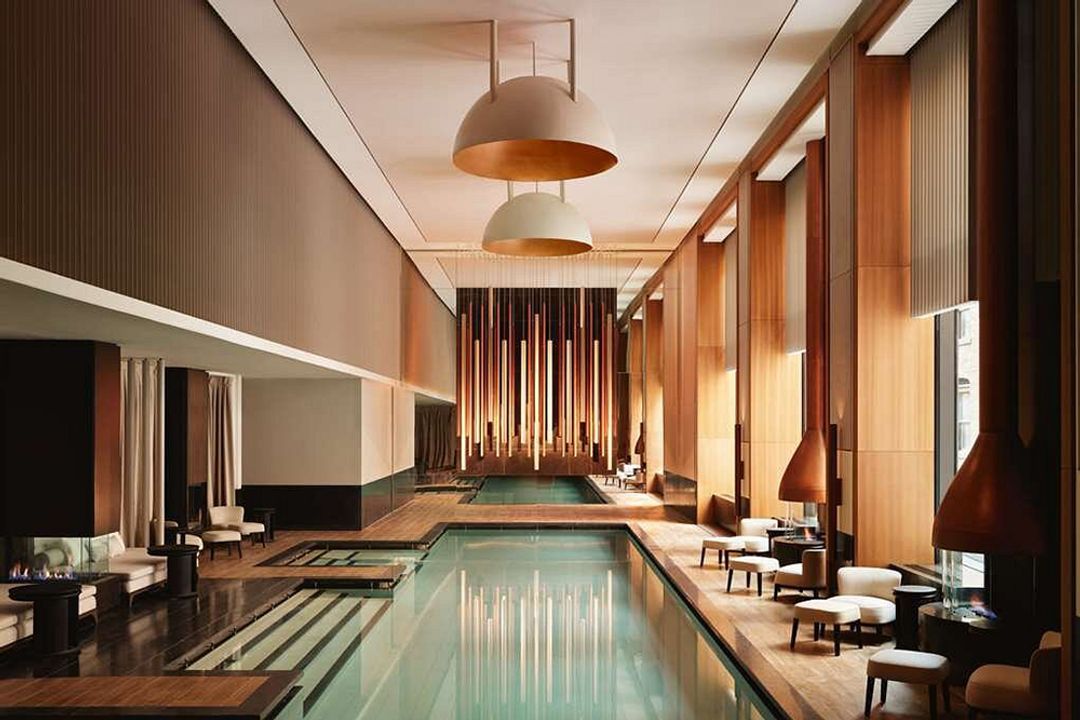
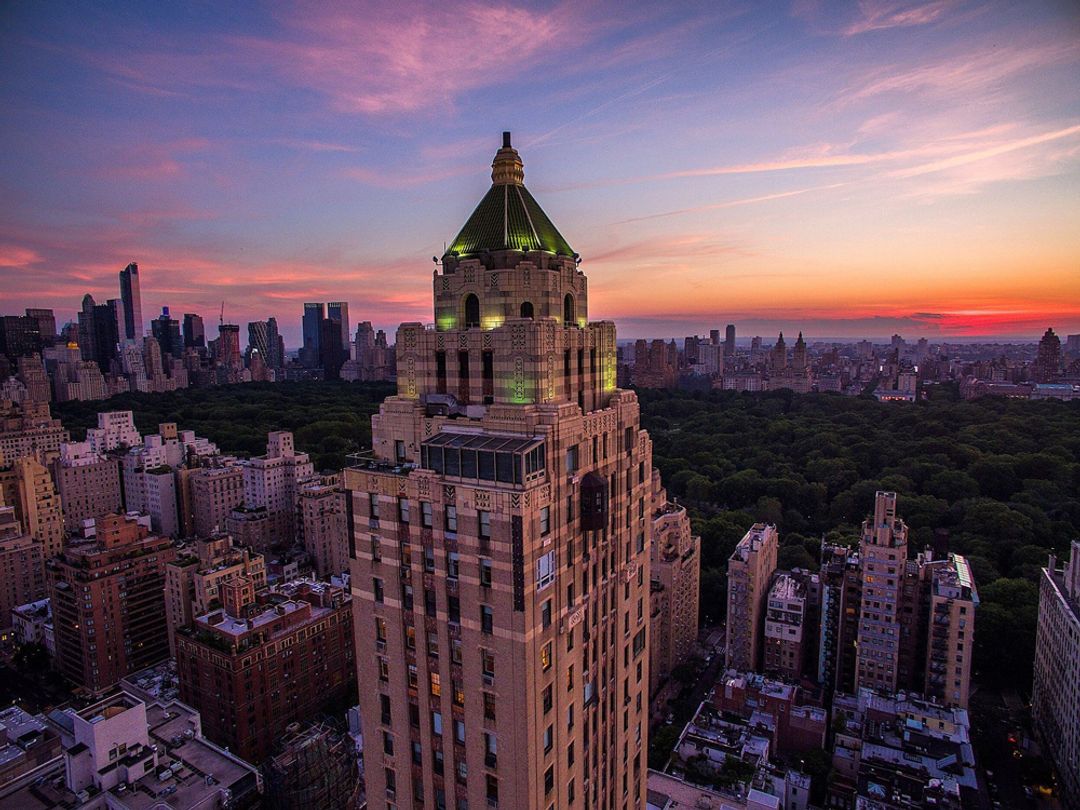
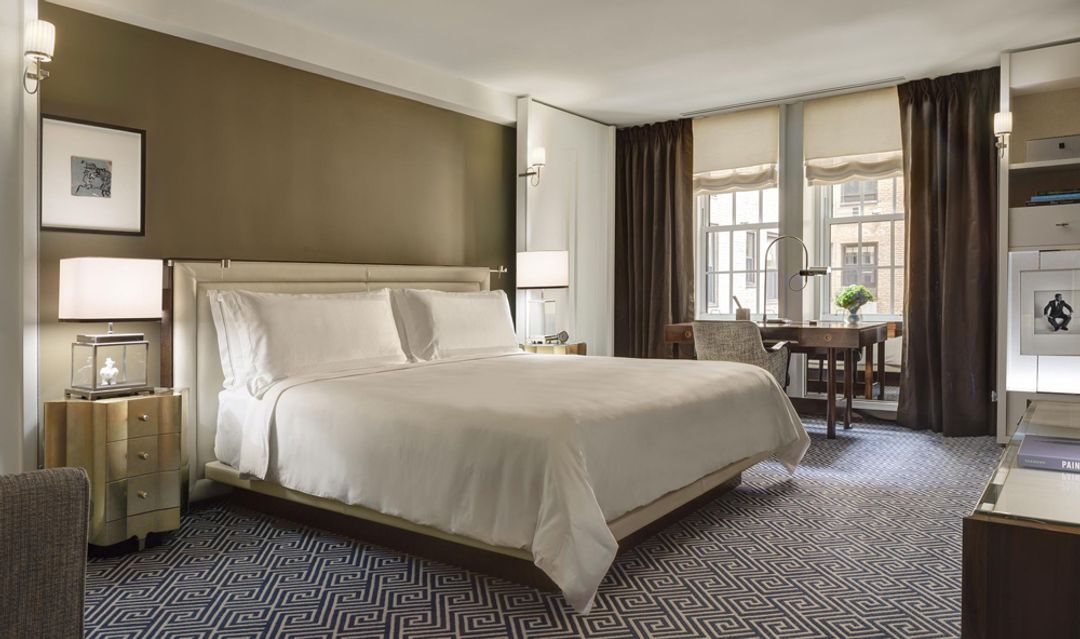
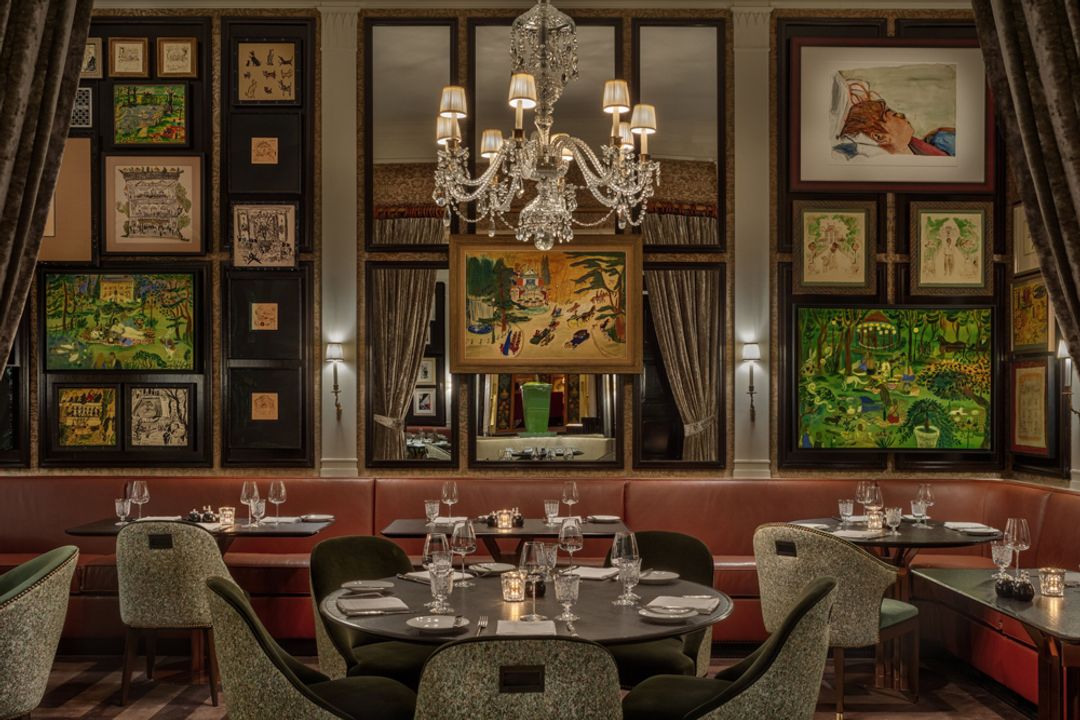
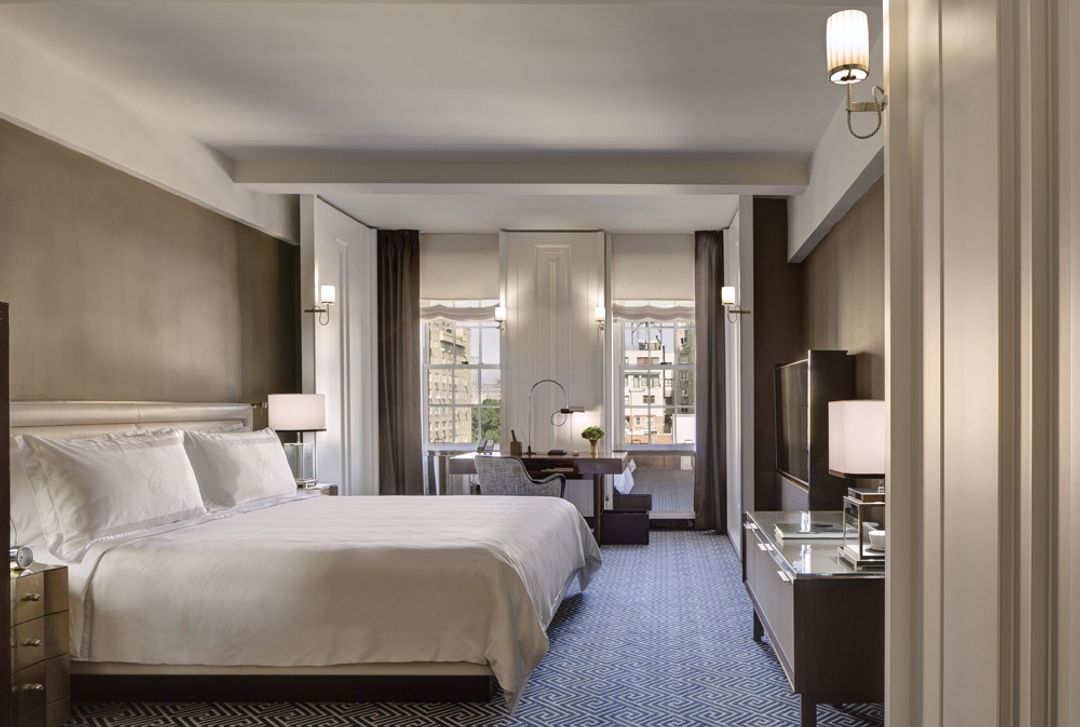
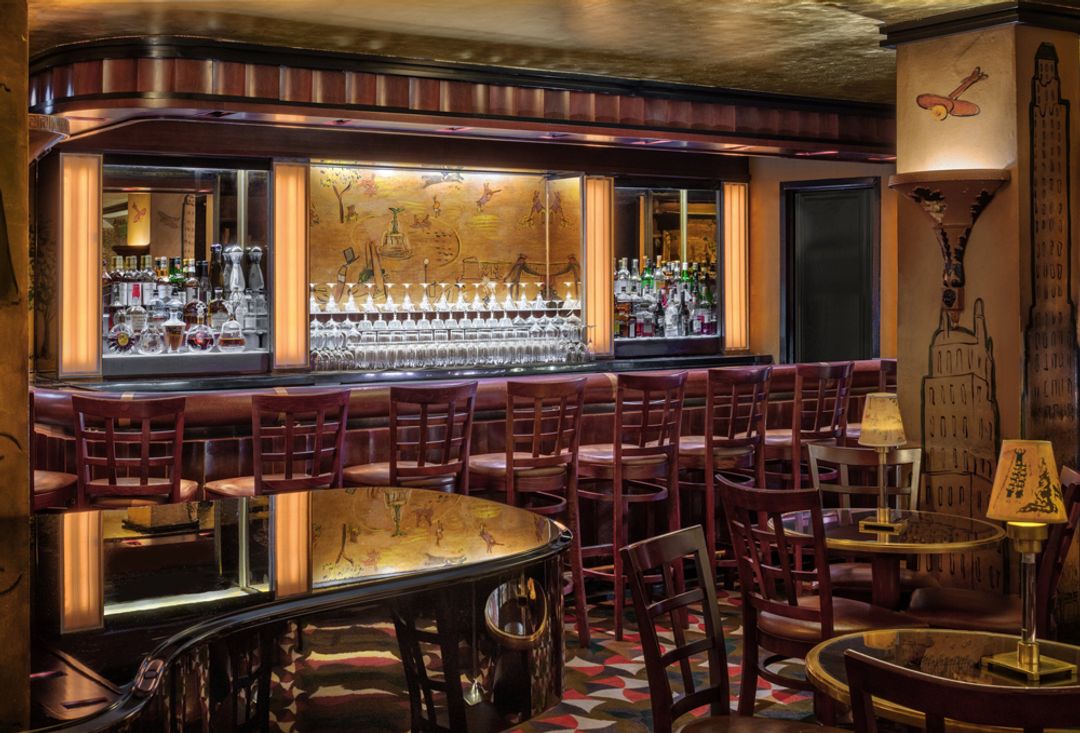
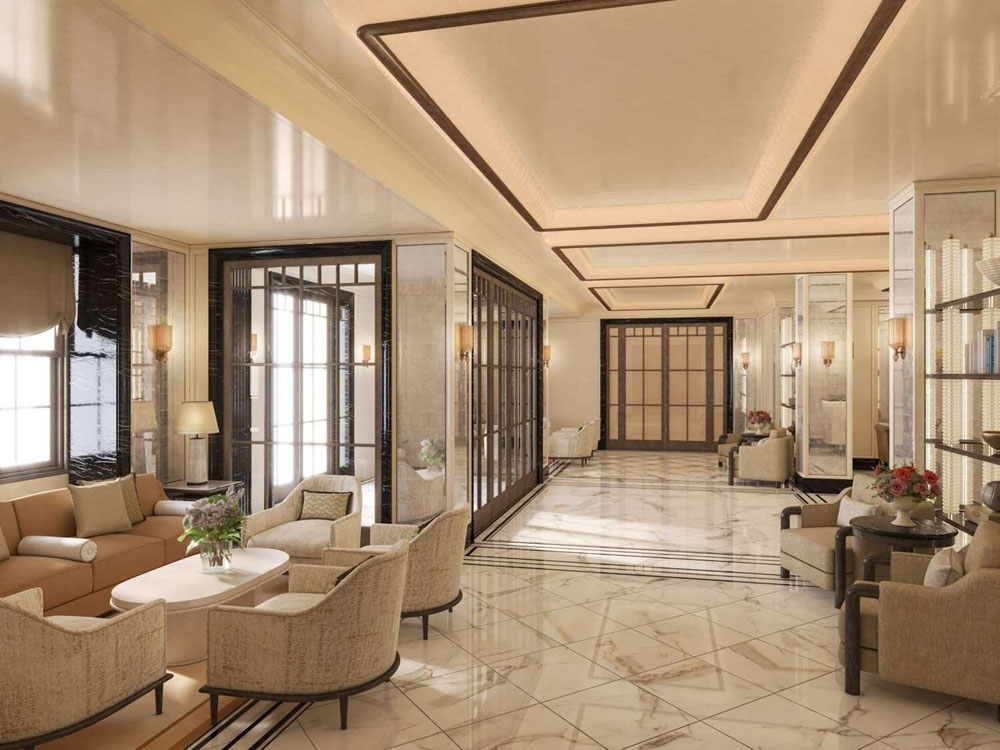
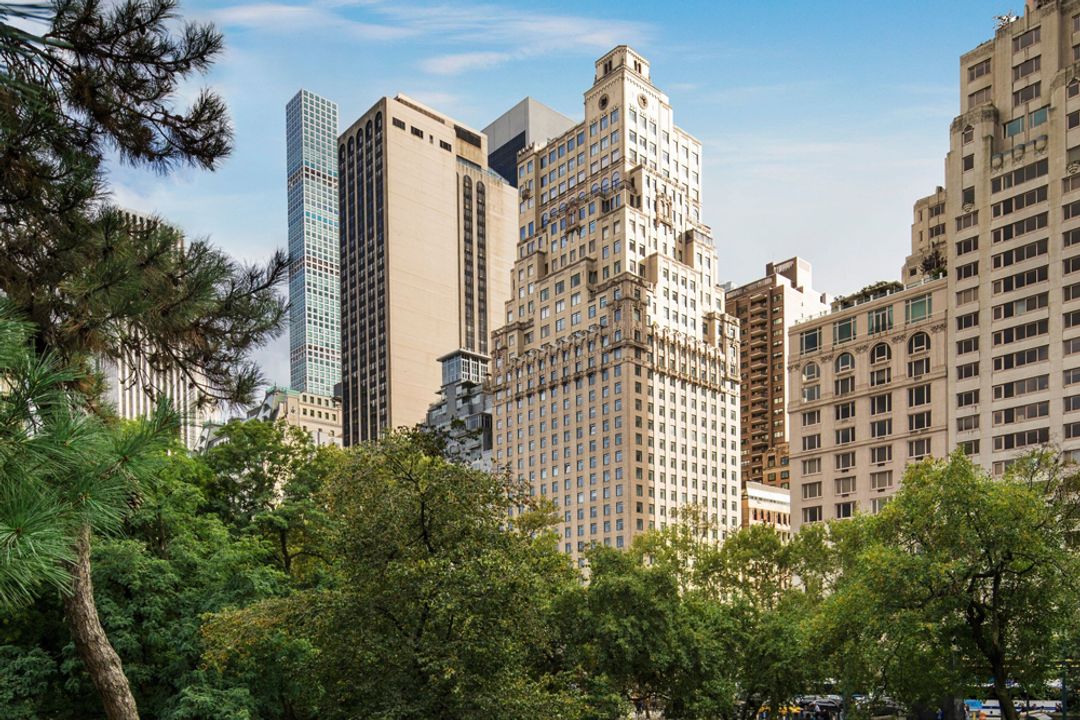
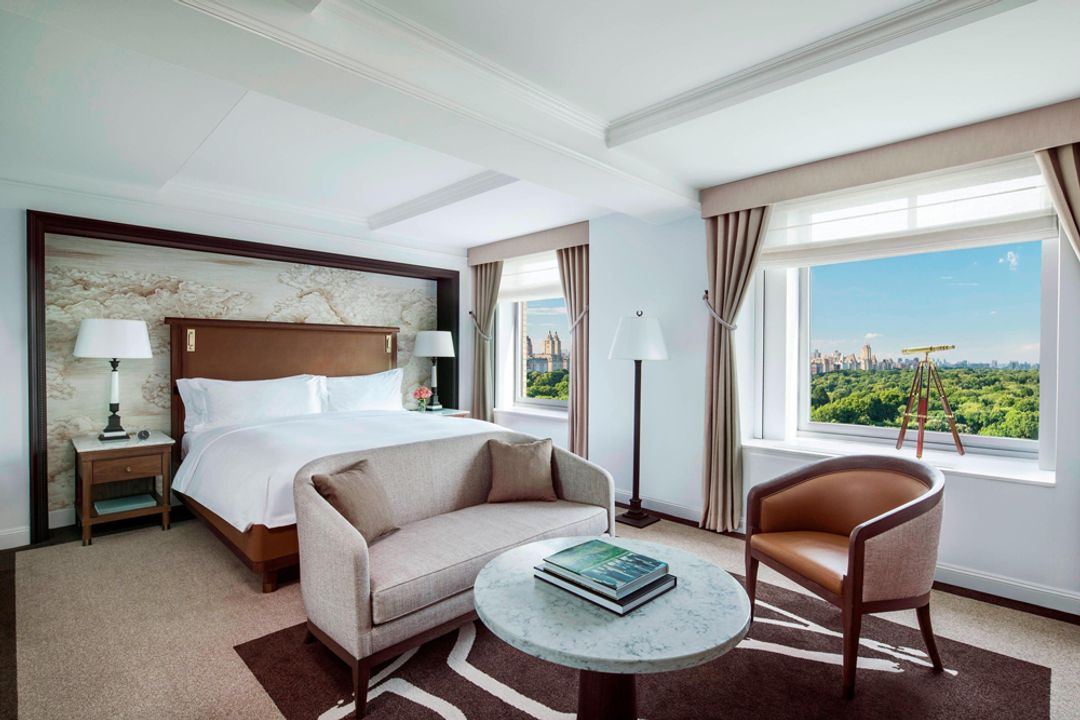
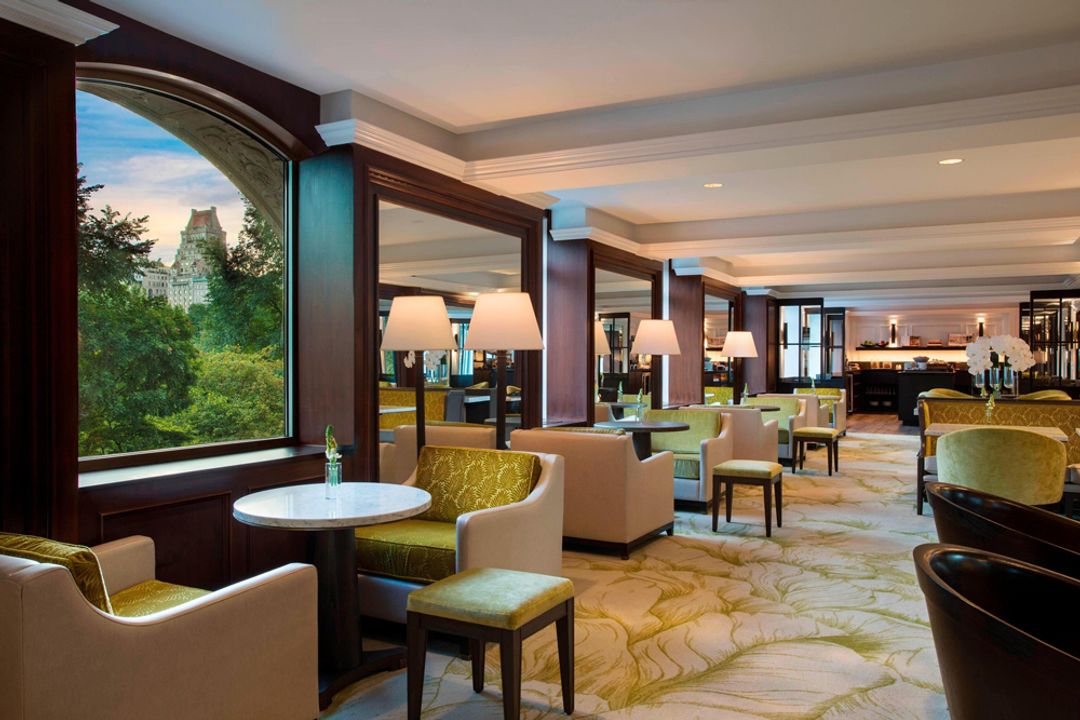
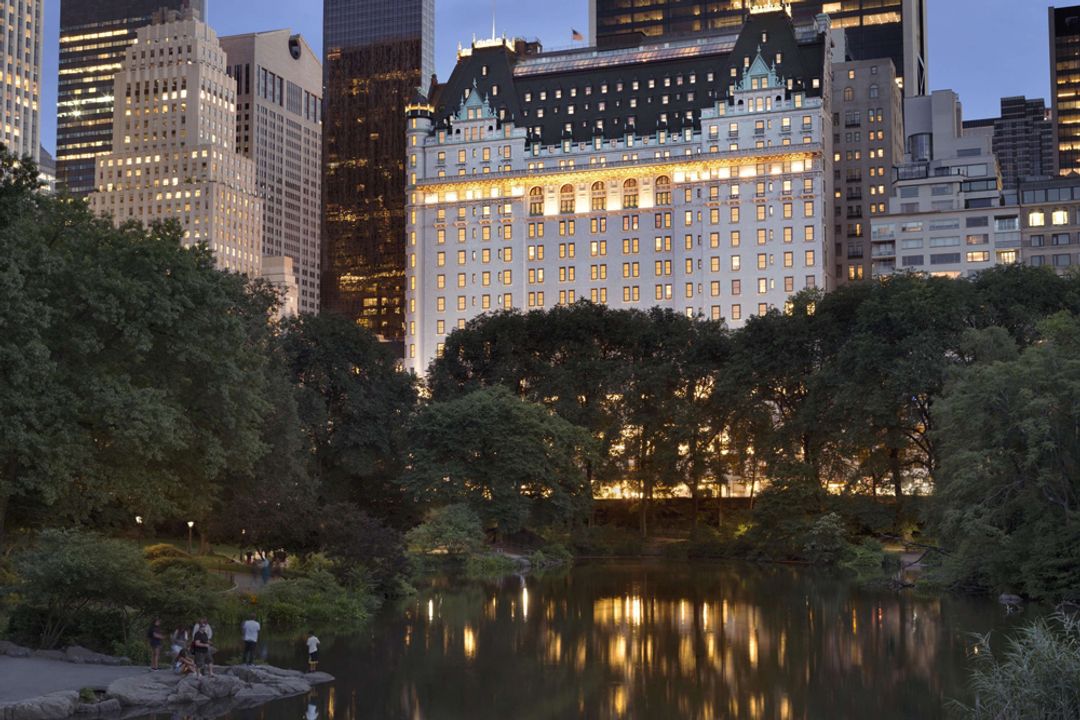
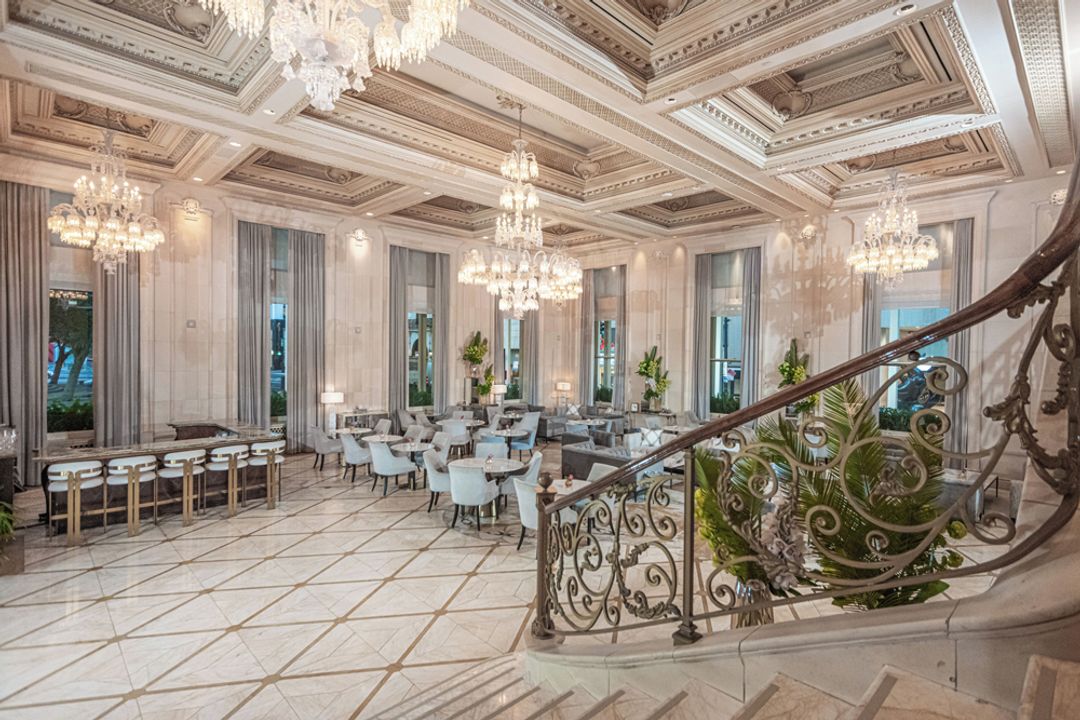
Manhattan above 50th Street still earns its place at the top of any serious hotel conversation, not through novelty but through accumulated weight. The St. Regis on Fifth Avenue, opened in 1904 and designed by Trowbridge and Livingston, sets a standard of Beaux-Arts formality that the Baccarat Hotel, directly across from the Museum of Modern Art, answers in crystalline contemporary terms. Aman New York, carved into the Crown Building by Jean-Michel Gathy, represents perhaps the most architecturally considered arrival of the past decade, its spa and social spaces occupying a Cass Gilbert interior with unusual restraint. Around Central Park, the Plaza remains the gravitational address, its French Renaissance facade unchanged since 1907, while the Lowell on East 63rd Street and the Carlyle on Madison Avenue sustain the particular quietness of the Upper East Side, where scale and discretion operate as a kind of ideology. The Park Hyatt, completed by Cookfox Architects inside a midcentury tower on 57th Street, brings genuine contemporary craft to a neighborhood that has not always rewarded it.
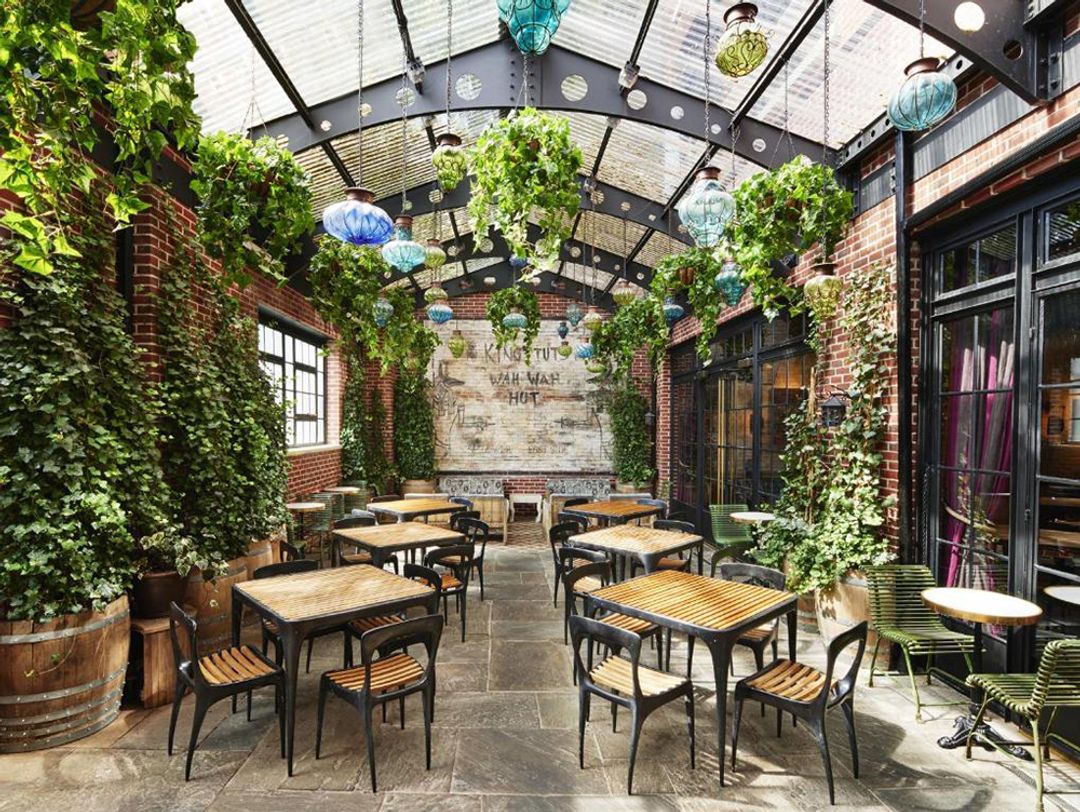
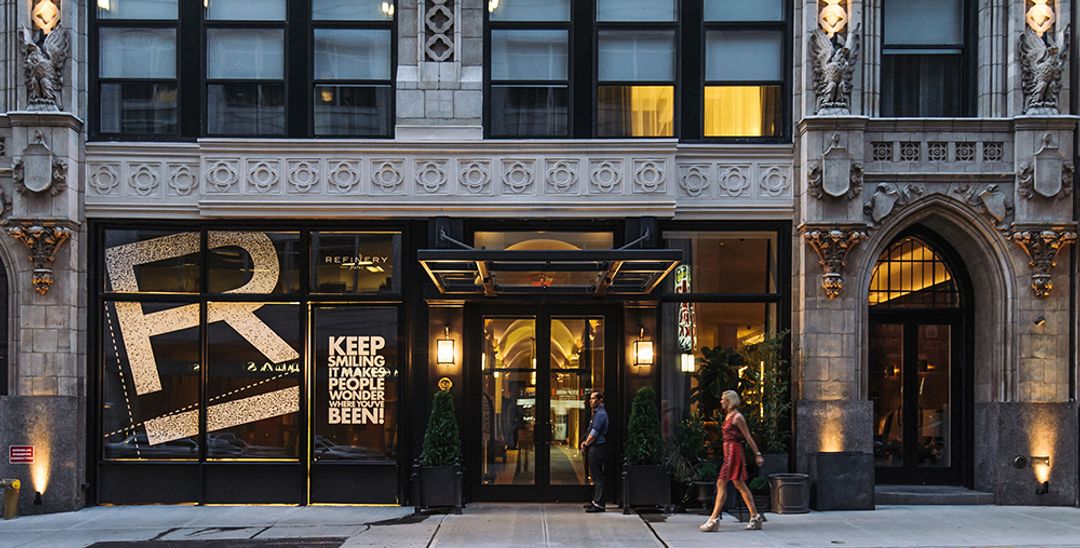
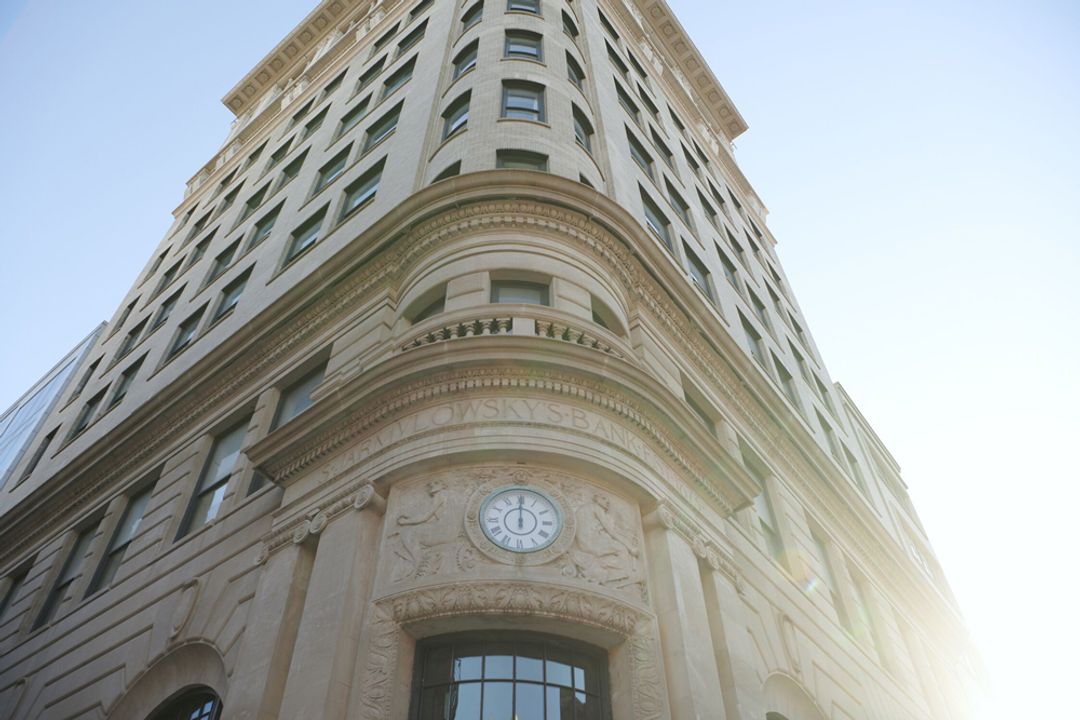
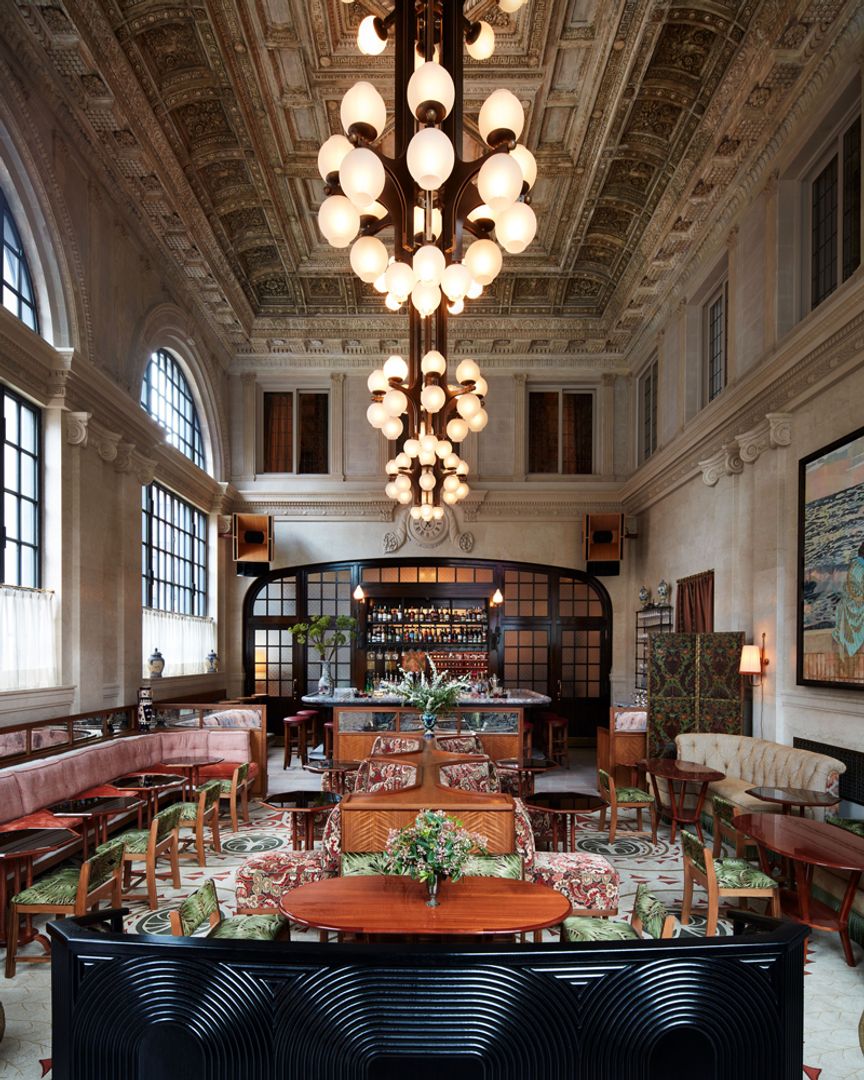
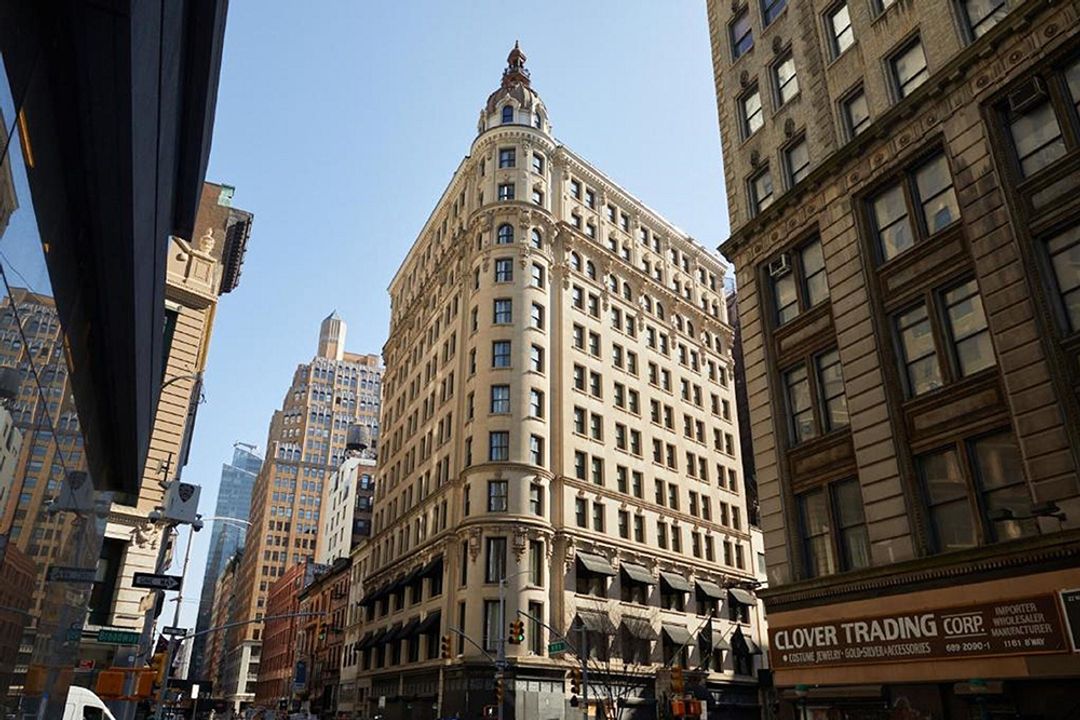
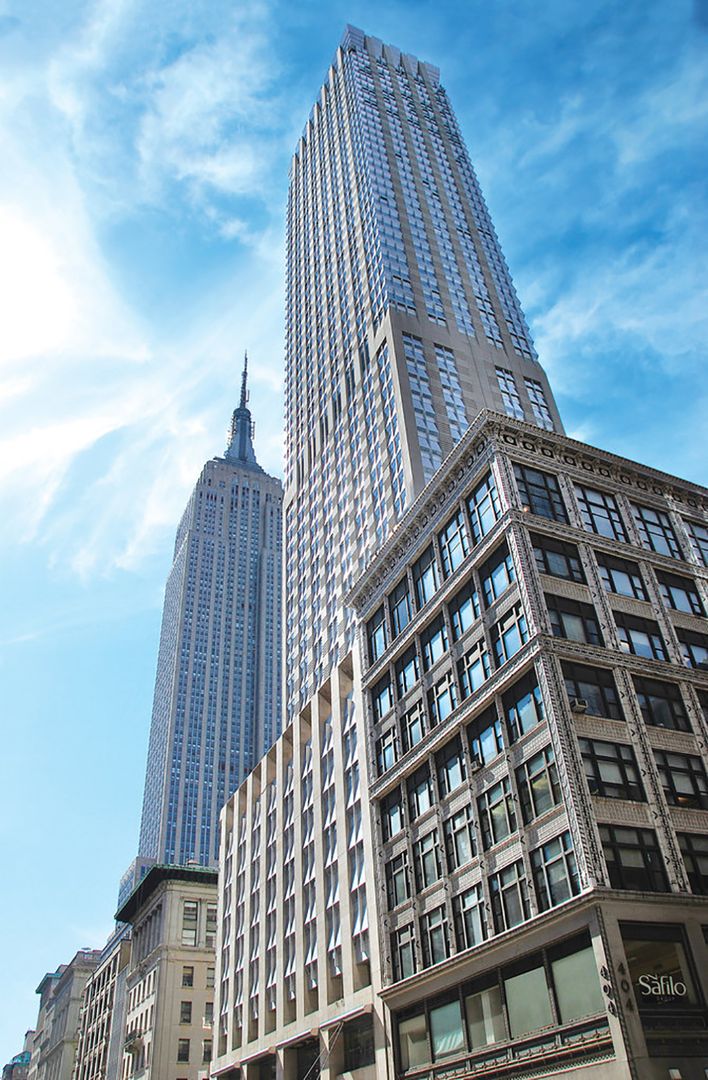
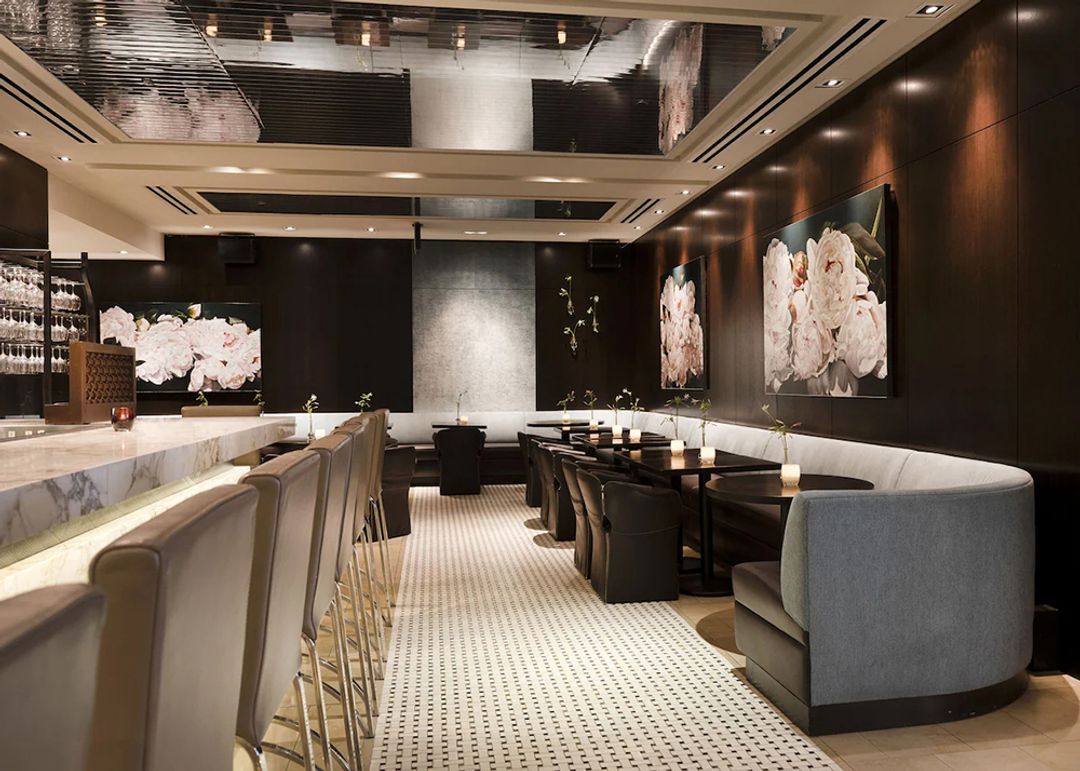
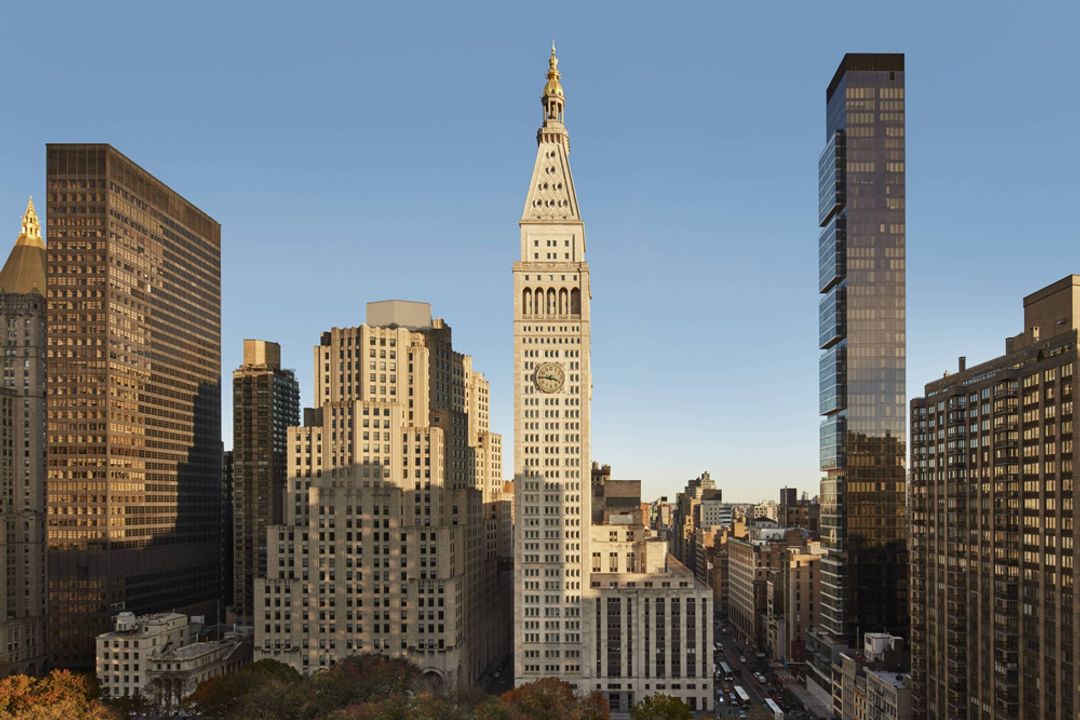
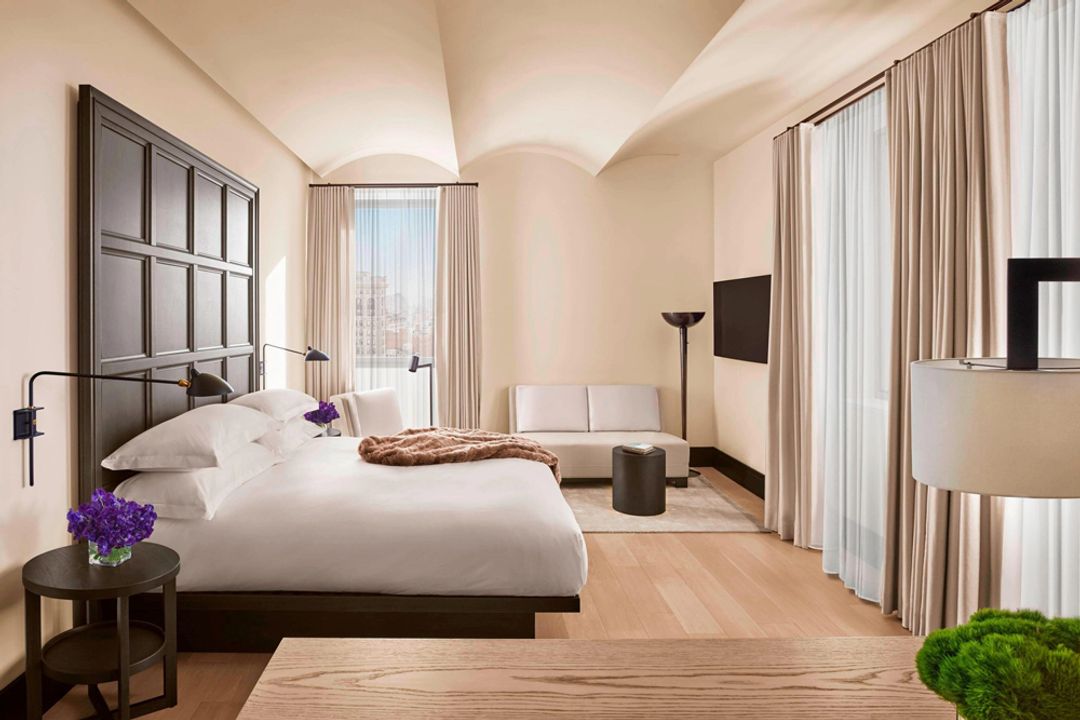
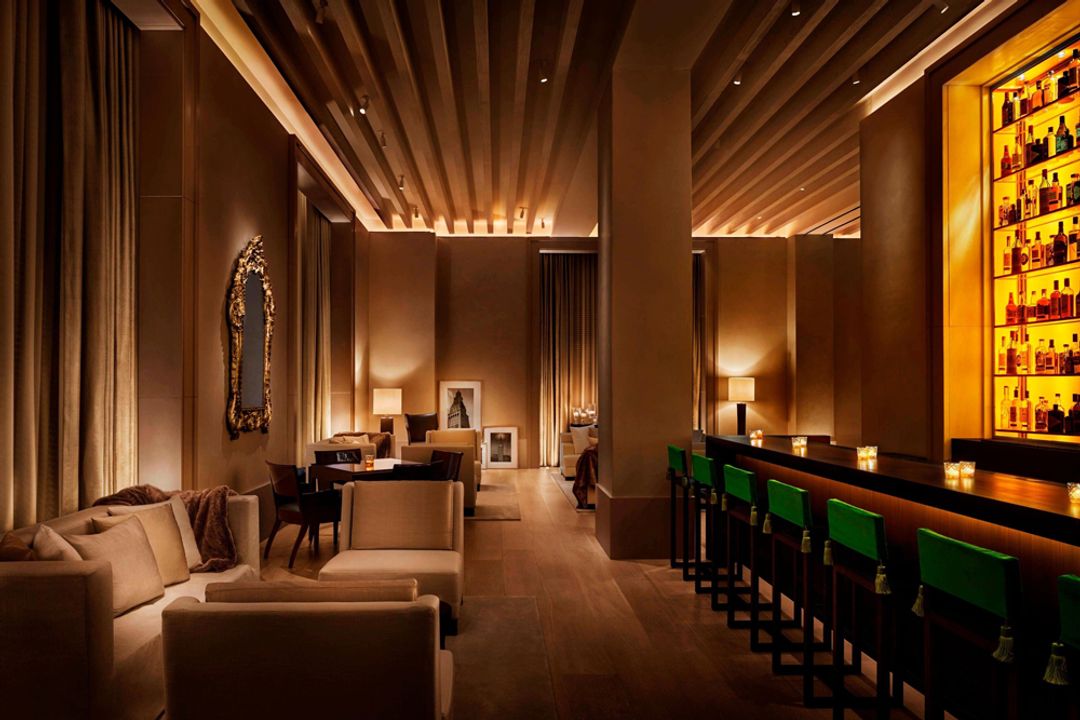
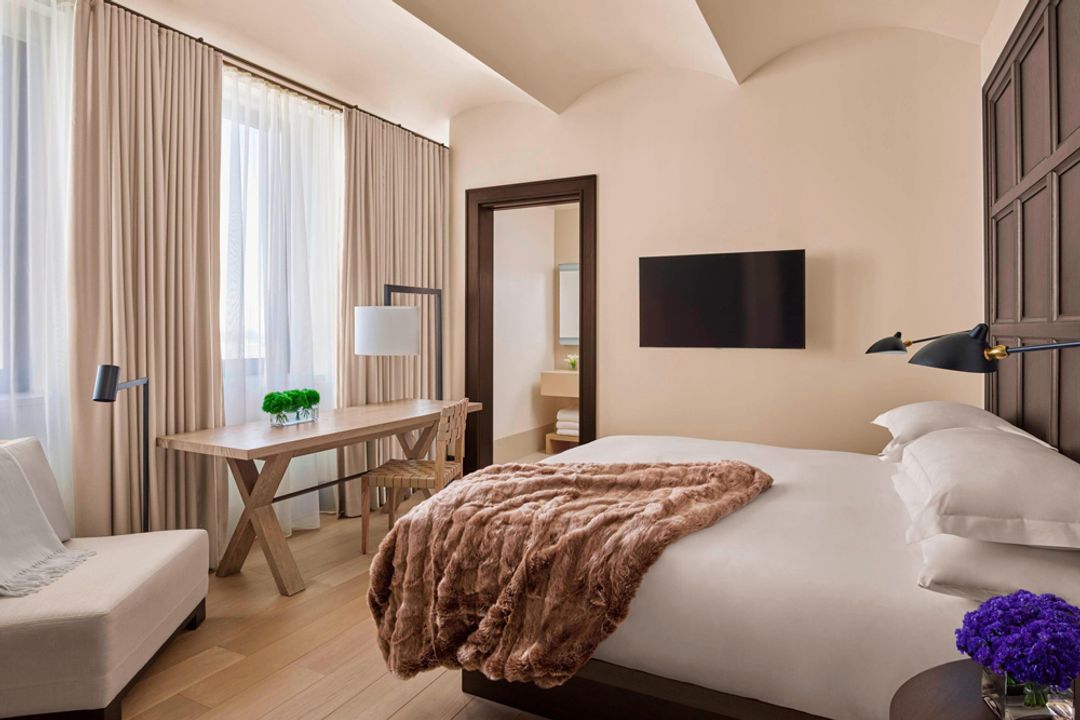
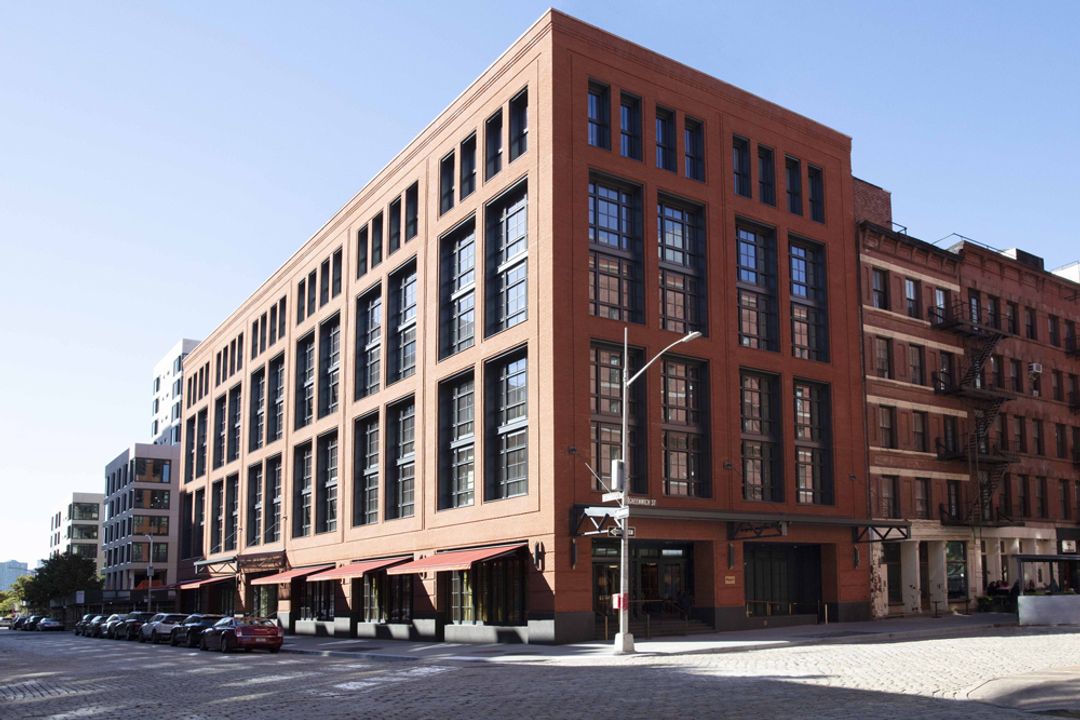
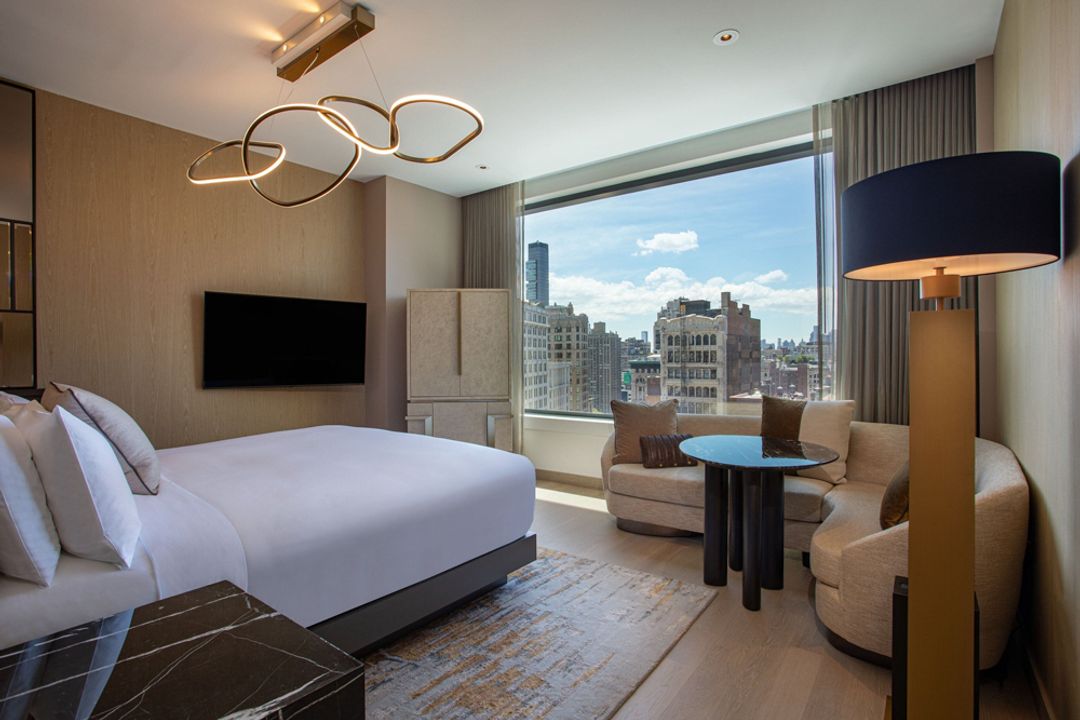
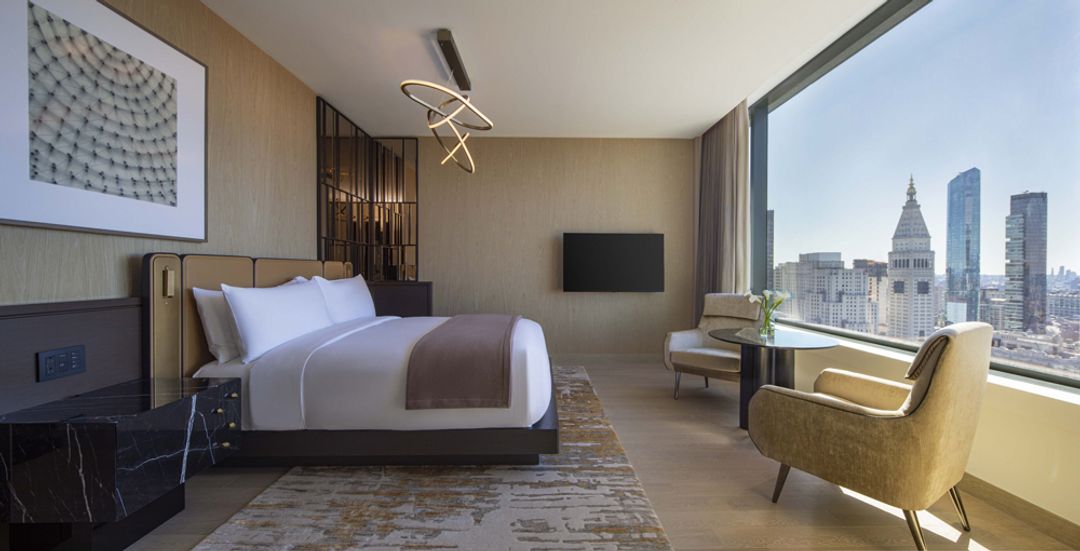
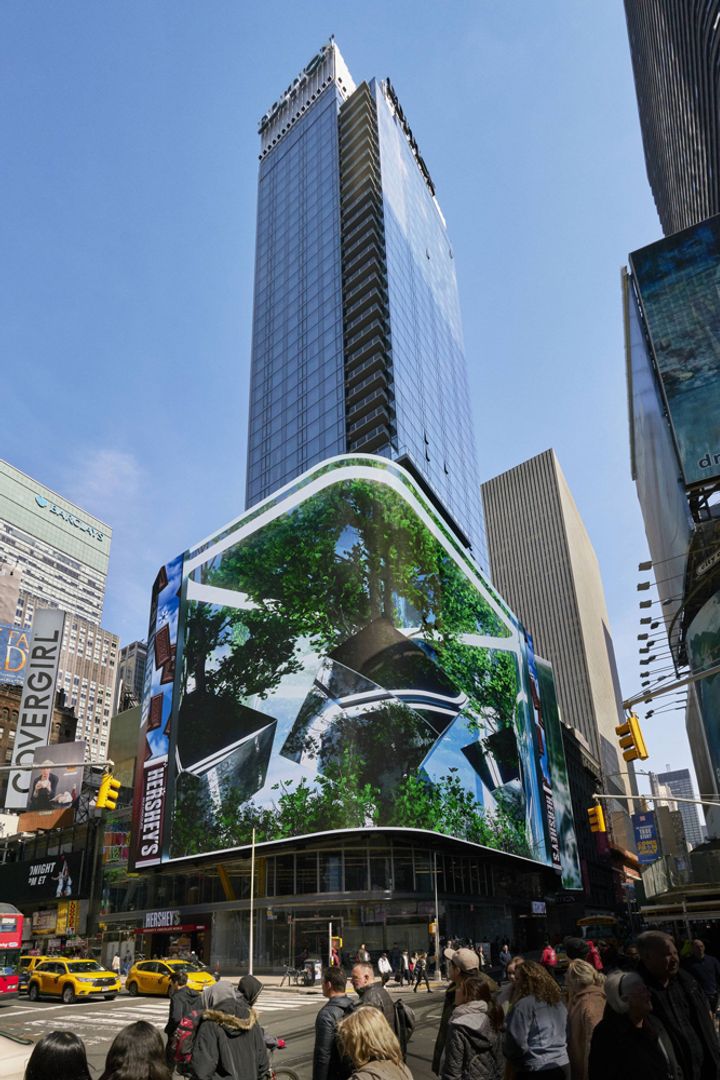
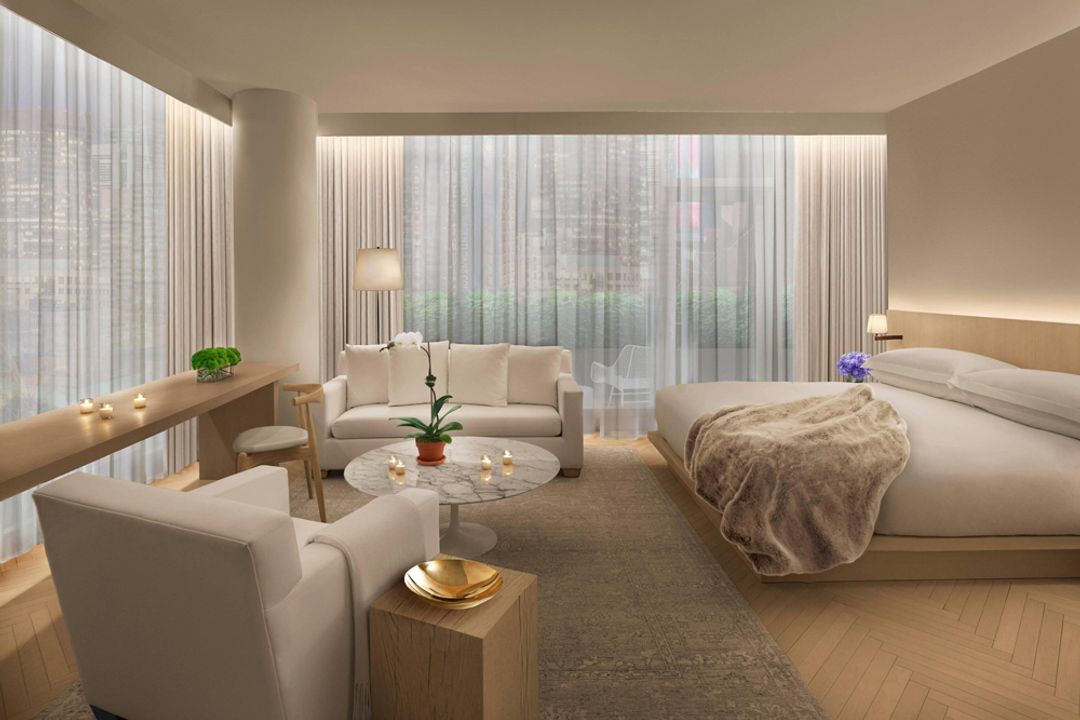
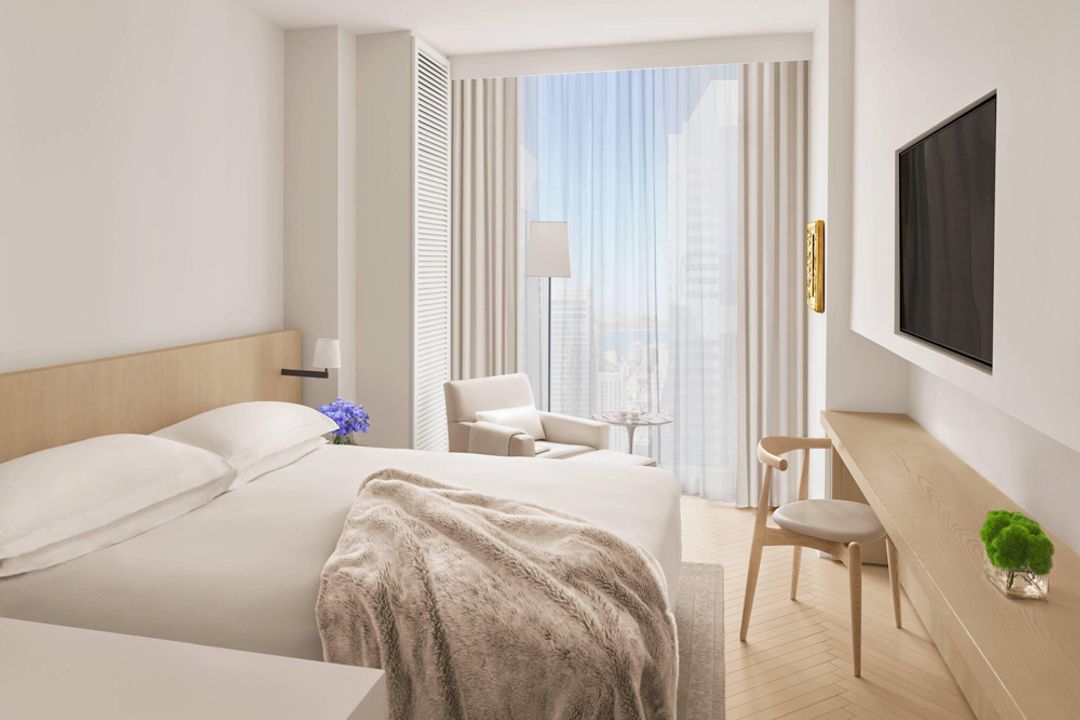
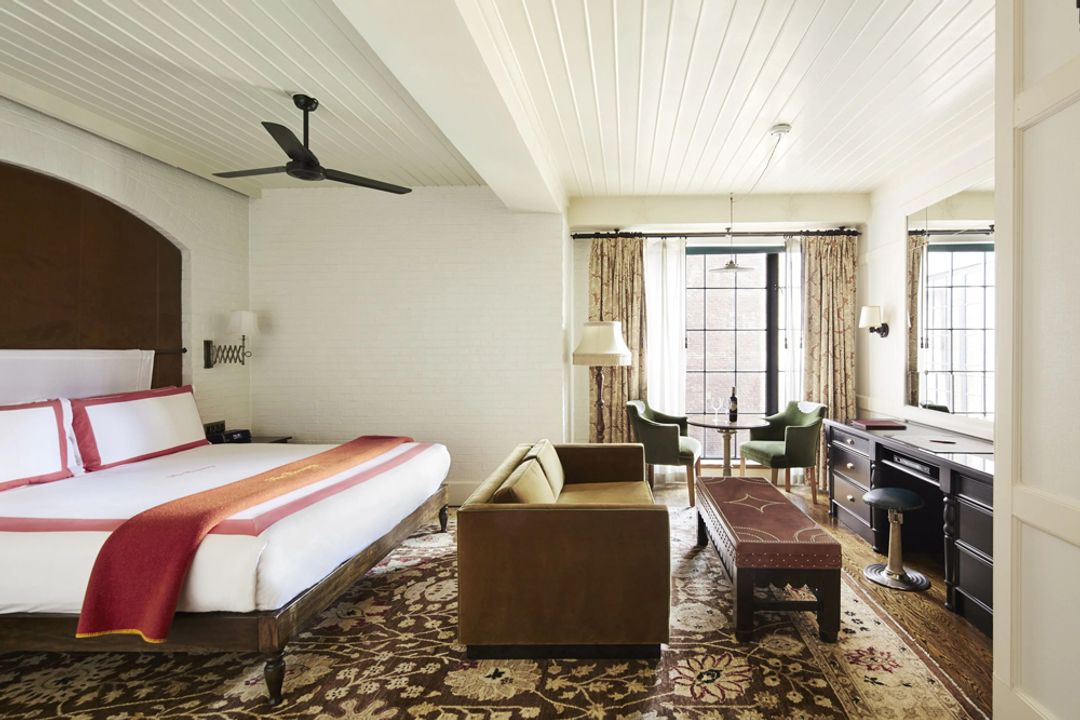
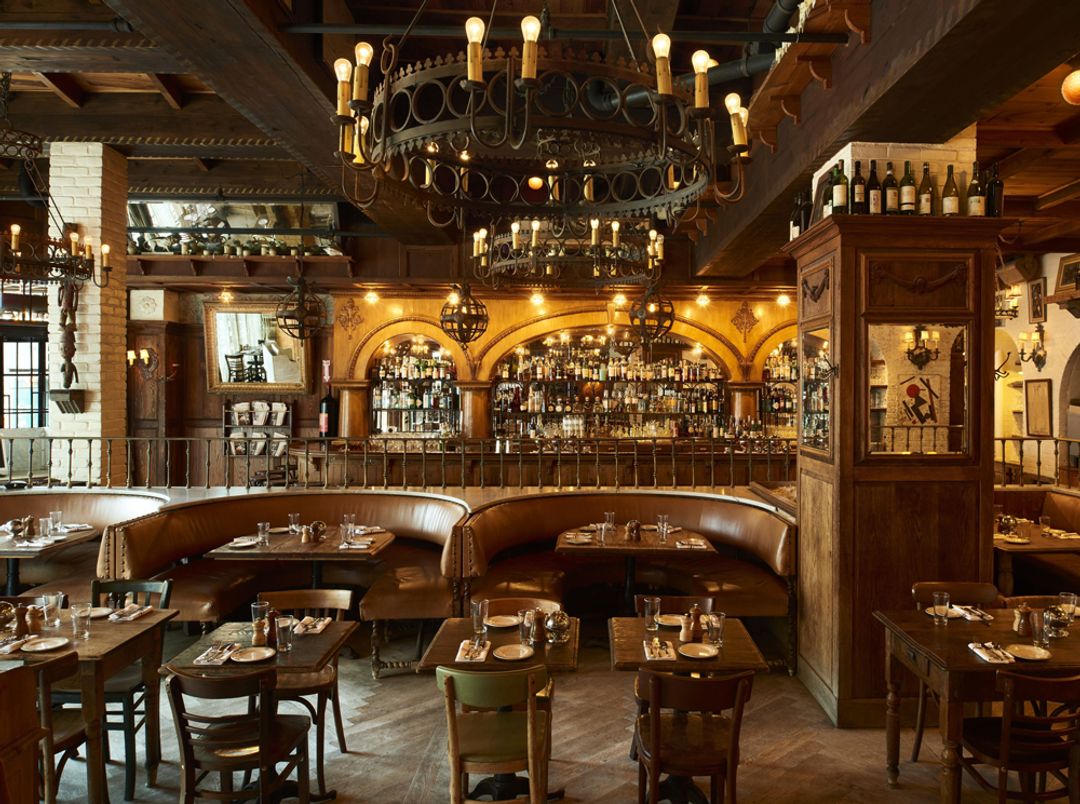
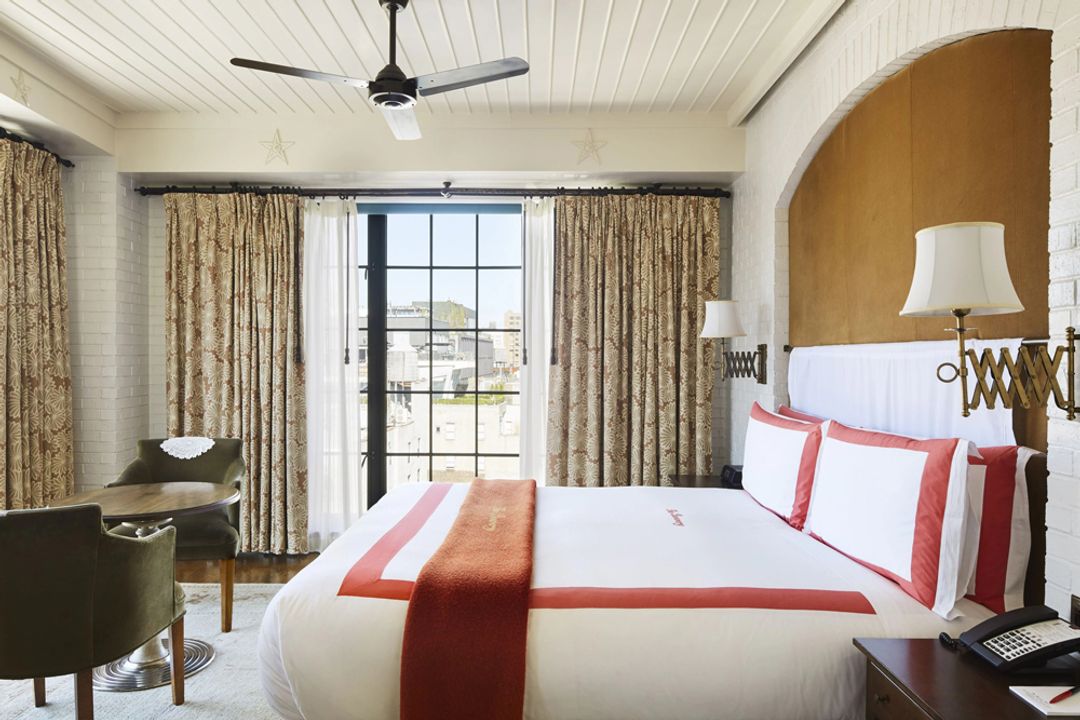
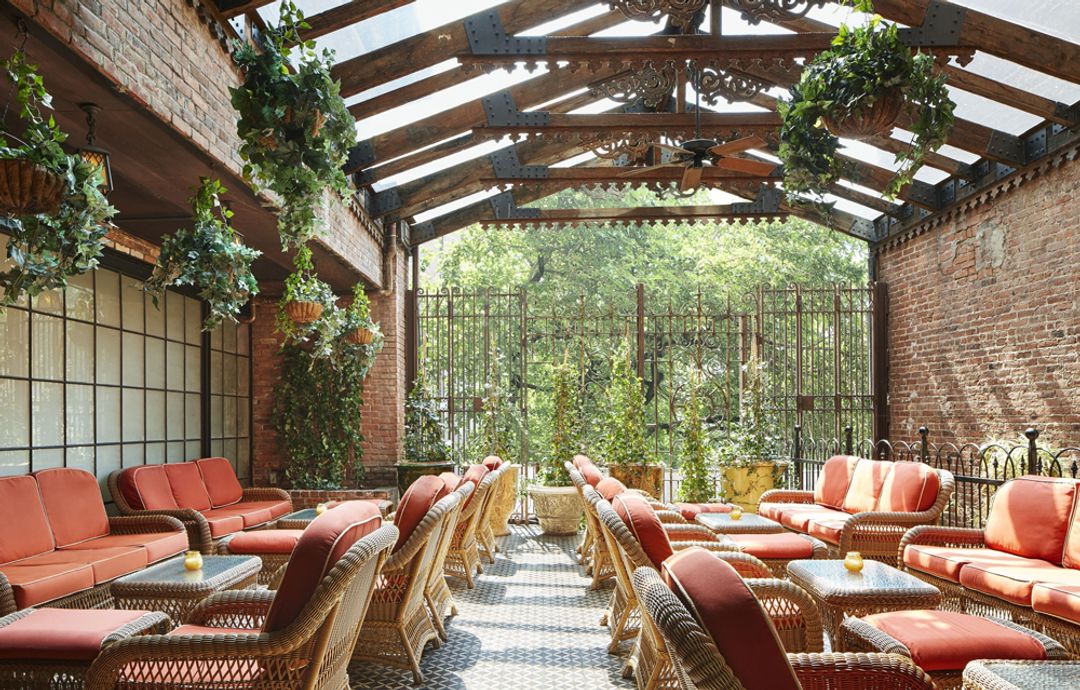
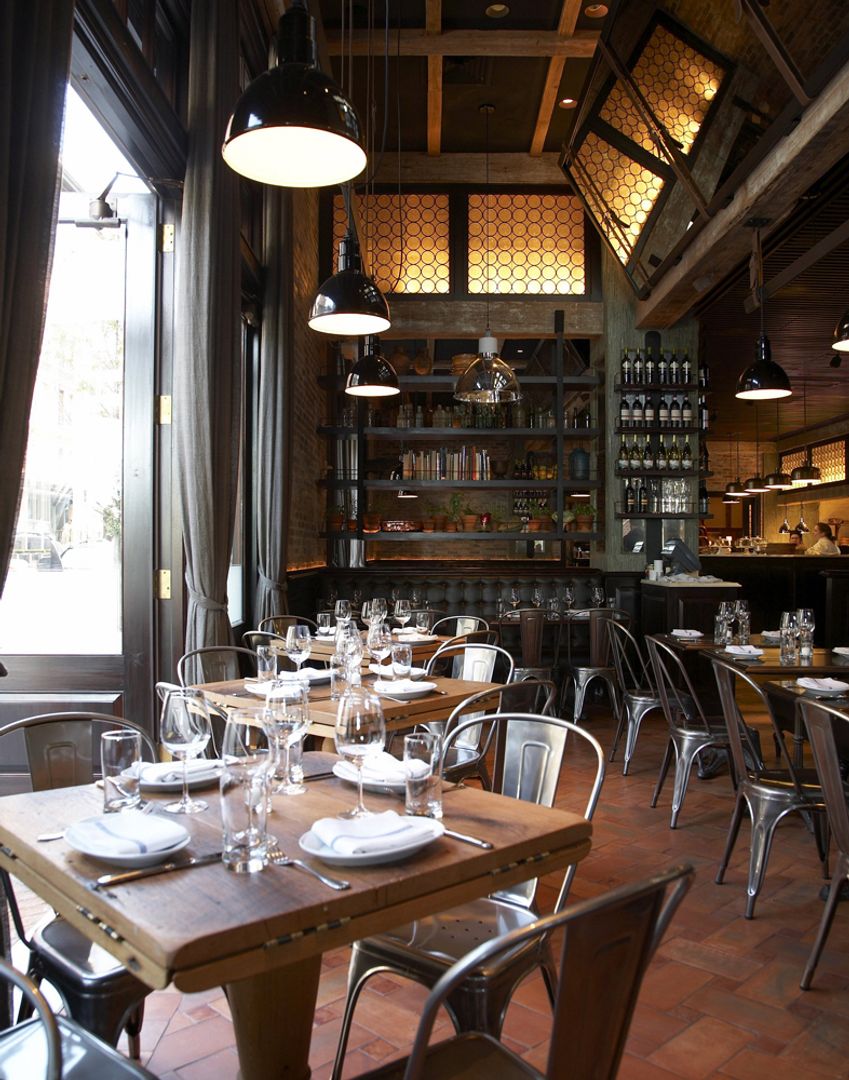
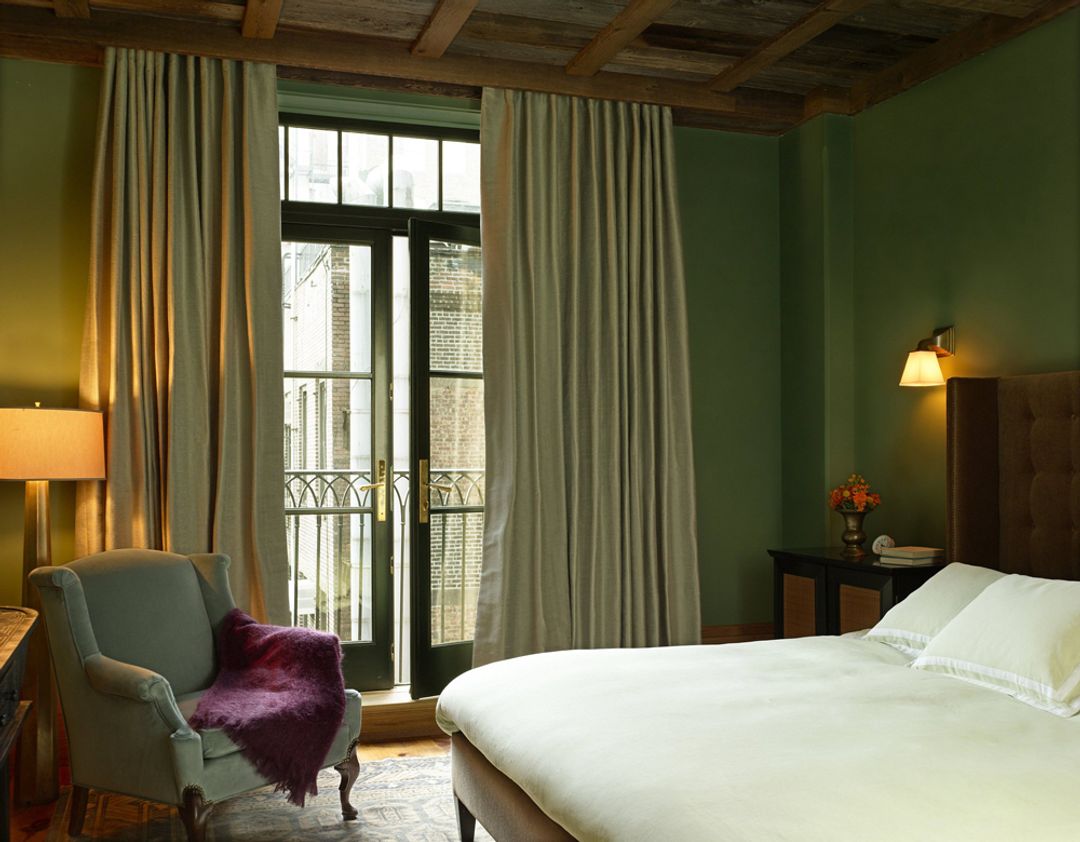
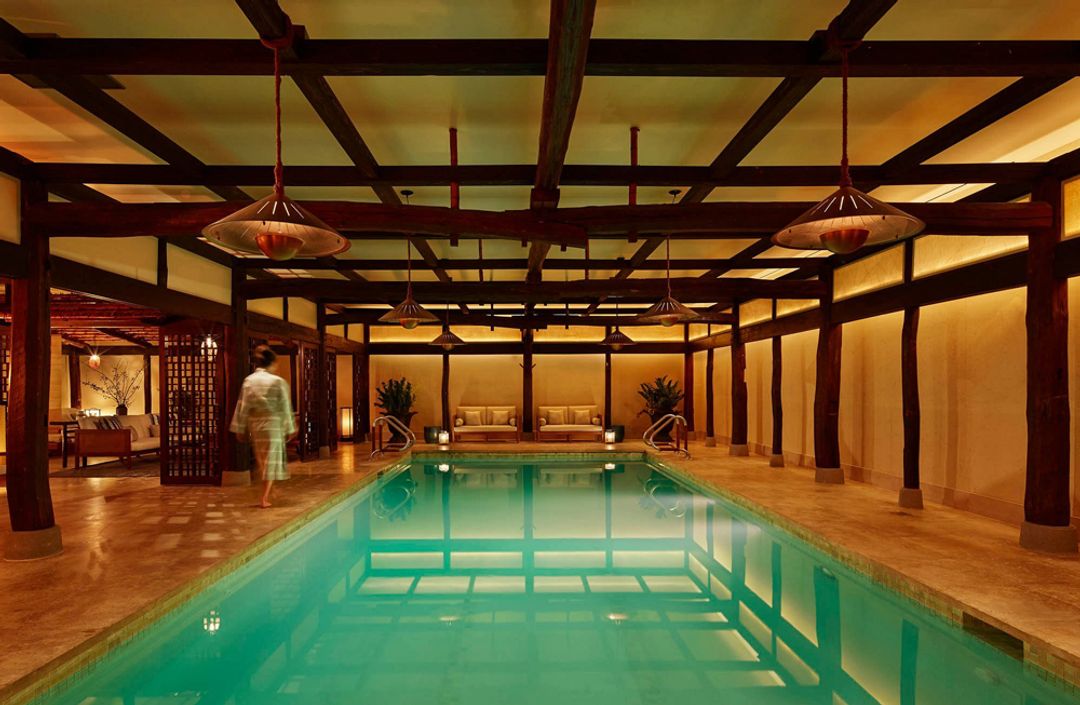
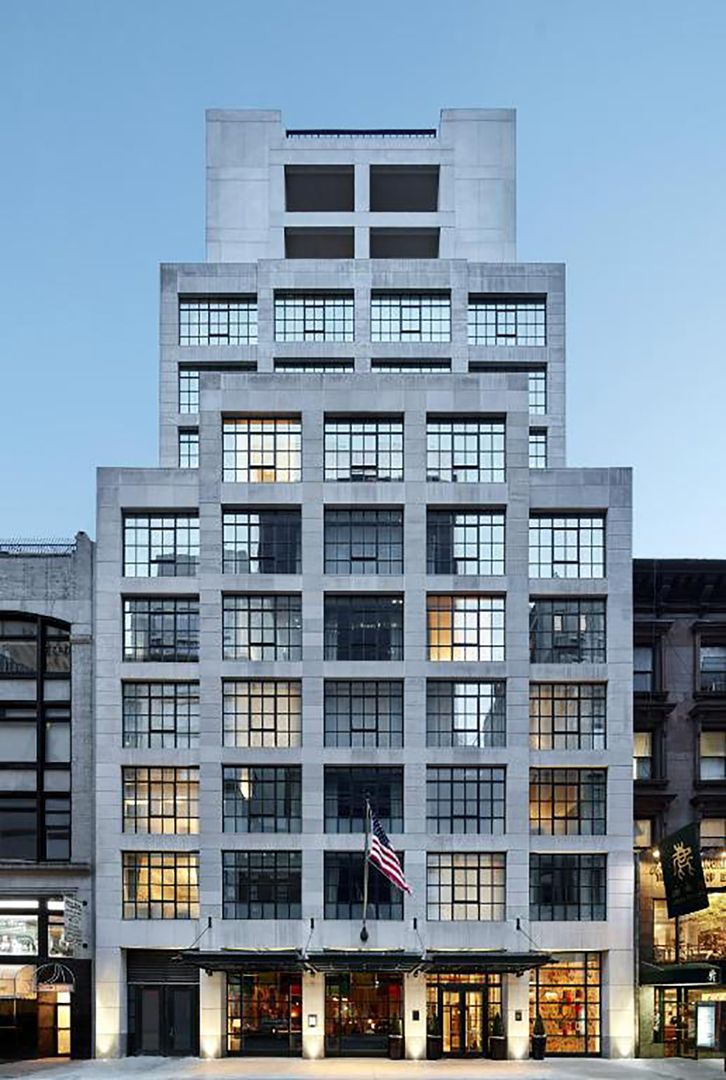
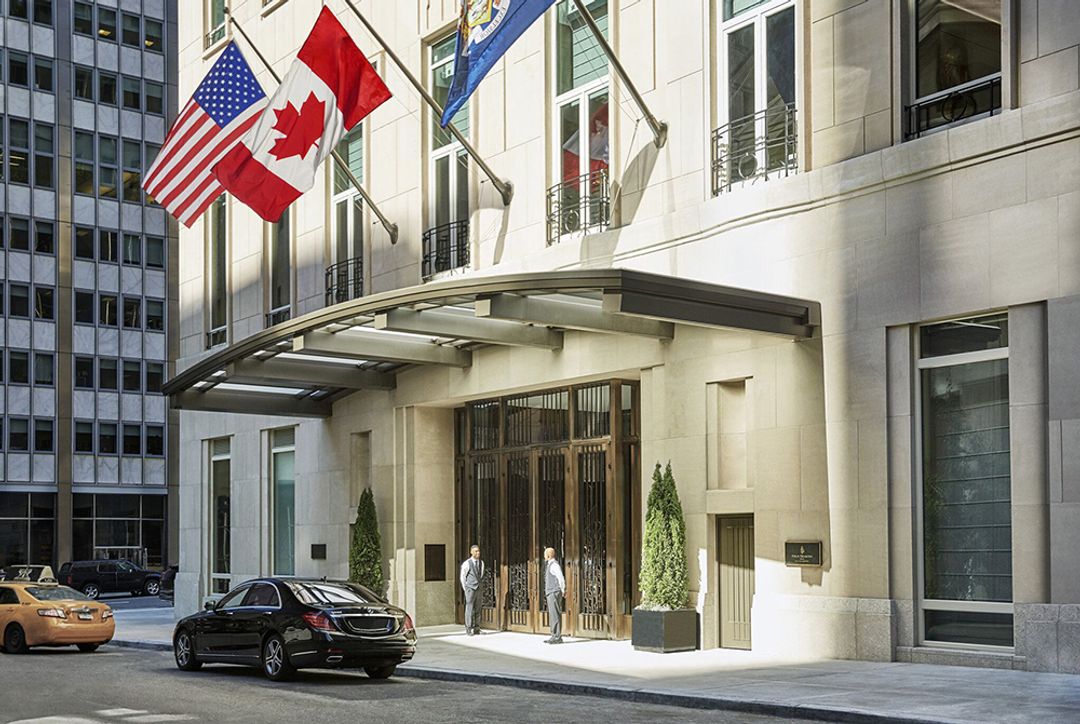
Downtown tells a different story. In Tribeca, the Greenwich Hotel has defined a certain moody, tactile hospitality since 2008, its Axel Vervoordt-adjacent interiors trading in aged wood and Japanese textile sensibility. The Four Seasons New York Downtown and Hotel Barrière Fouquet's occupy the same neighborhood at higher price points, each with a more formal register. Across to the Lower East Side, Nine Orchard occupies a 1923 Beaux-Arts bank building restored with genuine archival seriousness, while the Bowery Hotel has been shaping that stretch of the street since the mid-2000s. The Ned NoMad and the New York EDITION, the latter shaped by Ian Schrager inside a Flatiron-adjacent landmark designed by Stanford White, anchor the middle of the island with a more socially driven proposition.
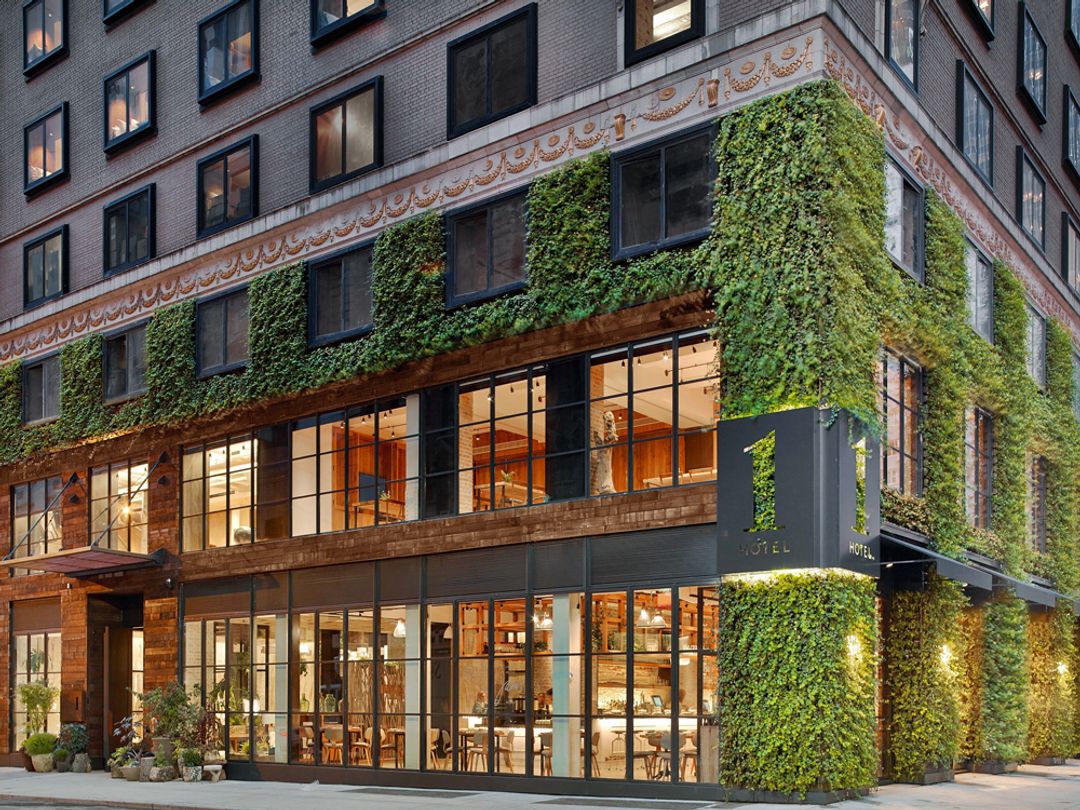
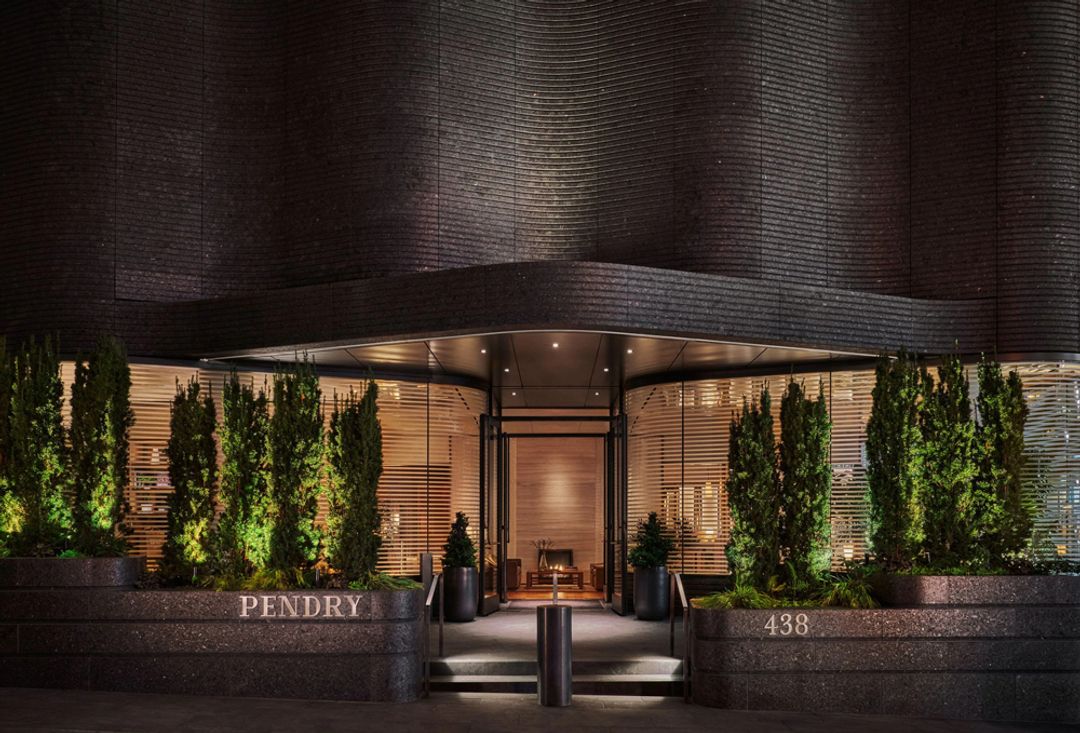
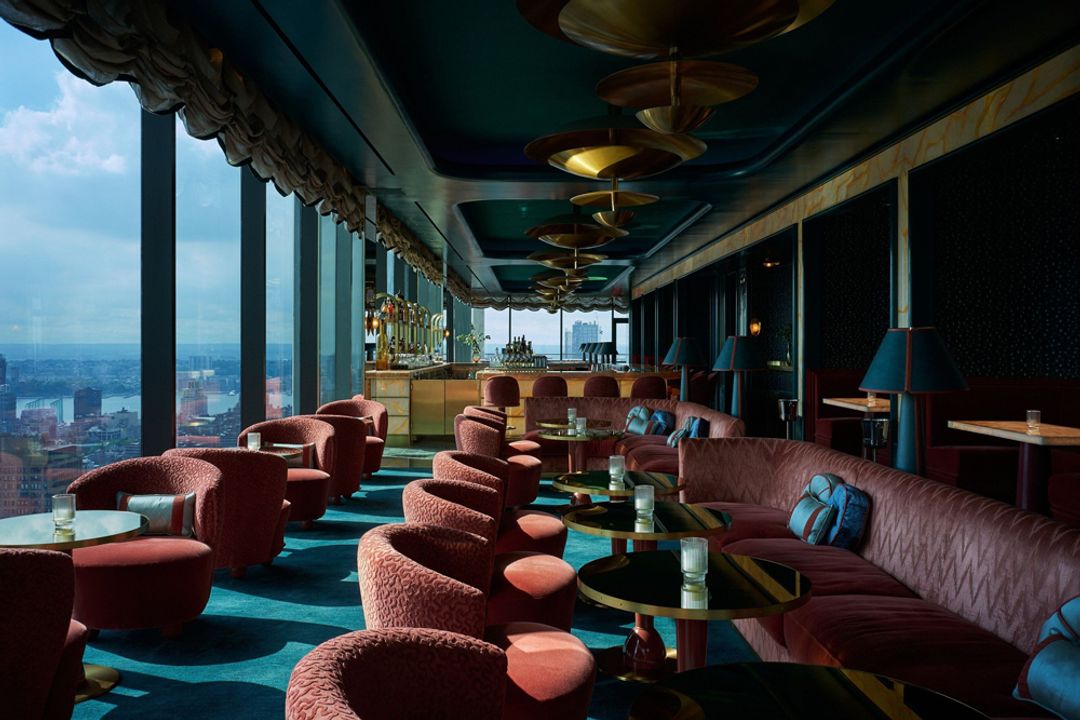
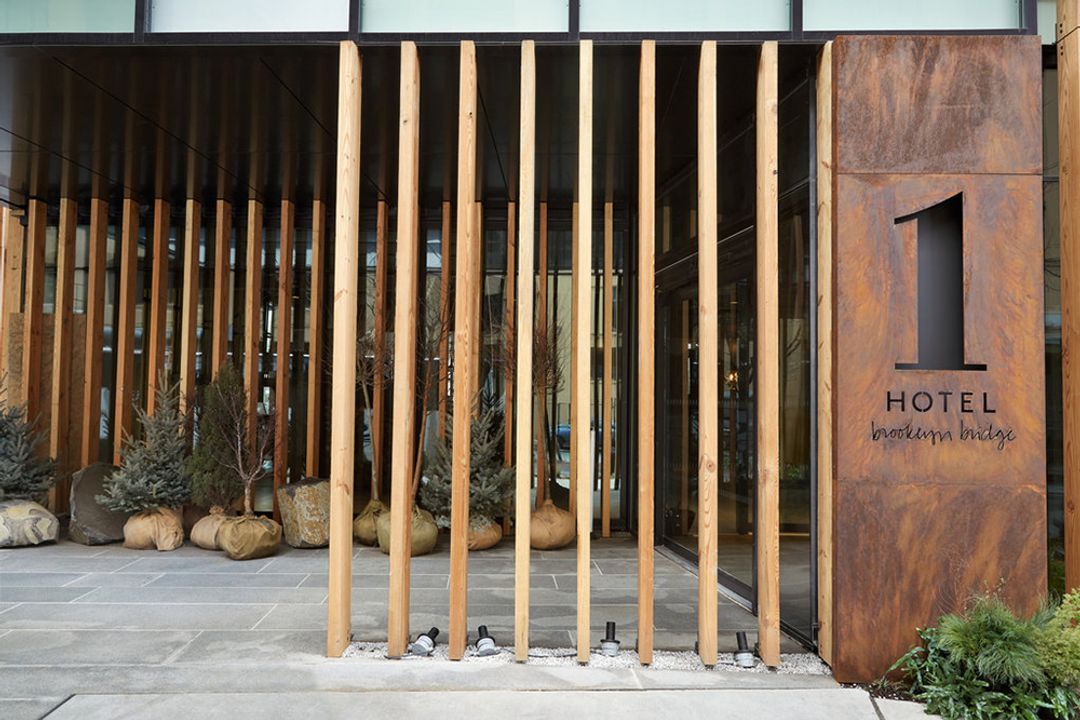
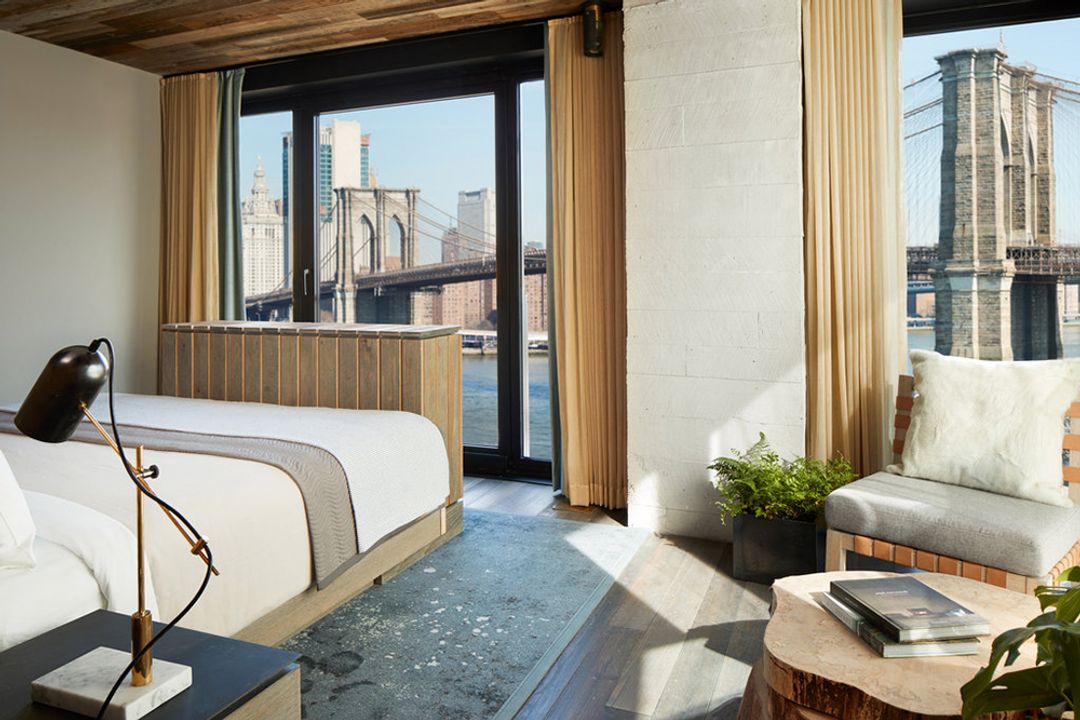
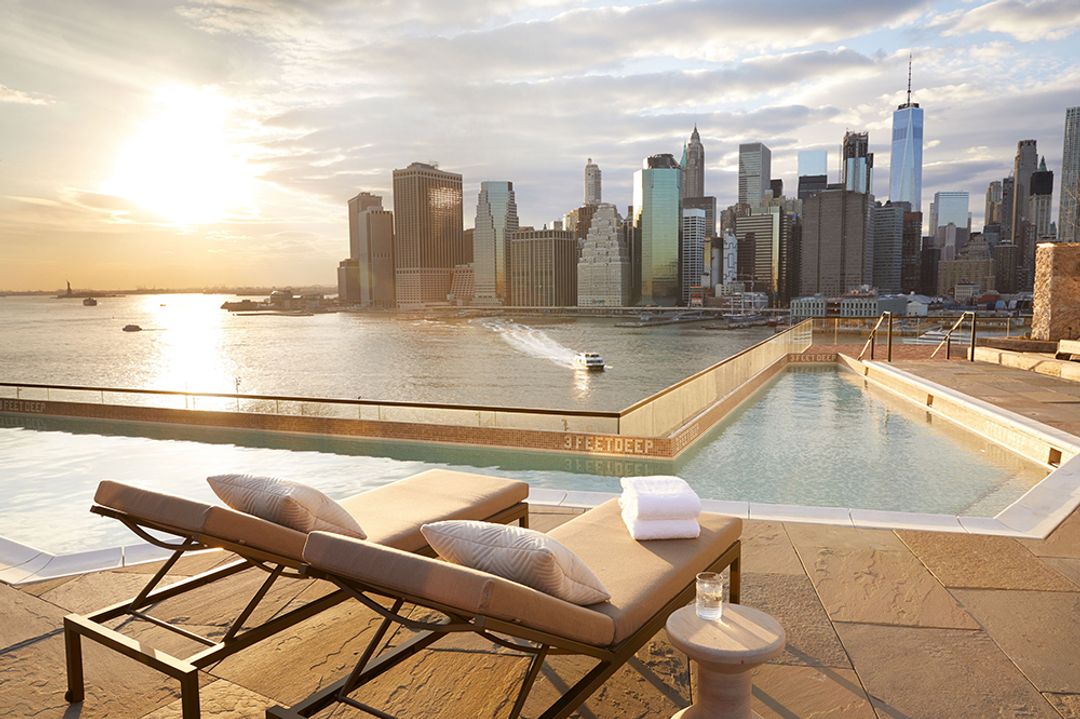
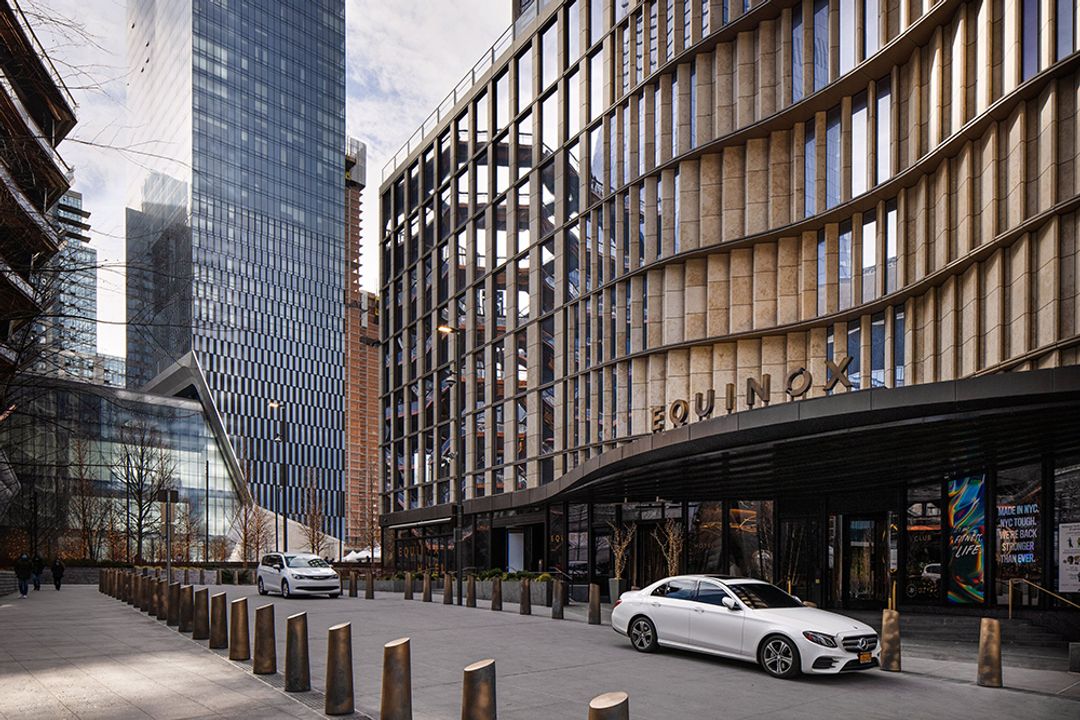
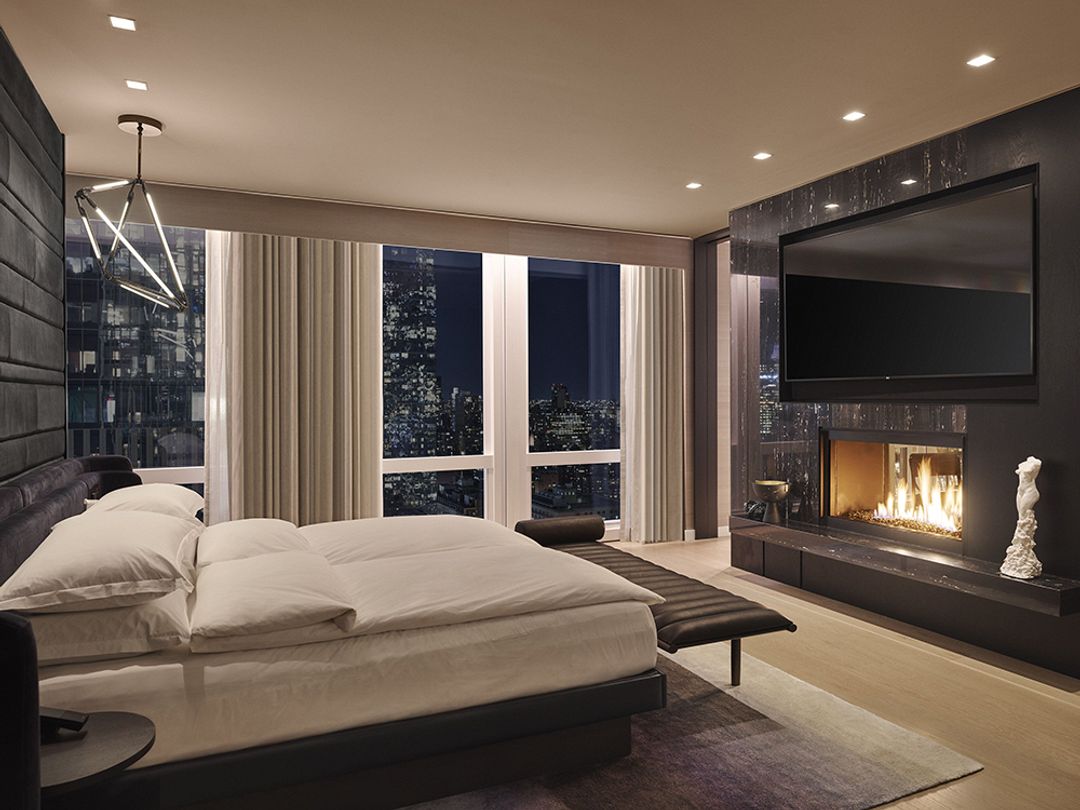
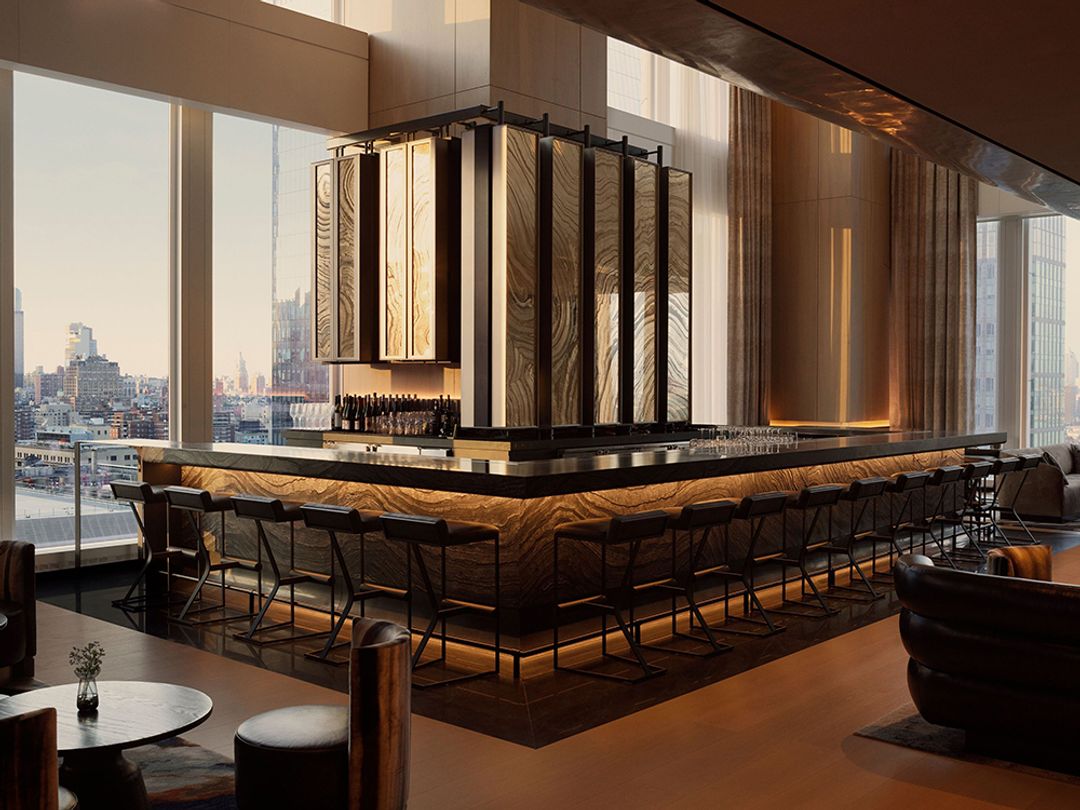
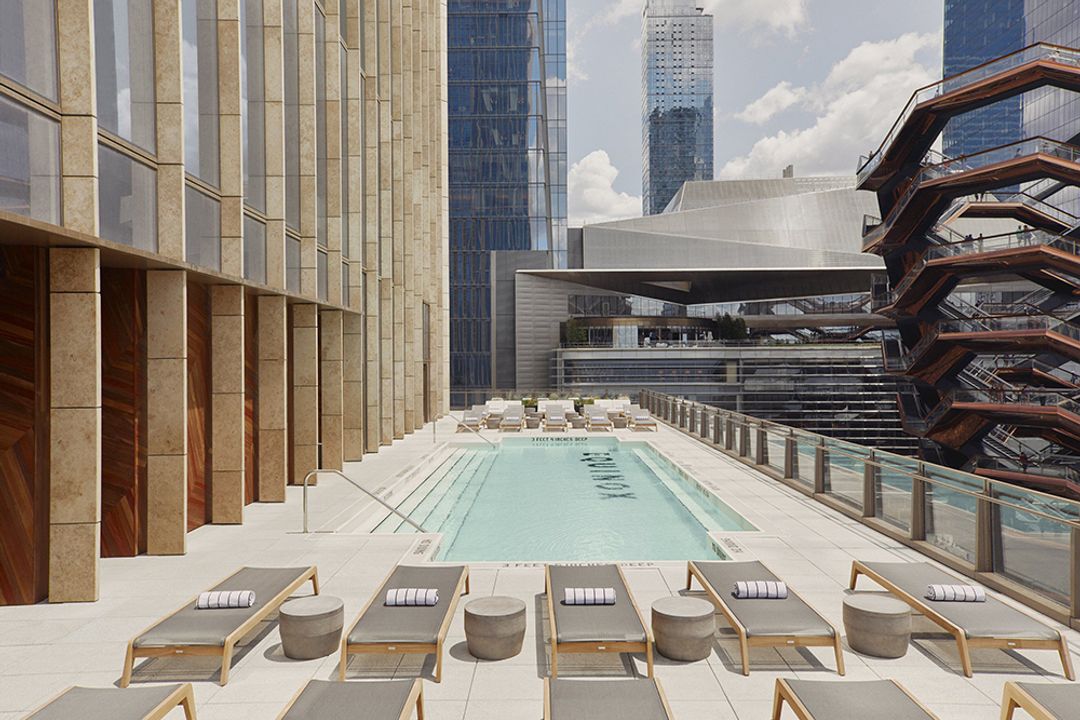
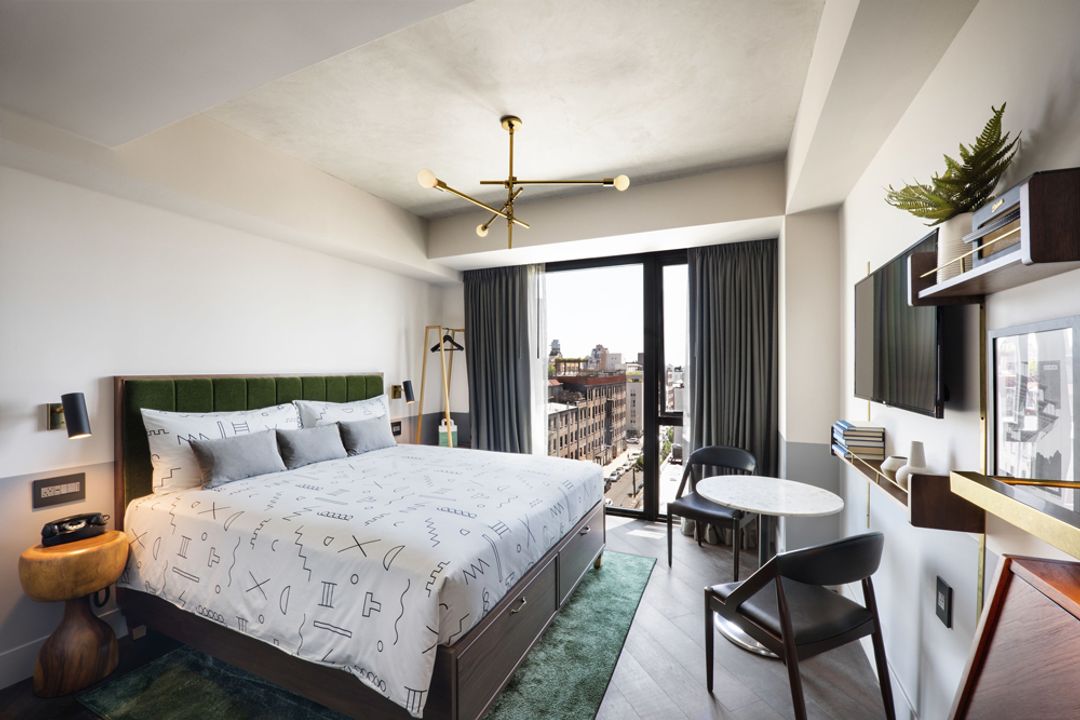
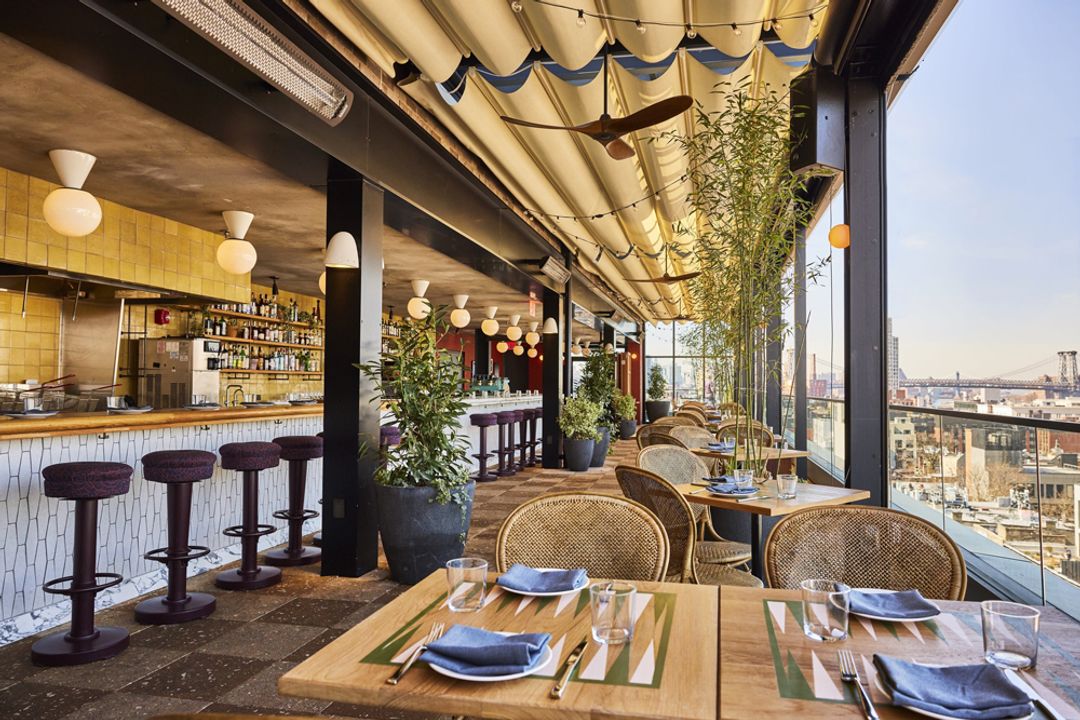
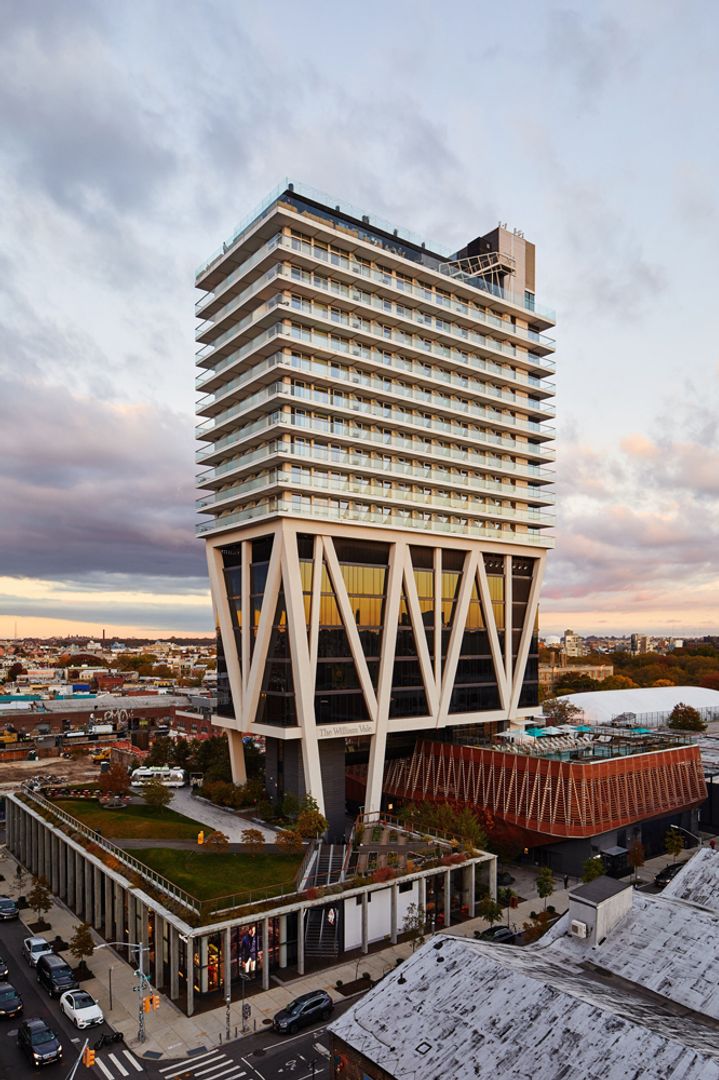
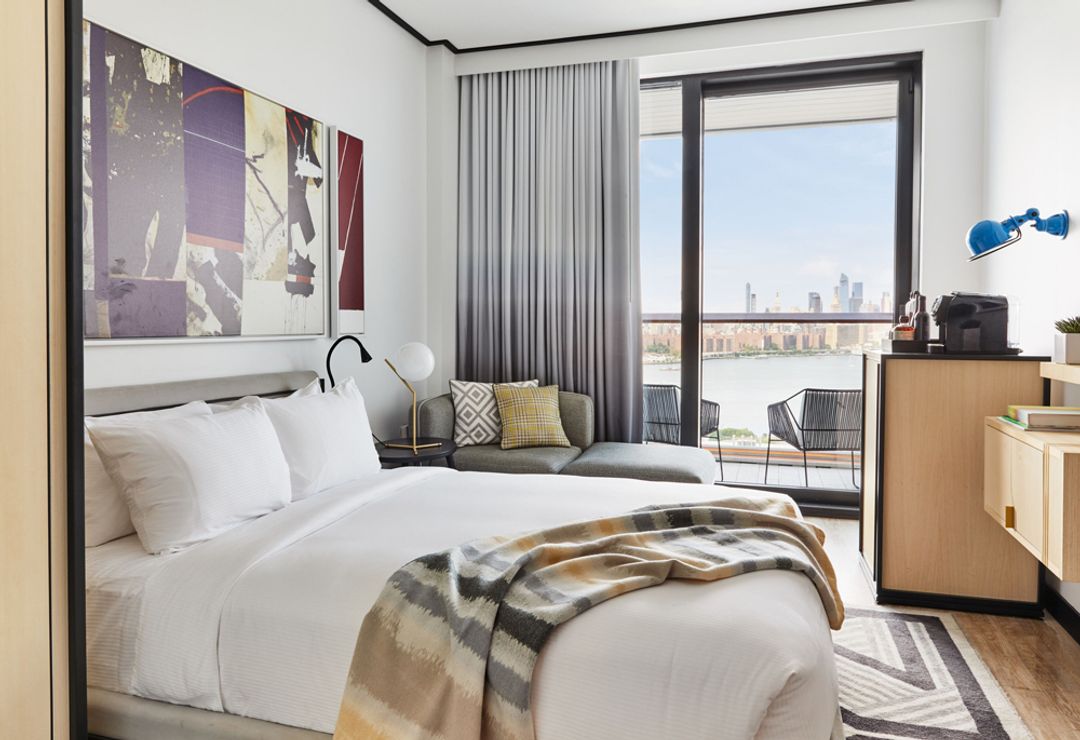
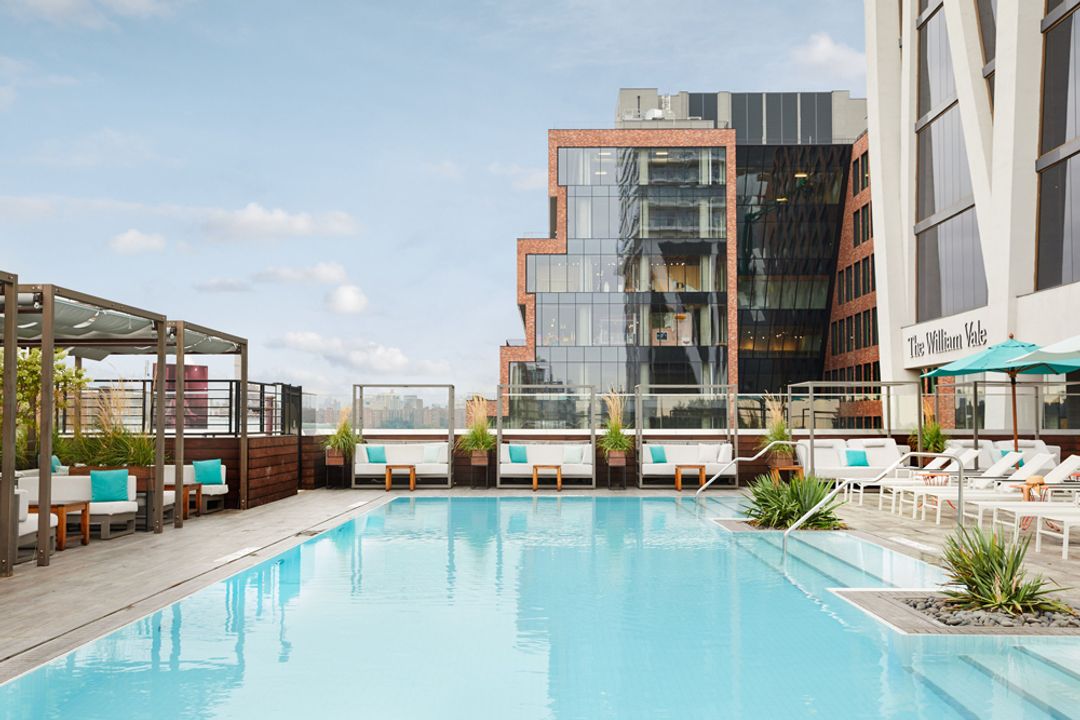
Brooklyn has moved well past novelty. The William Vale in Williamsburg and 1 Hotel Brooklyn Bridge in Dumbo address the borough's particular relationship with waterfront views, while the Hoxton Williamsburg keeps its European sensibility mostly intact. Anyone whose first instinct is to notice materials and proportion rather than room service will find Brooklyn a more considered proposition than its room rates suggest. Hudson Yards, meanwhile, is a special case: the Equinox Hotel and Pendry Manhattan West occupy a neighborhood built almost entirely from scratch, which gives them a certain ambition but little accumulated character, the tradeoff not always resolved in the traveler's favor.