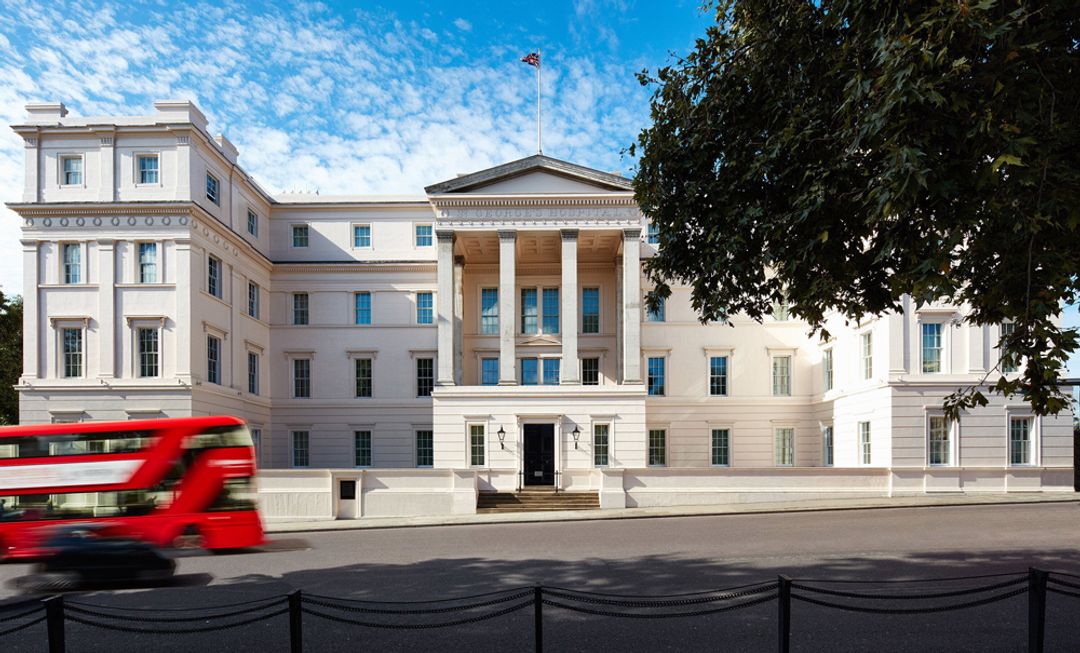
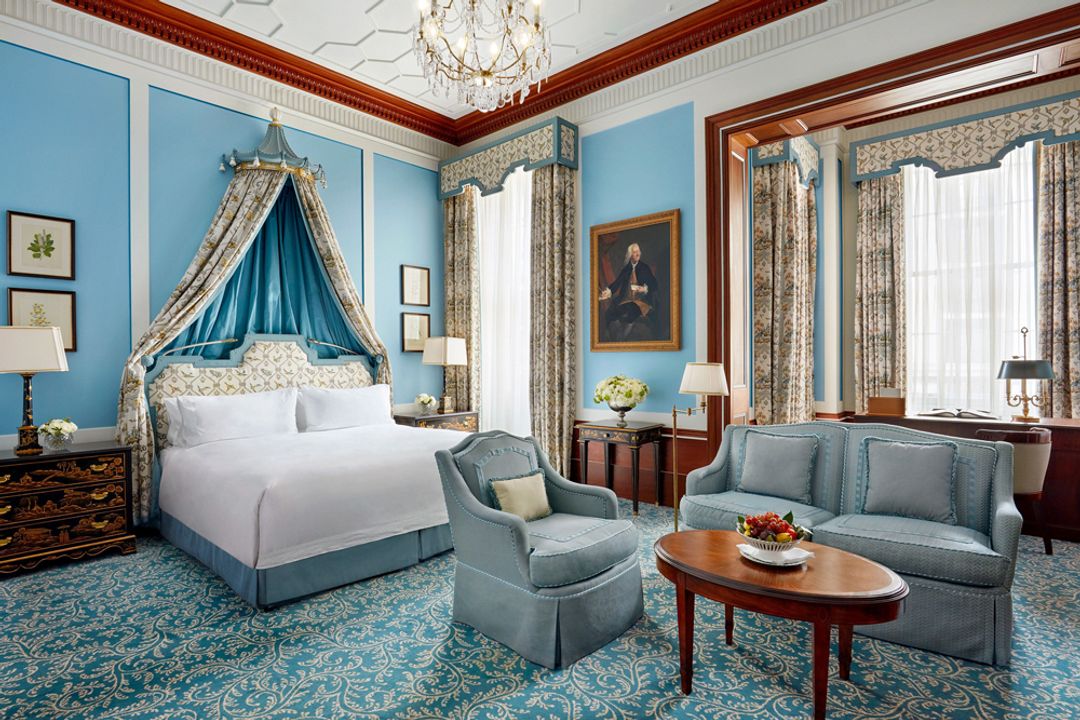
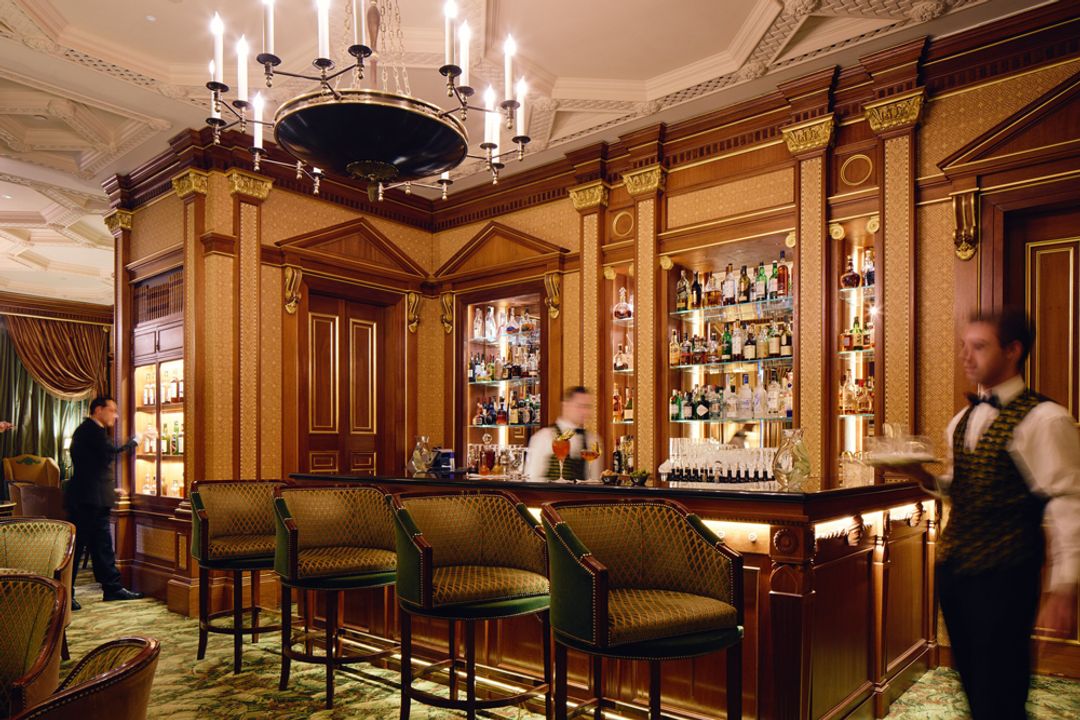
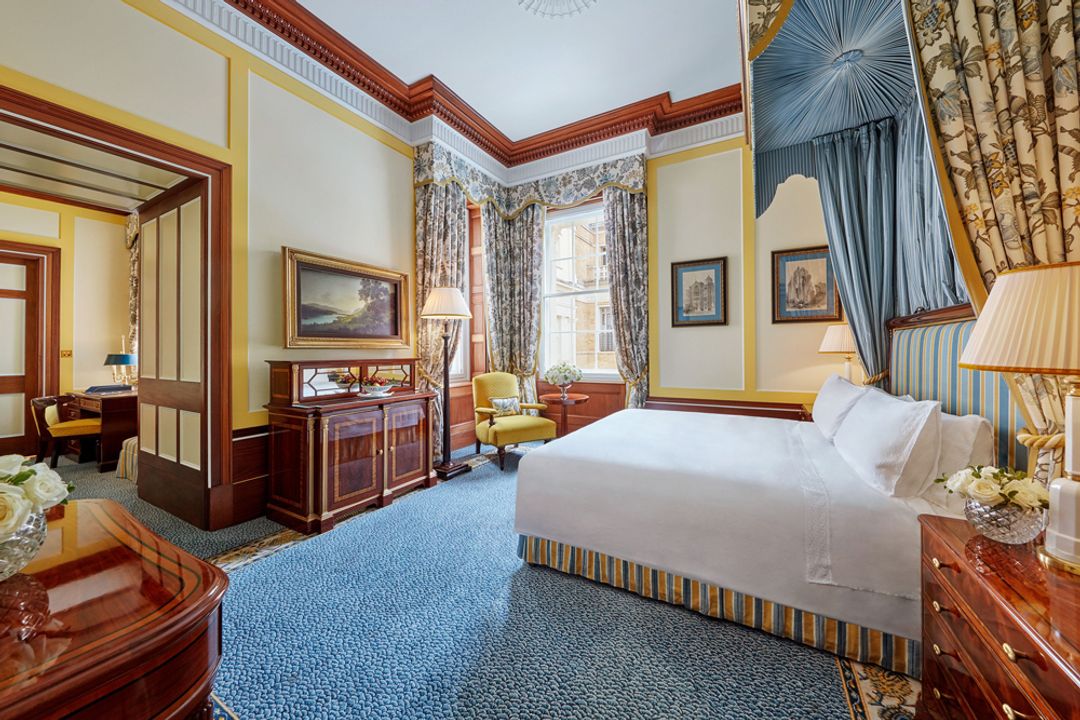
Best hotels in London, England | A Curated Visual Guide to Top Stays
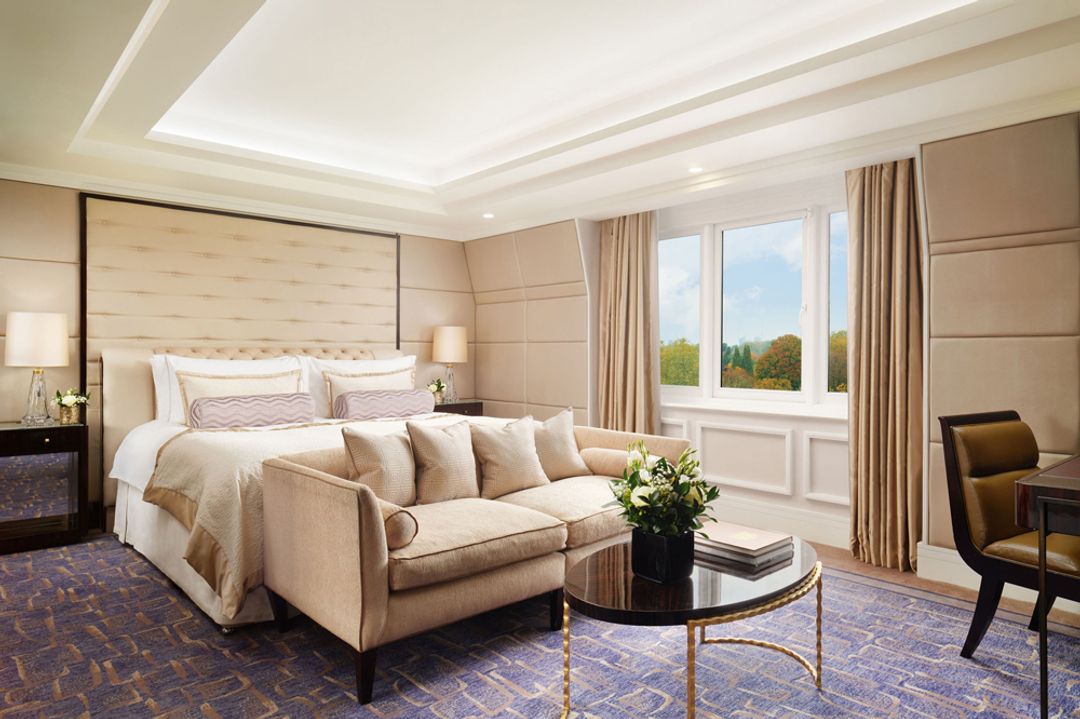
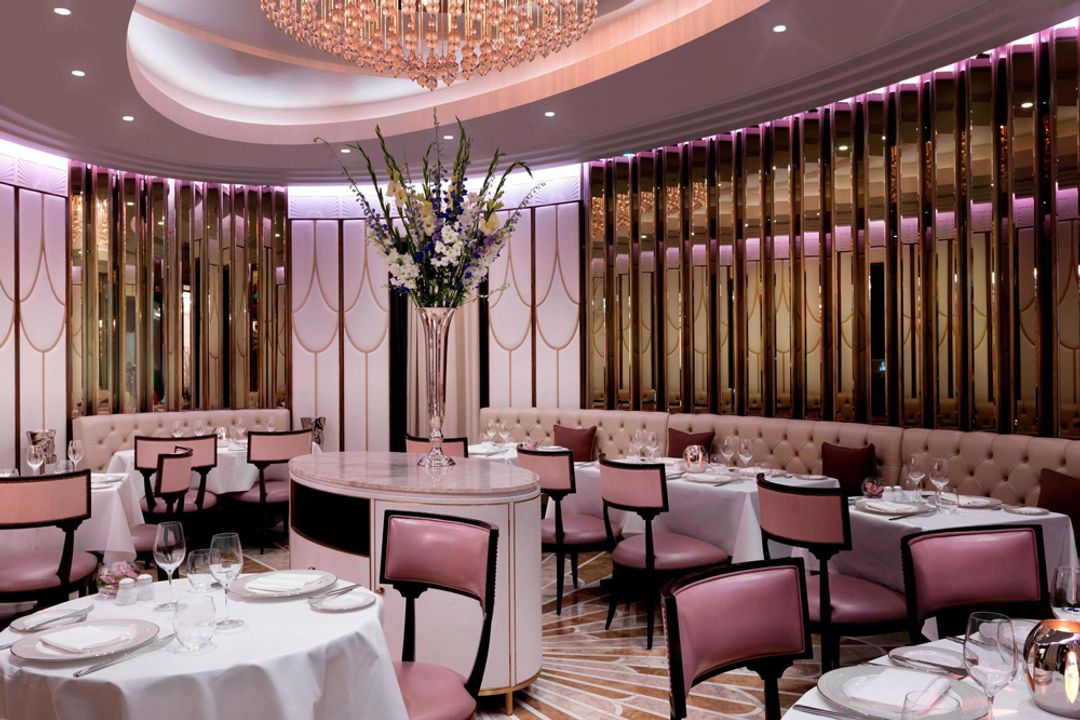
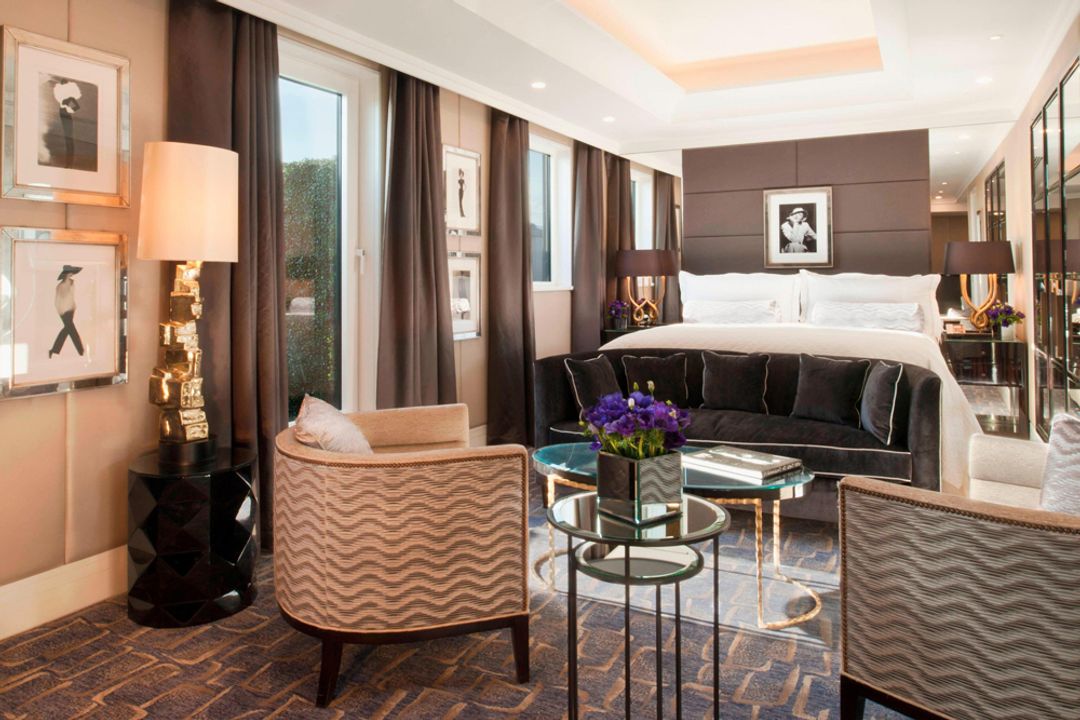
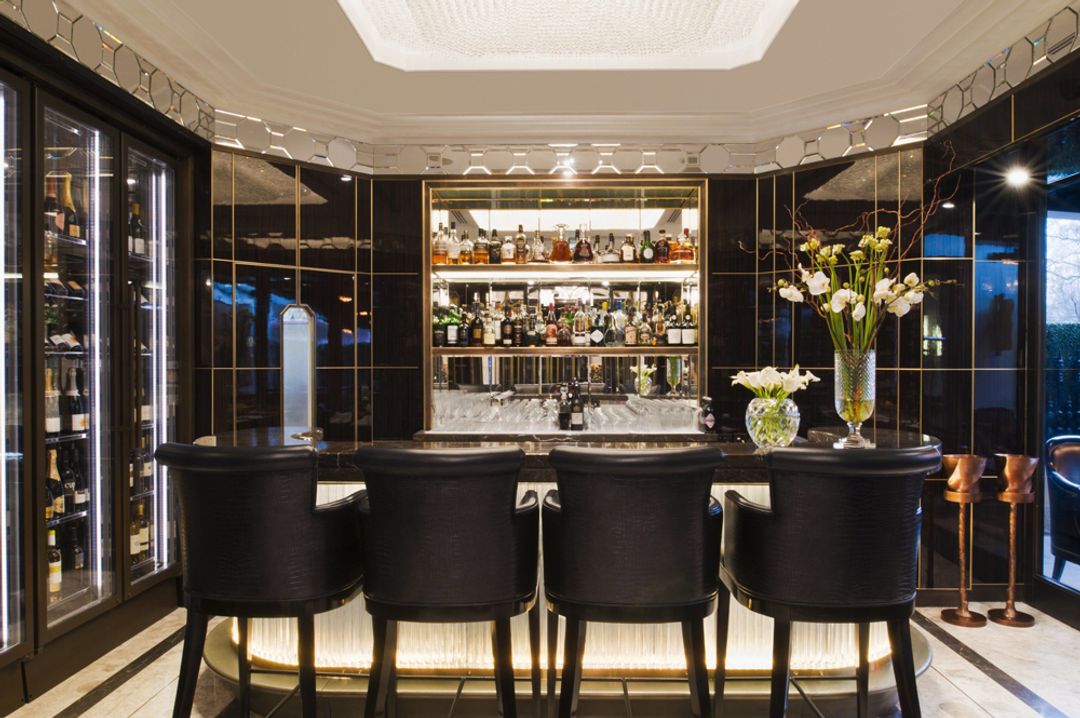
Welcome to PressBeyond, the ultimate curated visual guide for design-driven hotels! My name is Will Miller and these are my recommendations for the best boutique and luxury hotels in London, England.
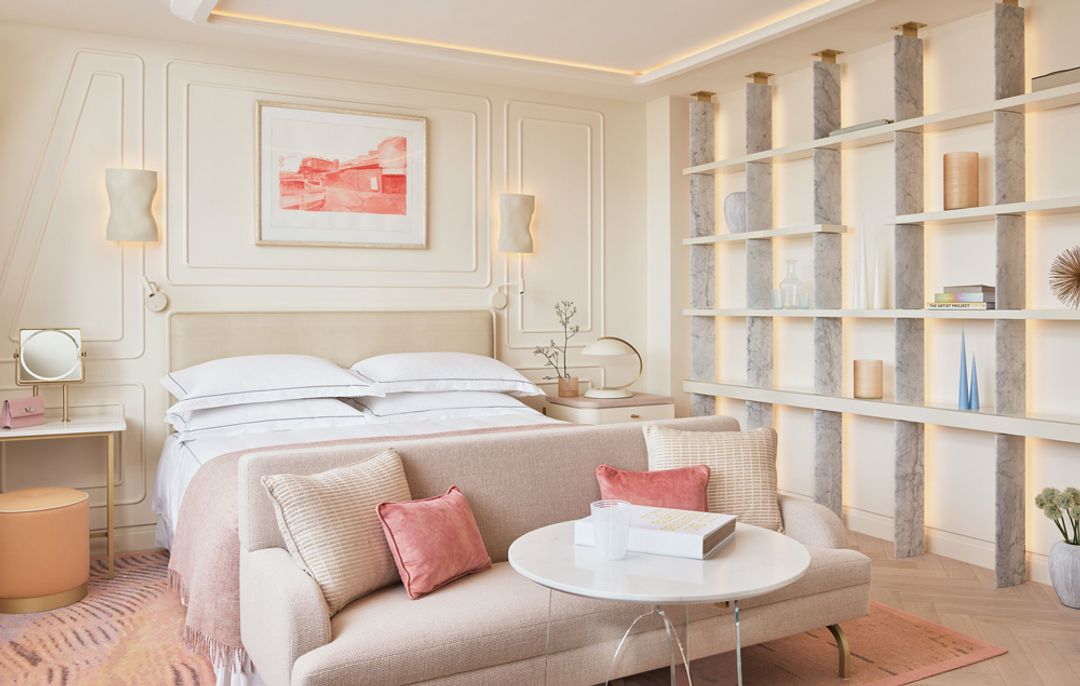
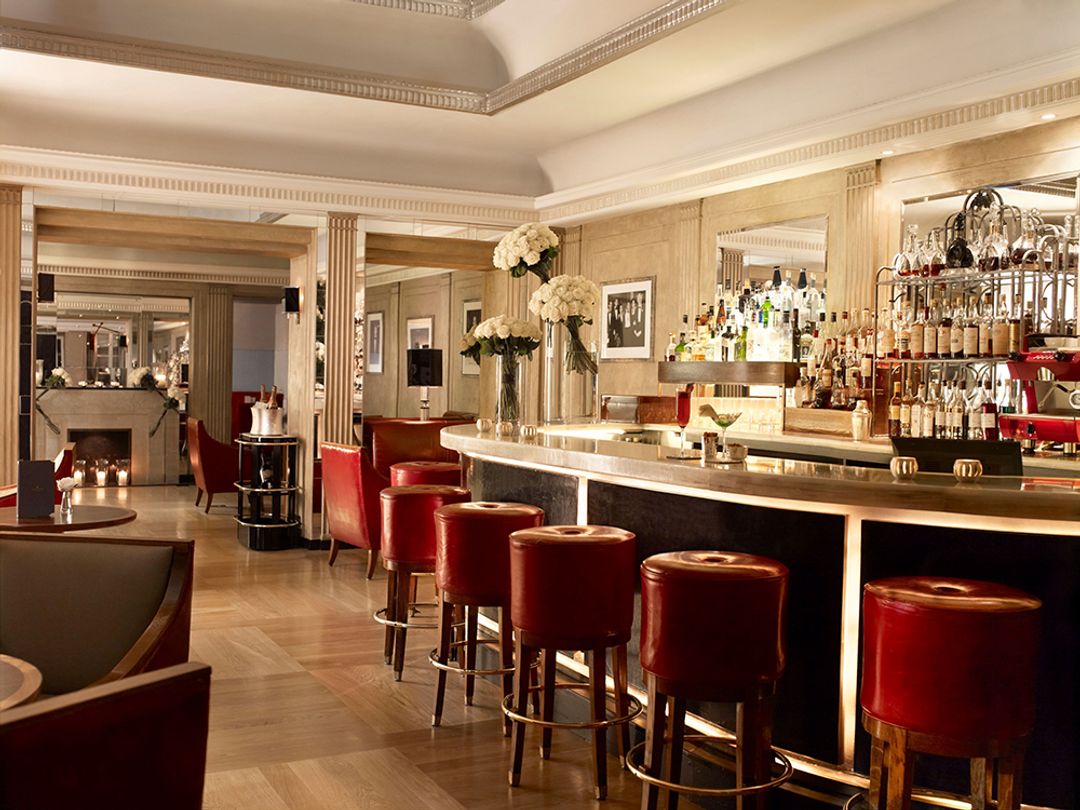
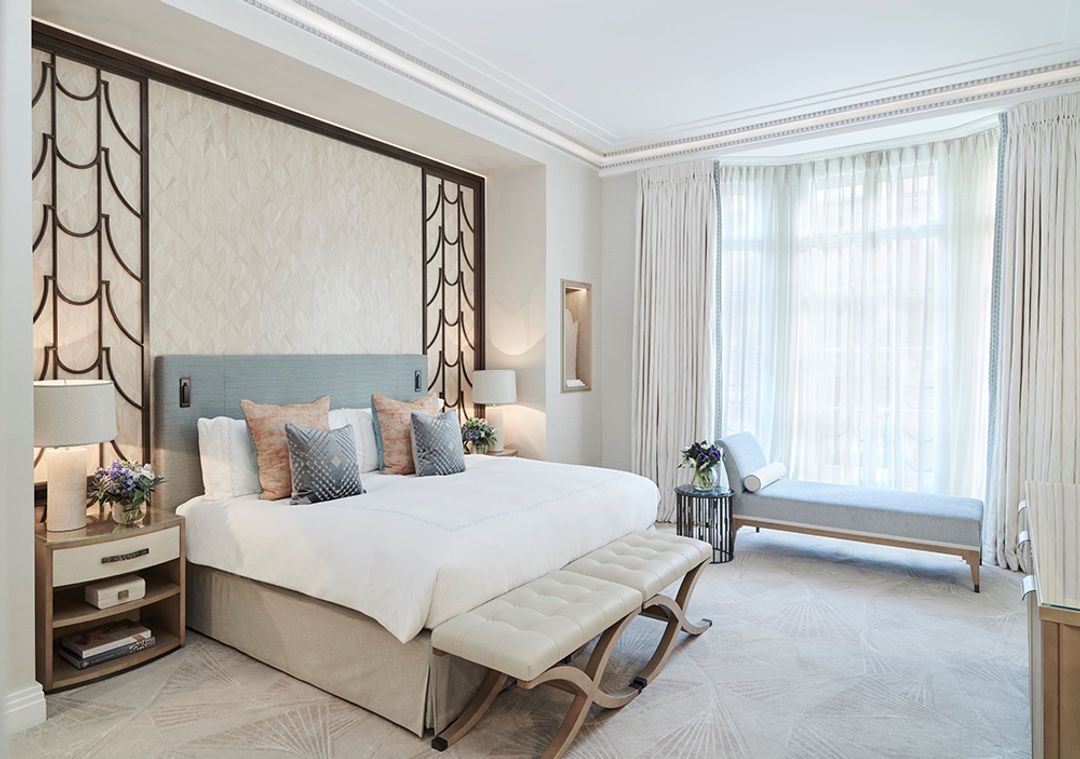
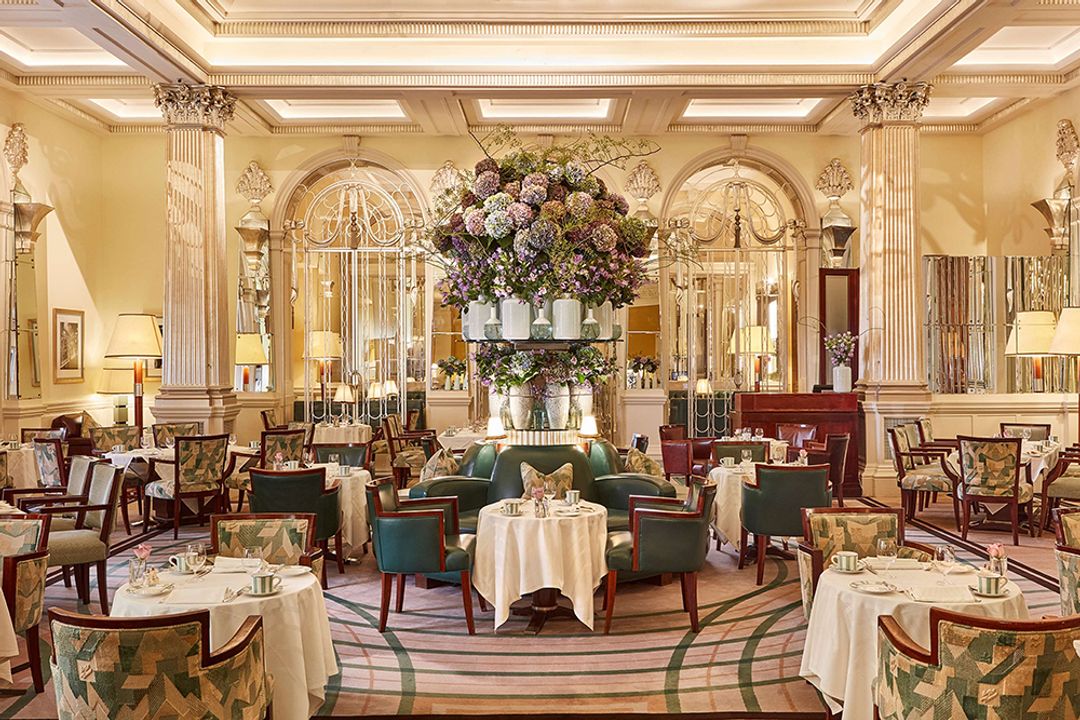
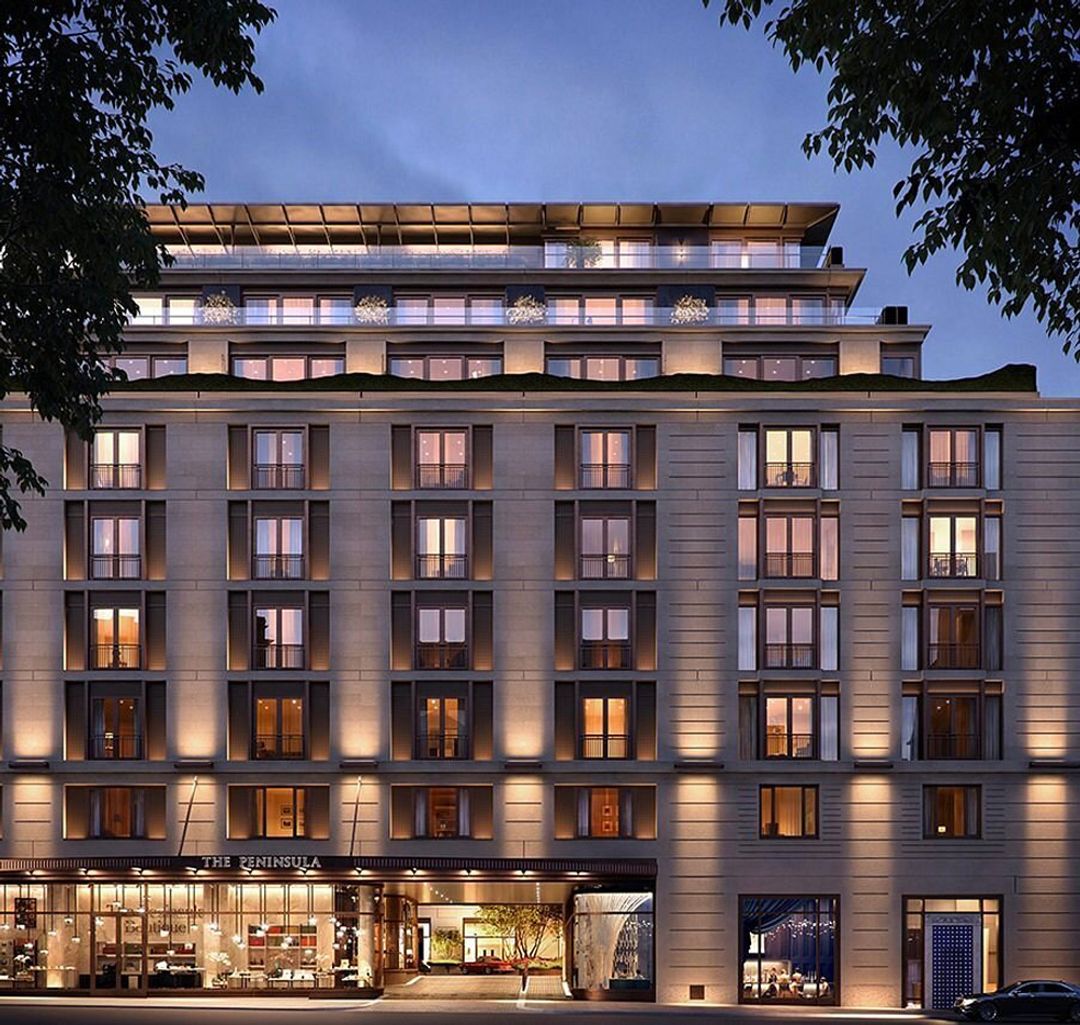
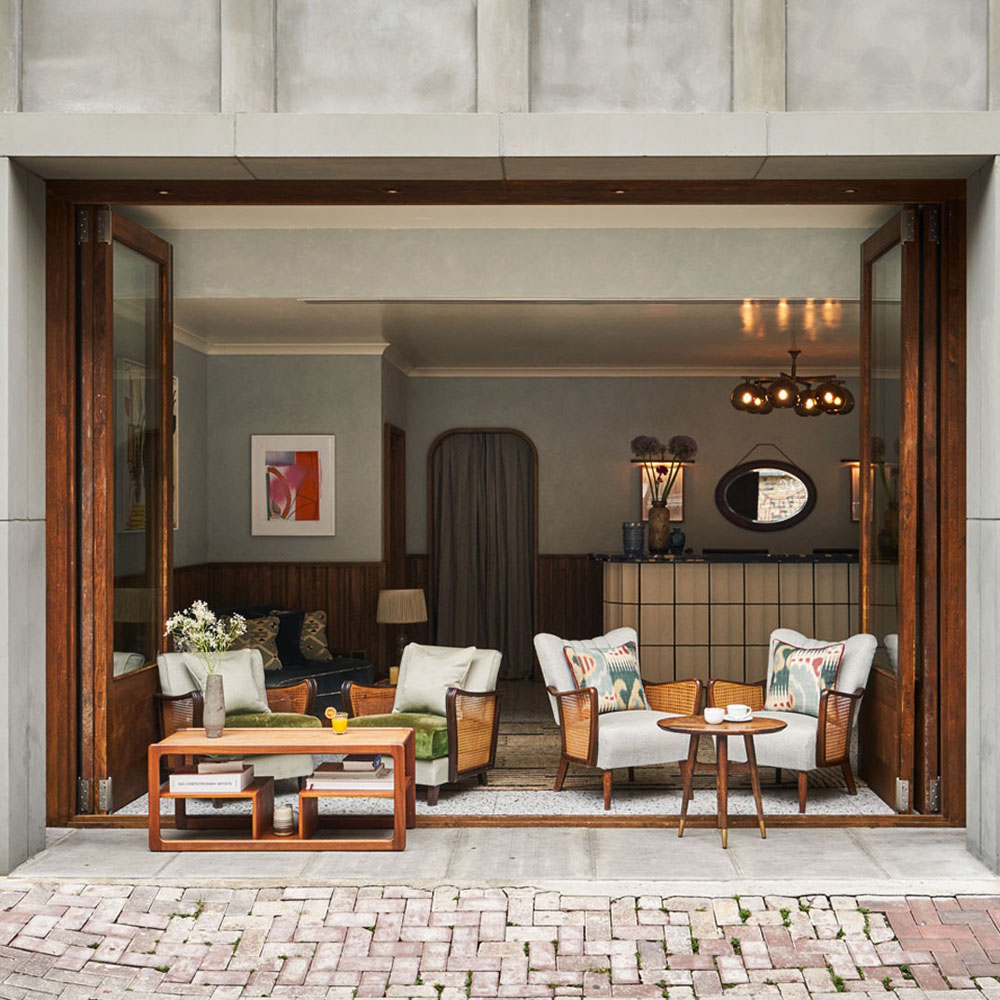
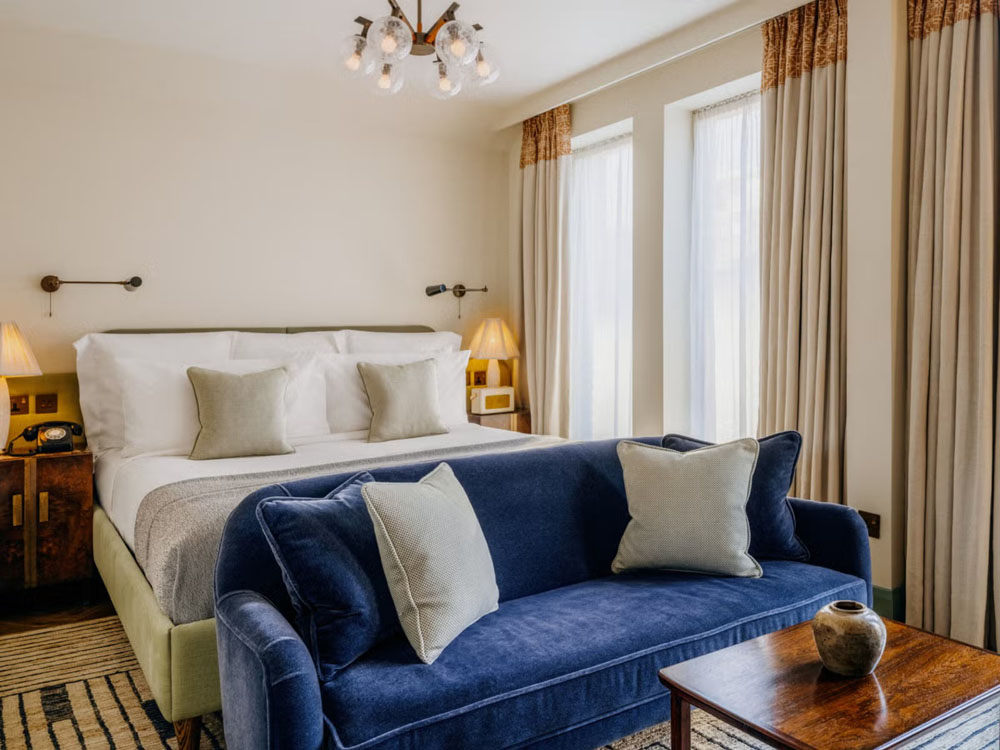
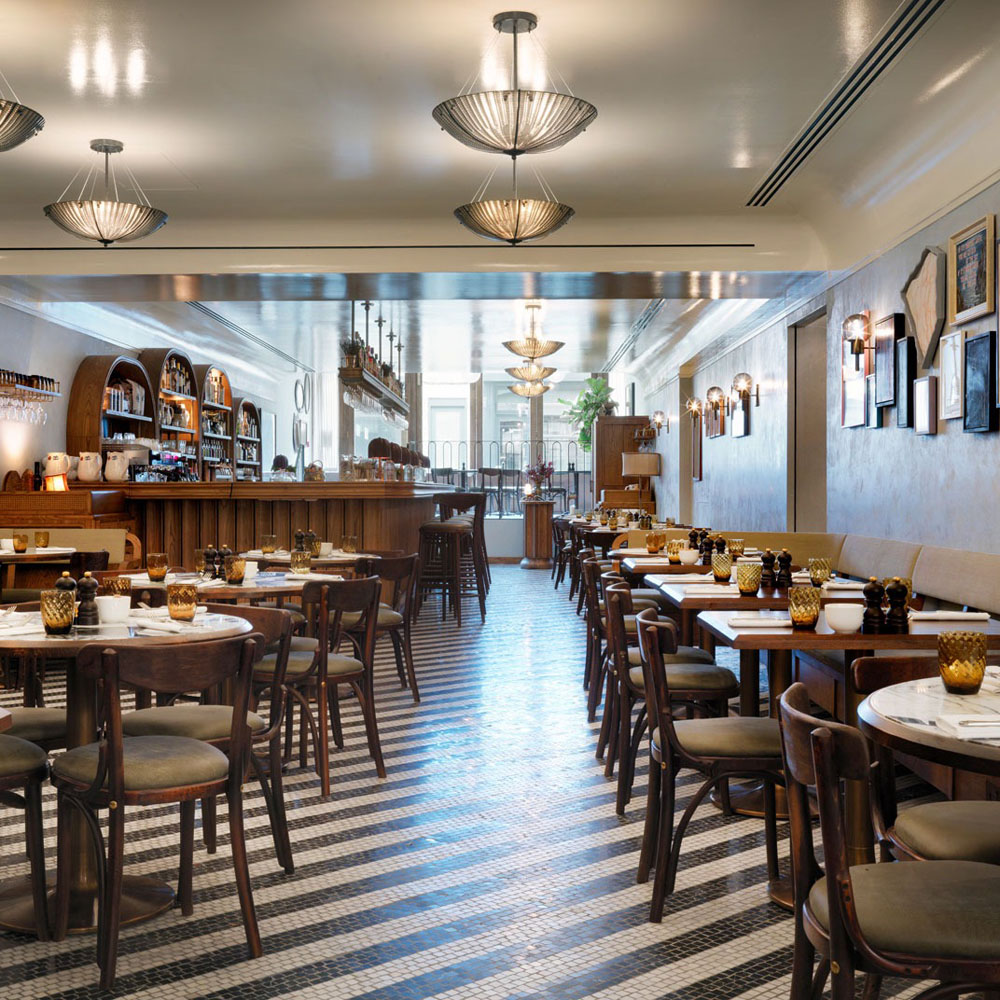
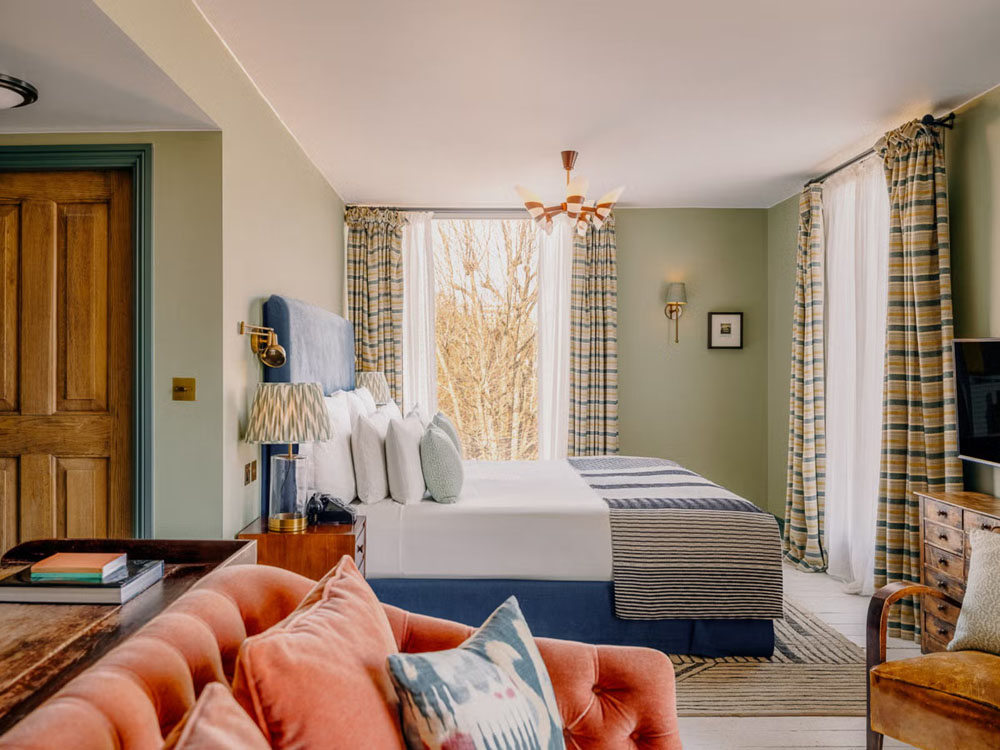
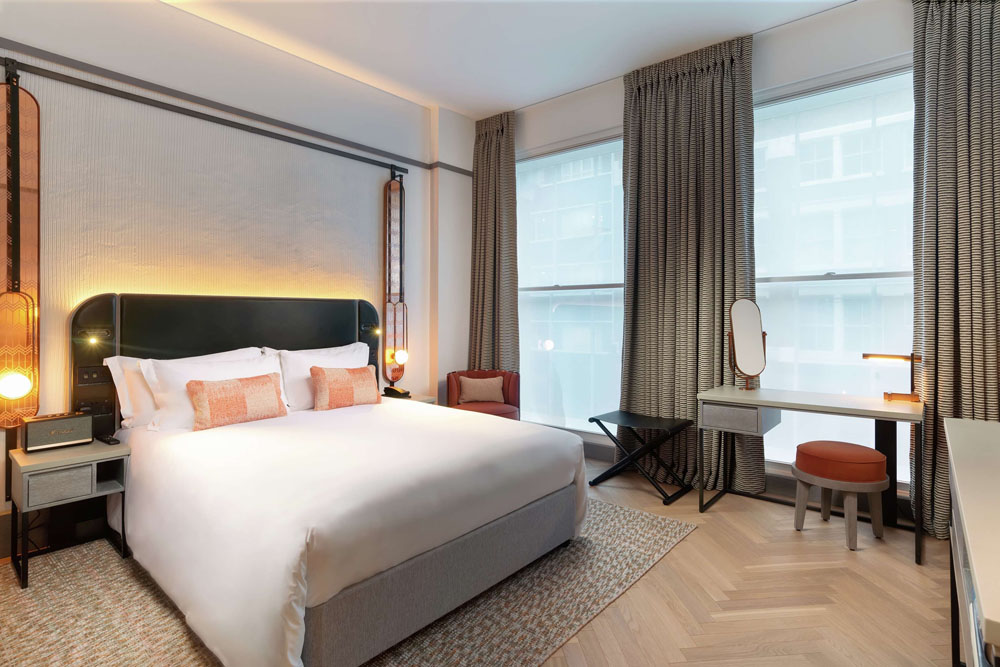
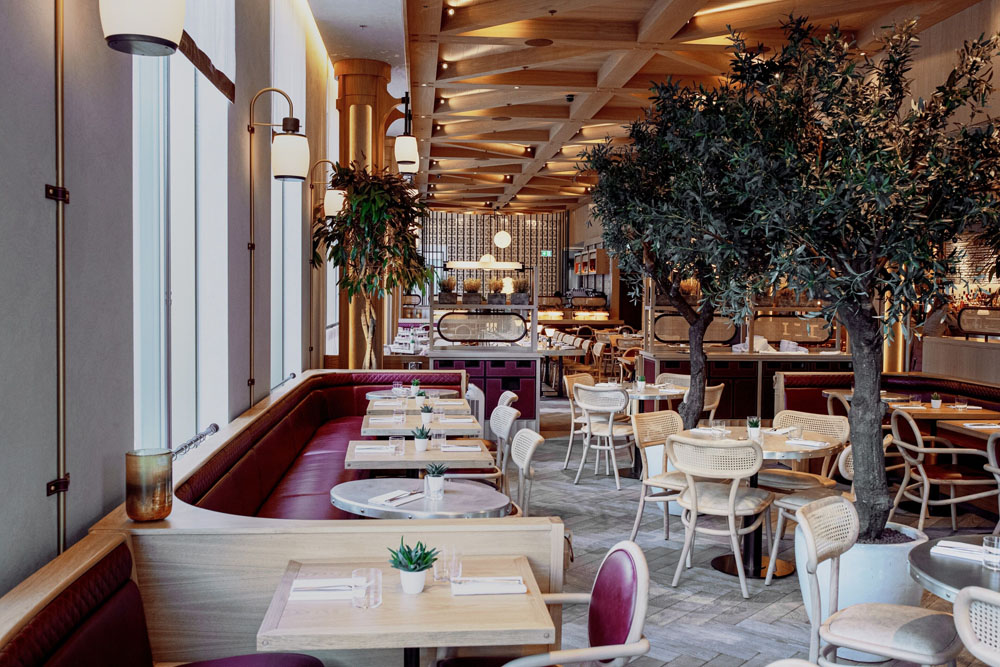
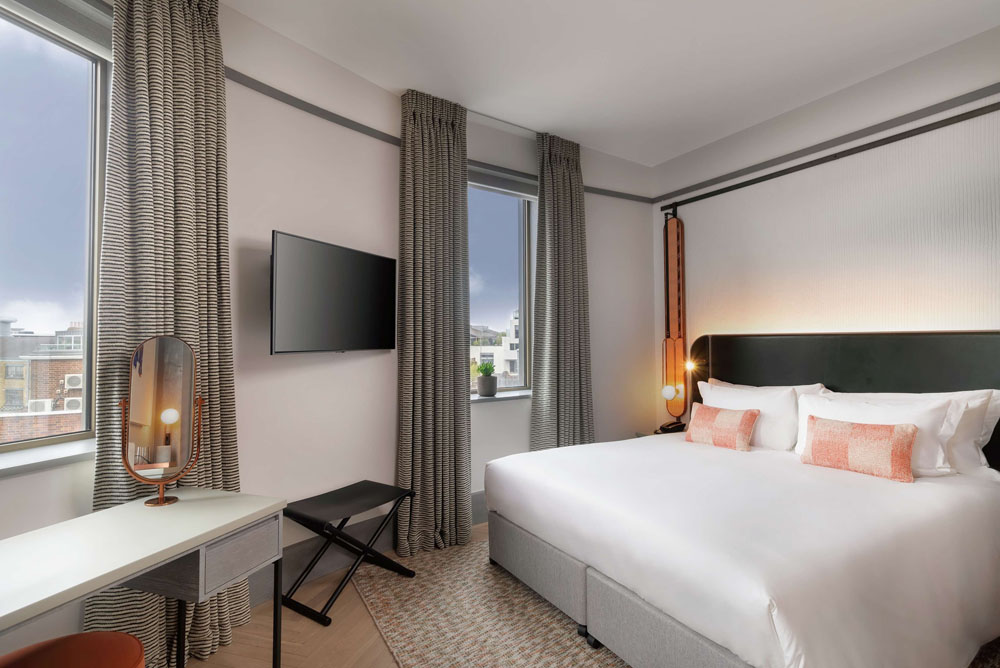
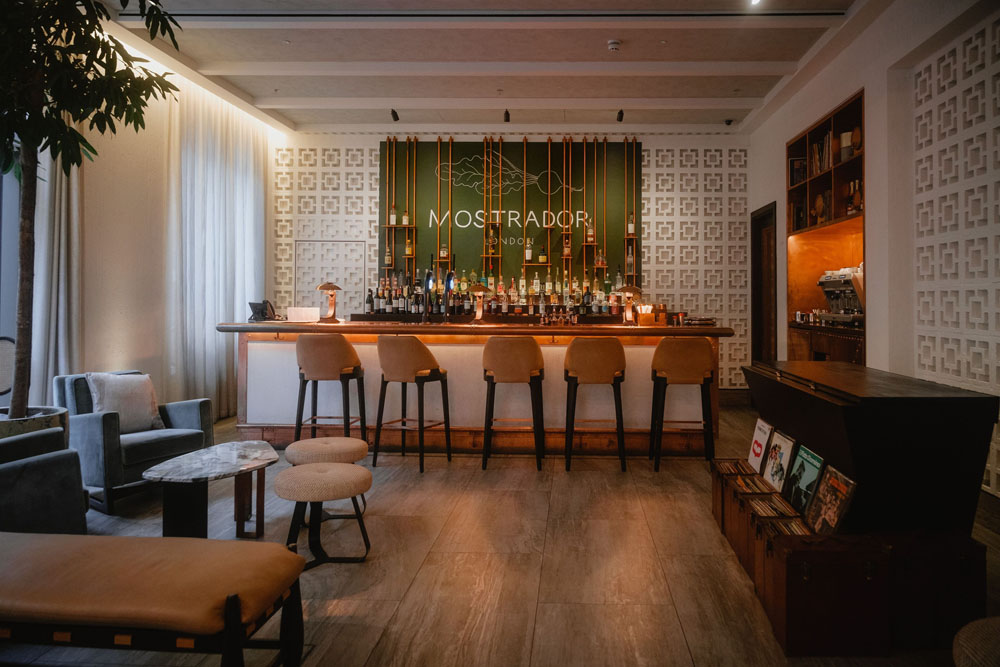
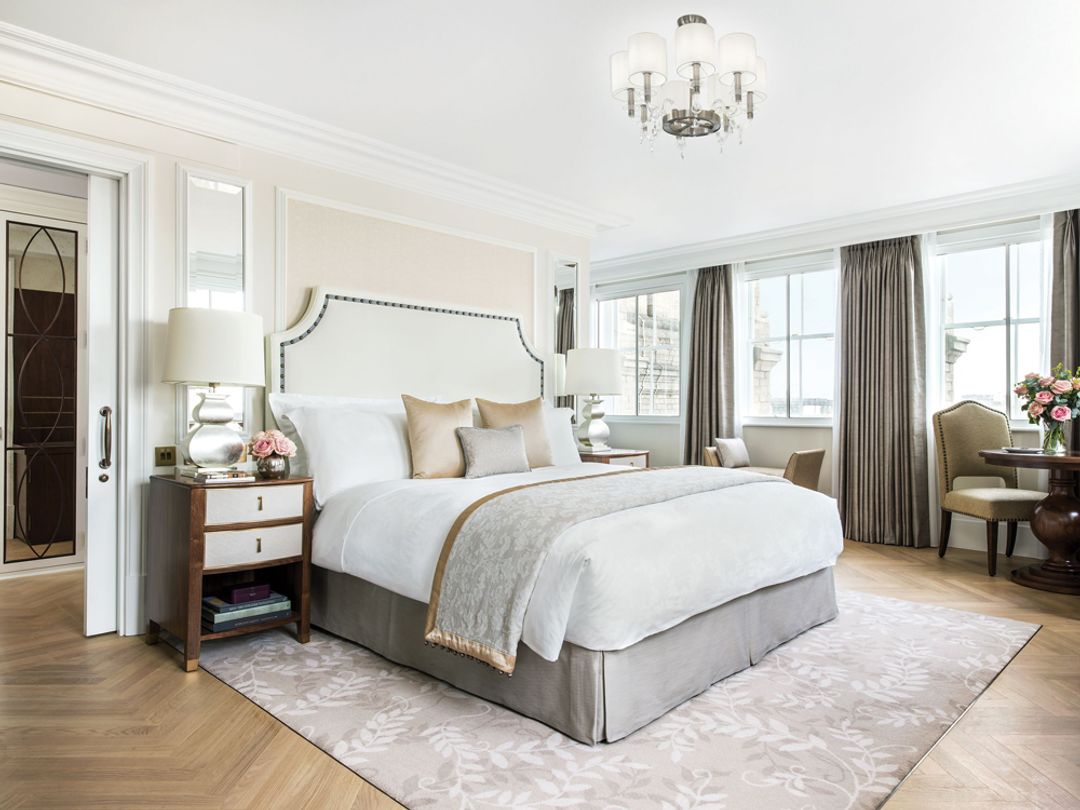
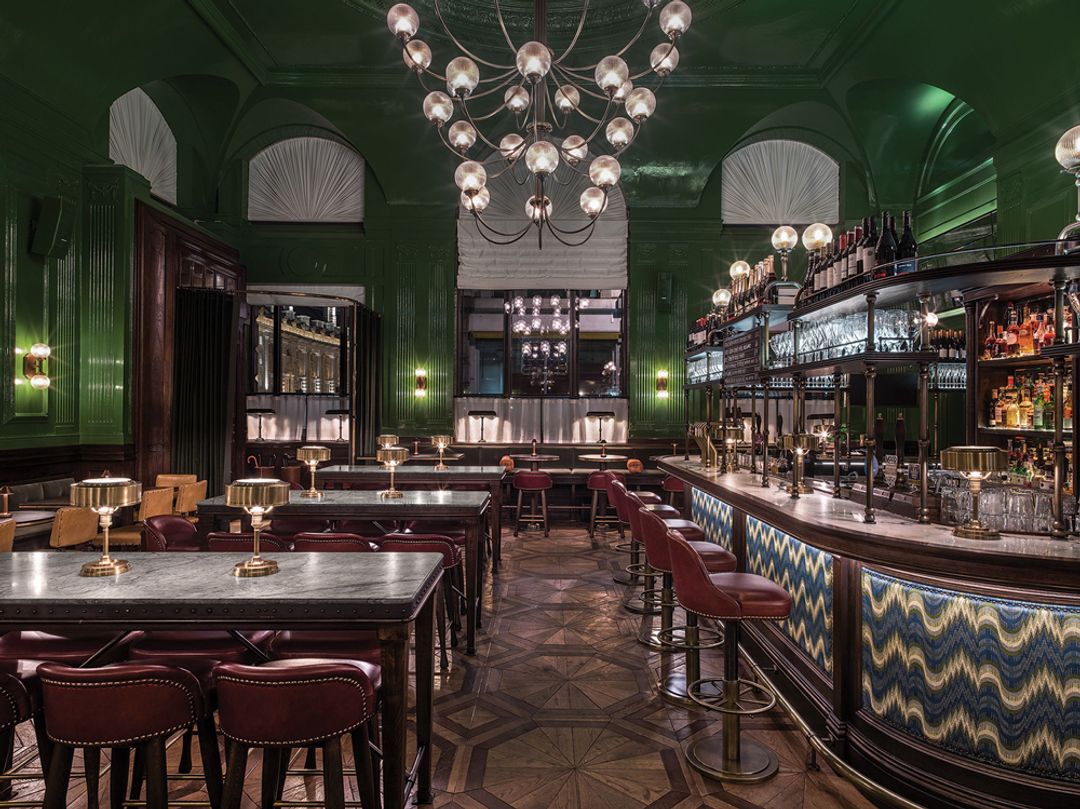
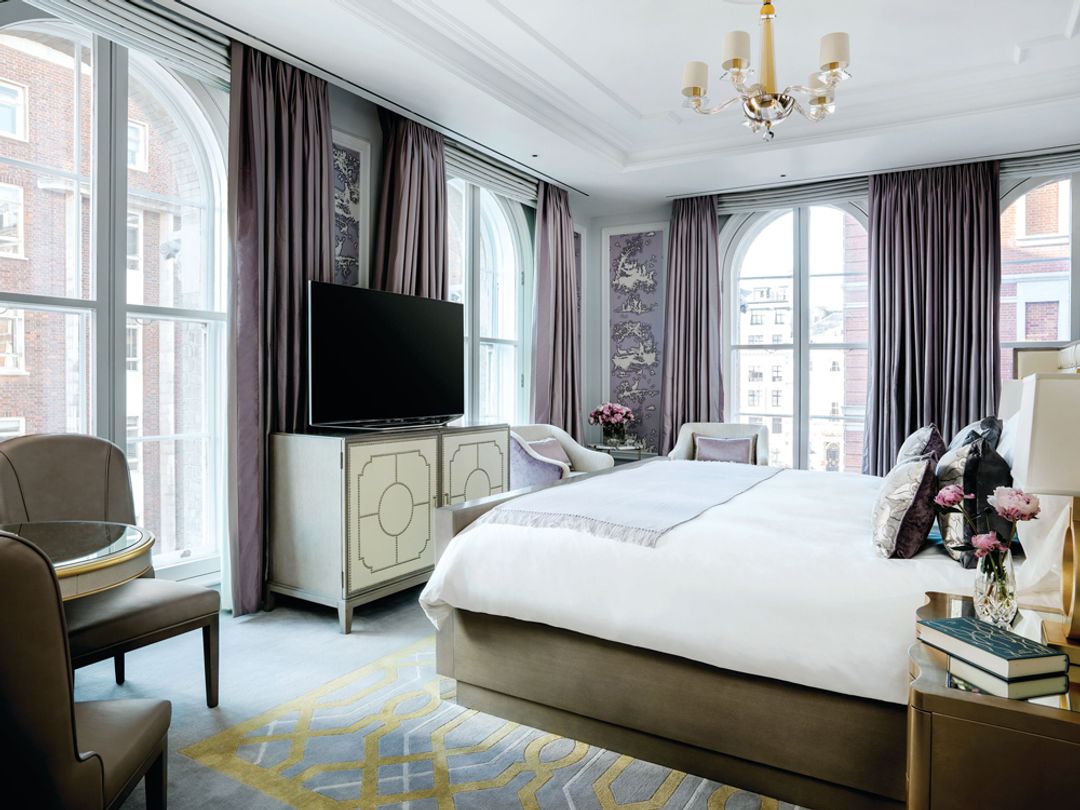
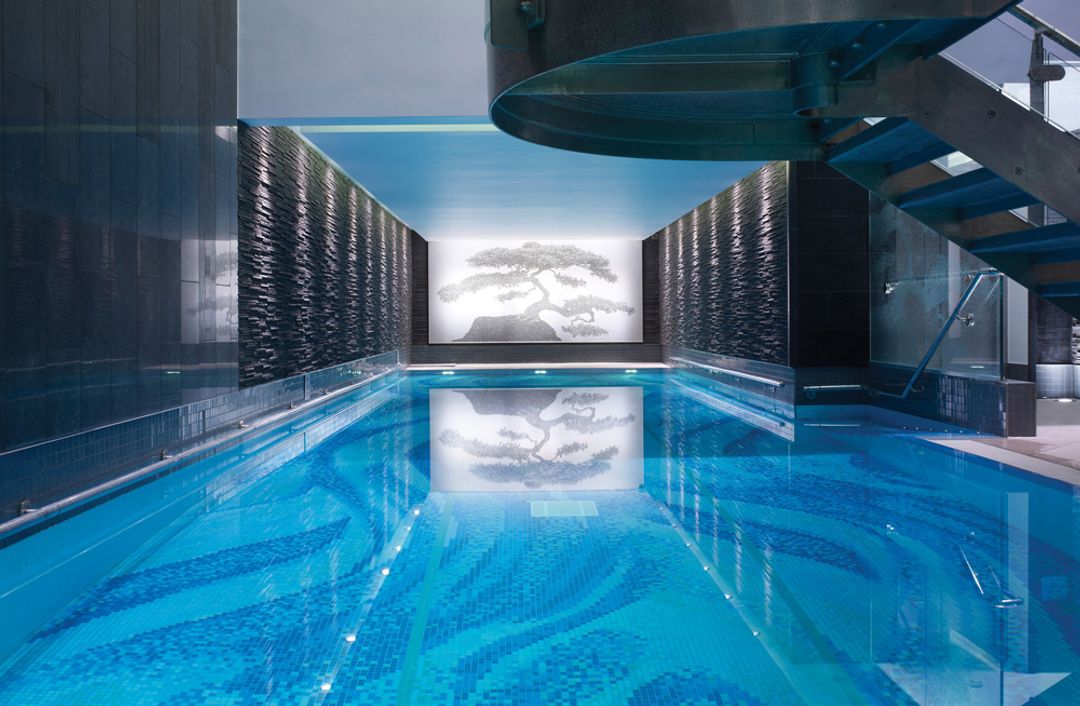
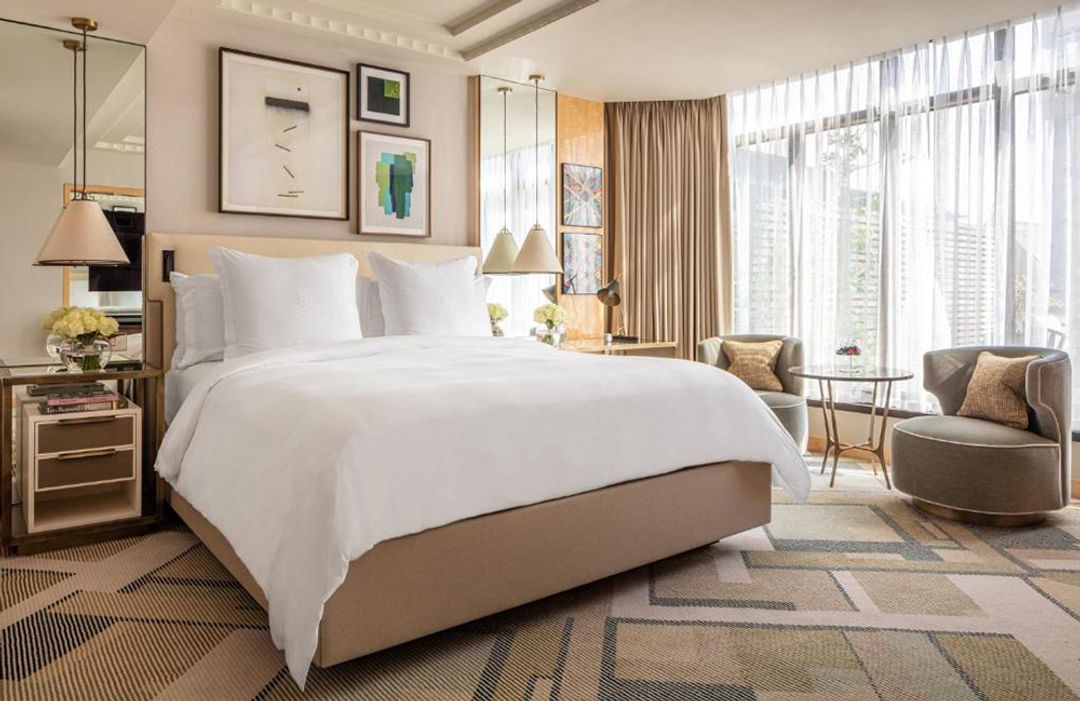
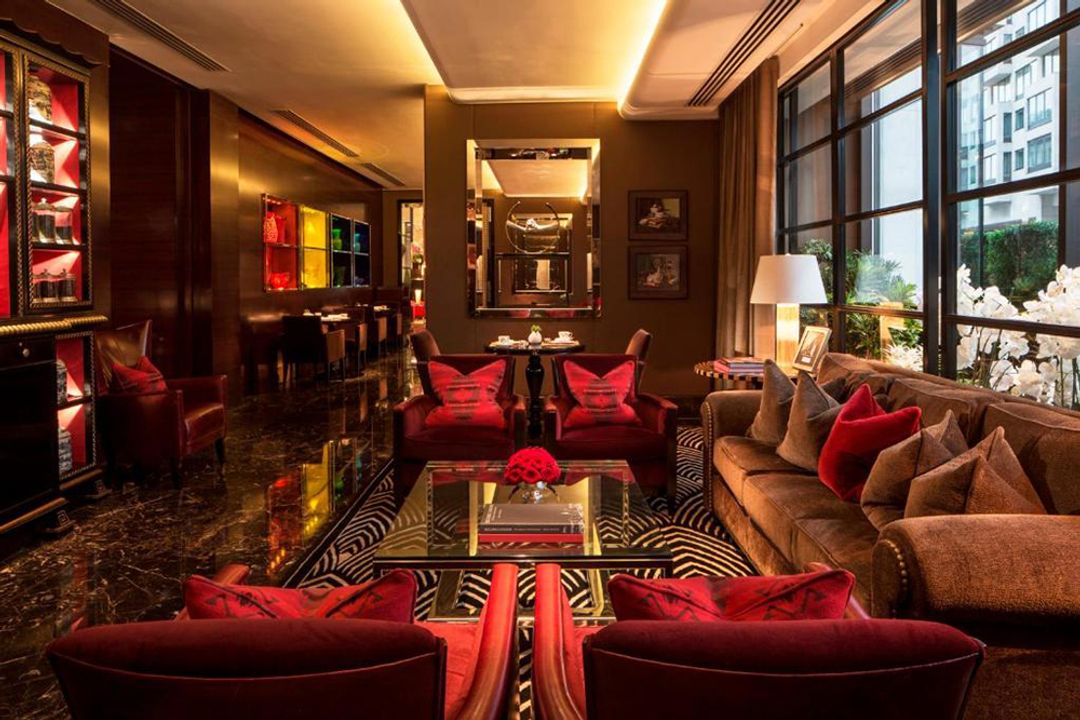
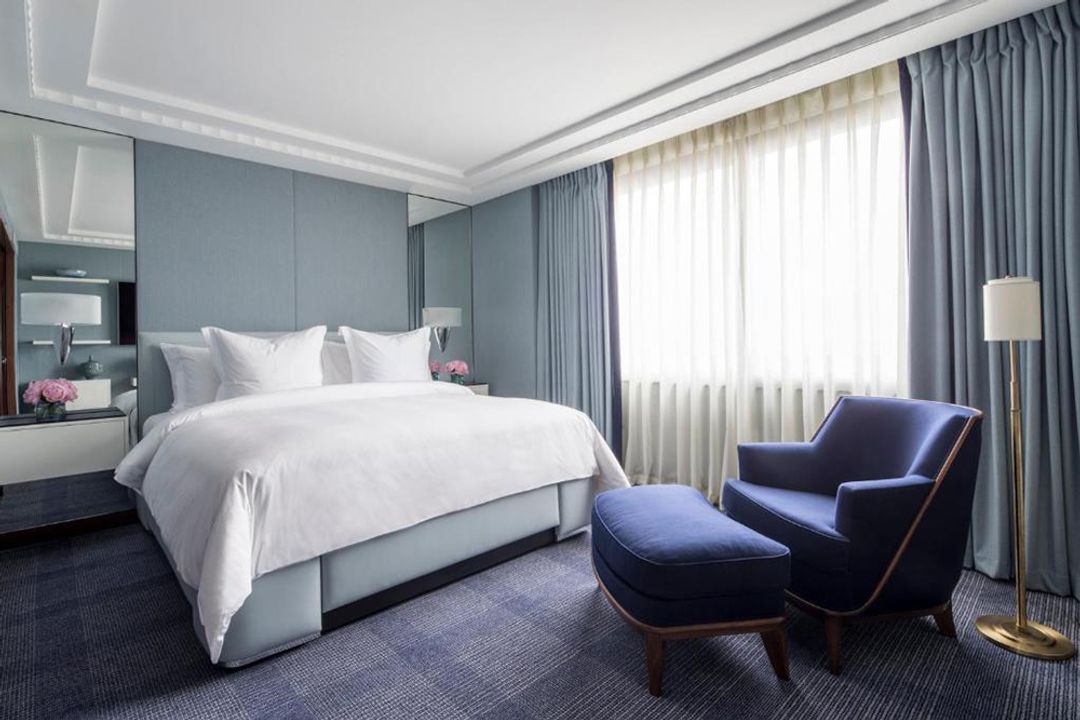
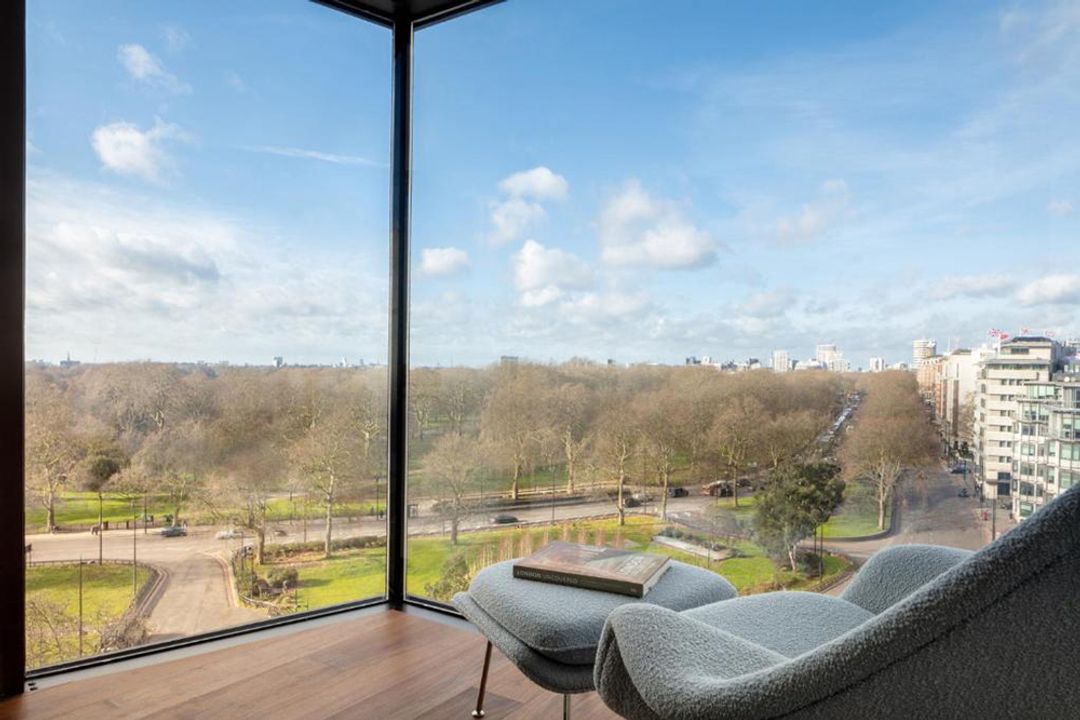
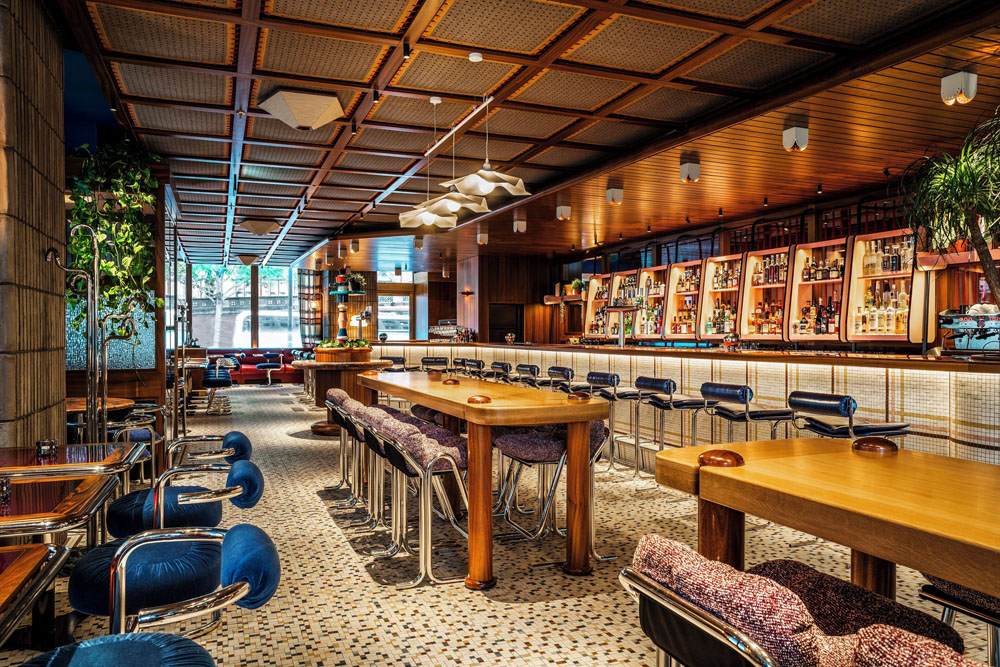
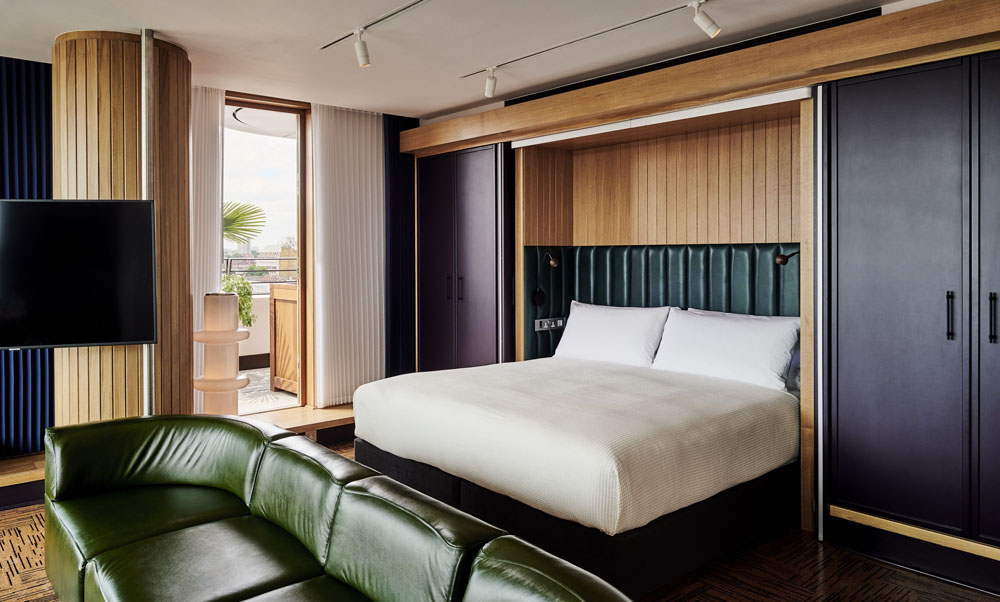
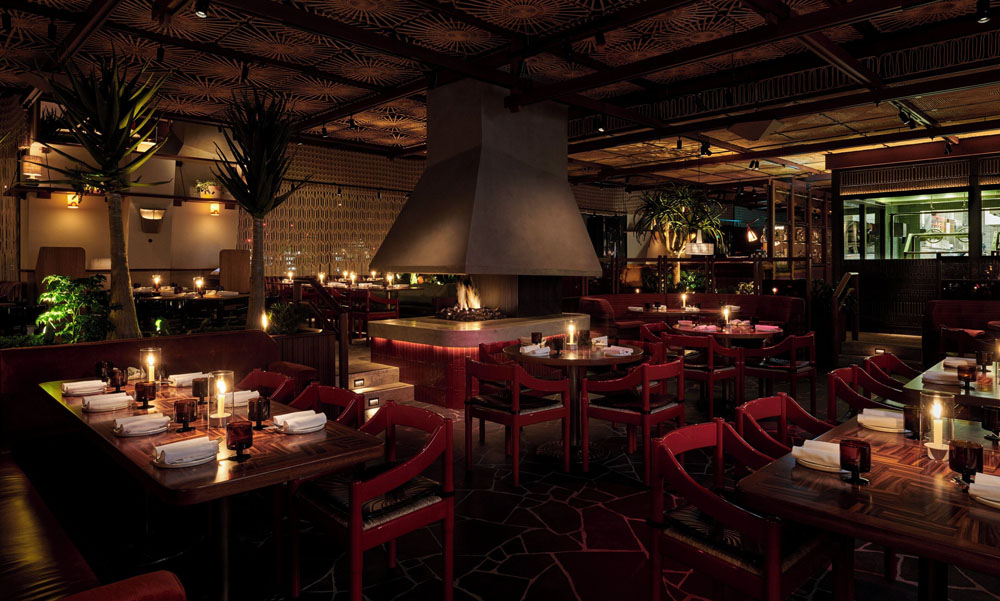
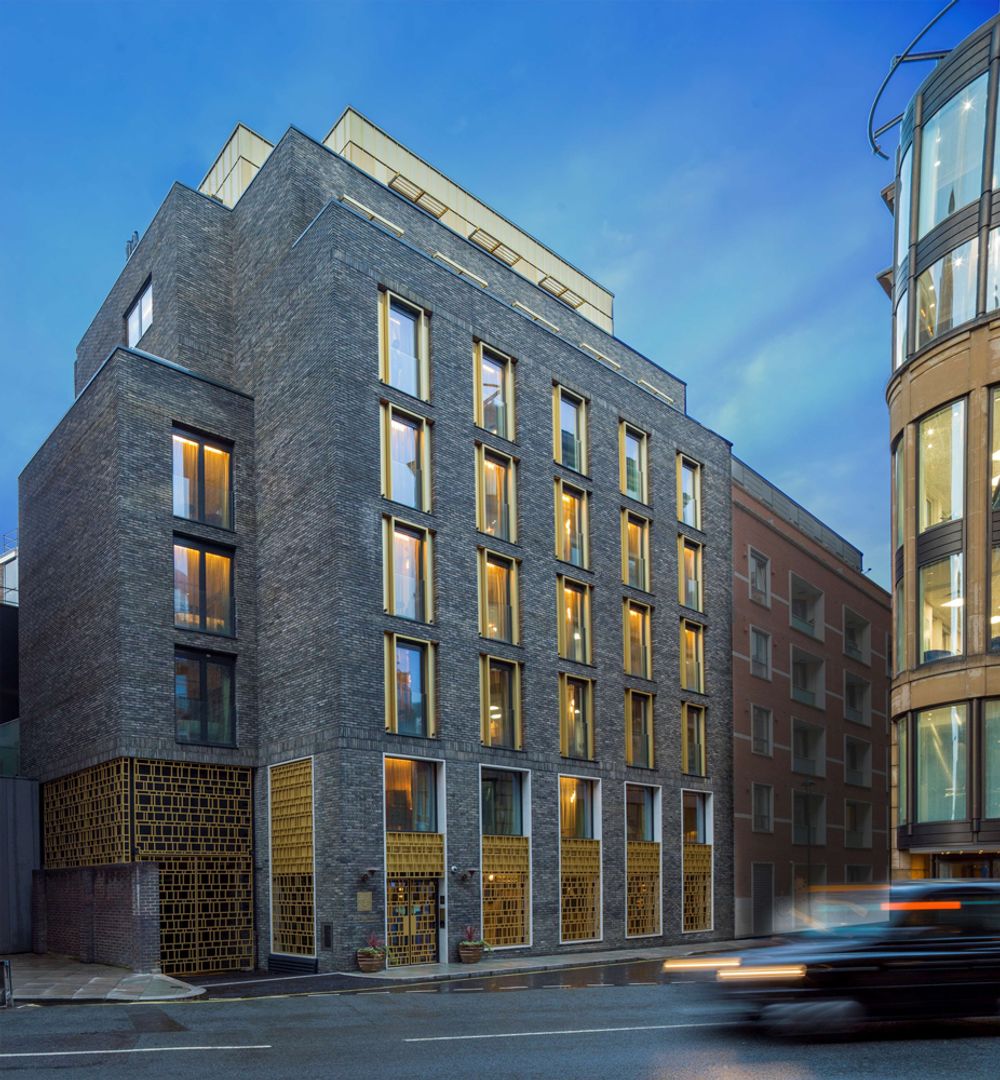
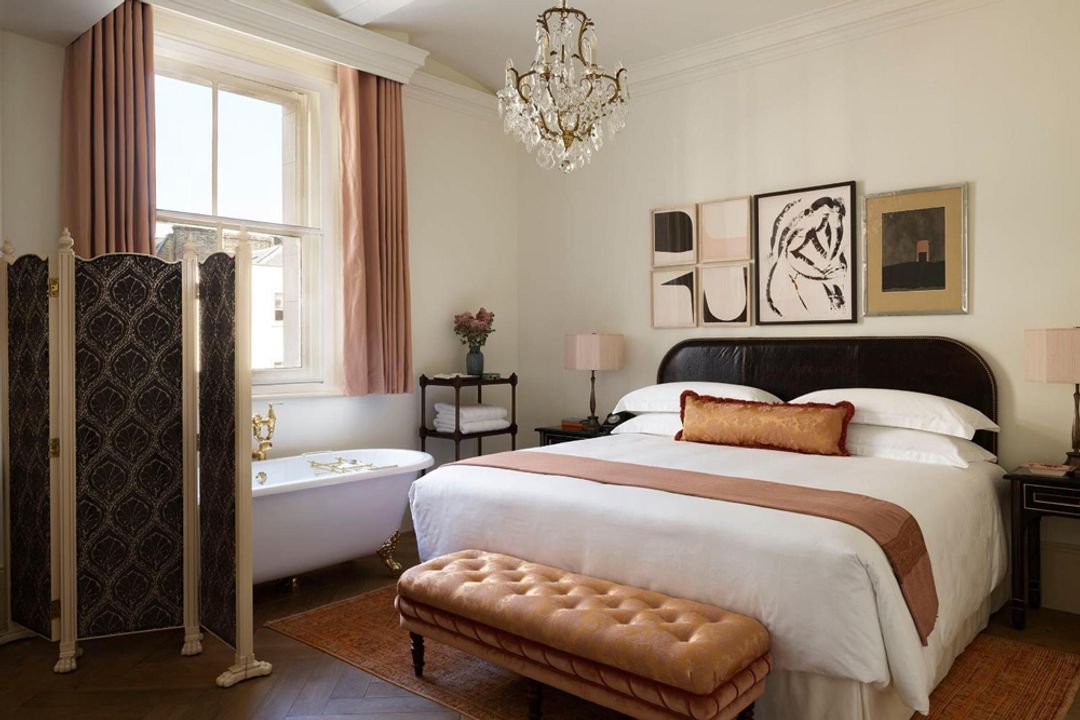
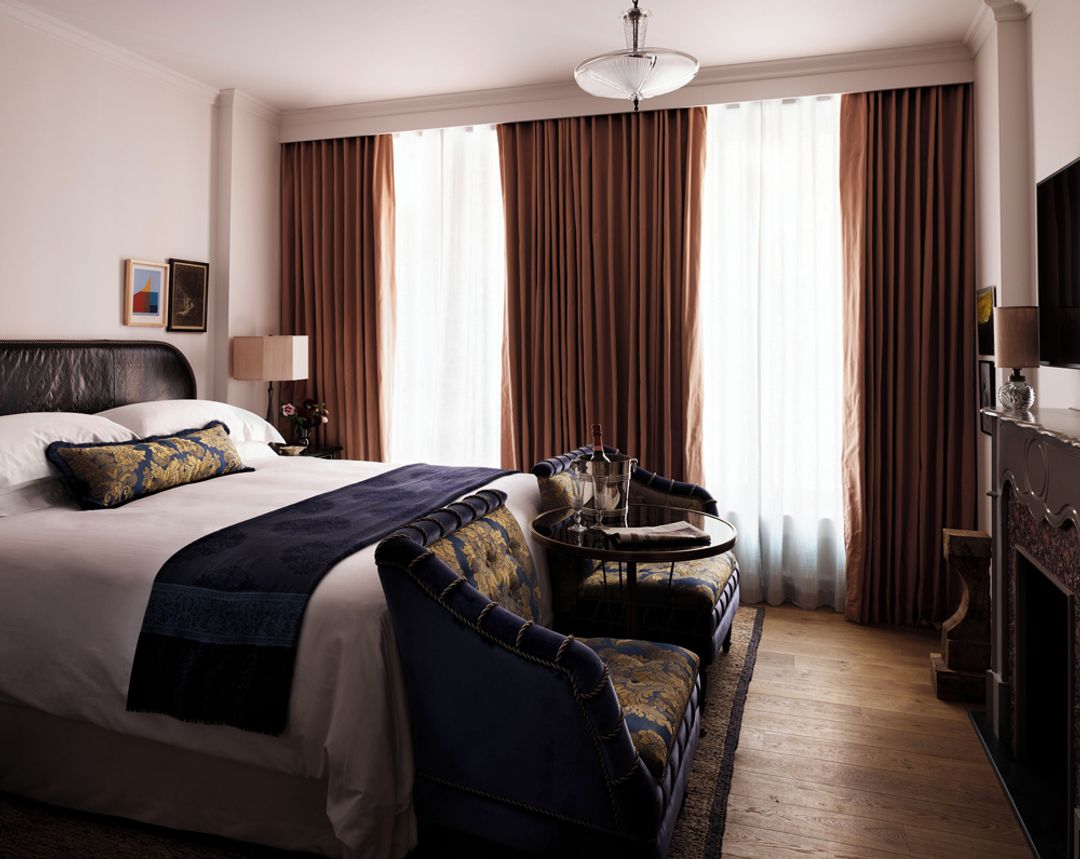
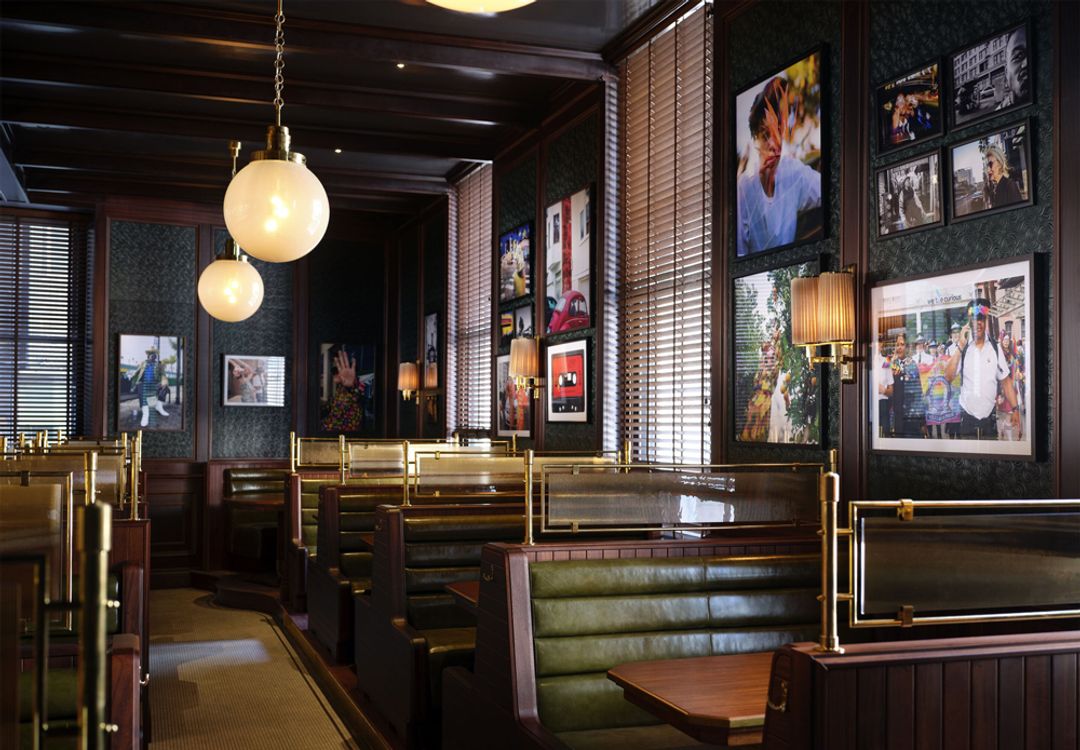
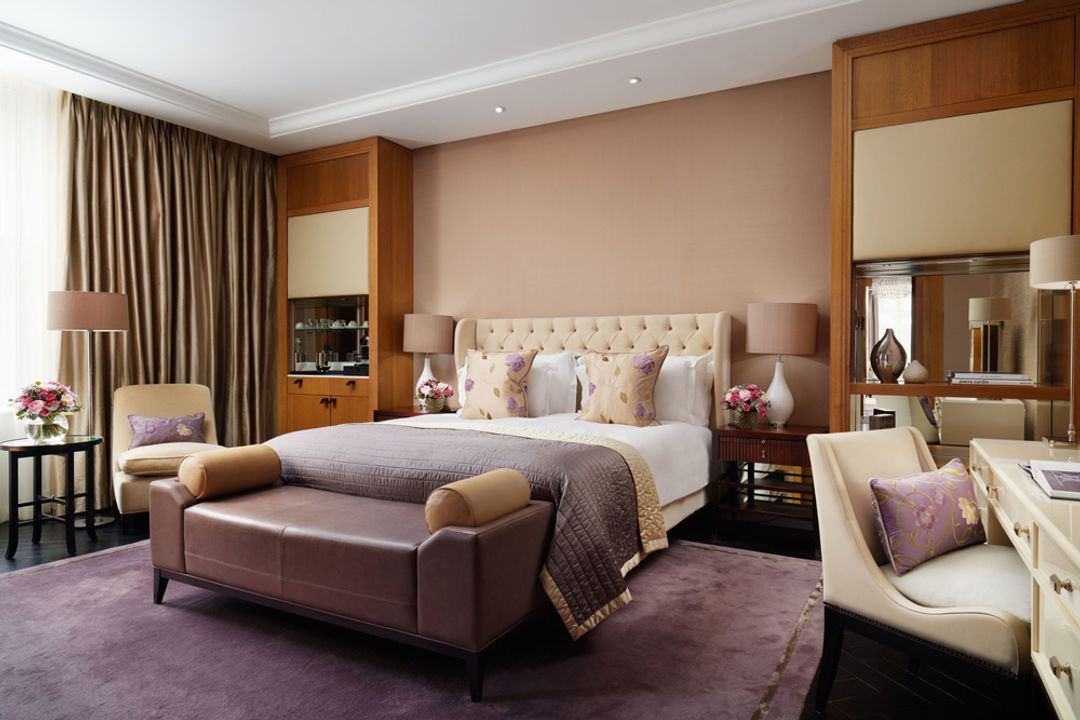
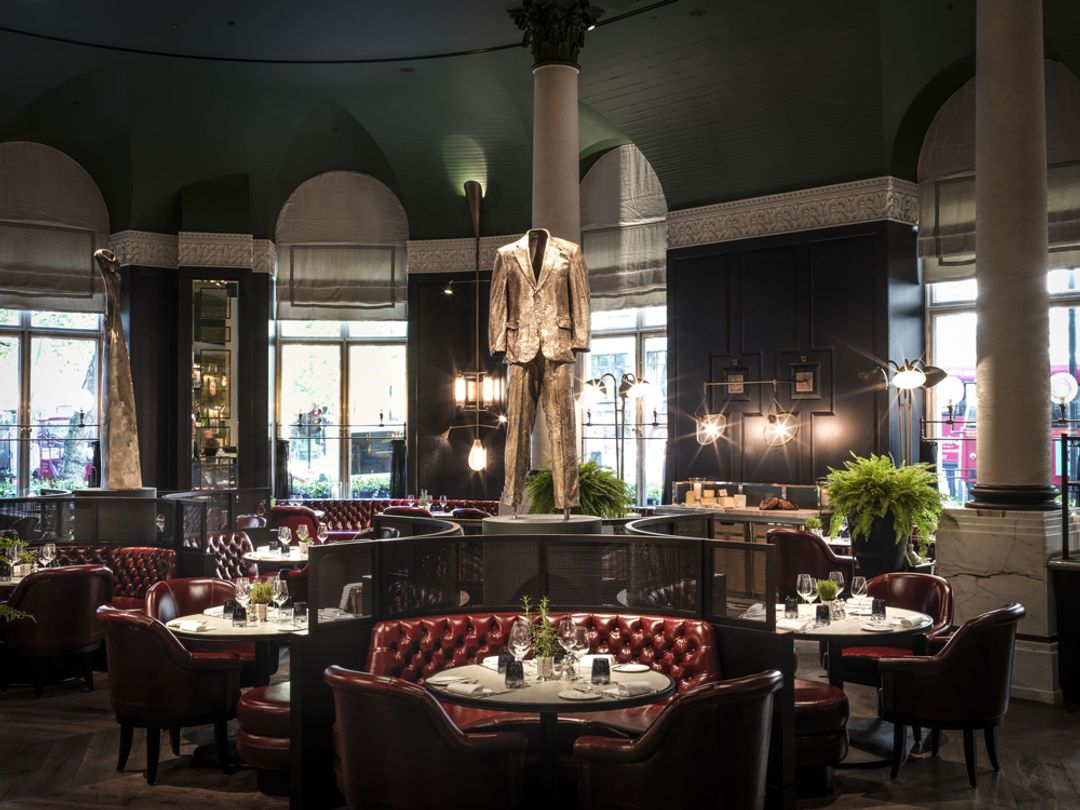
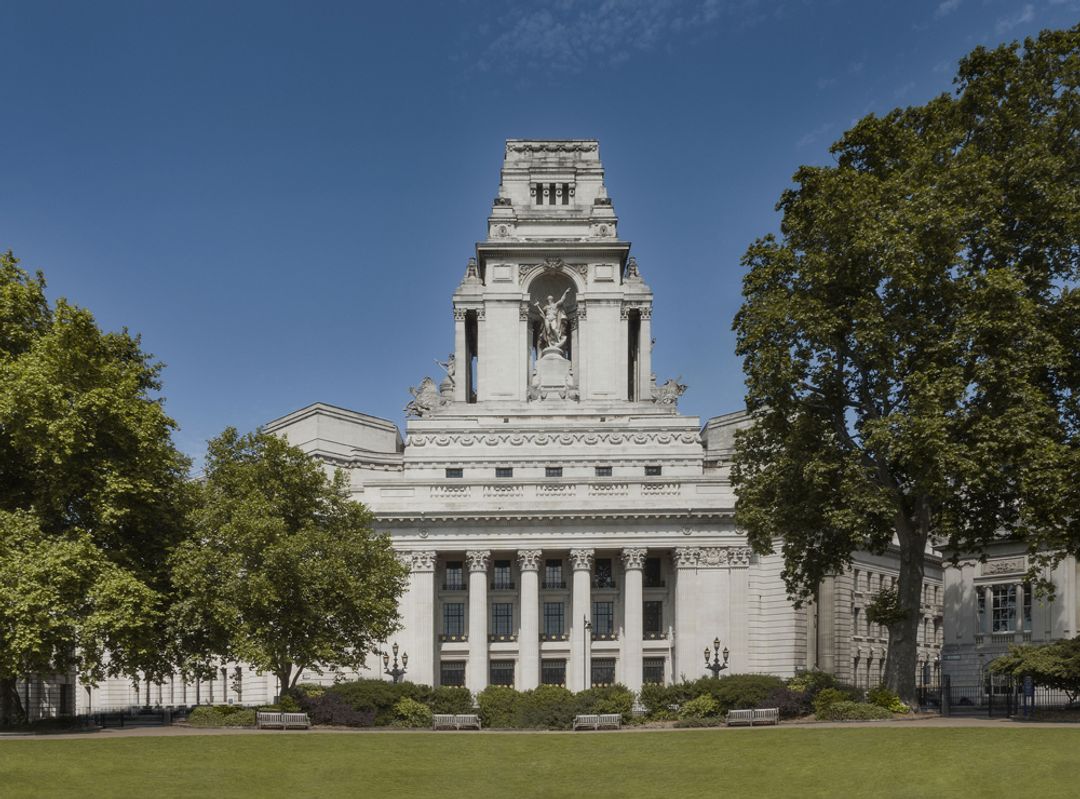
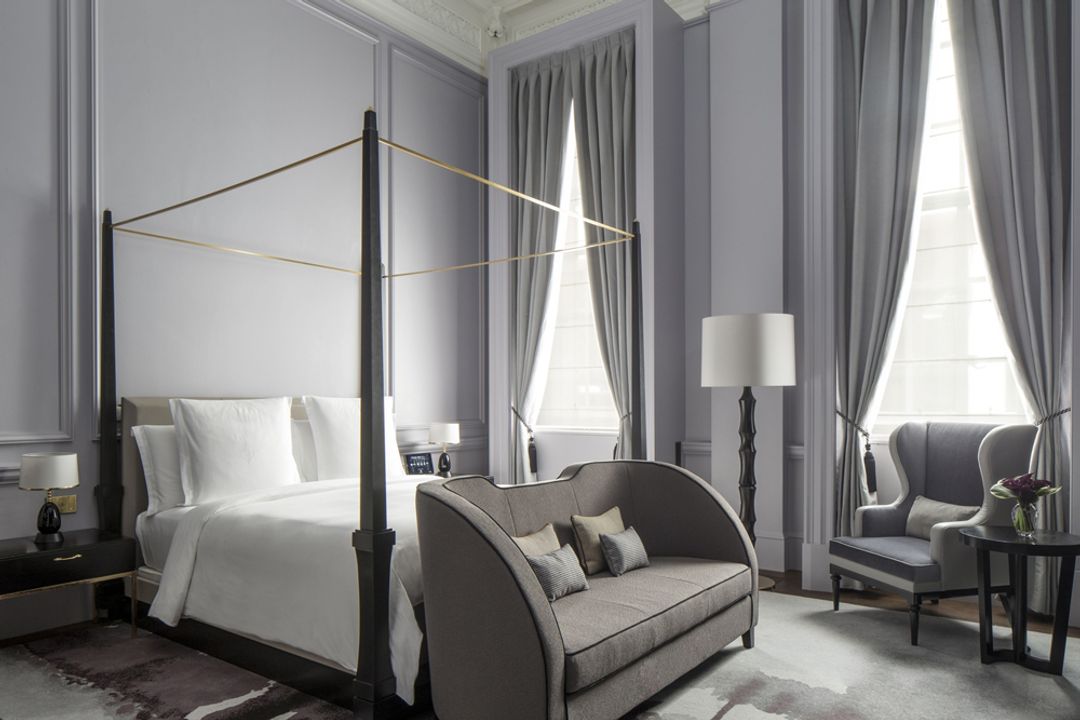
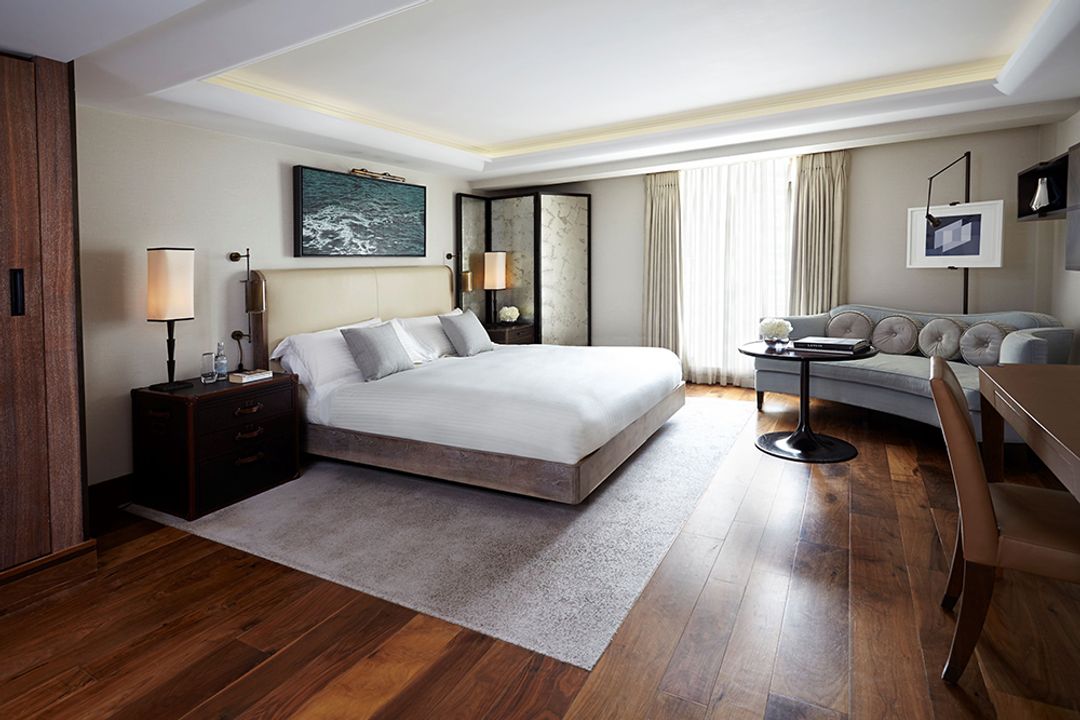
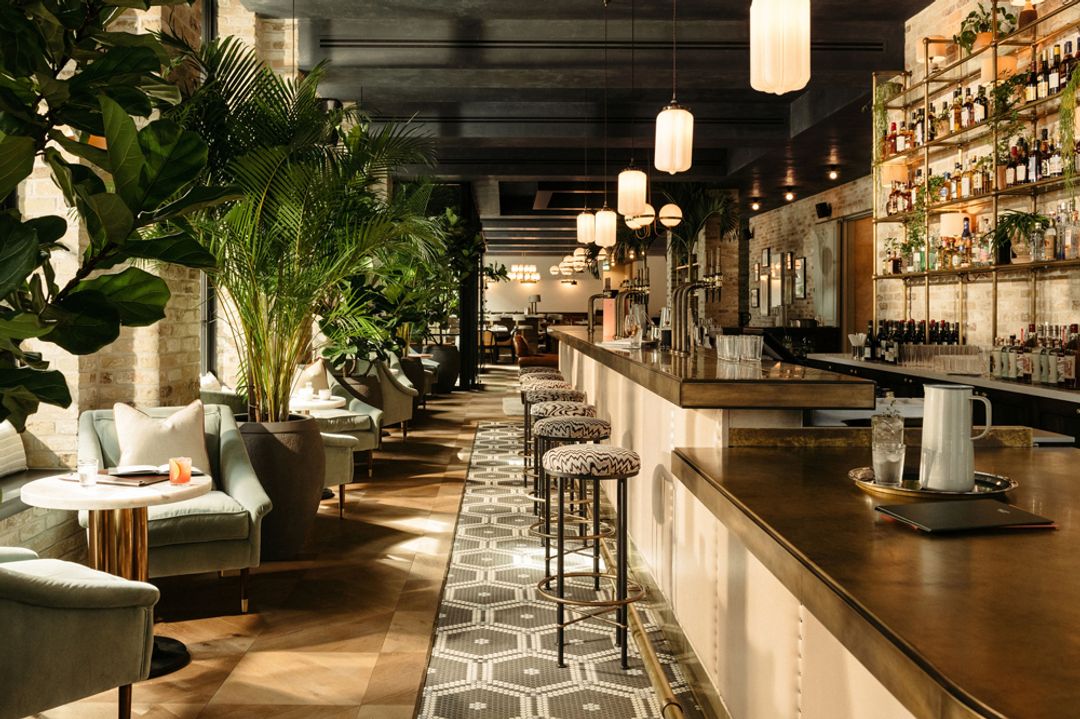
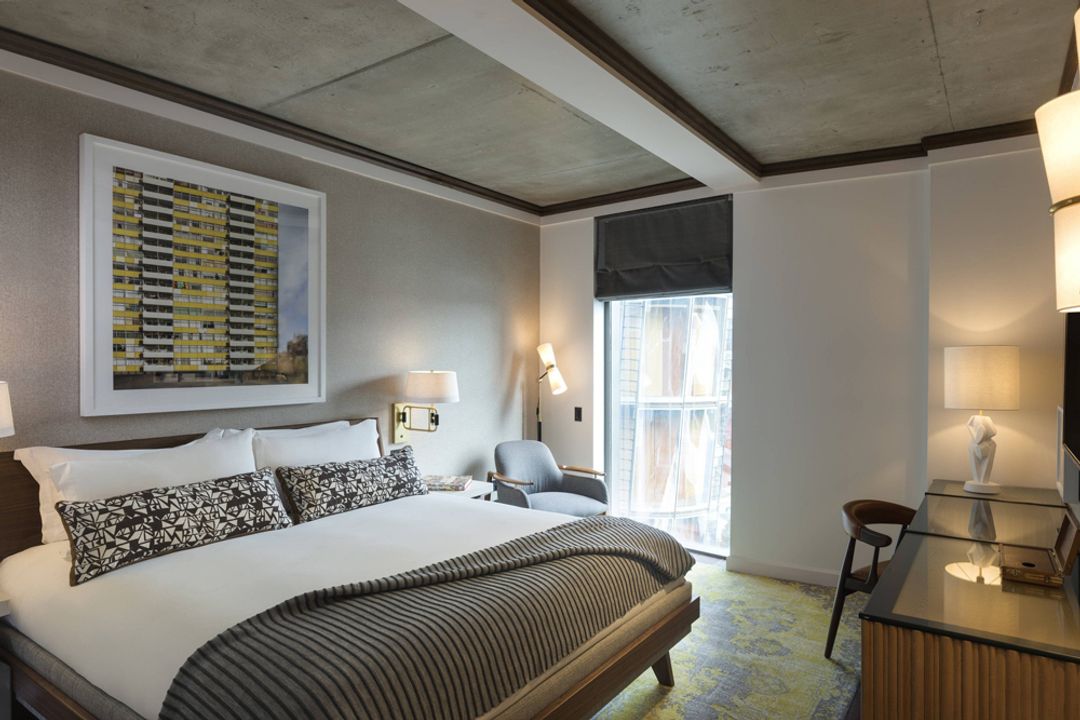
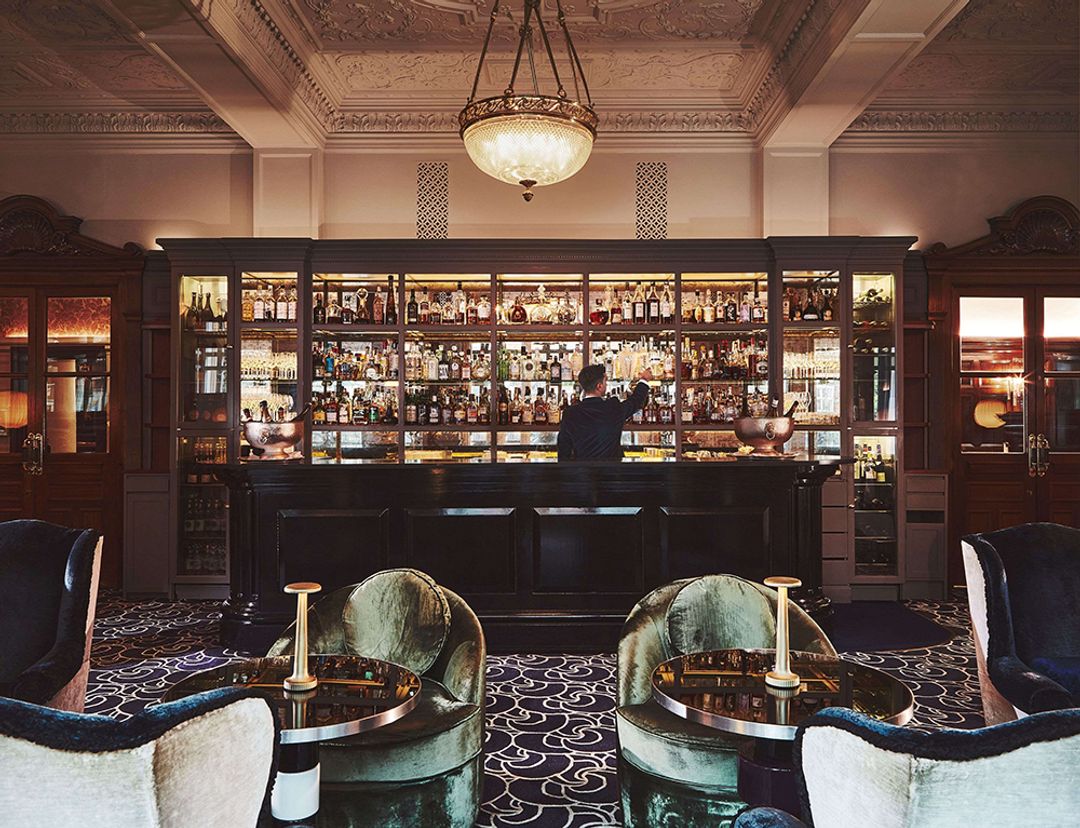
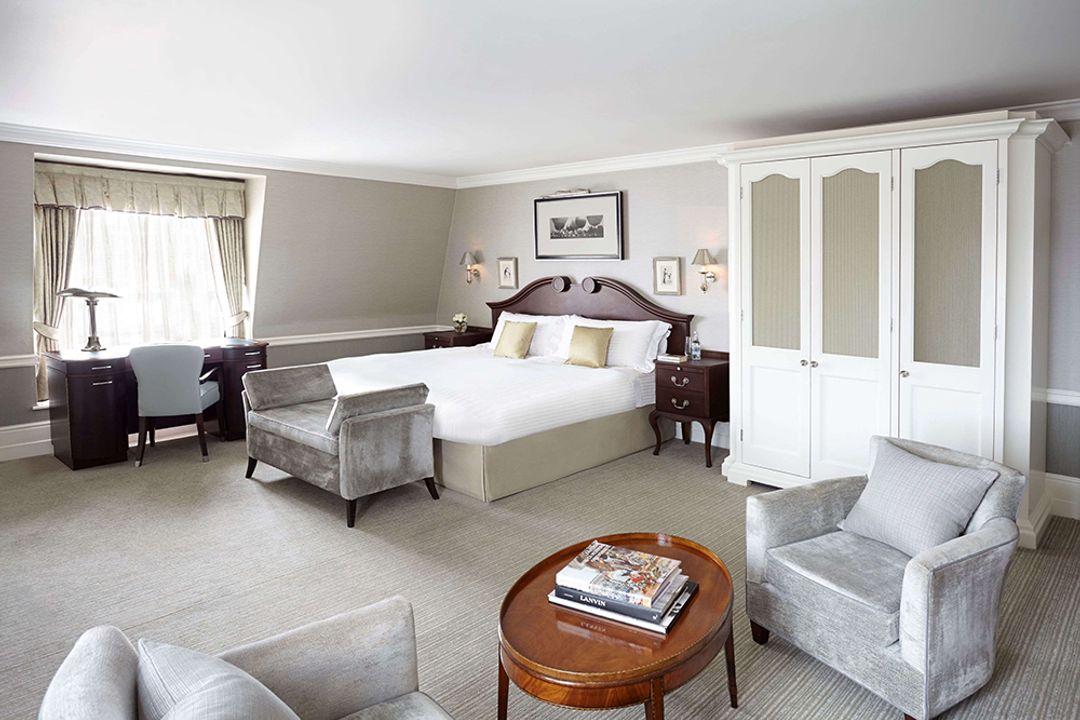
I am the founder of PressBeyond and I am an ultra-meticulous hotel curator who loves clean visuals. I have individually analyzed and tiered each hotel included in this guide based on a variety of criteria (architecture & design, location, brand & brand affiliation, existing reviews, and my own personal experiences), and importantly, I have hand-selected the leading imagery for each hotel to provide you with easily-digestible, yet detailed and complete, like-for-like, high-level visual profiles. I felt this summarization step was a critical missing piece across existing guides, blogs, and booking platforms. My aim is to make it easier for people to identify hotel environments that resonate with them, along with enabling them to visualize the types of social experiences that those environments help foster. My brain doesn't work when exposed to cluttered content, so my goal was to create the opposite.
Underneath this, we are also a full booking engine offering 5% Venmo cash back along with other exclusive perks. For all of you design-obsessed hotel enthusiasts out there, I hope this guide helps get you to where you see yourself!
An Overview of the Boutique & Luxury Hotel Landscape in London, England
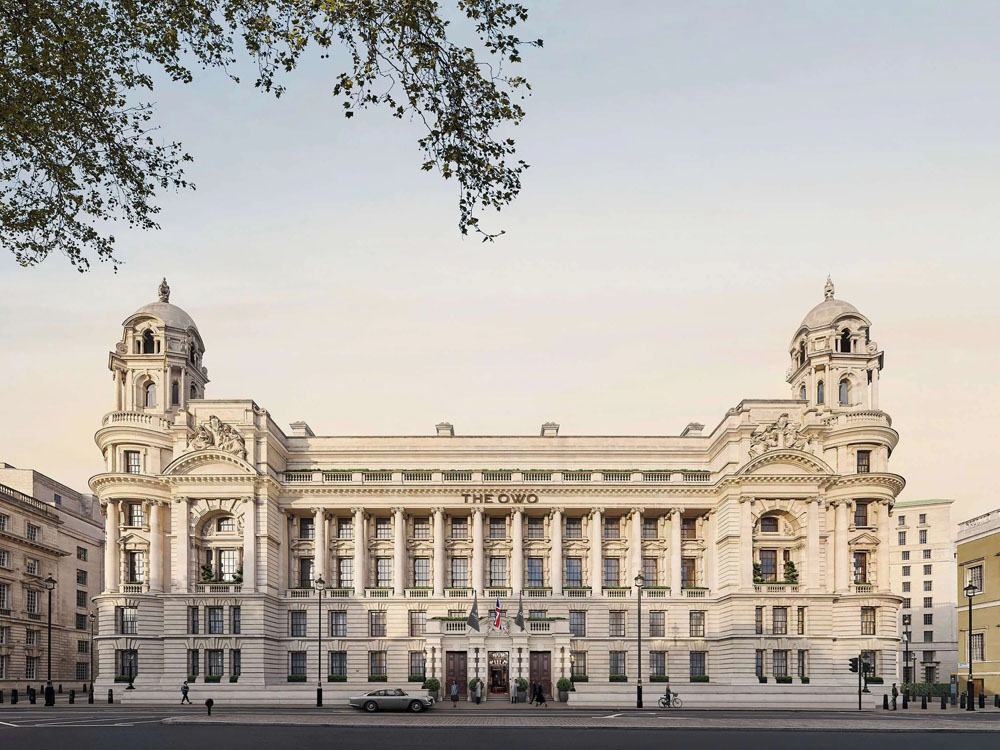
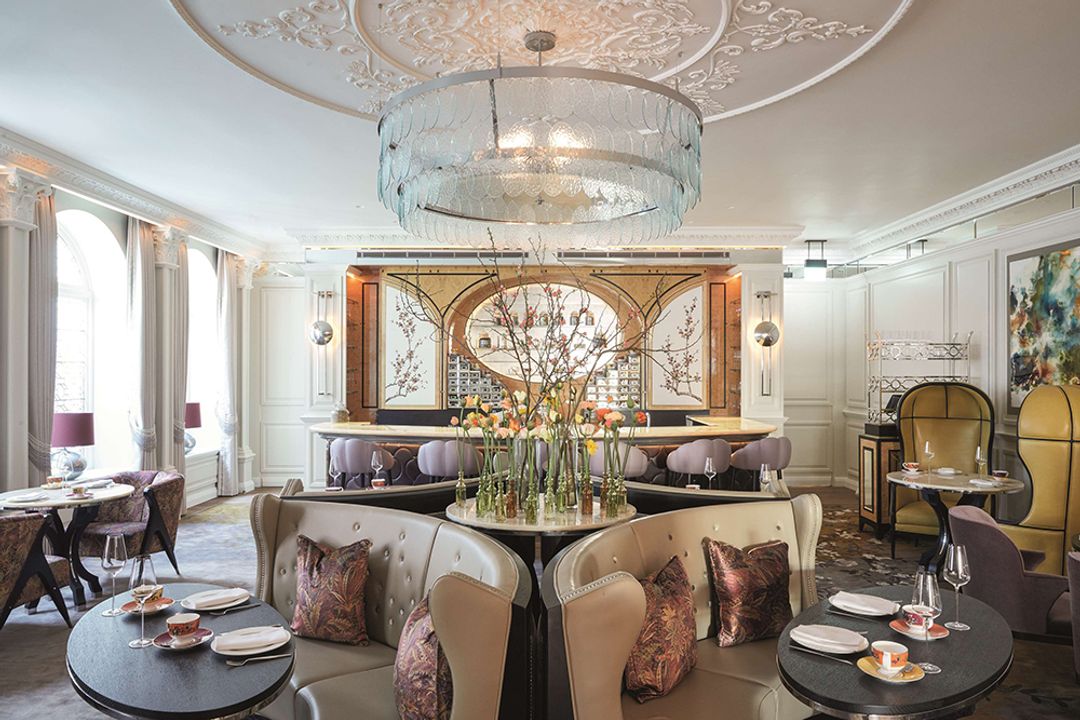
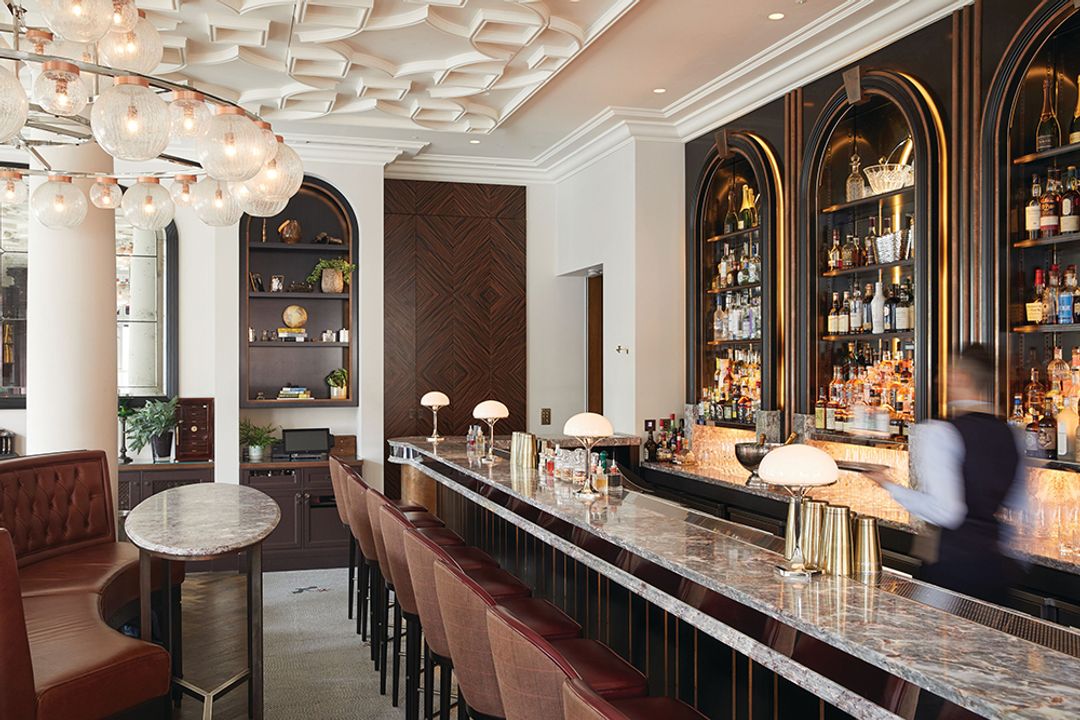
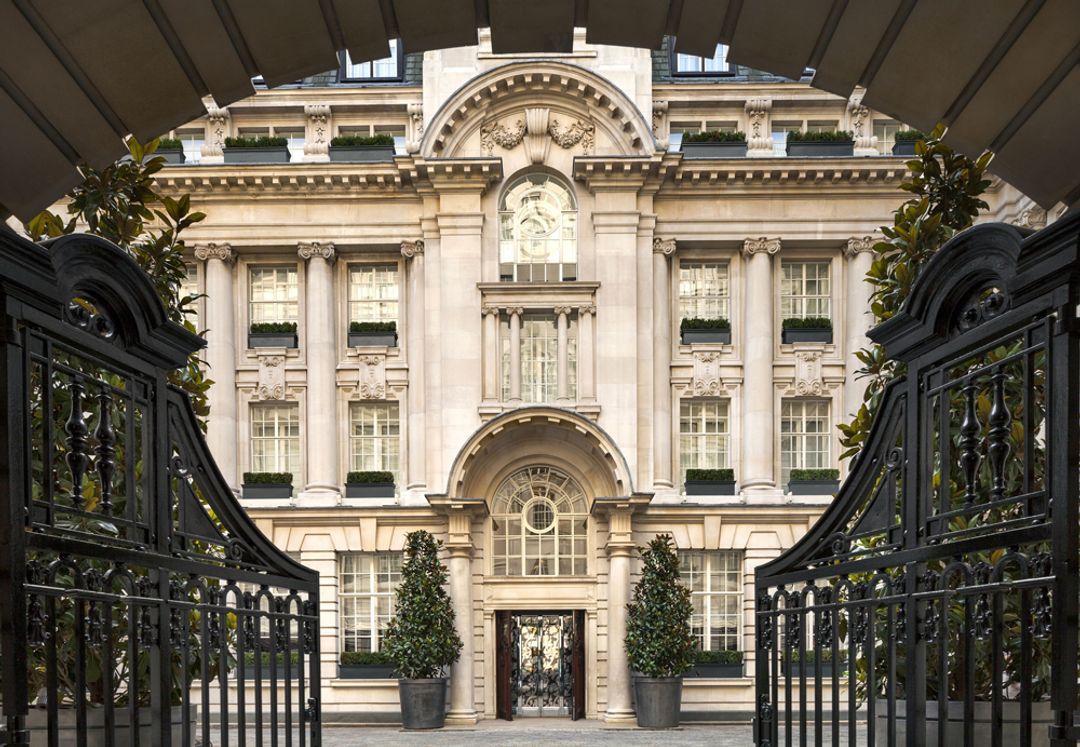
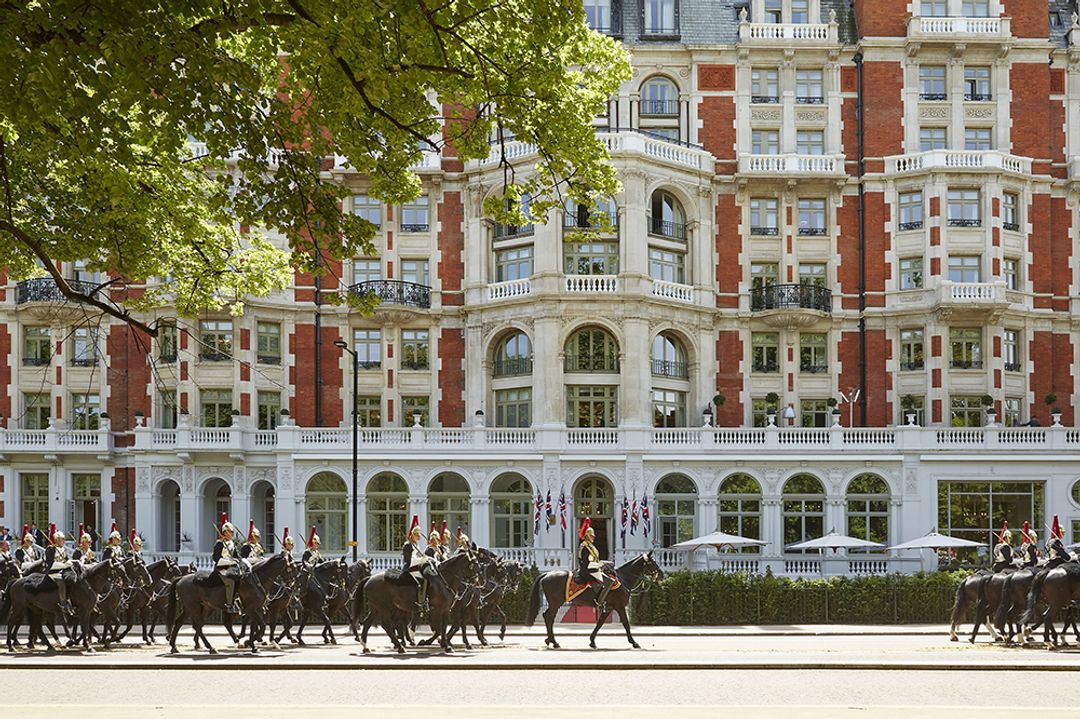
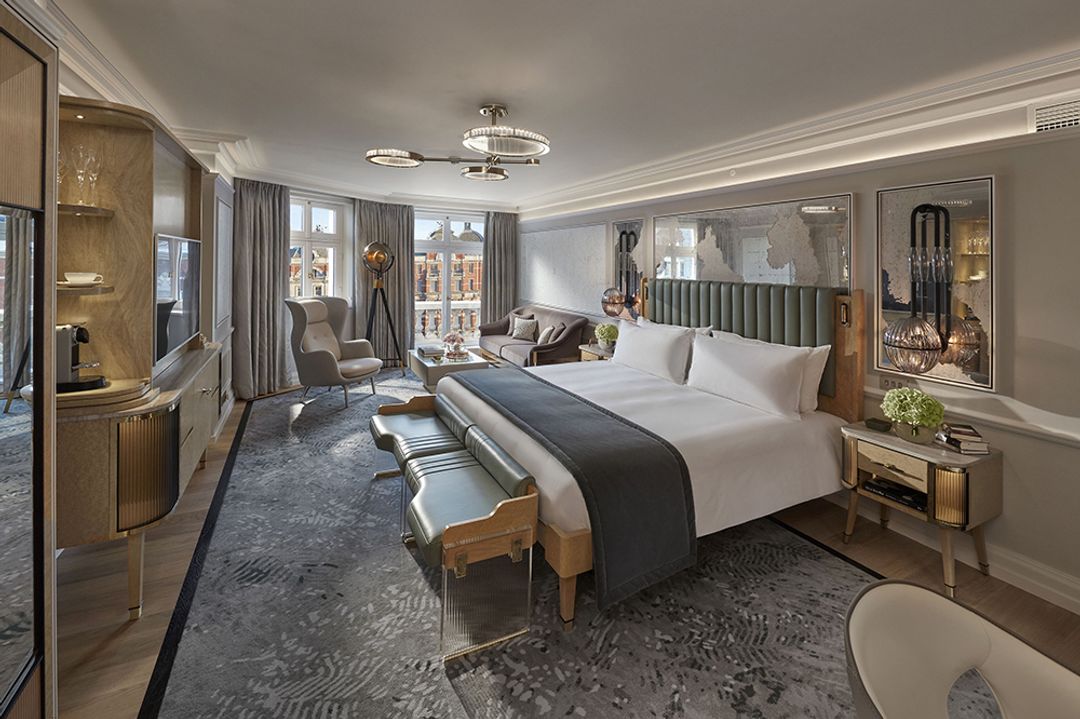
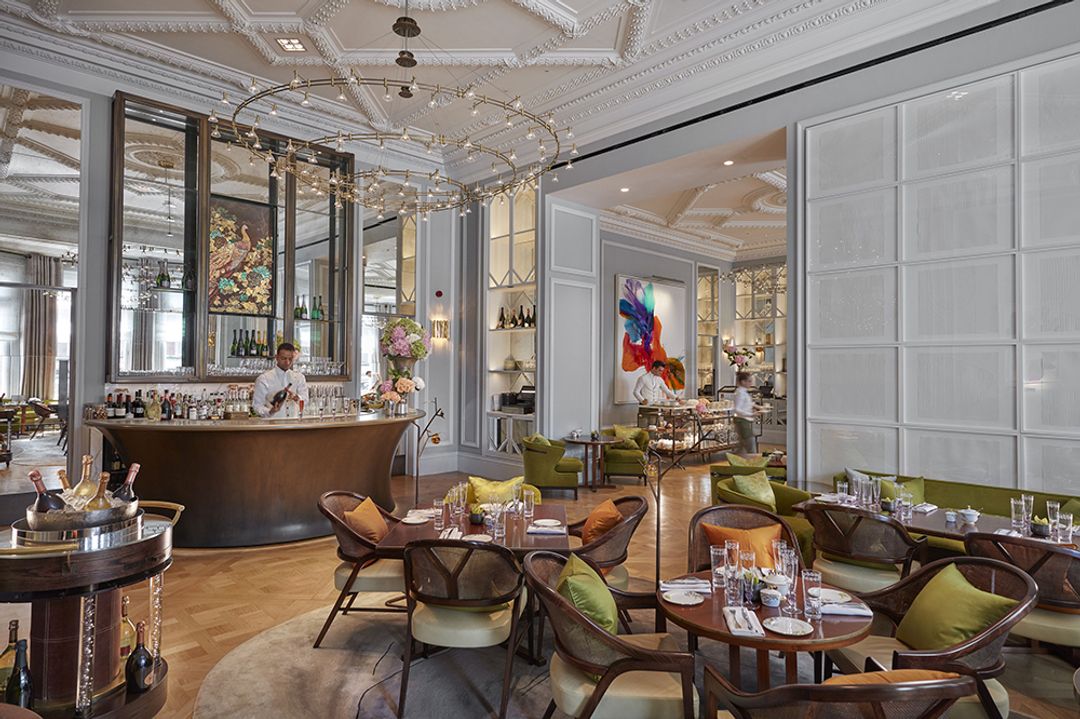
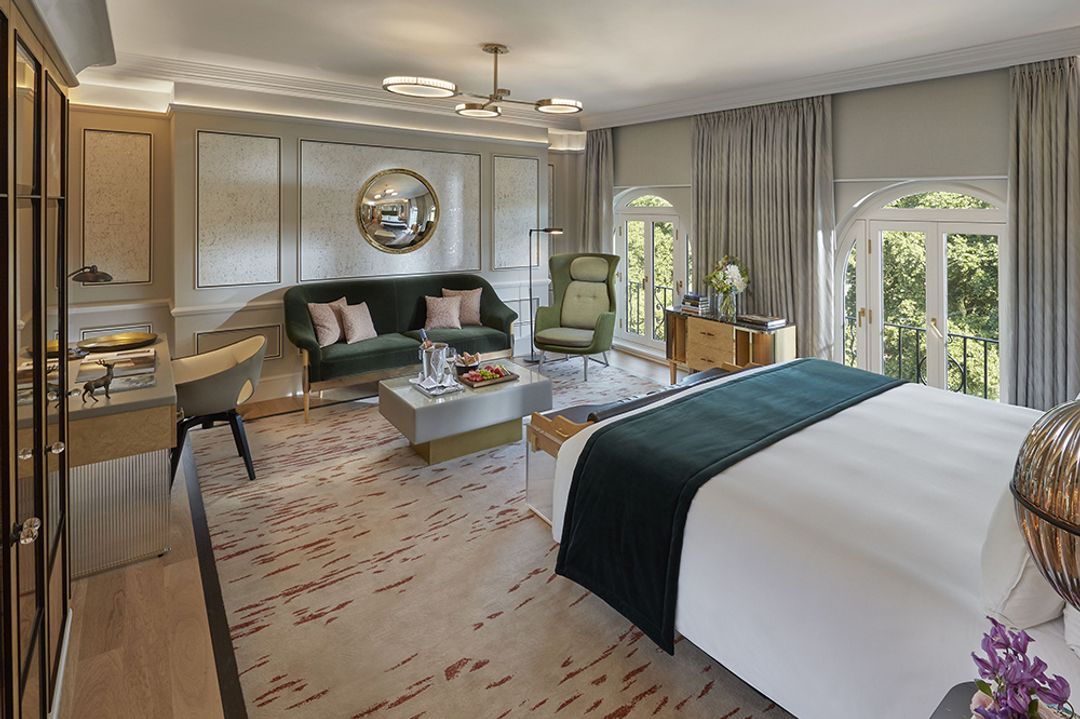
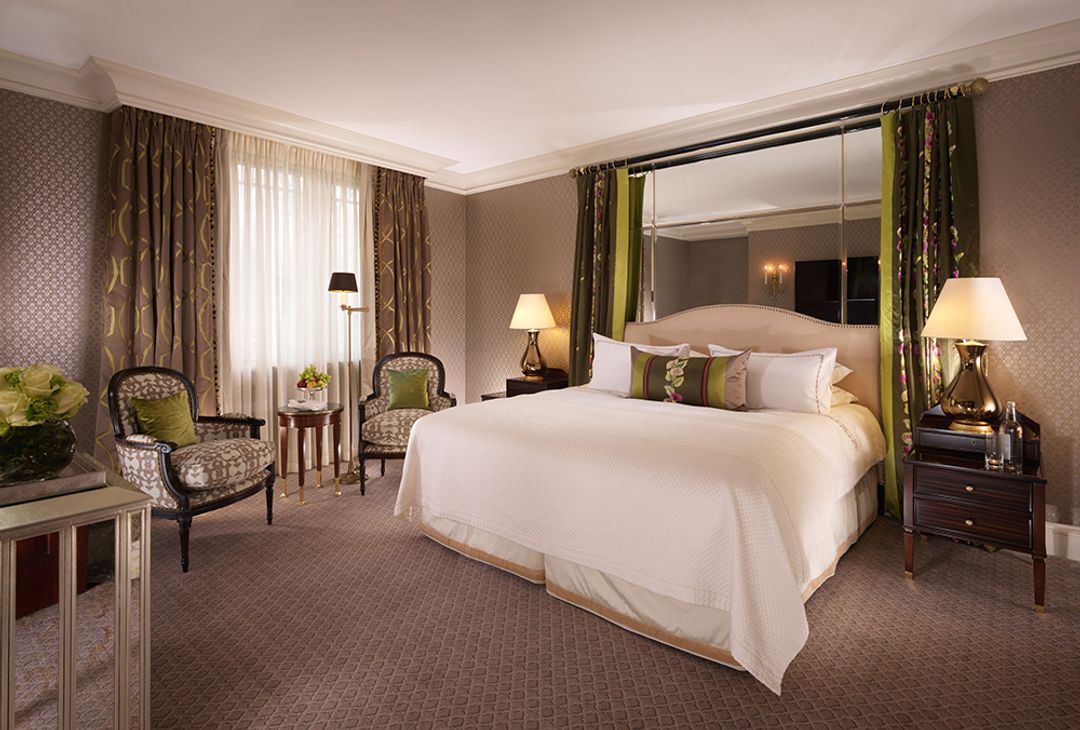
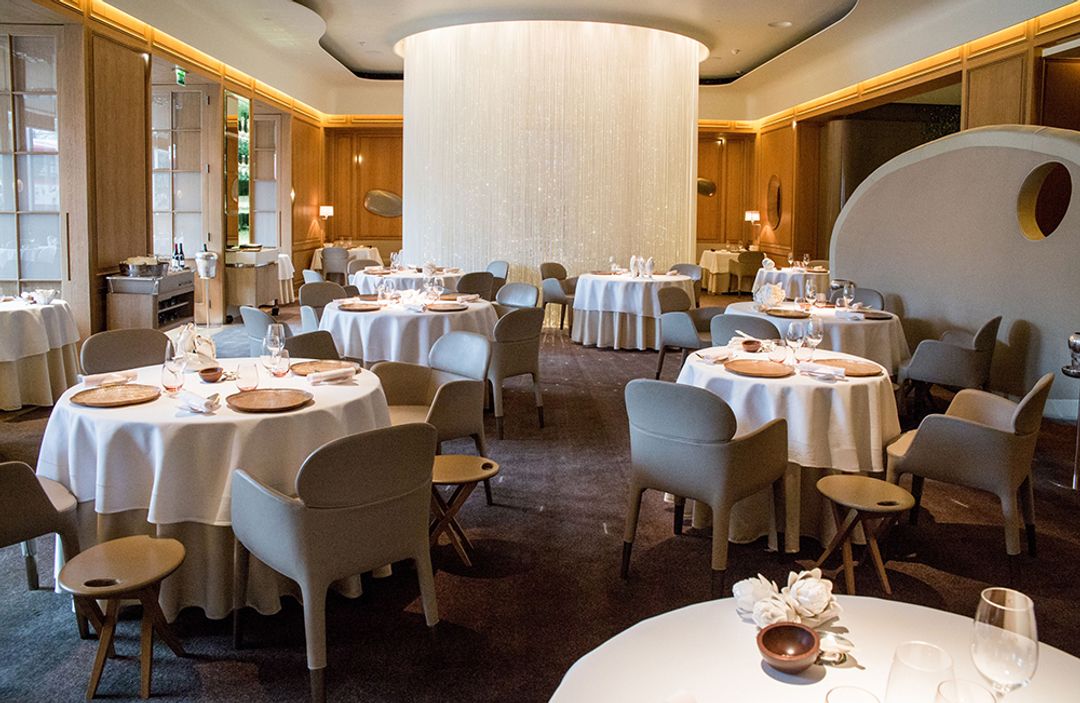
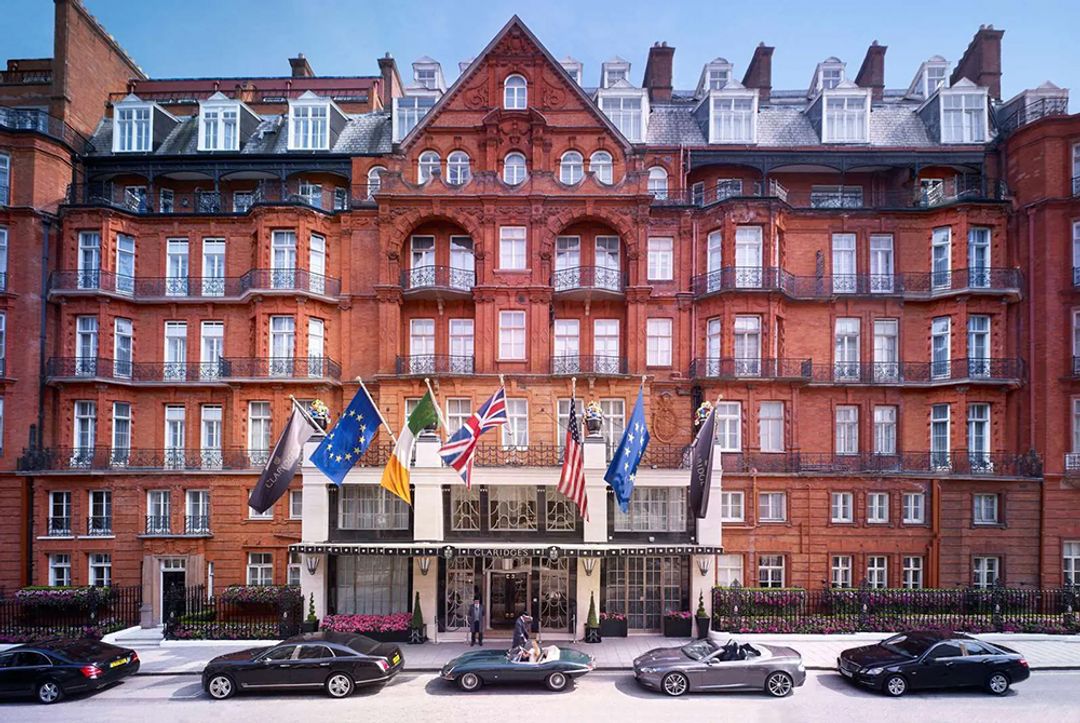
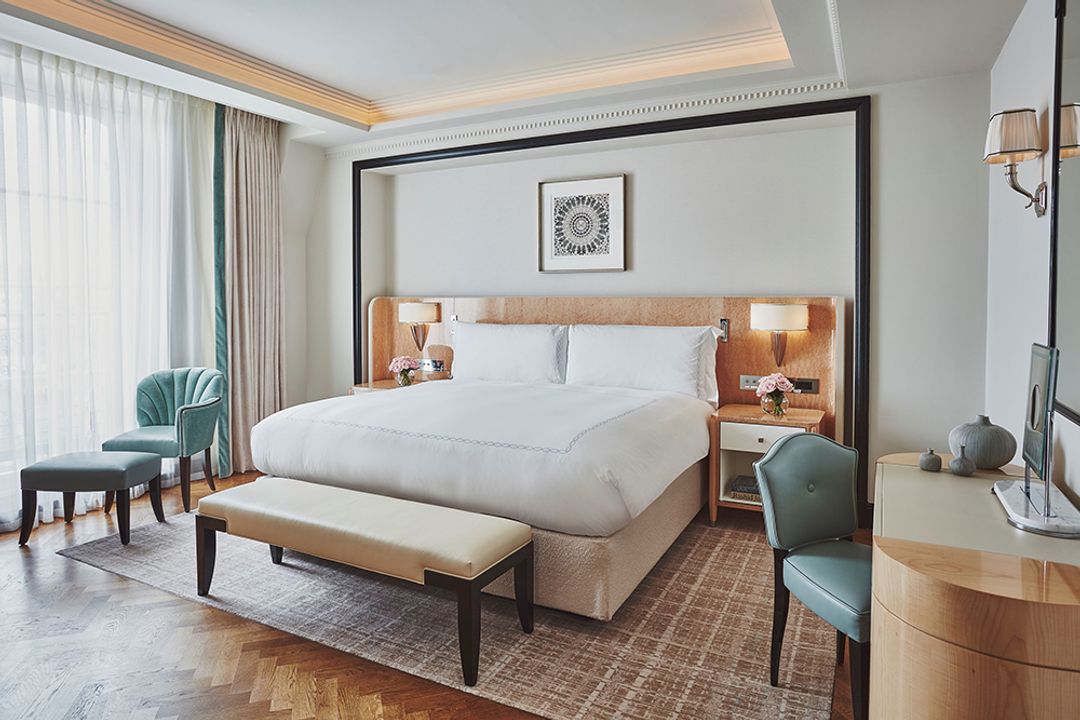
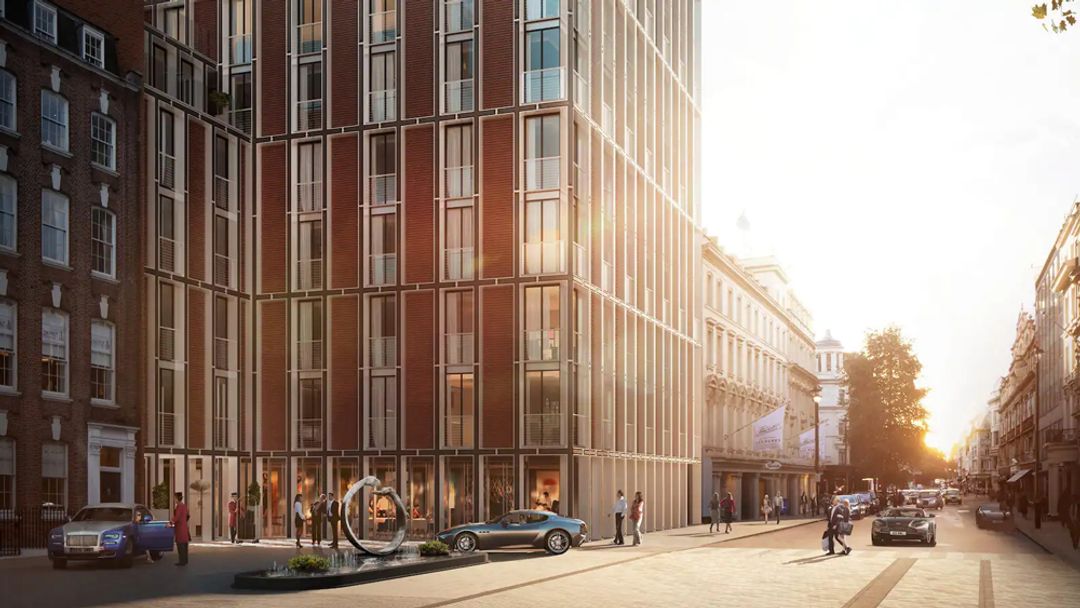
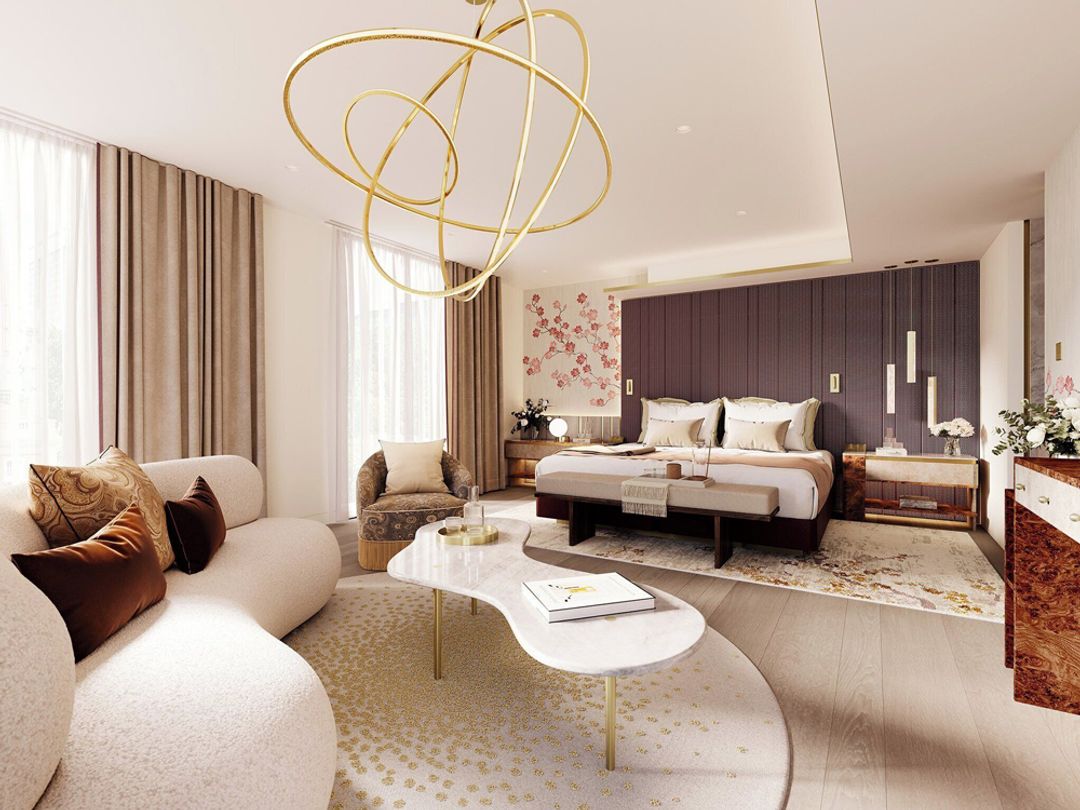
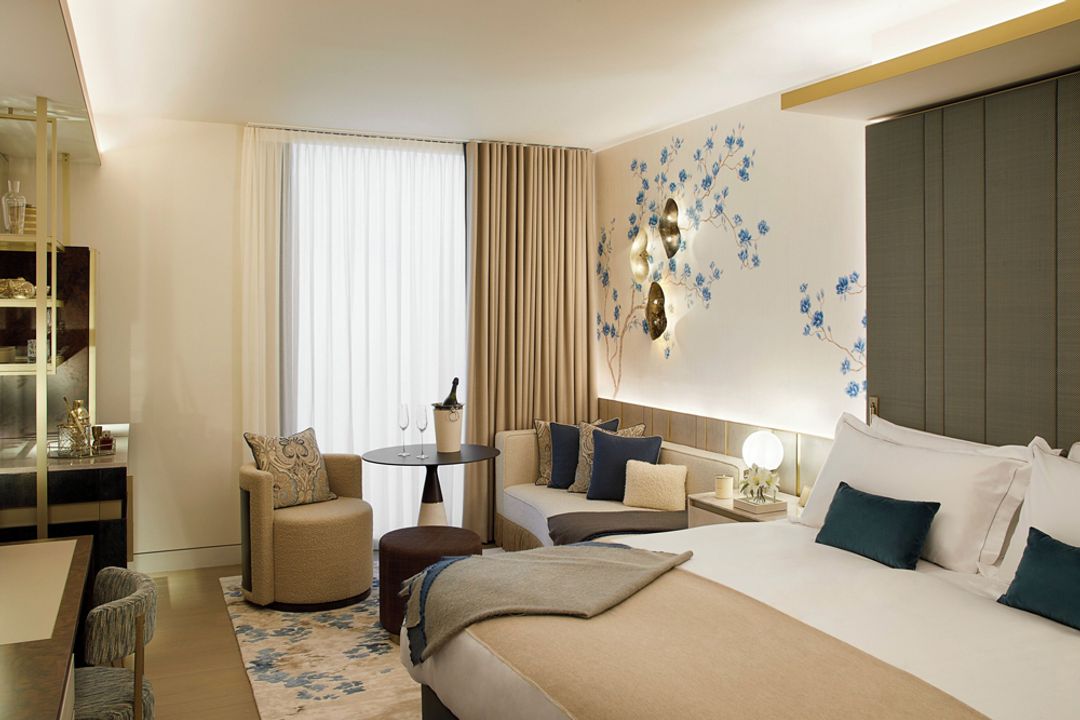
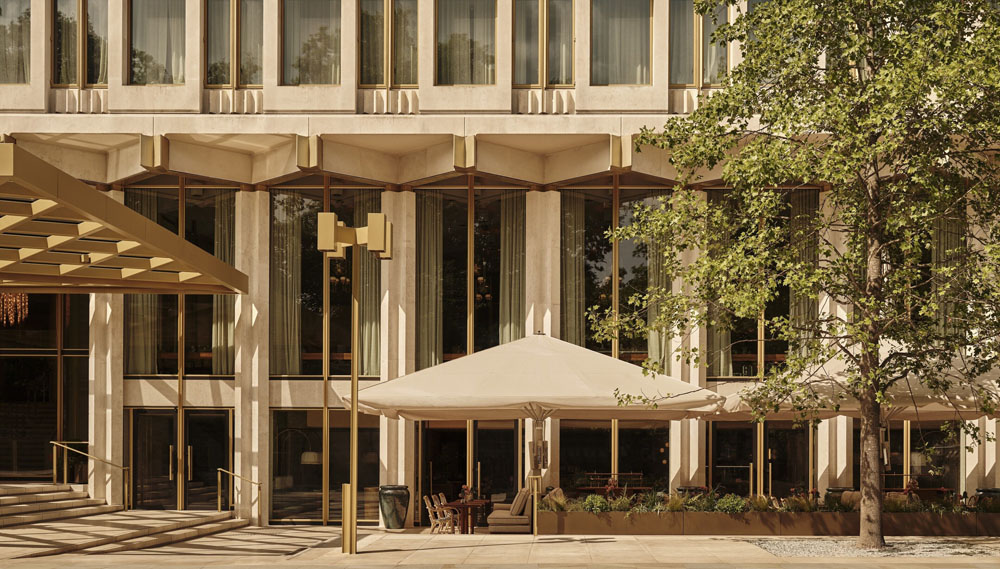
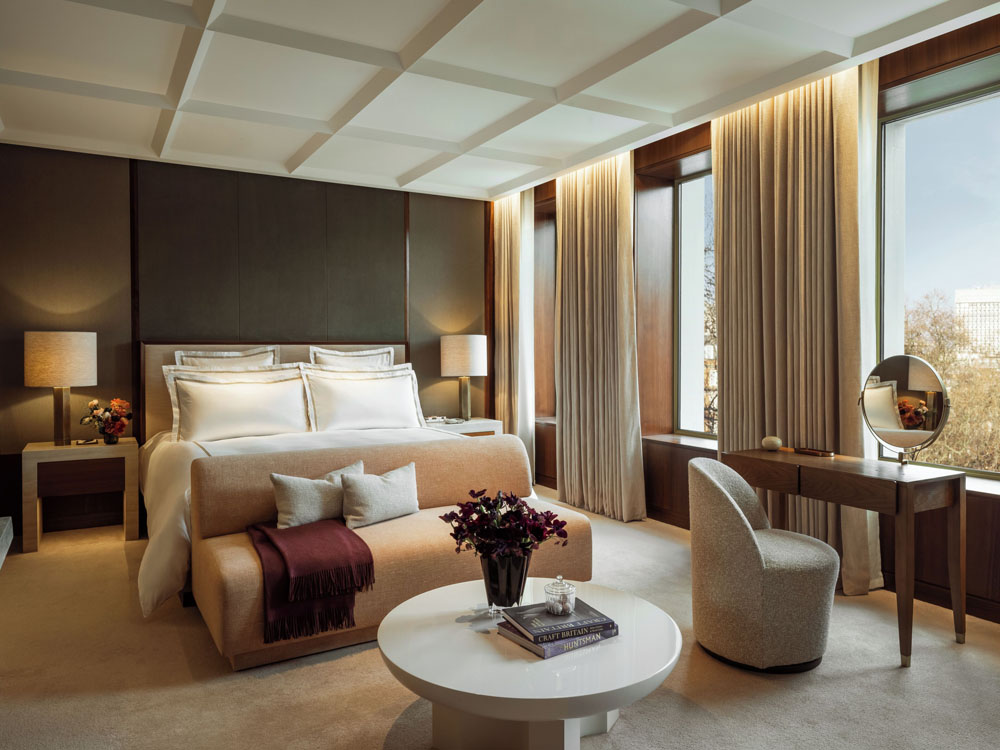
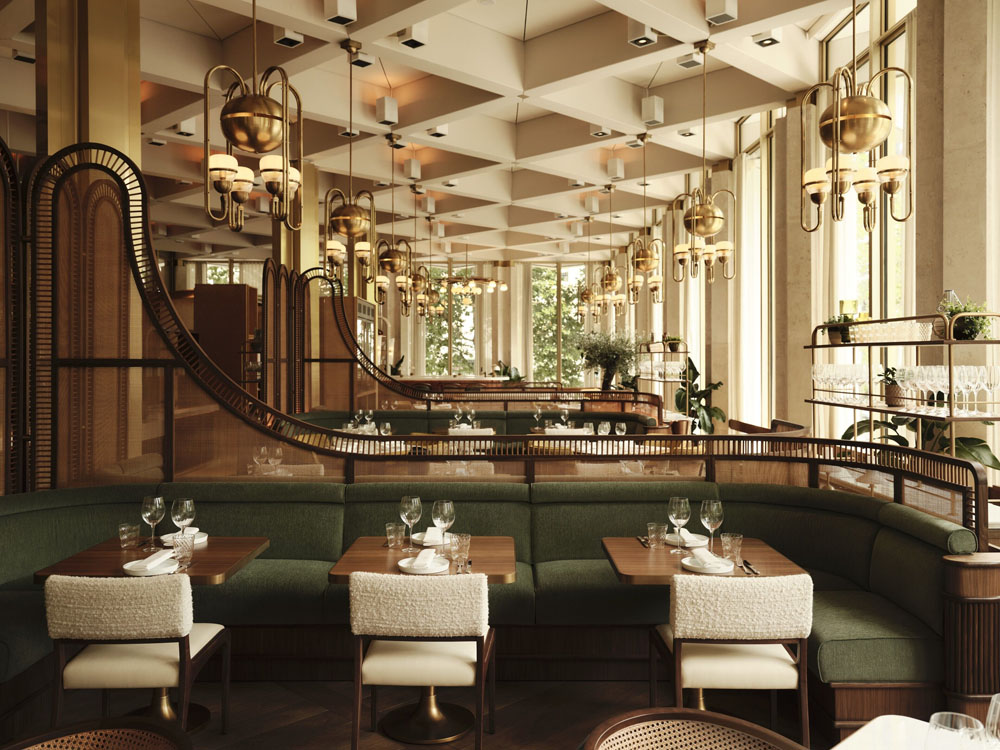
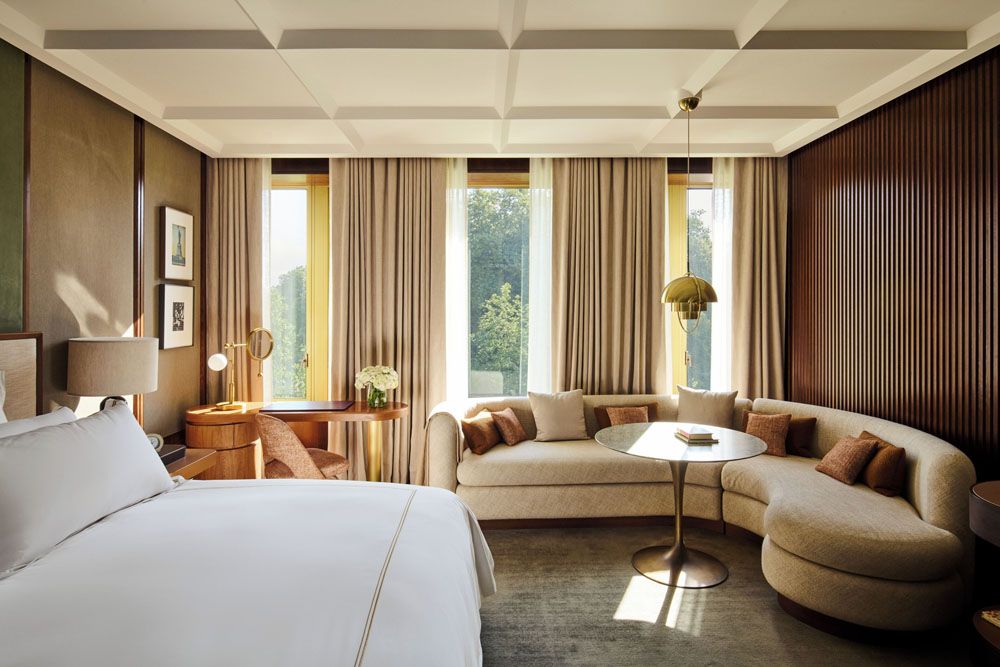
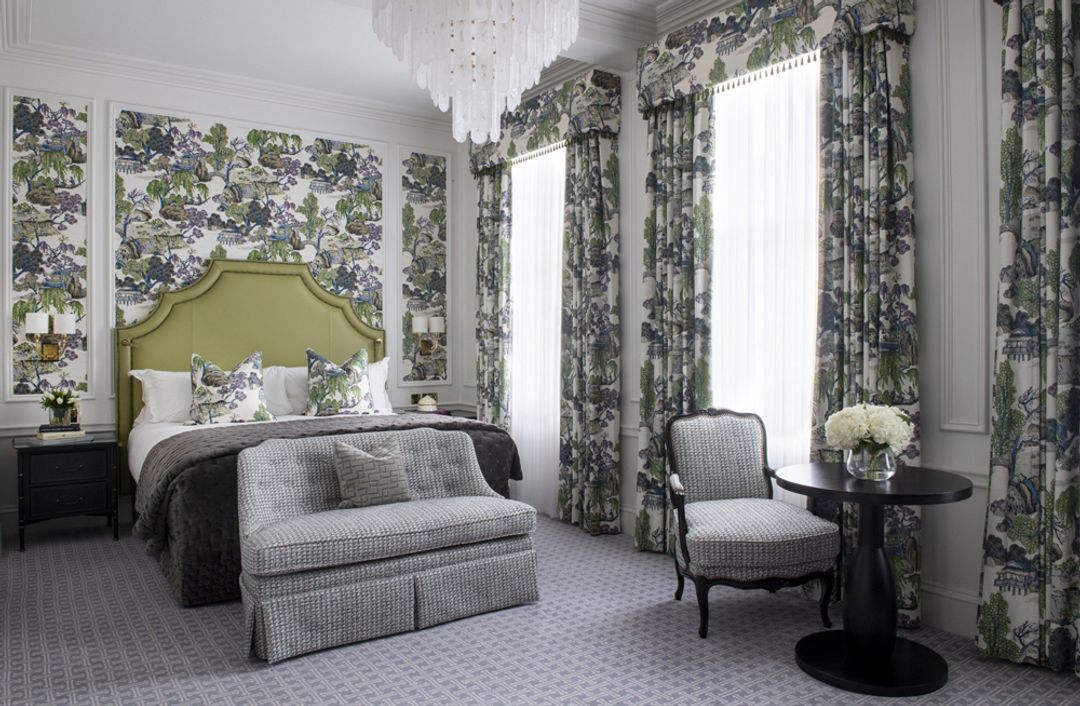
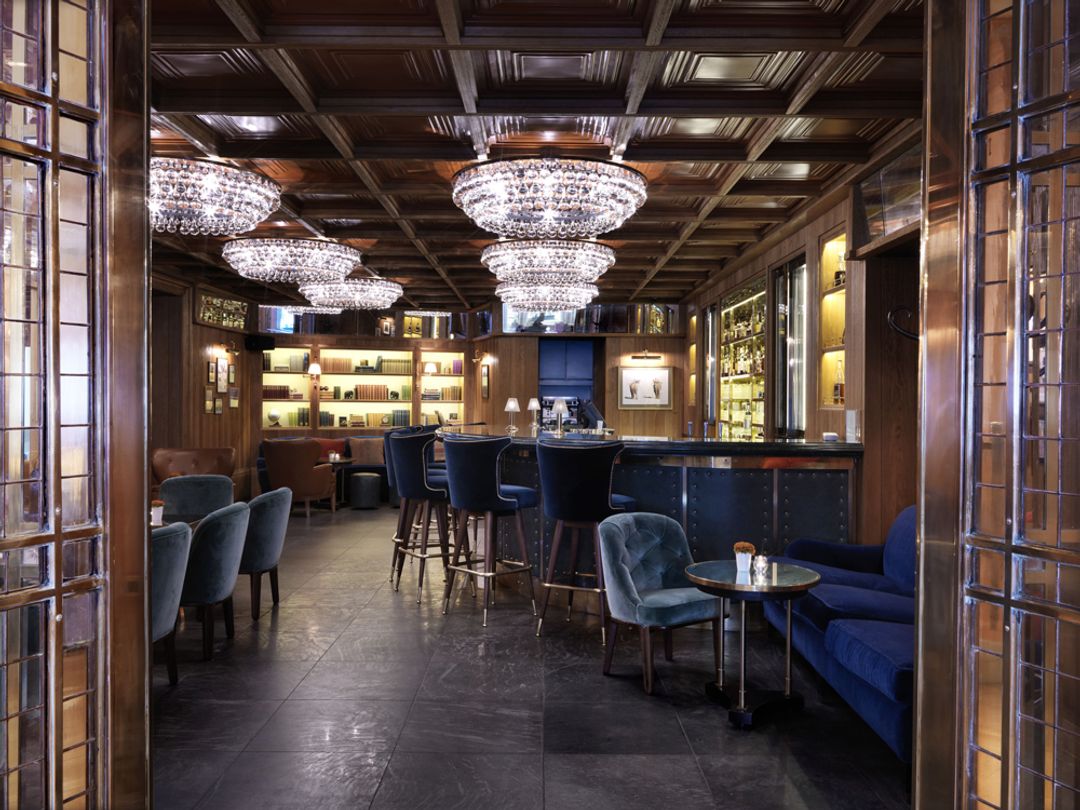
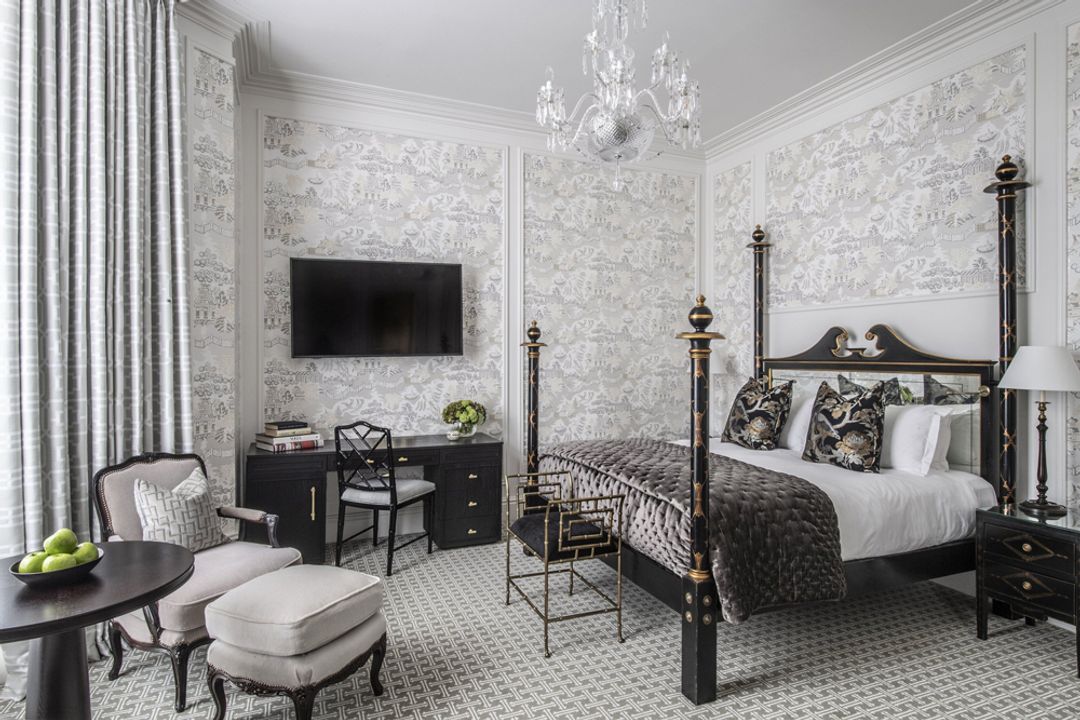
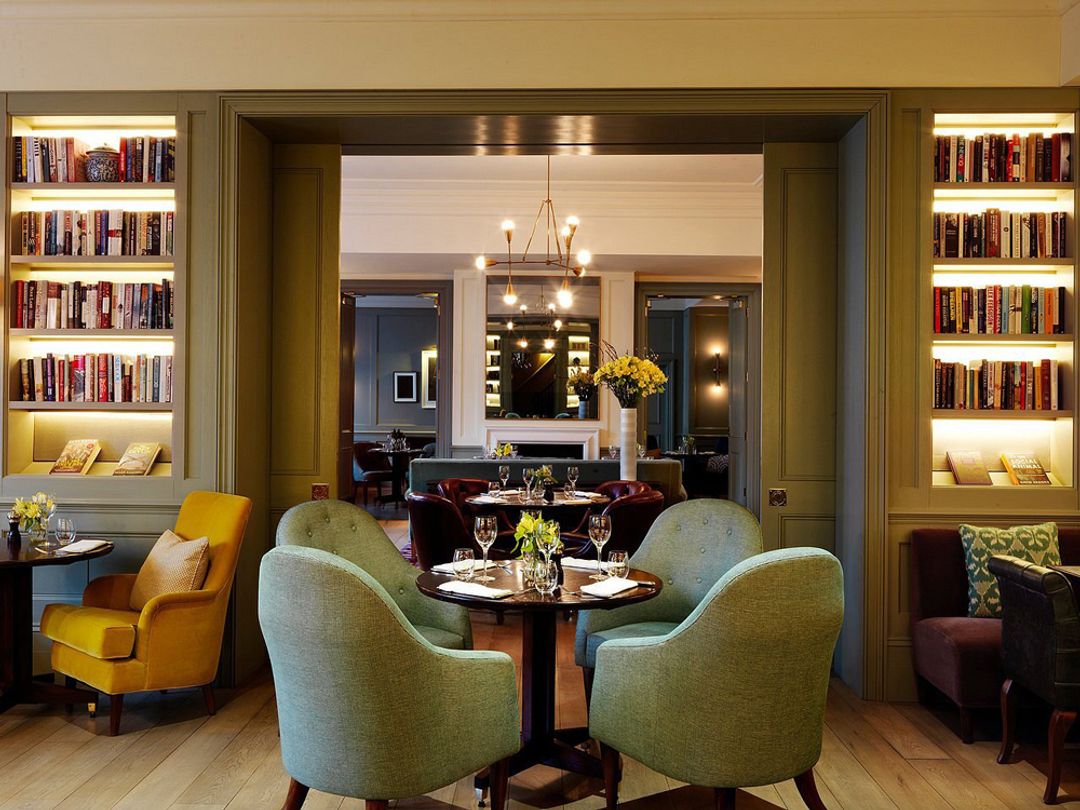
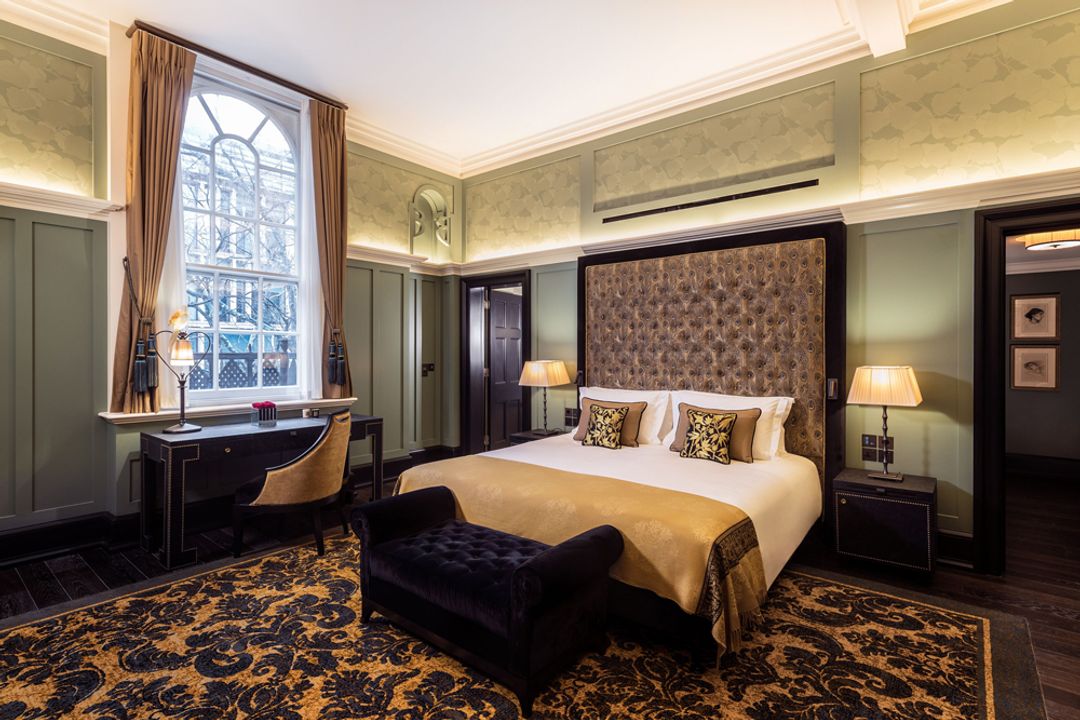
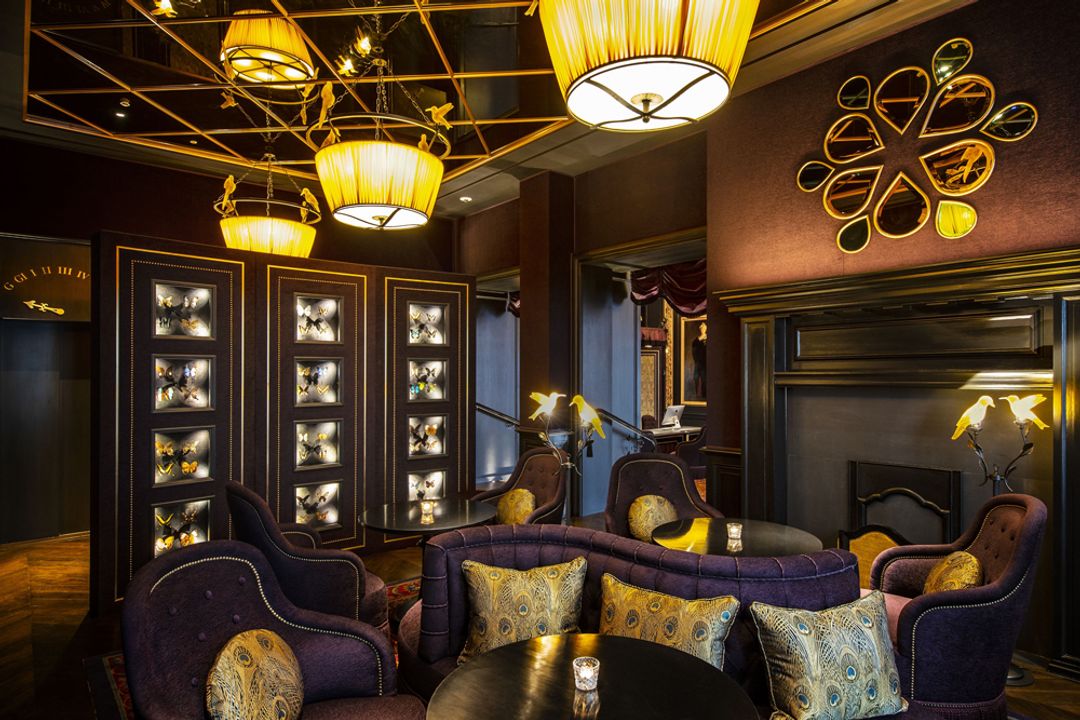
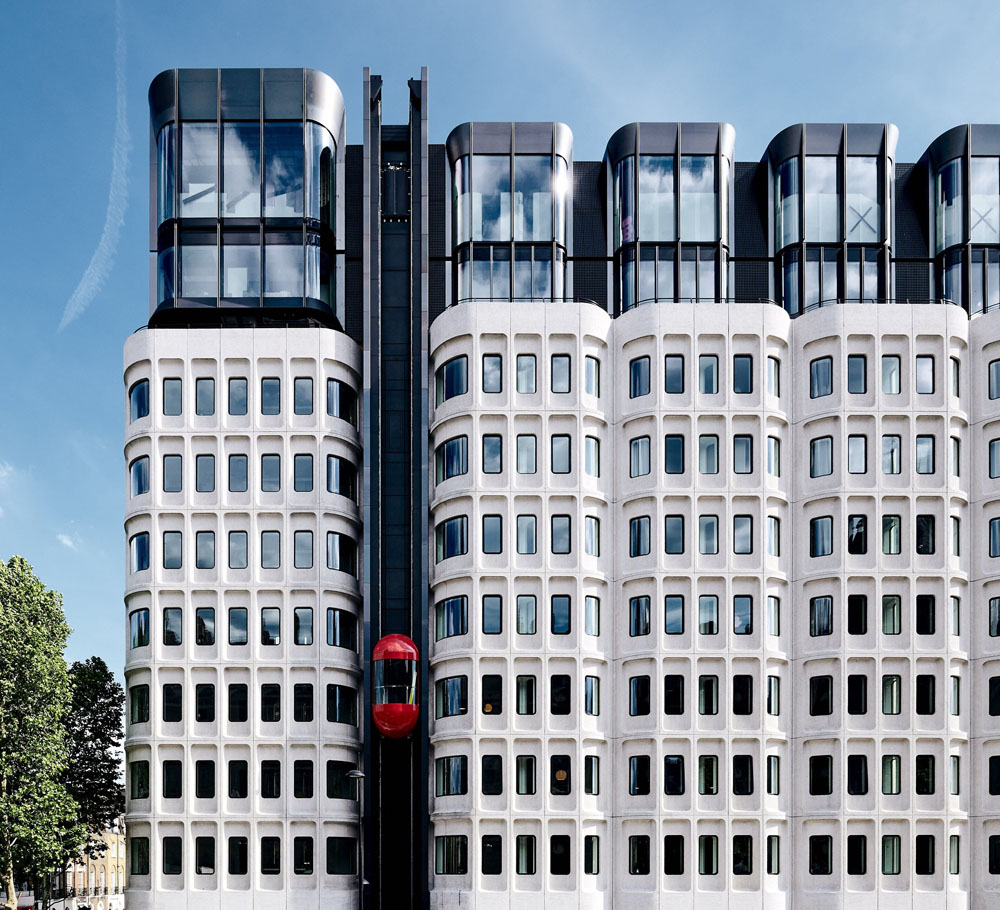
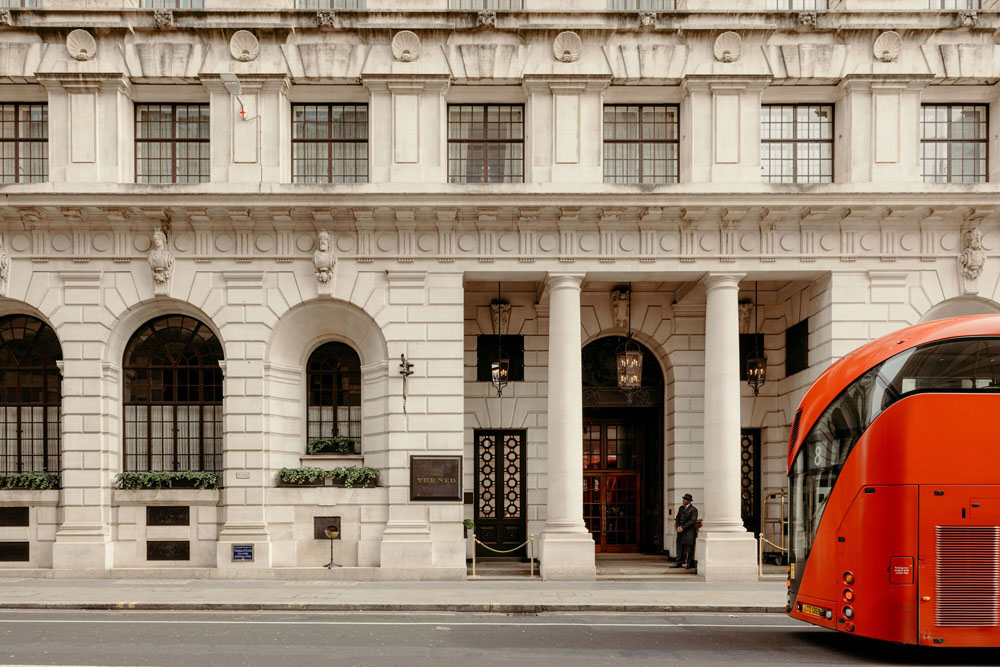
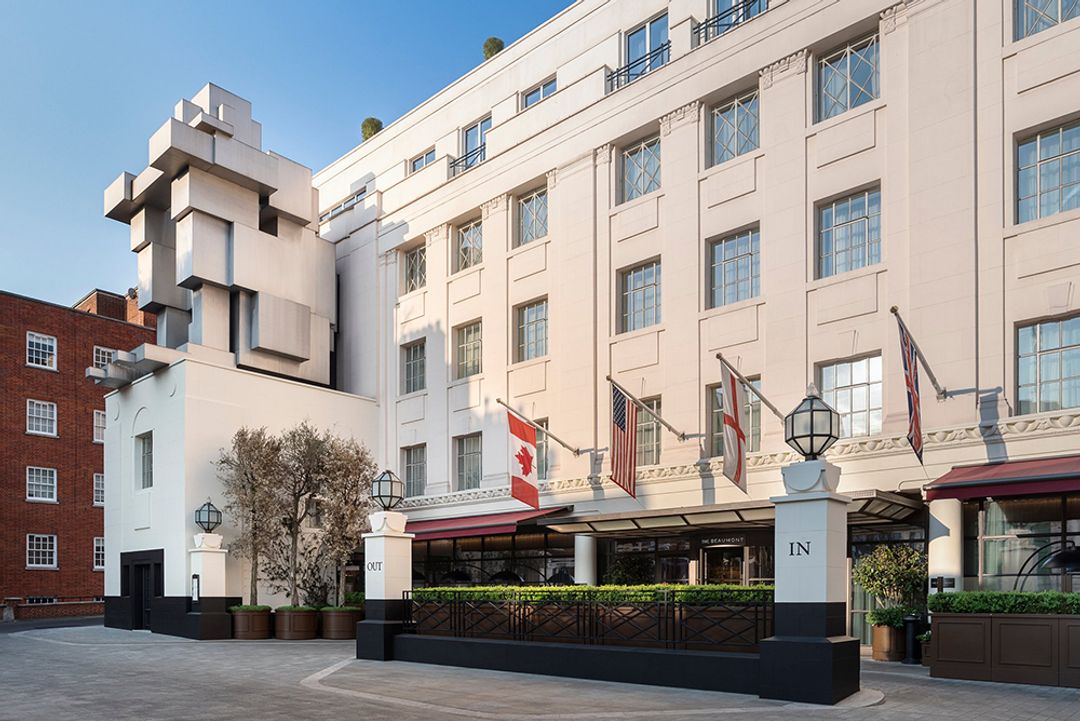
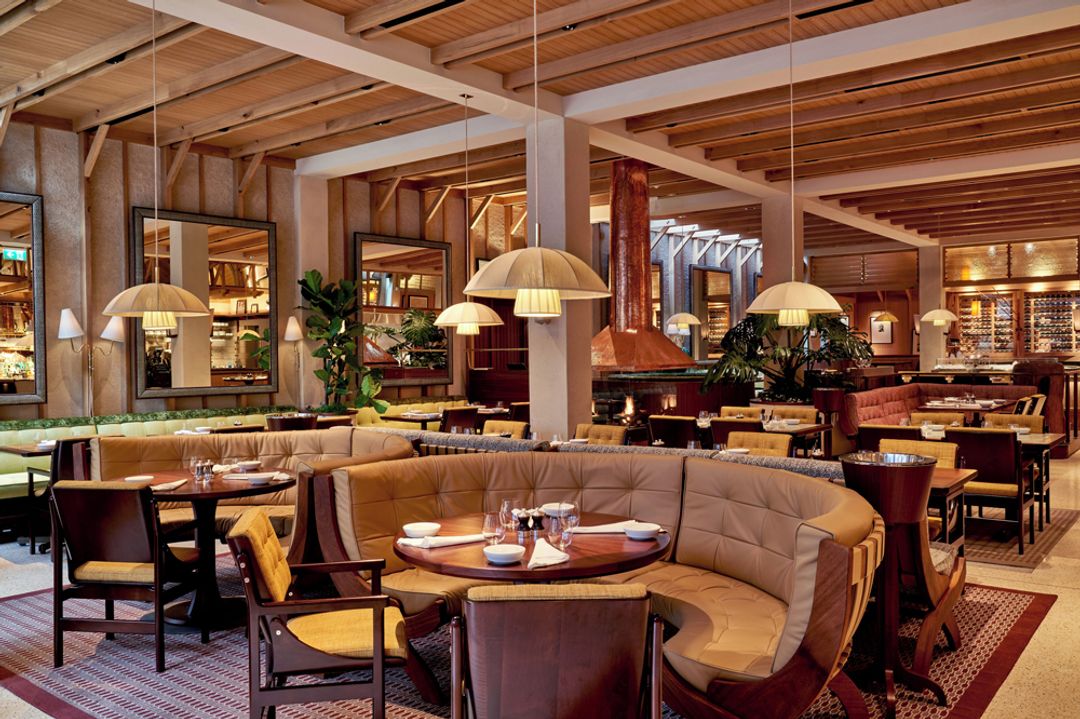
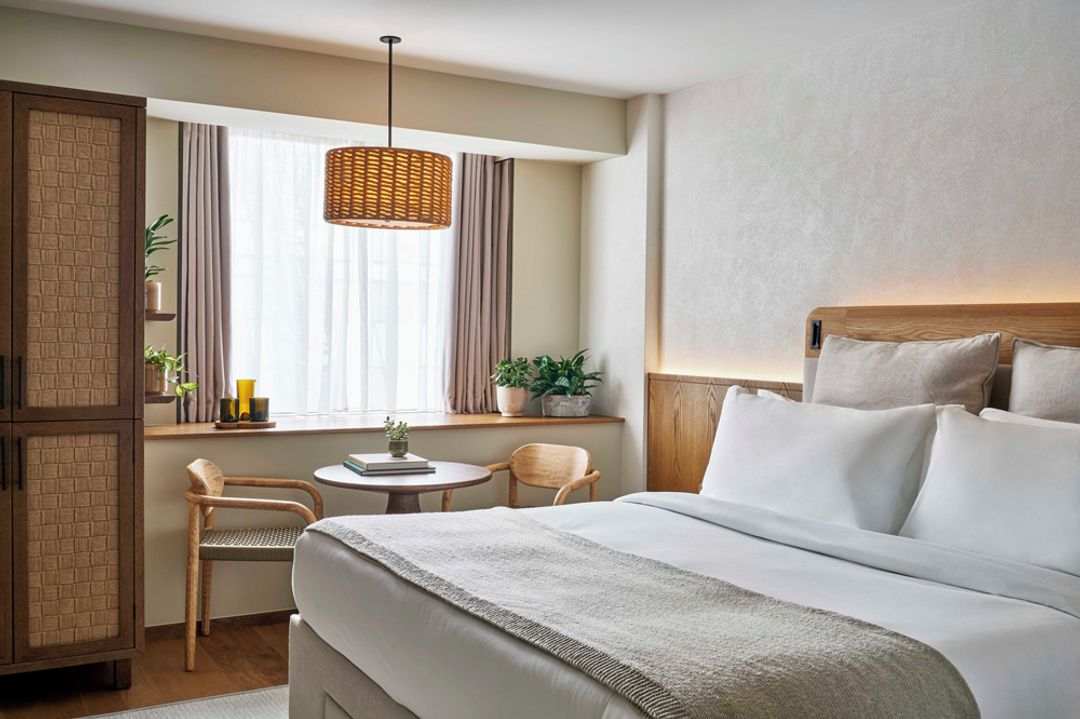
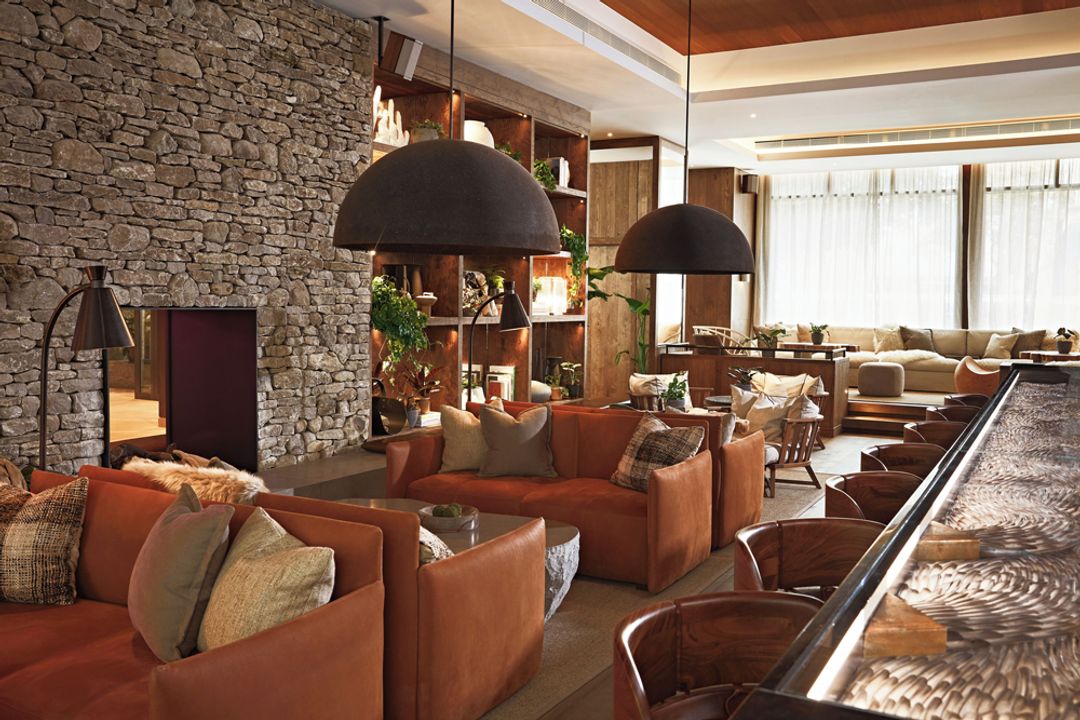
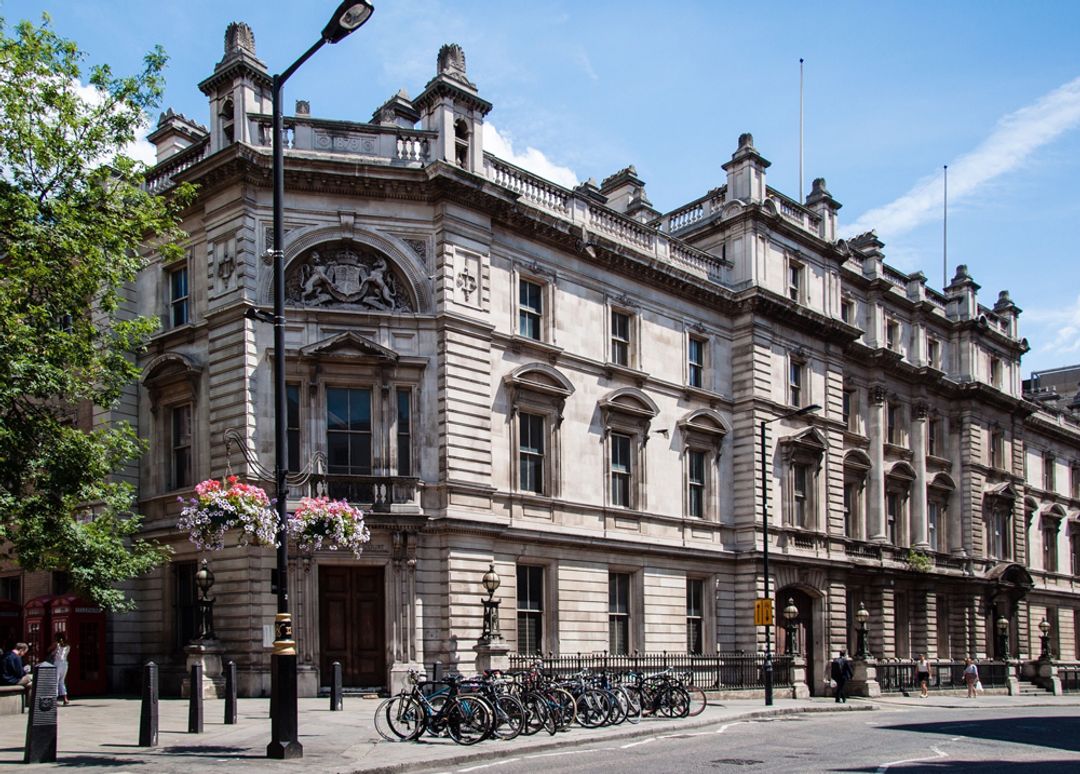
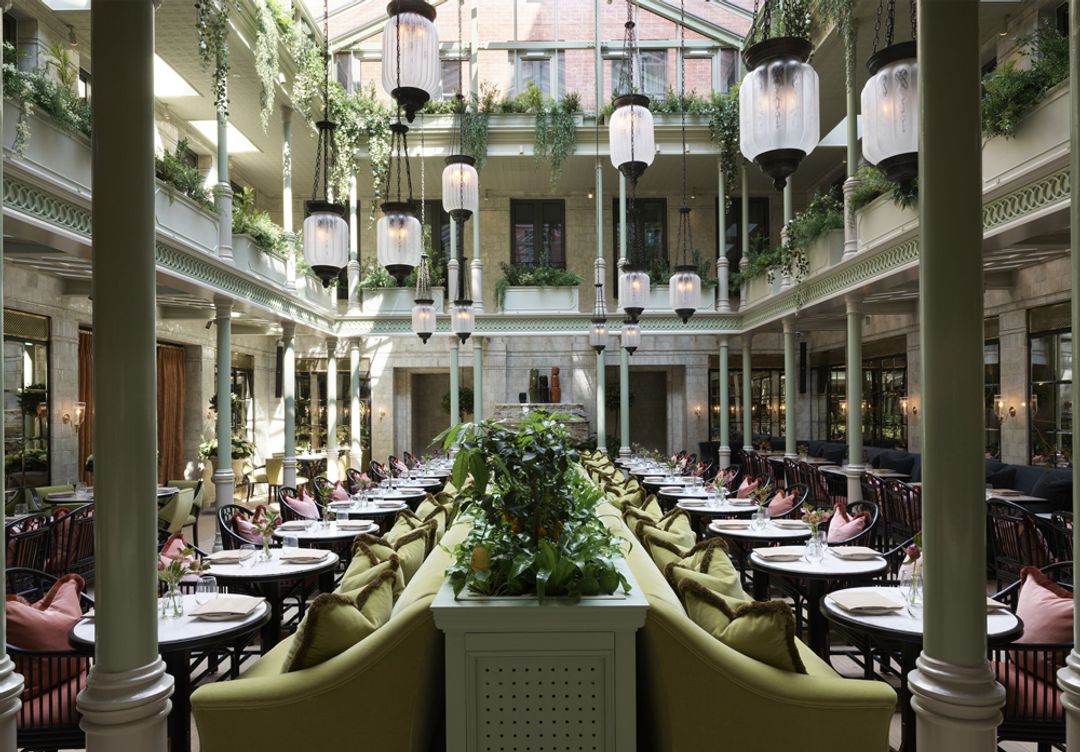
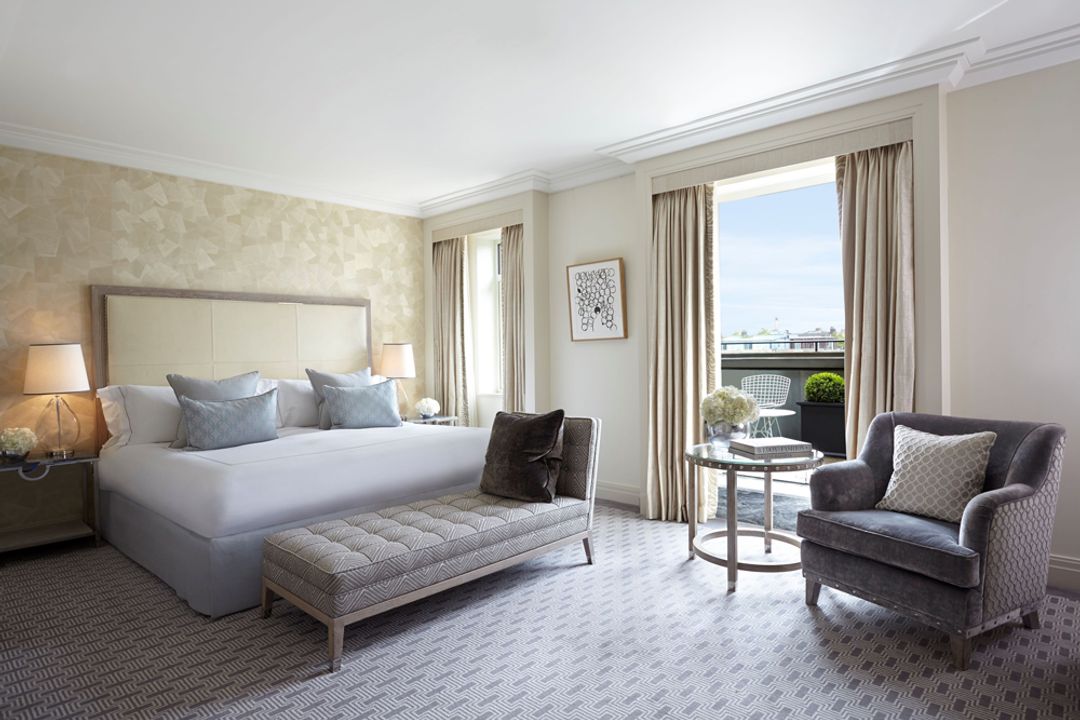
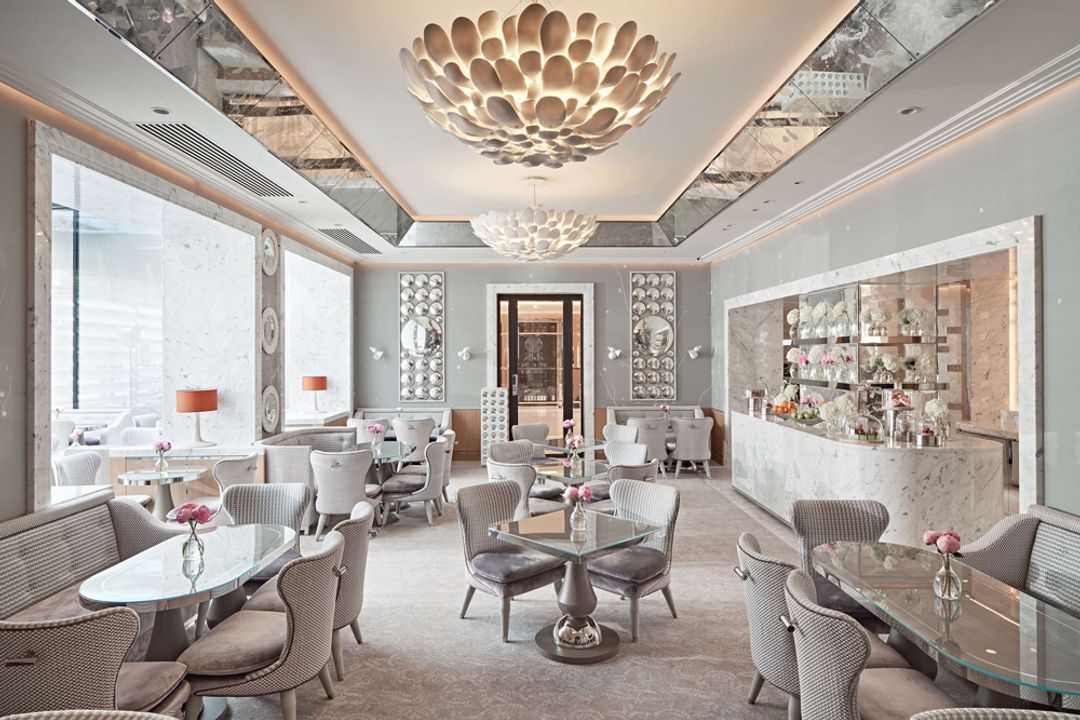
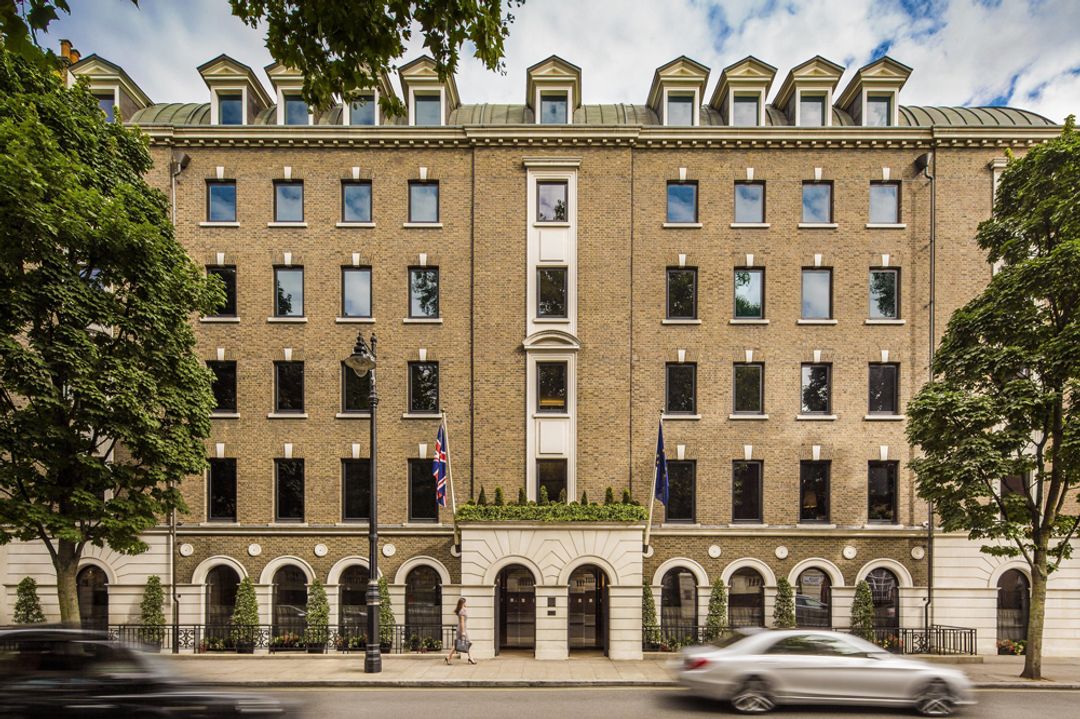
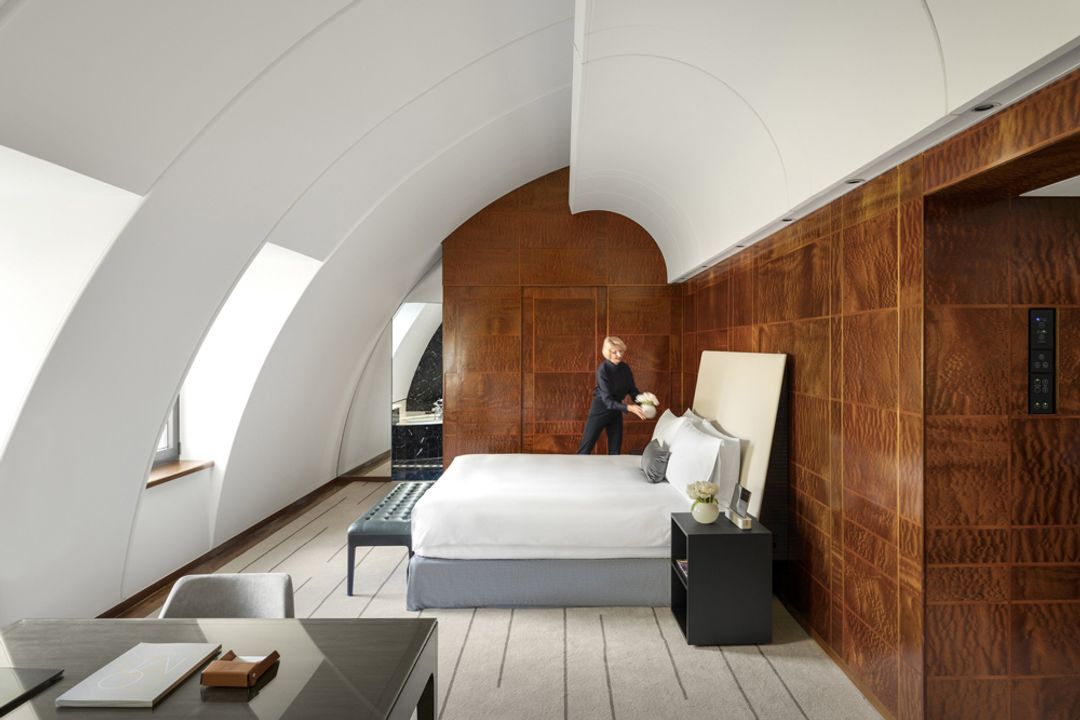
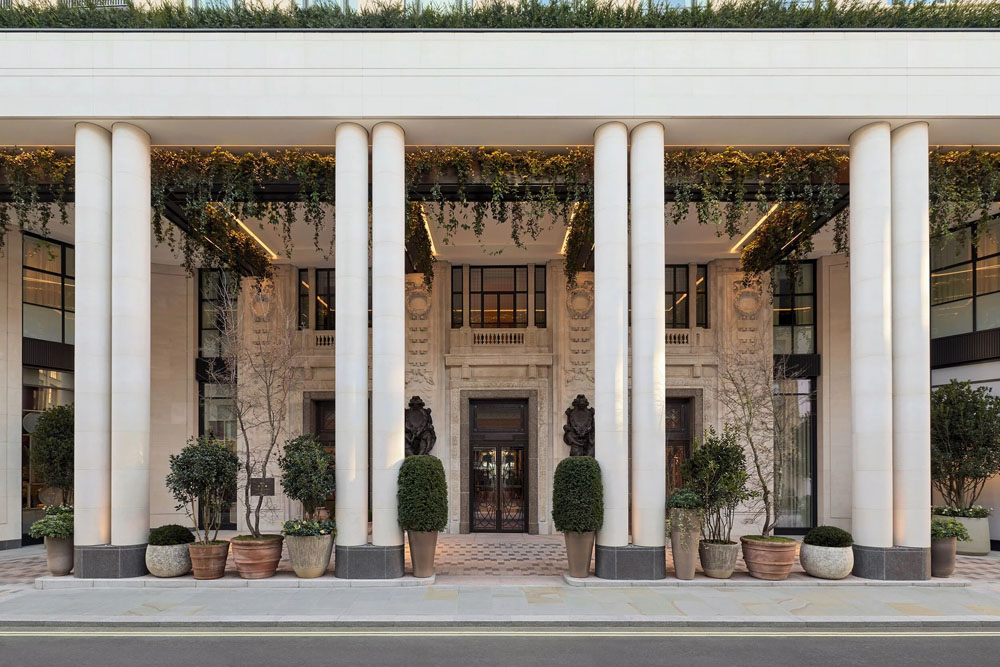
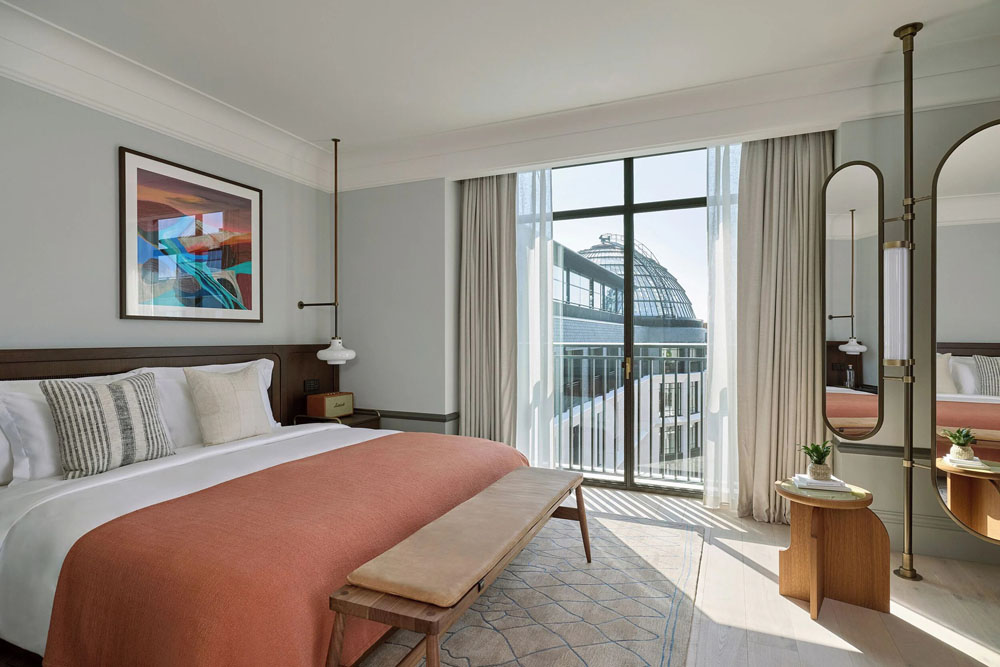
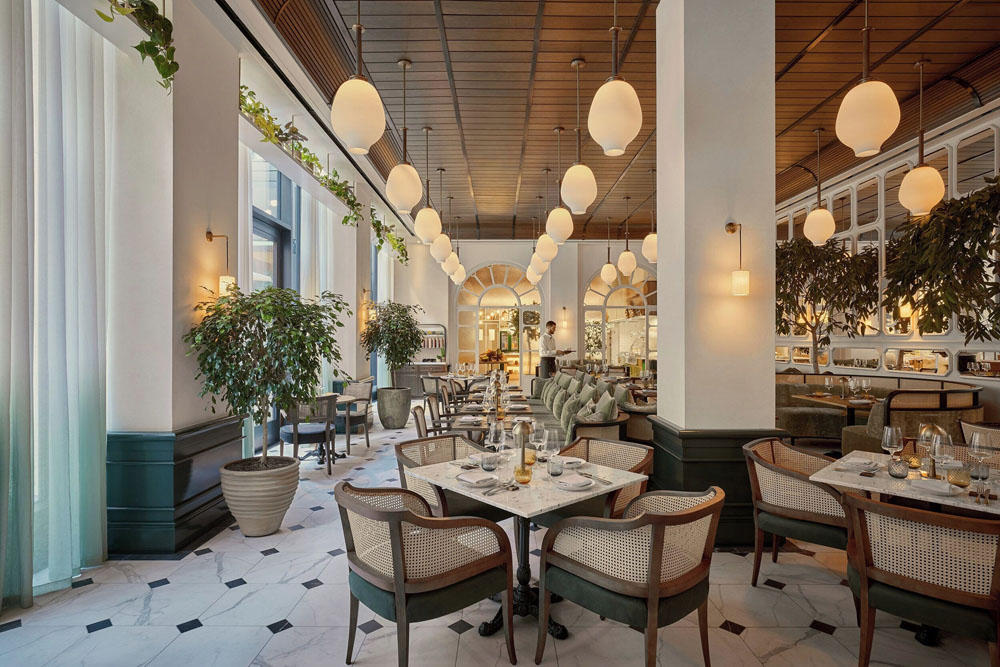
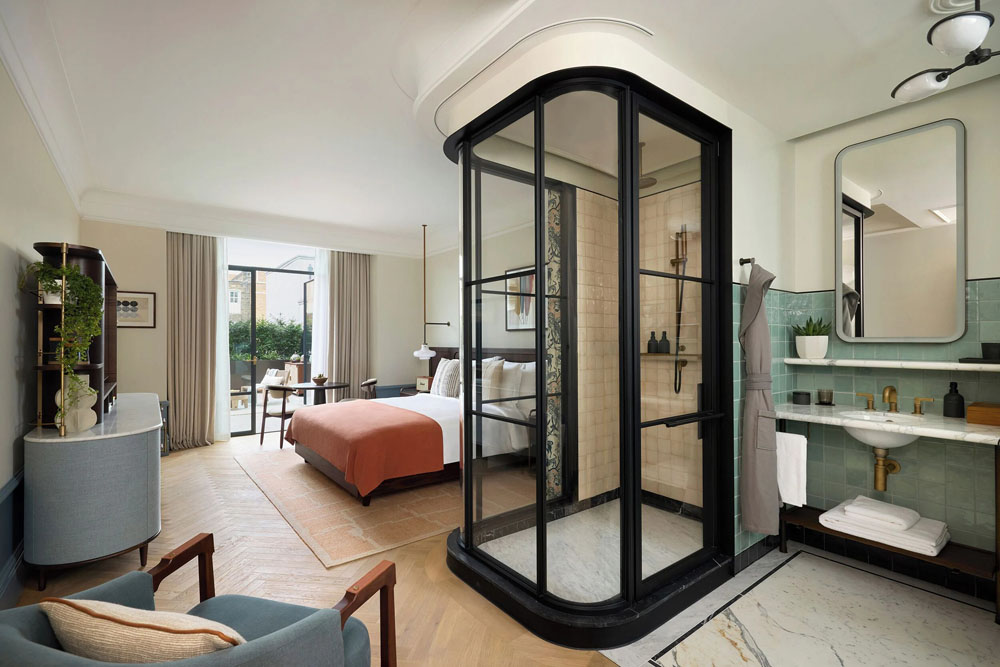
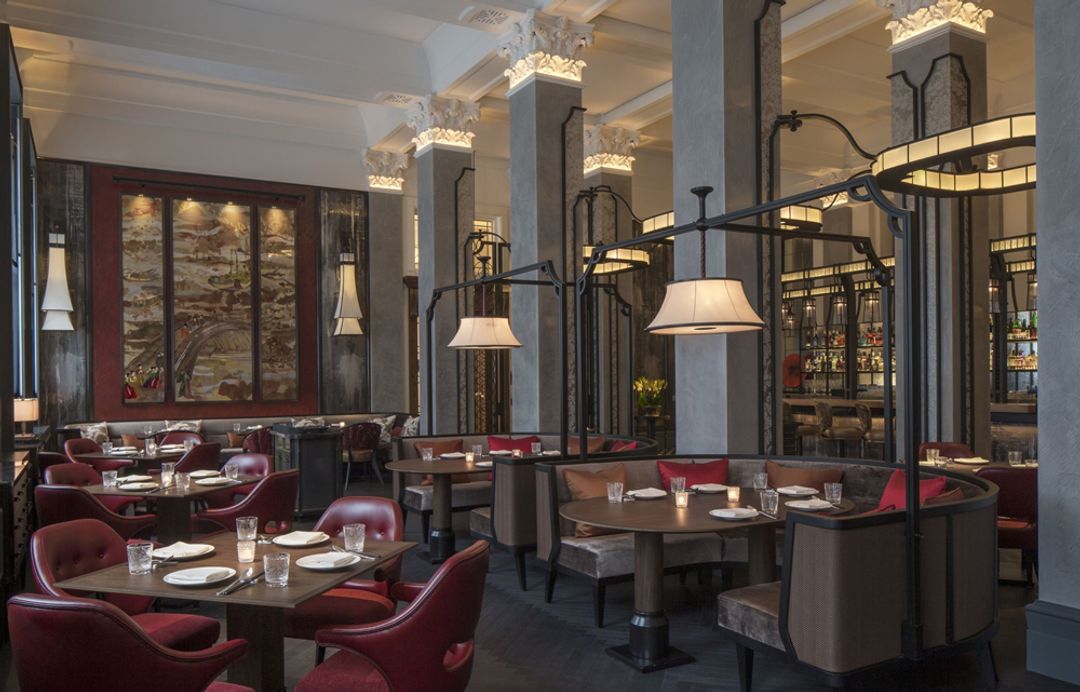
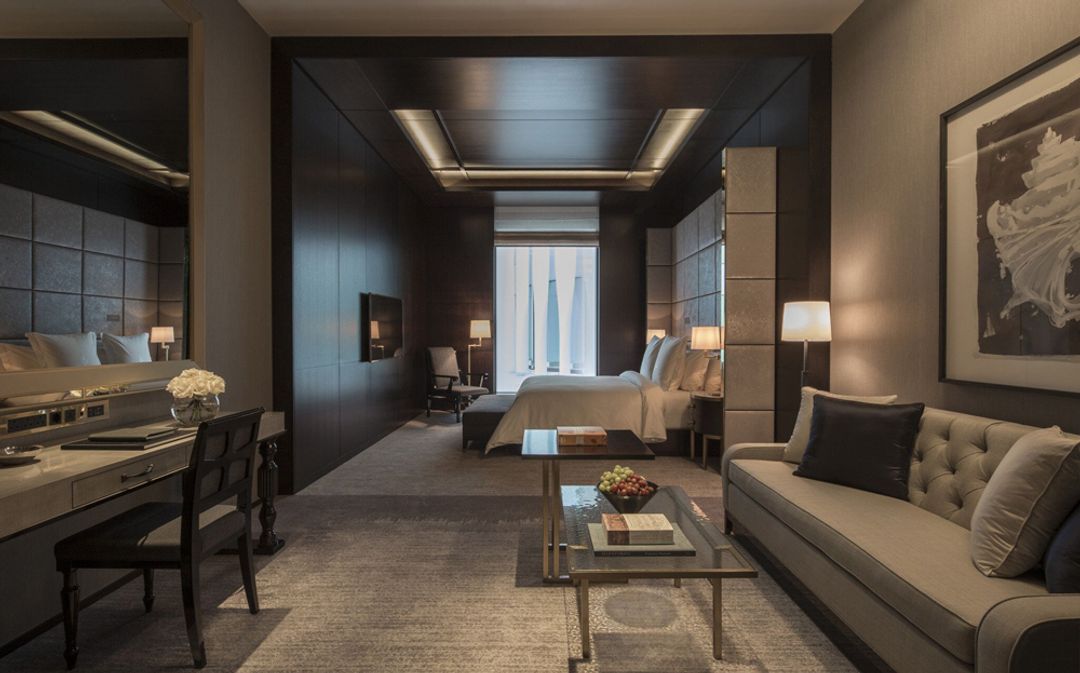
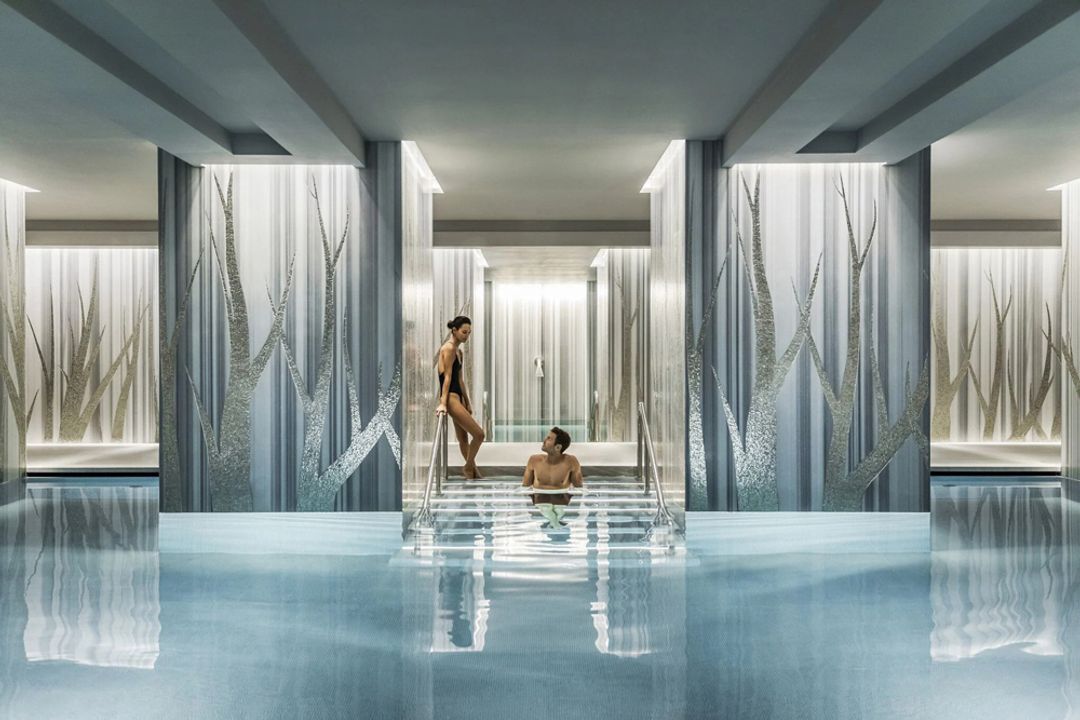
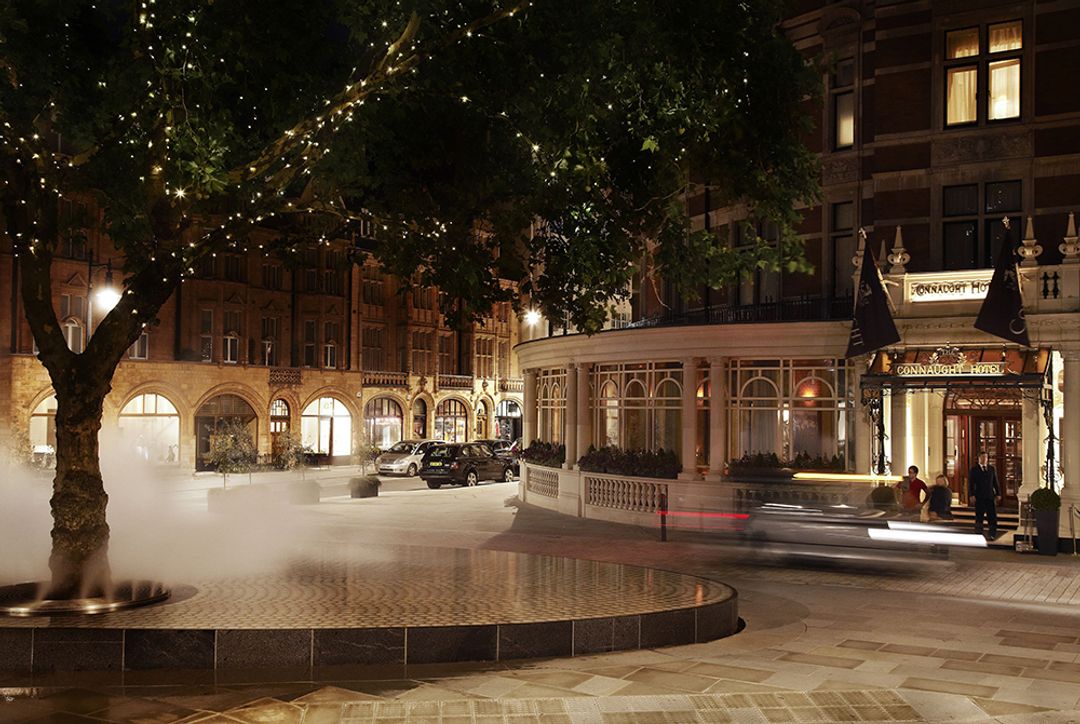
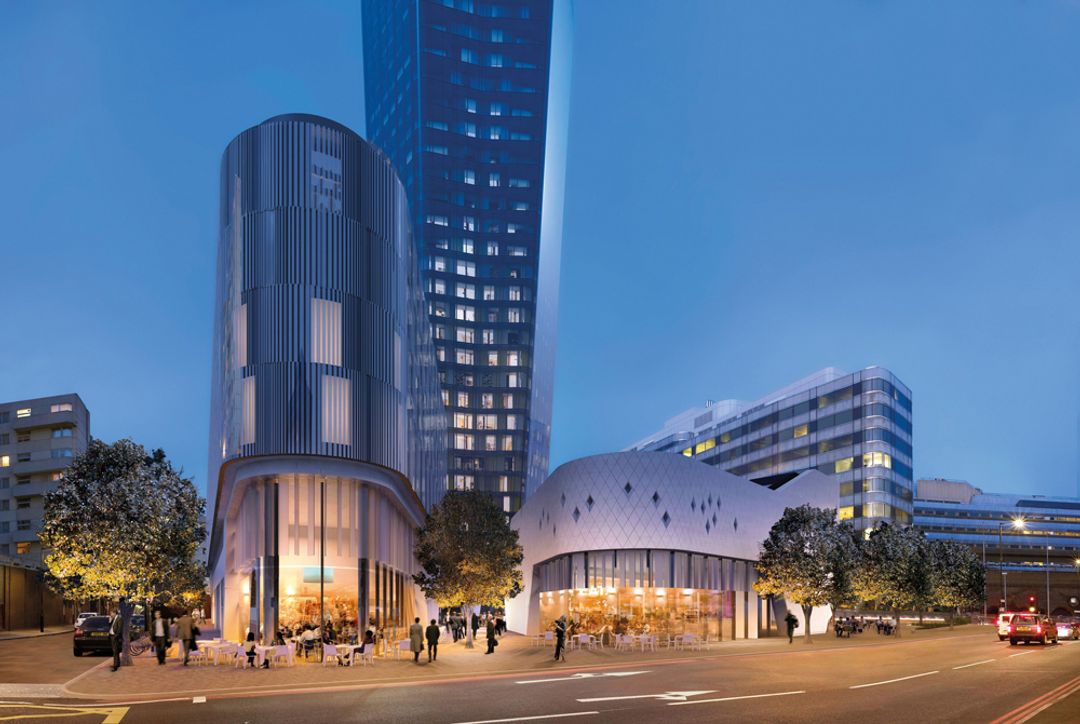
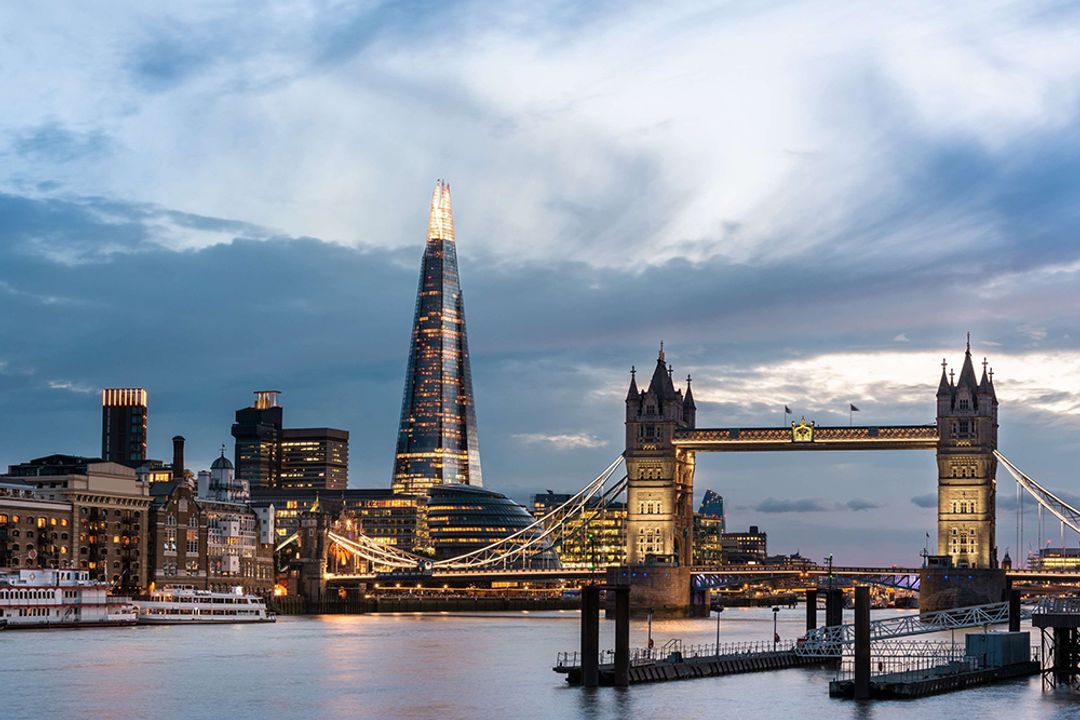
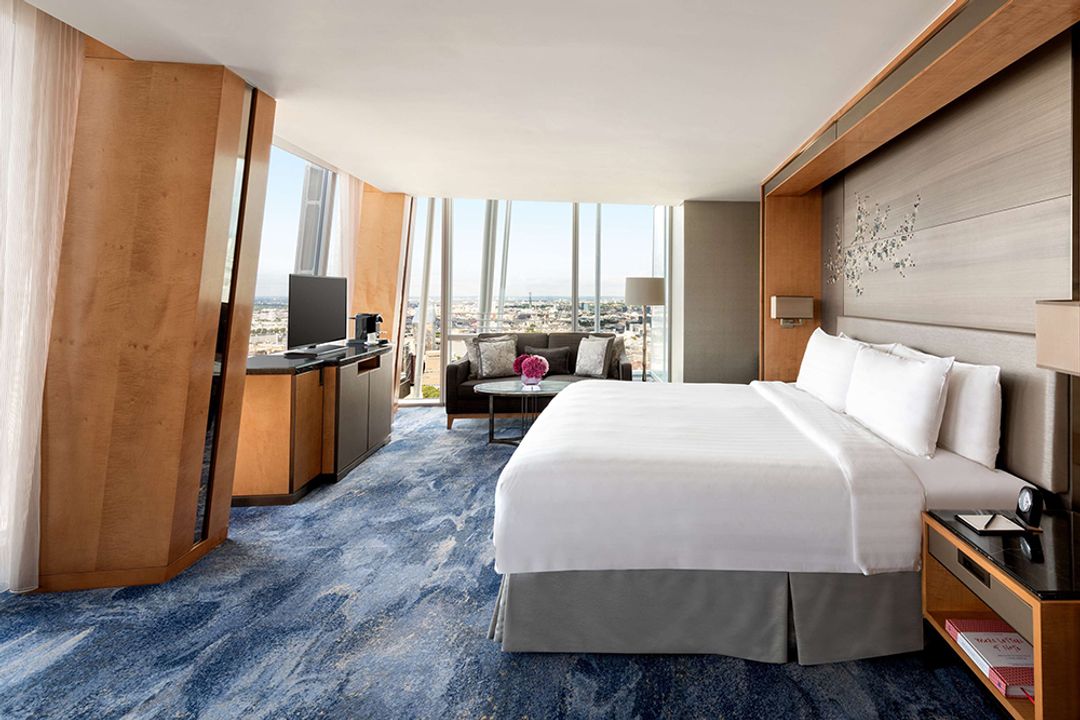
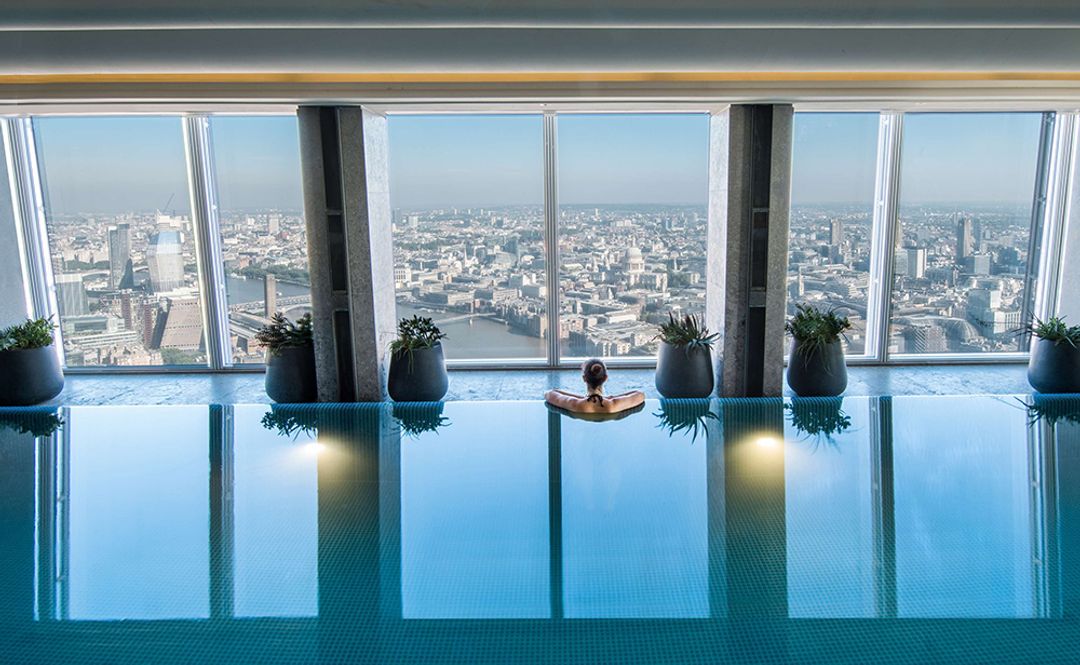
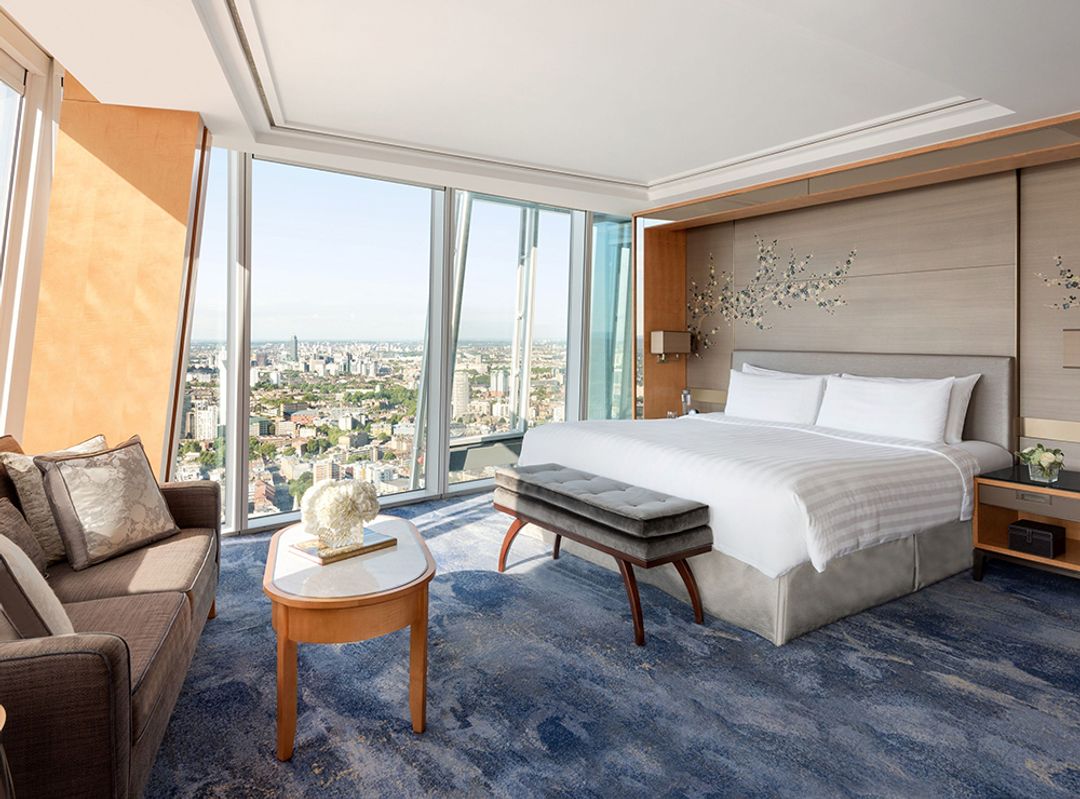
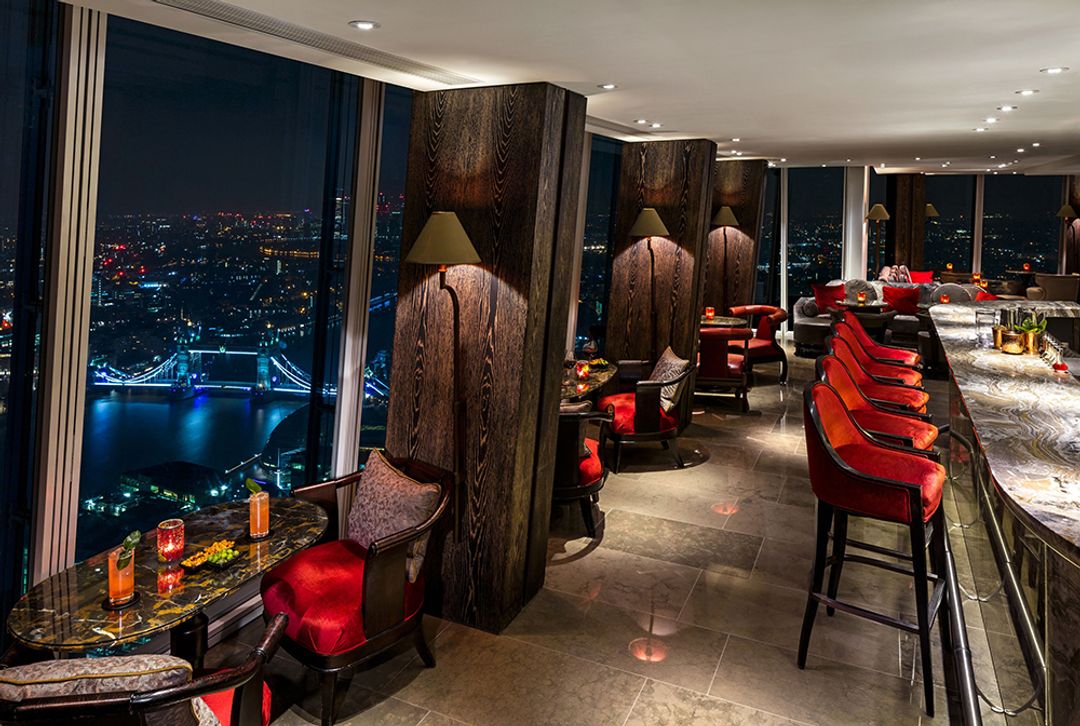
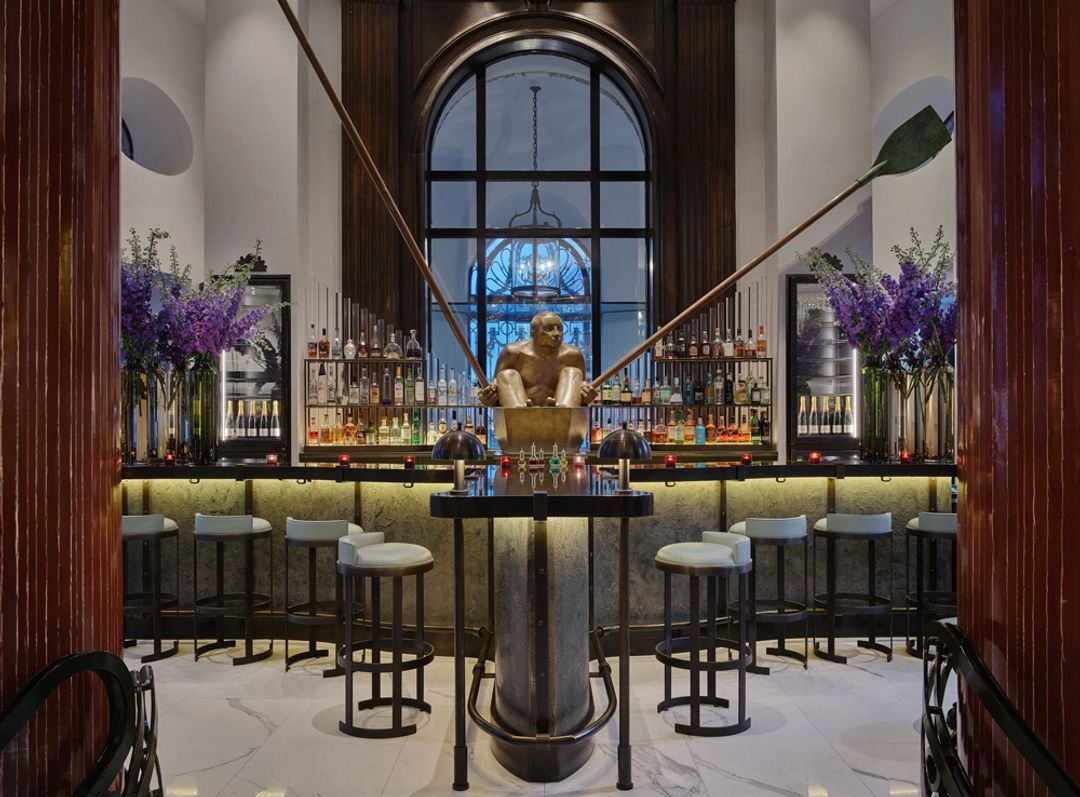
Claridge's remains the most instructive place to begin any reckoning with London hotels — not because it is the oldest or the grandest, but because it crystallizes the central tension the city never fully resolves: how much of the past to preserve, how hard to pursue the contemporary. The art deco interiors, maintained through successive interventions, coexist uneasily with the room rates that now rival any European capital. The Dorchester and the Connaught, both within a few minutes' walk in Mayfair, occupy the same stratosphere of expectation while projecting completely different personalities — the former ceremonial and wide-fronted on Park Lane, the latter intimate and Irish Georgian in its bones. The Beaumont, tucked into Brown Hart Gardens, operates at a more considered pitch: the ROOM, a suite designed by Antony Gormley as a inhabitable sculpture, is the kind of commission that announces a hotel's seriousness without requiring the guest to stay in it. The Chancery Rosewood and Mandarin Oriental Mayfair, both relative newcomers to this patch, have pushed the neighborhood's design ambitions forward — the latter shaped by Joyce Wang Studio into something genuinely sensory rather than merely expensive. Across the city, a different set of hotels reflects London's appetite for adaptive reuse. The Rosewood London occupies the former Pearl Assurance building on High Holborn, its Edwardian baroque facade containing a courtyard that gives the property an internal drama most purpose-built hotels can't manufacture. Raffles London at the OWO — the Old War Office on Whitehall, Aston Webb's 1906 Baroque Revival block — is perhaps the most ambitious conversion the city has seen in a decade, its corridors and former ministerial suites now functioning as both hotel and private members infrastructure. The Ned, deeper into the City, performs a similar trick inside Lutyens's 1924 Midland Bank headquarters, the banking hall's bronze fittings and soaring columns repurposed into something that feels neither museum nor restaurant but operates convincingly as both. East and south of the center, the calculation changes. The Standard London in King's Cross occupies Camden Council's former headquarters, a brutalist Camden slab that Shawn Hausman Design turned into something unexpectedly warm. The Hoxton group, particularly its Shoreditch outpost, helped legitimize that neighborhood as a place for design-aware travelers before the area required any such validation. Across the river, Shangri-La's position within Renzo Piano's Shard gives it a vertical drama no amount of interior design could replicate — though the views do most of the persuasion.